Booth vs. Conveyor Listing: Which Method Saves More Time and Money
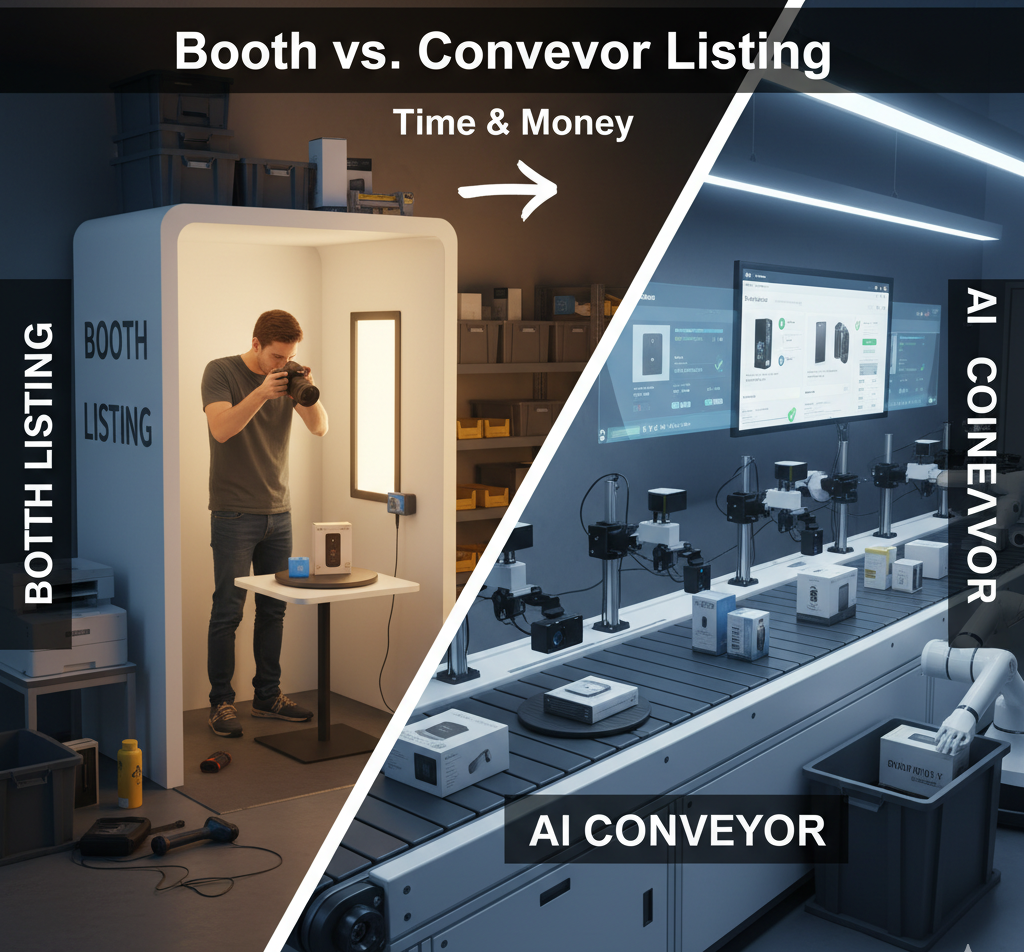
🤖 Booth vs. Conveyor Listing: Which Method Saves More Time and Money?
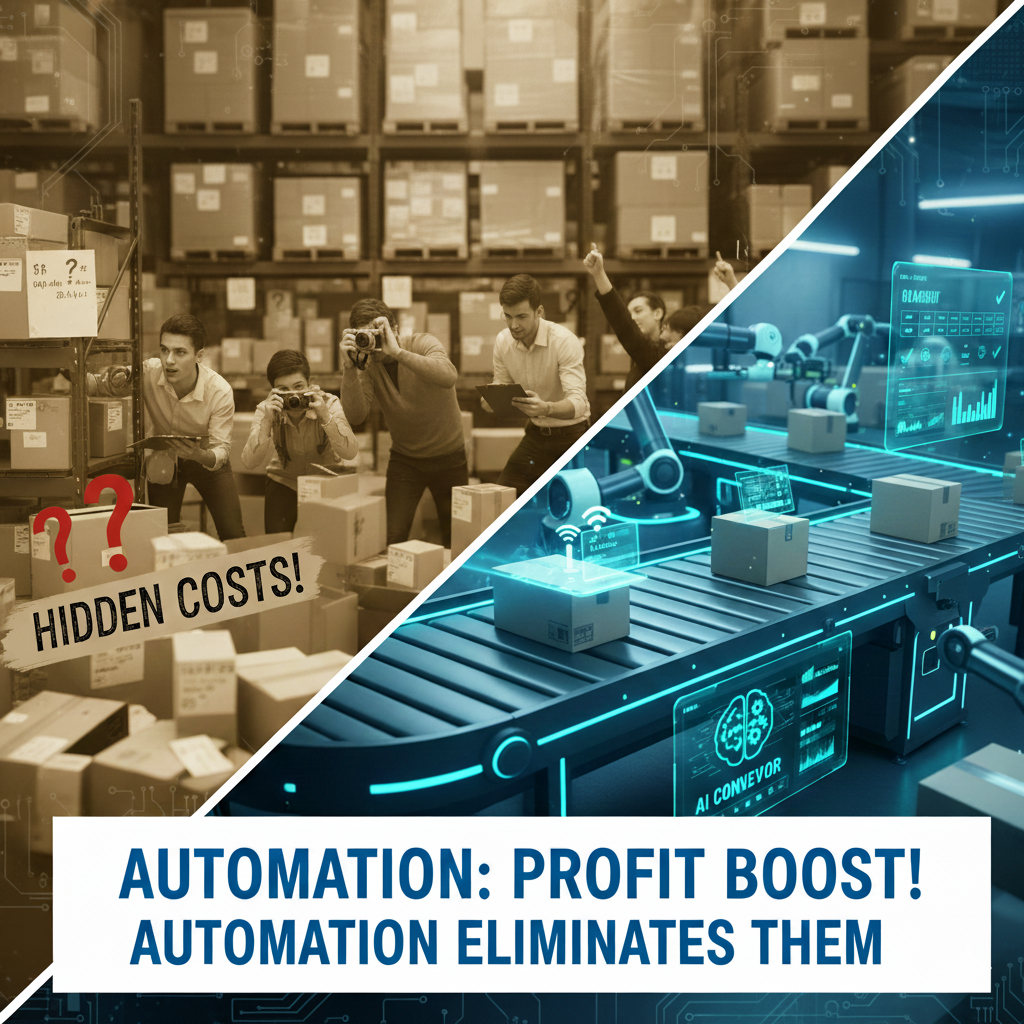
As liquidation, reverse logistics, and re-commerce operations expand, the question of which listing method delivers the best efficiency becomes increasingly important. Most warehouses use either a manual booth system or a fully automated AI-powered conveyor system — but the performance difference between the two is significant.
This article breaks down how both systems work and why more warehouses are transitioning to conveyor automation to maximize profitability. 🚀
🛠️ How Manual Booth Listing Works
A traditional booth listing workflow includes:
• Positioning the product 📦
• Taking photos manually 📸
• Scanning or typing the UPC 🔍
• Searching ASIN/UPC data 🔎
• Entering titles, descriptions, and conditions 📝
• Printing + attaching lot numbers 🏷️
• Sorting the product into bins 📚
Even with a good lister, this process takes 2 minutes per item or more.
Key limitations of booth listing:
• Heavy dependency on lister skill 👤
• High chance of human error ⚠️
• Slower throughput 🐢
• Higher labor costs 💸
• Limited scalability 📉
Booth systems are effective, but they are not optimized for high-volume operations.
⚡ How AI Conveyor Listing Works
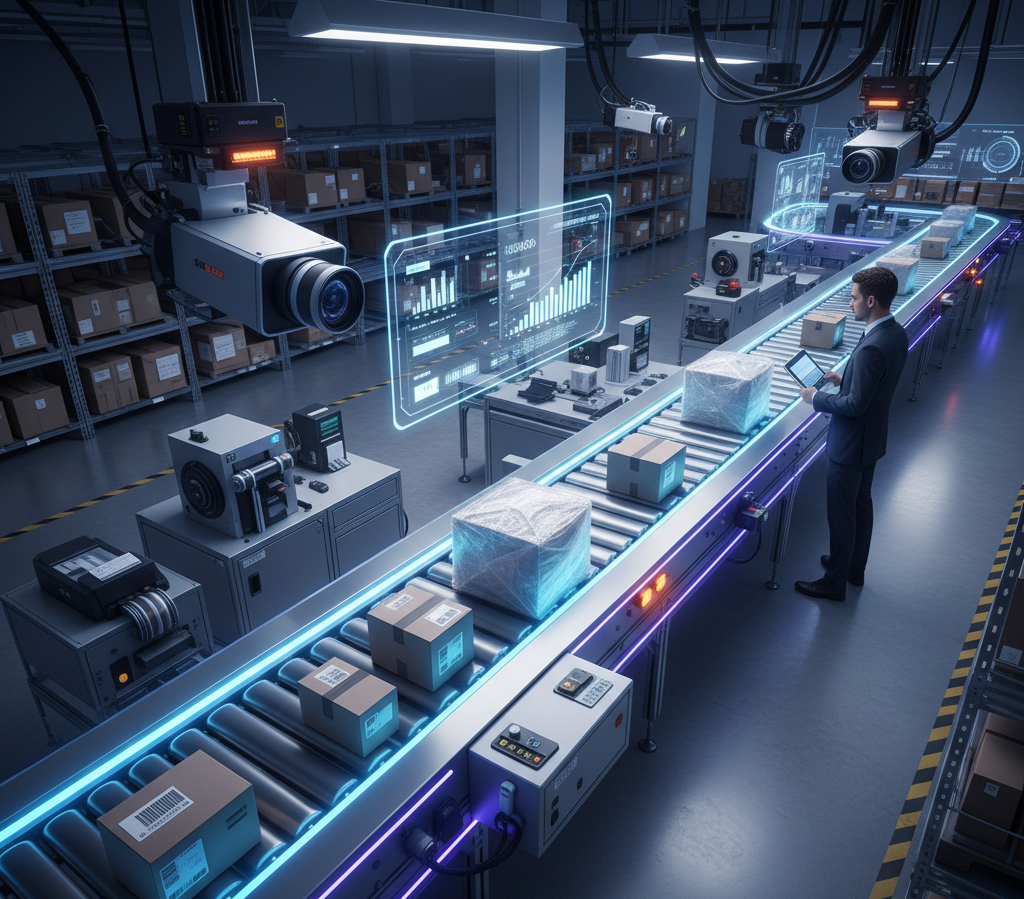
AI Conveyor removes 70% of the manual steps performed in the booth.
With AI Conveyor:
• Product is scanned or photographed 📷
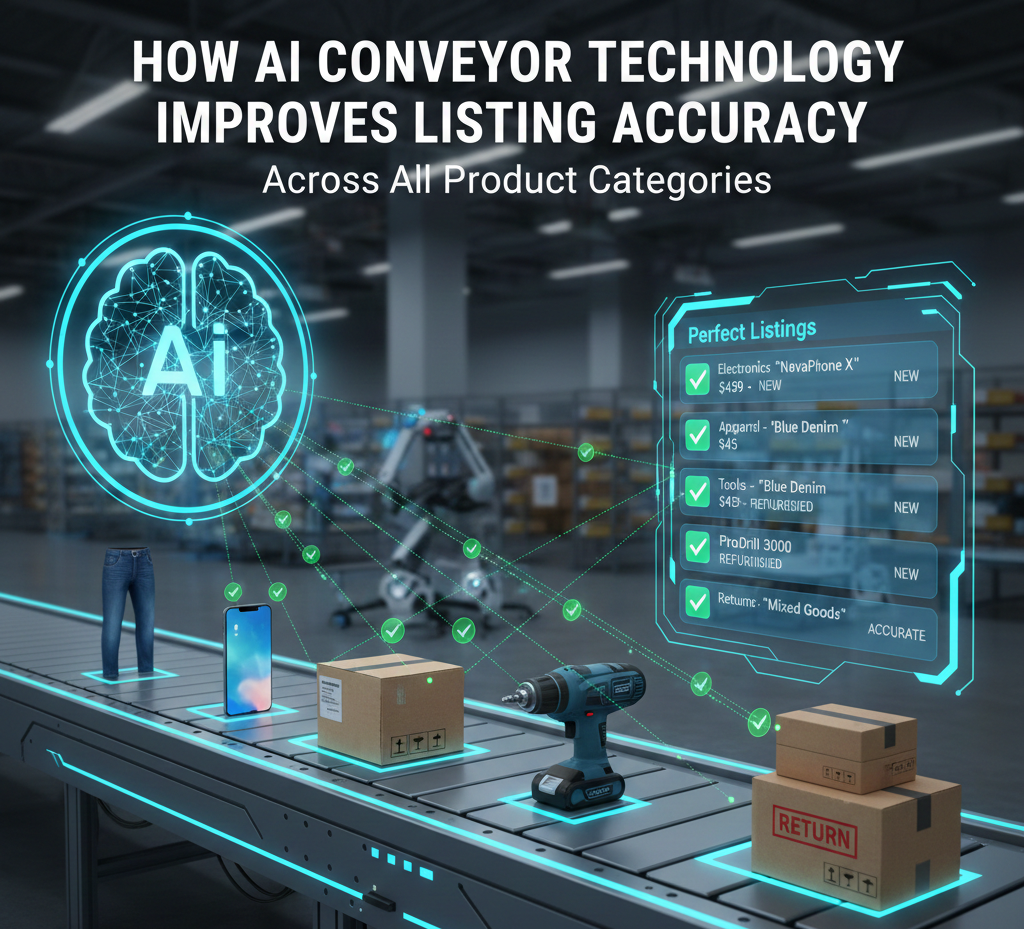
• AI fetches ASIN, title, retail price, specs 🤖
• Details auto-fill instantly ⚡
• Lister confirms with one click ✔️
• Lot number prints automatically 🏷️
• Conveyor takes photos automatically 🤳
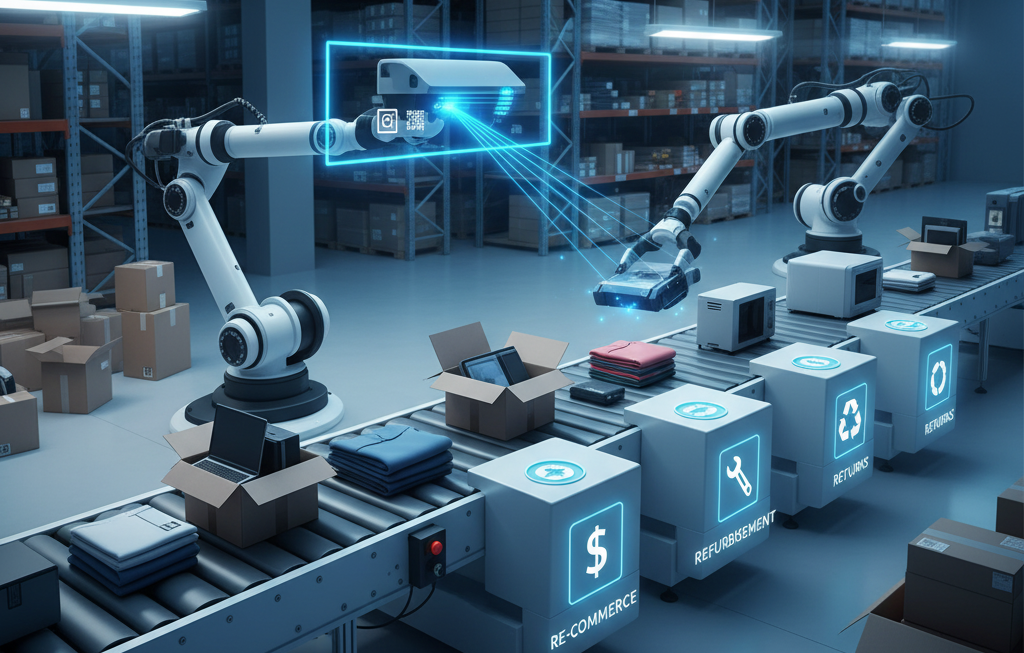
• Software assigns the rack bin 🗂️
• Product is placed in location 📦
This entire flow takes 28 seconds.
⏱️💰 Time & Cost Comparison
🏭 Real-World Example
A warehouse listing:
• 50,000 items/month manually
• 12–15 listers required
With AI Conveyor:
• The same warehouse lists 50,000 items with 3 listers instead of 15
• Saves up to $25,000/month in labor 💵
• Speeds up listing by 3–4× 🚀
🧭 Which One Should You Choose?
✅ Choose Booth If:
• You're listing small volumes (under 10,000 items/month)
• You have small teams 👥
• You want a budget setup 💡
🤖 Choose AI Conveyor If:
• You handle high volume 📈
• You want to reduce labor cost 💸
• You want to scale to 50,000–100,000+ items 🚀
• You want professional, consistent product data 📊
• You want automation across the entire workflow ⚙️
For warehouses aiming to grow, the conveyor system becomes the clear winner. It’s faster, more accurate, and dramatically more cost-effective.
🔚 The Bottom Line
While booth listing still has its place, AI Conveyor represents the next generation of warehouse automation.
It enables businesses to scale rapidly, reduce costs, and maintain a level of operational excellence that manual processes simply can’t match.
See more blogs
You can all the articles below