Automated Bin Handling Using Robotic Conveyor Solutions
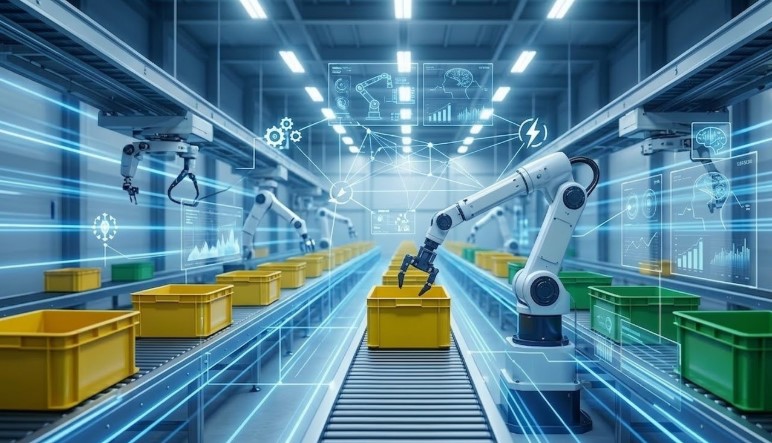
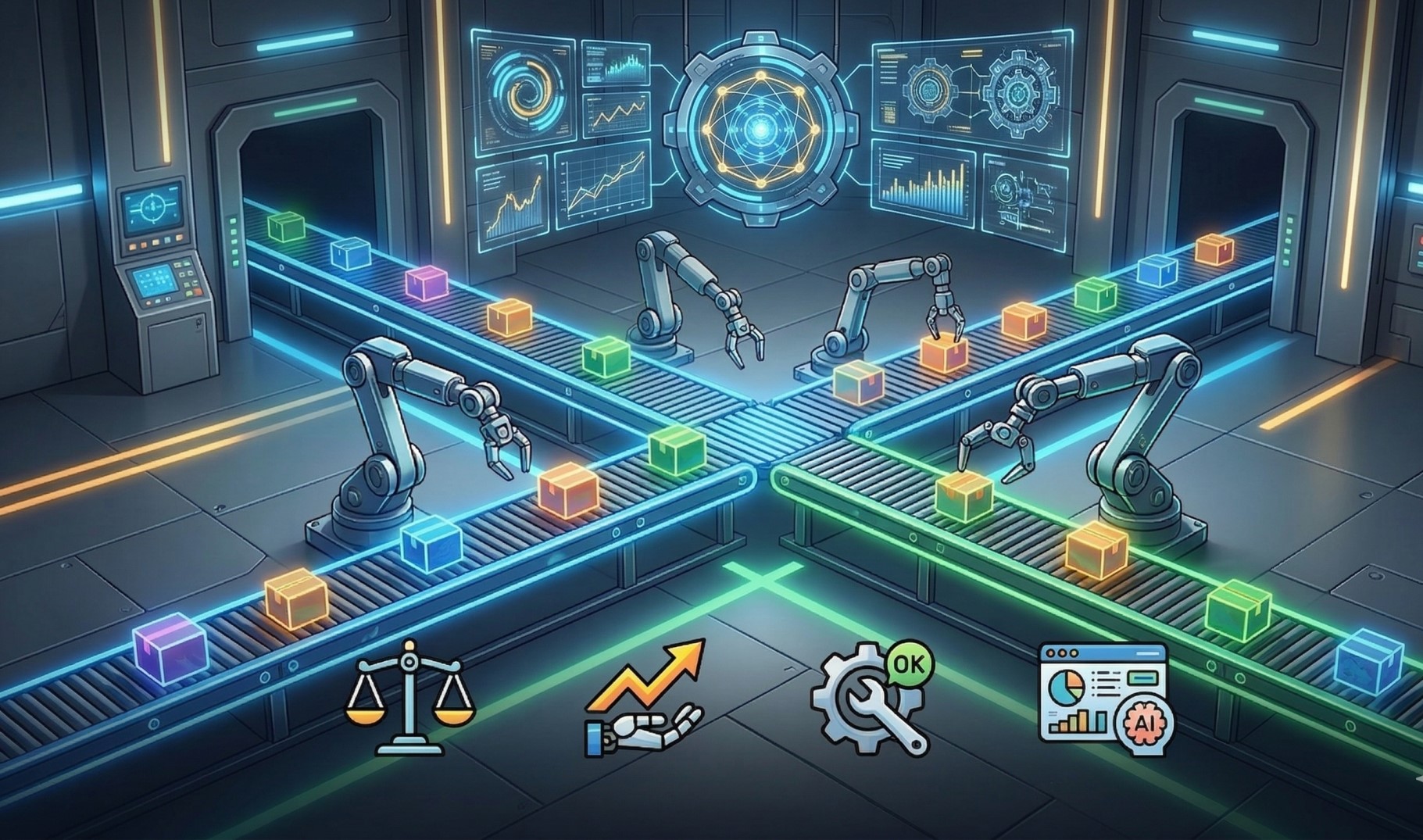
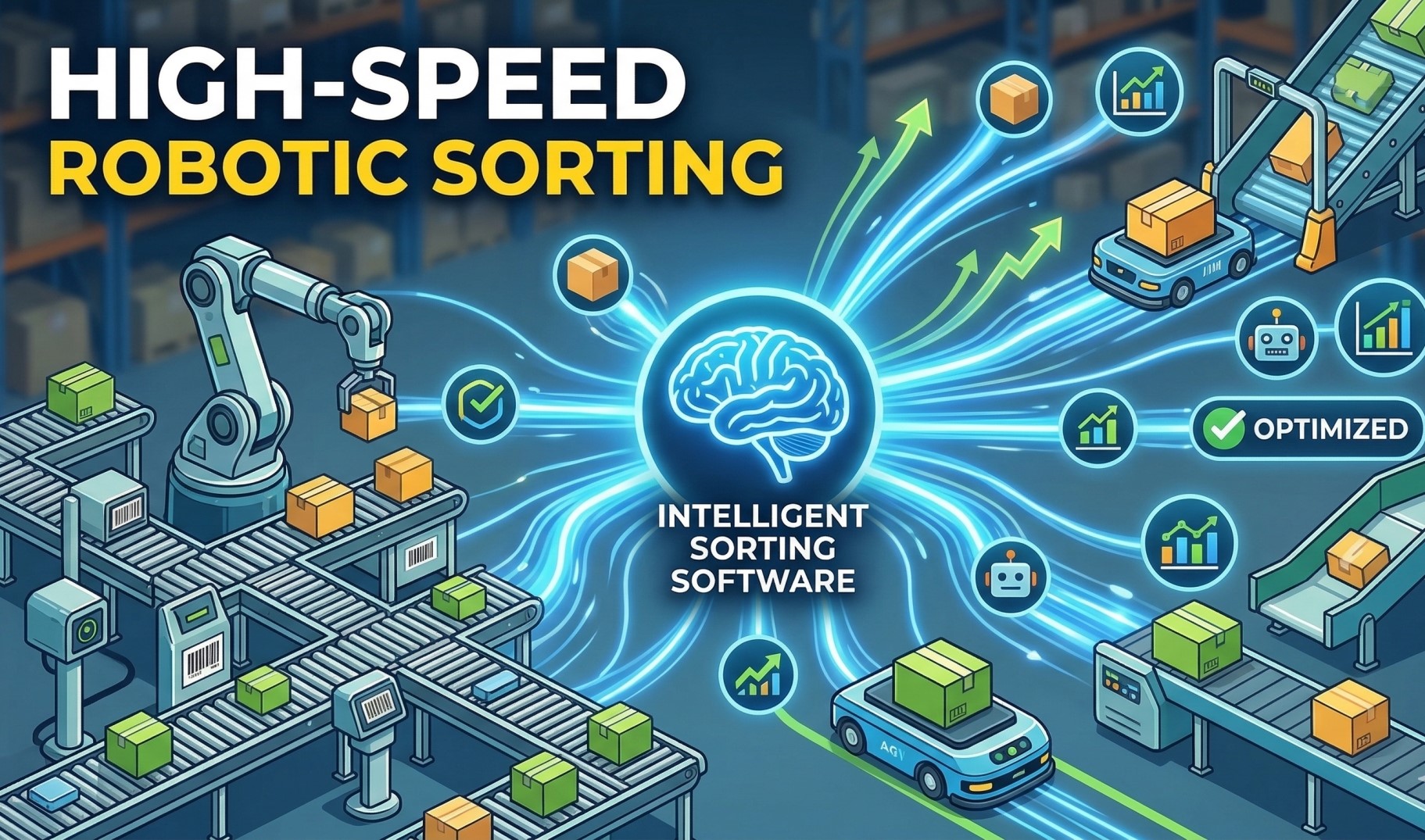
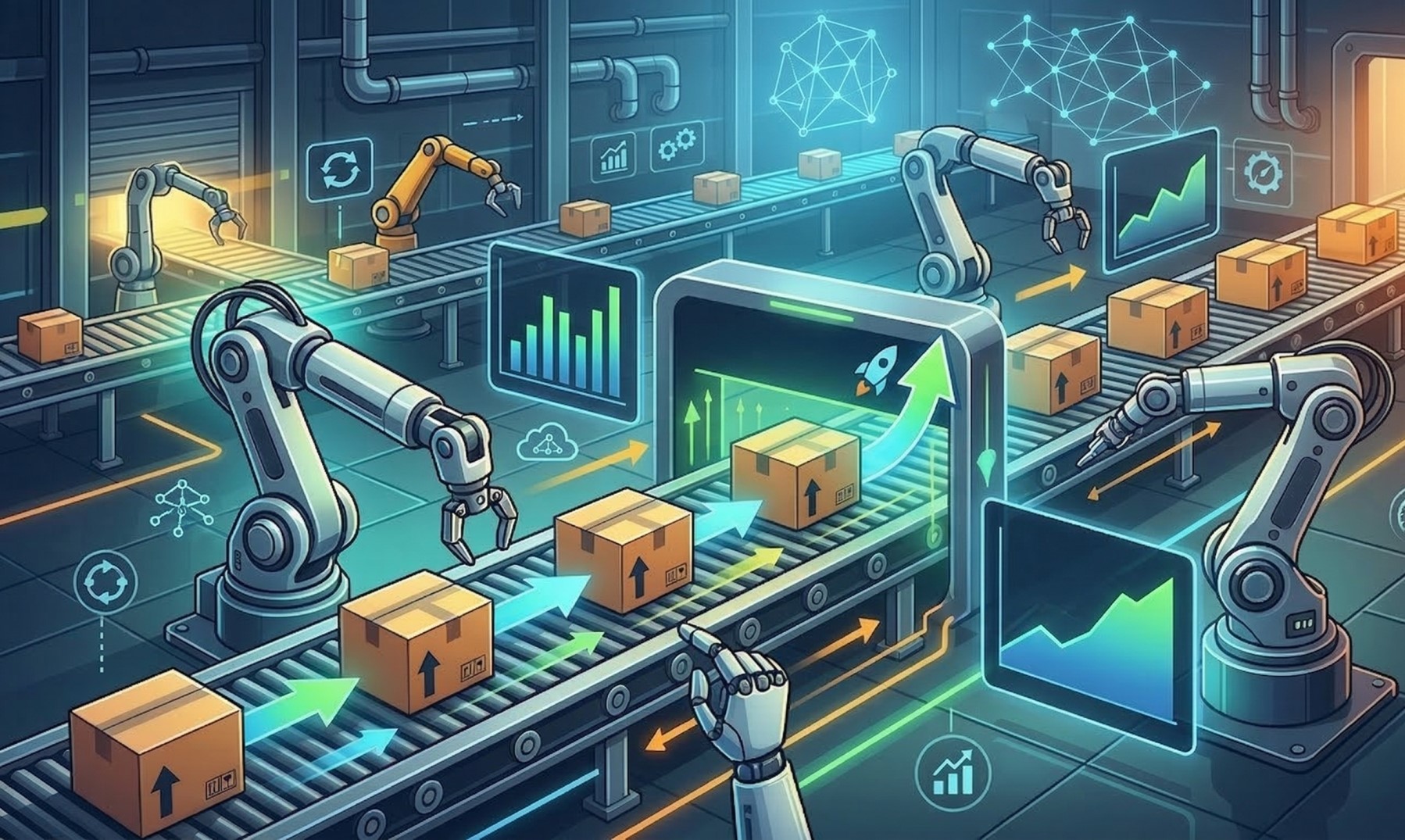
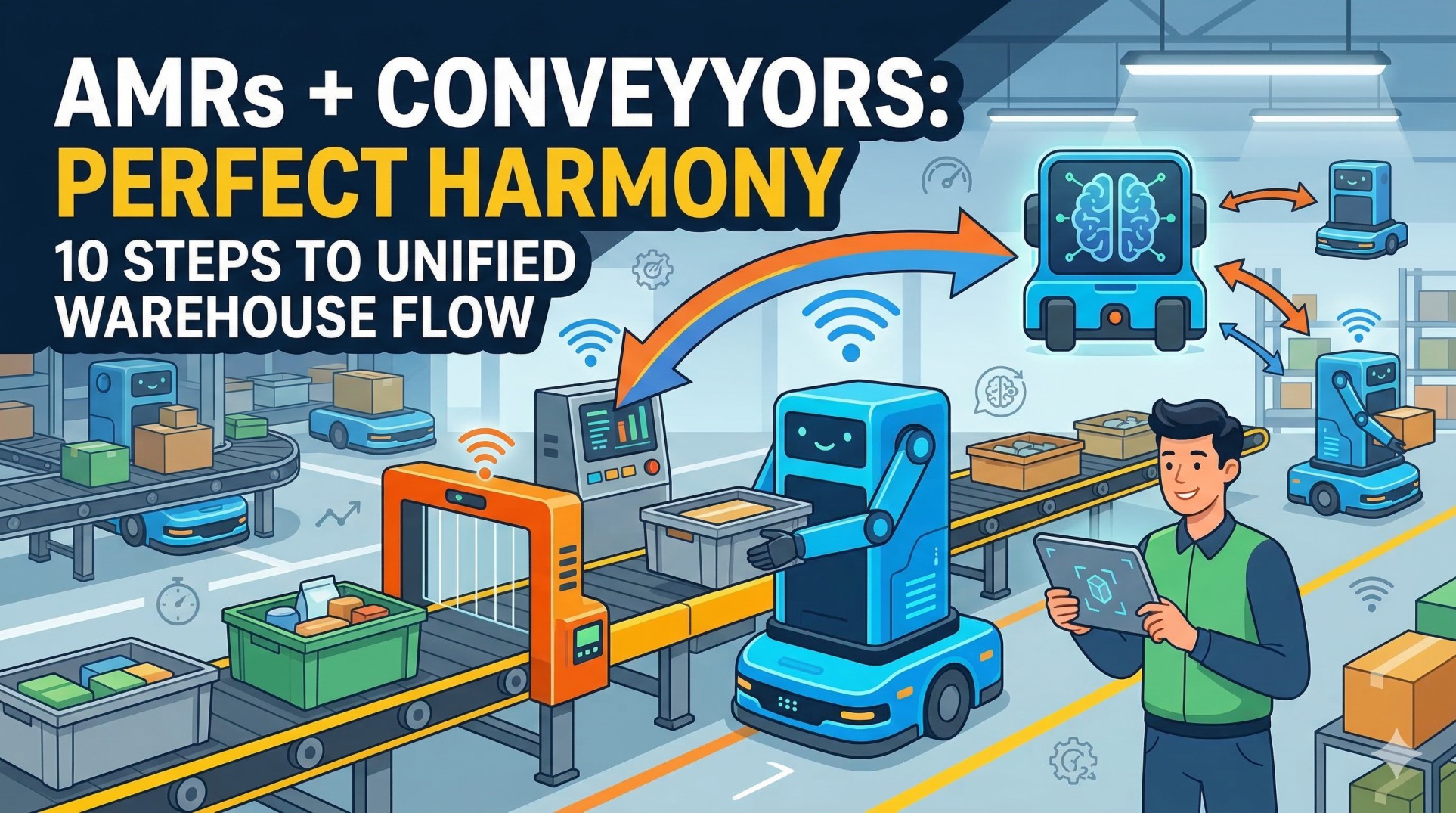
Automated bin handling has become an essential capability in modern warehouses, manufacturing facilities, and distribution environments. By combining robotics with conveyor technologies, organizations can optimize material flow, reduce manual dependency, and enhance operational performance. These systems enable precise, scalable, and high-speed bin movement across complex workflows, supporting the growing demands of modern supply chains.
Step 1: The Need for Automated Bin Handling ⚙️📦
• Rising order volumes require faster and more efficient material movement 📈
• Manual processes introduce errors, delays, and labor constraints ⚠️
• Complex operations demand synchronized and coordinated workflows 🔄
• Repetitive lifting tasks create safety risks for workers 🛑
• Automation ensures consistency, speed, and efficiency across operations ✅
Step 2: What Are Robotic Conveyor Solutions 🤖🔗
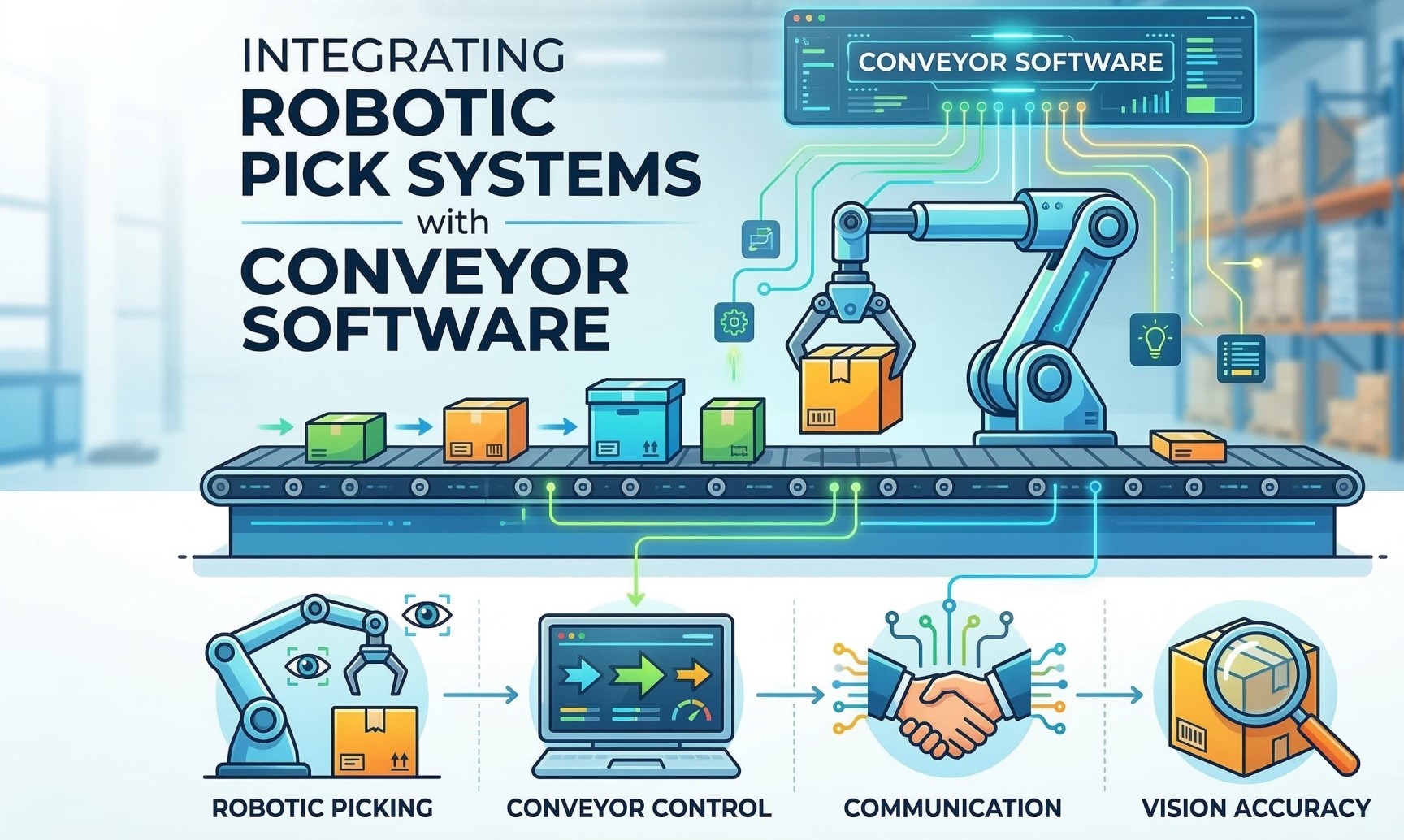
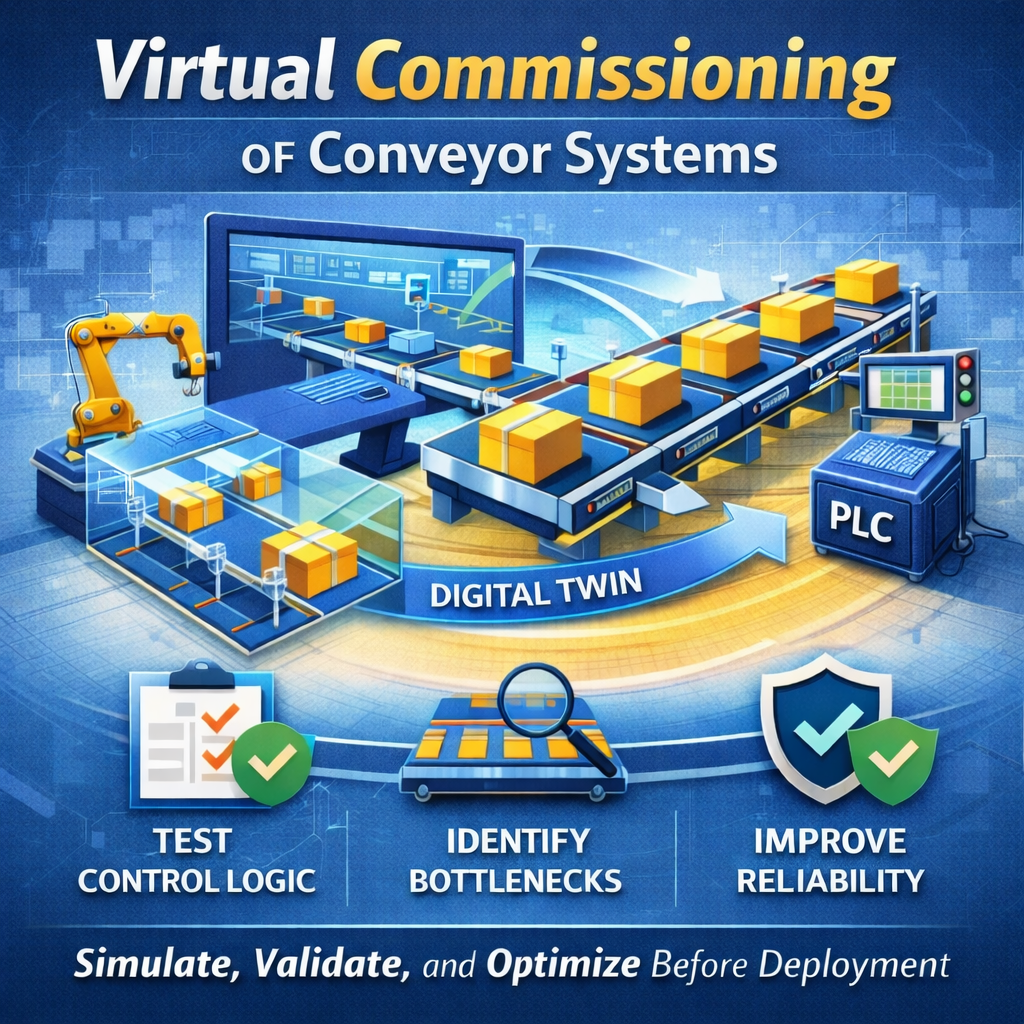
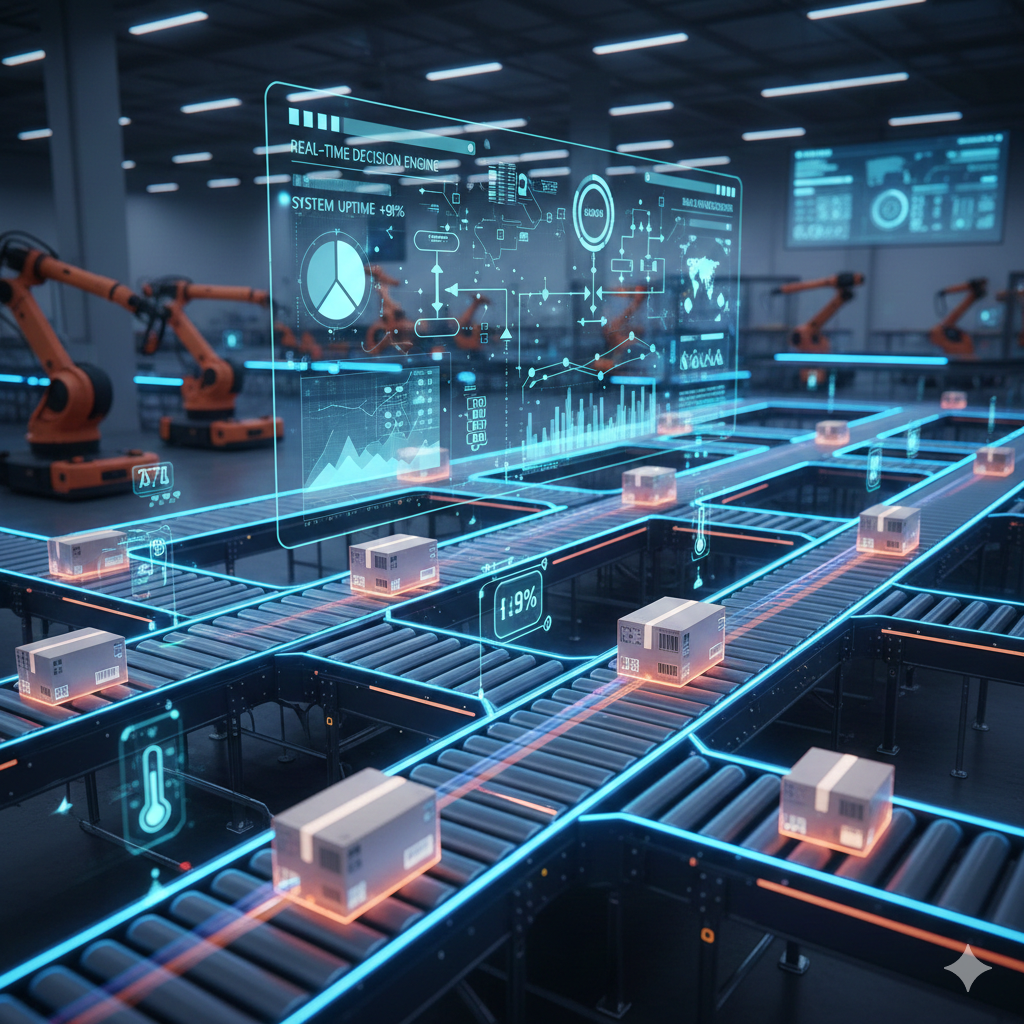
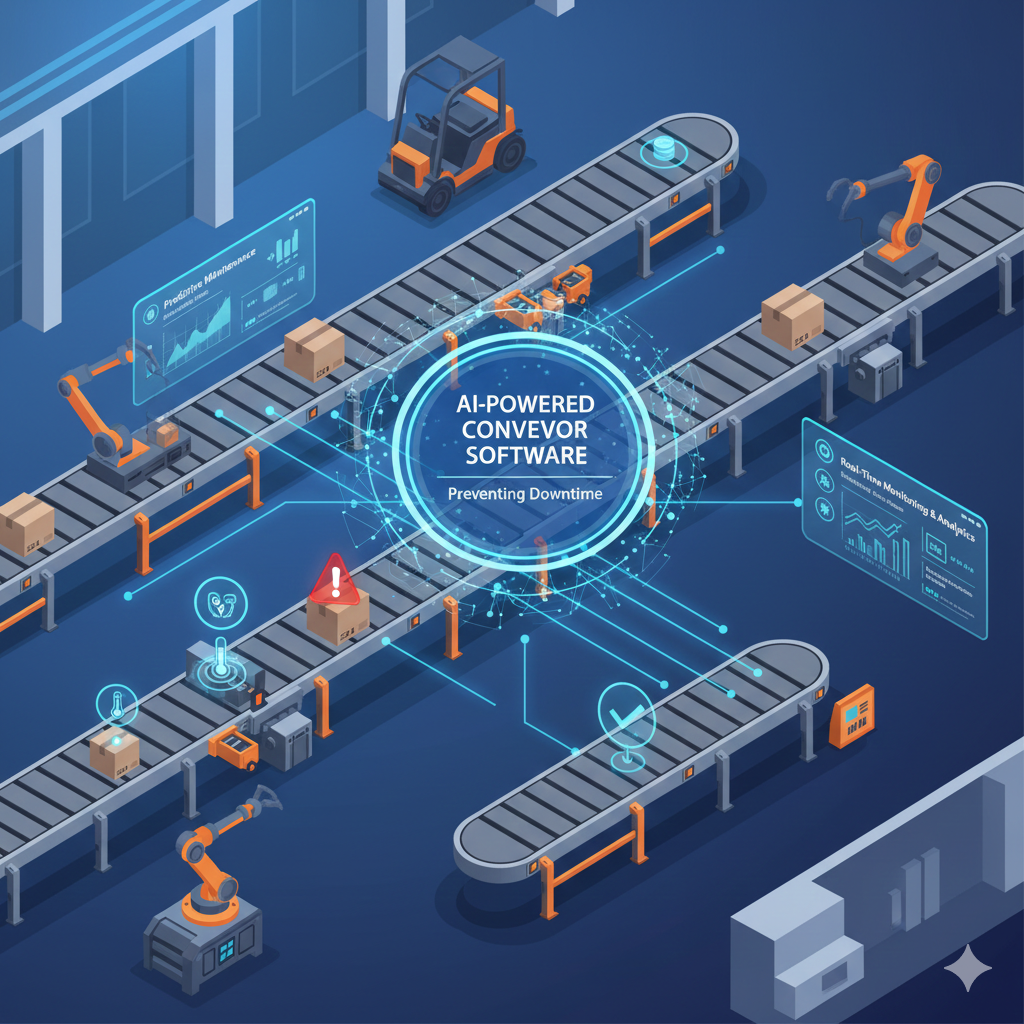
• Integrate conveyor systems with robotic arms or autonomous units ⚙️
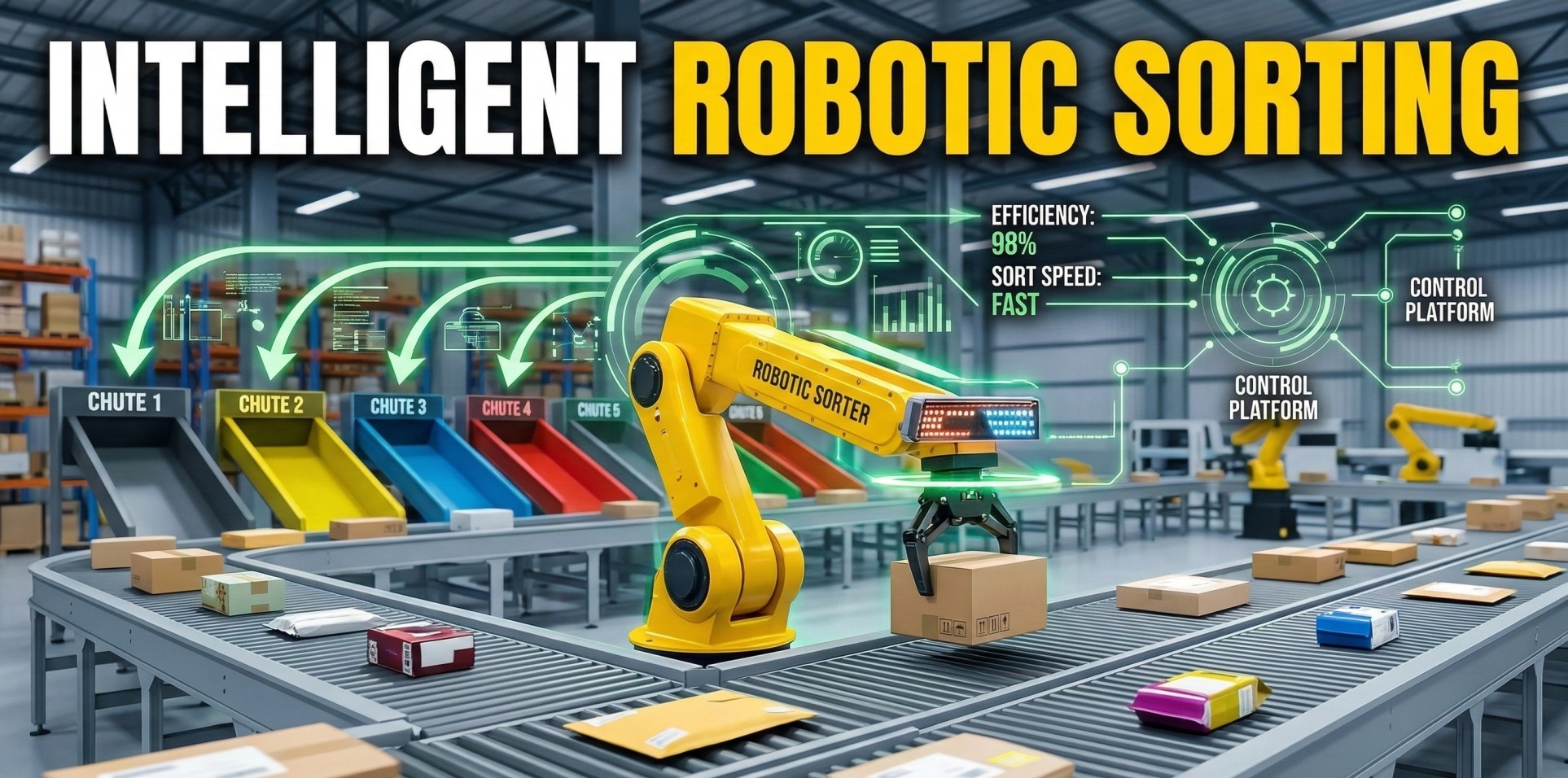
• Automate bin transportation, sorting, and routing processes 📦
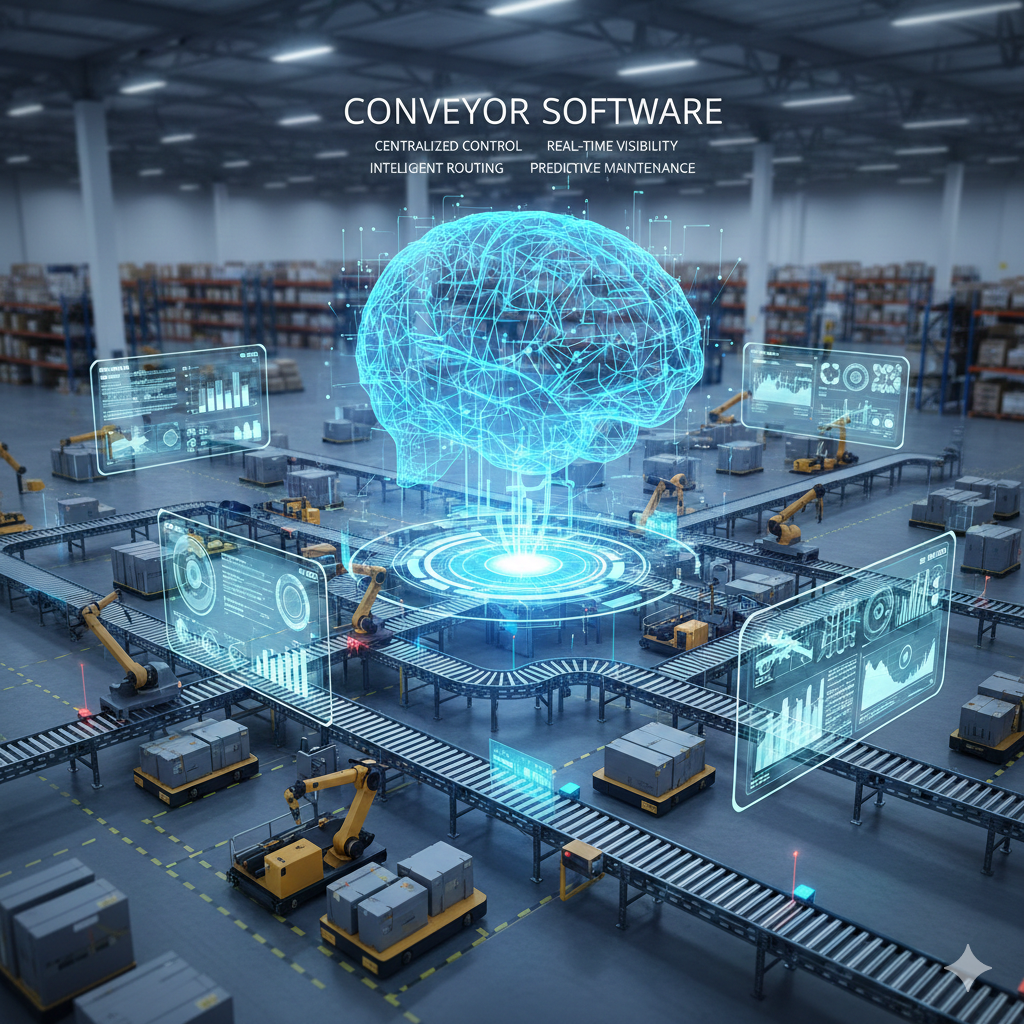
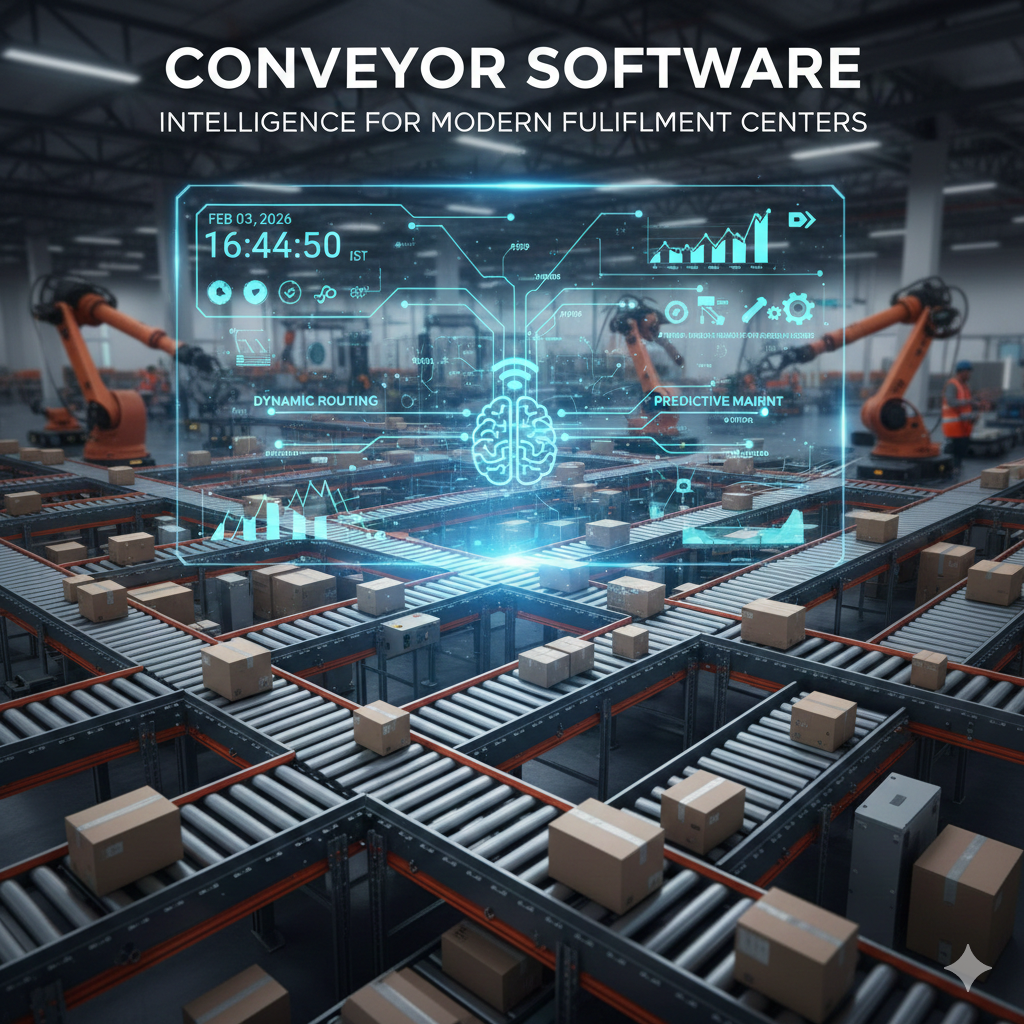
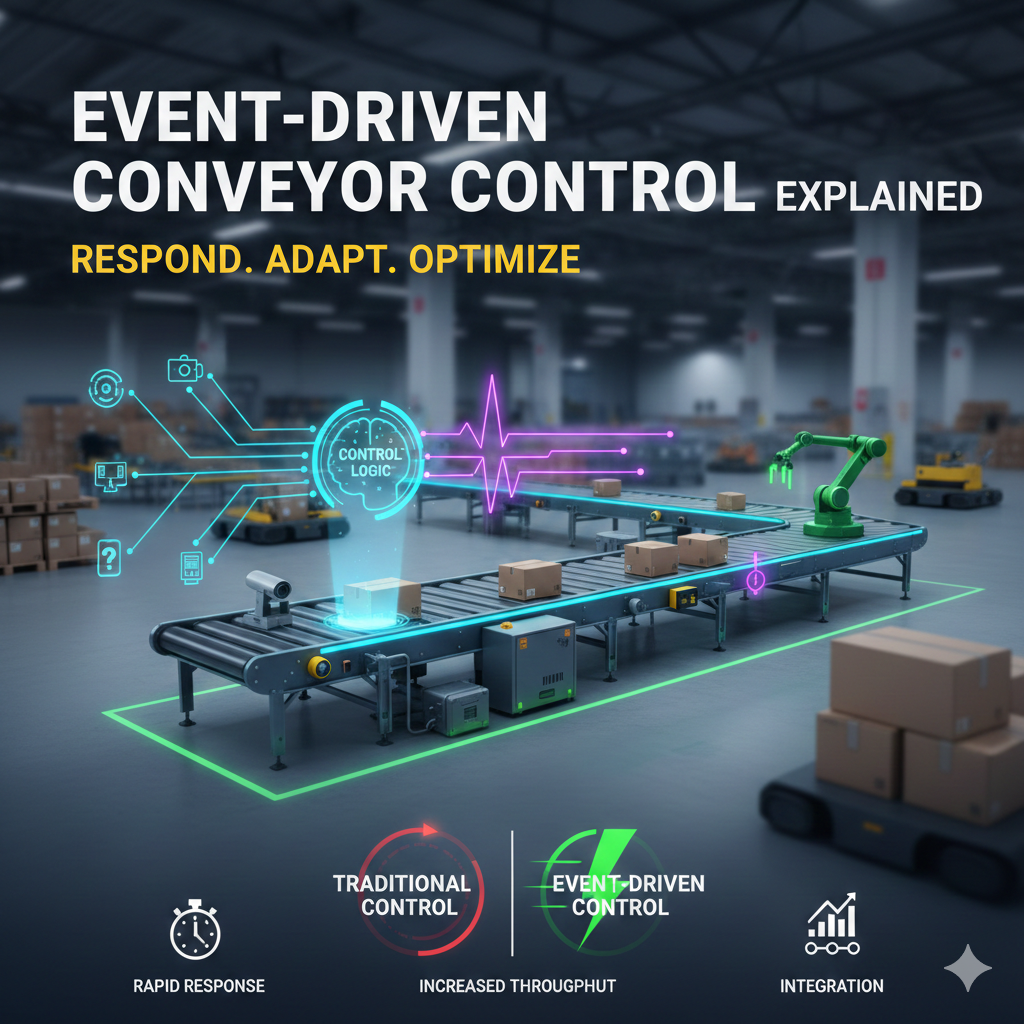
• Utilize sensors, control systems, and software for coordination 🧠
• Enable smooth movement across multiple operational zones 🌐
• Support both fixed installations and flexible automation setups 🔄
Step 3: Core Components of the System 🧩⚙️
• Conveyor belts, roller systems, or modular track designs 🔄
• Robotic pick-and-place units for handling bins 🤖
• Sensors for detection, positioning, and tracking 📡
• Control systems to manage and orchestrate workflows 🧠
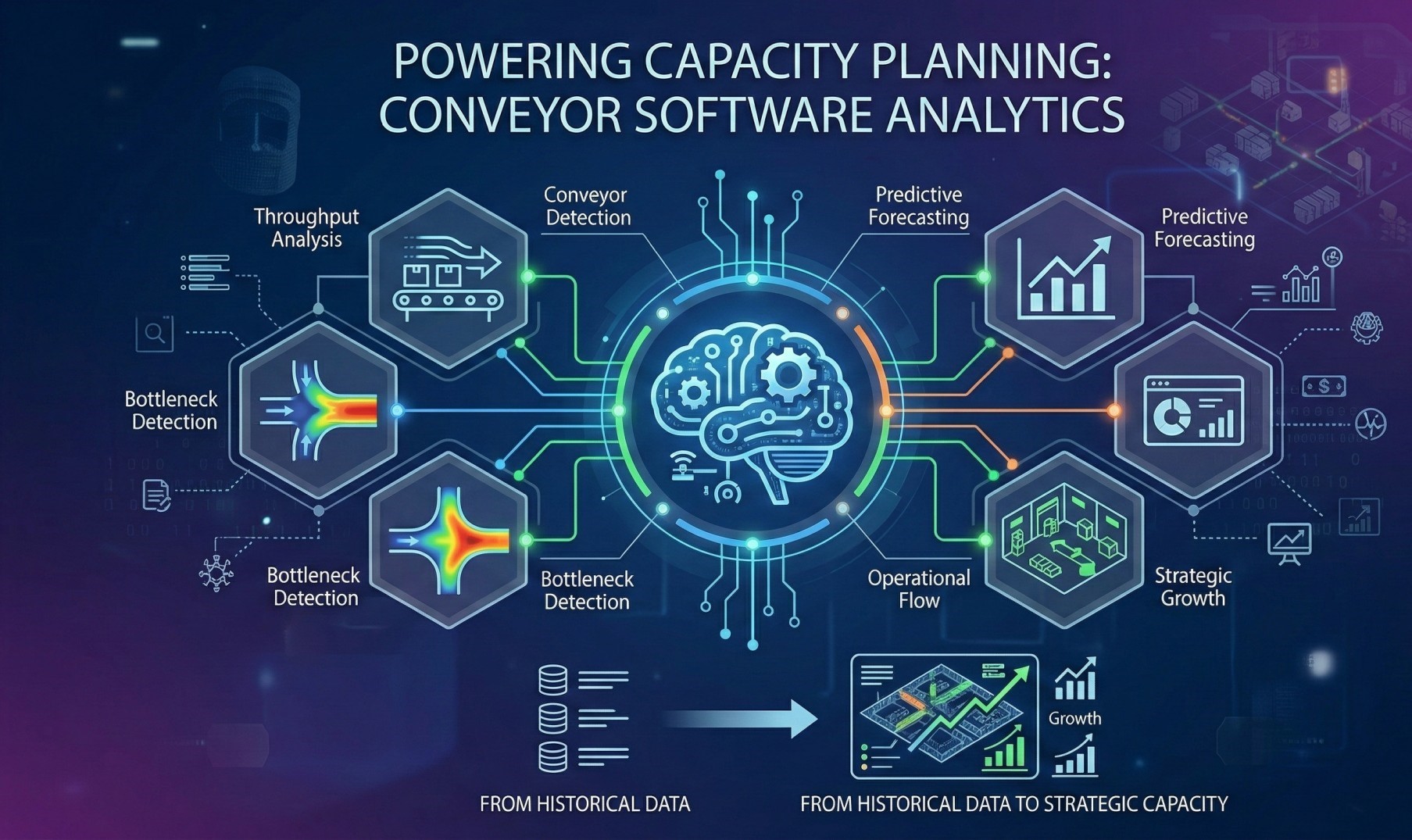
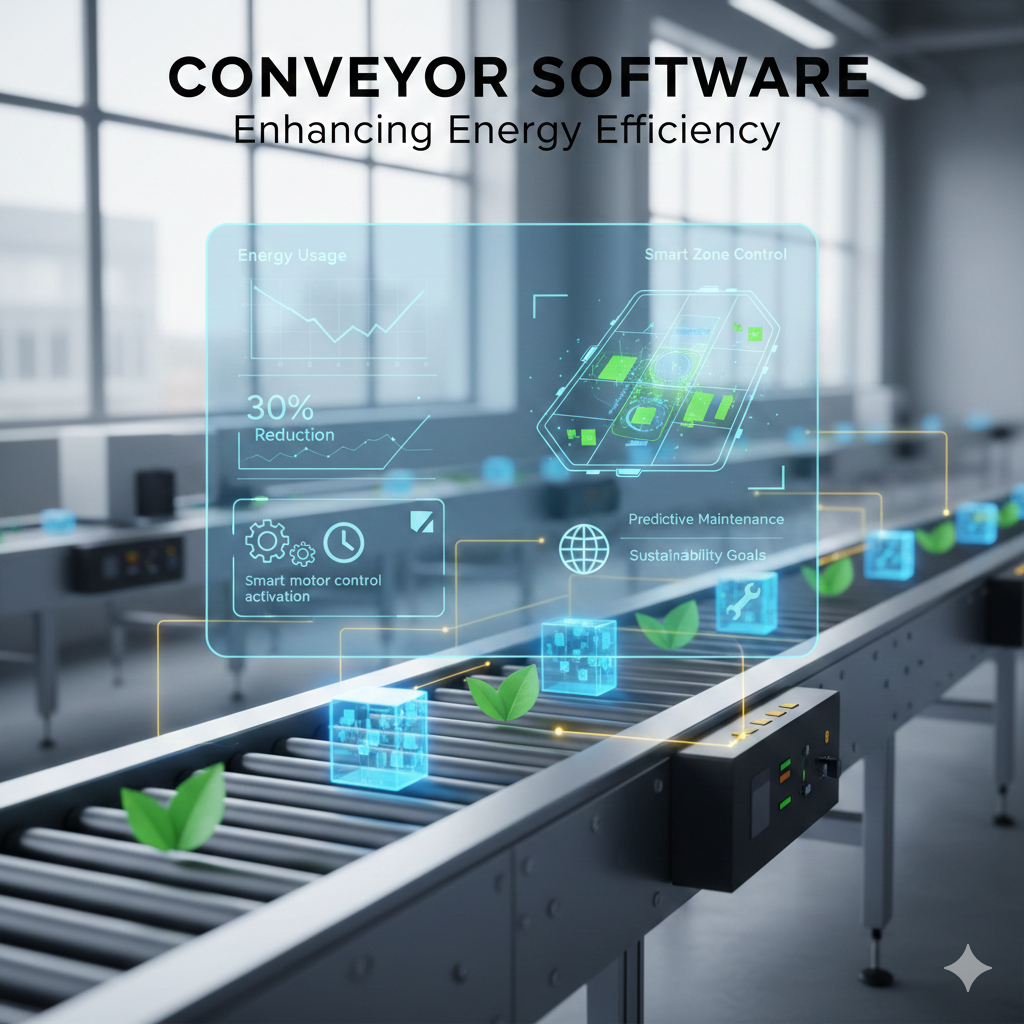
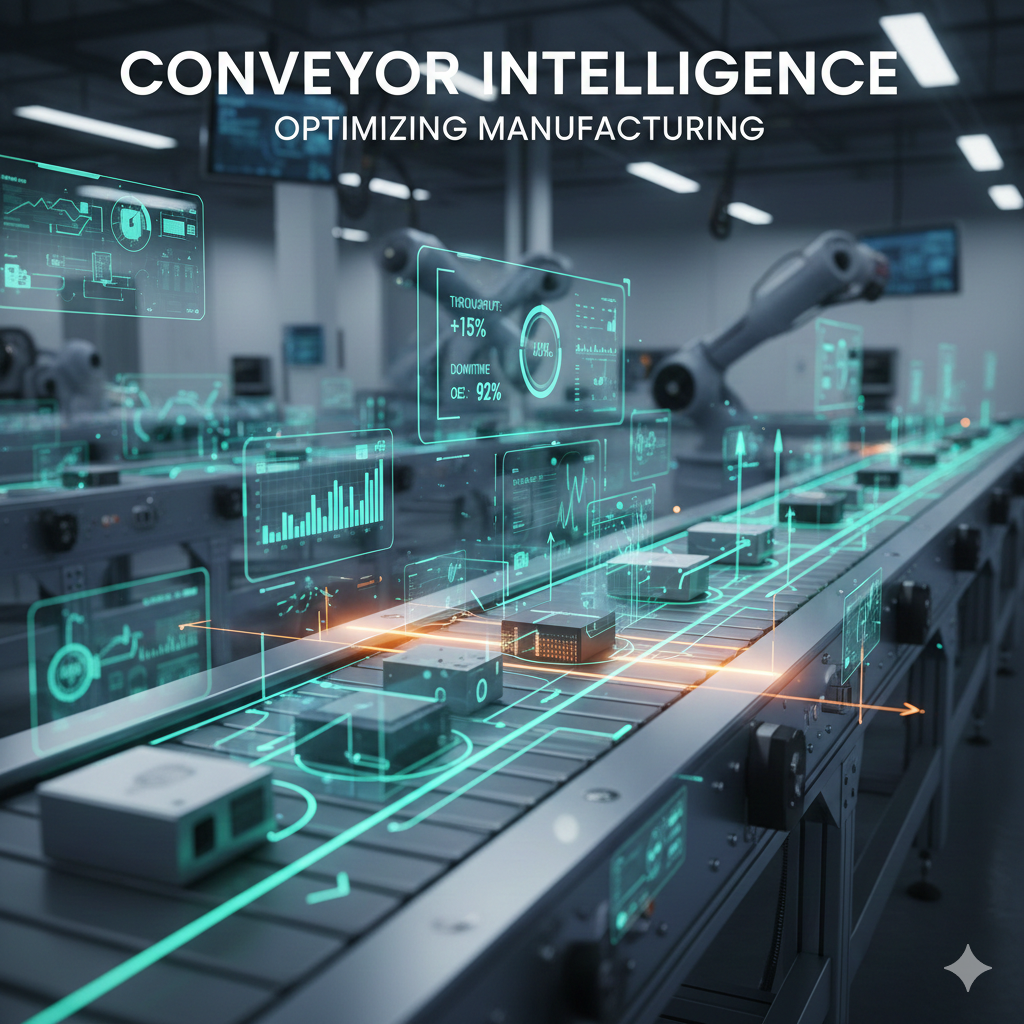
• Software platforms for monitoring, analytics, and optimization 📊
Step 4: How Automated Bin Handling Works 🔄📦
• Bins enter the system through designated input points 📥
• Sensors identify bin type, destination, and priority 📡
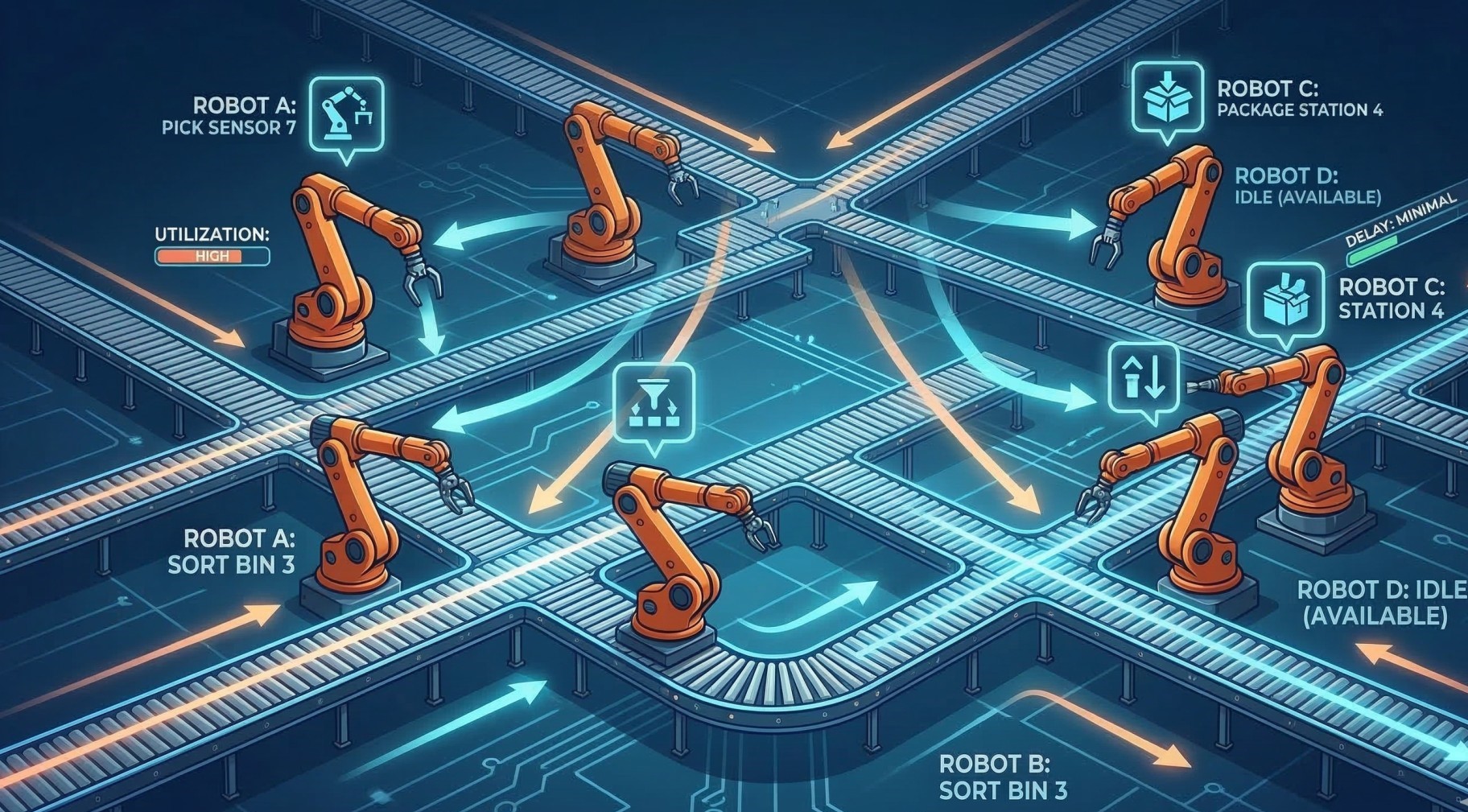
• Robotic units pick, place, or redirect bins as needed 🤖
• Conveyors transport bins across different process stages 🔗
• Systems synchronize movements to maintain a smooth flow ⚙️
Step 5: Improving Efficiency and Throughput 🚀📈
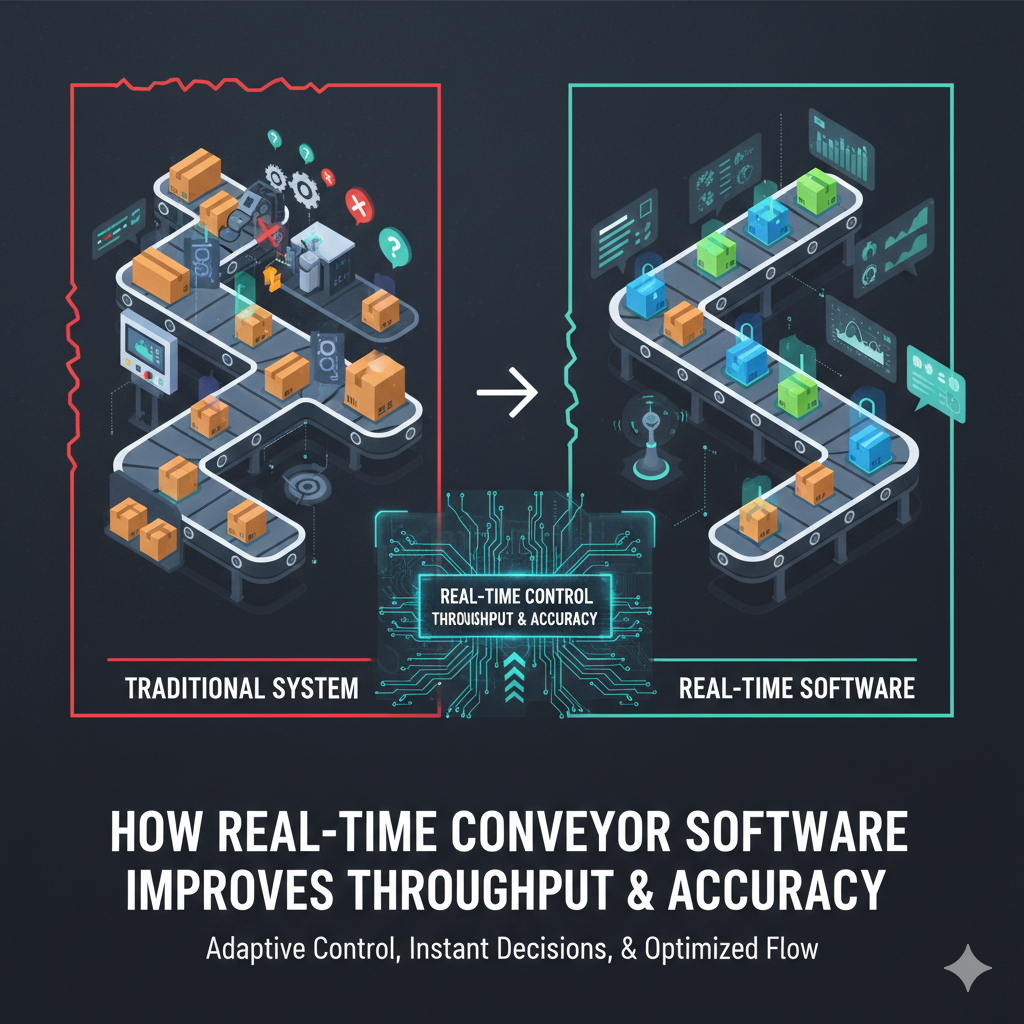
• Minimizes manual handling and reduces processing time ⏱️
• Supports continuous and high-speed operations ⚡
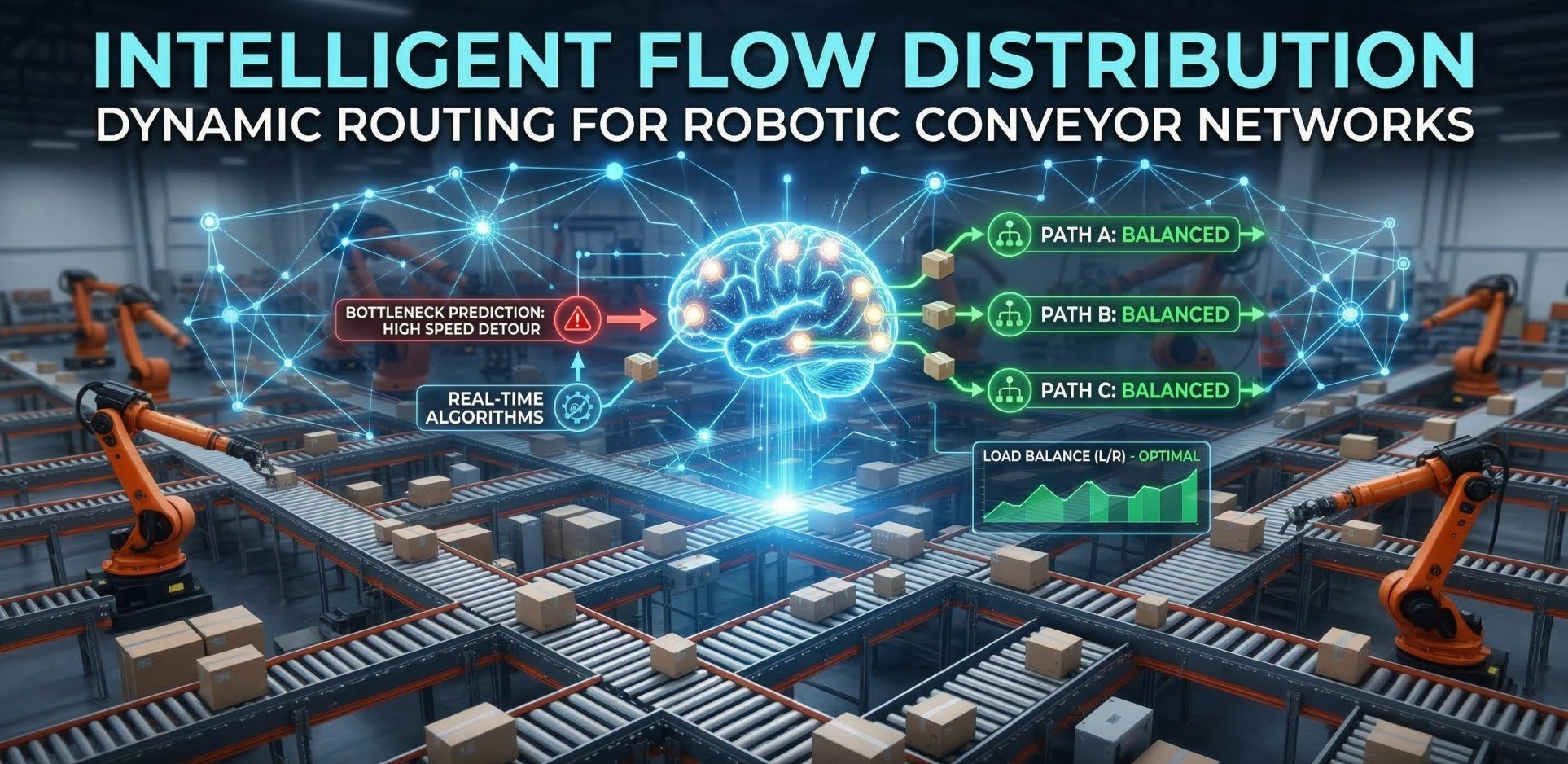
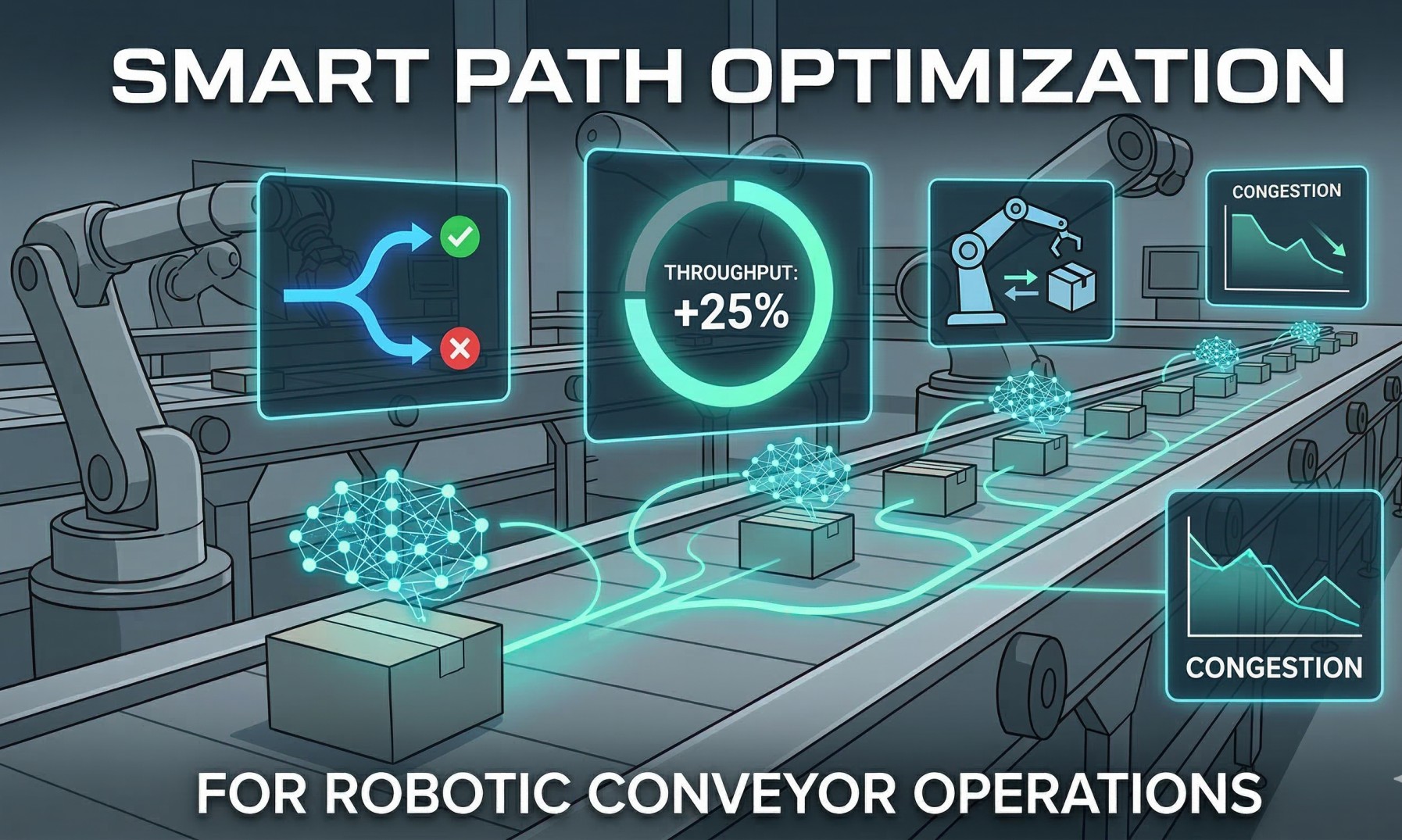
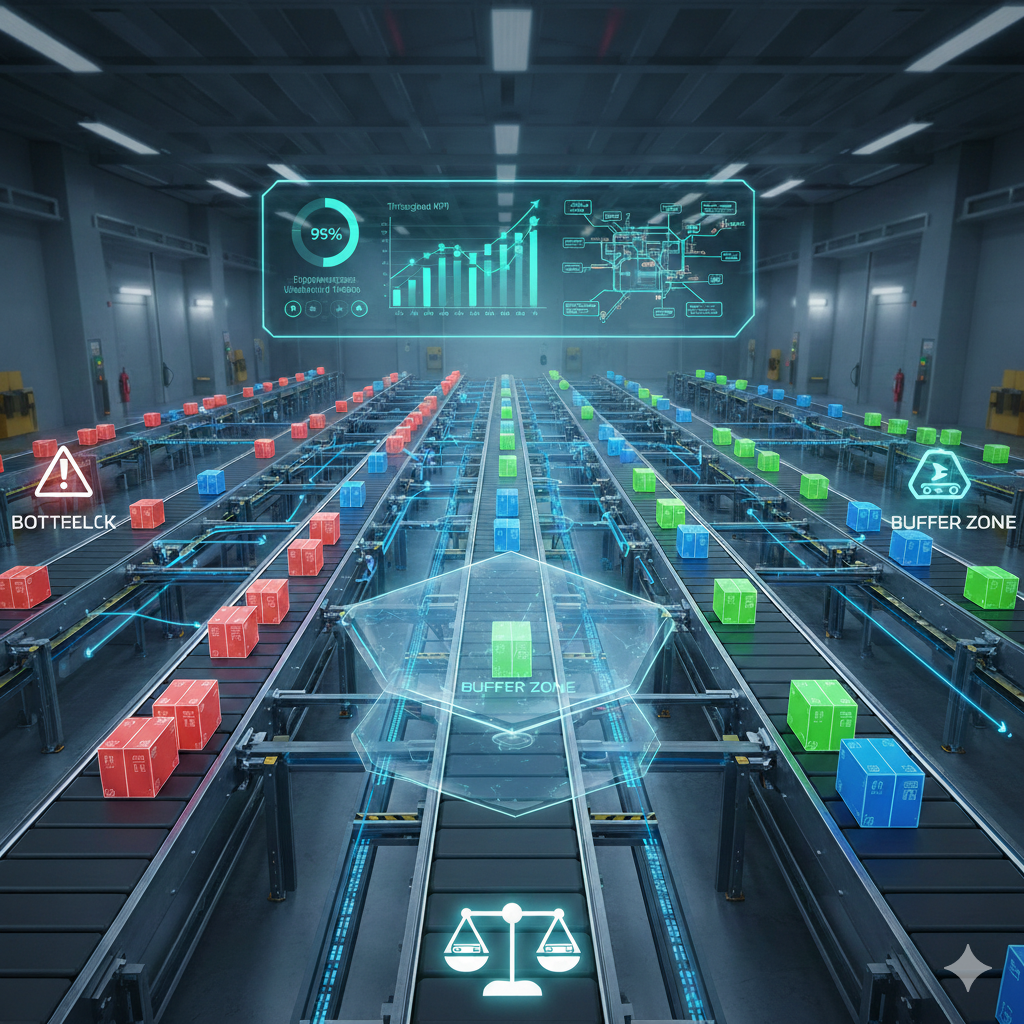
• Eliminates bottlenecks through optimized routing 🔄
• Increases throughput across warehouse and production lines 📦
• Enables scaling without proportional increases in labor 👥
Step 6: Enhancing Accuracy and Reliability 🎯✔️
• Ensures precise bin placement and movement 📍
• Reduces sorting and routing errors ❌
• Maintains consistent performance across shifts 🔄
• Uses real-time tracking to prevent misplacement 📡
• Strengthens overall process reliability 🛡️
Step 7: Integration with Smart Warehouse Systems 🏢🔗
• Connects with Warehouse Management Systems (WMS) ⚙️
• Aligns with inventory tracking and order fulfillment processes 📊
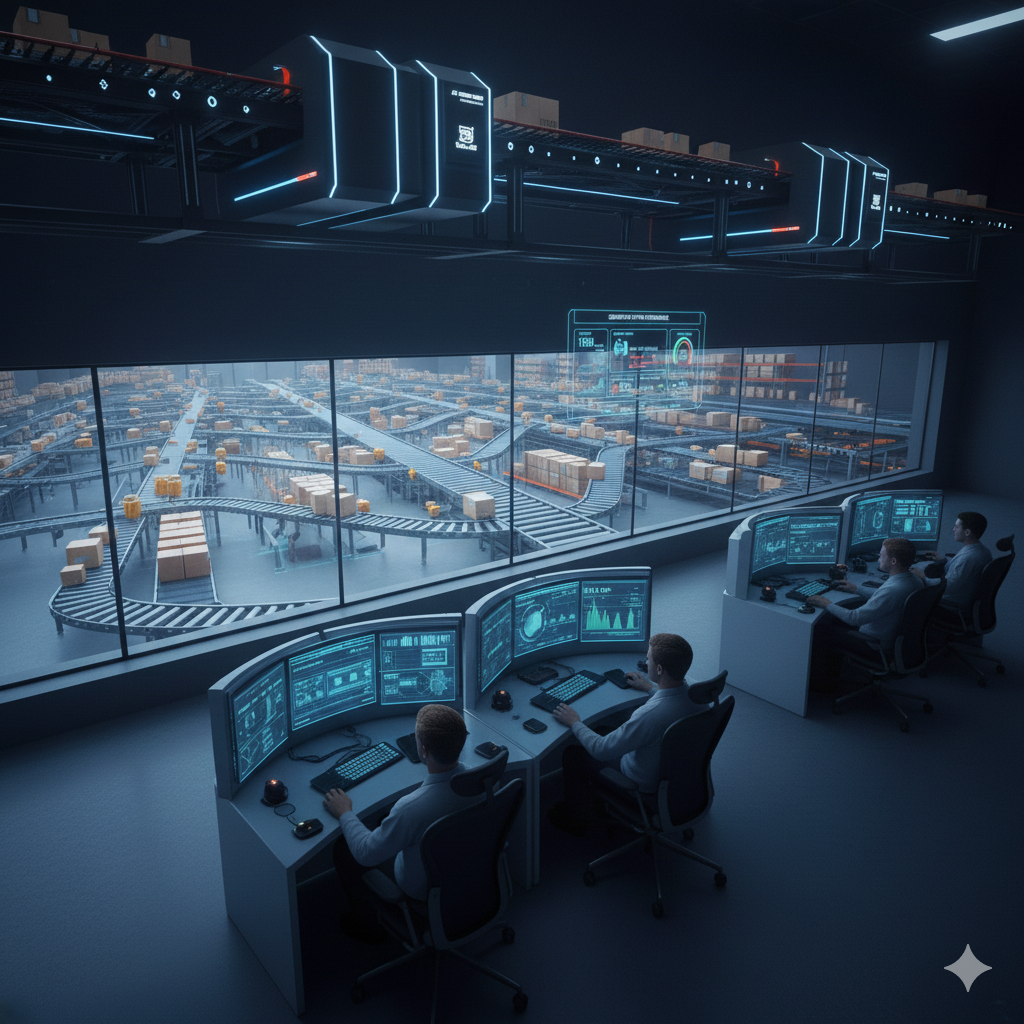
• Provides real-time visibility into bin movement 👀
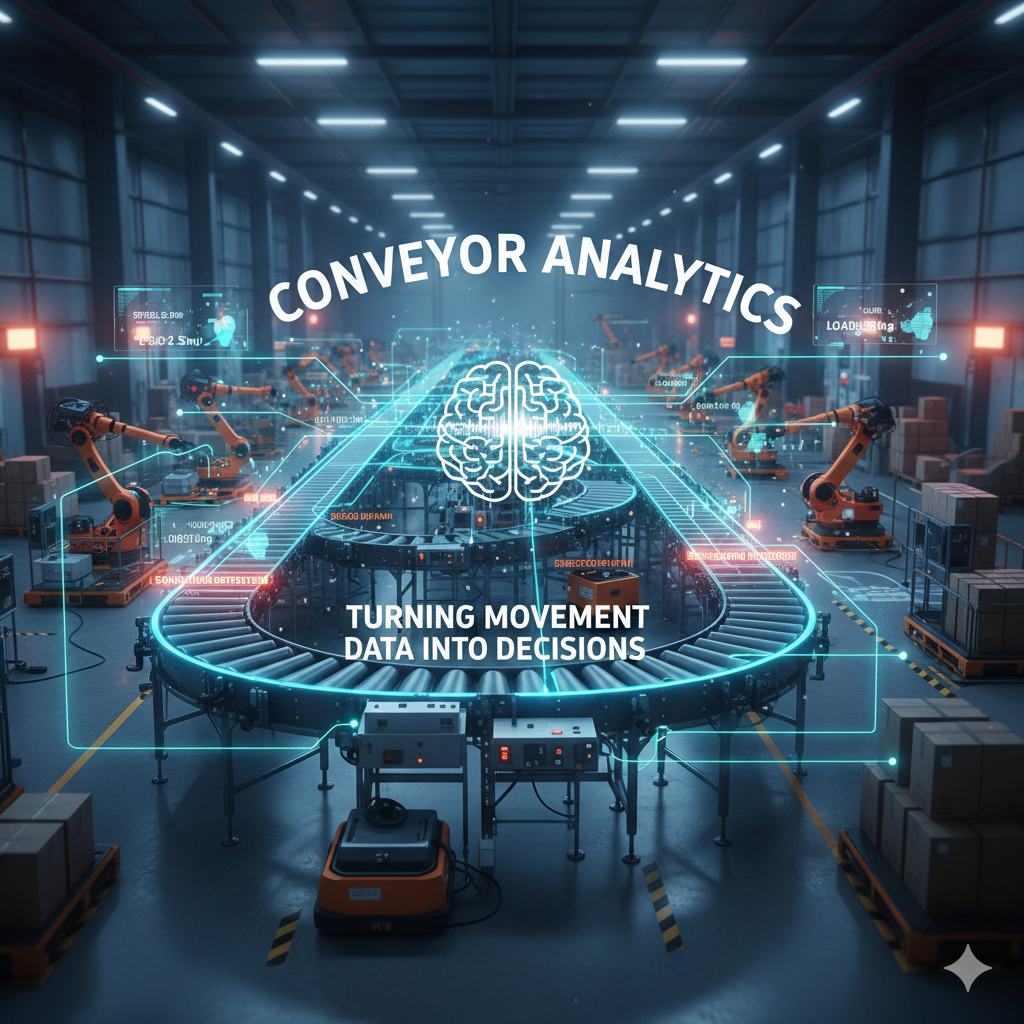
• Supports data-driven operational decisions 🧠
• Integrates seamlessly with broader automation ecosystems 🌐
Step 8: Key Strategic Benefits 💡📊
• Reduces reliance on manual labor and lowers operational costs 💸
• Improves scalability and system adaptability 📈
• Enhances workplace safety by minimizing manual handling 🛑
• Boosts overall operational efficiency and performance ⚙️
Step 9: Challenges and Implementation Considerations ⚠️🛠️
• Requires upfront investment in infrastructure and technology 💰
• Demands careful system design and layout planning 📐
• Integration with legacy systems can be complex 🔄
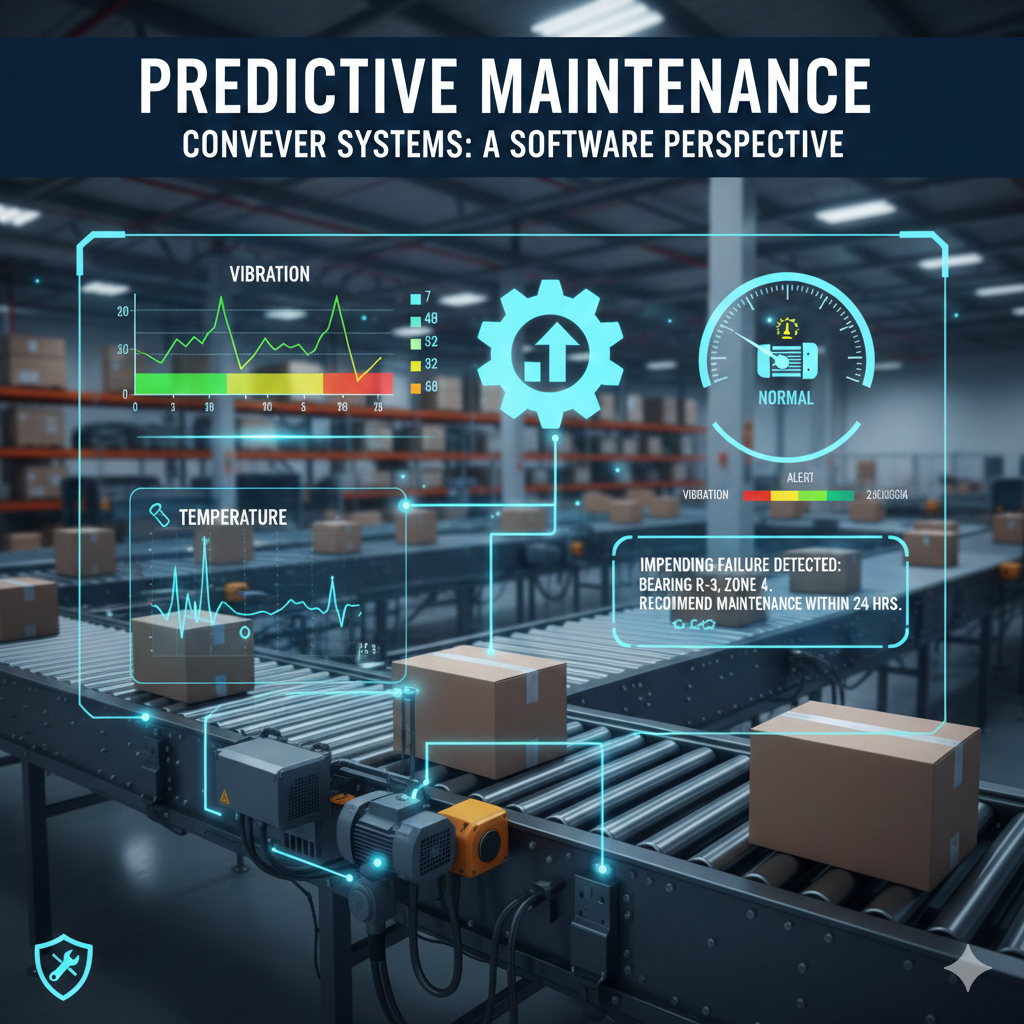
• Needs continuous maintenance and monitoring 🧰
• Requires workforce training and adaptation 👨🏭
Step 10: Future of Robotic Bin Handling Systems 🔮🤖
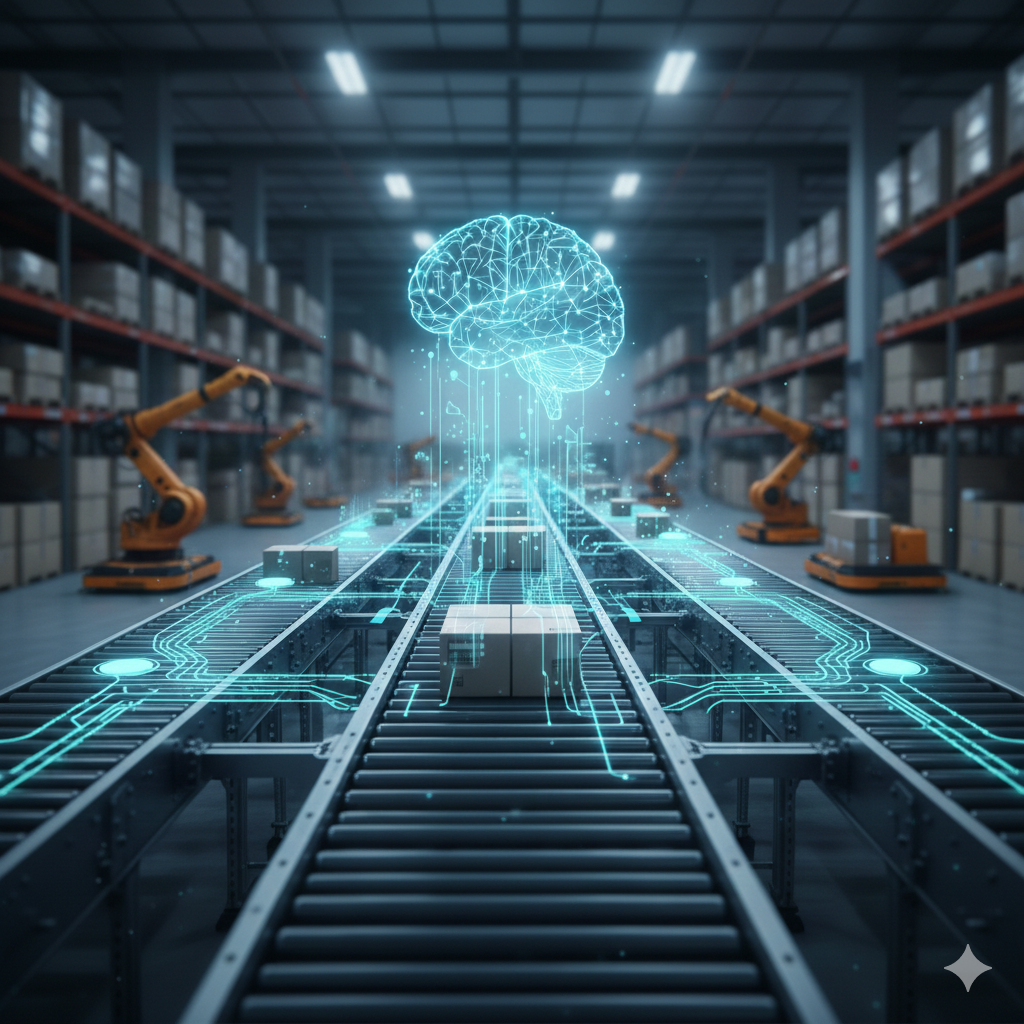
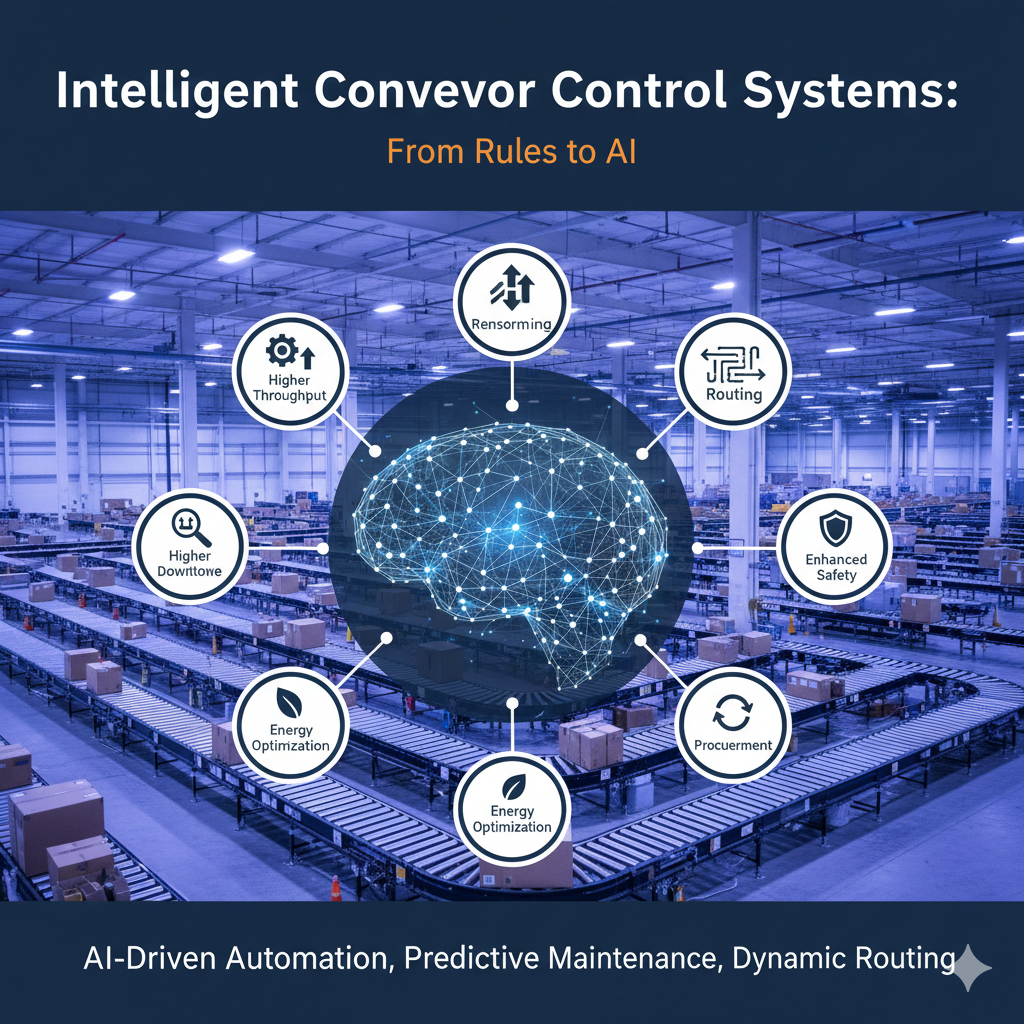
• Growing adoption of AI for intelligent routing and optimization 🧠
• Expansion of modular and flexible automation solutions 🔄
• Increased collaboration between humans and robotic systems 🤝
• Rise of autonomous and self-learning operational models ⚡
• Movement toward fully automated, smart facilities 🏭
Conclusion
Automated bin handling powered by robotic conveyor solutions is reshaping how materials are managed in modern operations. By combining precision robotics with efficient conveyor systems, organizations can achieve higher throughput, improved accuracy, and scalable performance. As automation technologies continue to evolve, these systems will become central to building efficient, reliable, and future-ready industrial environments.
See more blogs
You can all the articles below