How AI-Powered Conveyor Software Prevents Downtime
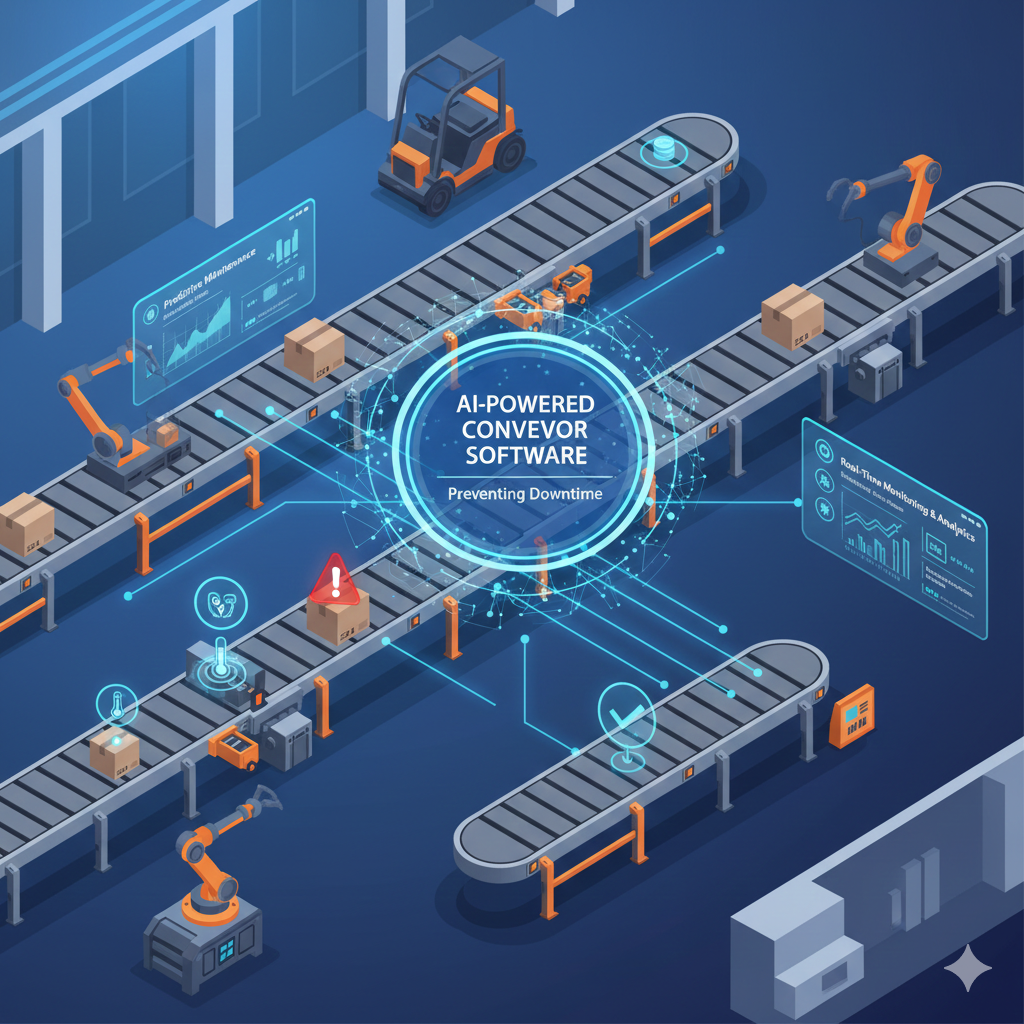
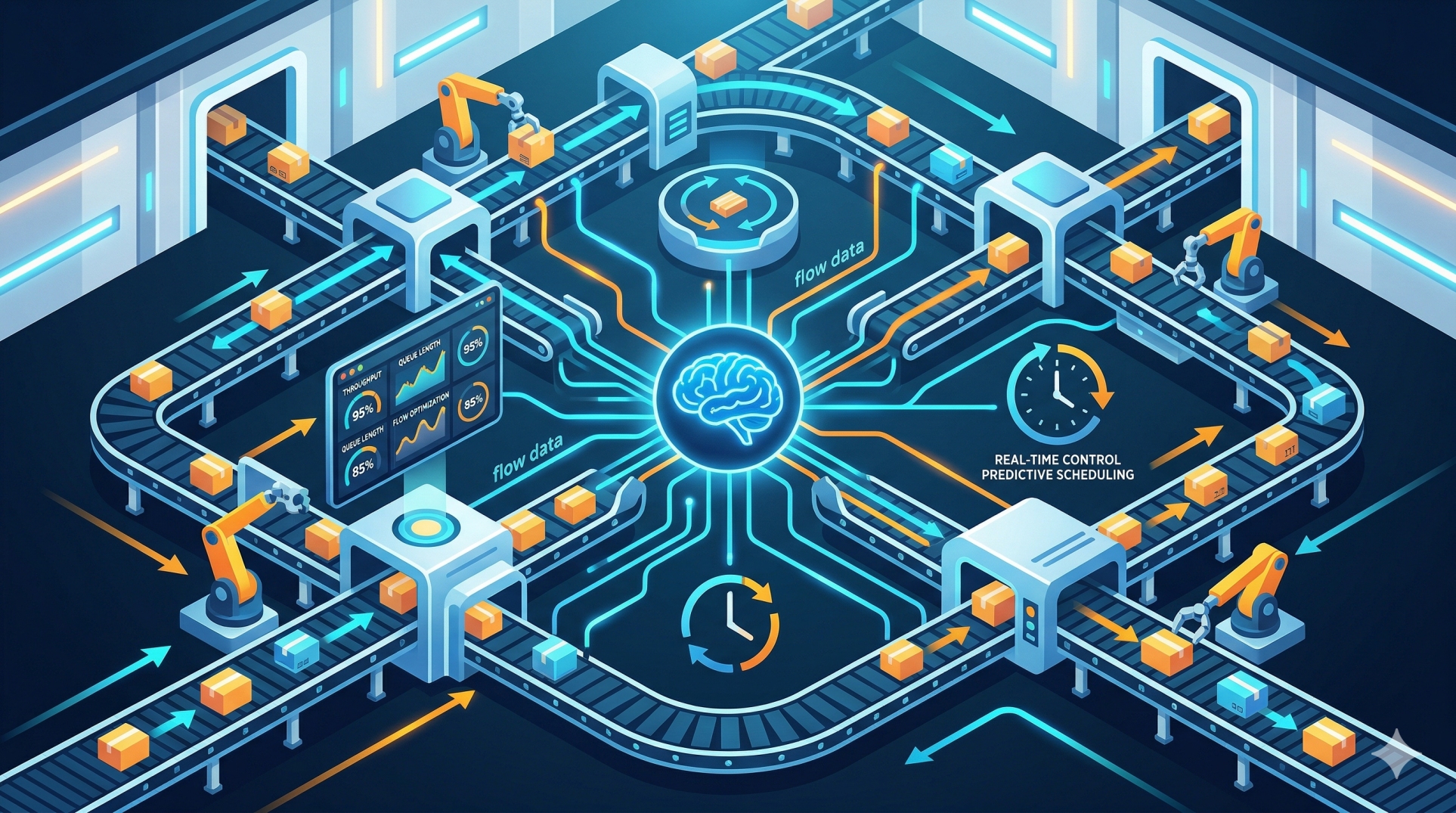
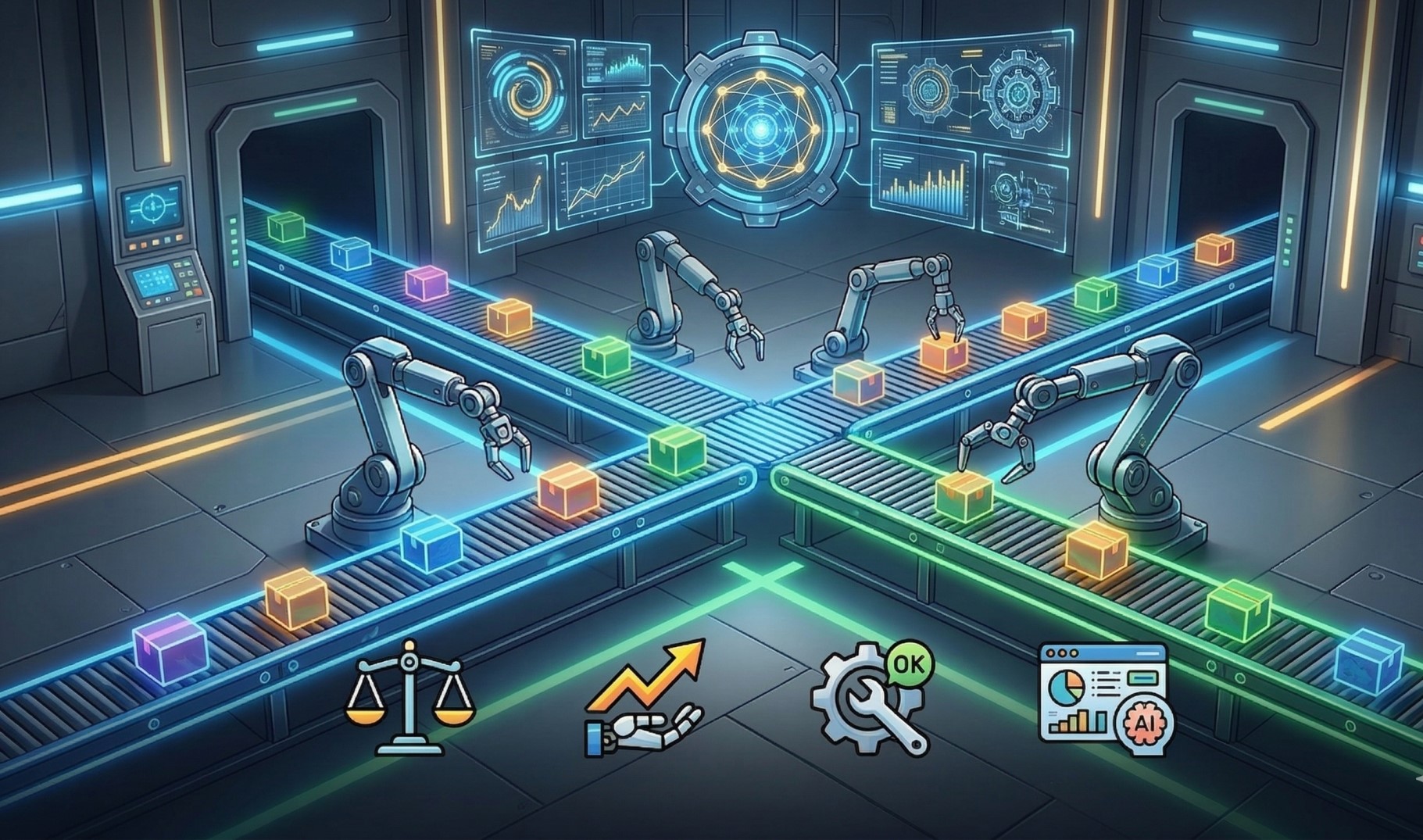
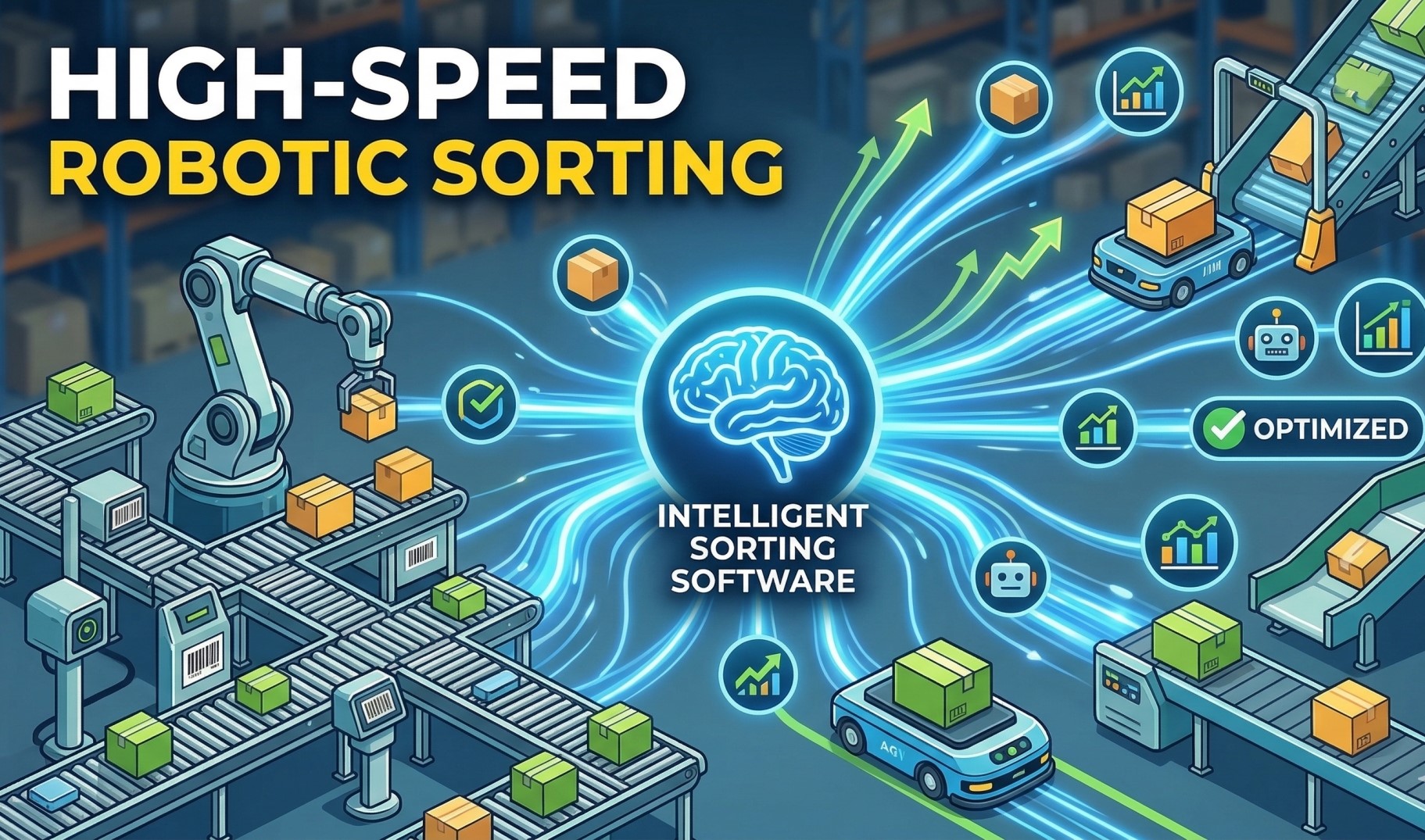
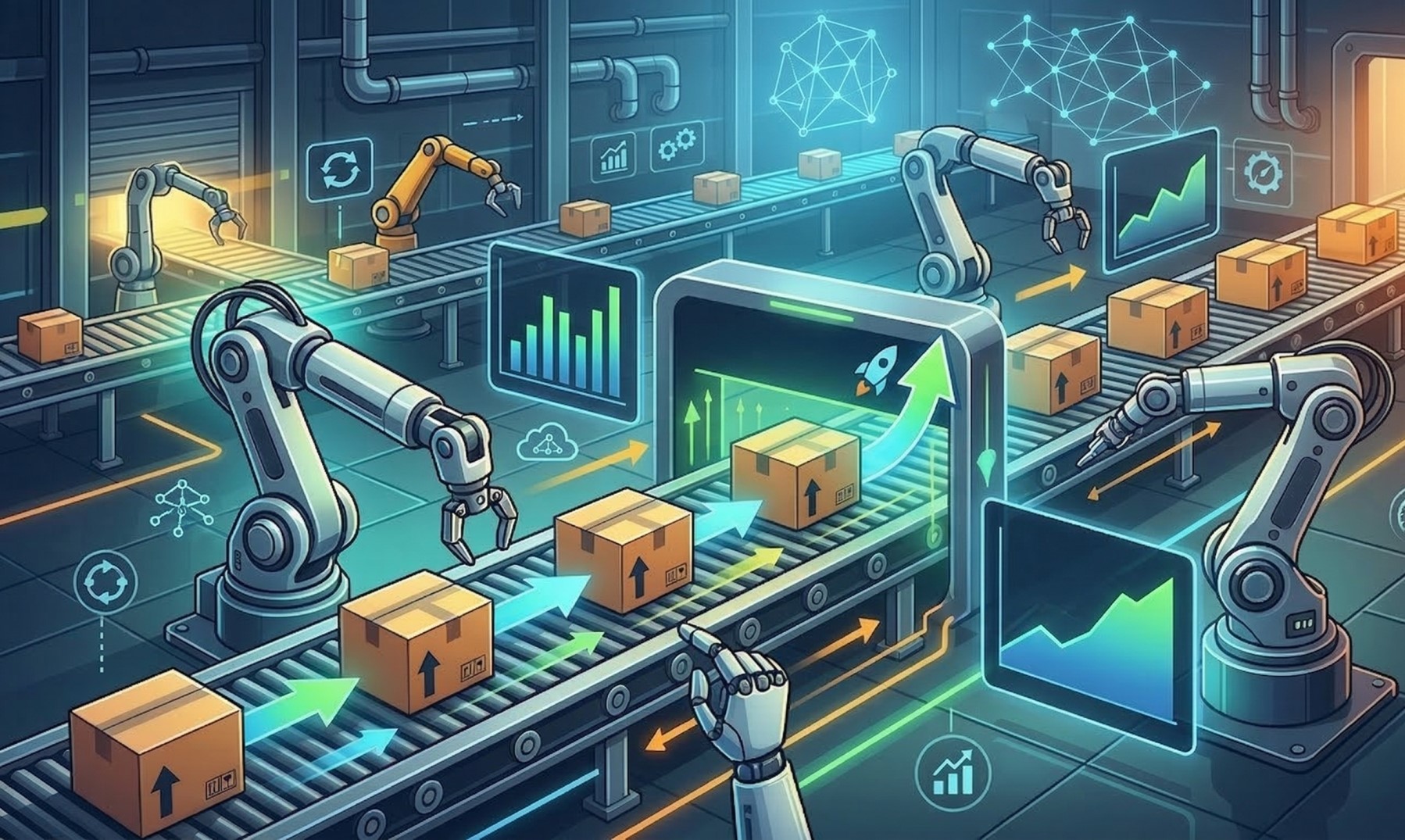
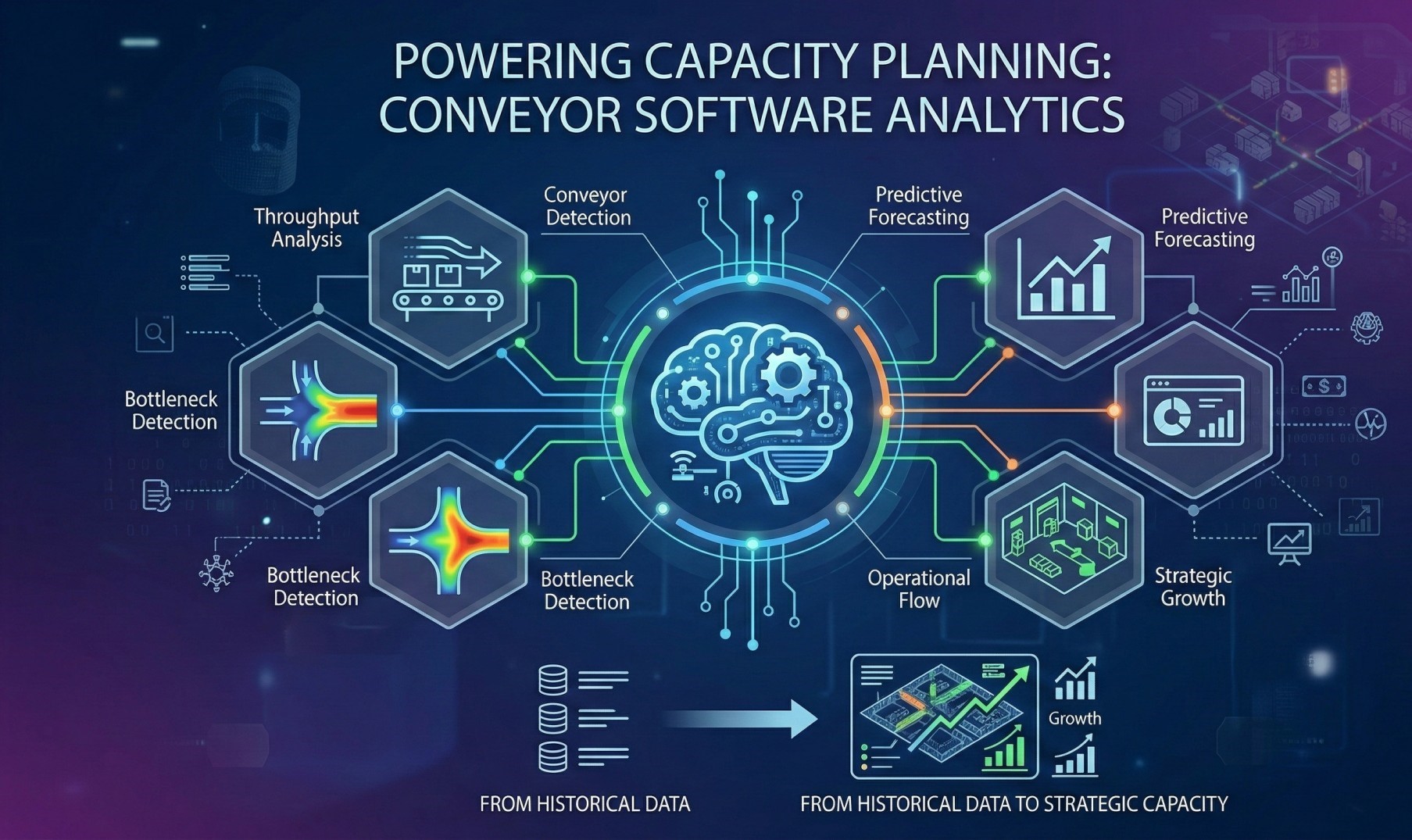
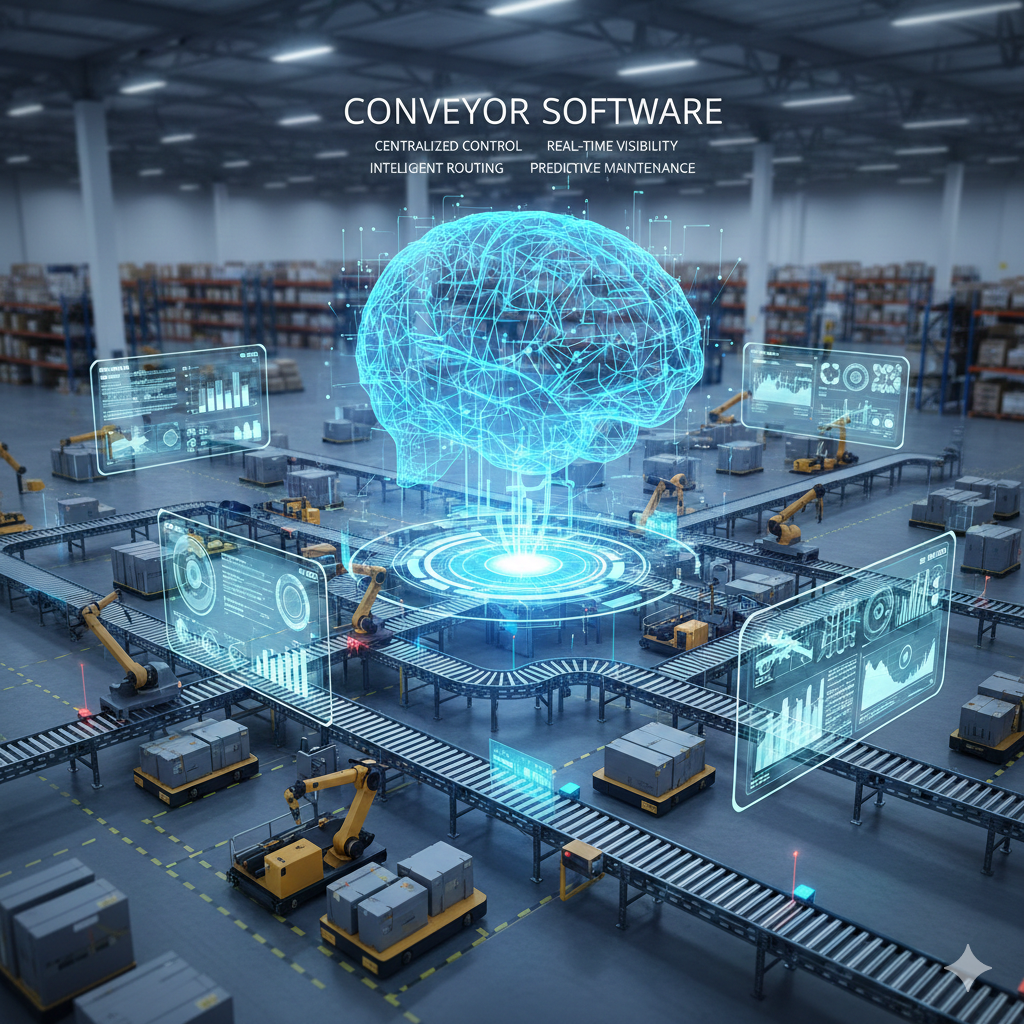
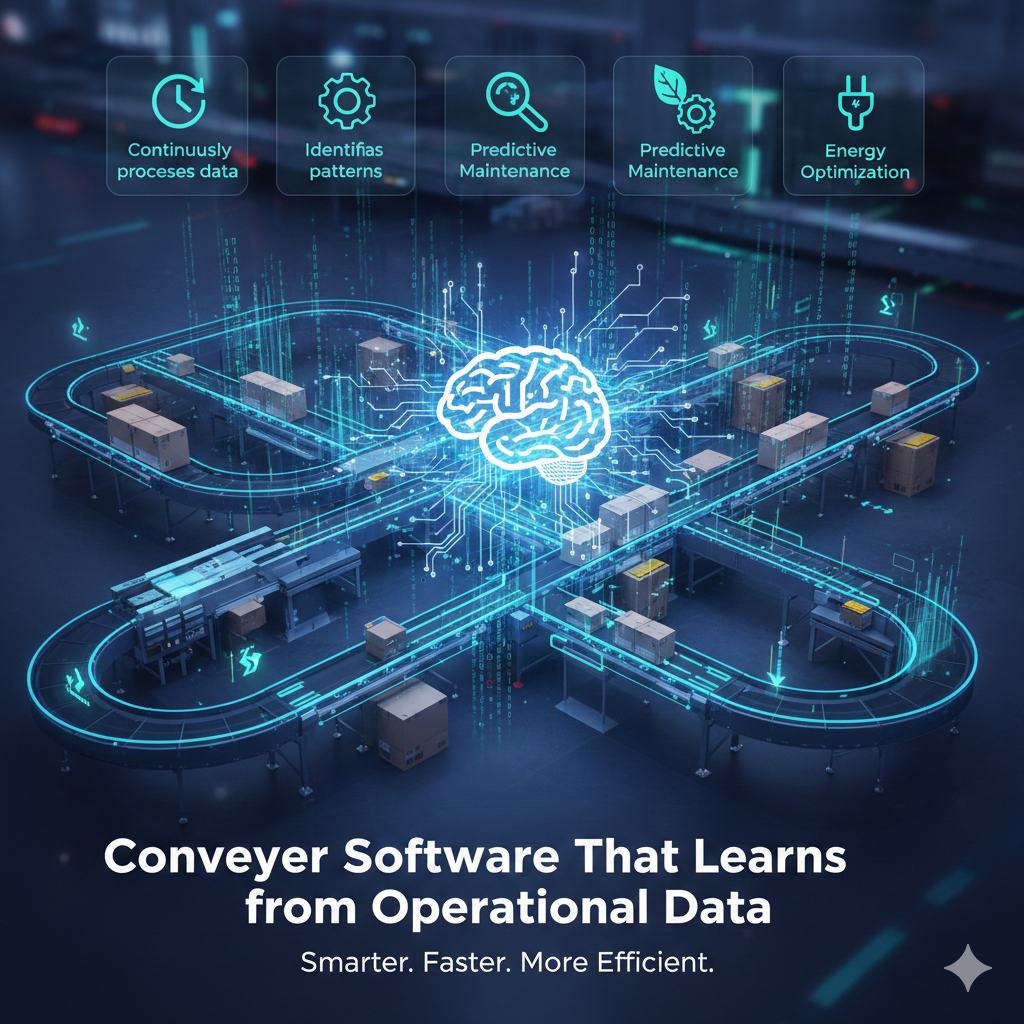
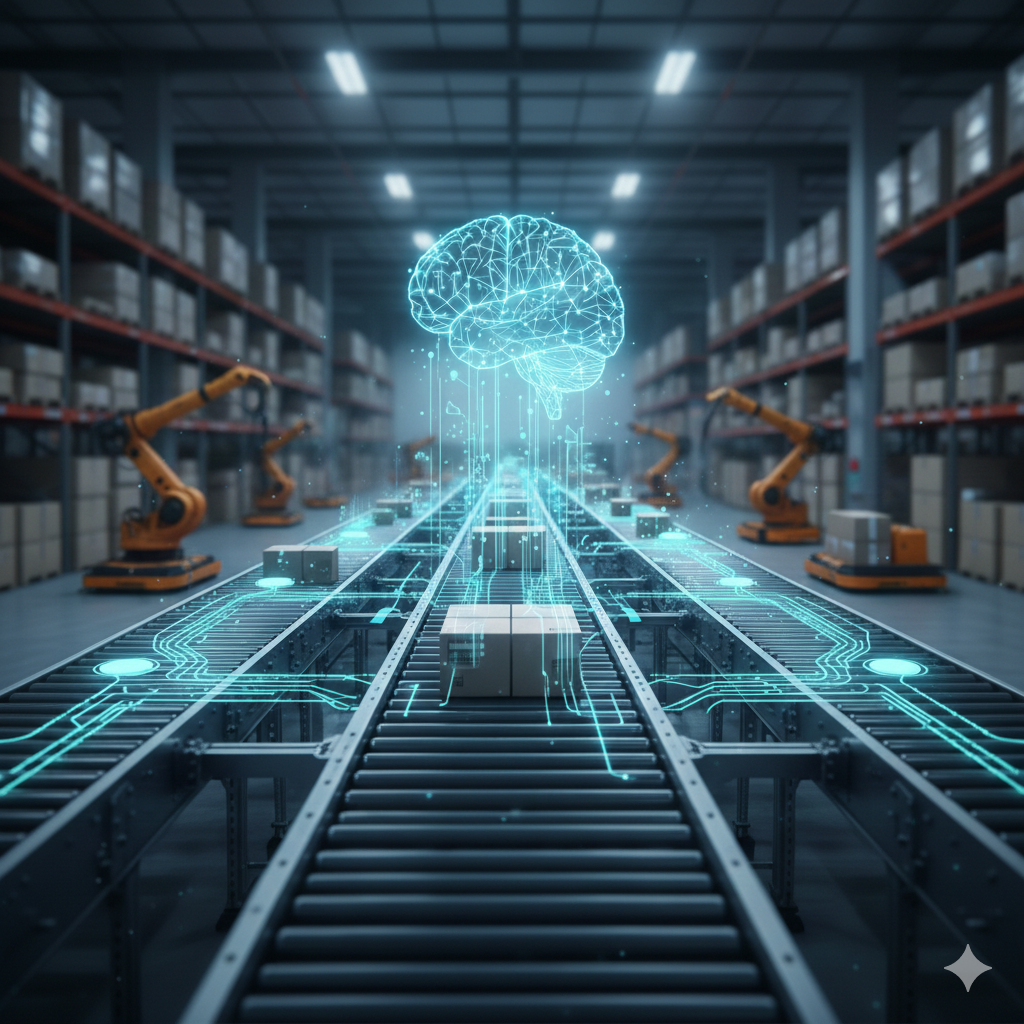
Unplanned downtime is a major challenge in industrial and warehouse environments. Conveyor systems are essential to material movement, and even brief stoppages can lead to delays, missed targets, and financial losses. AI-powered conveyor software helps prevent downtime by predicting failures early, optimizing system performance, and enabling faster, smarter decisions 🧠⚙️.
1. What Is AI-Powered Conveyor Software
• Uses artificial intelligence and machine learning models 🤖
• Processes real-time data from sensors and control systems 📡
• Learns normal operating behavior of conveyor equipment 📊
• Detects abnormalities before failures occur ⚠️
2. Common Causes of Conveyor Downtime
• Mechanical wear and component fatigue 🔩
• Motor, belt, or drive failures ⚙️
• Sensor errors or signal loss 📡
• Overloading and uneven material flow 📦
• Ineffective or delayed maintenance planning 🛠️
AI-driven conveyor software addresses these issues proactively rather than reactively 🚀.
3. Predictive Maintenance Instead of Reactive Repairs
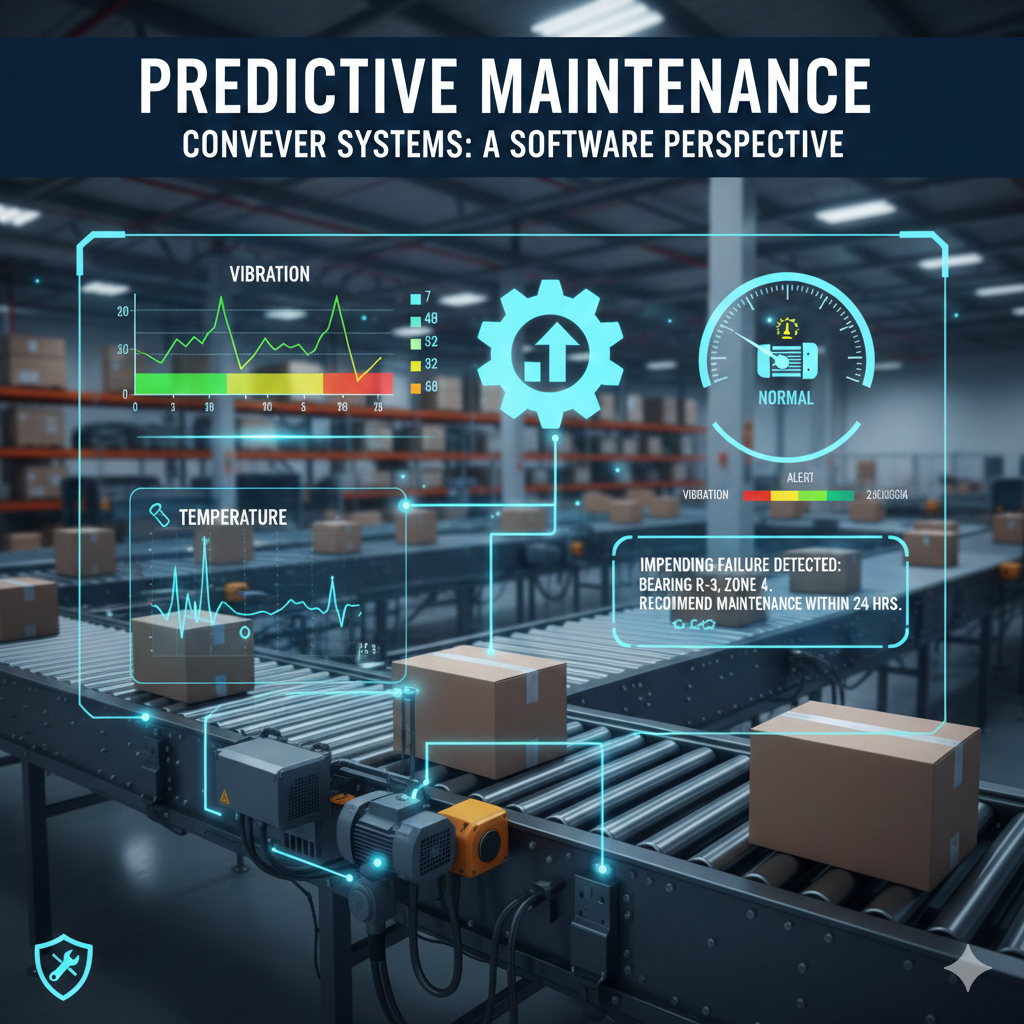
• Monitors vibration, temperature, speed, and load conditions 🌡️
• Detects early signs of component degradation 🔍
• Predicts the optimal time for maintenance ⏱️
• Reduces unexpected equipment breakdowns ❌
This approach lowers emergency repairs and extends conveyor lifespan 📈.
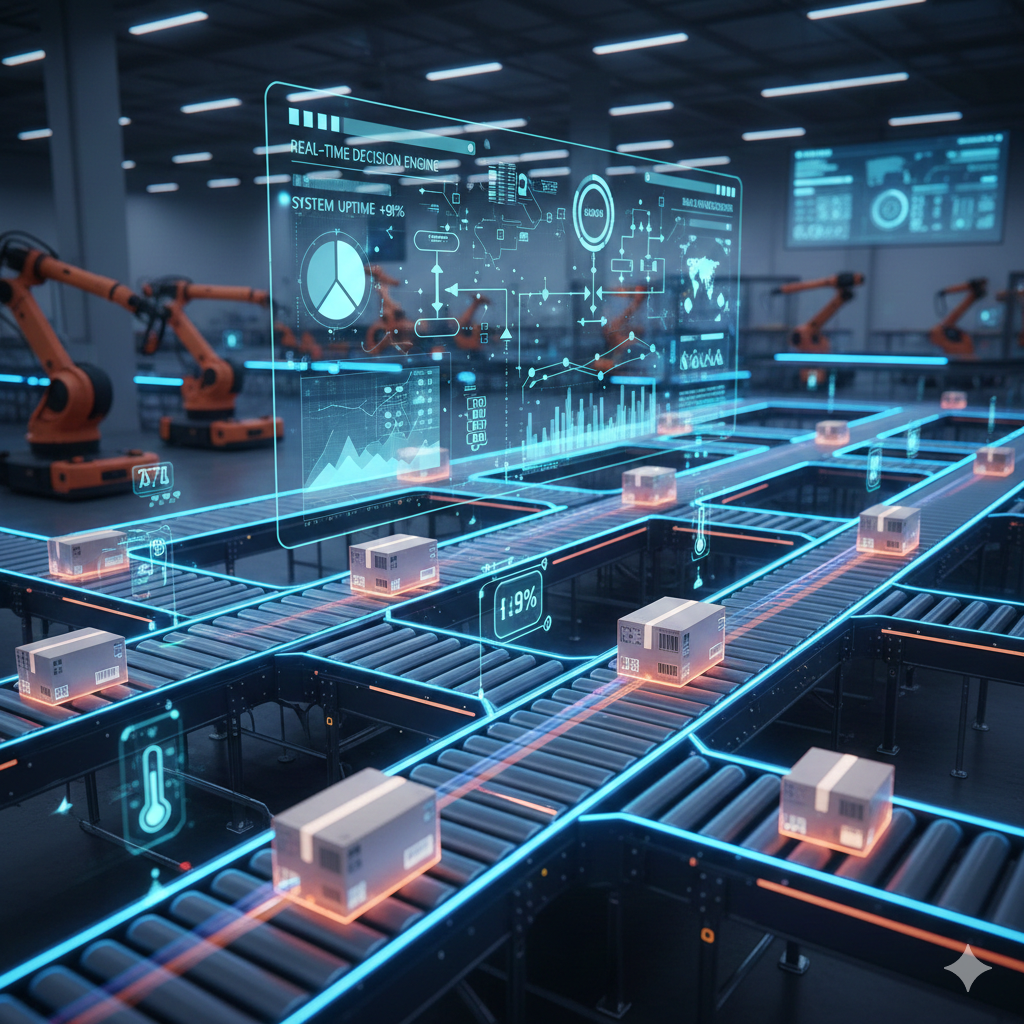
4. Real-Time System Monitoring
• Continuously tracks conveyor performance 📊
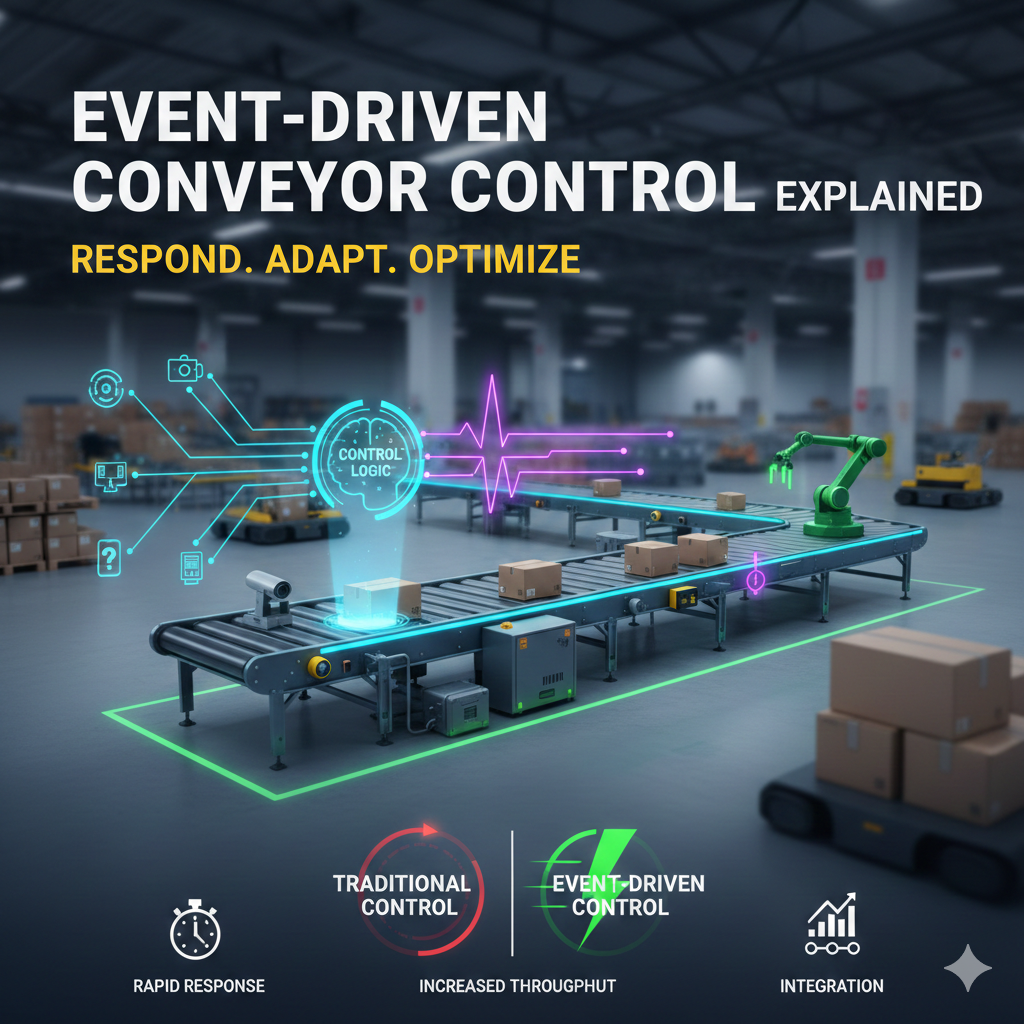
• Detects abnormal behavior instantly ⚡
• Sends early alerts before failures escalate 🔔
• Enables rapid corrective actions 🔧
Real-time monitoring allows teams to act before downtime occurs ✅.
5. Intelligent Fault Detection
• Identifies the exact location of system issues 📍
• Pinpoints root causes instead of surface symptoms 🧠
• Reduces troubleshooting and diagnosis time ⏳
• Prevents minor issues from spreading system-wide 🚫
This ensures faster recovery and minimal operational disruption 🔄.
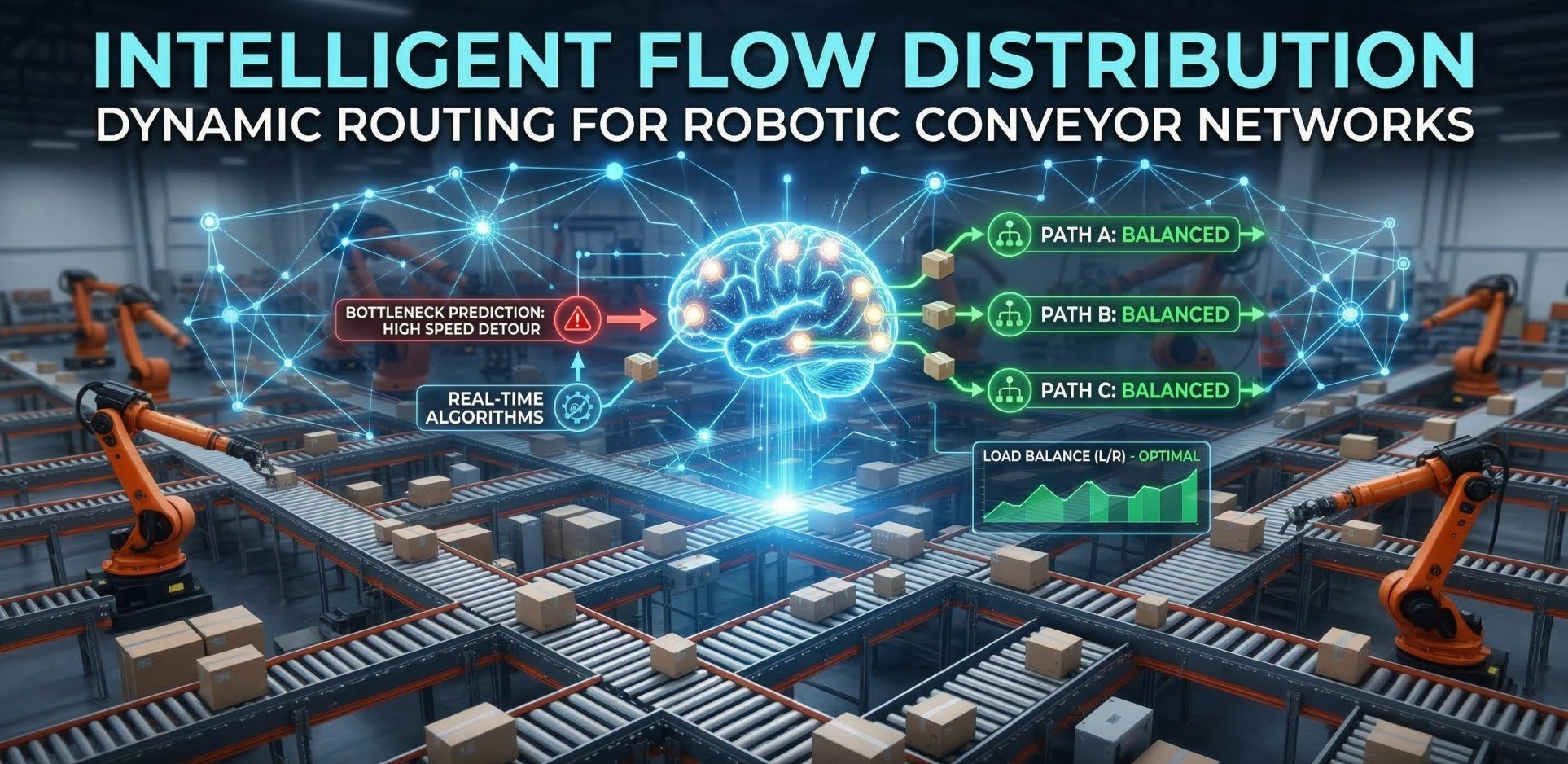
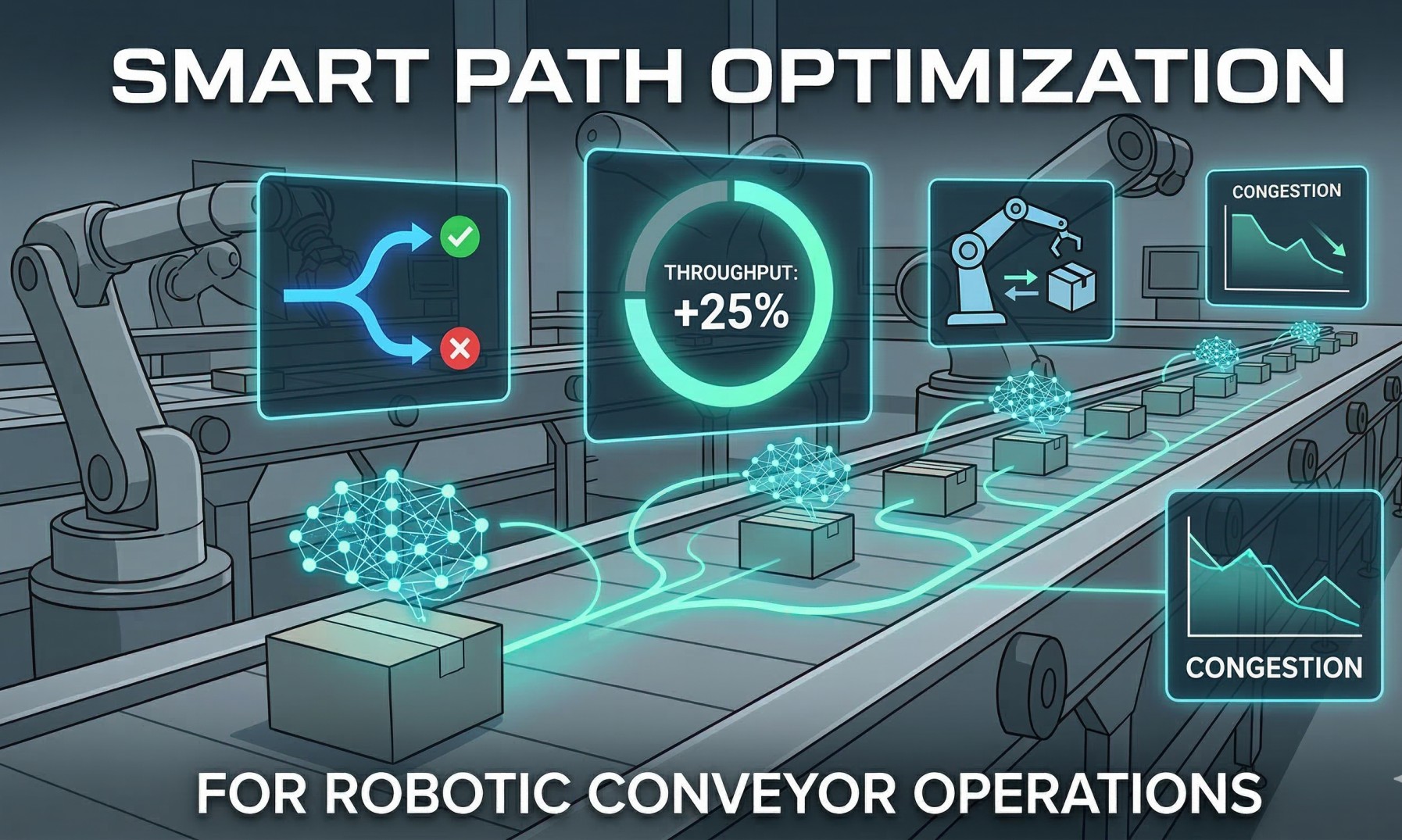
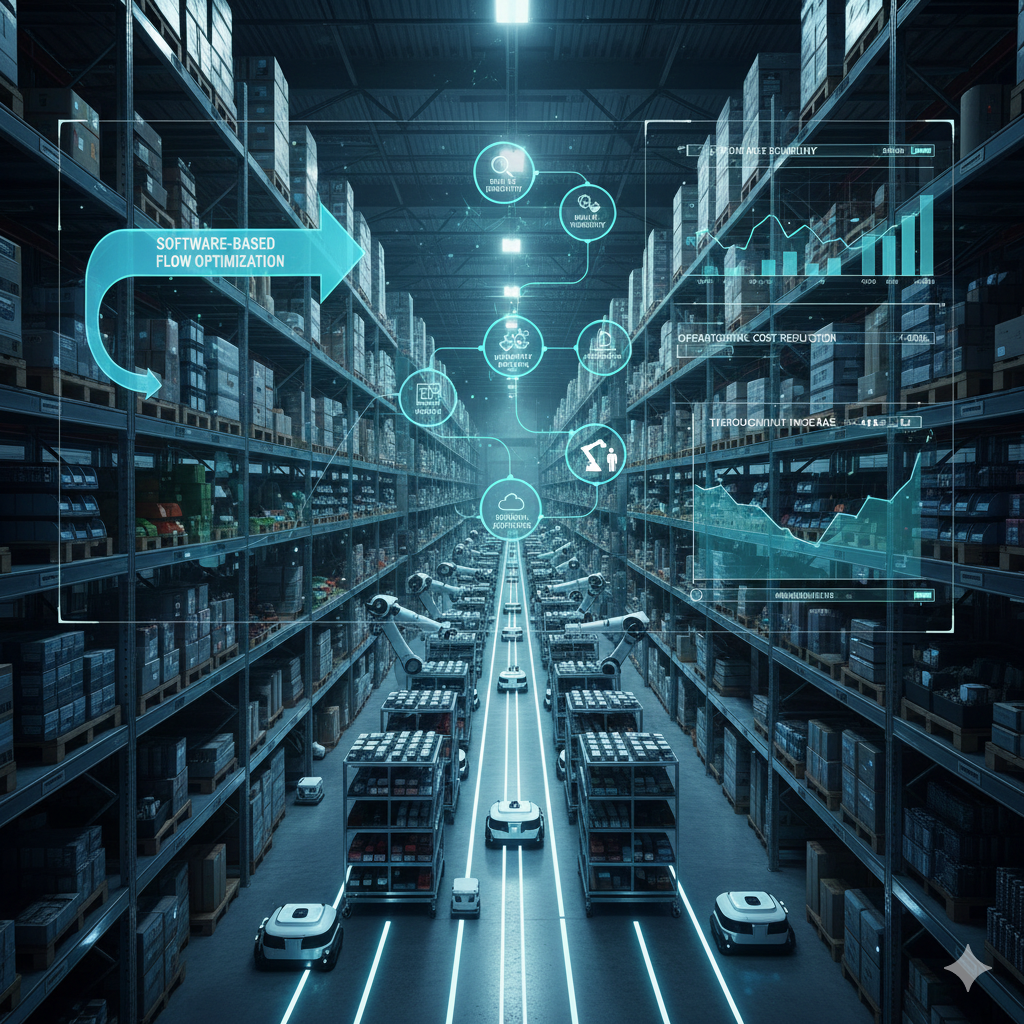
6. Optimized Load and Flow Management
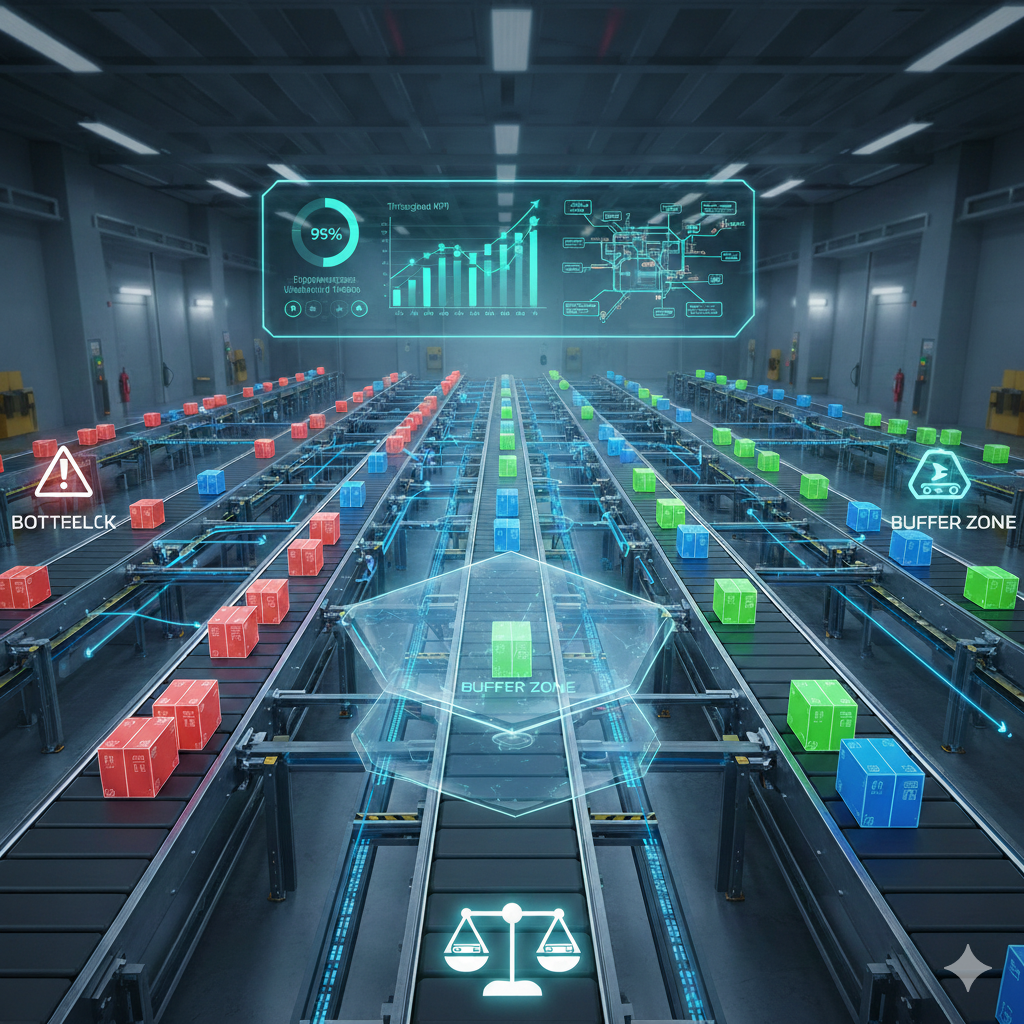
• Balances material flow across conveyor lines ⚖️
• Prevents bottlenecks and overload conditions 🚧
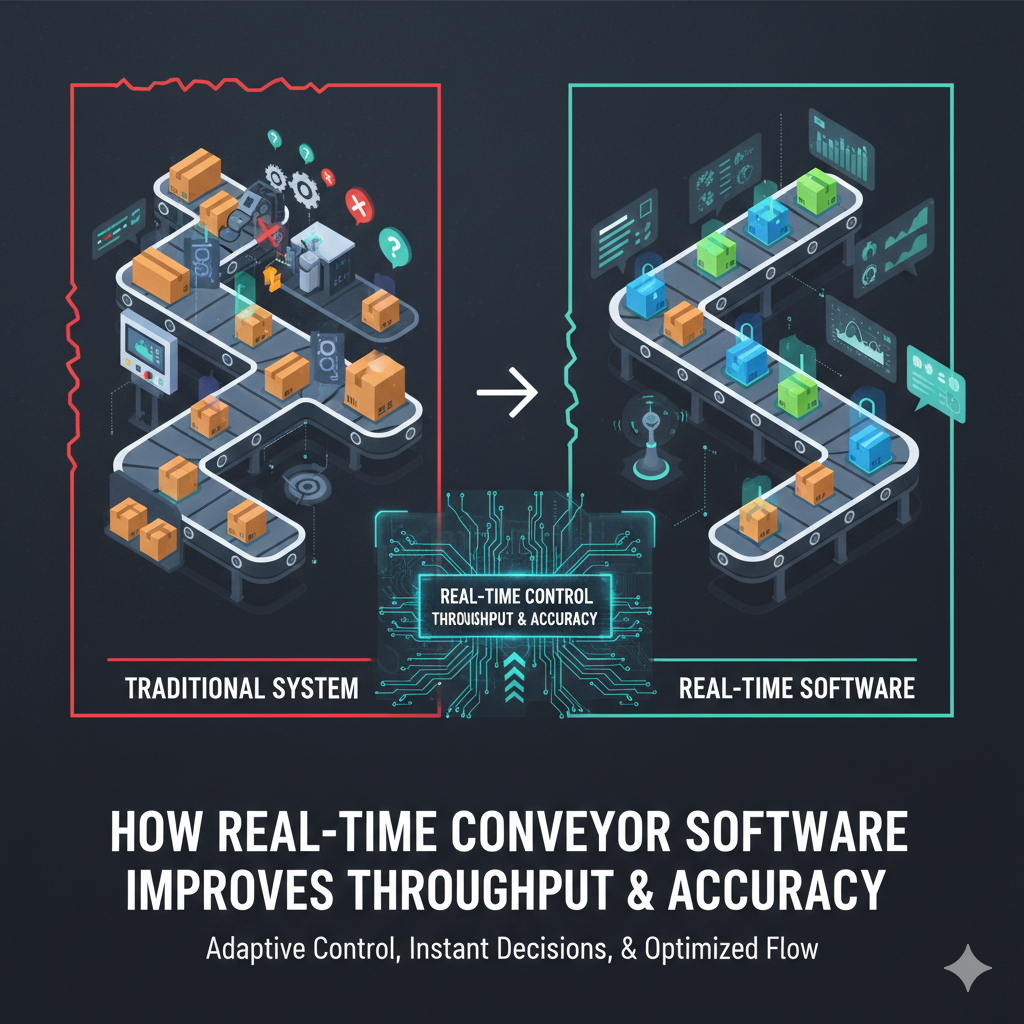
• Automatically adjusts conveyor speeds based on demand ⚡
• Improves overall throughput and efficiency 📈
Balanced flow reduces stress on components and lowers failure risk 🛡️.
7. Automated Decision Making
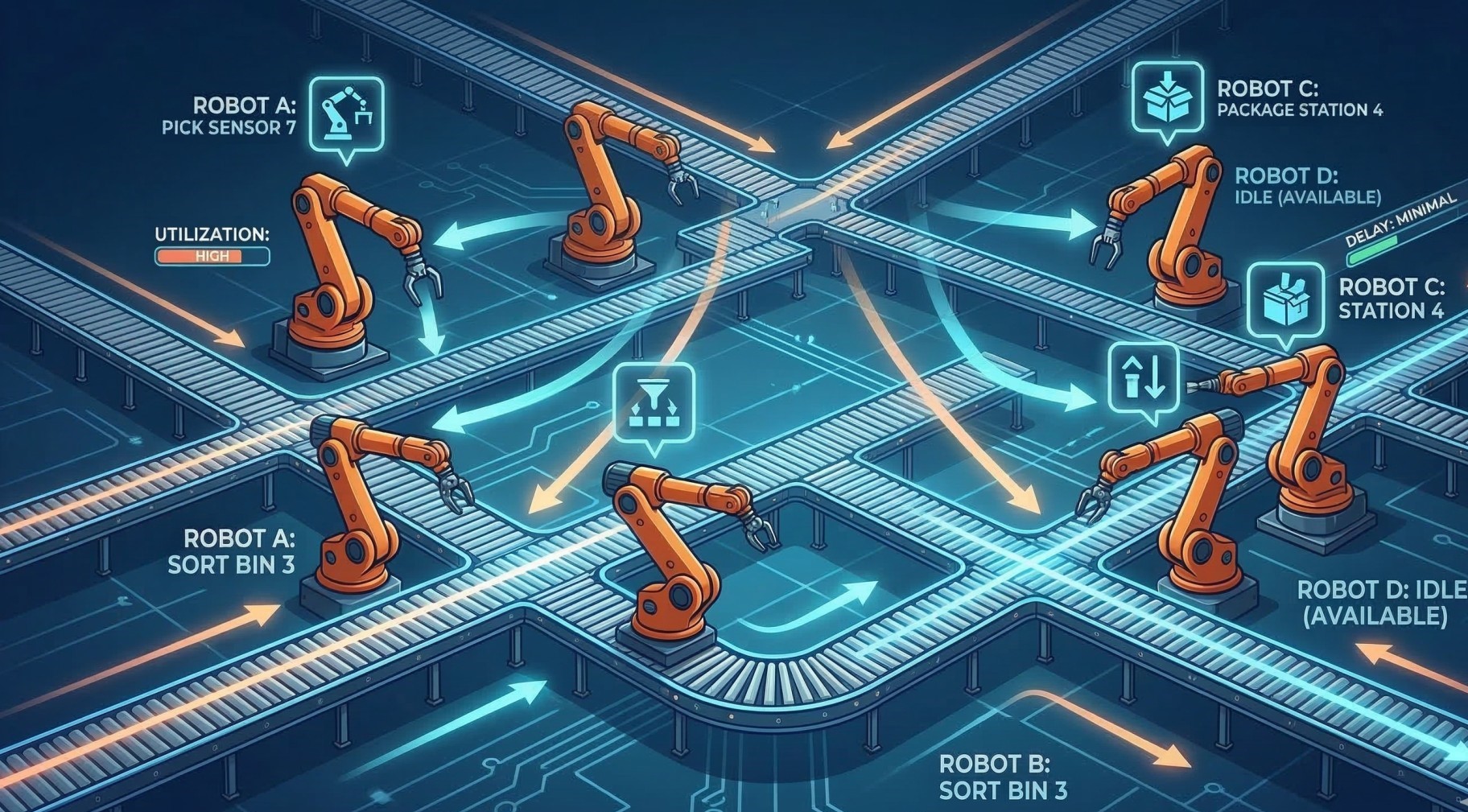
• Dynamically adjusts conveyor routes 🔄
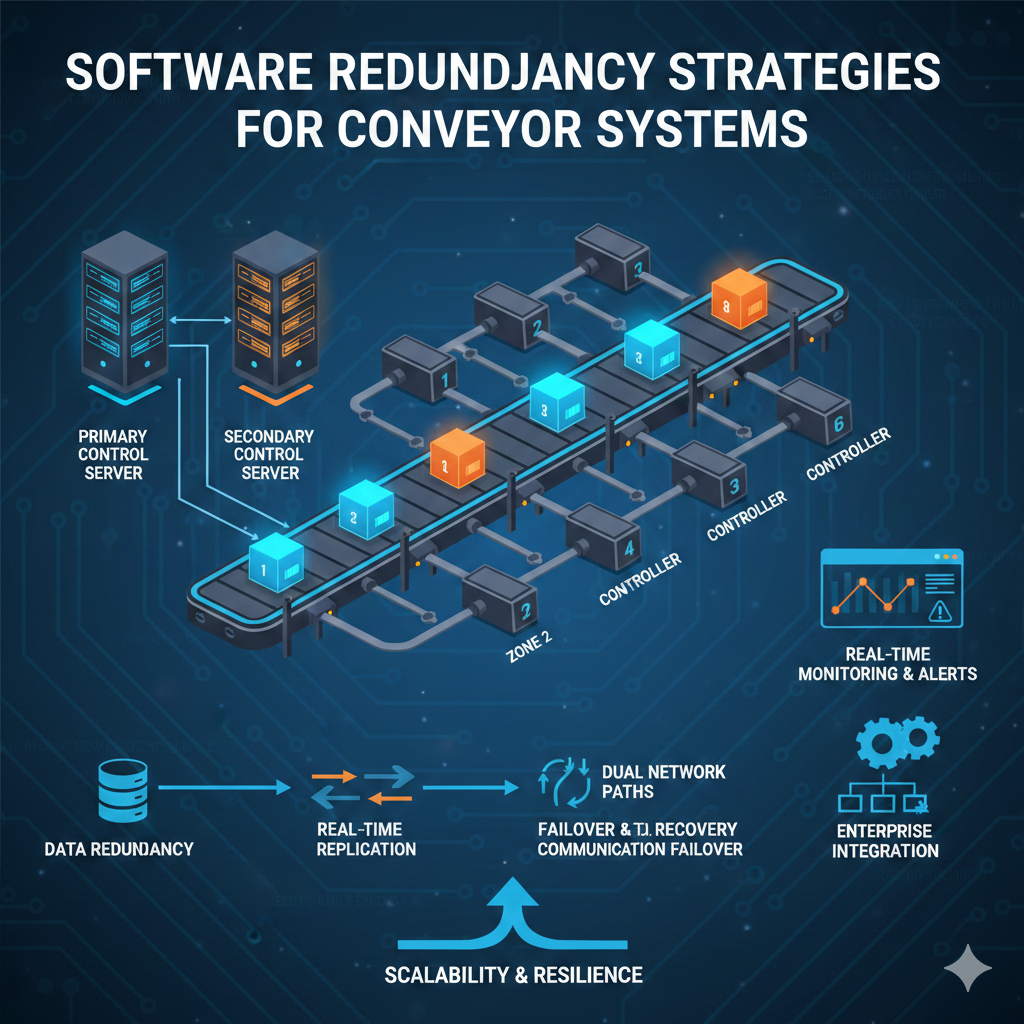
• Reroutes materials during partial system failures 📦
• Maintains operations during unexpected events ⚠️
• Minimizes reliance on manual intervention 👷
Automation keeps conveyor systems running smoothly under changing conditions 🌊.
8. Data-Driven Maintenance Planning
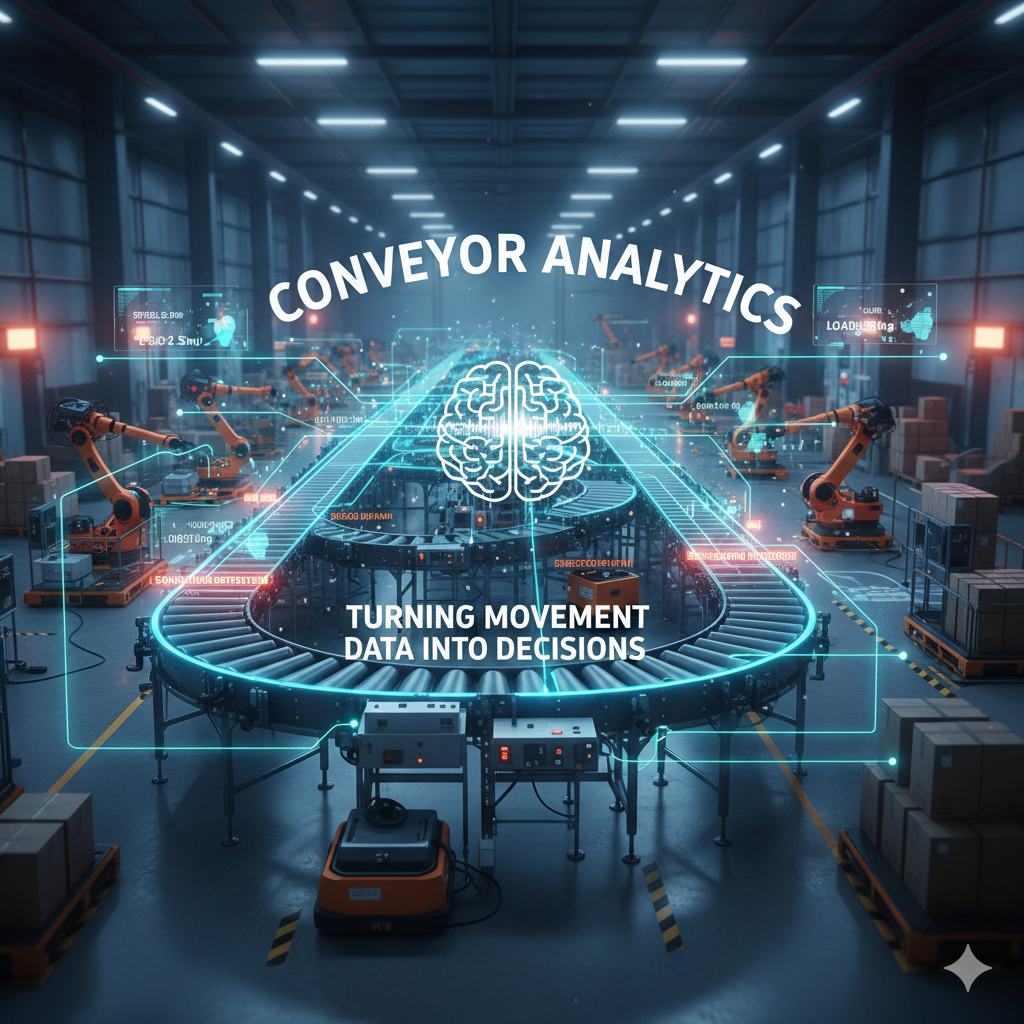
• Uses both historical and live operational data 🧾
• Schedules maintenance during low-impact time windows 🗓️
• Eliminates unnecessary maintenance activities ❌
• Improves maintenance team efficiency and planning 🧠
Smarter planning reduces costs while preventing downtime 💡.
9. Benefits of AI-Powered Conveyor Software
• Reduced unplanned downtime ⬇️
• Lower maintenance and repair expenses 💰
• Extended equipment life 🔧
• Higher operational efficiency ⚡
• Improved safety and system reliability 🛡️
• Increased throughput and productivity 📈
🎯 Final Thoughts
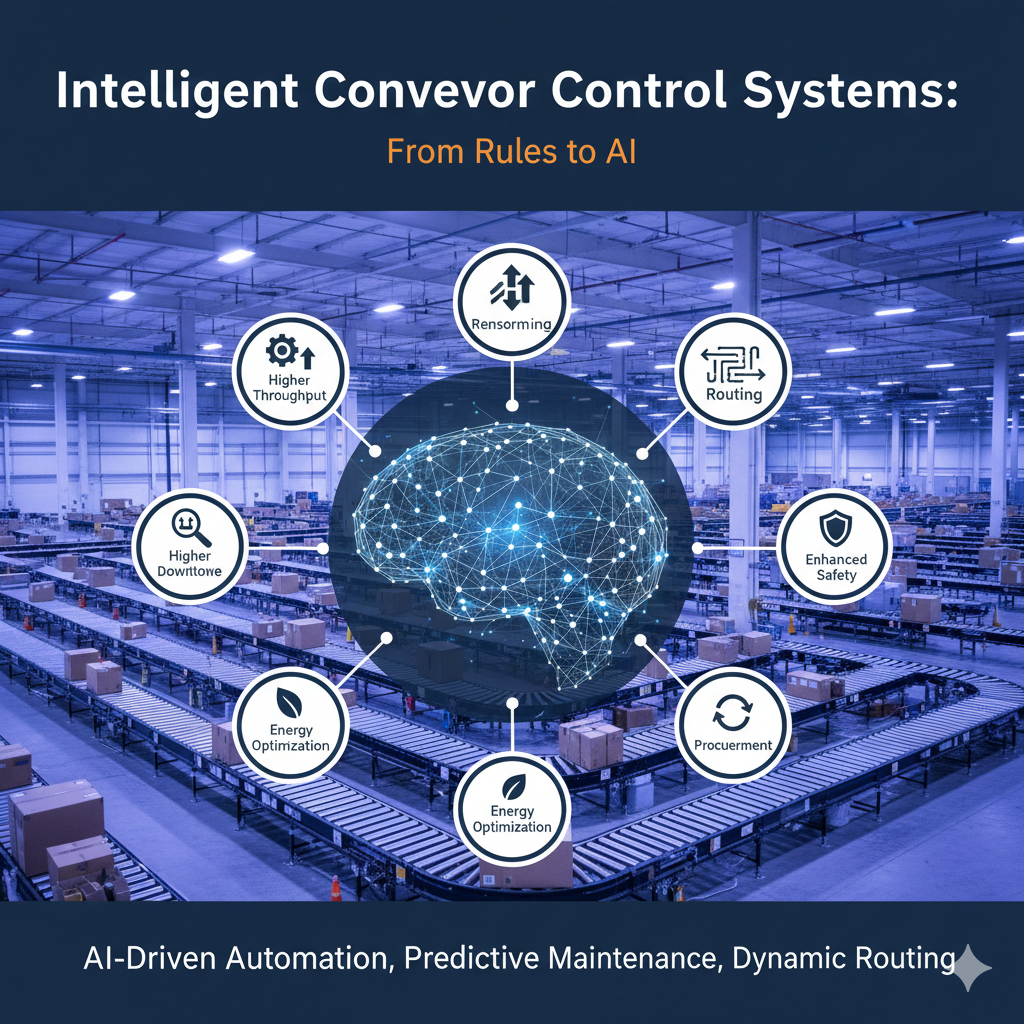
AI-powered conveyor software is transforming how conveyor systems are managed. By combining predictive maintenance, real-time monitoring, and intelligent automation, it helps prevent downtime before it happens. For operations that depend on continuous material flow, AI-driven conveyor control is no longer optional—it is essential for reliable, efficient, and future-ready performance 🚀🏭.
See more blogs
You can all the articles below