Intelligent Asset Management with Conveyor Software and RFID

Intelligent AssetManagement with Conveyor Software and RFID
In today’s data-driven environments, organizations rely onaccurate, real-time asset visibility—whether managing IT equipment, operationaltools, or high-value, mission-critical infrastructure. As asset volumesincrease and operations grow more complex, manual tracking methods struggle tokeep pace.
The Growing Complexity of Asset Management
Modern organizations manage assets across multiplelocations, departments, and systems. From data centers and warehouses tohospitals and industrial facilities, maintaining accurate asset records isessential for efficiency, compliance, and cost control.
Common challenges include
- Lost or misplaced assets
- Outdated or inaccurate records
- Time-intensive manual audits
- Limited real-time visibility
- Difficulty scaling as asset inventories expand
Without automation, asset management remains reactive ratherthan proactive.
The Limitations of Traditional Asset Tracking
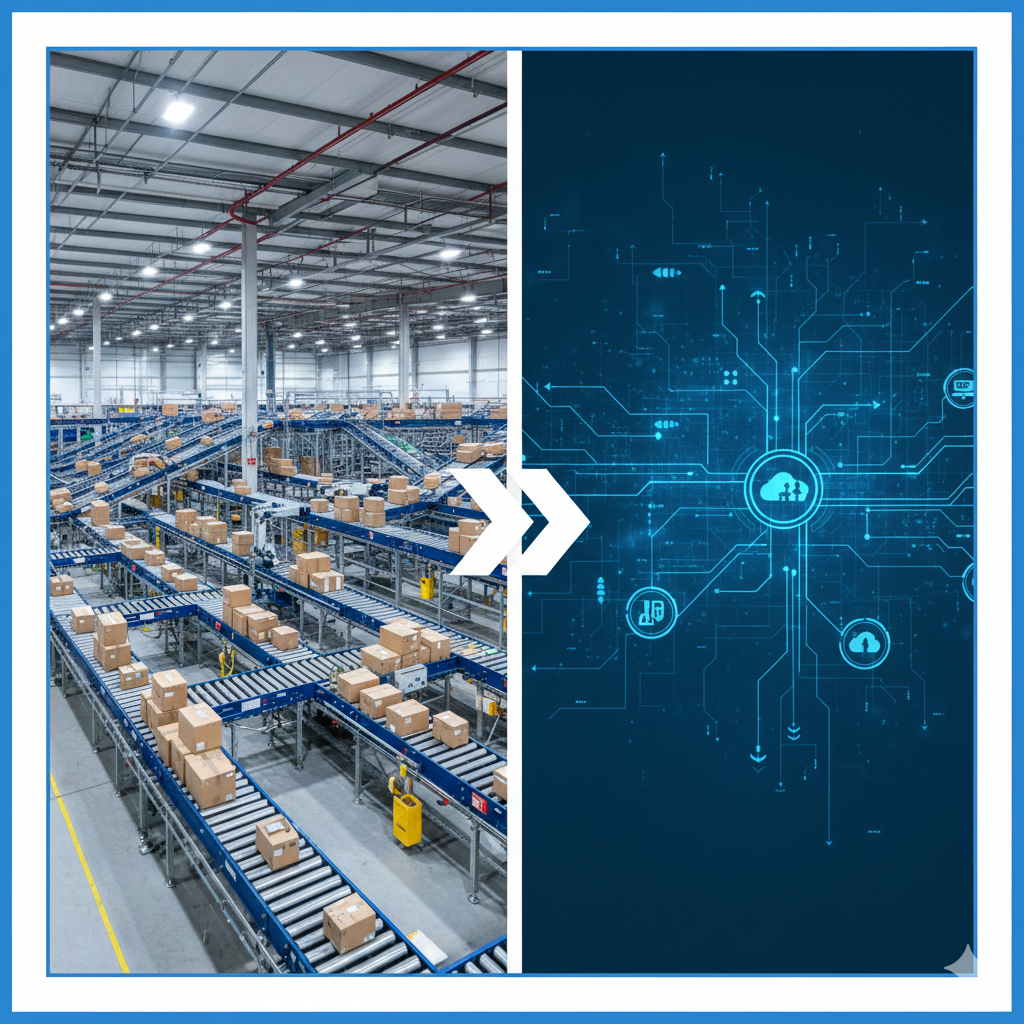
Legacy tracking methods—such as spreadsheets, barcodes, andmanual data entry—depend heavily on human effort and are inherently prone toerror.
These approaches often lead to:
- Duplicate or missing asset records
- Delayed inventory updates
- Increased labor costs during audits
- Low confidence in asset data accuracy
As operations scale, these inefficiencies become more costlyand harder to manage.
How RFID Streamlines Asset Tracking
RFID technology removes friction from asset tracking byautomating identification and data capture.
With RFID:
- Assets are detected automatically without line-of-sight scanning
- Multiple items are read simultaneously
- Inventory audits are completed in seconds
- Accuracy improves significantly
RFID establishes the foundation for fast, reliable, andscalable asset visibility.
Conveyor Software: Turning RFID Data into Intelligence
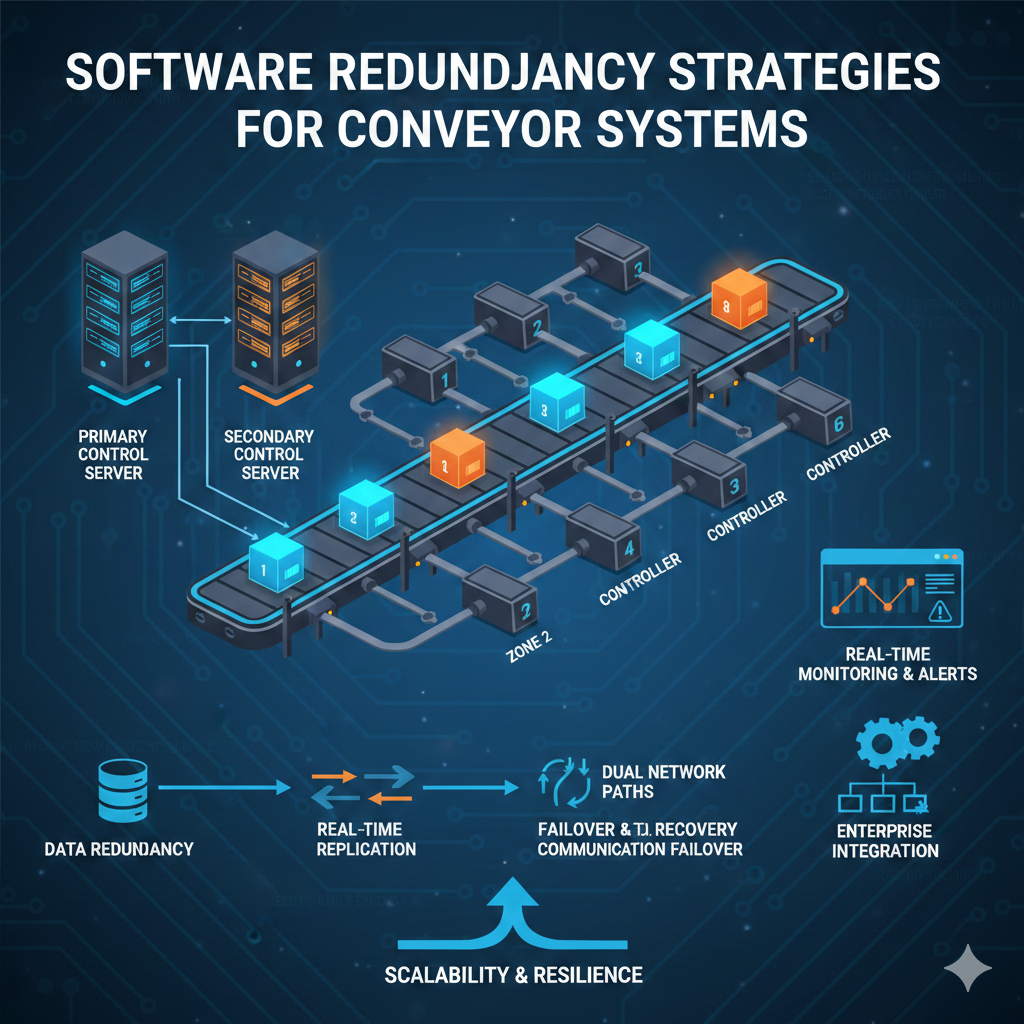
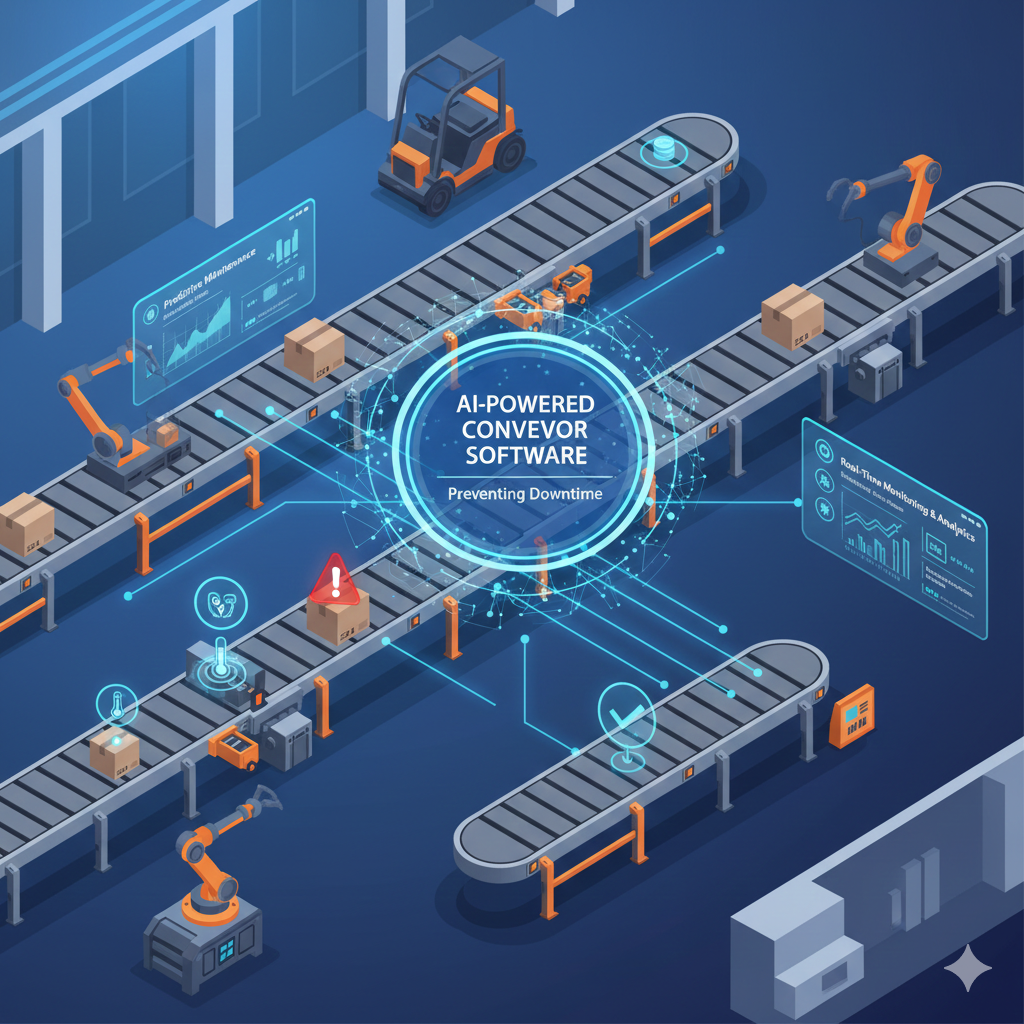
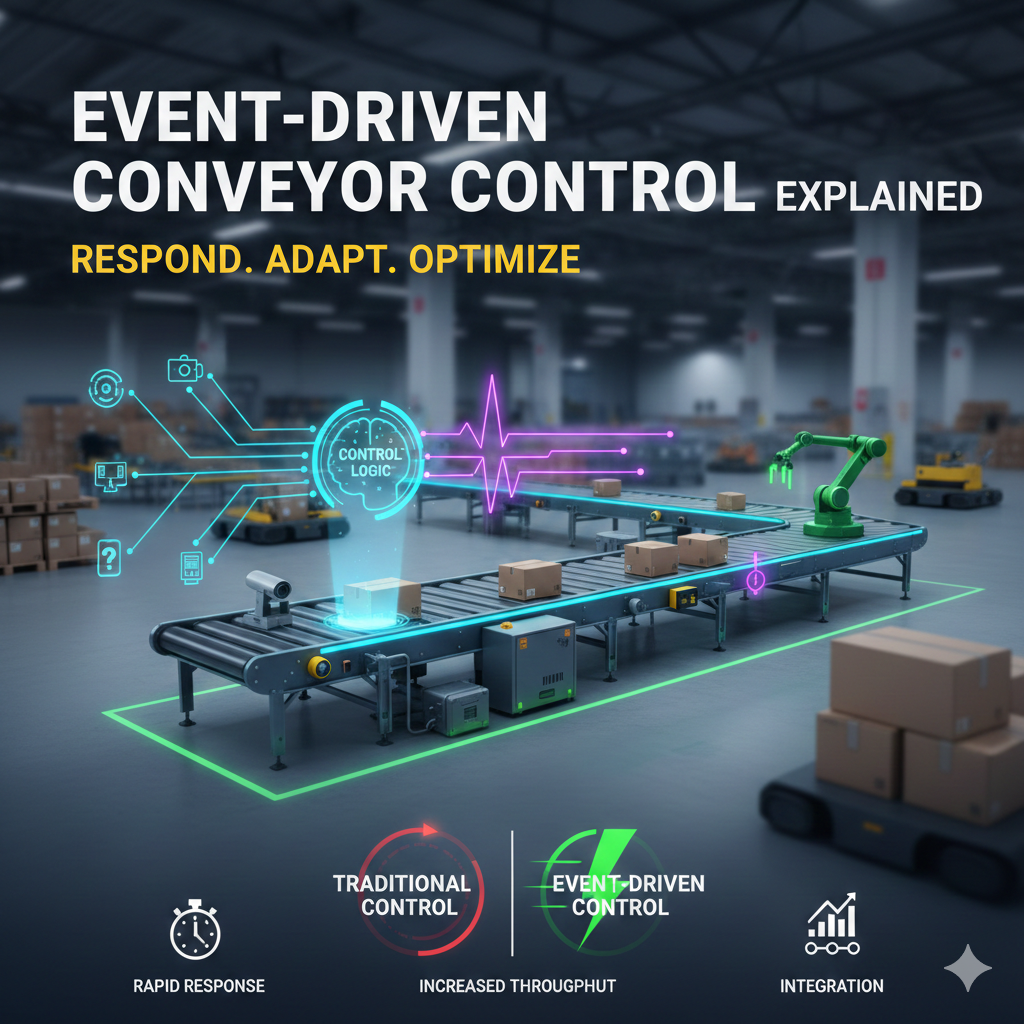
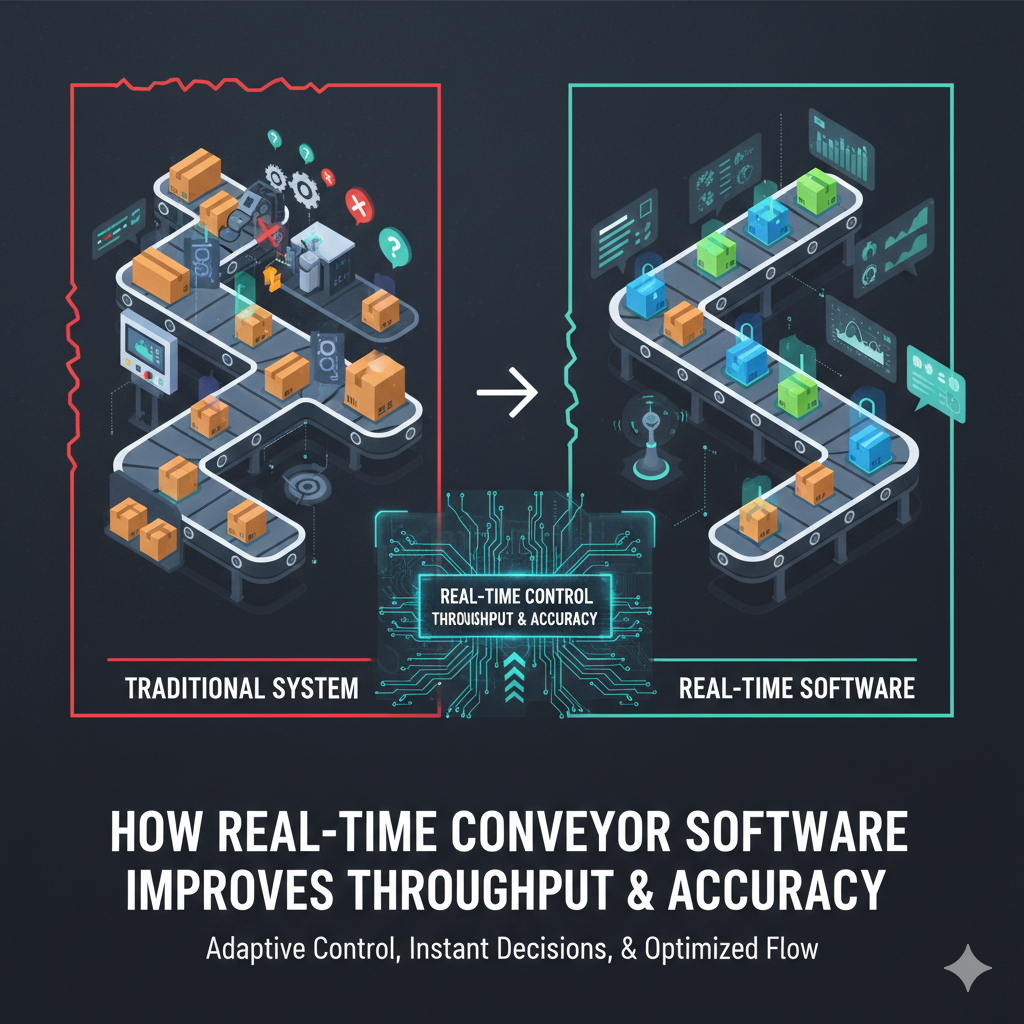
Conveyor Software acts as the intelligence layer thattransforms raw RFID data into actionable insight.
By collecting and processing RFID reads, Conveyor Softwareenables organizations to:
- Maintain accurate, real-time asset records
- Automatically track asset location and status
- Conduct rapid and reliable inventory audits
- Identify discrepancies and anomalies instantly
- Maintain detailed audit trails for compliance
Instead of managing fragmented data, teams gain a single,trusted view of their assets.
Key Benefits of Conveyor Software–Driven Asset Management
Implementing Conveyor Software with RFID delivers measurableoperational value:
- Faster inventories
Complete asset audits in minutes rather than days. - Greater accuracy
Eliminate manual errors and reduce asset loss. - Real-time visibility
Know where assets are and how they’re being used at all times. - Stronger accountability
Track asset movement and ownership with confidence. - Scalable architecture
Easily support growing asset volumes and distributed locations.
Ideal Use Cases Across Industries
Conveyor Software–powered asset management is well suitedfor:
- Data centers and IT environments
- Manufacturing and industrial operations
- Healthcare and medical equipment tracking
- Utilities and infrastructure management
- Warehousing and enterprise asset control
Any organization that prioritizes accuracy, speed, andcontrol can benefit from RFID-enabled asset management.
Asset Tracking Made Effortless
Asset management no longer needs to be complex or manual. ConveyorSoftware simplifies RFID-based asset tracking by automating data capture,improving accuracy, and delivering real-time insight.
By replacing spreadsheets and manual processes withintelligent automation, Conveyor Software empowers organizations to gain fullcontrol of their assets—reducing costs, increasing efficiency, and enablingsmarter decisions.
With Conveyor Software, tracking assets with RFID hastruly never been easier.
See more blogs
You can all the articles below