Intelligent Conveyor Control Systems: From Rules to AI
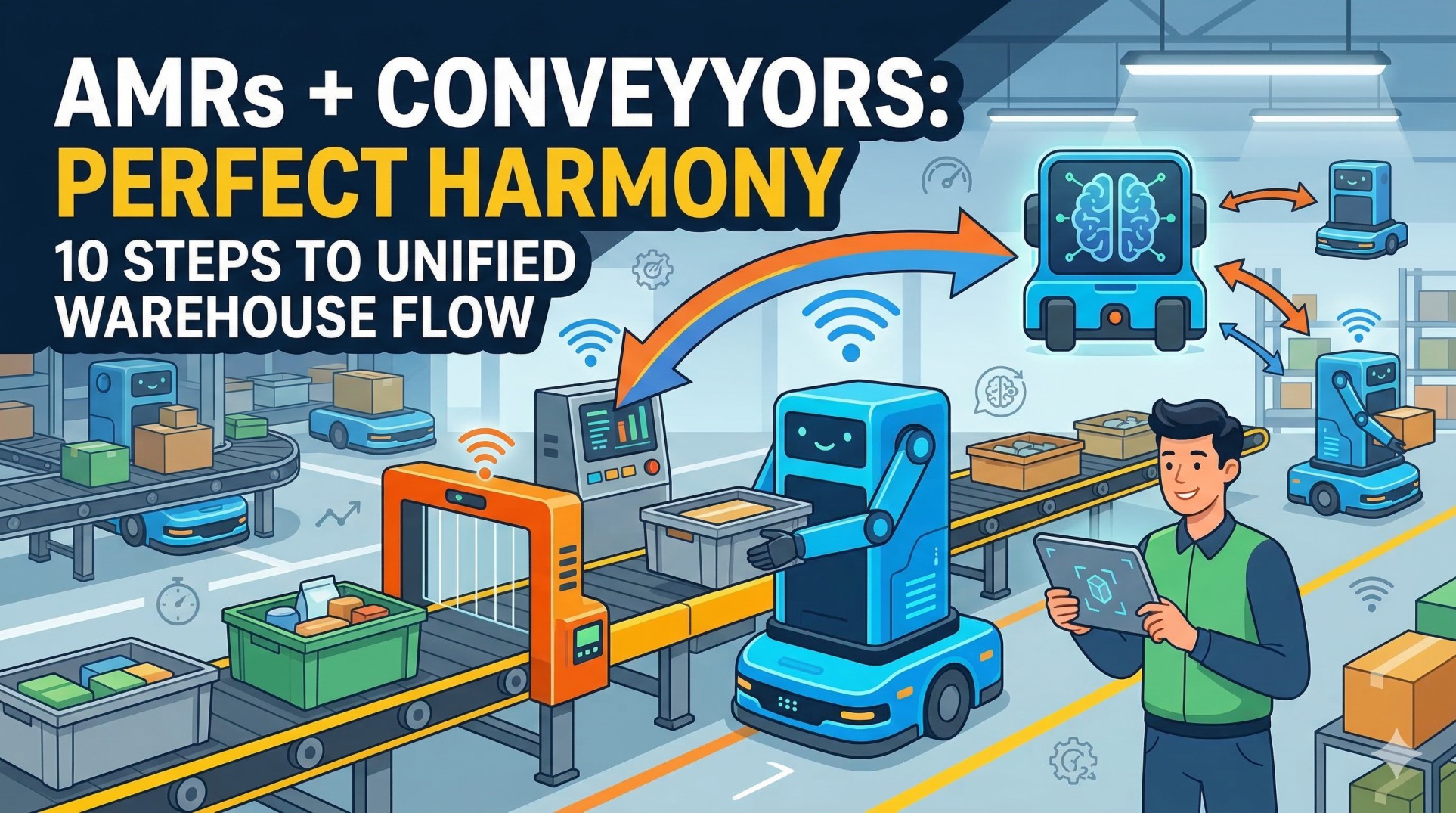
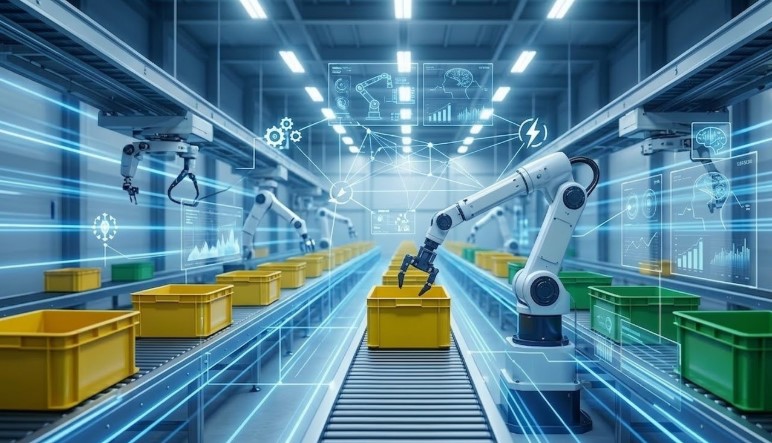
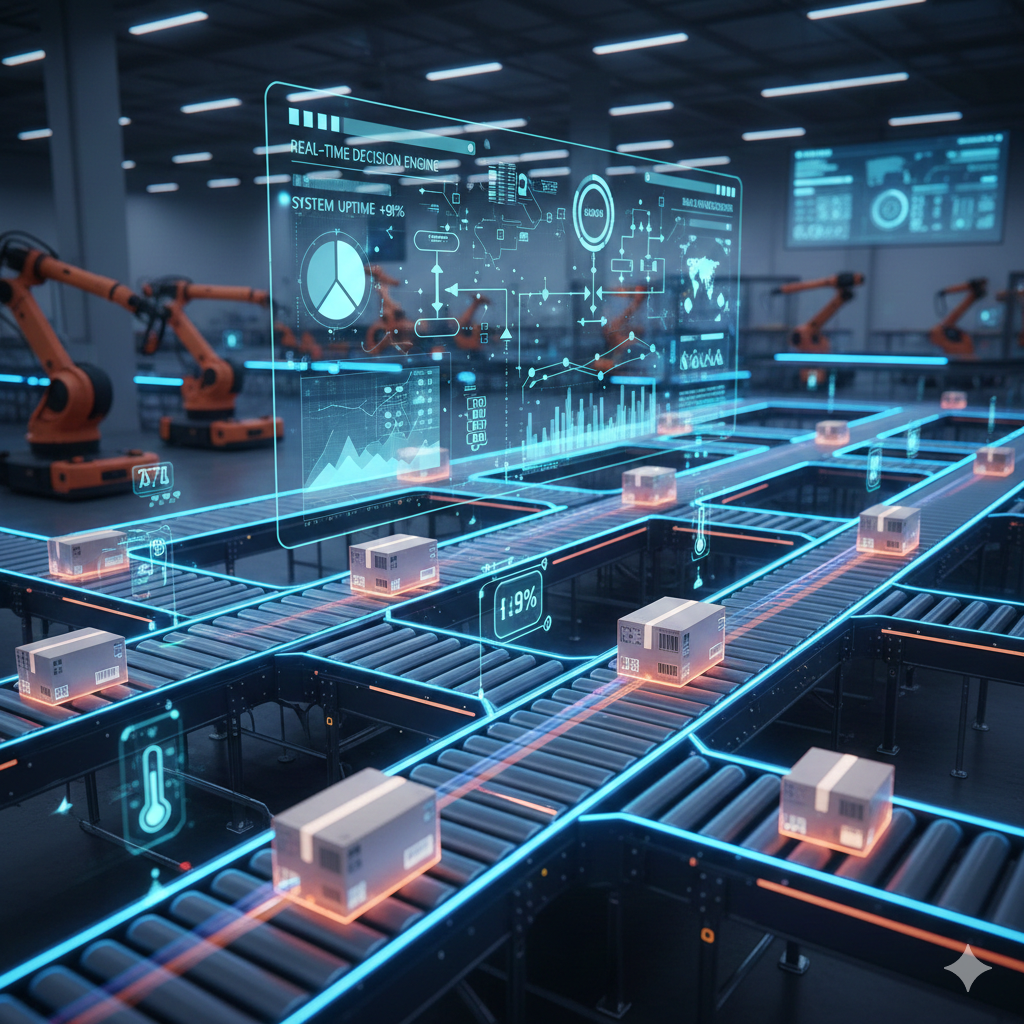
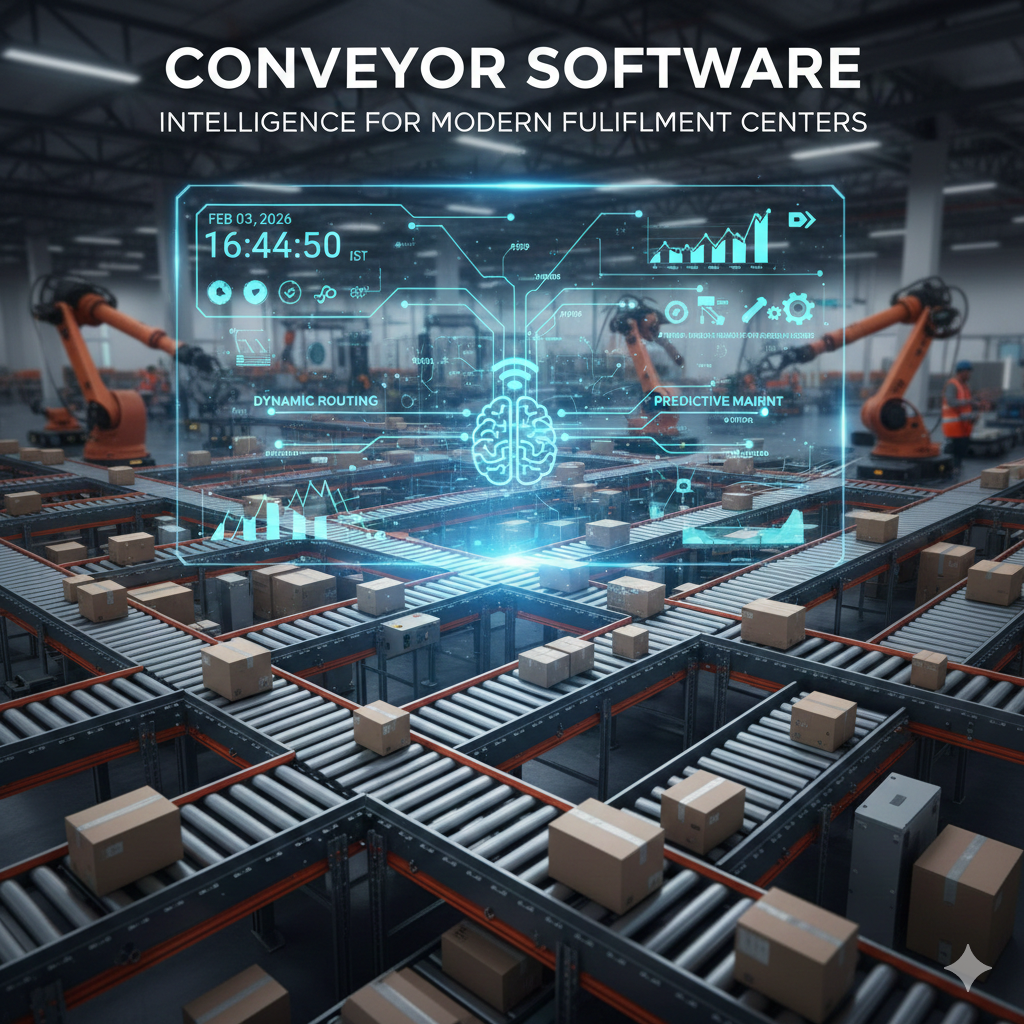
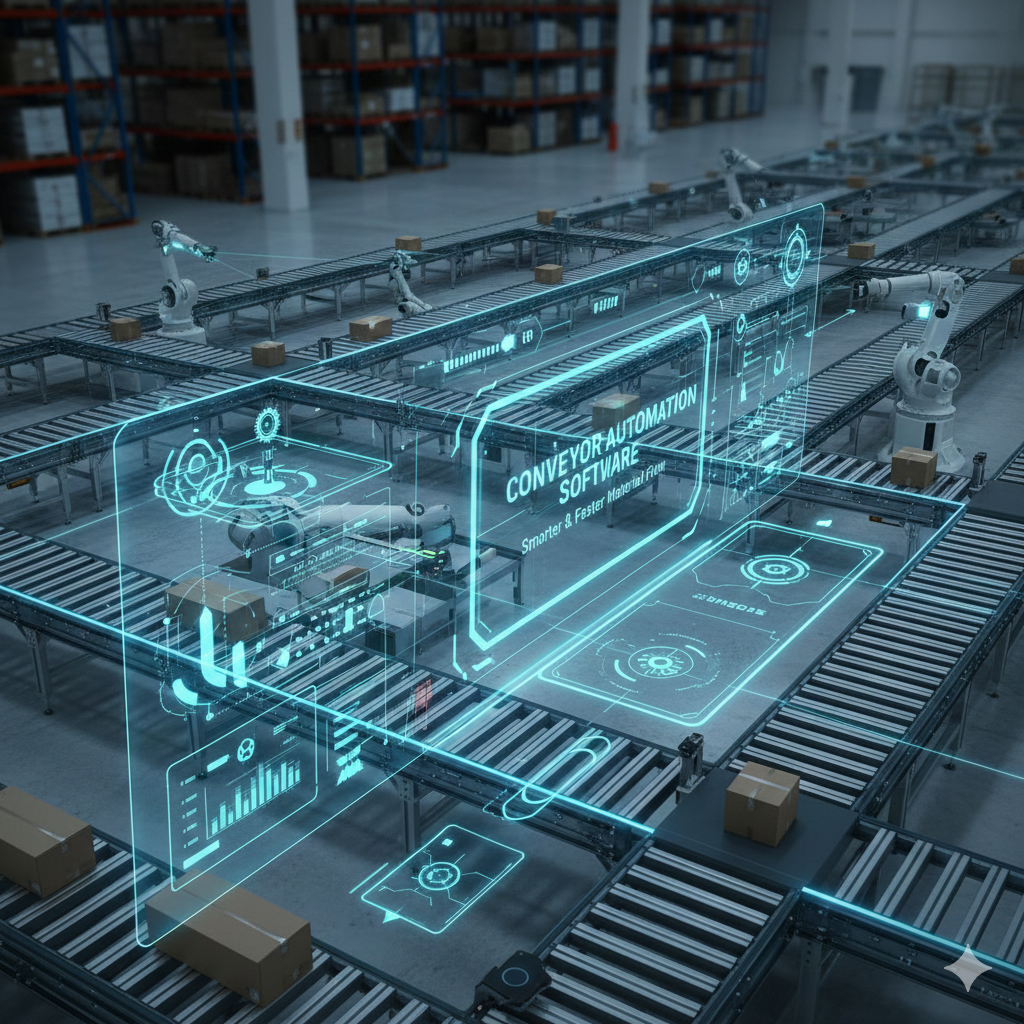
Conveyor systems play a critical role in modern manufacturing, warehousing, and logistics. In the past, conveyor control depended on rigid rules and predefined logic. Today, intelligent conveyor control systems powered by real-time data, automation, and artificial intelligence (AI) are redefining material handling—delivering faster, safer, and more efficient operations ⚙️📦
🧱 Traditional Rule-Based Conveyor Control
• Relies on fixed logic and predefined conditions 🧩
• Uses basic triggers such as sensors, timers, and switches ⏱️🔘
• Operates with predictable and repetitive workflows 🔁
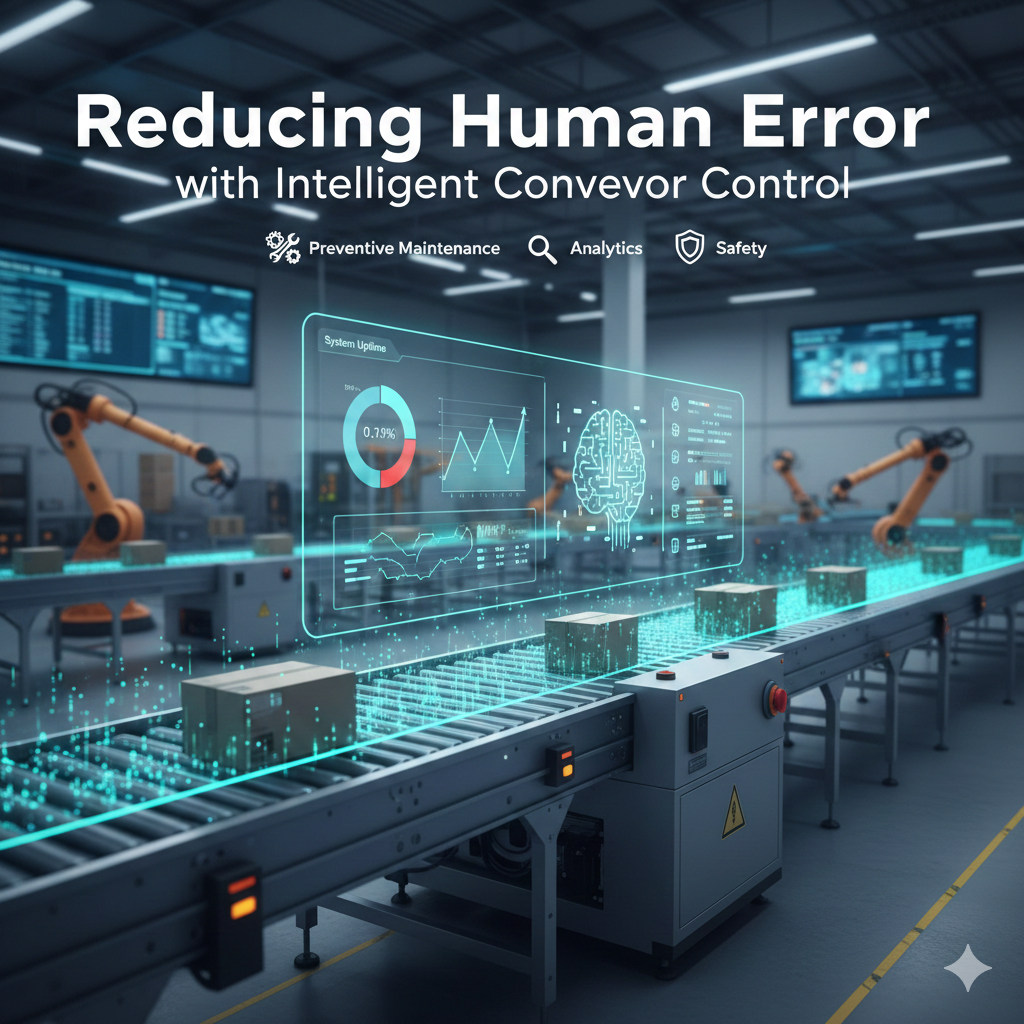
• Requires manual intervention to manage exceptions 👷
• Has limited flexibility to handle changing conditions 🚫
⚠️ Limitations of Rule-Based Systems
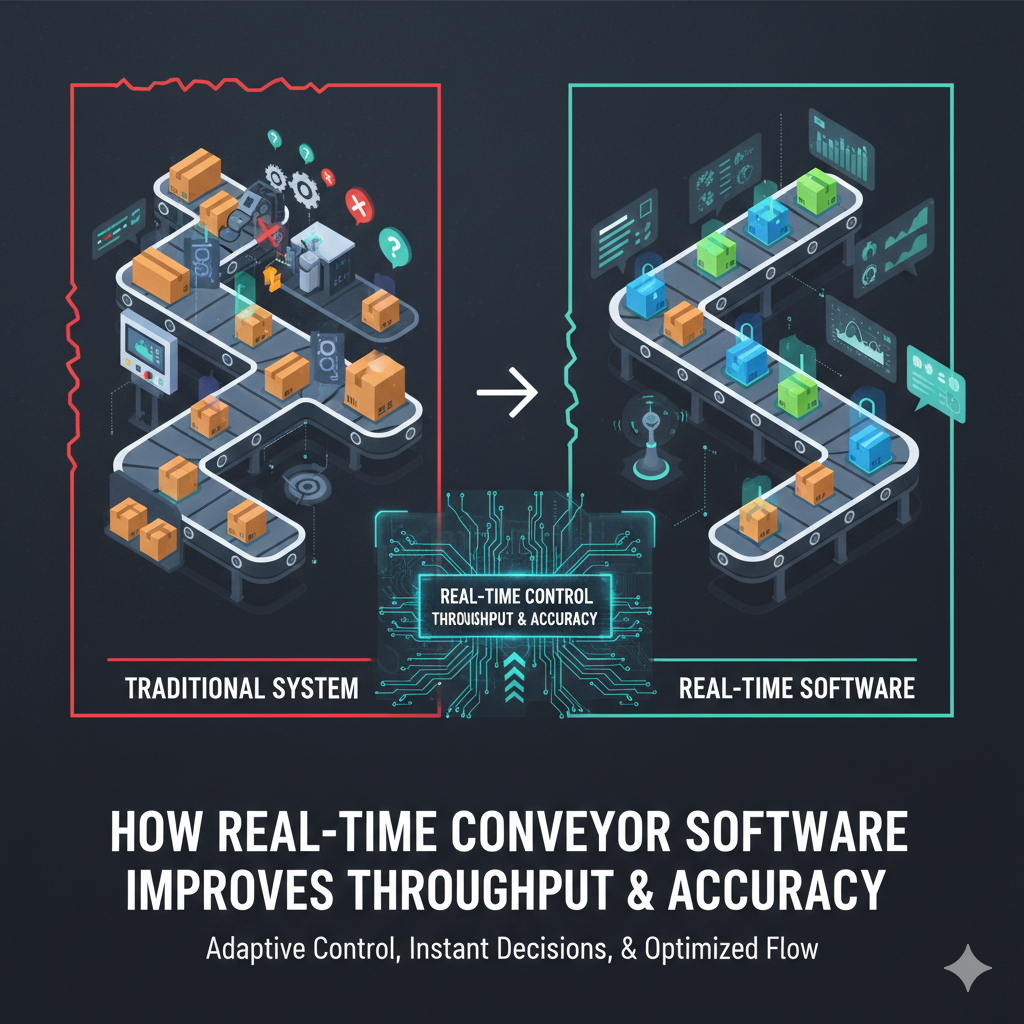
• Cannot adapt quickly to demand changes 📉📈
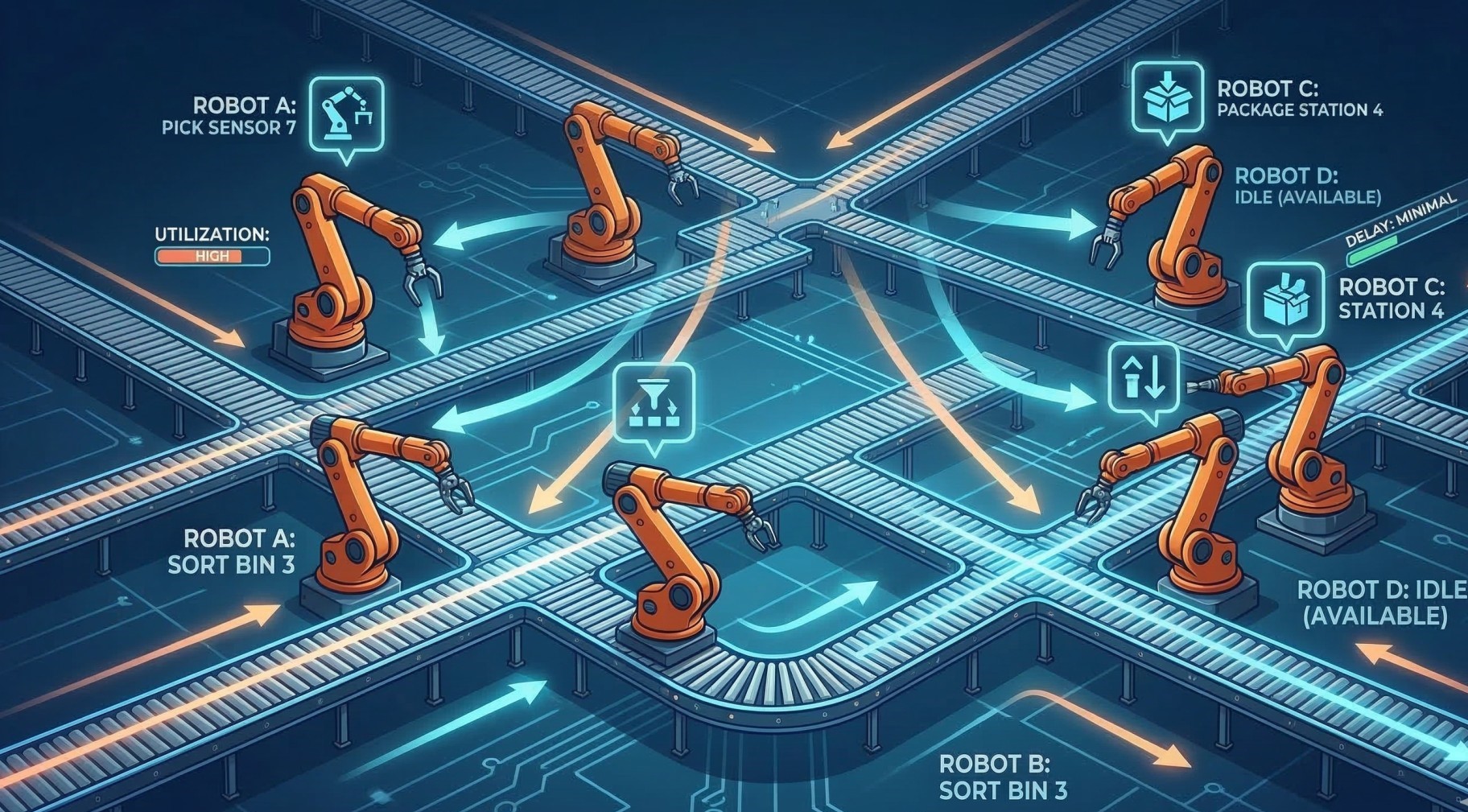
• Struggles with complex routing and fluctuating volumes 🔀
• Experiences higher downtime during unexpected events ⛔
• Needs frequent manual adjustments and maintenance 🔧
• Offers limited insight into overall system performance 📊
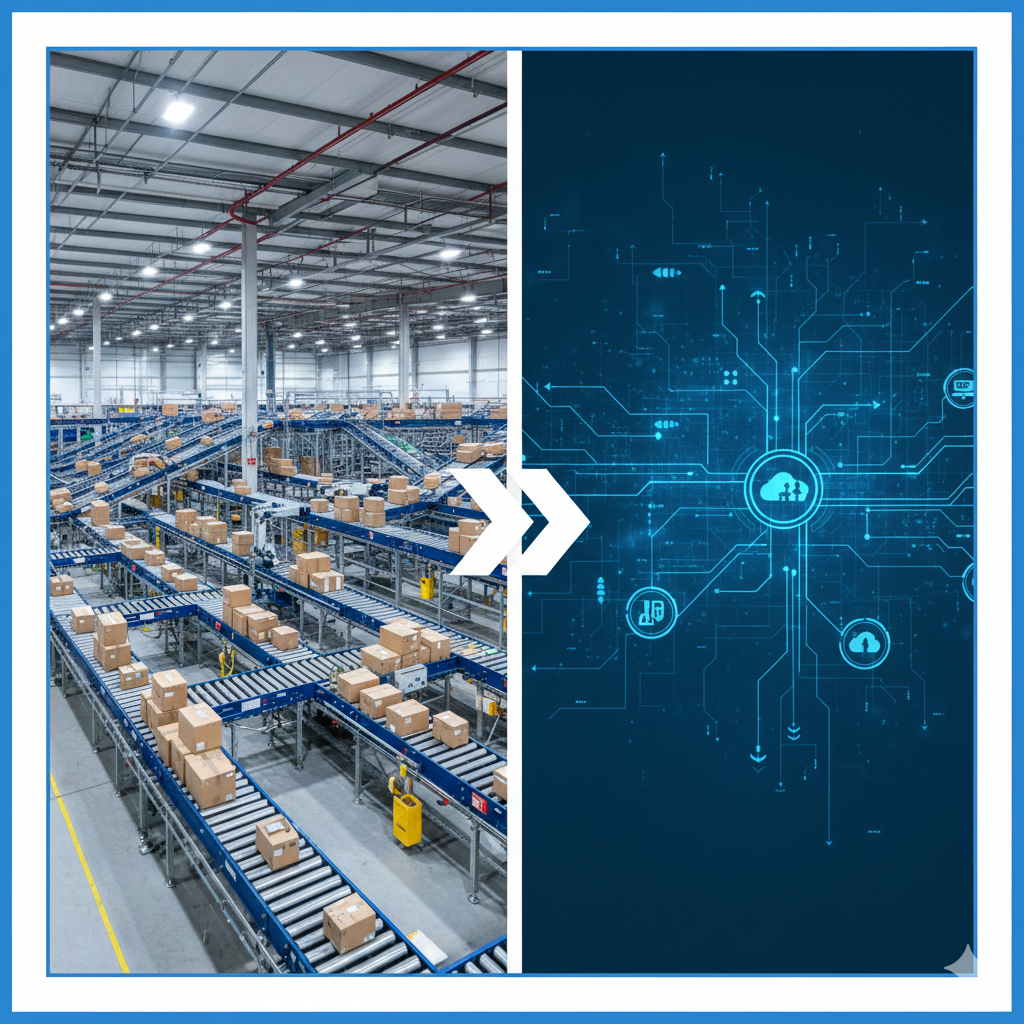
🔄 Shift Toward Intelligent Conveyor Control
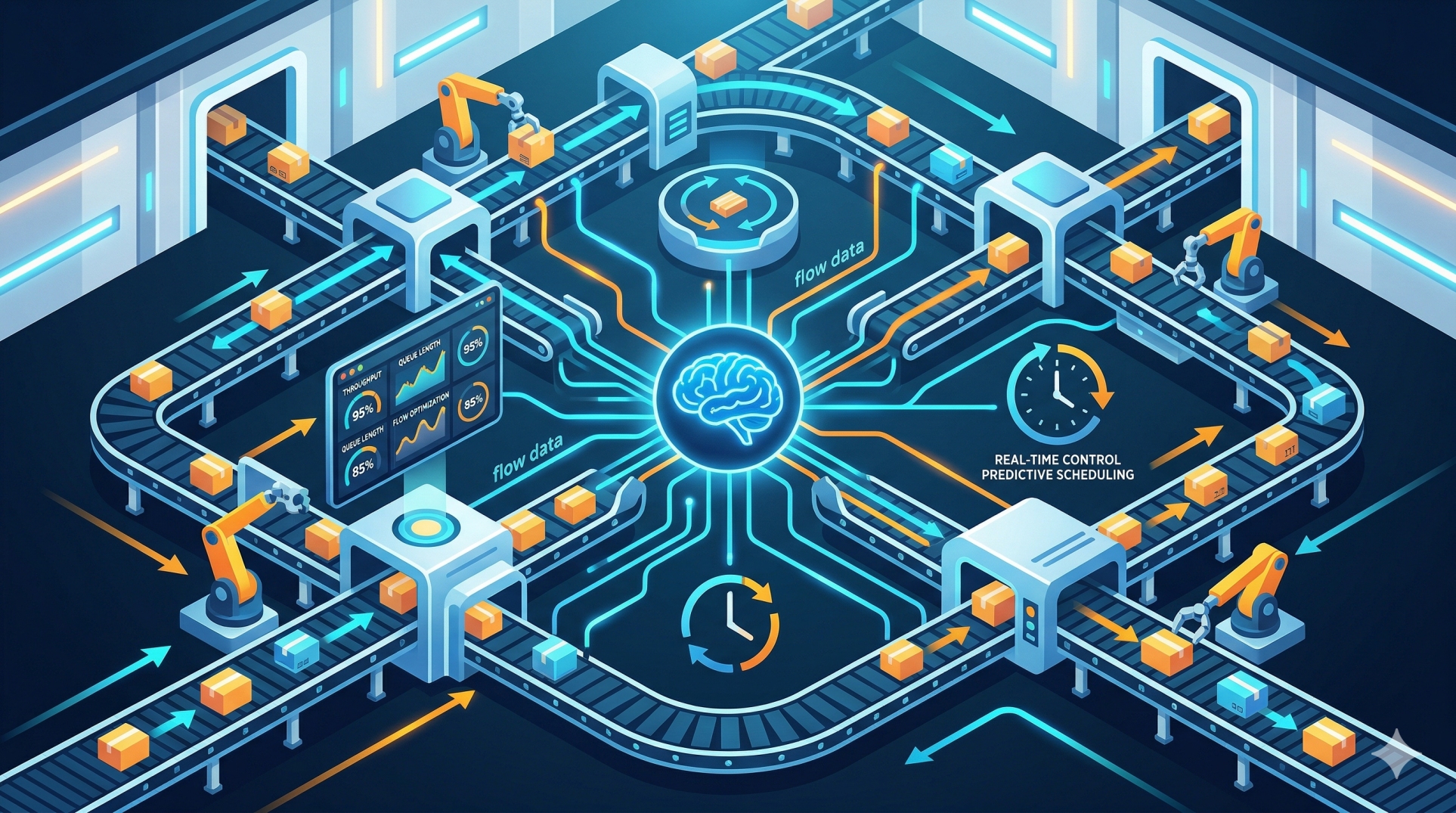
• Collects real-time data from sensors and equipment 📡
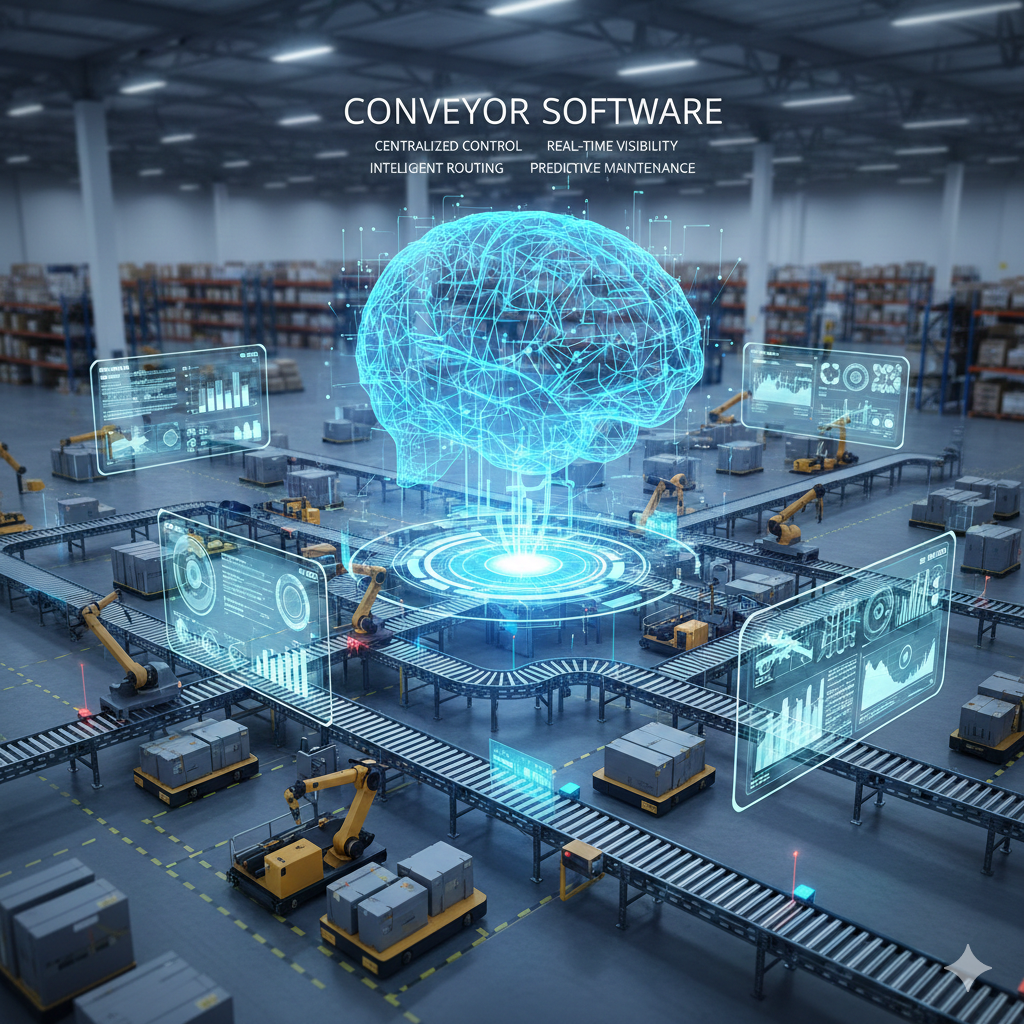
• Uses advanced software to evaluate system behavior 💻
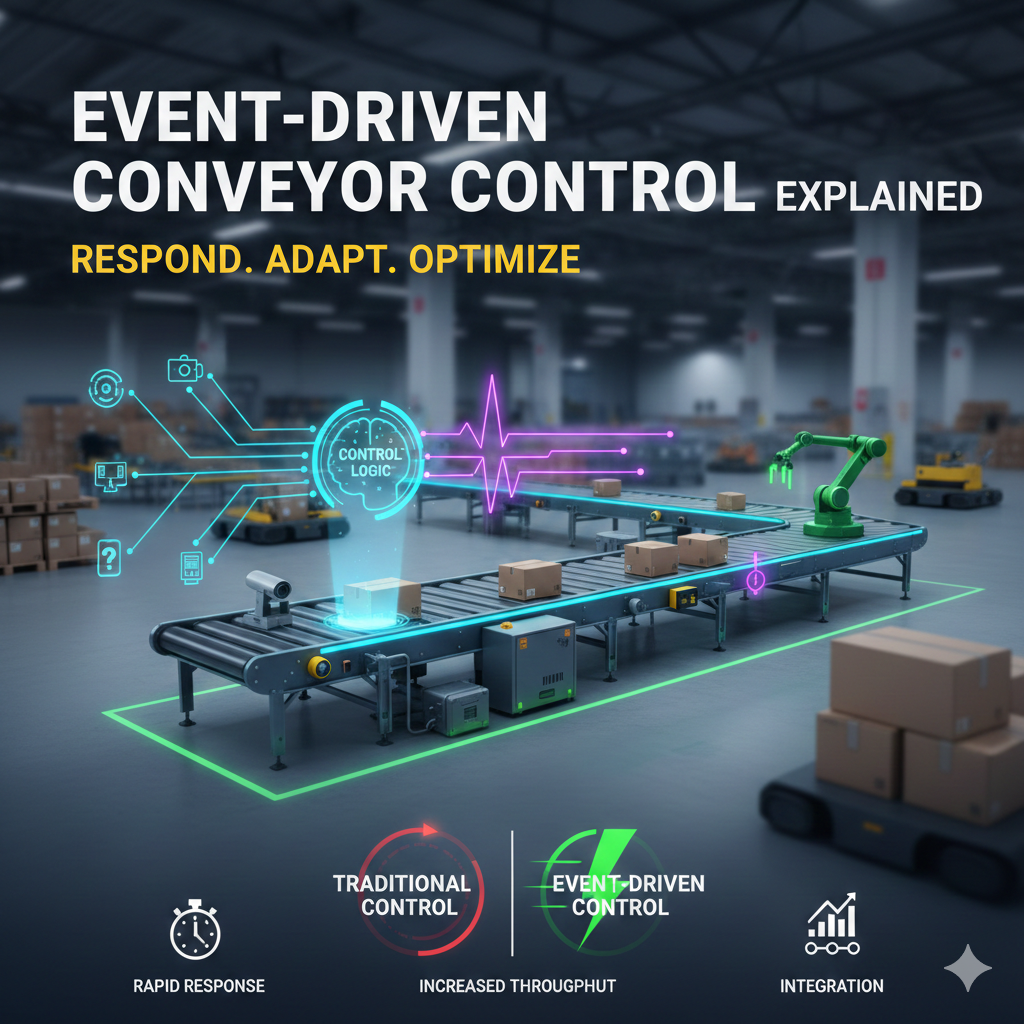
• Enables dynamic decision-making based on live conditions ⚡
• Reduces reliance on static rules and manual control 🤝
🧠 Technologies Powering Intelligent Conveyor Systems
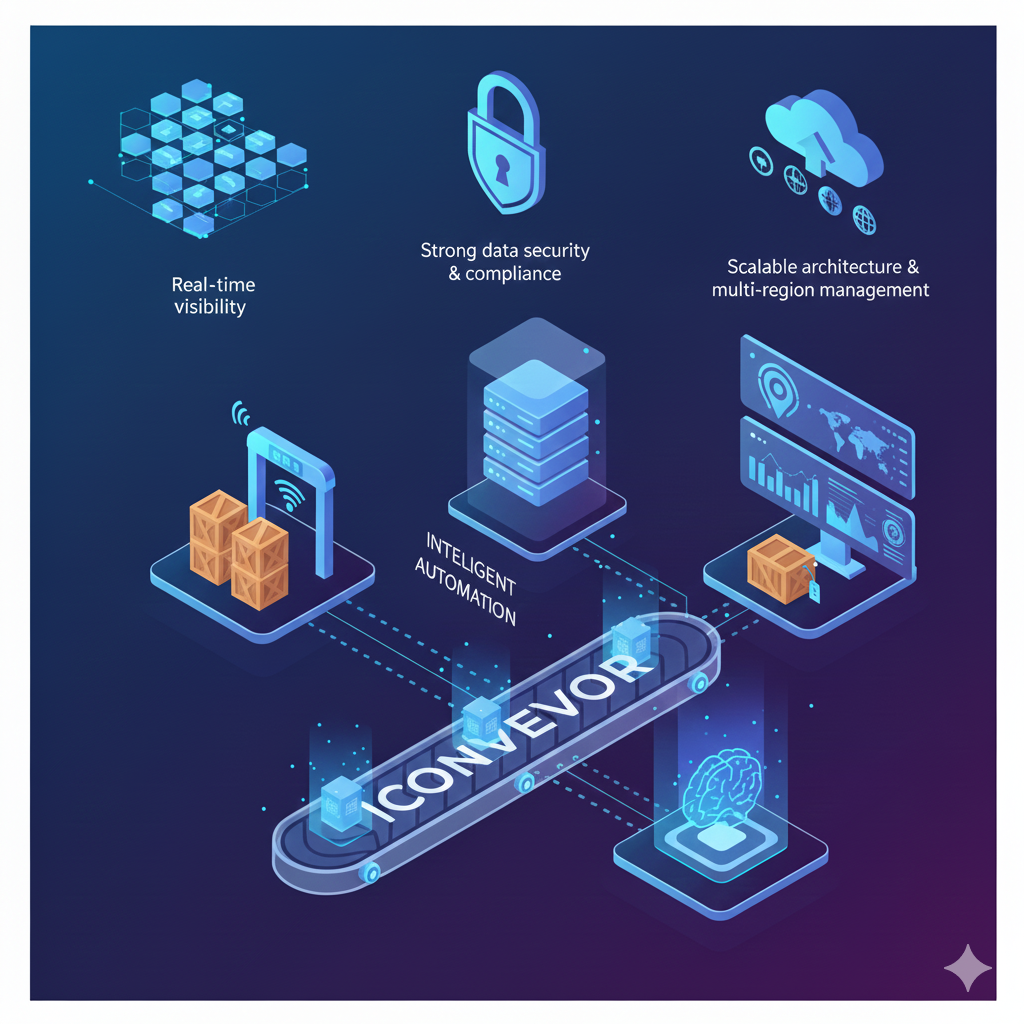
• IoT sensors for real-time tracking of products and equipment 🌐
• PLCs and edge computing for rapid local processing 🖥️
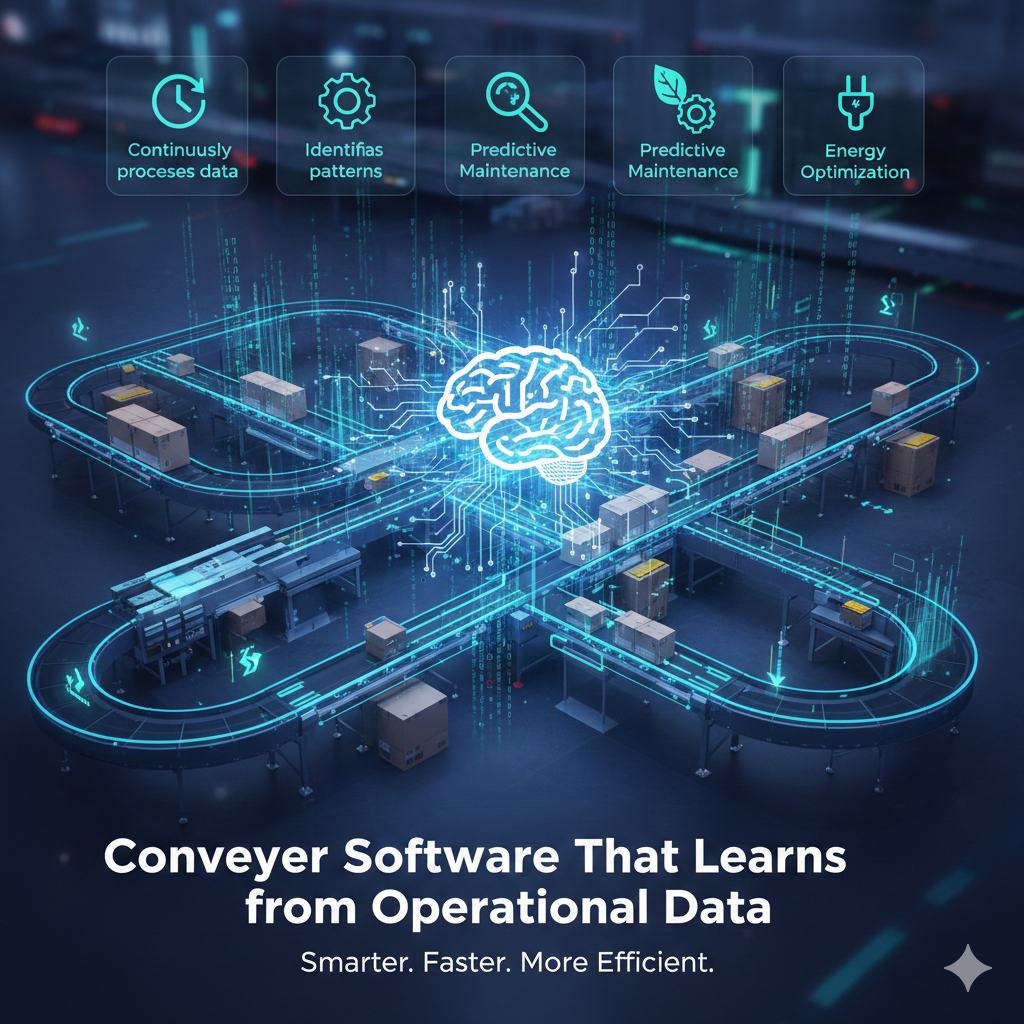
• Machine learning for identifying patterns and trends 📈
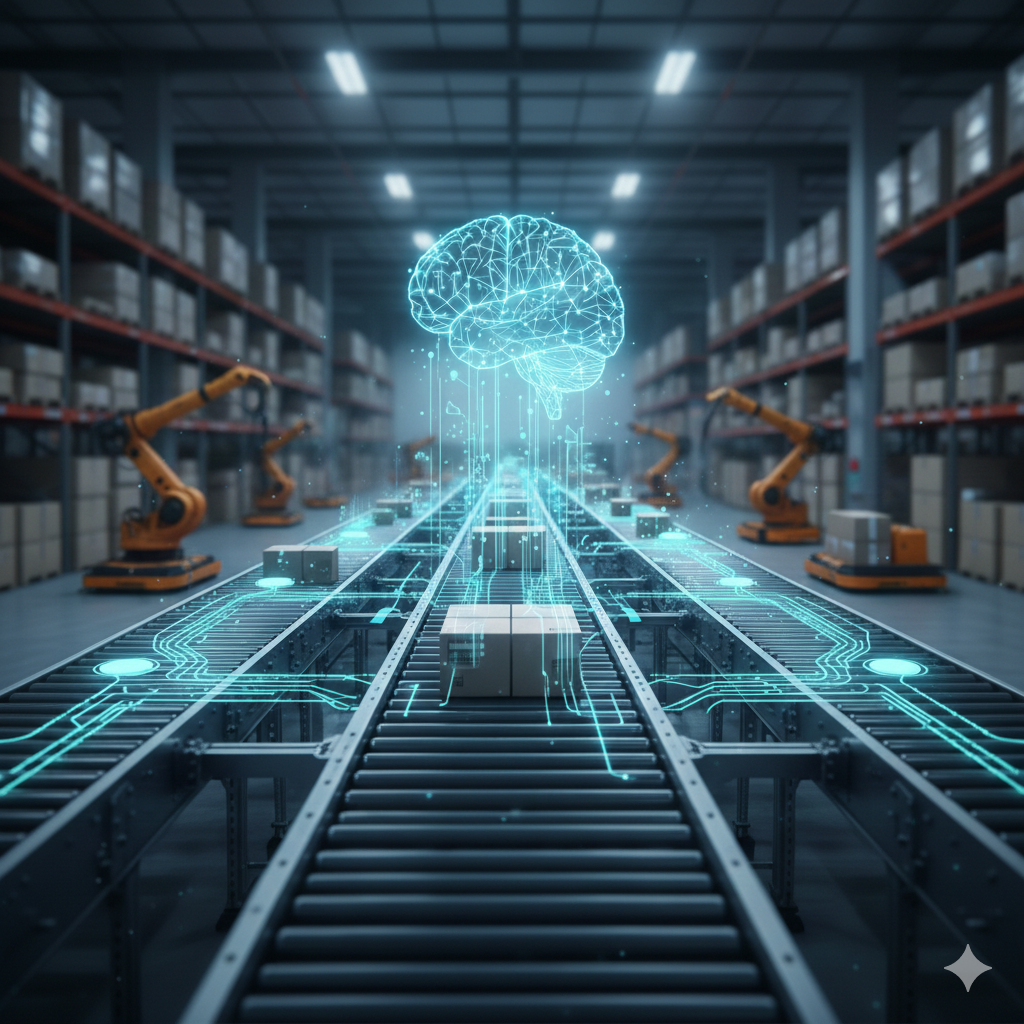
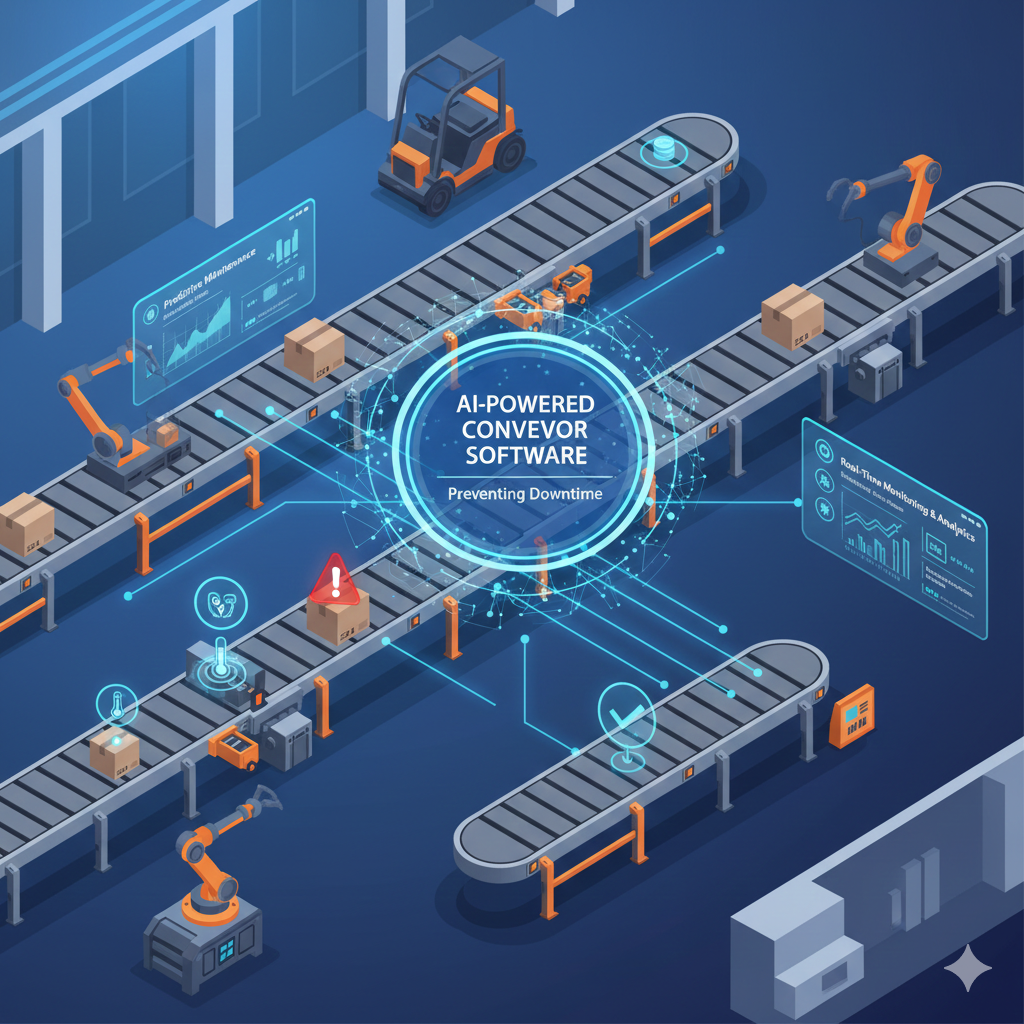
• AI algorithms for predictive and adaptive control 🤖
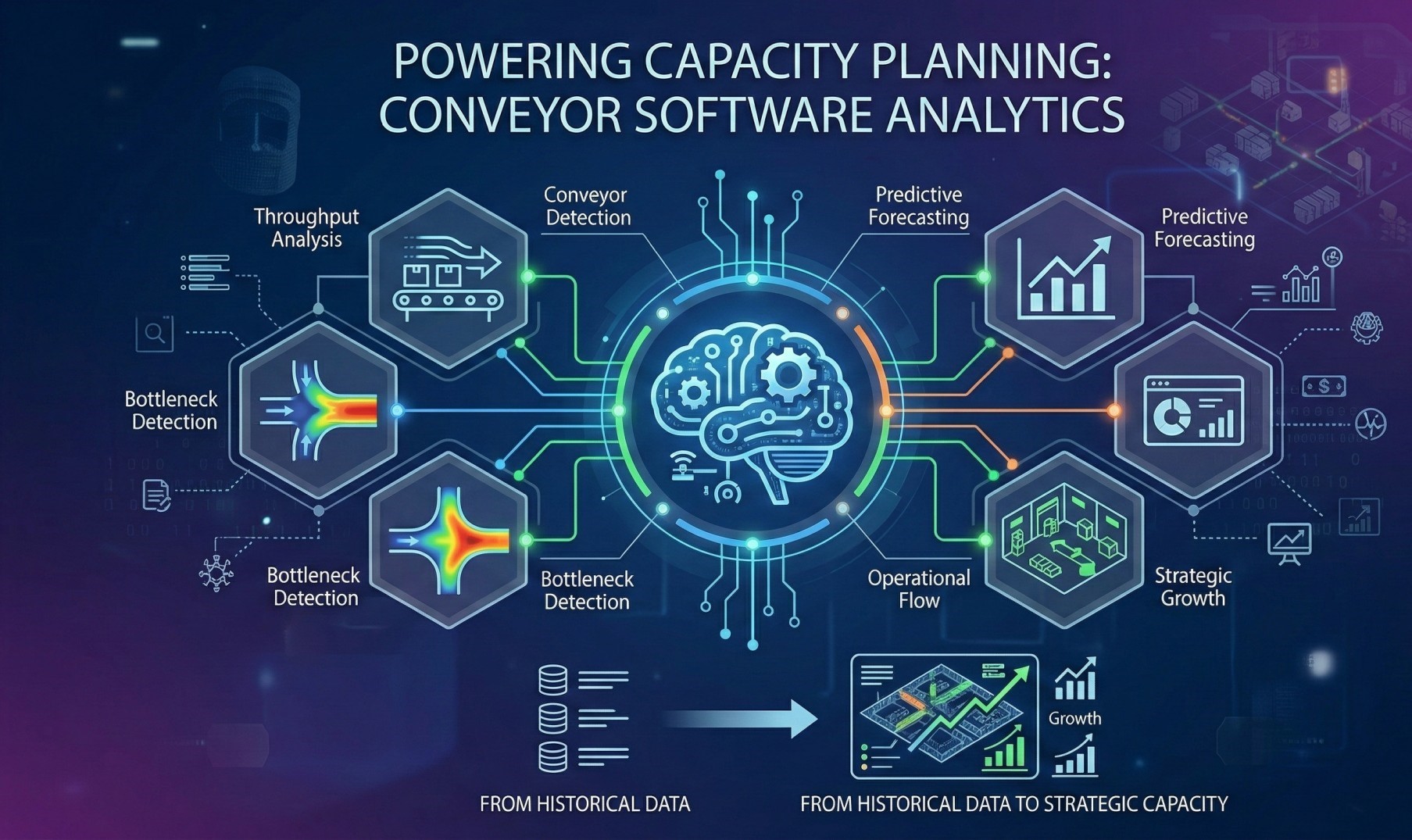
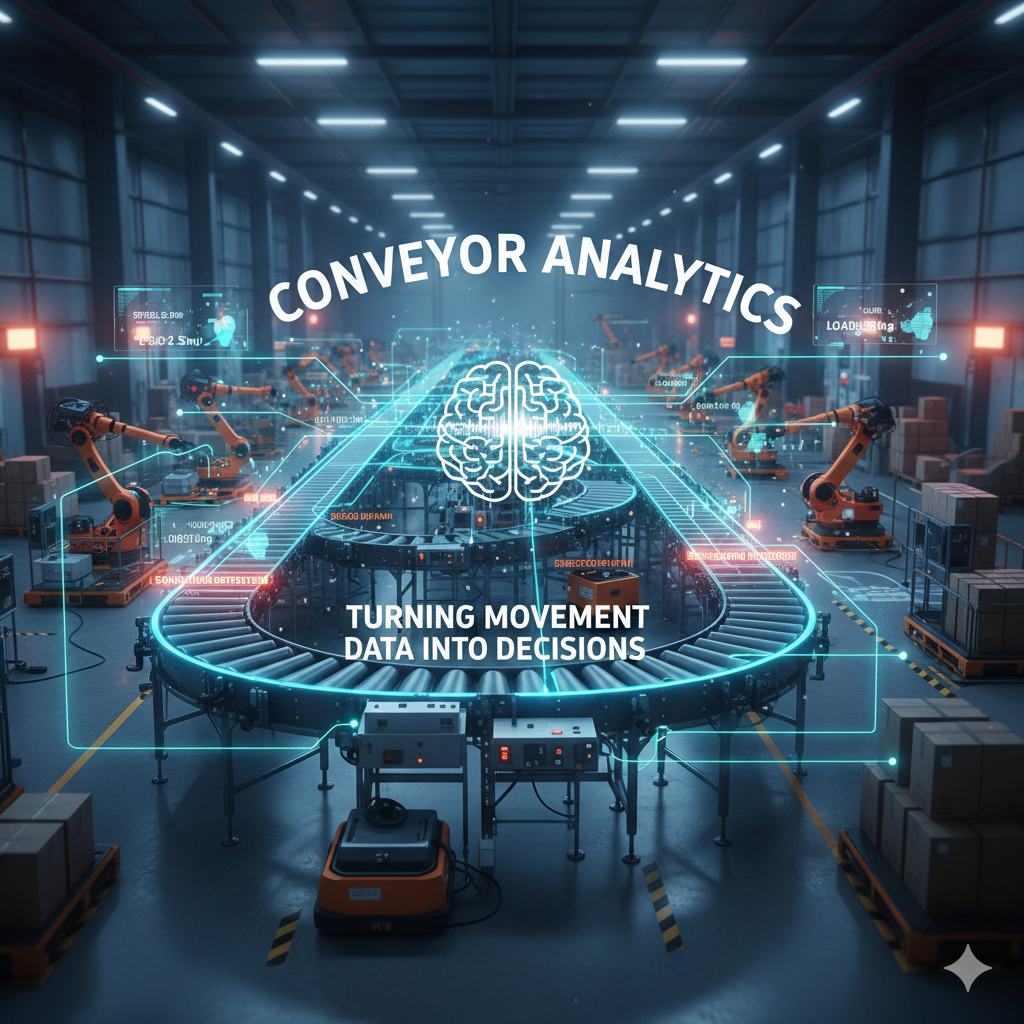
• Data analytics for monitoring and optimizing performance 📊
🎯 Role of AI in Conveyor Control
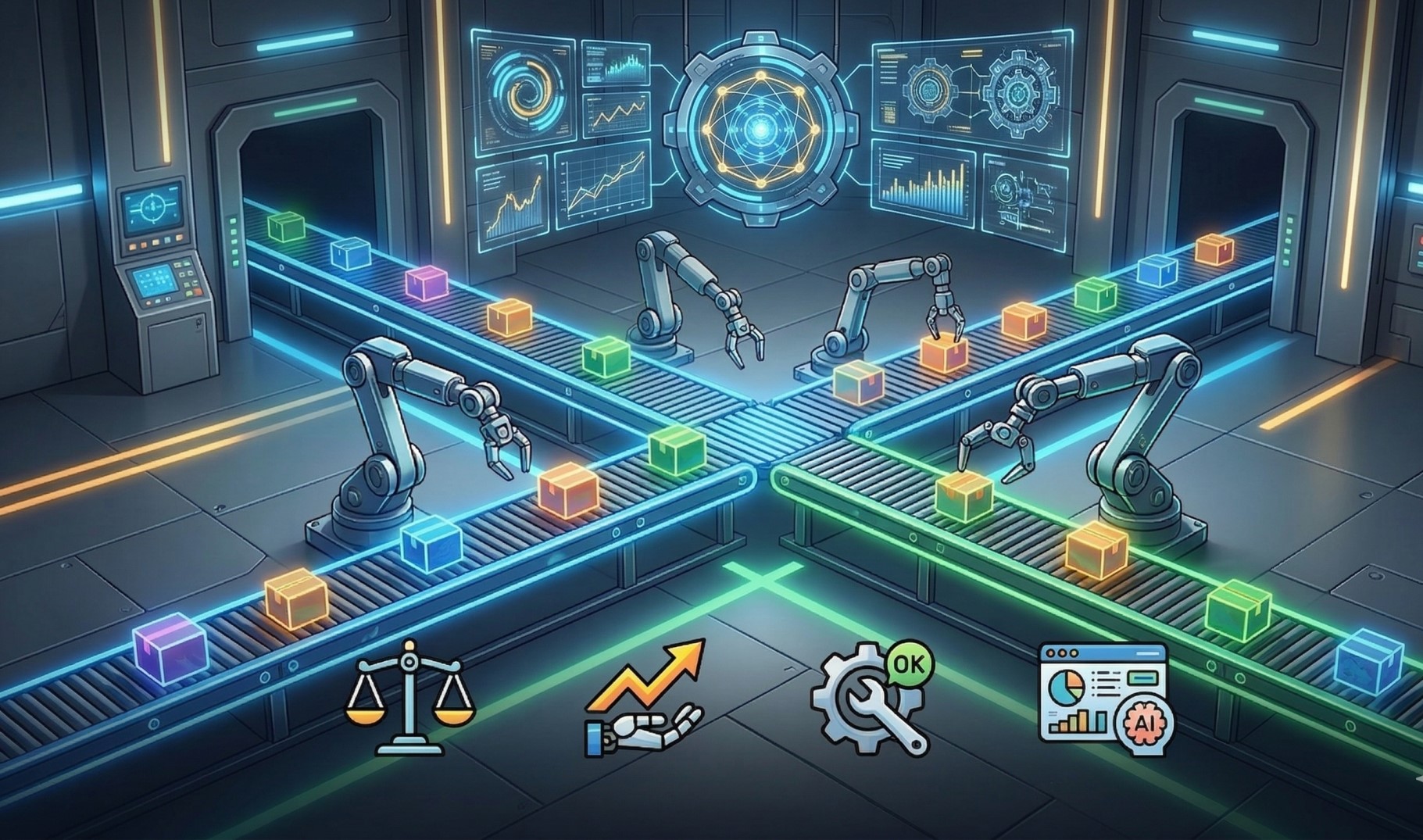
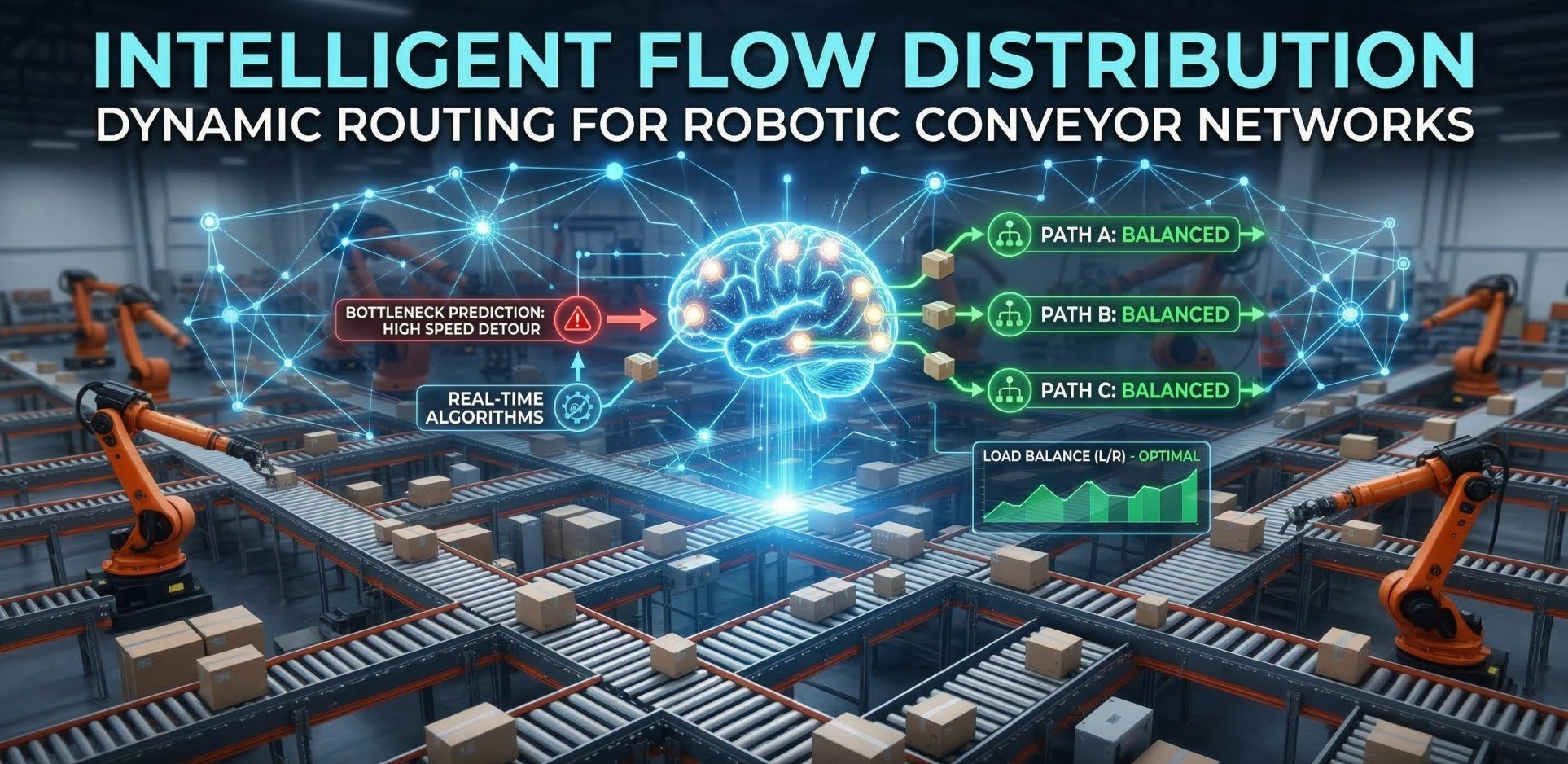
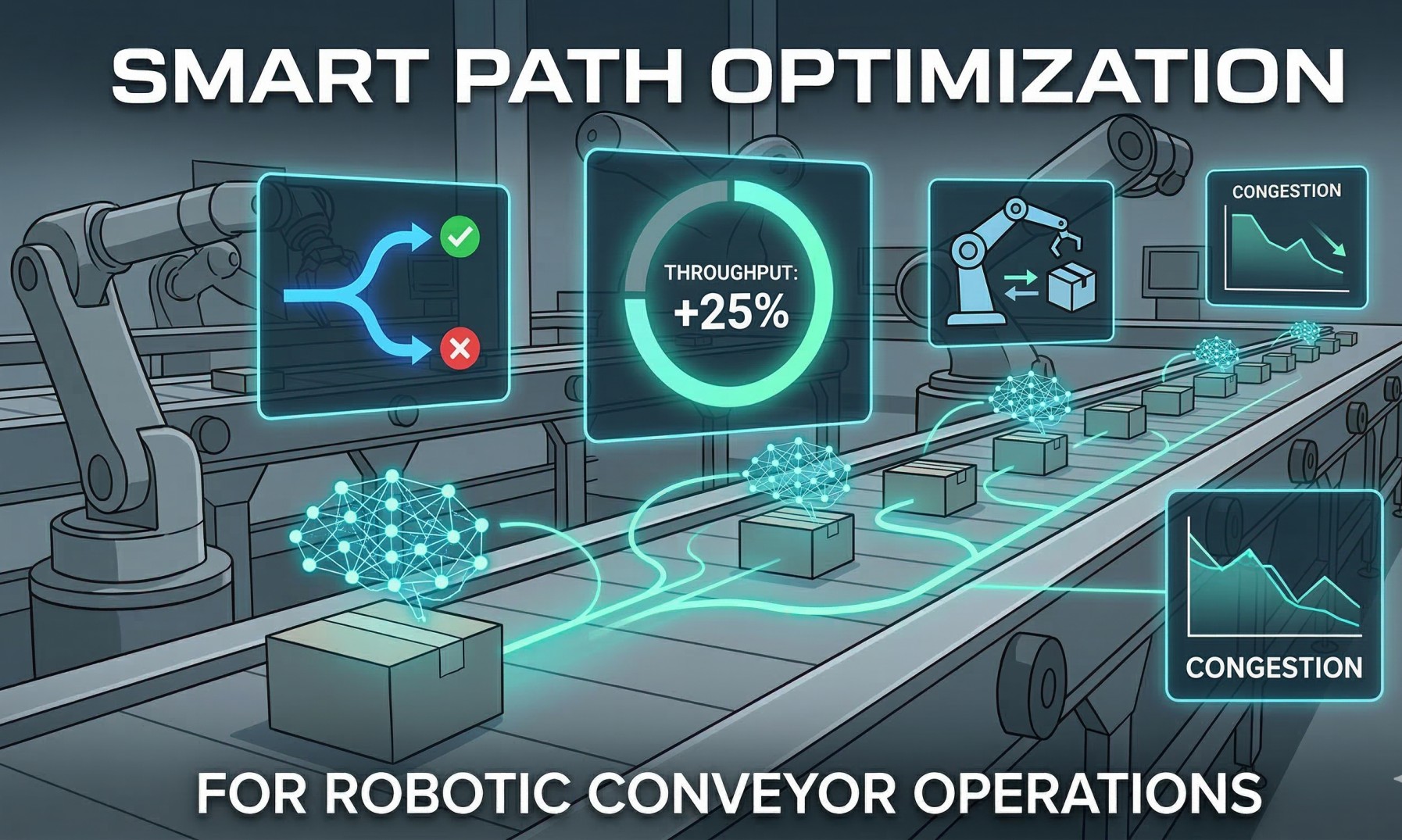
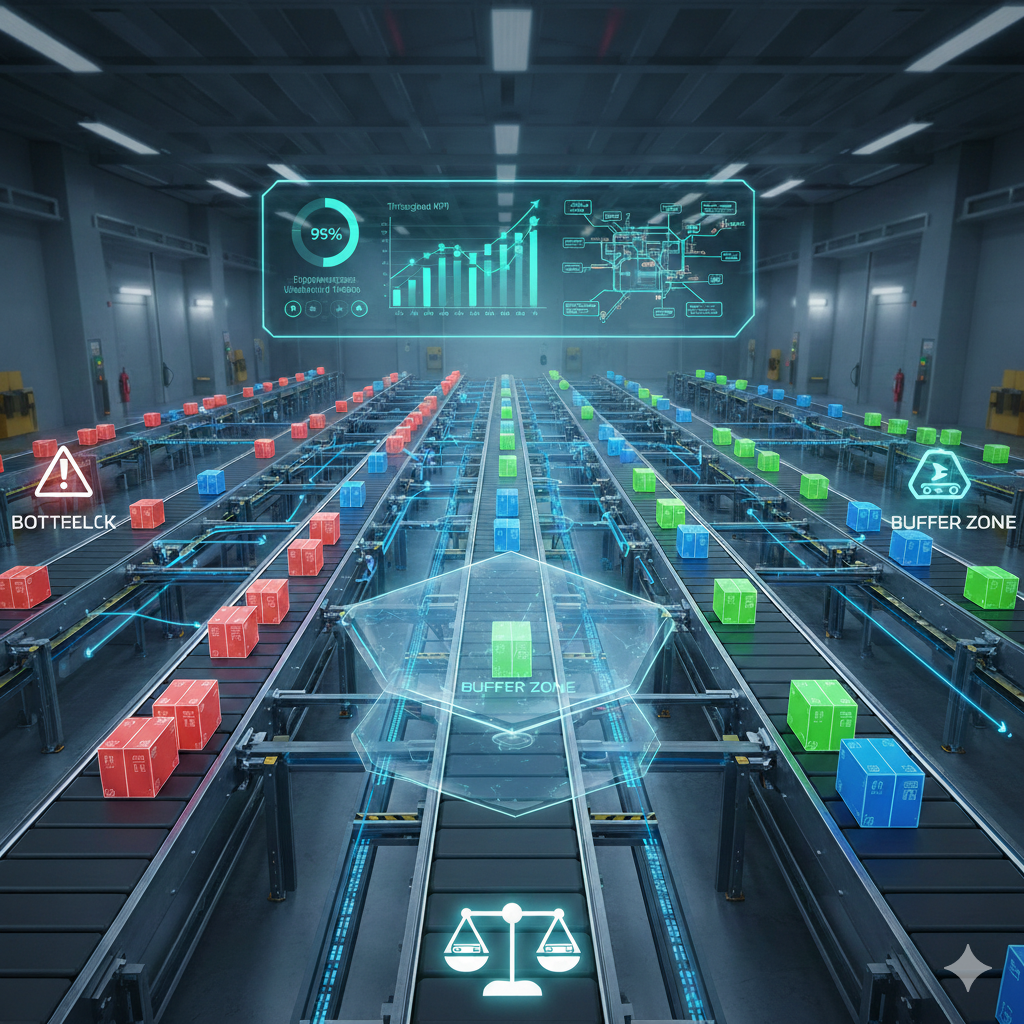
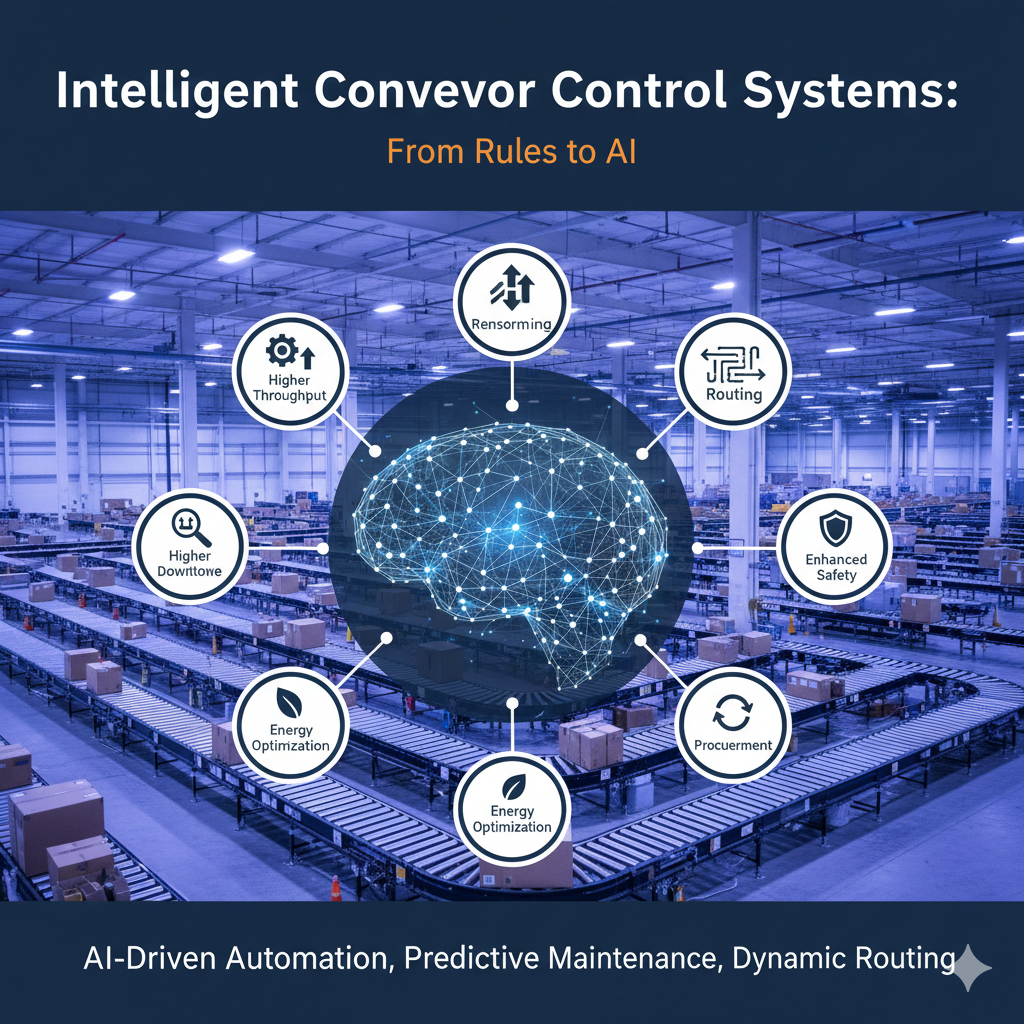
• Anticipates congestion and automatically reroutes items 🚦
• Dynamically adjusts conveyor speed based on load ⚙️
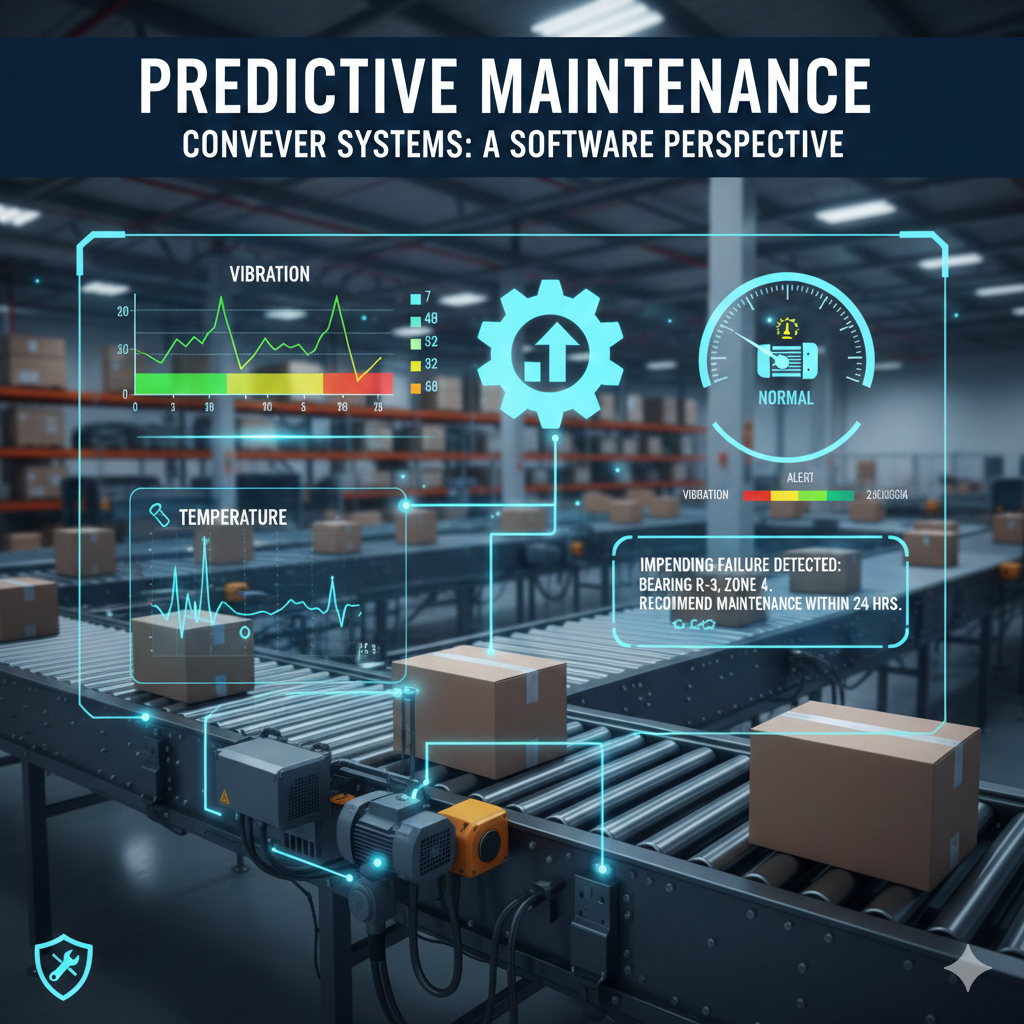
• Detects equipment wear before failures occur 🔍
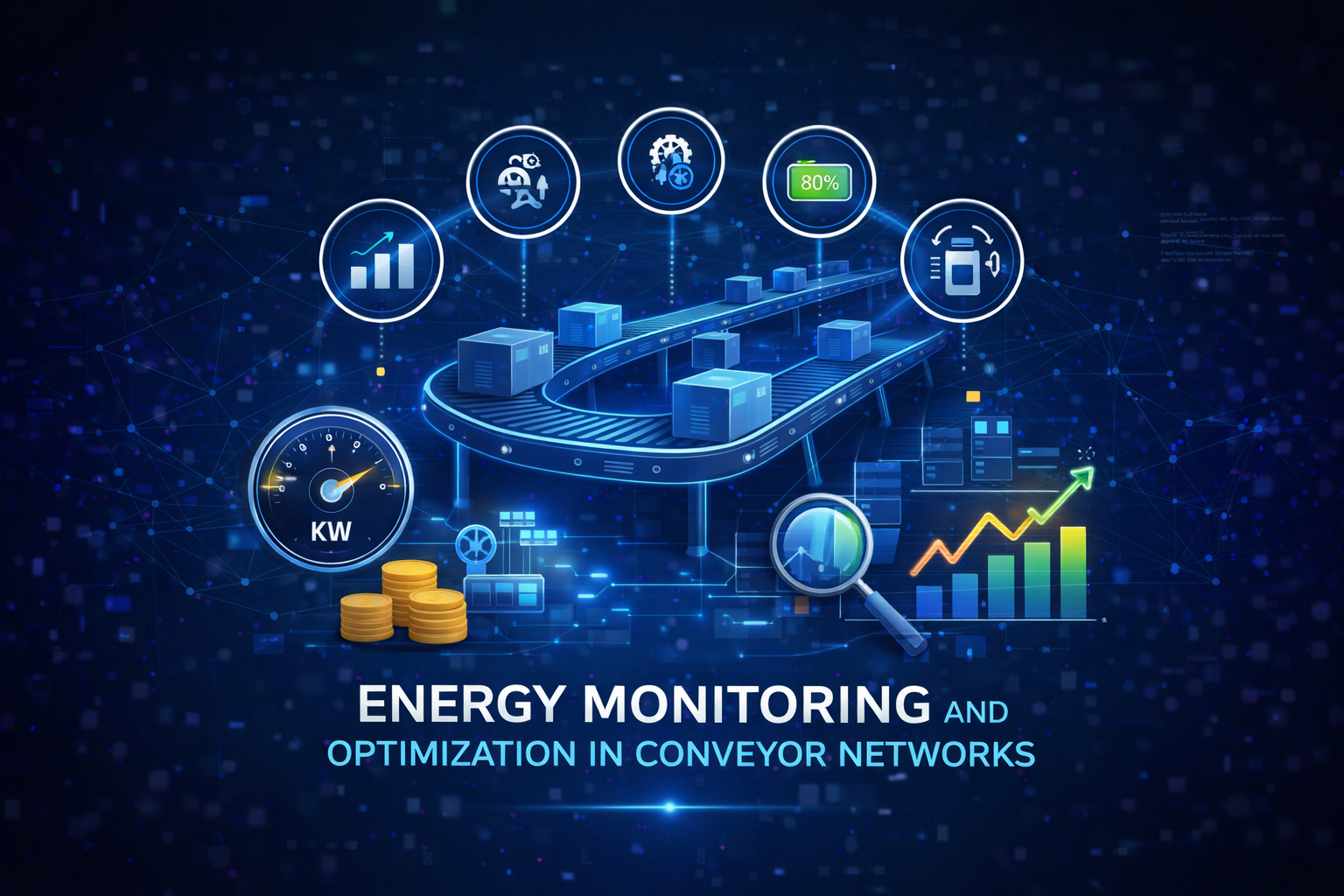
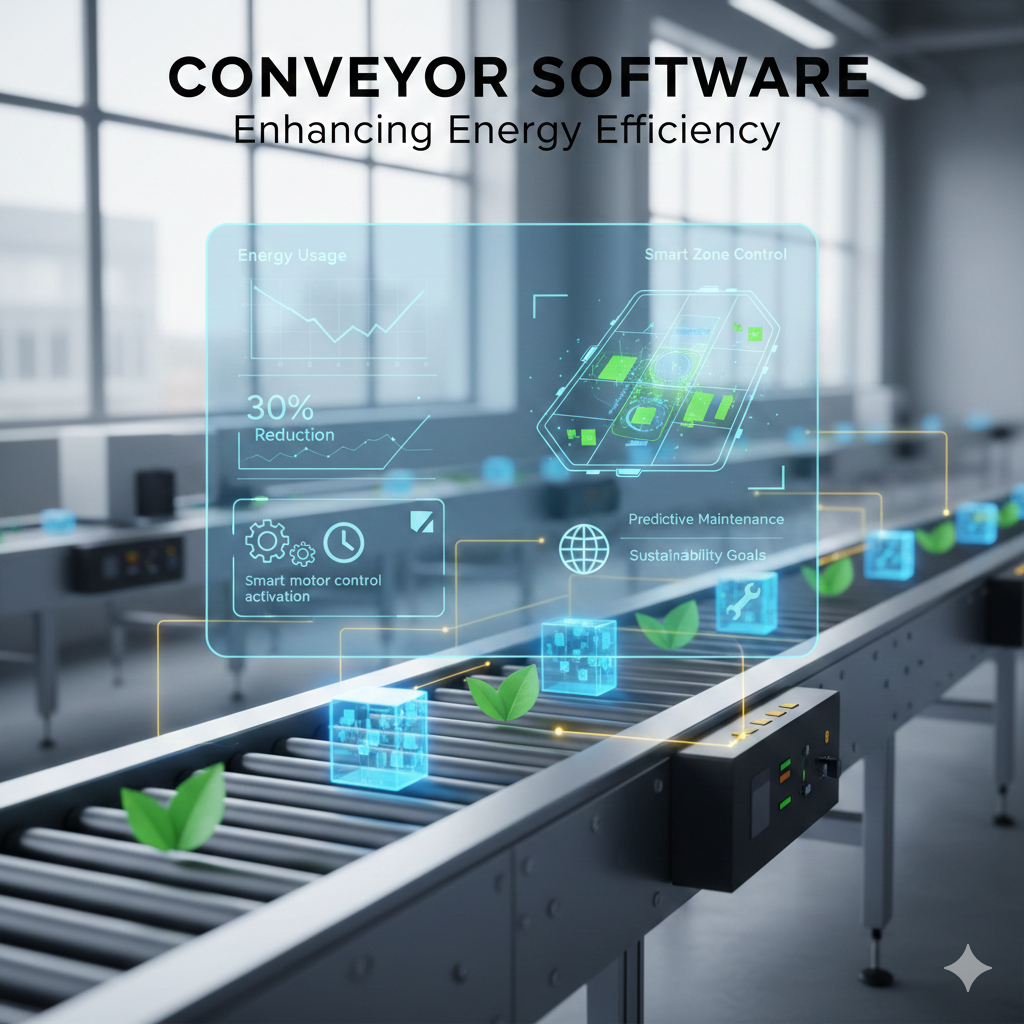
• Optimizes energy consumption during low-demand periods ⚡
• Continuously improves decisions using historical data 🔄
✅ Benefits of AI-Enabled Conveyor Control
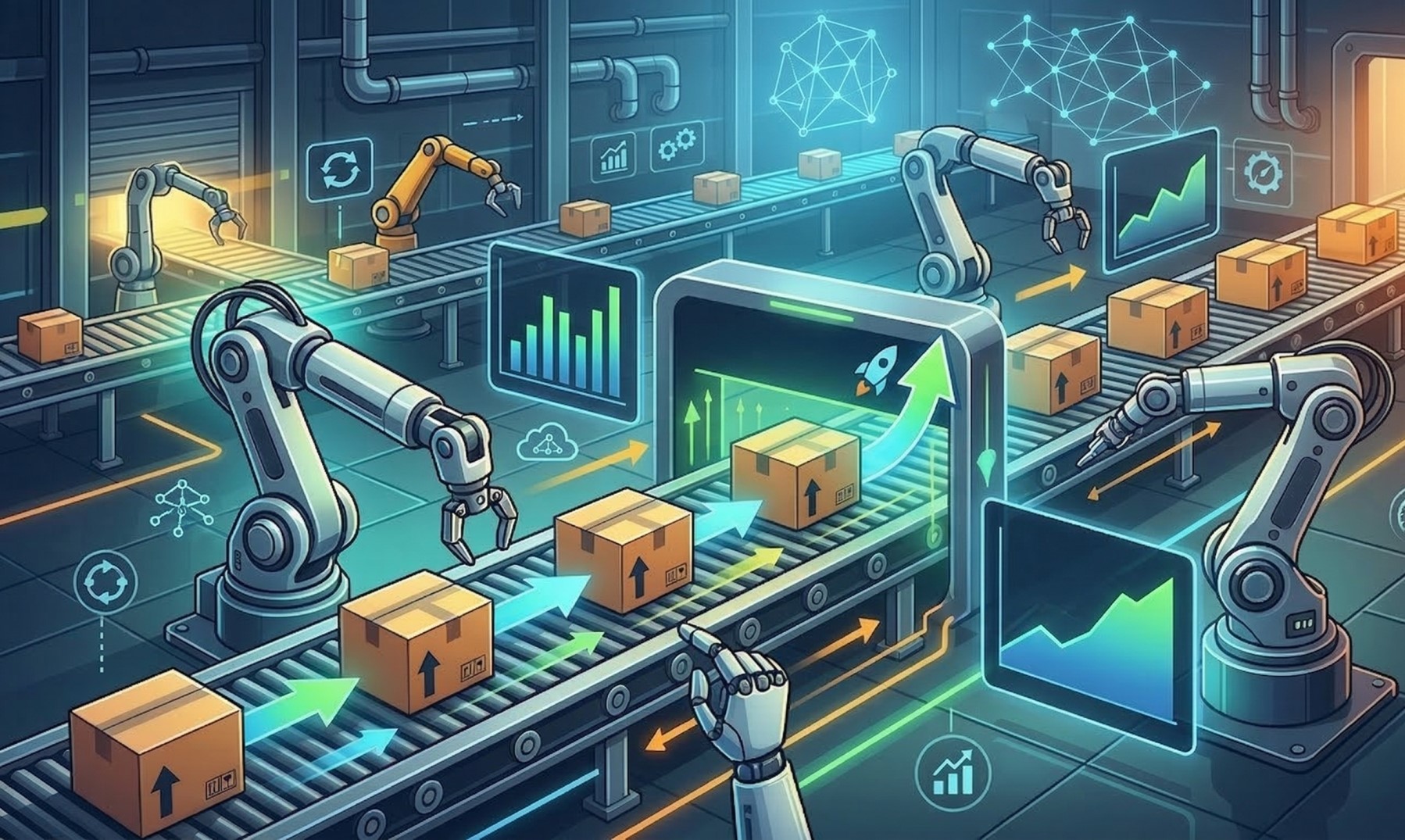
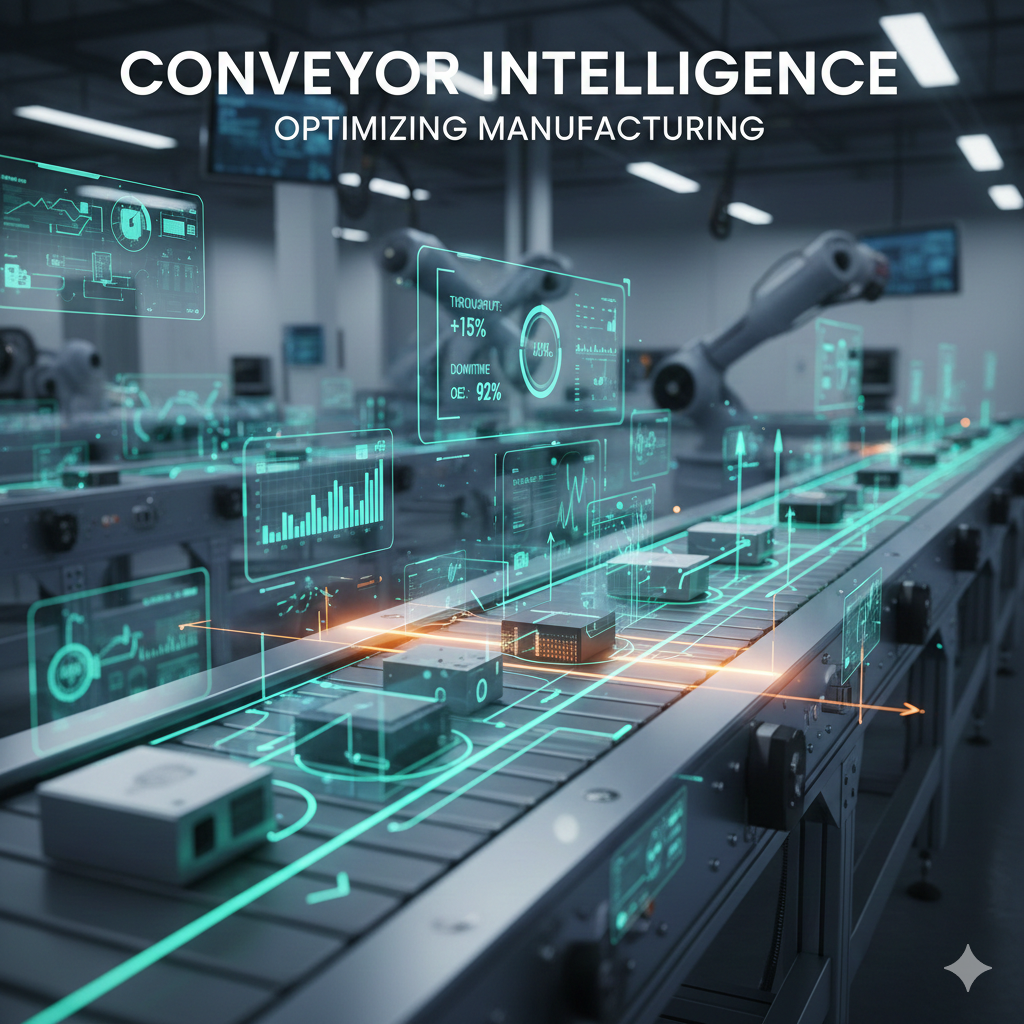
• Higher throughput and operational efficiency 🚀
• Reduced downtime and maintenance expenses 💰
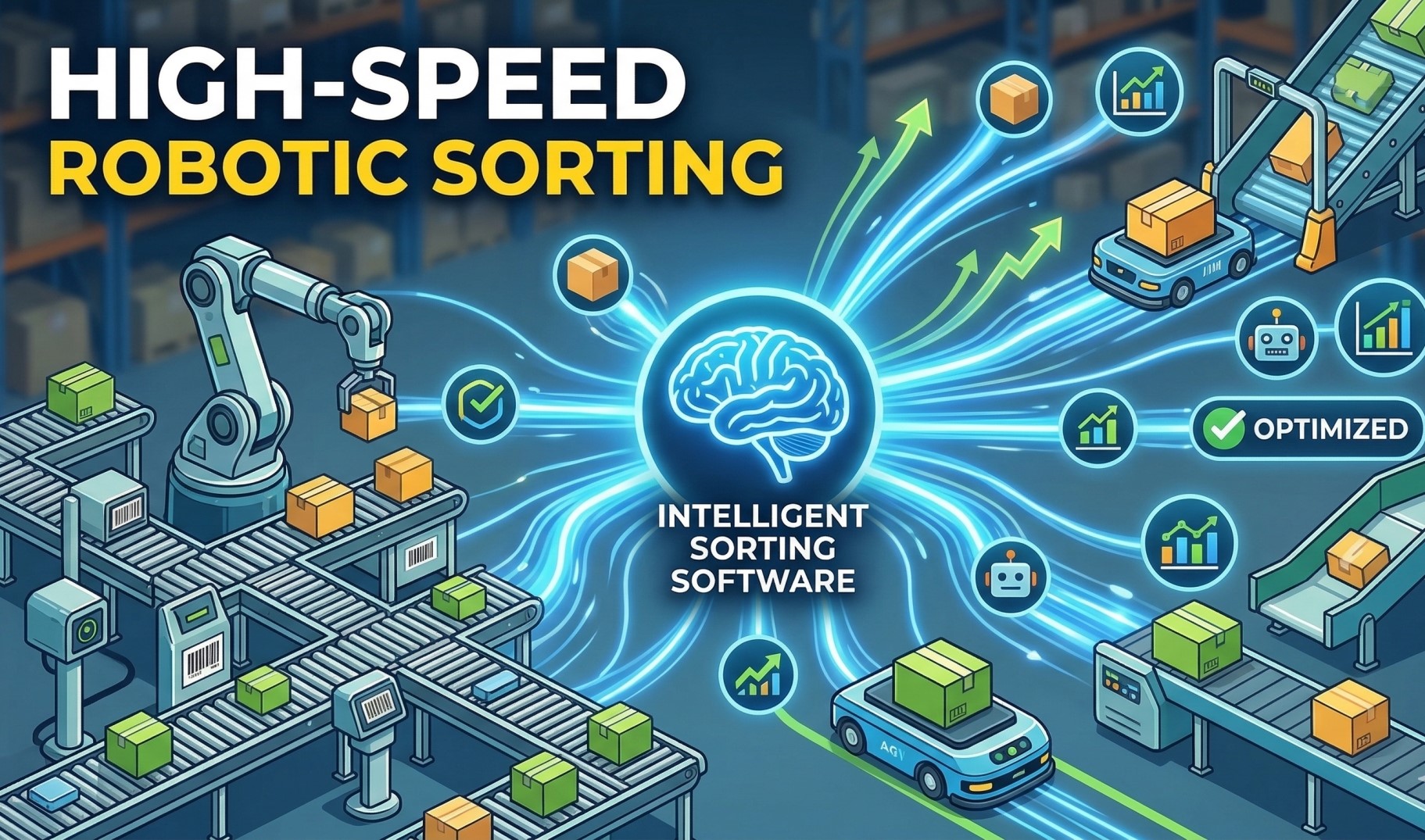
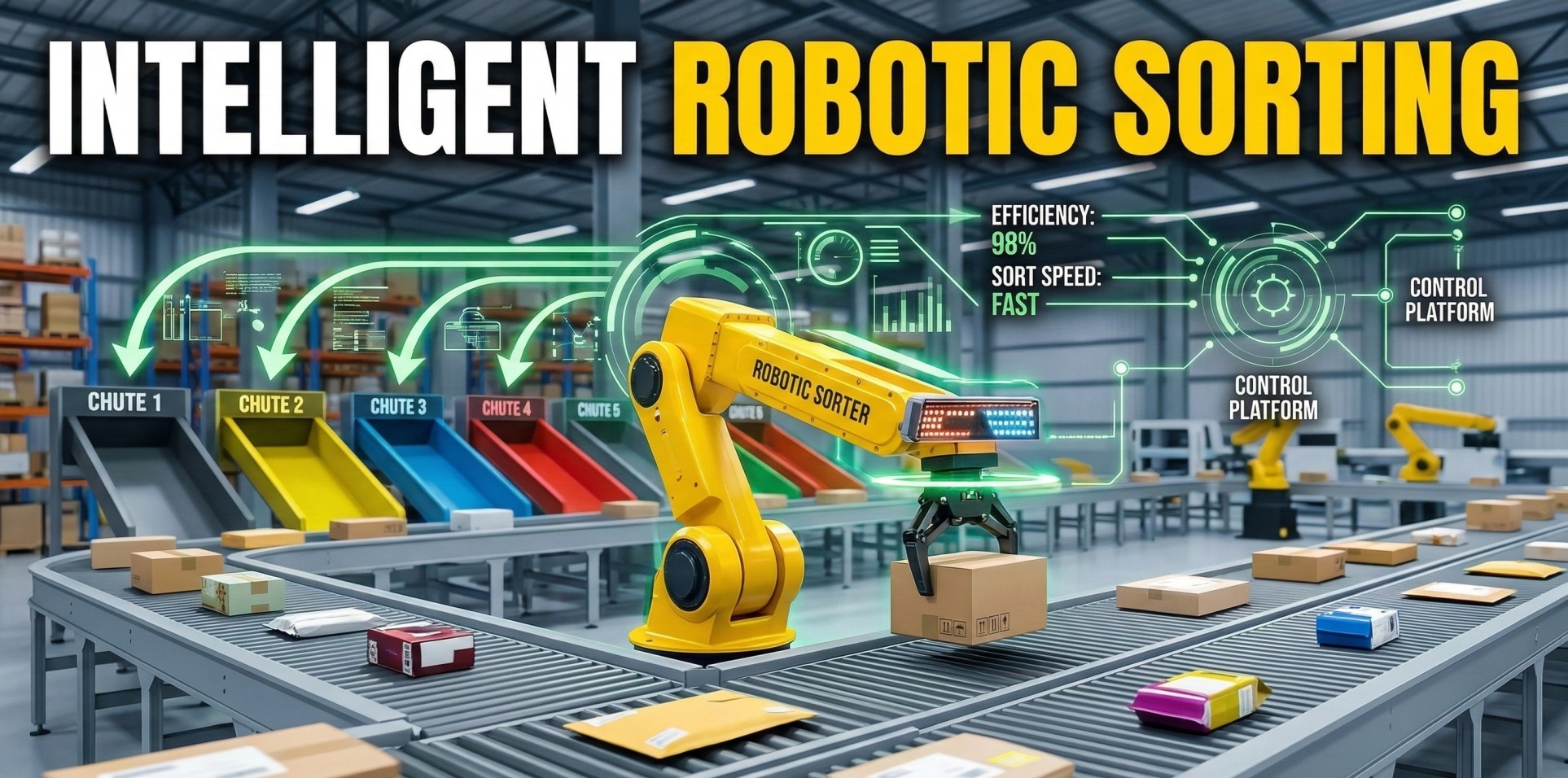
• More accurate sorting and routing 🎯
• Improved use of equipment and energy resources ♻️
• Enhanced safety through proactive monitoring 🦺
🌍 Real-World Applications
• Distribution centers managing high-volume order fulfillment 📦
• Manufacturing facilities with complex production workflows 🏭
• Airports handling baggage transport systems ✈️
• E-commerce warehouses optimizing fulfillment operations 🛒
🔮 The Future of Conveyor Control Systems
• Increased adoption of self-learning and autonomous systems 🤖
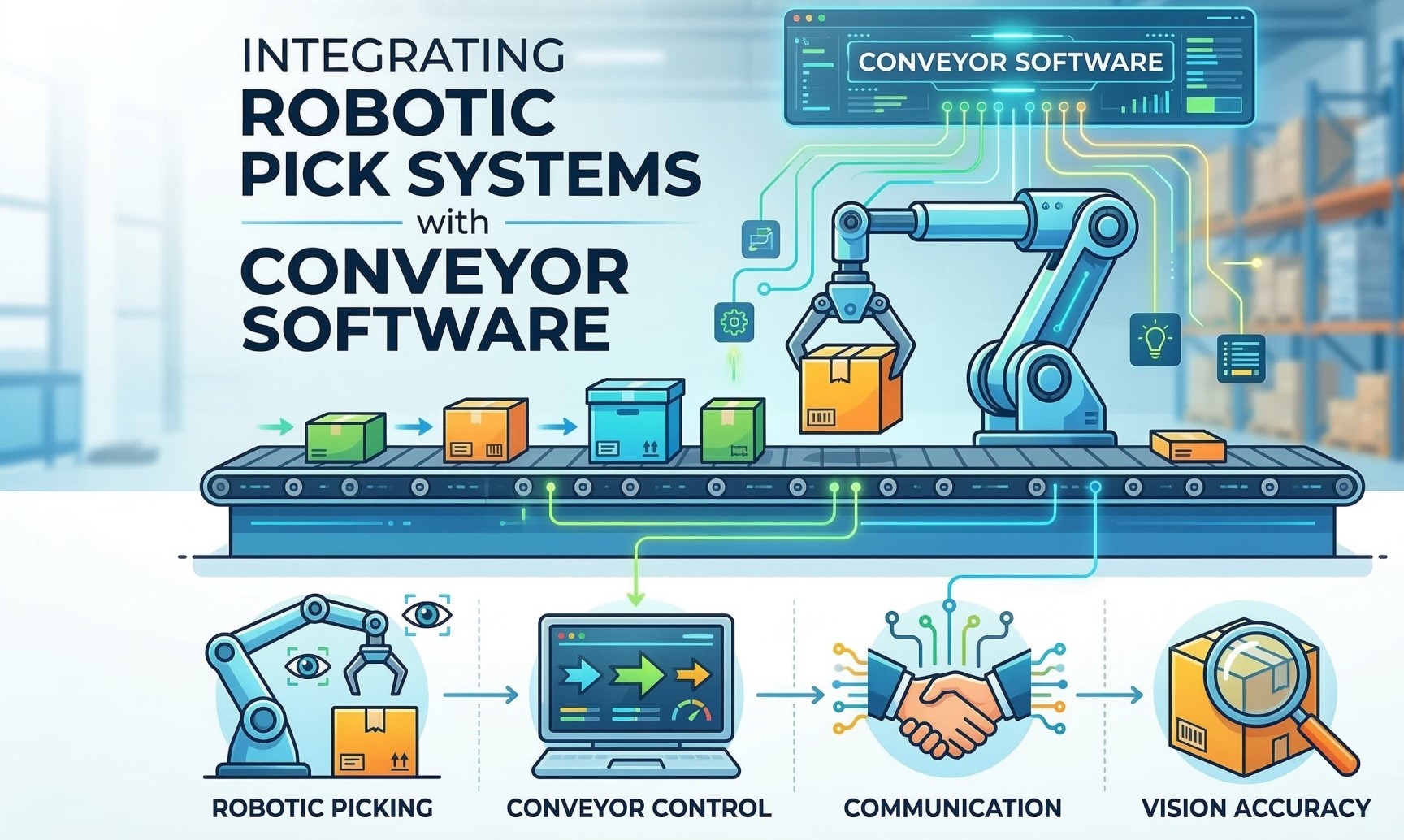
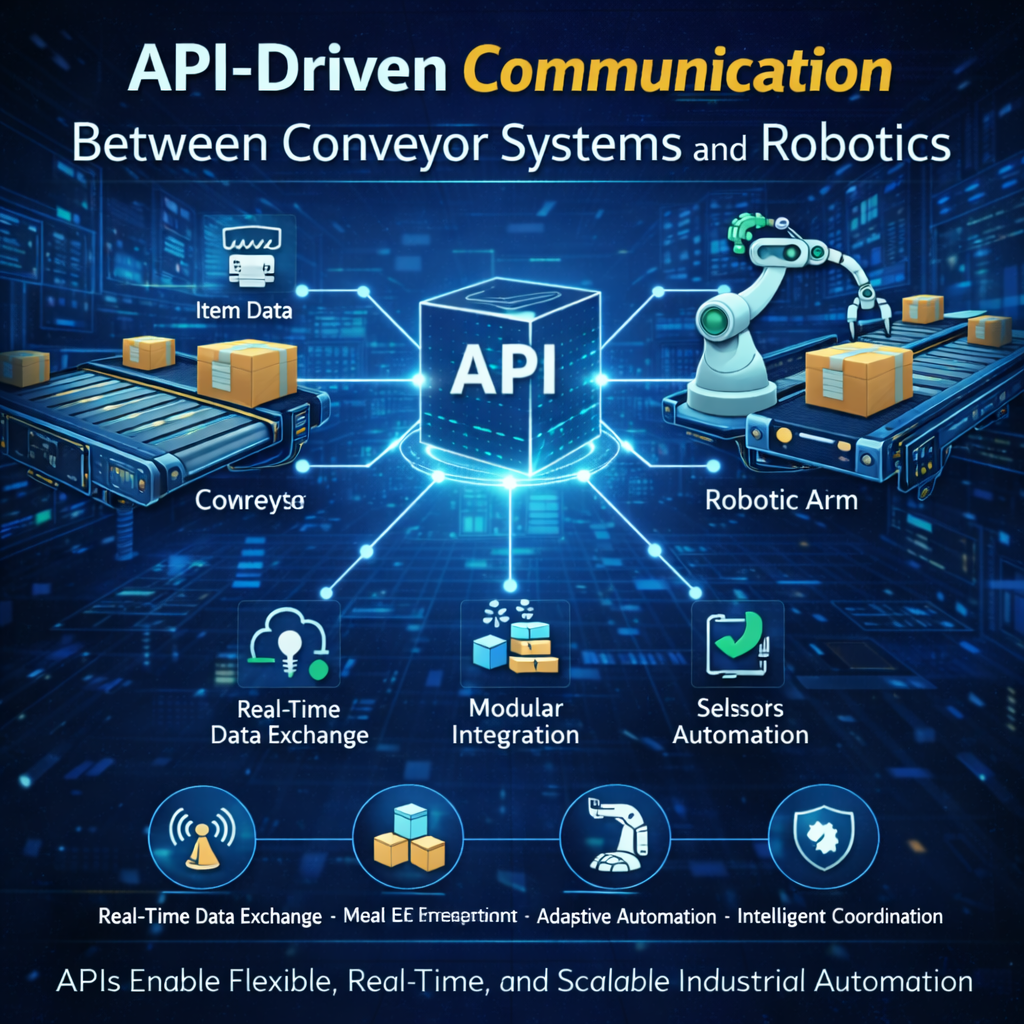
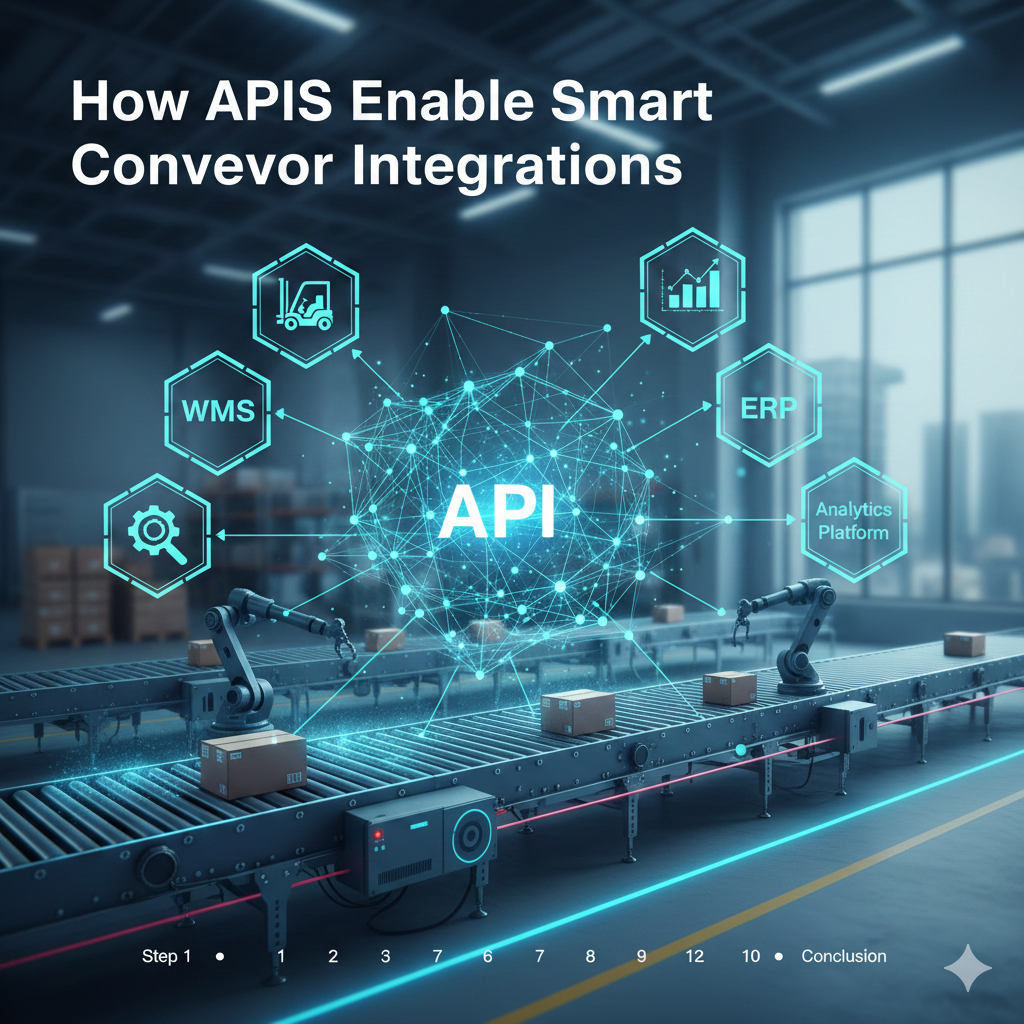
• Closer integration with warehouse and manufacturing software 🔗
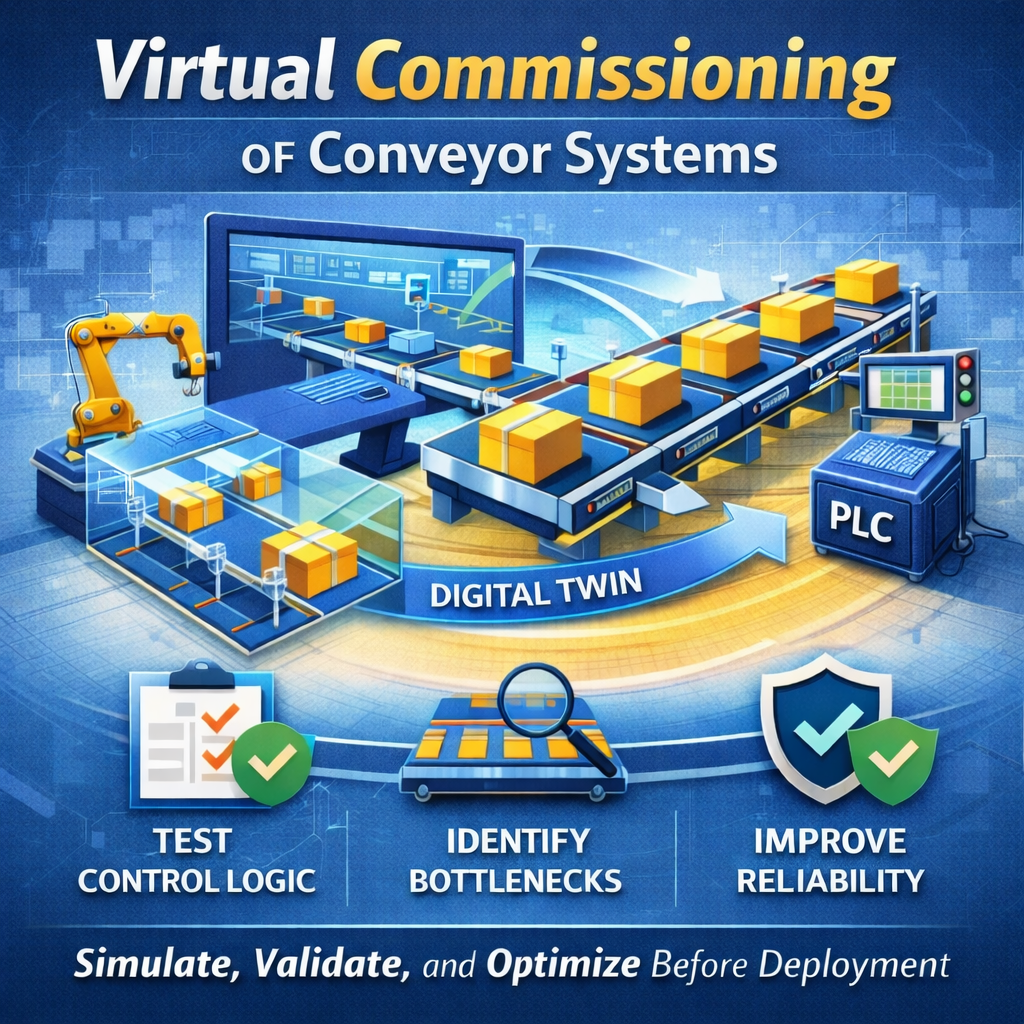
• Use of real-time digital twins for simulation and optimization 🧬
• Greater emphasis on sustainability and energy efficiency 🌱
📝 Final Thoughts
Intelligent conveyor control systems mark a significant evolution from rigid, rule-based automation to flexible, AI-driven operations. By combining real-time data, analytics, and machine learning, modern conveyor systems can adapt to changing conditions, minimize risks, and continuously enhance performance. For organizations focused on scalability and competitiveness, transitioning from rules to AI-powered conveyor control is no longer optional—it is a strategic imperative 🚀
See more blogs
You can all the articles below