Conveyor Software That Learns from Operational Data
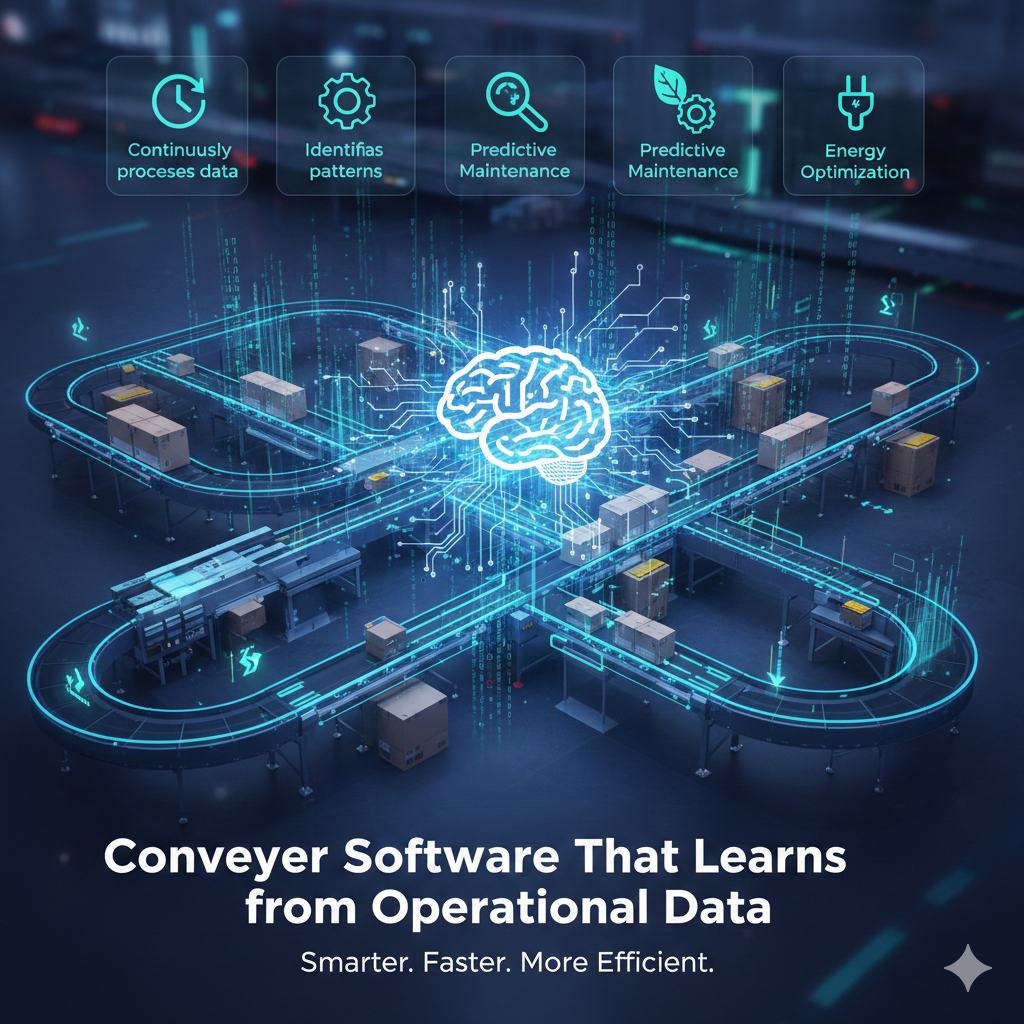
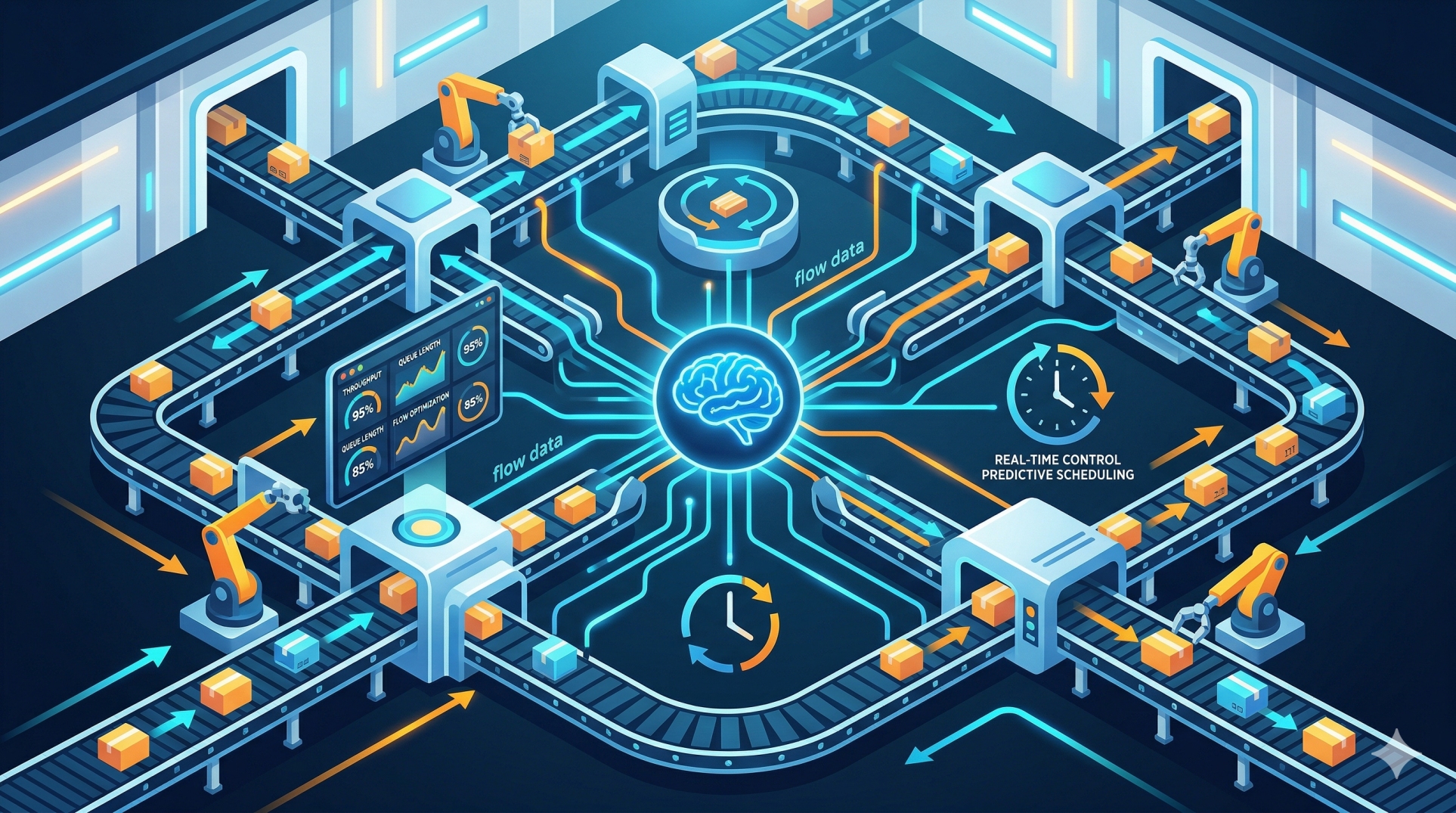
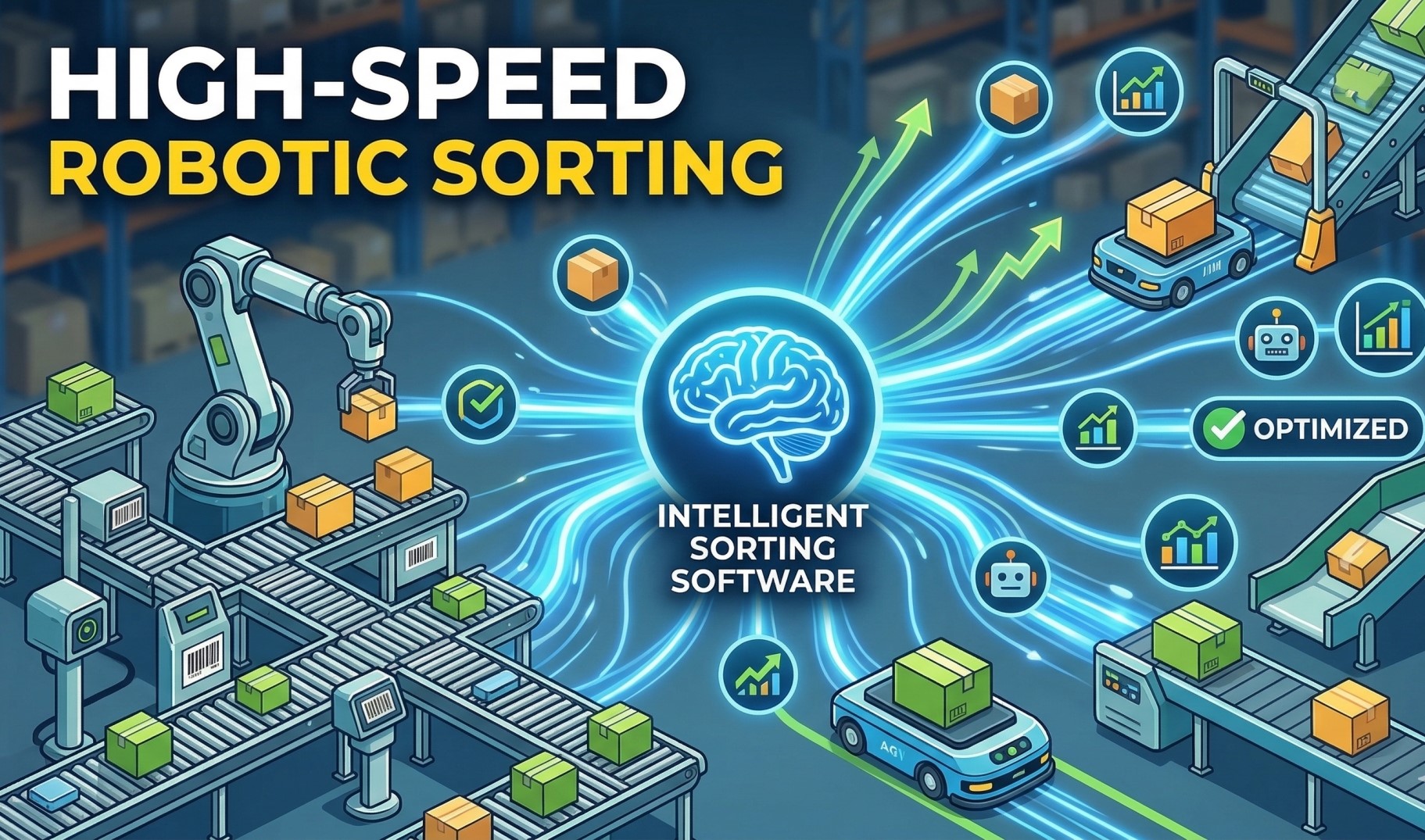
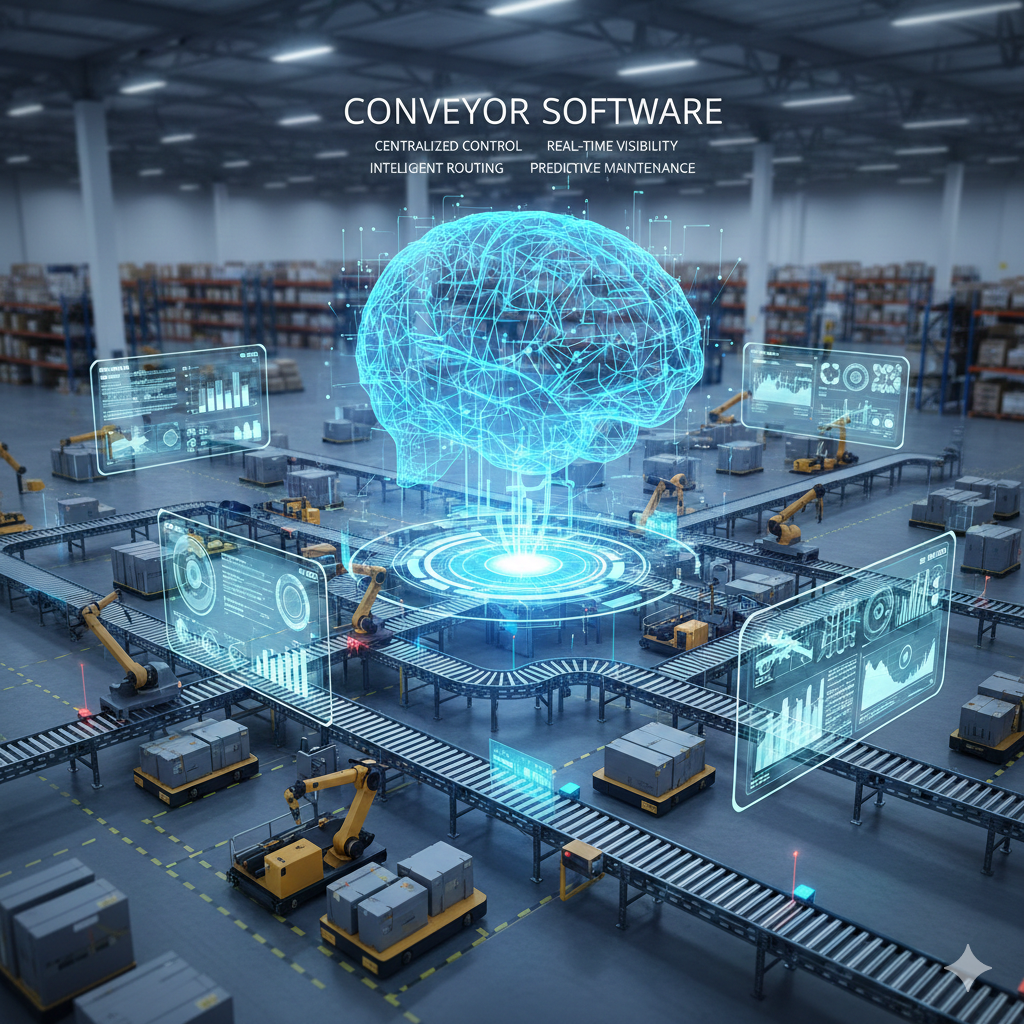
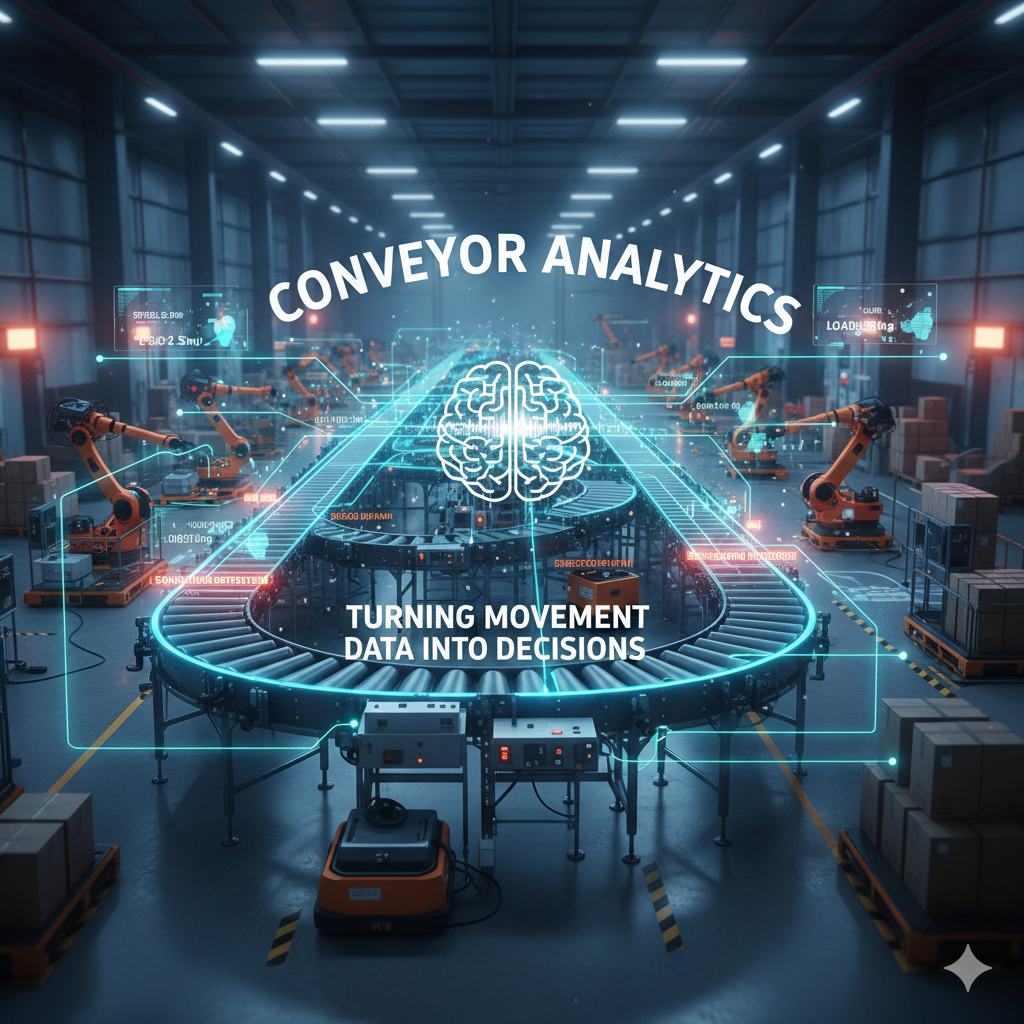
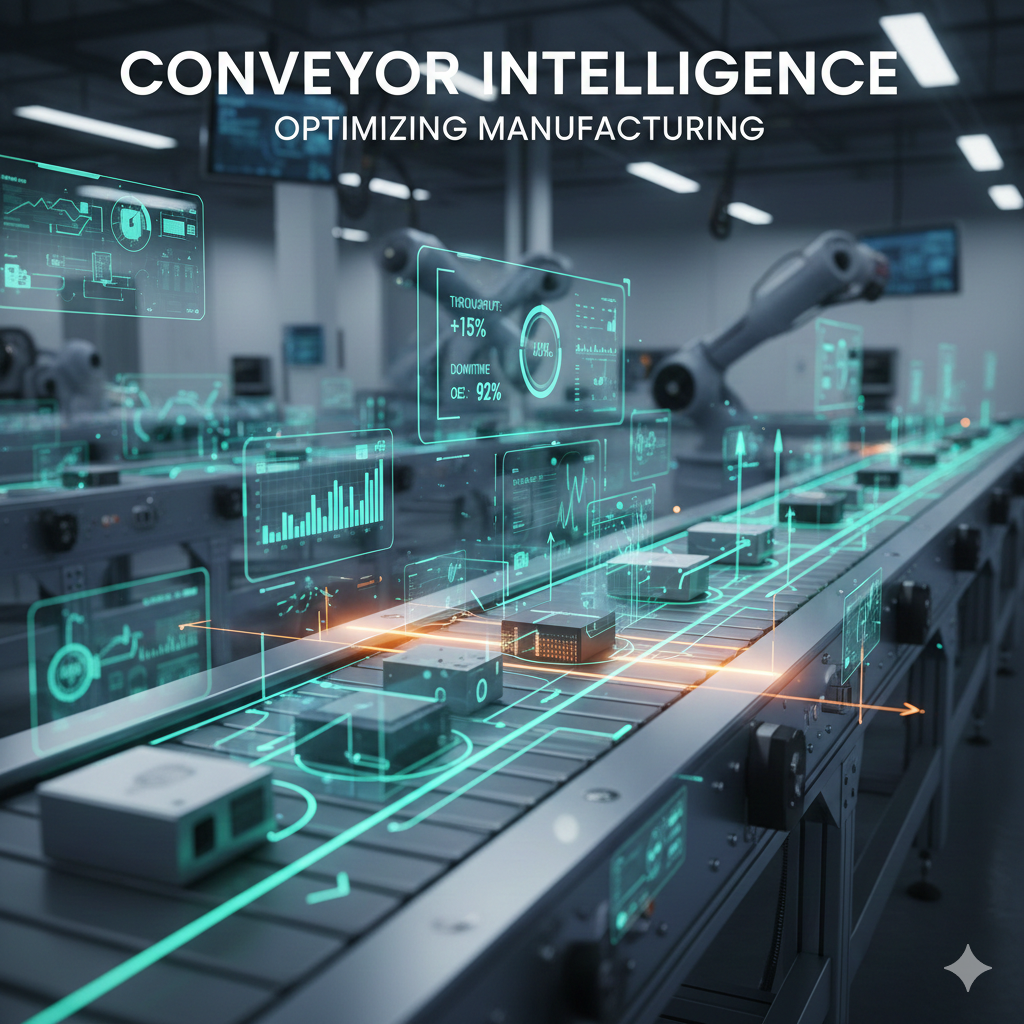
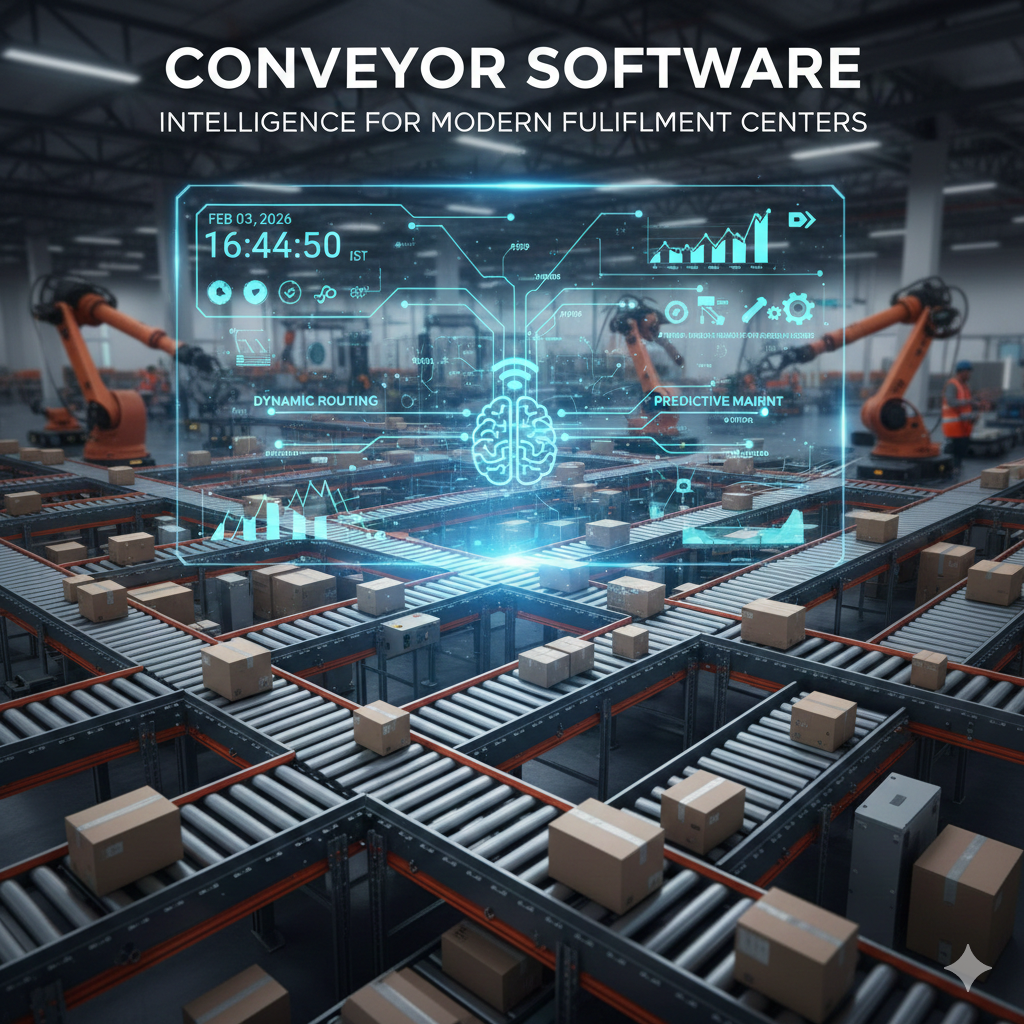
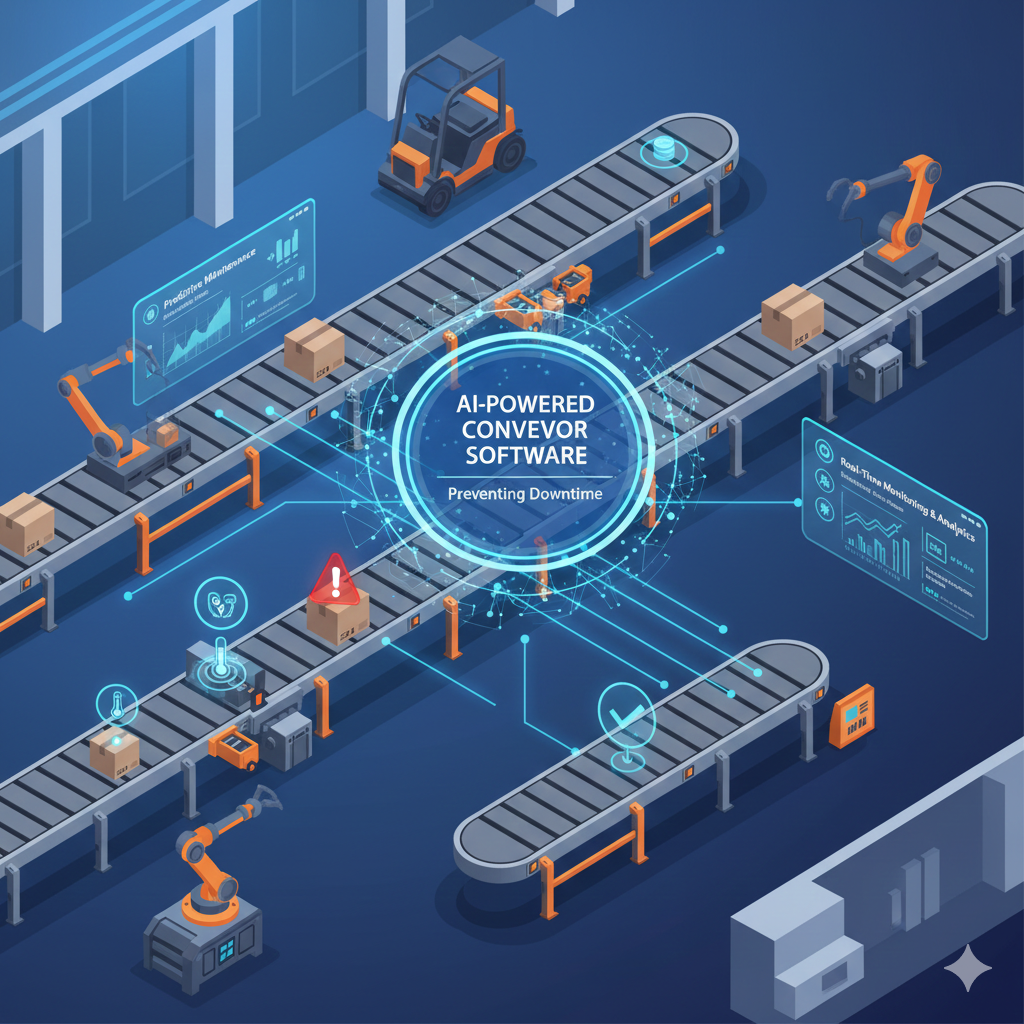
Modern material handling systems produce enormous volumes of data every second. This includes sensor readings, conveyor speeds, routing decisions, and equipment status. Conveyor software that learns from operational data converts this information into actionable intelligence, enabling smarter, faster, and more efficient conveyor operations. 📊
What “Learning” Conveyor Software Means 🧠
• Continuously processes real-time and historical operational data 🔄
• Identifies patterns in material flow, congestion, and performance 📈
• Improves control decisions based on previous outcomes 🎯
• Adapts automatically without constant manual configuration ⚙️
• Becomes more accurate and effective over time 🚀
Key Sources of Operational Data 🗂️
• Conveyor speed, load, and throughput metrics 📊
• Sensor data such as vibration, temperature, and pressure 🌡️
• PLC and controller signals 🔌
• Barcode and RFID scan information 🏷️
• Order volume, routing paths, and timing data ⏱️
• Maintenance records and downtime history 🛠️
How Conveyor Software Learns from Data 🤖
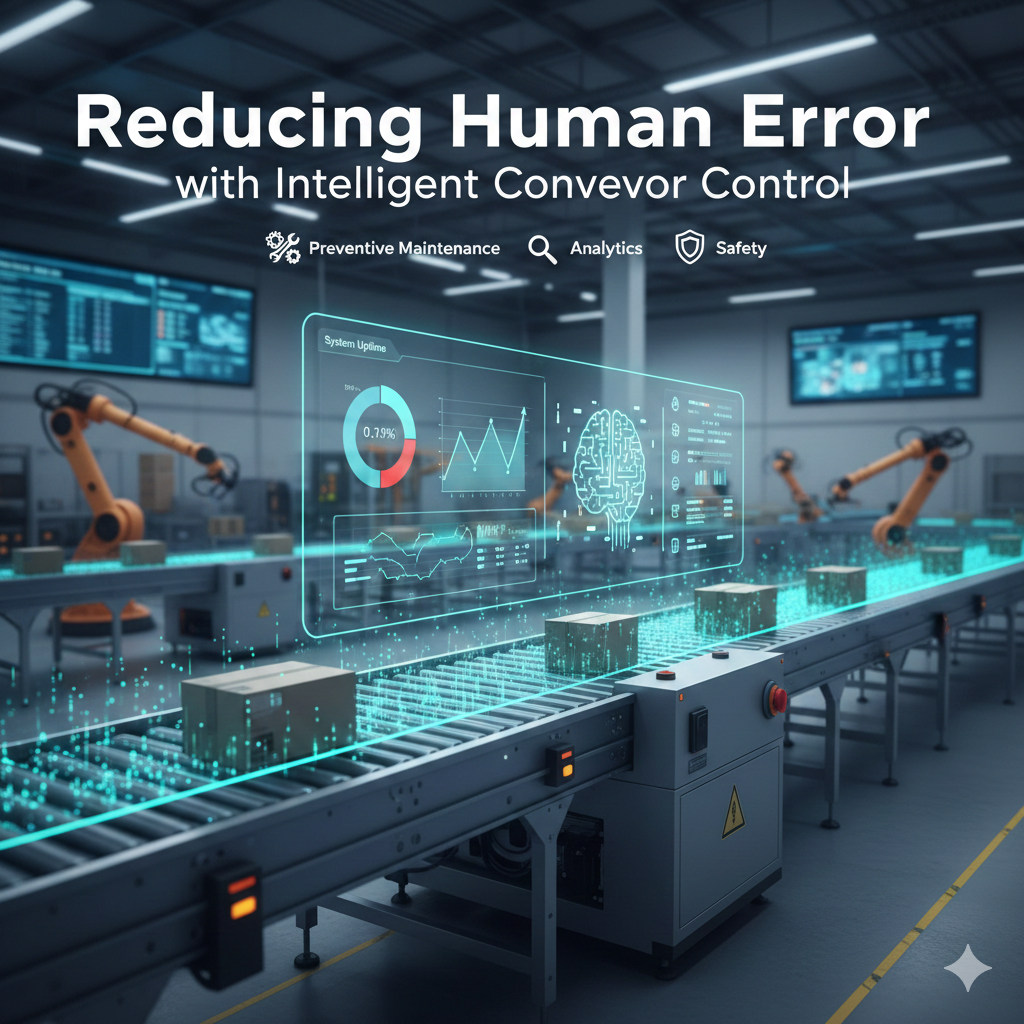
• Compares planned performance with actual results 📉
• Detects recurring delays and inefficiencies ⚠️
• Learns optimal speed and routing combinations 🔁
• Uses feedback loops to refine control logic 🔄
• Adjusts system behavior automatically as conditions change 🌐
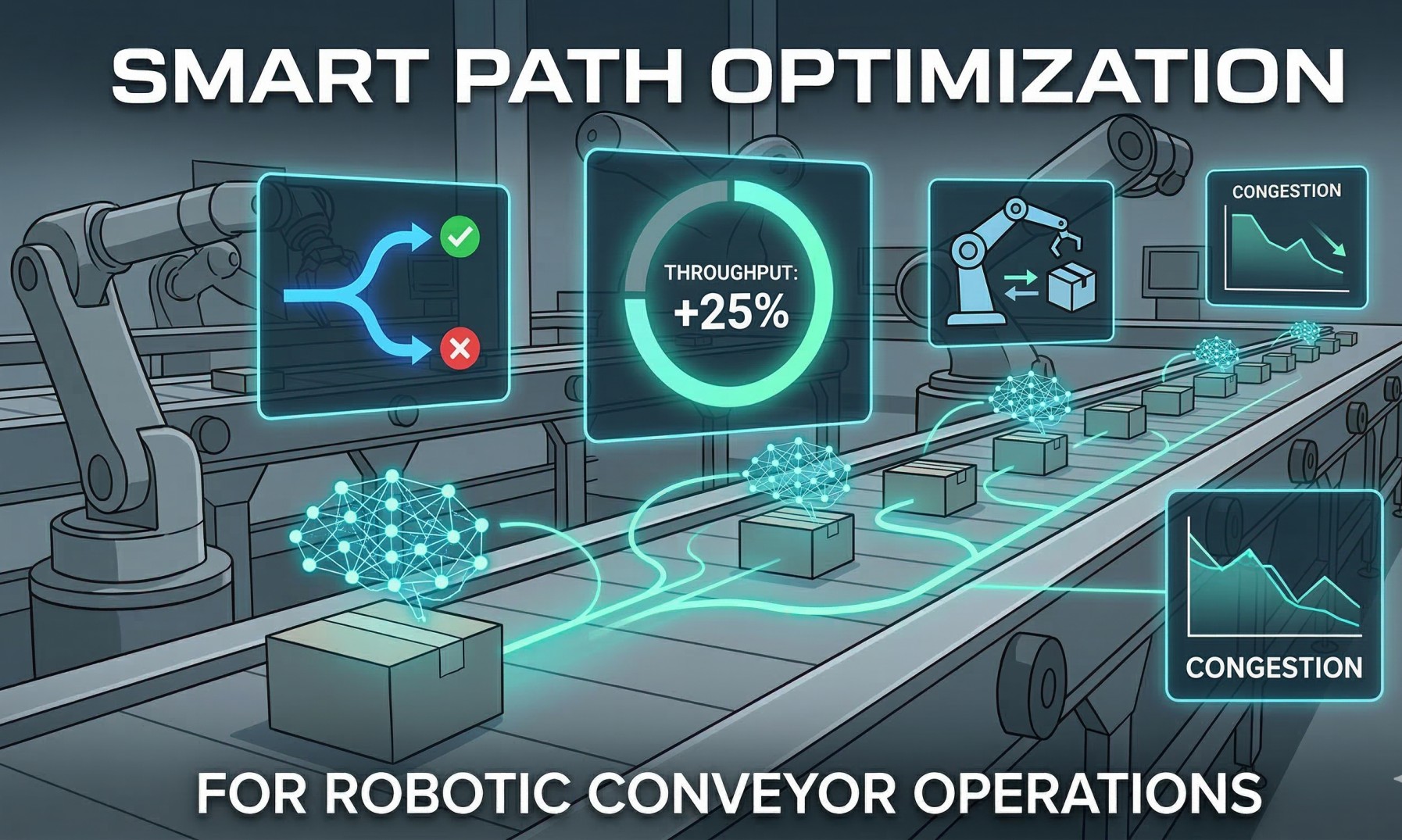
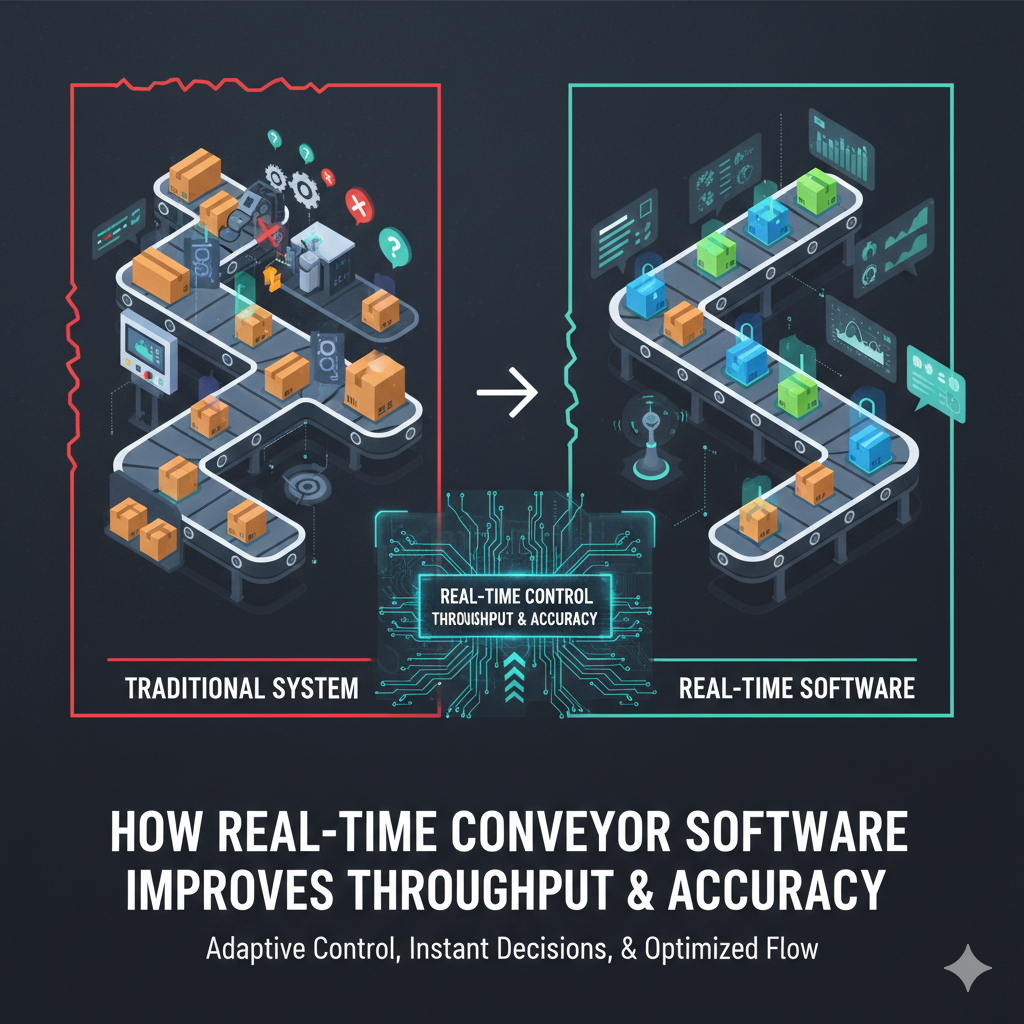
Smarter Flow and Routing Decisions 🔀
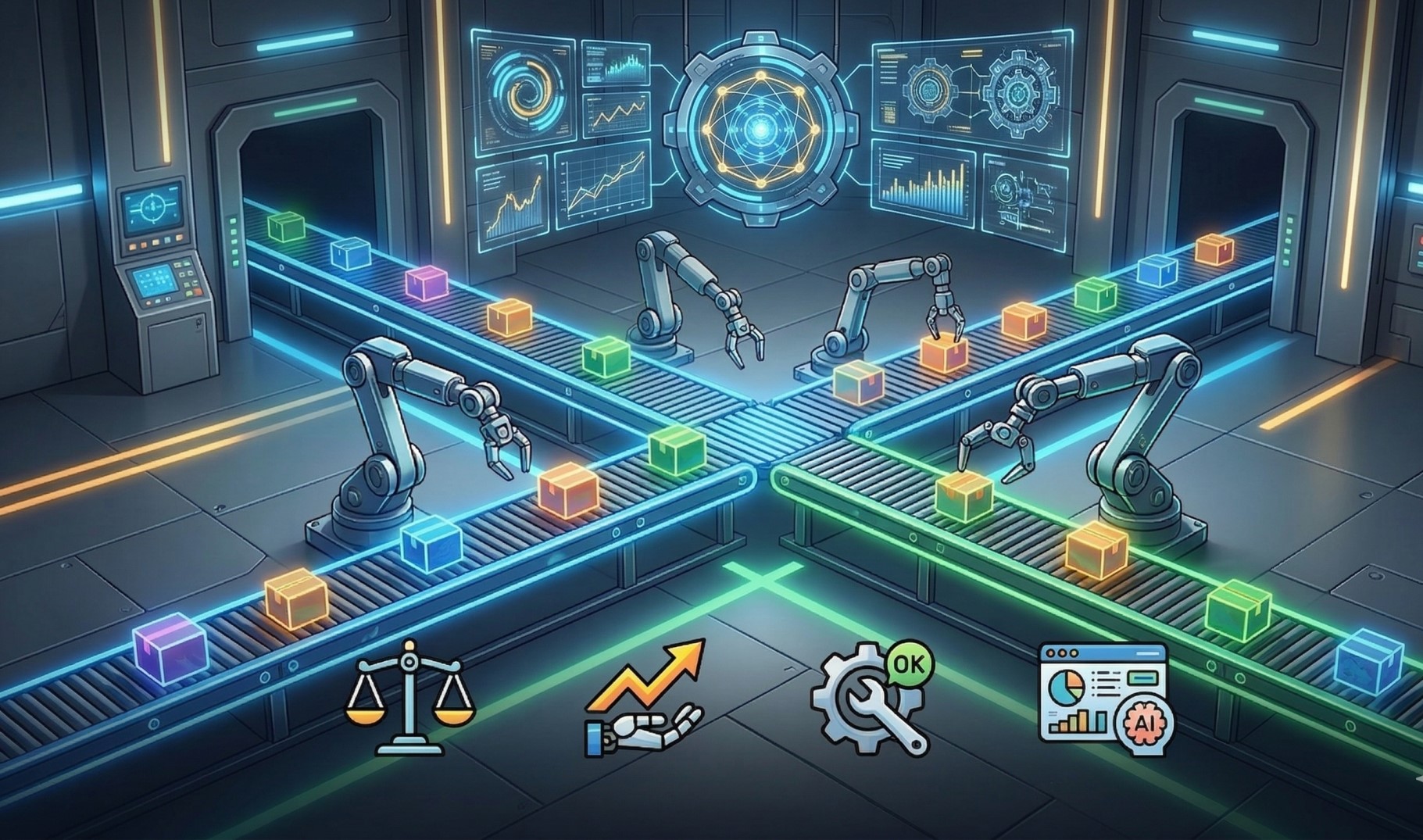
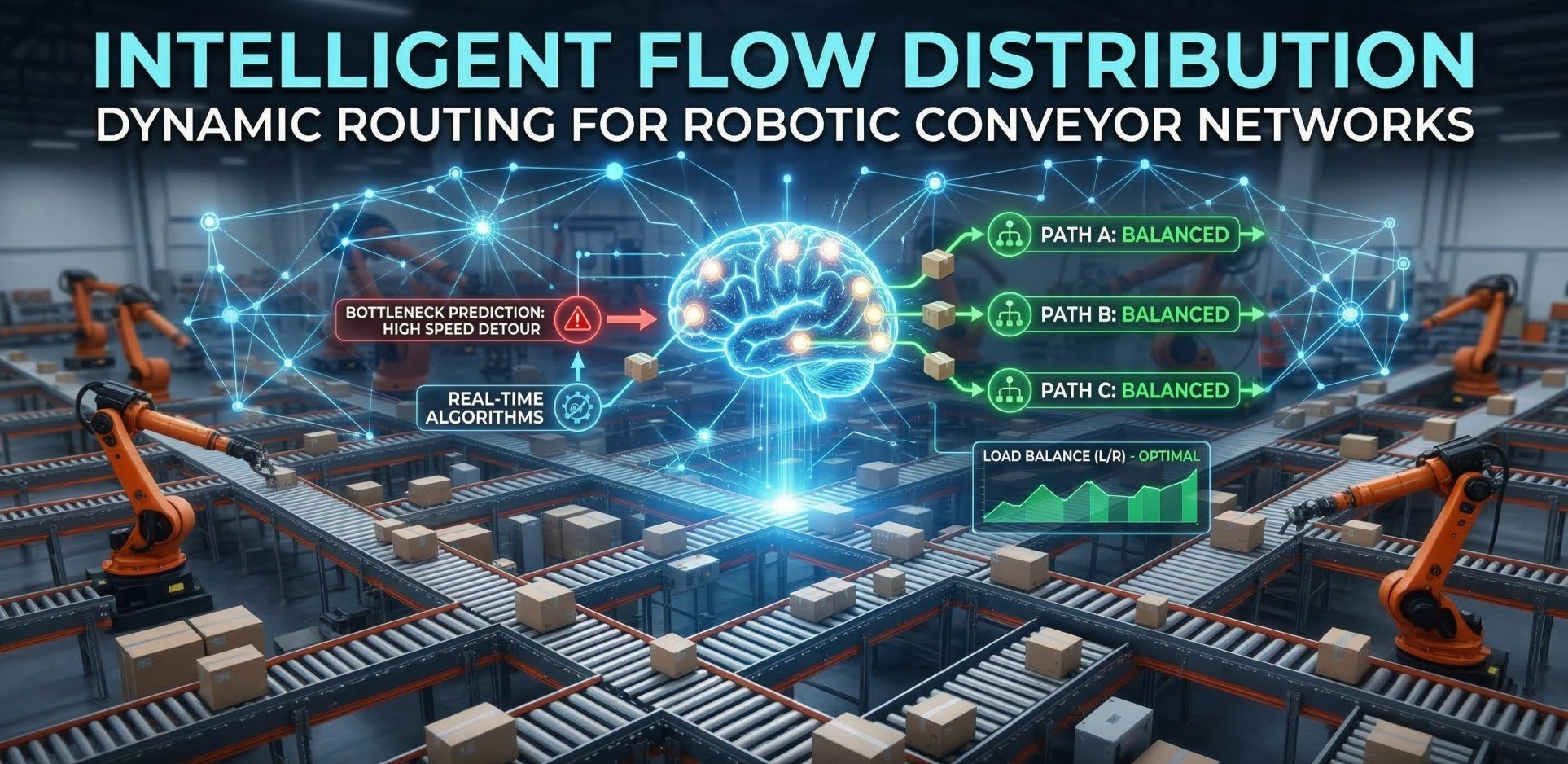
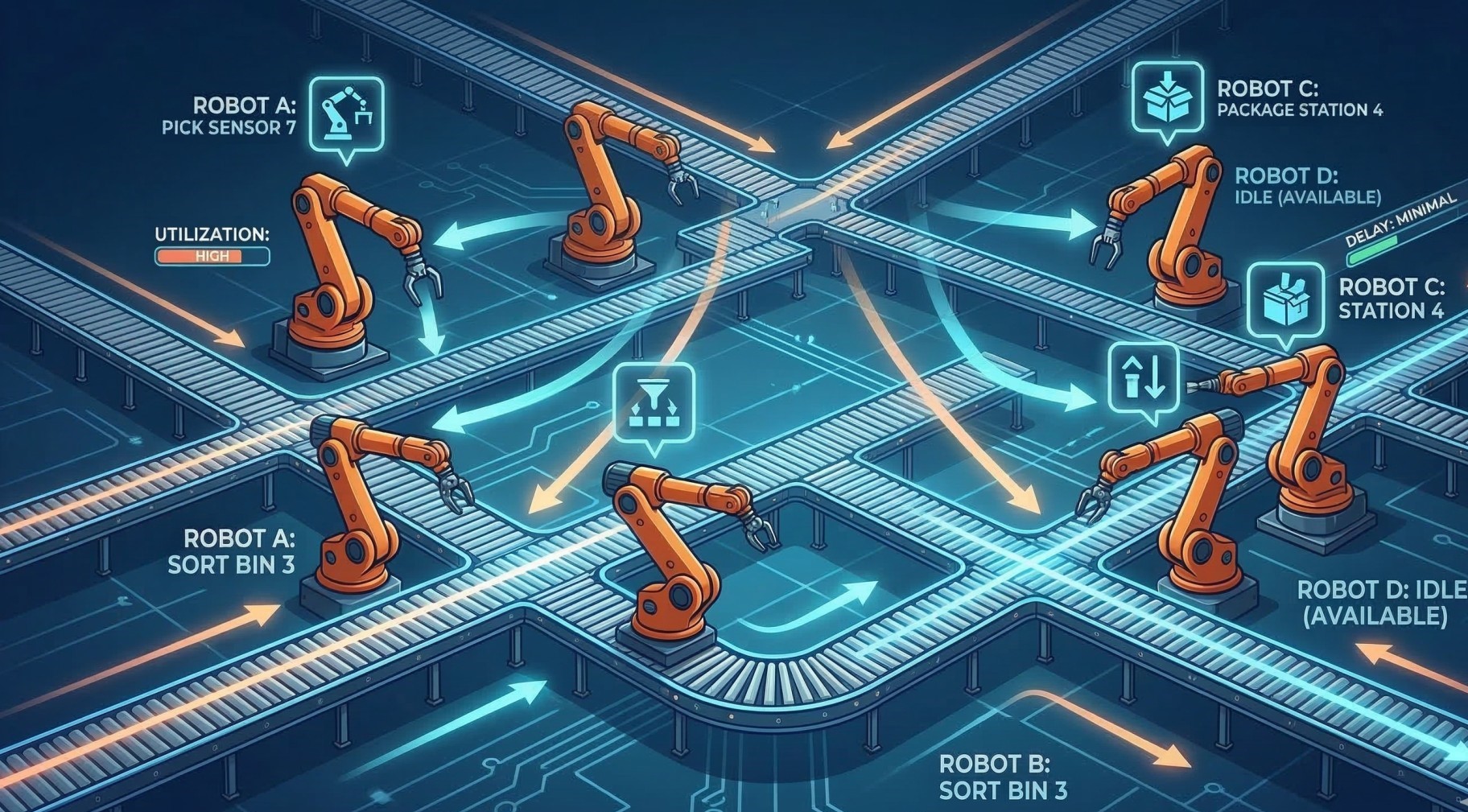
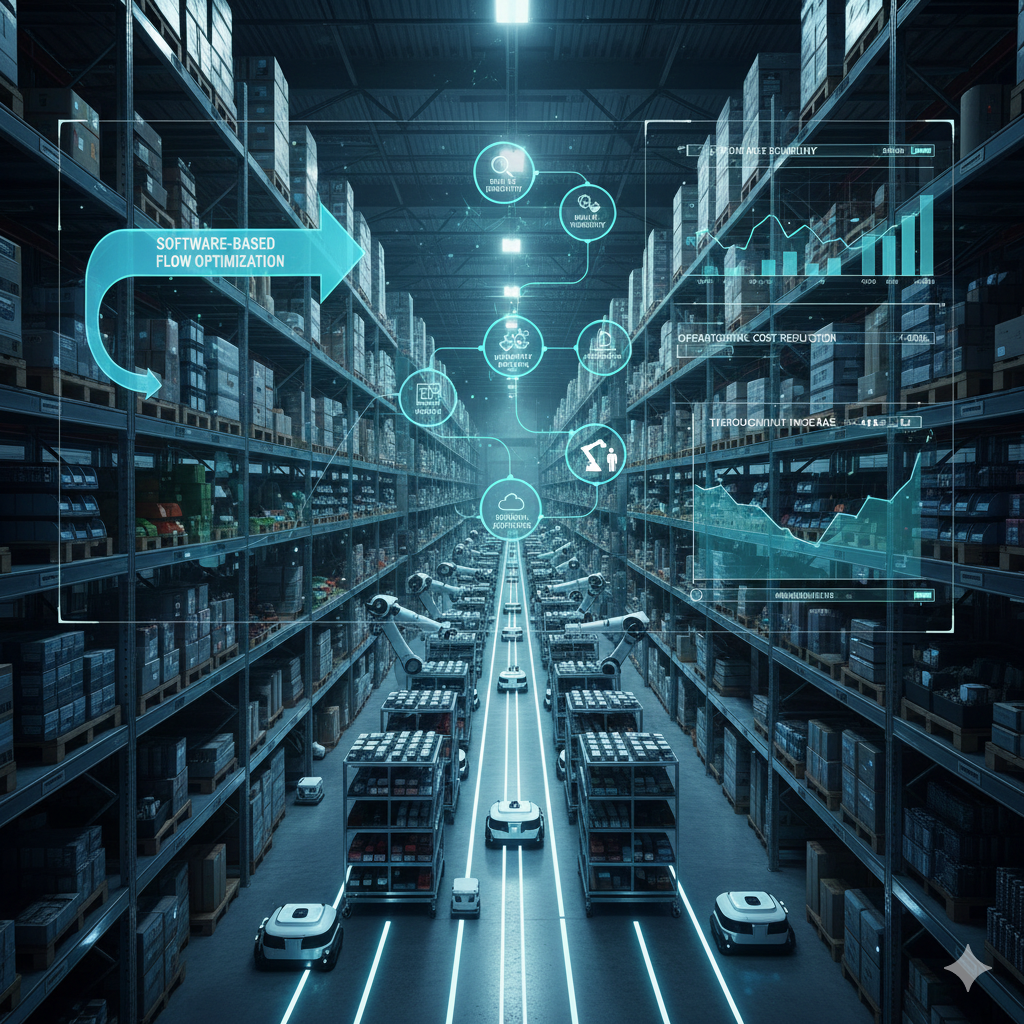
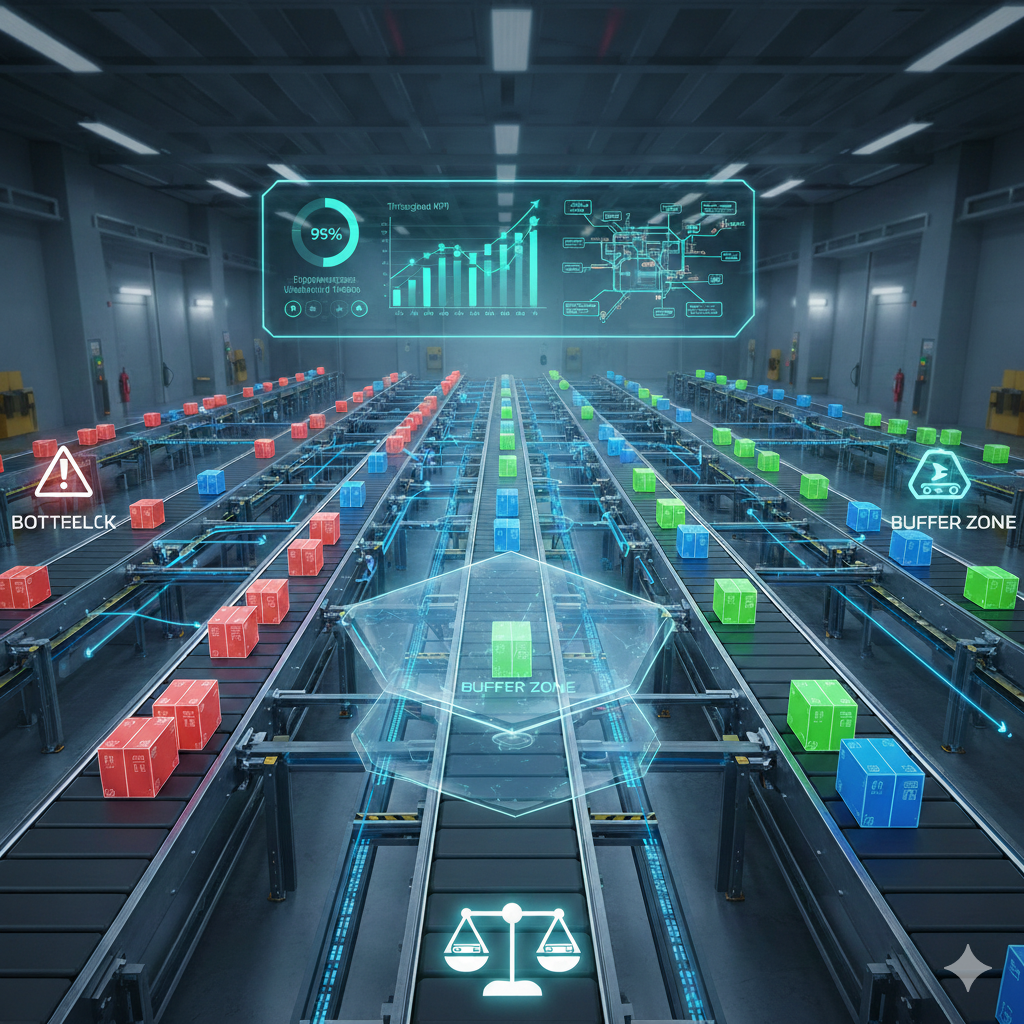
• Balances load dynamically across multiple conveyor lines ⚖️
• Reroutes items away from repeated congestion points 🚧
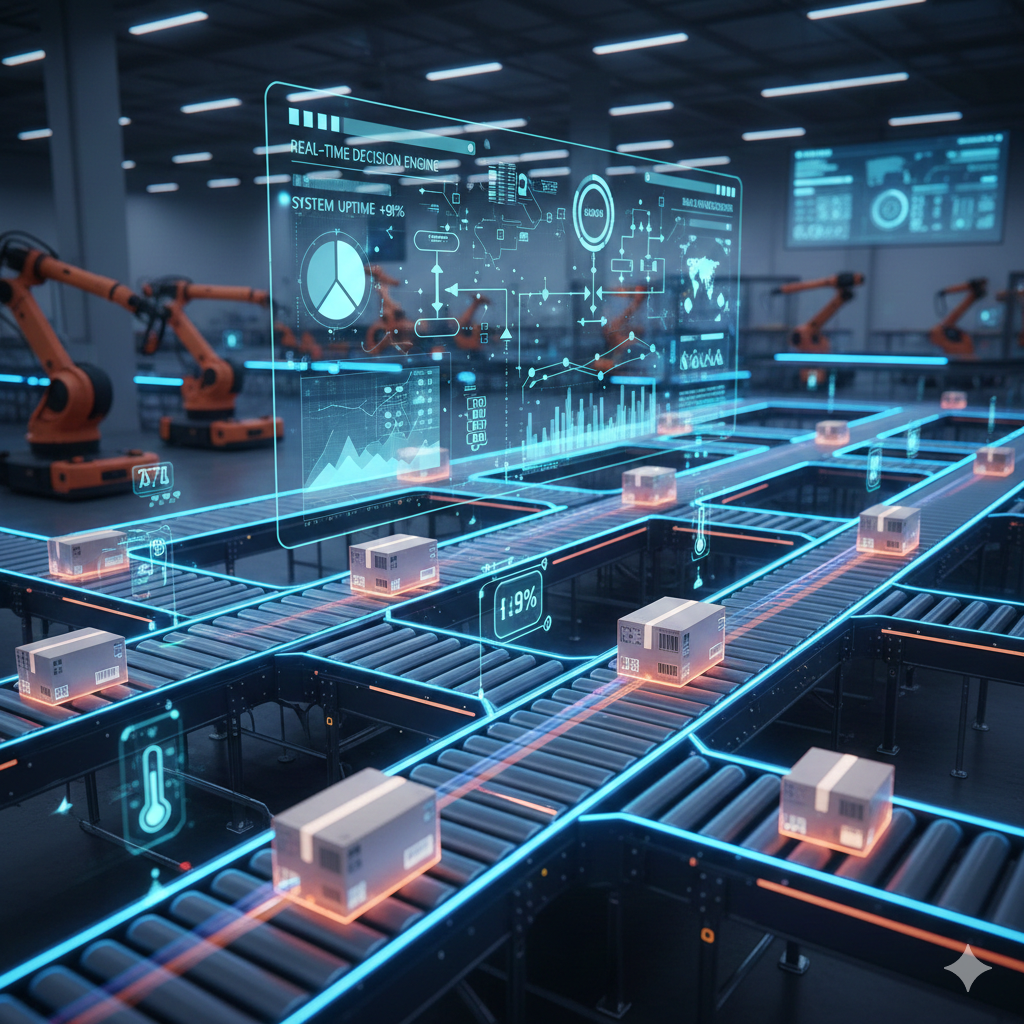
• Adjusts conveyor speeds based on real-time demand ⚡
• Reduces idle running and system overloads ❌
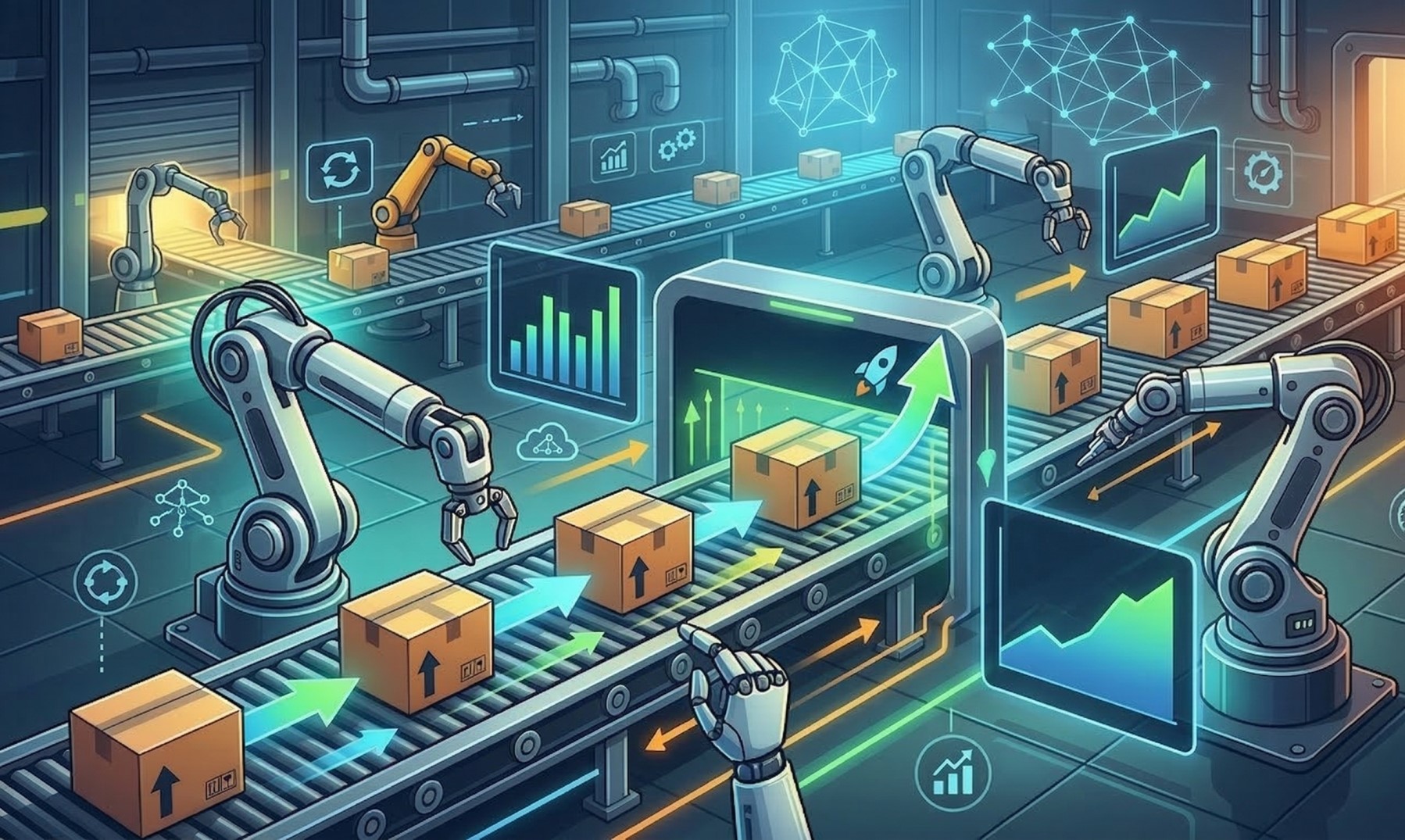
• Improves overall throughput and flow stability 📈
Early Bottleneck Detection 🚦
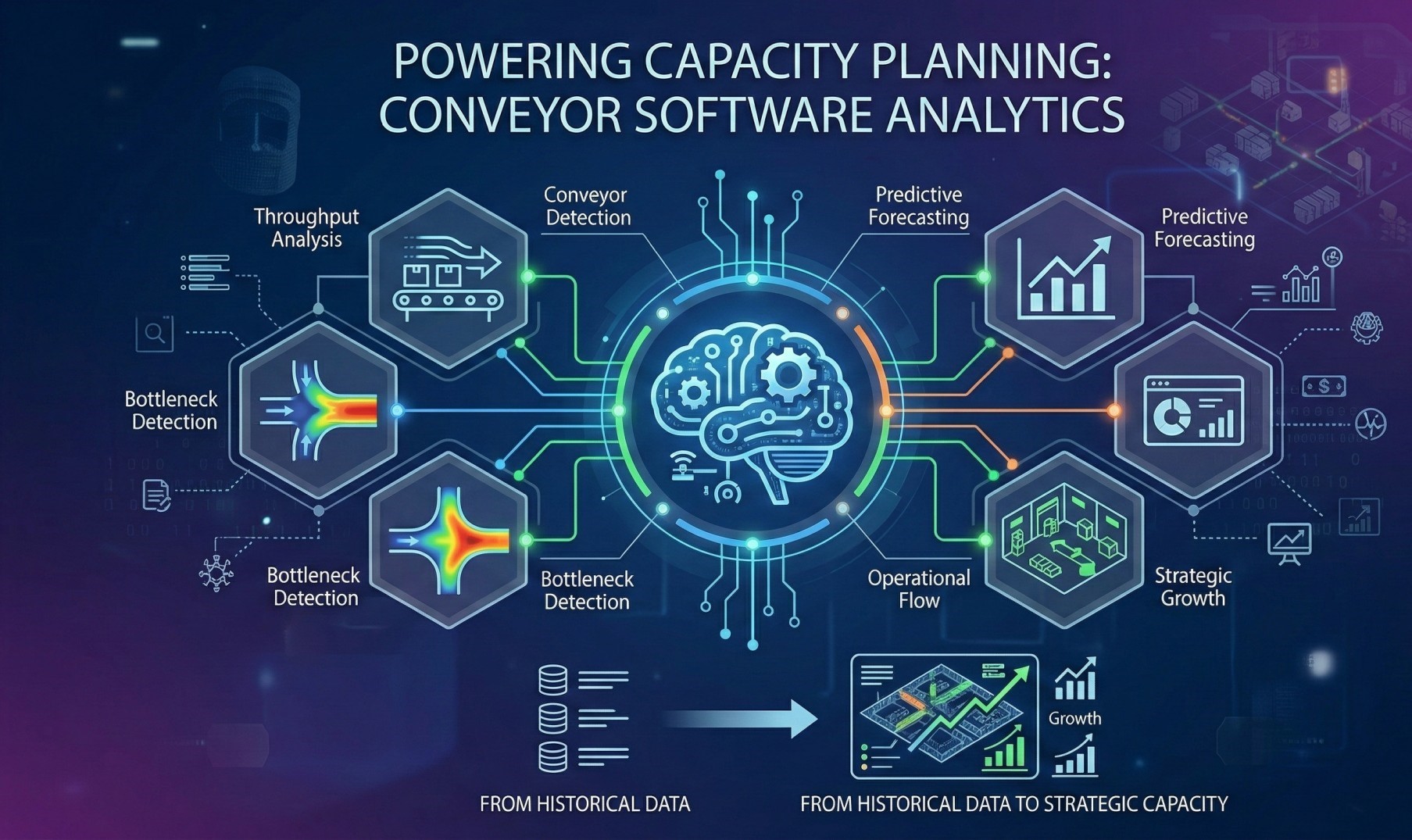
• Identifies patterns that typically cause congestion 🔍
• Predicts bottlenecks before they fully develop 🔮
• Redistributes flow automatically to maintain balance 🔄
• Stabilizes operations during peak periods ⏰
• Reduces dependency on manual supervision 👀
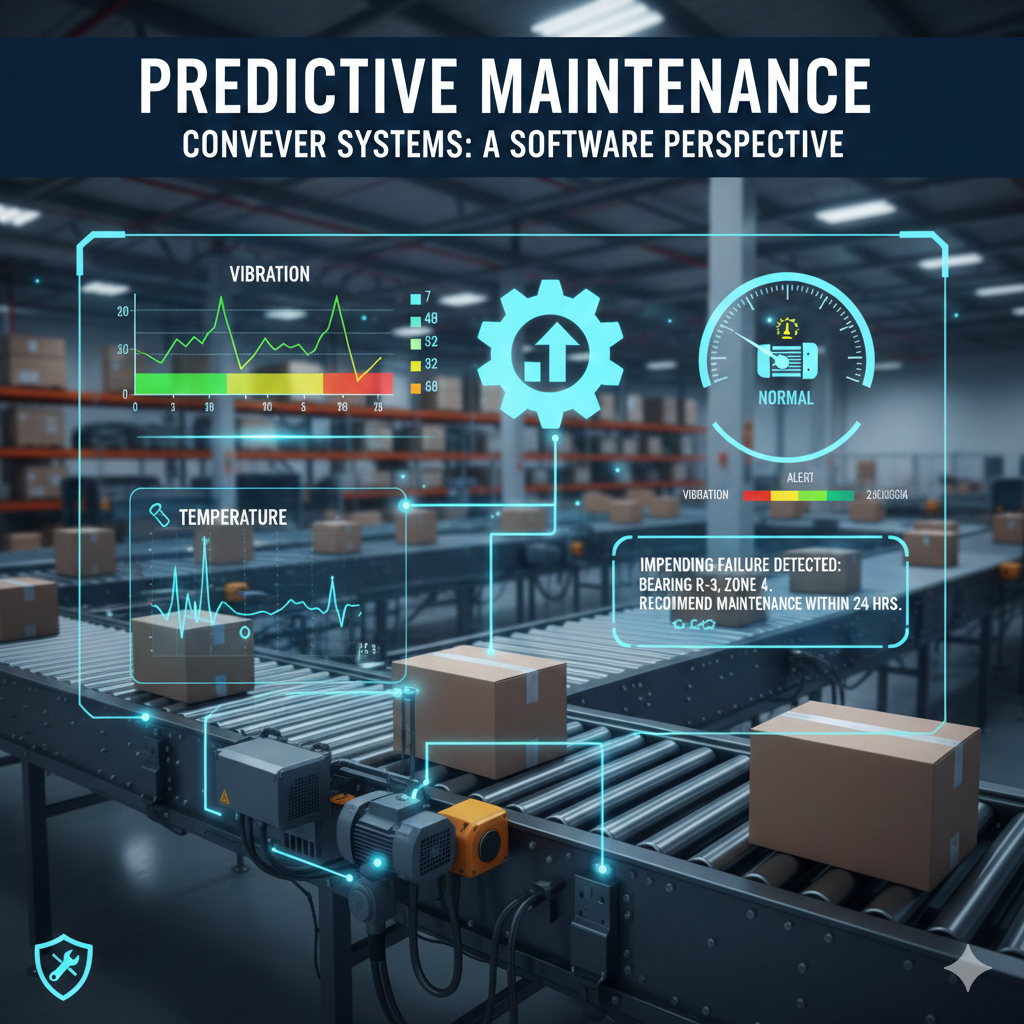
Predictive Maintenance Through Learning 🛠️
• Learns normal versus abnormal equipment behavior 📊
• Detects early signs of wear or mechanical issues ⚙️
• Predicts maintenance needs before failures occur ⏳
• Minimizes unexpected breakdowns ❌
• Extends the lifespan of conveyor equipment 🔁
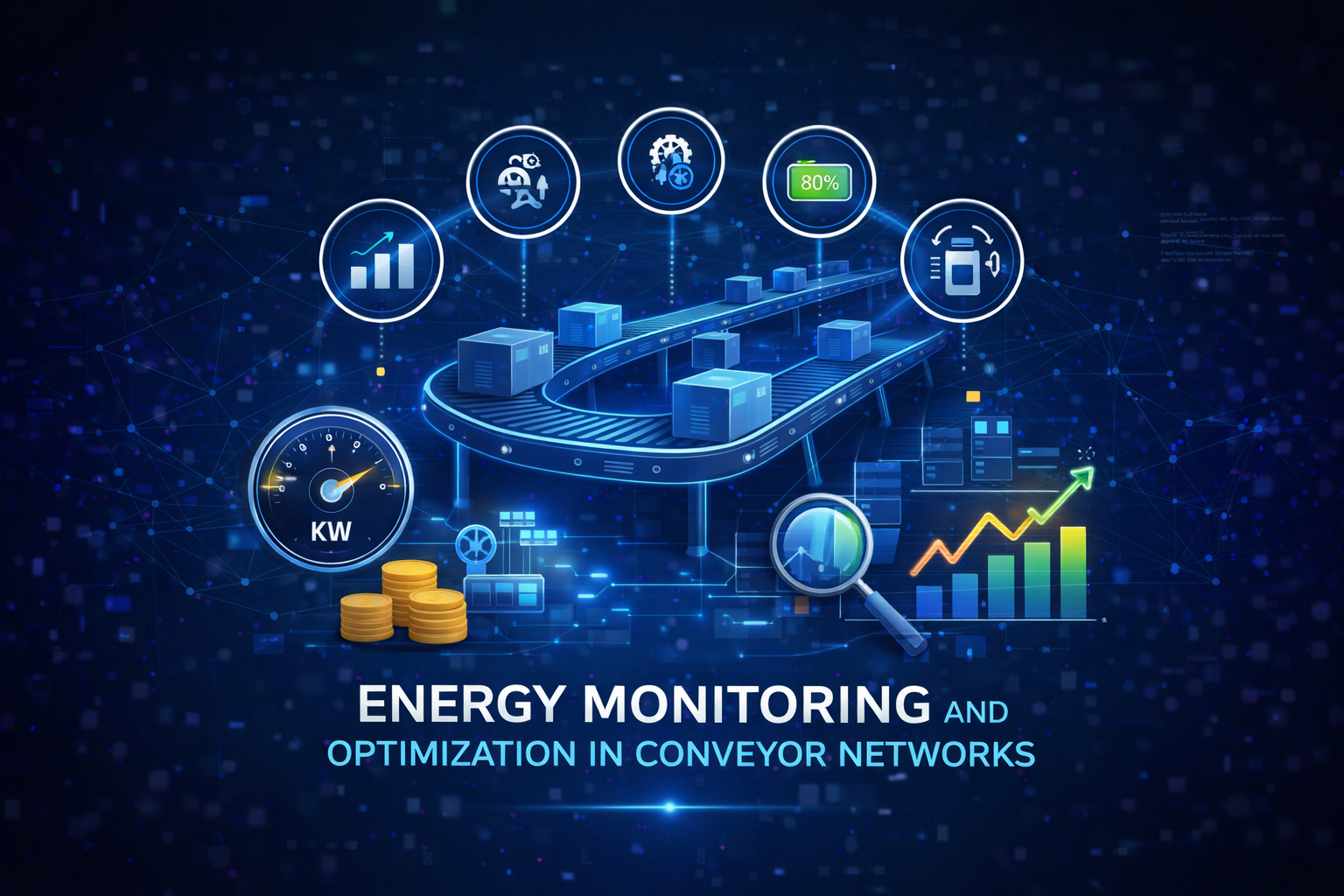
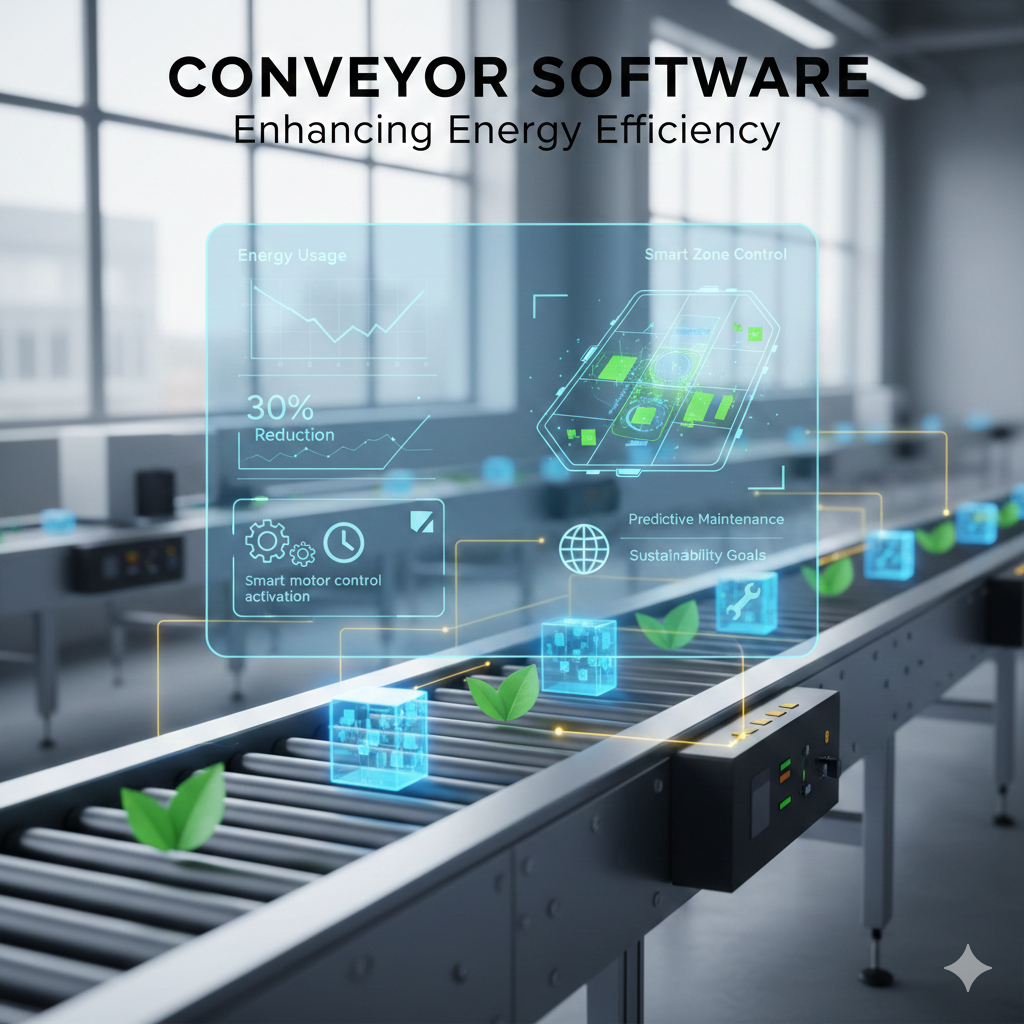
Energy Optimization Based on Usage Patterns ⚡
• Analyzes energy consumption trends over time 📈
• Adjusts motor usage during low-demand periods 🌙
• Reduces unnecessary conveyor movement 🚫
• Lowers energy costs and mechanical wear 💰
• Supports sustainability and efficiency goals 🌱
Continuous Performance Improvement 🔄
• Tracks throughput, downtime, and efficiency trends 📊
• Identifies long-term optimization opportunities 🔍
• Learns from both peak and off-peak performance ⏱️
• Improves outcomes with every operational cycle 🚀
• Creates a self-optimizing conveyor environment 🤖
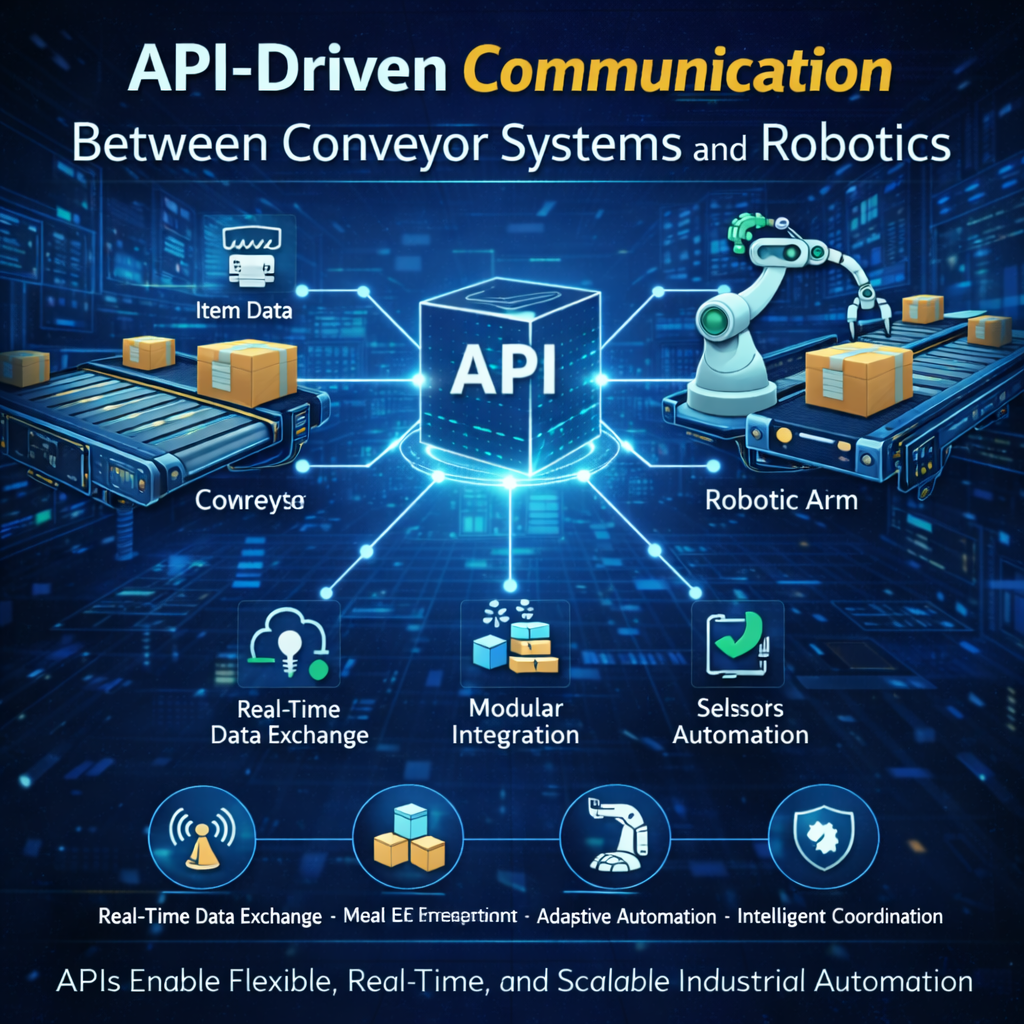
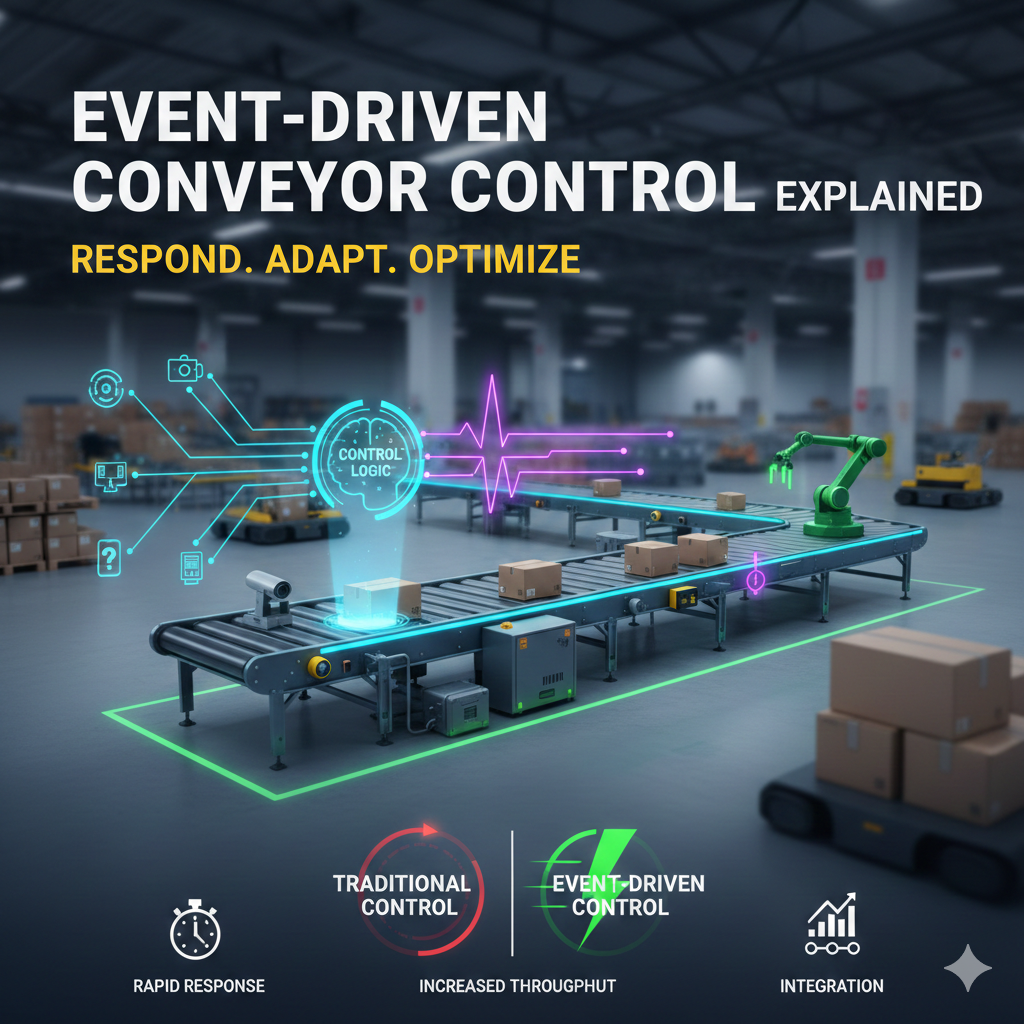
Integration with Existing Systems 🔗
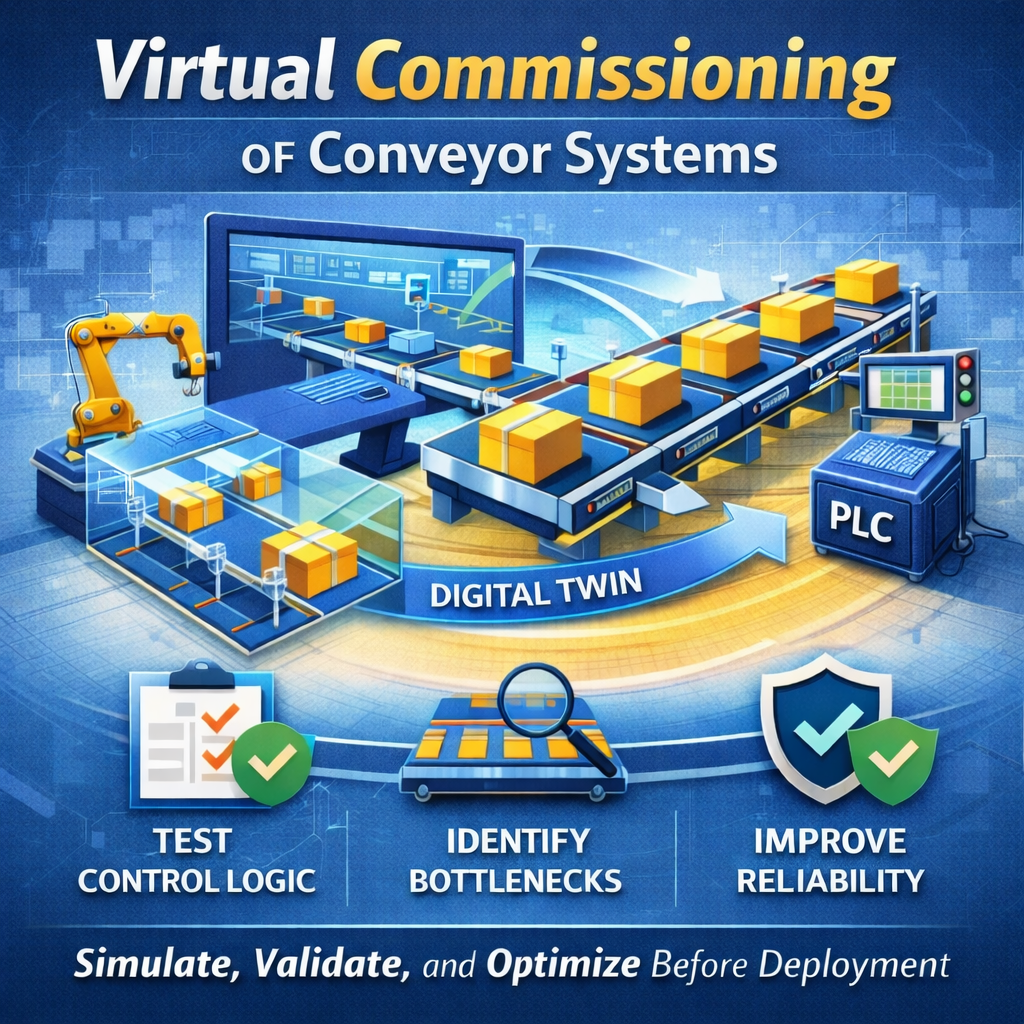
• Operates alongside PLC-based control logic ⚙️
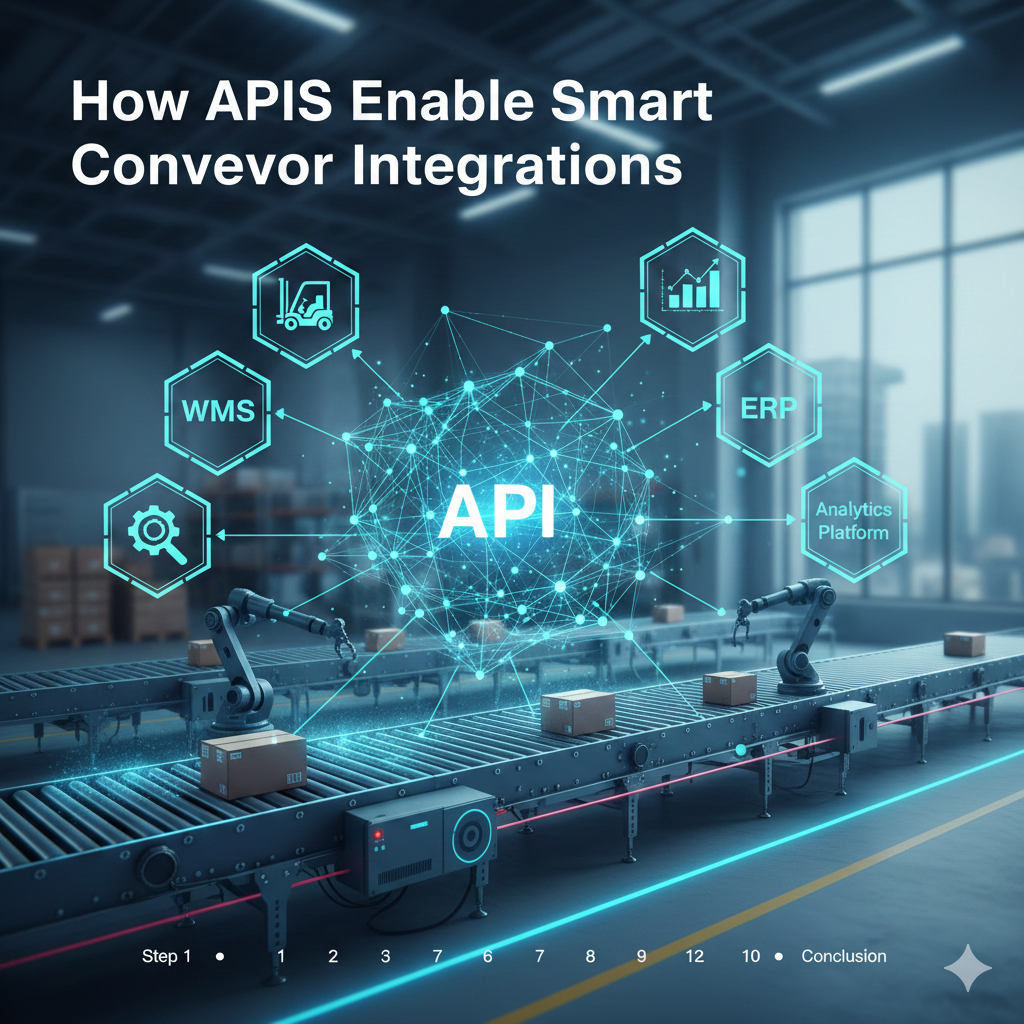
• Integrates with WMS, MES, and ERP systems 🧩
• Uses APIs and real-time data streams 🌐
• Enhances current infrastructure without replacement 🏗️
• Enables gradual adoption of intelligent capabilities 📈
Business Benefits of Learning Conveyor Software 📈
• Increased throughput and faster order fulfillment 🚚
• Reduced congestion and operational downtime ⏳
• Lower maintenance and energy costs 💰
• Greater flexibility to handle changing demand 🔄
• Improved scalability for future growth 🚀
Final Thoughts 🏁
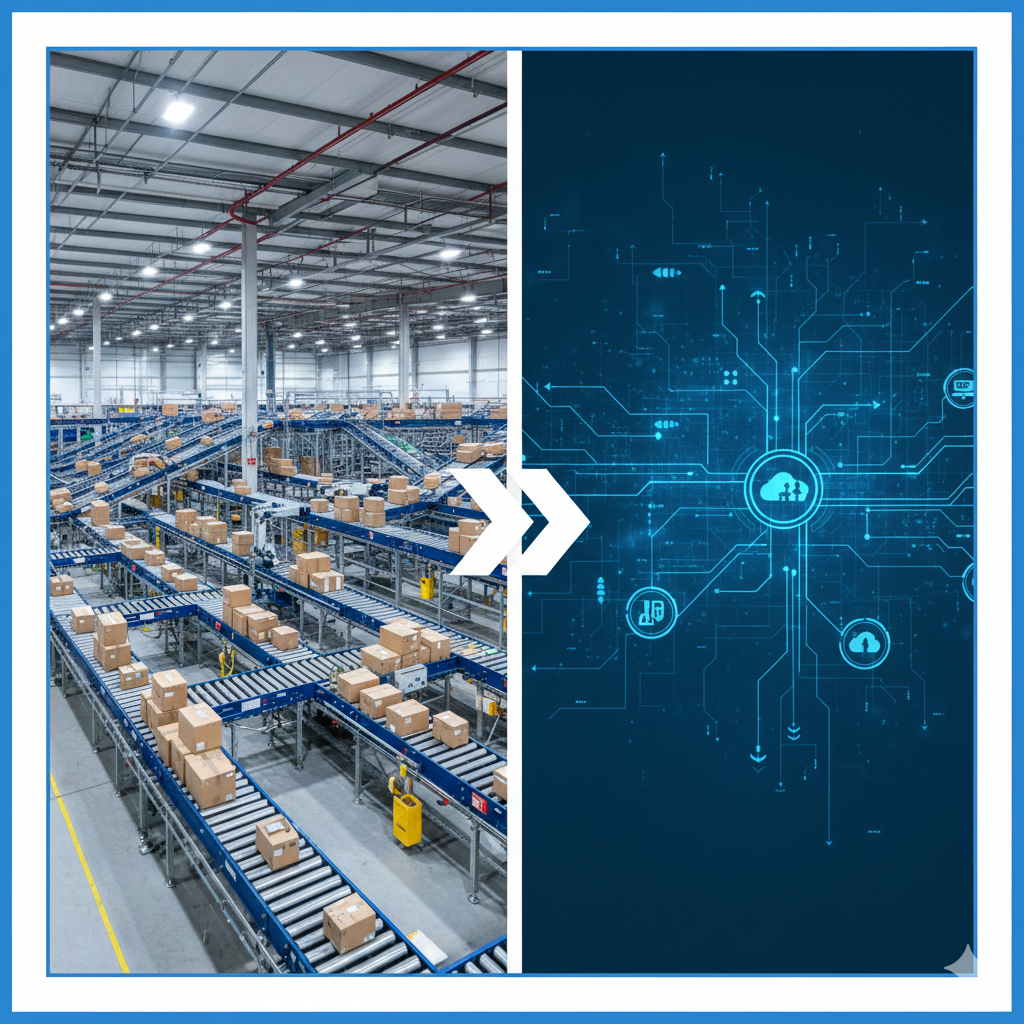
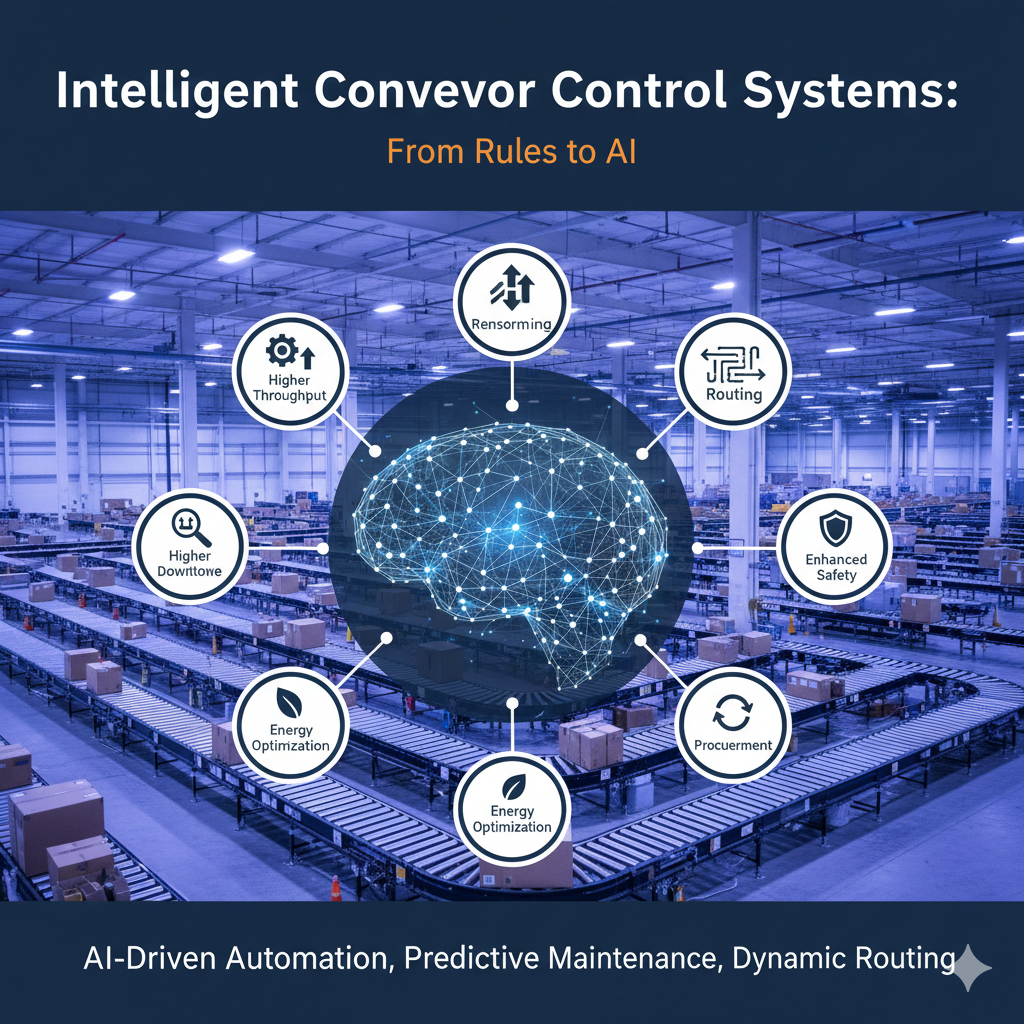
Conveyor software that learns from operational data marks a shift from static, rule-based control to intelligent, adaptive systems. By continuously analyzing performance and refining behavior, these platforms deliver higher efficiency, lower costs, and more reliable operations. For organizations focused on scaling and staying competitive, learning-enabled conveyor software is no longer optional—it is a strategic advantage. 🌍
See more blogs
You can all the articles below