Sustainable Material Handling Powered by Software
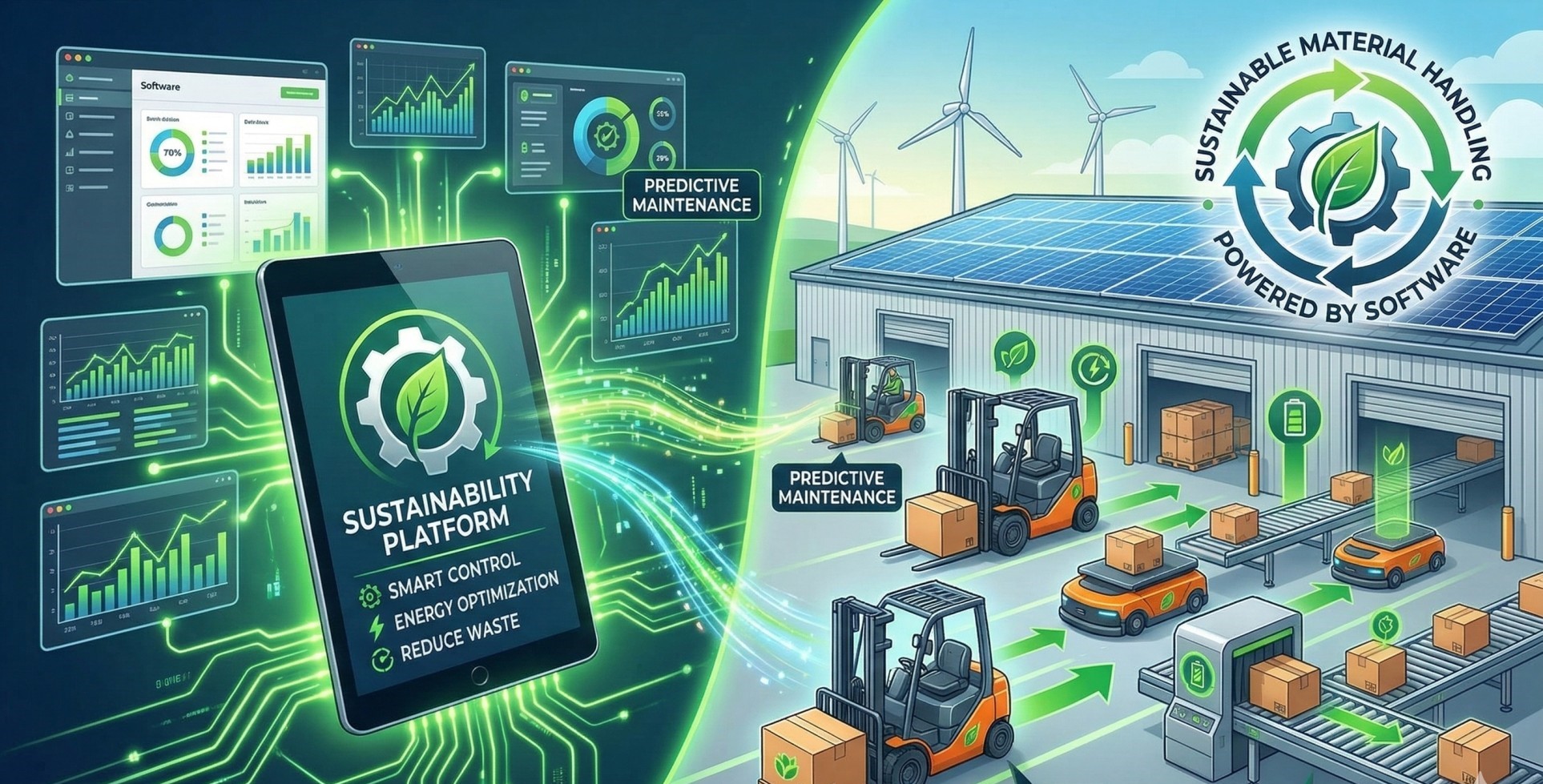
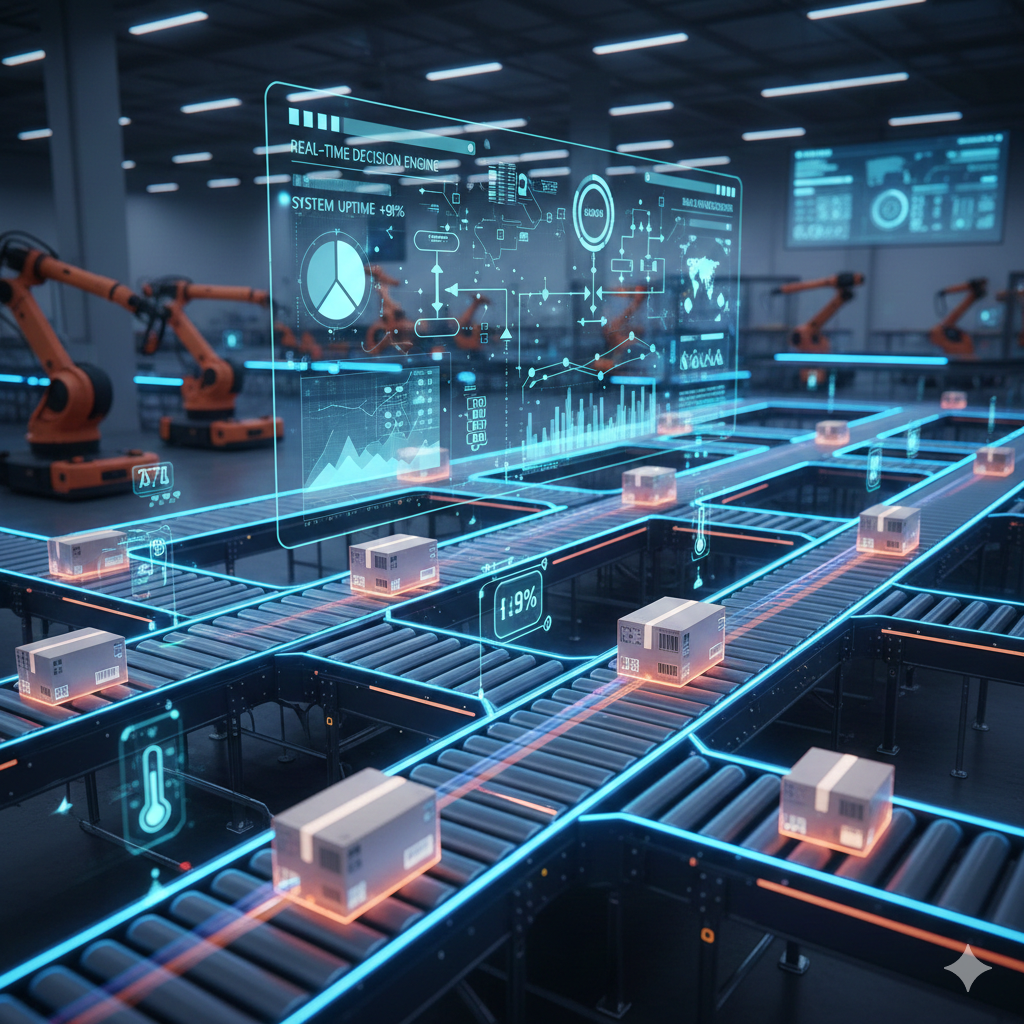
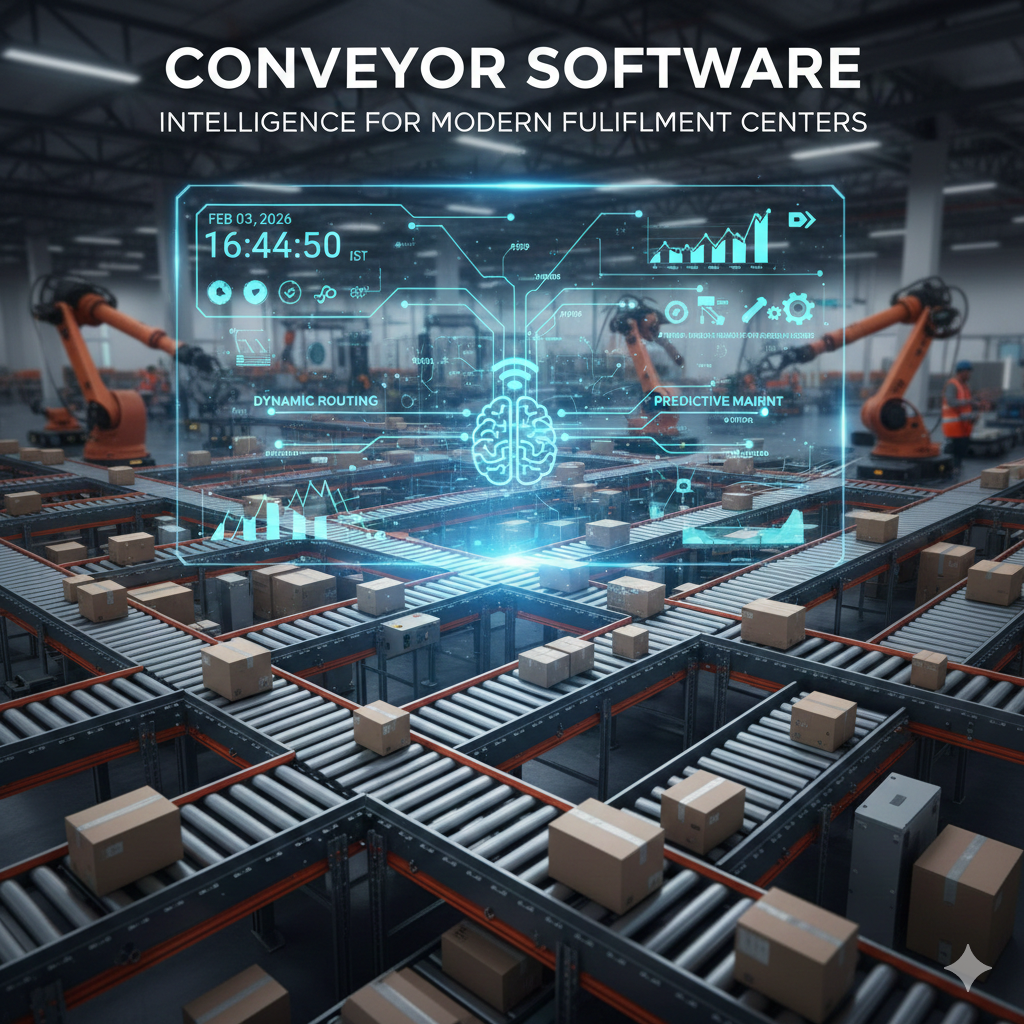
Sustainability has become an essential focus for modern supply chains. Material handling systems that move products through warehouses, manufacturing facilities, and distribution centers significantly influence energy consumption, operational efficiency, and environmental impact. Software-powered material handling platforms enable organizations to optimize equipment usage, reduce waste, and improve resource efficiency while maintaining reliable and high-performing operations.
Step 1: Understanding Sustainable Material Handling 🌱
• Focuses on lowering environmental impact within logistics operations ♻️
• Optimizes product movement to reduce overall energy consumption ⚡
• Limits waste caused by inefficient handling processes 📦
• Promotes smarter and more responsible use of facility resources 🏭
• Connects operational efficiency with environmental sustainability 🌍
Step 2: The Role of Software in Modern Material Handling 💻
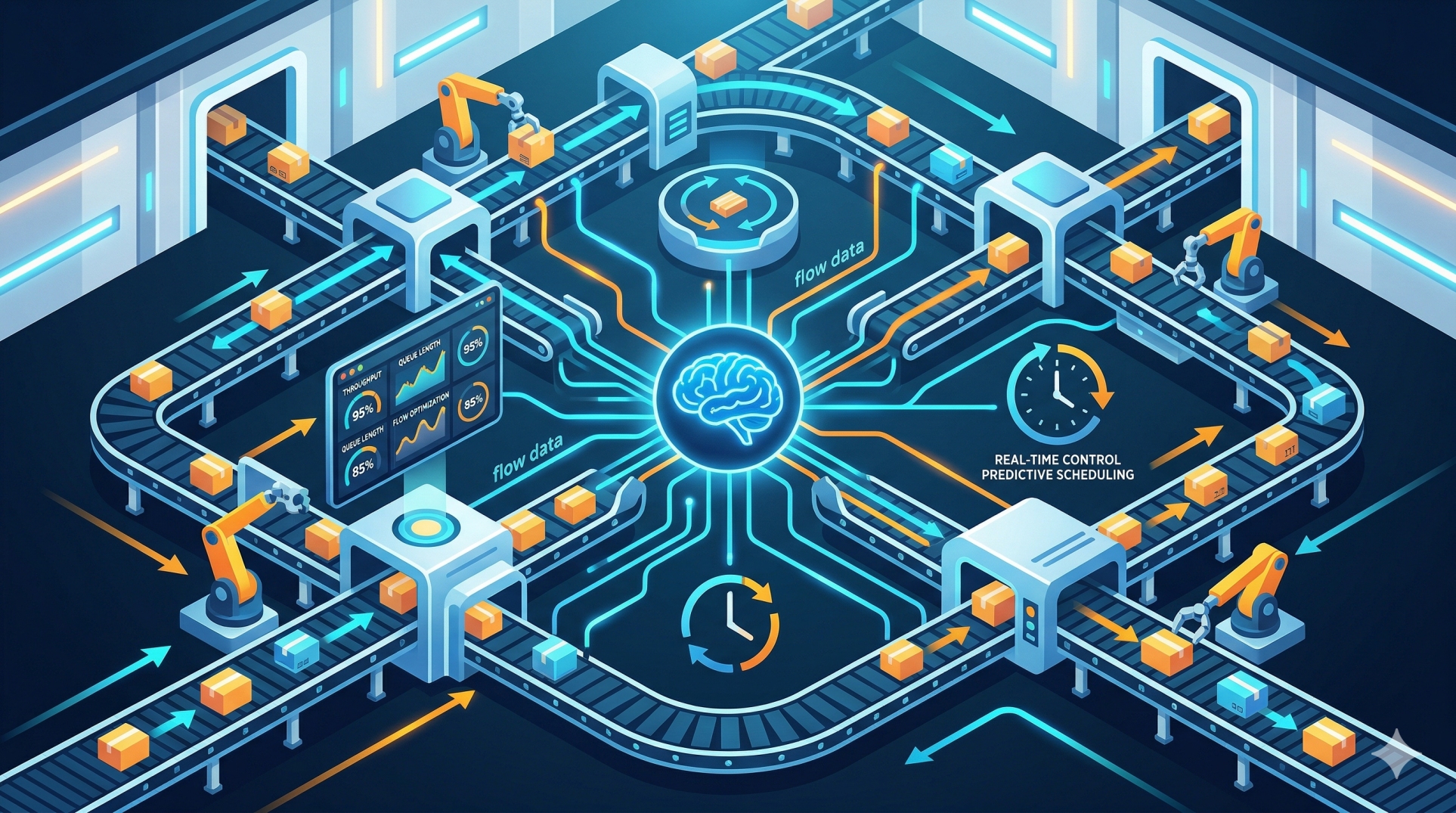
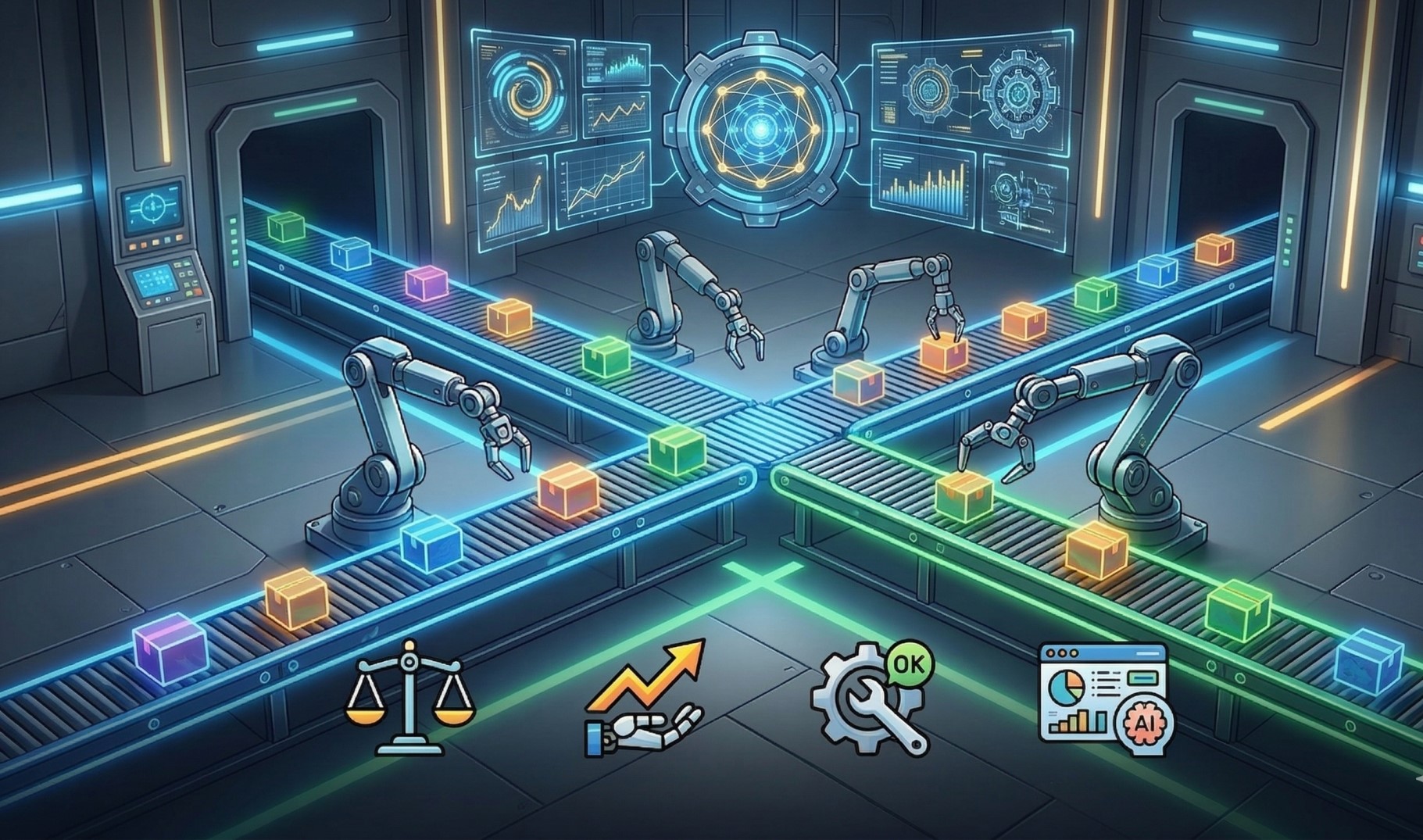
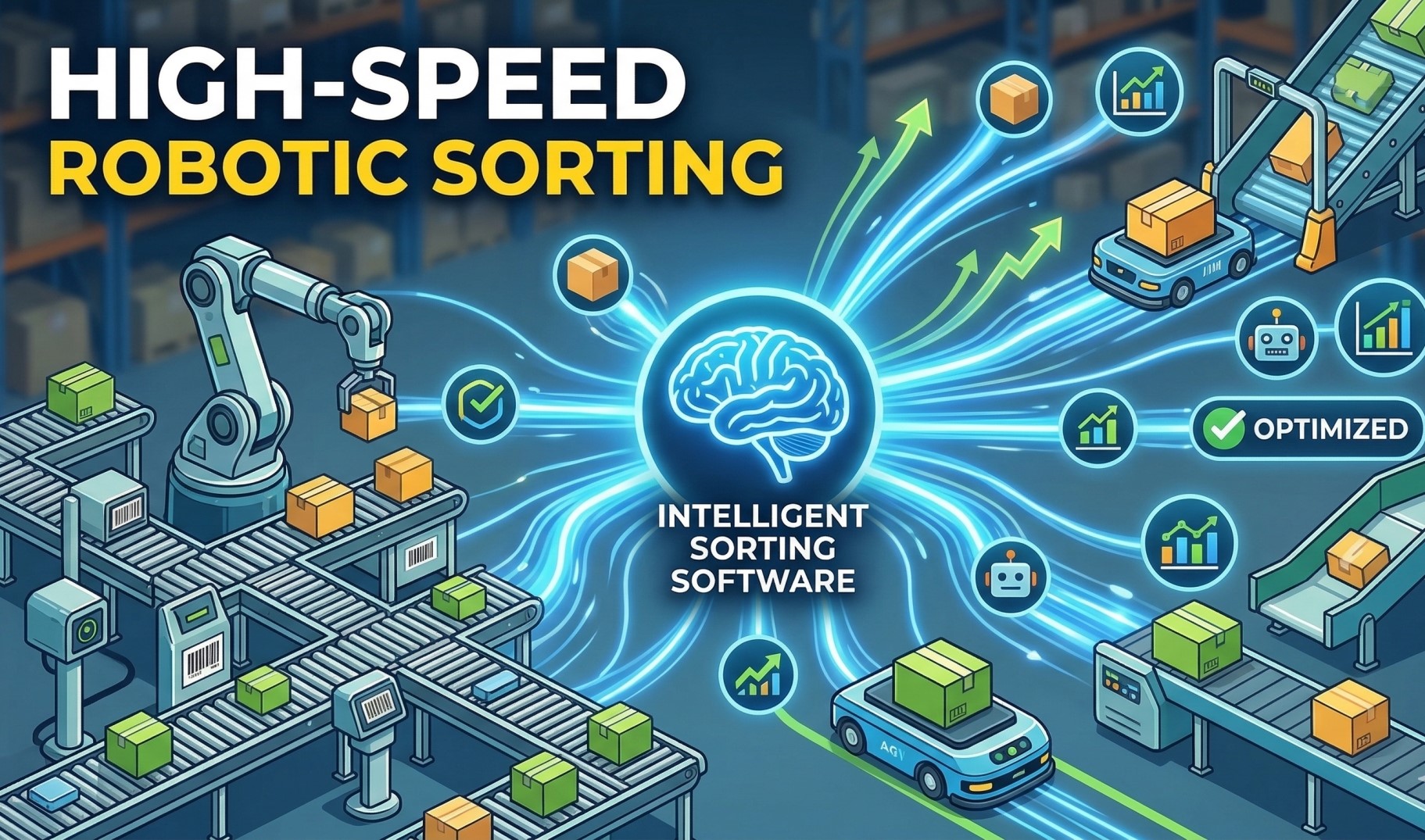
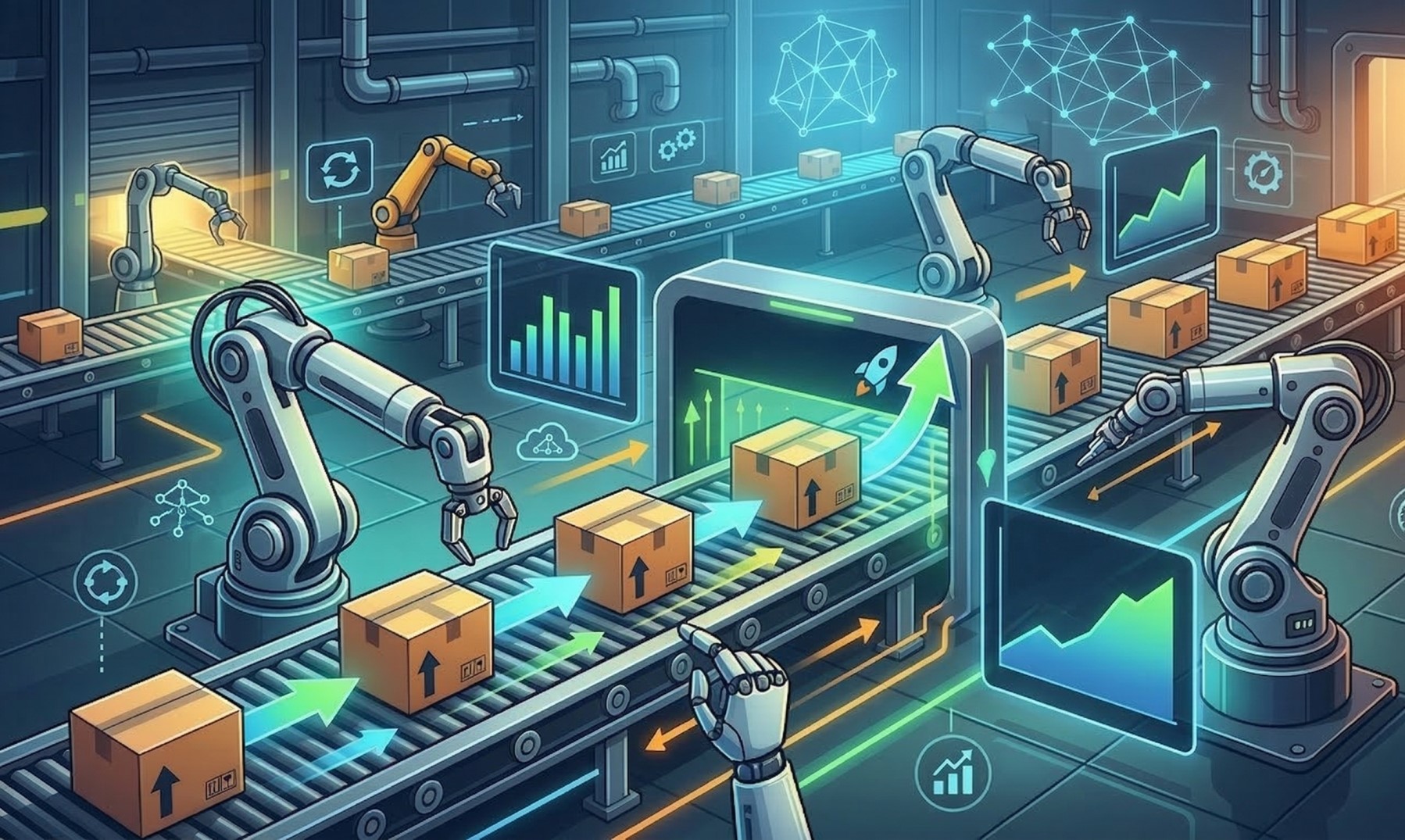
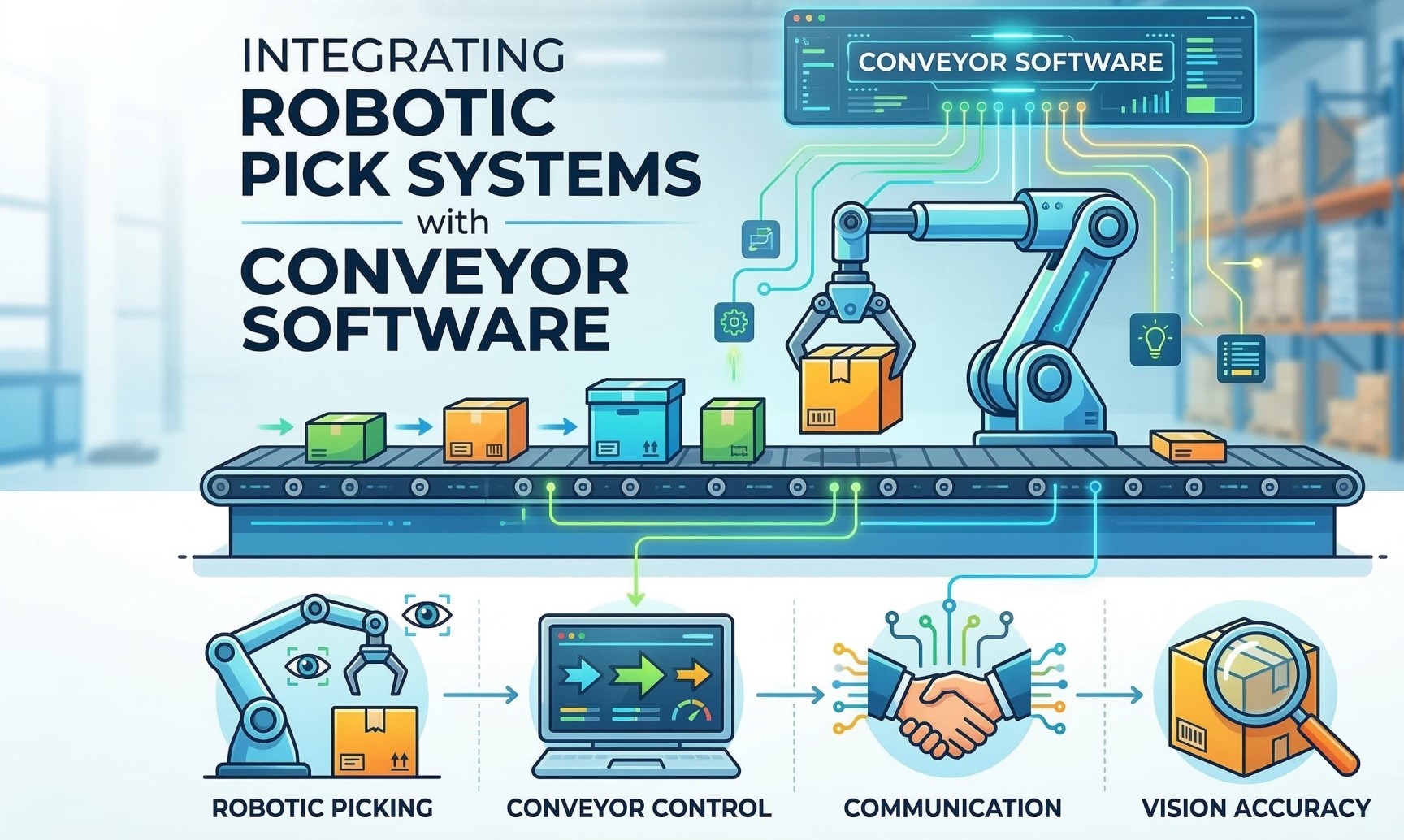
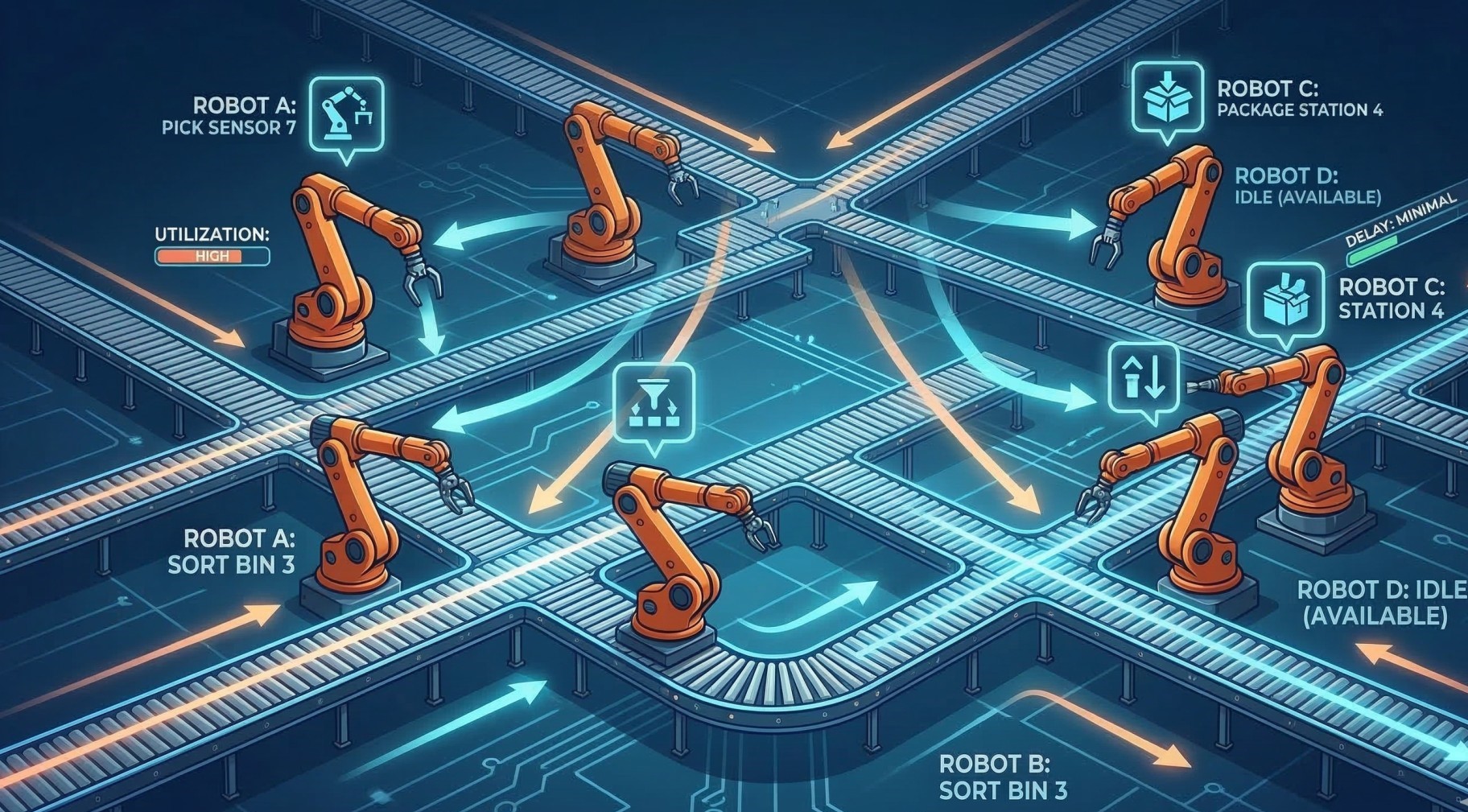
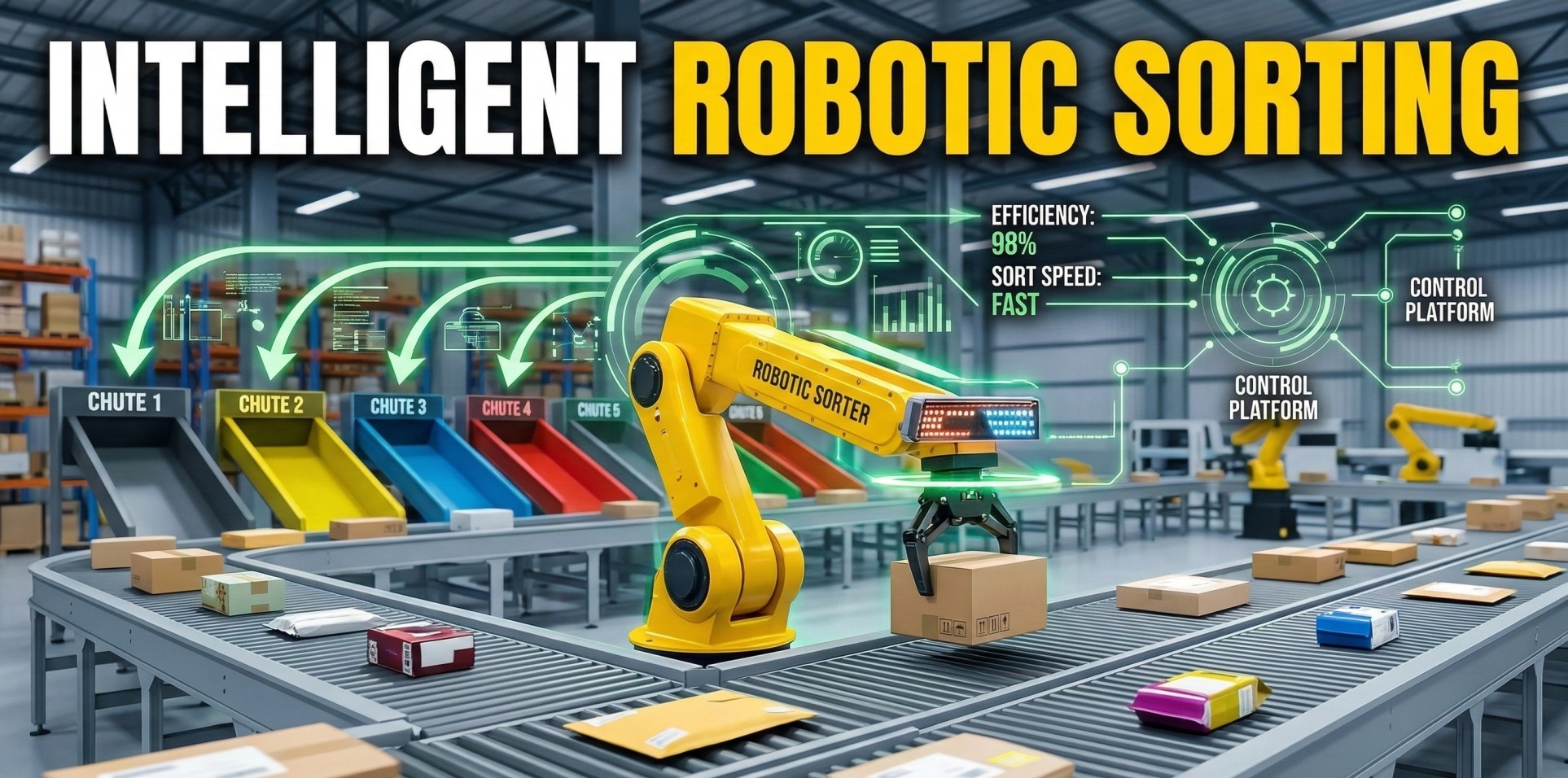
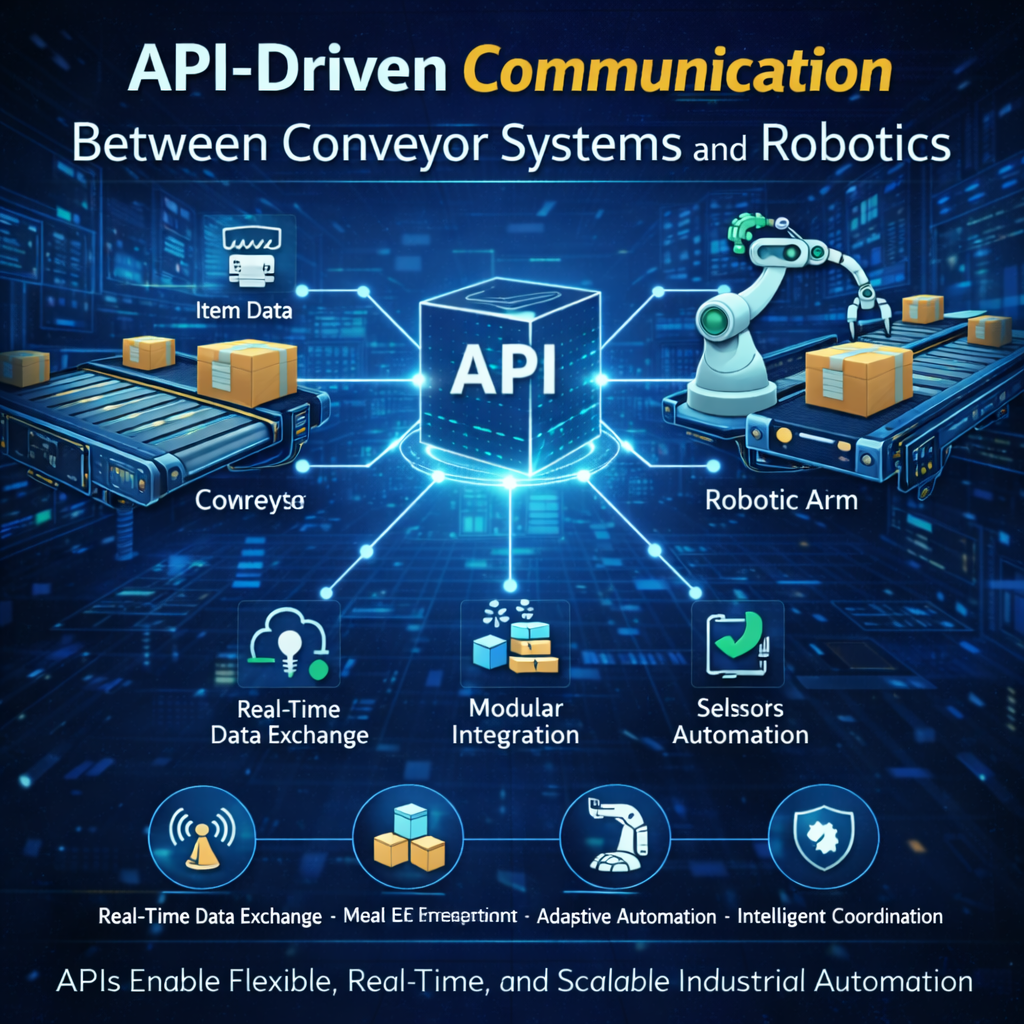
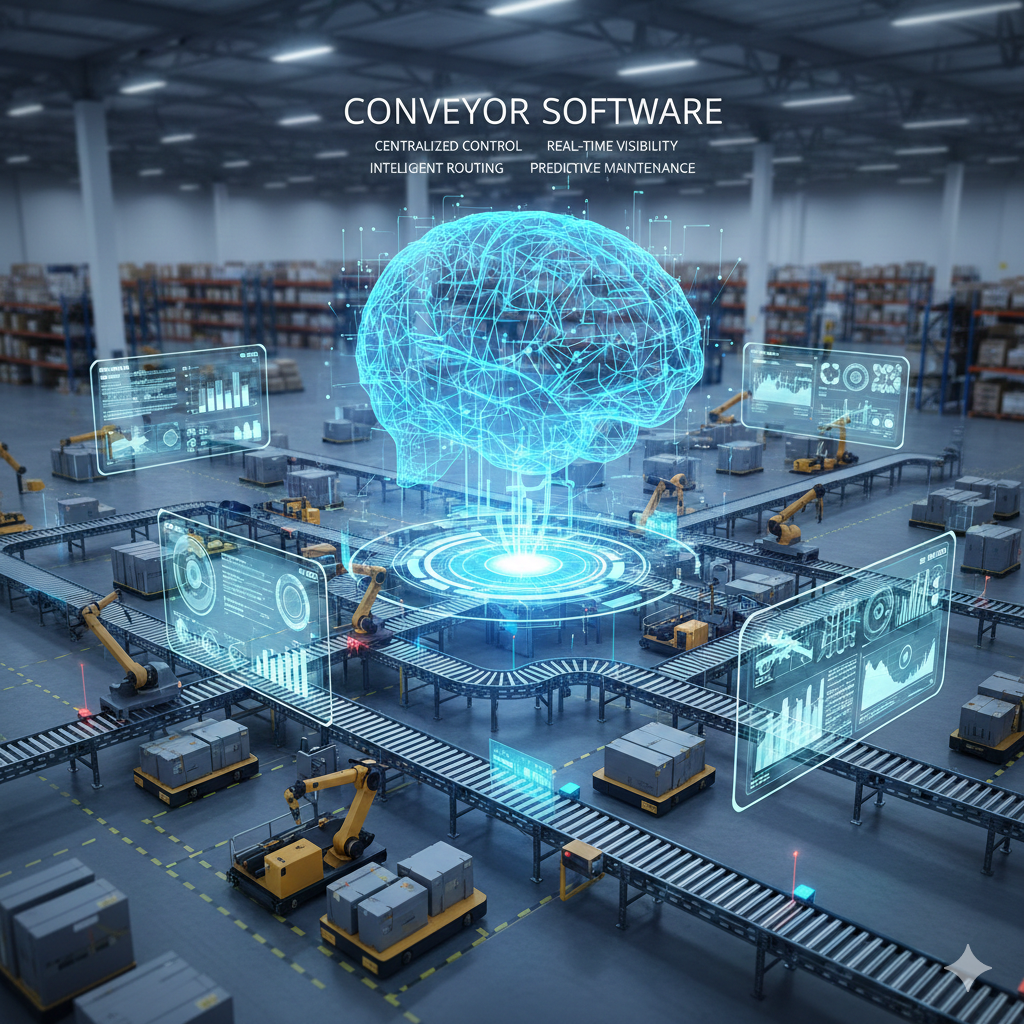
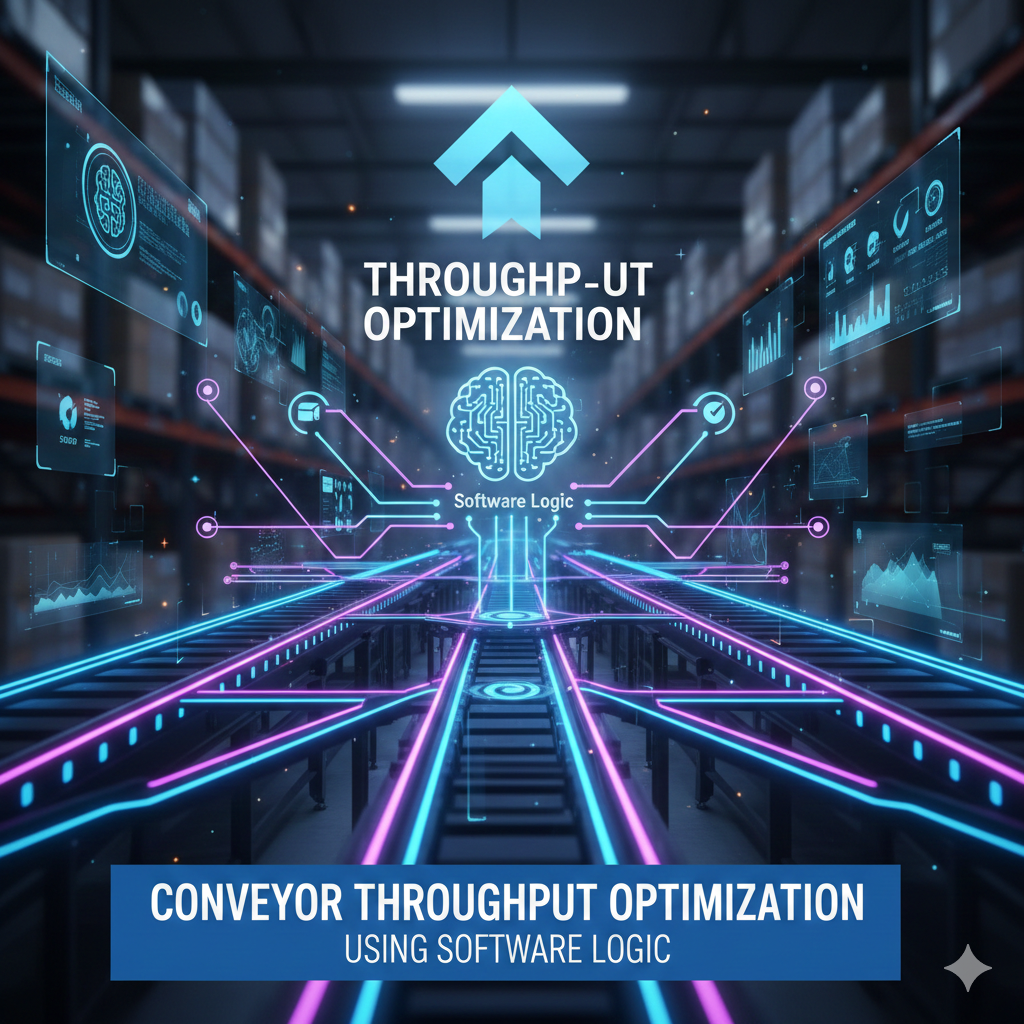
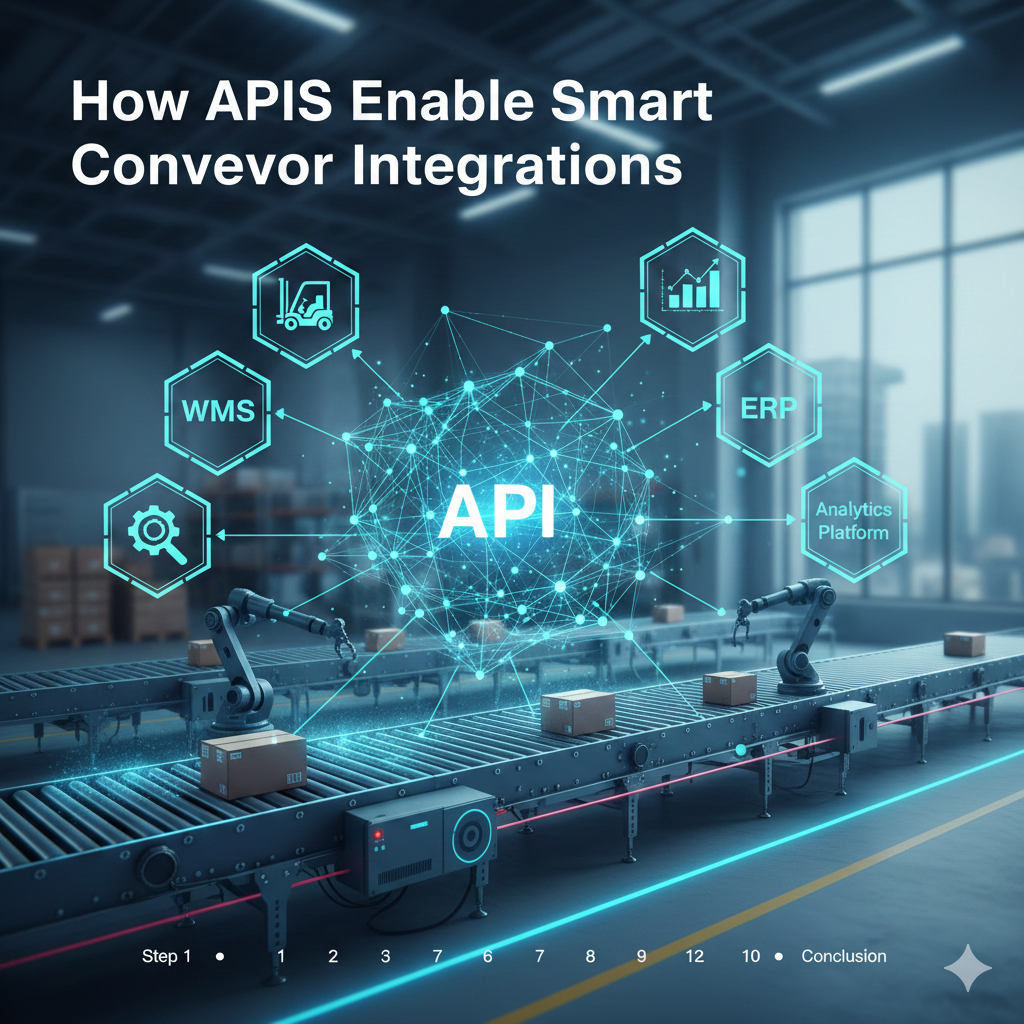
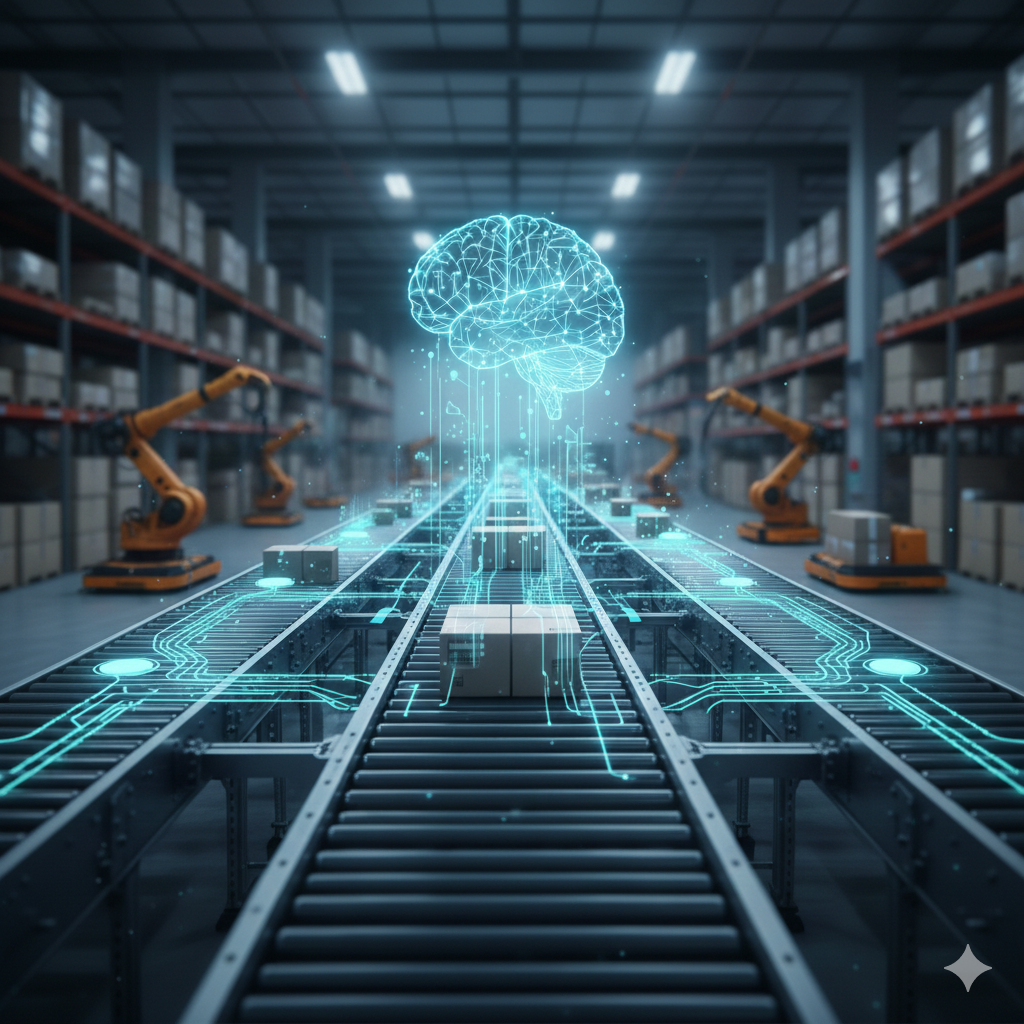
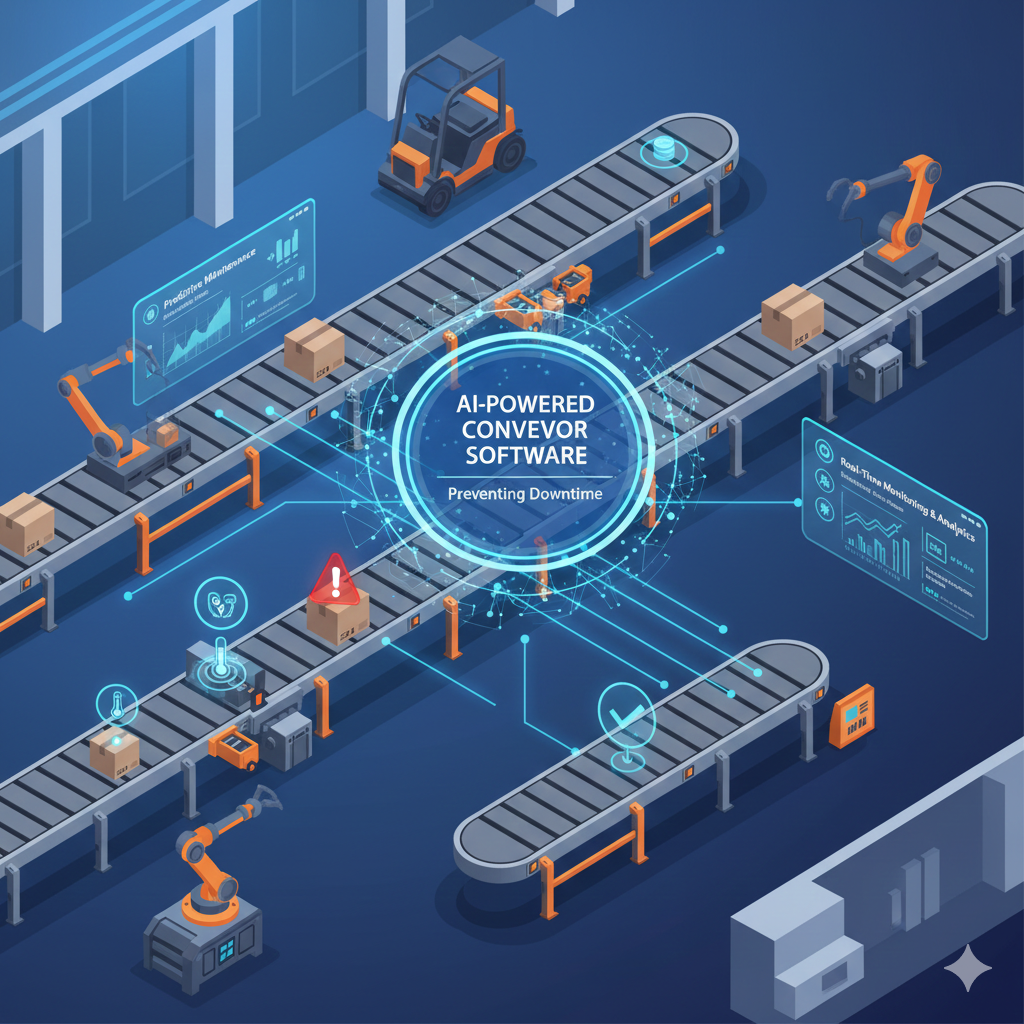
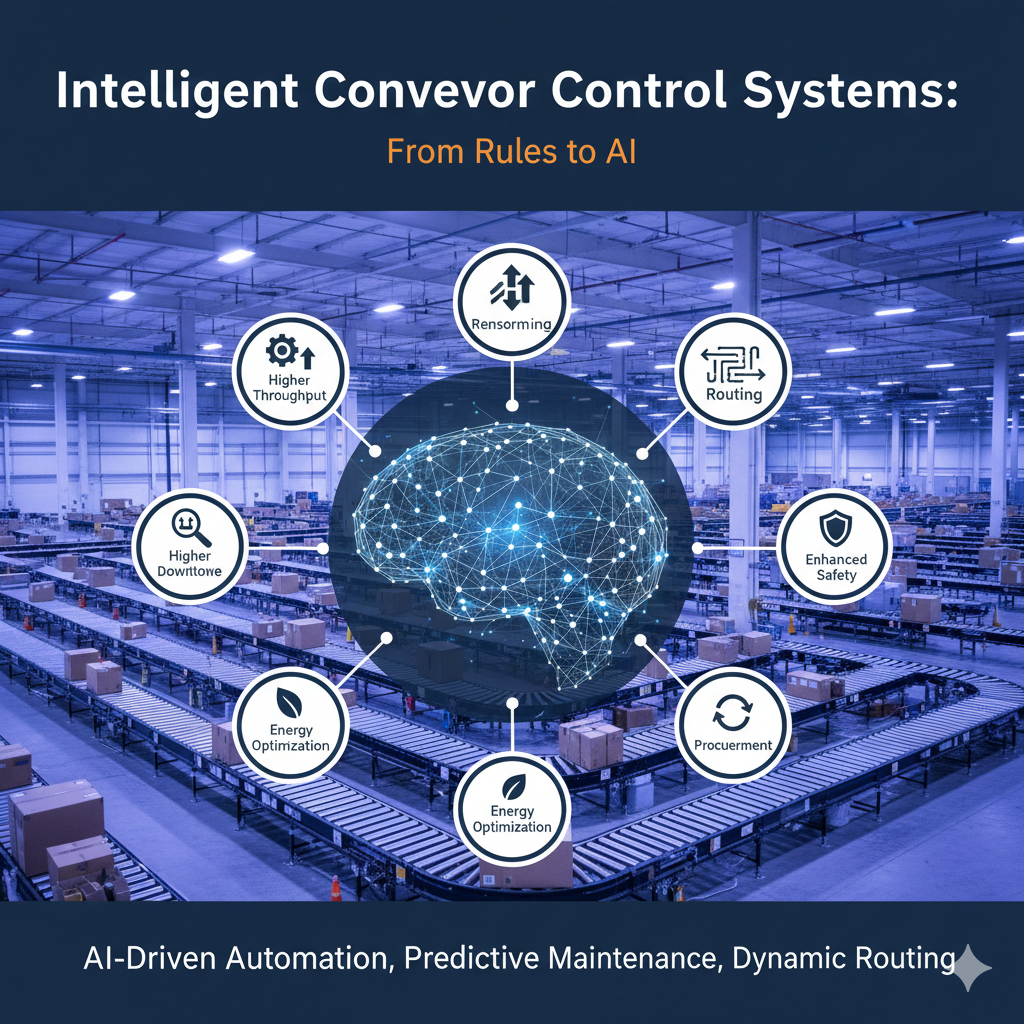
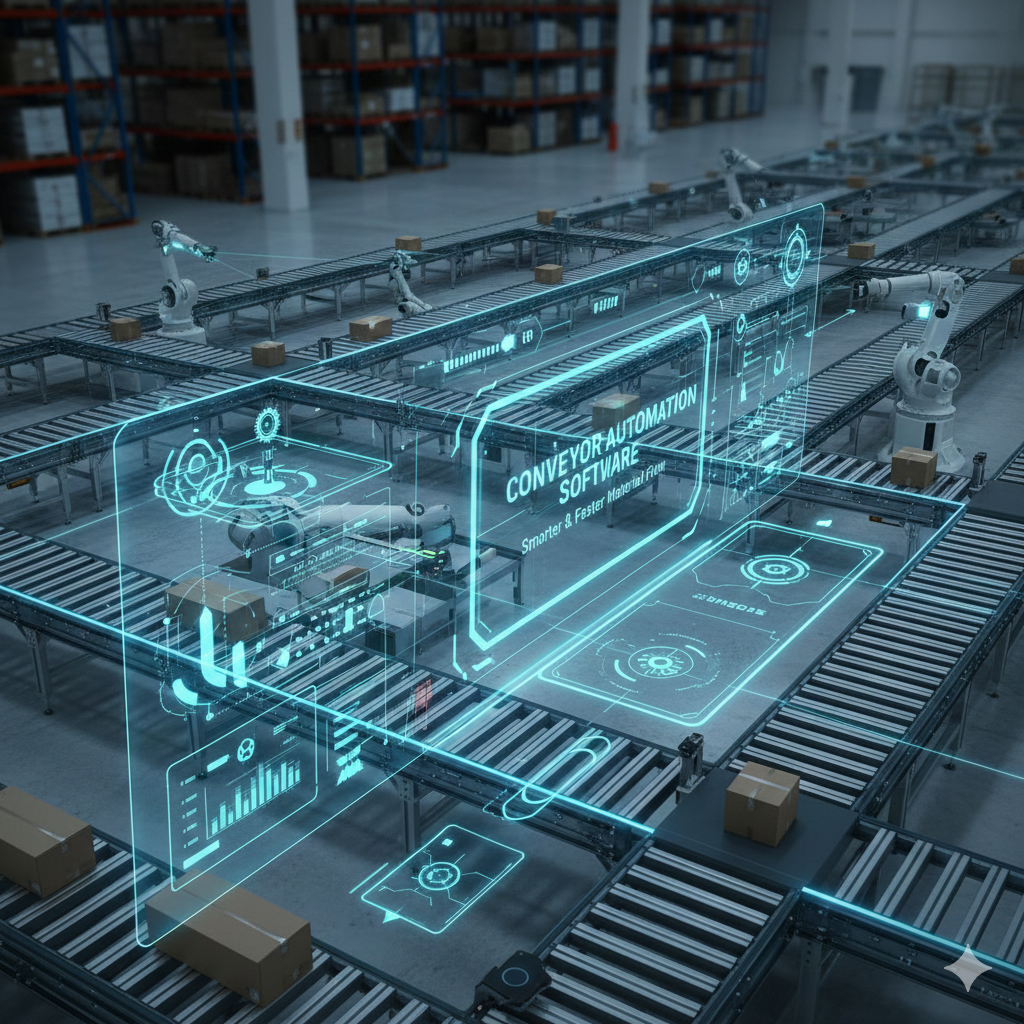
• Coordinates automated equipment including conveyors, sorters, and robotics 🤖
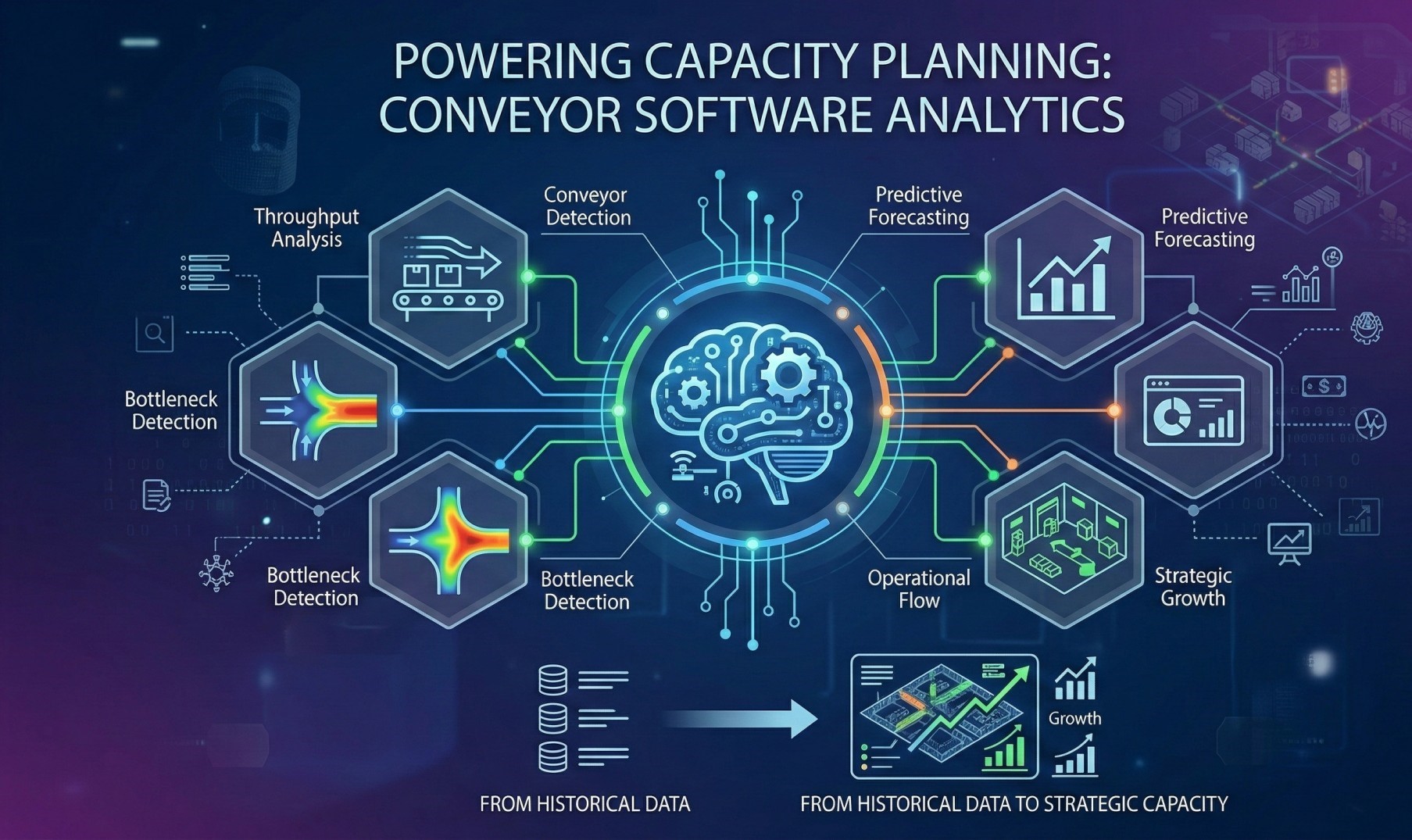
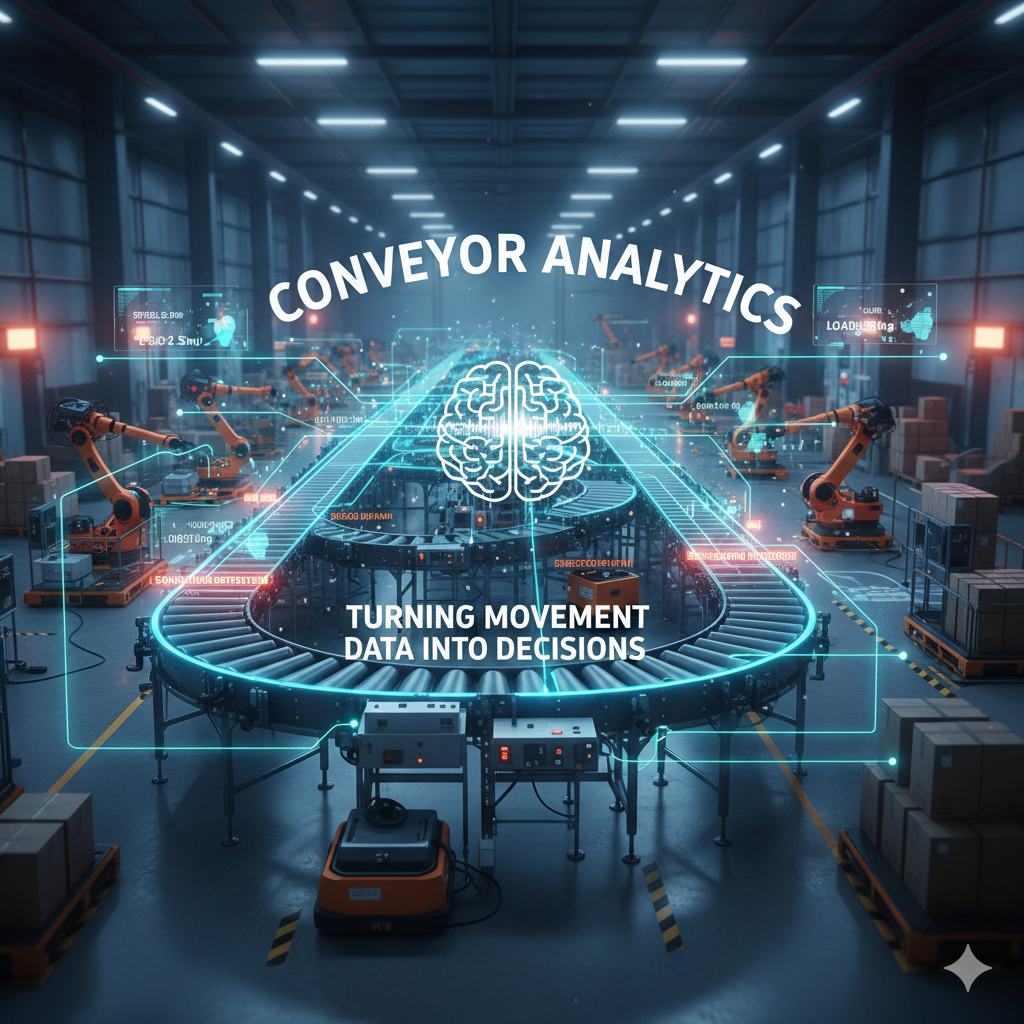
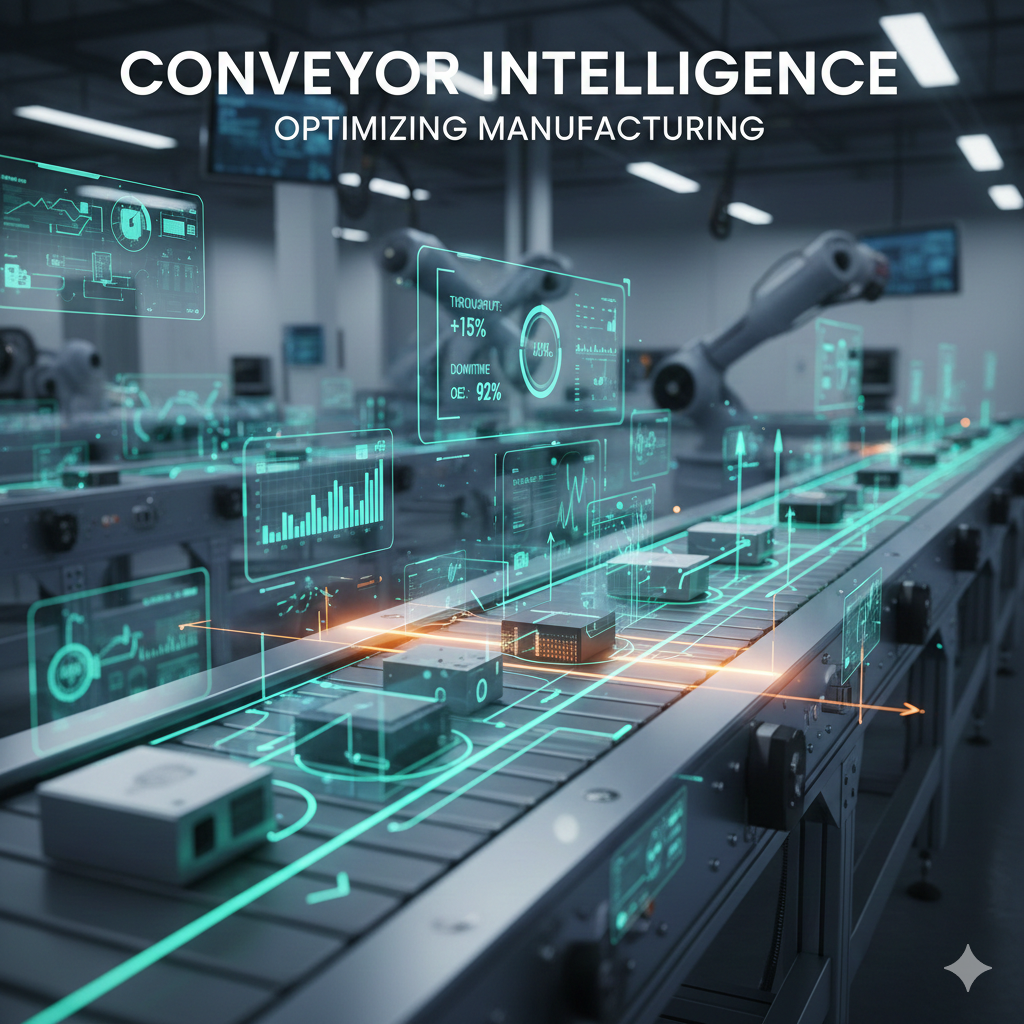
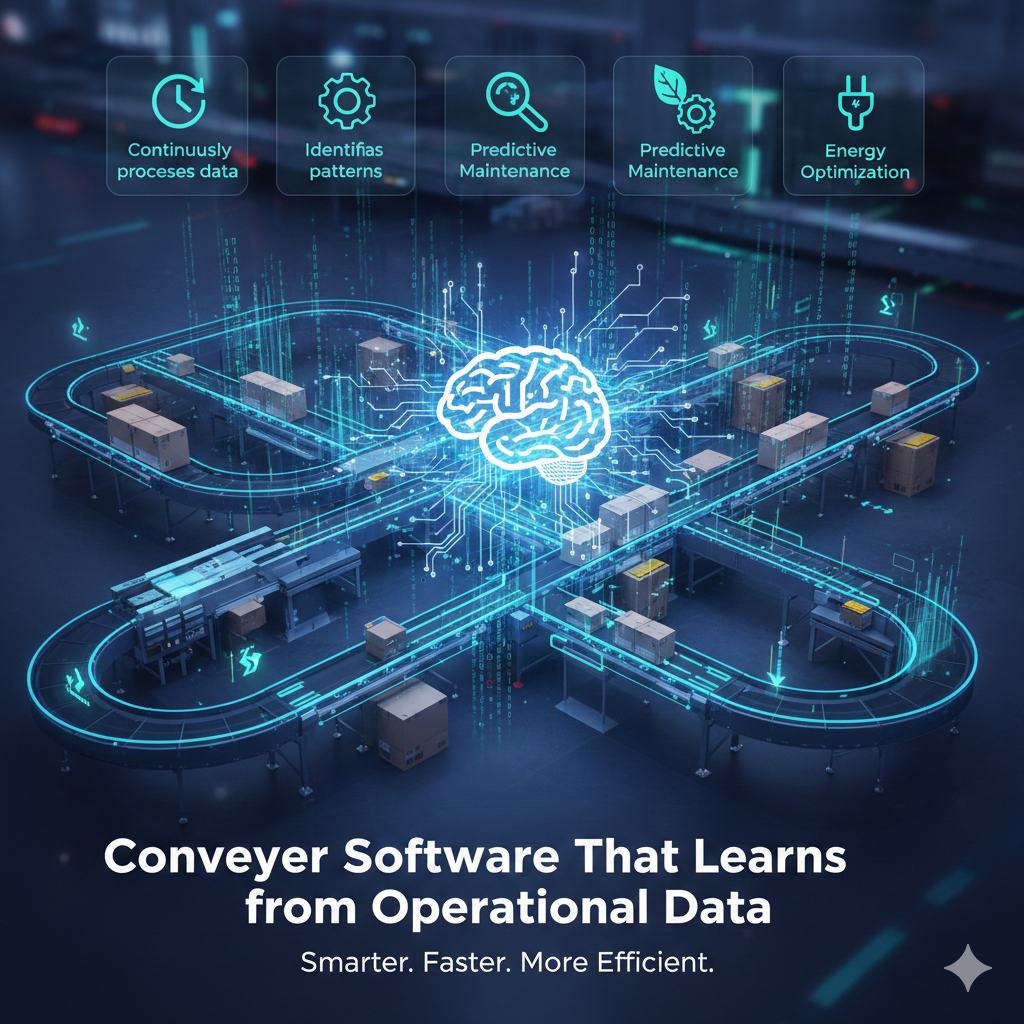
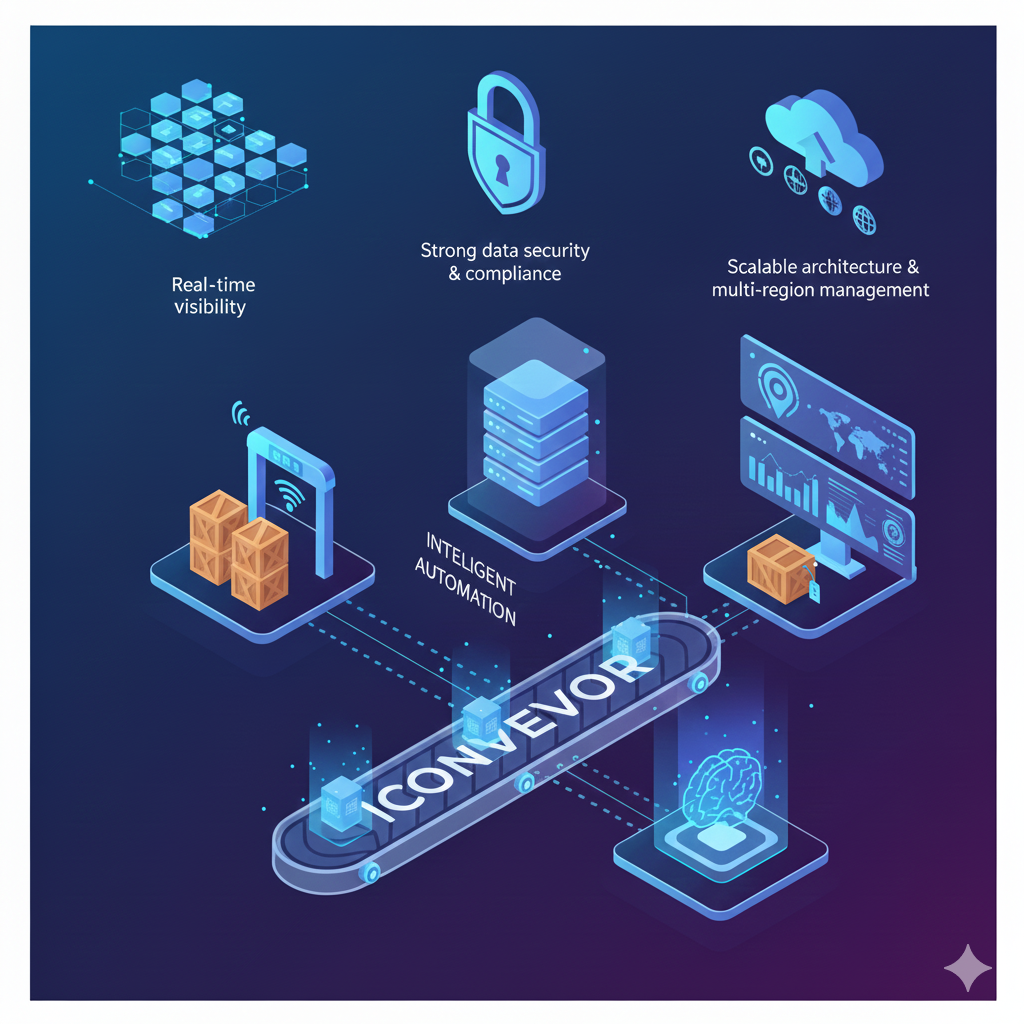
• Enhances system performance through real-time monitoring and analytics 📊
• Distributes workloads across equipment to avoid sudden energy spikes ⚙️
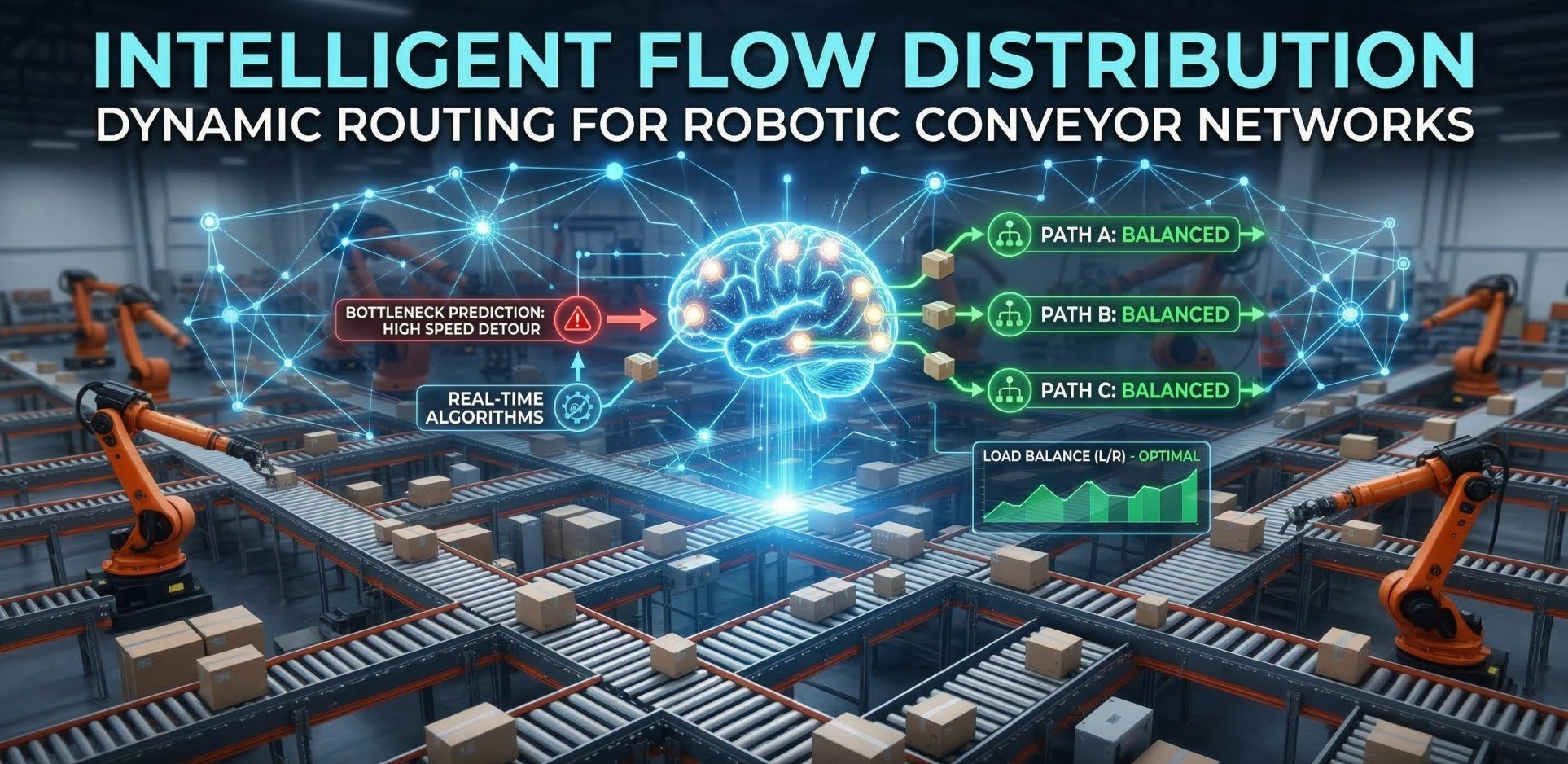
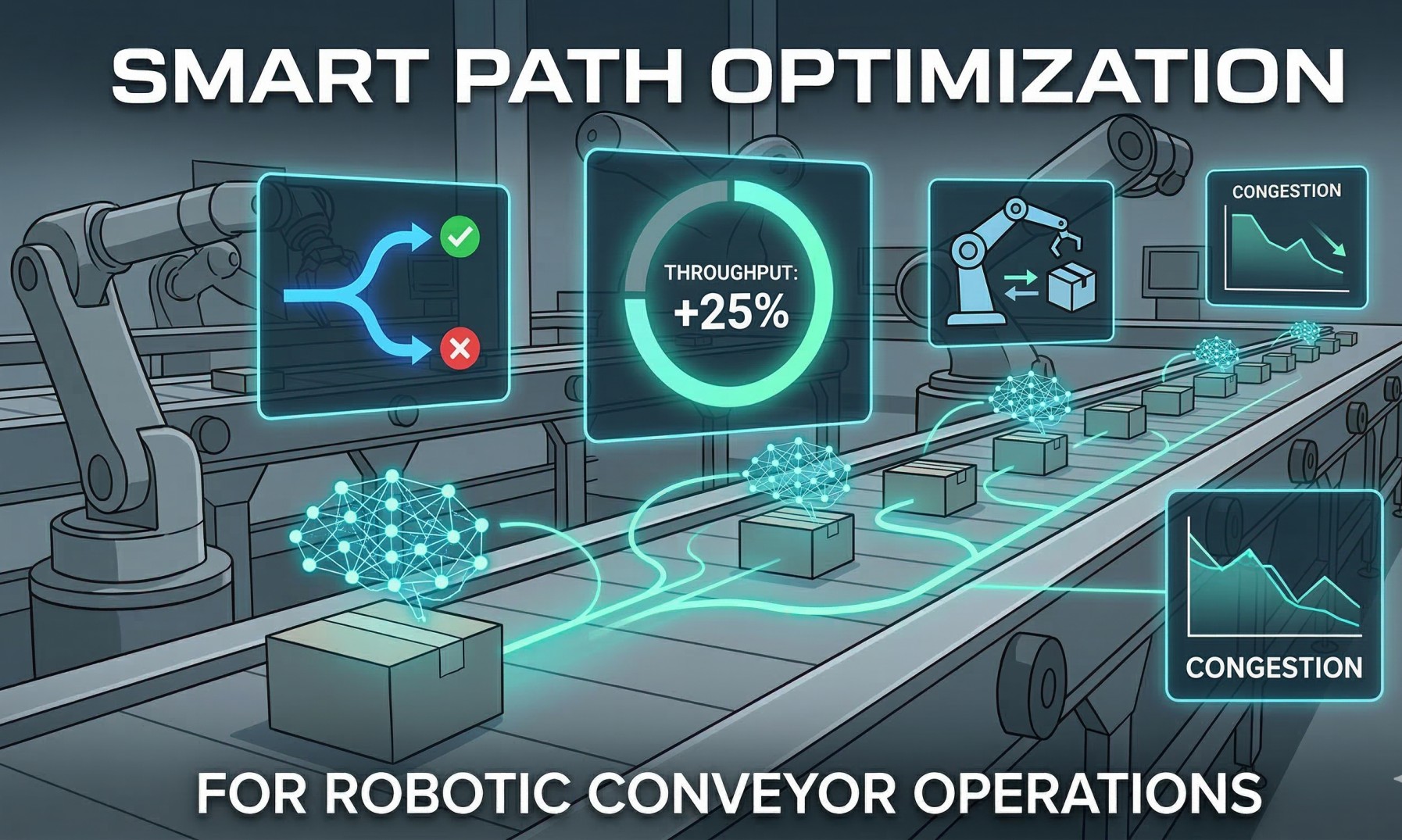
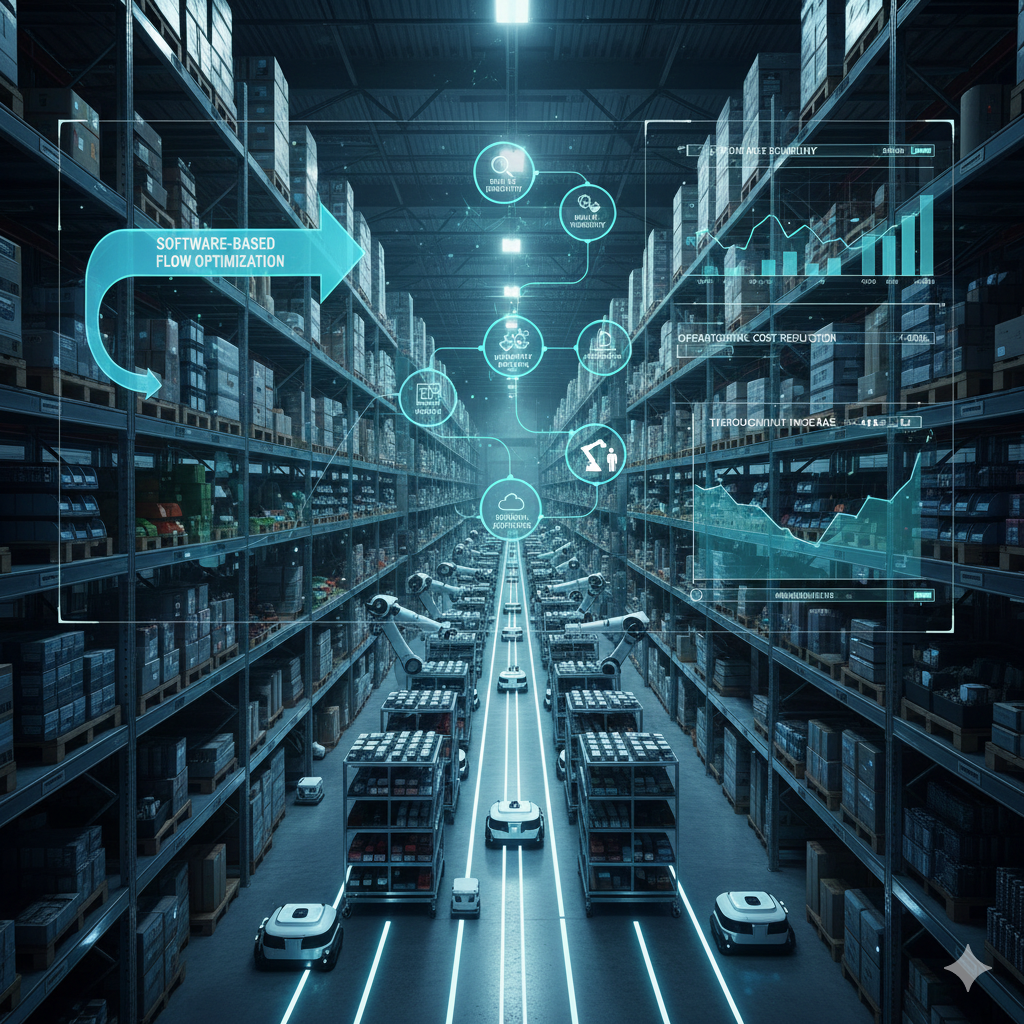
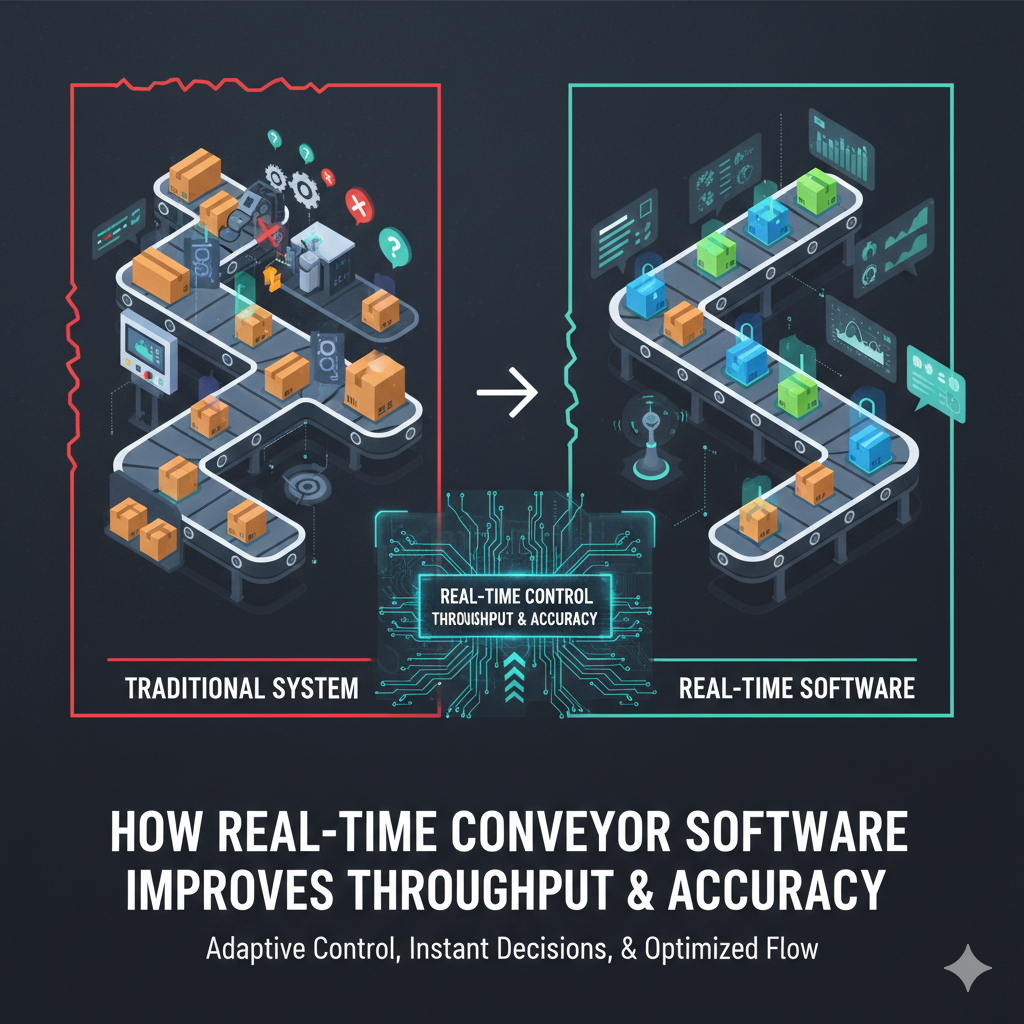
• Improves operational flow through intelligent routing decisions 🔄
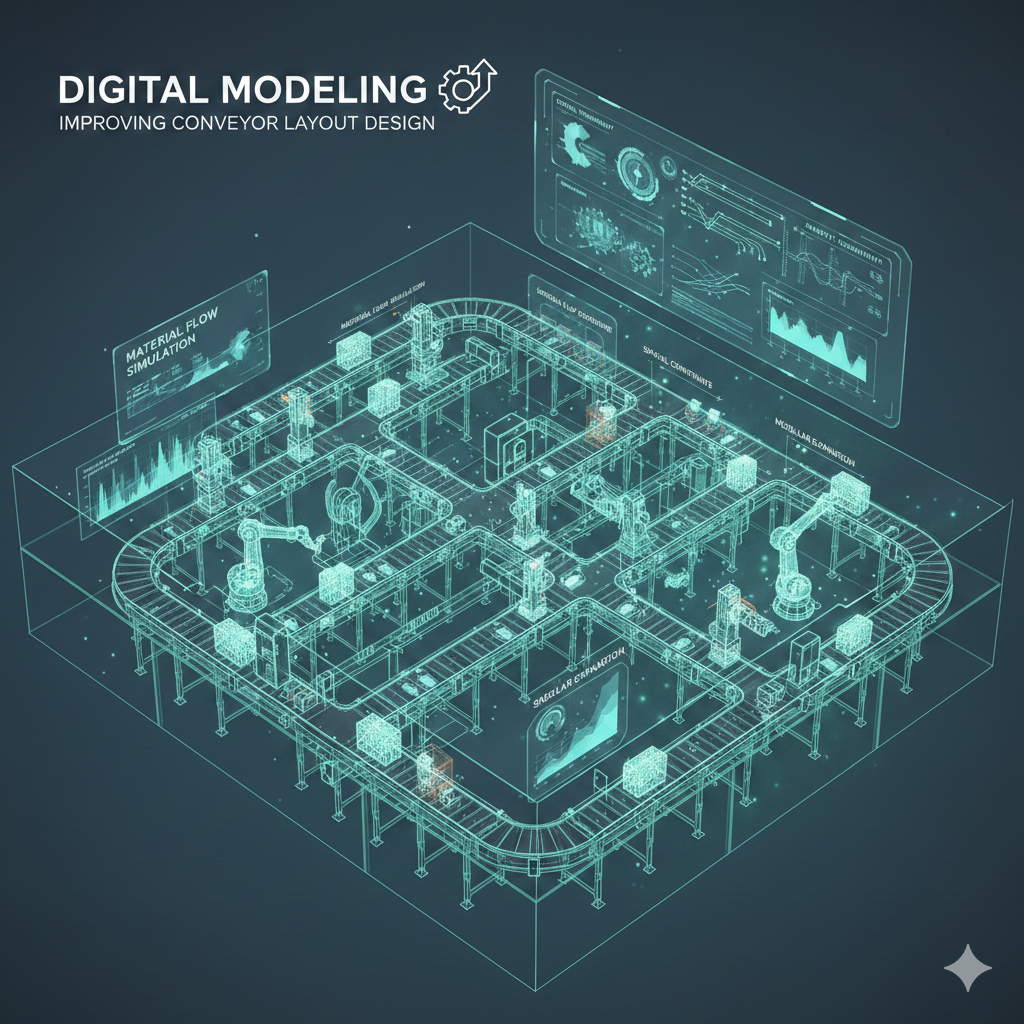
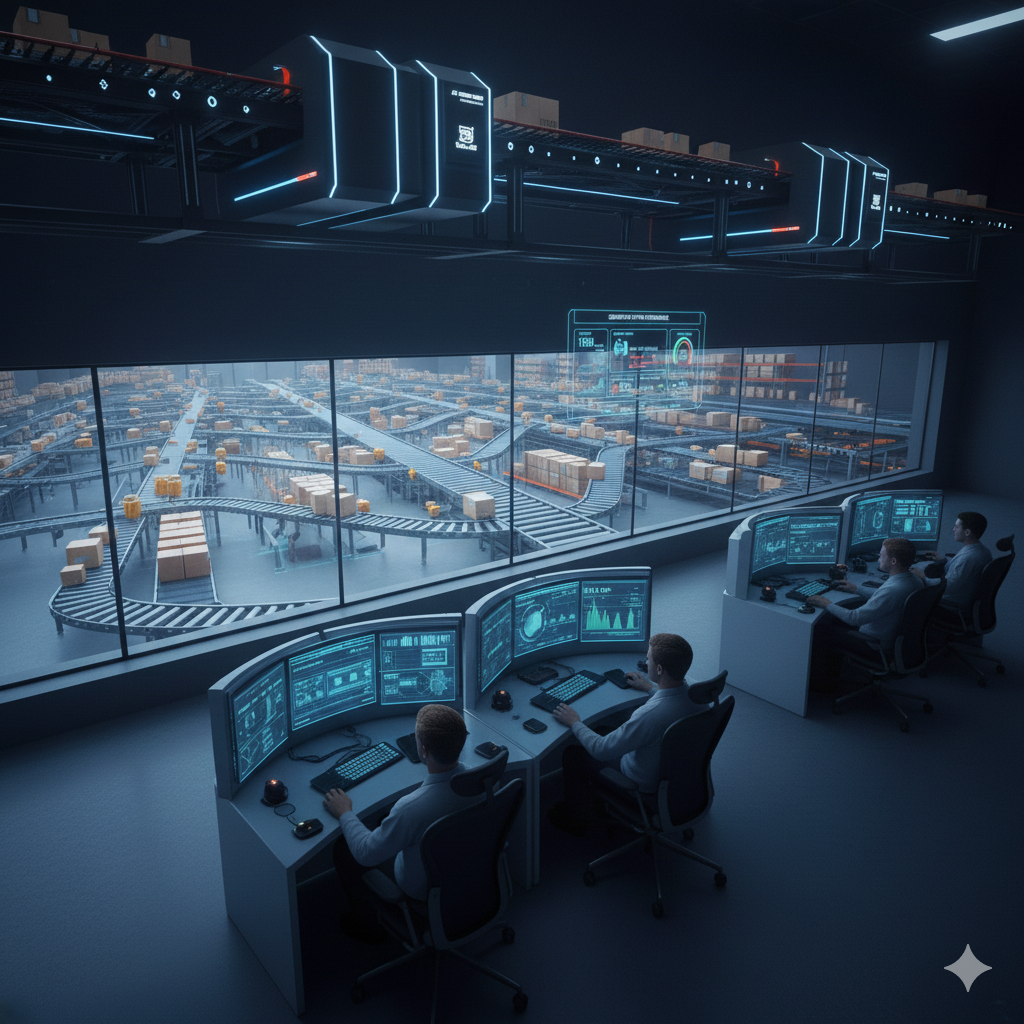
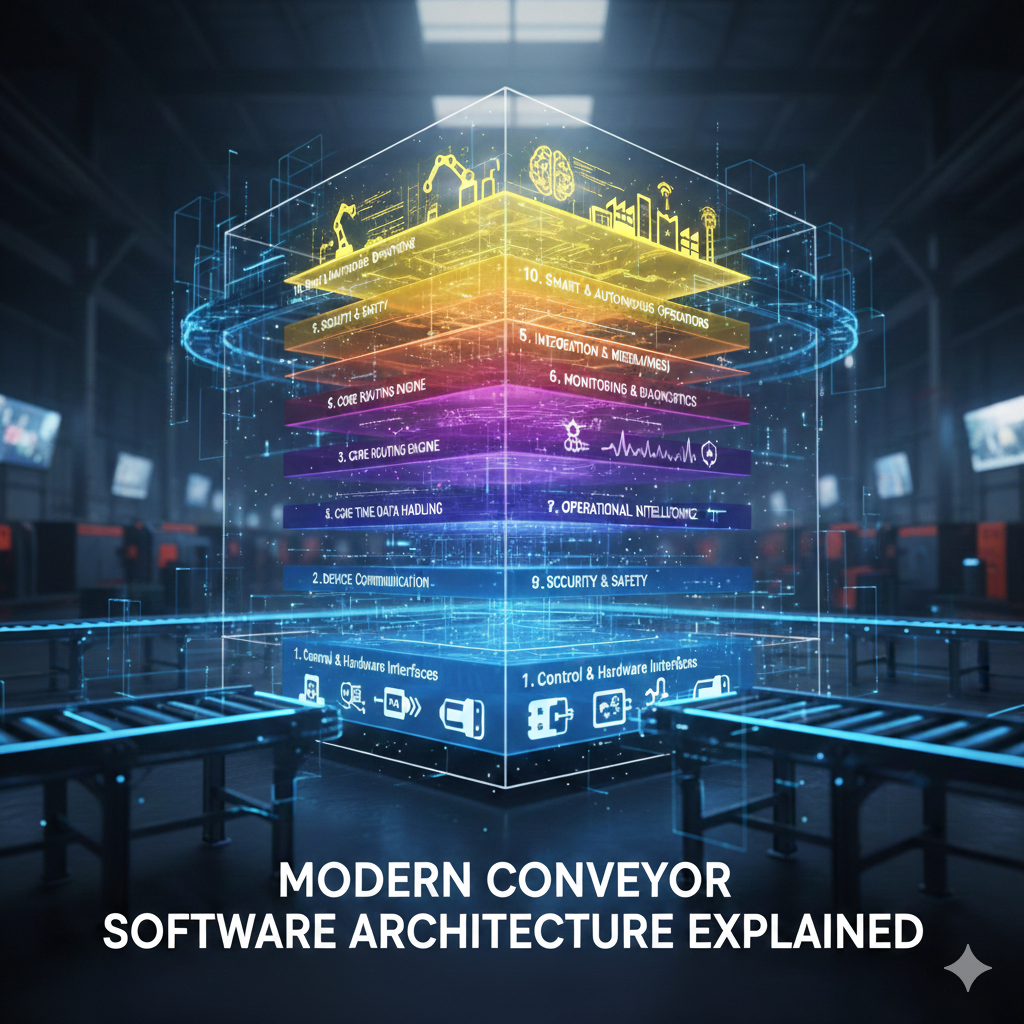
• Provides centralized control for complex material handling networks 🗂️
Step 3: Energy Optimization Through Intelligent Control ⚡
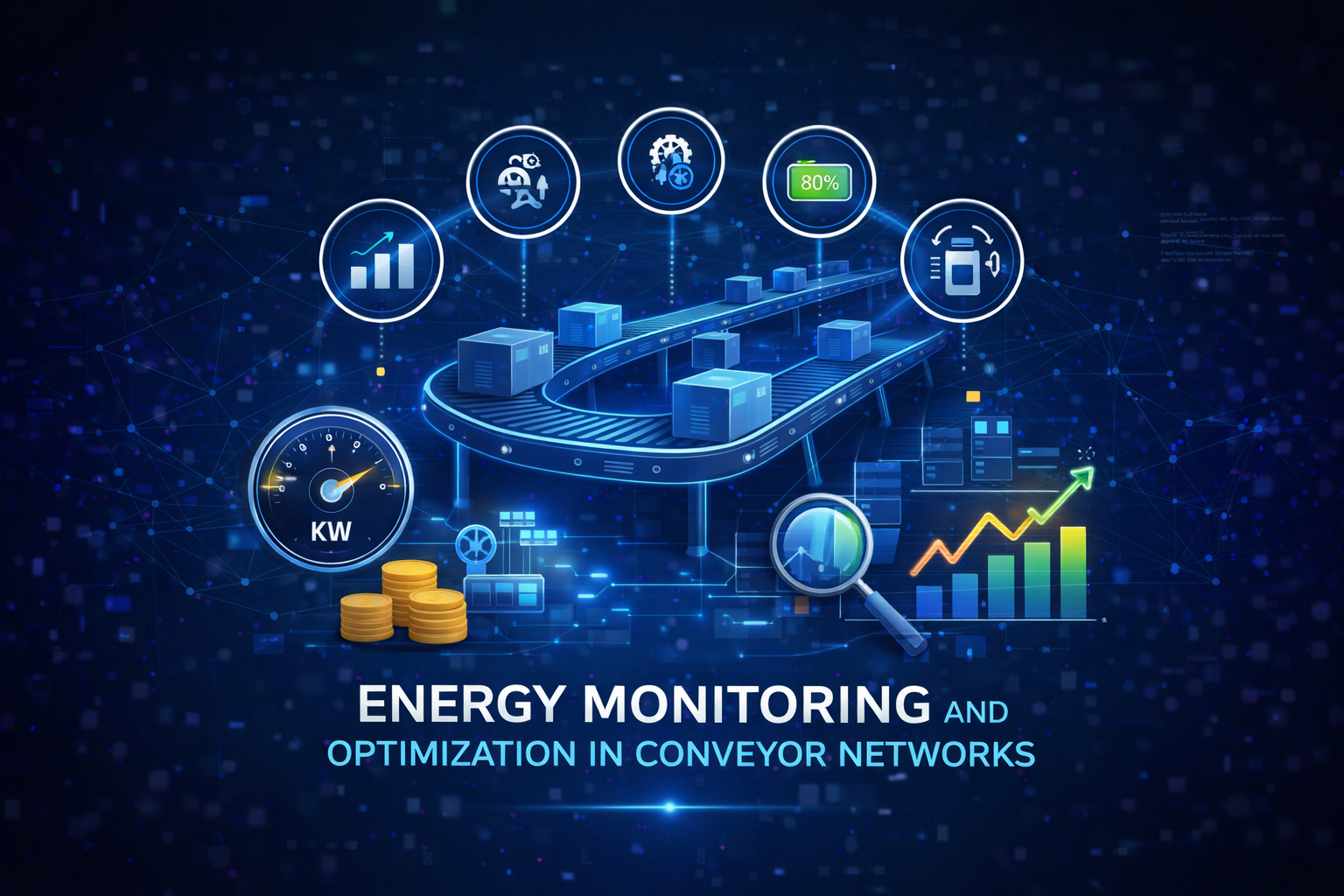
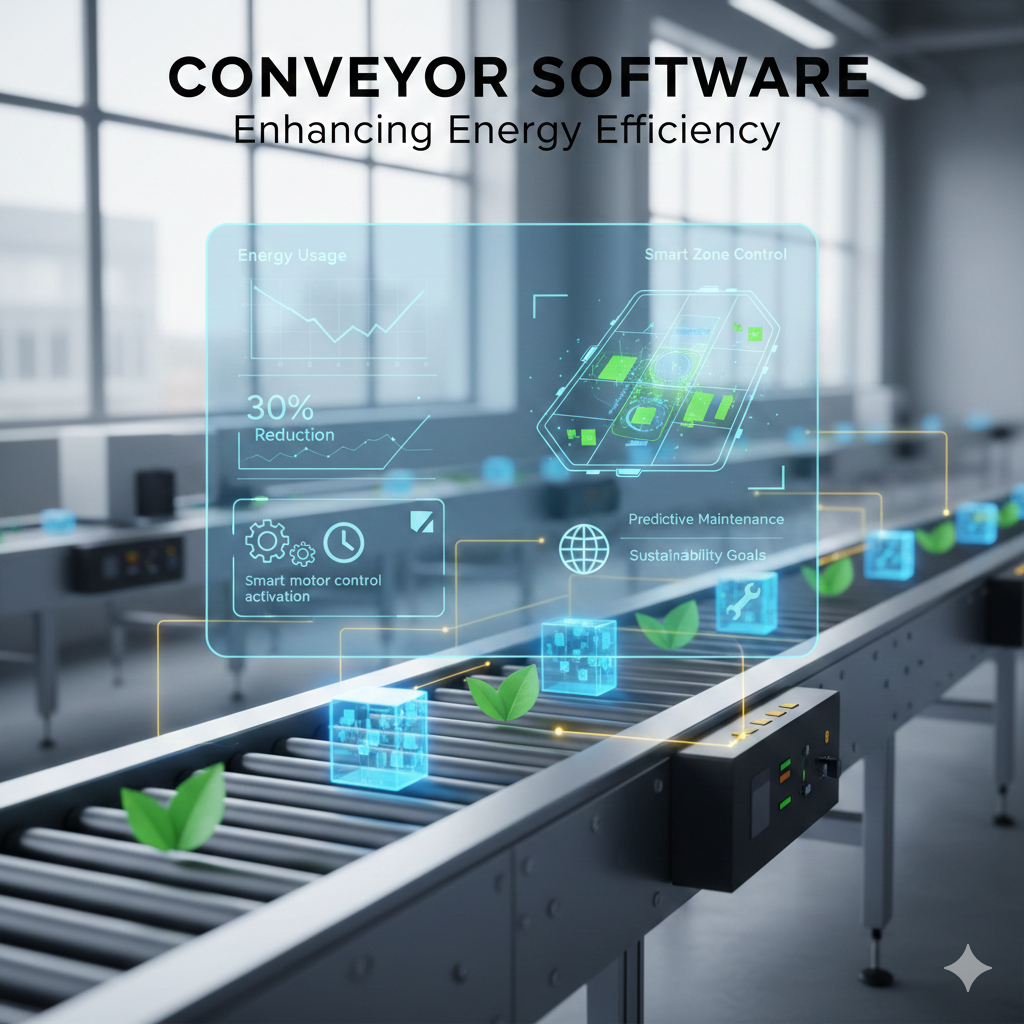
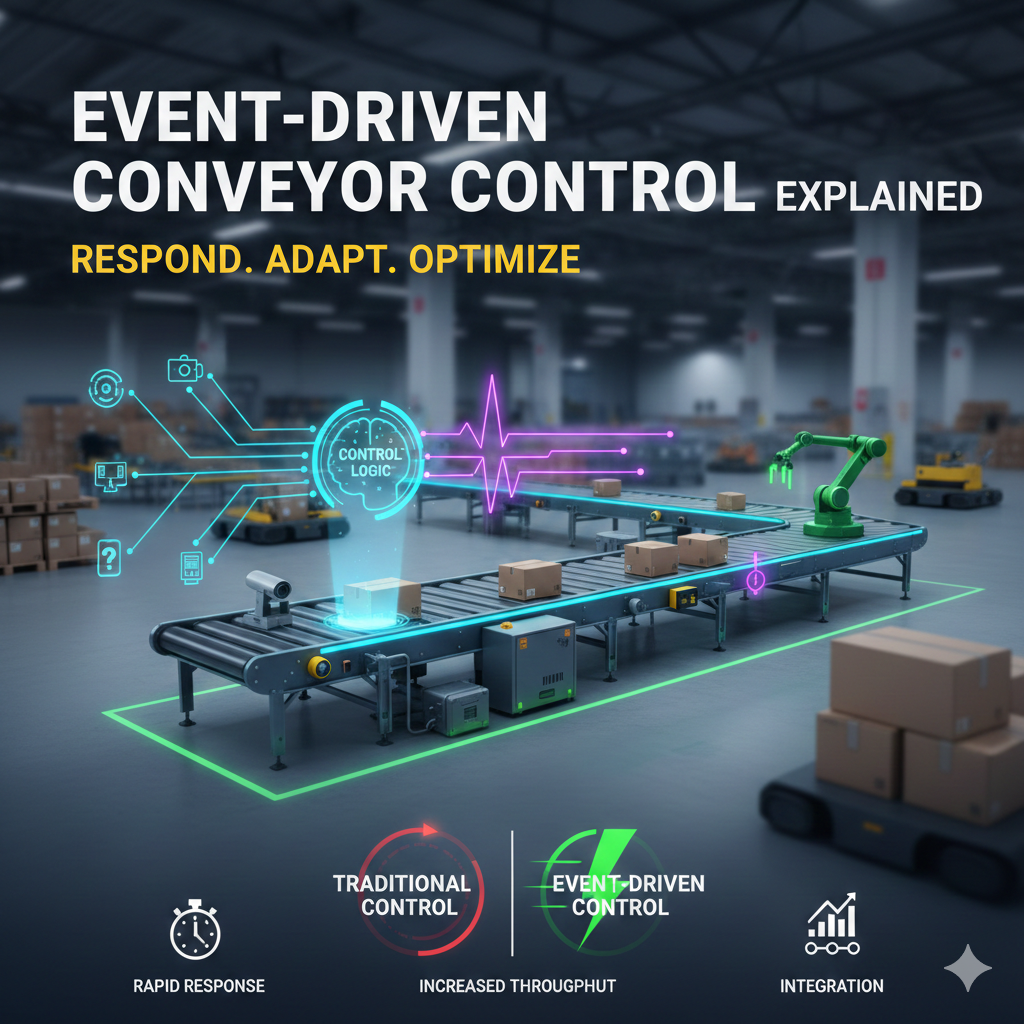
• Adjusts equipment speed dynamically based on real-time demand 📉
• Reduces idle operation of conveyors and handling machinery ⏱️
• Schedules activities to lower peak energy consumption periods 🔋
• Tracks equipment performance to uncover efficiency gaps 🔍
• Enables energy-aware operations without reducing throughput 🚀
Step 4: Reducing Operational Waste ♻️
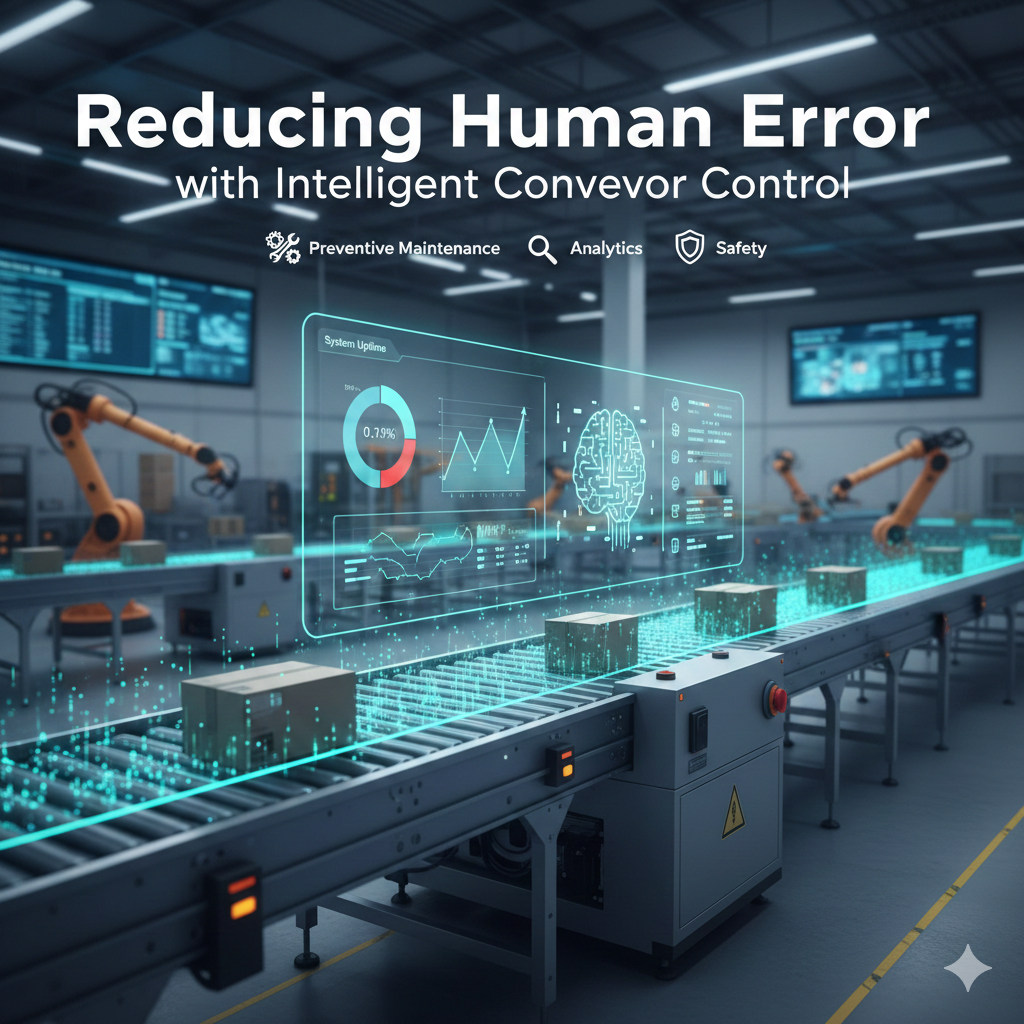
• Minimizes product damage caused by handling errors 📦
• Reduces unnecessary product movement within facilities 🔁
• Optimizes routing to eliminate redundant transportation paths 🛤️
• Improves inventory flow to limit excess storage requirements 📊
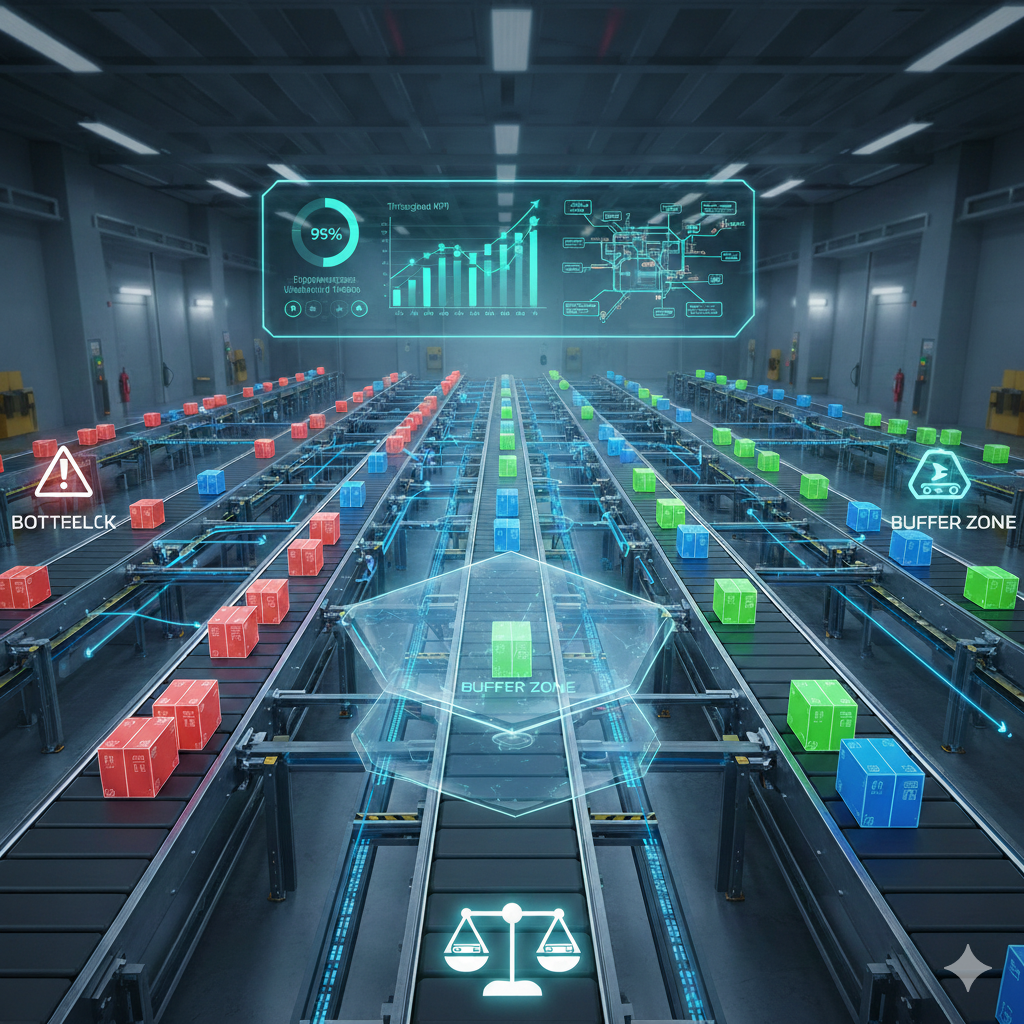
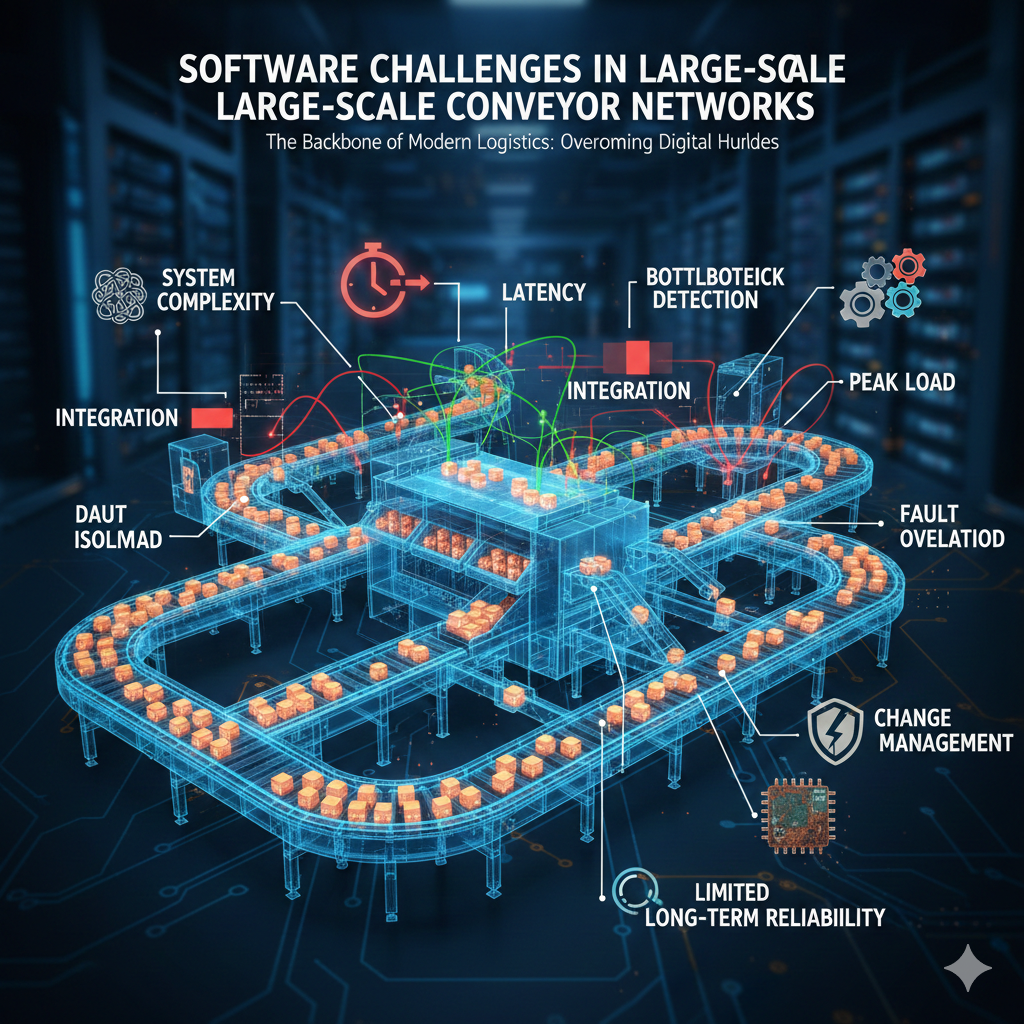
• Prevents operational bottlenecks that lead to wasted resources ⚠️
Step 5: Data-Driven Efficiency Improvements 📊
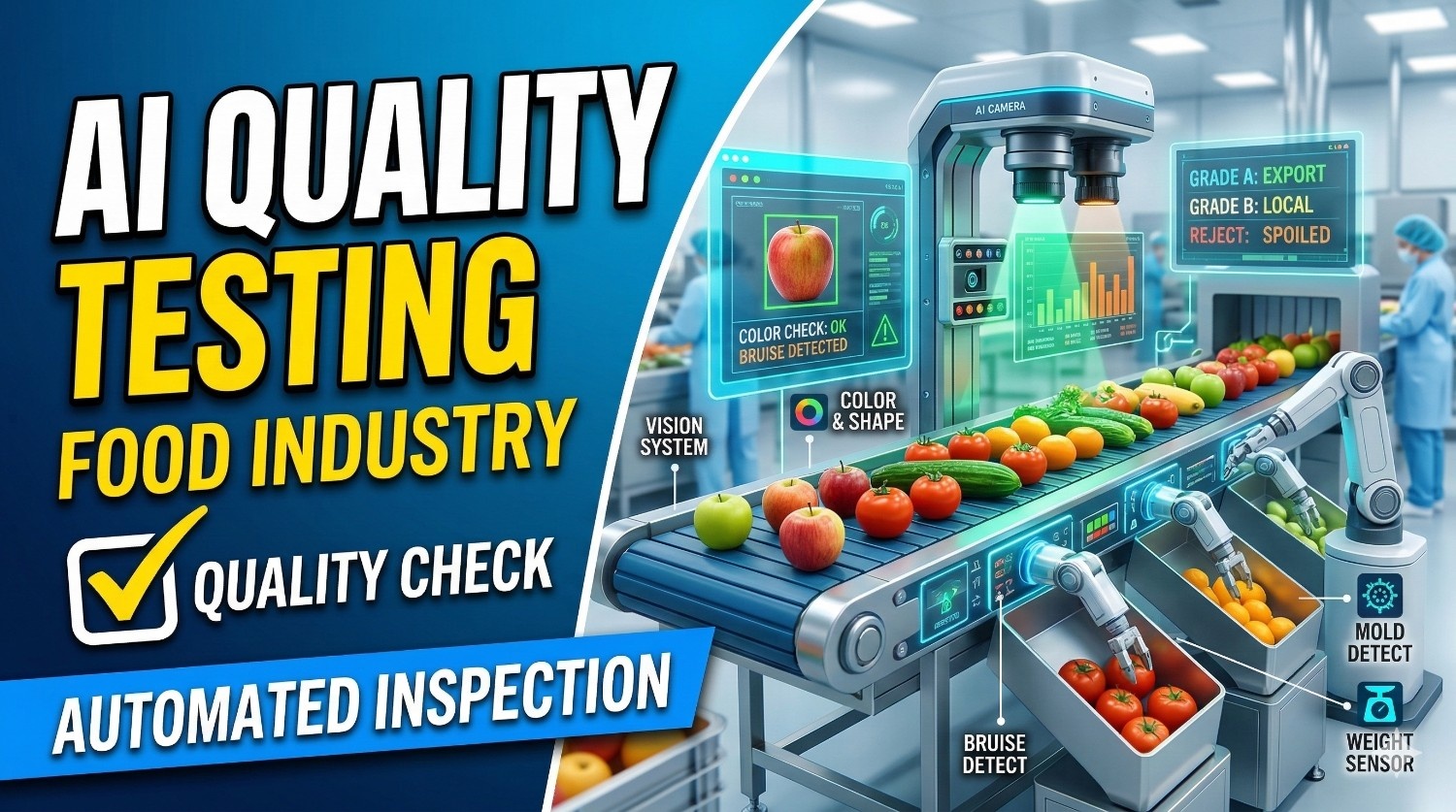
• Captures operational data from sensors and connected systems 📡
• Analyzes performance across various material handling processes 🔎
• Identifies opportunities to streamline operational workflows ⚙️
• Supports ongoing improvement initiatives within logistics operations 🔄
• Enables decision-making based on accurate operational insights 🧠
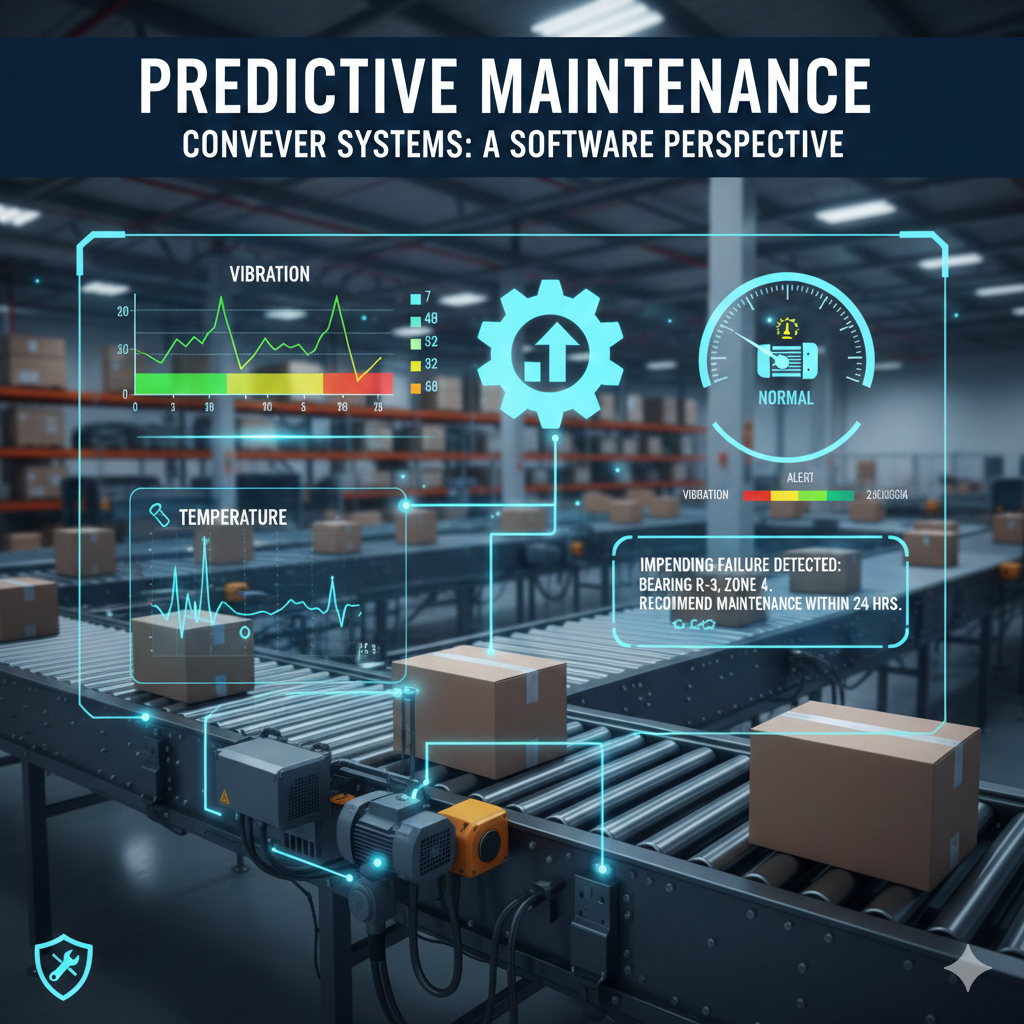
Step 6: Predictive Maintenance for Sustainable Operations 🛠️
• Detects early signs of equipment wear and declining performance ⚠️
• Prevents unexpected failures that consume extra energy and resources 🔋
• Extends equipment lifespan through proactive maintenance planning ⏳
• Reduces downtime and expensive equipment replacements 💰
• Maintains consistent and efficient system performance 📈
Step 7: Integration Across the Supply Chain 🔗
• Connects material handling platforms with warehouse management systems 📦
• Aligns handling operations with order fulfillment processes 🧾
• Synchronizes equipment activities with inventory movement 🚚
• Provides end-to-end visibility across logistics networks 👀
• Improves coordination between planning systems and operational execution ⚙️
Step 8: Strategic Benefits of Sustainable Handling Systems 🌍
• Lower overall energy consumption across handling operations ⚡
• Reduced operational costs through improved efficiency 💰
• Stronger alignment with corporate sustainability initiatives 🌱
• Greater visibility into environmental and operational performance 📊
Conclusion
Software-enabled material handling systems allow organizations to combine operational efficiency with environmental responsibility. By optimizing equipment utilization, minimizing waste, and enabling data-driven improvements, these platforms help build more sustainable logistics operations. As supply chains continue to expand and automate, software will remain a critical component in developing efficient and environmentally responsible material handling systems.
See more blogs
You can all the articles below