Energy Monitoring and Optimization in Conveyor Networks
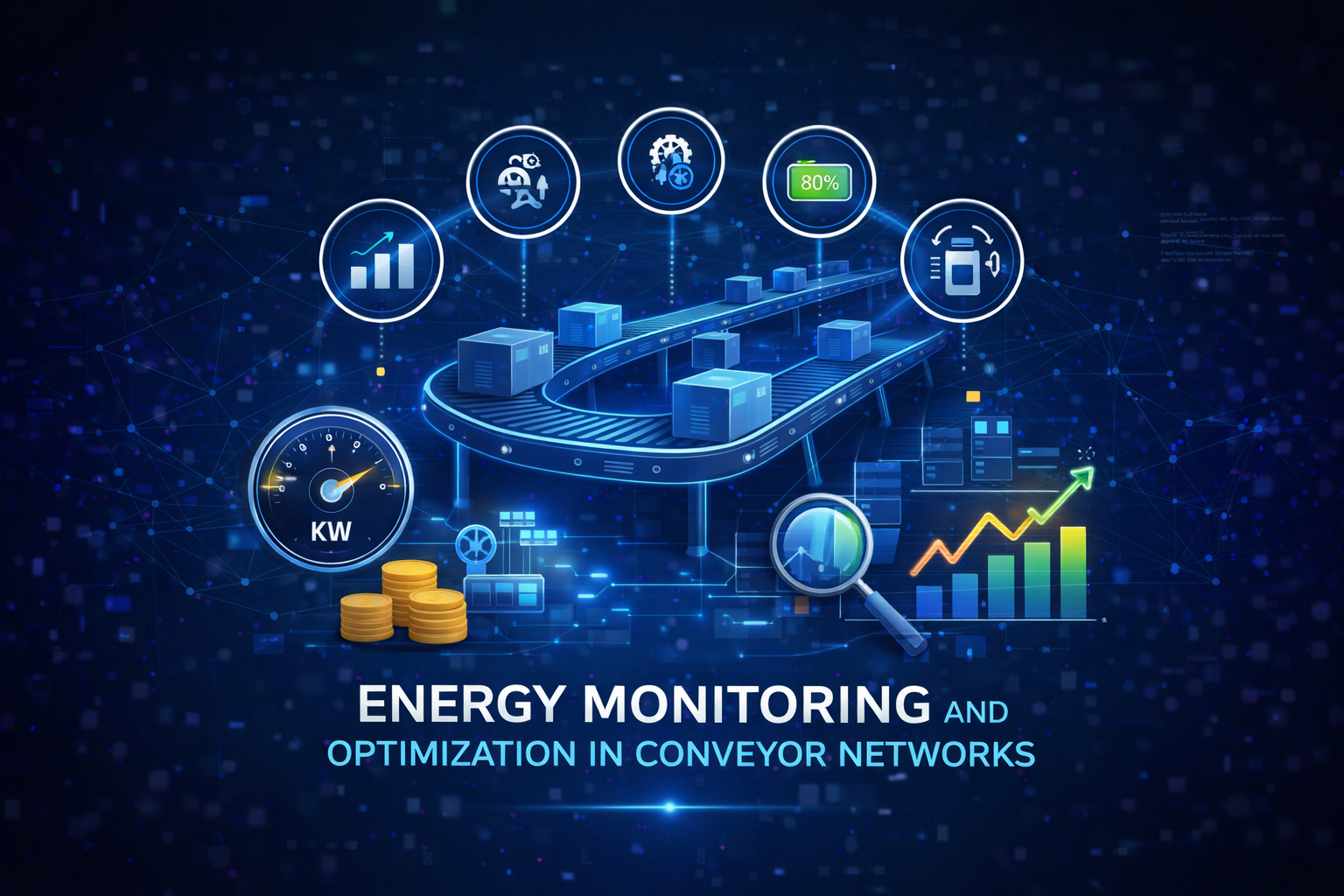
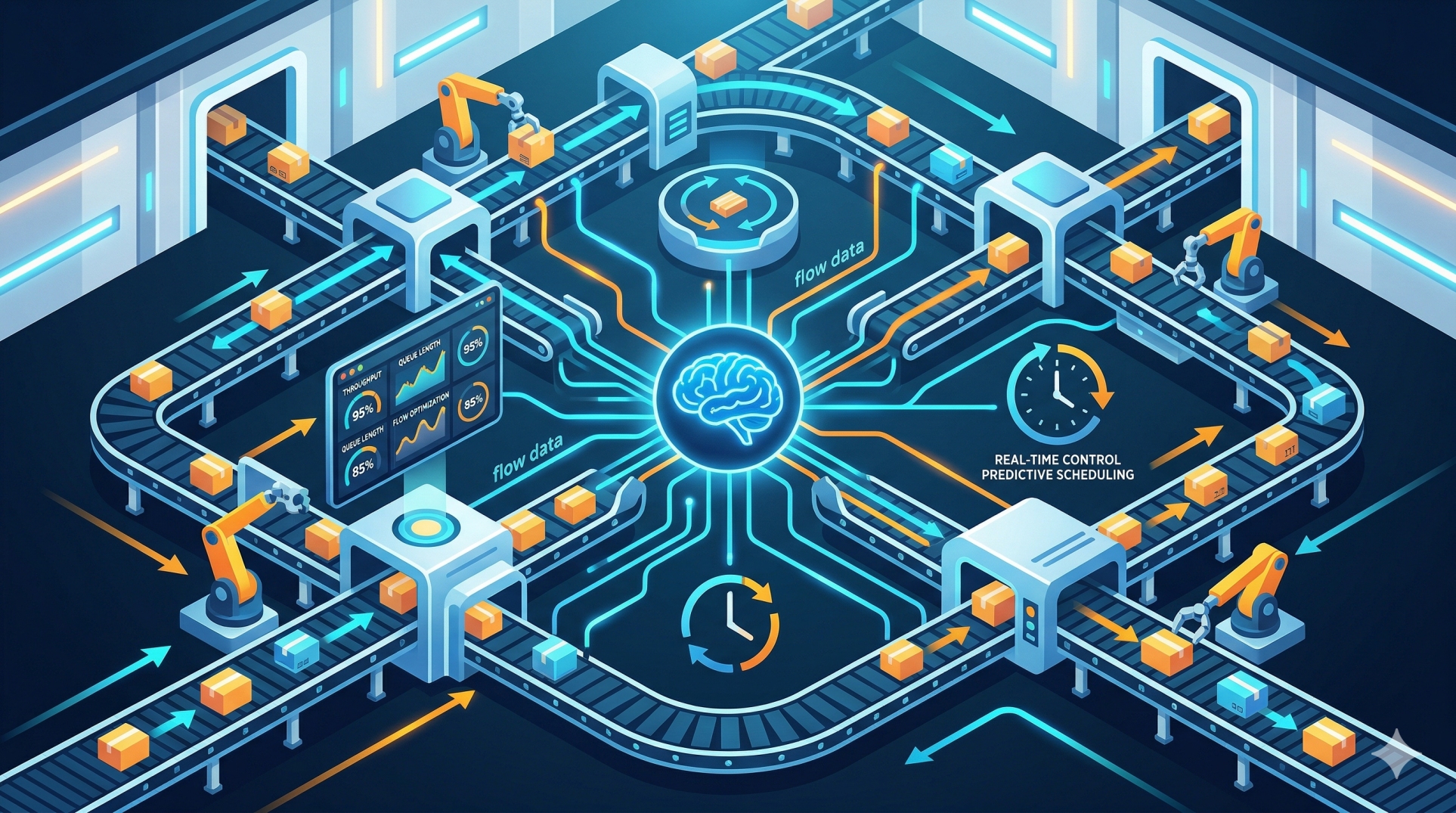
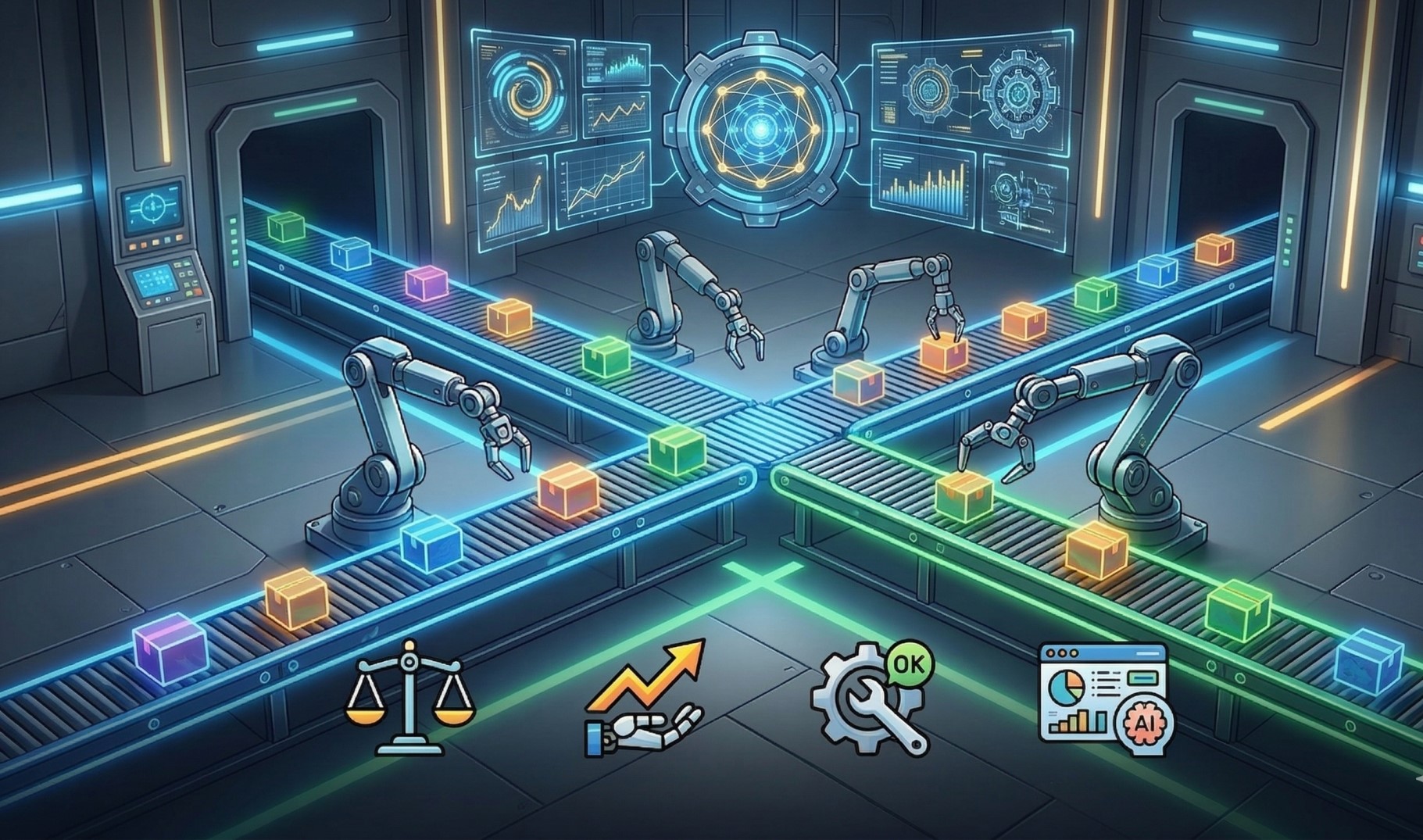
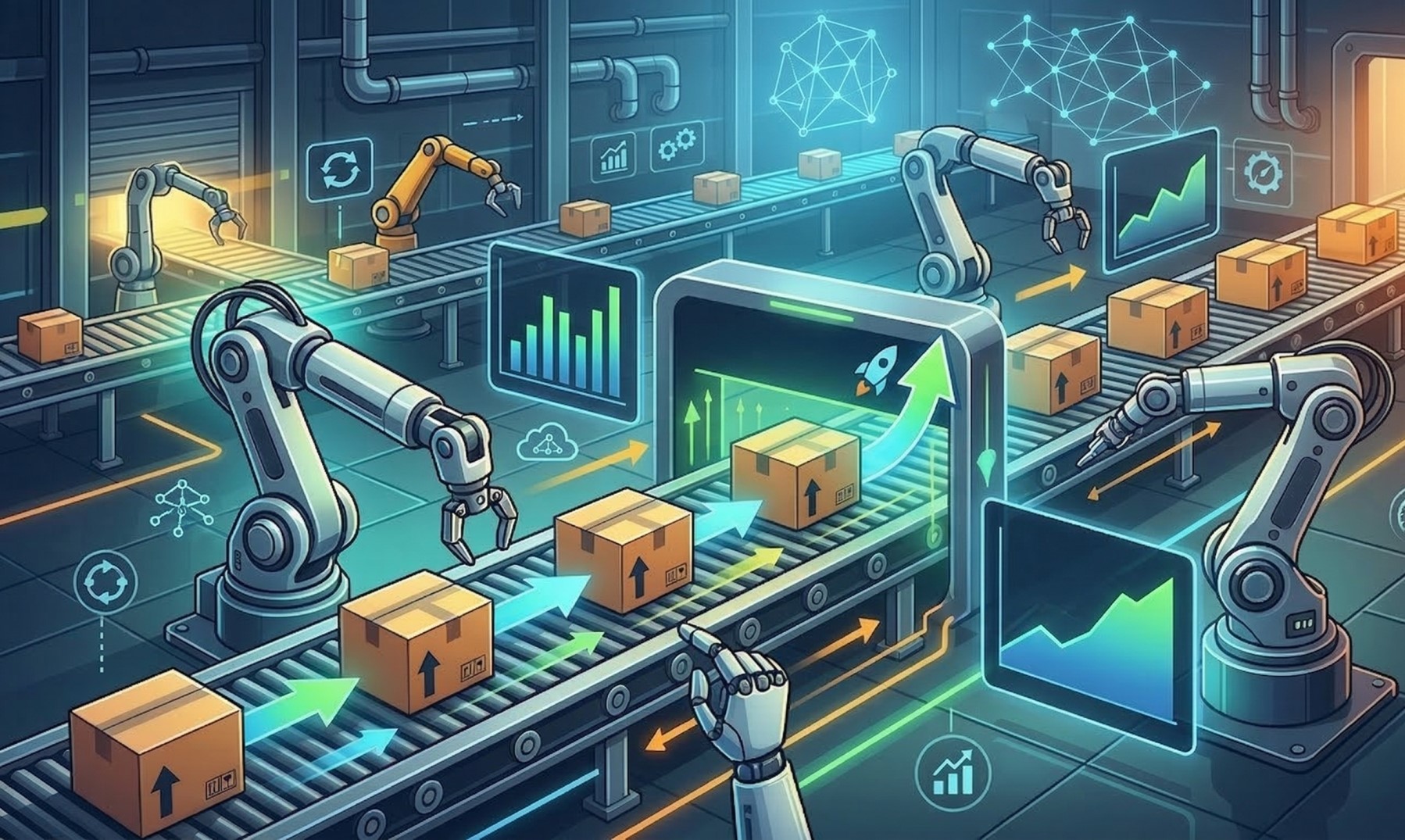
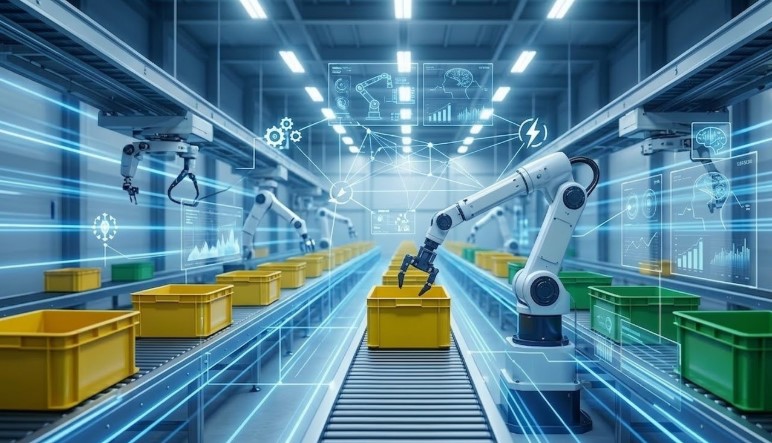
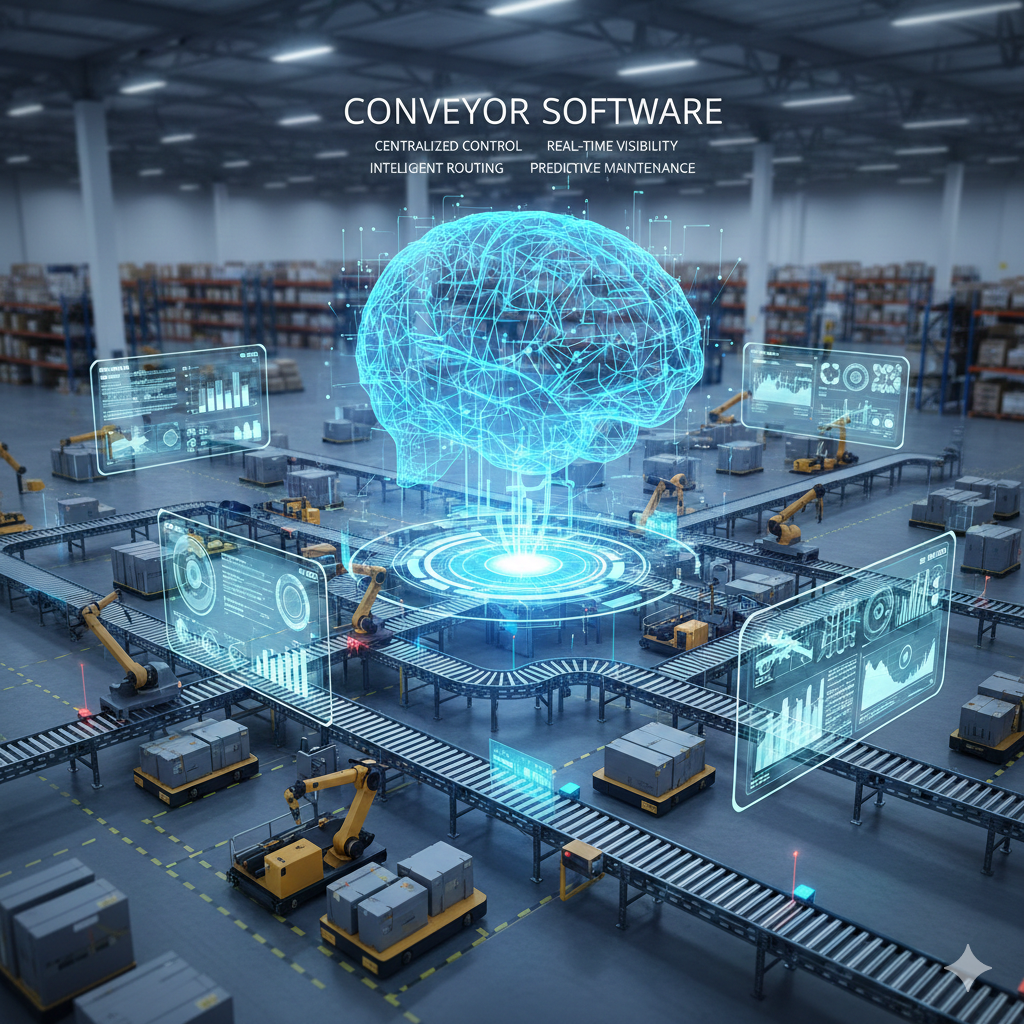
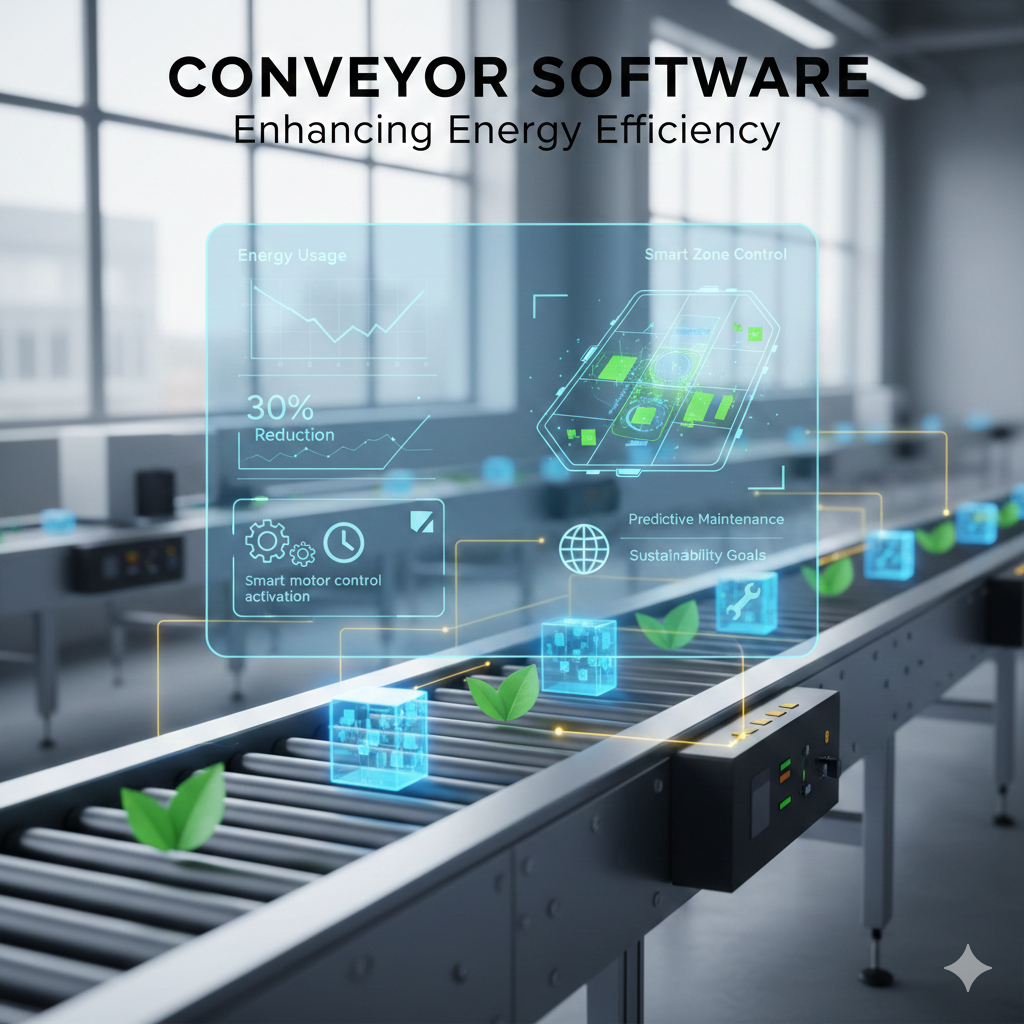
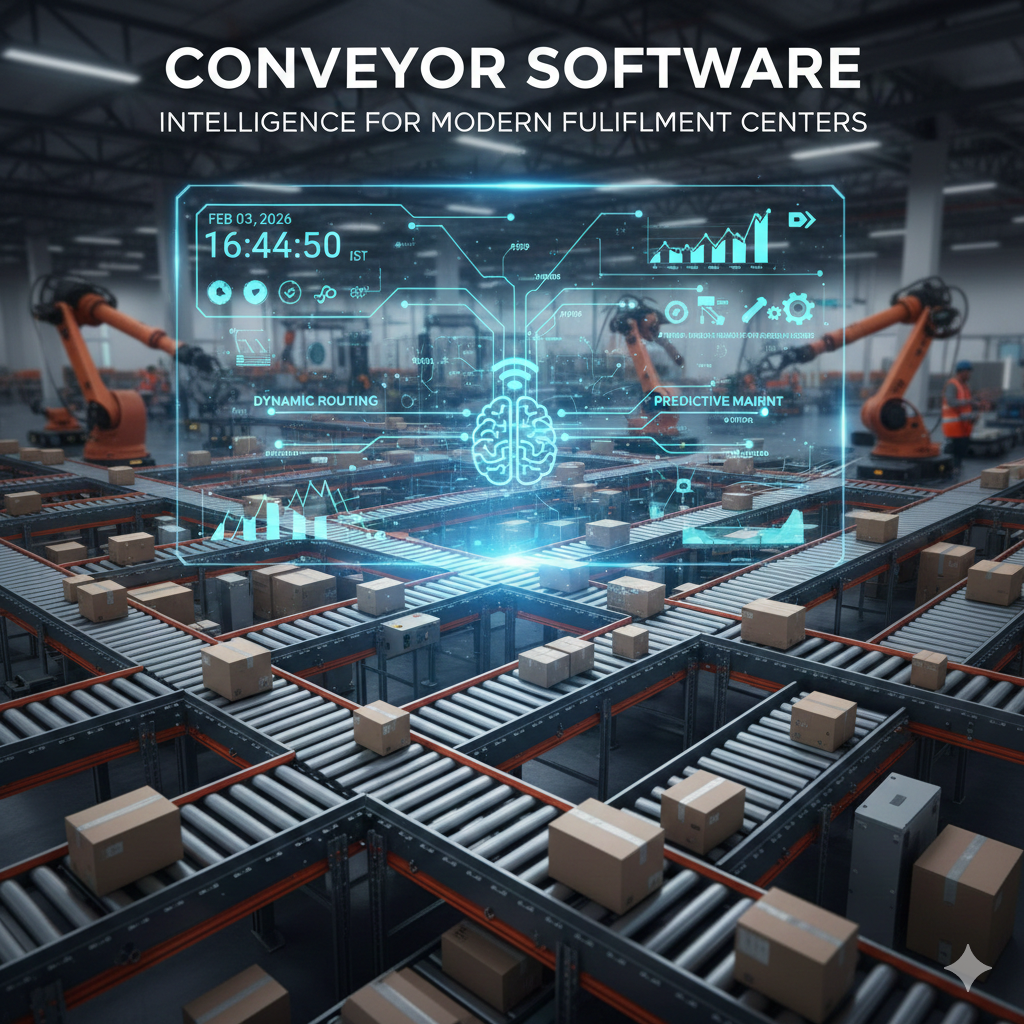
Conveyor networks play a critical role in modern manufacturing plants and logistics facilities, ensuring materials move smoothly across production lines and distribution centers. However, these systems can also consume considerable amounts of electrical power, particularly when operating continuously or without proper optimization. By adopting energy monitoring and optimization practices, organizations can gain visibility into consumption patterns, reduce operational expenses, and improve overall system efficiency while maintaining required throughput levels.
Step 1: Understanding Energy Consumption in Conveyor Systems ⚡
• Conveyor motors, drives, and control components represent significant energy loads 🔧
• Continuous system operation can lead to avoidable energy consumption ⏱️
• Variations in material load directly affect motor power requirements 📦
• Idle or empty conveyors can waste substantial electrical power ⚠️
• Analyzing usage patterns provides the foundation for optimization 📊
Step 2: Implementing Real-Time Energy Monitoring 📡
• Sensors capture motor power usage and operational load conditions 📊
• Monitoring platforms track energy consumption across conveyor zones 🔍
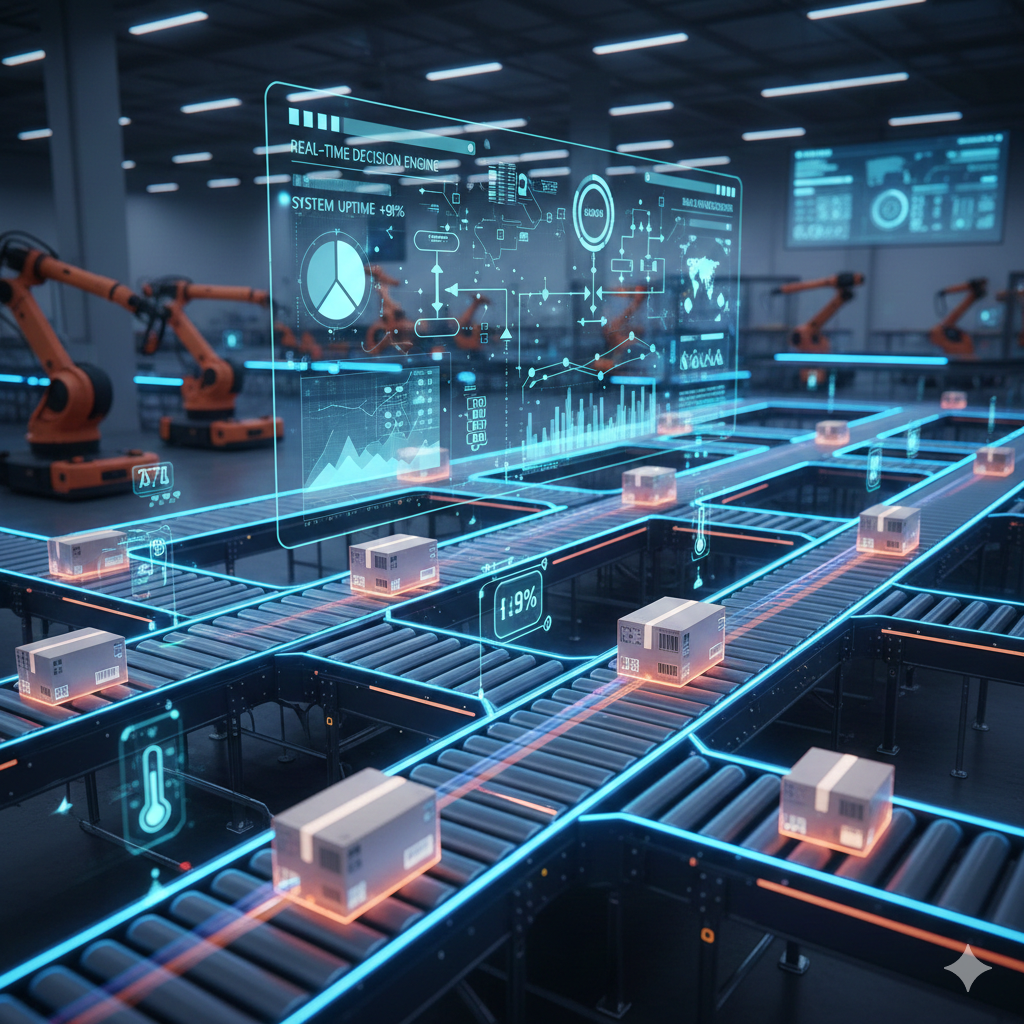
• Real-time dashboards visualize power usage trends ⚙️
• Operators gain insight into where and when energy is consumed 👀
• Continuous data collection supports smarter operational decisions 🧠
Step 3: Integrating Smart Sensors and IoT Devices 🌐
• IoT-enabled sensors collect detailed performance and energy metrics 📡
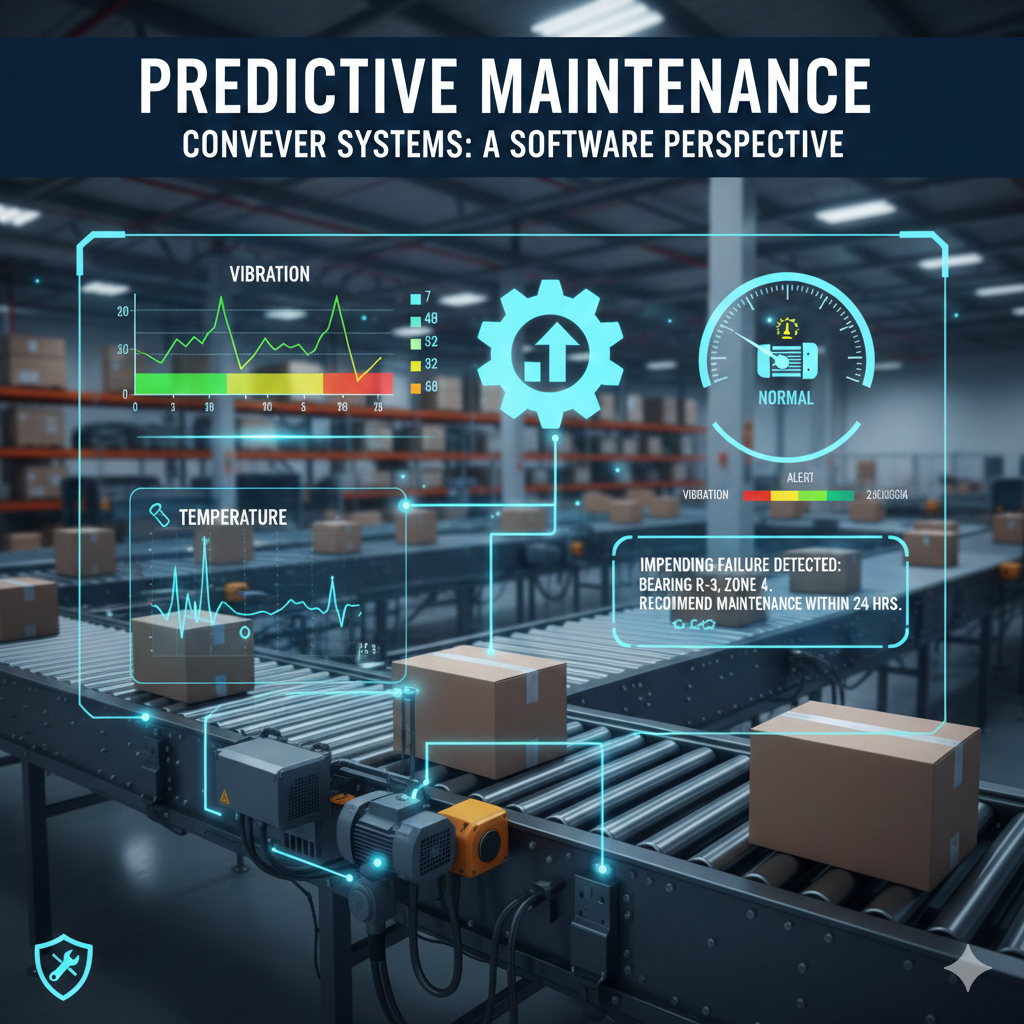
• Devices monitor motor temperature, vibration, and electrical draw 🌡️
• Connected infrastructure transmits data to centralized monitoring systems 🔗
• Continuous data streams enable deeper operational analysis 📊
• Sensor networks establish the basis for intelligent energy management 🤖
Step 4: Identifying Inefficiencies in Conveyor Operations 🔍
• Detect conveyors running without active material flow ⚠️
• Identify equipment operating outside optimal speed ranges ⏱️
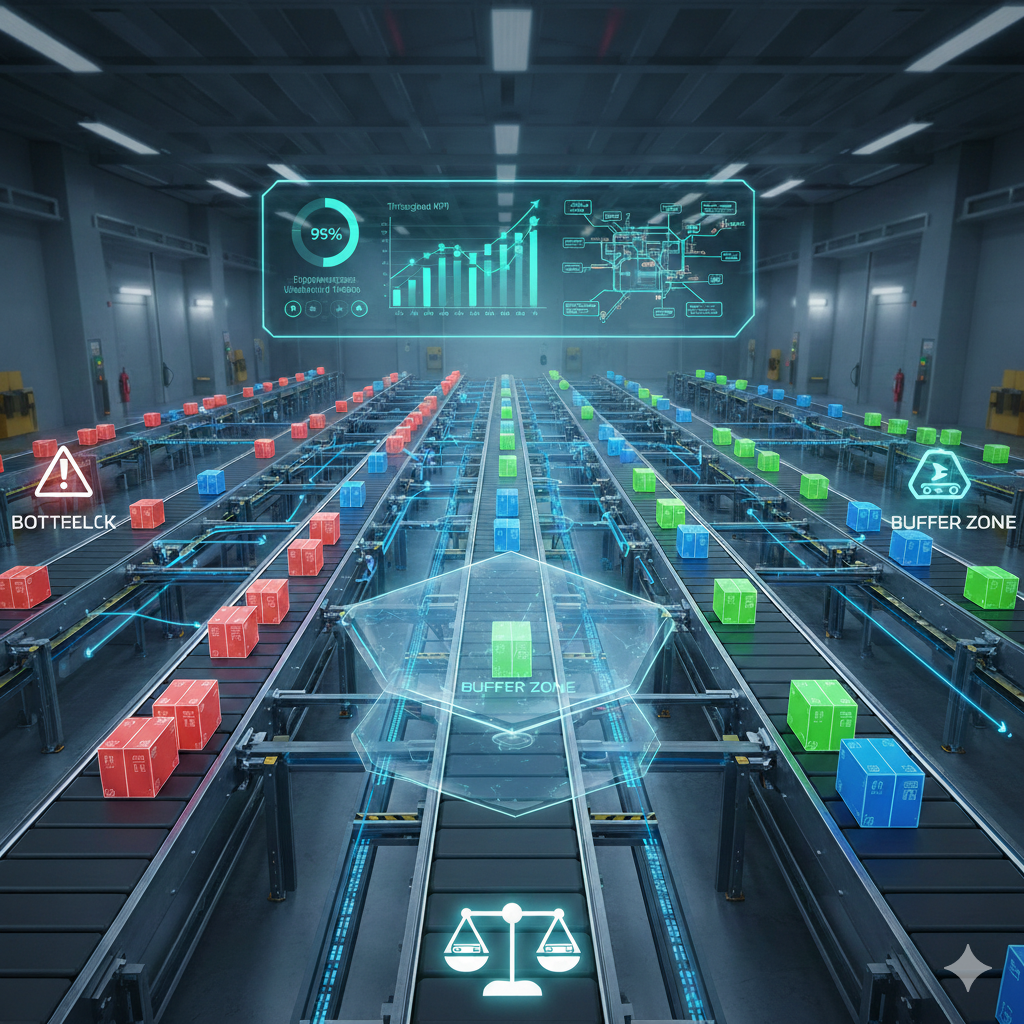
• Reveal bottlenecks that increase energy consumption 📦
• Highlight poorly synchronized conveyor segments 🔗
• Enable targeted improvements across the material handling network 🛠️
Step 5: Optimizing Conveyor Speed and Load Management ⚙️
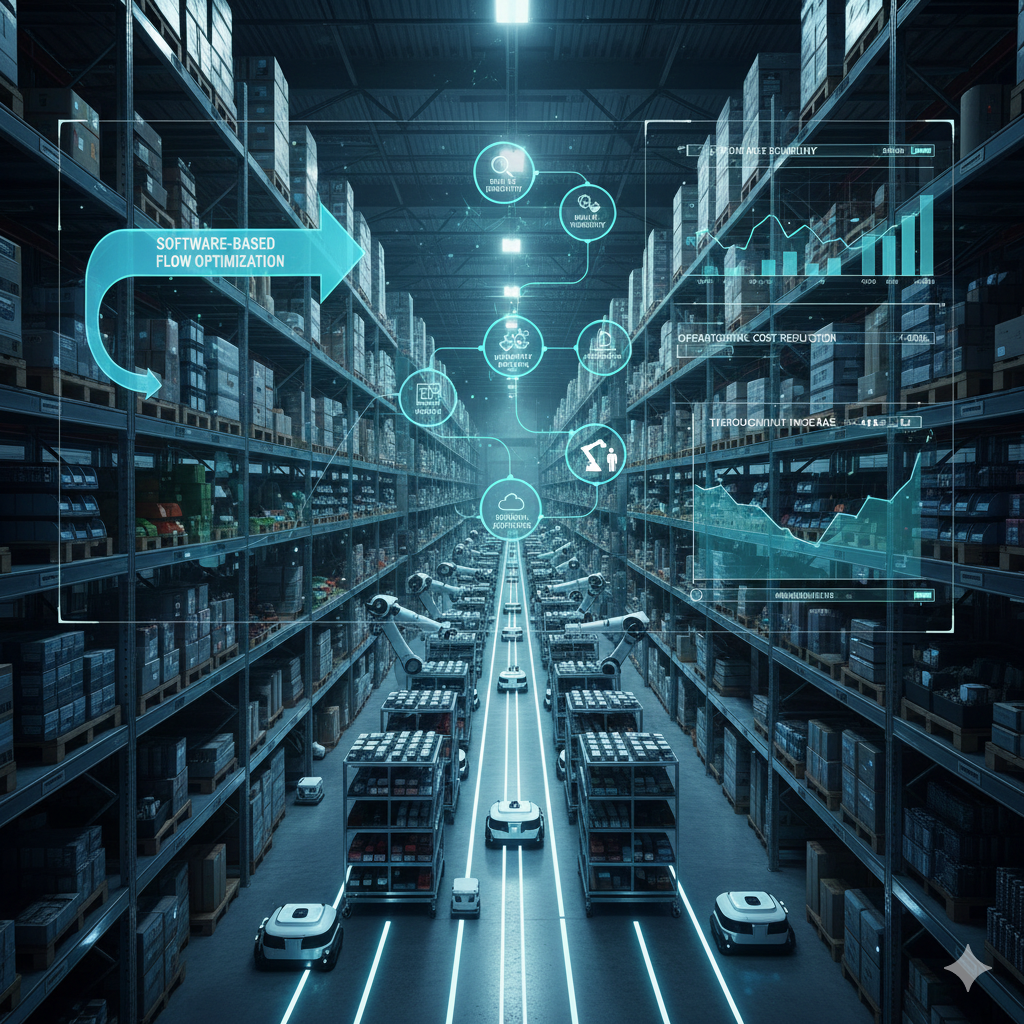
• Adjust conveyor speeds dynamically based on material flow 📦
• Reduce motor load during periods of low demand ⬇️
• Prevent unnecessary acceleration and idle operation 🚫
• Maintain balance between system throughput and efficiency ⚖️
• Improve energy performance across the conveyor network 📈
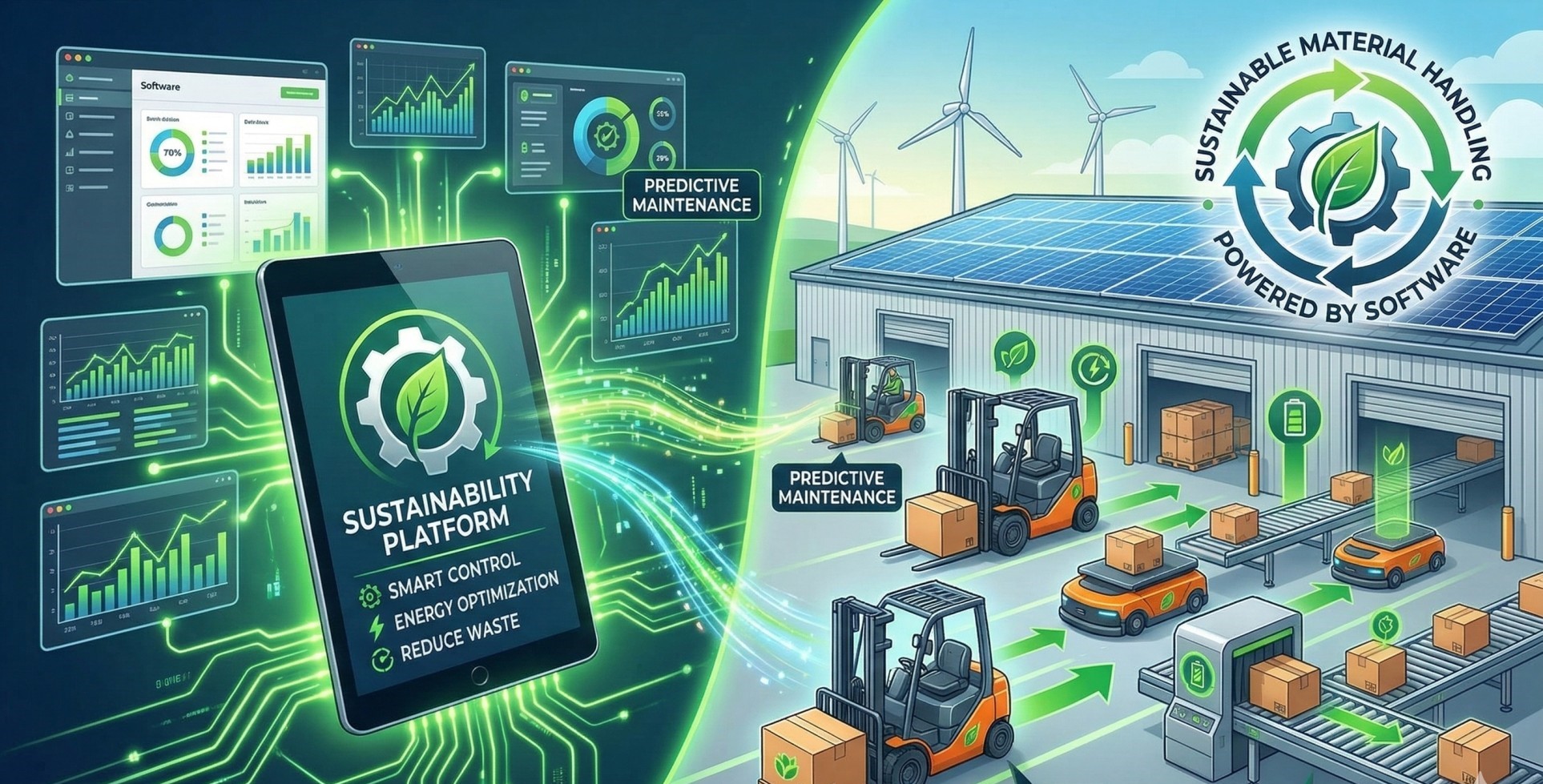
Step 6: Predictive Maintenance for Energy Efficiency 🛠️
• Detect mechanical issues that increase power usage ⚡
• Identify worn belts, alignment problems, or motor inefficiencies 🔧
• Use monitoring insights to schedule proactive maintenance 📅
• Prevent energy loss caused by deteriorating equipment ⚠️
• Sustain optimal system performance over time 📊
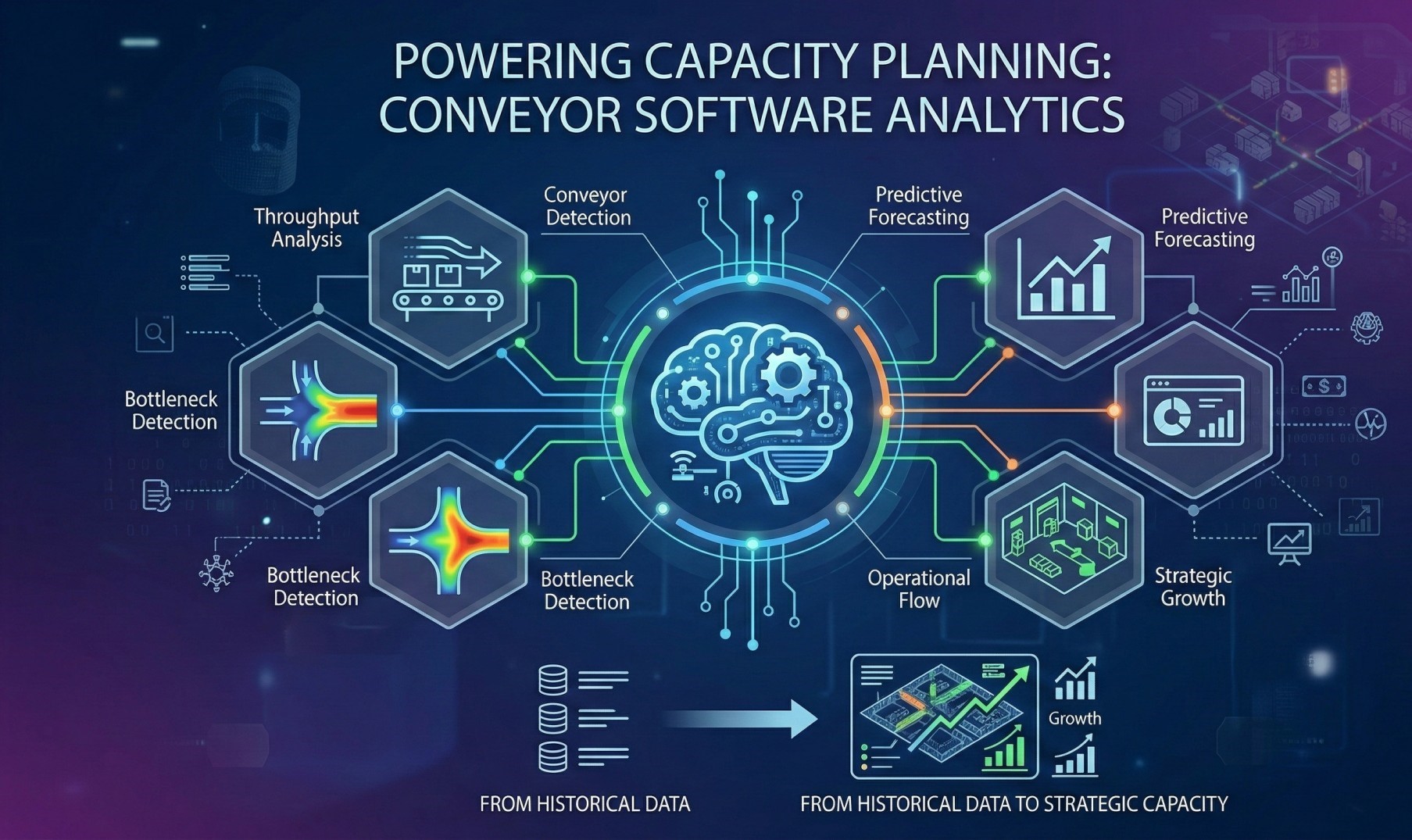
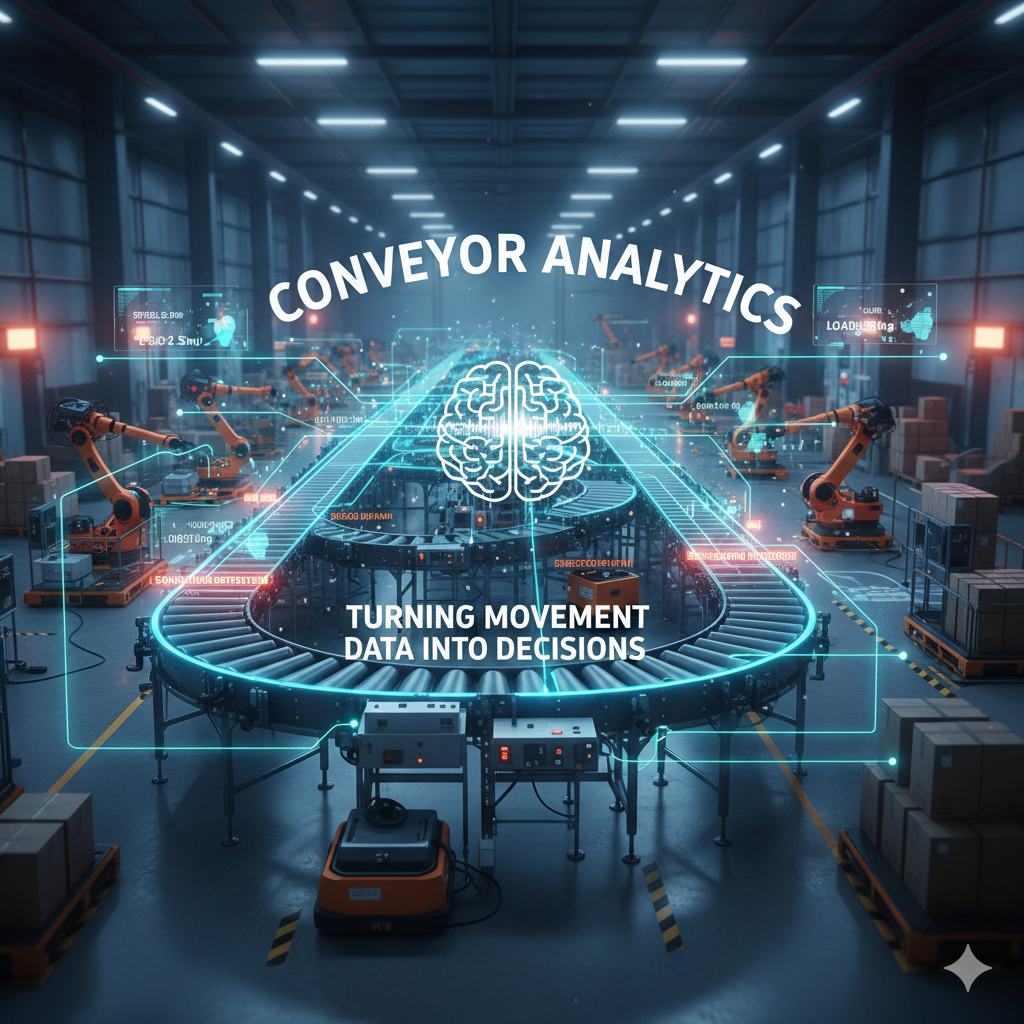
Step 7: Using Analytics for Continuous Energy Improvement 📊
• Analyze historical energy consumption patterns 📉
• Detect recurring operational inefficiencies 🔍
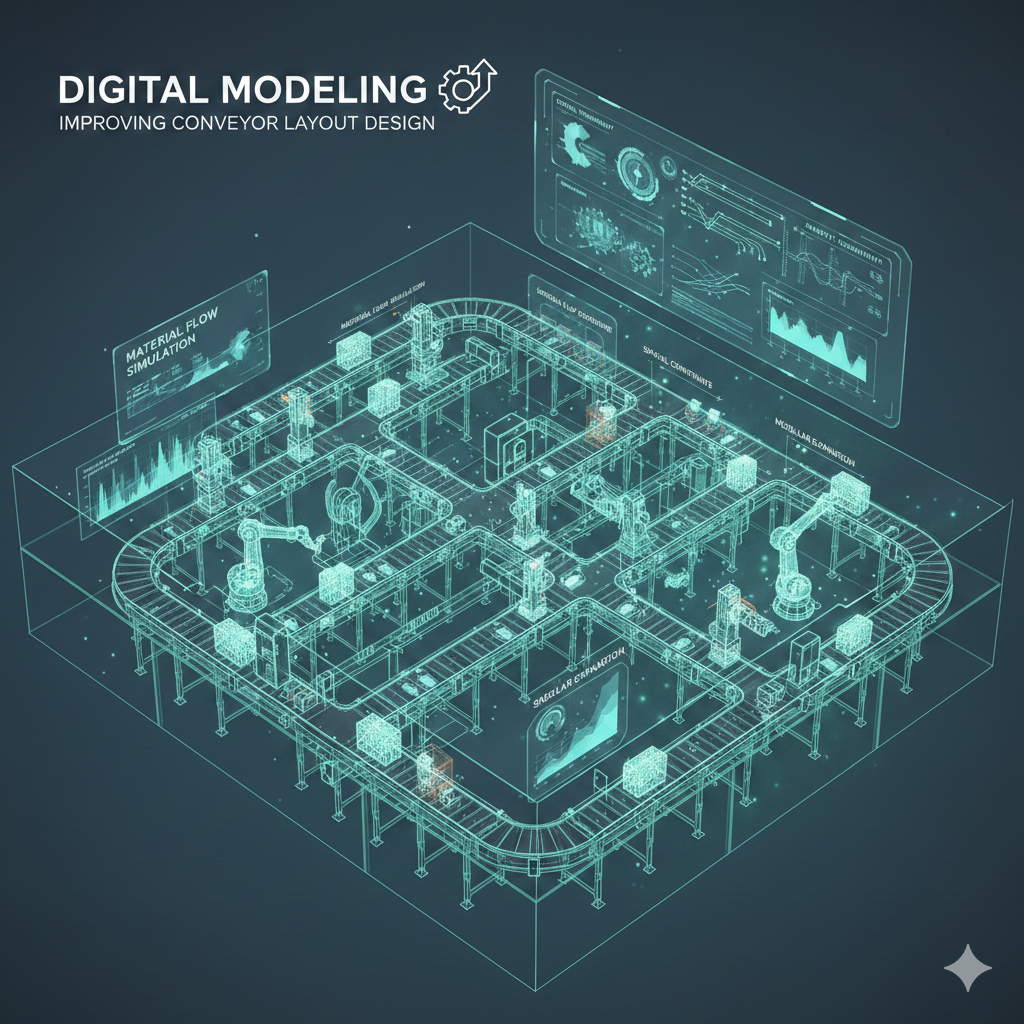
• Simulate alternative operational strategies for improvement 🧠
• Benchmark performance across facilities or production lines 🏭
• Encourage continuous efficiency optimization initiatives 🔄
Step 8: Strategic Impact of Energy Optimization 🌱
• Reduce operational energy costs across conveyor systems 💰
• Improve environmental sustainability and resource efficiency 🌍
• Support corporate energy and carbon reduction initiatives ♻️
• Strengthen long-term operational resilience and efficiency 📈
Conclusion
Energy monitoring and optimization are becoming increasingly important for managing modern conveyor networks. By combining sensor technologies, real-time monitoring systems, and advanced analytics, organizations can gain deeper insight into how energy is consumed across their material handling infrastructure. Improving conveyor energy performance not only lowers operating costs but also contributes to sustainability initiatives and ensures more efficient long-term system operations.
See more blogs
You can all the articles below