Using Machine Learning to Optimize Conveyor Flow
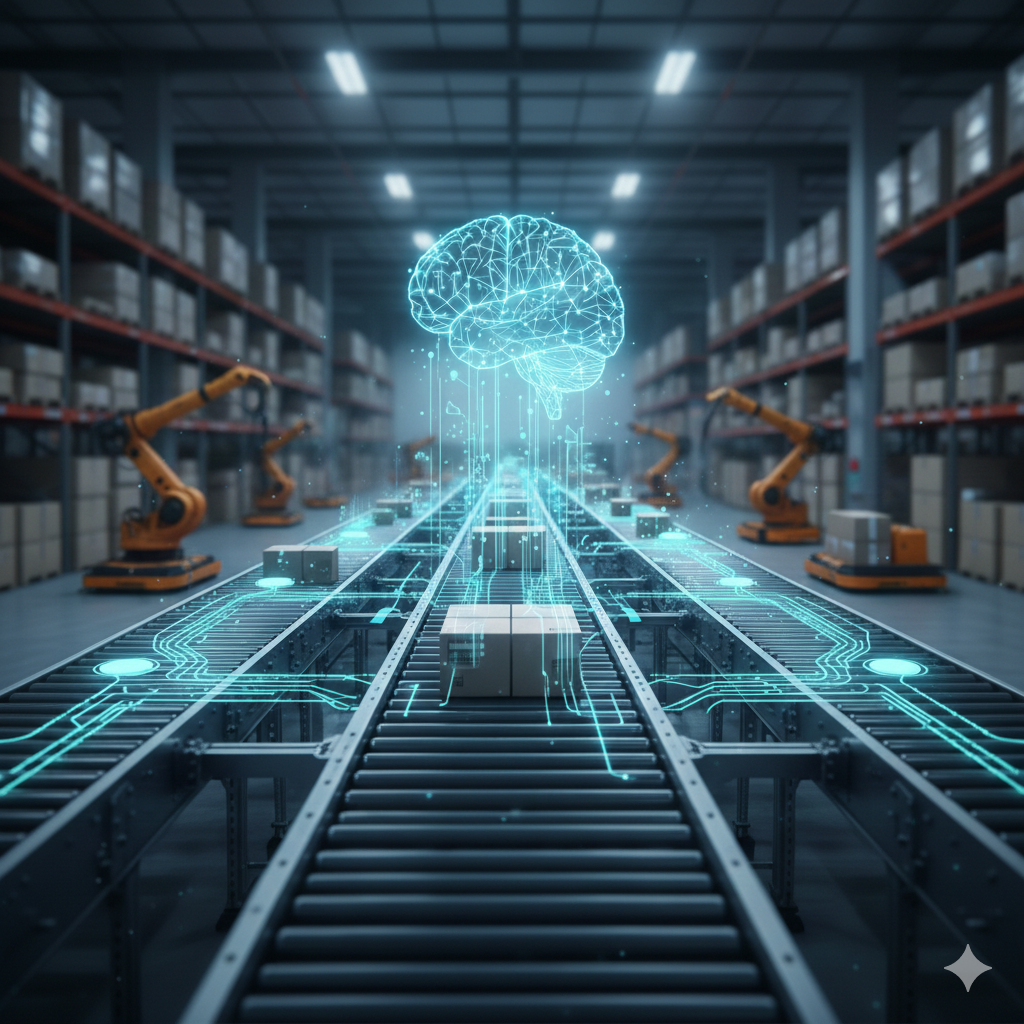
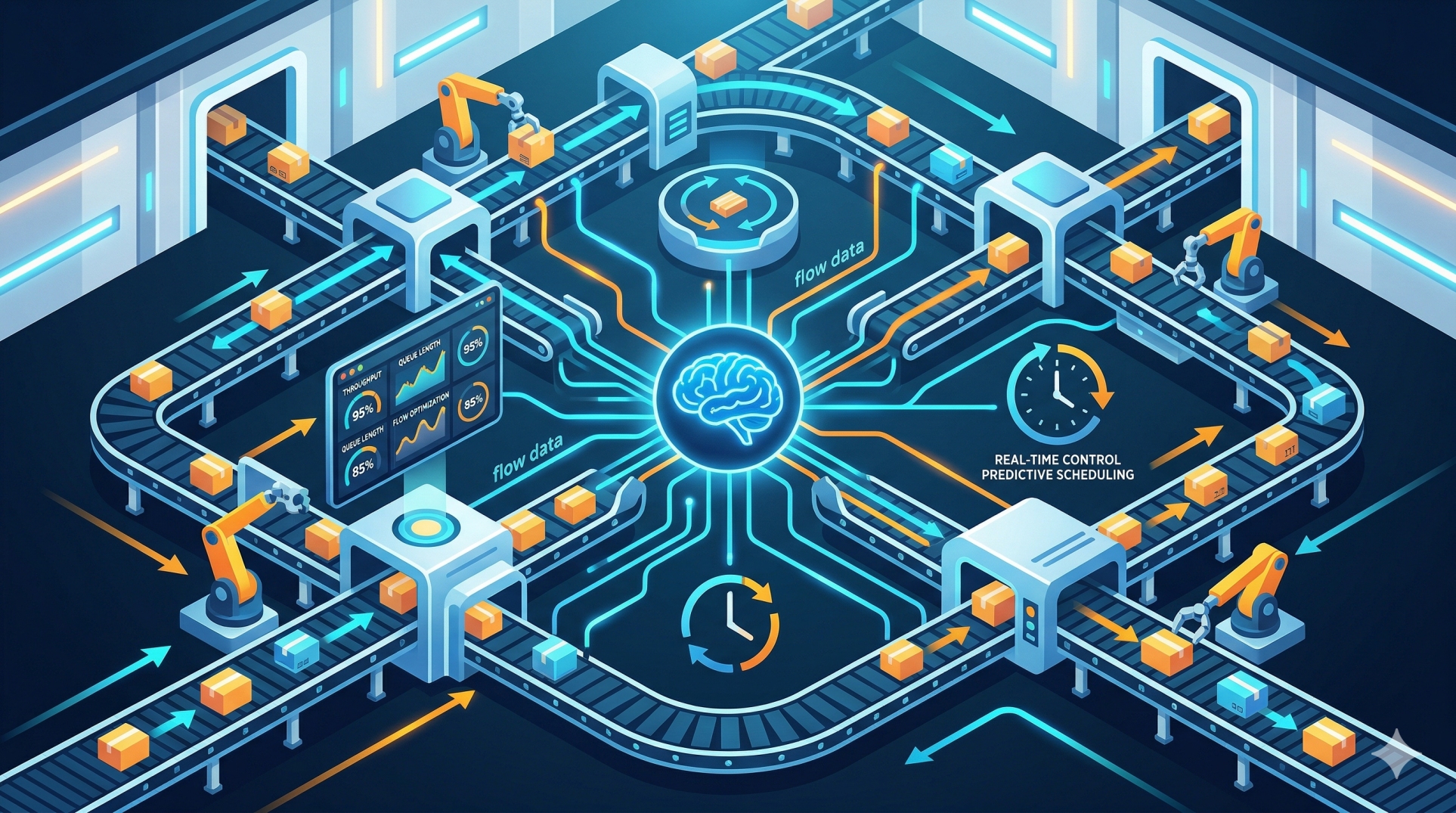
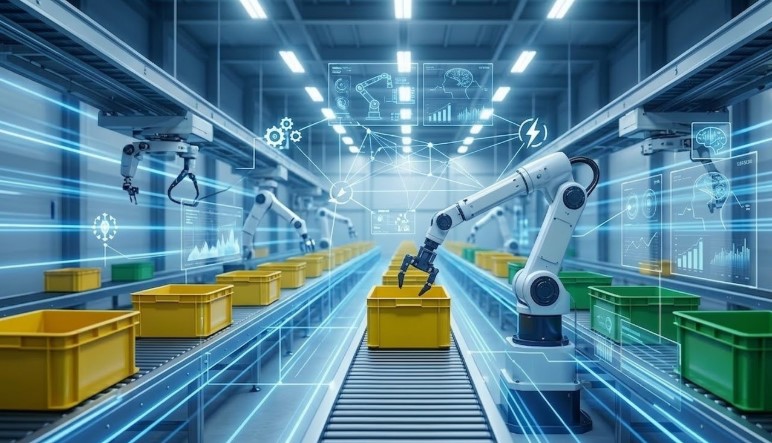
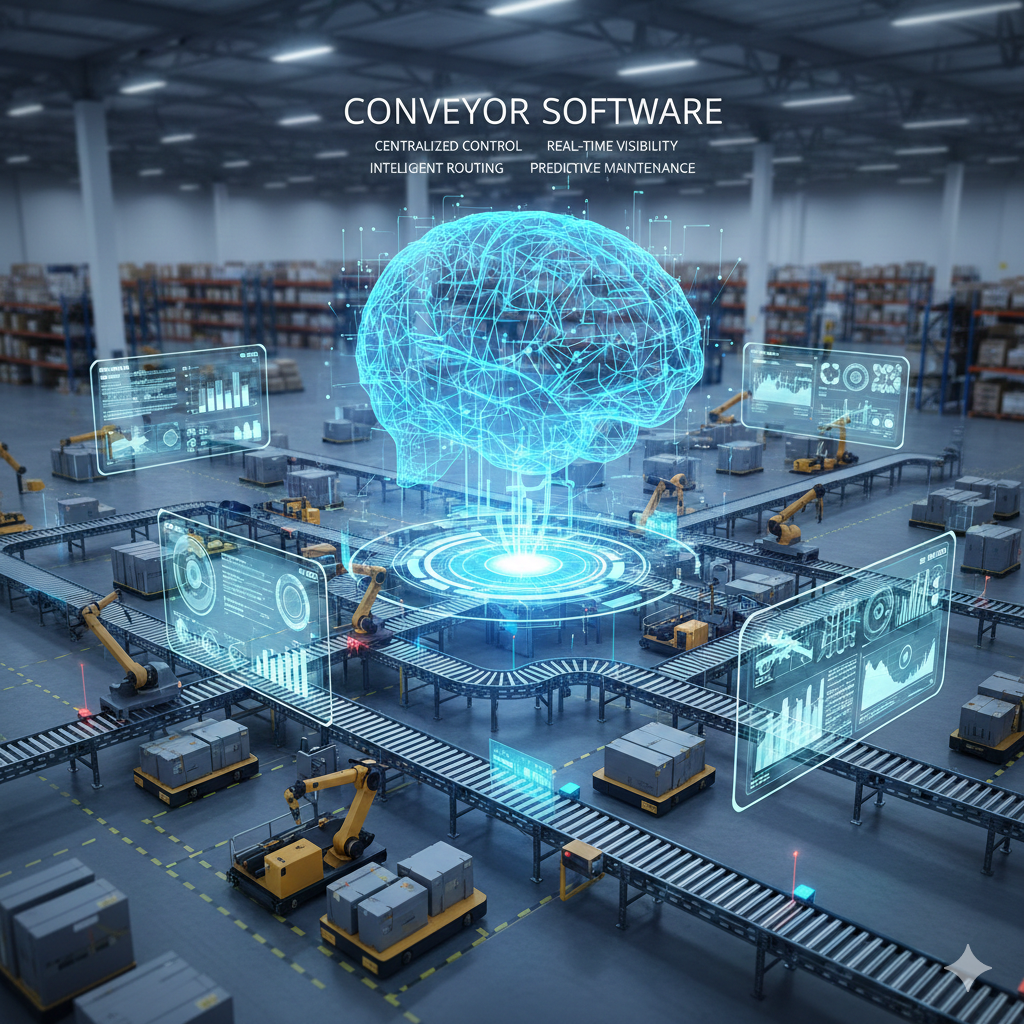
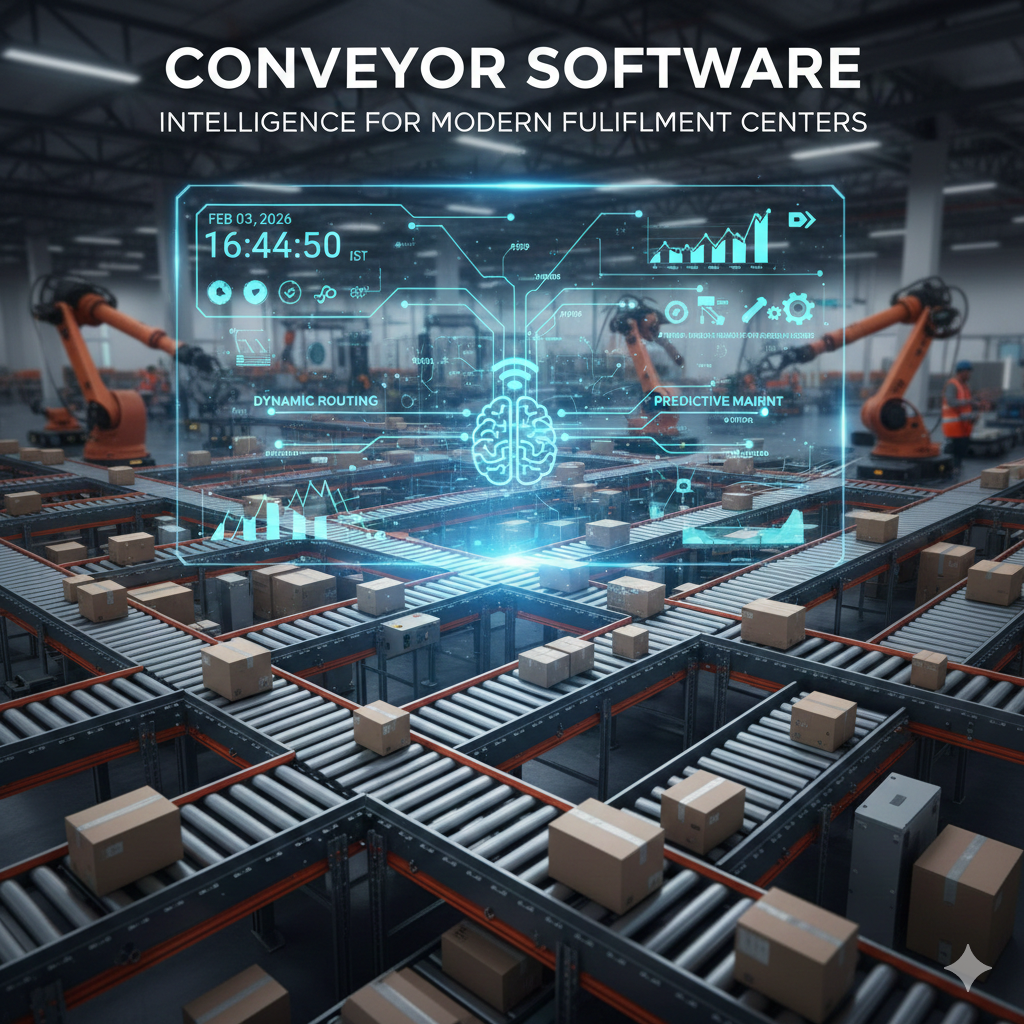
Conveyor systems play a critical role in warehouses, manufacturing facilities, and distribution centers. As volumes increase and operations become more complex, traditional rule-based conveyor control systems often struggle with congestion, inefficiencies, and downtime. Machine Learning (ML) enables conveyor software to analyze data, adapt in real time, and continuously improve material flow across the system.
1. Limitations of Traditional Conveyor Control ⚠️
• Depends on fixed rules and preset thresholds 📏
• Responds slowly to changing workloads and routing needs 🐢
• Has difficulty managing bottlenecks and congestion 🚧
• Requires frequent manual adjustments 🛠️
• Lacks predictive capabilities for failures or delays ❌🔮
2. How Machine Learning Enhances Conveyor Systems 🤖
• Learns patterns from historical and real-time operational data 📚📈
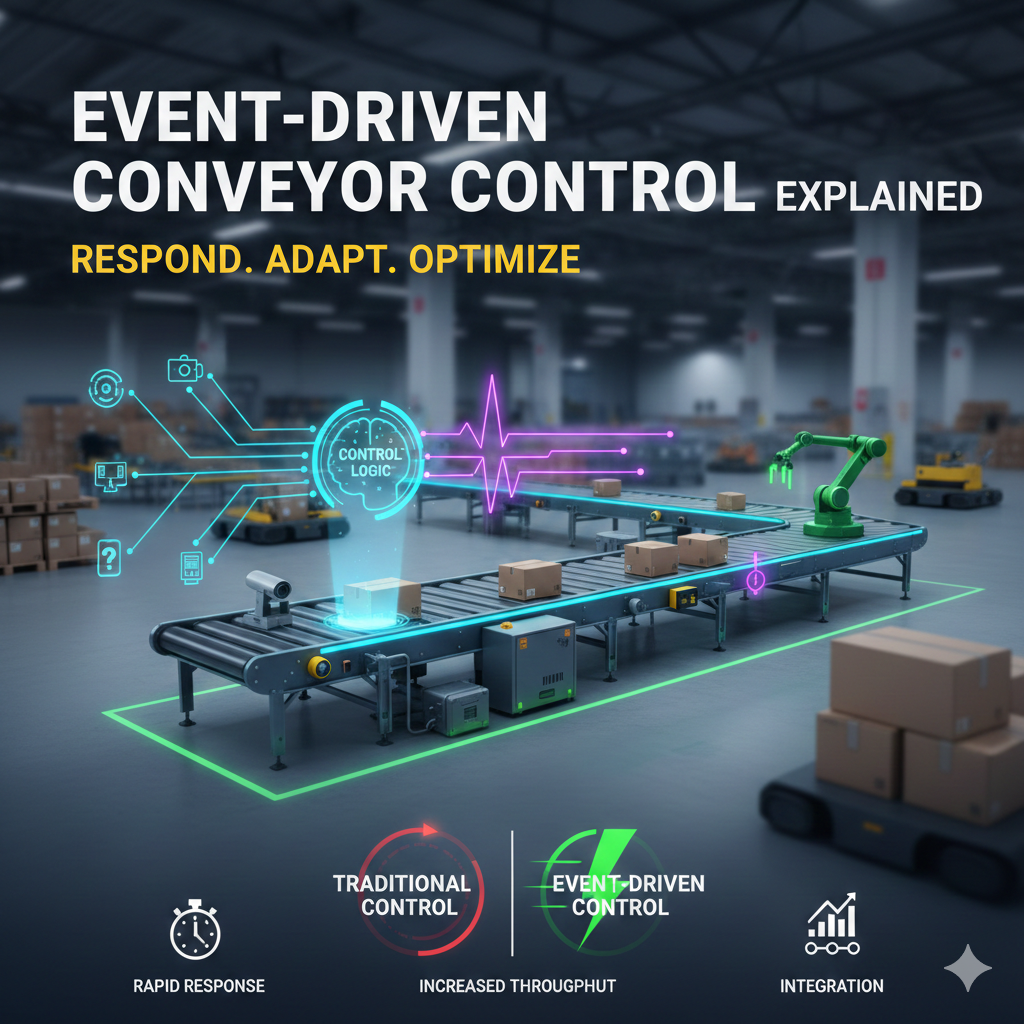
• Adjusts control decisions dynamically as conditions change 🔄
• Optimizes conveyor flow with minimal human intervention 🎯
• Improves performance continuously through feedback loops ♻️
• Enables predictive and proactive system behavior 🔮⚡
3. Data Sources Powering ML-Based Conveyor Optimization 📊
• Sensor inputs such as speed, load, vibration, and temperature 🌡️📡
• PLC and controller data streams 🧠
• Barcode and RFID tracking information 🏷️
• Order volume, routing, and throughput data 📦➡️
• Equipment health and maintenance records 🛠️📋
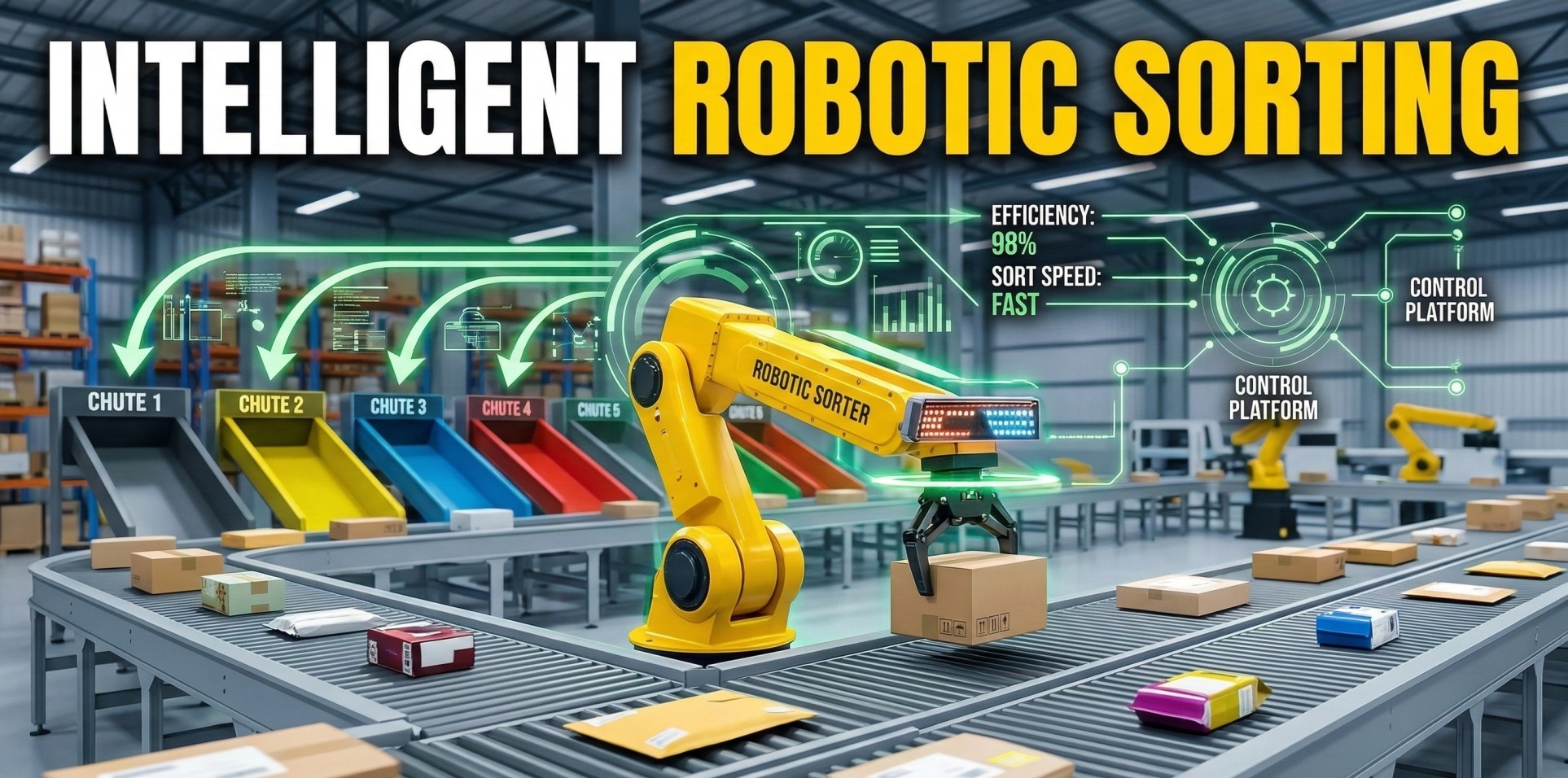
4. Intelligent Speed and Routing Optimization ⚙️
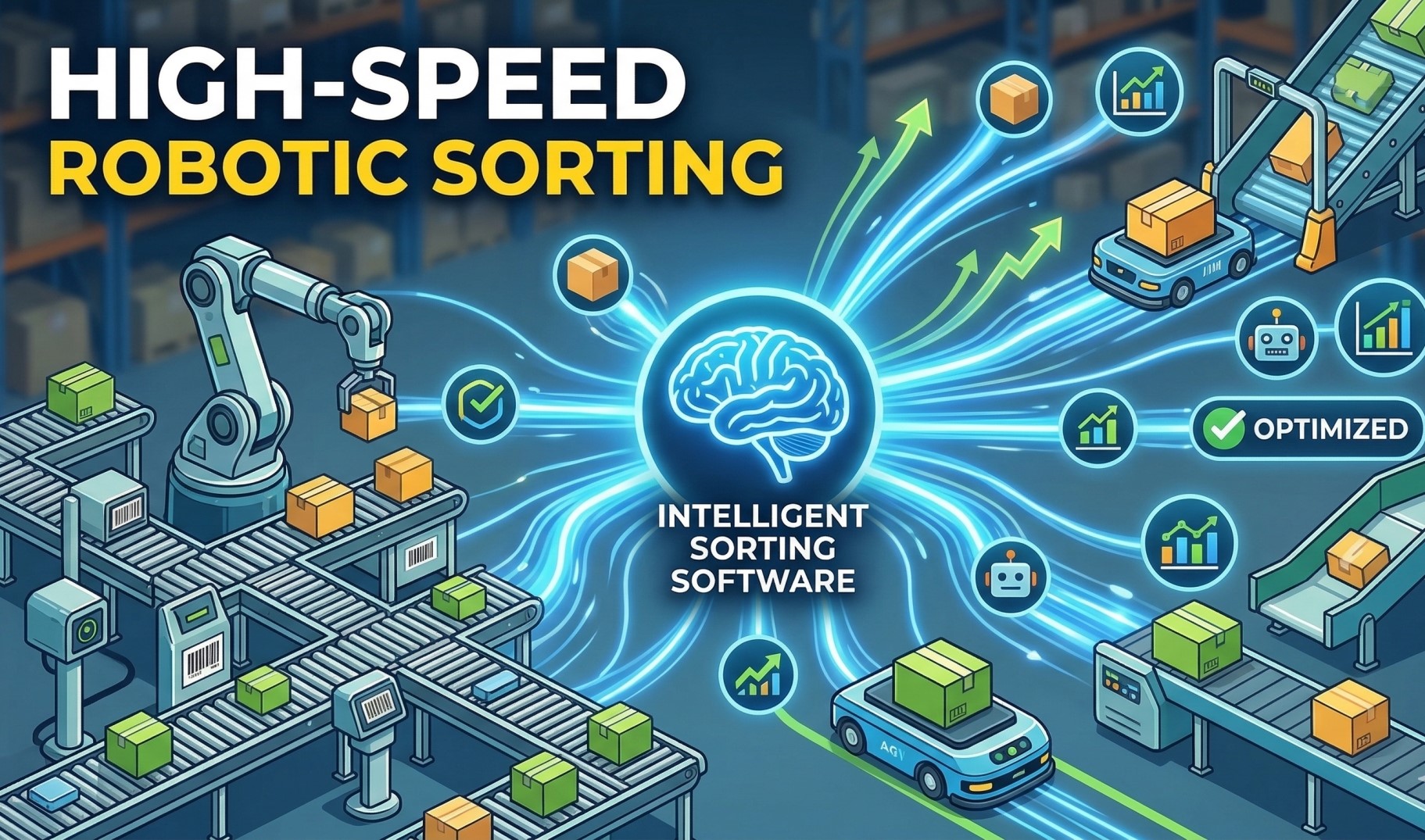
• Automatically adjusts conveyor speeds based on live loads 🚀
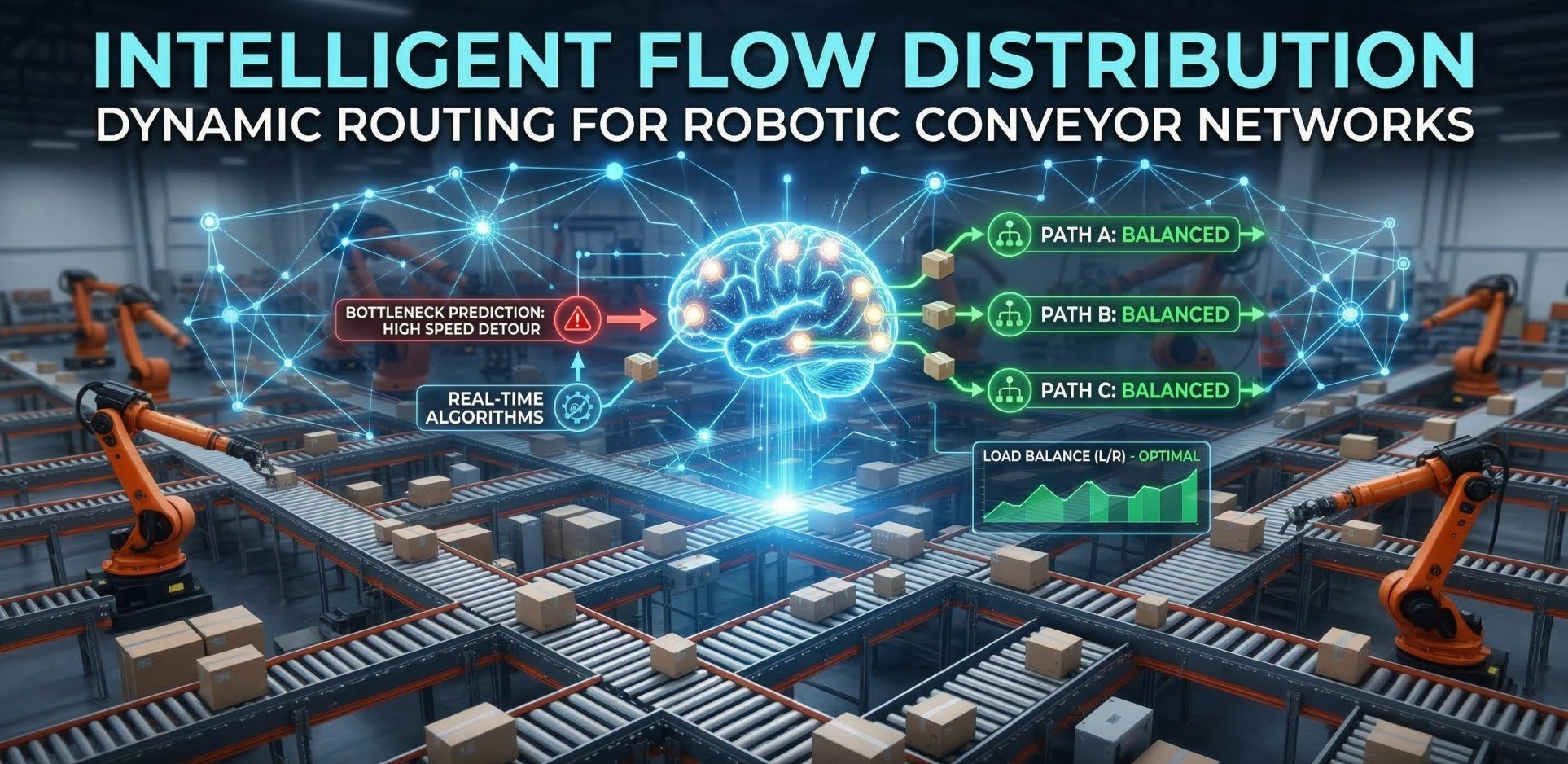
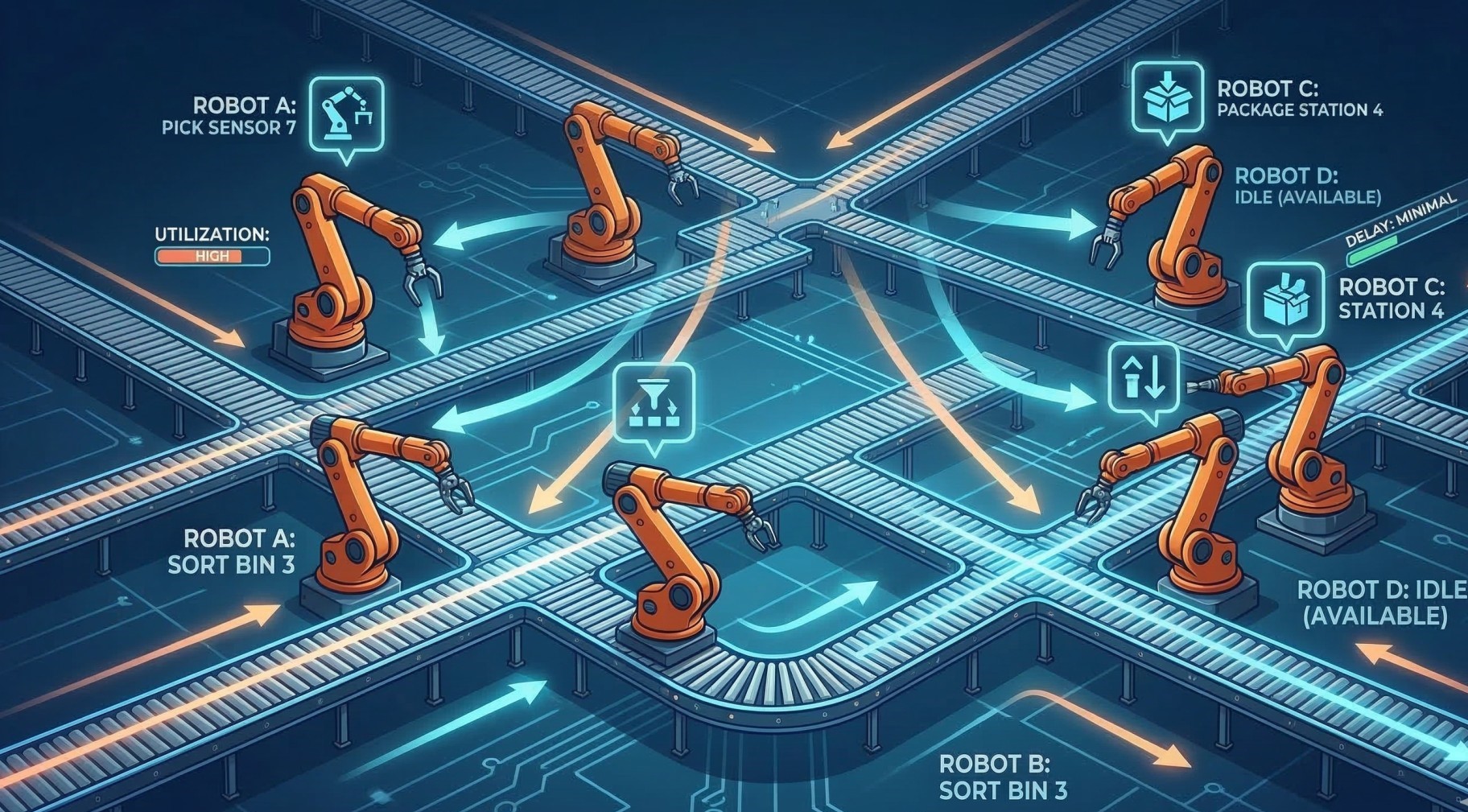
• Reroutes items in real time to avoid congestion points 🔀
• Balances material flow across multiple conveyor paths ⚖️
• Reduces idle running and overloading 📴
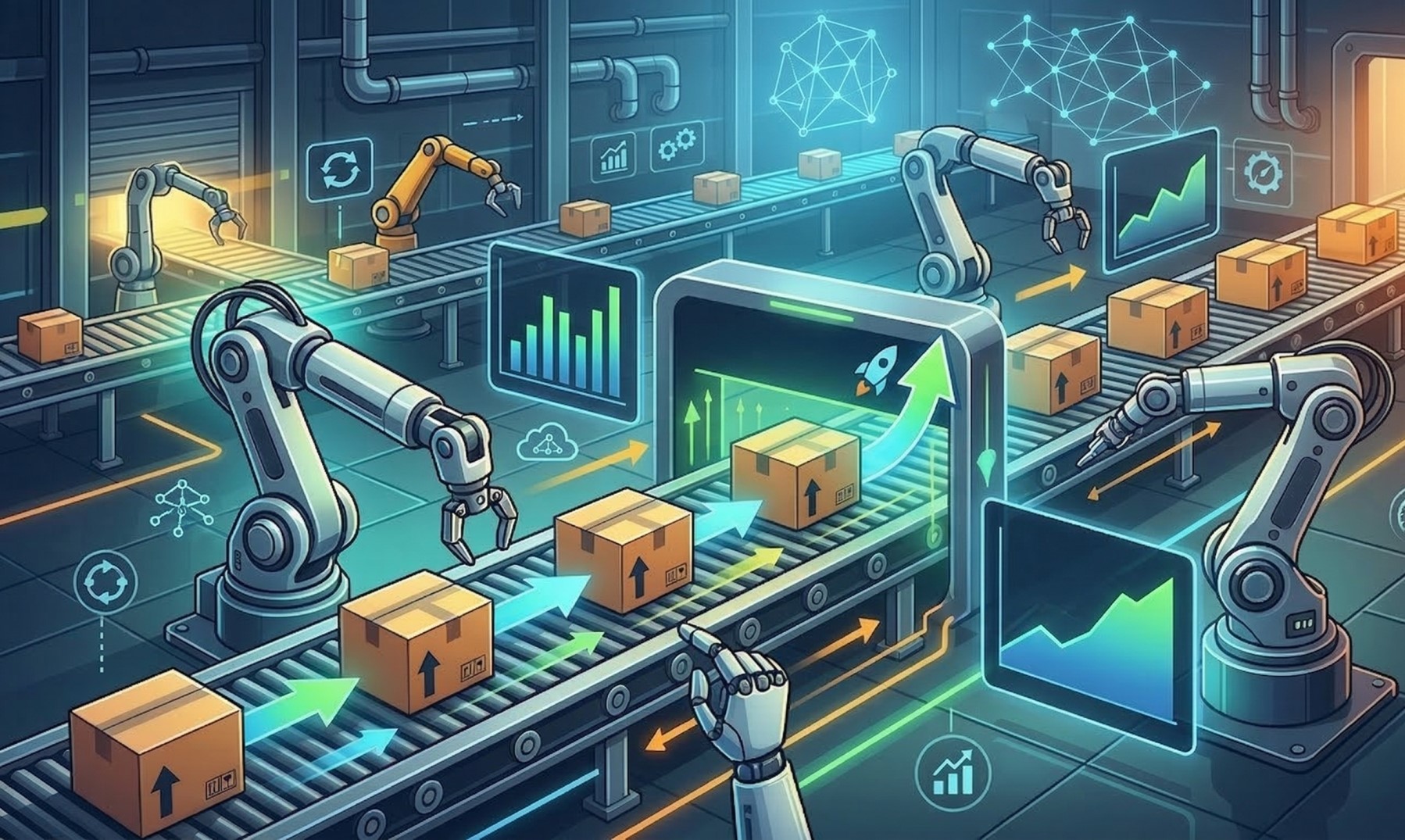
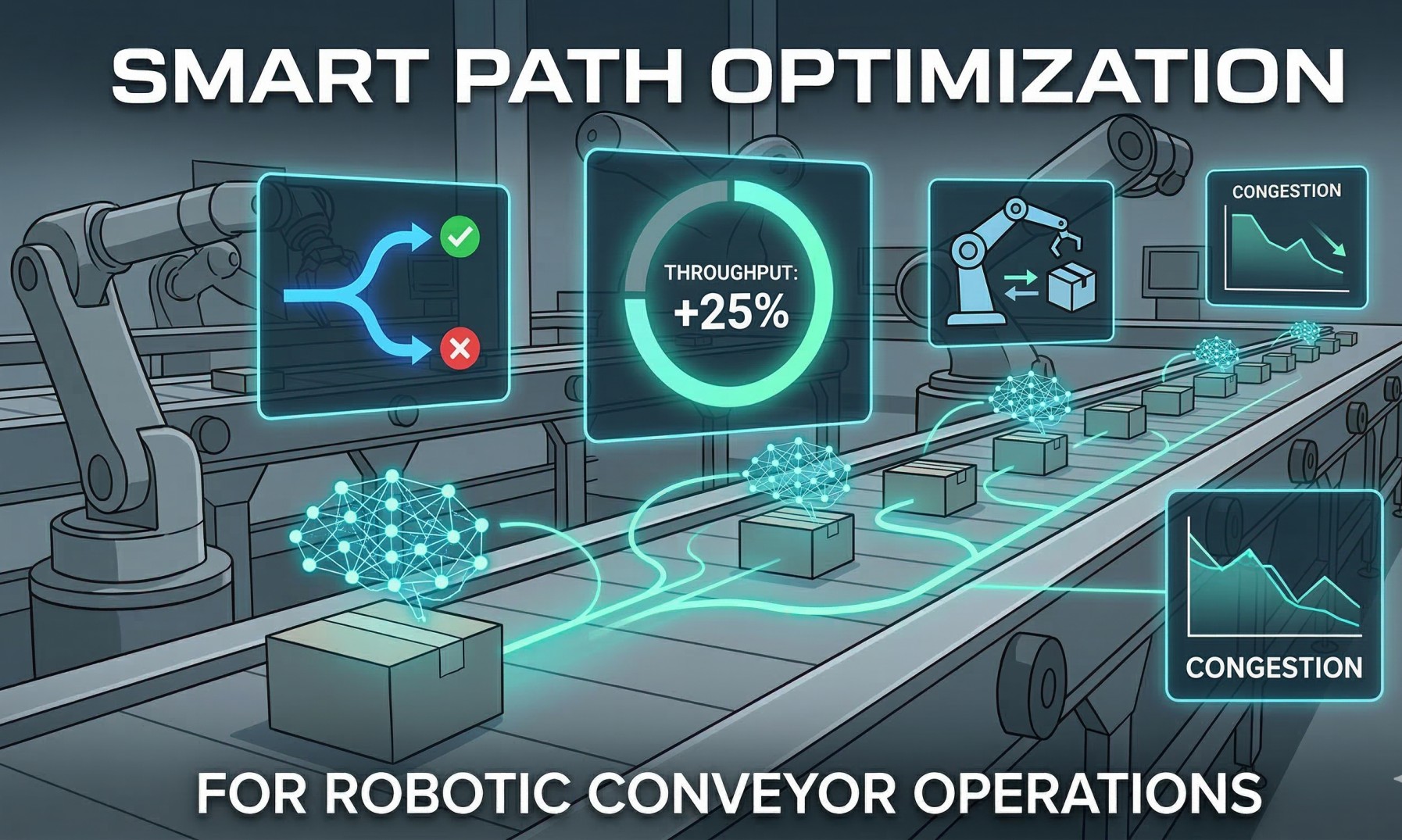
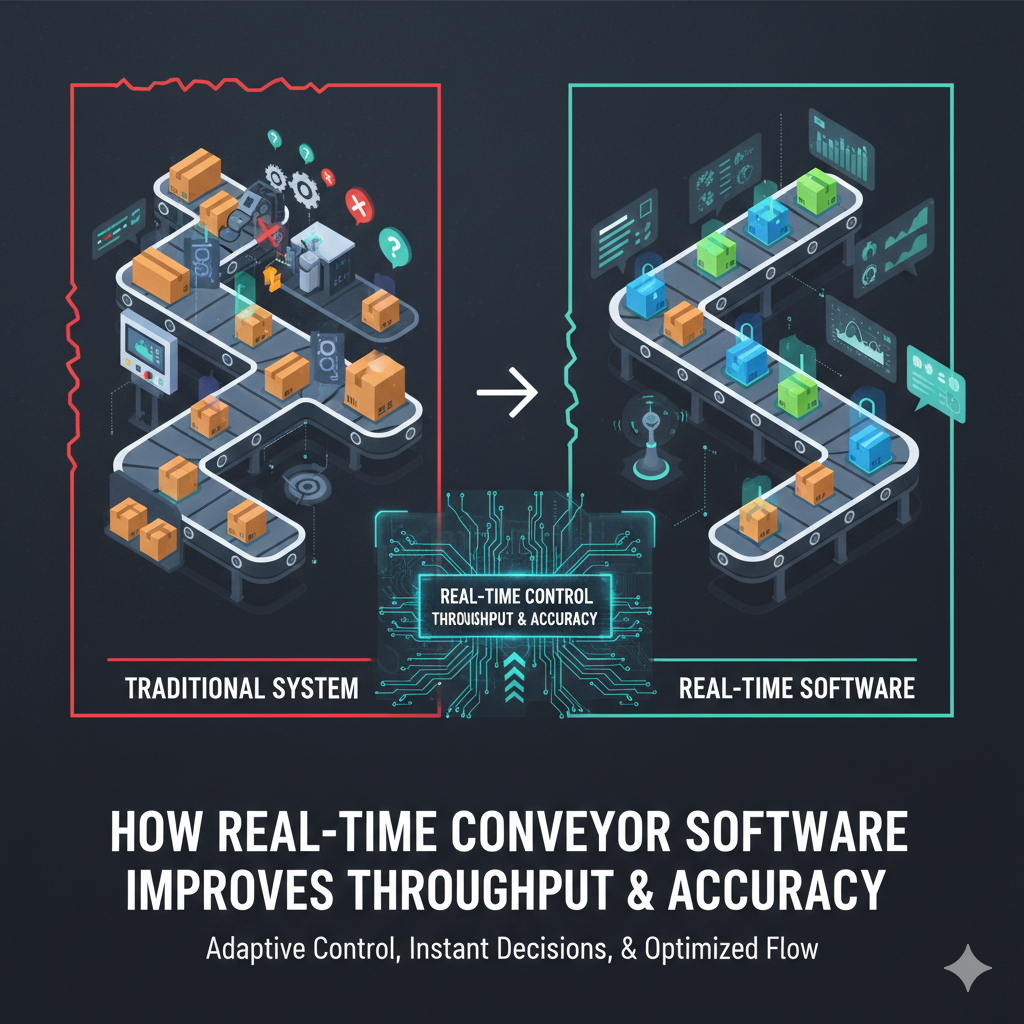
• Increases overall system throughput 📈
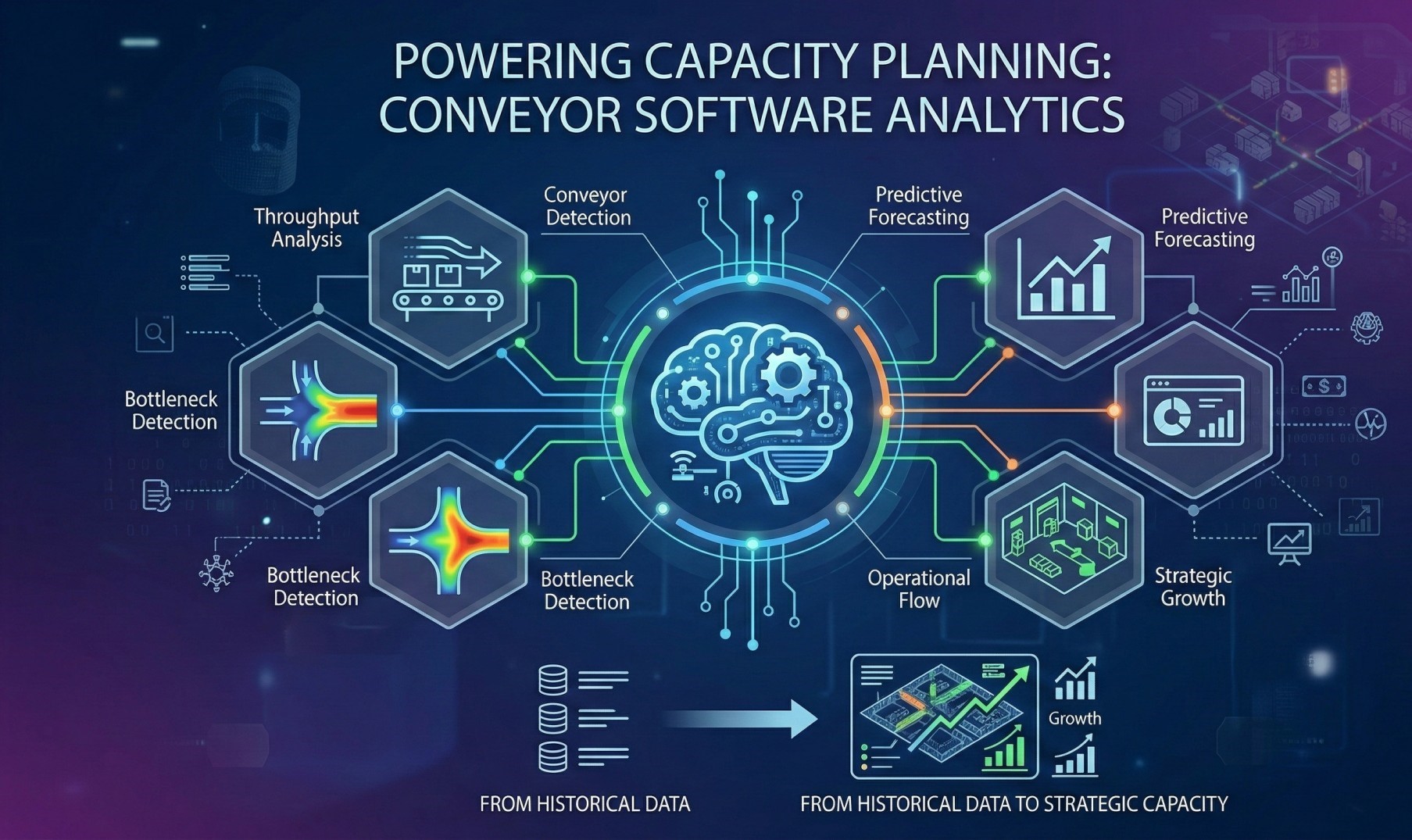
5. Early Bottleneck Detection and Prevention 🚧
• Identifies congestion patterns before they escalate 🔍
• Predicts where backups are likely to form 🔮
• Redistributes flow automatically to maintain balance 🔄
• Improves stability during peak operating periods ⏰
• Minimizes the need for manual intervention 👨💻
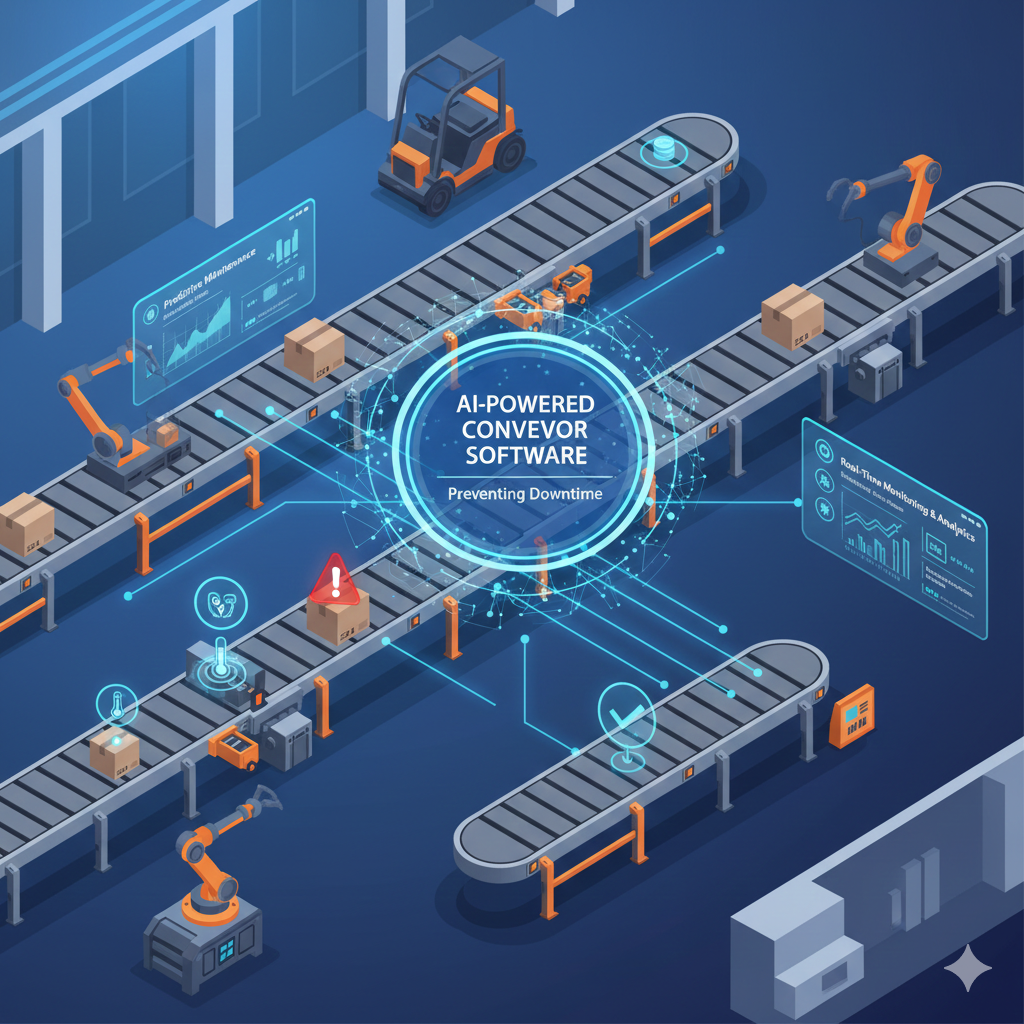
6. Predictive Maintenance to Reduce Downtime 🛠️
• Detects abnormal vibration, temperature, and performance trends 🌡️📉
• Anticipates component wear and potential failures ⚠️
• Schedules maintenance proactively 📅
• Reduces unexpected breakdowns ❌
• Extends the lifespan of conveyor equipment ♻️
7. Energy Optimization and Cost Reduction 💡
• Adjusts motor usage based on real-time demand ⚡
• Eliminates unnecessary conveyor movement 🚫
• Lowers energy consumption during off-peak periods 🌙
• Reduces wear, tear, and operating costs 💰
• Supports sustainability and efficiency goals 🌱
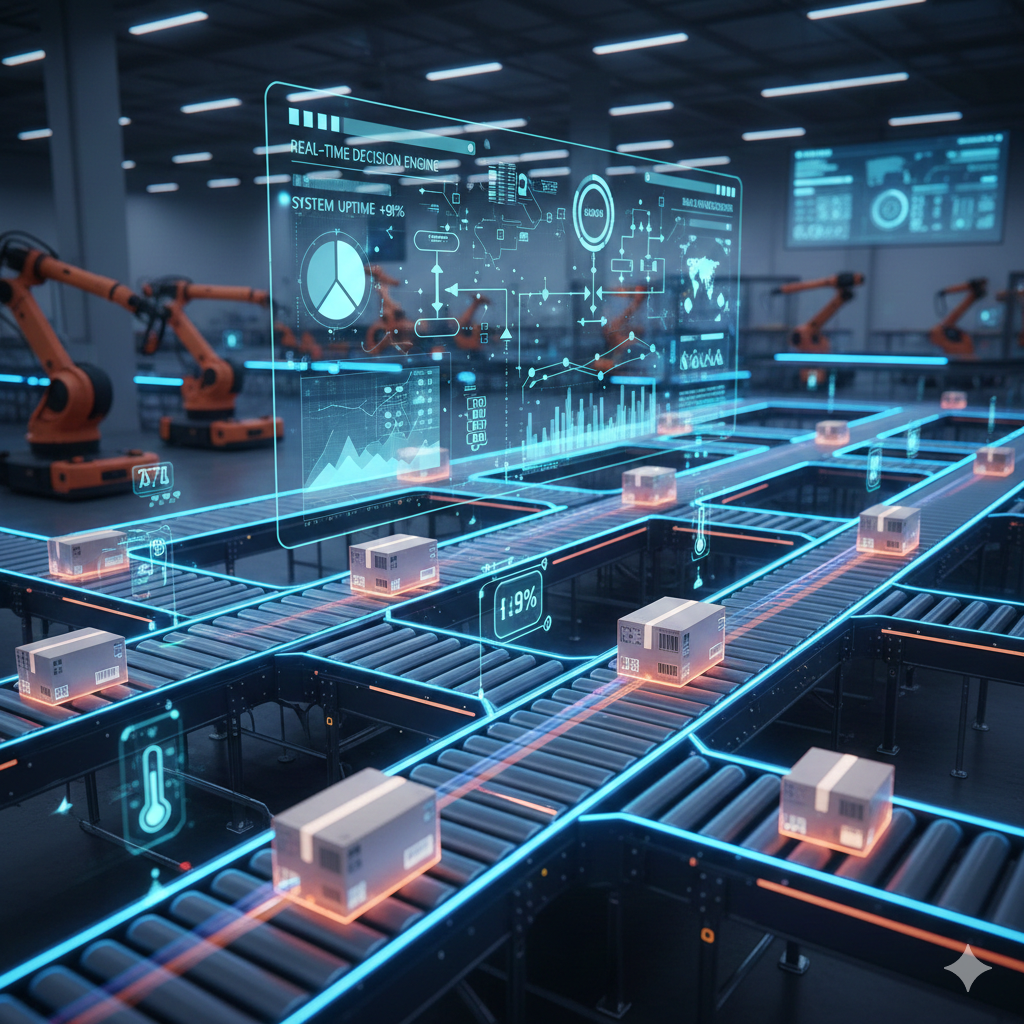
8. Real-Time Insights for Smarter Decisions 📊
• Provides live dashboards and performance indicators 📈
• Continuously measures and evaluates flow efficiency 🔄
• Learns from operational outcomes to improve decisions 🧠
• Enables faster, data-driven responses ⚡
• Enhances overall system reliability ✅
9. Seamless Integration with Existing Control Systems 🔗
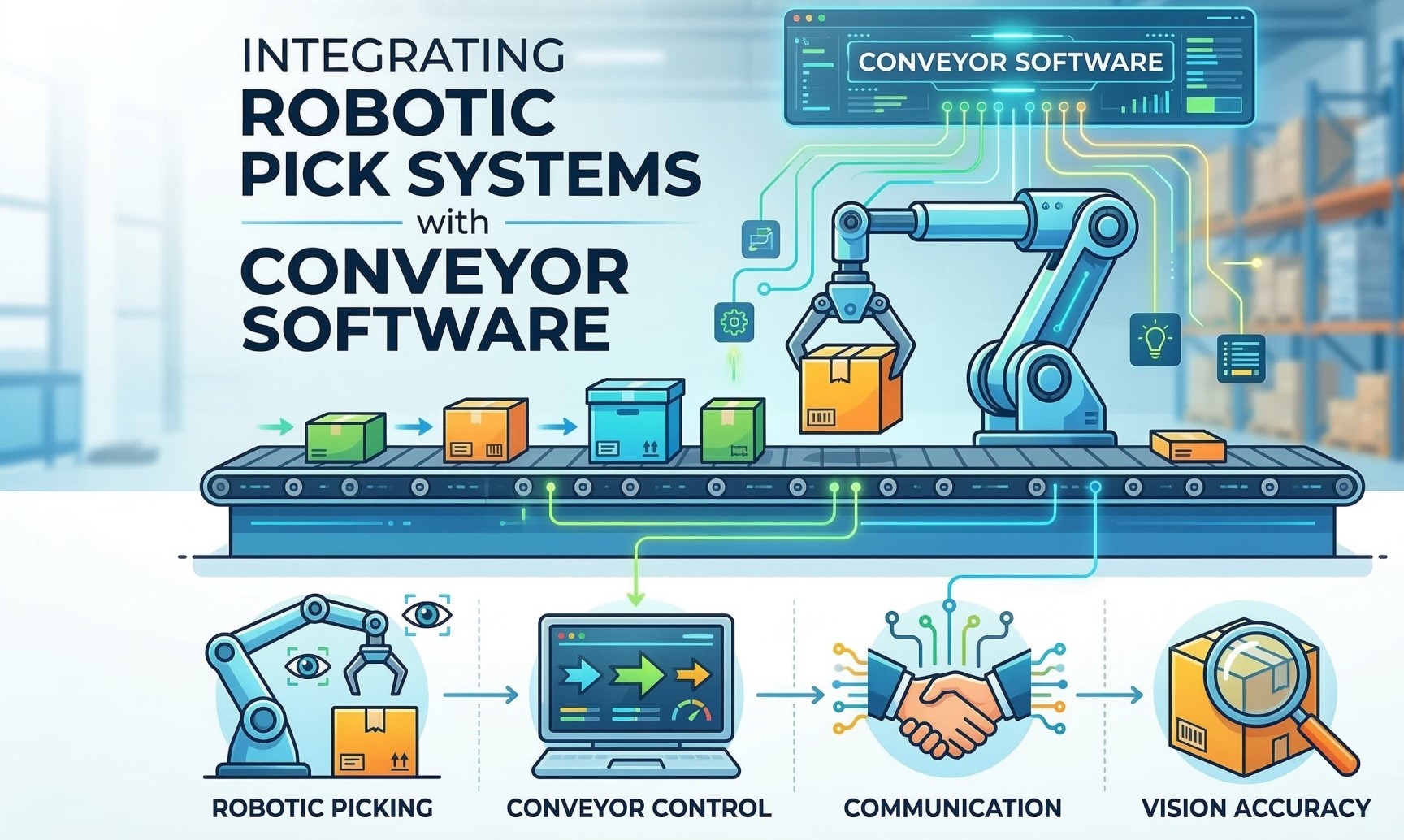
• Operates alongside existing PLC logic and controls ⚙️
• Integrates with WMS, MES, and ERP platforms 🧩
• Uses APIs and real-time data streams for coordination 🔄
• Enhances existing infrastructure rather than replacing it 🏗️
• Allows gradual adoption of AI-driven capabilities 📈
10. Business Impact of ML-Optimized Conveyor Flow 📈
• Increased throughput and faster order processing 🚀
• Reduced congestion and operational delays ⏱️
• Lower maintenance and energy expenses 💰
• Greater flexibility and scalability 🔄
• Improved performance during peak demand 🔥
Final Thoughts 🎯
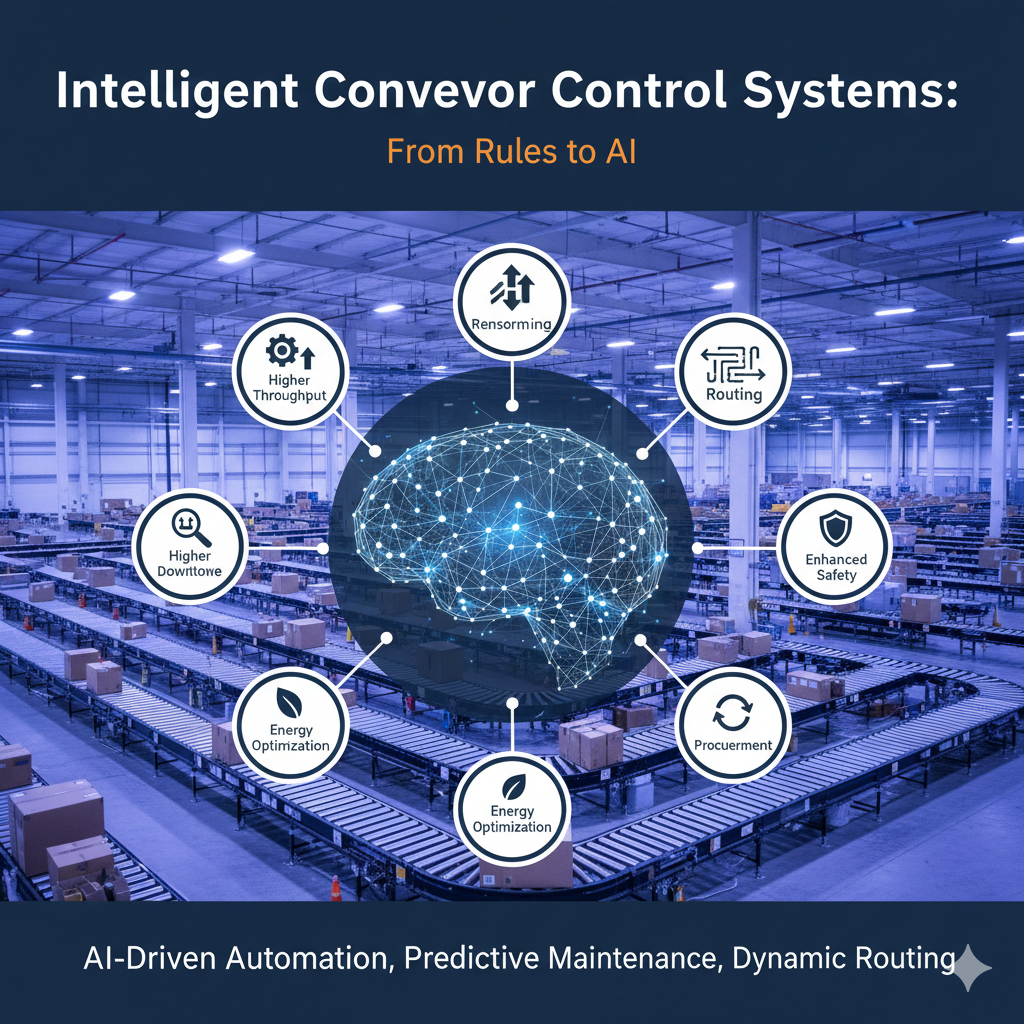
Machine Learning is reshaping conveyor software by transforming reactive control systems into intelligent, self-optimizing solutions. By continuously learning from data and adapting in real time, ML-powered conveyor systems improve efficiency, minimize downtime, and reduce costs. For organizations focused on scaling operations and maintaining a competitive edge, machine learning-driven conveyor optimization is no longer a future vision—it is a practical and valuable solution today ✅.
See more blogs
You can all the articles below