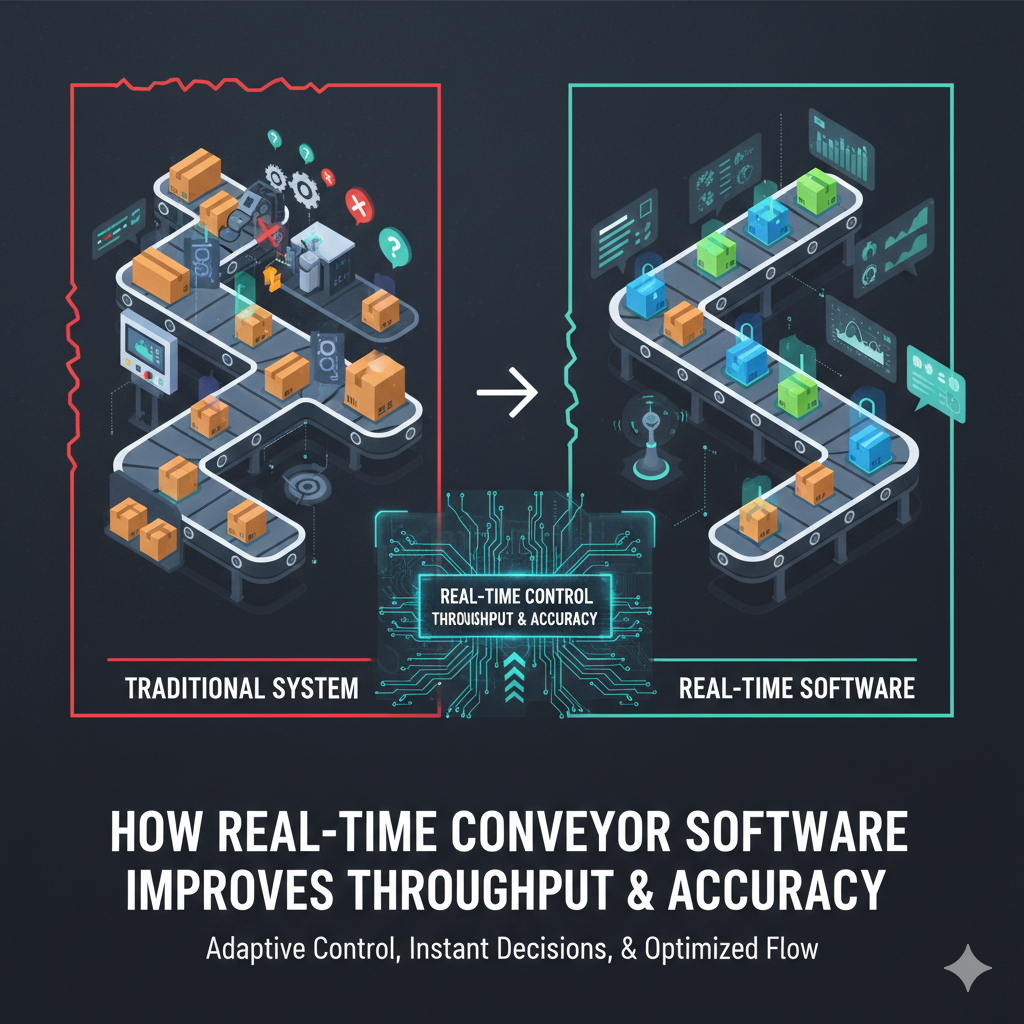
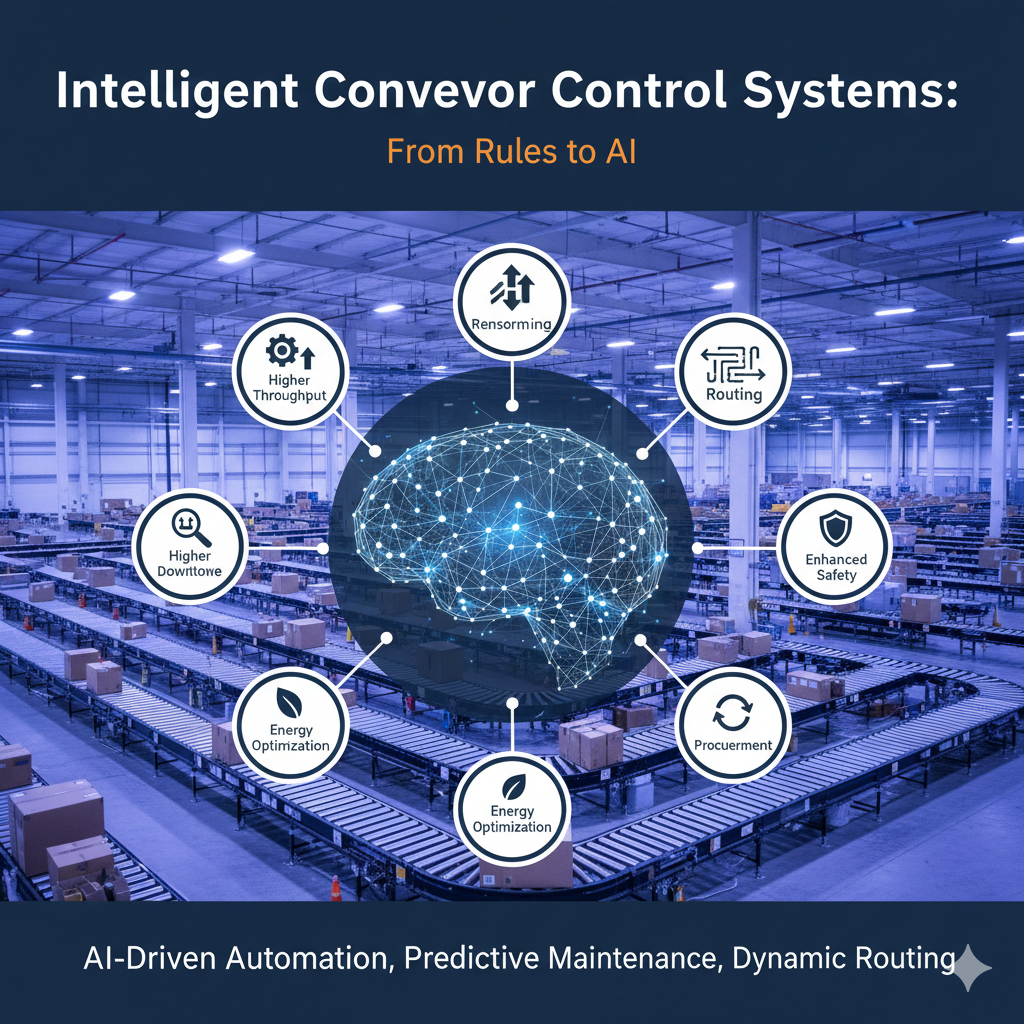
Conveyor Software as the Brain of Modern Material Handling
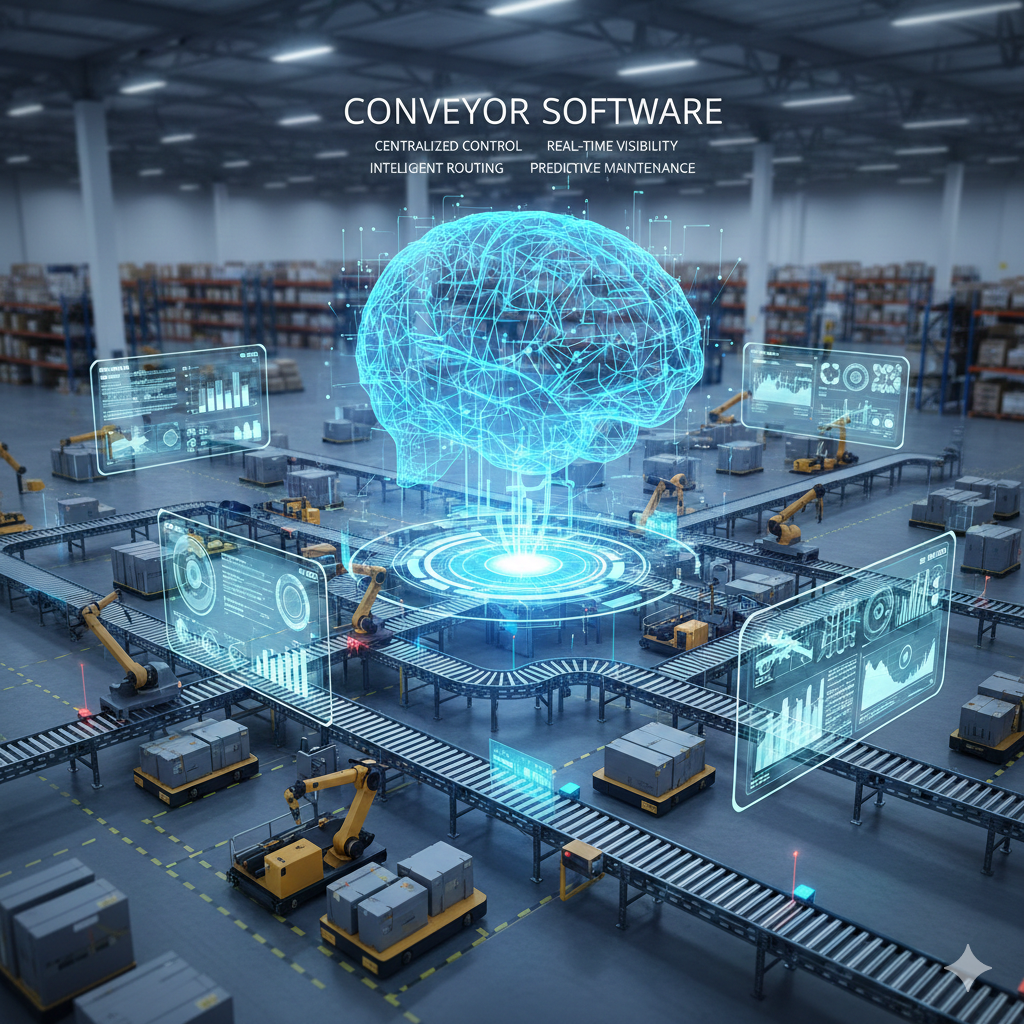
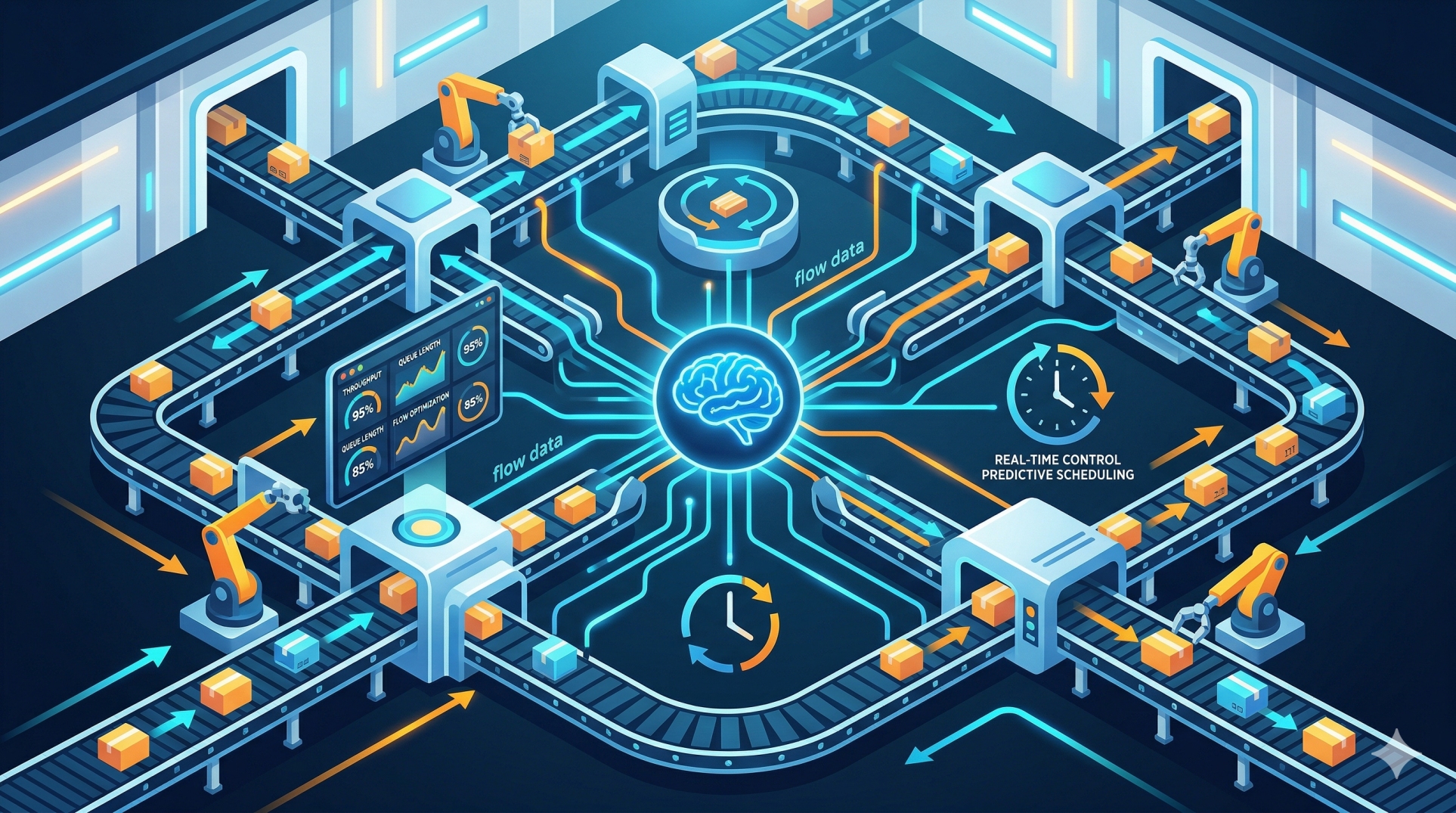
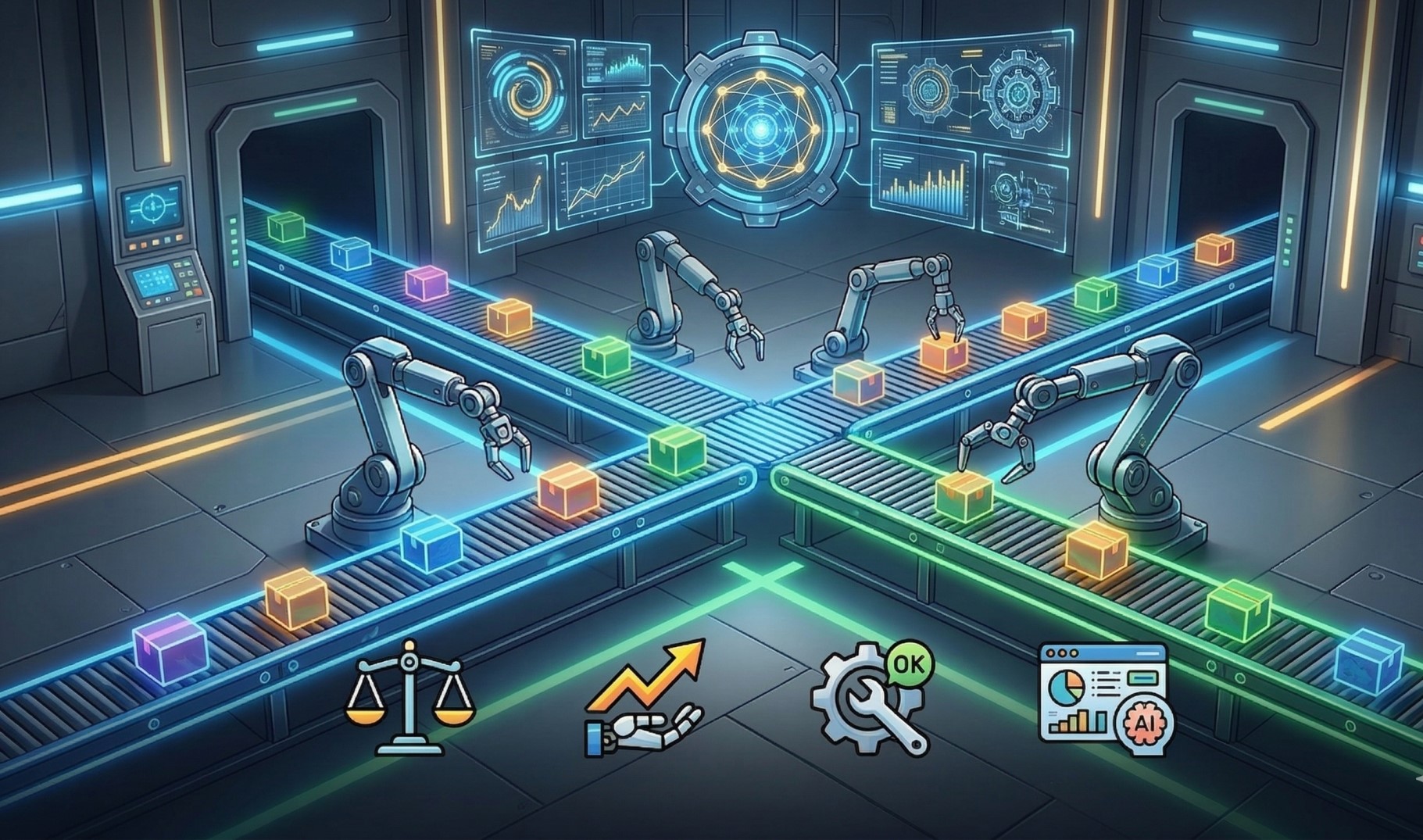
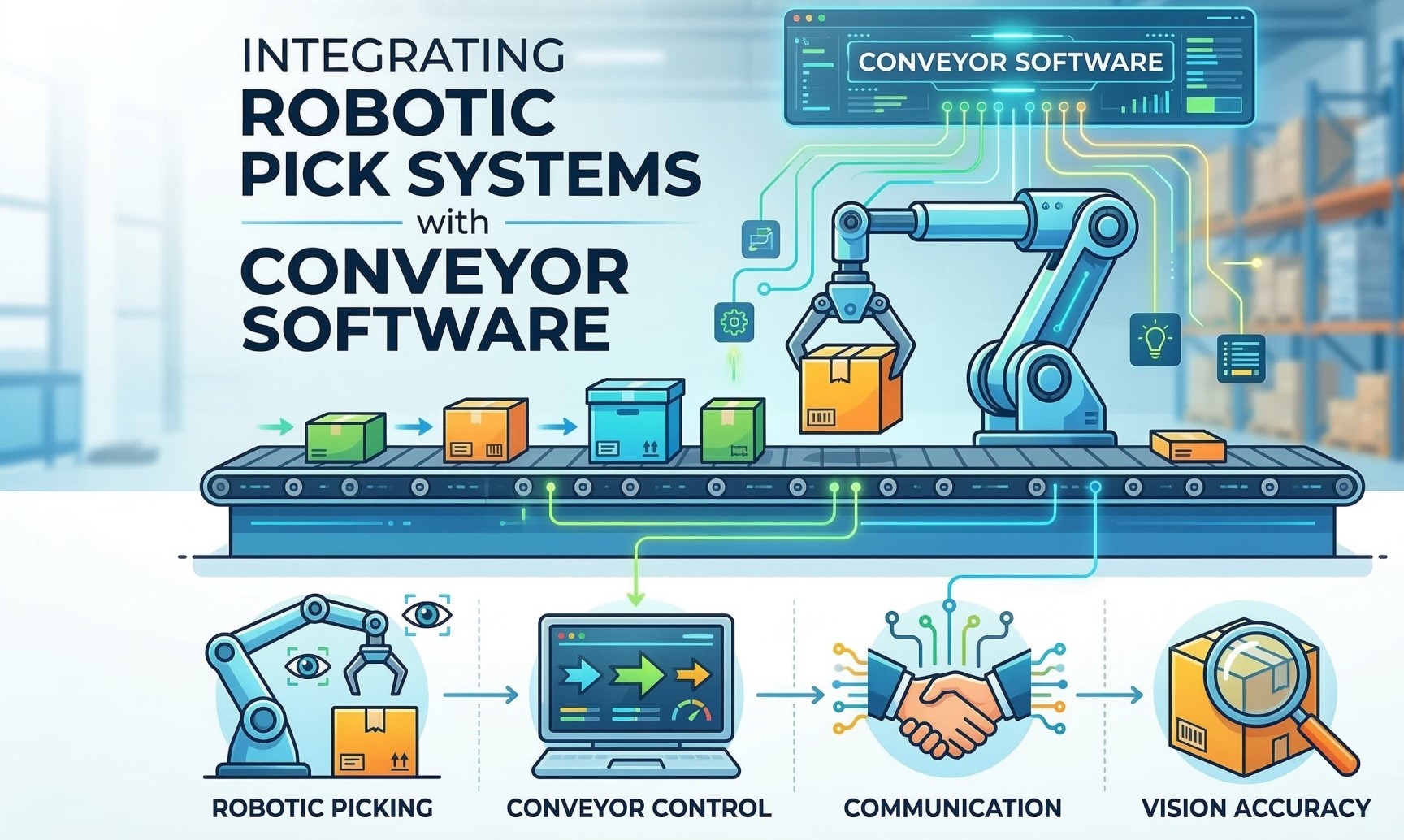
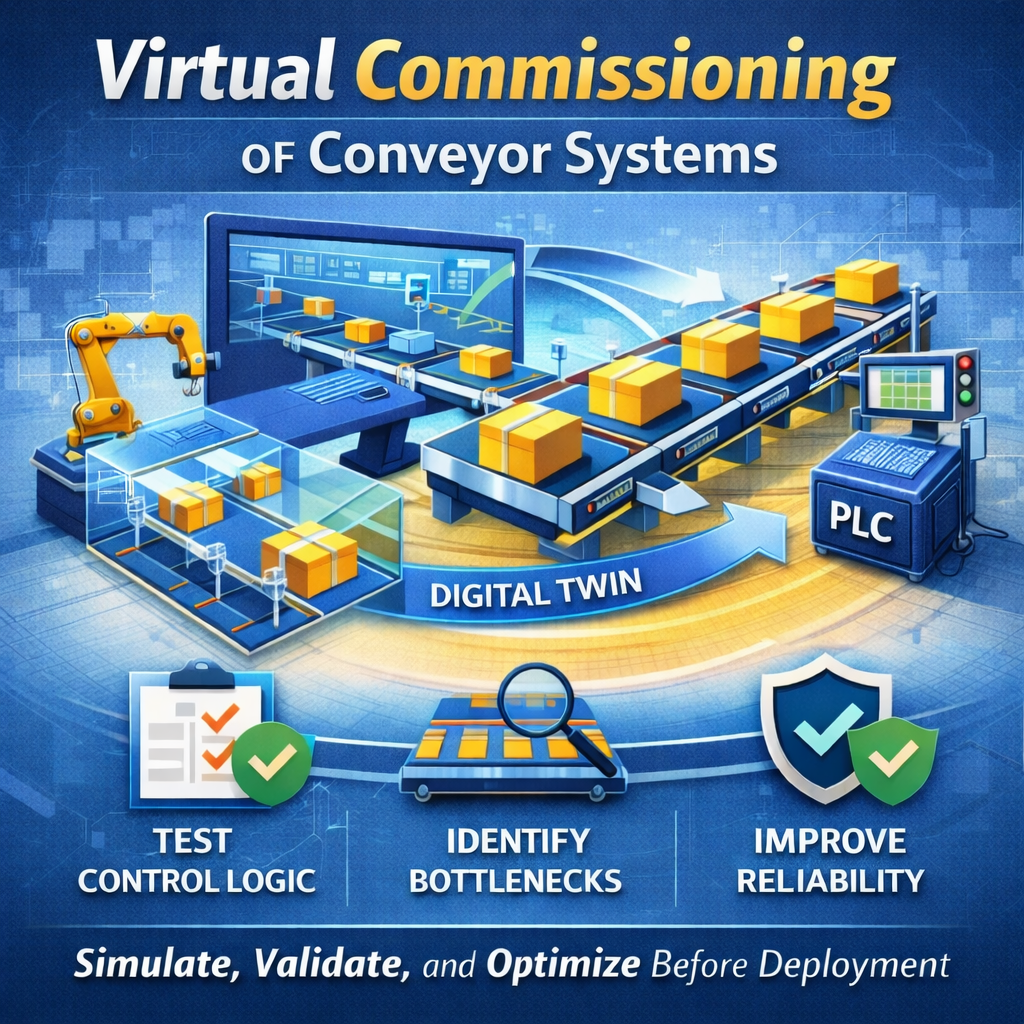
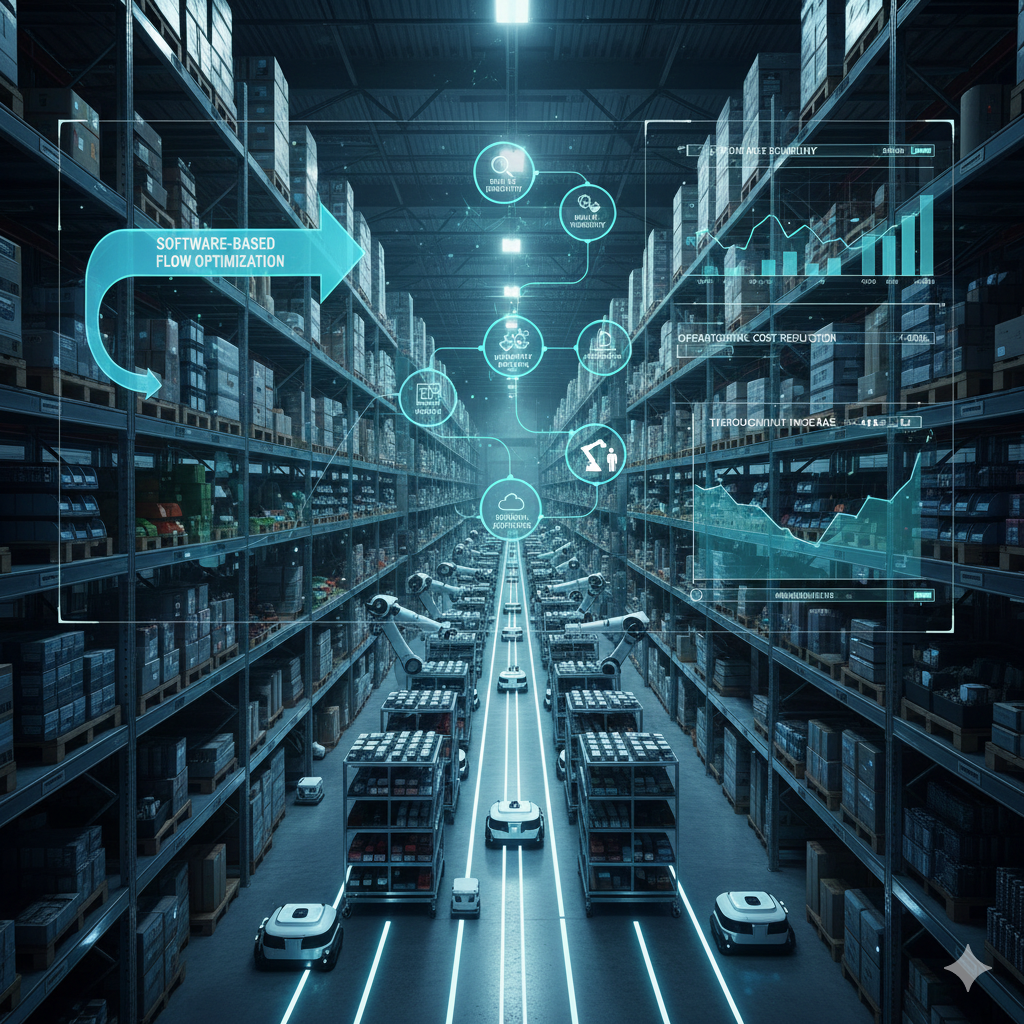
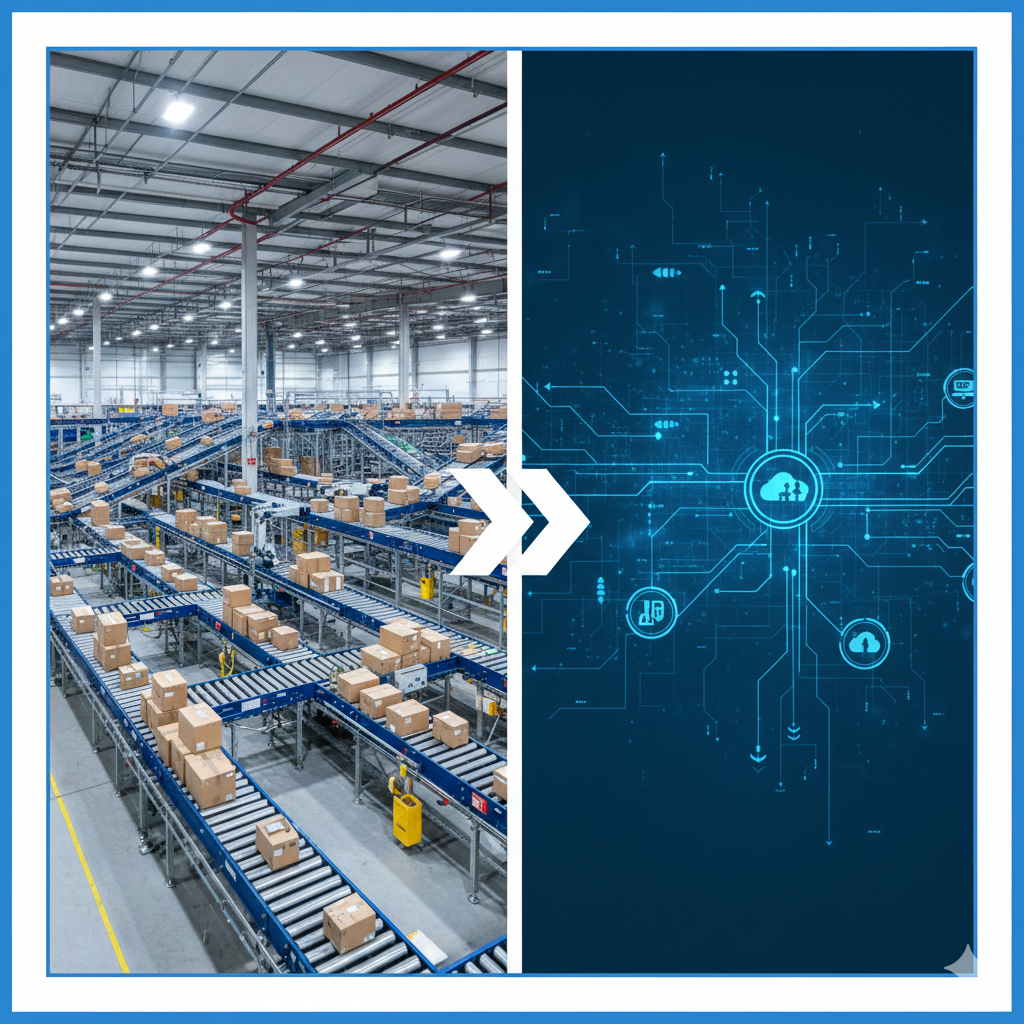
Material handling environments today rely on far more than mechanical motion. Modern conveyor systems function as intelligent, software-orchestrated networks that coordinate movement, timing, and operational logic across warehouses and manufacturing facilities. Conveyor software acts as the central control layer, converting physical transport infrastructure into a responsive, data-driven system that enhances efficiency, precision, and scalability.
Step 1: Centralized Control of Material Flow 🧠
• Directs conveyor speeds, routing rules, and operational timing ⚙️
• Oversees interconnected belts, rollers, and sortation systems 🔄
• Aligns upstream and downstream workflows seamlessly 🔗
• Minimizes manual routing adjustments 👤
• Maintains consistent and balanced product flow across zones 📊
Step 2: Real-Time Operational Visibility 👀
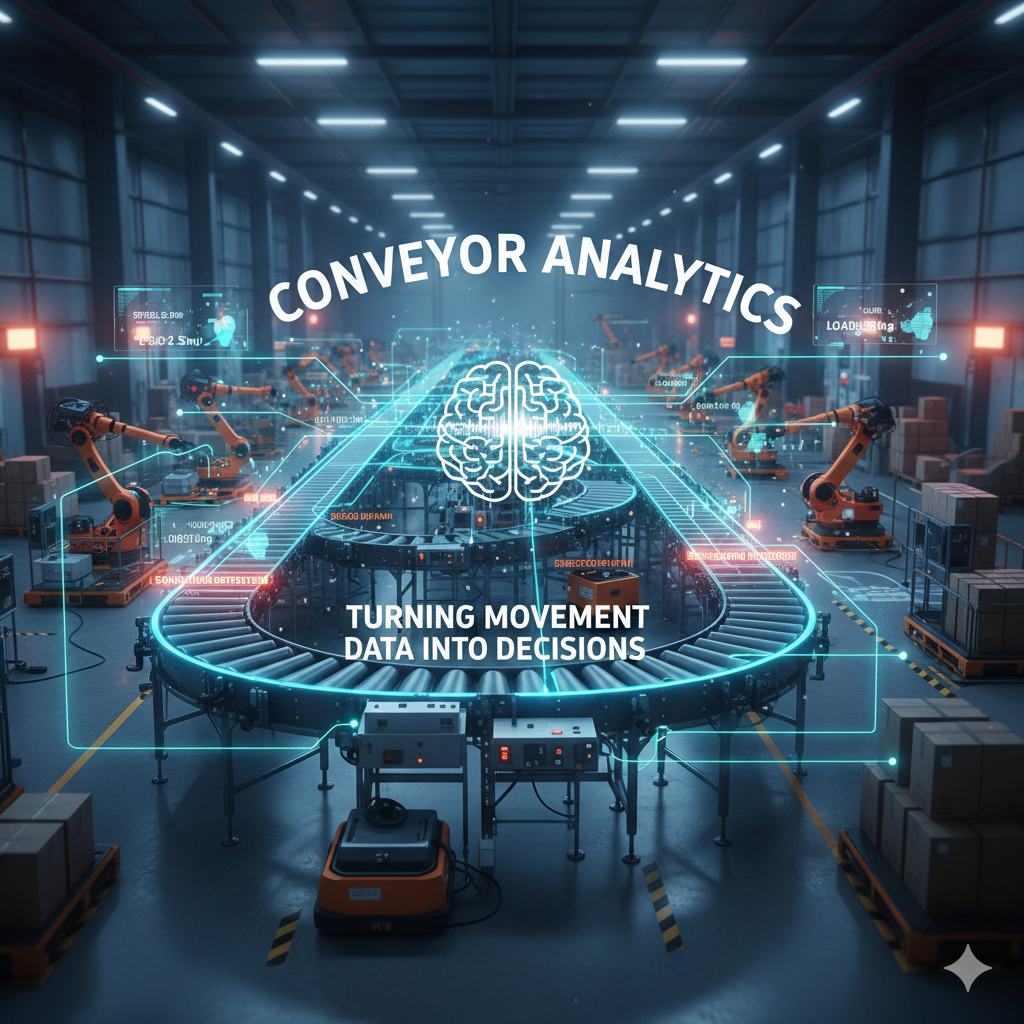
• Monitors performance across every conveyor segment 📡
• Tracks items continuously from induction to final destination 📦
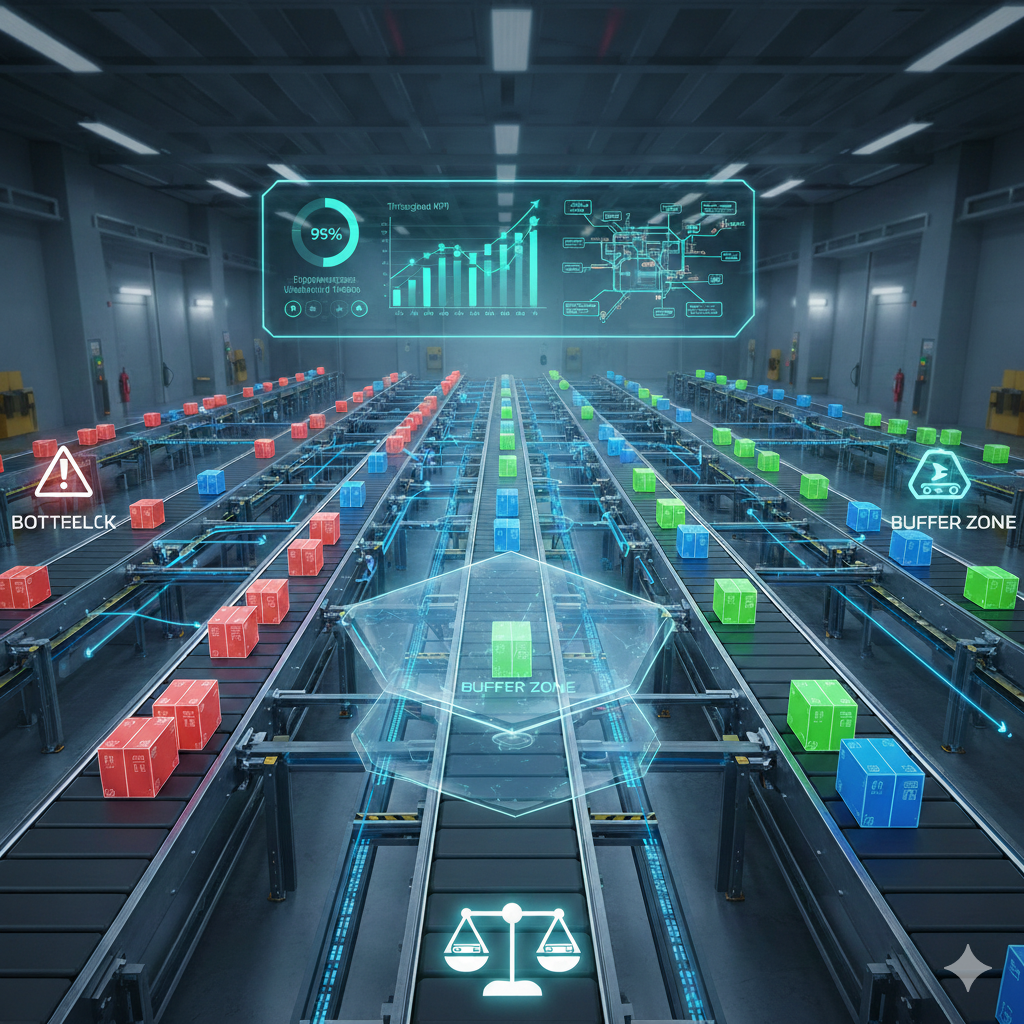
• Detects congestion and slowdowns instantly 🚨
• Provides live dashboards for operators and supervisors 📊
• Enables fast, data-informed issue resolution ⚡
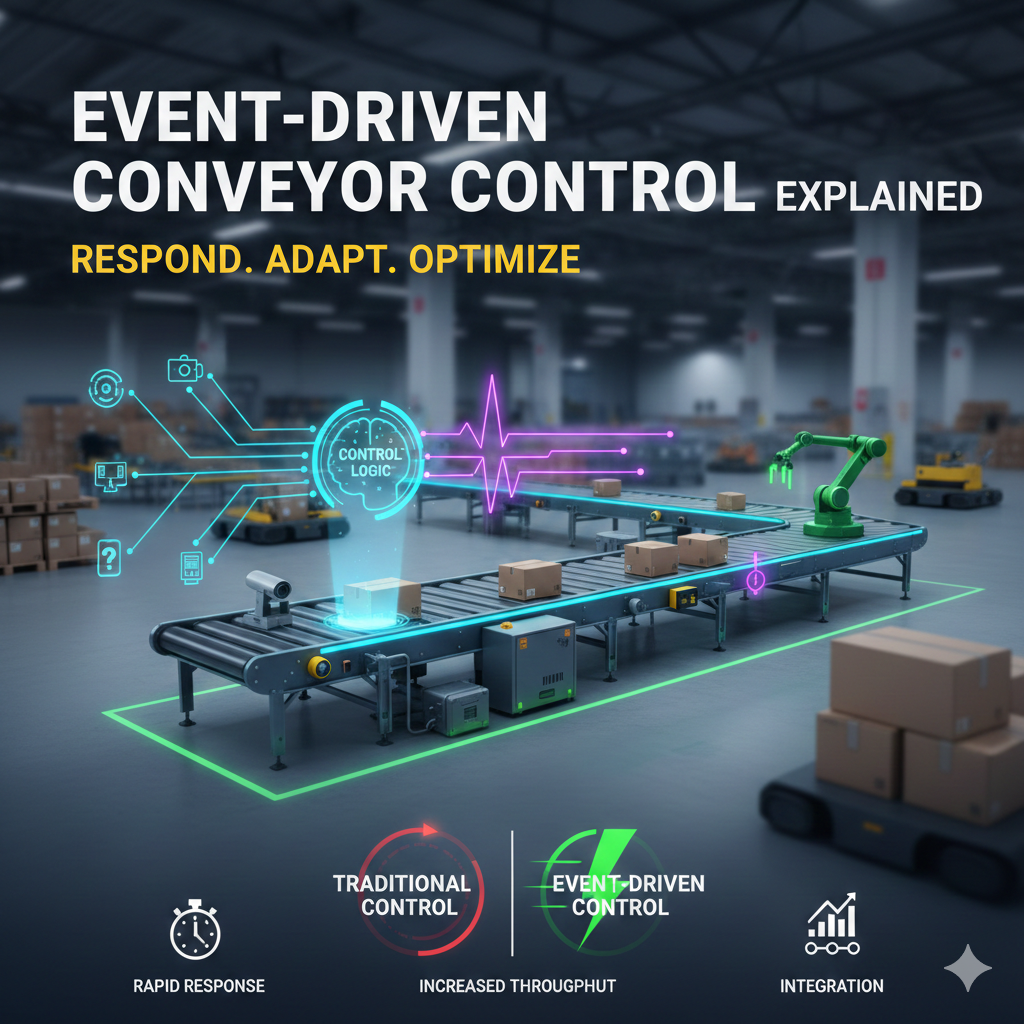
Step 3: Intelligent Routing and Dynamic Decision-Making 🎯
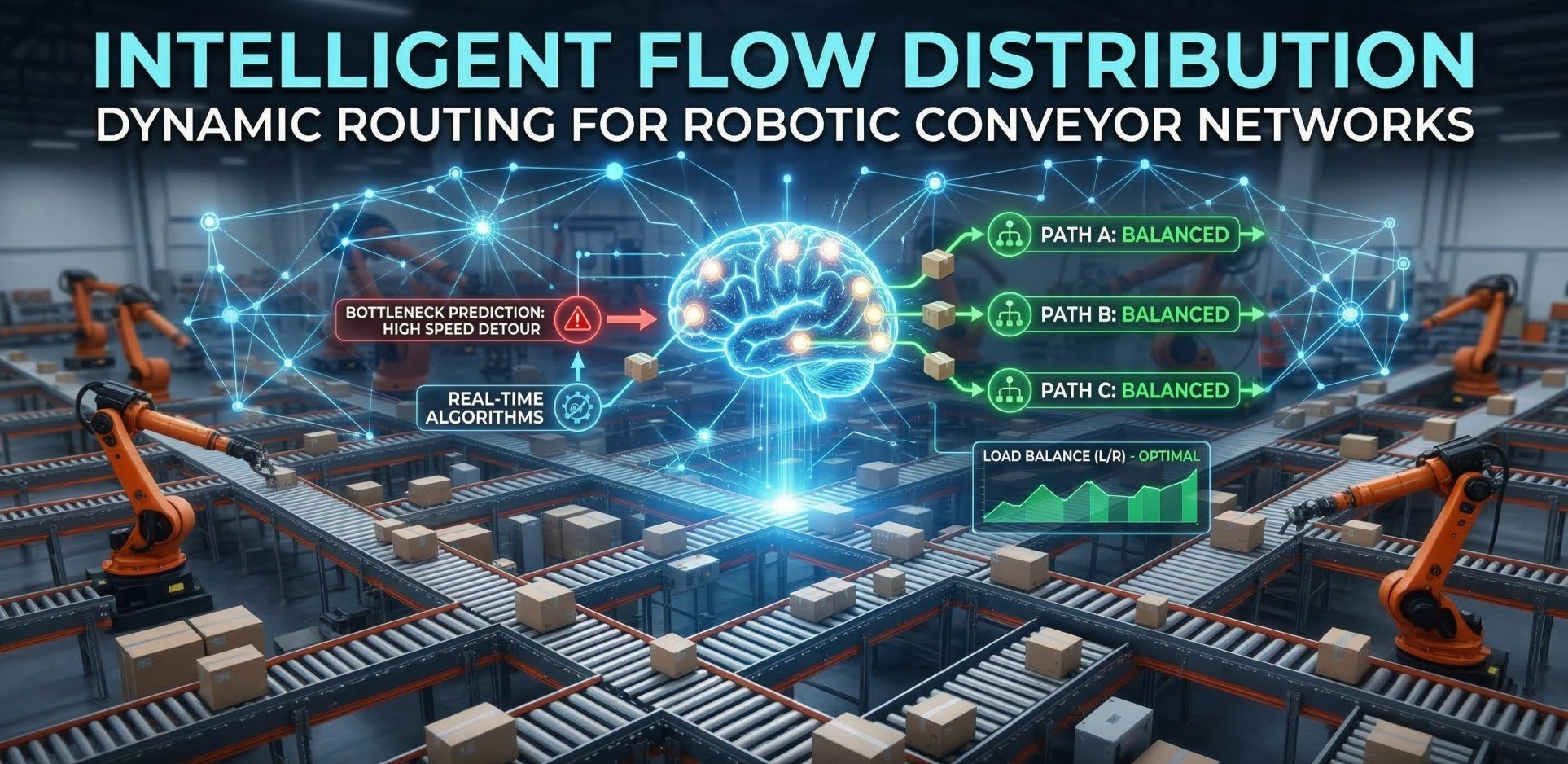
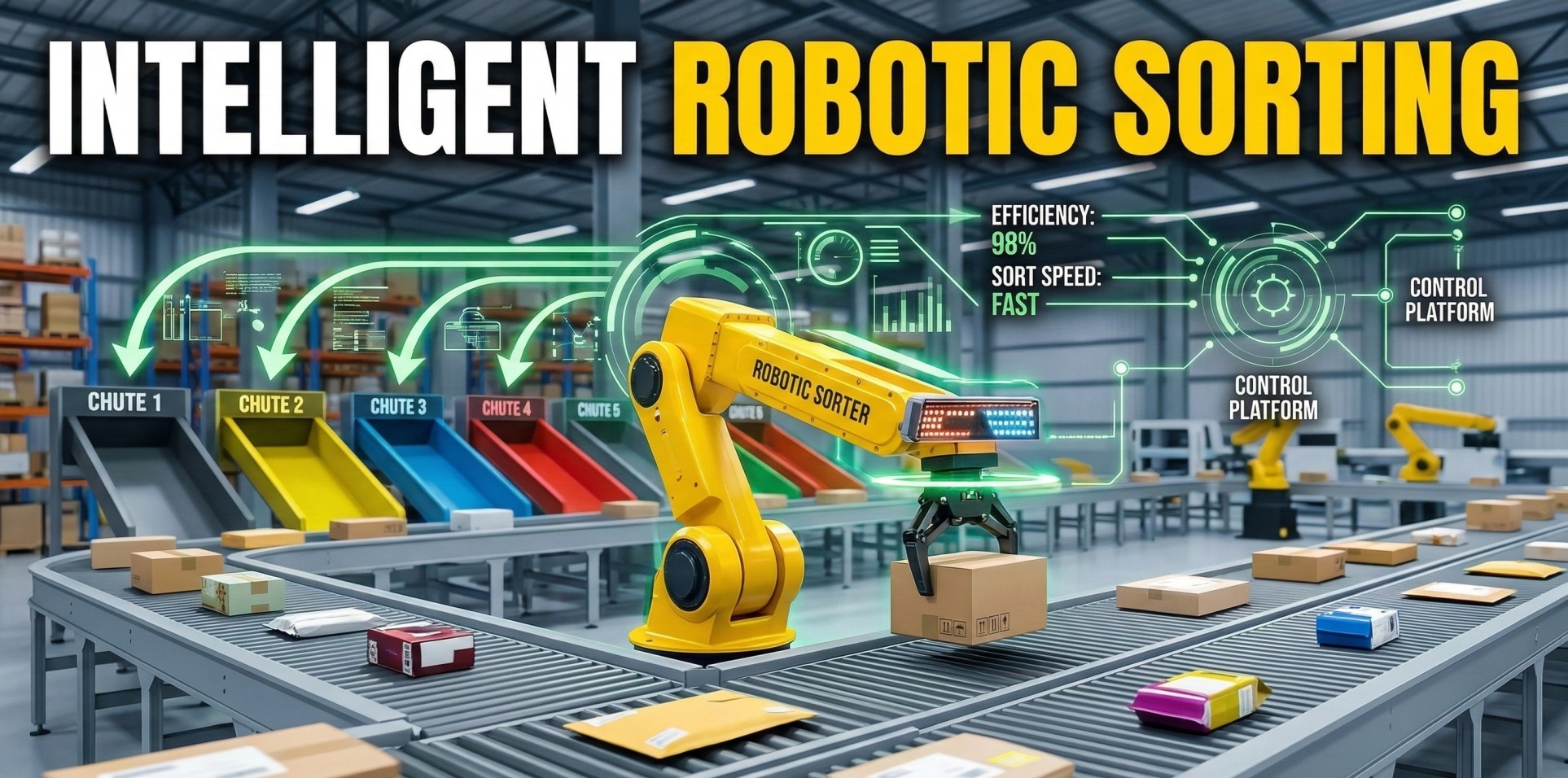
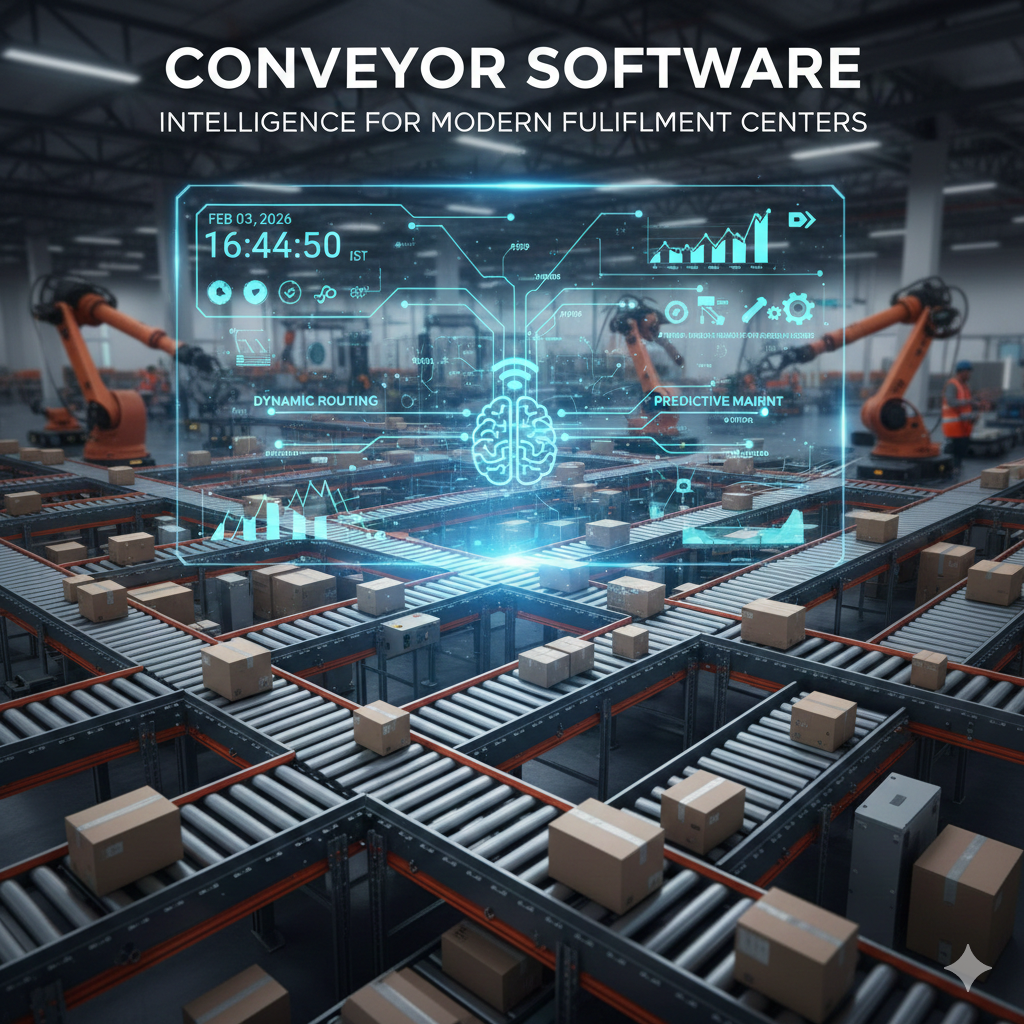
• Determines optimal paths automatically for each item 🔀
• Adjusts routing logic based on load, capacity, and priority 📈
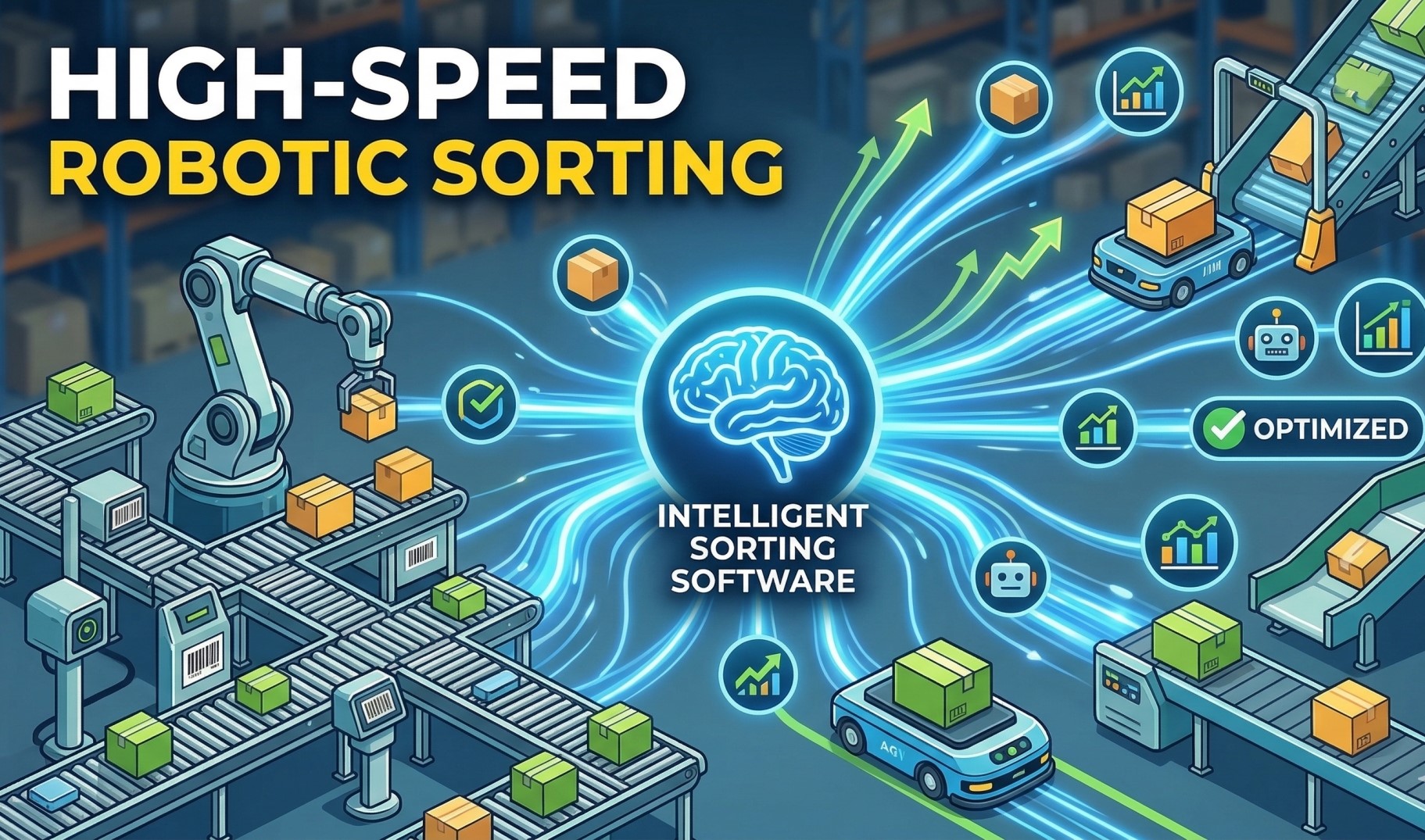
• Supports high-speed sortation environments 🚀
• Reduces travel distance and handling time ⏱️
• Responds dynamically to fluctuating order volumes 📦
Step 4: Integration with Warehouse and Production Systems 🔗
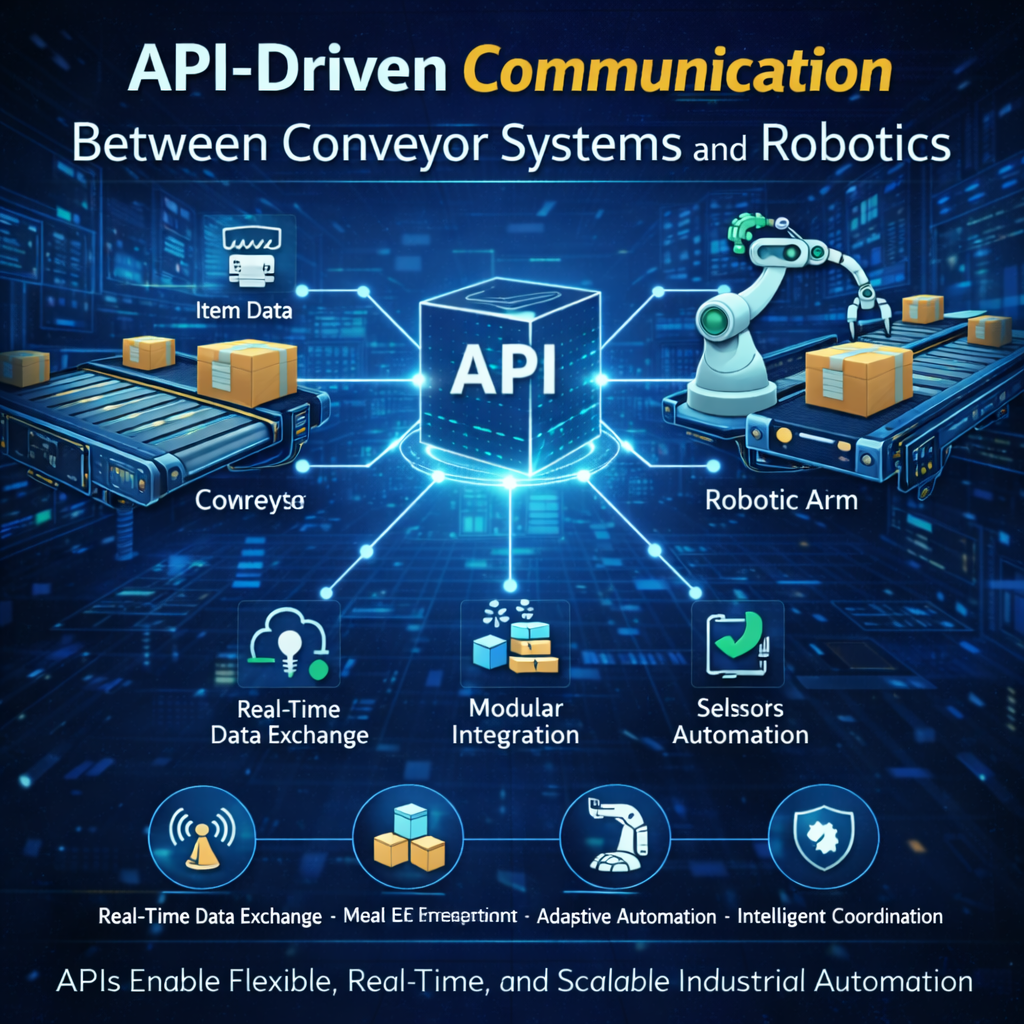
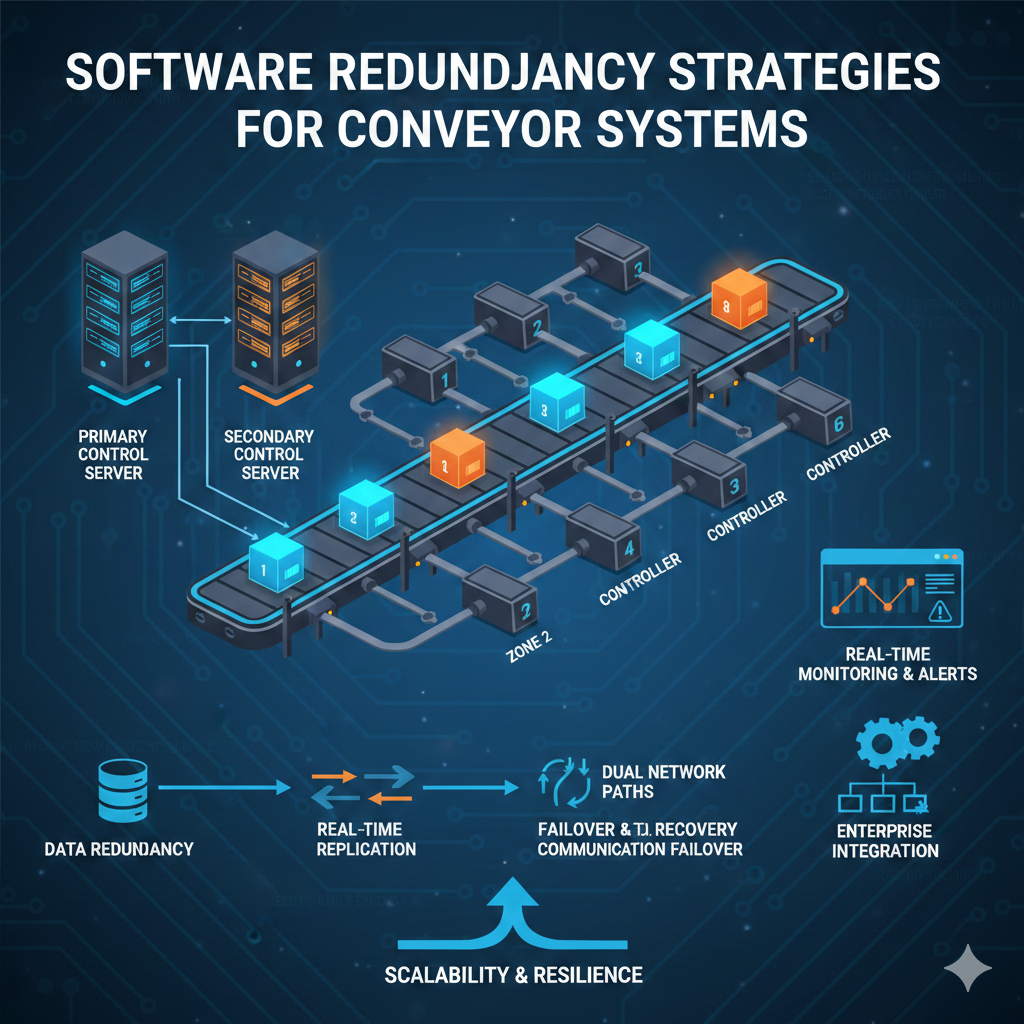
• Interfaces with warehouse management systems and ERP platforms 🏢
• Receives order, inventory, and task instructions in real time 📥
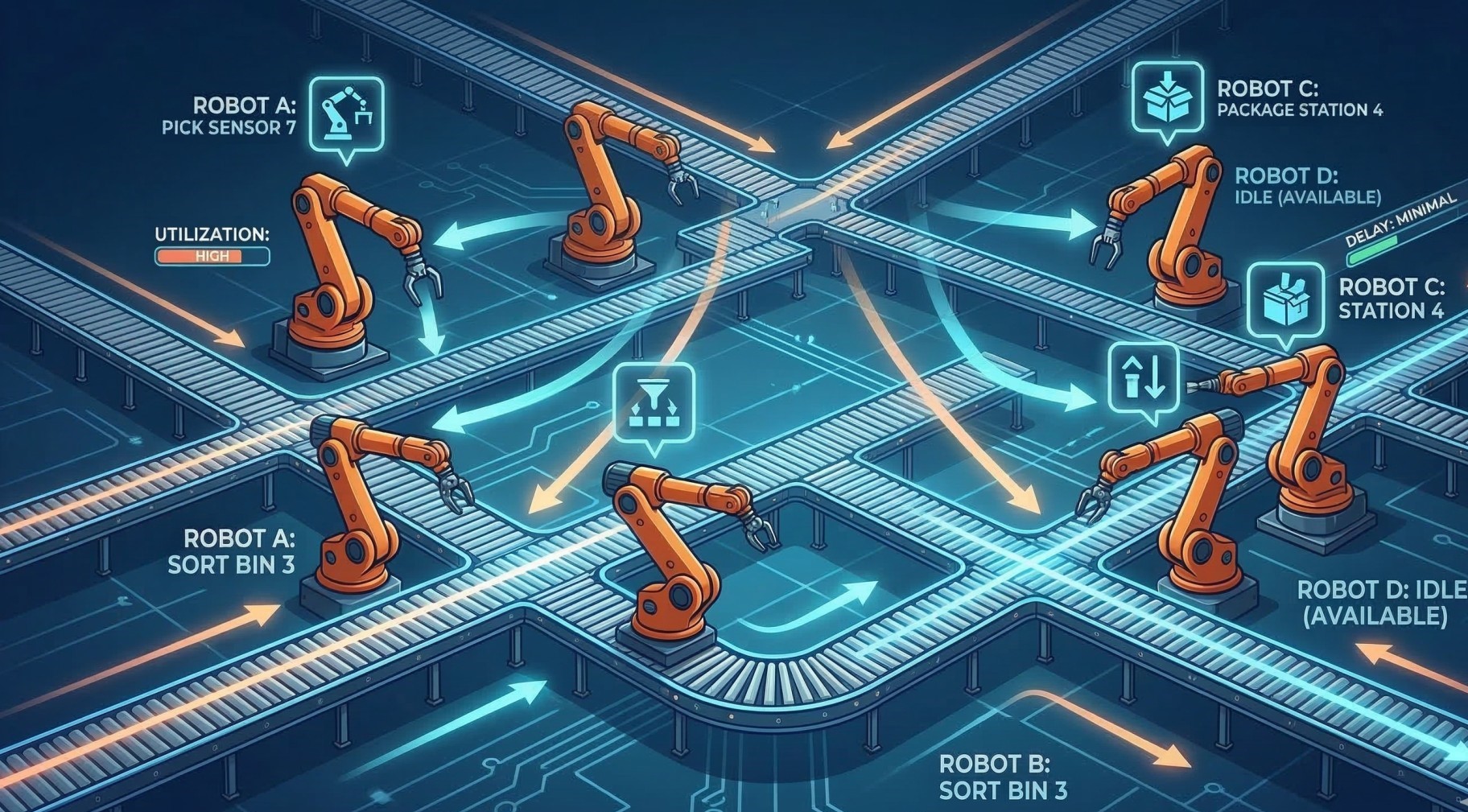
• Synchronizes conveyor activity with picking and packing processes 📦
• Ensures accurate routing to final destinations 🎯
• Enables coordinated, end-to-end operational workflows 🔄
Step 5: Performance Optimization and Throughput Control 📈
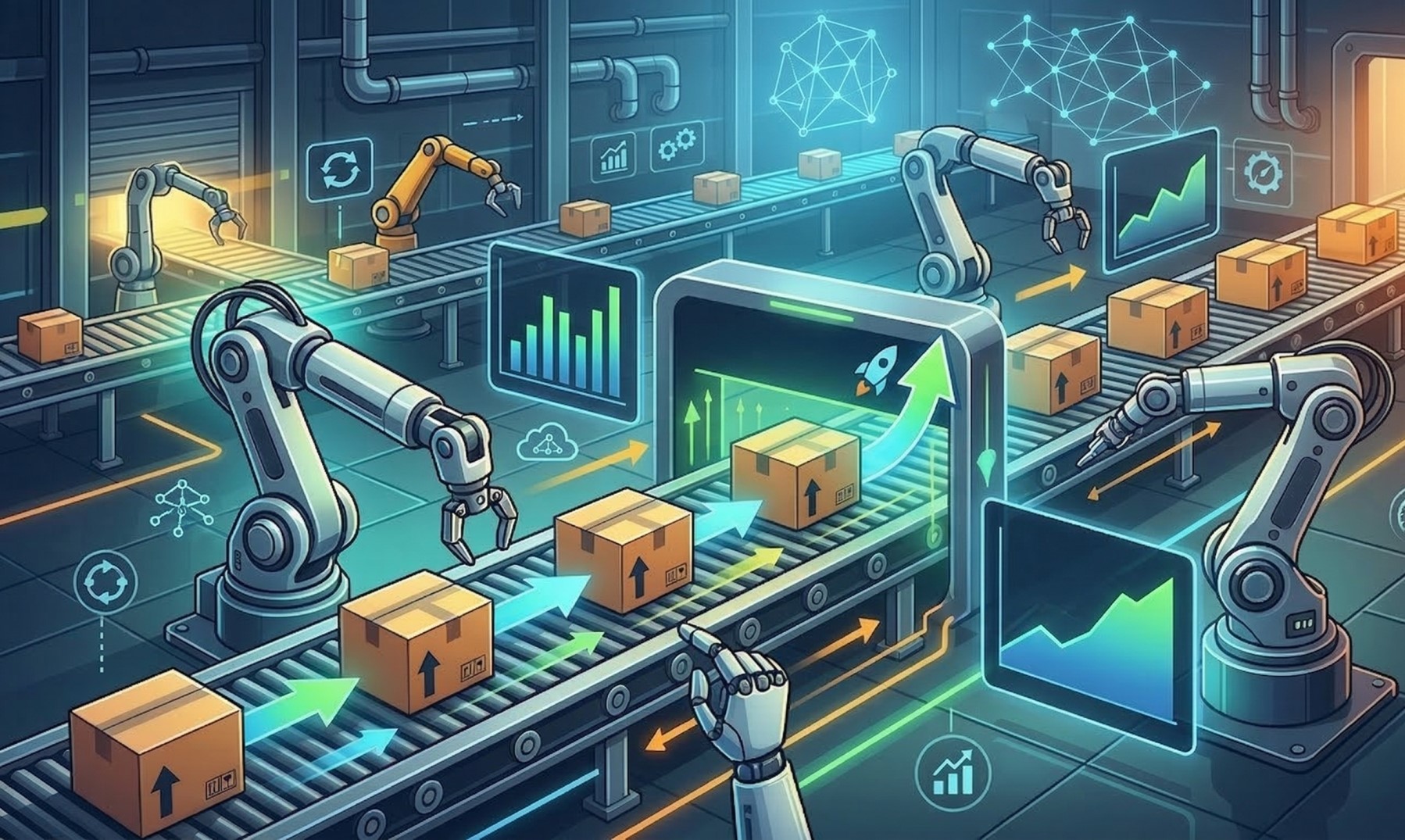
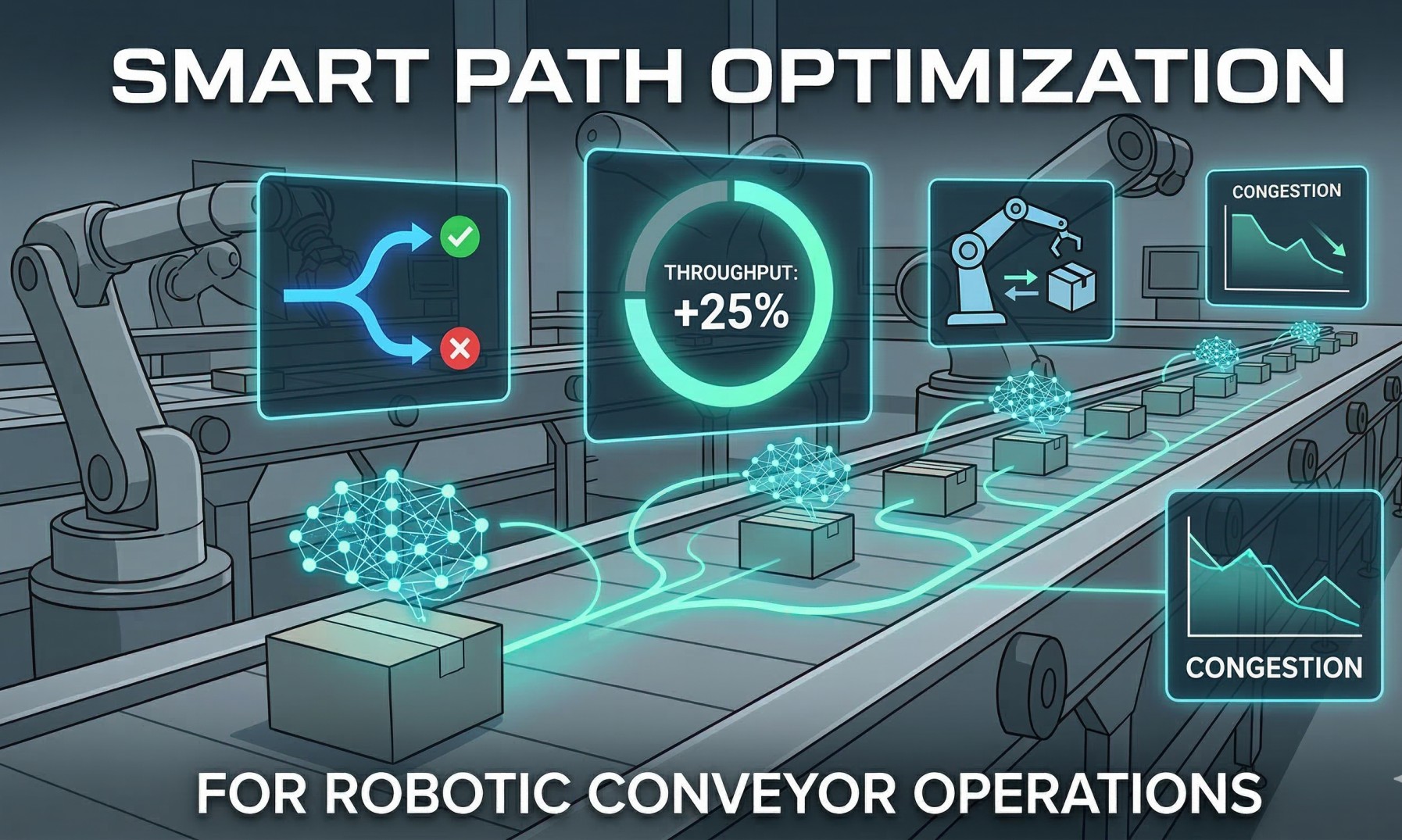
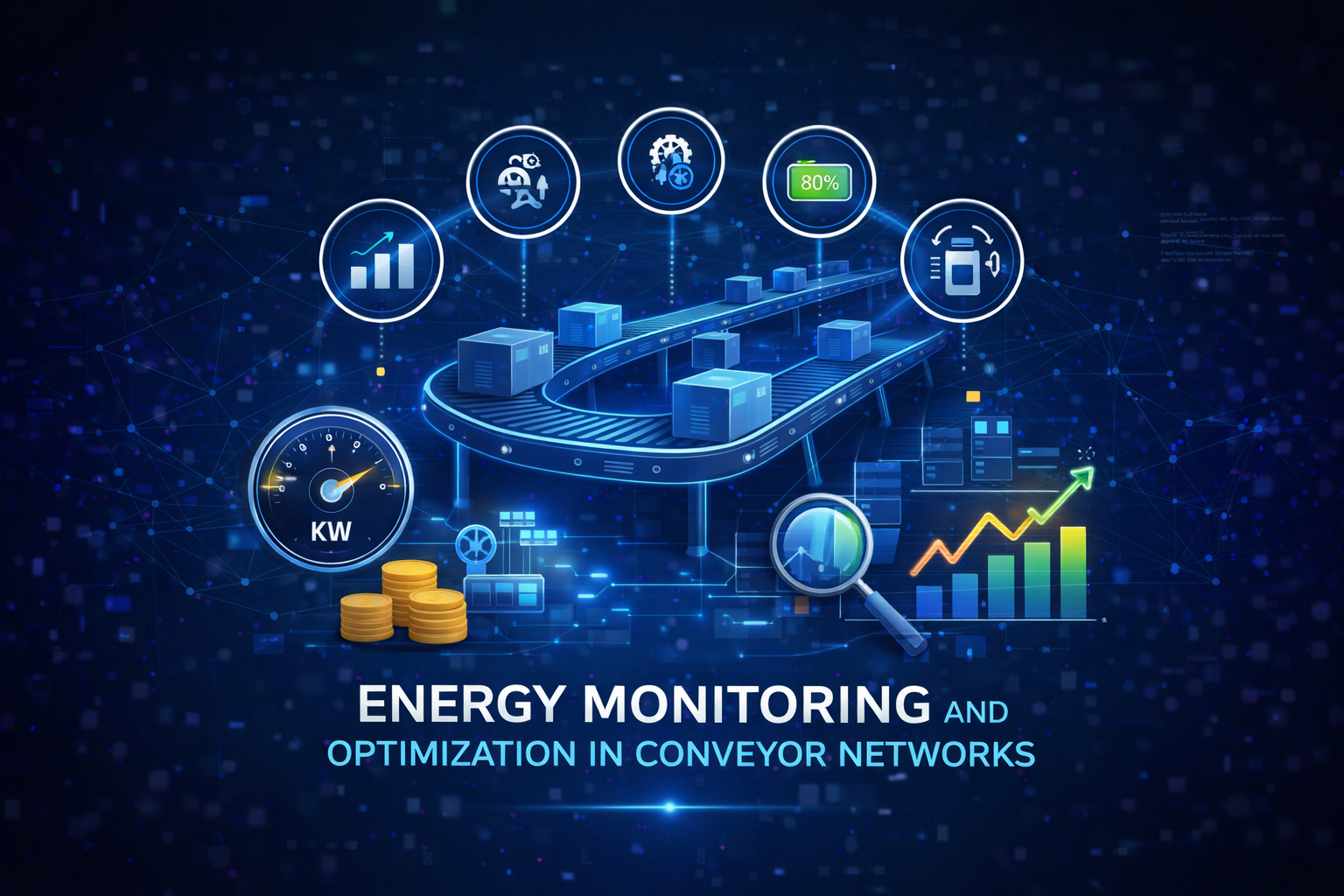
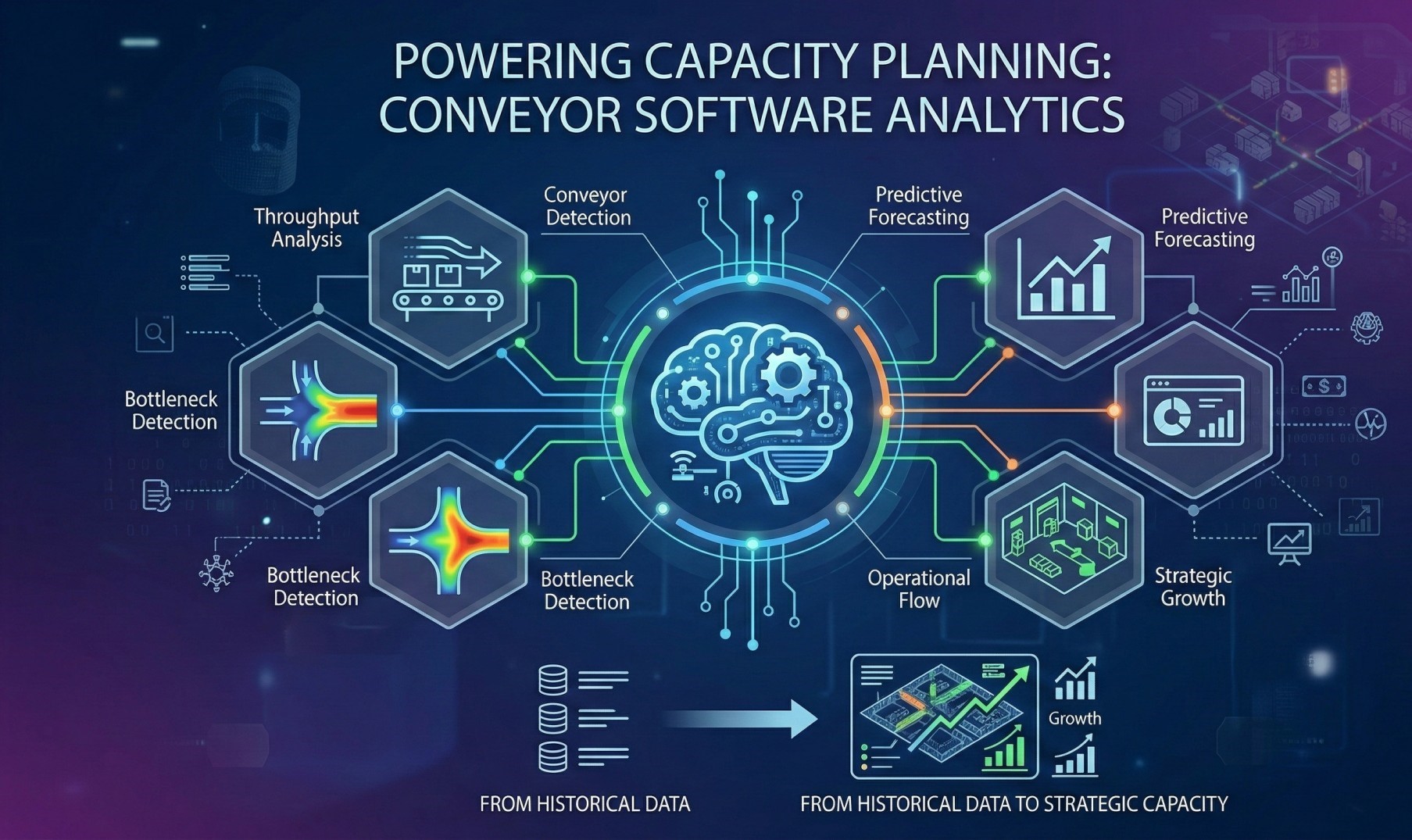
• Measures throughput, cycle times, and system utilization 📊
• Identifies bottlenecks and underperforming equipment 🔍
• Adjusts speeds and sequencing for optimal efficiency ⚙️
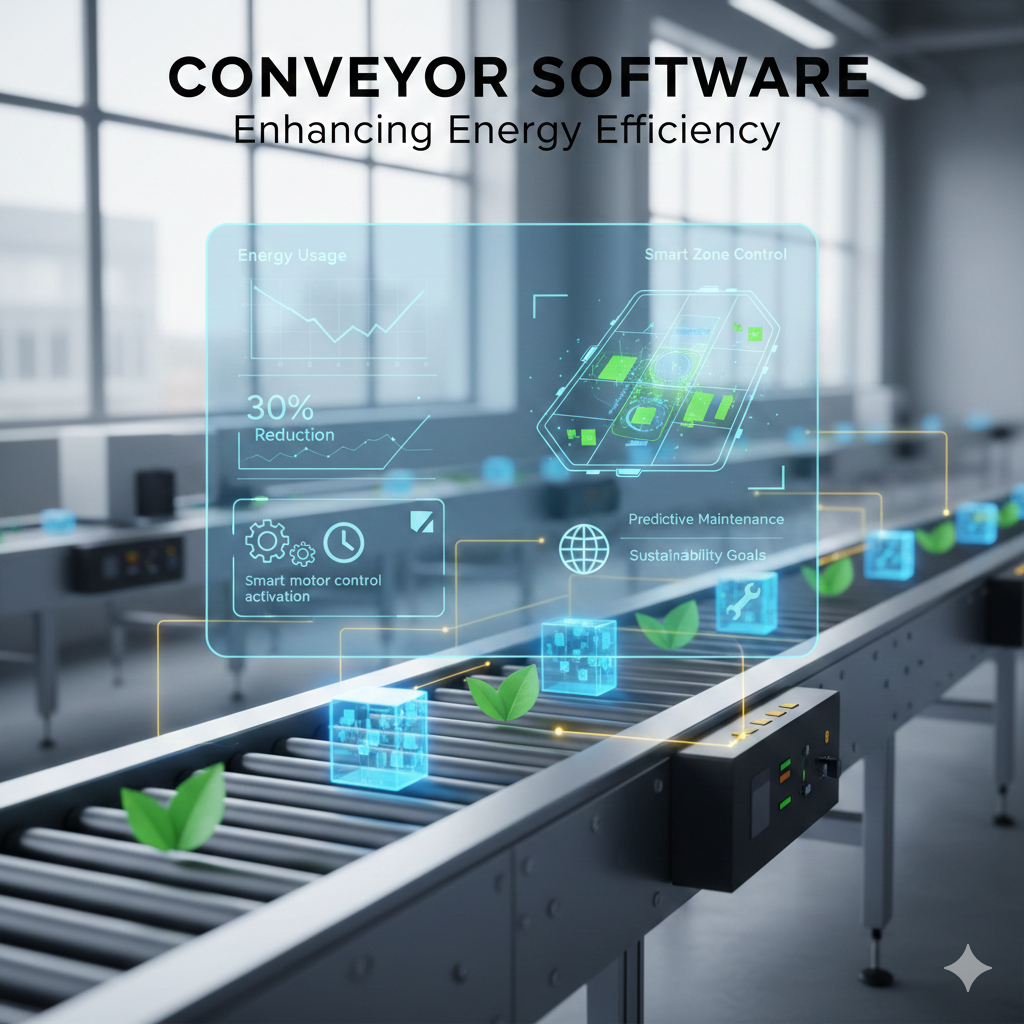
• Reduces idle periods and operational waste ♻️
• Maximizes overall facility productivity 🚀
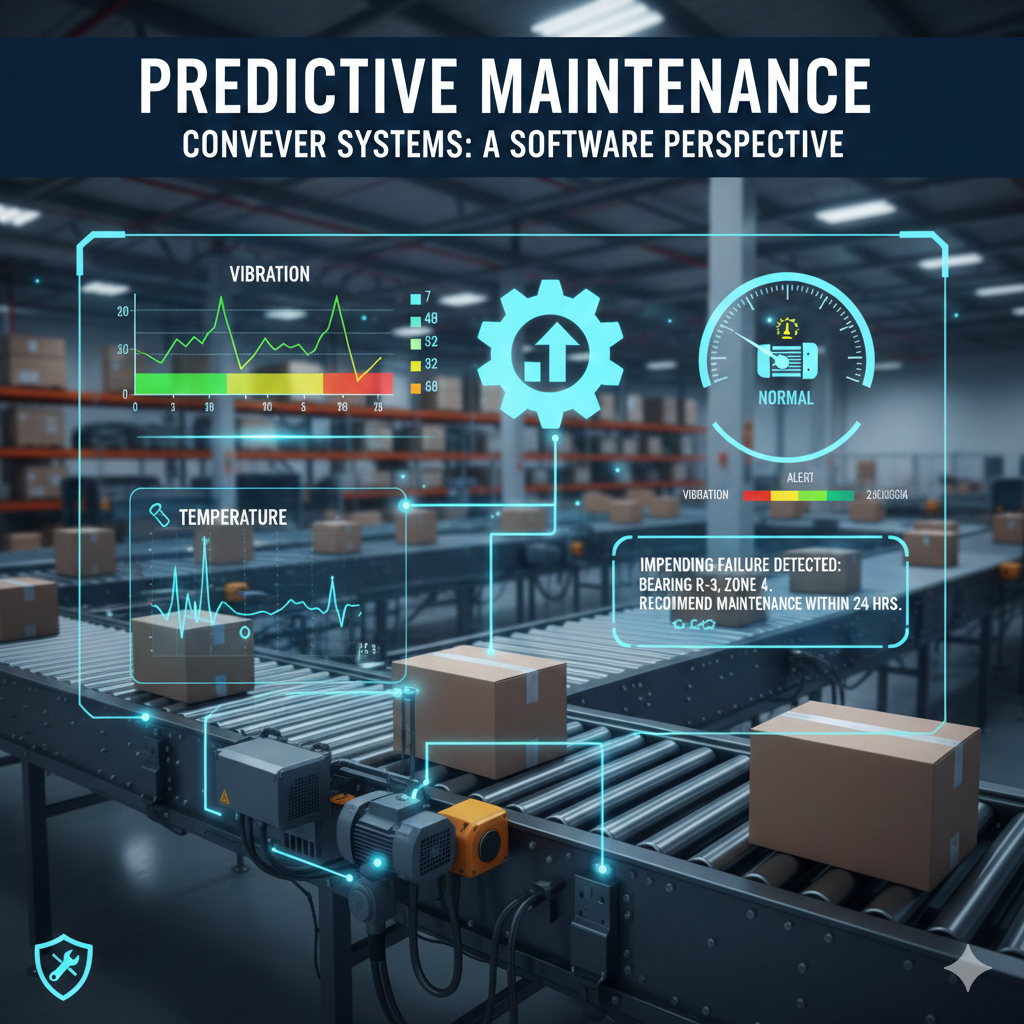
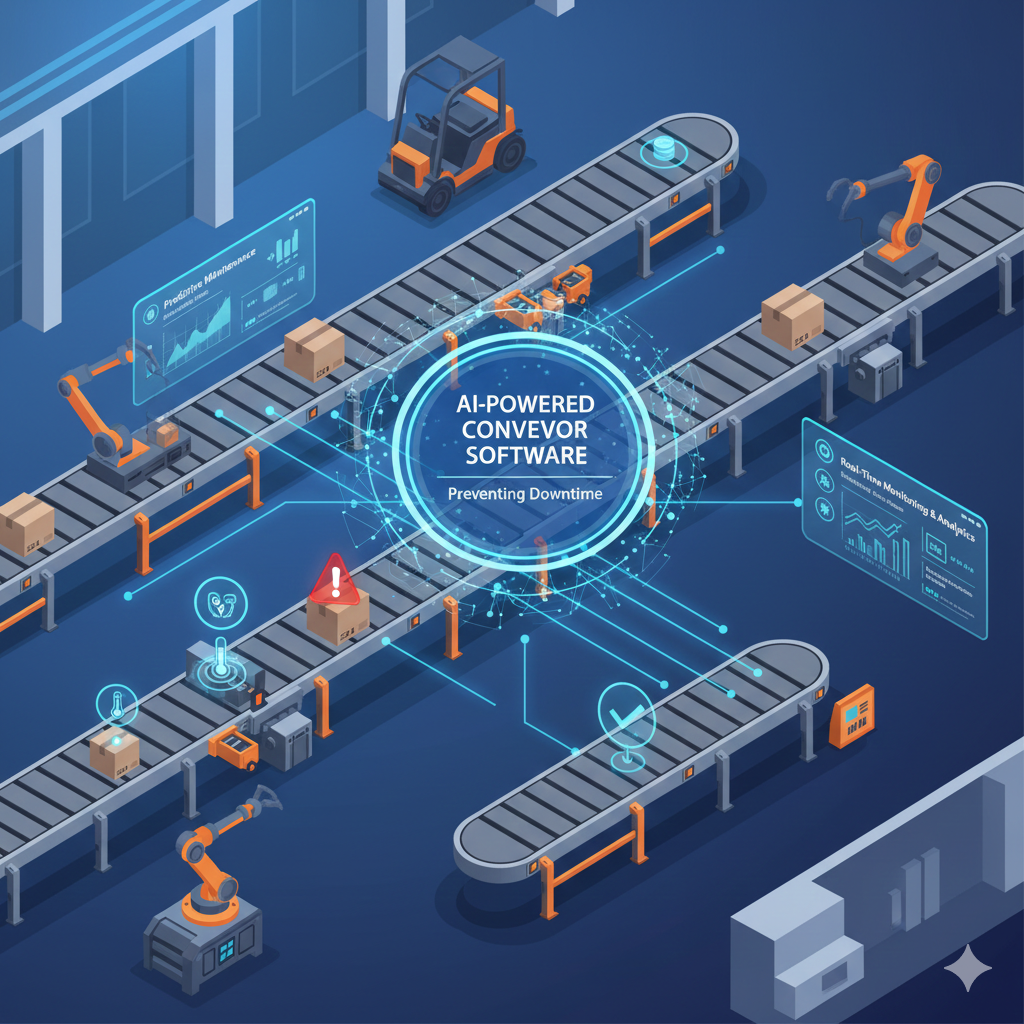
Step 6: Predictive Maintenance and System Reliability 🛠️
• Monitors mechanical and performance health indicators 📡
• Detects irregular vibration, load, or speed patterns ⚠️
• Generates alerts before equipment failures occur 🚨
• Minimizes unplanned downtime ⏳
• Extends asset lifespan through proactive servicing 🔧
Step 7: Scalability and Flexibility 📦
• Supports modular system expansion as operations grow ➕
• Adapts quickly to facility layout changes 🏗️
• Updates routing configurations without physical modifications ⚙️
• Handles seasonal spikes and demand fluctuations 📊
• Sustains performance during operational scaling 📈
Step 8: Strategic Impact on Operations 🏆
• Elevates conveyors from mechanical infrastructure to intelligent systems 🧠
• Enhances order accuracy and process consistency ✔️
• Enables data-driven operational decision-making 📊
• Strengthens long-term automation and modernization strategies 🚀
Conclusion
Conveyor software now serves as the operational intelligence layer of modern material handling environments. By centralizing system control, delivering real-time visibility, and integrating seamlessly with enterprise platforms, it transforms traditional conveyor infrastructure into a strategic operational asset. As automation continues to expand across warehouses and production facilities, conveyor software plays a defining role in enabling efficient, scalable, and intelligent material movement.
See more blogs
You can all the articles below