Software Challenges in Large-Scale Conveyor Networks
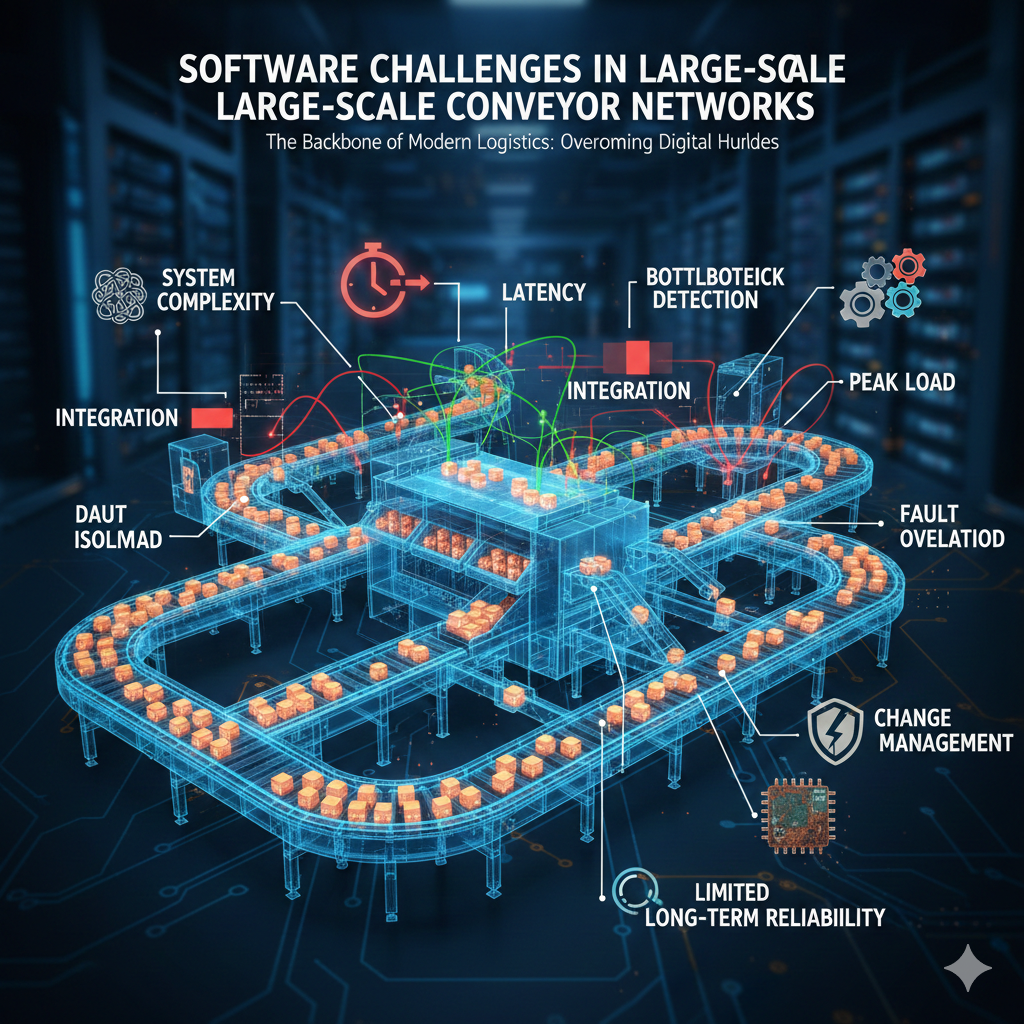
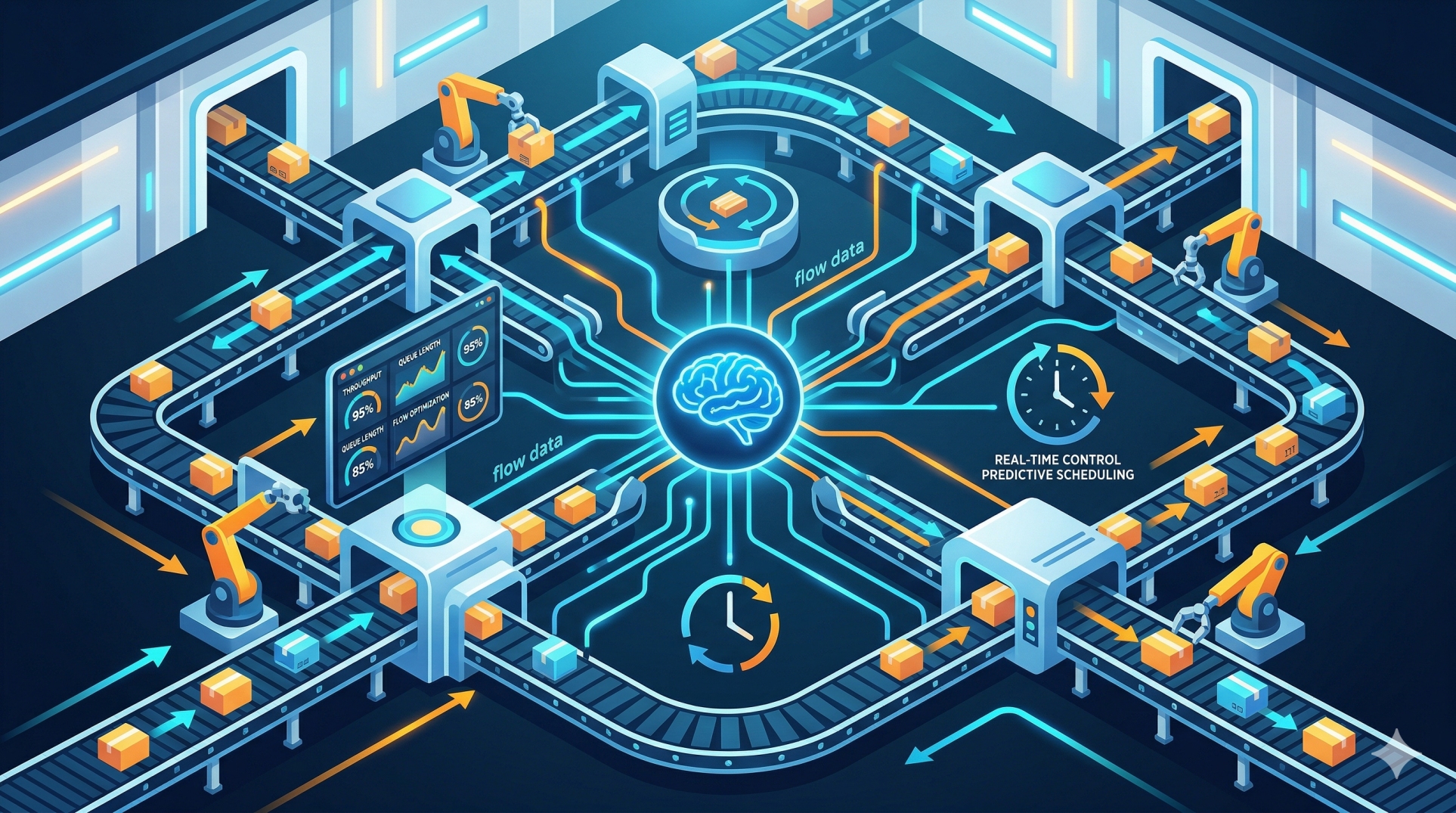
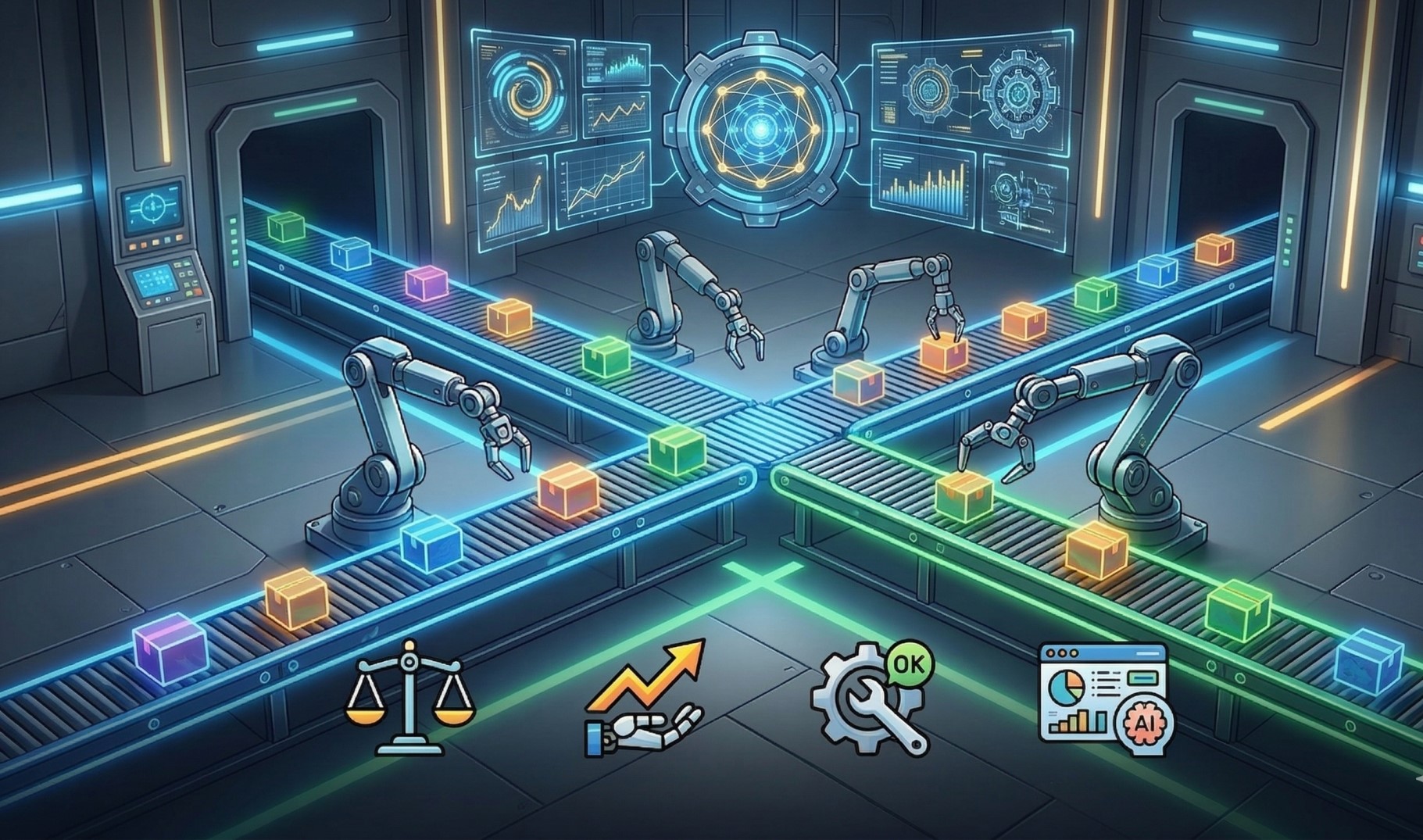
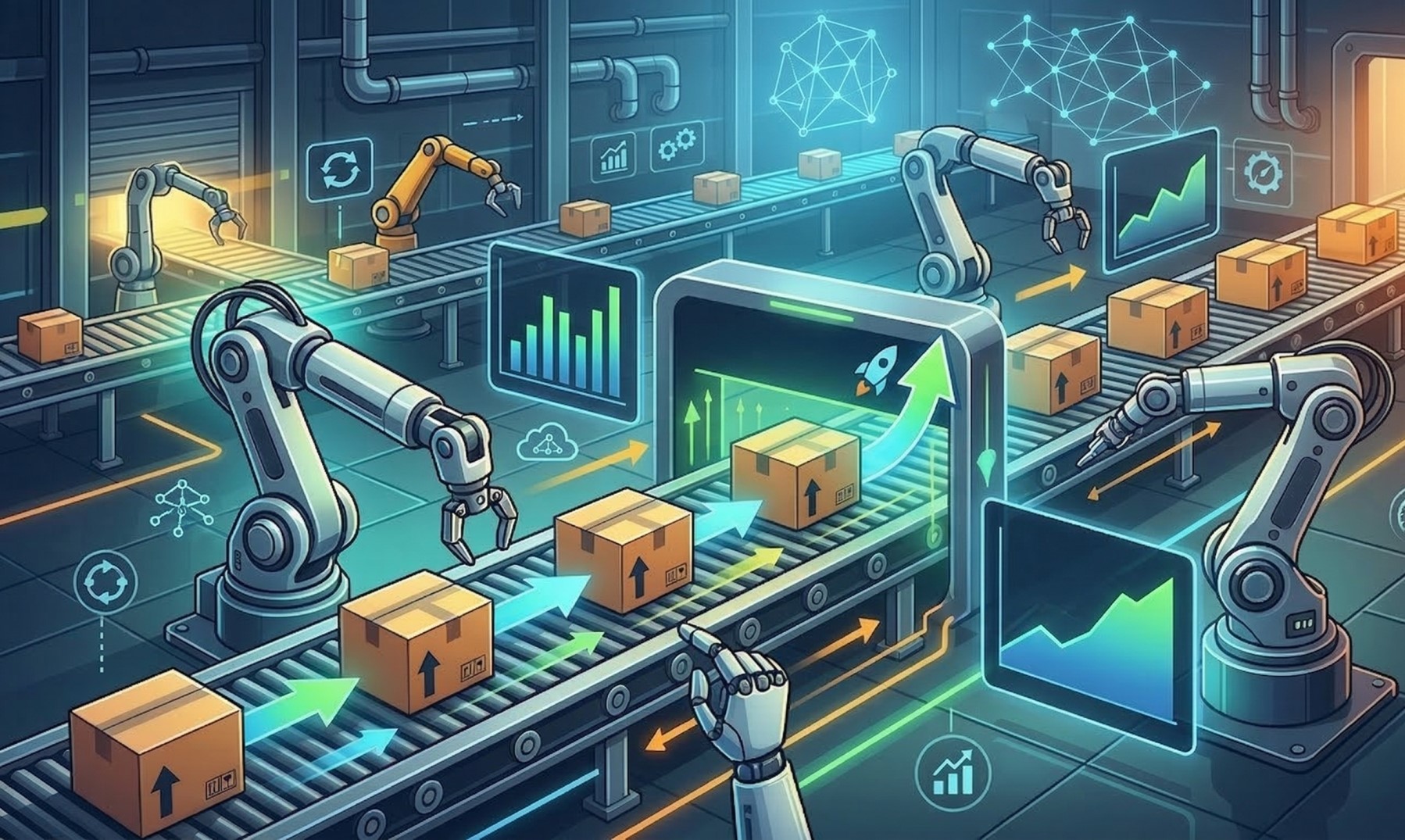
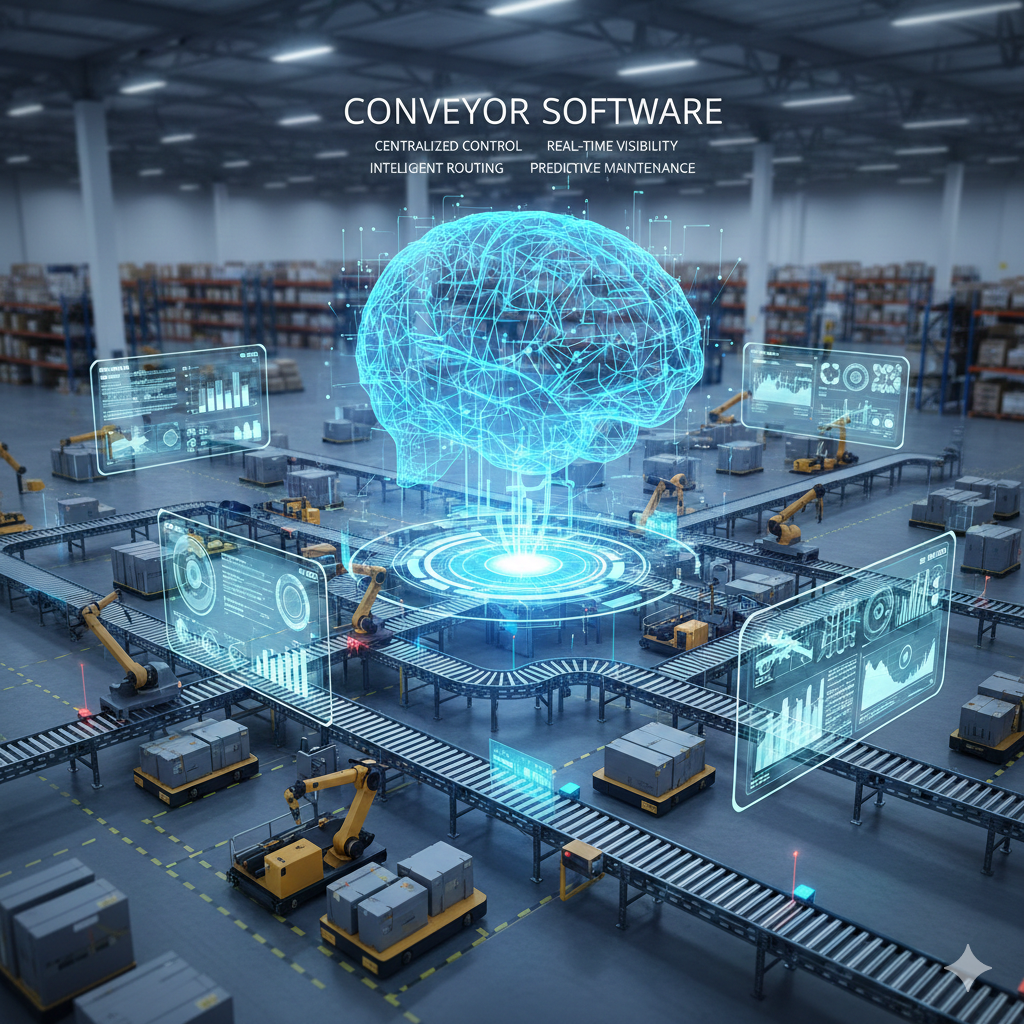
Large-scale conveyor networks form the operational core of modern warehouses, manufacturing plants, and fulfillment centers. These systems can span vast facilities, integrate hundreds of devices, and move enormous volumes in real time. While the mechanical design is complex, it is often software limitations that determine whether the system performs efficiently or becomes a constraint. 🏭
1. Growing System Complexity 🧩
- Thousands of conveyor zones, motors, and sensors 🔧
- Multiple merges, diverts, sorters, and accumulation areas 🔀
- Sophisticated routing logic across large layouts 🗺️
- Difficulty managing behavior at a system-wide level 👀
- Increased risk of cascading failures 🔗
As systems expand, software must coordinate exponentially more decisions every second. ⏱️
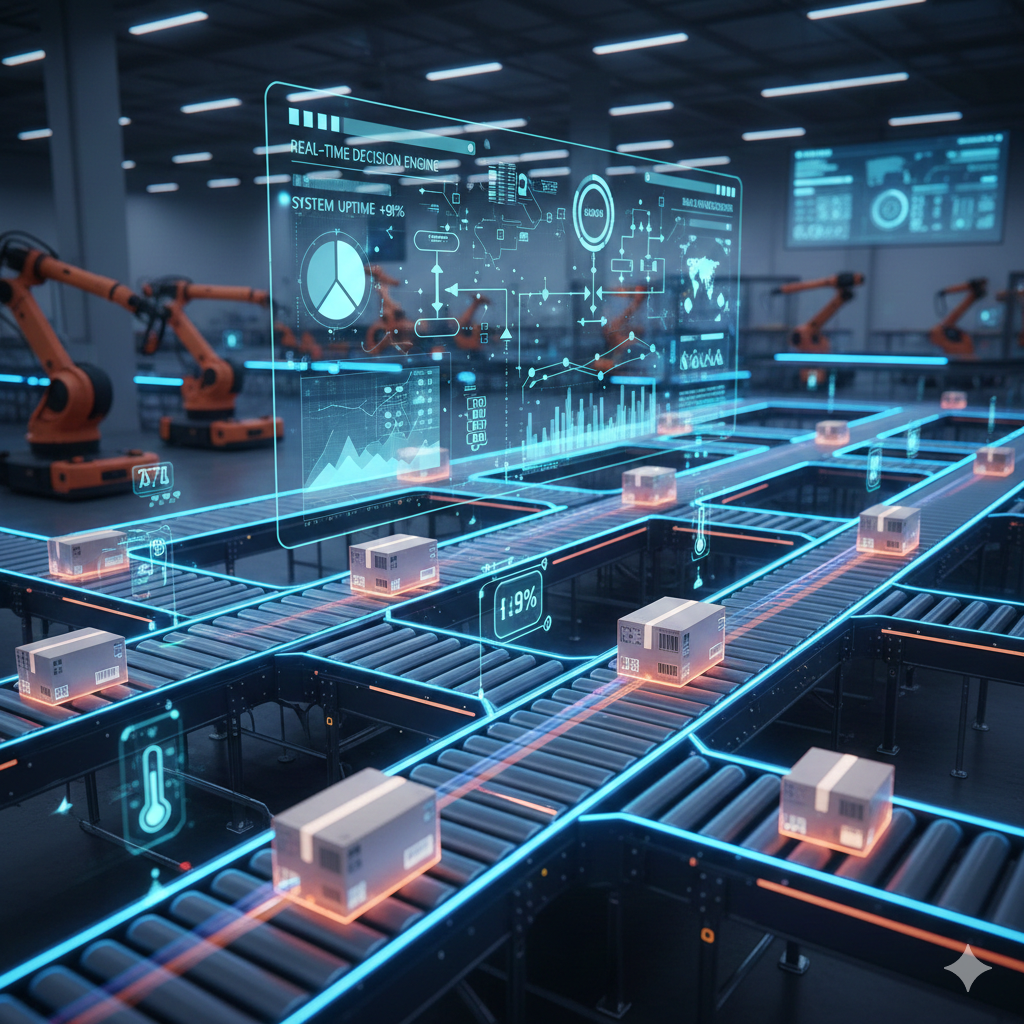
2. Real-Time Control and Latency ⚡
- Conveyor decisions must occur within milliseconds ⏱️
- Even small delays can cause jams and throughput loss 🚧
- Network latency affects coordination between zones 🌐
- Precise synchronization is essential across the system 🎯
- Time-critical actions must be prioritized 🚨
Maintaining consistent real-time responsiveness is a major technical challenge. 🧠
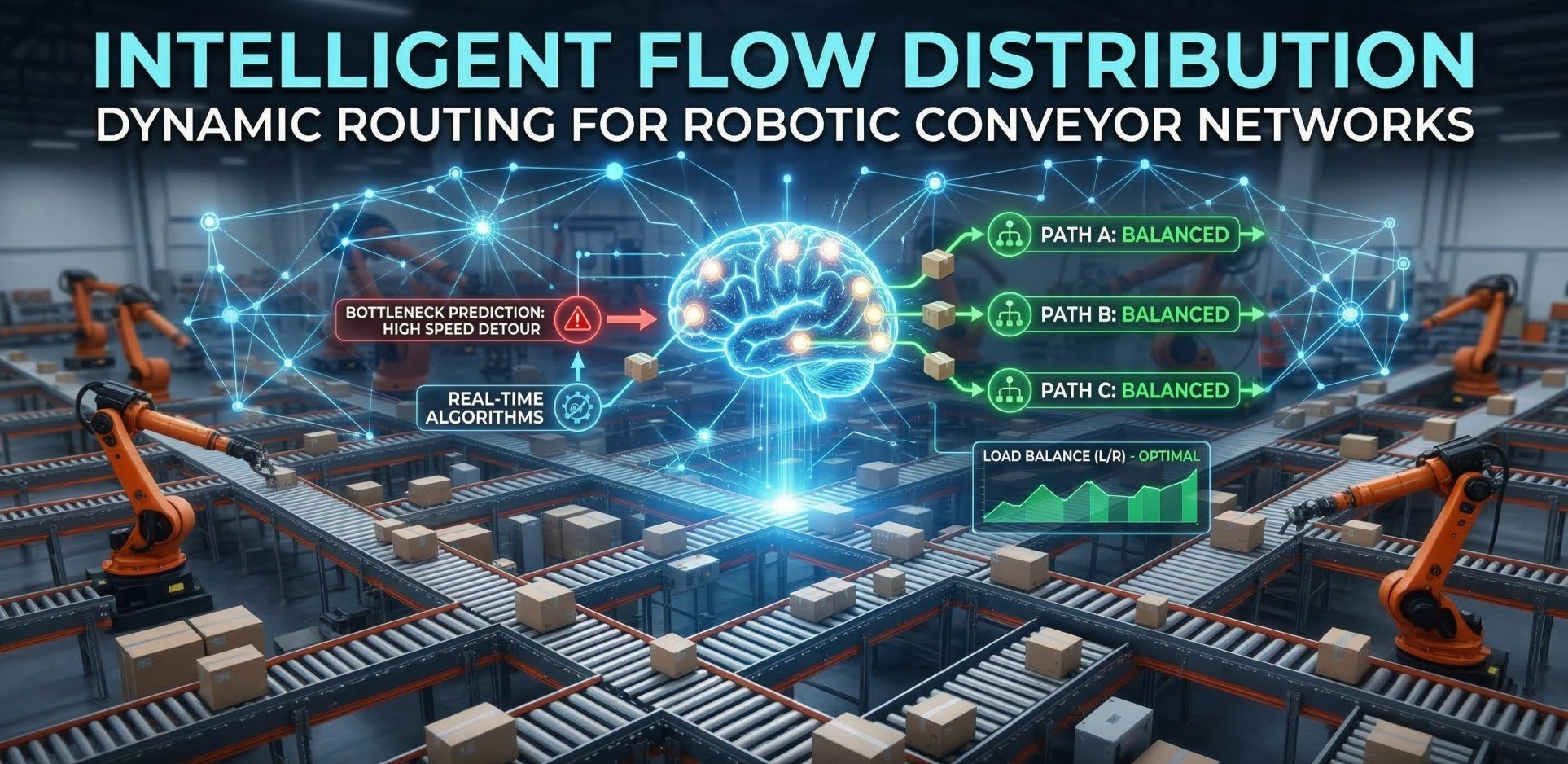
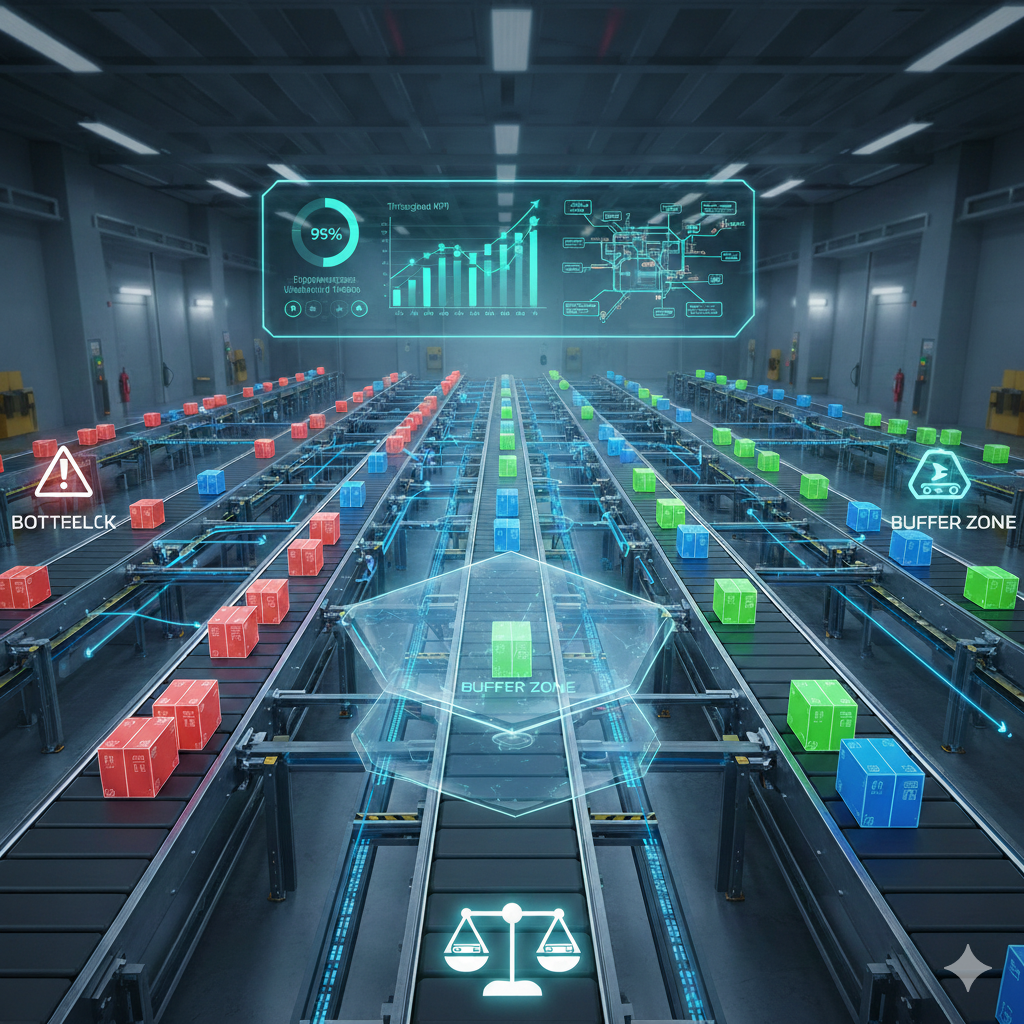
3. Bottlenecks and Flow Imbalance 🚦
- Bottlenecks shift dynamically during operations 🔄
- Local congestion can spread across the network 🔗
- Static routing logic fails under variable conditions ❌
- Manual intervention does not scale effectively 🧑🔧
- Early detection and response are critical ⏱️
Without intelligent flow management, congestion escalates quickly. 📈
4. Integration Across Control Layers 🔌
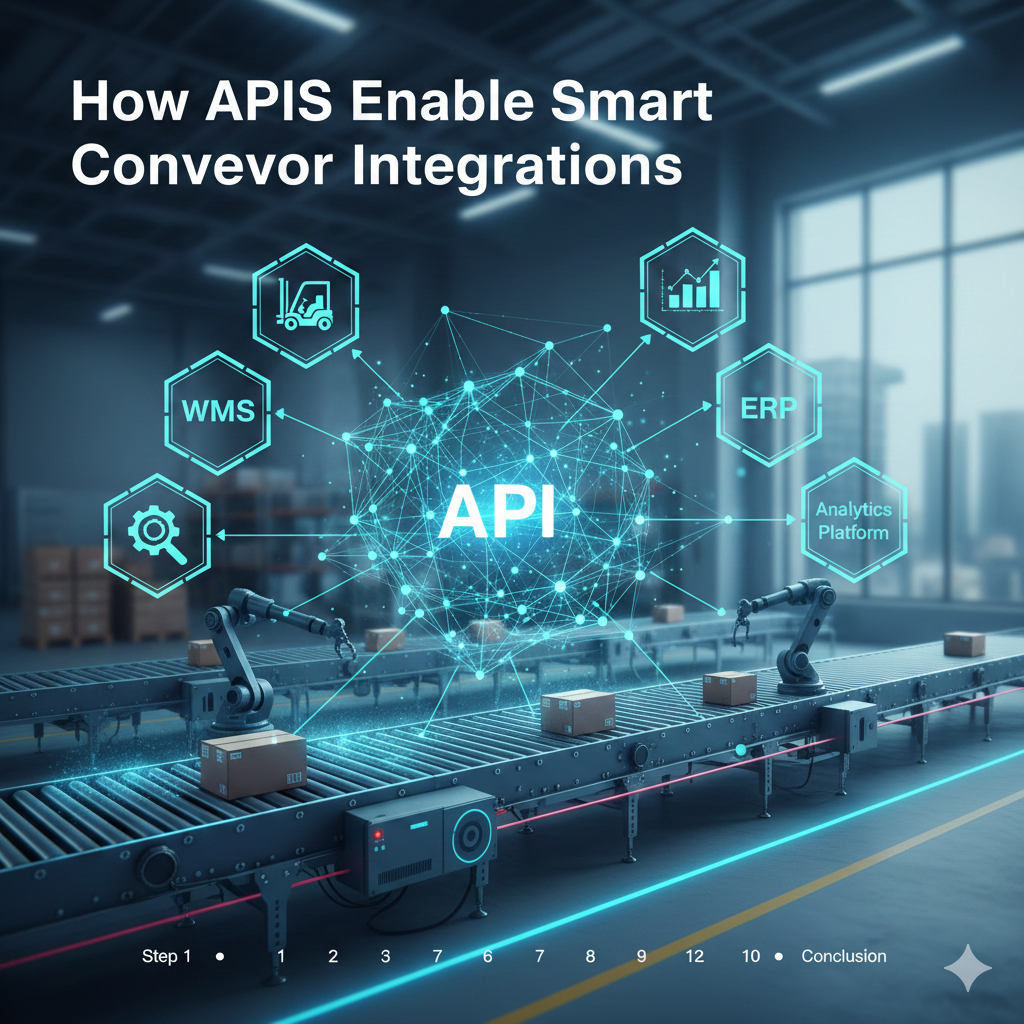
- Coordination between PLCs, local controllers, and higher-level software 🧠
- Equipment from multiple vendors with different protocols 🏷️
- Inconsistent data formats and refresh rates 📊
- Tight coupling increases the impact of failures ⚠️
- Integration complexity grows as systems evolve 📈
Large conveyor networks require flexible and robust integration strategies. 🧩
5. Scalability and Peak Volume Handling 📈
- Sudden spikes during promotions or seasonal peaks ⚡
- Software must scale decision logic, not just hardware 🧠
- Fixed-capacity designs struggle under stress 🚫
- Poor scalability leads to slowdowns or stoppages ⏱️
- Realistic peak-load testing is difficult 🧪
Designing for peak demand—not average volume—is essential. 🎯
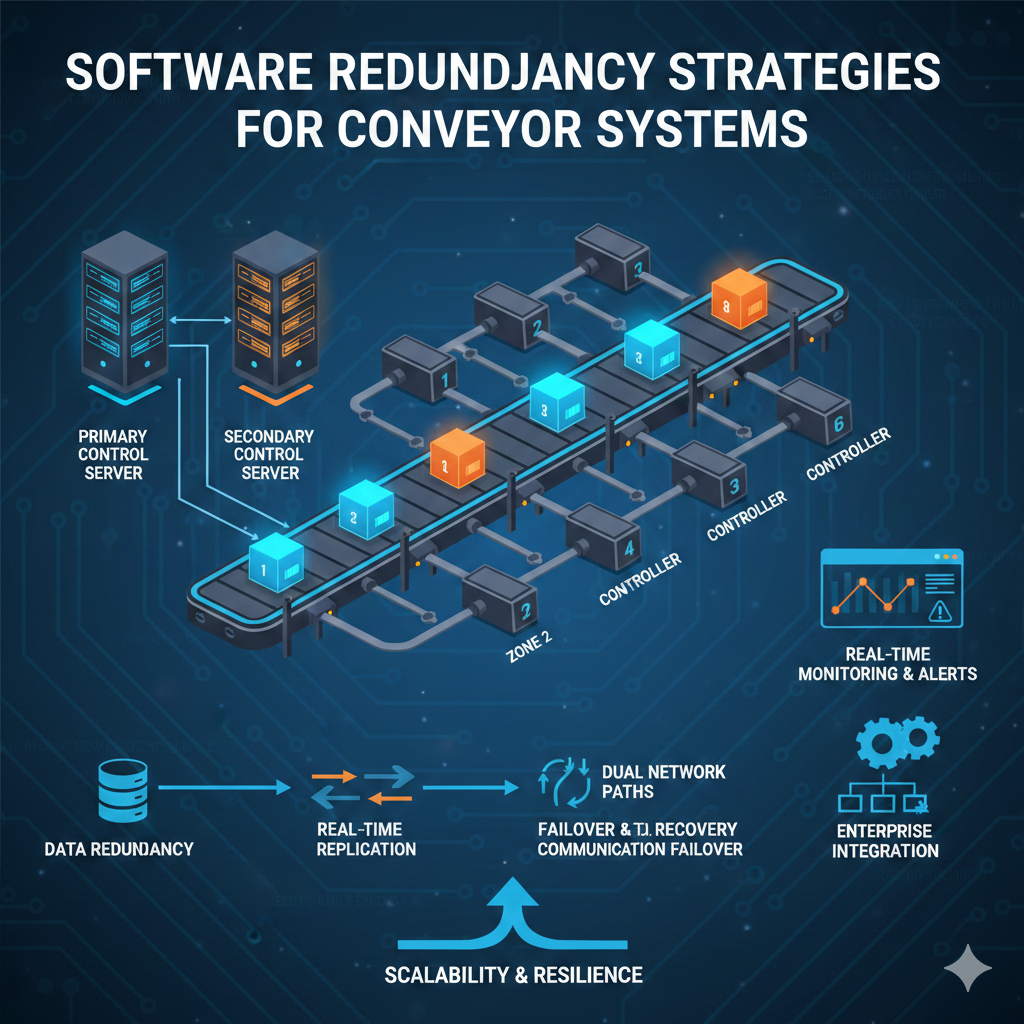
6. Fault Isolation and System Resilience 🛡️
- A single failure can affect large sections of the network 🚧
- Hard-coded logic limits rerouting options 🔒
- Poor fault isolation increases downtime ⏱️
- Recovery often requires manual intervention 🧑🔧
- Systems must degrade gracefully 🔄
Resilient software prevents small issues from becoming major outages. 🚀
7. Data Volume and Signal Noise 📡
- Huge volumes of sensor and event data 📊
- Difficulty separating meaningful signals from background noise 🔍
- Overloaded dashboards reduce operational clarity 📉
- Inefficient data handling delays decisions ⏱️
- Storage and processing costs increase 💾
Effective data filtering and prioritization are essential for control and insight. 🧠
8. Limited Visibility and Diagnostics 👀
- Lack of real-time, network-wide visibility 🌐
- Slow and manual root cause analysis 🧠
- Fragmented historical data 🗂️
- Troubleshooting relies heavily on individual experience 👤
- Downtime lasts longer than necessary ⏱️
Software must deliver clear, actionable insights for operators. 📊
9. Change Management and System Evolution 🔄
- Conveyor networks change as operations grow 📈
- Software updates risk disrupting live systems ⚠️
- Full-scale testing is hard to replicate 🧪
- Tightly coupled designs slow innovation 🐌
- Upgrades become costly and risky 💰
Flexible architectures reduce long-term risk and technical debt. 🧩
10. Maintenance and Long-Term Reliability 🔧
- Software logic becomes more complex over time 🧠
- Critical knowledge often resides with a few experts 👤
- Debugging legacy logic is time-consuming ⏳
- Documentation quickly becomes outdated 📄
- Reliability declines without modernization 📉
Long-term maintainability is as important as initial performance. 🏗️
Business Impact of These Challenges 💼
- Lower throughput and missed service levels 📉
- Increased downtime and recovery times ⏱️
- Higher operating and maintenance costs 💰
- Limited scalability and growth potential 🚫
- Greater dependence on manual intervention 🧑🔧
Final Thoughts 🏁
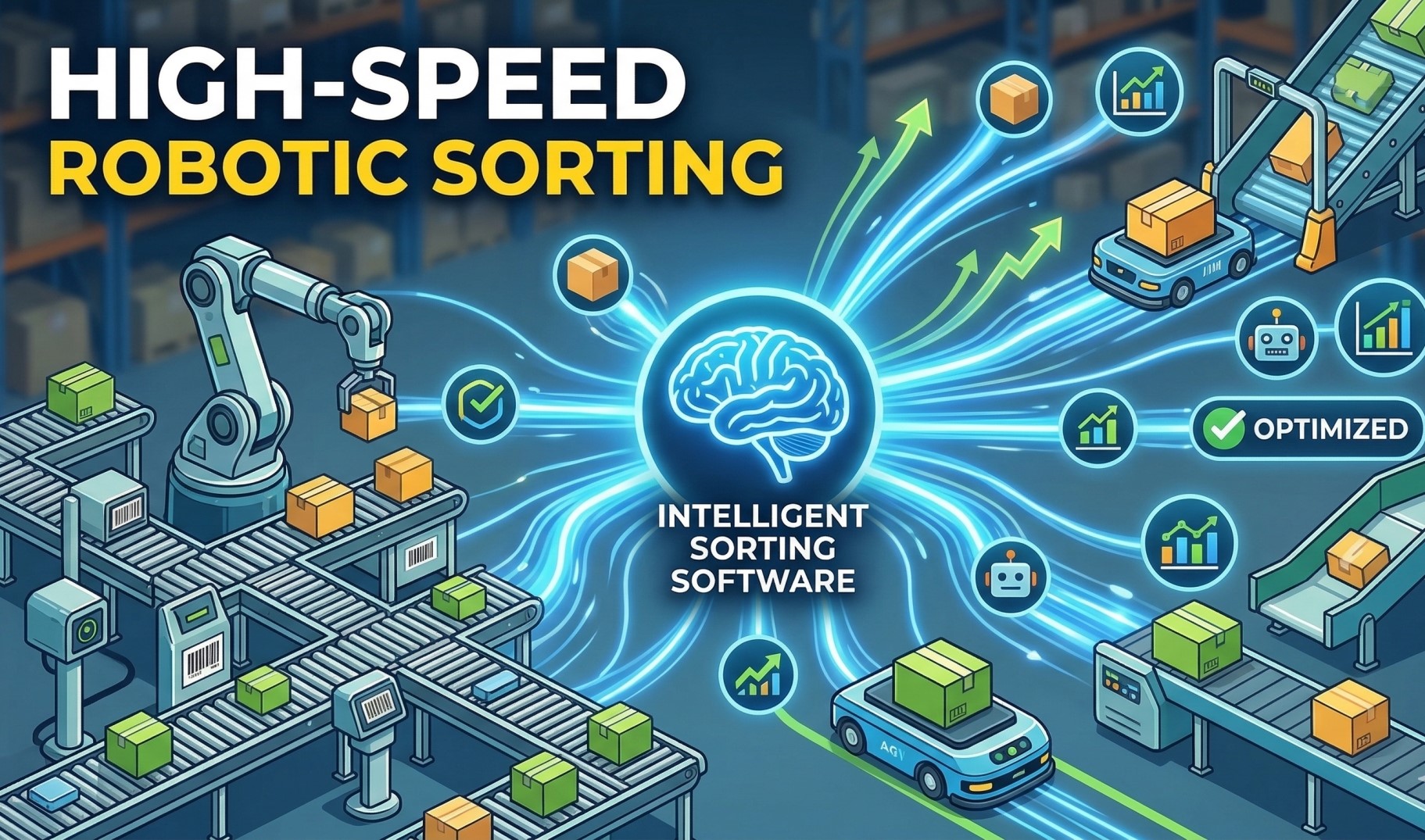
In large-scale conveyor networks, software complexity often outpaces mechanical complexity. Challenges related to real-time control, scalability, resilience, integration, and visibility can quickly limit performance if not addressed. Solving these issues requires intelligent, modular, and data-driven conveyor software architectures. For operations running at scale, overcoming software challenges is not optional—it is the foundation of reliable, high-throughput, and future-ready conveyor systems. 🚀
See more blogs
You can all the articles below