How APIs Enable Smart Conveyor Integrations
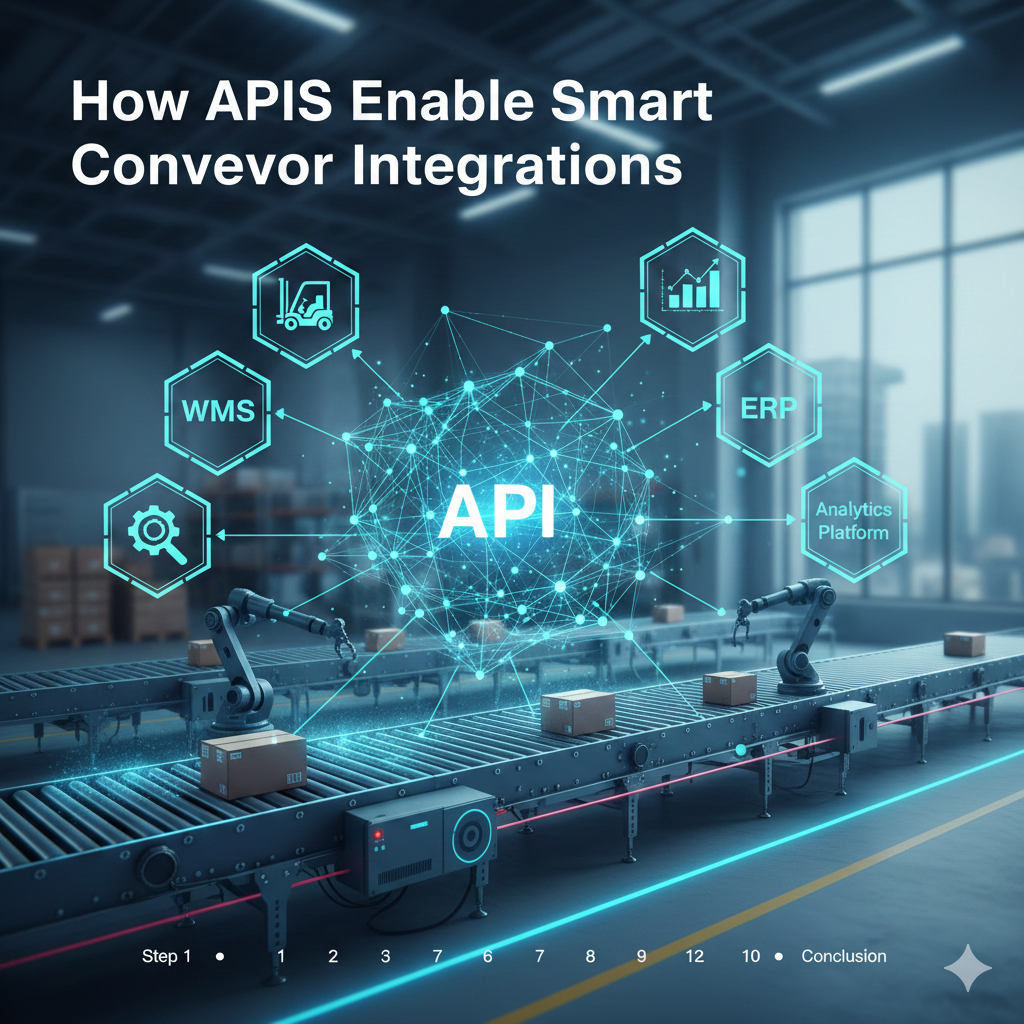
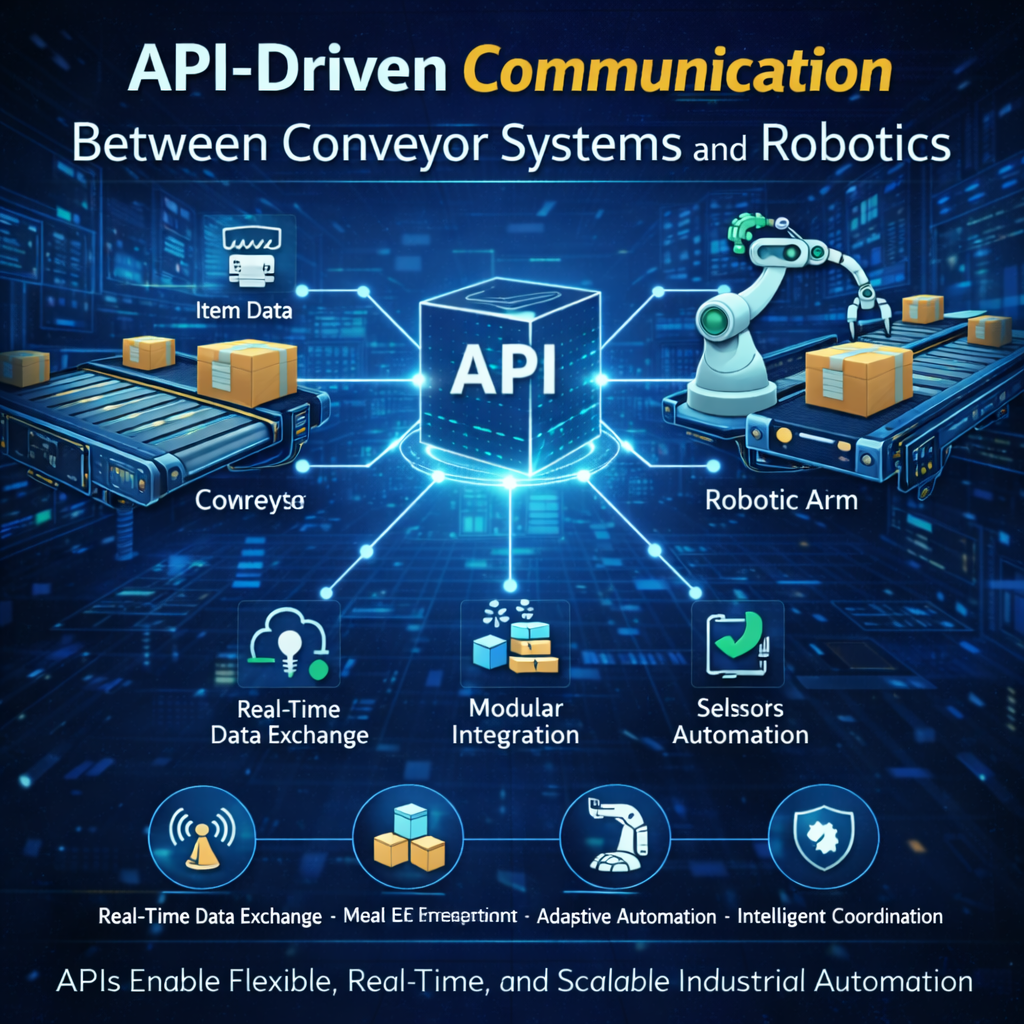
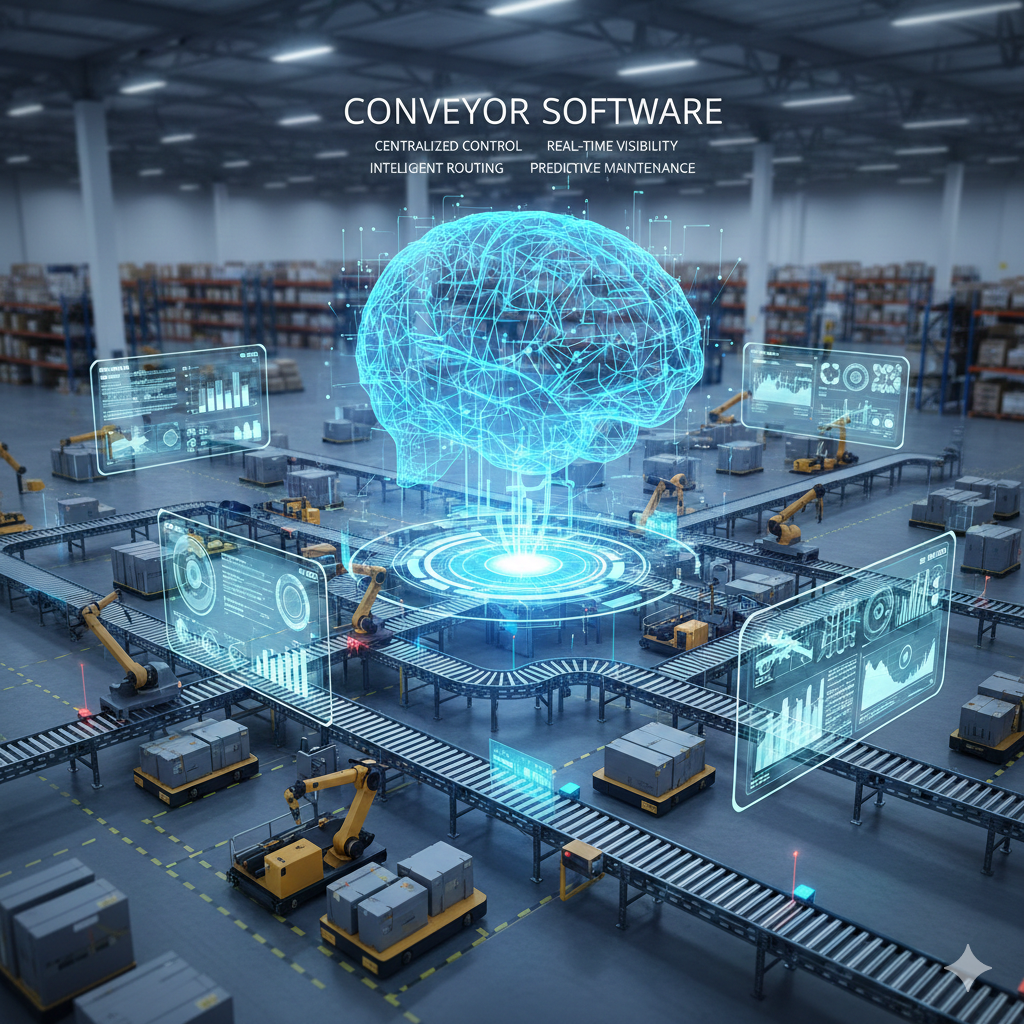
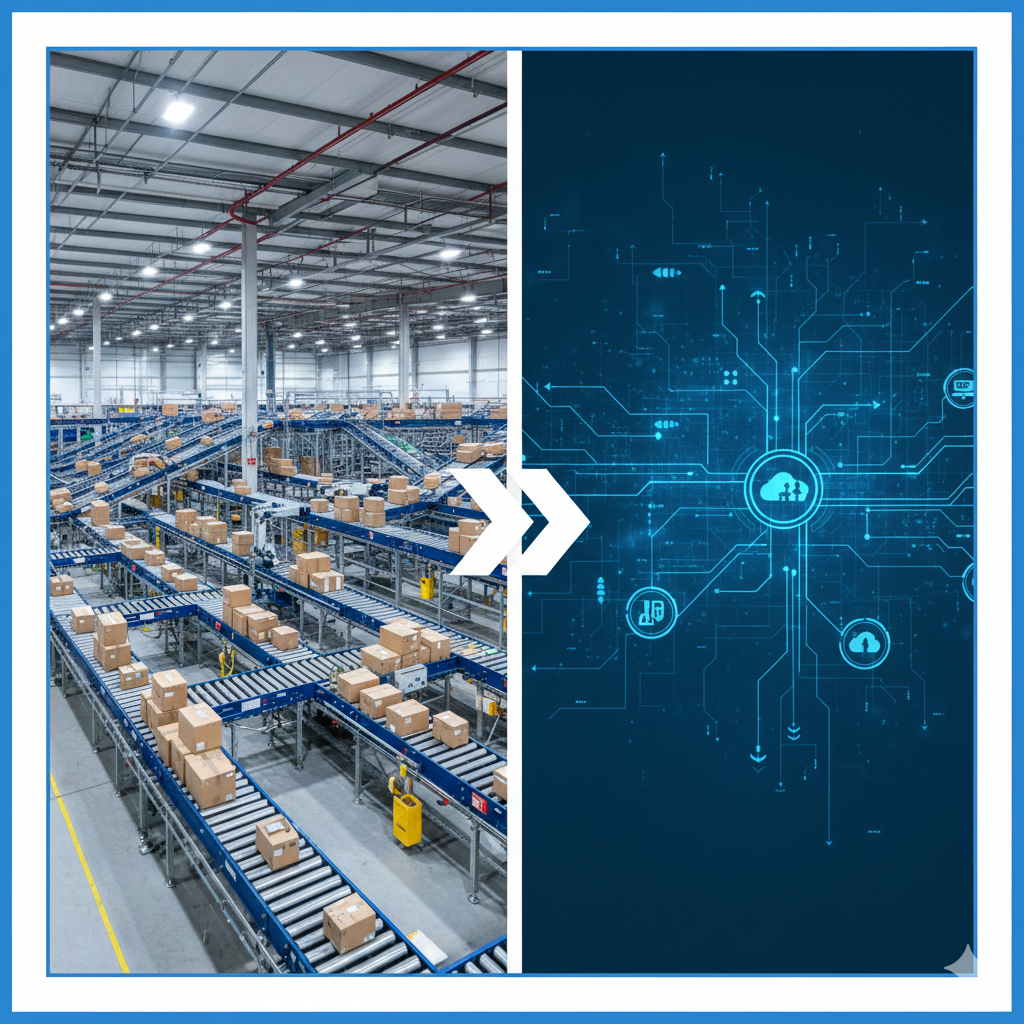
Modern conveyor systems are no longer isolated mechanical components. They are intelligent, connected systems that exchange data with warehouse management, manufacturing execution, ERP, and analytics platforms. APIs play a central role in enabling this connectivity by allowing conveyor systems to integrate seamlessly into broader digital operations and automation strategies.
Step 1: APIs as the Integration Layer for Conveyor Systems 🔗
• Act as standardized interfaces between conveyors and software systems ⚙️
• Enable real-time communication across heterogeneous platforms ⏱️
• Abstract hardware complexity from application logic 🧩
• Support modular and scalable system design 📐
• Reduce dependency on proprietary point-to-point integrations 🔄
Step 2: Connecting Conveyors to Enterprise Systems 🏢
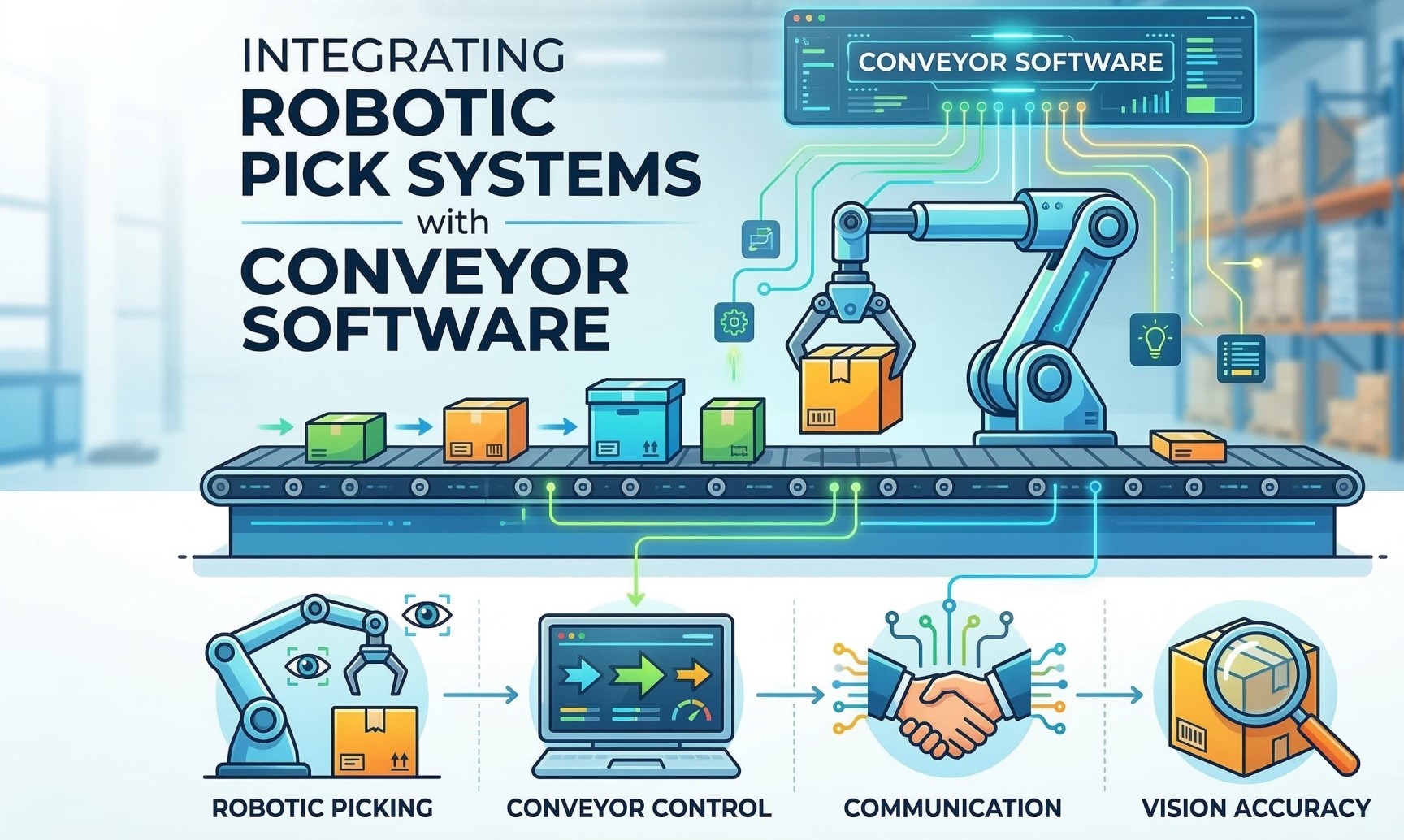
• Integrate conveyor controls with WMS, MES, and ERP platforms 🔌
• Synchronize material flow with inventory and order data 📦
• Enable upstream and downstream system coordination 🔗
• Support automated decision-making across operations 🤖
• Improve end-to-end process visibility 👀
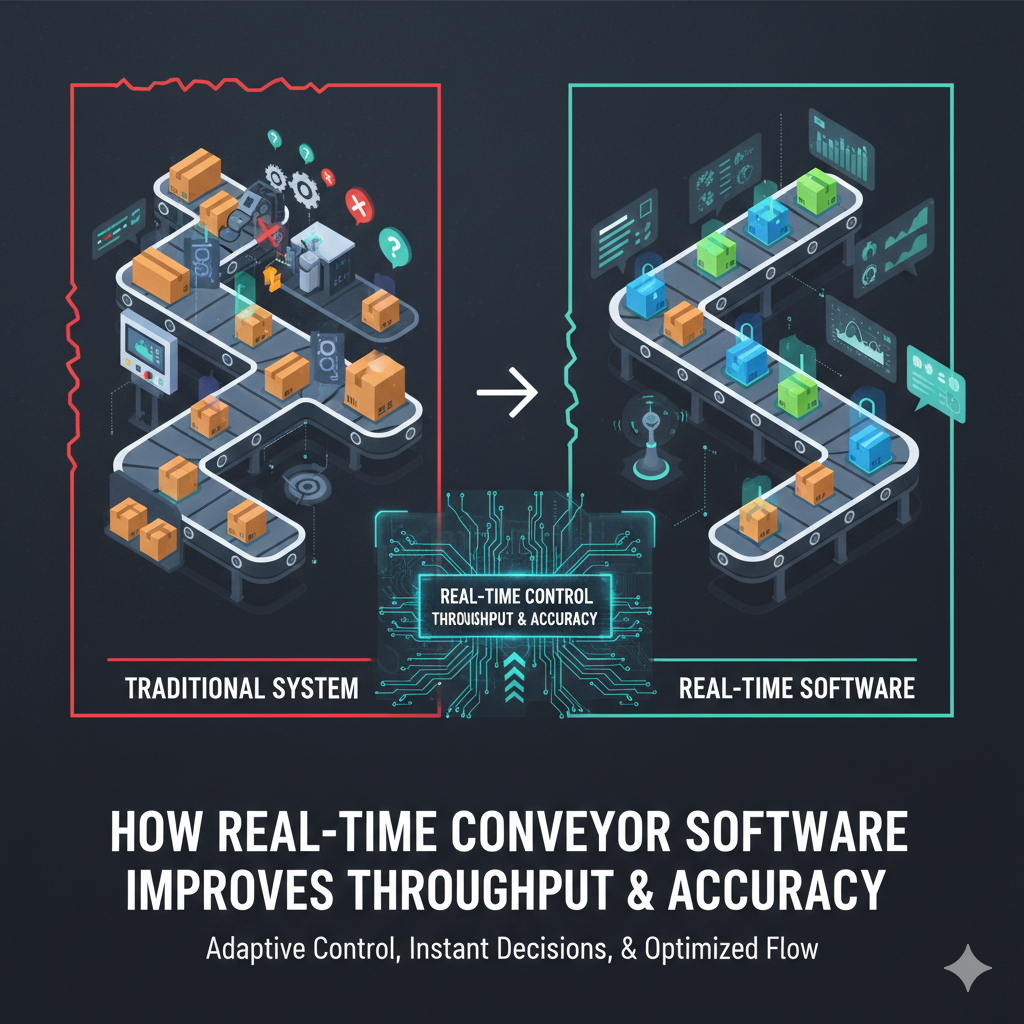
Step 3: Real-Time Data Exchange and Event Handling ⚡
• Transmit sensor data, status updates, and operational events 📡
• Enable immediate response to jams, faults, or delays 🚨
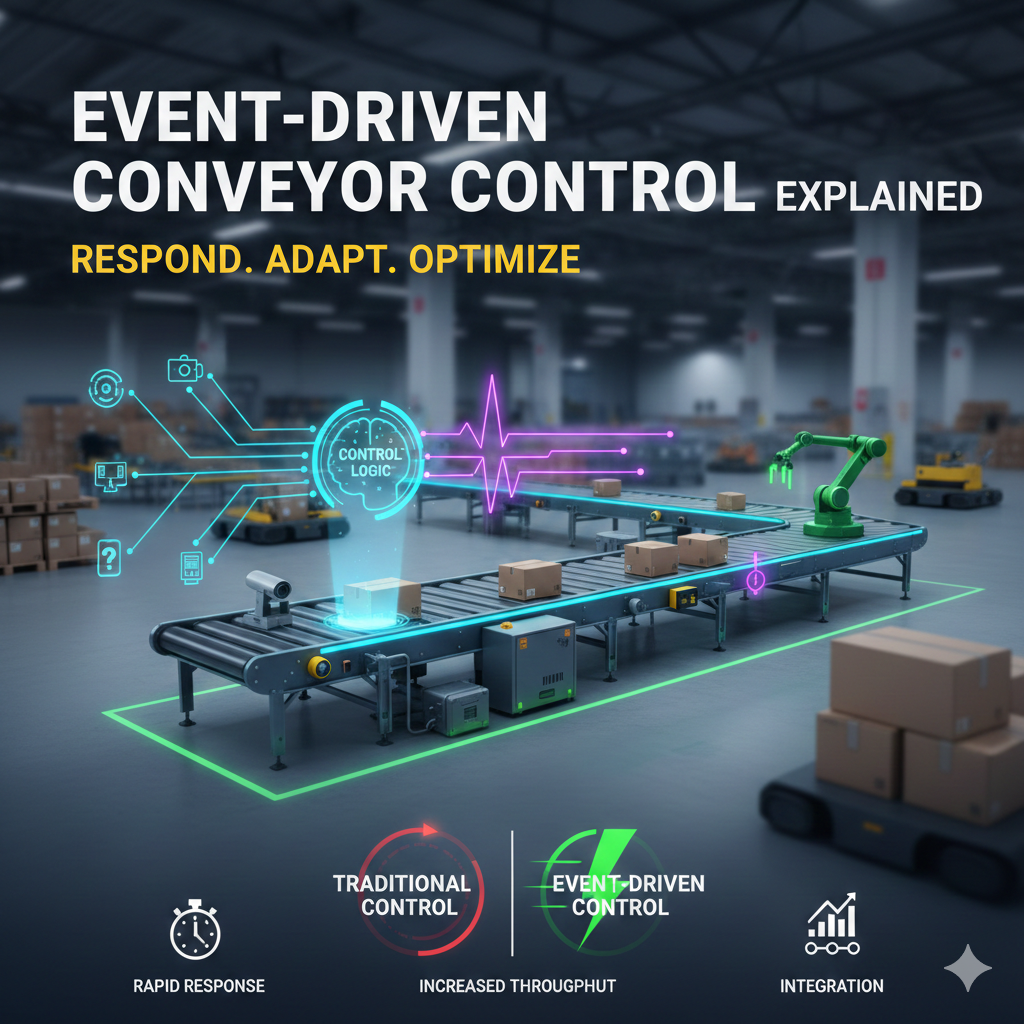
• Support event-driven workflows and alerts 🔔
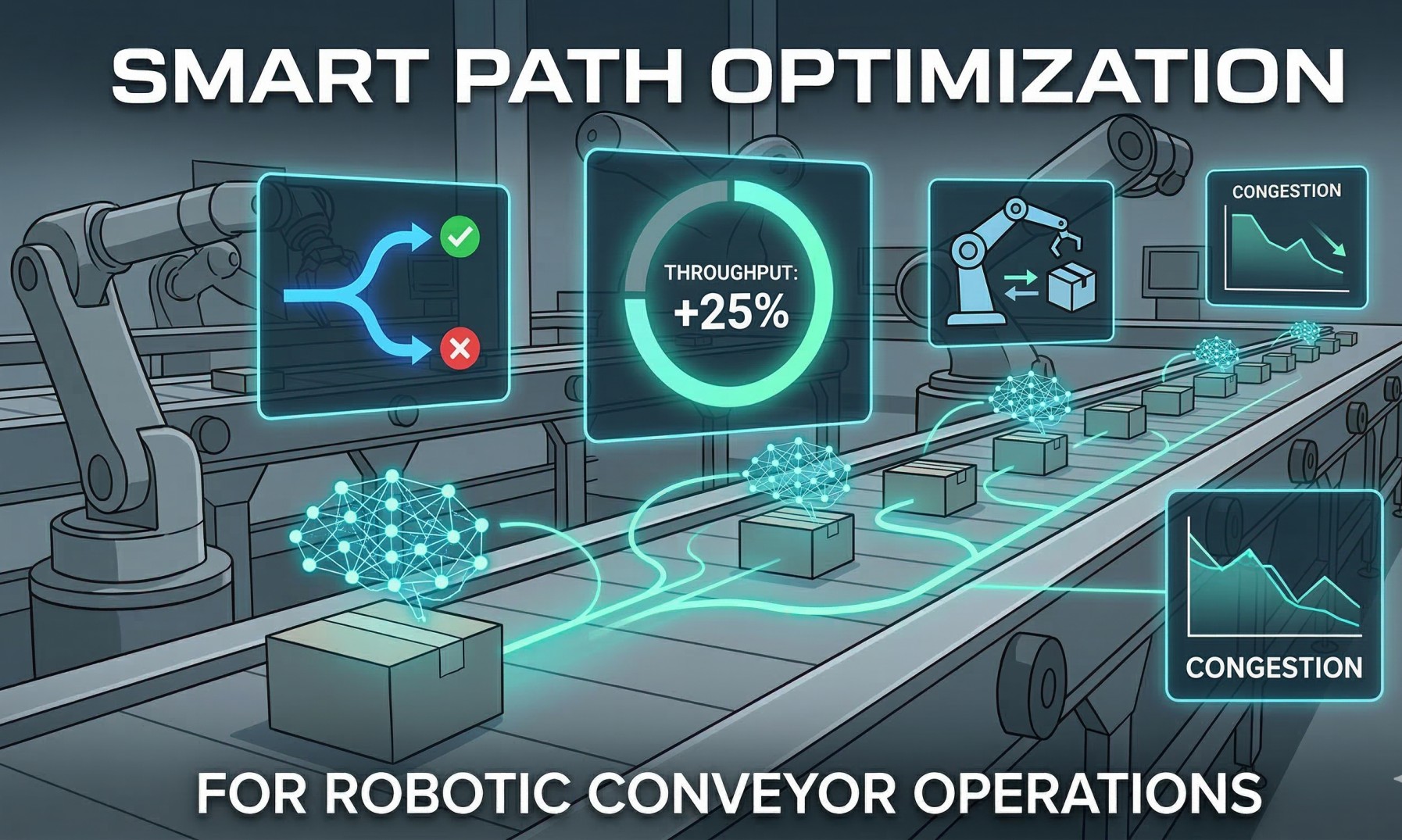
• Improve throughput and system responsiveness 📈
• Reduce downtime through faster detection ⏳
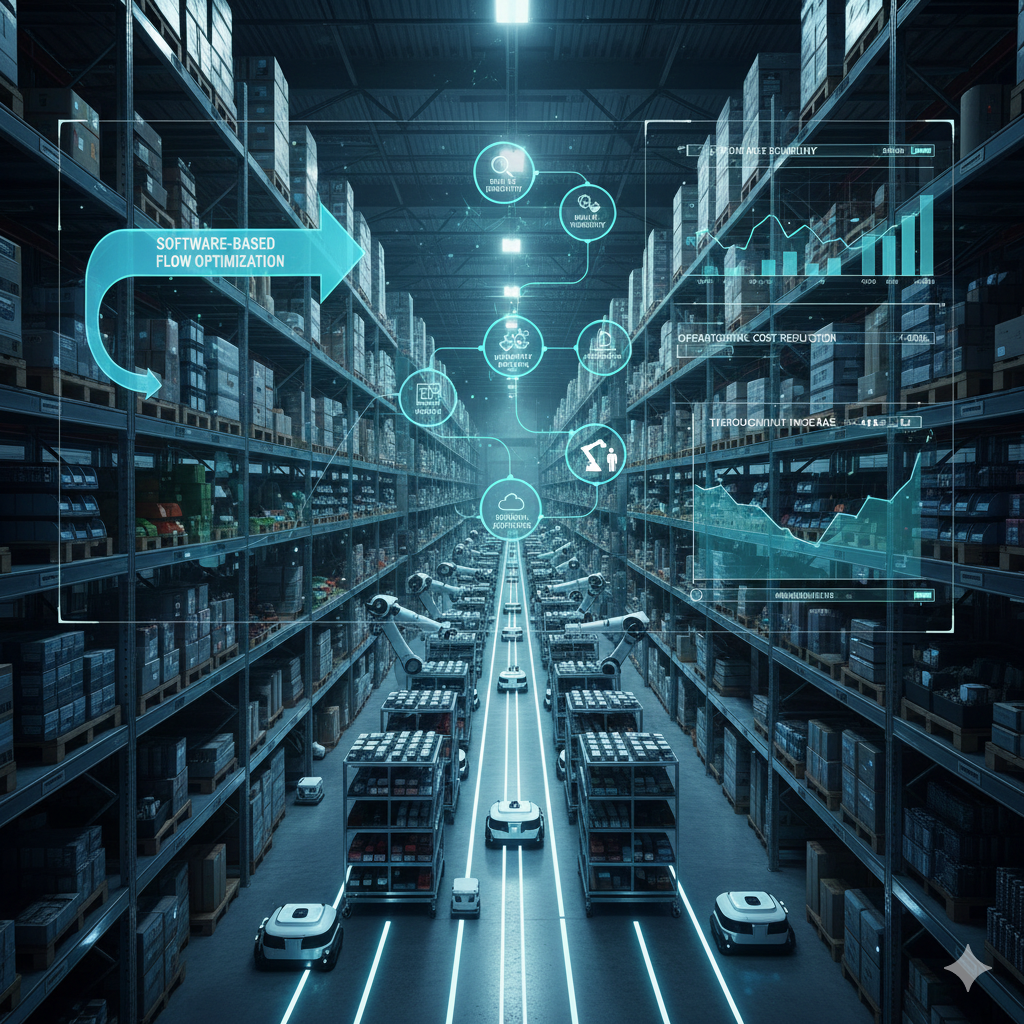
Step 4: Orchestrating Smart Material Flow 🔄
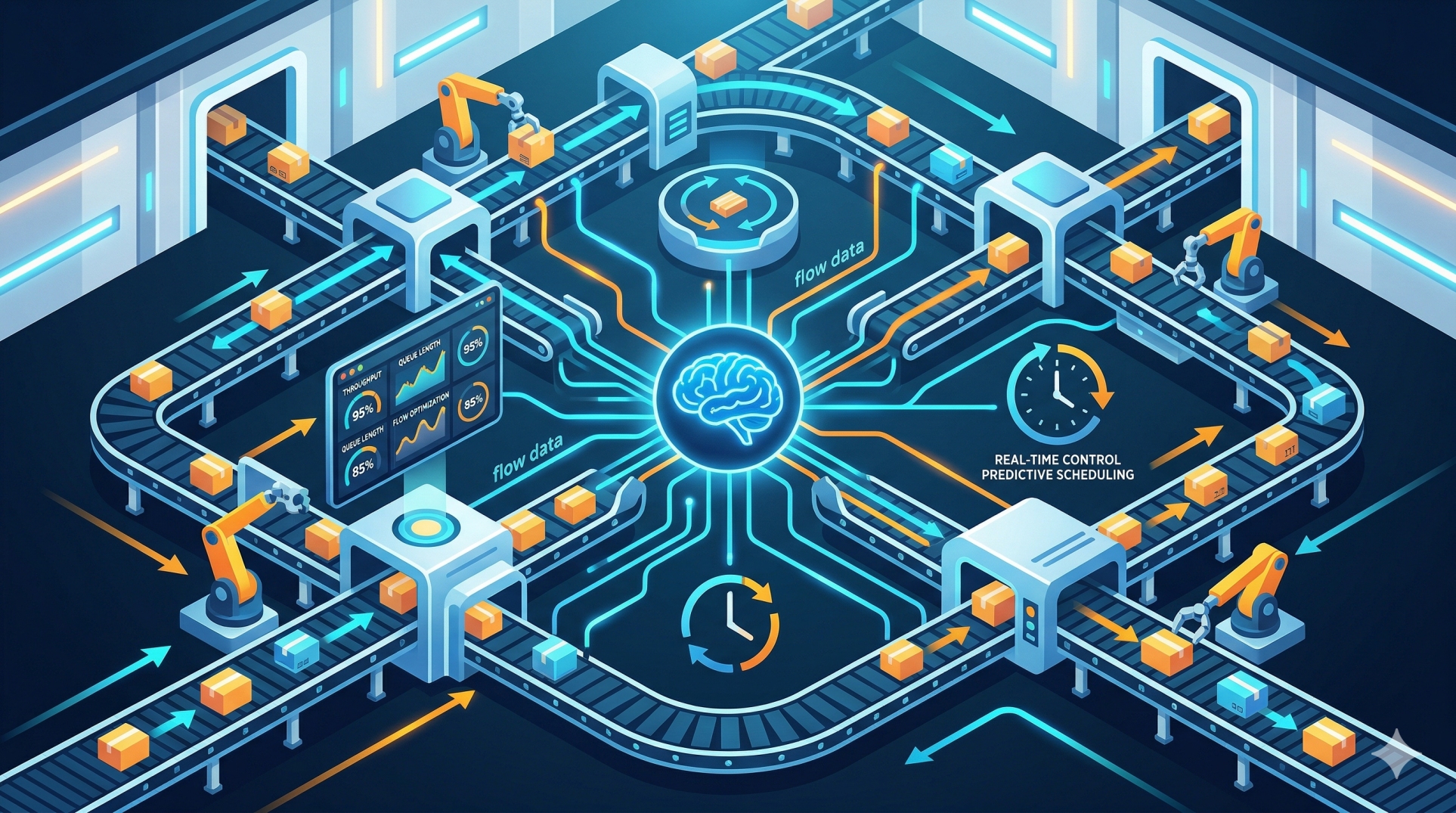
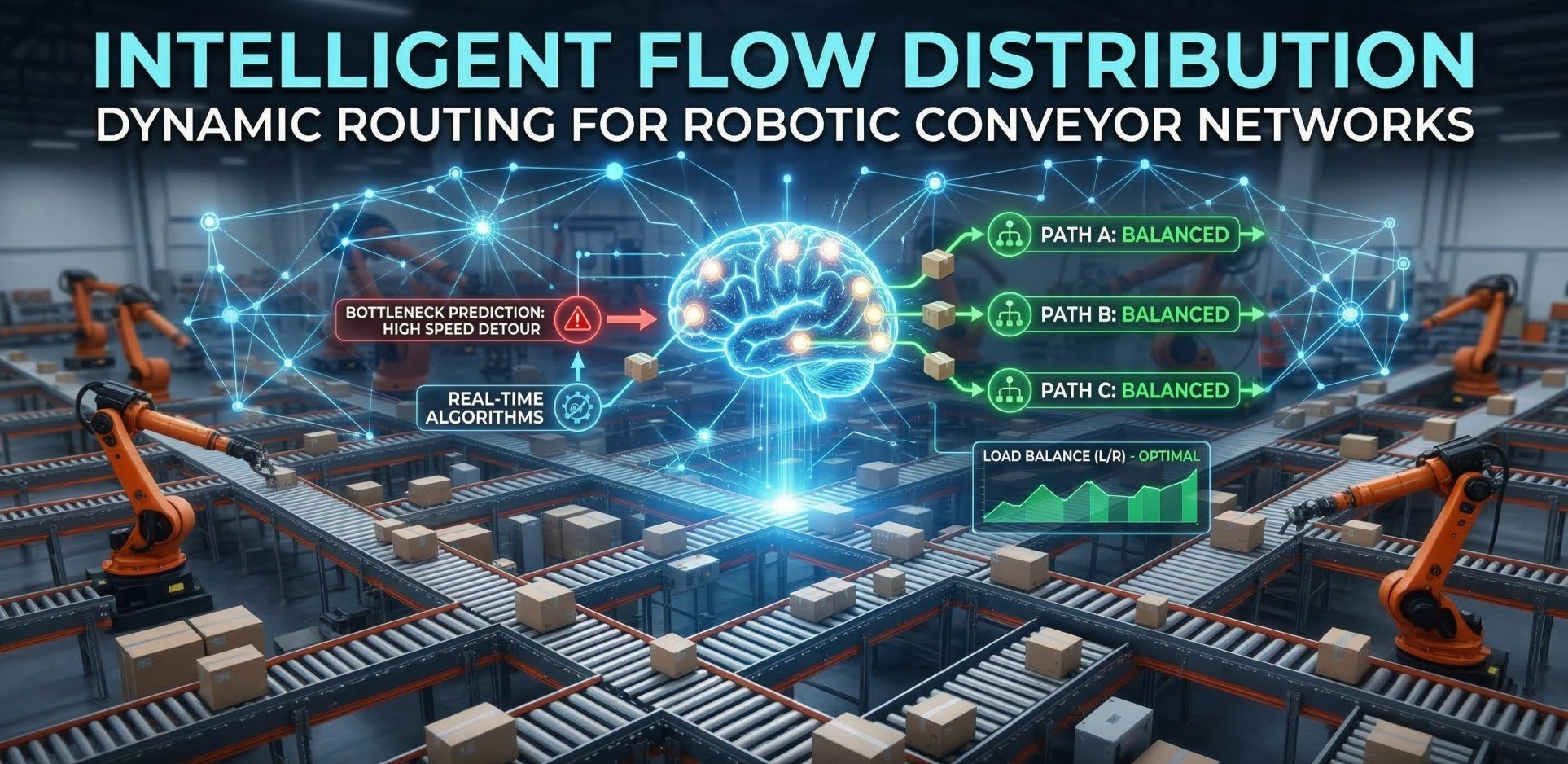
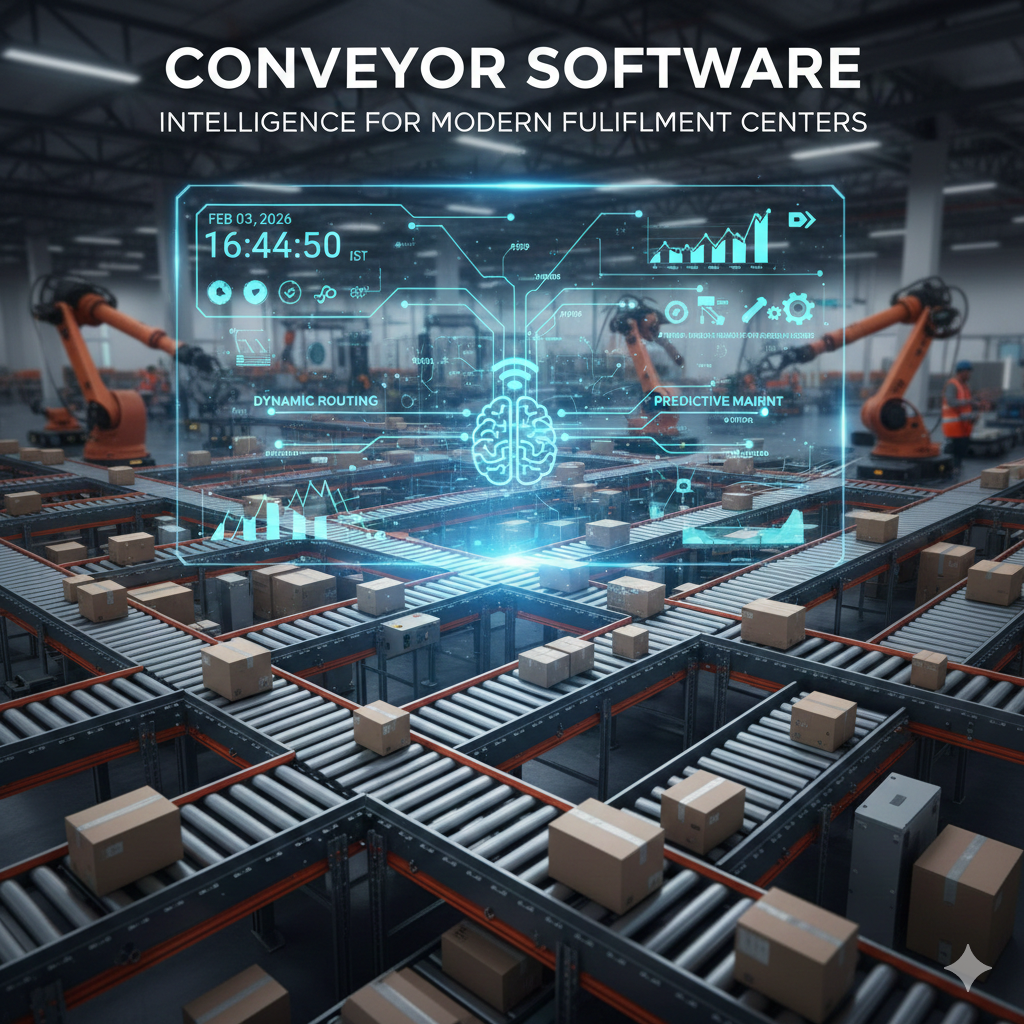
• Coordinate routing decisions based on real-time conditions 🧠
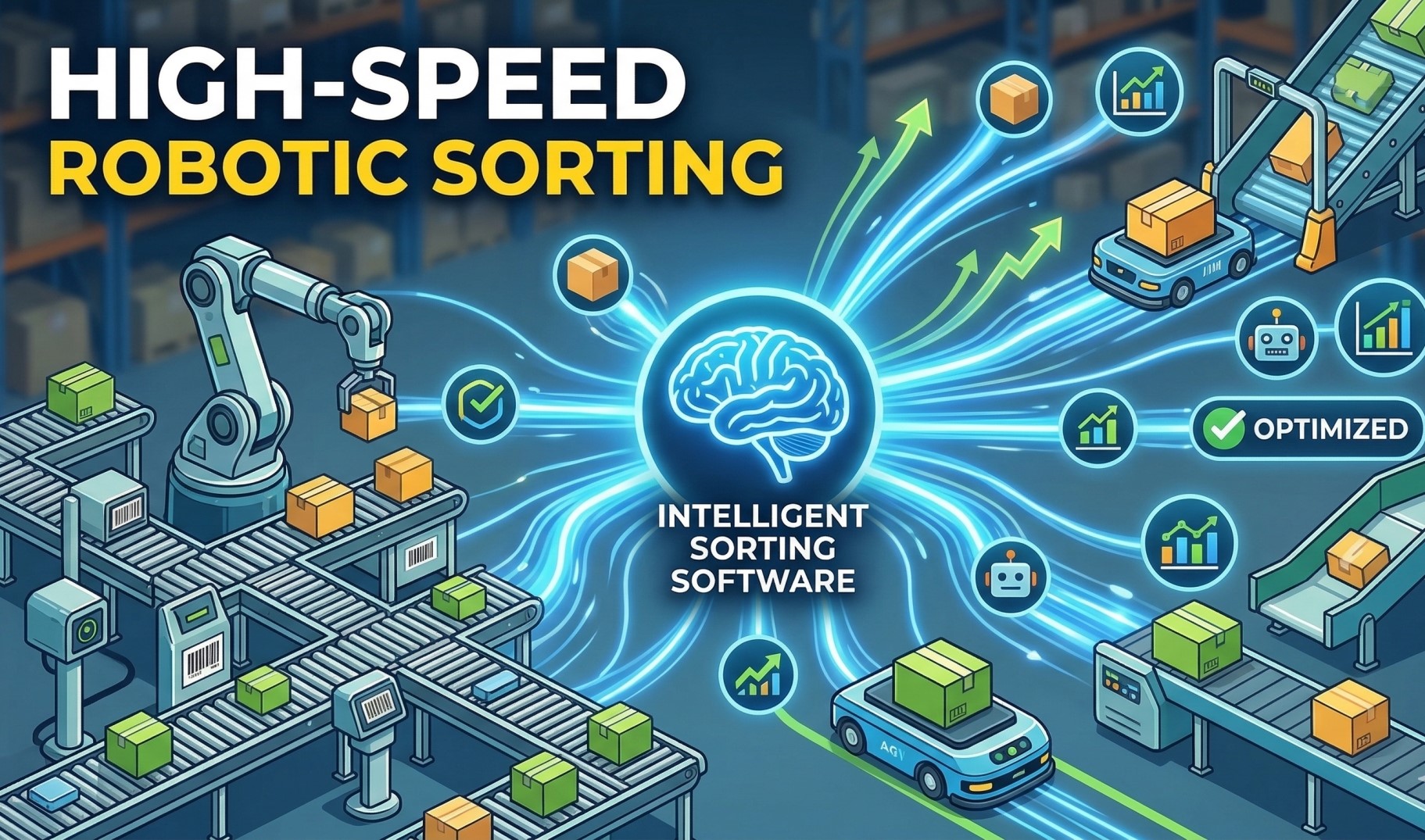
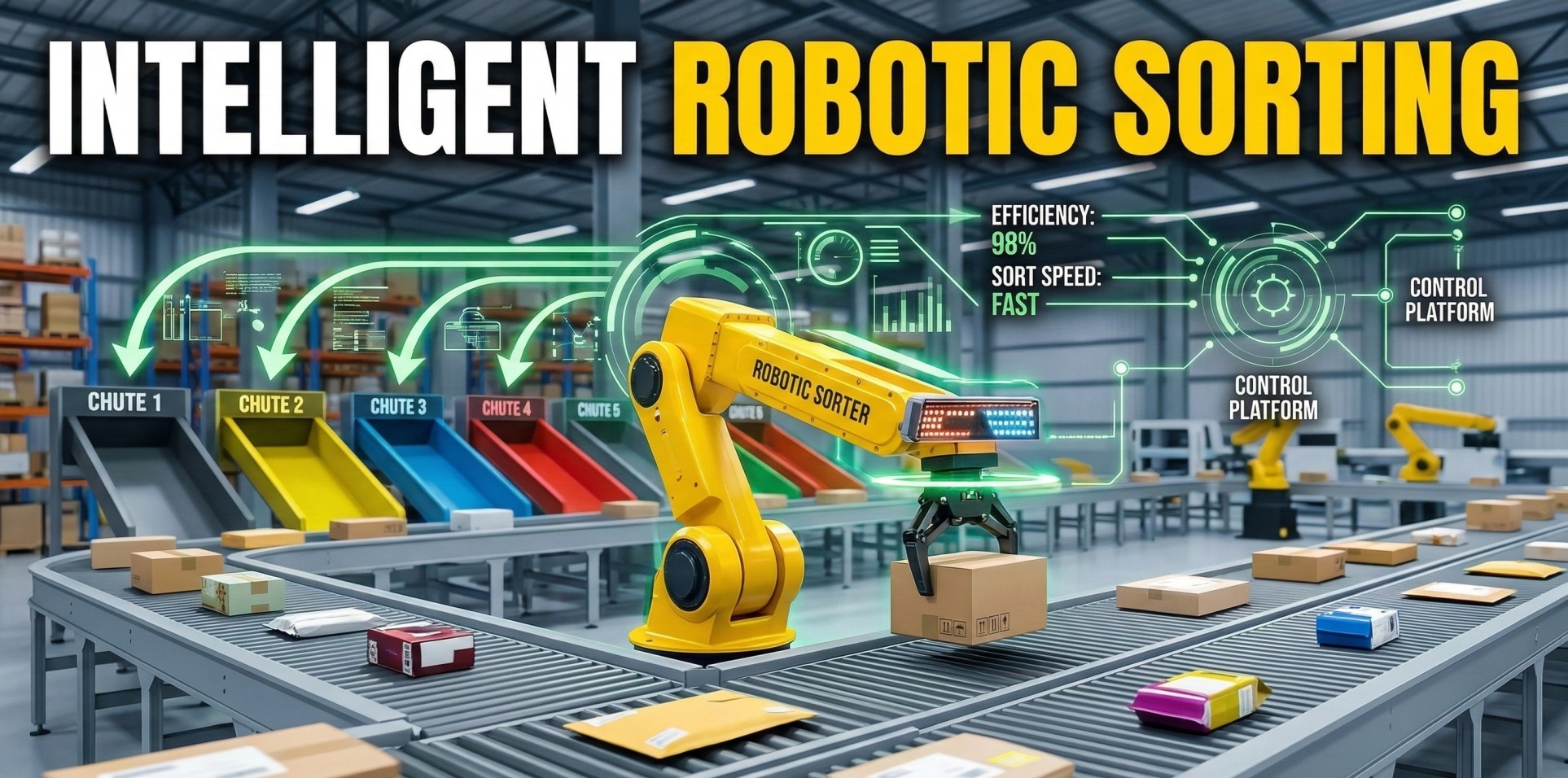
• Enable dynamic sorting, merging, and diverting logic 🔀
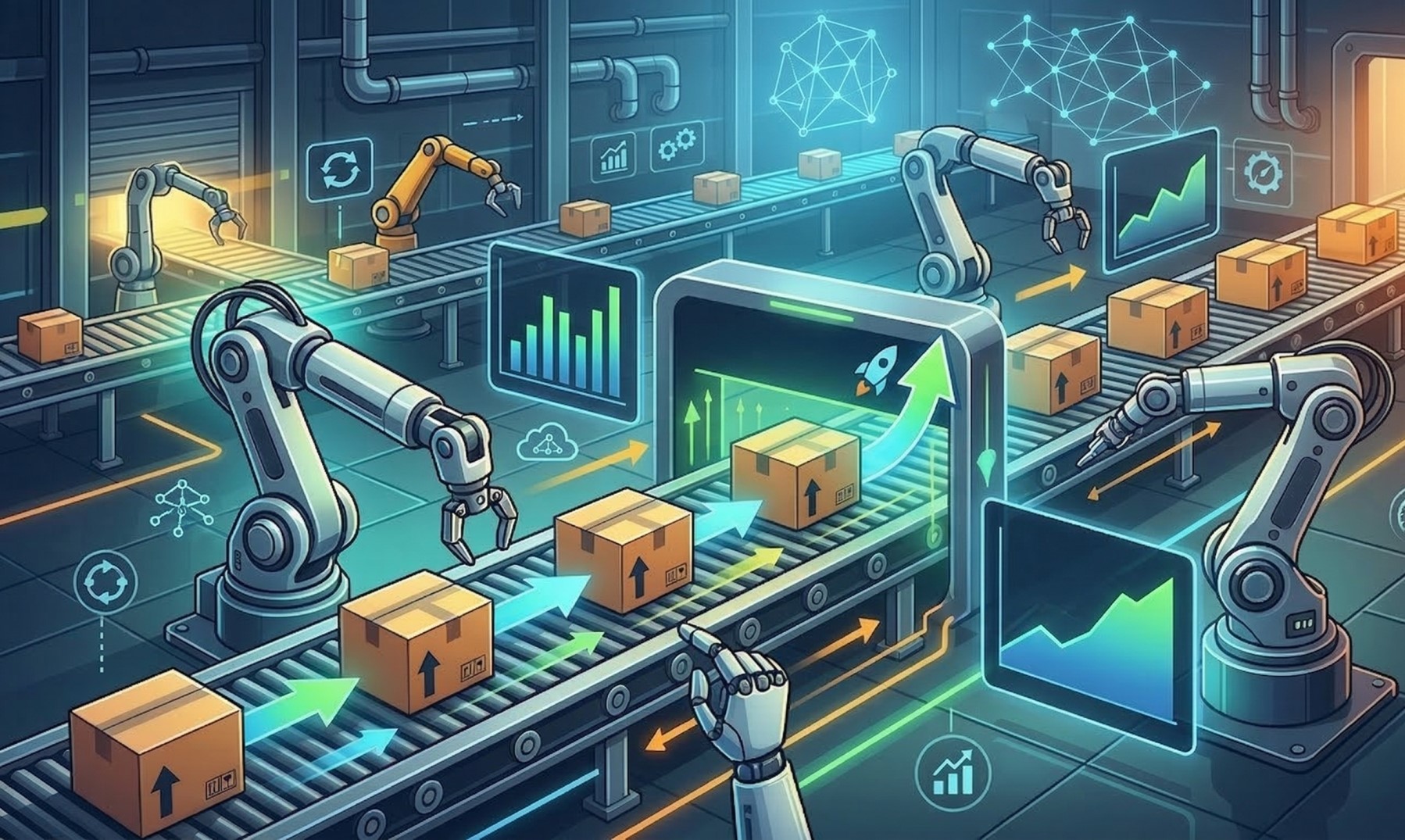
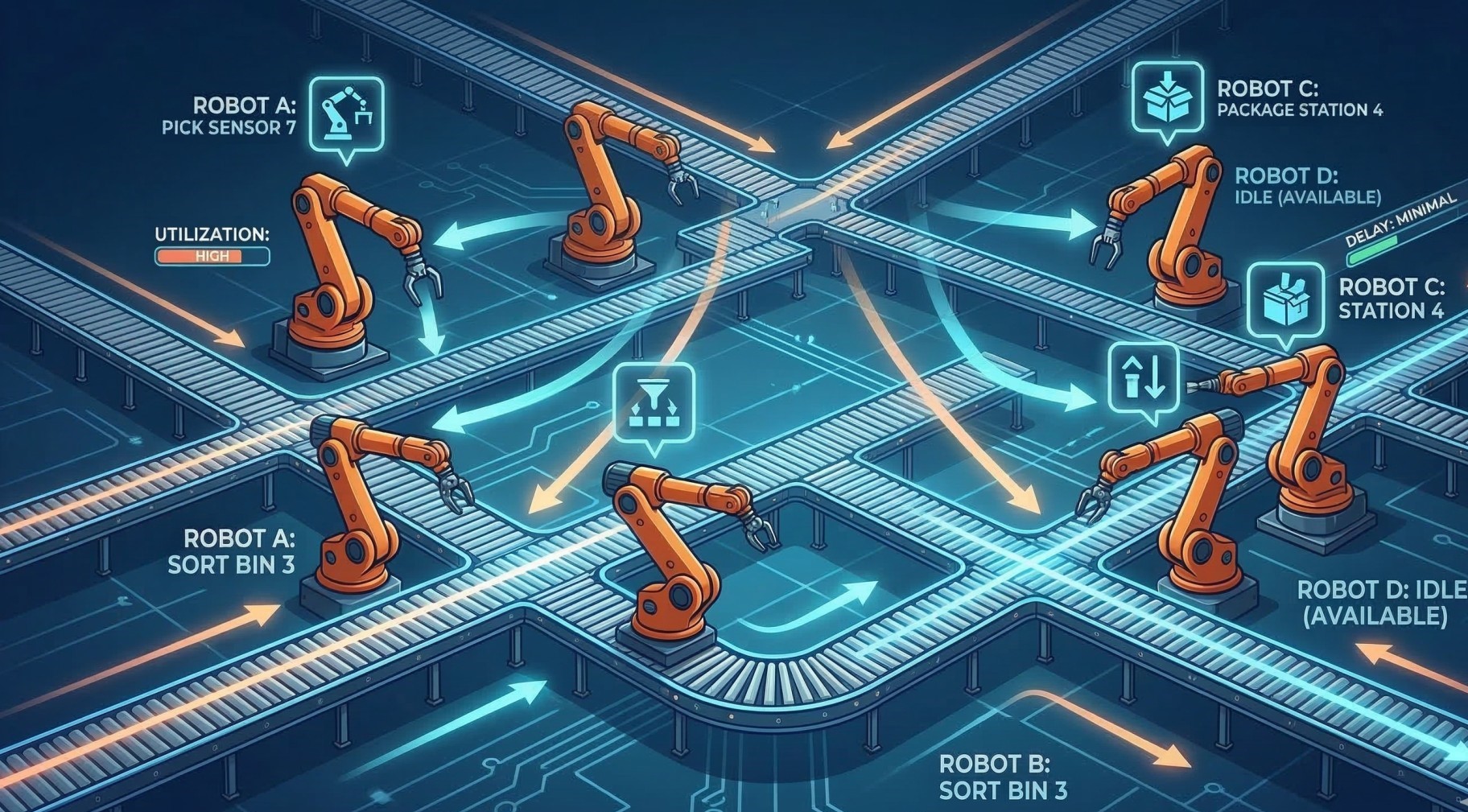
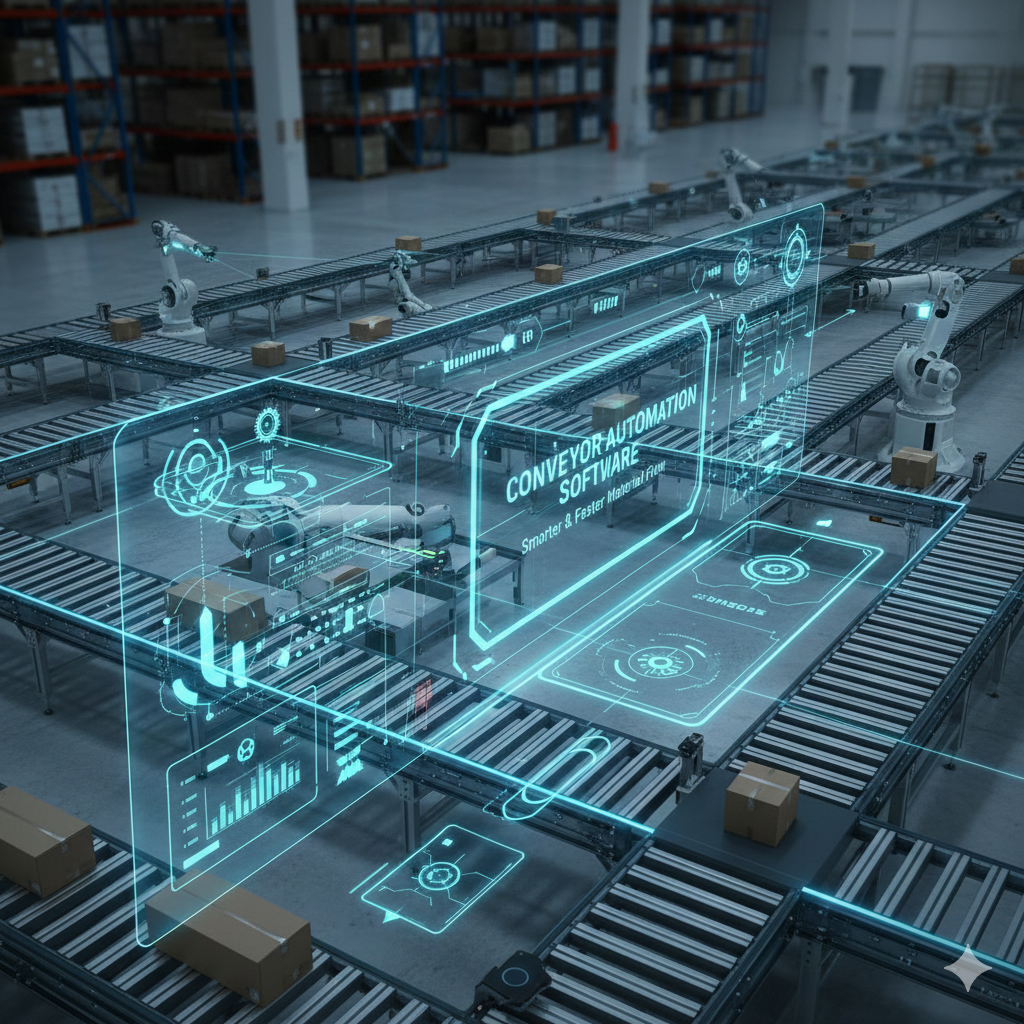
• Integrate conveyors with robots and automated storage systems 🤖
• Adapt flow paths based on demand and constraints 📊
• Optimize system utilization automatically ⚙️
Step 5: Scalability and Flexibility Through APIs 📦
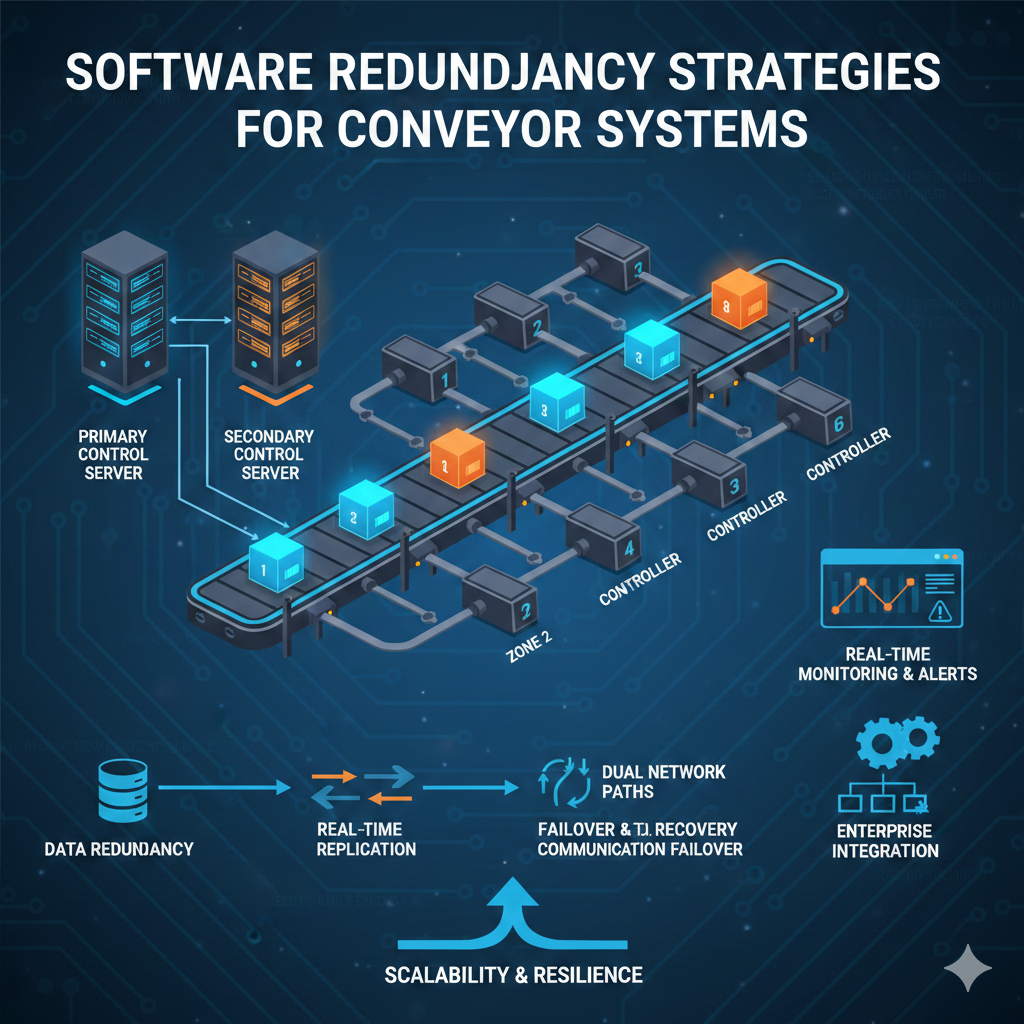
• Allow new conveyor zones or devices to be added easily ➕
• Support incremental system expansion without major rewrites 🛠️
• Enable multi-site and multi-vendor deployments 🌍
• Decouple software upgrades from hardware changes 🔓
• Future-proof automation investments 🚀
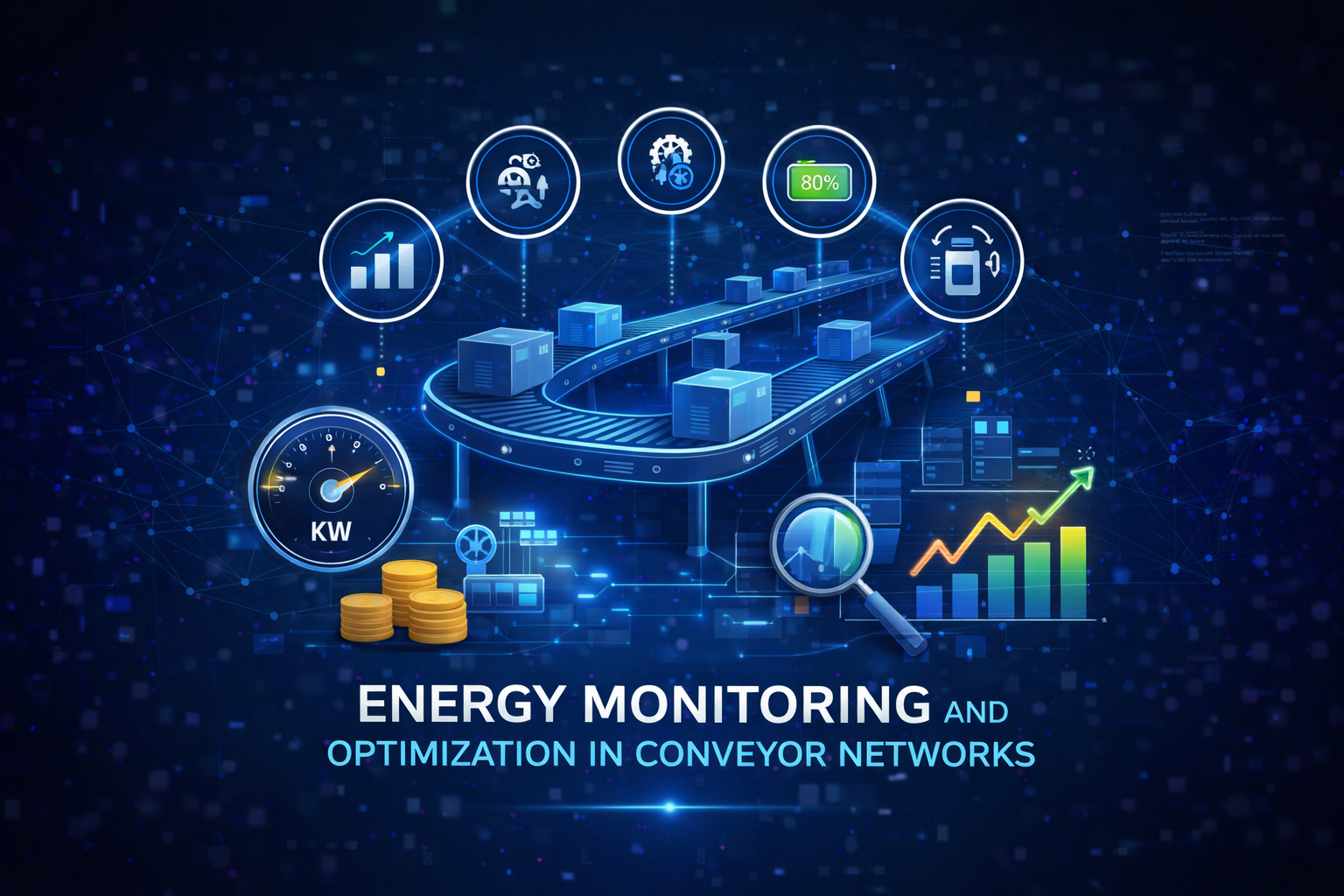
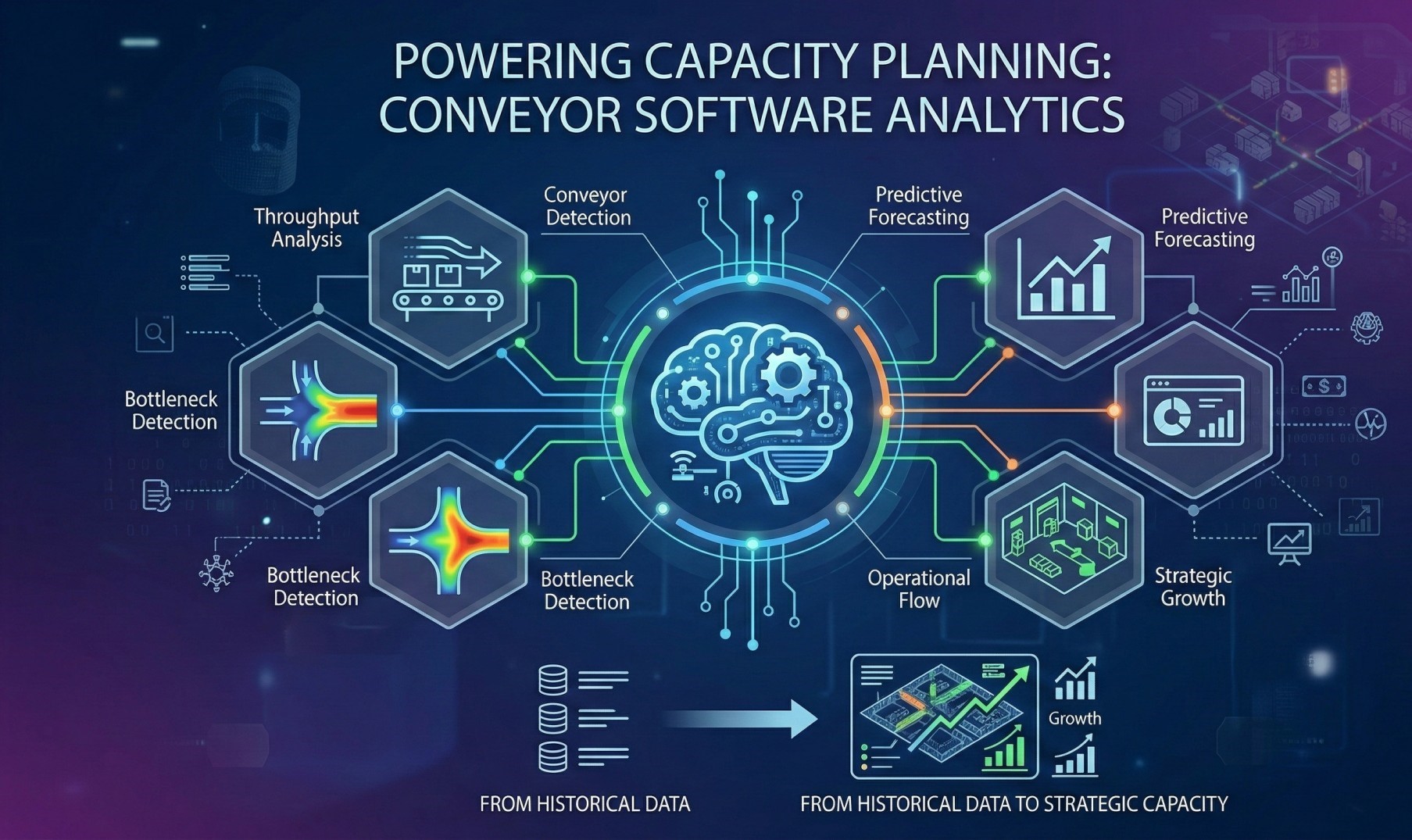
Step 6: Monitoring, Analytics, and Optimization 📊
• Expose operational metrics through API endpoints 📈
• Feed conveyor data into analytics and dashboards 📉
• Enable performance tracking and bottleneck analysis 🔍
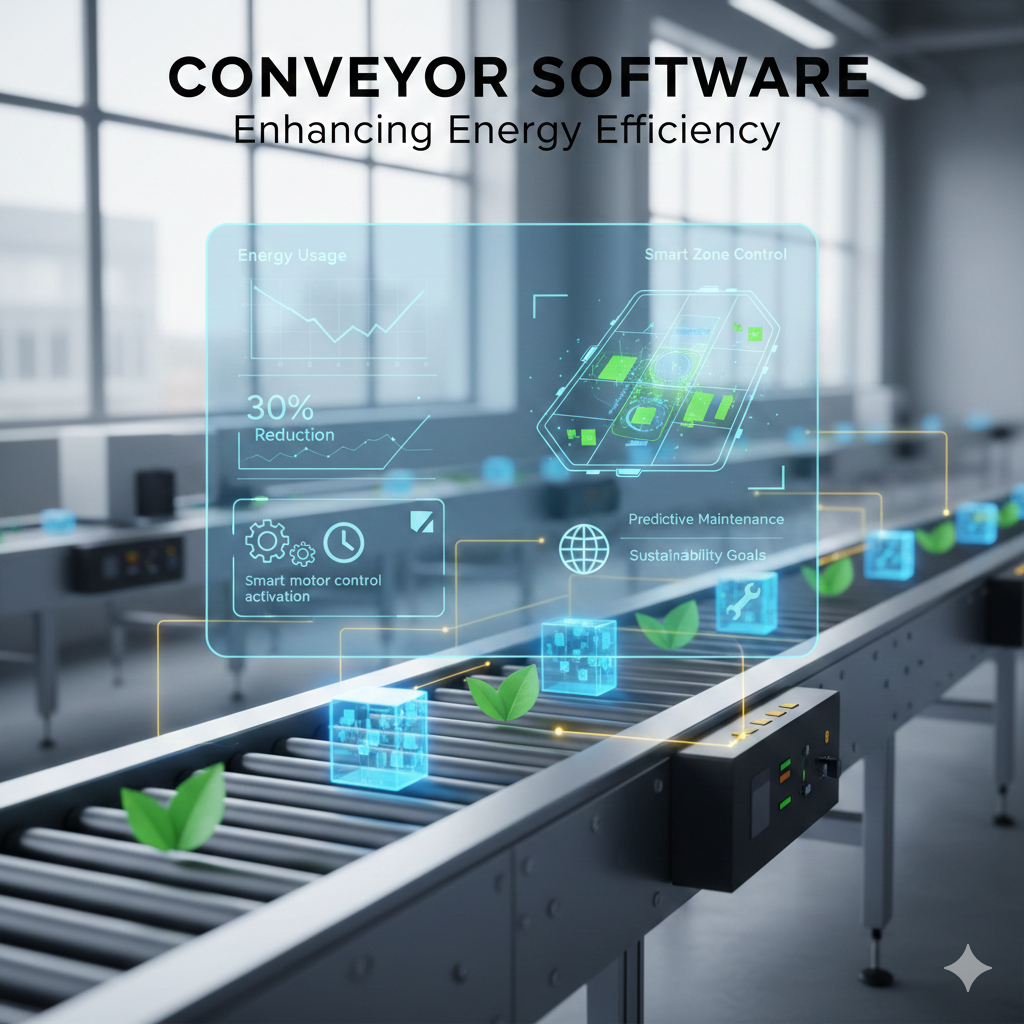
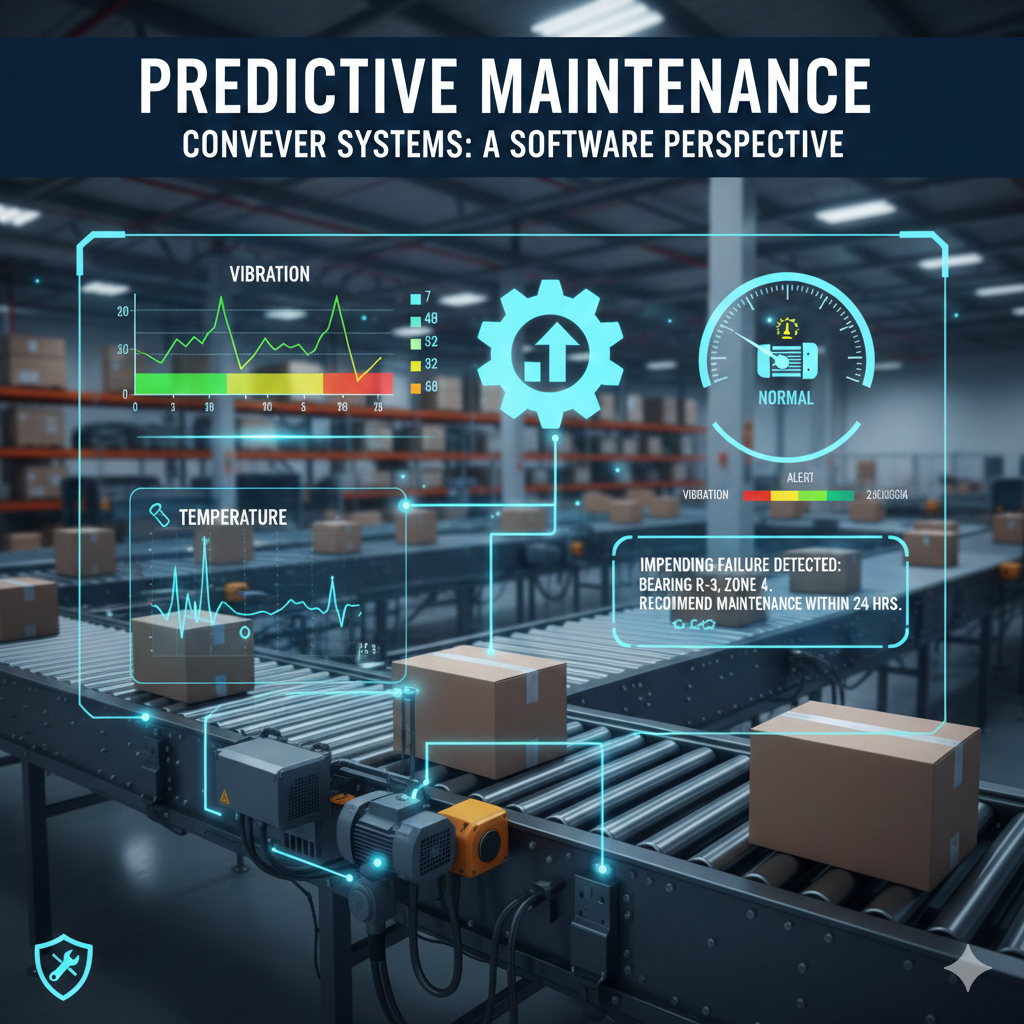
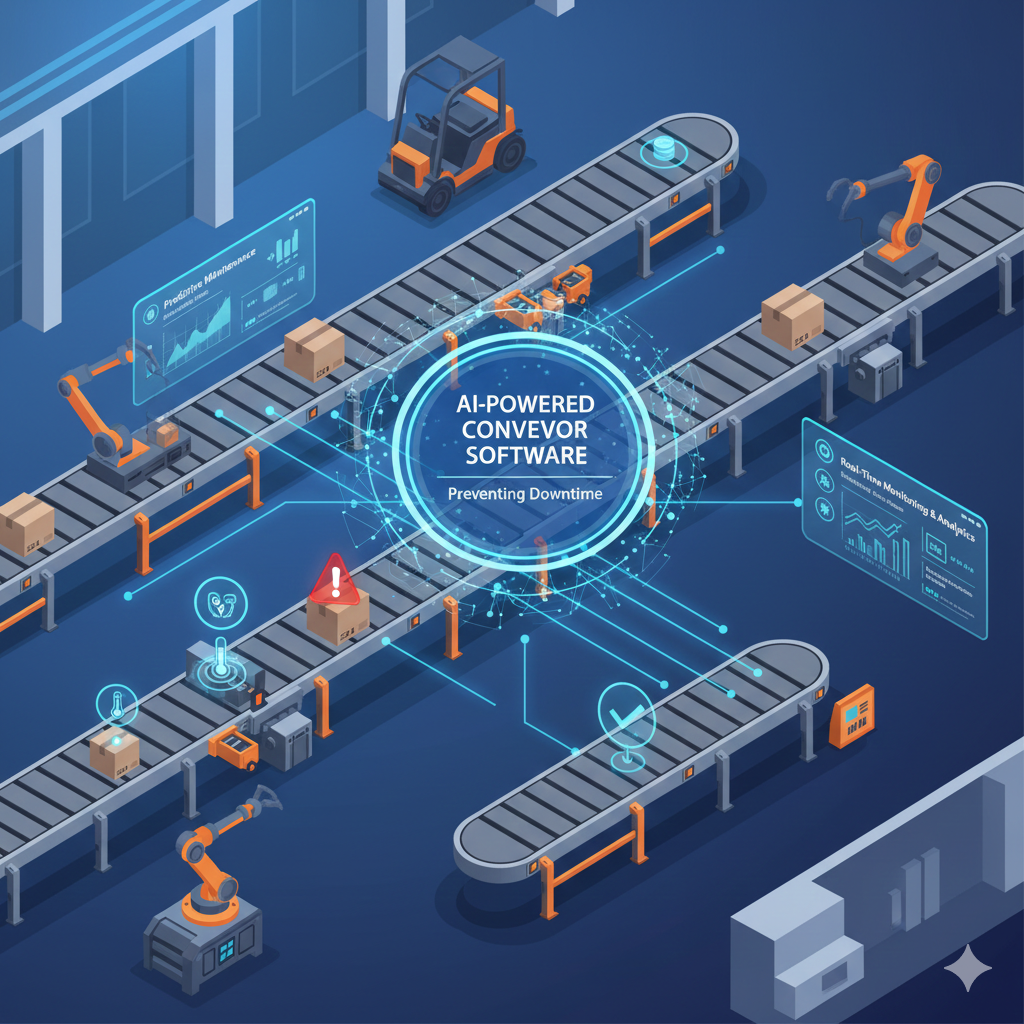
• Support predictive maintenance use cases 🧠
• Drive continuous operational improvement 🔄
Step 7: Security and Control in Conveyor Integrations 🛡️
• Enforce authentication and access controls 🔐
• Limit system interactions to authorized services 🚫
• Protect operational data from unauthorized access 🧾
• Support auditability and compliance requirements 📜
• Maintain system integrity across integrations ✔️
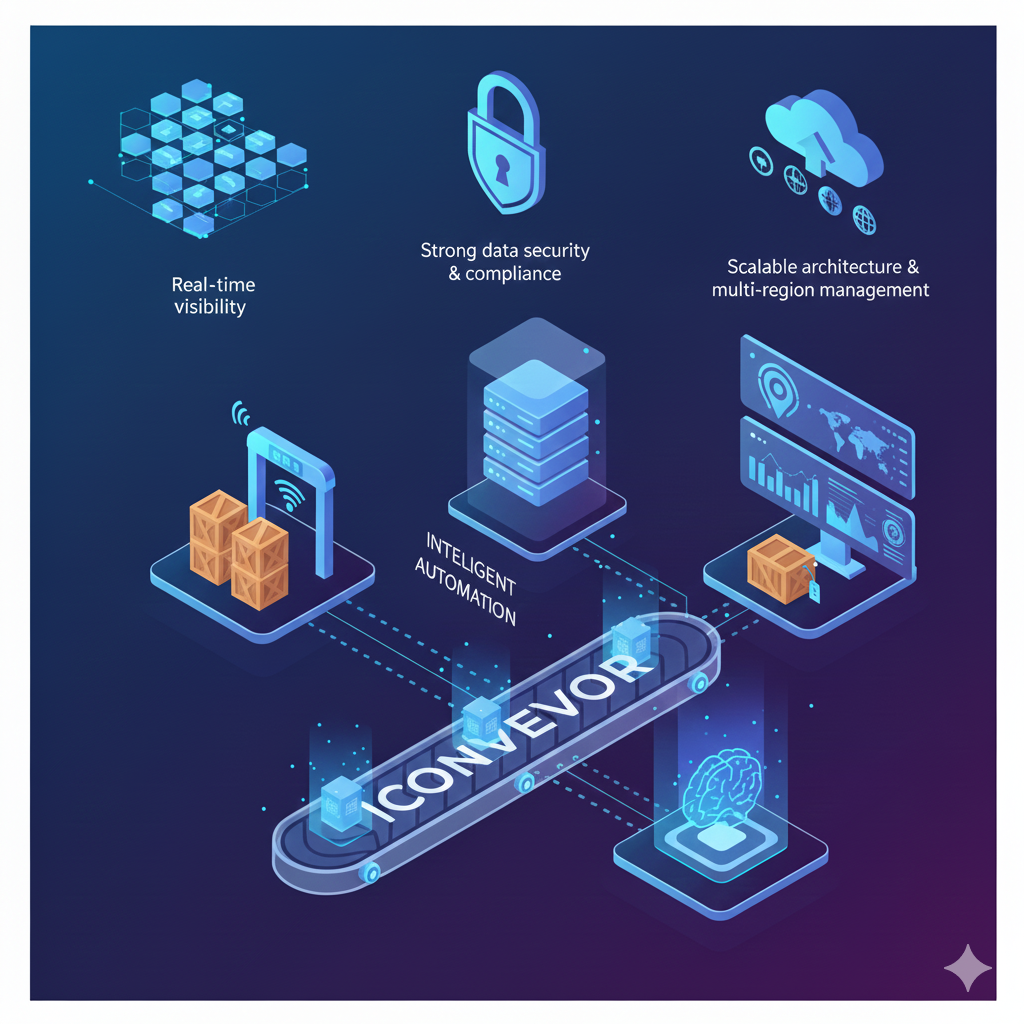
Step 8: Supporting Intelligent Automation Ecosystems 🌐
• Enable coordination across conveyors, robots, and software 🤝
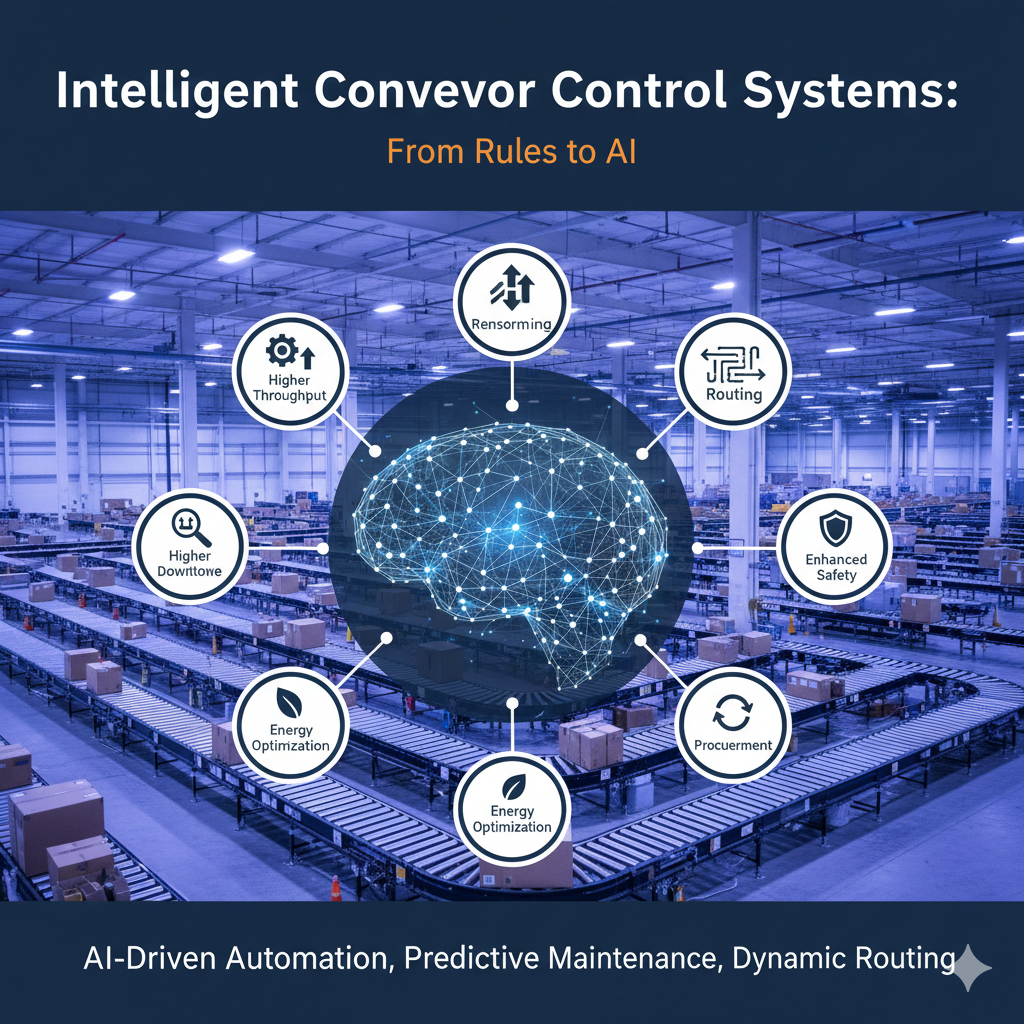
• Support AI-driven decision layers 🧠
• Integrate with optimization and planning engines 🗺️
• Allow centralized control with distributed execution 🧩
• Build cohesive smart facility architectures 🏗️
Step 9: APIs as a Foundation for Smart Conveyor Systems 🏆
• Transform conveyors into connected digital assets 🔗
• Enable adaptive and responsive material handling 🔄
• Support long-term automation strategies 📅
• Reduce integration complexity and cost 💸
• Position conveyor systems for future innovation 💡
Conclusion
APIs are the foundation that enables smart conveyor integrations in modern automated environments. By facilitating real-time communication, scalable connectivity, and secure data exchange, APIs allow conveyor systems to operate as intelligent components within larger digital ecosystems. As warehouses and factories become more software-driven, API-enabled conveyors play a critical role in achieving flexibility, efficiency, and long-term automation success.
See more blogs
You can all the articles below