Using Digital Modeling to Improve Conveyor Layout Design
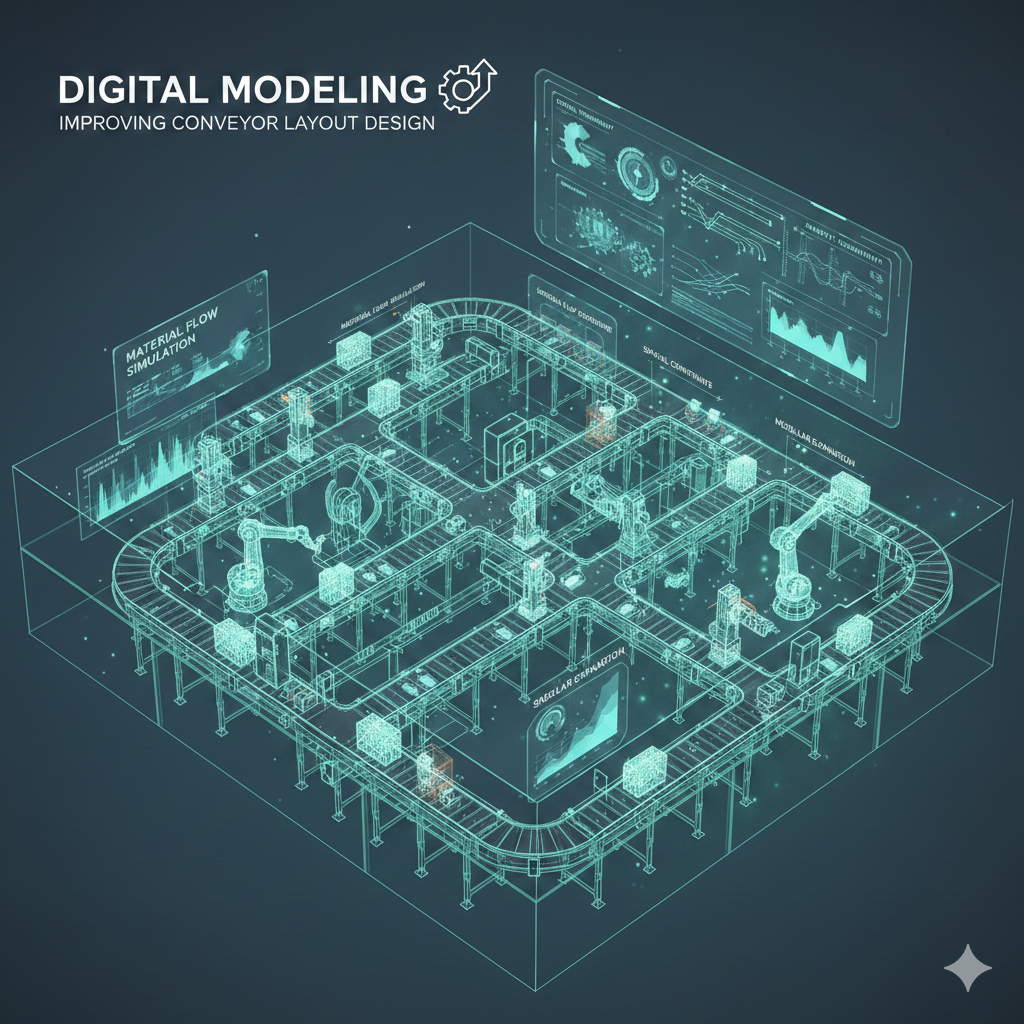
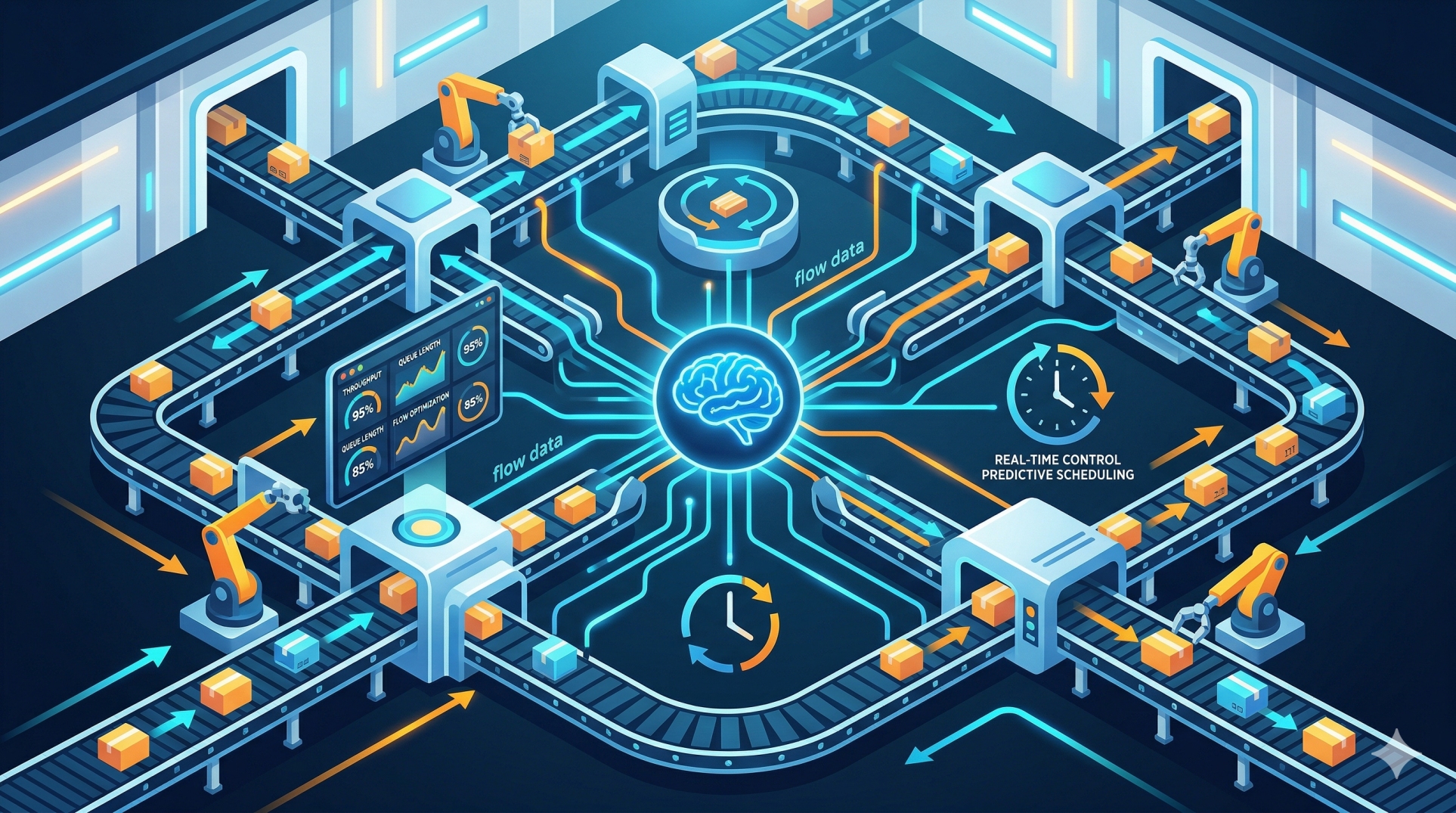
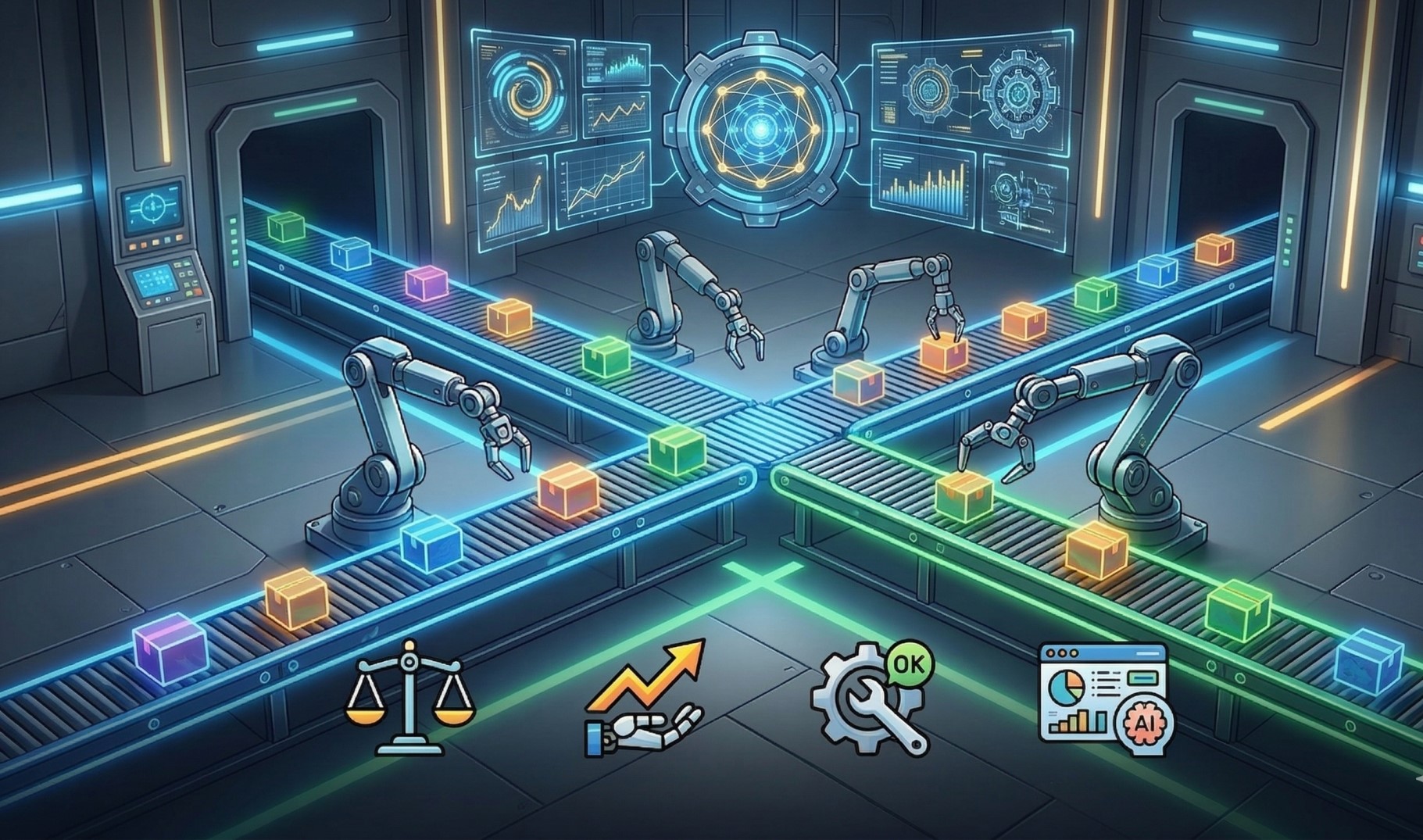
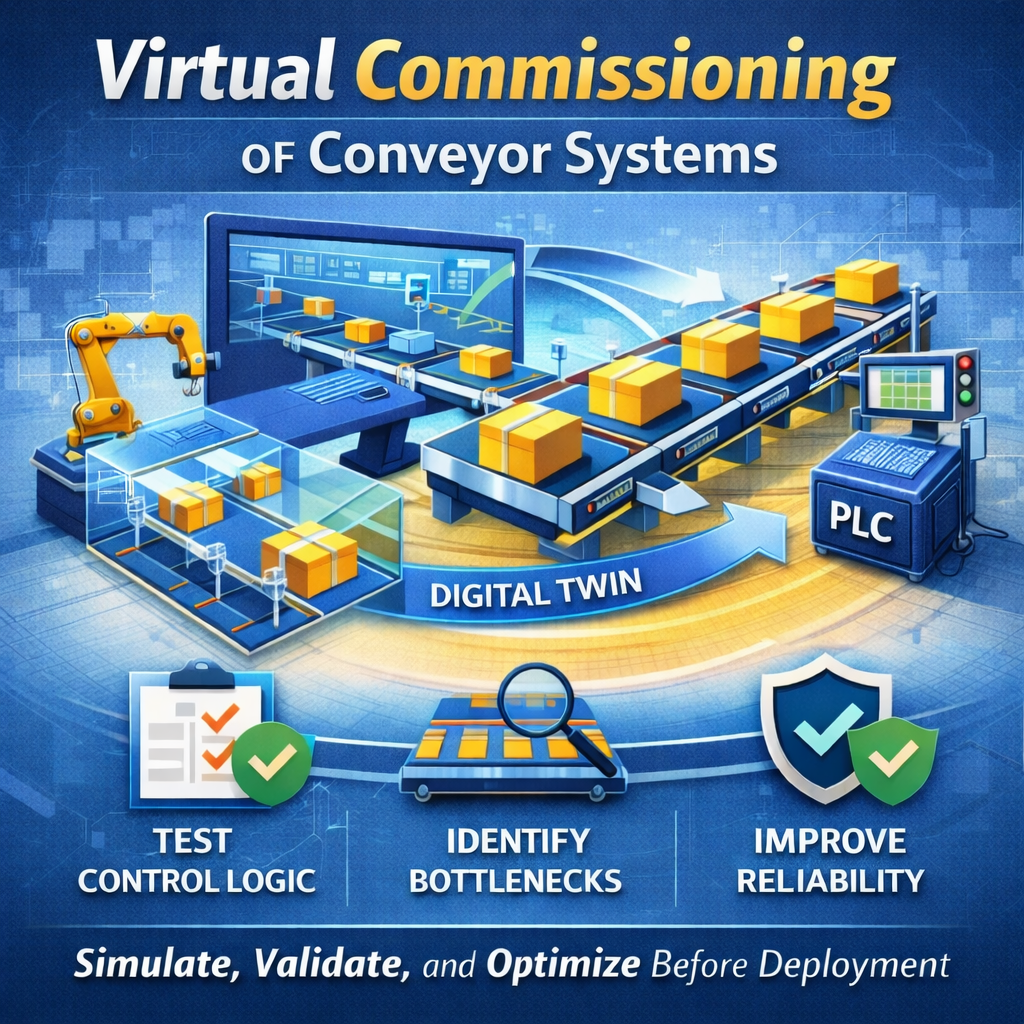
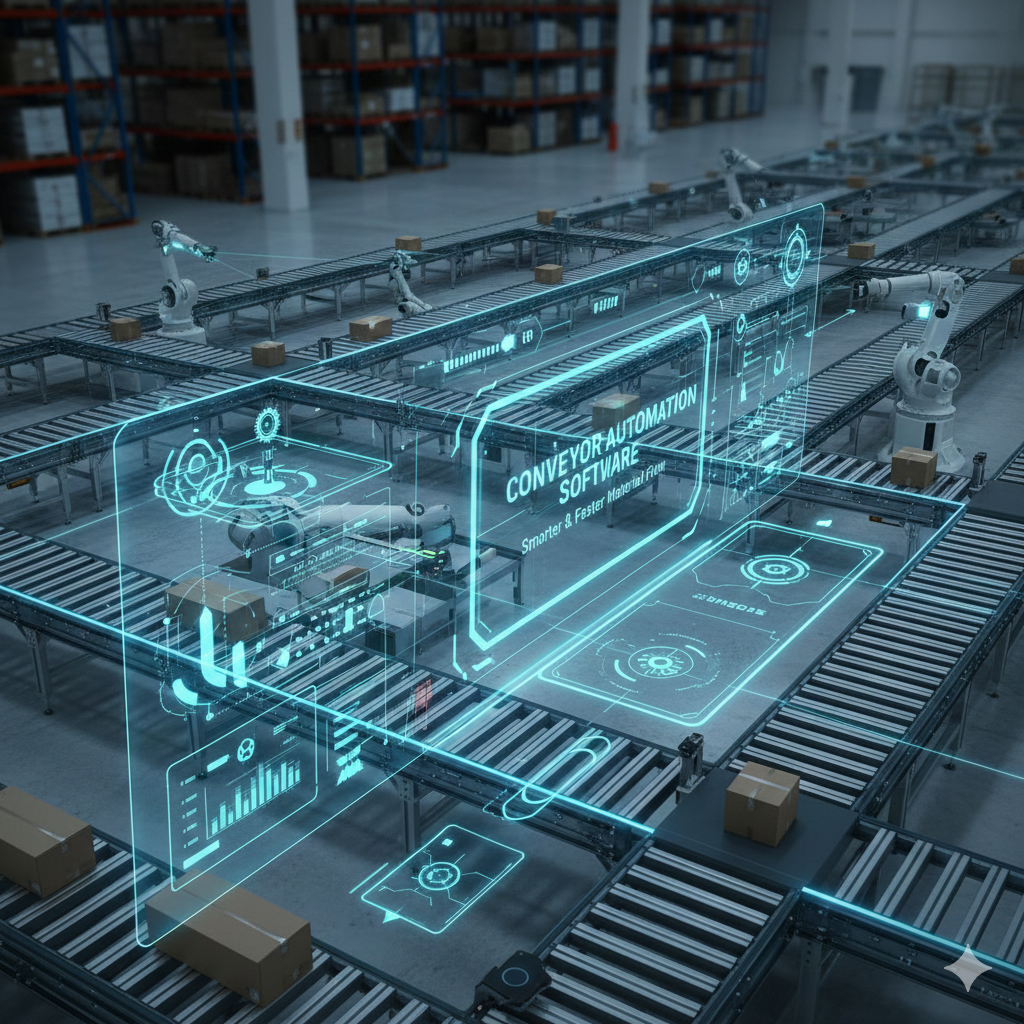
Digital modeling has become a foundational capability in modern conveyor system engineering. Rather than depending only on static layouts and manual engineering calculations, design teams now leverage advanced simulation and 3D visualization tools to build, analyze, and refine conveyor layouts before installation begins. This proactive method lowers implementation risk, improves operational efficiency, and ensures systems perform reliably under real operating conditions.
1. Understanding the Role of Digital Modeling in Conveyor Design 🧠
• Develops a dynamic virtual model of the entire conveyor system 📐
• Simulates material movement, equipment coordination, and flow rates 🔄
• Reveals spatial and operational constraints within the facility 🏭
• Validates design practicality before fabrication begins 🛠️
• Reduces reliance on iterative trial-and-error adjustments ⚙️
2. Visualizing Facility Layout and Space Utilization 📏
• Integrates conveyor routing within existing plant infrastructure 🏗️
• Detects clashes with columns, utilities, and structural components 🚧
• Optimizes pathways to reduce unnecessary curves and elevation shifts ↪️
• Enhances workflow between production and storage zones 🔁
• Maximizes efficient use of available floor space 📦
3. Simulating Material Flow and Throughput 📊
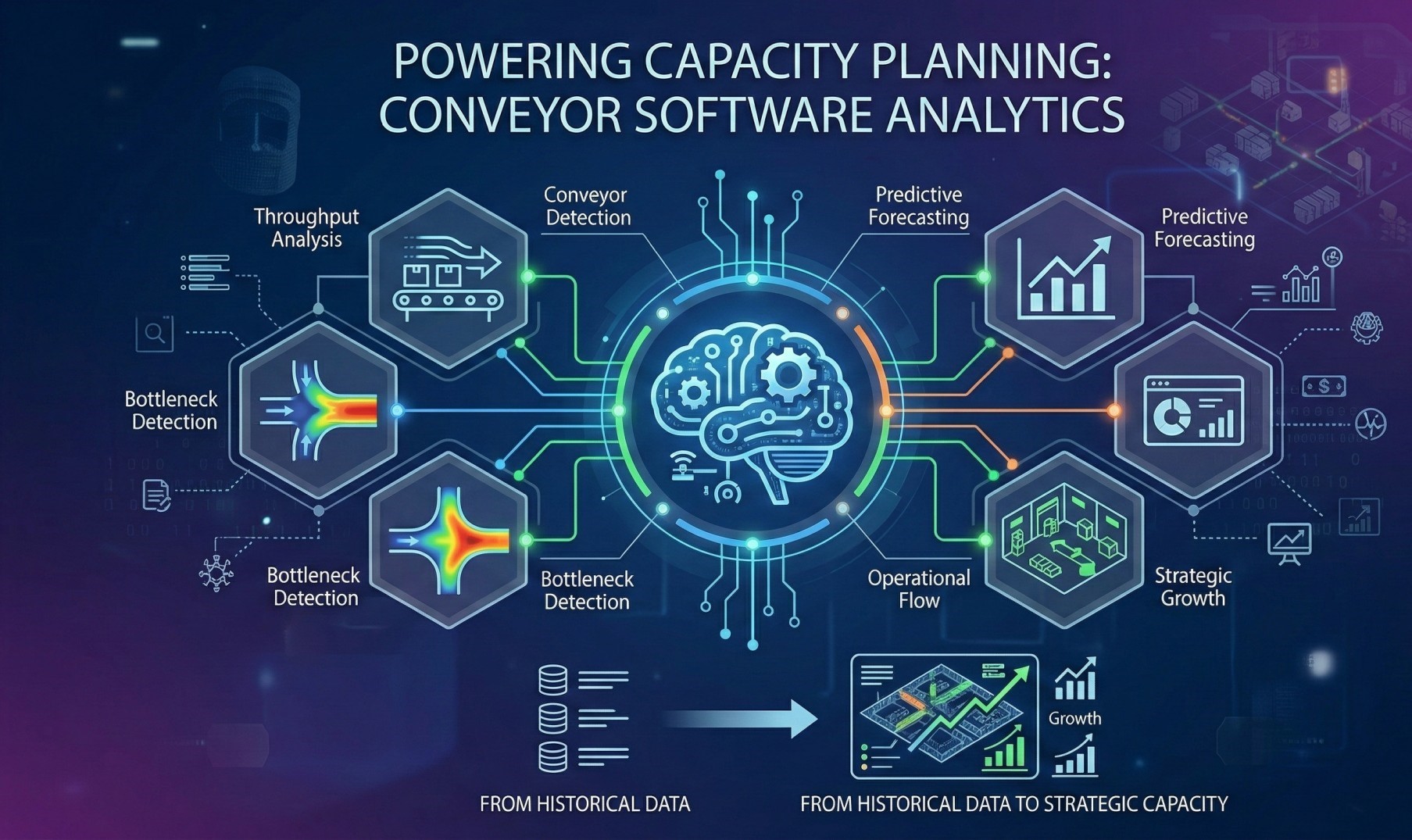
• Evaluates system performance under variable load scenarios 📈
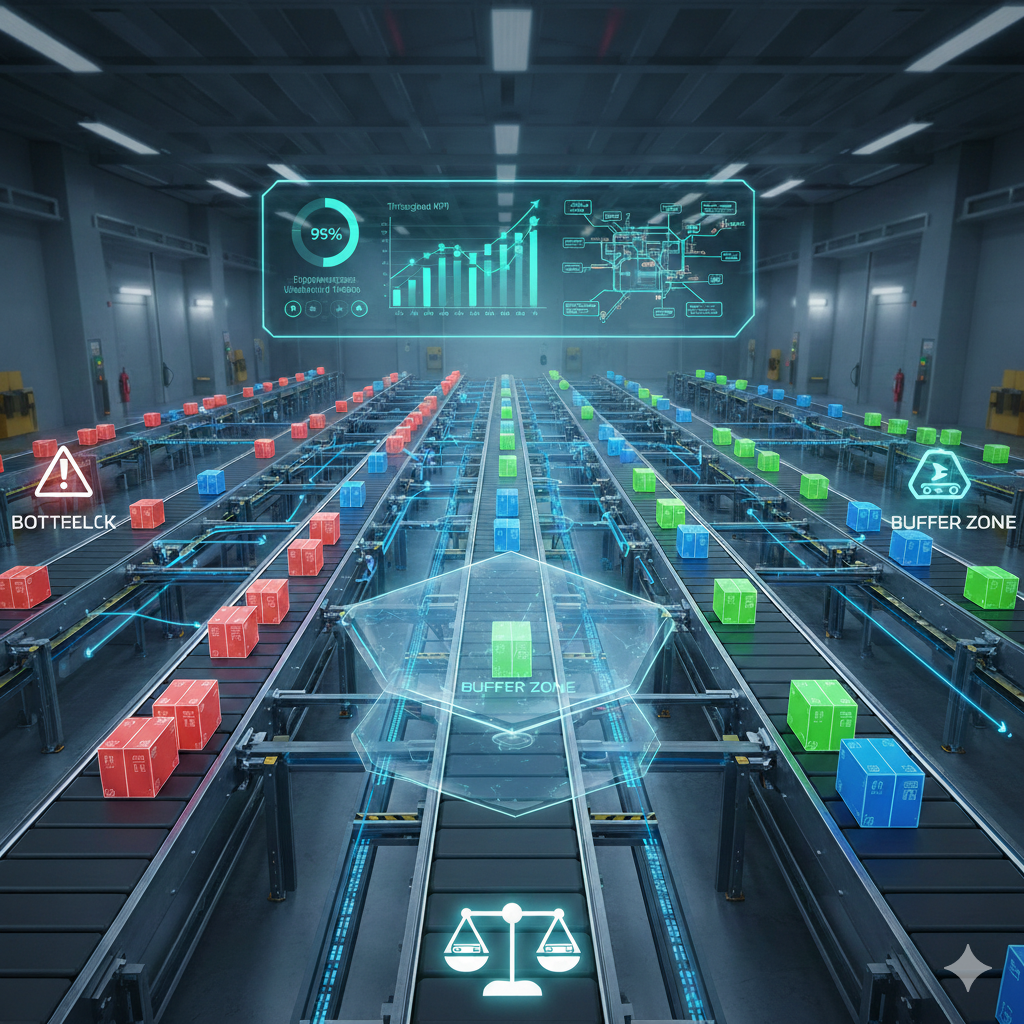
• Identifies bottlenecks at transfer and merging points ⚠️
• Determines appropriate sizing for accumulation and buffer zones 📦
• Measures cycle time and transport effectiveness ⏱️
• Confirms that operational capacity targets are achievable ✔️
4. Identifying Mechanical and Operational Constraints ⚙️
• Detects excessive belt tension and motor stress conditions 🔧
• Analyzes wear-prone components and stress concentration areas 🔍
• Assesses incline, decline, and load distribution performance 📉
• Simulates emergency stop and restart events 🚨
• Minimizes risk of premature equipment failure 🛡️
5. Improving Safety and Ergonomics 🦺
• Evaluates worker interaction with conveyor pathways 👷
• Identifies pinch points and restricted access zones ⚠️
• Improves maintenance accessibility and service clearances 🔩
• Supports adherence to safety regulations and standards 📜
• Reduces operational hazards prior to system deployment 🛑
6. Enhancing Collaboration Across Teams 🤝
• Provides a shared visual reference for engineers and stakeholders 🖥️
• Improves coordination between mechanical, electrical, and automation teams ⚡
• Enables data-driven design review discussions 📊
• Minimizes ambiguity found in traditional 2D drawings 📄
• Speeds up validation and approval processes 🚀
7. Supporting Scalability and Future Expansion 📈
• Tests adaptability for projected production growth 🔄
• Evaluates modular layout configurations 🧩
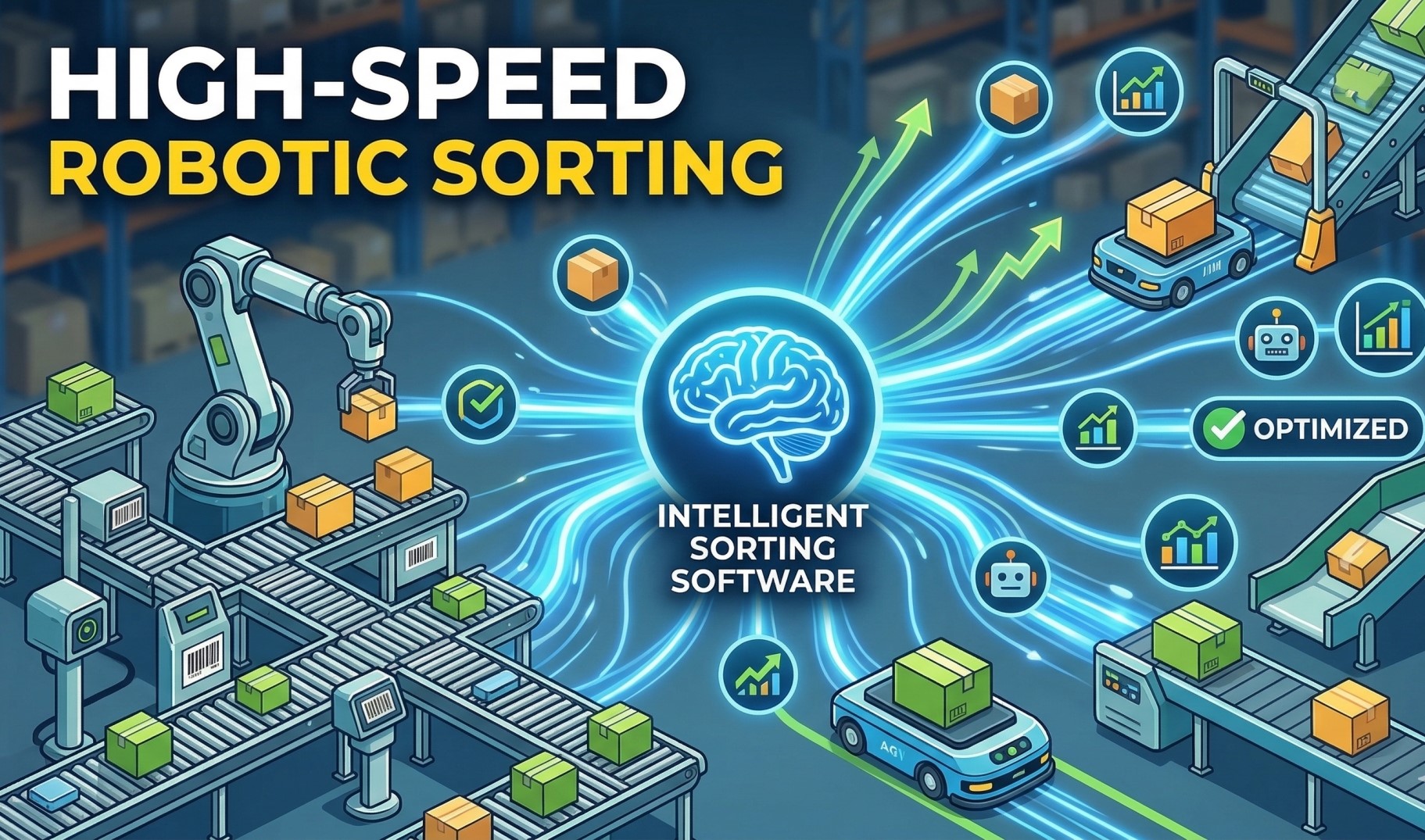
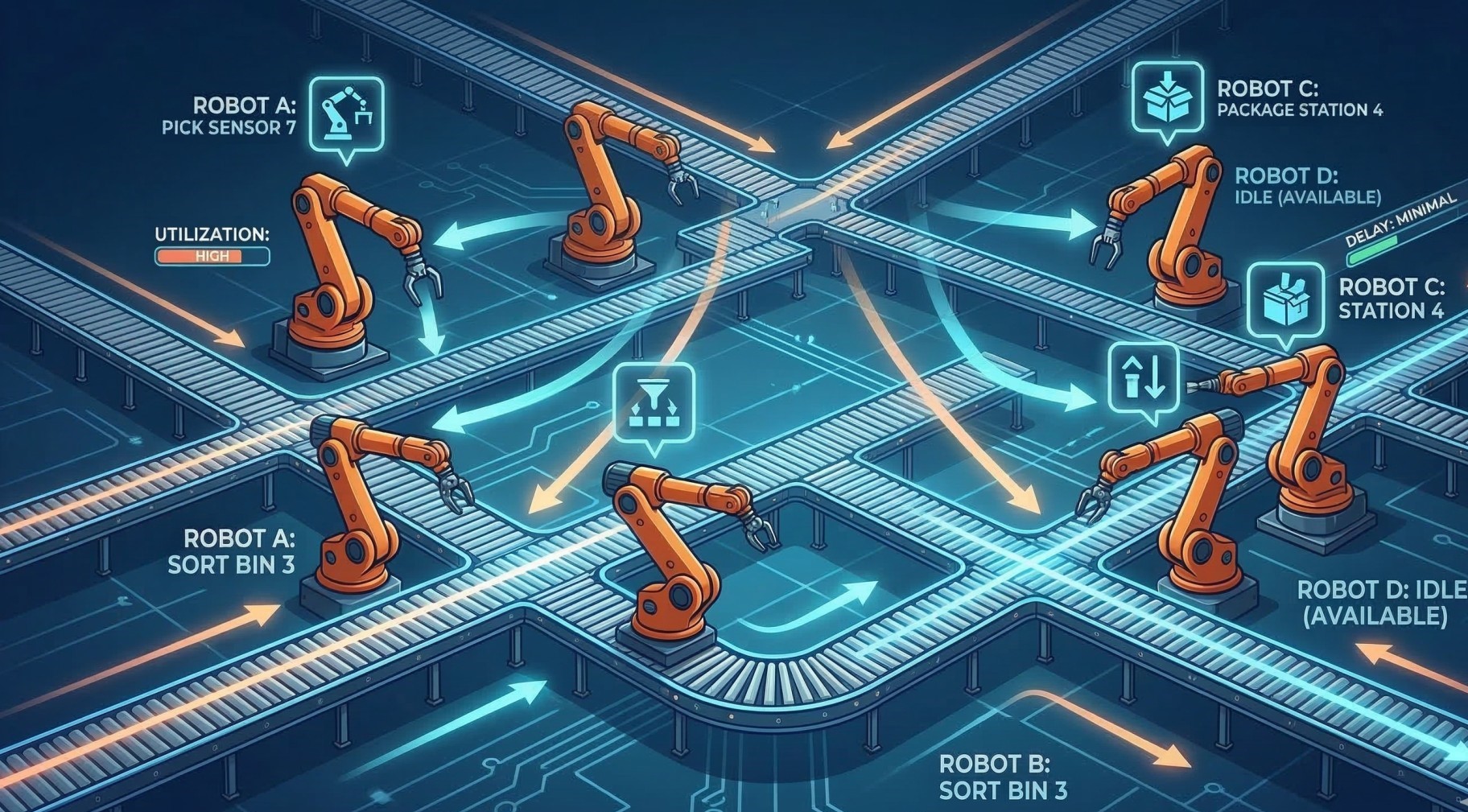
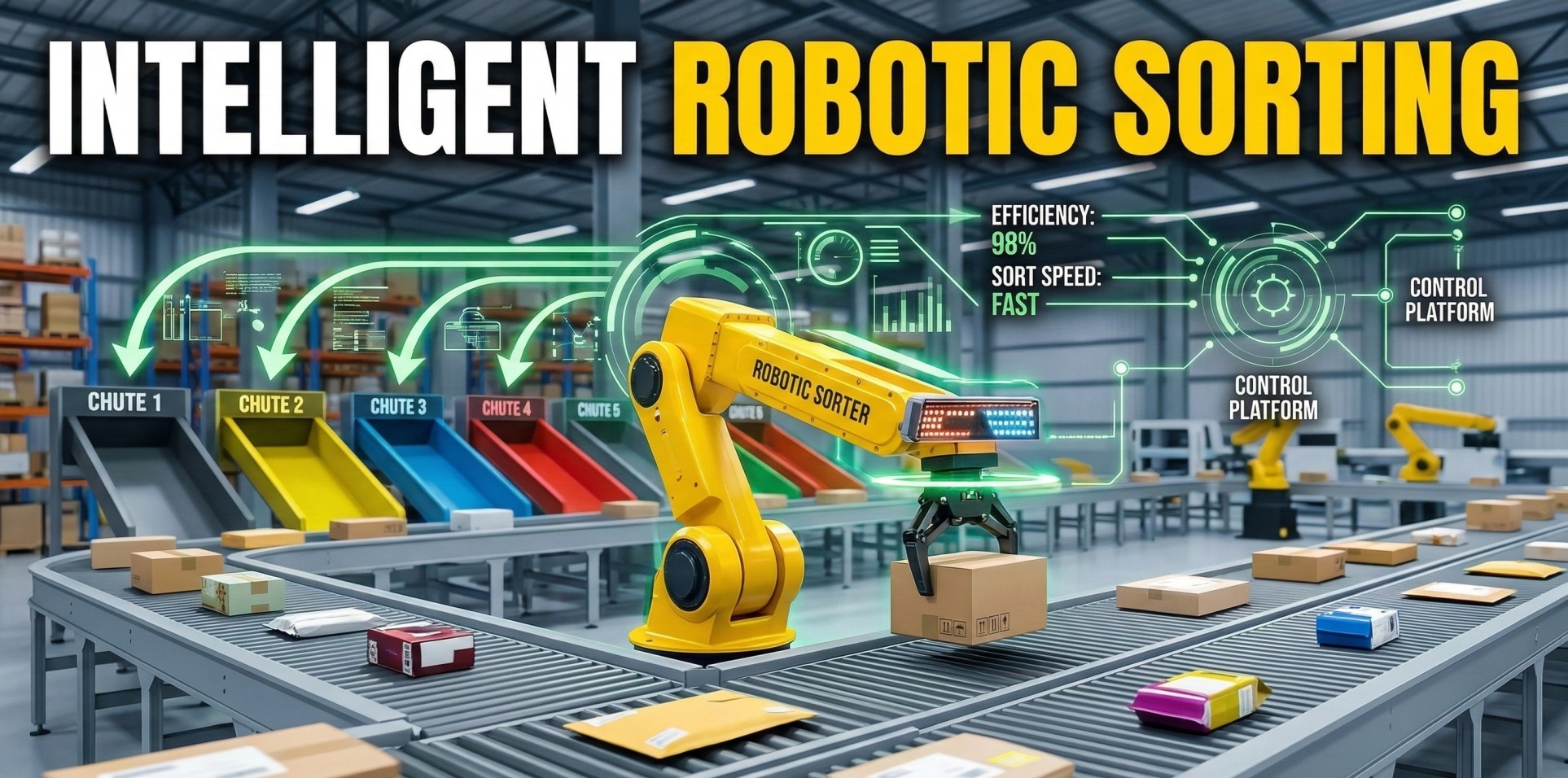
• Assesses integration with robotics and additional automation 🤖
• Reduces redesign effort during facility expansion 🏗️
• Aligns conveyor design with long-term operational strategy 🎯
8. Core Benefits of Digital Conveyor Modeling 🎯
• Prevents costly installation errors through early validation 💰
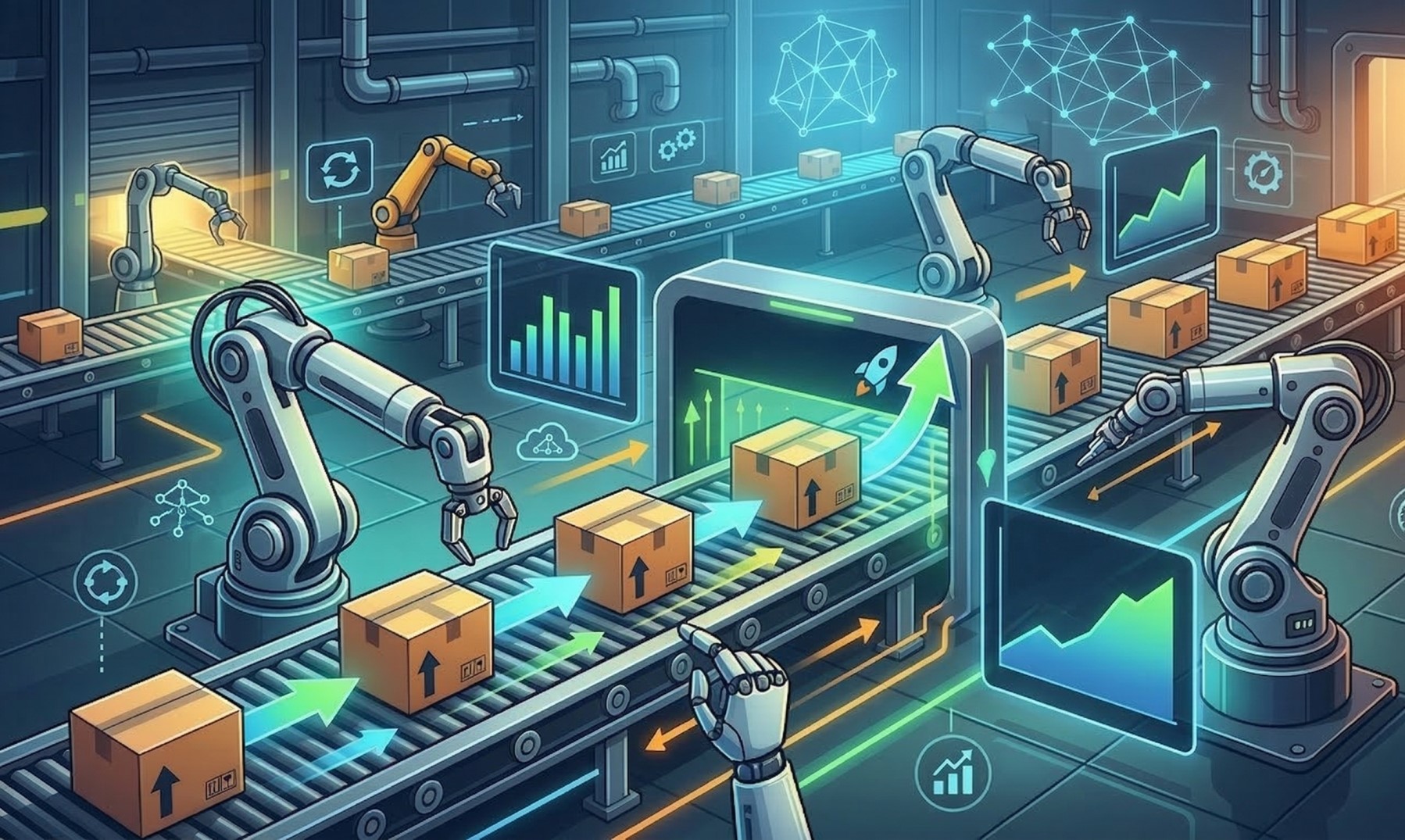
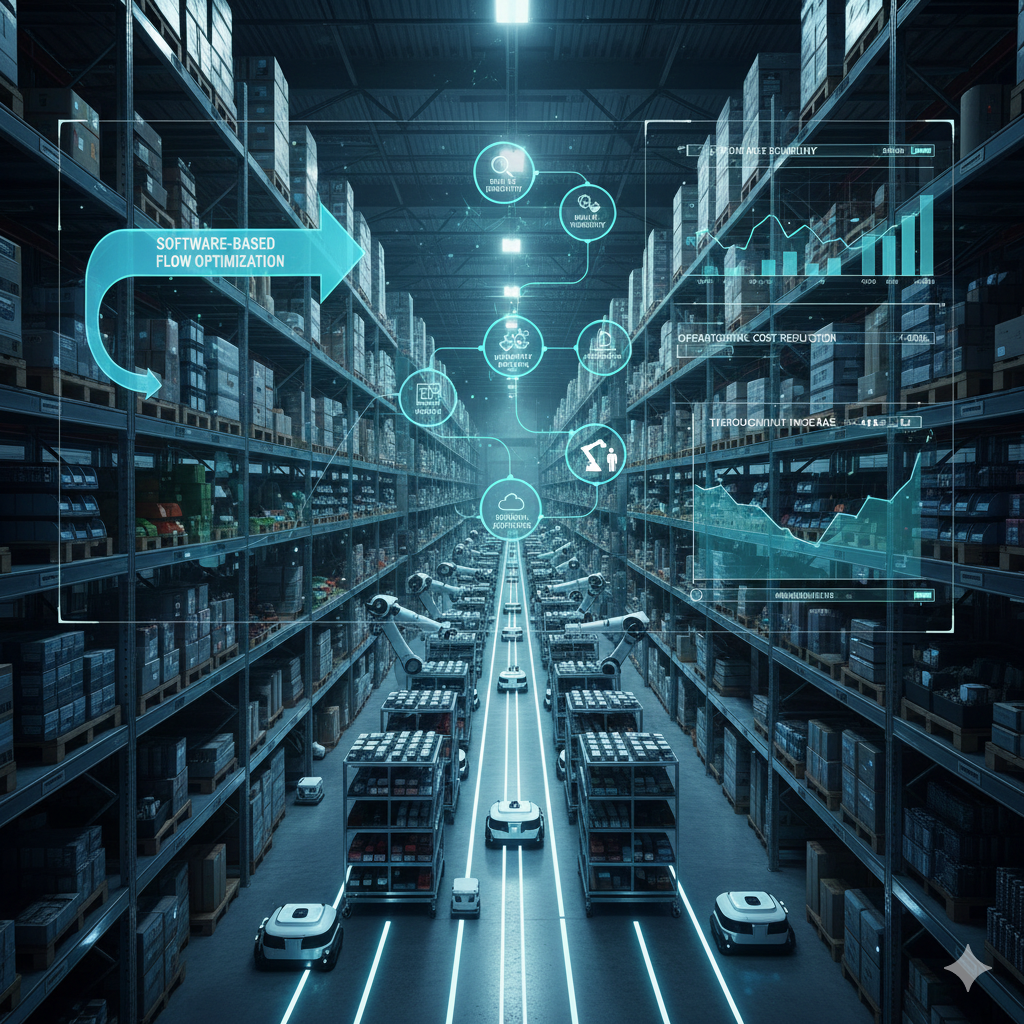
• Improves throughput and system-wide efficiency 📊
• Shortens project execution and commissioning timelines ⏳
• Reduces financial exposure in capital investments 📉
Conclusion
Digital modeling shifts conveyor layout design from a reactive engineering exercise to a predictive and data-driven discipline. By validating real-world performance before physical installation, organizations can optimize material movement, enhance safety, and prevent expensive redesigns. As manufacturing and logistics systems continue to increase in complexity, digital modeling provides the strategic framework necessary to build efficient, scalable, and future-ready conveyor solutions.
See more blogs
You can all the articles below