Reducing Human Error with Intelligent Conveyor Control
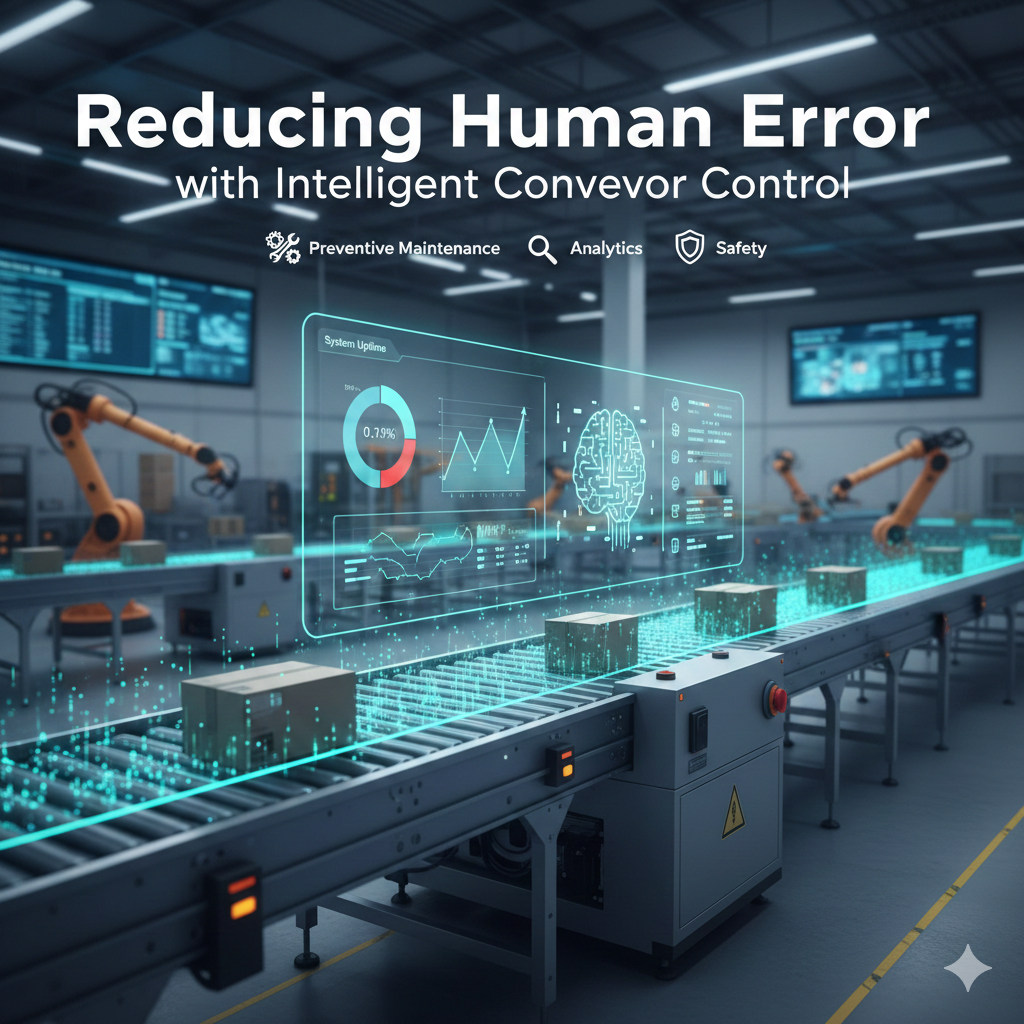
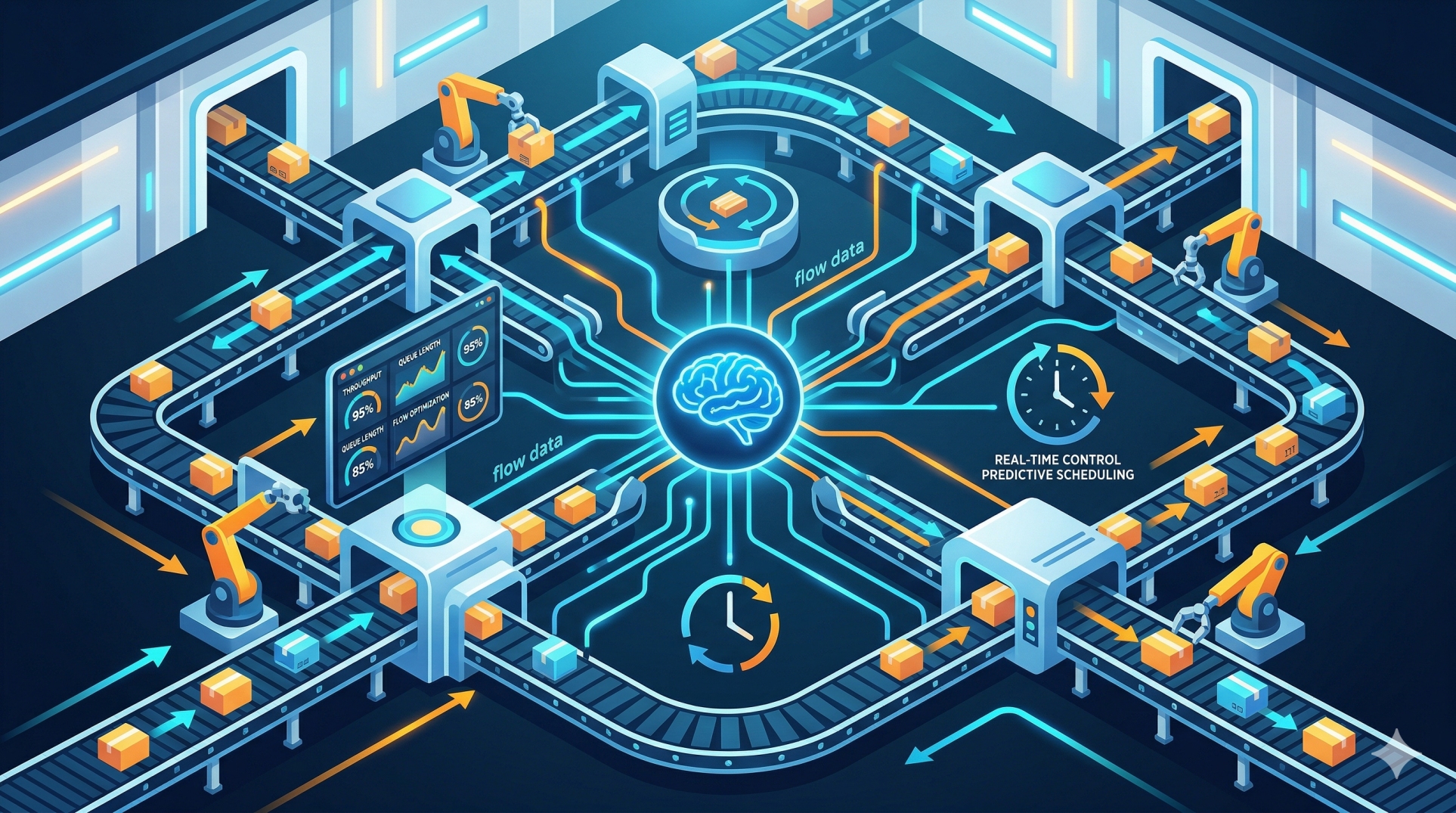
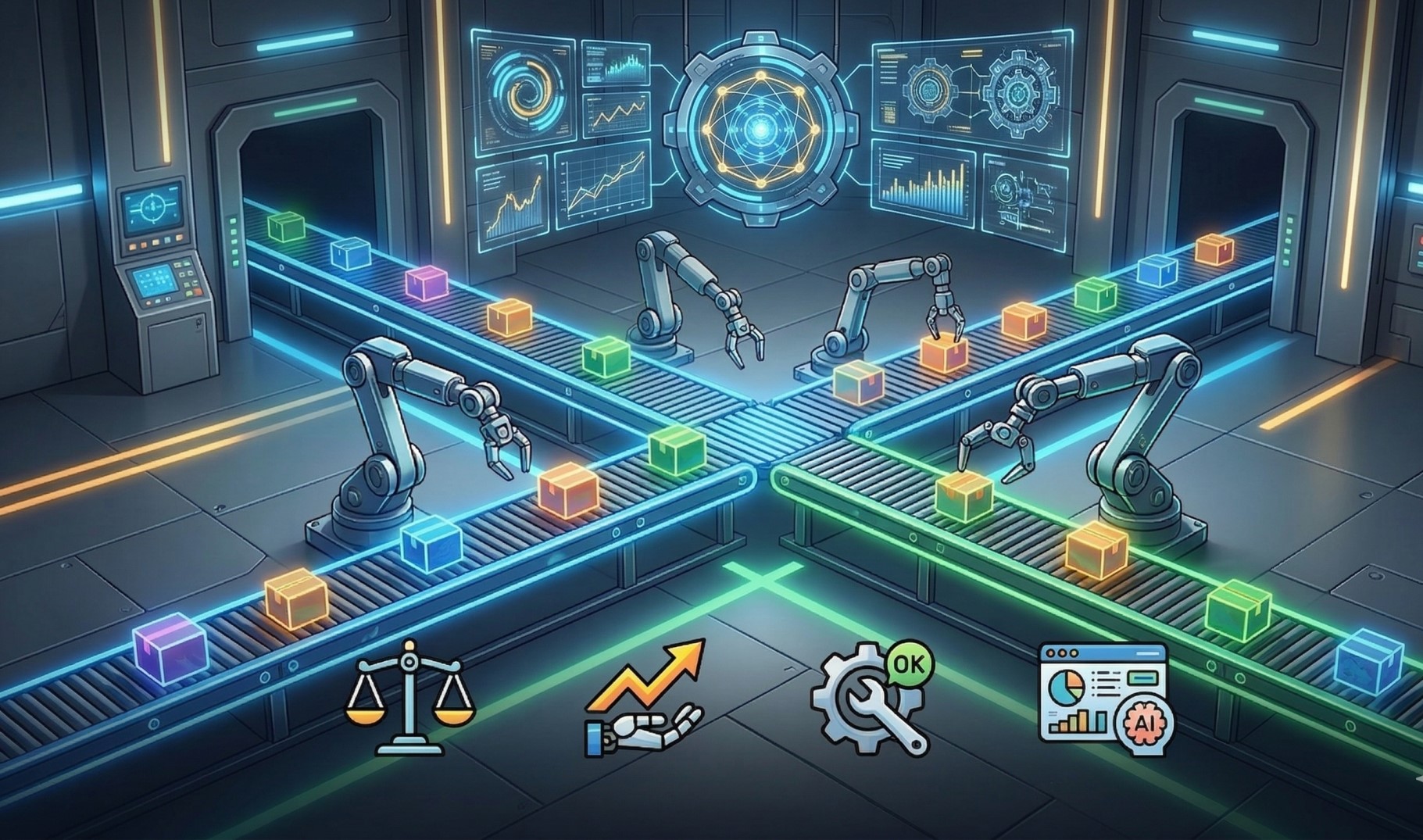
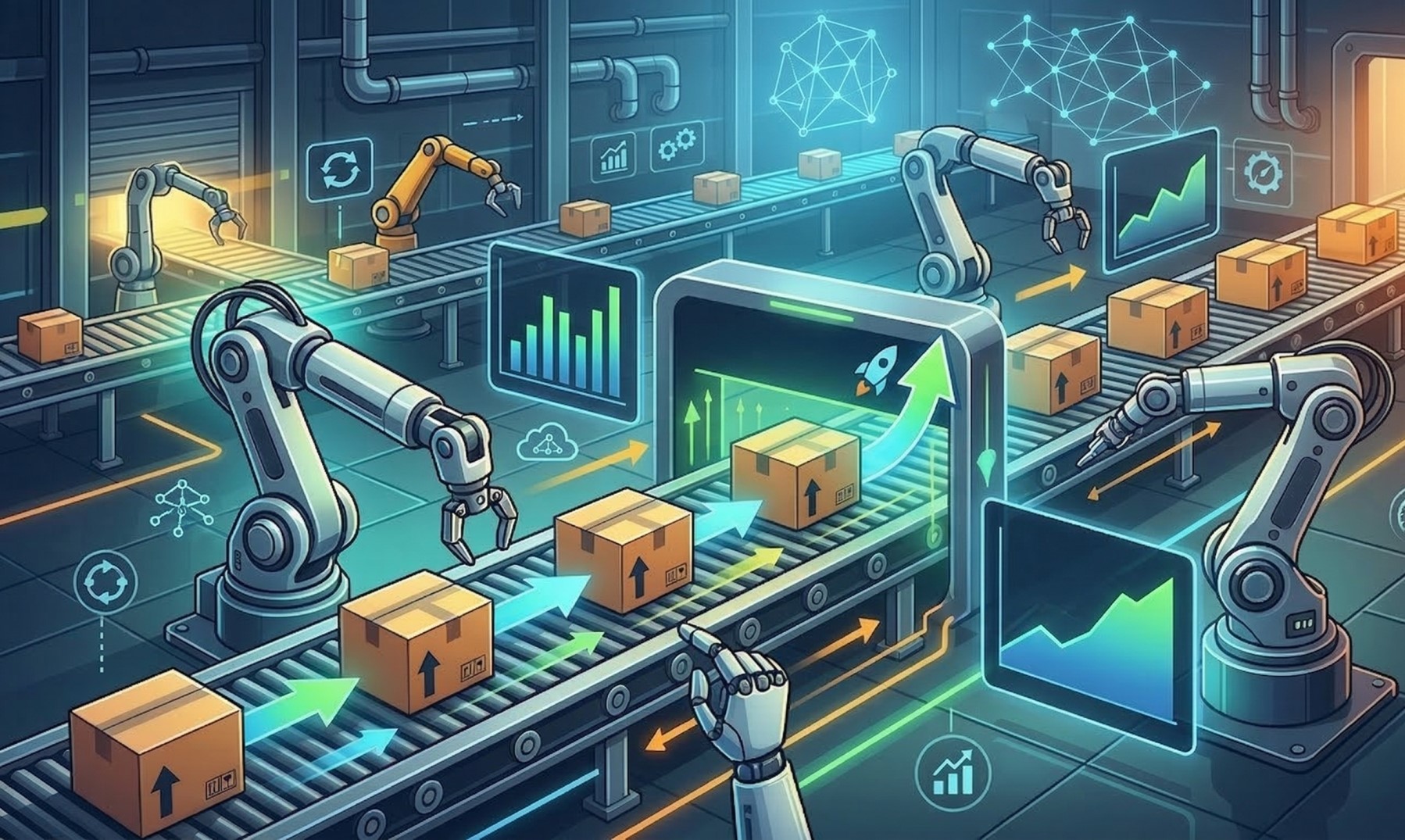
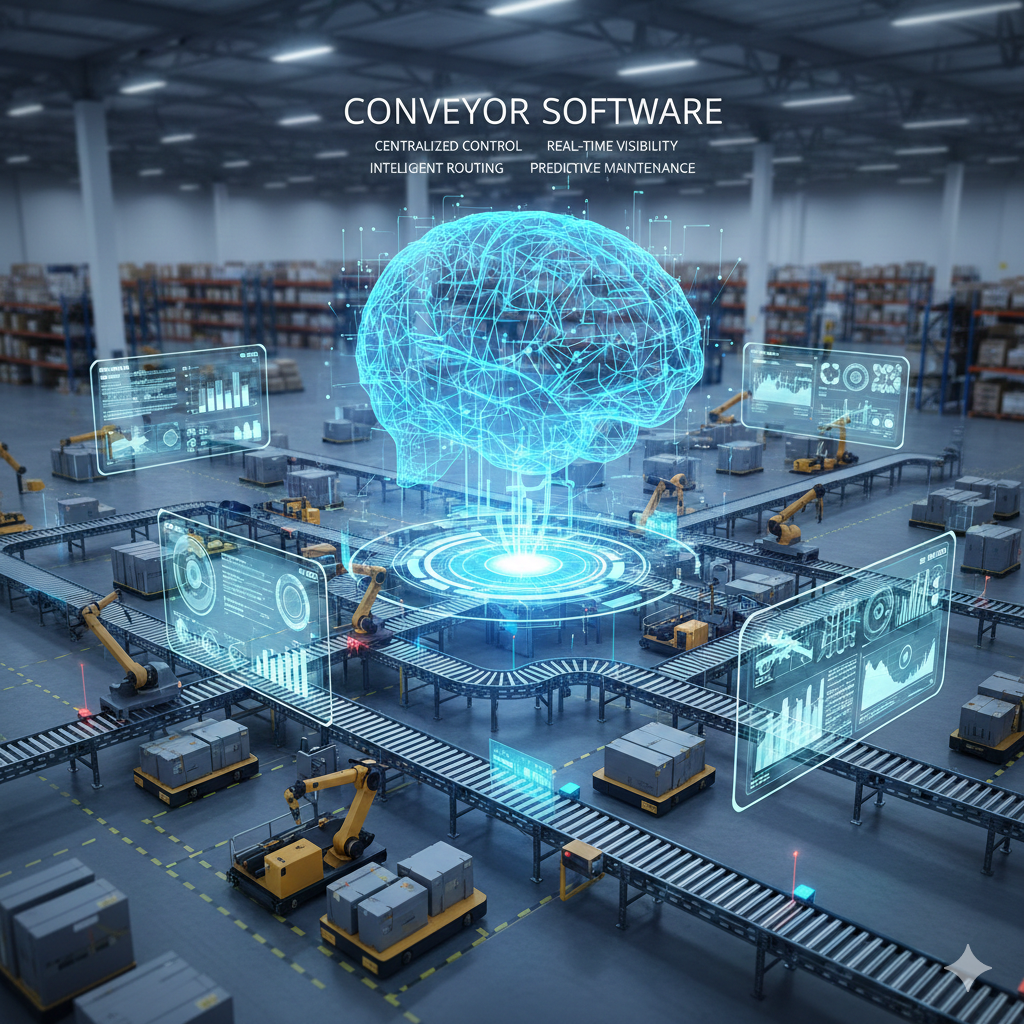
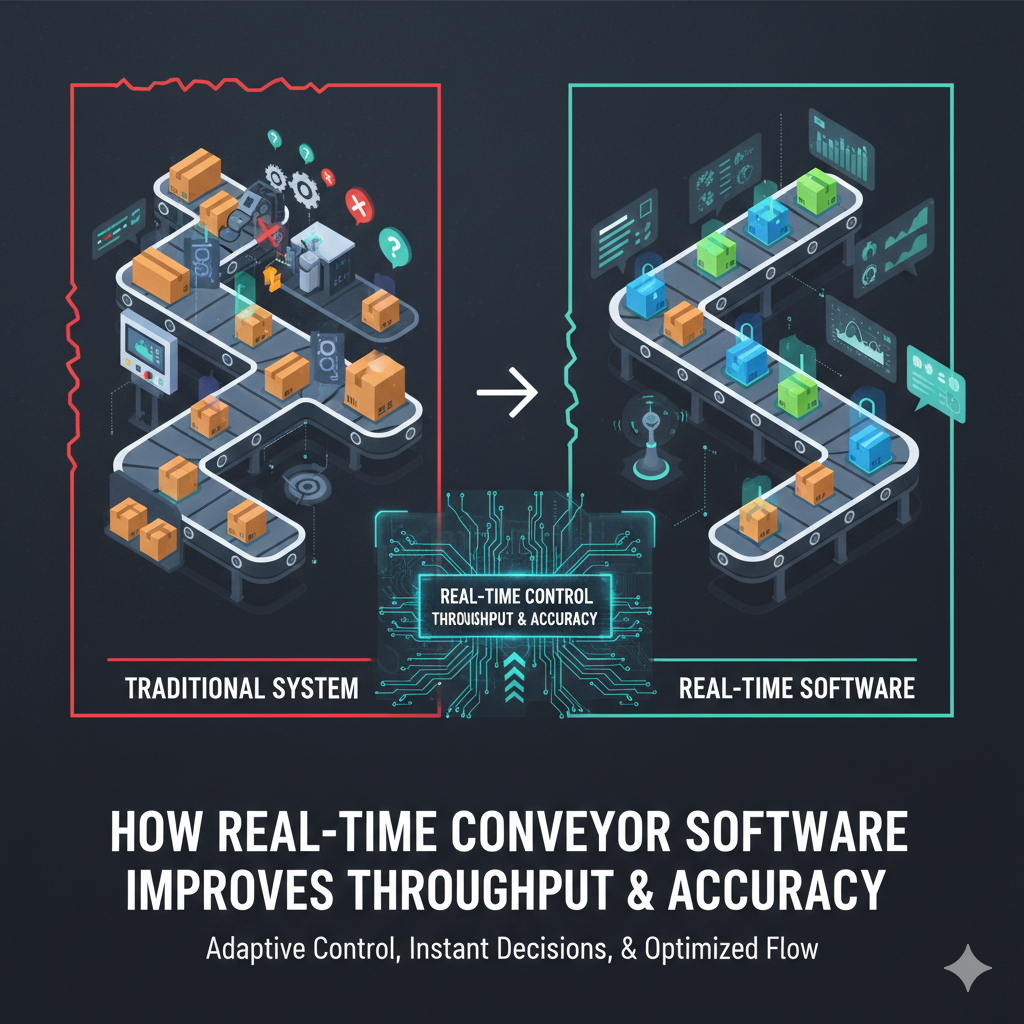
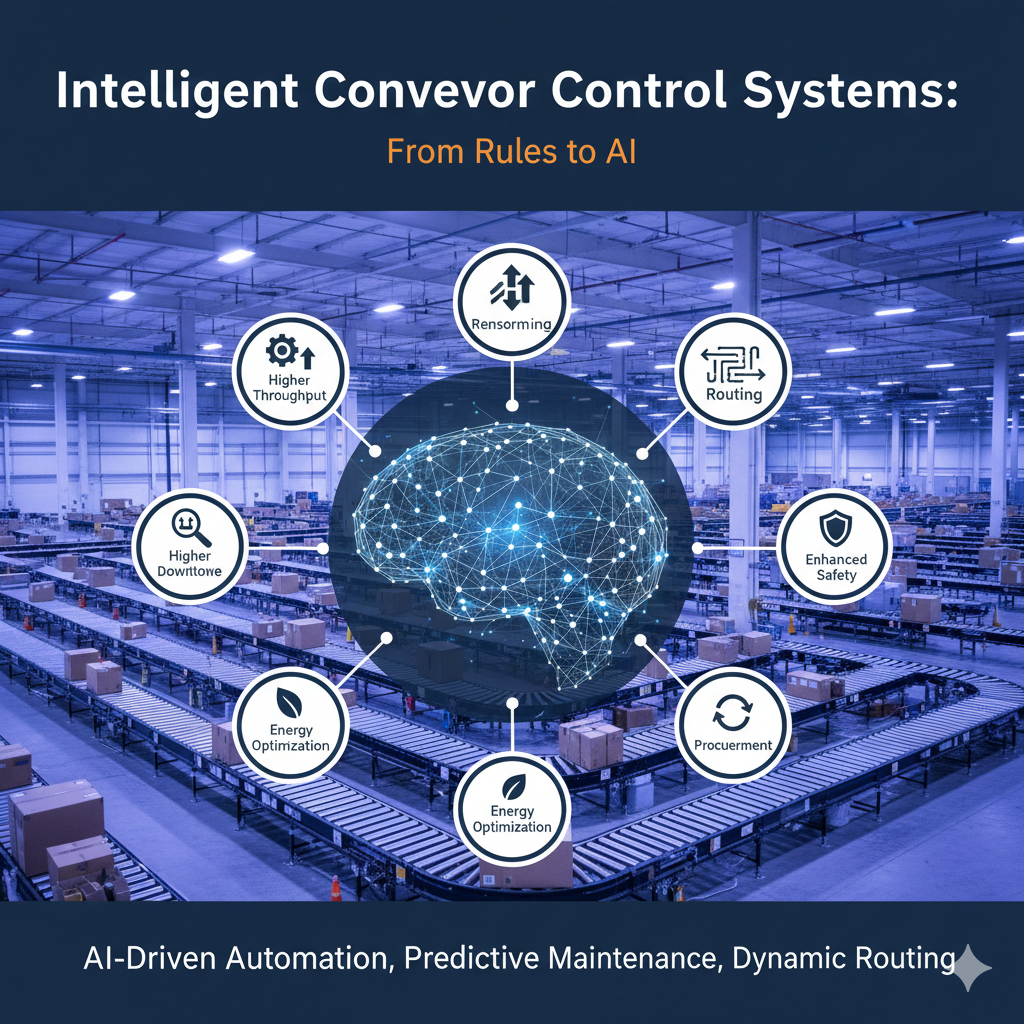
In high-throughput industrial environments, conveyor systems are fundamental to transporting materials across manufacturing, packaging, and distribution operations. Conventional conveyor management often relies heavily on manual oversight and reactive adjustments, increasing the probability of operational errors. Intelligent conveyor control introduces automation, real-time monitoring, and rule-driven optimization to minimize mistakes, enhance process stability, and improve overall system reliability.
1. Recognizing the Risks of Human Error in Conveyor Systems ⚠️
• Manual data entry mistakes can lead to incorrect routing or misplaced materials 🔄
• Delayed reactions to overloads or obstructions result in costly downtime ⏱️
• Inconsistent speed adjustments affect product quality and workflow balance 📉
• Lack of coordination between operators disrupts process continuity 🤝
• Frequent manual handling raises workplace safety risks 🦺
2. Continuous Monitoring and Automated Response ⚙️
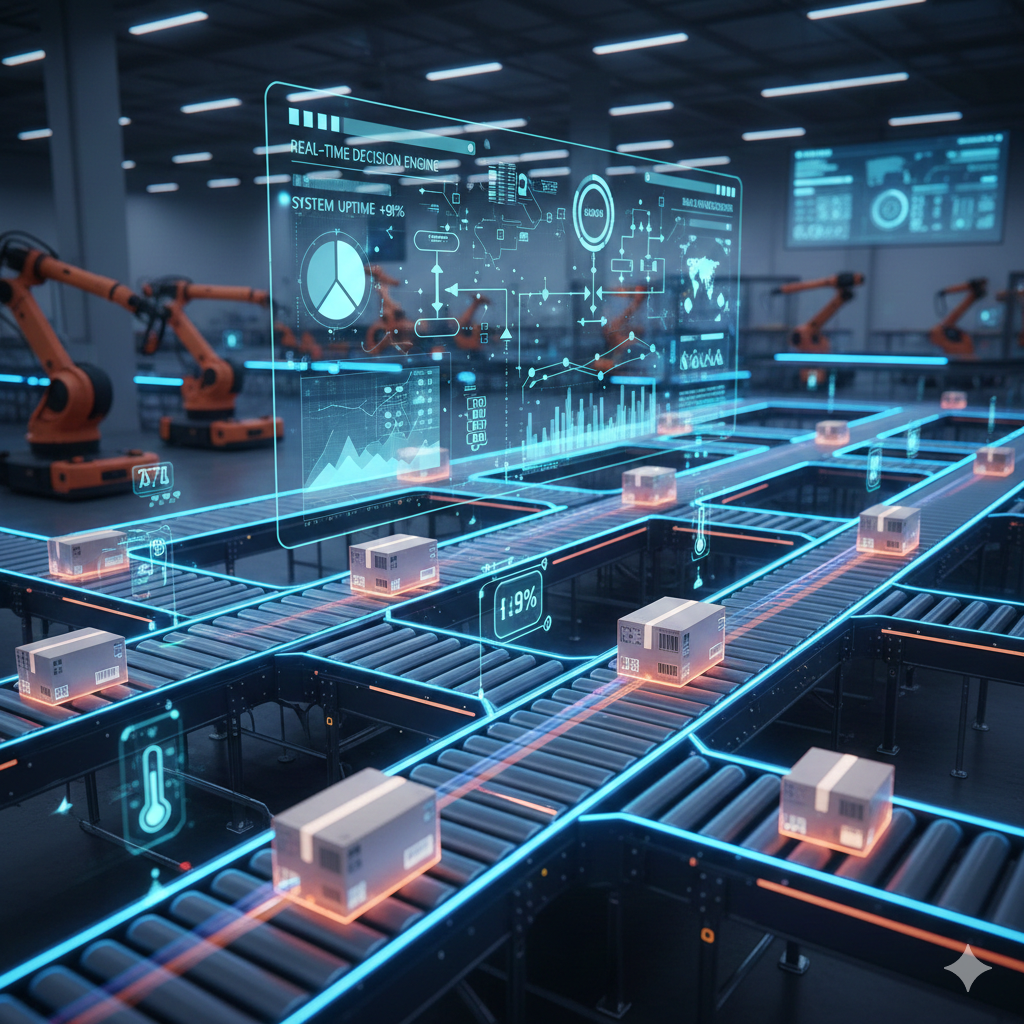
• Embedded sensors provide real-time performance visibility 📊
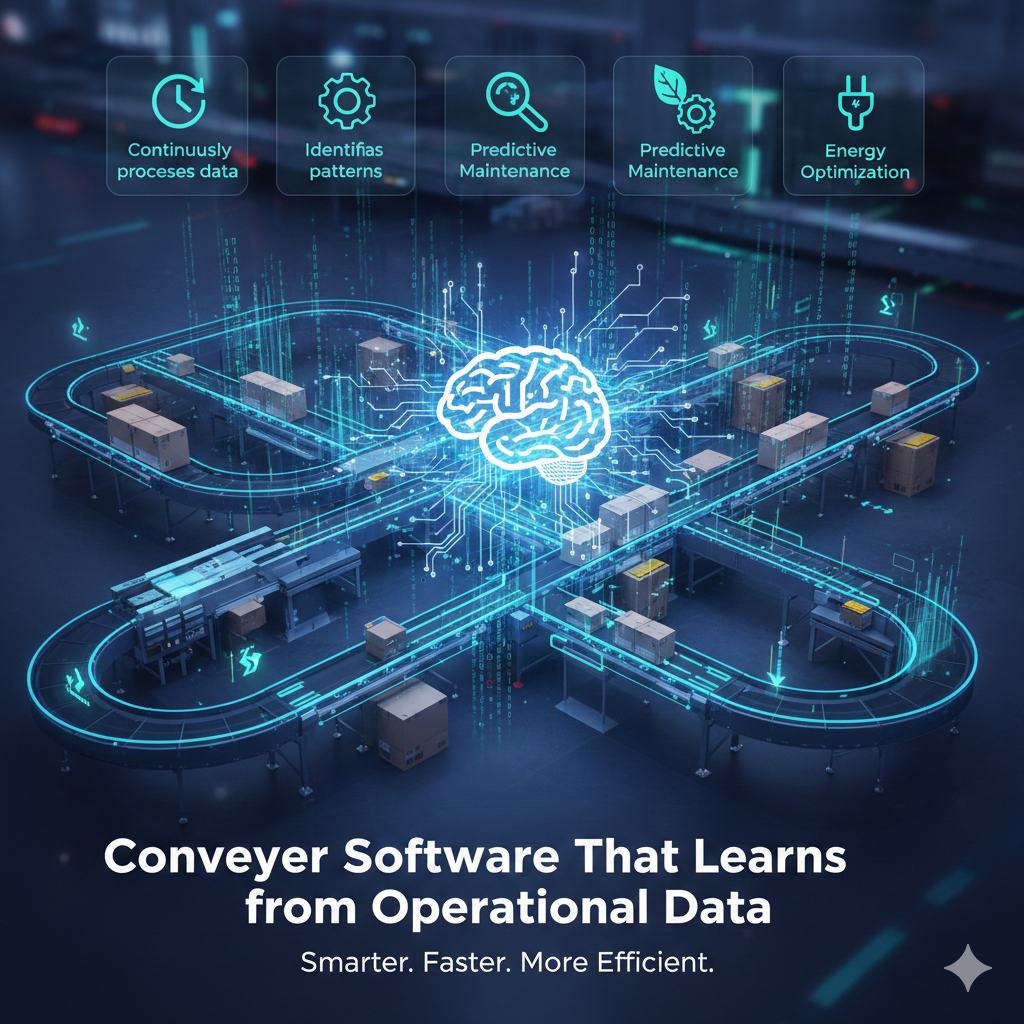
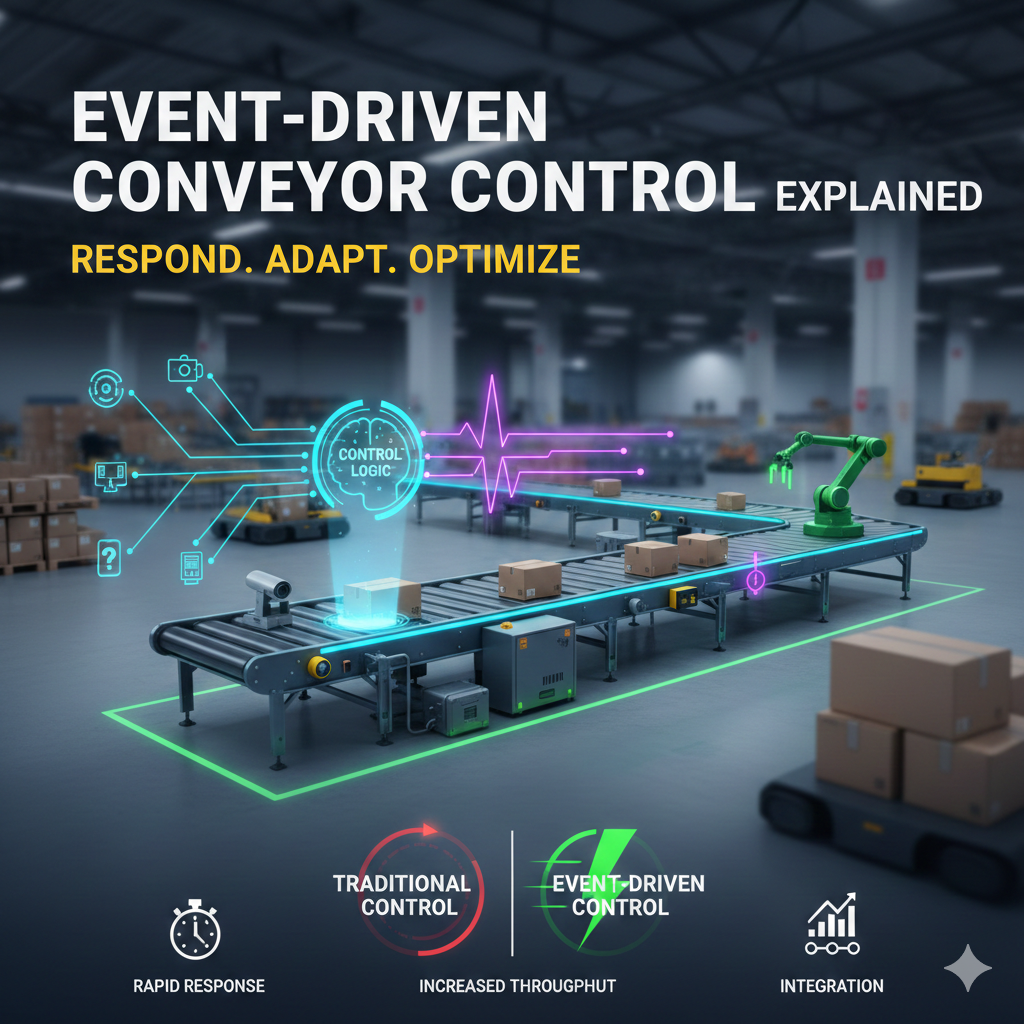
• Control algorithms respond automatically to abnormal conditions 🤖
• Early alerts flag potential issues before escalation 🚨
• Automated corrections reduce dependency on operator intervention 🔁
• Operational data is continuously logged for performance review 📁
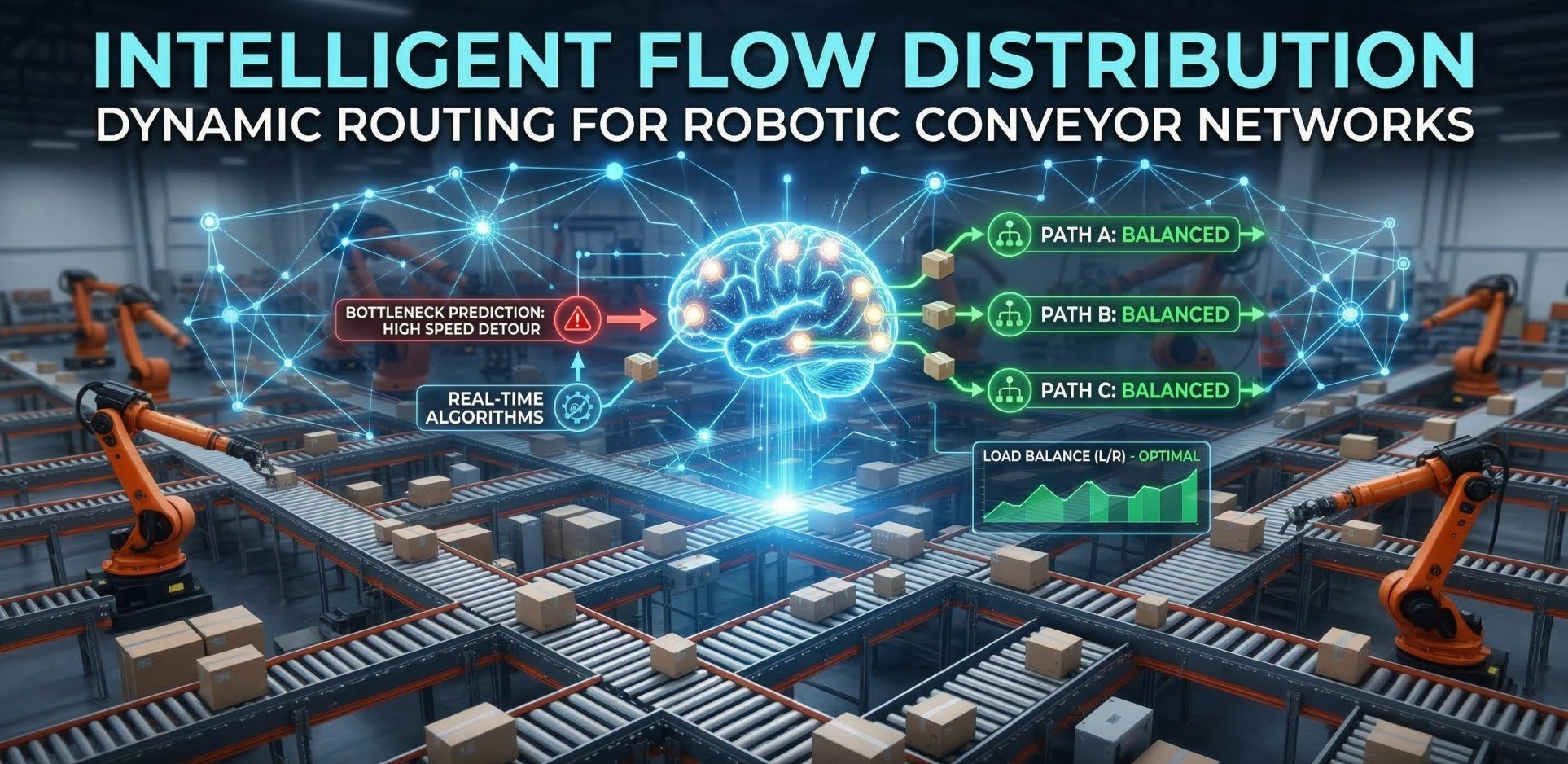
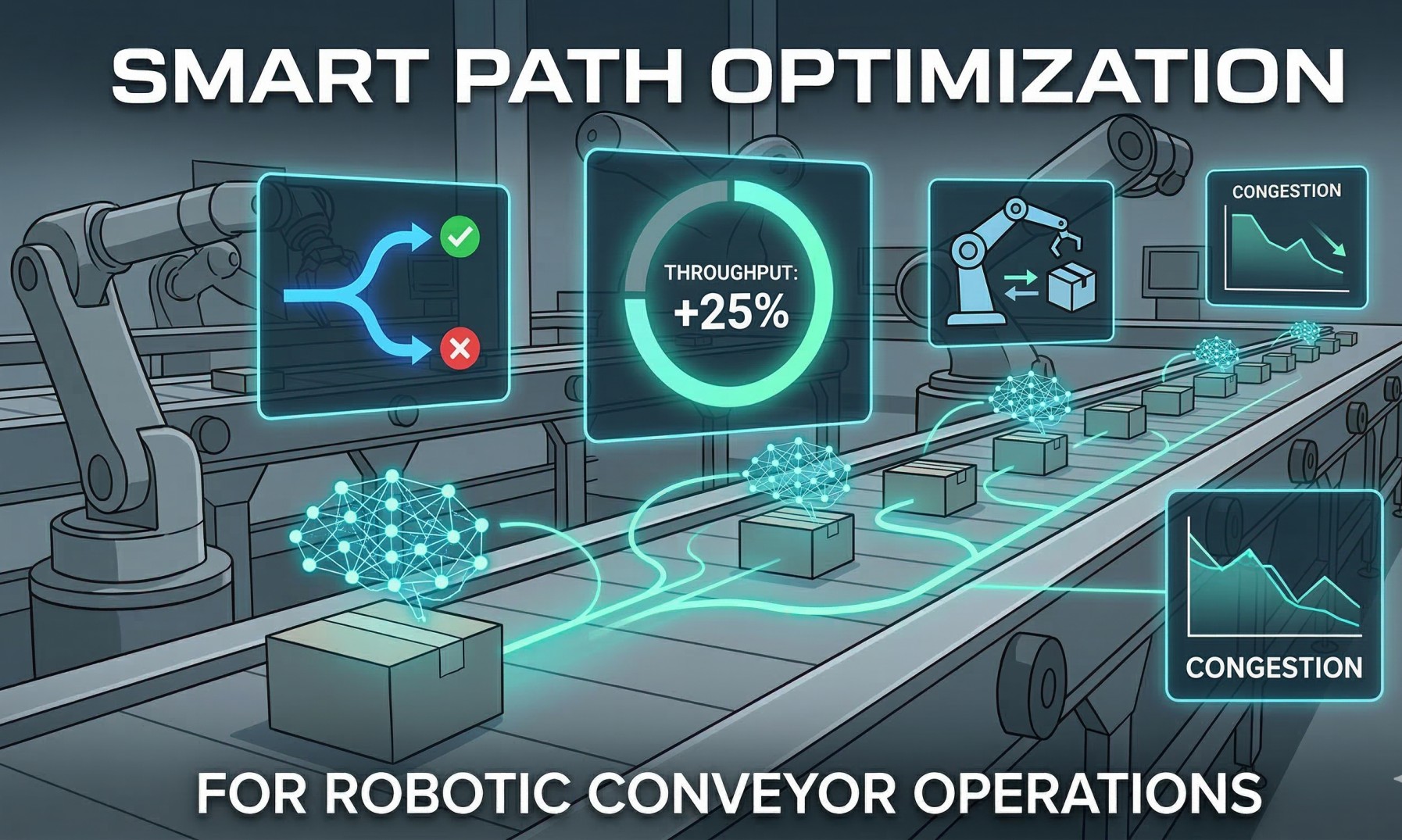
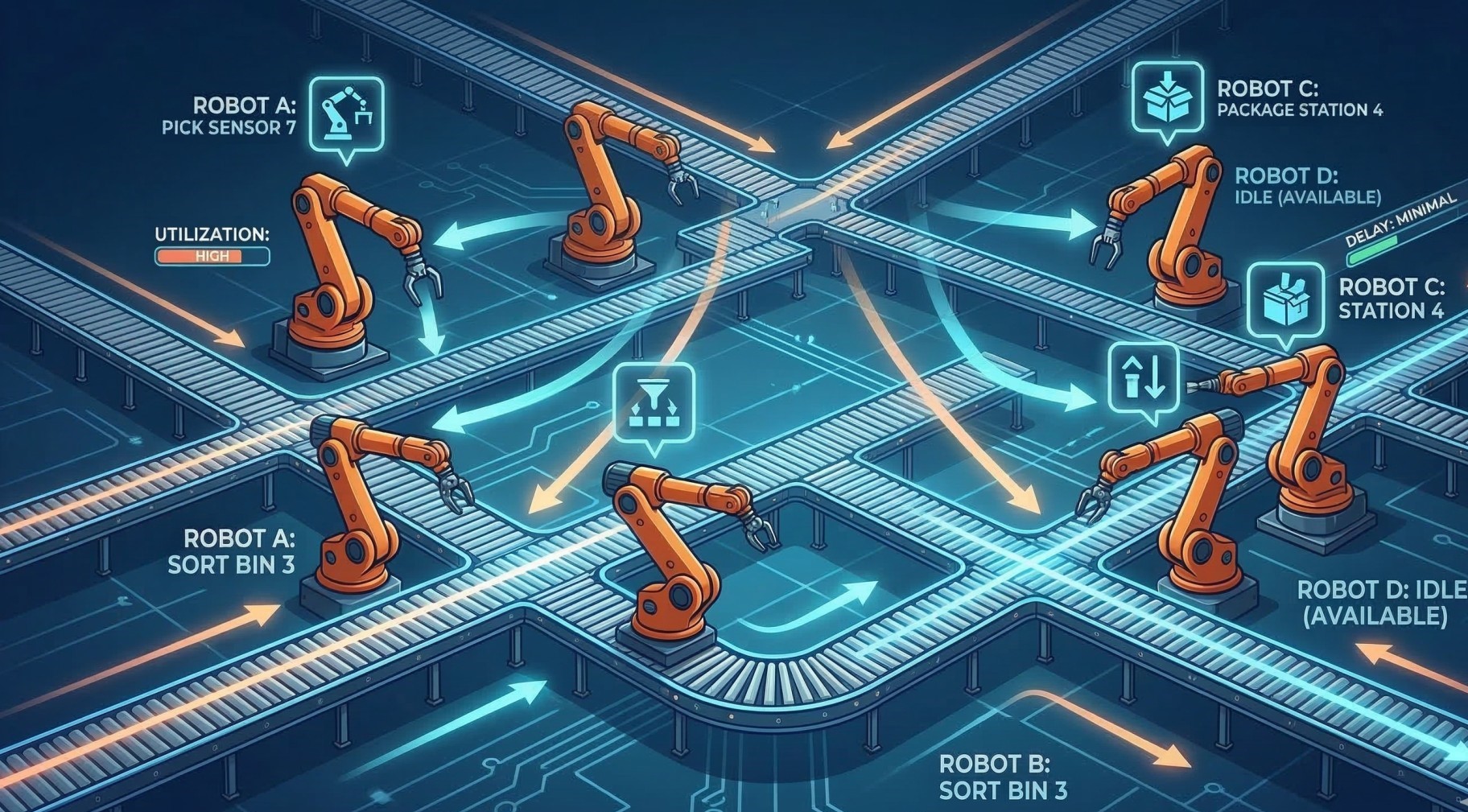
3. Intelligent Routing and Flow Optimization 🚦
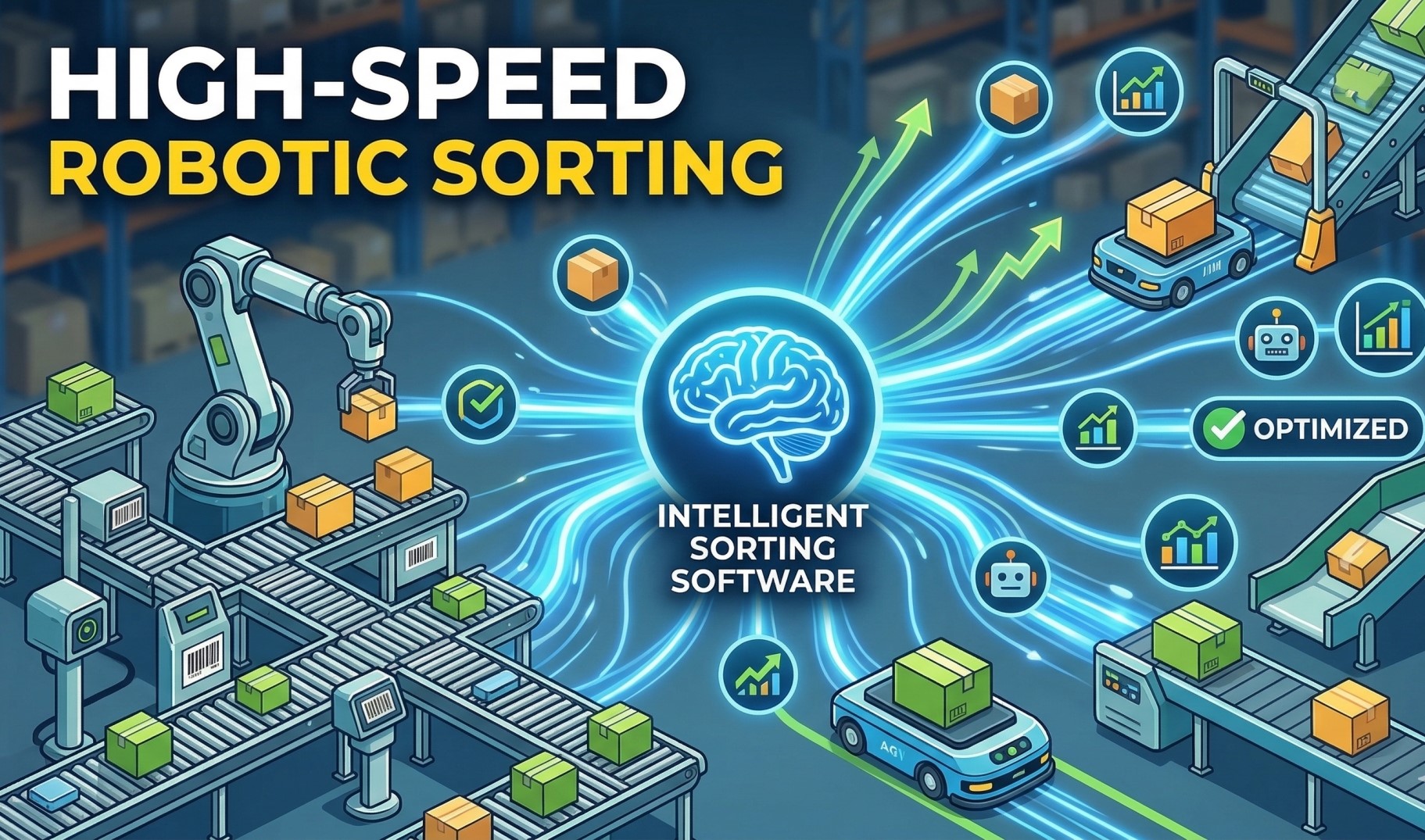
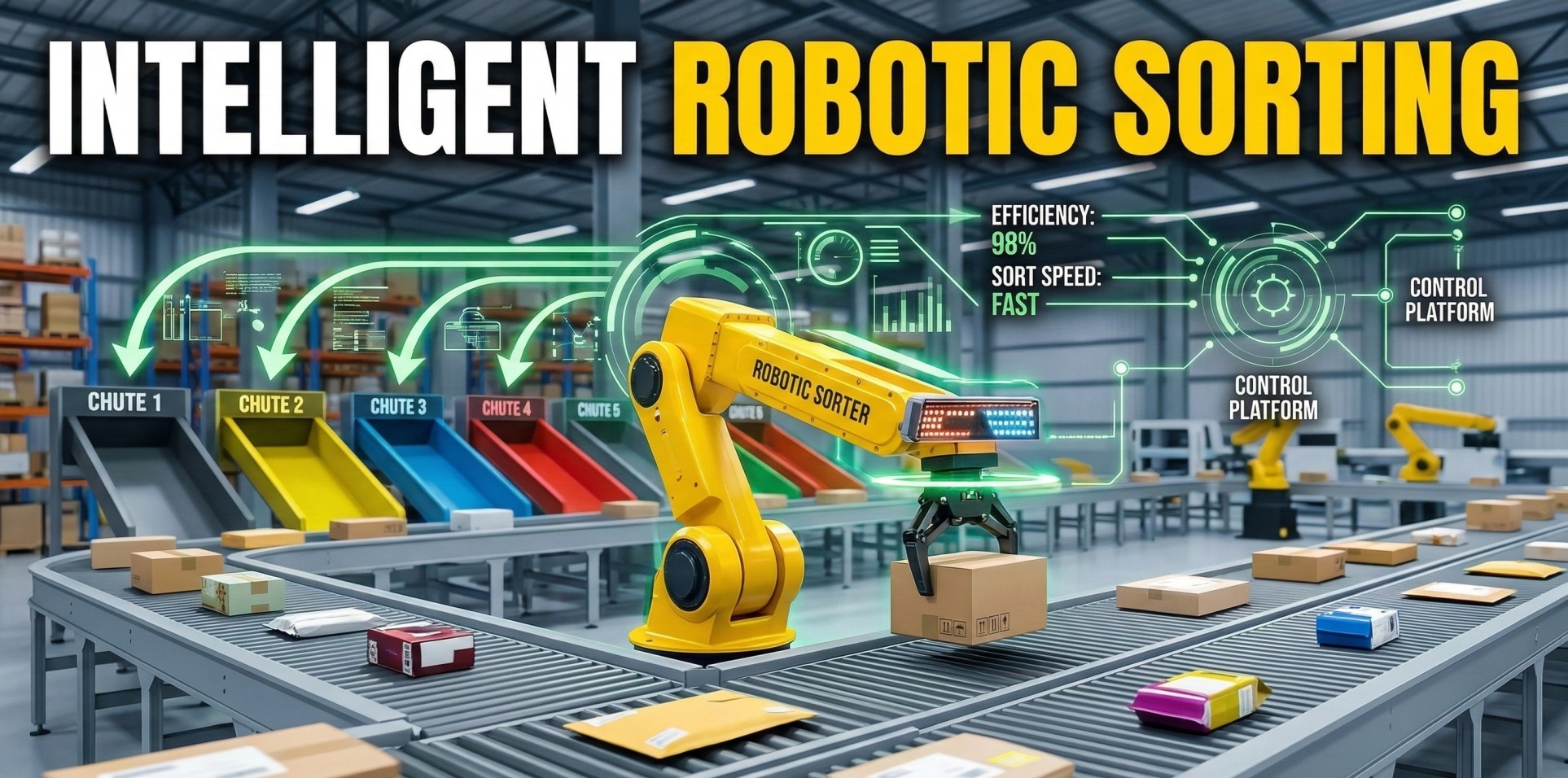
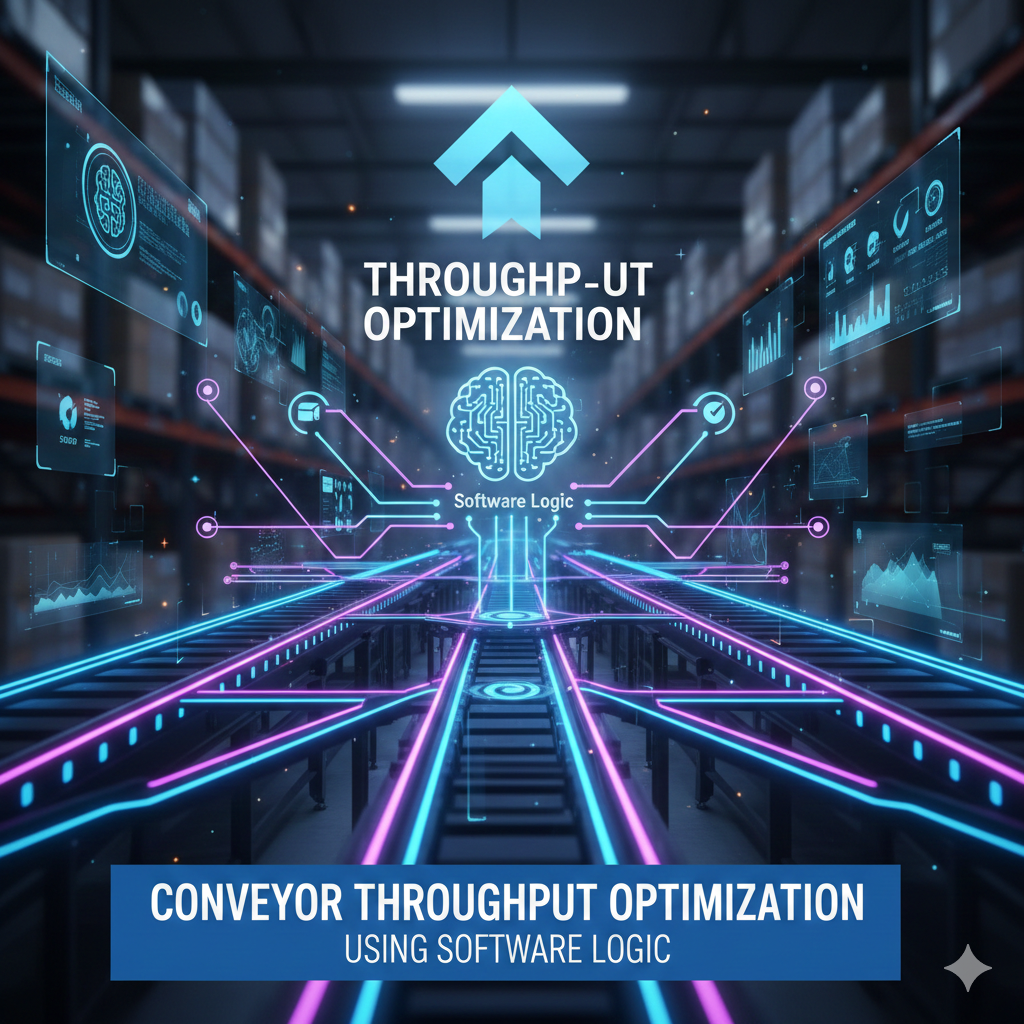
• Products are automatically directed using predefined logic 🧠
• Sorting errors and handling inconsistencies are minimized 📦
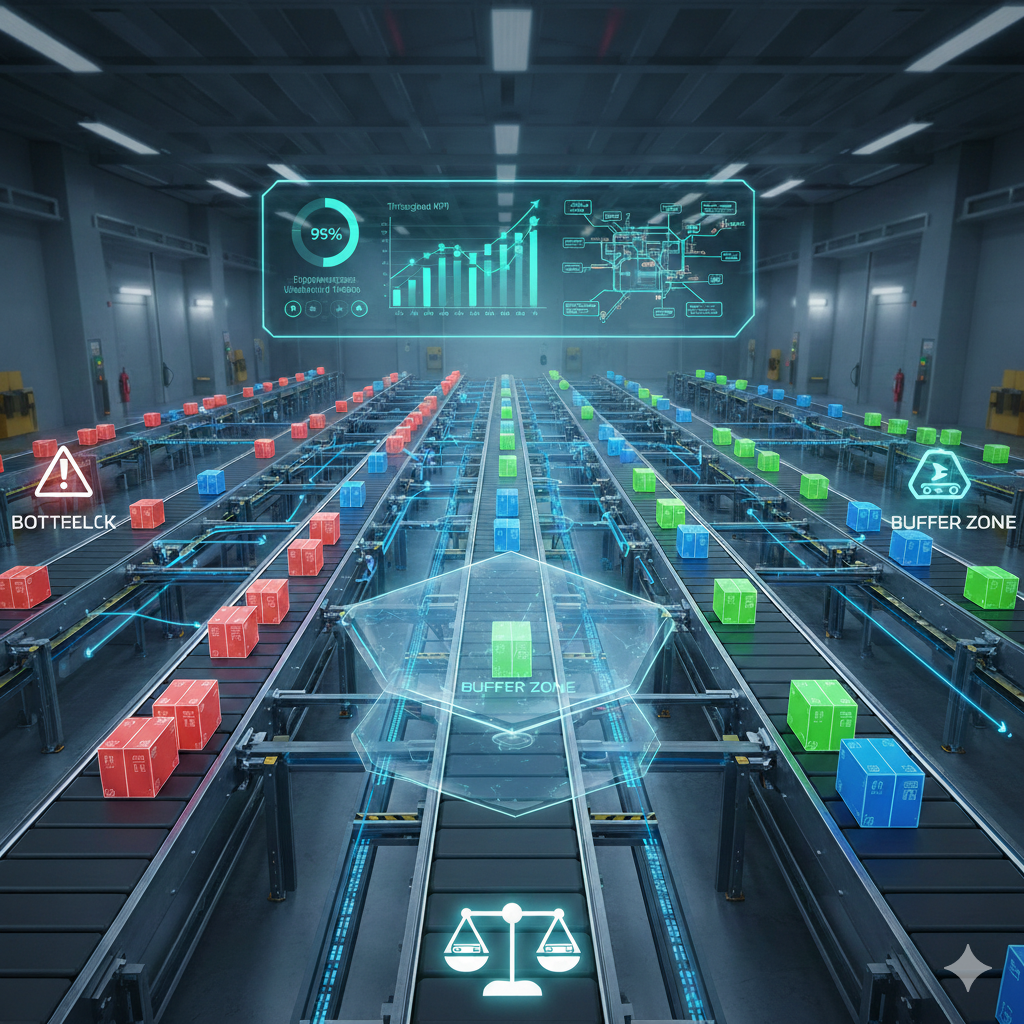
• Workloads are balanced across multiple conveyor paths ⚖️
• System flow adjusts dynamically to prevent bottlenecks 🔄
• Smooth and stable movement is maintained across production stages 🏭
4. Proactive Detection and Issue Resolution 🔍
• System identifies jams, misalignment, and abnormal patterns ⚠️
• Corrective actions initiate without manual command ⚡
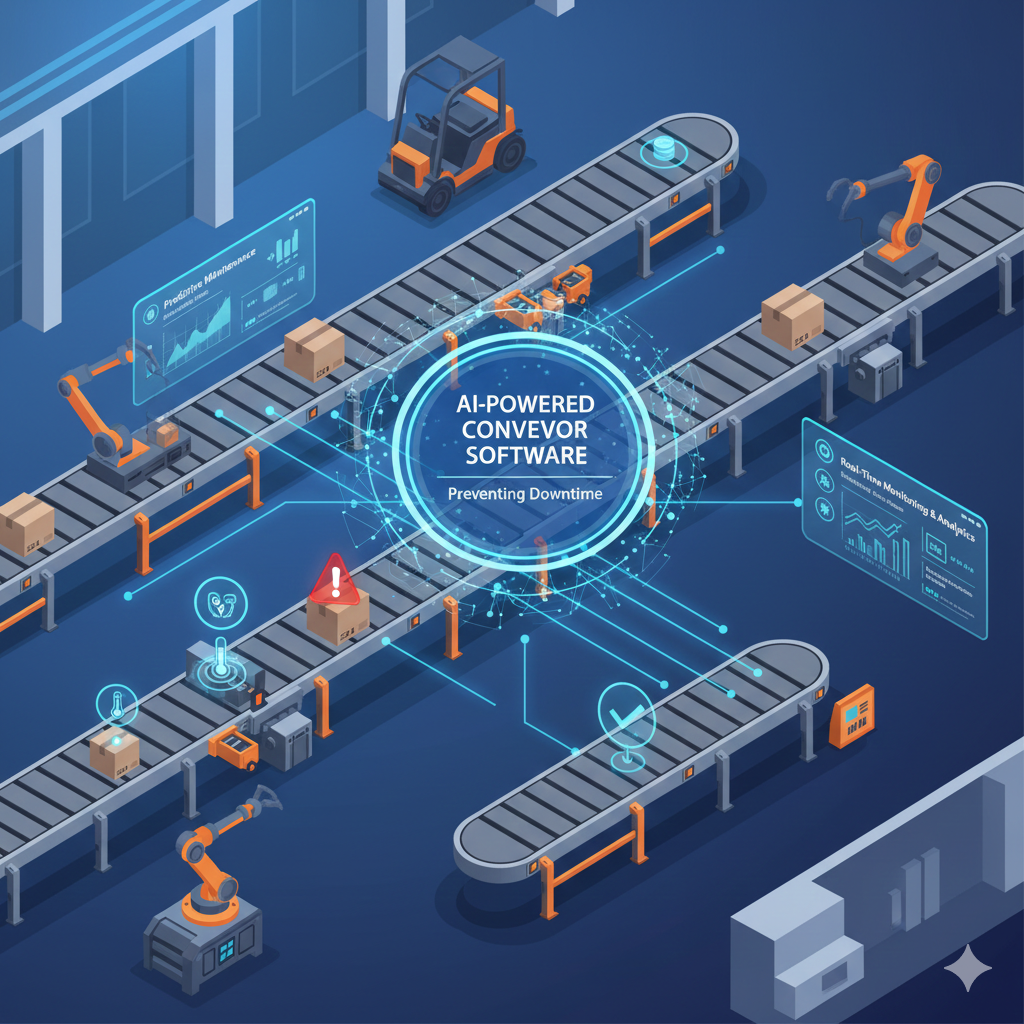
• Unexpected shutdowns are significantly reduced 🛑
• Continuous oversight replaces constant human supervision 👀
• Operational disruptions are addressed with faster response times 🚀
5. Standardized and Consistent Operations 📏
• Uniform operating parameters are enforced across shifts 🏢
• Operator-based variability is minimized 📉
• Speed and timing configurations remain stable 🔄
• Training requirements are simplified through automation 🎓
• Reliable performance is maintained under fluctuating workloads 📊
6. Predictive Maintenance and Preventive Control 🛠️
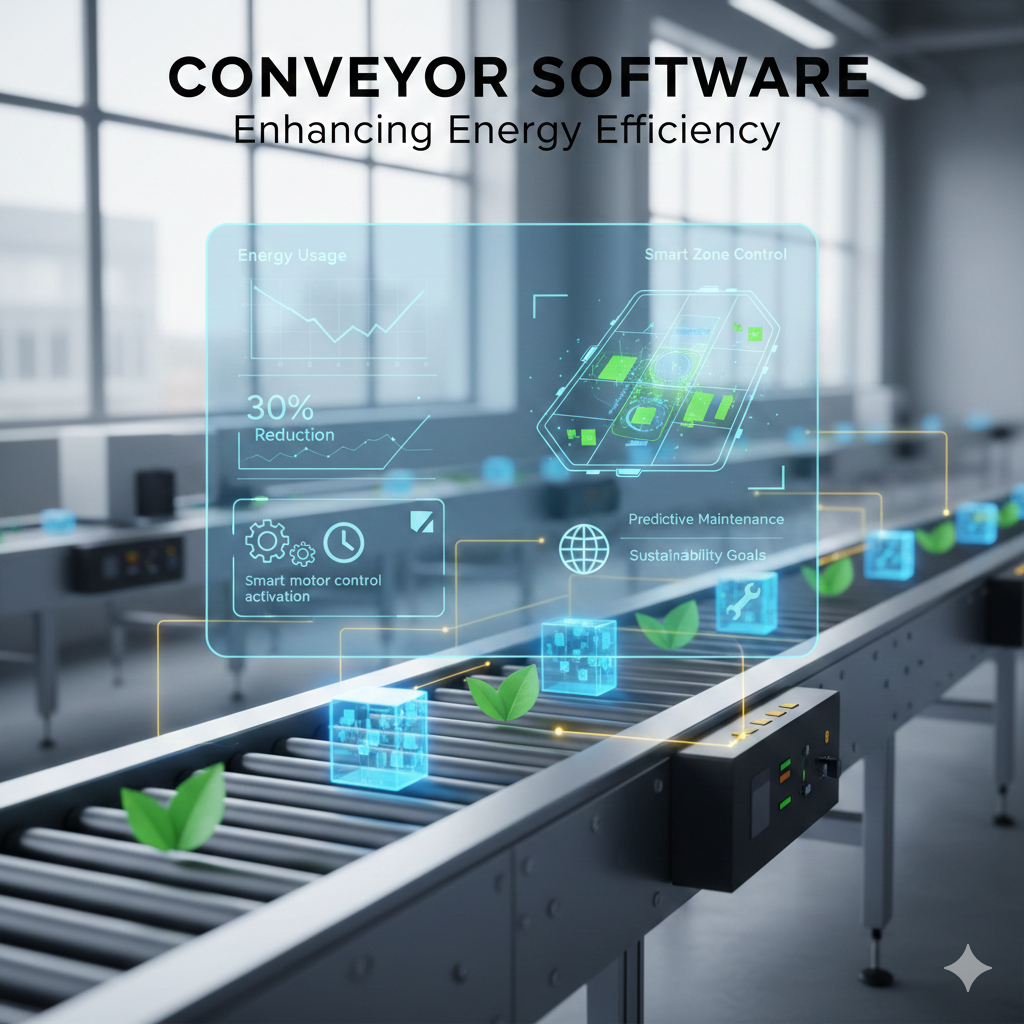
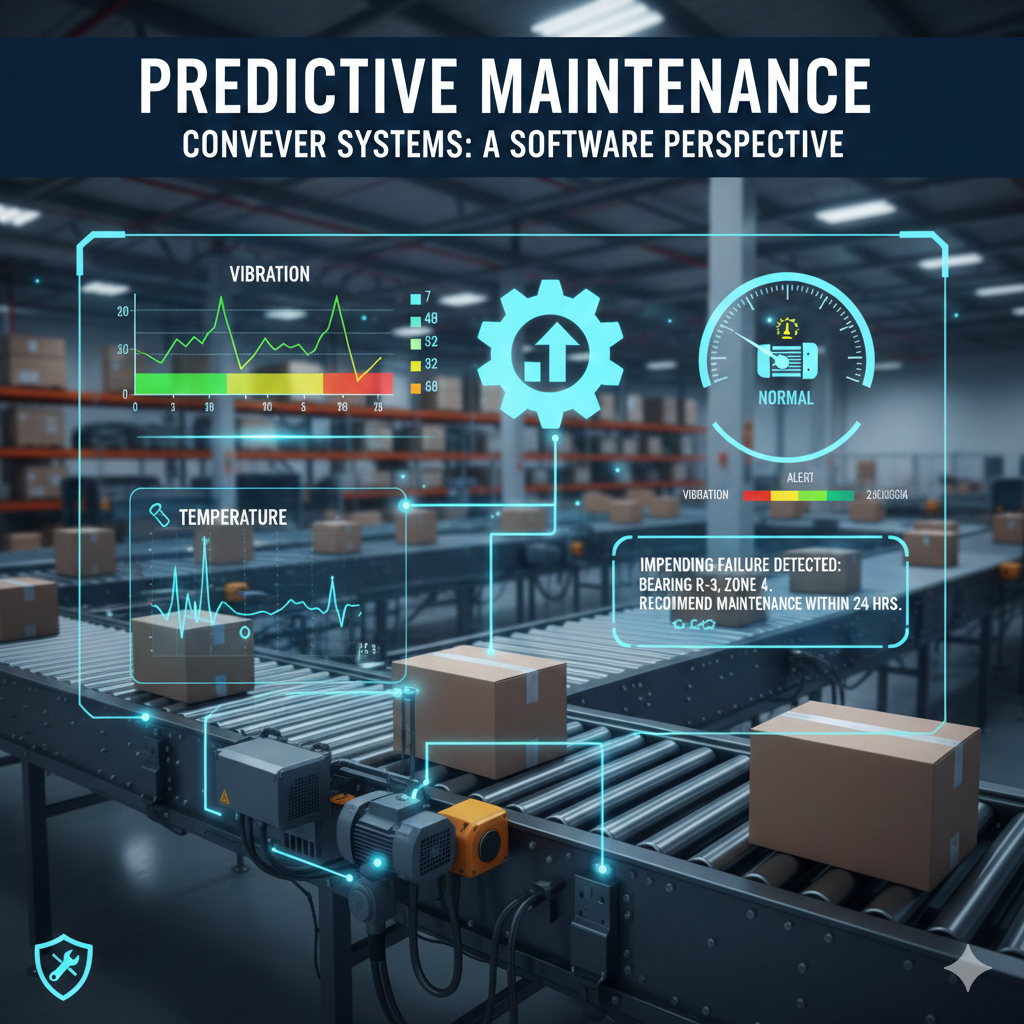
• Mechanical indicators like vibration and temperature are monitored 🌡️
• Wear trends are detected before equipment failure occurs 🔎
• Maintenance is scheduled proactively at optimal intervals 📅
• Emergency repair scenarios are minimized 🚫
• Equipment lifespan is extended through early intervention 🔧
7. Data-Driven Performance Enhancement 📈
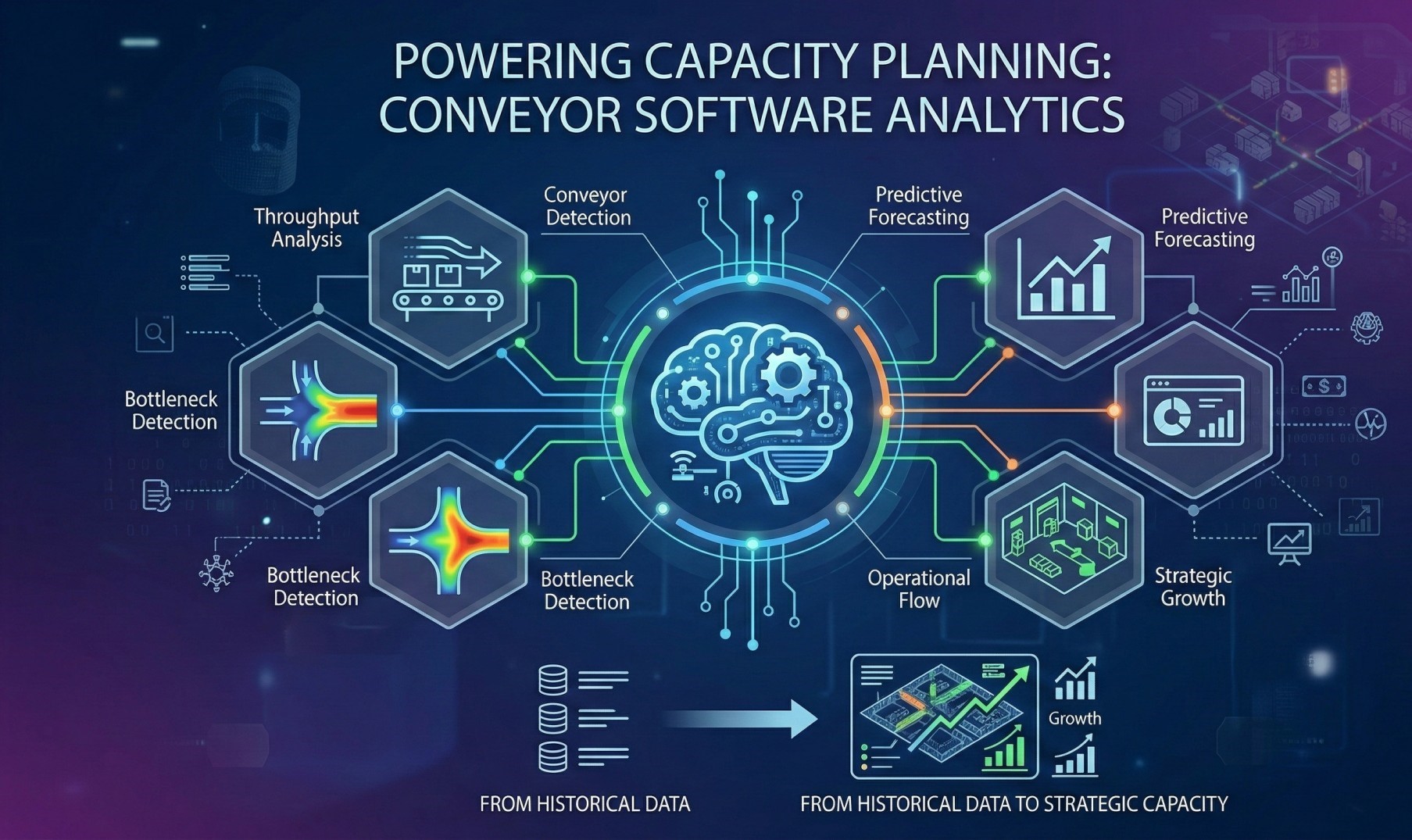
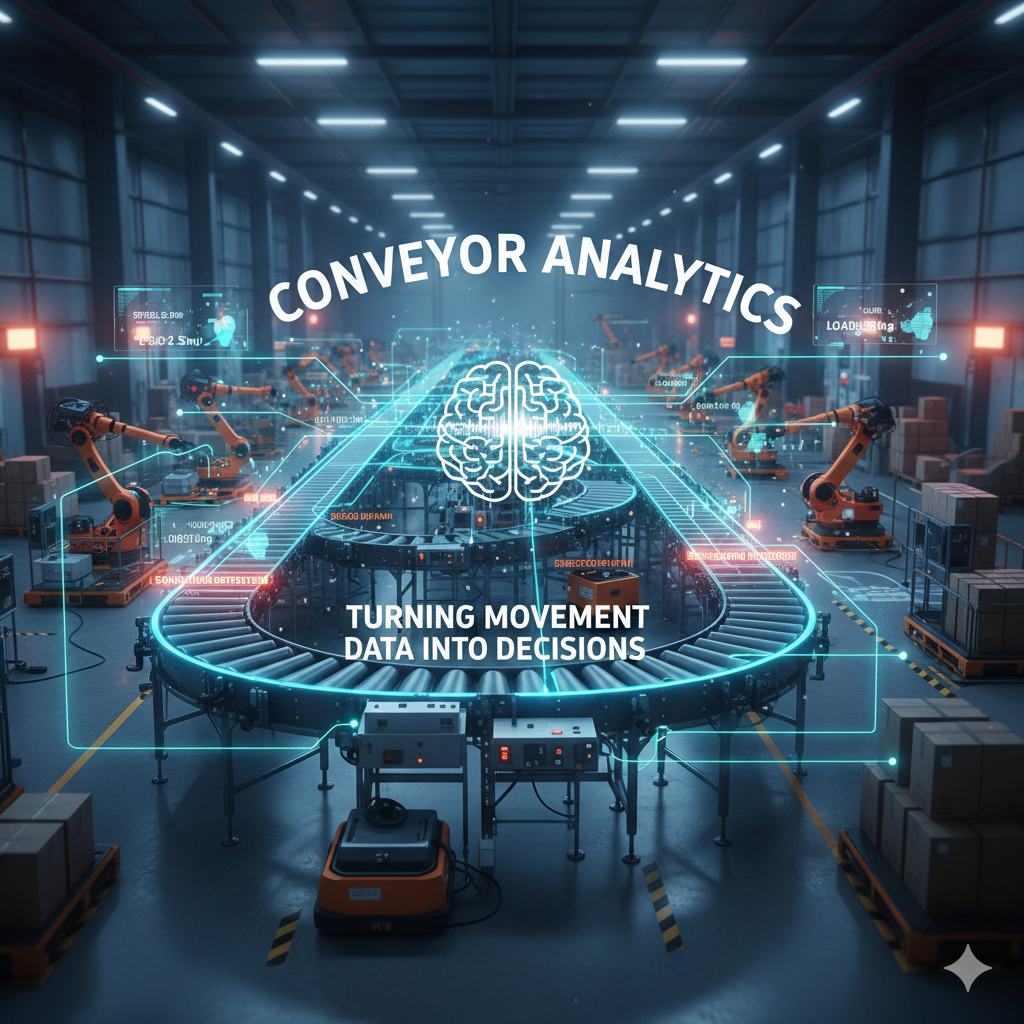
• Historical performance data is analyzed to uncover improvement areas 📊
• Recurring inefficiencies are identified and addressed 🔄
• Continuous optimization initiatives are supported 🧠
• Investment decisions are guided by measurable system insights 💡
• Conveyor output is aligned with broader production targets 🎯
8. Strategic Benefits of Intelligent Conveyor Control 🏆
• Operational disruptions from manual errors are significantly reduced ⚙️
• Production accuracy and dependability are strengthened 📦
• Workplace safety improves through reduced human intervention 🦺
• Systems scale efficiently without increasing operational complexity 📈
Conclusion
Intelligent conveyor control shifts material handling from a manually dependent process to a data-driven, automated system. By combining continuous monitoring, predictive analytics, and adaptive control mechanisms, organizations can significantly reduce human error while enhancing consistency and safety. As industrial systems grow more complex, intelligent conveyor control becomes essential for maintaining operational excellence and long-term productivity.
See more blogs
You can all the articles below