Integrating Robotic Pick Systems with Conveyor Software
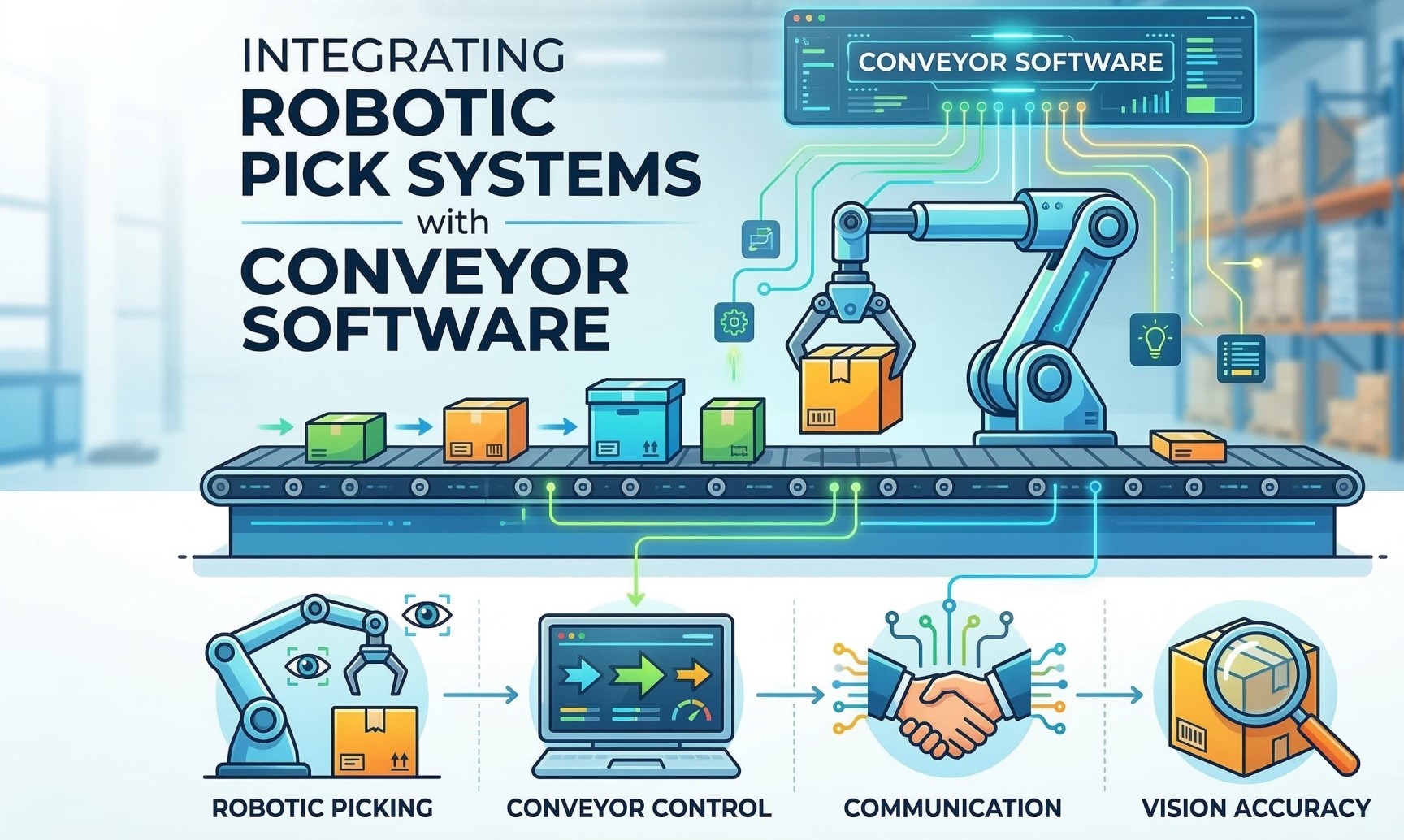
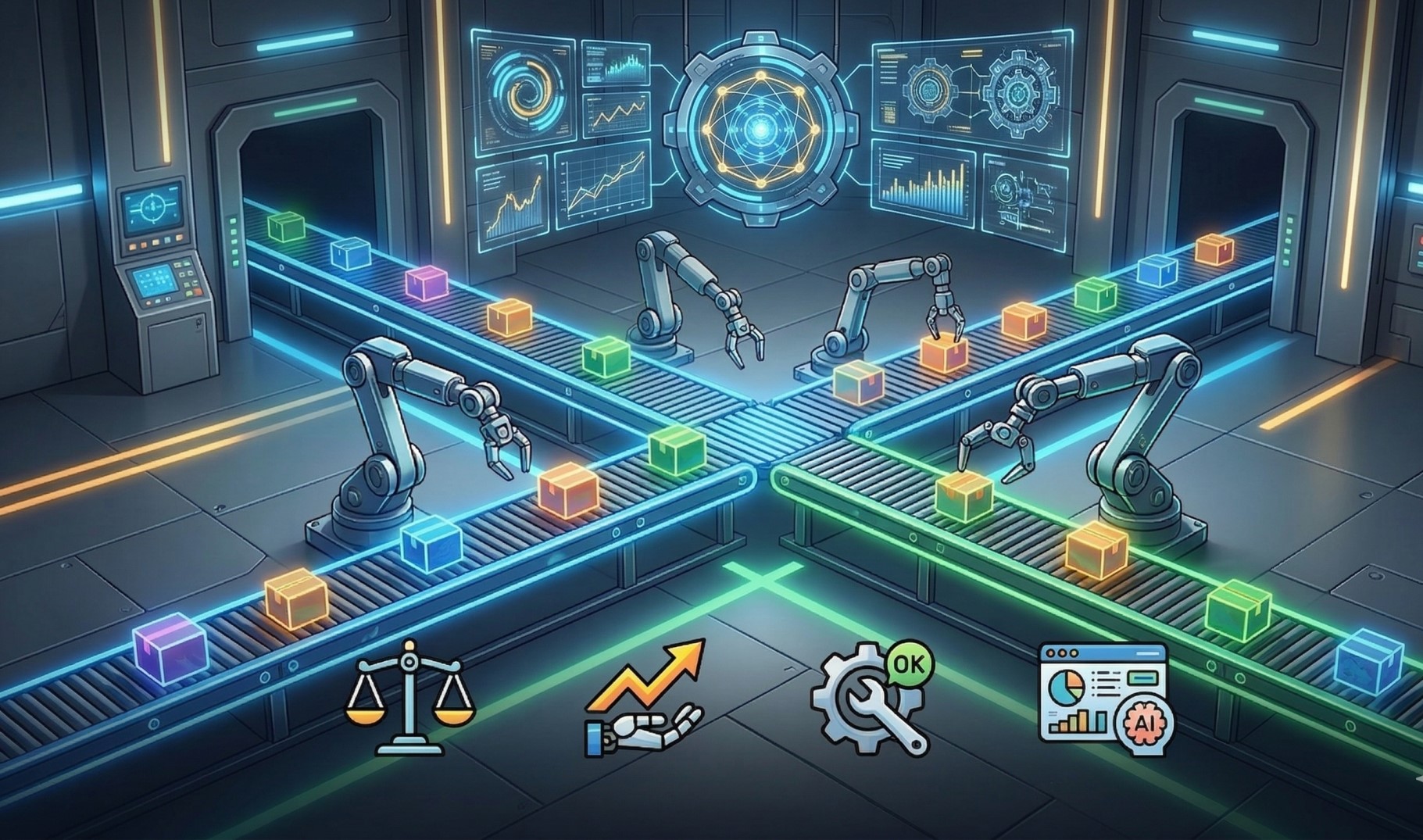
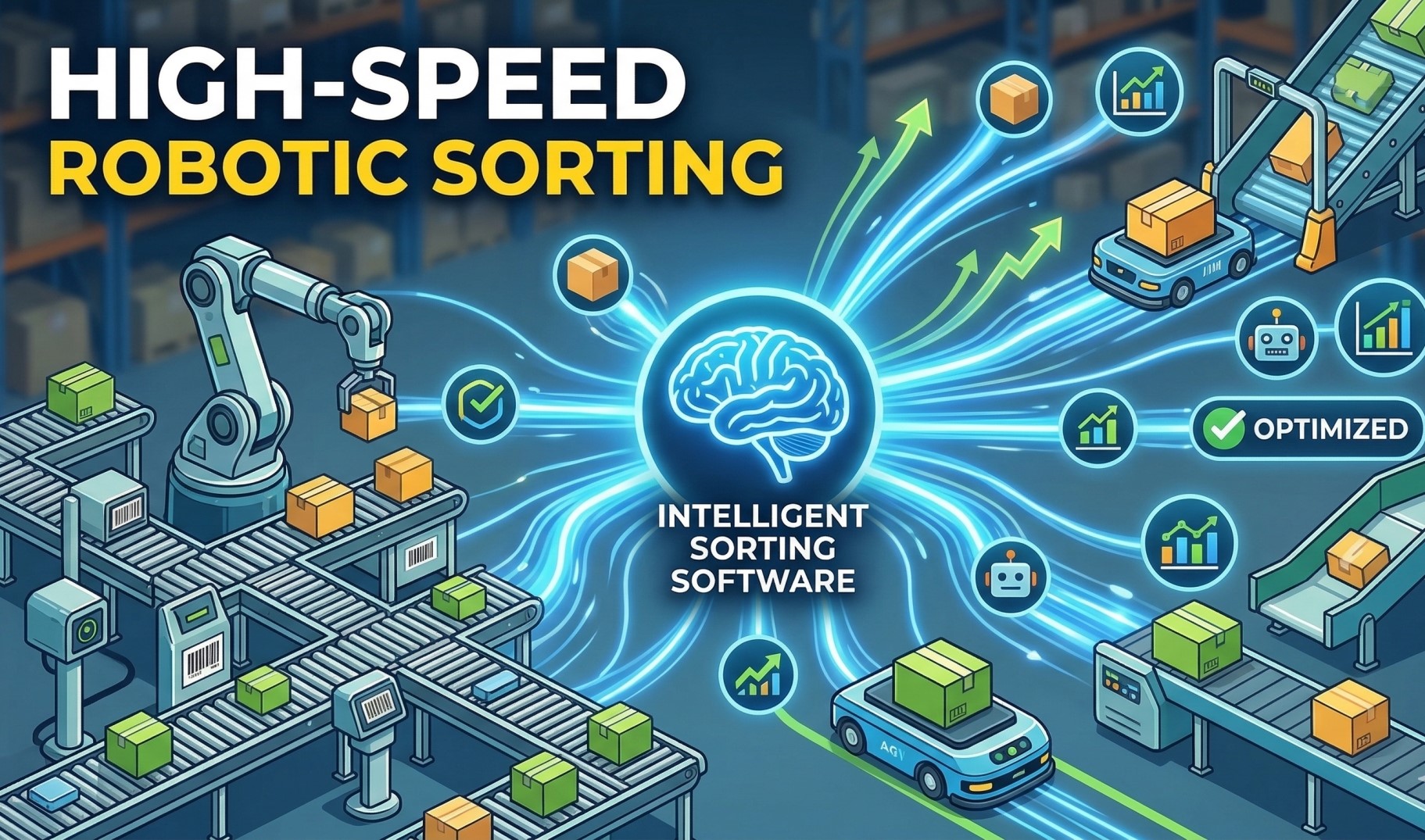
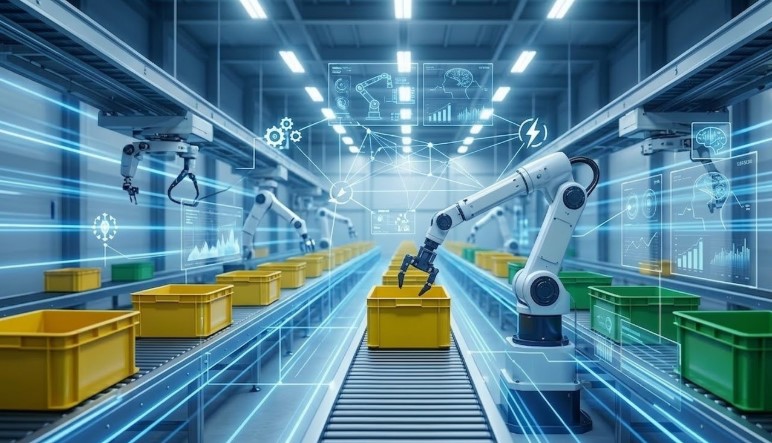
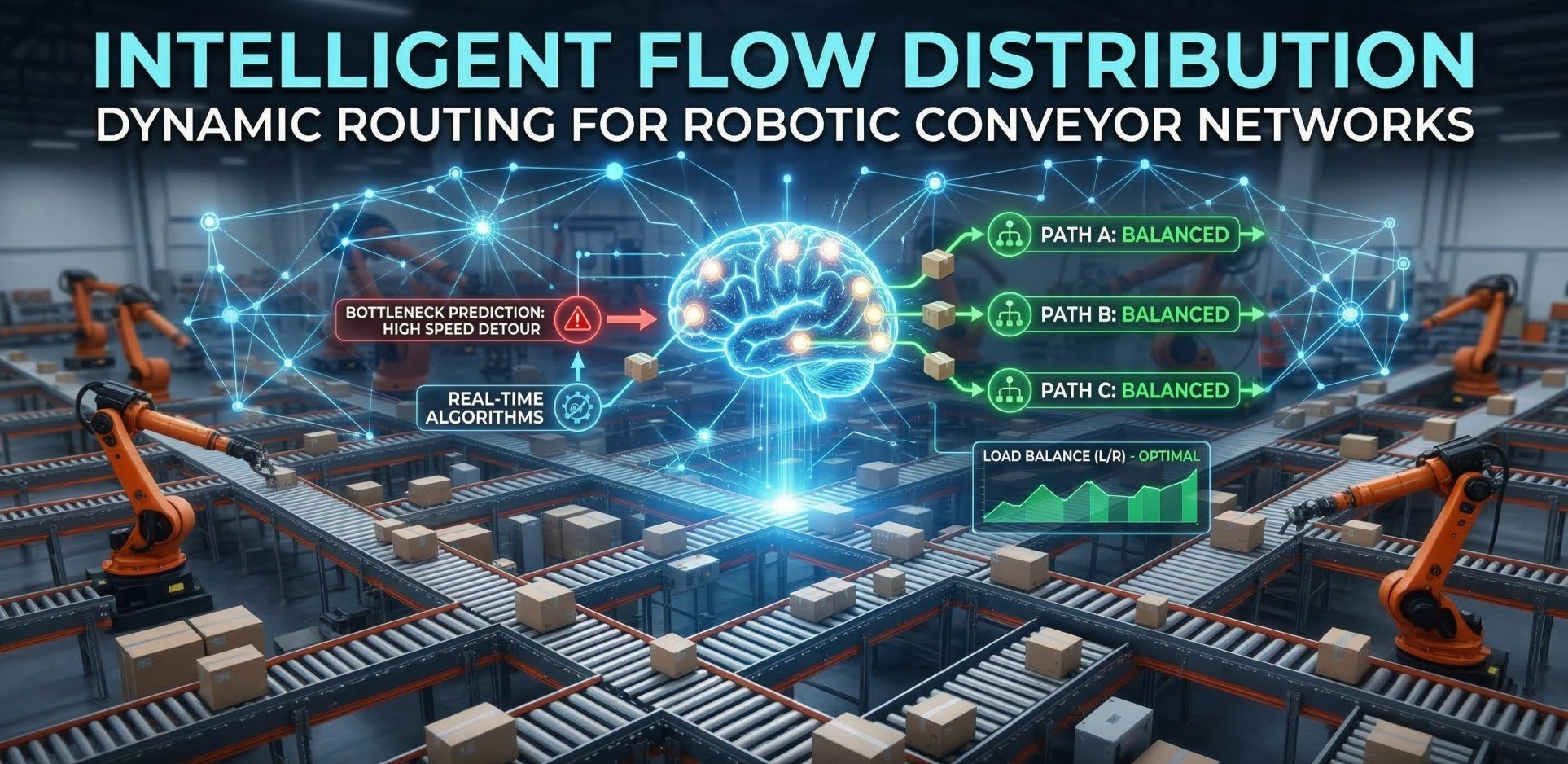
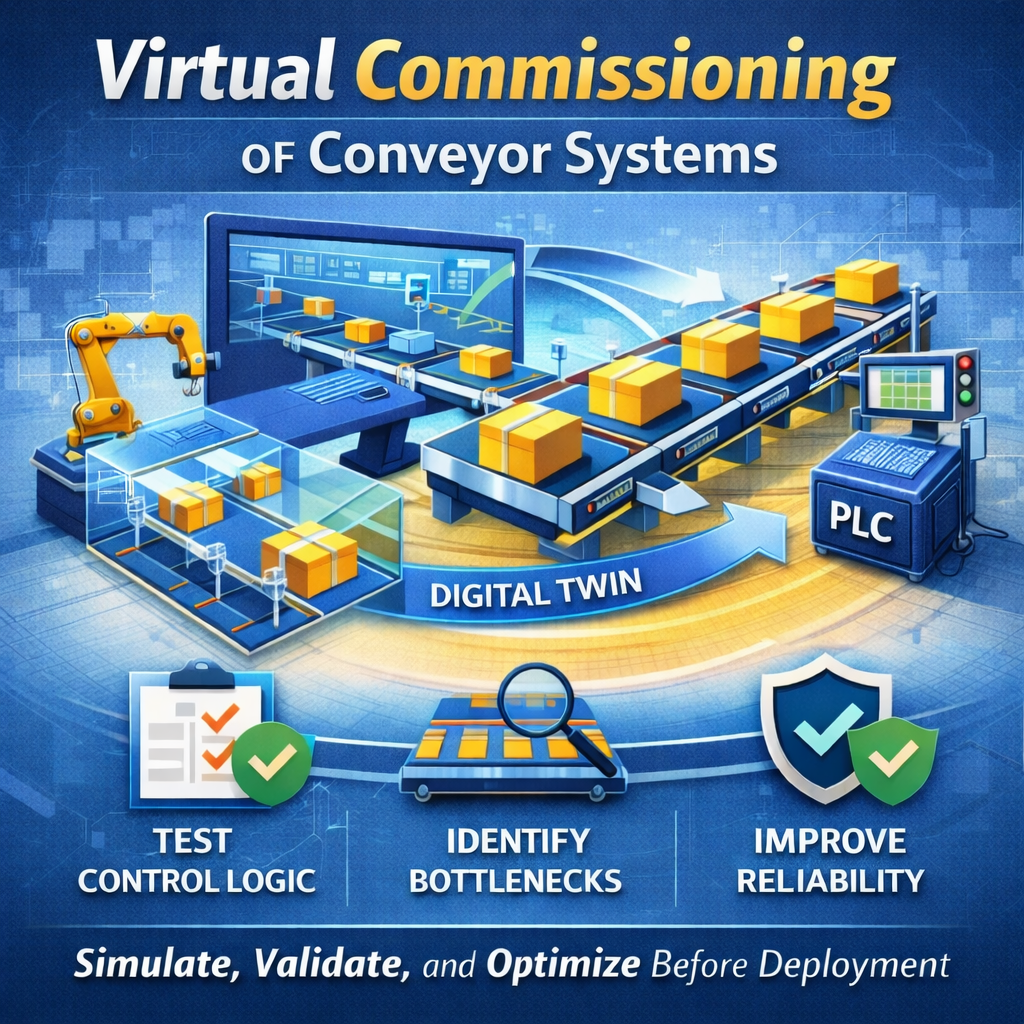
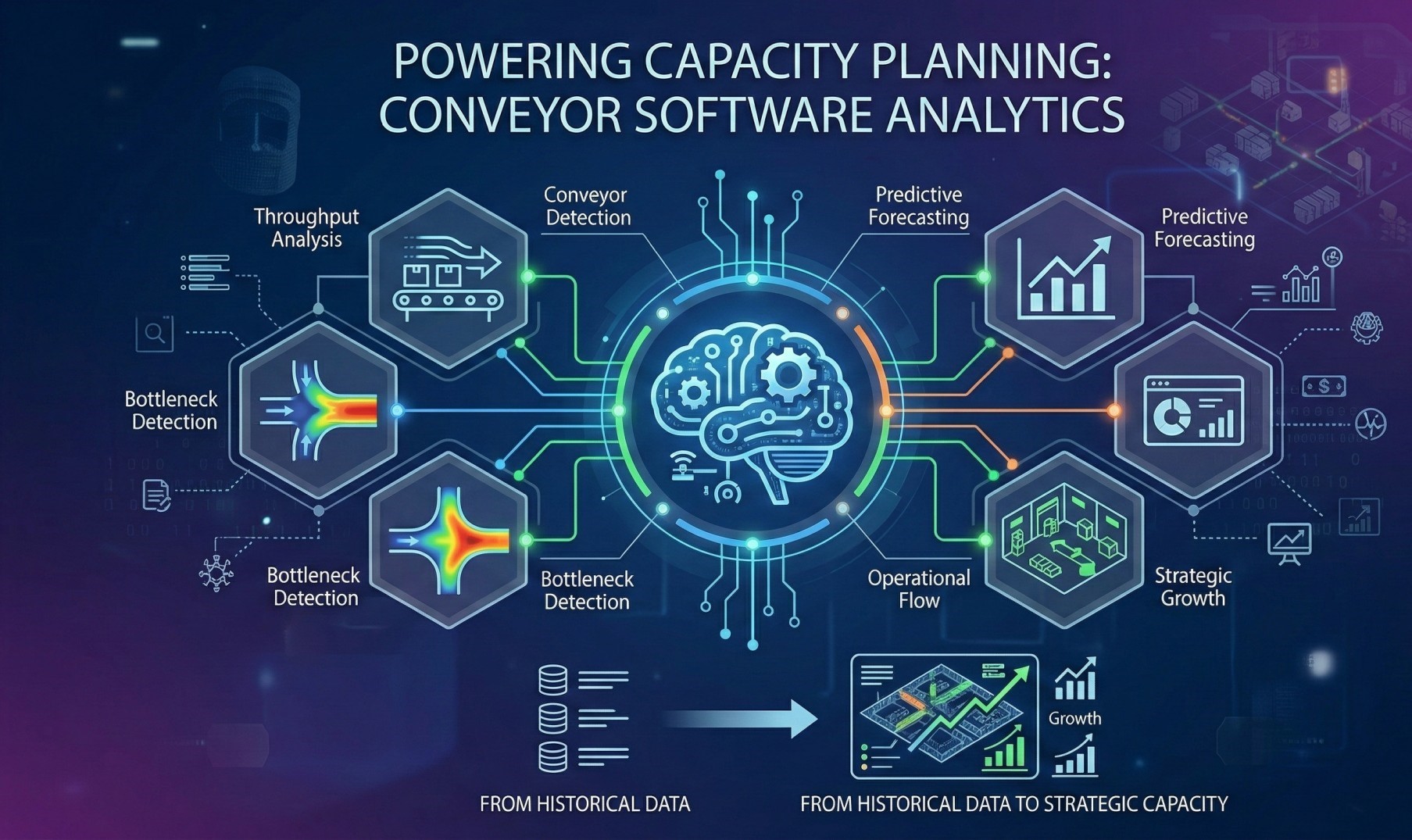
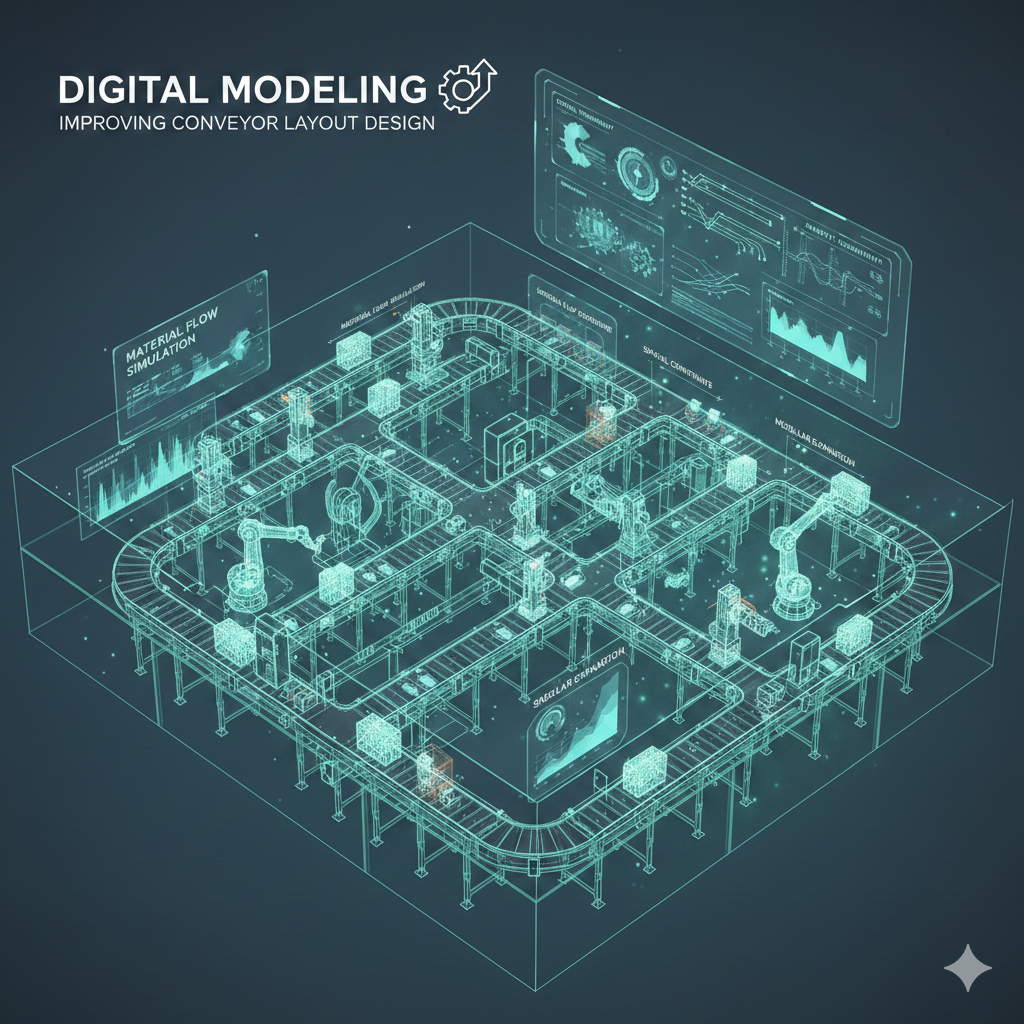
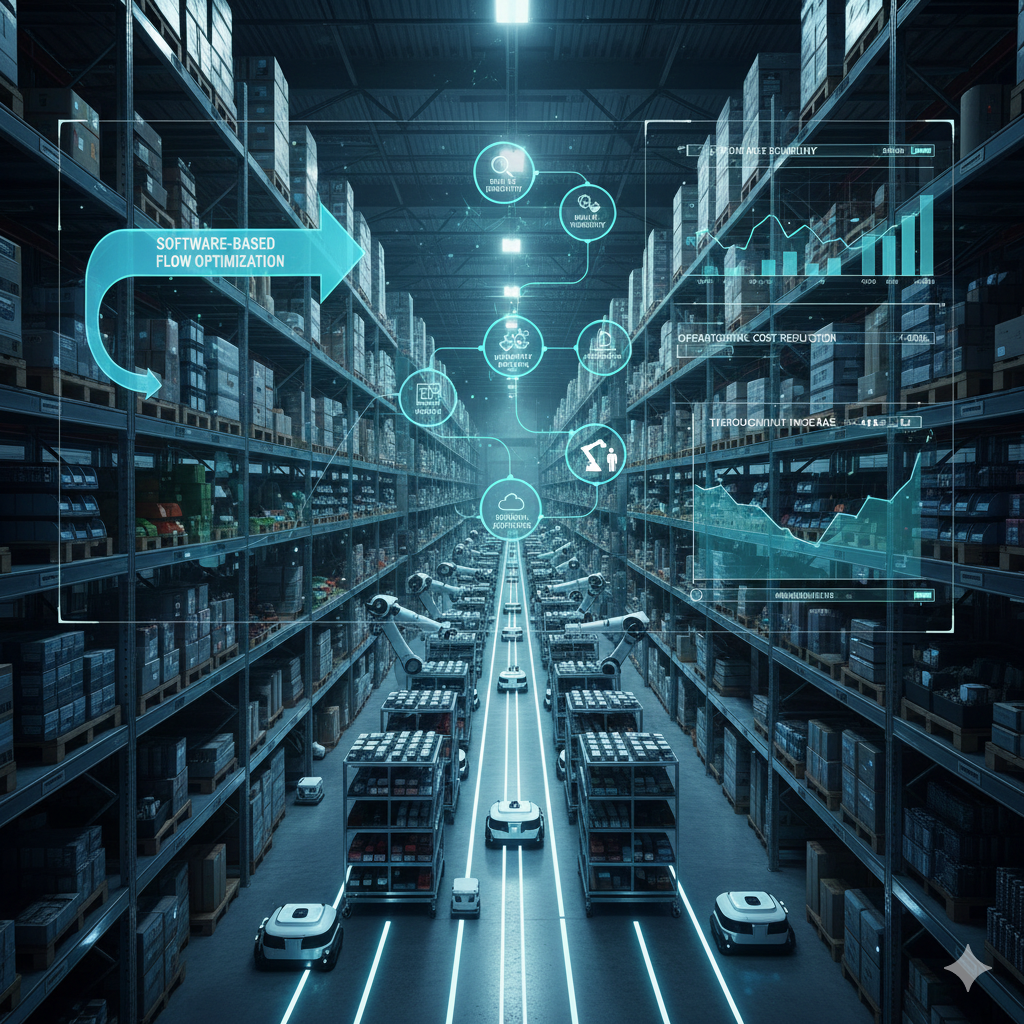
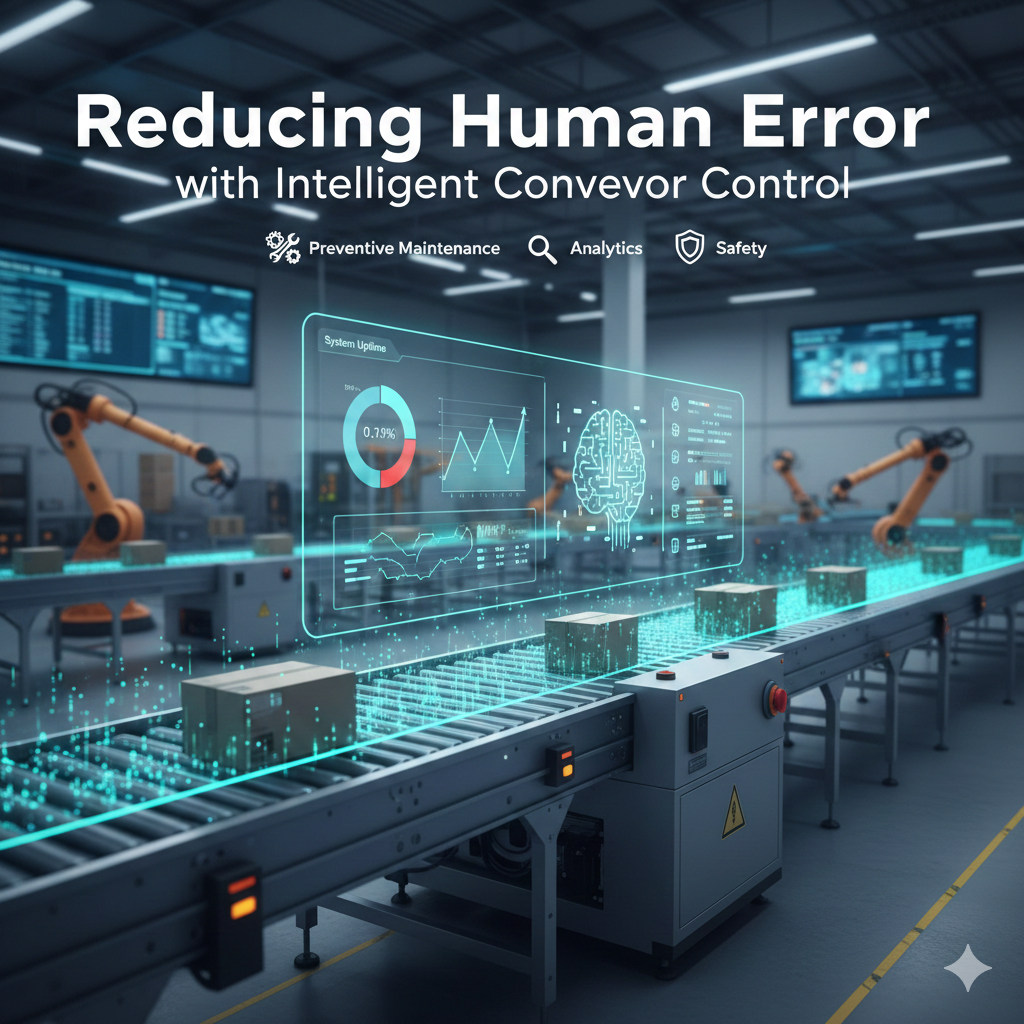
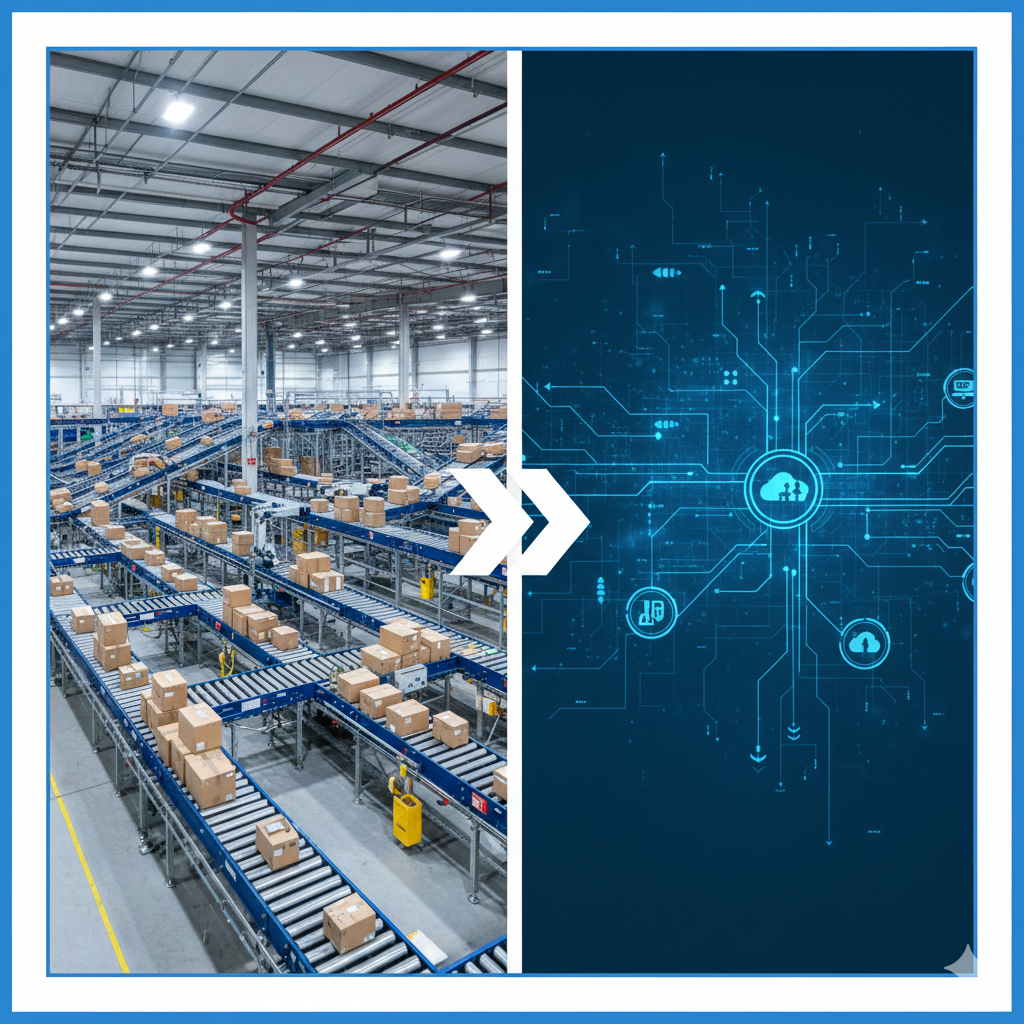
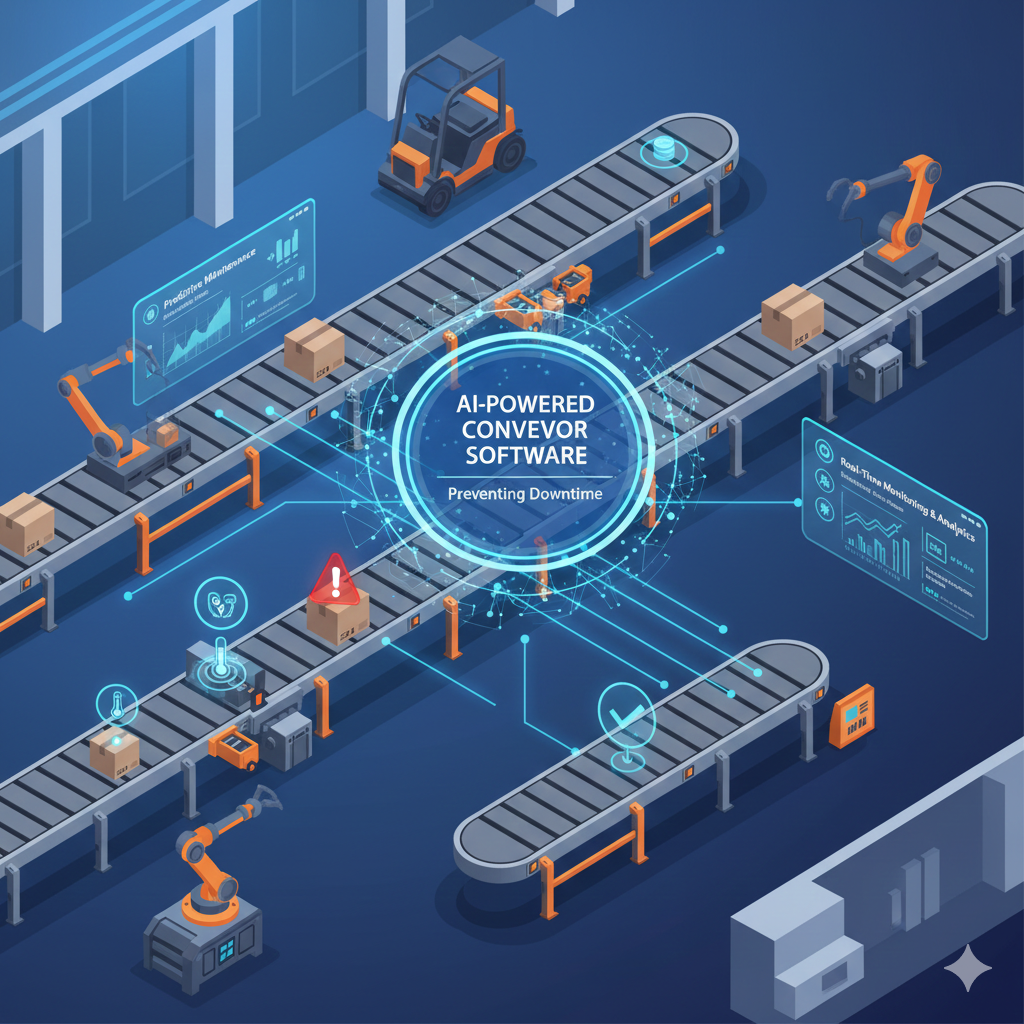
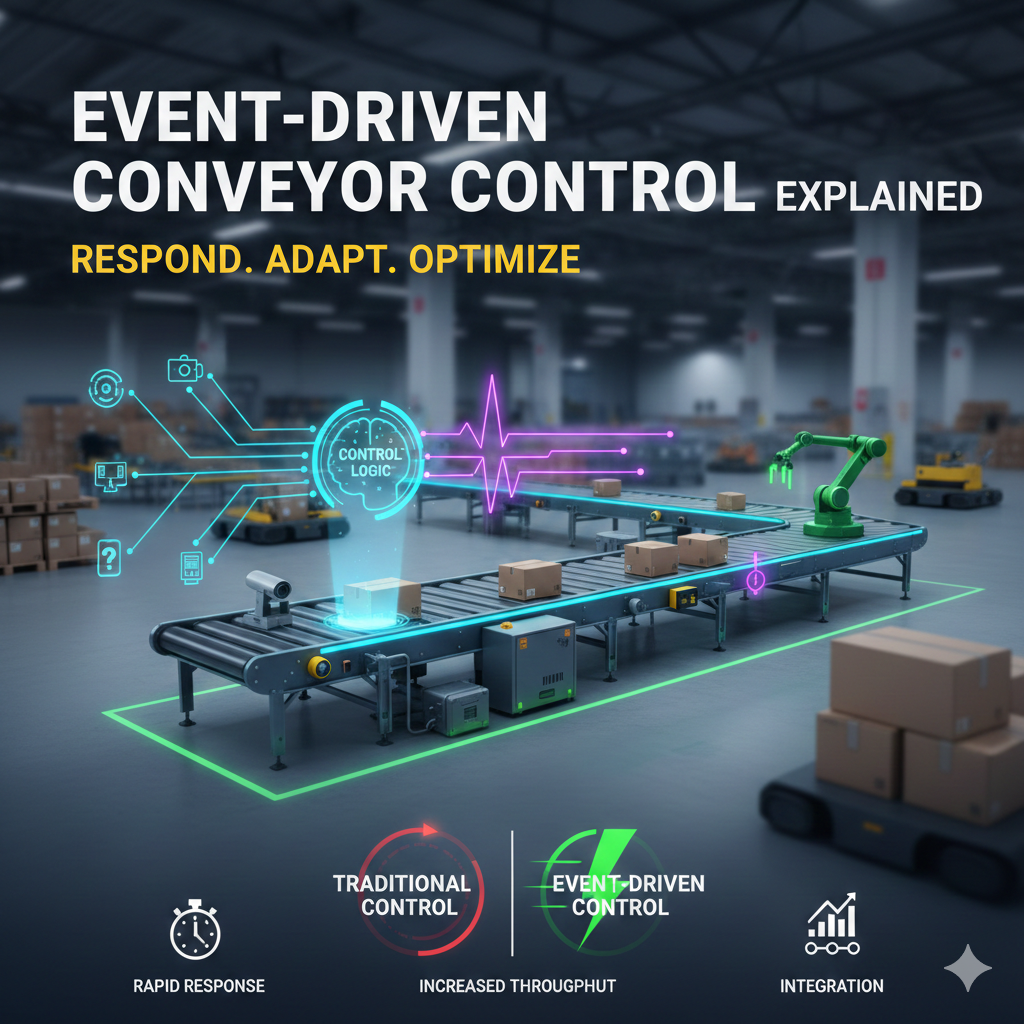
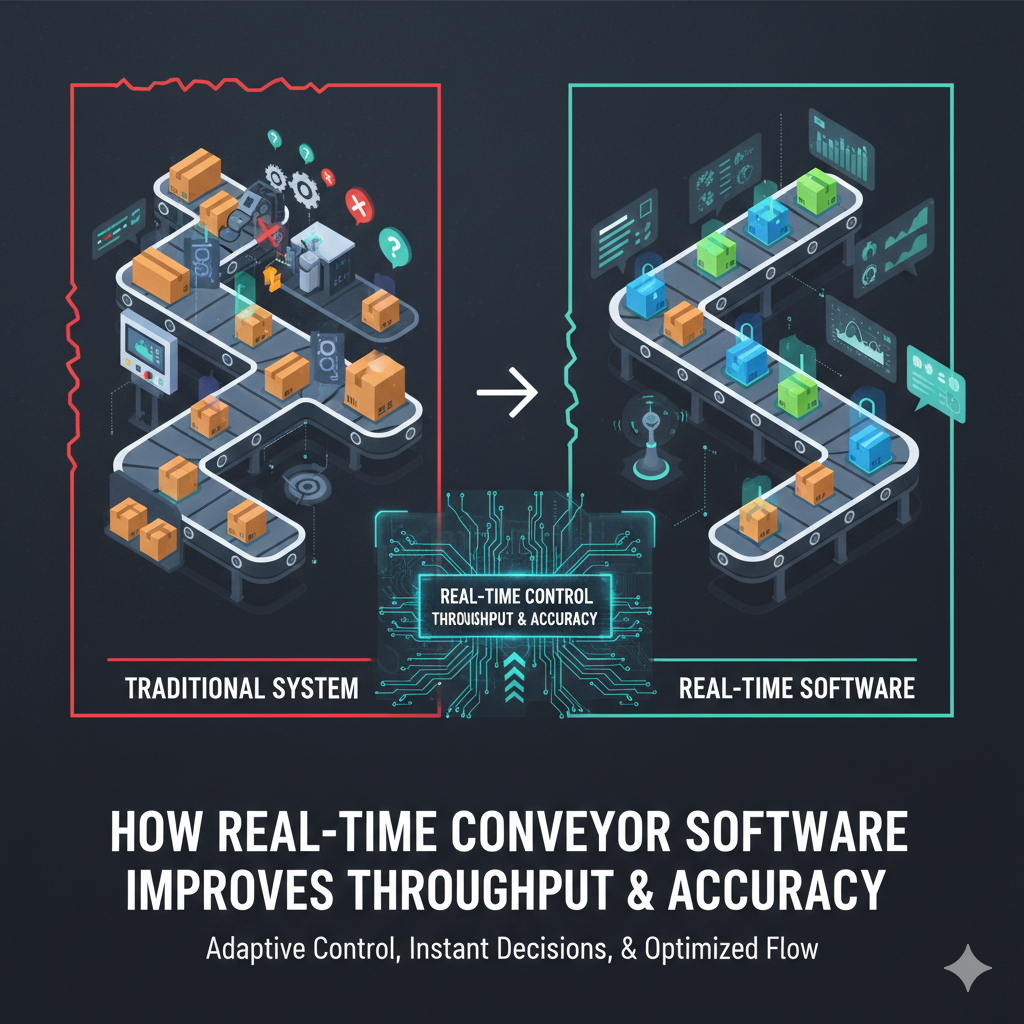
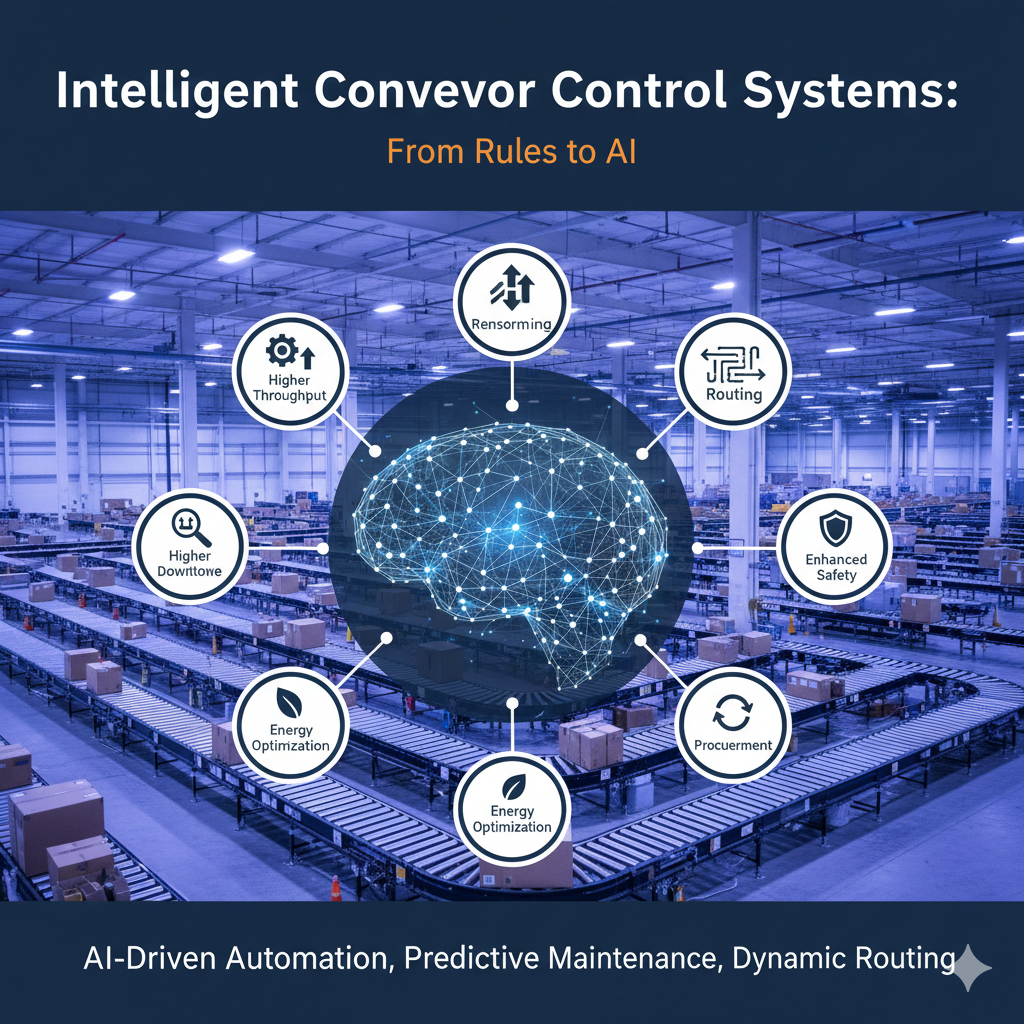
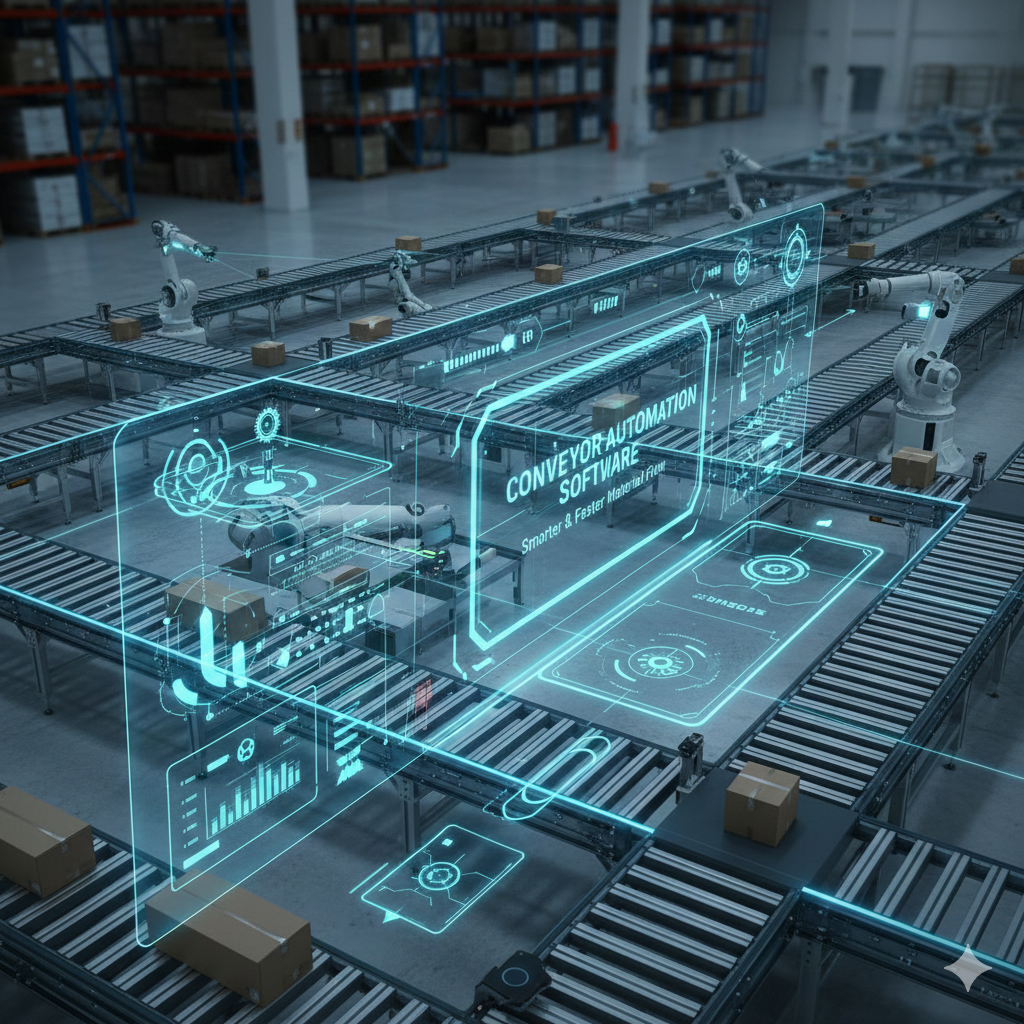
Modern warehouses and manufacturing facilities increasingly rely on robotic picking technologies to improve speed, accuracy, and operational efficiency. However, robots deliver the greatest value when they operate in coordination with conveyor systems that transport products throughout the facility. Integrating robotic pick systems with conveyor software creates a synchronized automation environment where materials move smoothly between storage, picking, sorting, and shipping operations.
1. Understanding Robotic Picking Systems 🤖
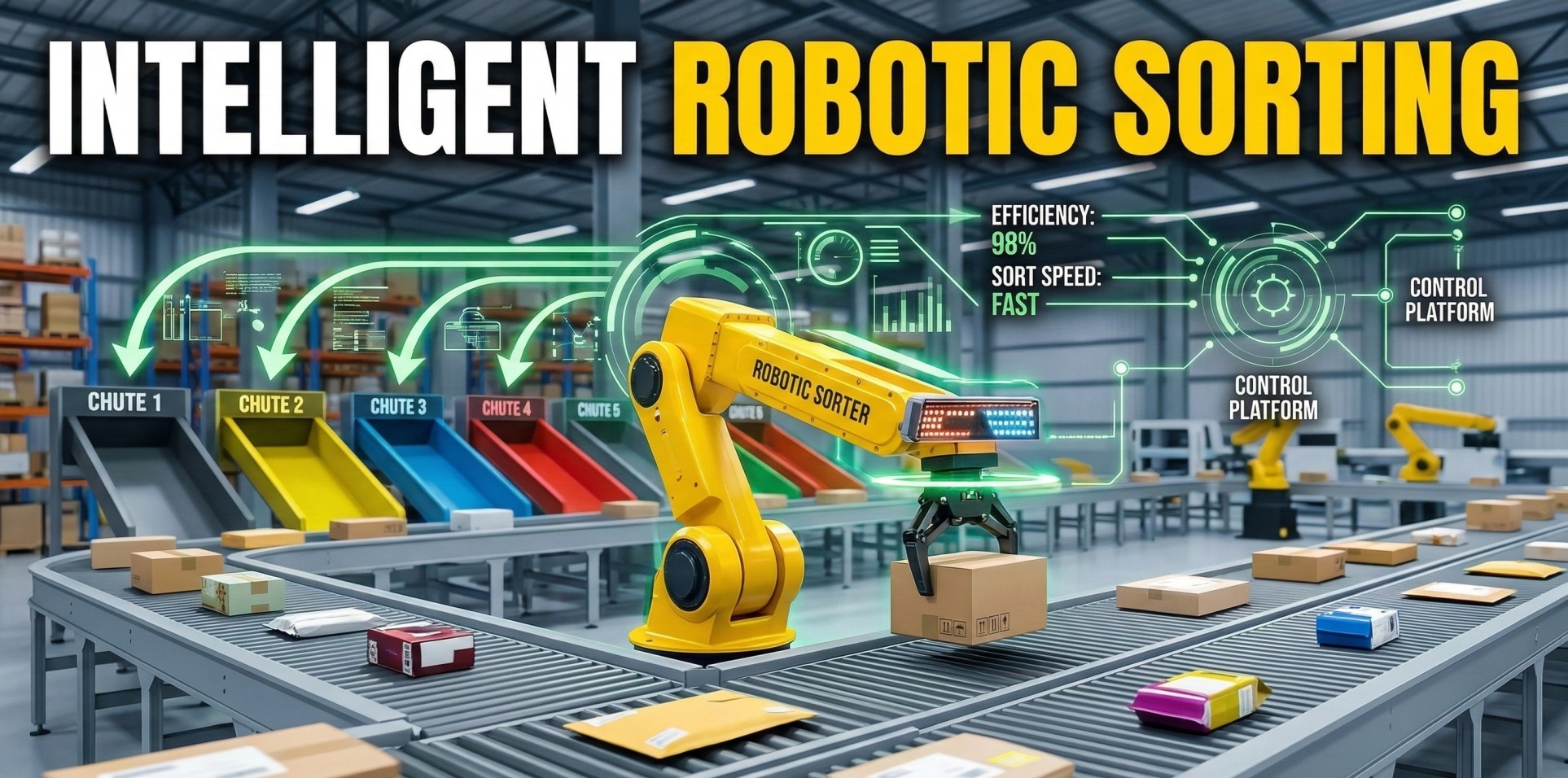
• Robotic pick systems use automated arms or intelligent picking units to select items from bins, shelves, or totes 📦
• Vision systems and sensors guide robots to identify and grasp products accurately 👁️
• Advanced control software enables robots to adapt to different product sizes and packaging types ⚙️
• Robotic picking reduces manual labor and improves consistency in high-volume environments 📈
• These systems are widely used in e-commerce fulfillment, distribution centers, and manufacturing facilities 🏭
2. The Role of Conveyor Software in Material Flow 🔄
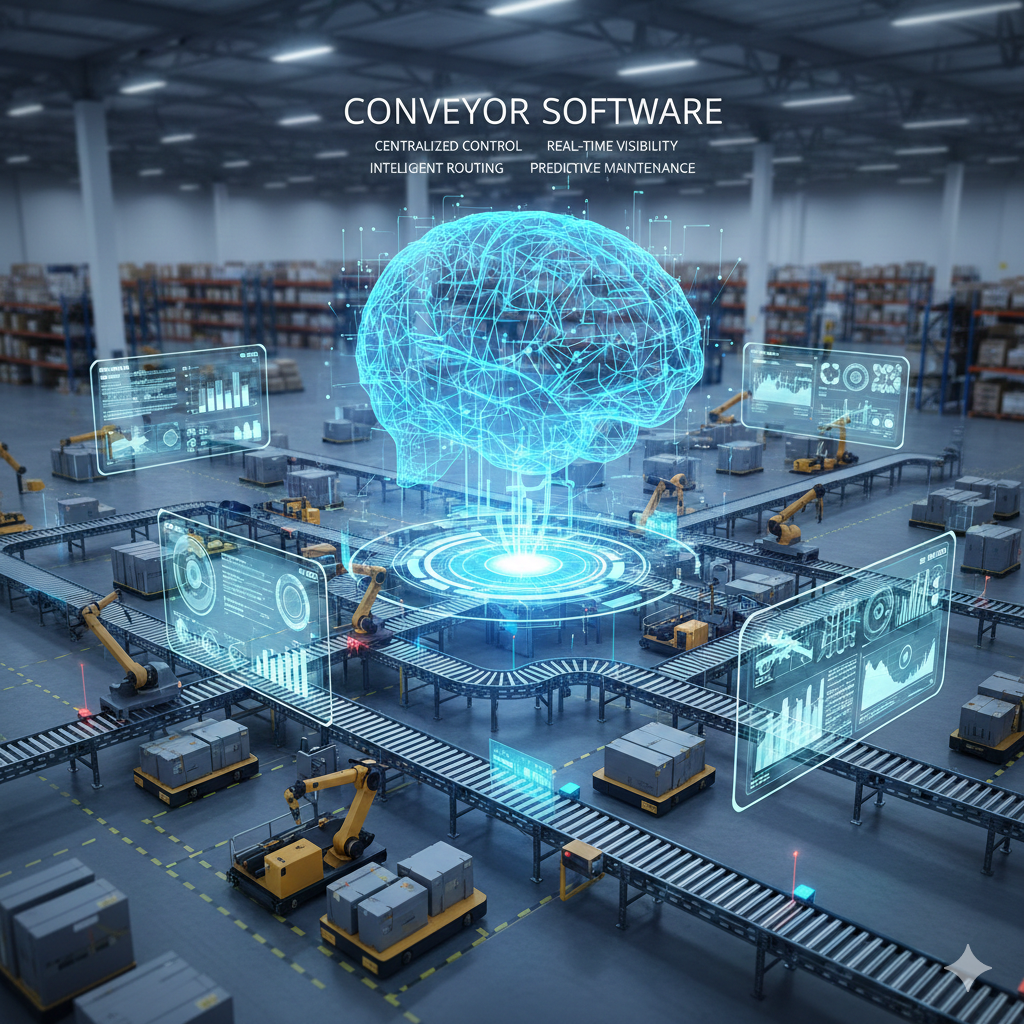
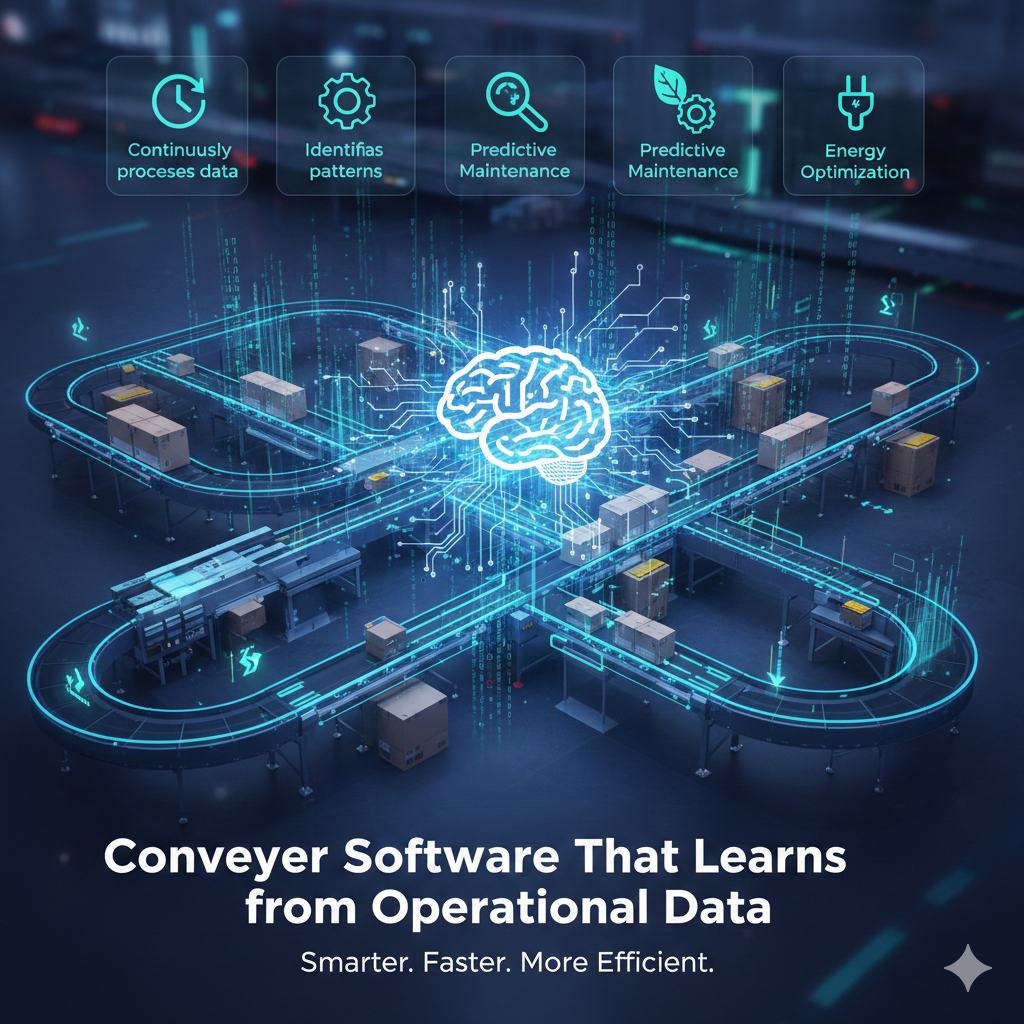
• Conveyor software controls the movement and routing of items across automated transport systems ⚙️
• It manages speeds, accumulation zones, and transfer points along the conveyor network 🧭
• Software coordinates product flow between different operational zones 🔗
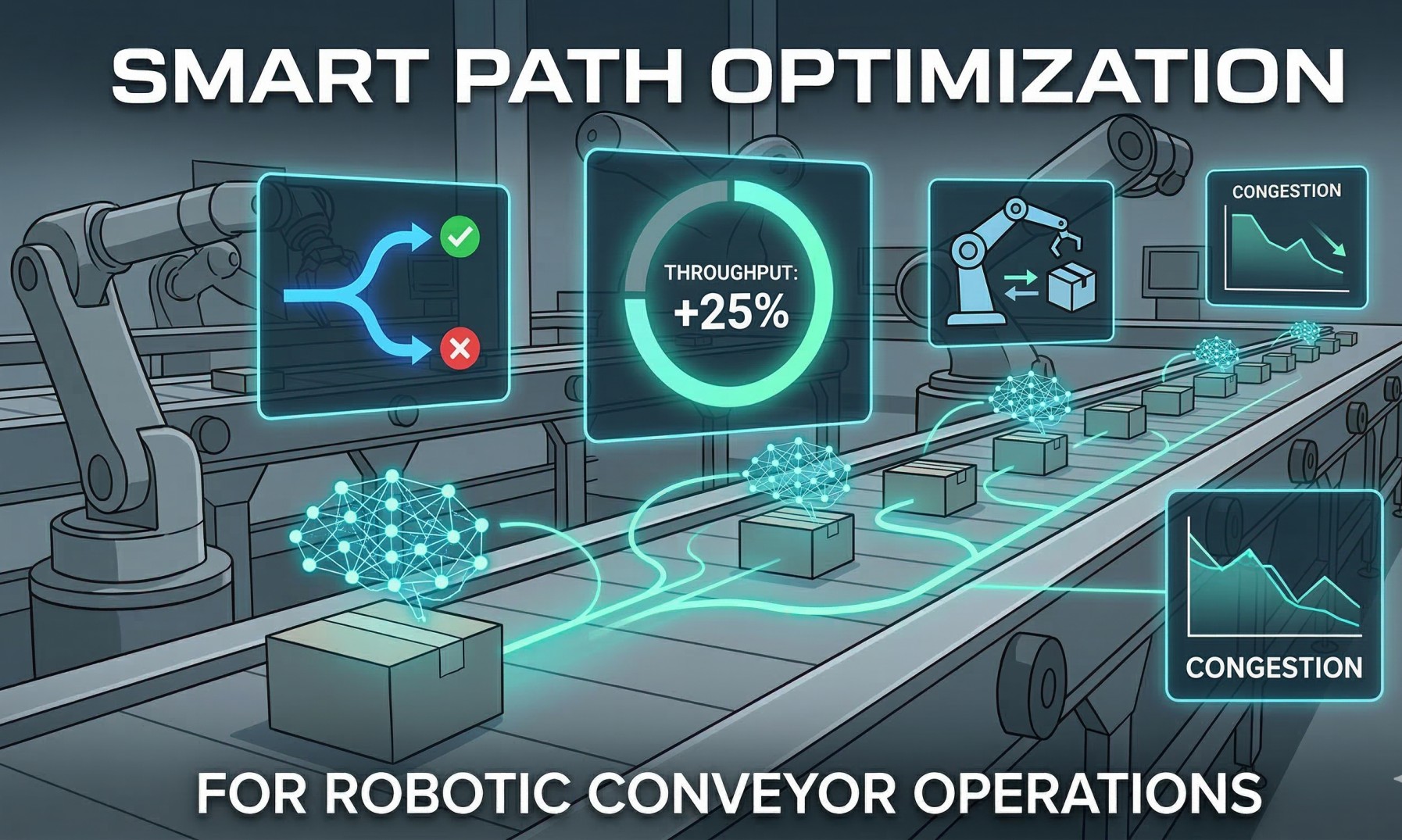
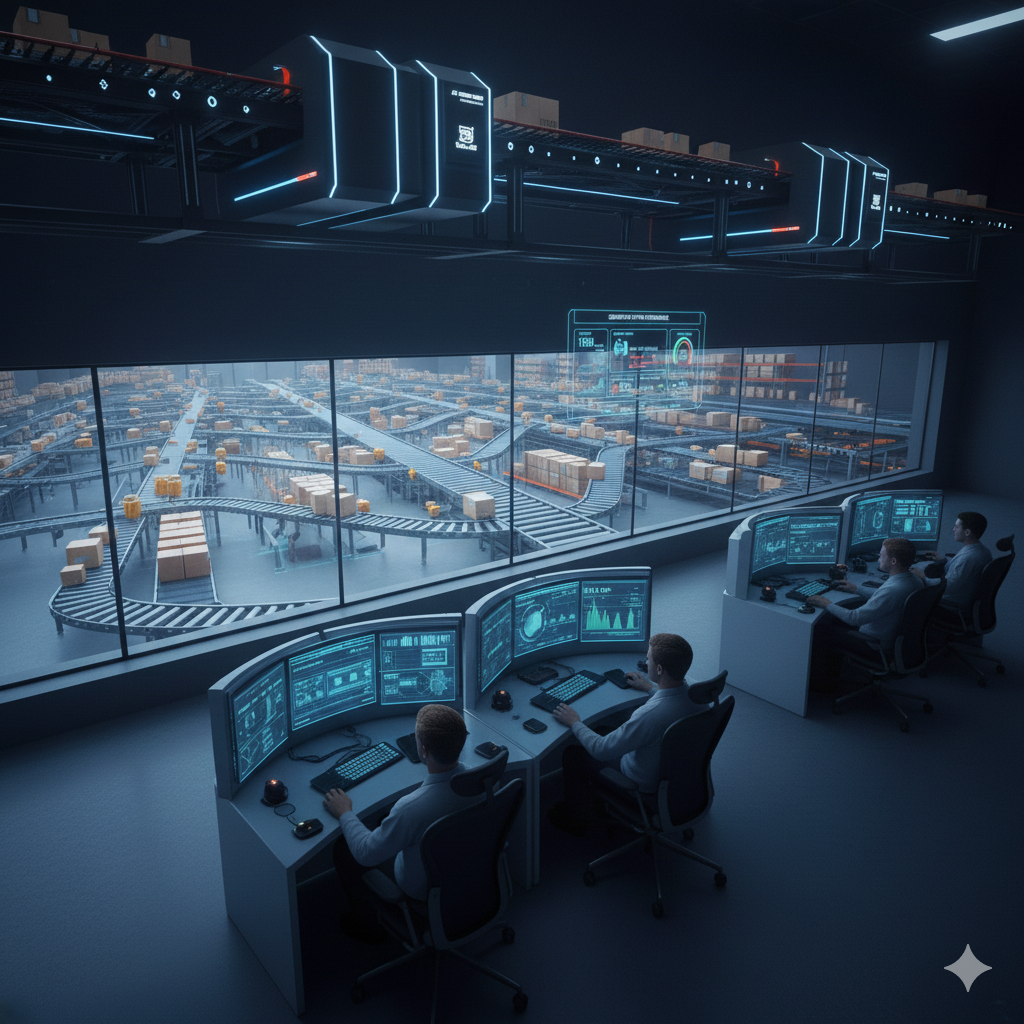
• Real-time monitoring ensures materials move efficiently without congestion 👀
• Conveyor control systems provide the backbone for facility-wide material transport 🏗️
3. Creating Communication Between Robots and Conveyors 🔗
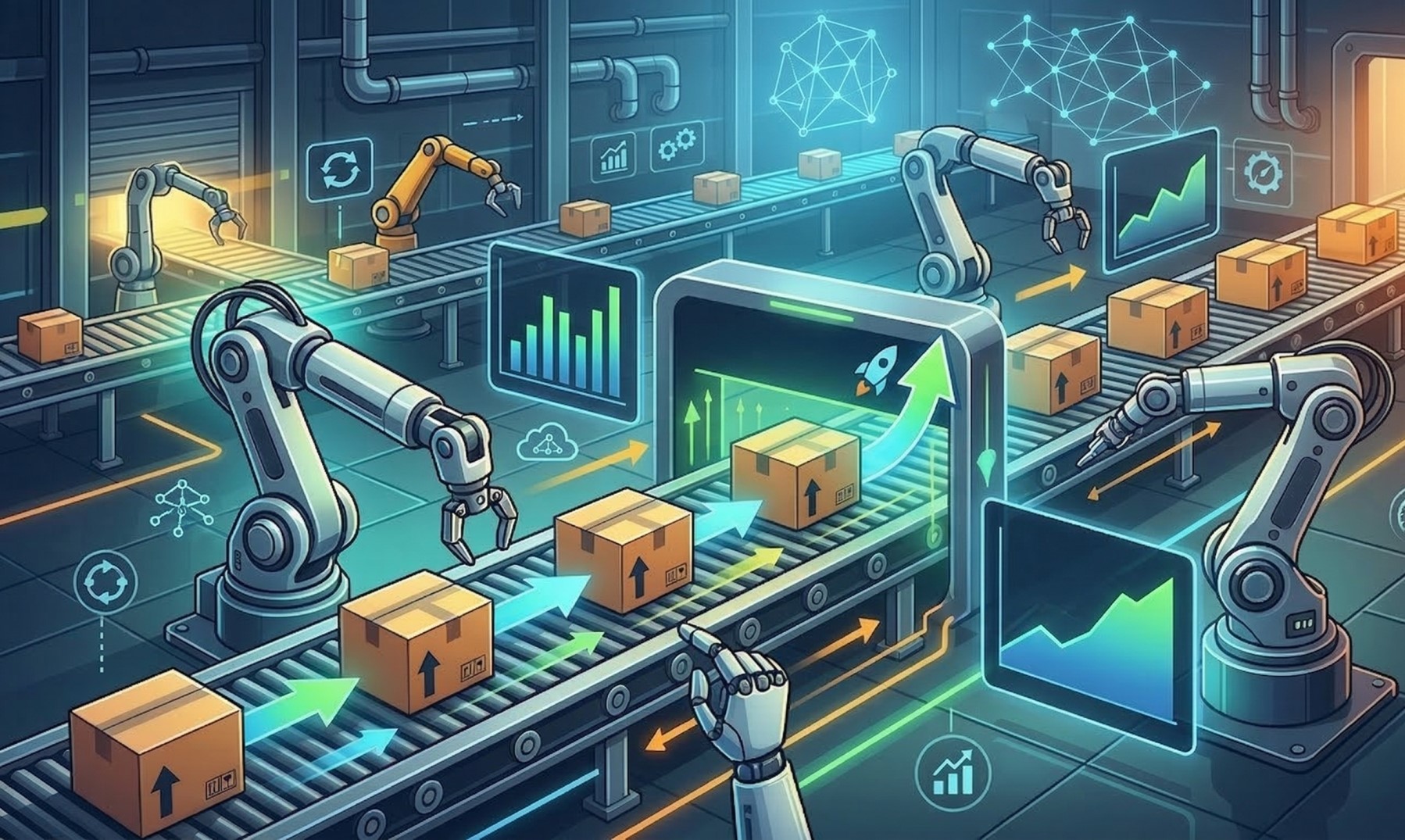
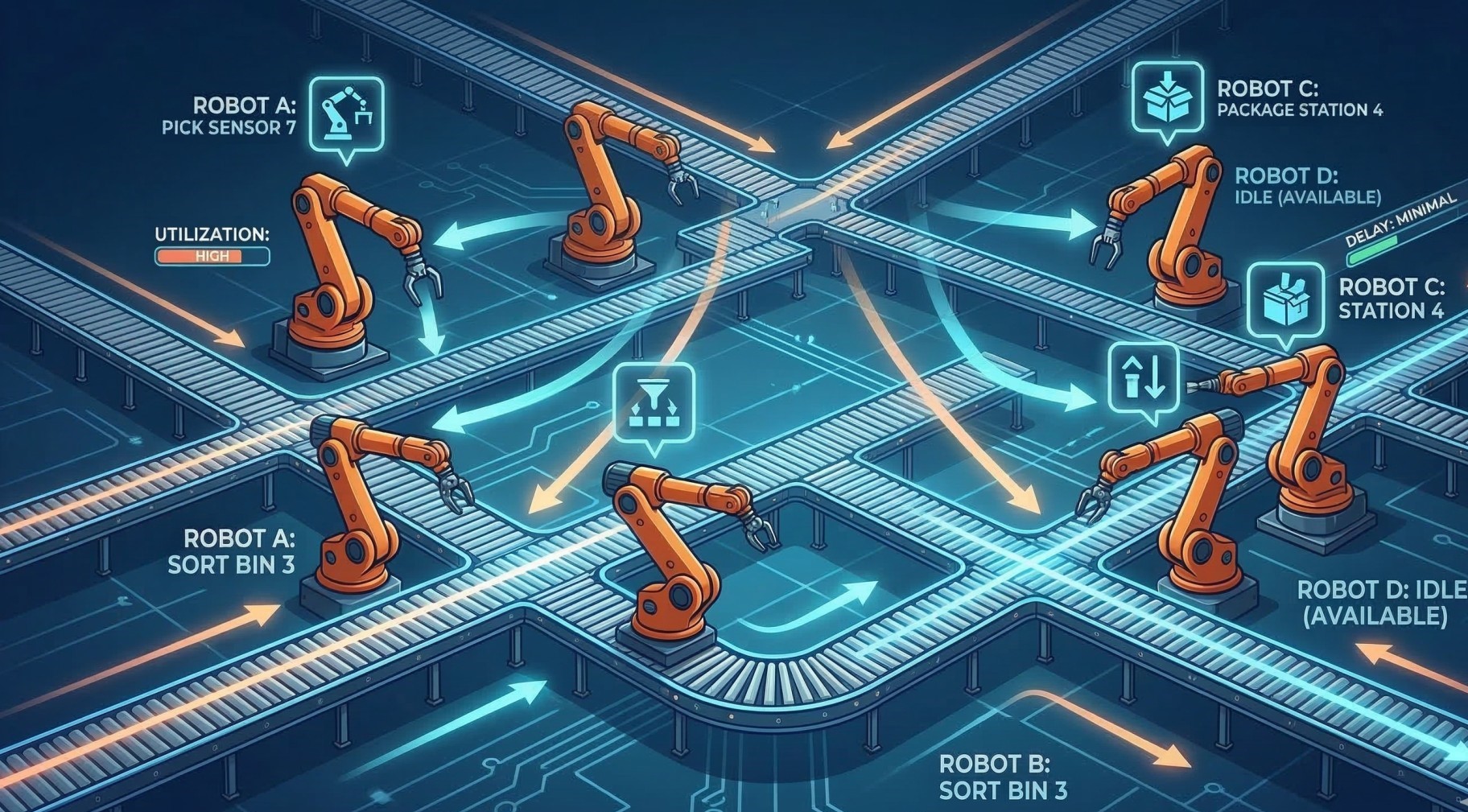
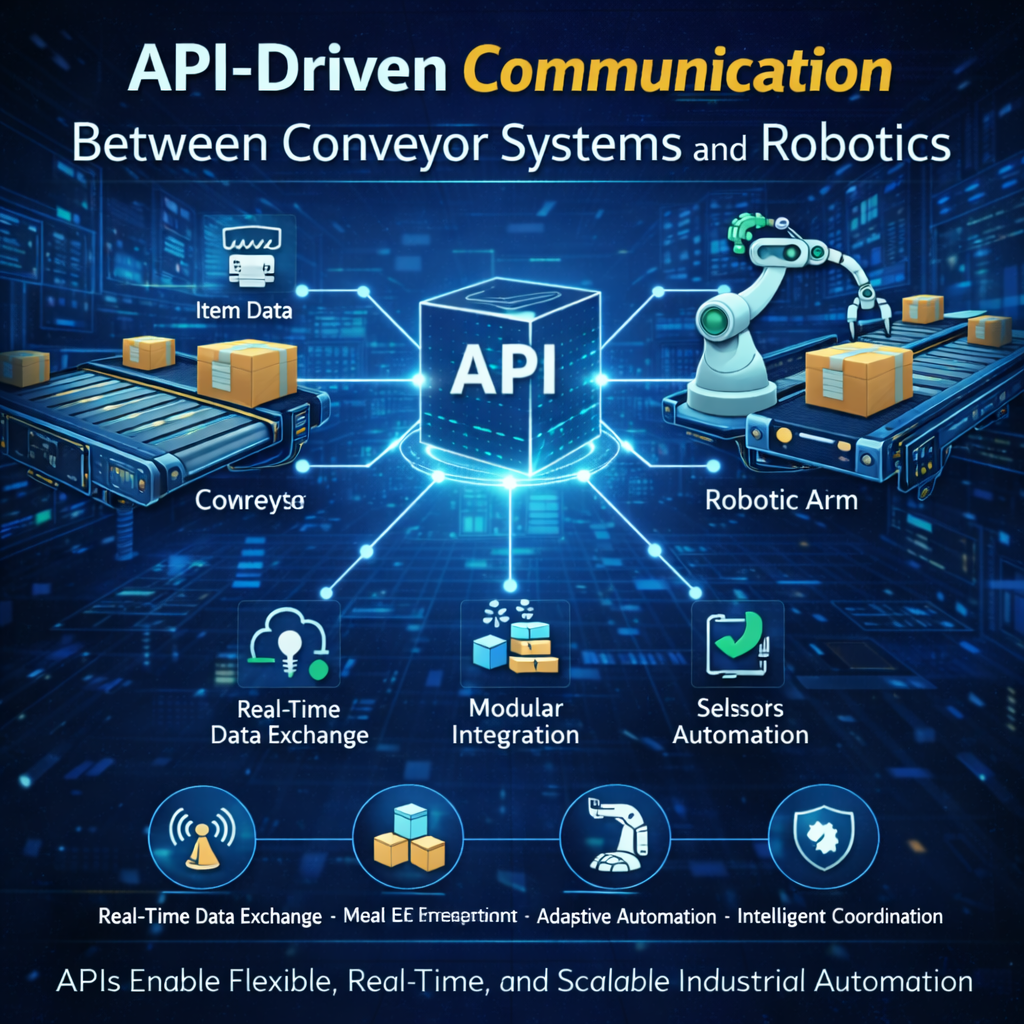
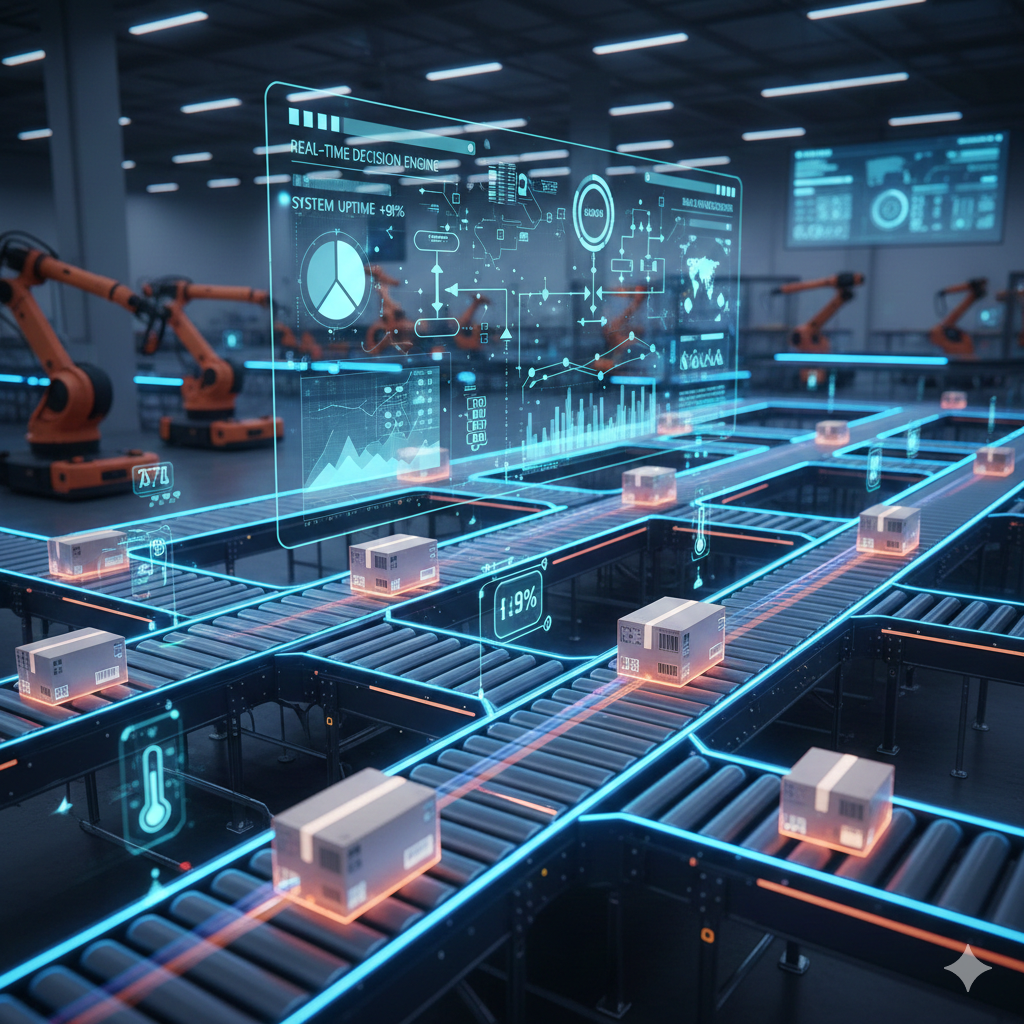
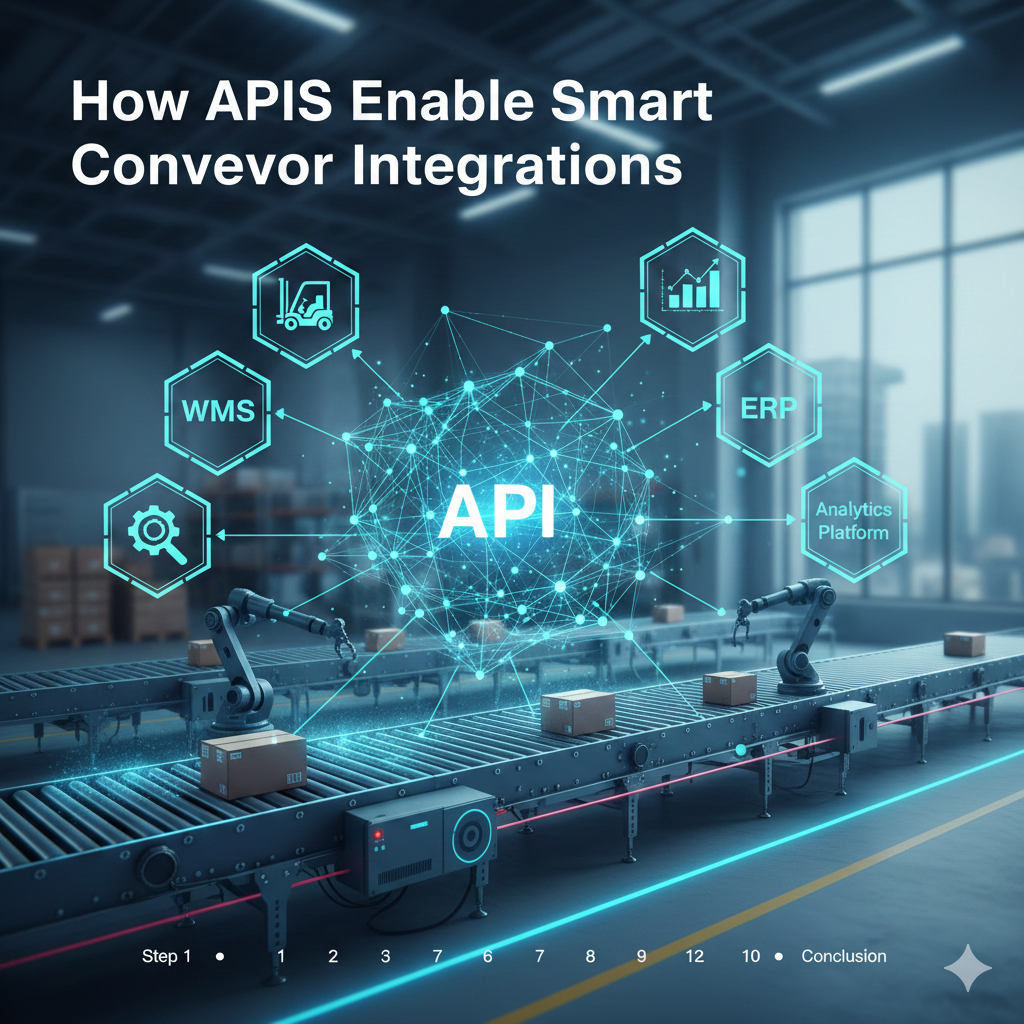
• Integration allows robots and conveyors to exchange operational signals in real time 📡
• Conveyor systems notify robots when items arrive at pick stations 📥
• Robots signal conveyors once picking tasks are complete ✅
• Bidirectional communication prevents delays and idle time ⏱️
• System coordination improves overall workflow efficiency 📊
4. Synchronizing Material Movement ⏱️
• Conveyor software schedules item delivery to robotic pick stations 📦
• Robots operate based on conveyor timing and product arrival sequences 🔄
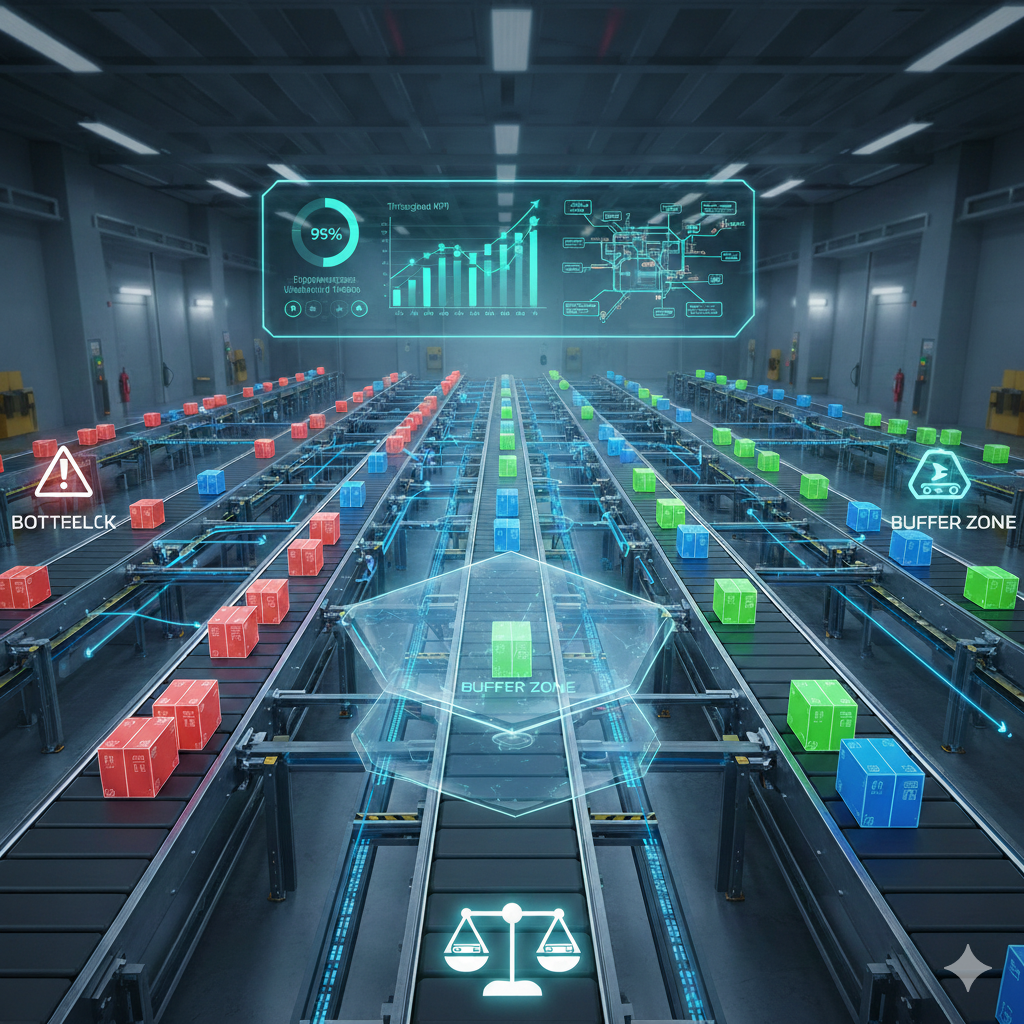
• Proper synchronization prevents bottlenecks in high-throughput systems 🚦
• Balanced workflow maintains steady picking performance ⚖️
• Efficient timing increases throughput across the facility 📈
Step 5: Using Vision Systems and Sensors for Accuracy 👁️
• Cameras and sensors detect product location and orientation 📷
• Conveyor systems provide positional tracking for incoming items 📍
• Robotic systems adjust grip and movement based on sensor data 🤖
• Accurate detection reduces picking errors and product damage ✔️
• Sensor integration enhances reliability in automated operations 🛠️
Step 6: Handling Exceptions and Operational Variability ⚠️
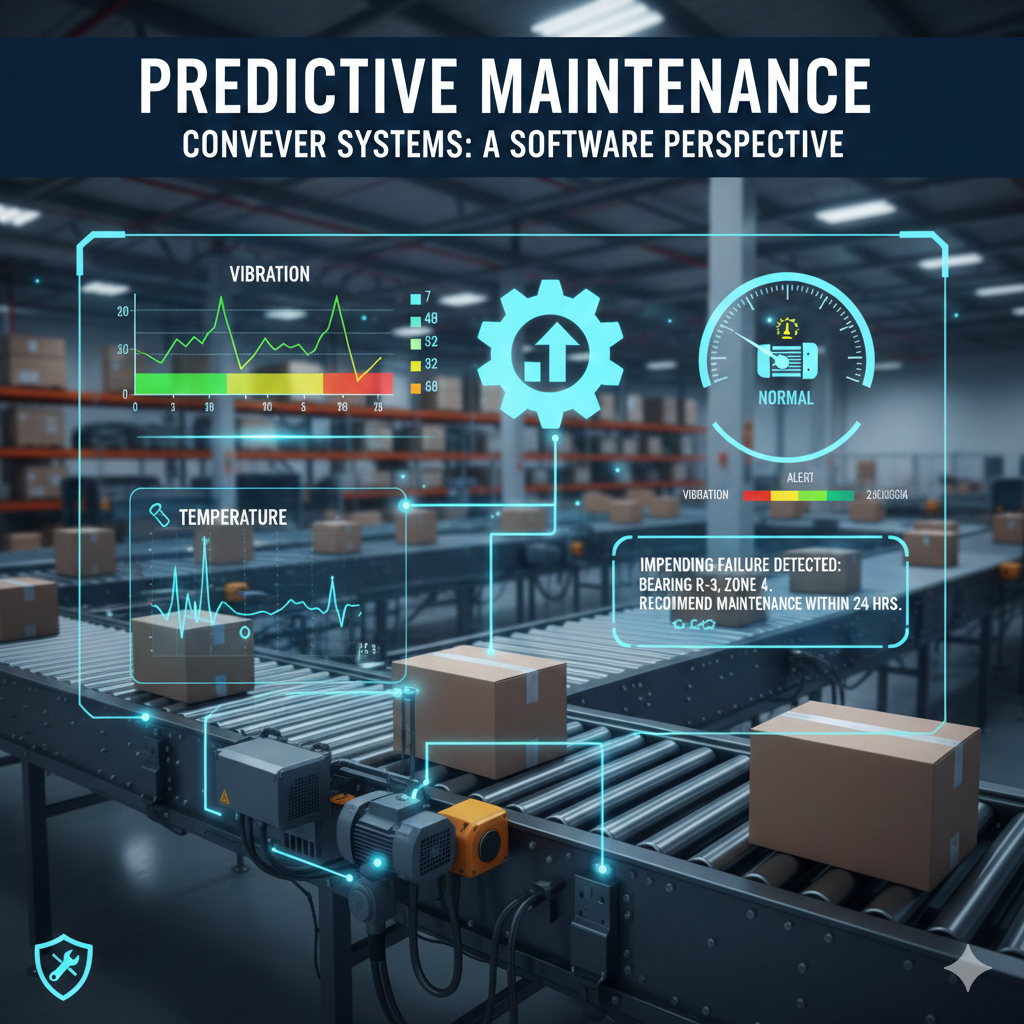
• Conveyor software detects jams, misrouted items, or unexpected delays 🚧
• Robotic systems pause or adjust when exceptions occur ⏸️
• Automated alerts notify operators of issues requiring intervention 🔔
• Exception handling prevents system-wide disruption 🛡️
• Intelligent recovery mechanisms maintain operational continuity 🔄
Step 7: Scalability and System Expansion 📈
• Integrated systems allow additional robots or conveyor segments to be added easily ➕
• Modular architecture supports future automation upgrades 🧩
• Software integration simplifies expansion without major infrastructure redesign 🏗️
• Scalable automation supports increasing order volumes 📦
• Flexible systems adapt to changing operational requirements 🔧
Step 8: Key Integration Considerations ⚙️
• Real-time communication between robotic controllers and conveyor software is essential 📡
• System synchronization must prioritize smooth material flow and balanced workloads ⚖️
• Integration architecture should support scalability and future automation growth 🚀
Conclusion
Integrating robotic pick systems with conveyor software enables a highly coordinated automation environment that improves efficiency, accuracy, and throughput in modern facilities. By synchronizing robotic operations with intelligent material transport, organizations can create scalable automation systems that respond quickly to operational demands while maintaining consistent performance. This integration represents a key step toward fully automated warehouses and advanced smart manufacturing environments.
See more blogs
You can all the articles below