Software-Based Flow Optimization for High-Density Warehouses
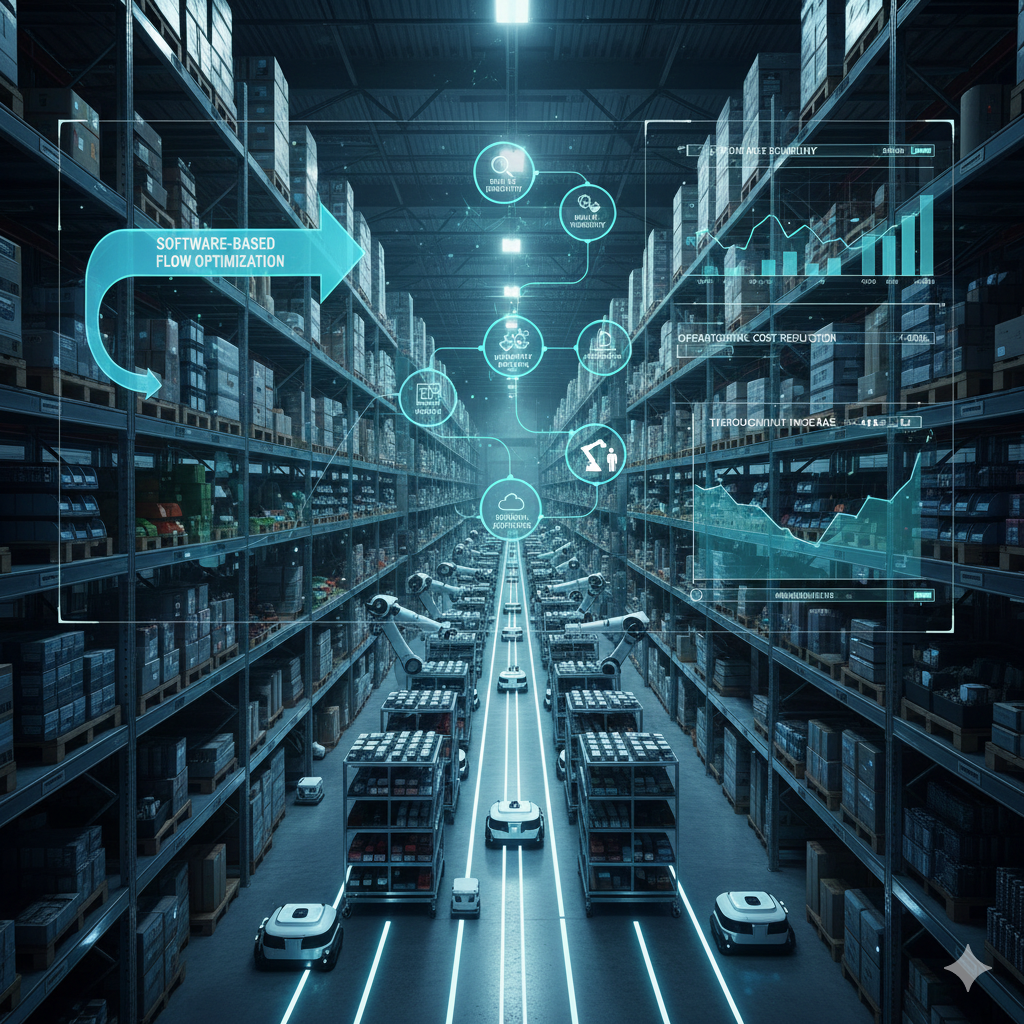
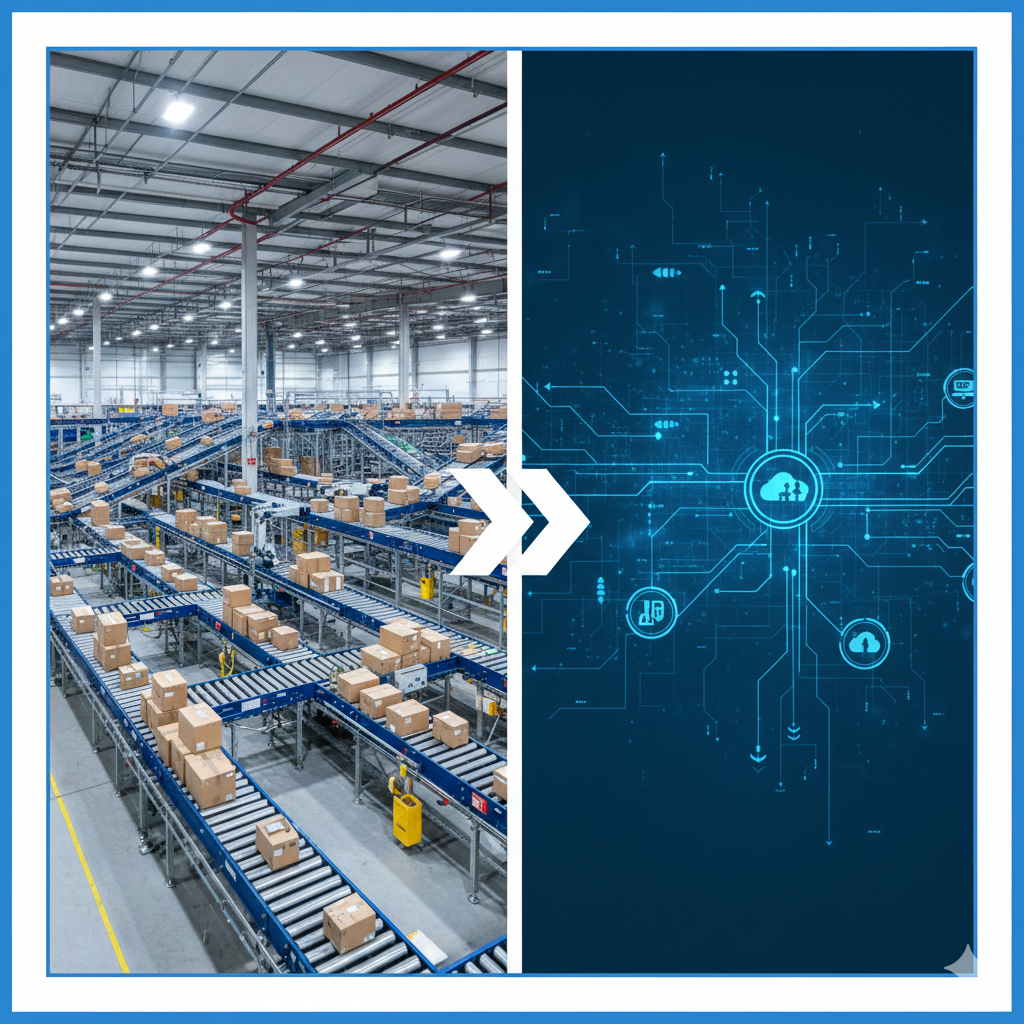
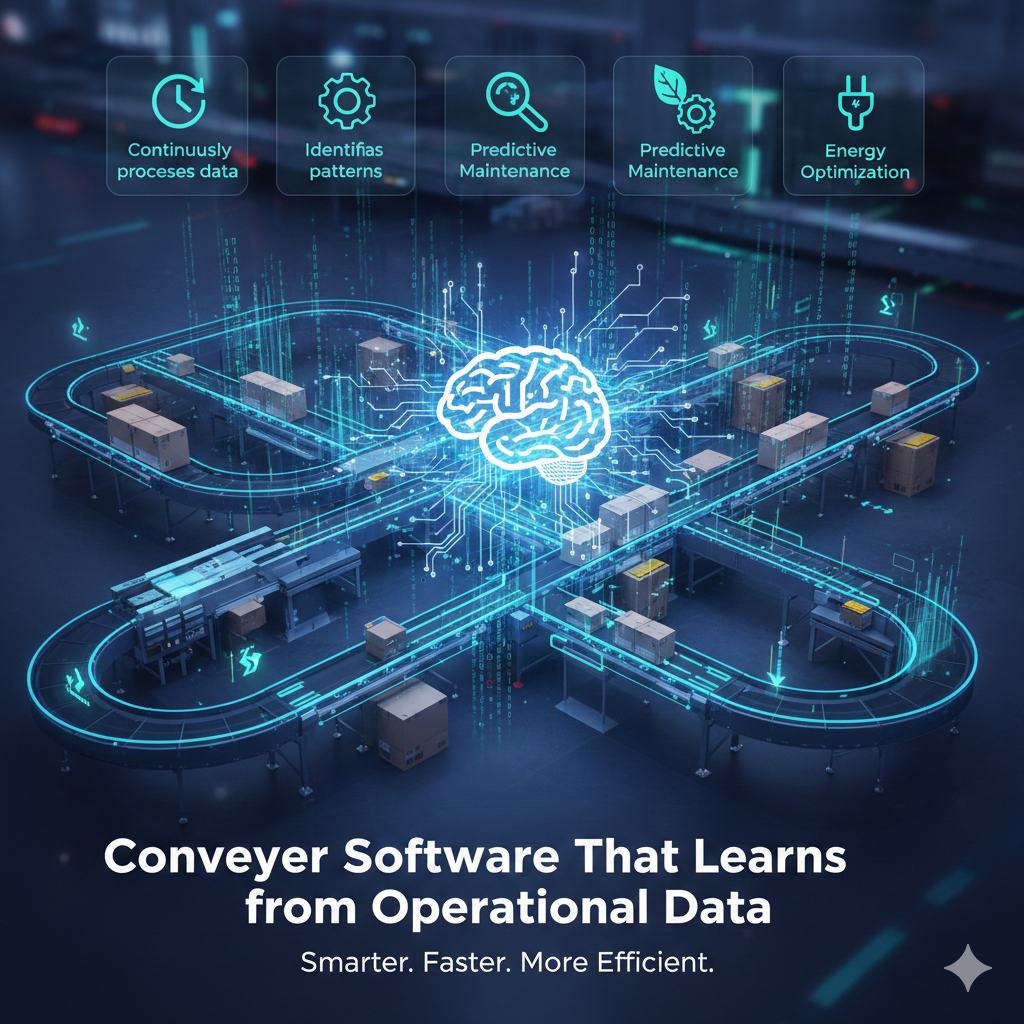
As warehouse environments grow more compact and operationally complex, improving physical layouts alone is no longer enough to sustain performance. High-density facilities require intelligent software systems that continuously evaluate movement patterns, inventory placement, and order behavior to maintain efficient flow. Software-driven flow optimization shifts warehouses from reactive fulfillment operations to adaptive, data-powered logistics ecosystems.
Step 1: Understanding Flow Complexity in High-Density Environments 🧠📦
• A wide SKU assortment increases picking and replenishment complexity 📊
• Dense storage configurations leave little room for inefficient movement 🚧
• Congestion directly reduces throughput and workforce productivity ⏱️
• Fluctuating order profiles create unpredictable movement patterns 🔄
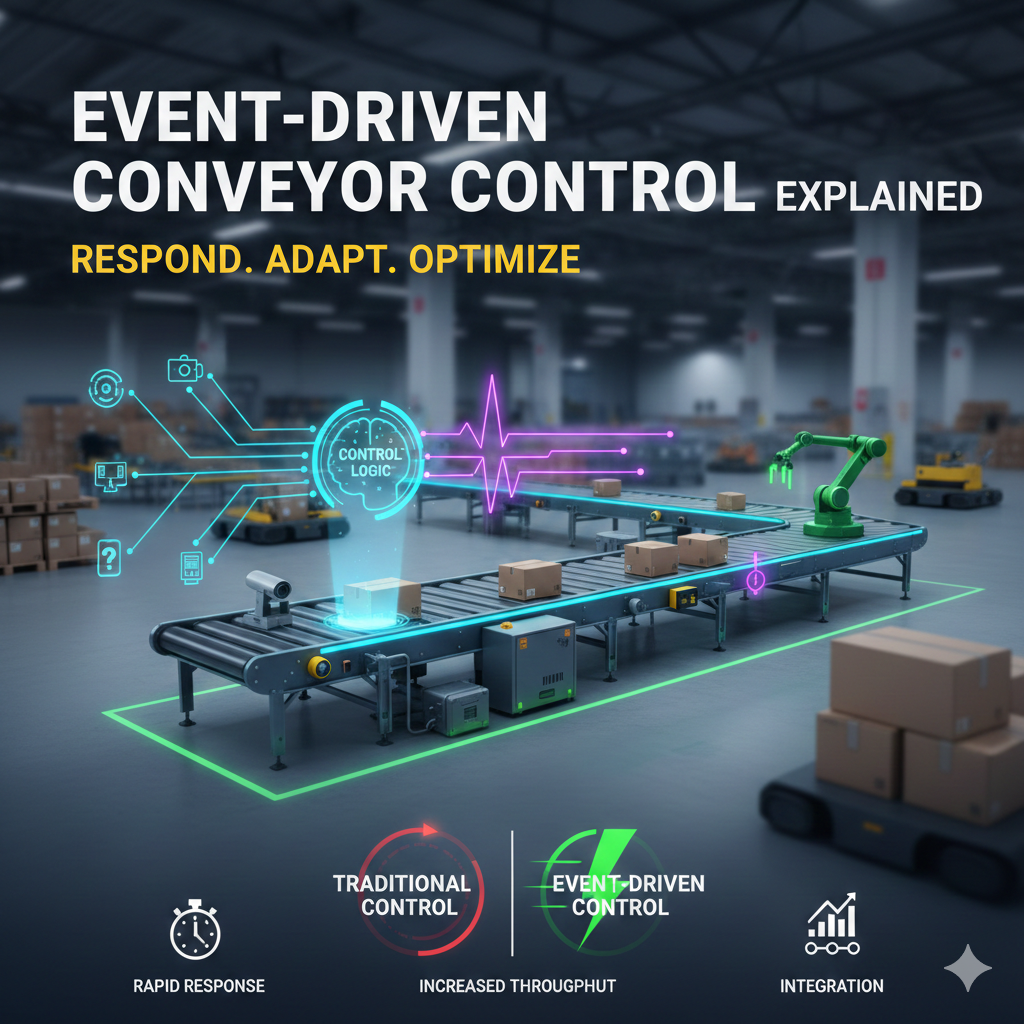
• Manual coordination becomes impractical as scale increases 📈
Step 2: Real-Time Visibility as the Operational Foundation 👀📡
• Continuously tracks inventory location and movement 📍
• Monitors picking, packing, and staging workflows 🏷️
• Detects bottlenecks as soon as they develop 🚦
• Aligns inbound and outbound activities in real time 🔄
• Enables immediate corrective action when disruptions occur ⚡
Step 3: Intelligent Slotting Optimization 🗂️⚙️
• Places inventory based on velocity and demand frequency 📈
• Adjusts storage assignments dynamically as order trends shift 🔄
• Minimizes travel distance for high-velocity items 🚶
• Reduces congestion in frequently accessed zones 🚧
• Improves picking speed while maximizing space utilization 📦
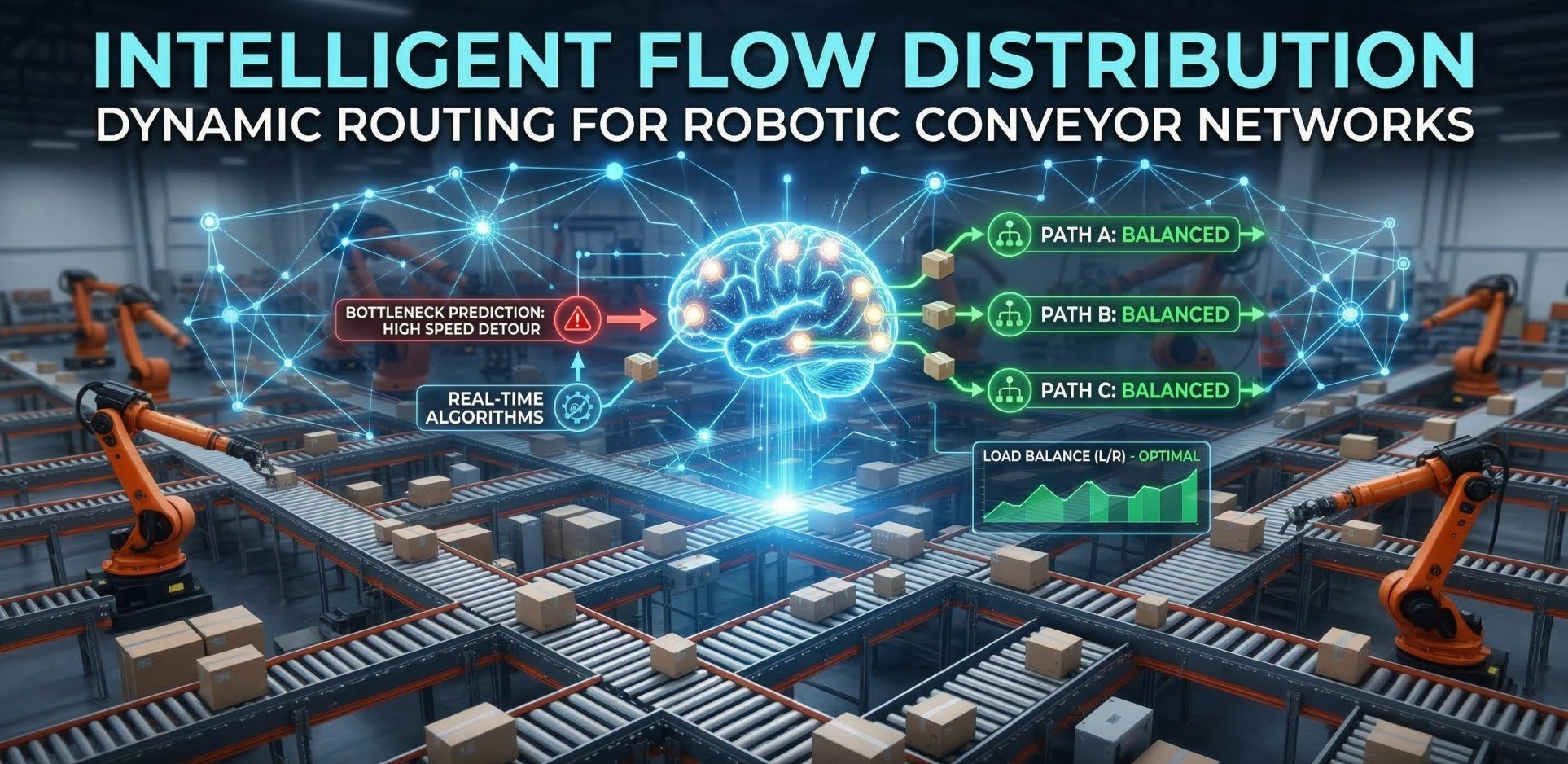
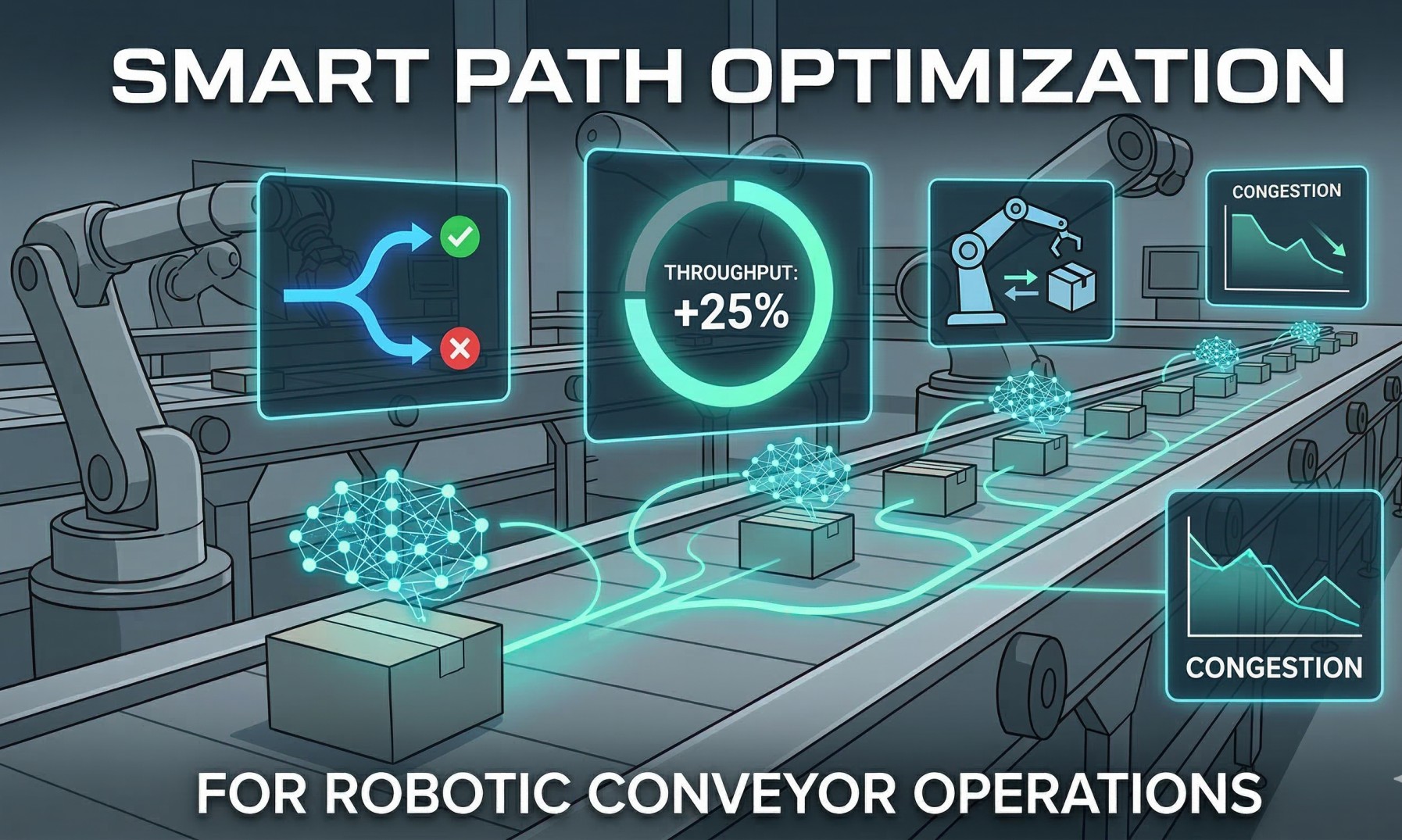
Step 4: Dynamic Path and Routing Optimization 🛣️🔍
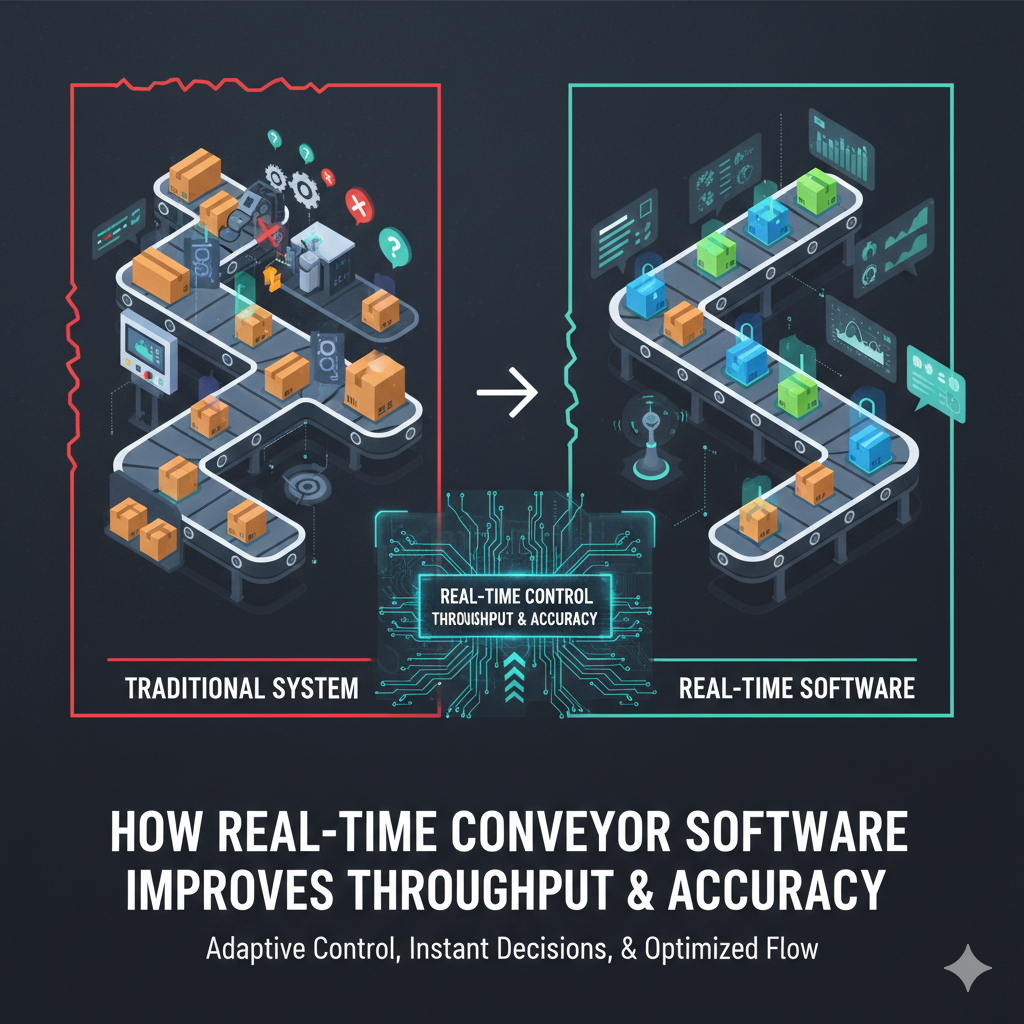
• Generates optimized picking routes in real time ⏱️
• Adjusts navigation based on live congestion and workload conditions 🚦
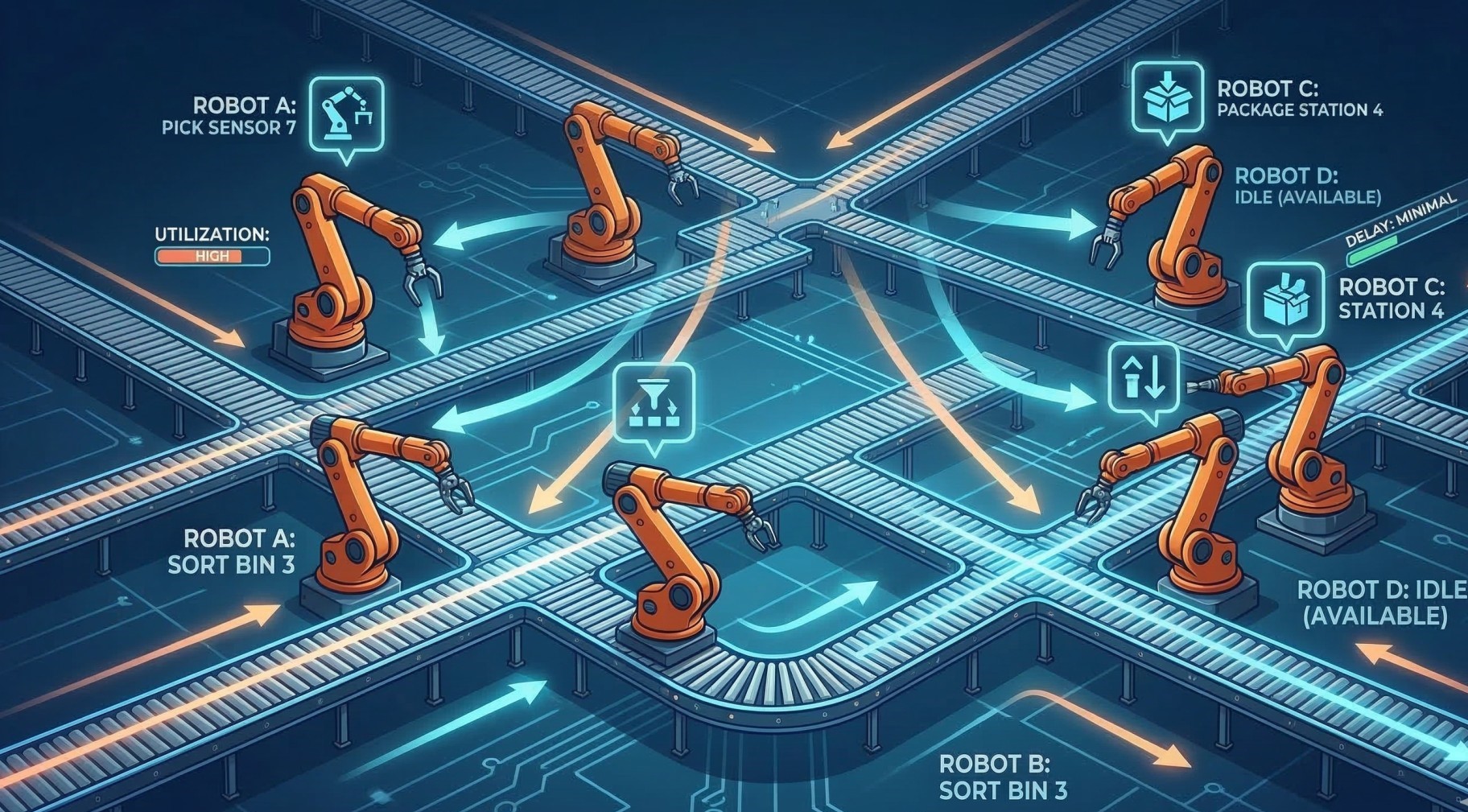
• Balances task distribution across warehouse zones ⚖️
• Reduces unnecessary travel and idle time 🚶♂️
• Enhances overall labor productivity 📊
Step 5: Workload Balancing and Task Orchestration ⚙️📋
• Assigns tasks based on priority and available resources 🎯
• Coordinates replenishment seamlessly with picking activities 🔄
• Prevents workload buildup in specific operational areas 🚫
• Aligns labor allocation with shifting demand patterns 📈
• Maintains stable throughput across shifts ⏳
Step 6: Predictive Flow Management 📈🔮
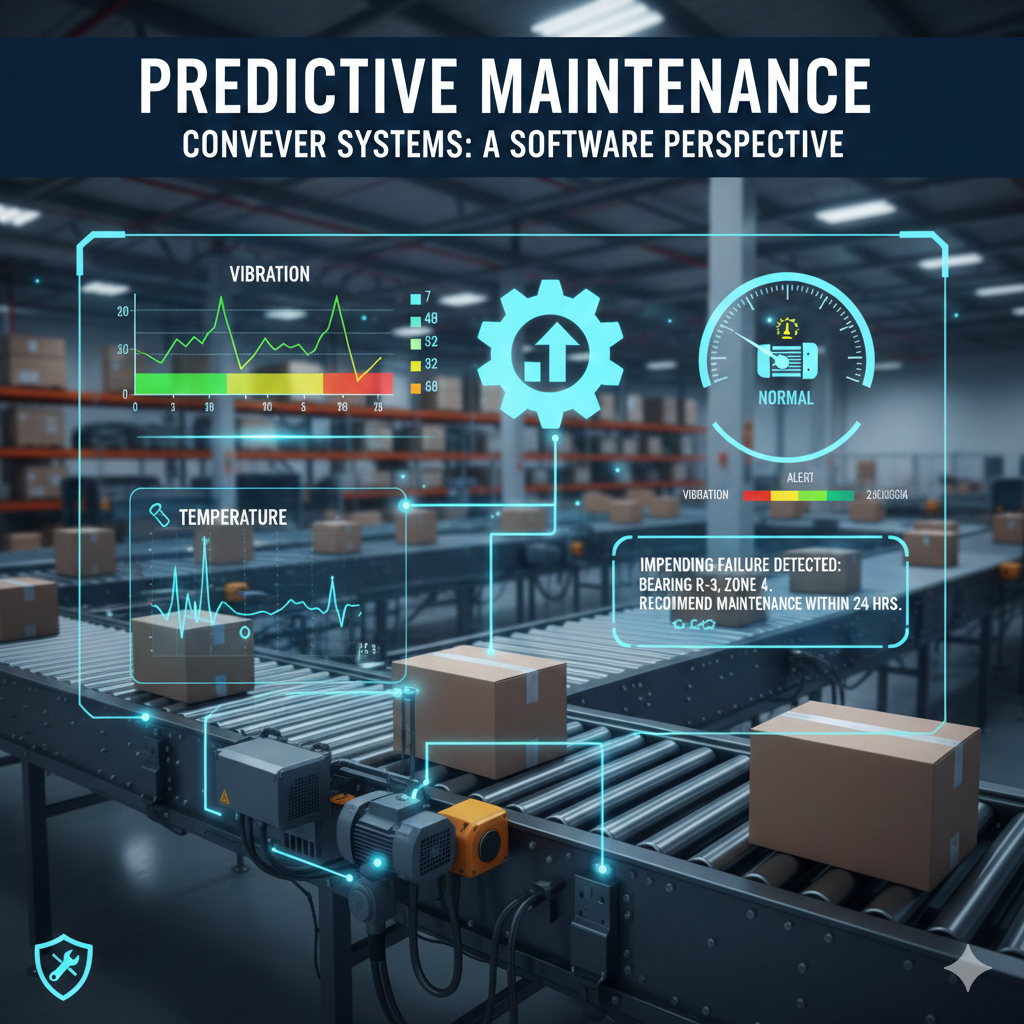
• Uses historical data to anticipate order volume patterns 📊
• Forecasts congestion risks during peak demand windows 🚧
• Pre-positions inventory to support expected orders 📦
• Supports scenario planning for capacity and resource constraints 🗺️
• Improves readiness for seasonal or promotional surges 🎯
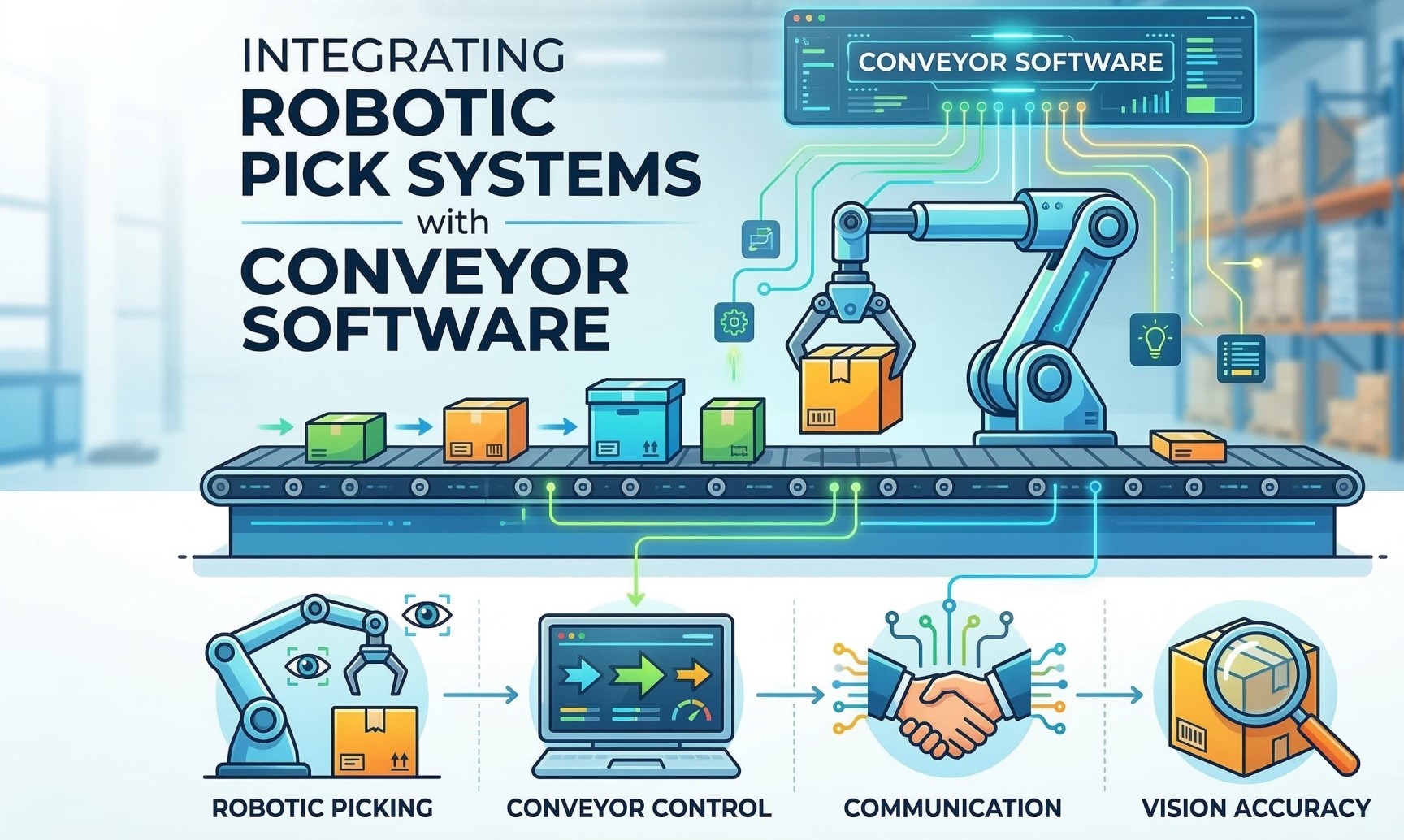
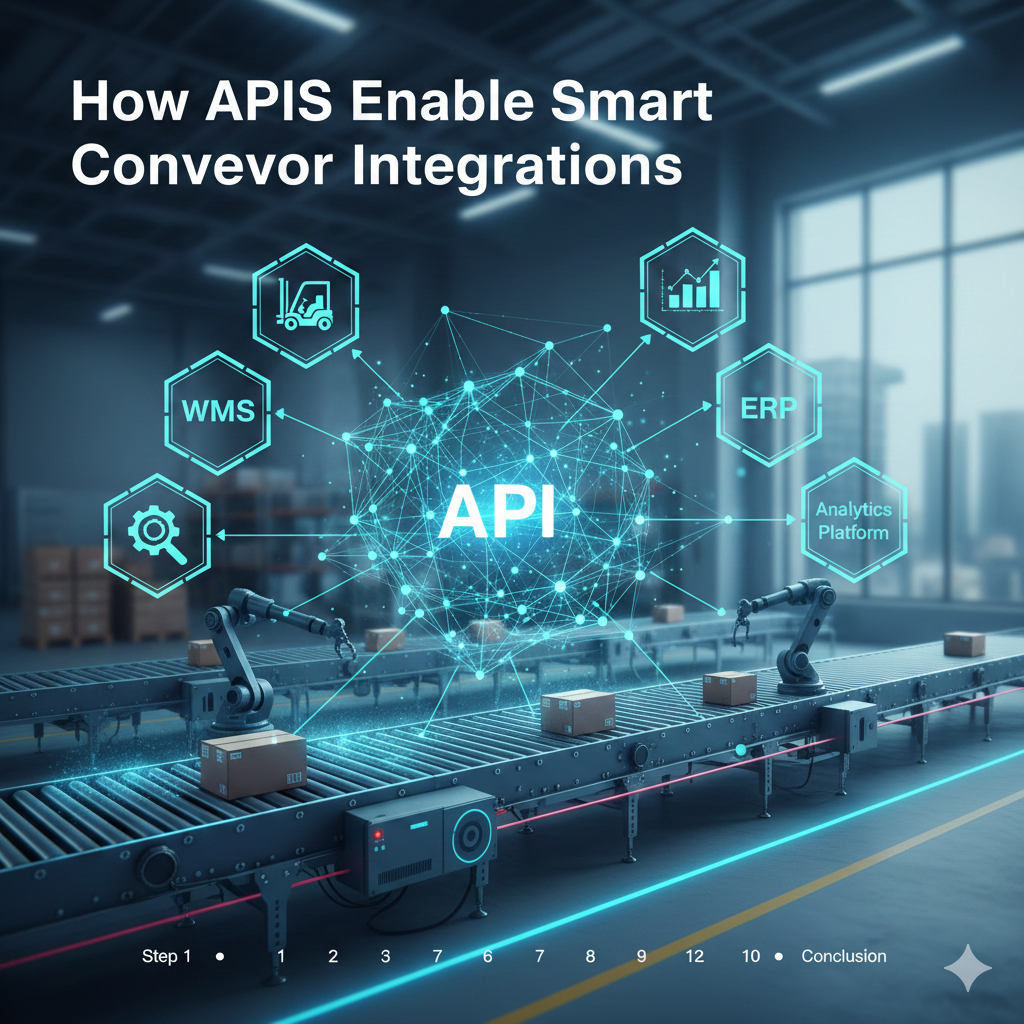
Step 7: Integration with Automation Systems 🤖🔗
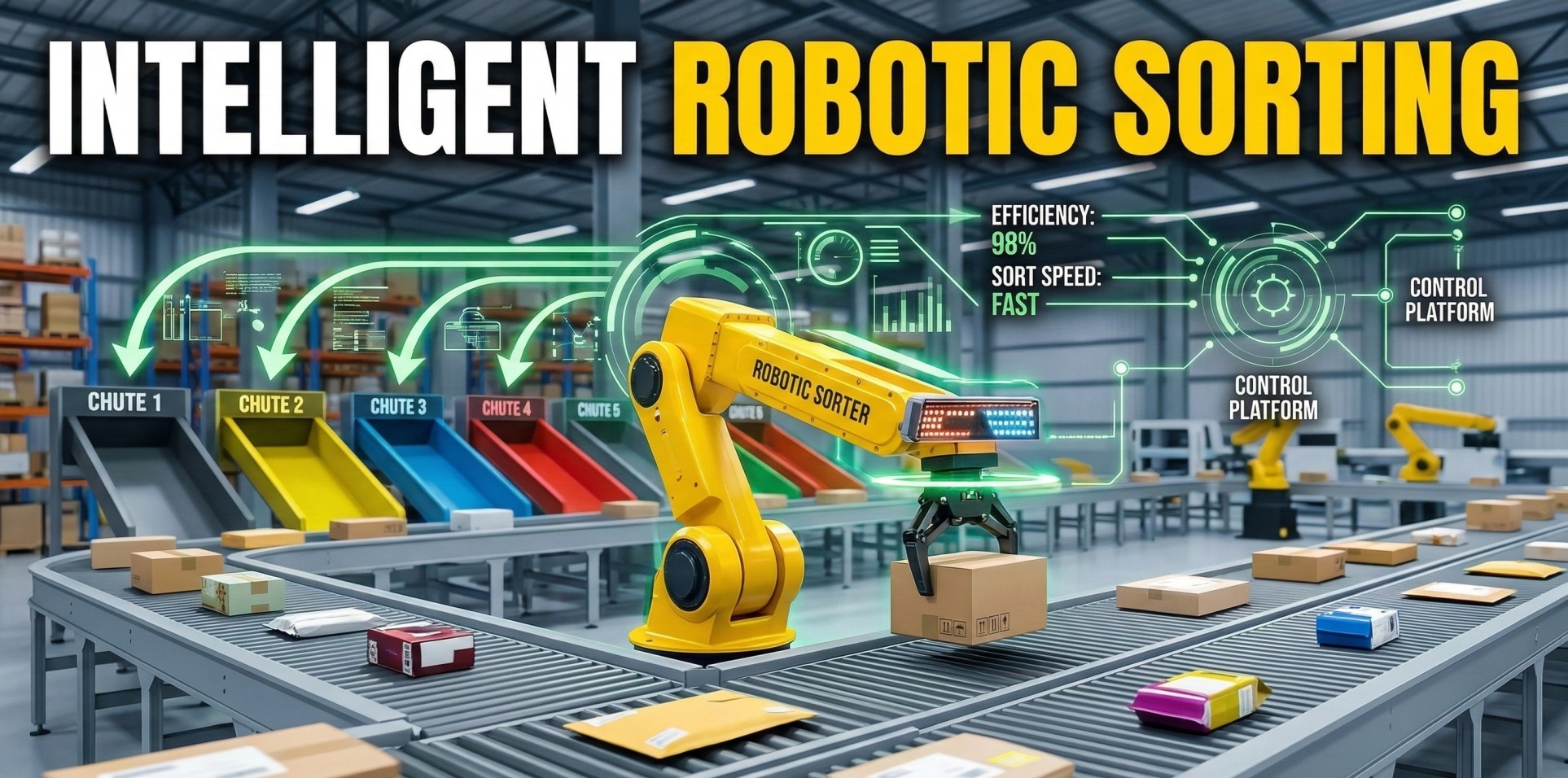
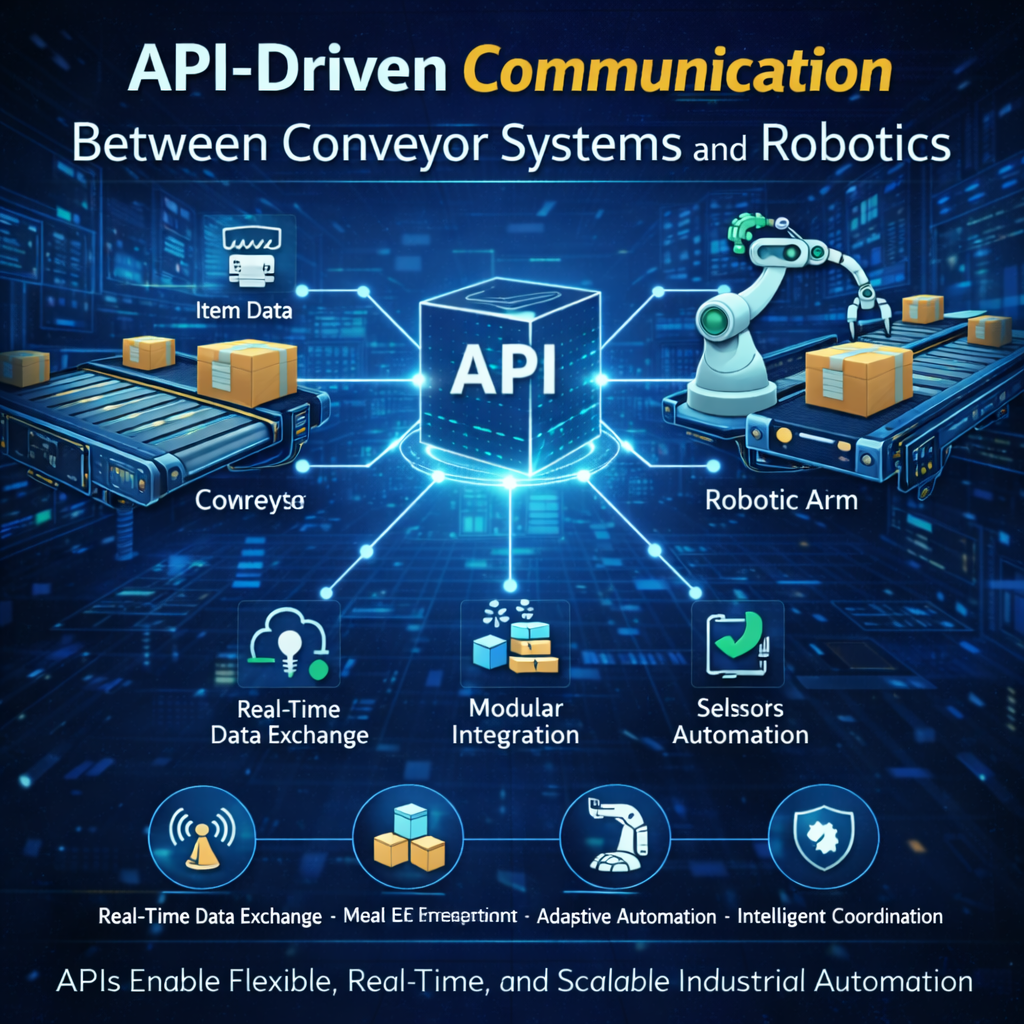
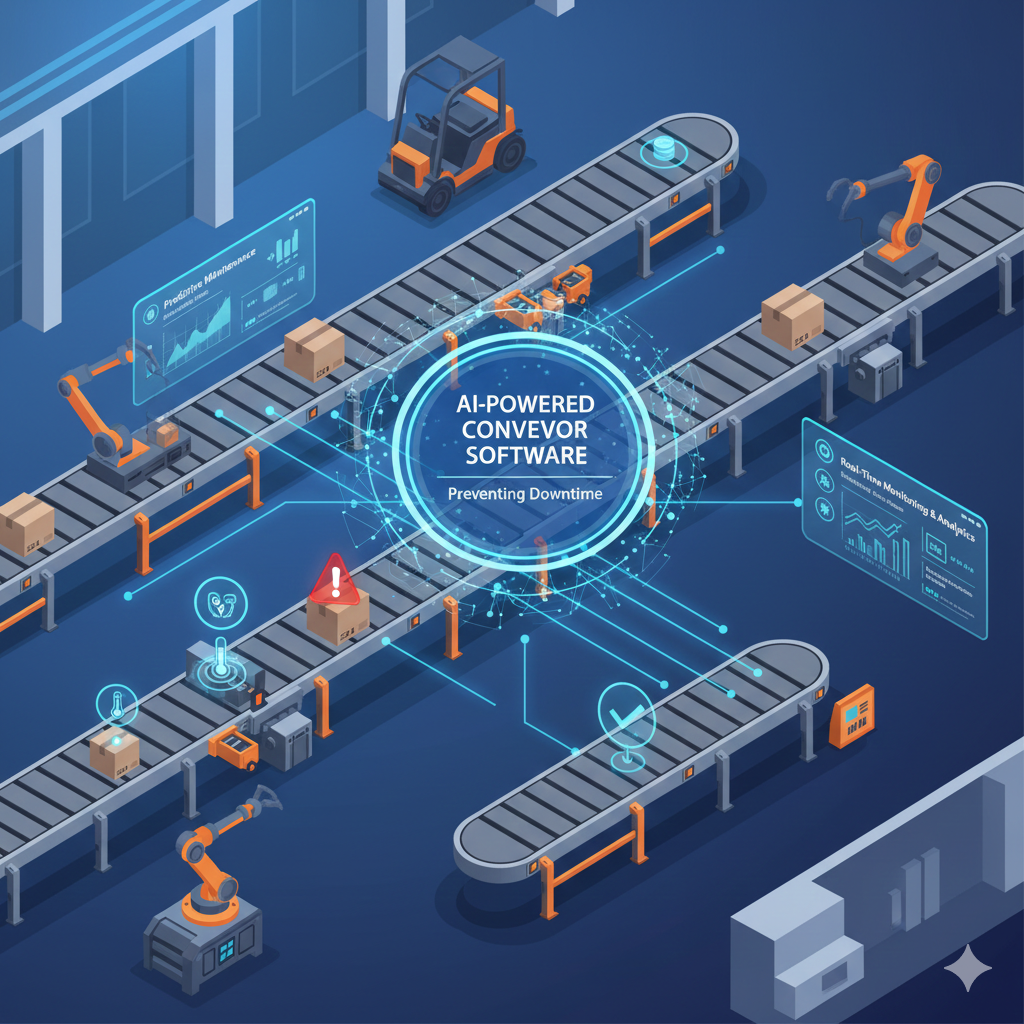
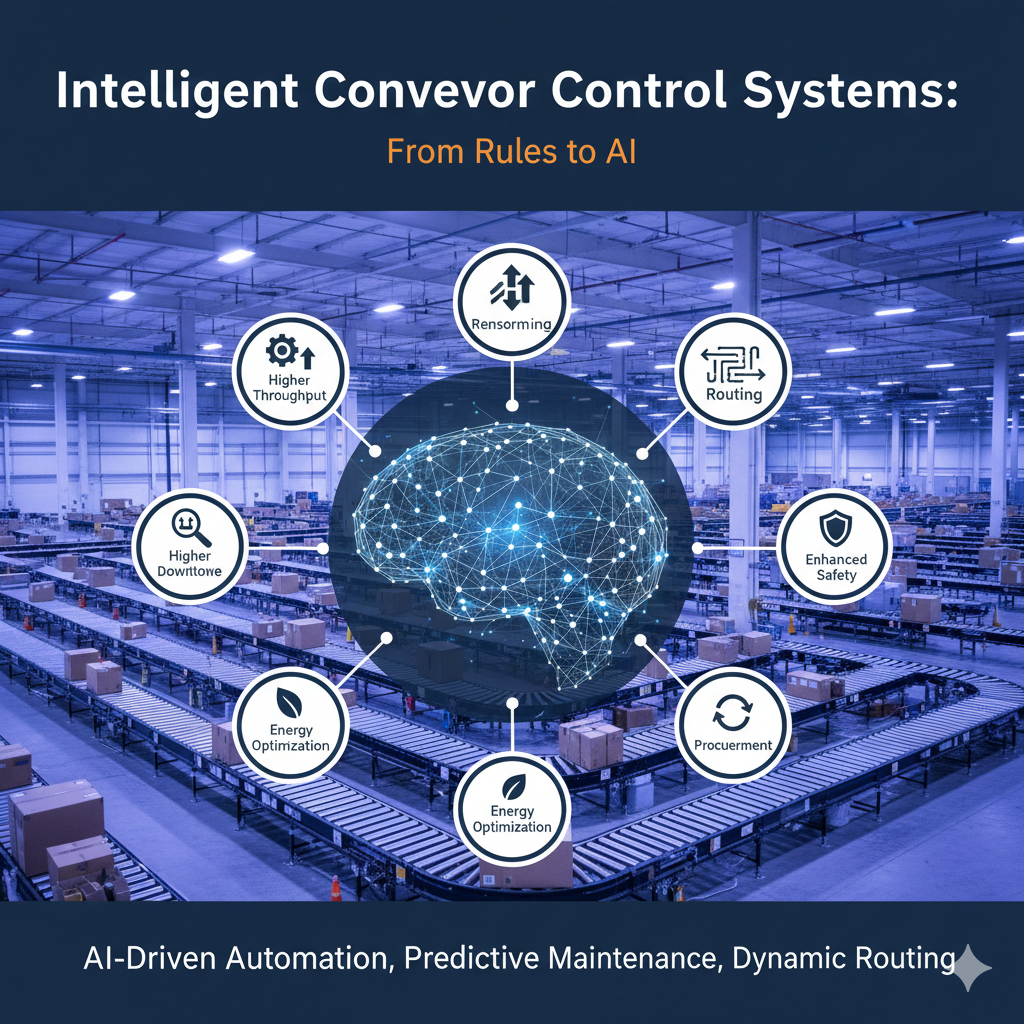
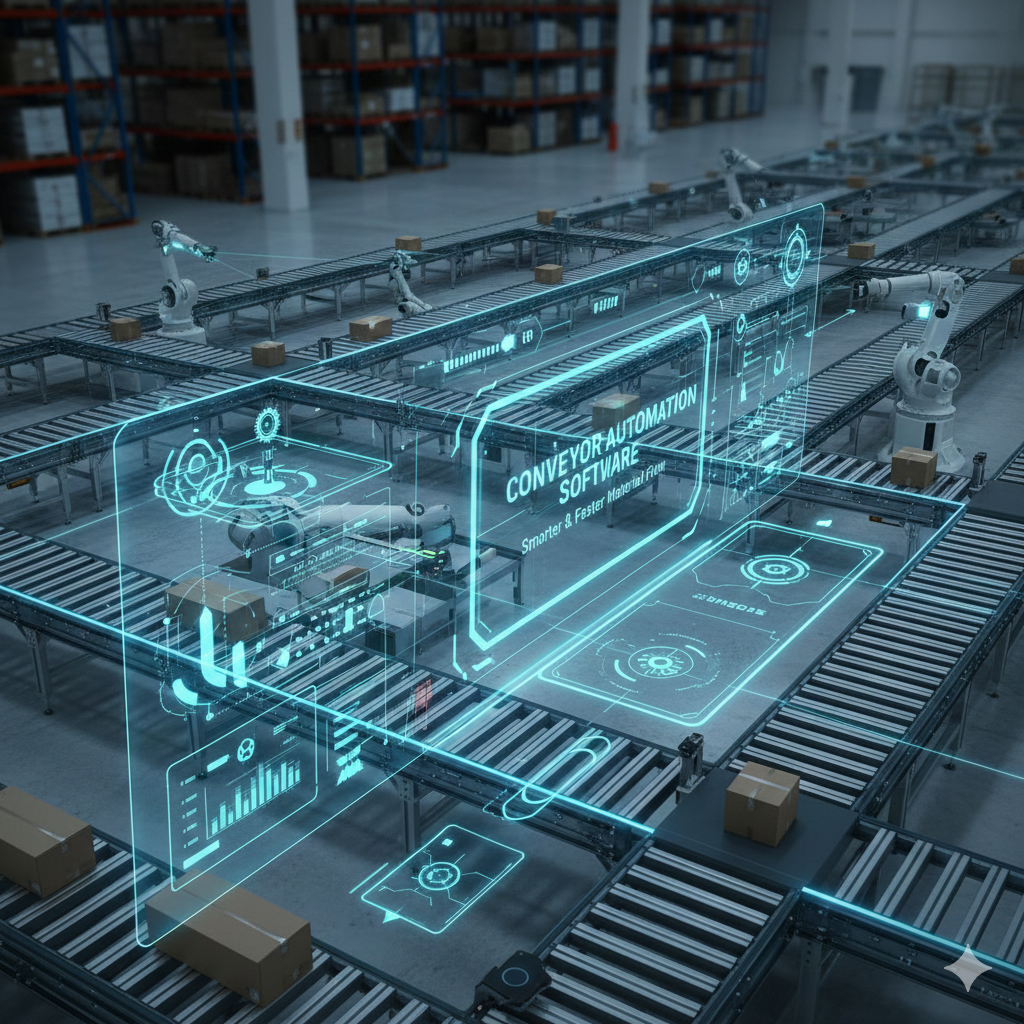
• Coordinates seamlessly with conveyors, sortation systems, and robotics ⚙️
• Aligns human and automated workflows for smooth operations 👥
• Optimizes transitions between manual and automated zones 🔄
• Minimizes idle time across equipment and personnel ⏱️
• Maximizes the return on automation investments 💡
Step 8: Strategic Impact on Throughput and Cost 📊💰
• Accelerates order fulfillment speed and accuracy 🚀
• Lowers labor cost per processed unit 📉
• Increases storage density without sacrificing efficiency 📦
• Supports scalable growth as volumes expand 📈
Step 9: Continuous Performance Monitoring 📈📑
• Tracks KPIs such as pick rates, cycle times, and congestion levels 📊
• Identifies recurring inefficiencies and process gaps 🔍
• Supports ongoing layout and workflow refinement 🛠️
• Enables informed, data-driven decision-making 🧠
• Sustains consistent long-term operational performance 🔄
Step 10: Flow Optimization as a Competitive Advantage 🏆🚚
• Converts warehouses into agile, responsive logistics hubs 🌐
• Supports increasingly demanding delivery expectations ⏱️
• Strengthens customer satisfaction through operational reliability 🤝
• Positions facilities for sustainable expansion 📈
• Turns operational efficiency into strategic differentiation ✨
Conclusion
Software-based flow optimization is critical for high-density warehouses operating within fast-moving supply chains. By combining real-time visibility, intelligent slotting, adaptive routing, and predictive planning, organizations can minimize congestion, increase throughput, and control operational costs. As order complexity continues to grow, software-driven flow management becomes the central enabler of scalable, high-performance warehouse operations.
See more blogs
You can all the articles below