Intelligent Flow Distribution Across Robotic Conveyor Networks
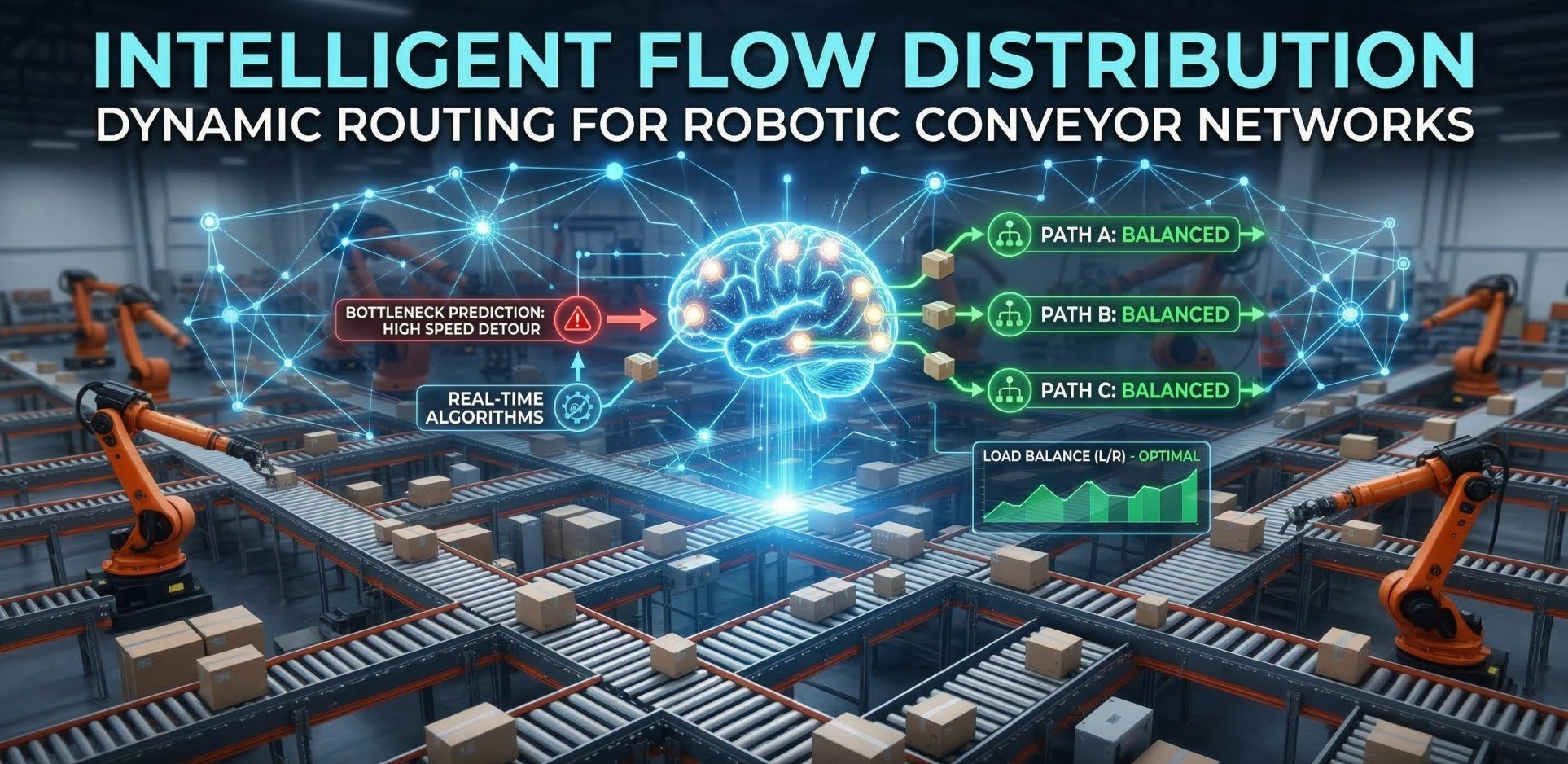
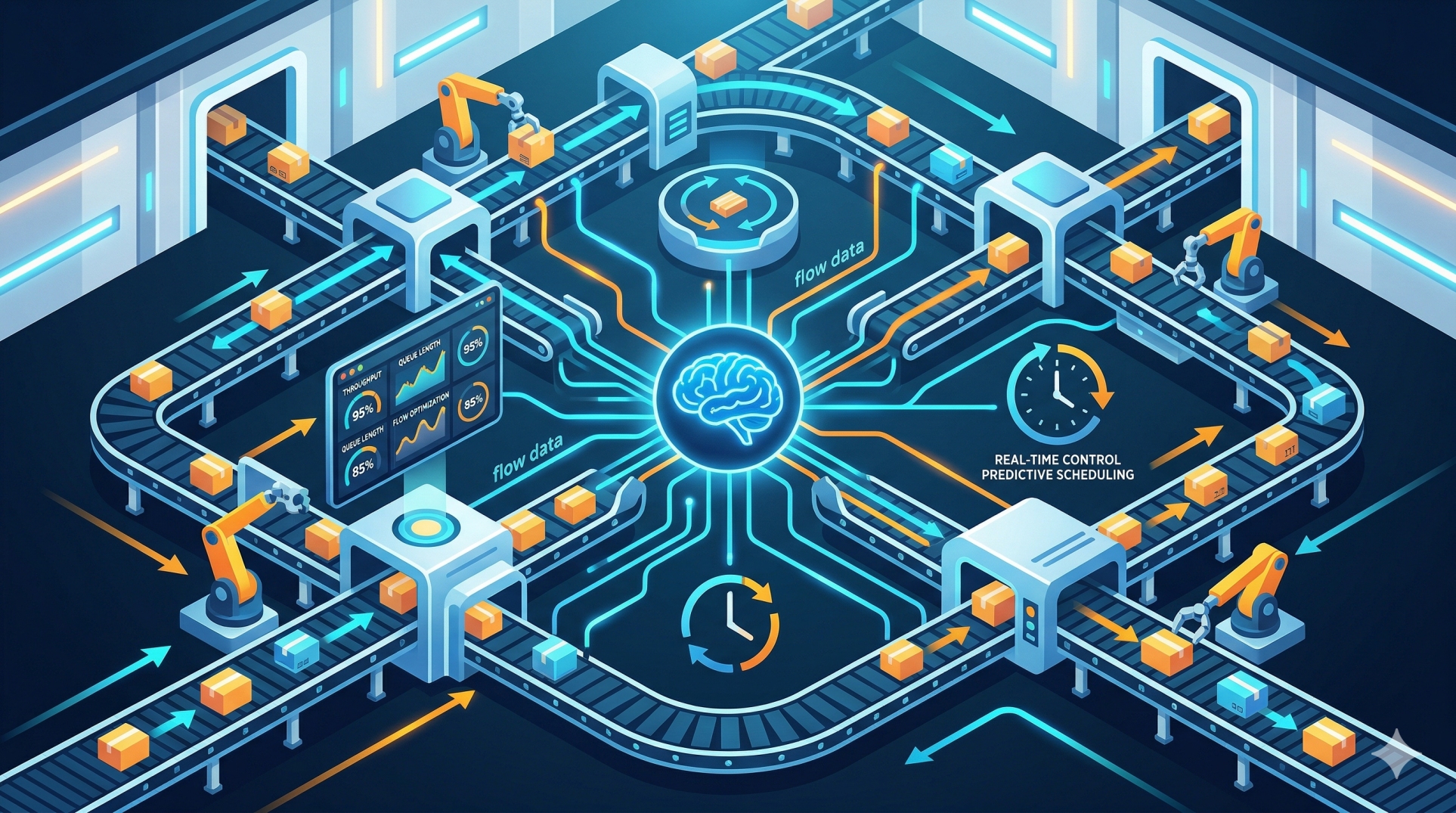
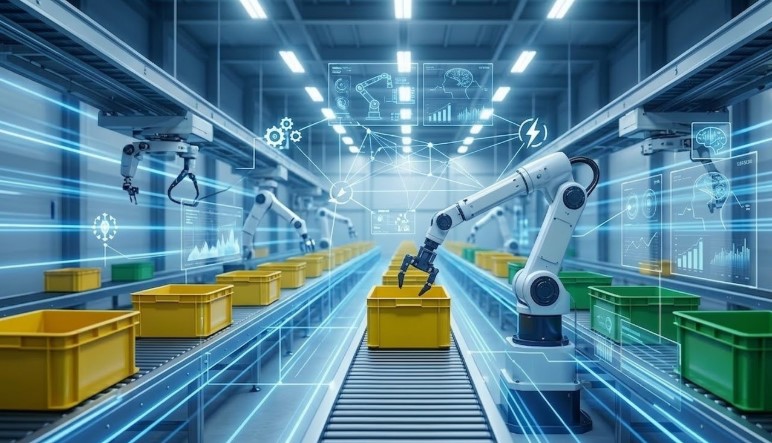
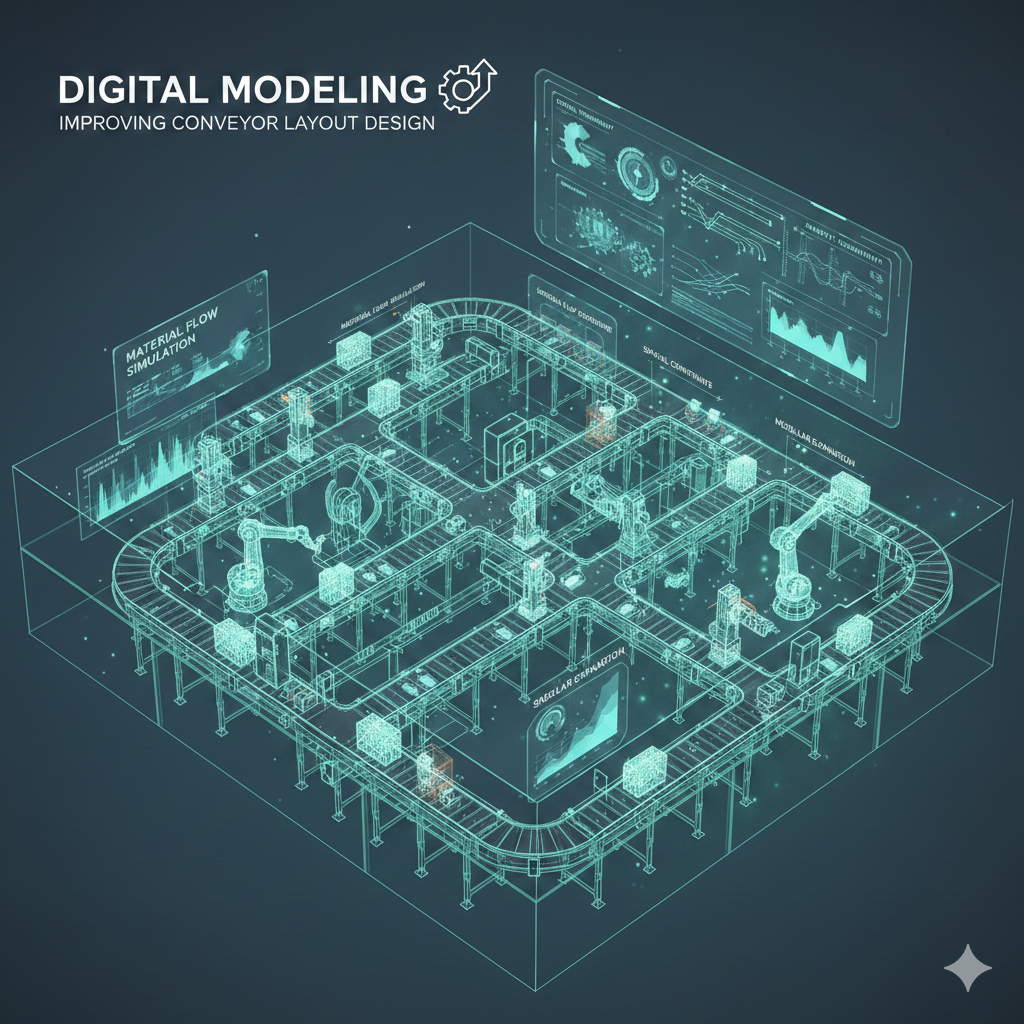
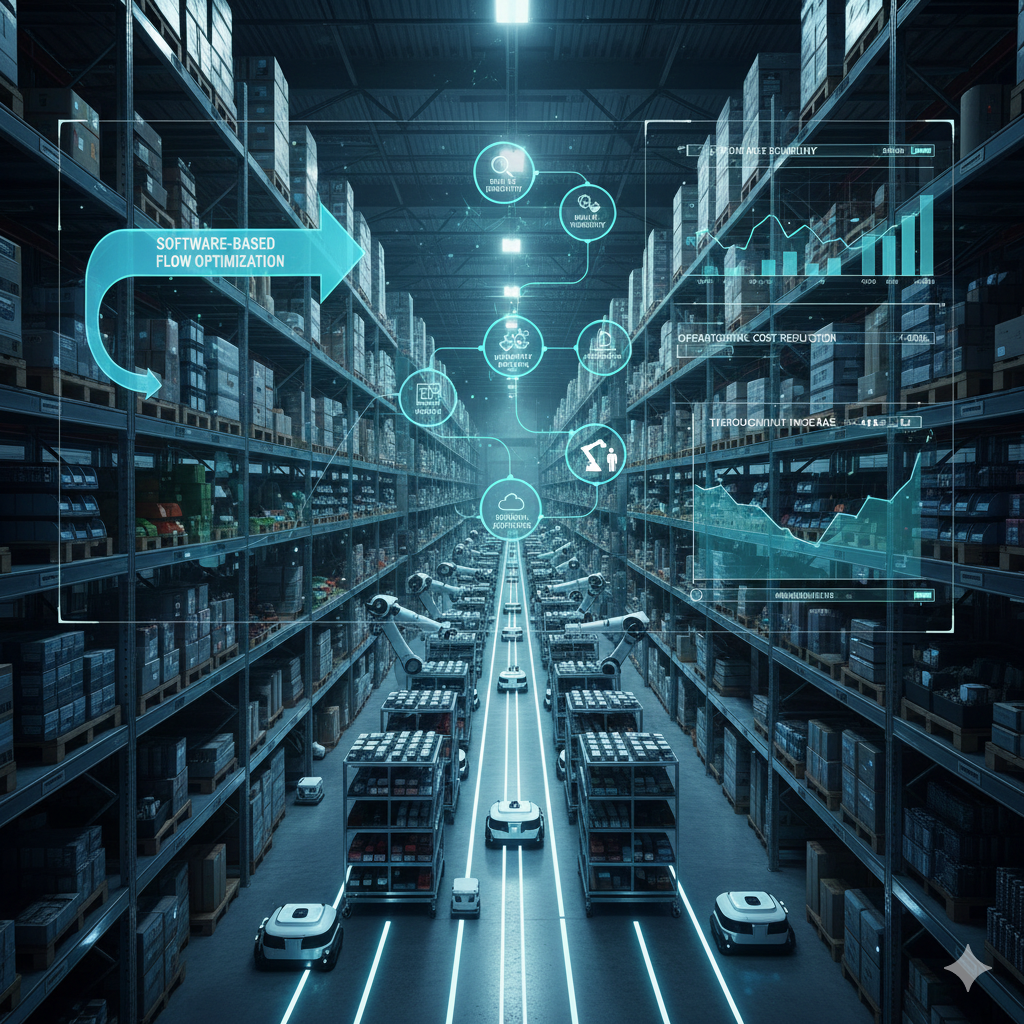
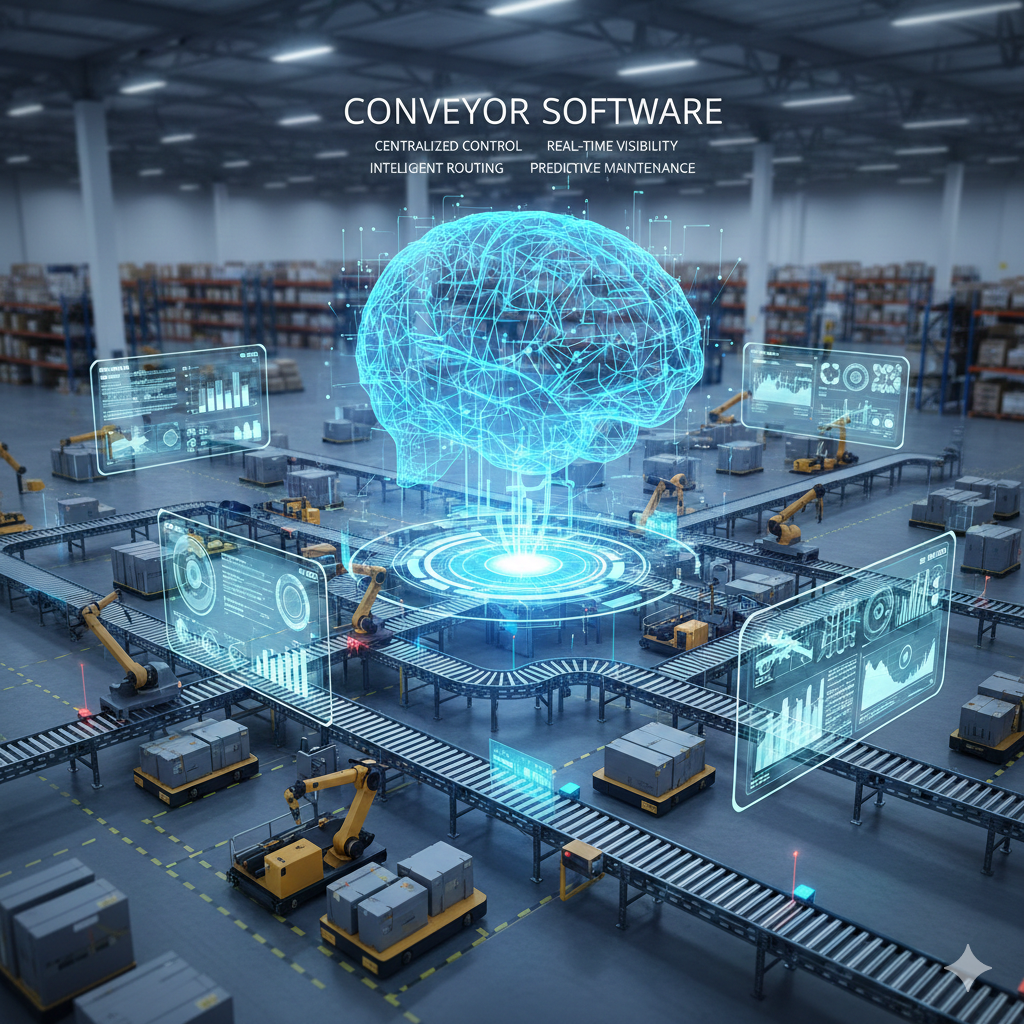
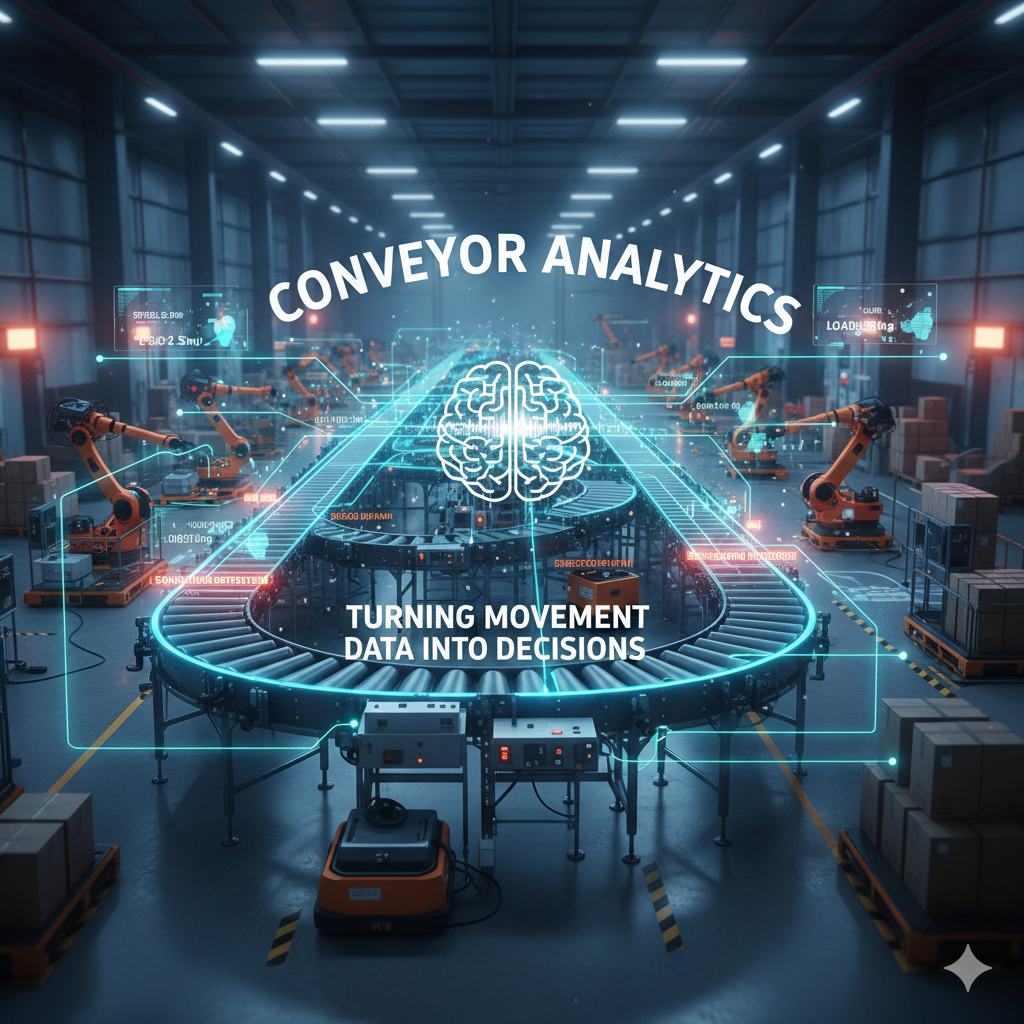
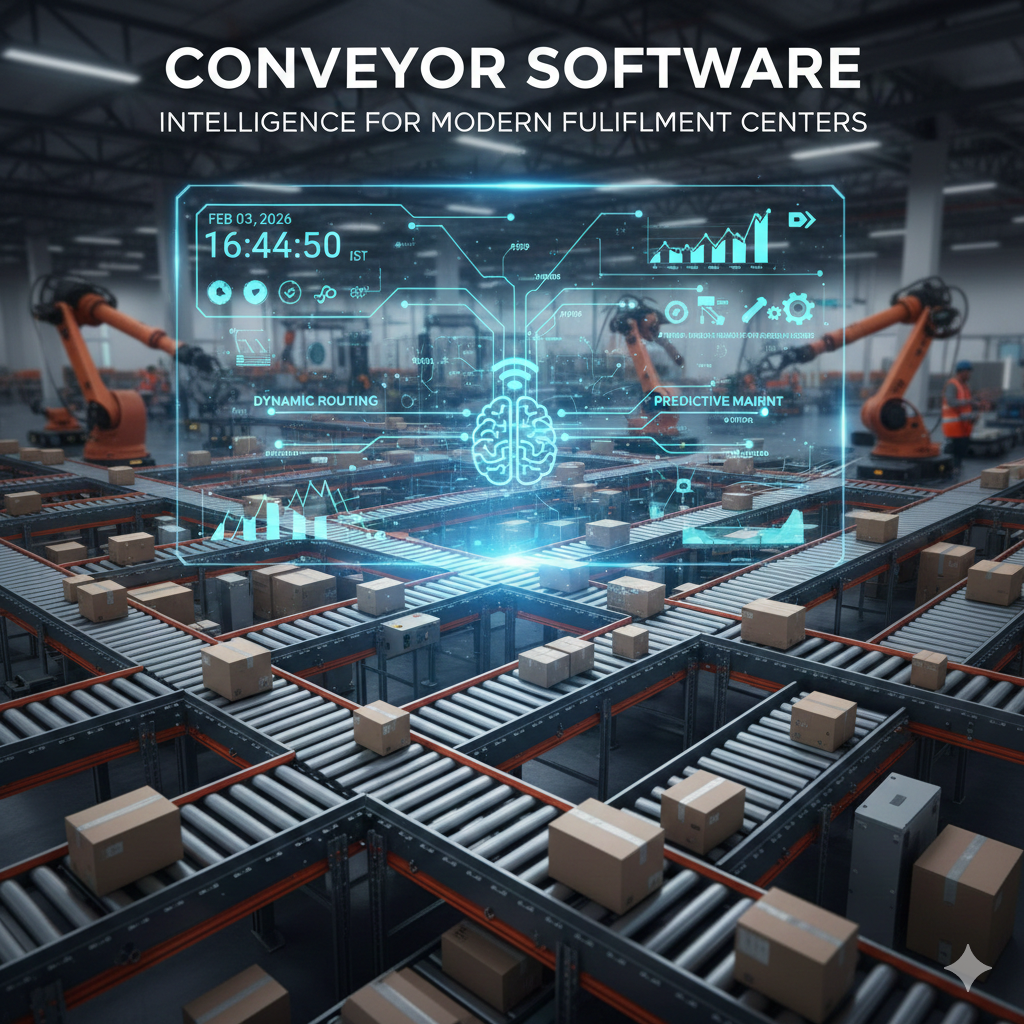
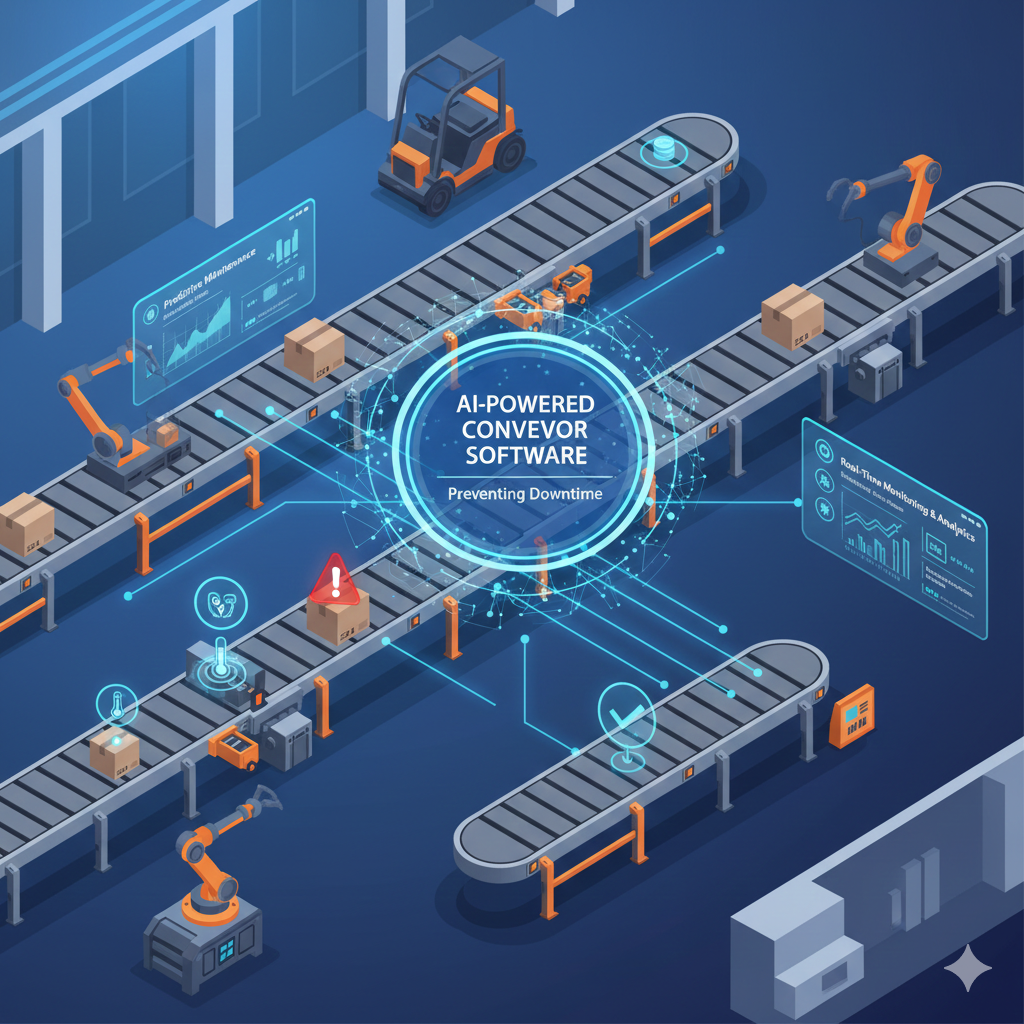
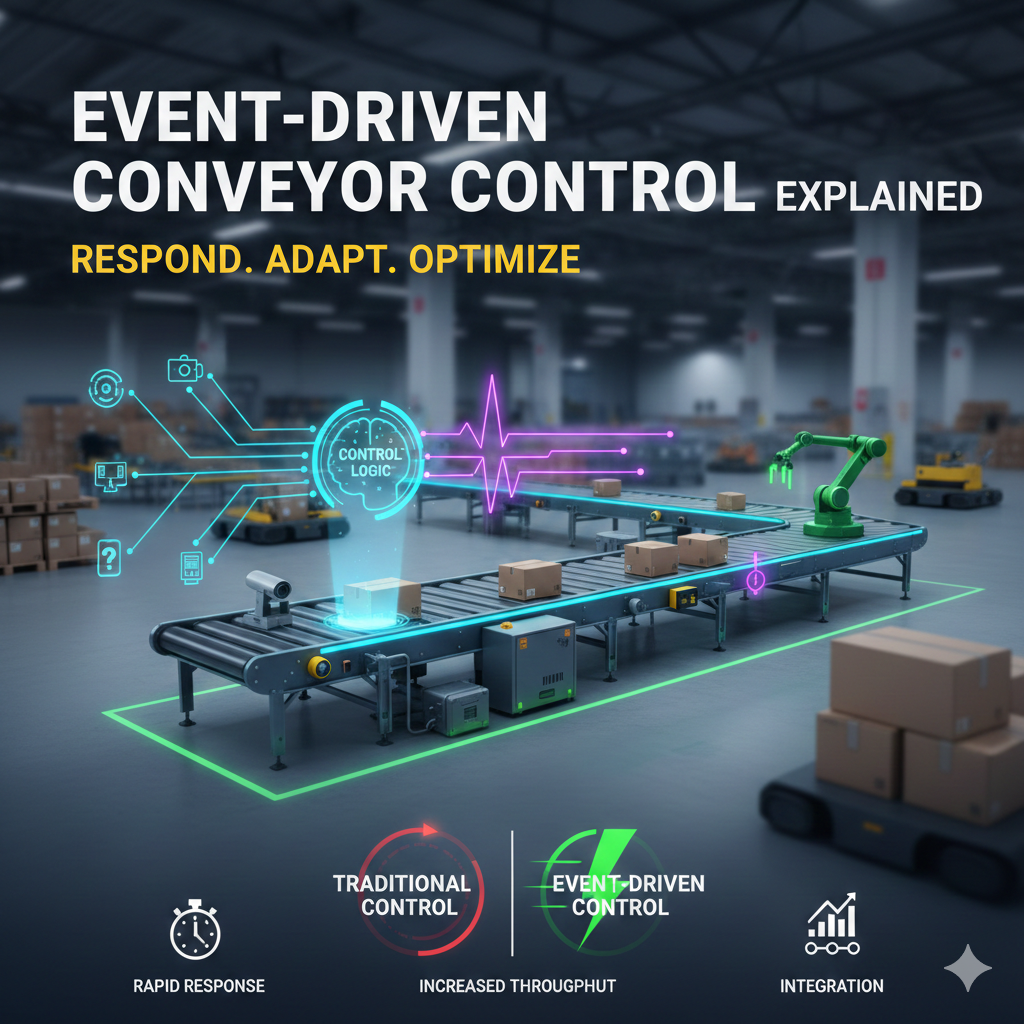
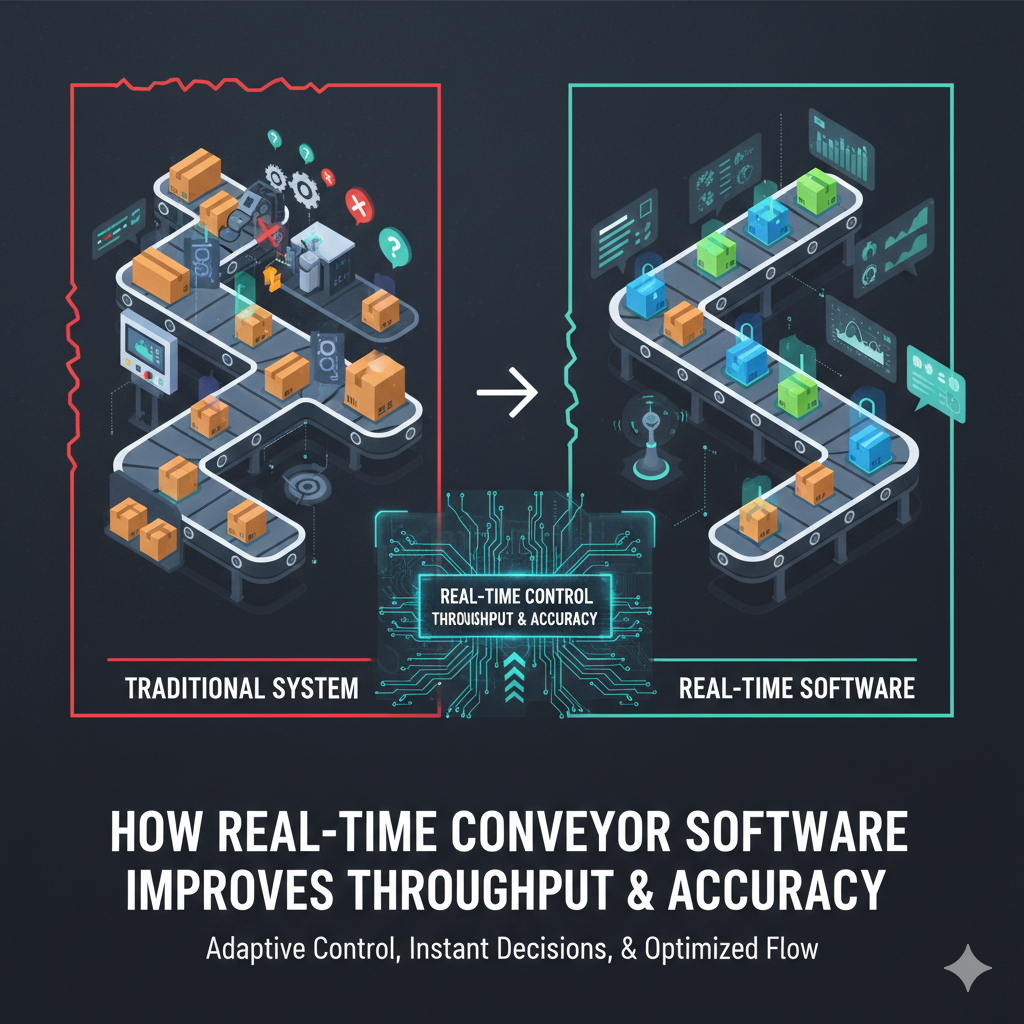
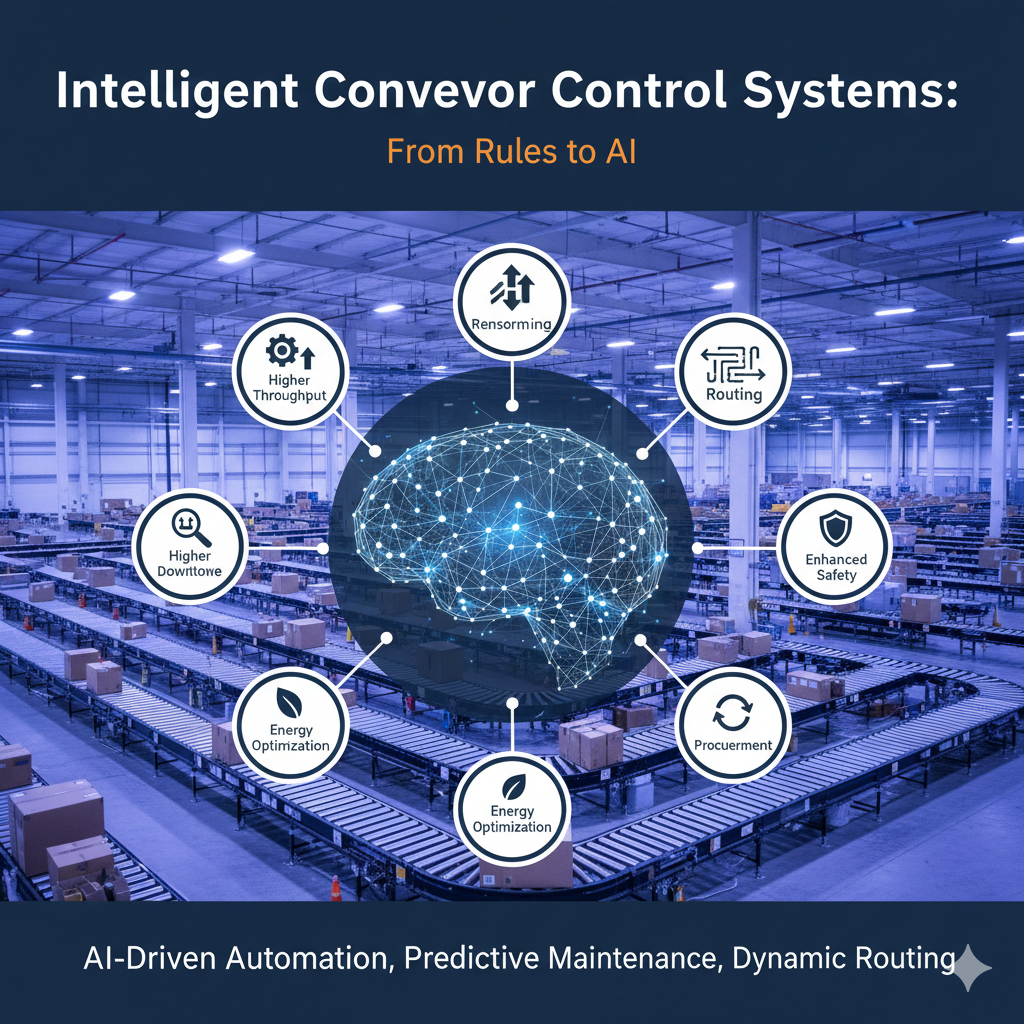
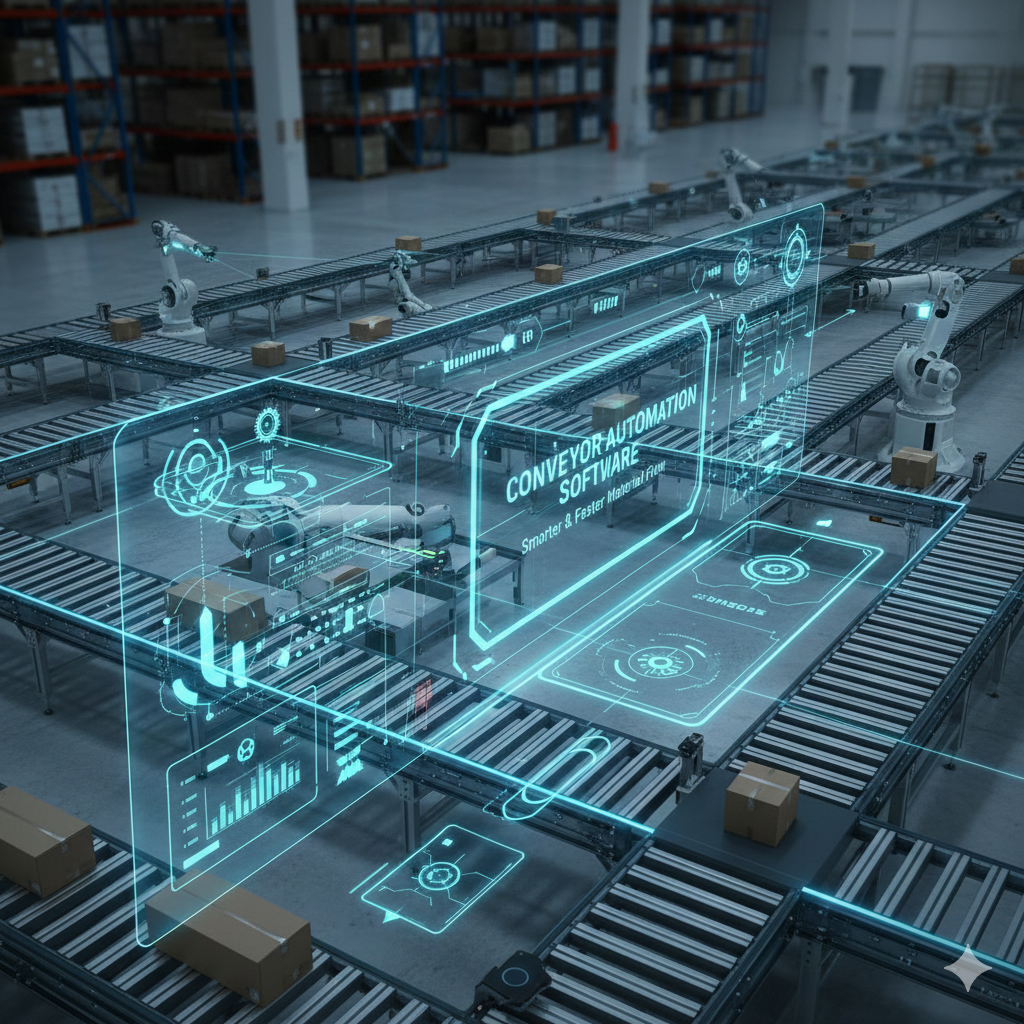
Modern logistics and manufacturing environments increasingly rely on robotic conveyor networks to move products quickly and accurately across facilities. As automation grows more complex, simple linear conveyor systems are no longer sufficient. Intelligent flow distribution systems use real-time data, algorithms, and adaptive control to dynamically route items across multiple conveyor paths, ensuring balanced workloads, reduced bottlenecks, and efficient material movement throughout robotic operations.
Step 1: Understanding Robotic Conveyor Networks 🤖
• Robotic conveyor networks combine automated conveyors with robotic handling systems ⚙️
• Materials move through interconnected paths instead of fixed linear routes 🔗
• Sensors and control systems track product location in real time 📡
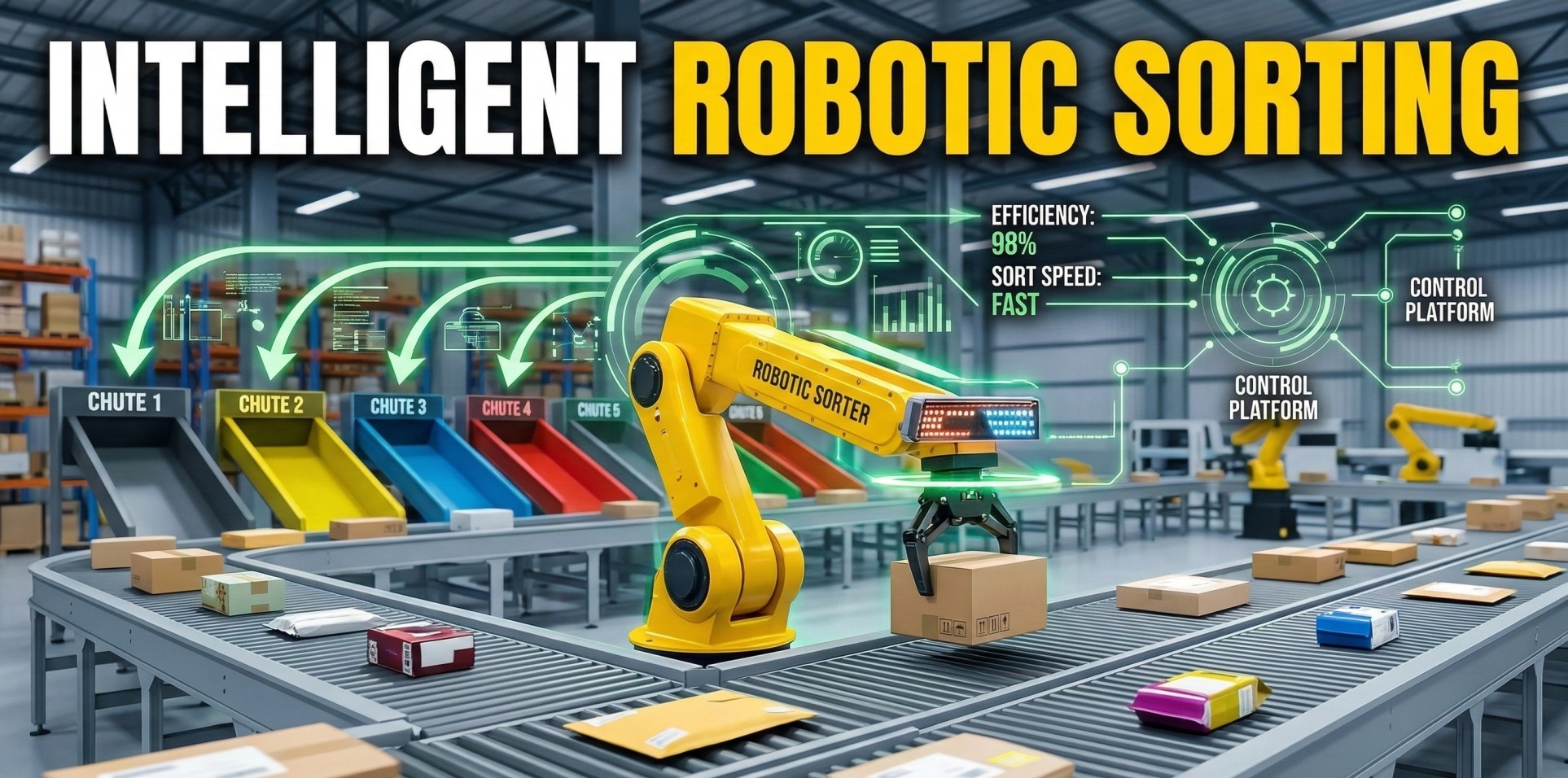
• Robotics enable automated sorting, picking, and routing 📦
• The network behaves like an intelligent transportation system within a facility 🚚
Step 2: The Need for Intelligent Flow Distribution 📊
• High-volume facilities require dynamic routing of materials 📦
• Fixed conveyor paths can create congestion and delays 🚧
• Uneven workload distribution reduces overall system efficiency ⚖️
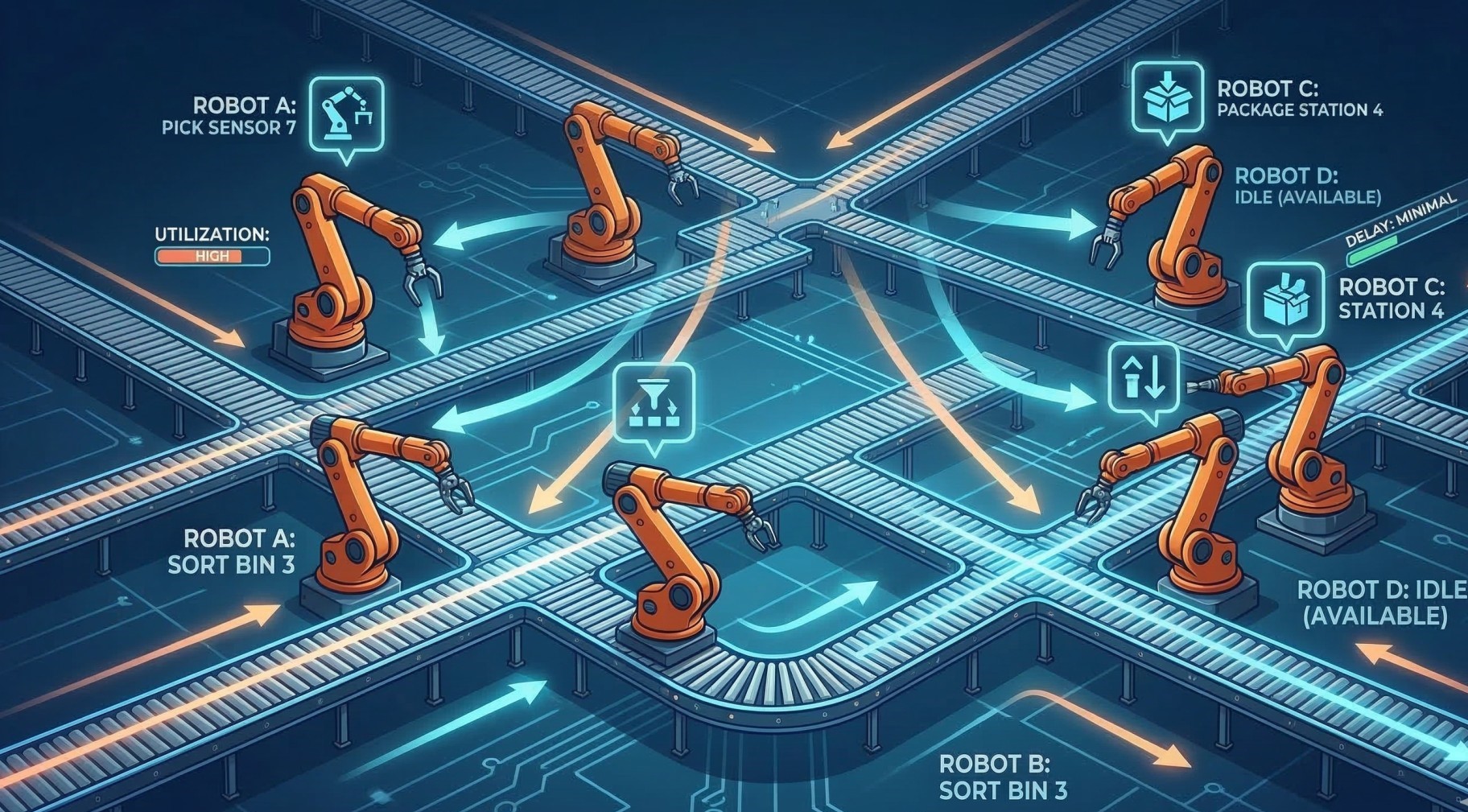
• Intelligent routing balances flow across multiple conveyor lanes 🔄
• Adaptive distribution improves throughput and operational stability 📈
Step 3: Real-Time Data Collection and Monitoring 📡
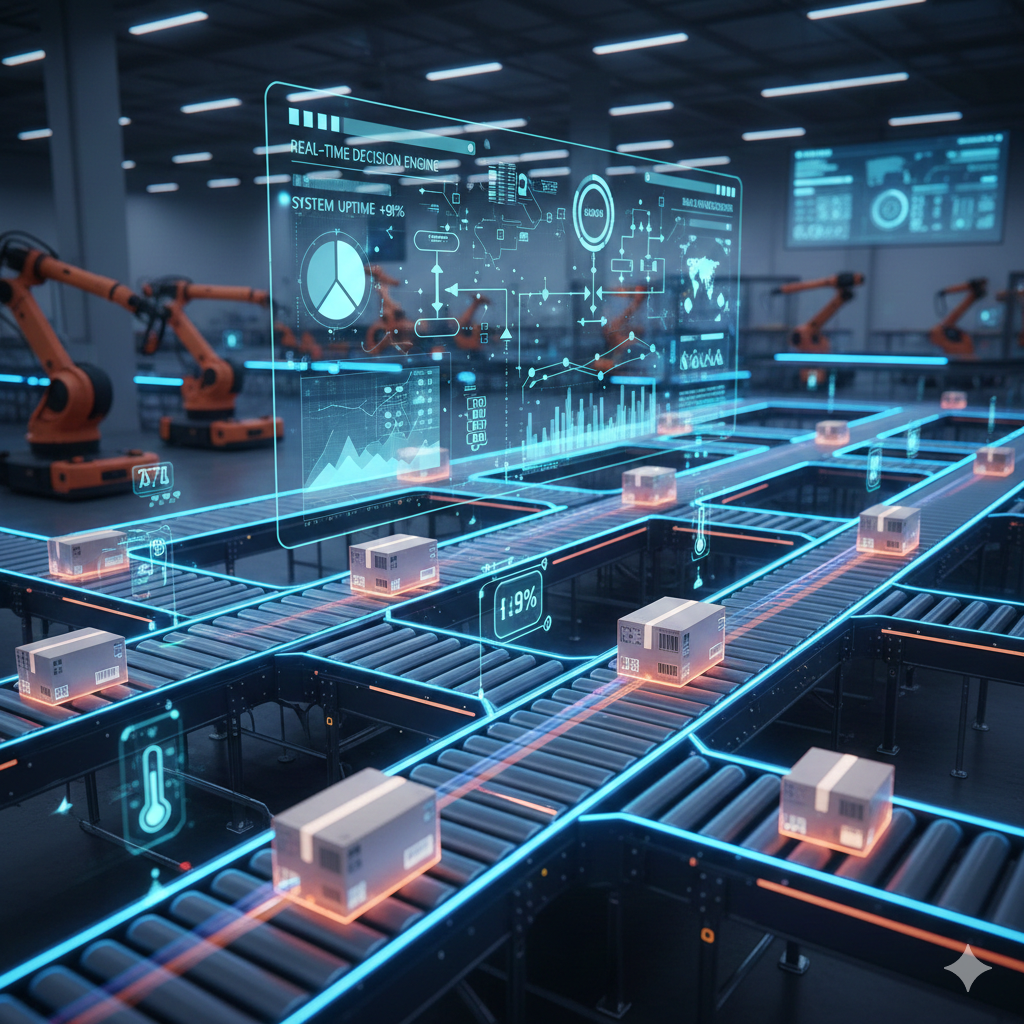
• Sensors detect item movement, conveyor speed, and queue lengths 📊
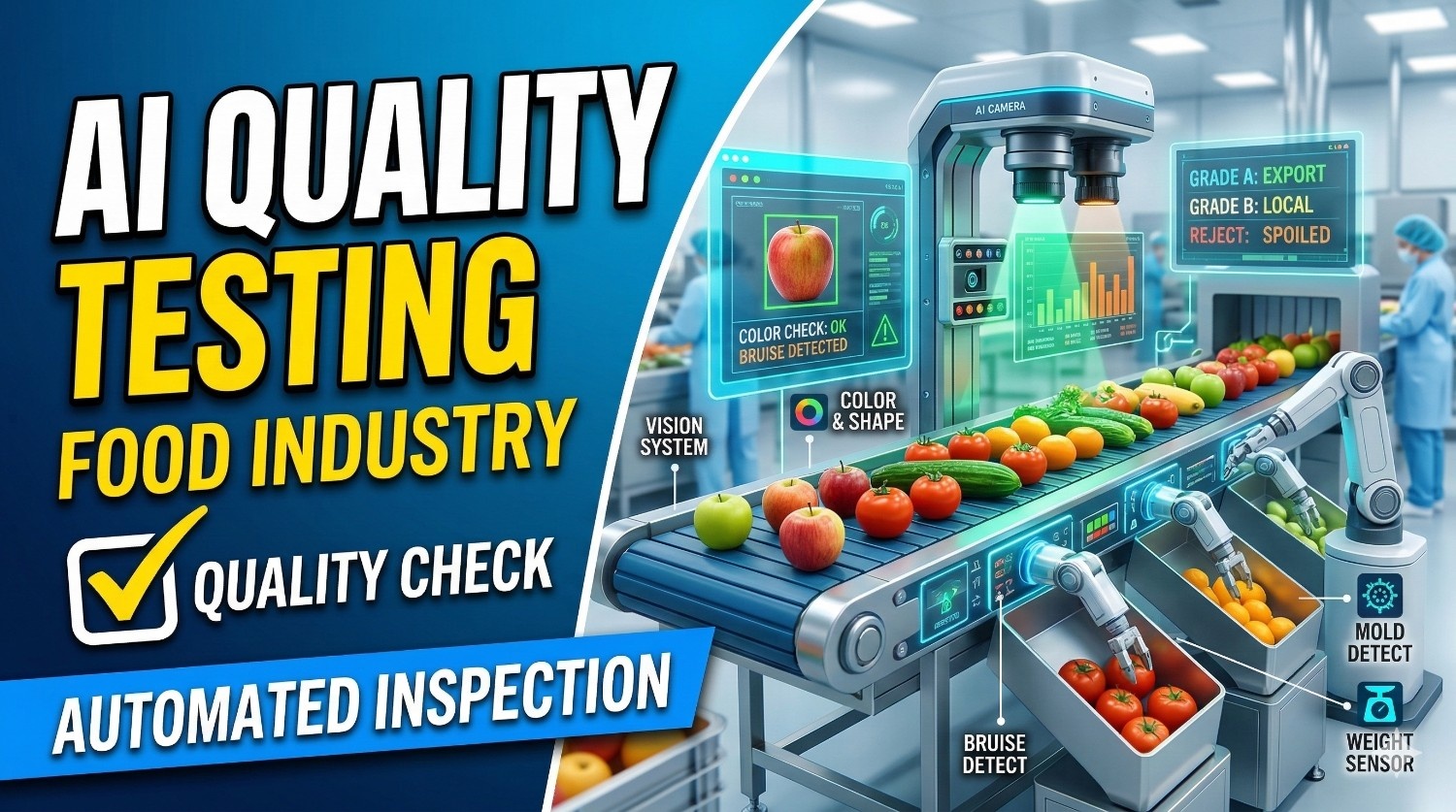
• Vision systems and scanners identify products and destinations 👁️
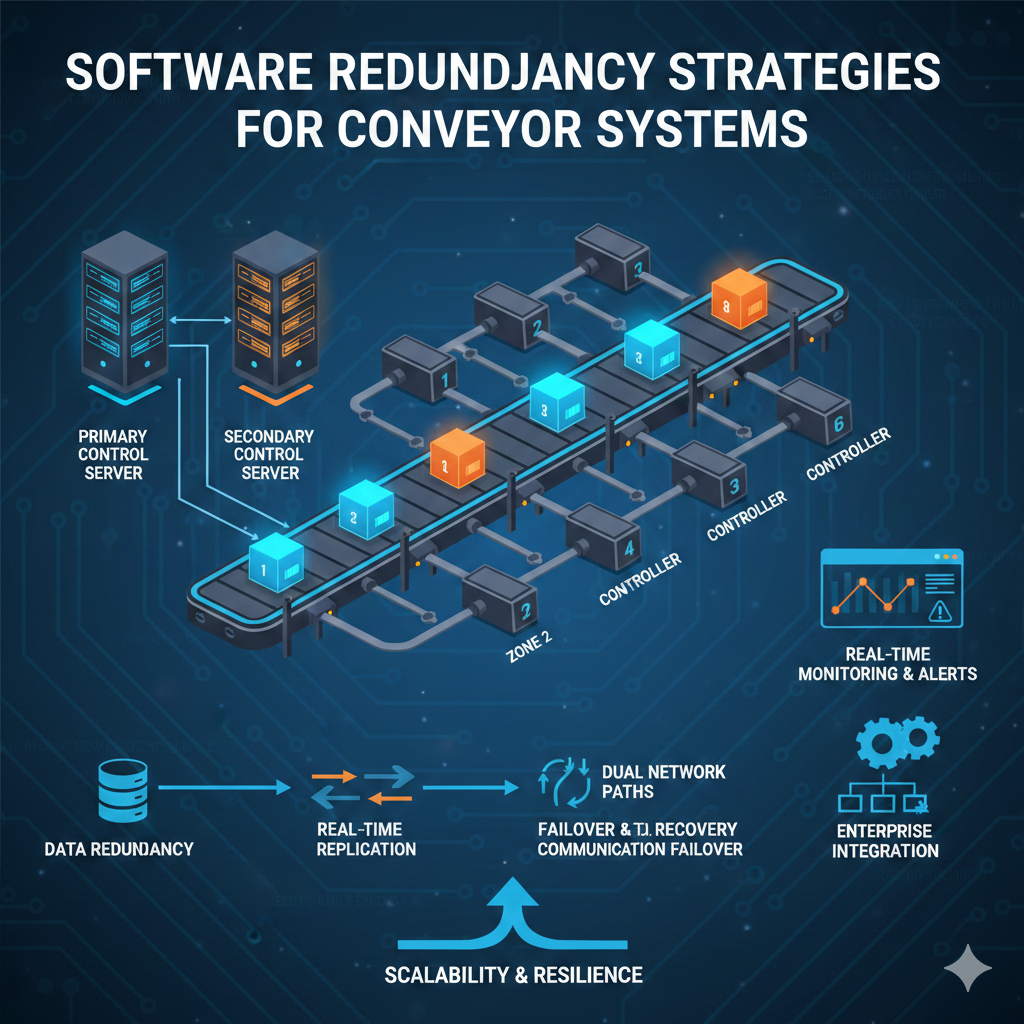
• System controllers track robotic and conveyor status continuously ⚙️
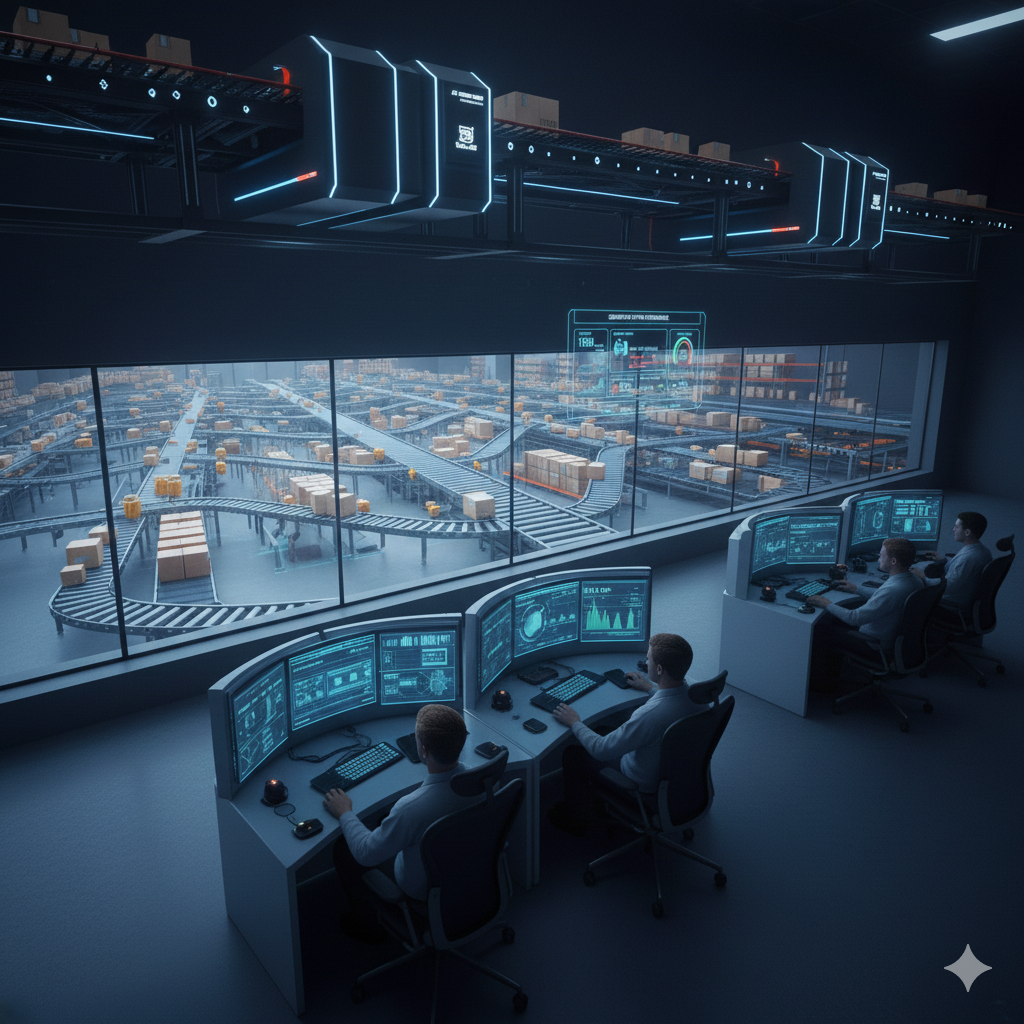
• Operational data feeds centralized control platforms 🖥️
• Real-time visibility enables rapid decision-making ⚡
Step 4: Dynamic Routing and Path Optimization 🧠
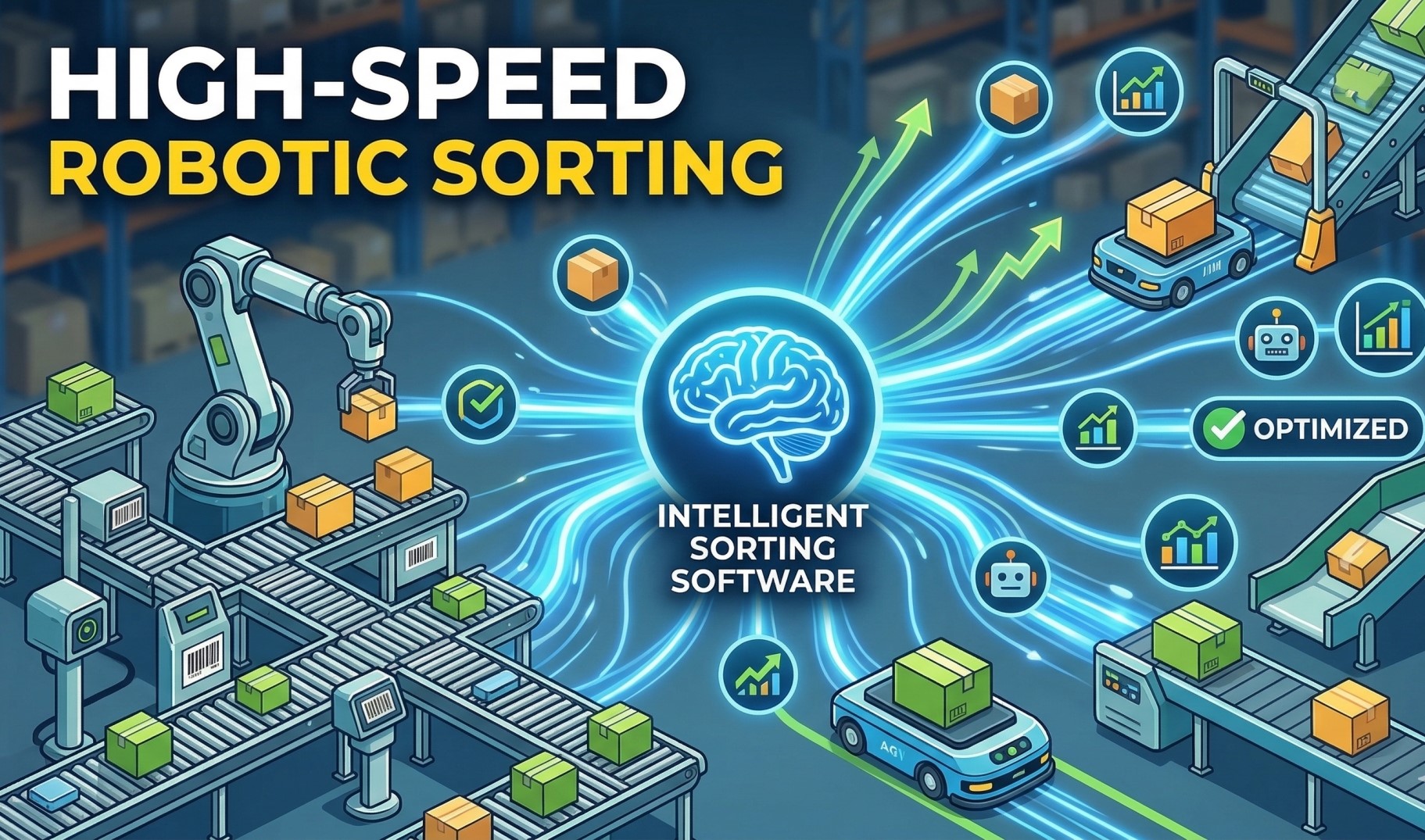
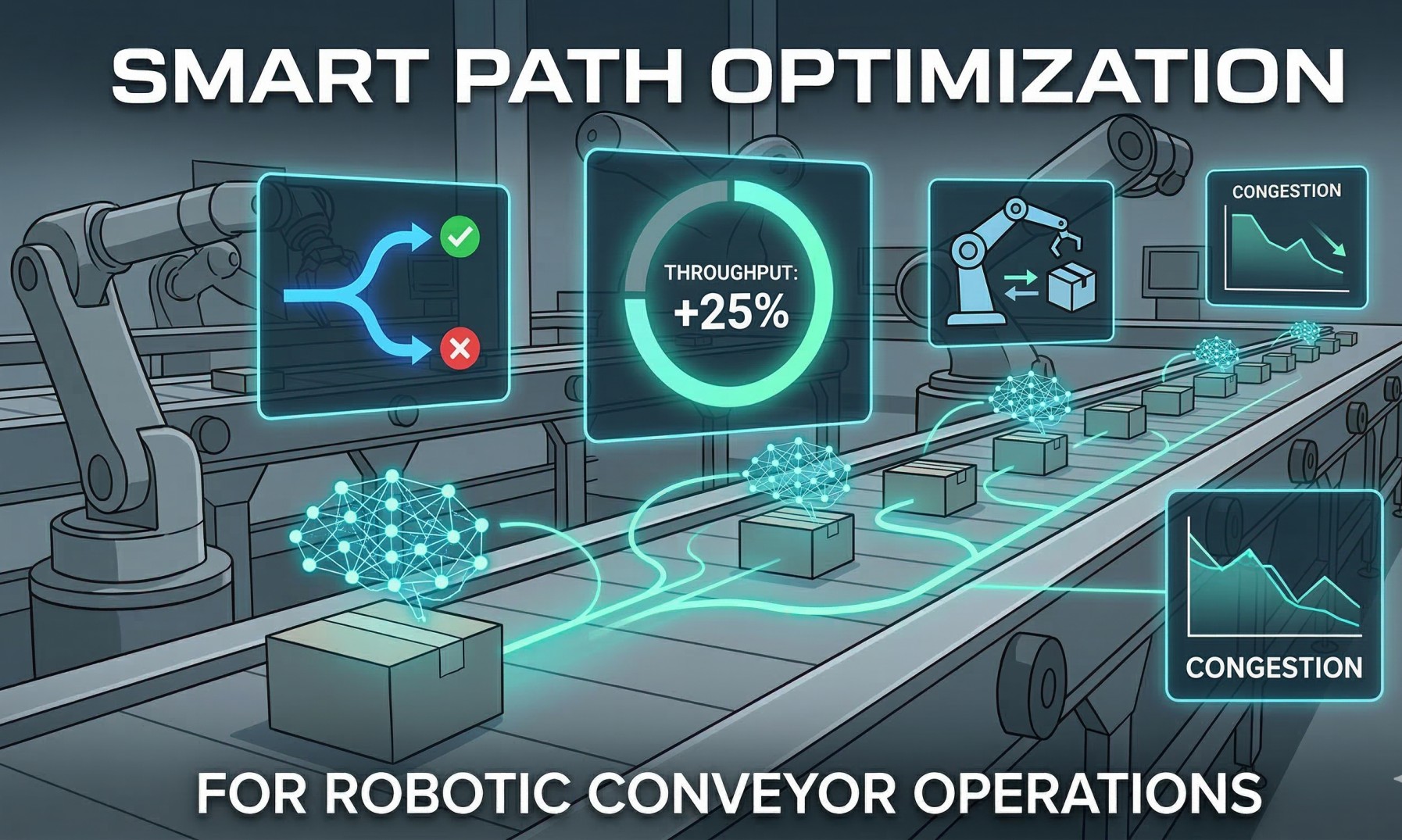
• Algorithms determine optimal paths for each item 🔍
• Routing decisions adapt to congestion and system conditions 🔄
• Multiple paths allow continuous flow even during disruptions 🔀
• Load balancing prevents overuse of specific conveyor segments ⚖️
• Intelligent routing maximizes system throughput 📈
Step 5: Coordinating Robotics and Conveyor Movement 🤝
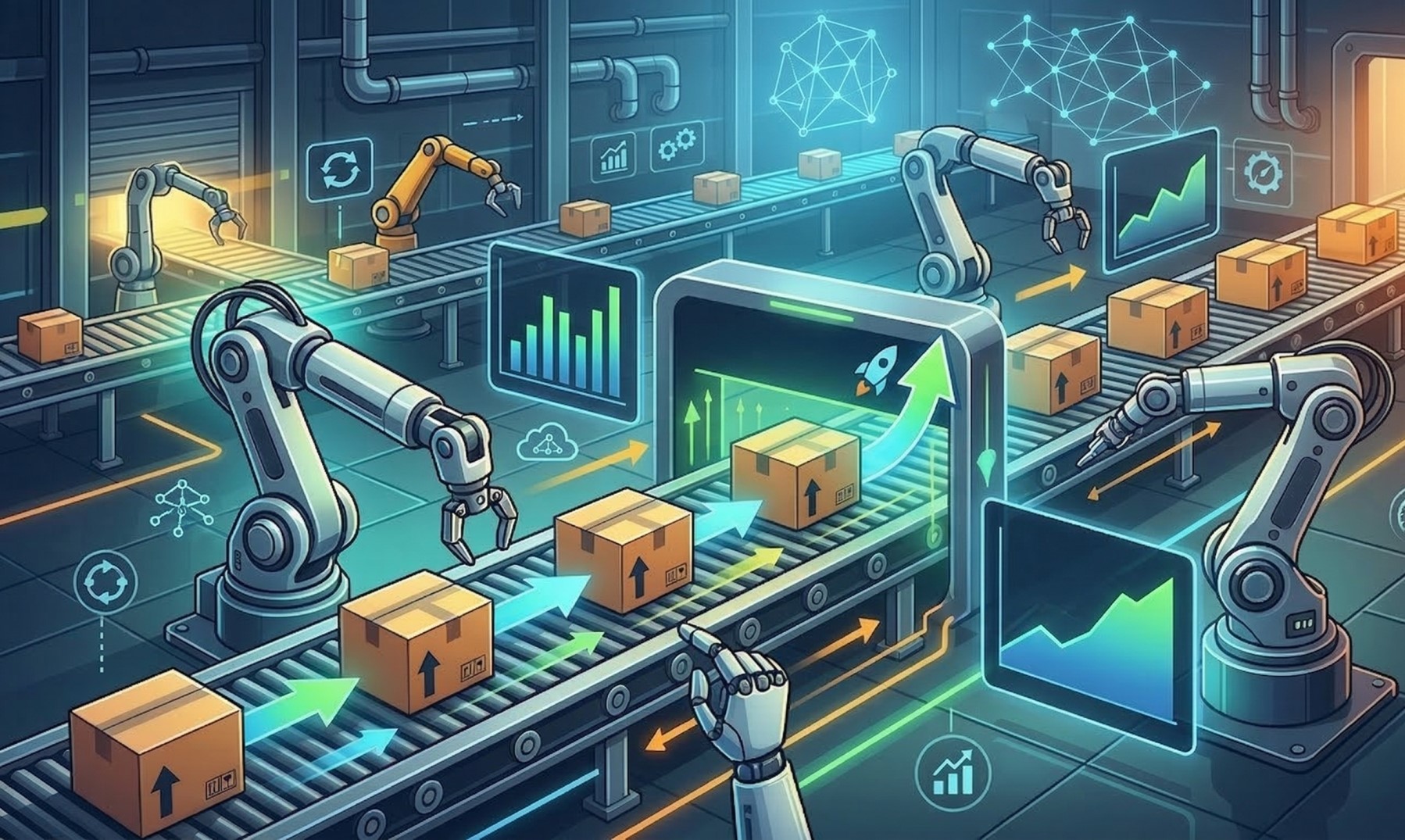
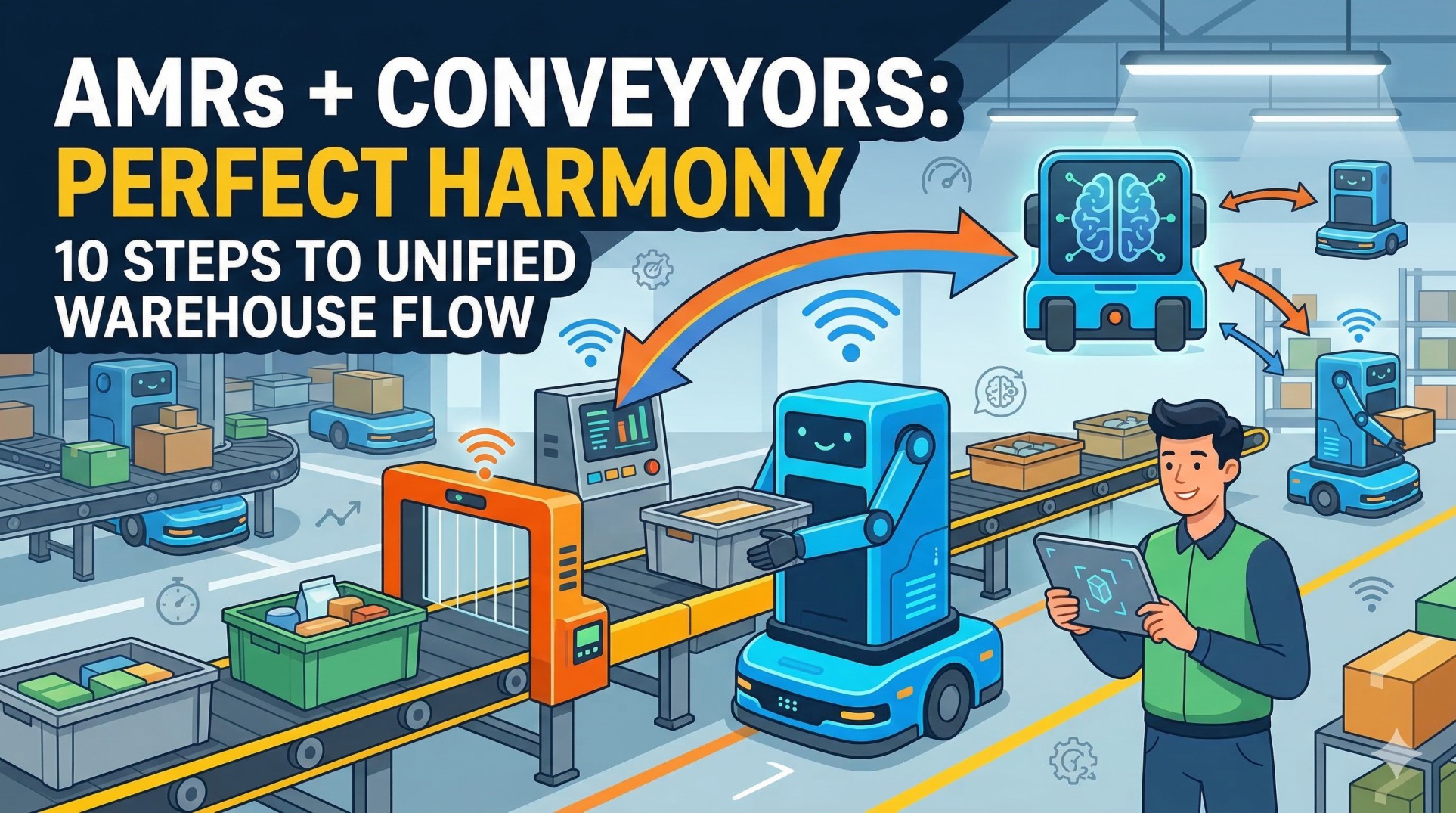
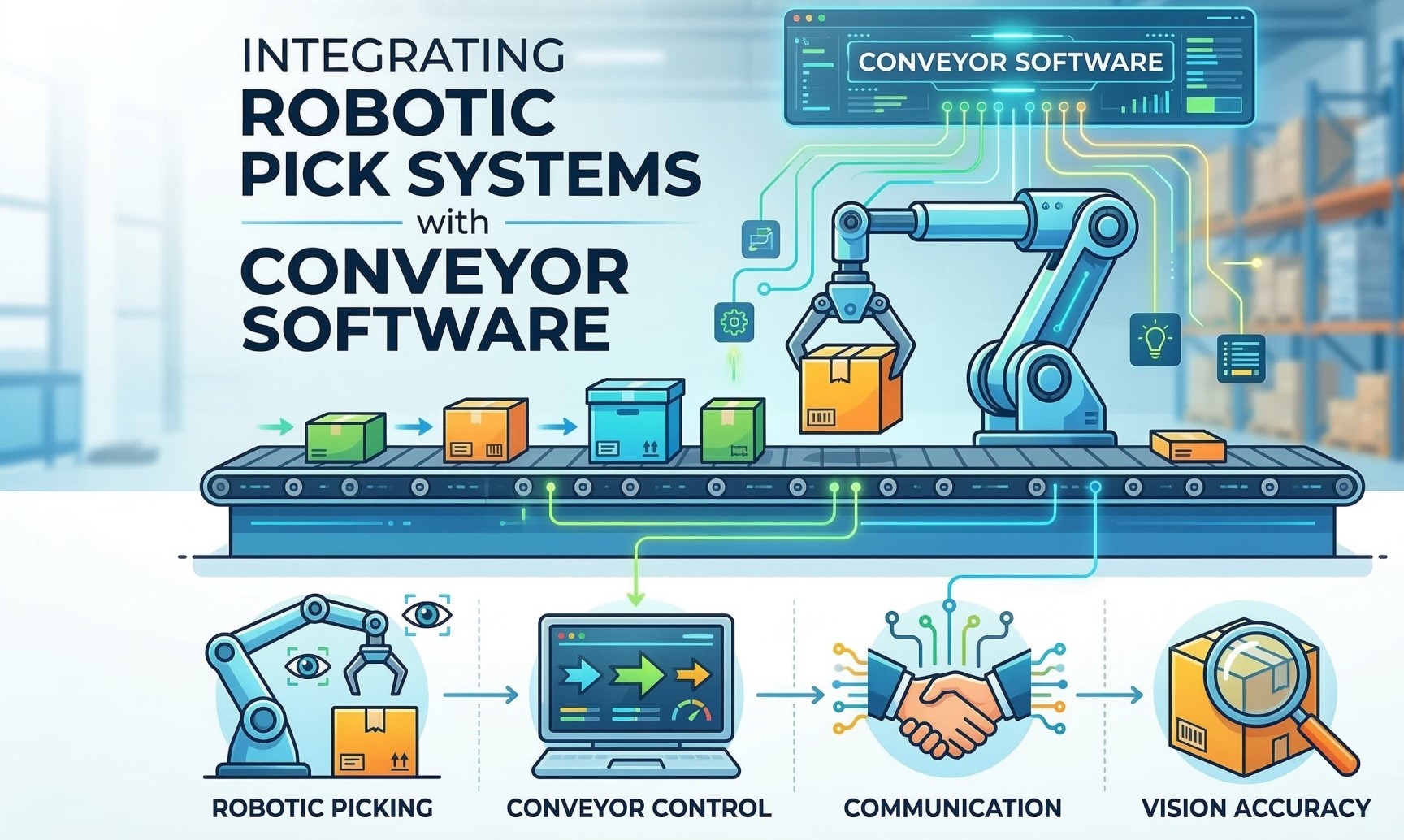
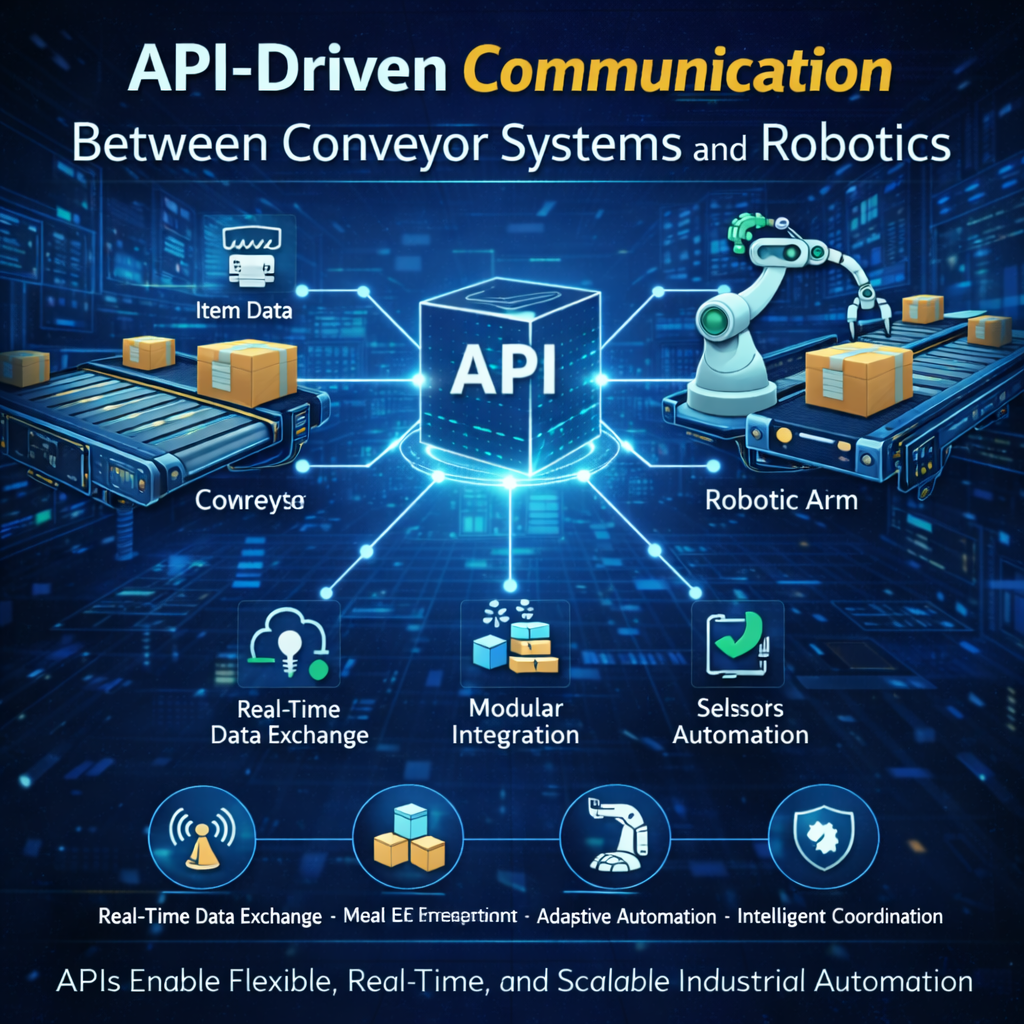
• Robotic arms and autonomous units synchronize with conveyor flow 🤖
• Timing coordination prevents collisions and delays ⏱️
• Automated pick-and-place systems align with item arrival 📦
• Robotic sorting systems route items to appropriate lanes 🔀
• Integrated coordination ensures smooth system operation ⚙️
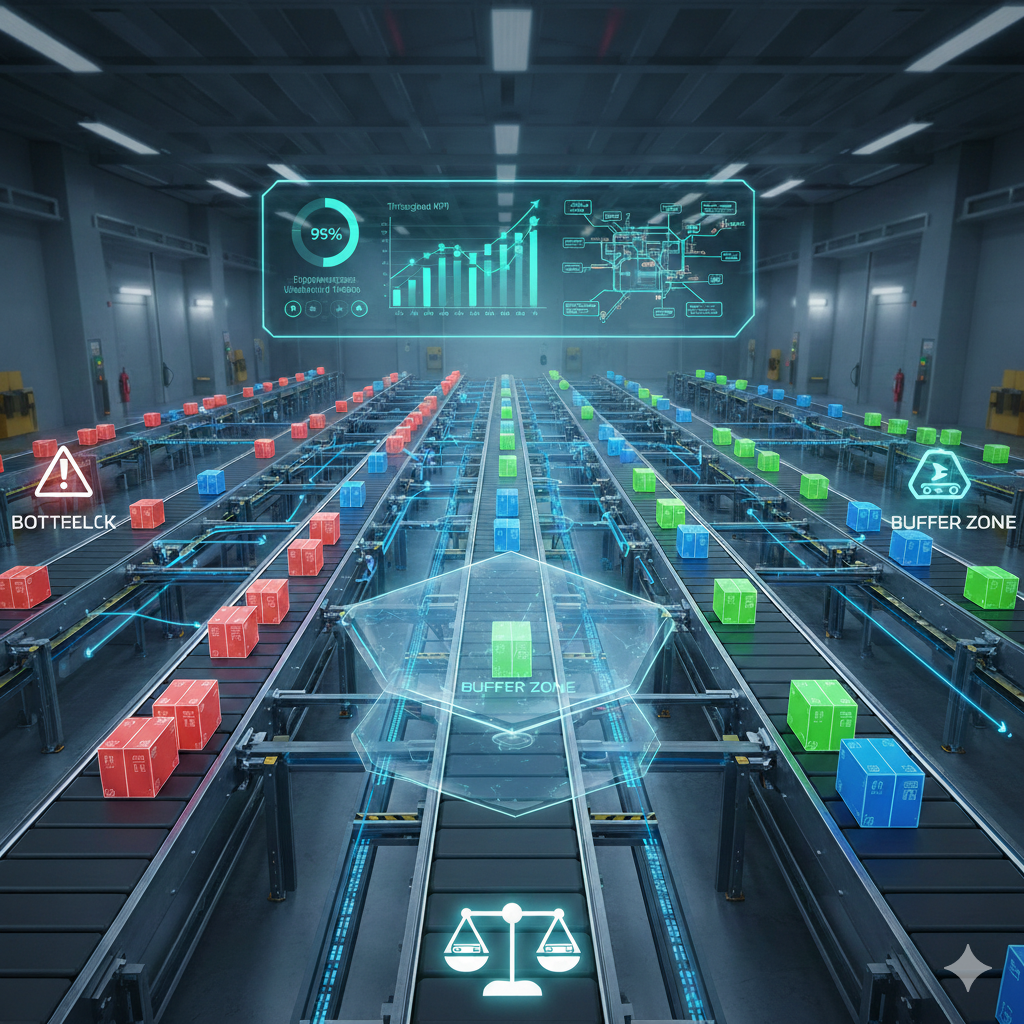
Step 6: Managing Bottlenecks and Congestion 🚧
• Detects queue buildup in specific conveyor segments 📊
• Redirects incoming items to alternative paths 🔀
• Adjusts conveyor speeds to regulate flow ⚙️
• Maintains balanced distribution across network nodes ⚖️
• Prevents localized congestion from affecting the entire system 🚫
Step 7: Predictive Flow Management 🔮
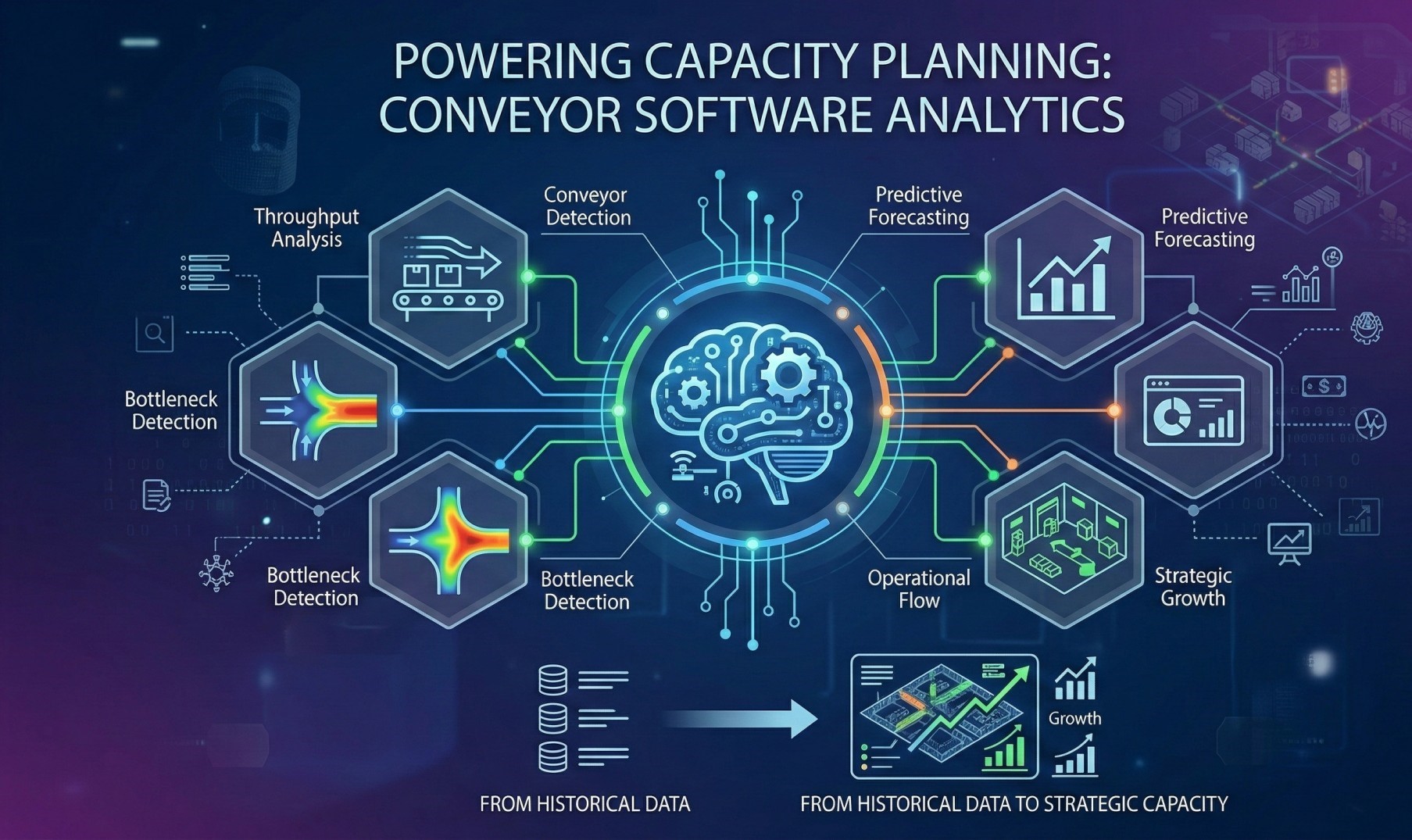
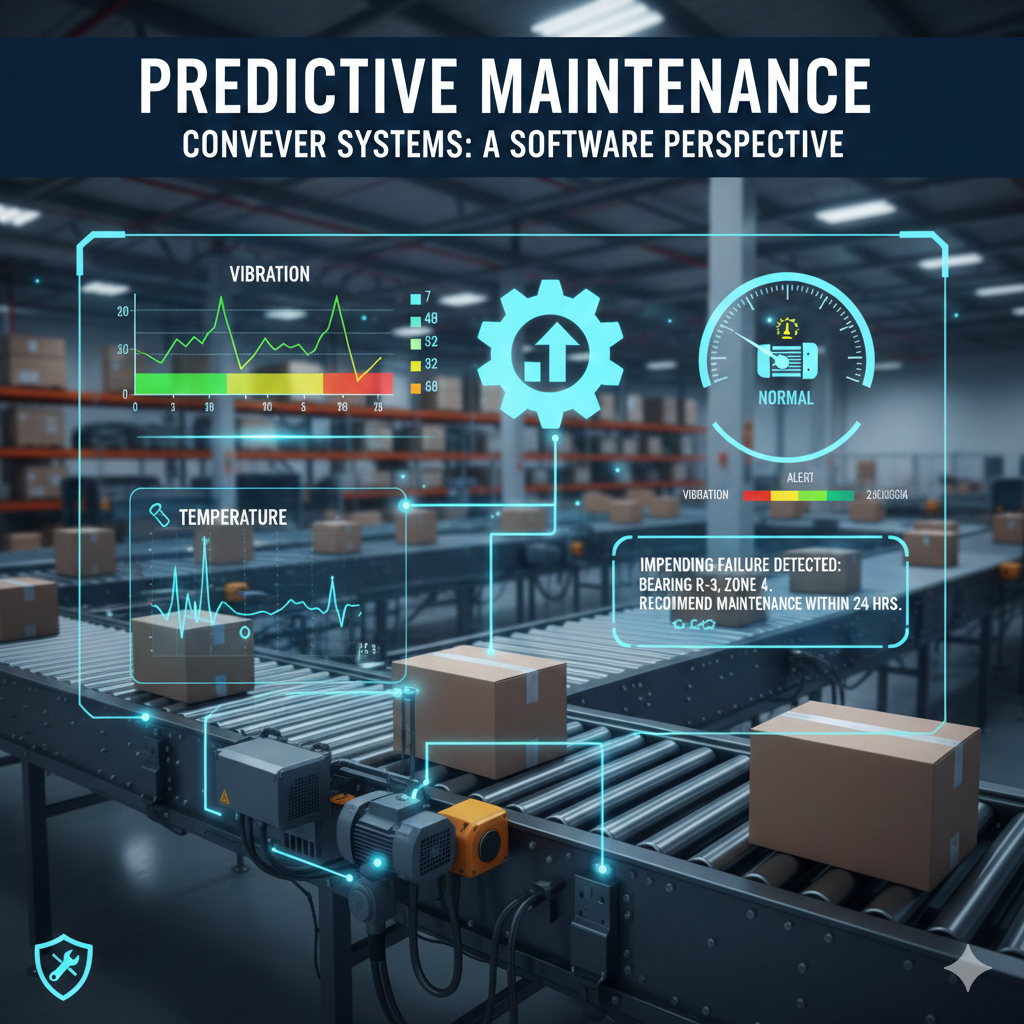
• Uses historical data to forecast traffic patterns 📊
• Anticipates peak loads and adjusts routing strategies 📈
• Supports proactive resource allocation ⚙️
• Identifies system inefficiencies before disruptions occur 🔍
• Improves long-term operational planning 🧠
Step 8: Core Operational Advantages 🚀
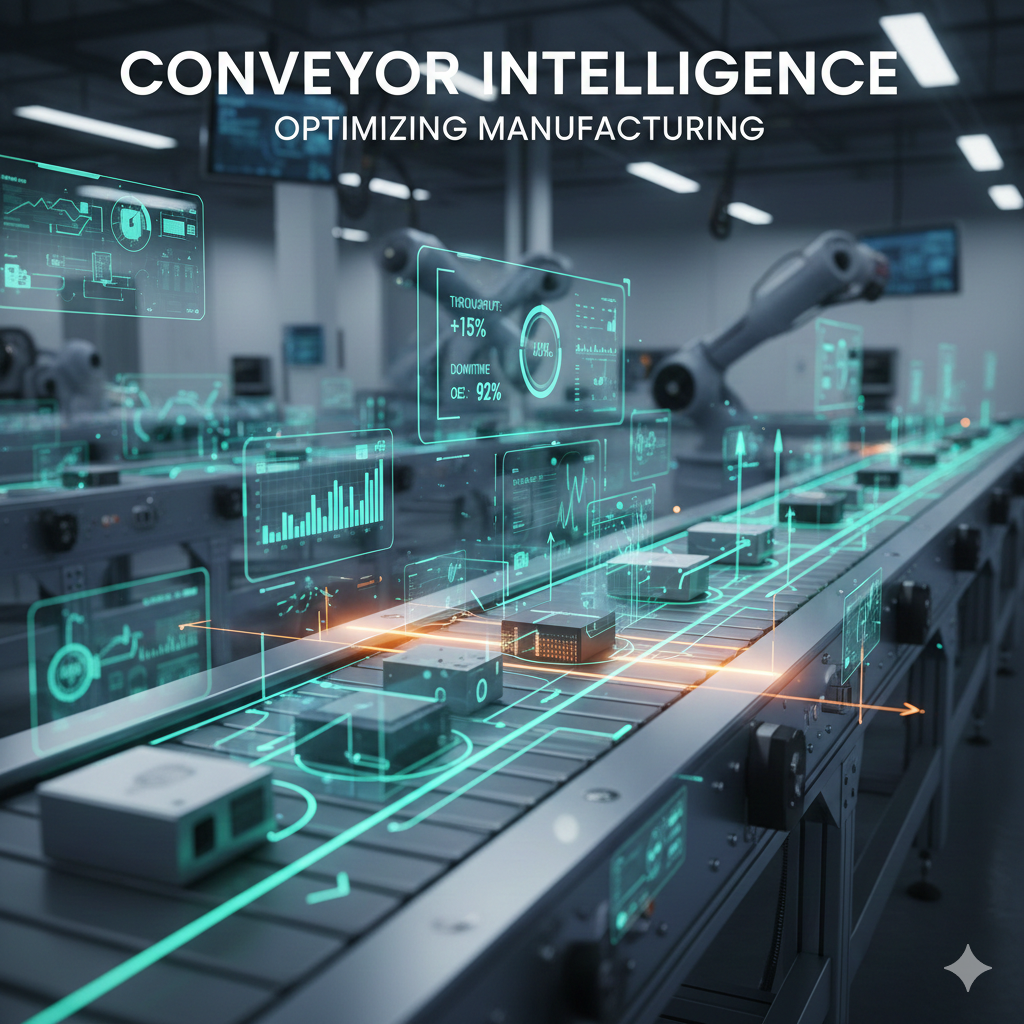
• Higher throughput across robotic conveyor networks 📈
• Balanced workload across conveyors and robotic stations ⚖️
• Reduced downtime caused by congestion ⏱️
• Greater operational flexibility in complex facilities 🔄
Conclusion
Intelligent flow distribution is transforming robotic conveyor networks into adaptive, data-driven logistics systems. By combining real-time monitoring, dynamic routing, and predictive management, these systems maintain balanced material movement across complex automation environments. As facilities scale and automation expands, intelligent flow distribution will remain essential for maximizing efficiency, reliability, and overall operational performance.
See more blogs
You can all the articles below