Managing High-Speed Robotic Sorting Operations with Software
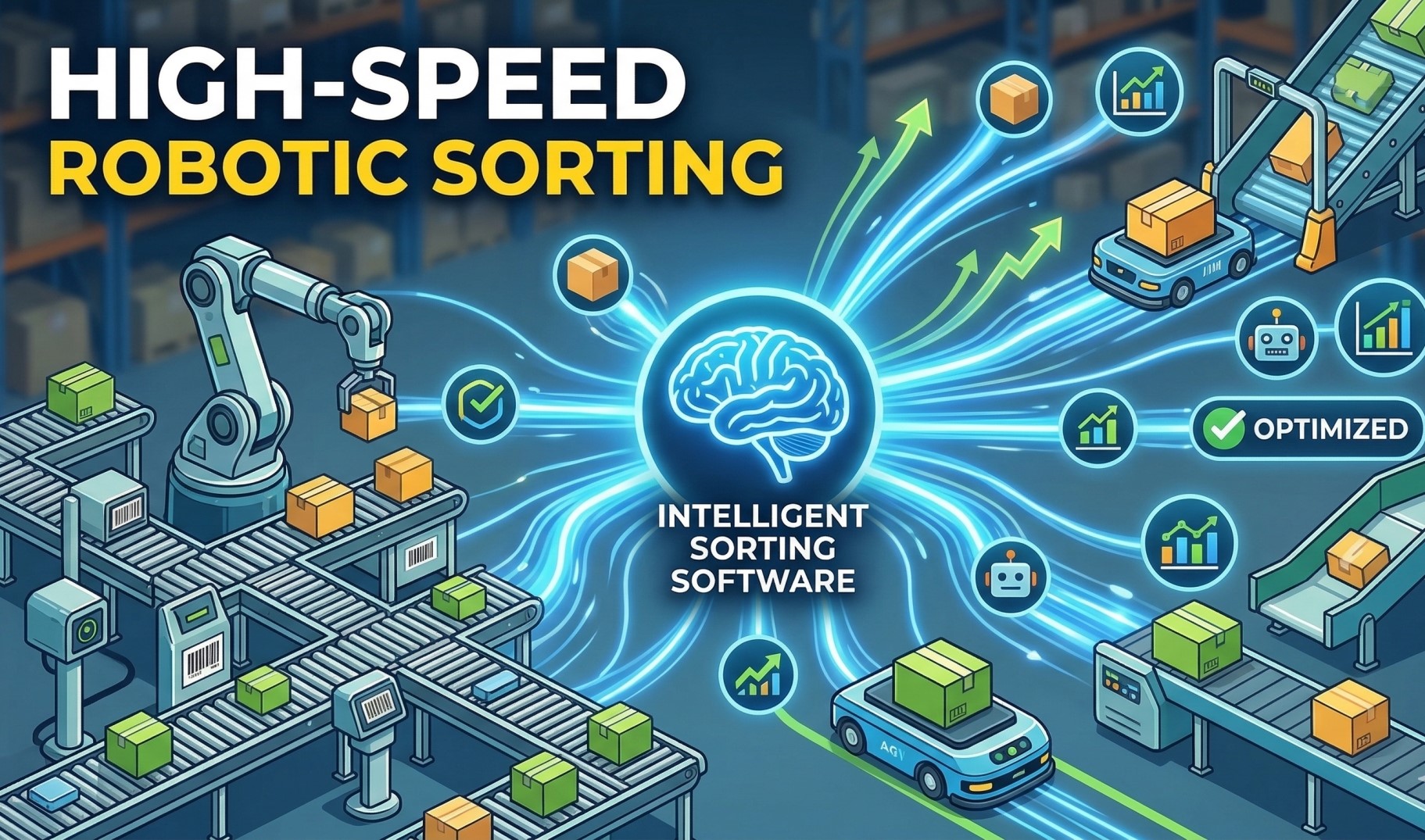
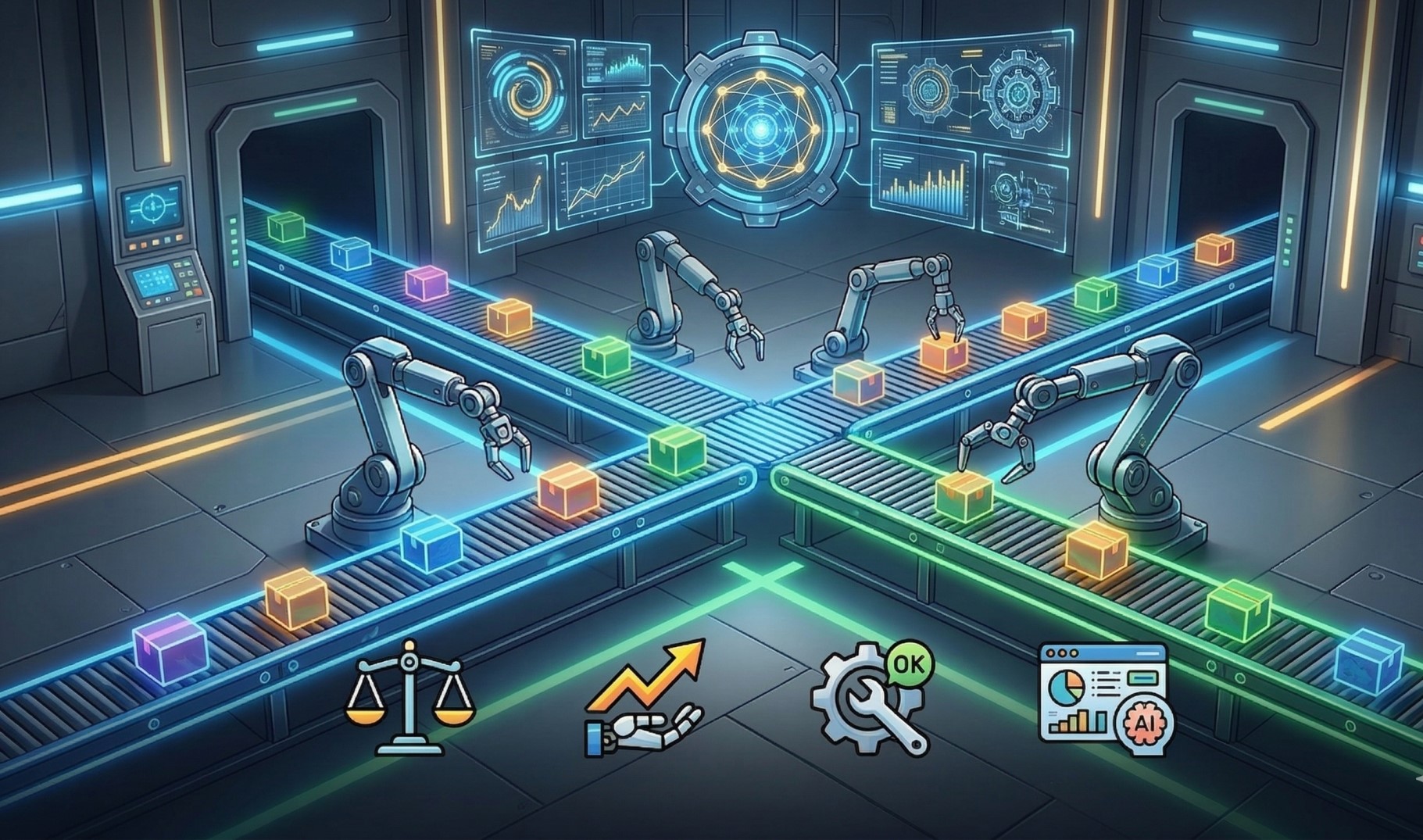
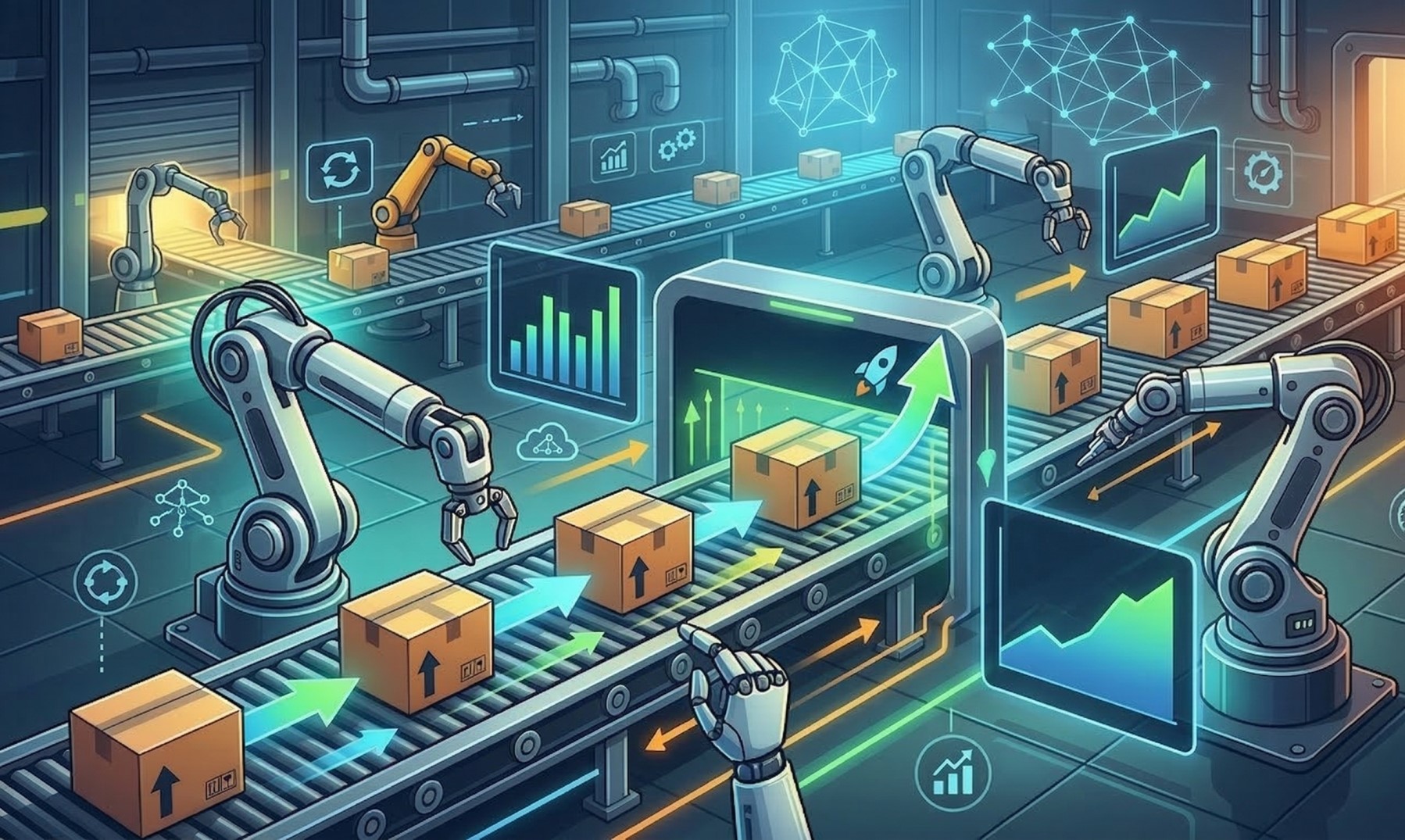
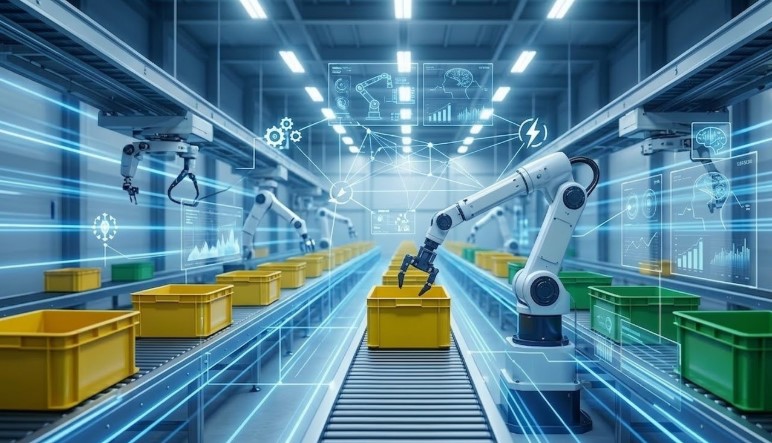
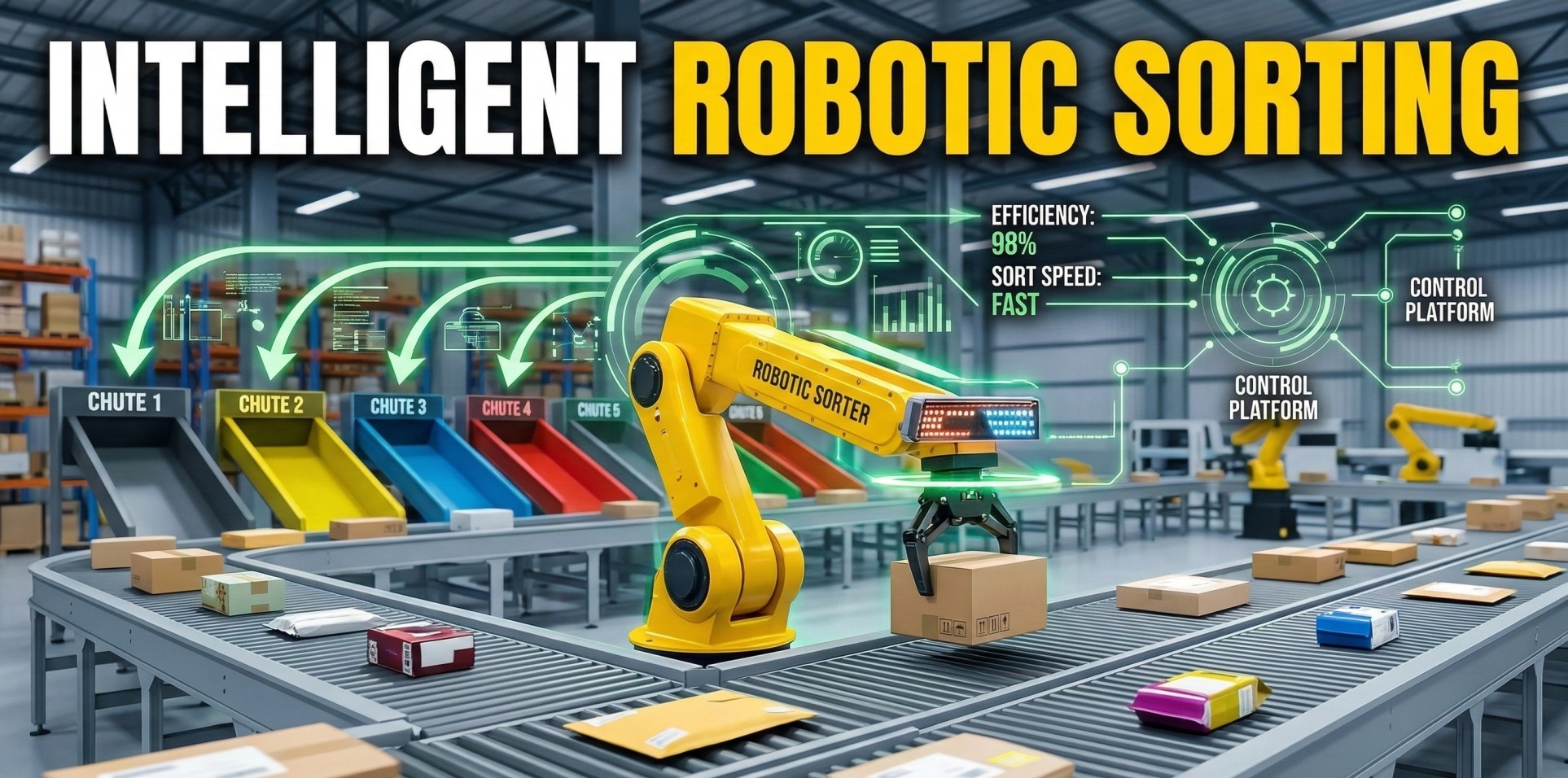
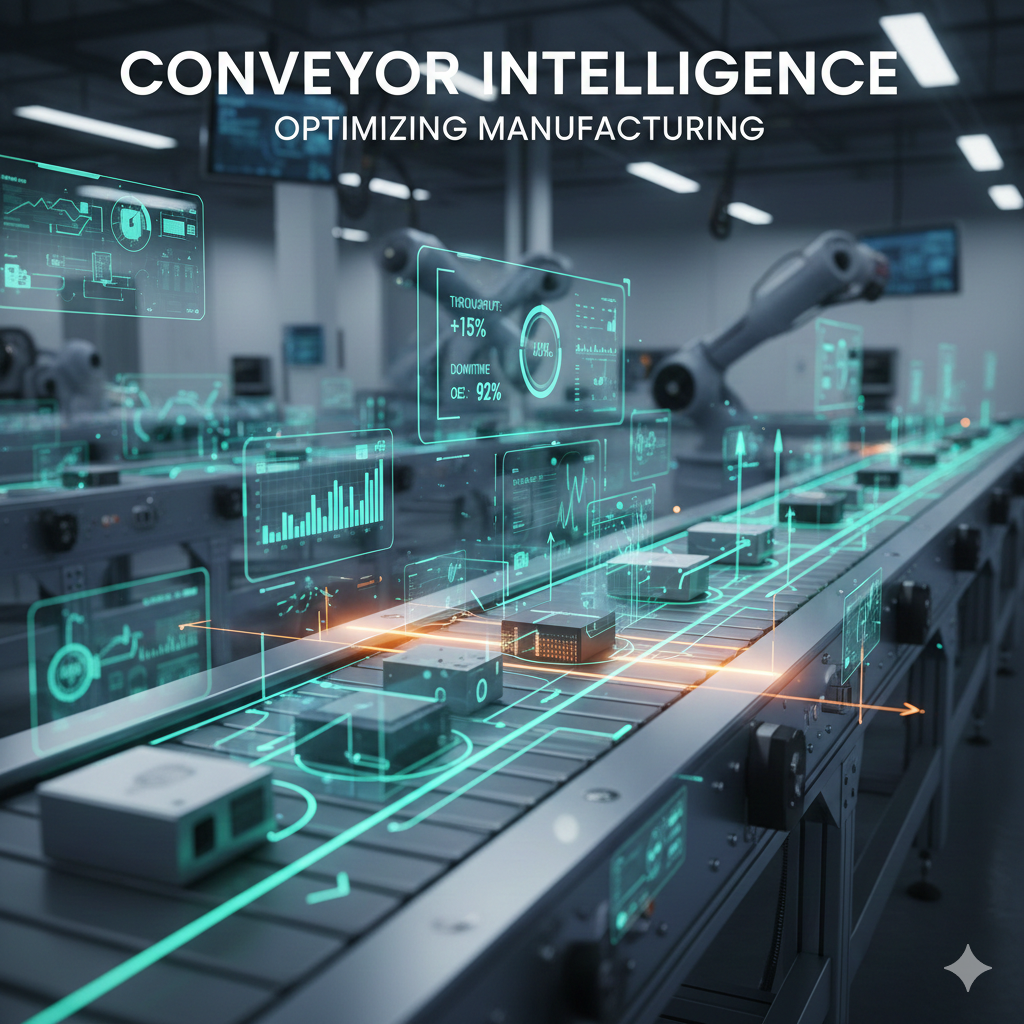
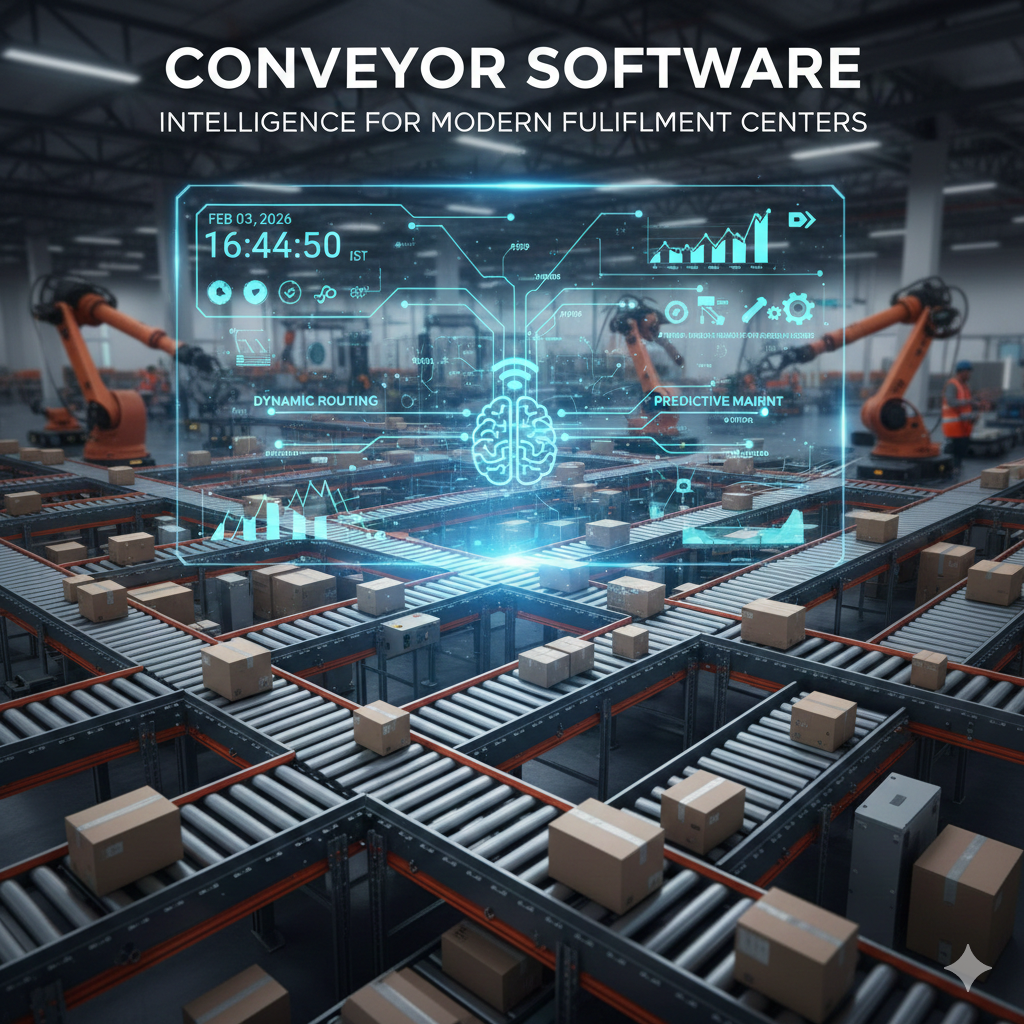
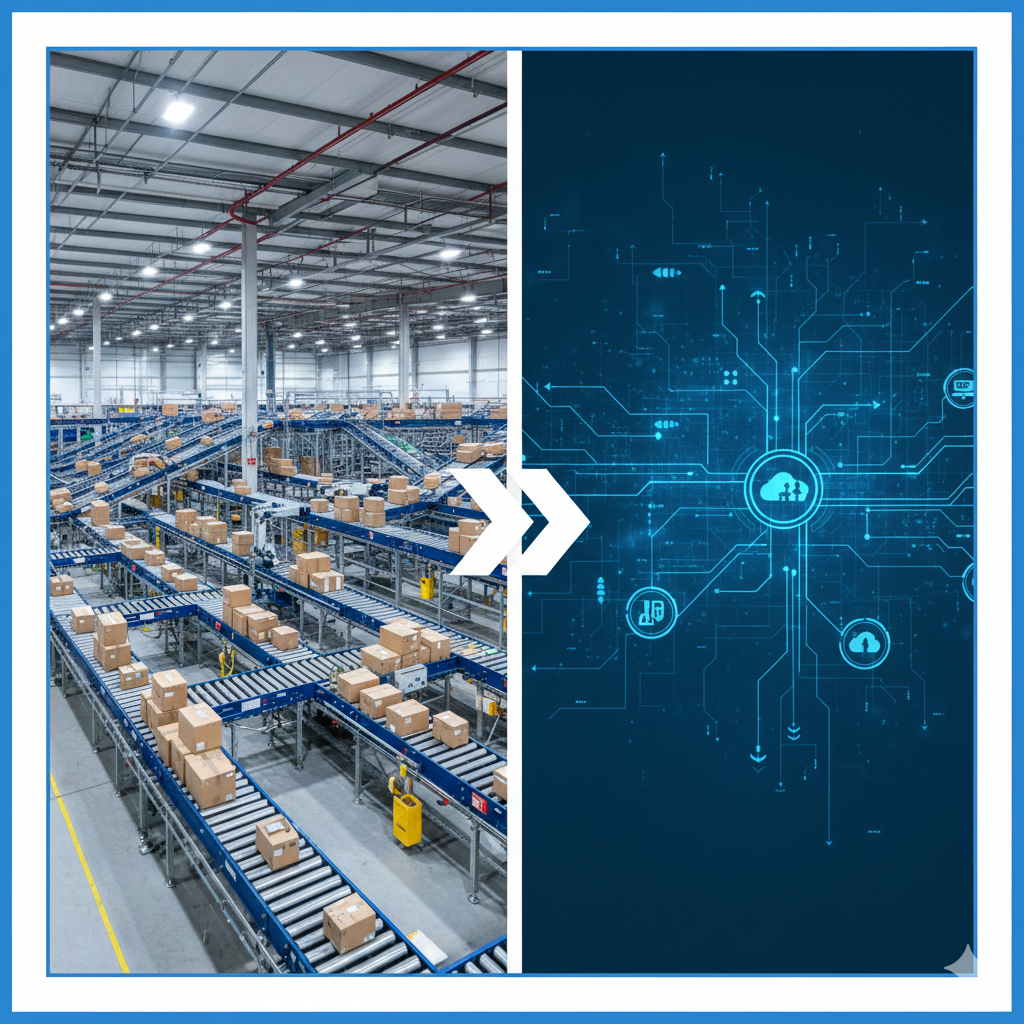
As fulfillment centers, logistics hubs, and manufacturing facilities scale operations, high-speed robotic sorting has become a critical backbone of modern material handling. However, achieving consistent speed and accuracy is not just a hardware challenge—it depends heavily on intelligent software systems that coordinate, optimize, and adapt in real time. Effective sorting software ensures that robotic systems operate at peak throughput while minimizing errors, delays, and operational costs.
Step 1: Understanding High-Speed Robotic Sorting 🧠⚡
• Involves automated systems that identify, classify, and route items at high velocity 📦🔀
• Common in e-commerce fulfillment, parcel logistics, and distribution centers 🏭📊
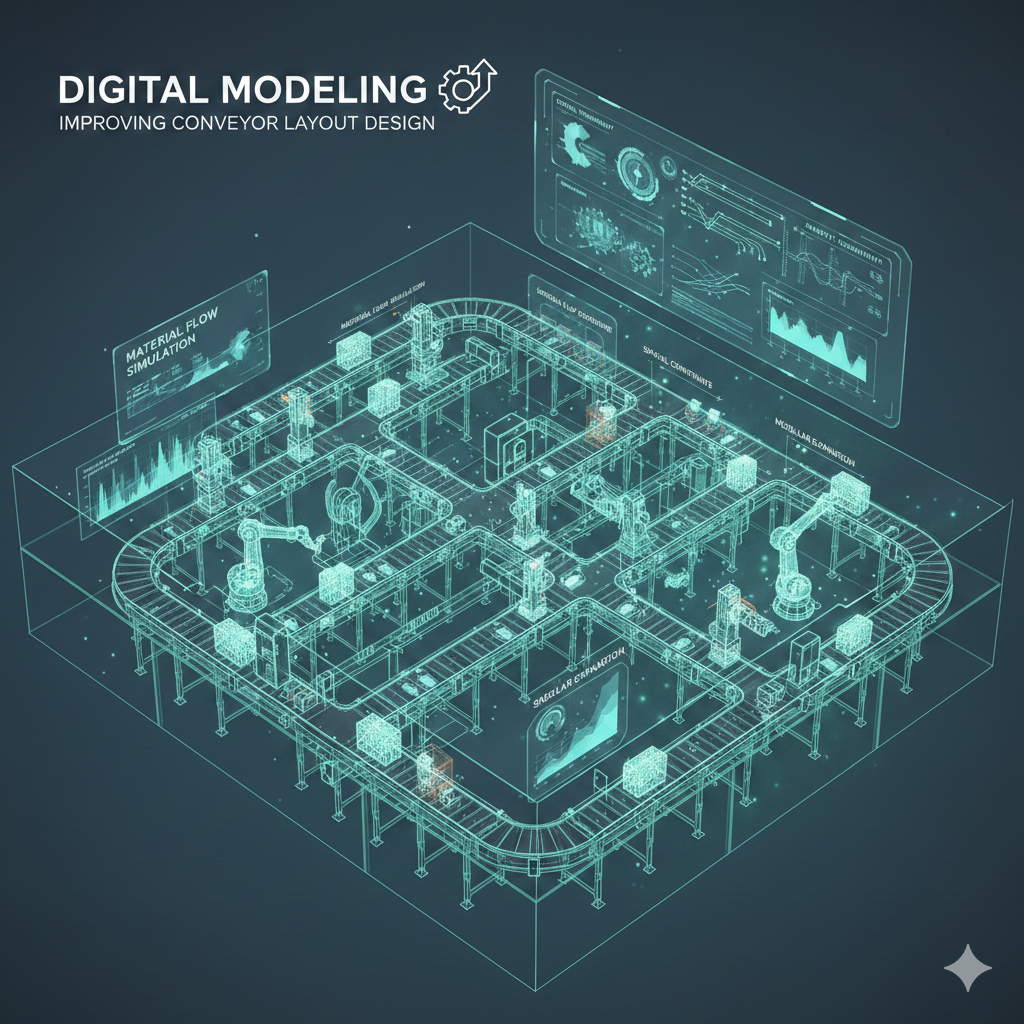
• Combines robotics, sensors, and conveyor infrastructure 🤖🔗
• Requires precise timing and coordination across multiple systems ⏱️⚙️
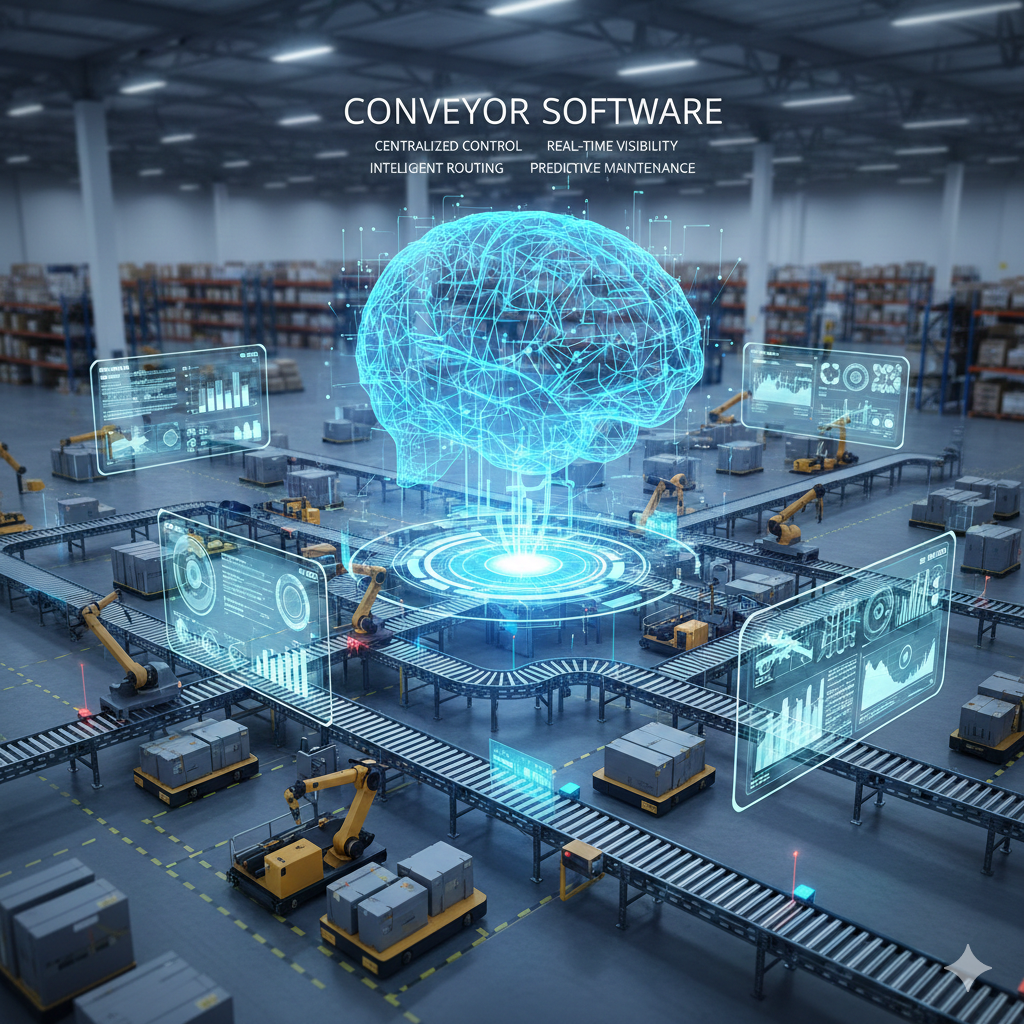
• Software acts as the central control layer for all sorting decisions 🧠📡
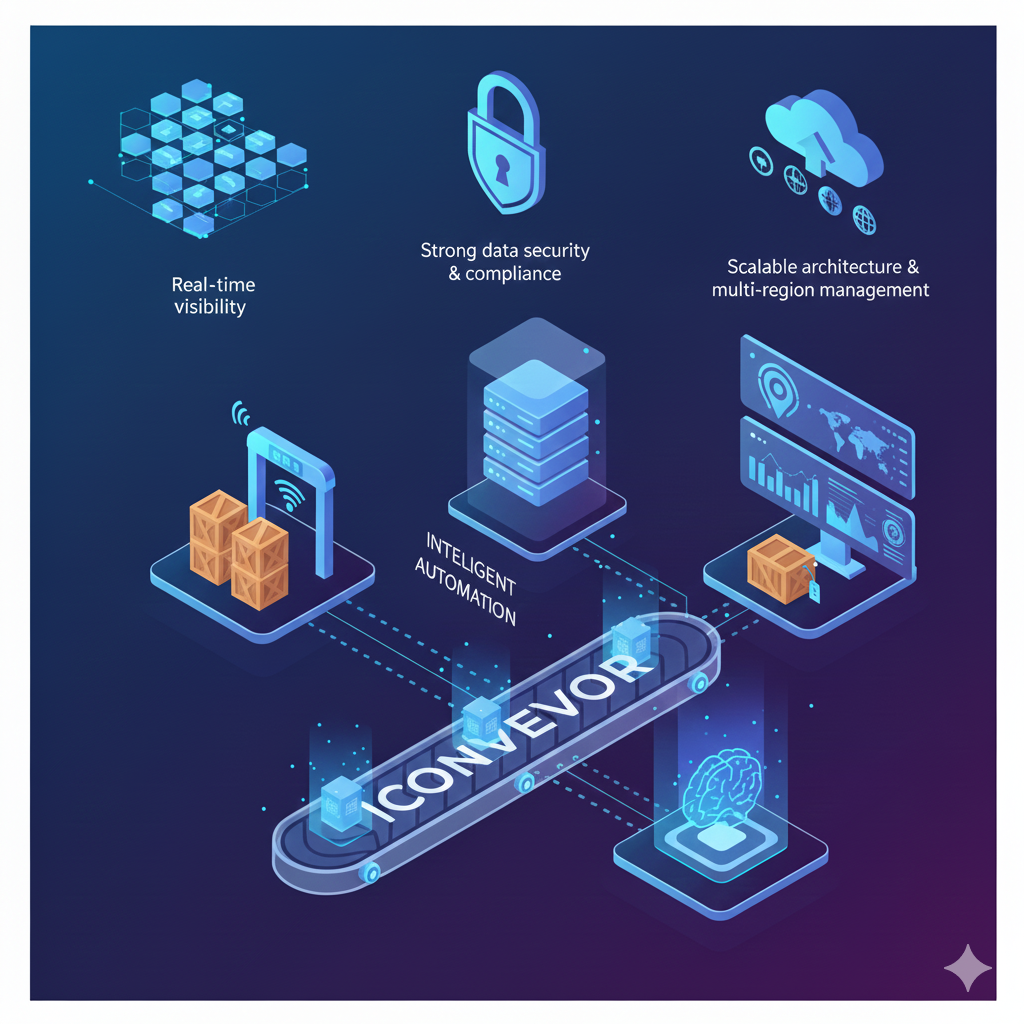
Step 2: Core Components of Sorting Software 🧩💻
• Control systems that manage robotic arms, sorters, and conveyors ⚙️🤖
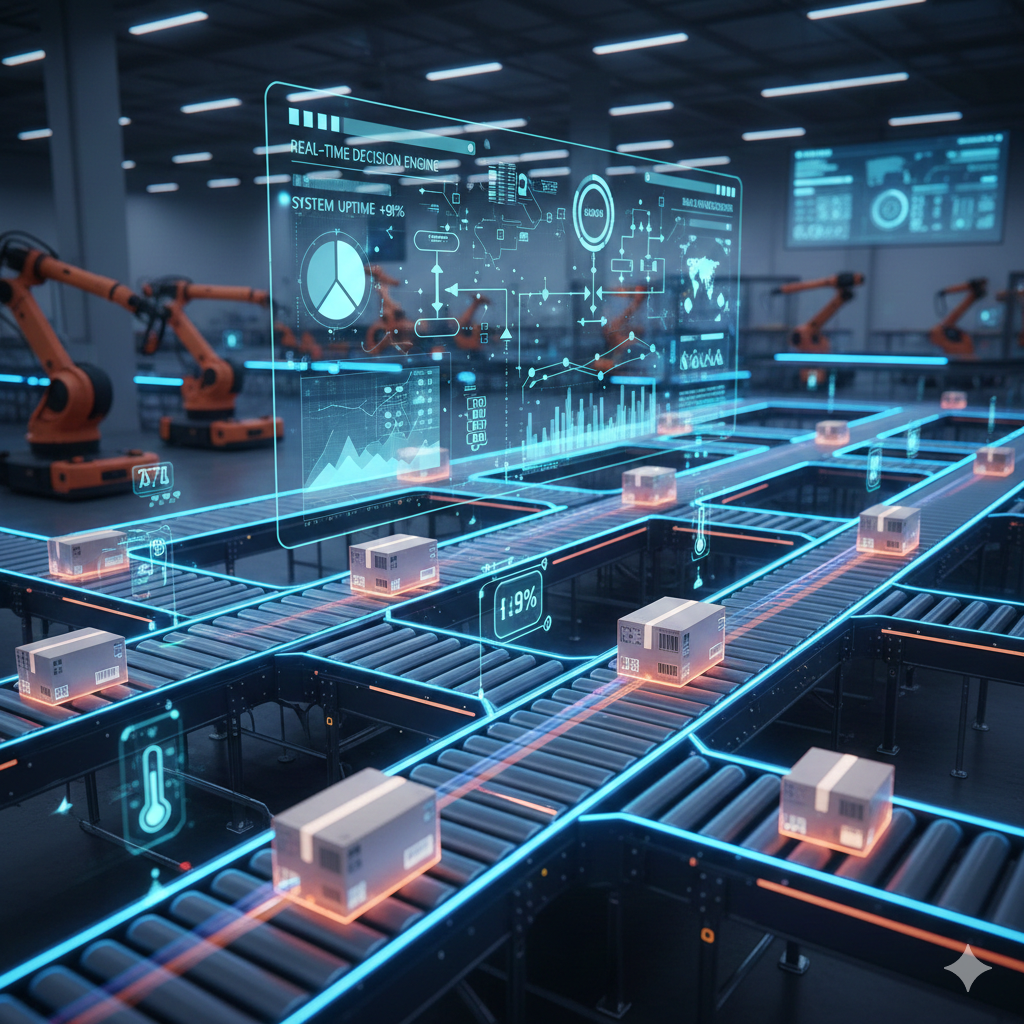
• Decision engines that determine routing logic and destination paths 🔀📊
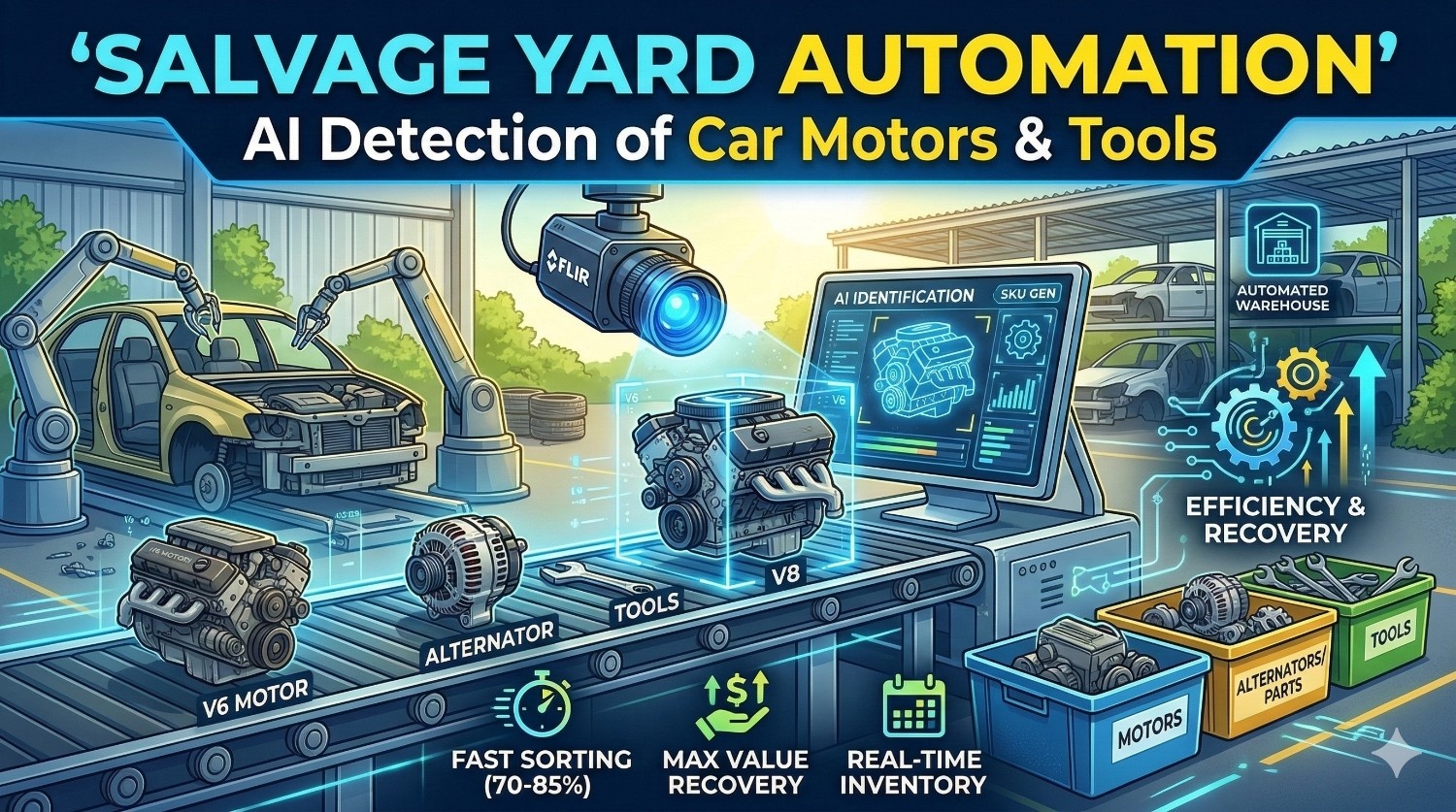
• Real-time tracking systems for item identification and movement 📍📦
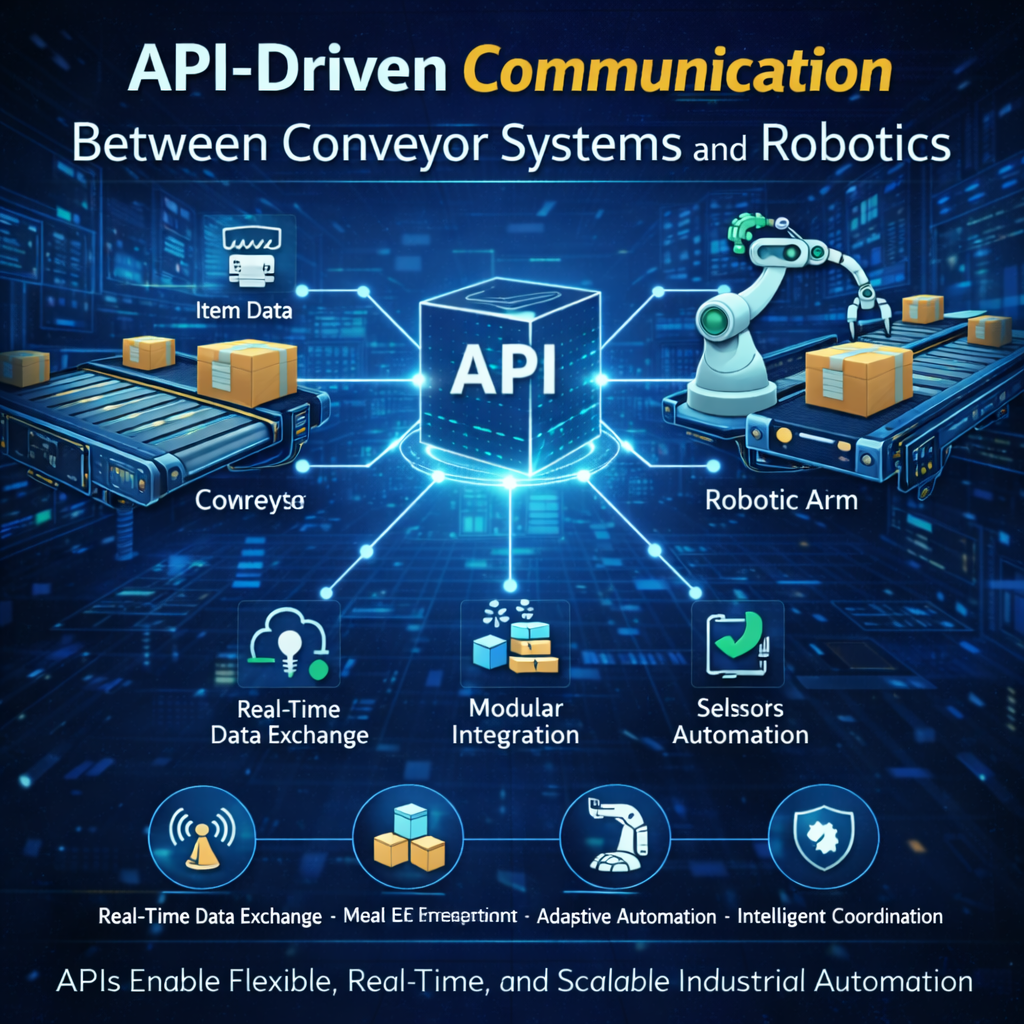
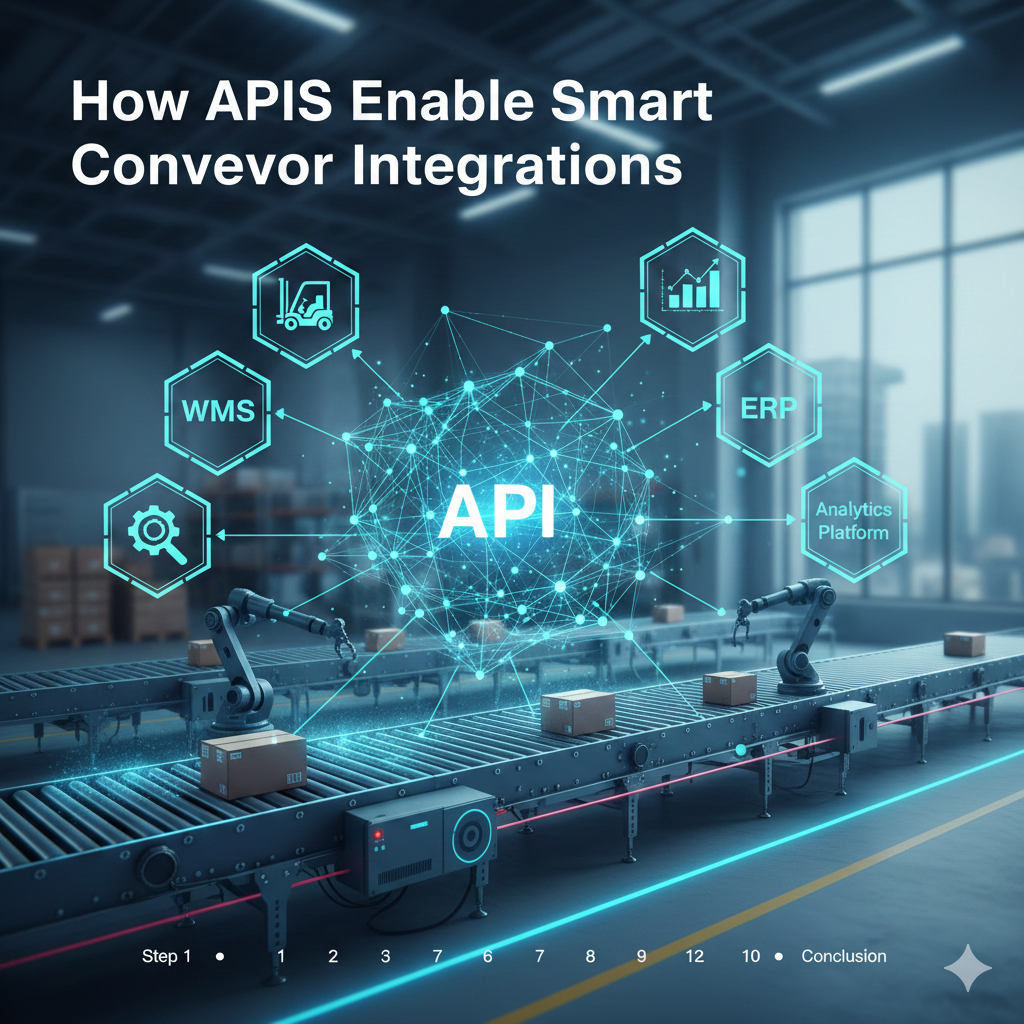
• Integration layers connecting WMS, ERP, and external systems 🔗🏢
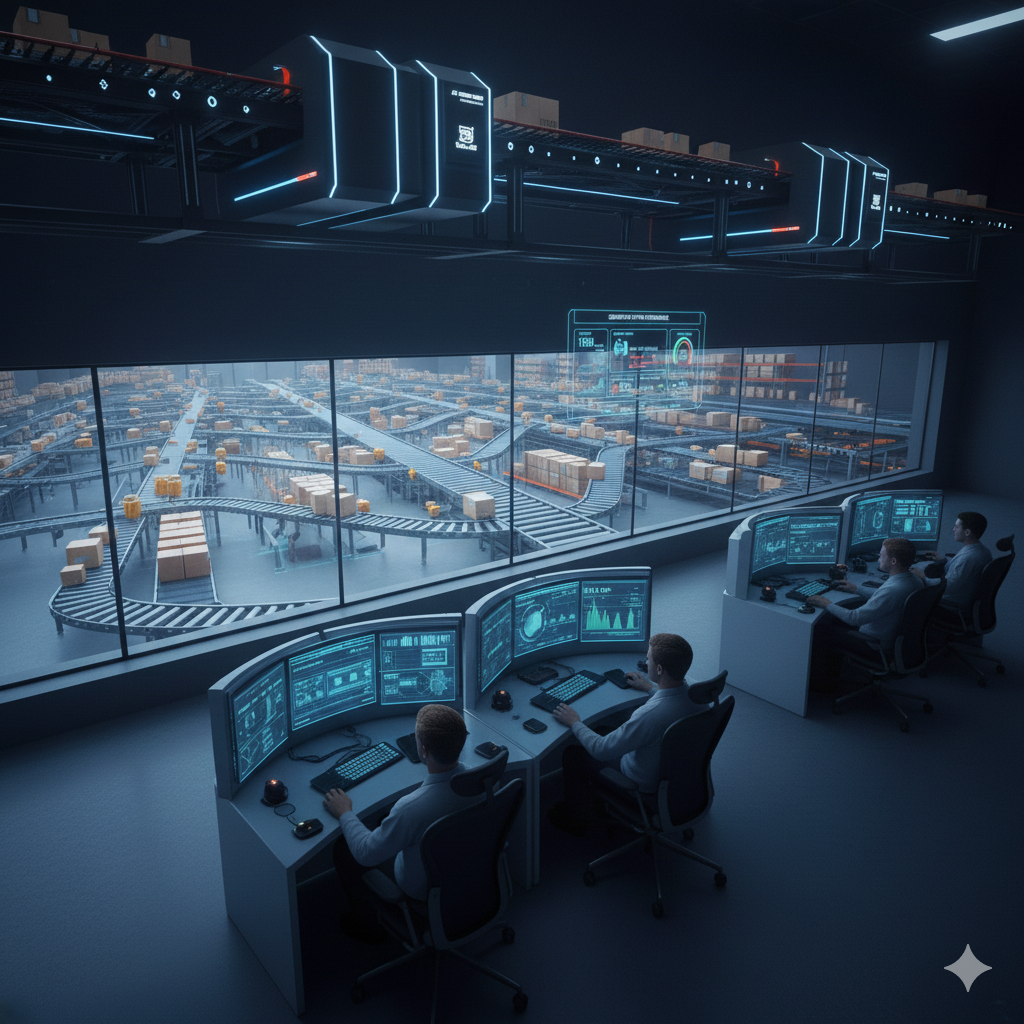
• Monitoring dashboards for performance visibility and control 📊🖥️
Step 3: Real-Time Data Processing and Decision Making ⏱️📊
• Processes barcode, RFID, and vision data instantly 📷📦
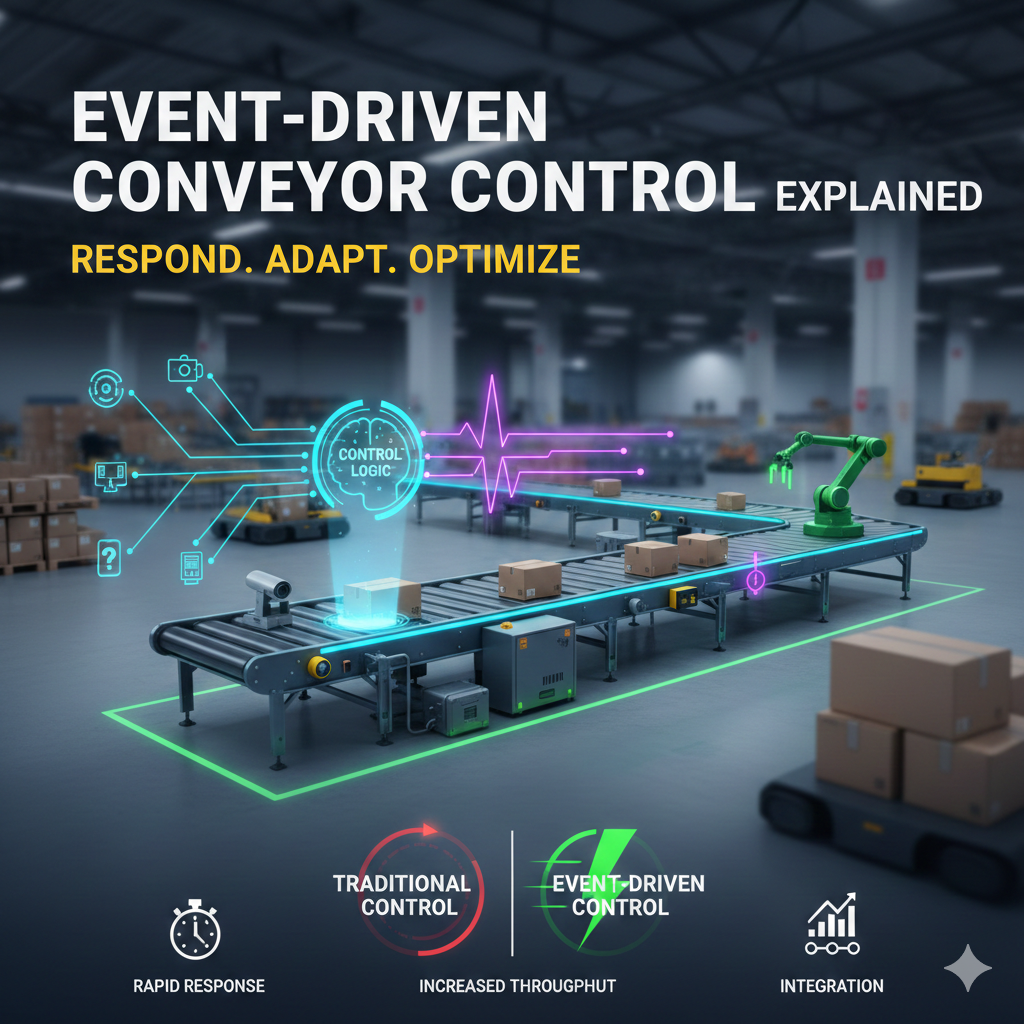
• Makes split-second routing decisions based on system conditions ⚡🔀
• Adjusts dynamically to changes in demand or system load 📈🔄
• Minimizes delays and prevents misrouting errors 🚫📉
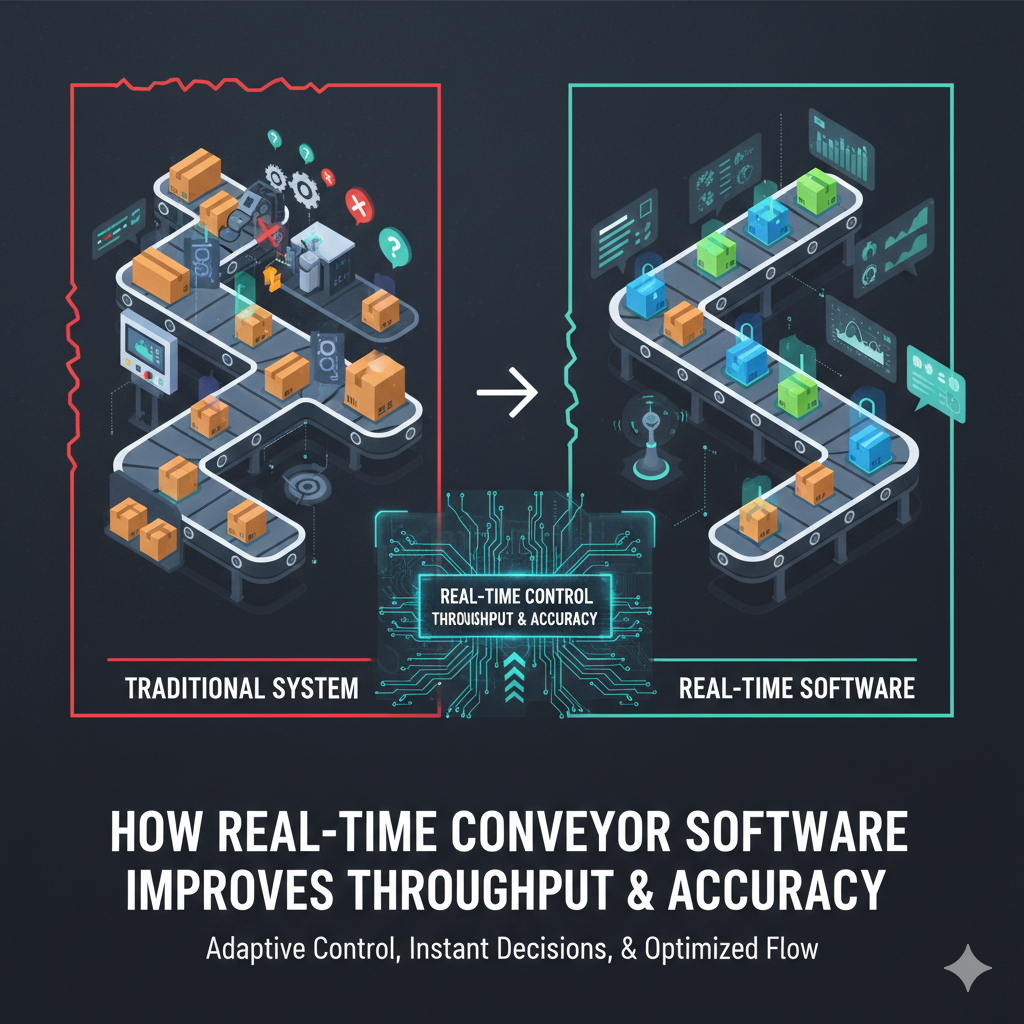
• Enables continuous flow without bottlenecks 🚀📦
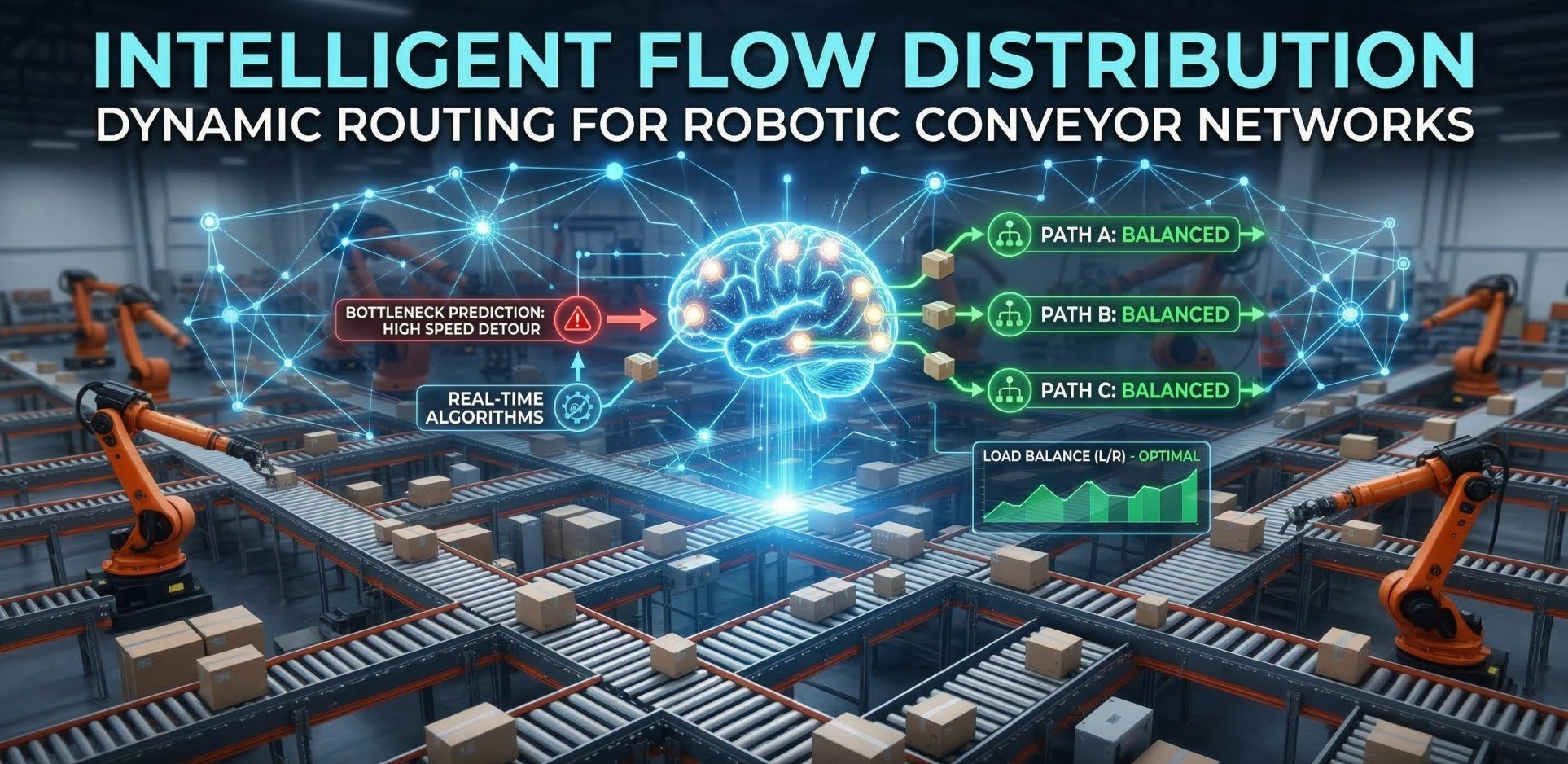
Step 4: Intelligent Routing and Optimization 🧠🔀
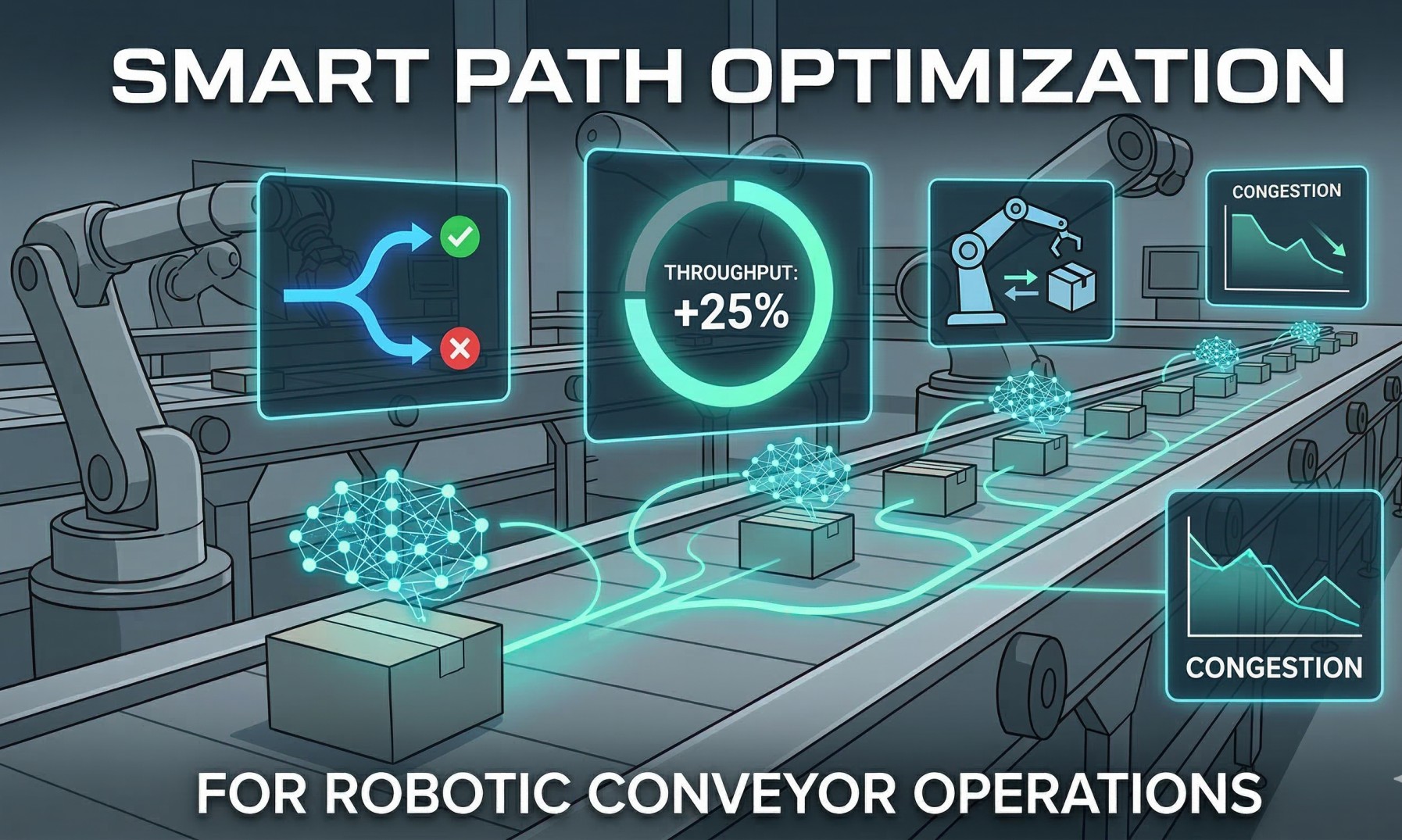
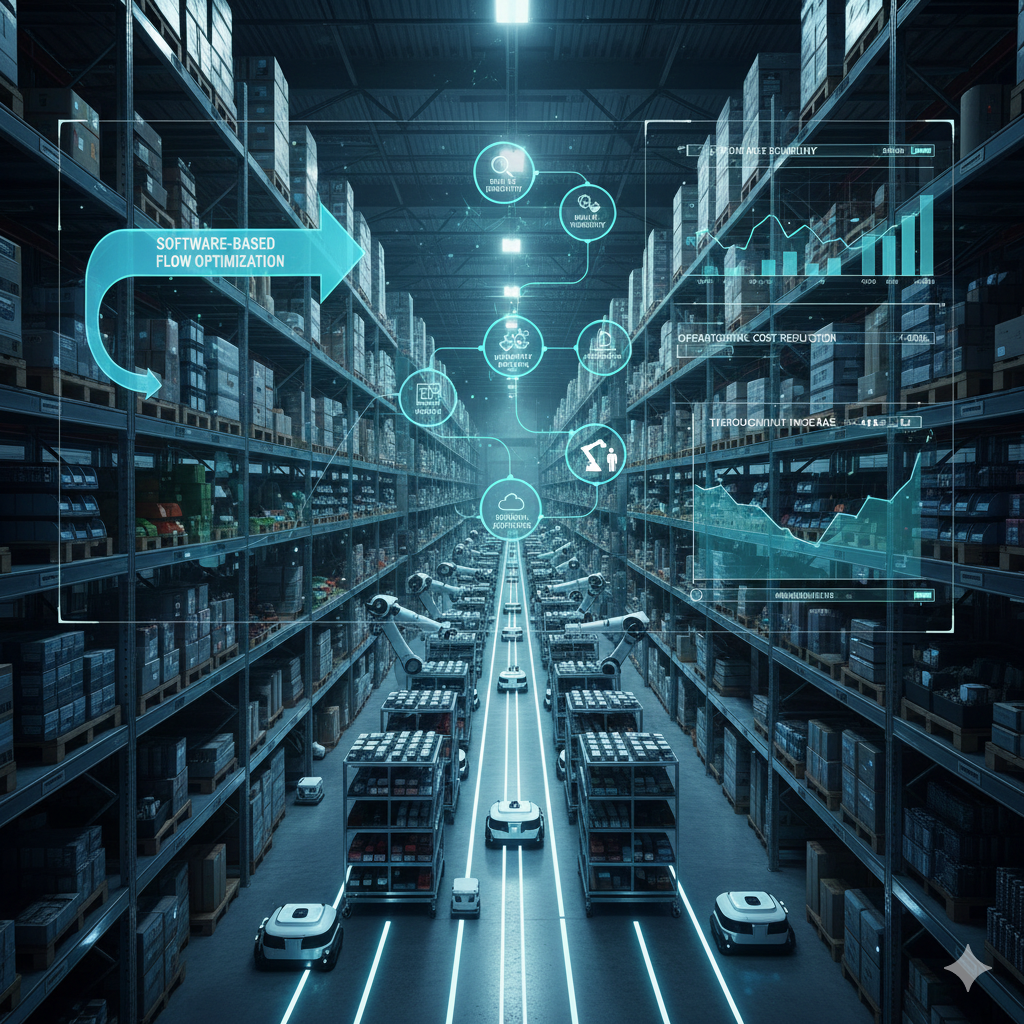
• Uses algorithms to determine the most efficient sorting paths 📊⚙️
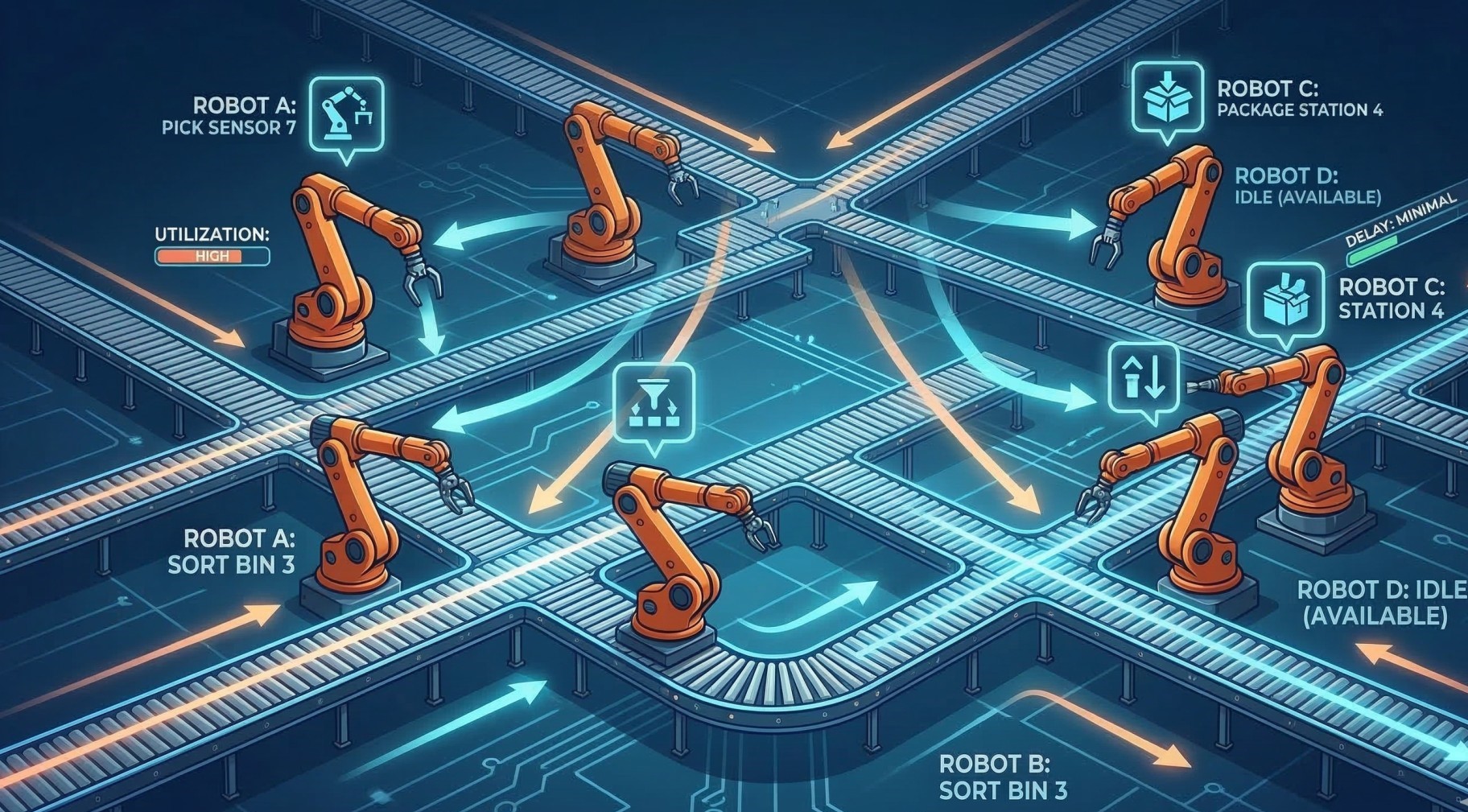
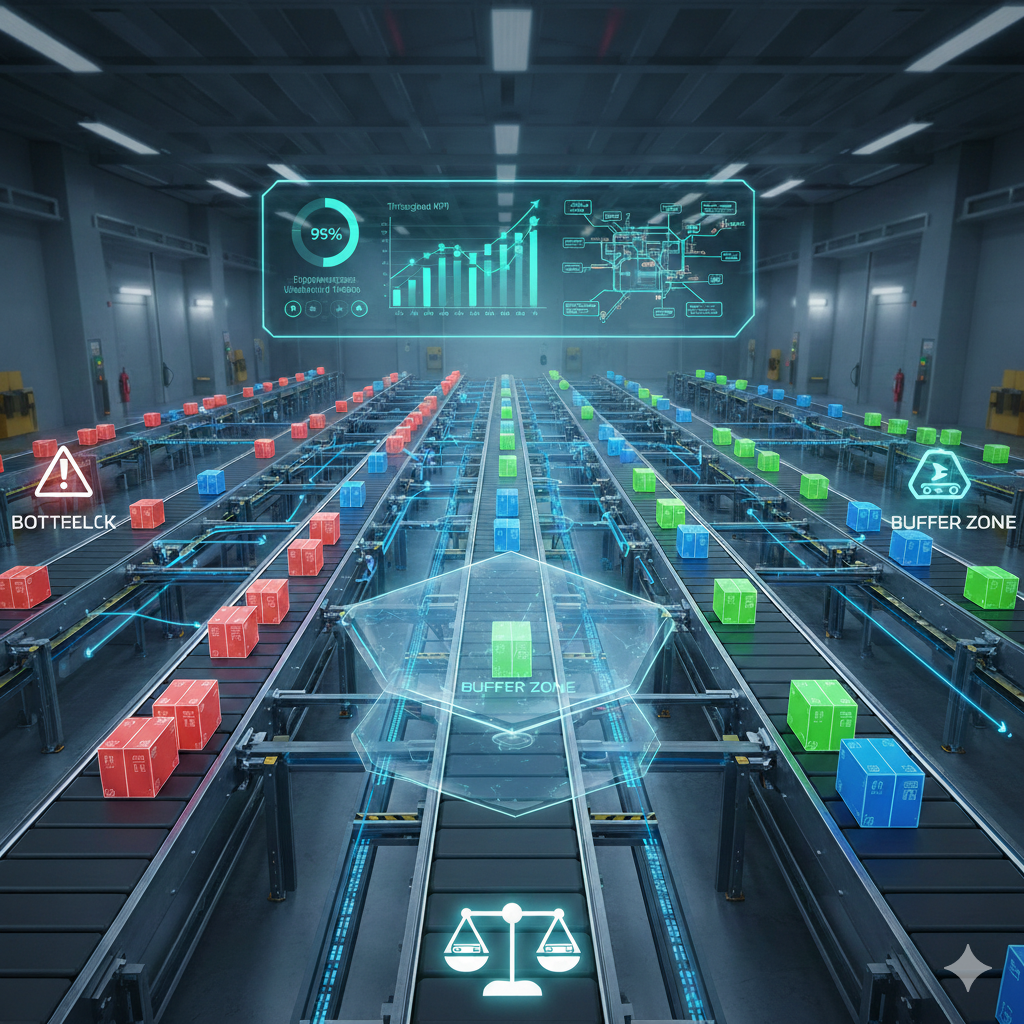
• Balances load across multiple sorting lanes or robots ⚖️🤖
• Reduces congestion and improves throughput 📈🚫
• Supports priority-based sorting for urgent shipments 🚚⏱️
• Continuously optimizes based on performance data 🔄📊
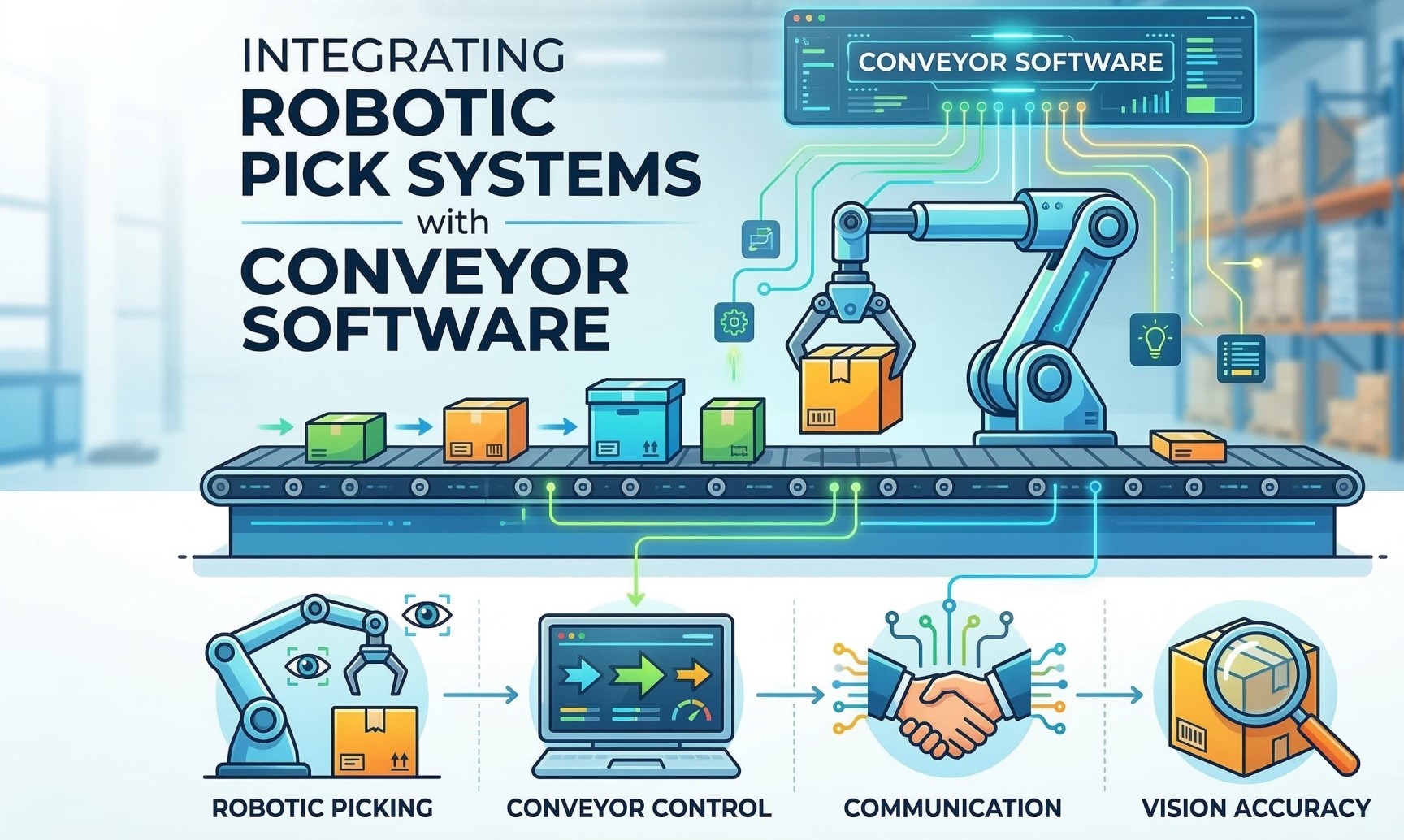
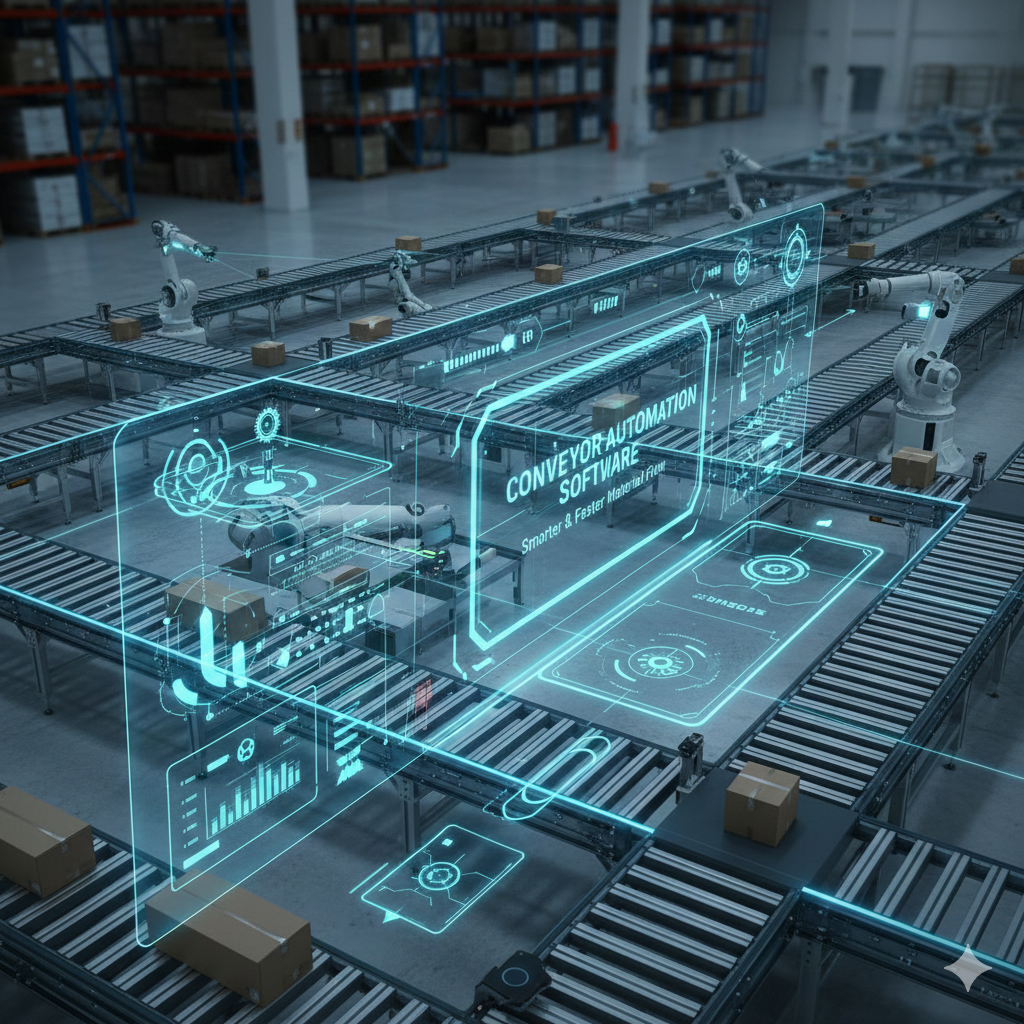
Step 5: Integration with Robotics and Conveyor Systems 🤖🔗
• Synchronizes robotic pick-and-place systems with conveyors ⚙️📦
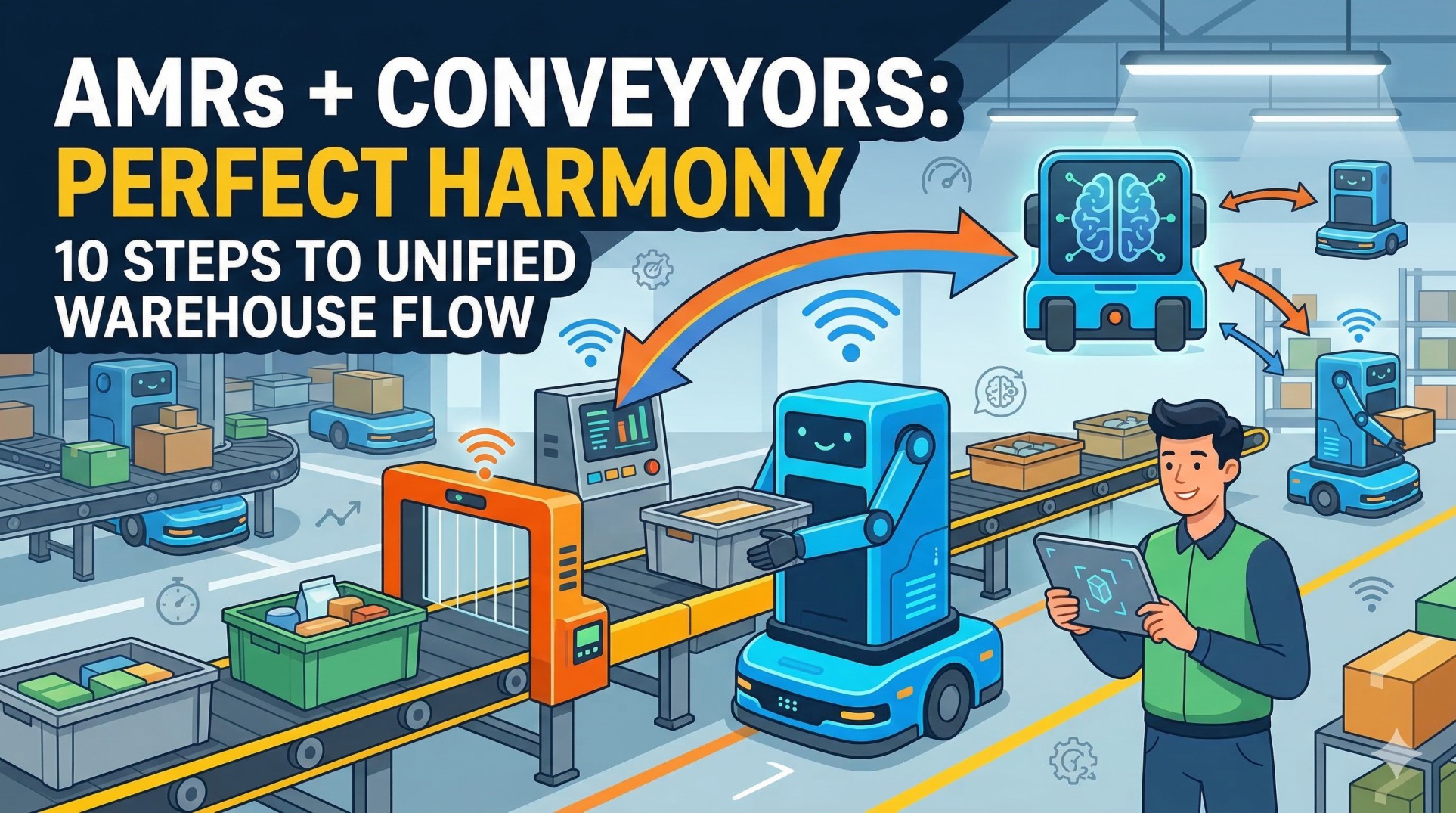
• Ensures smooth handoffs between mobile robots and fixed systems 🔄🤖
• Coordinates timing to avoid collisions or idle time 🚫⚠️
• Supports hybrid environments with multiple automation technologies 🏗️📊
• Enables unified control across the entire material flow 🌐⚙️
Step 6: Error Handling and Exception Management 🚨🛠️
• Detects misrouted, damaged, or unidentified items 📦⚠️
• Automatically reroutes or flags items for manual intervention 🔄👷
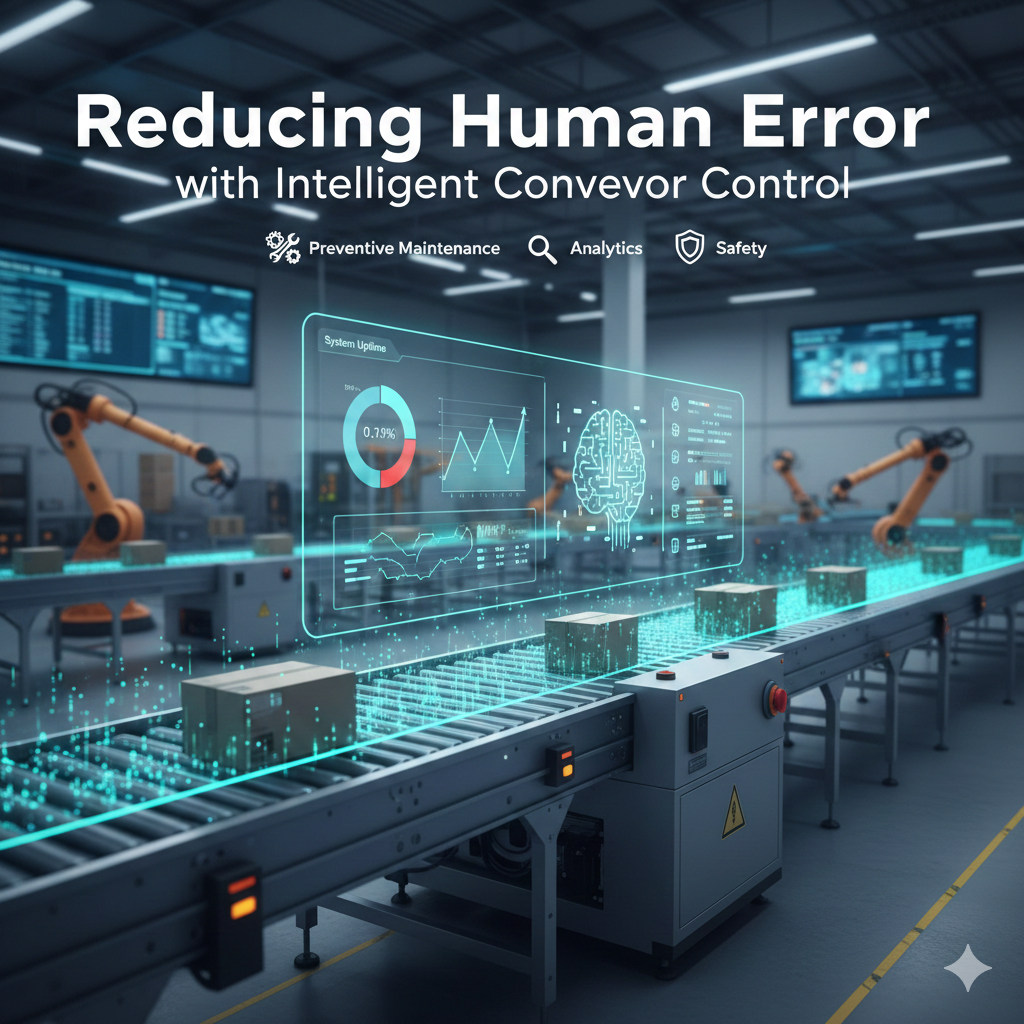
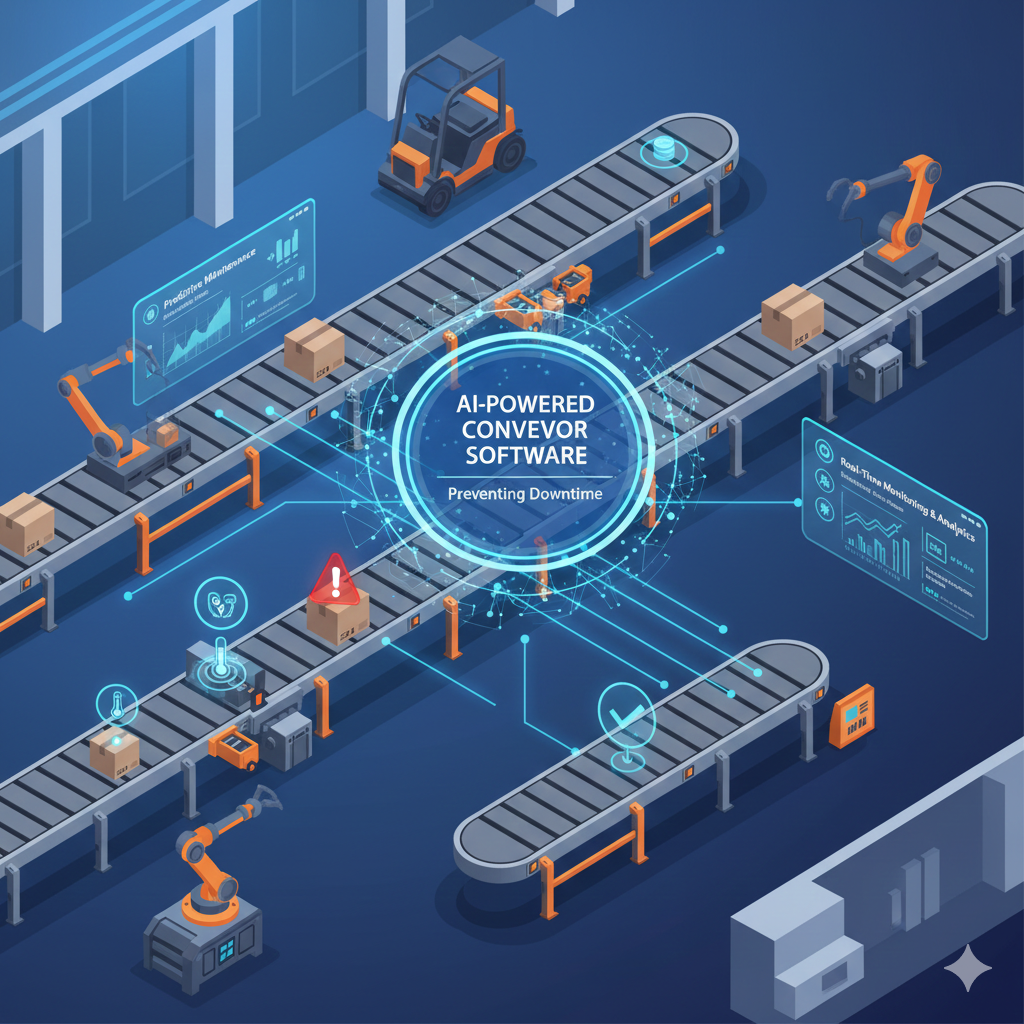
• Provides alerts and diagnostics for system issues 🚨📊
• Reduces downtime through proactive issue resolution ⏱️🔧
• Improves overall system reliability and accuracy ✔️📈
Step 7: Scalability and Throughput Optimization 📈🚀
• Handles increasing volumes without compromising performance 📦📊
• Supports horizontal scaling with additional robots or sorters ➕🤖
• Optimizes throughput by adjusting system parameters dynamically ⚙️📈
• Enables peak-season performance without system overload 🎯📦
• Maintains consistent speed under varying workloads 🔄⚡
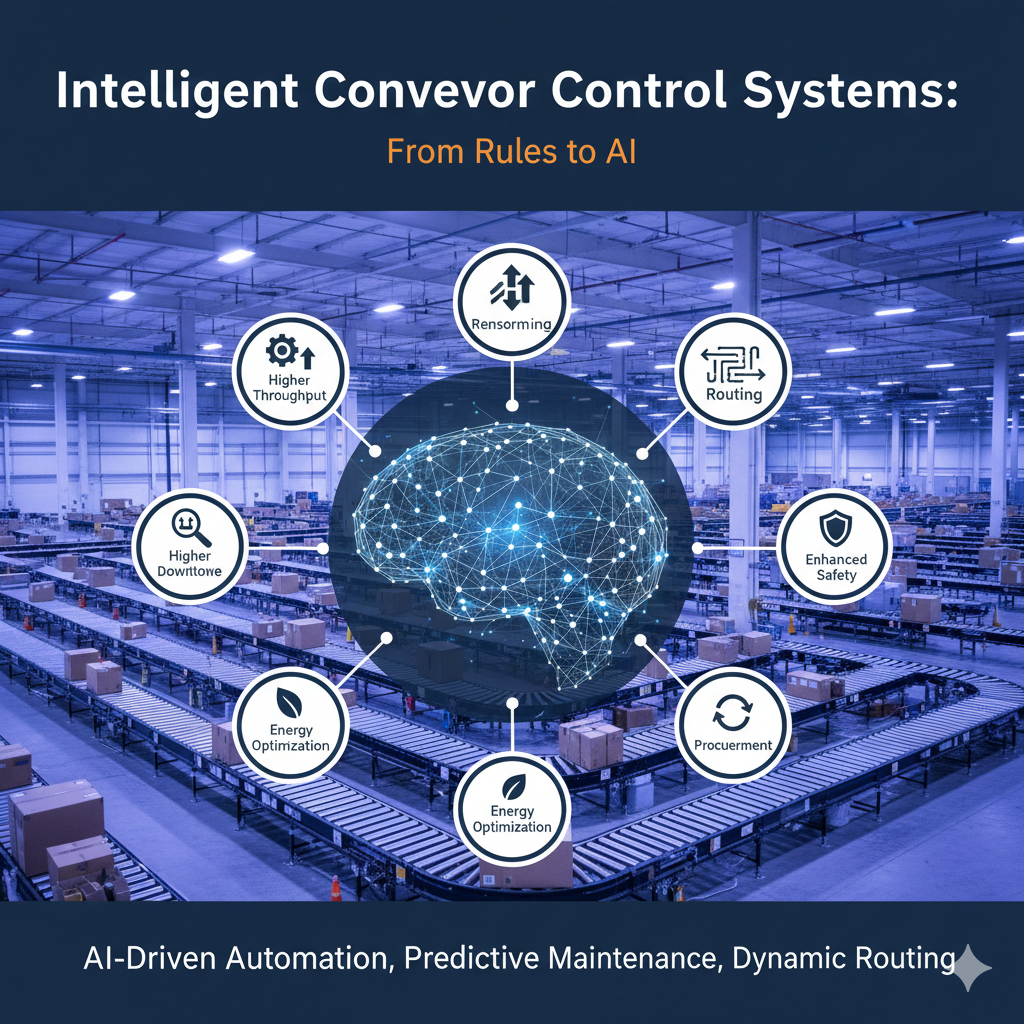
Step 8: AI and Machine Learning in Sorting 🧠🤖
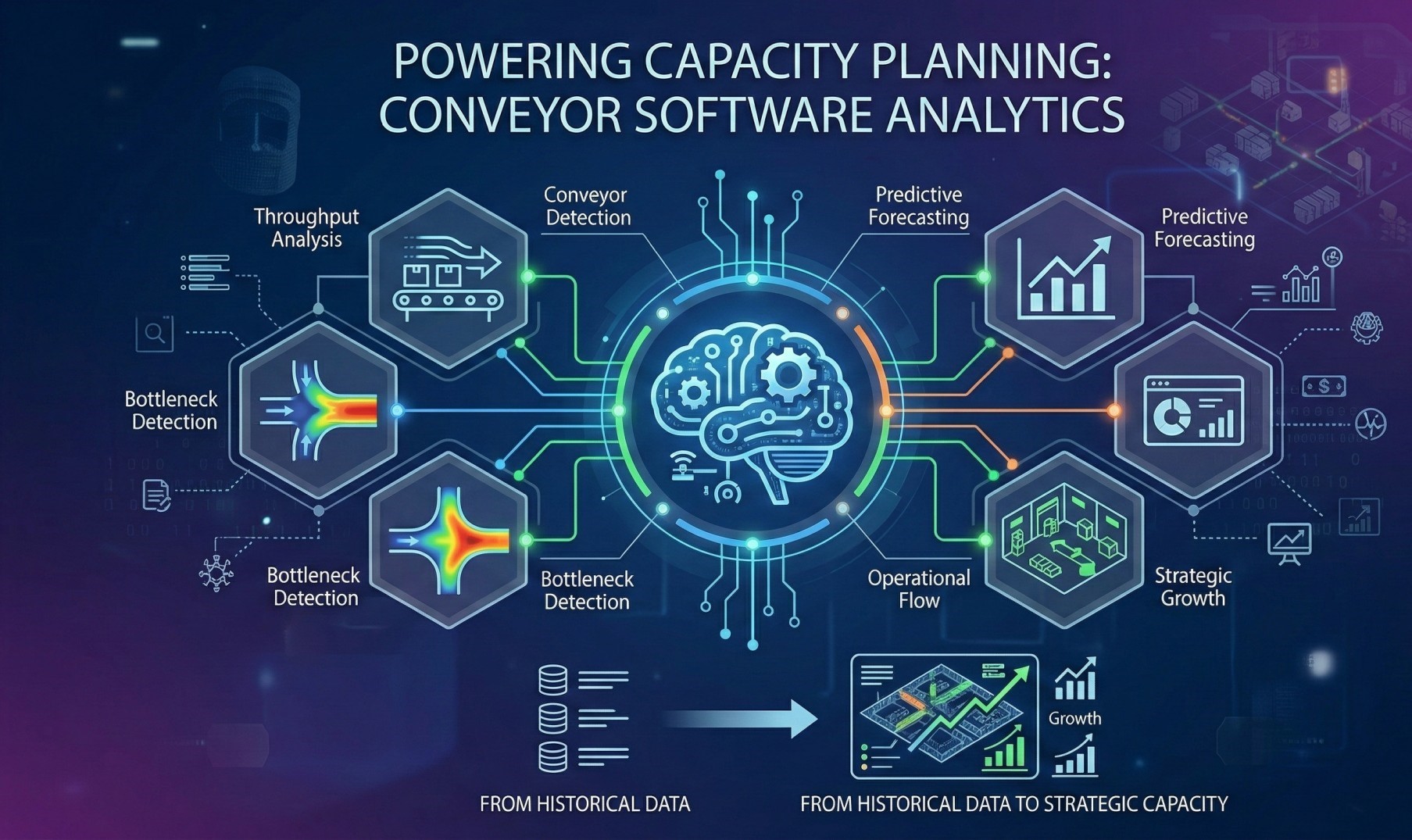
• Predicts demand patterns and adjusts sorting strategies 📊🔮
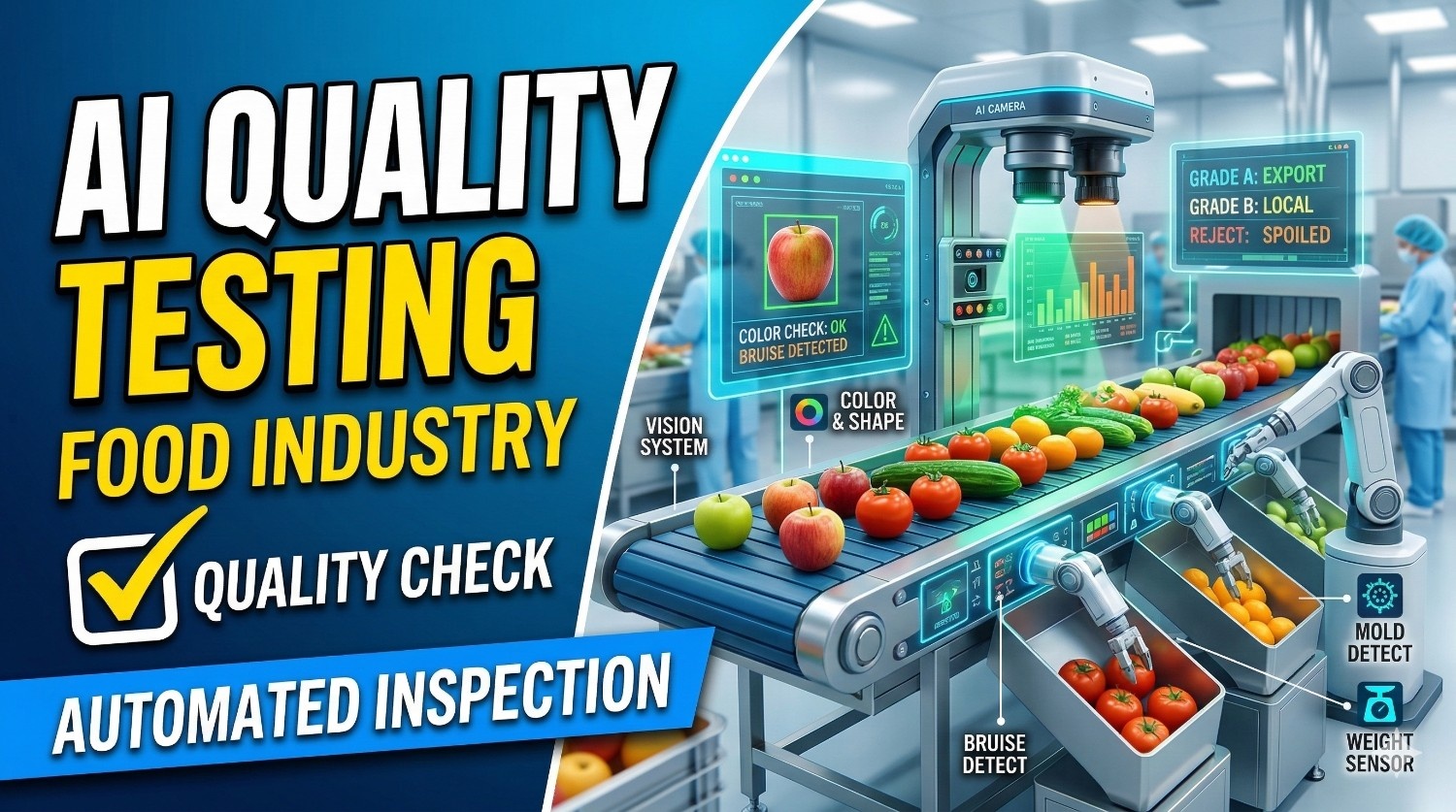
• Enhances vision systems for better item recognition 📷🧠
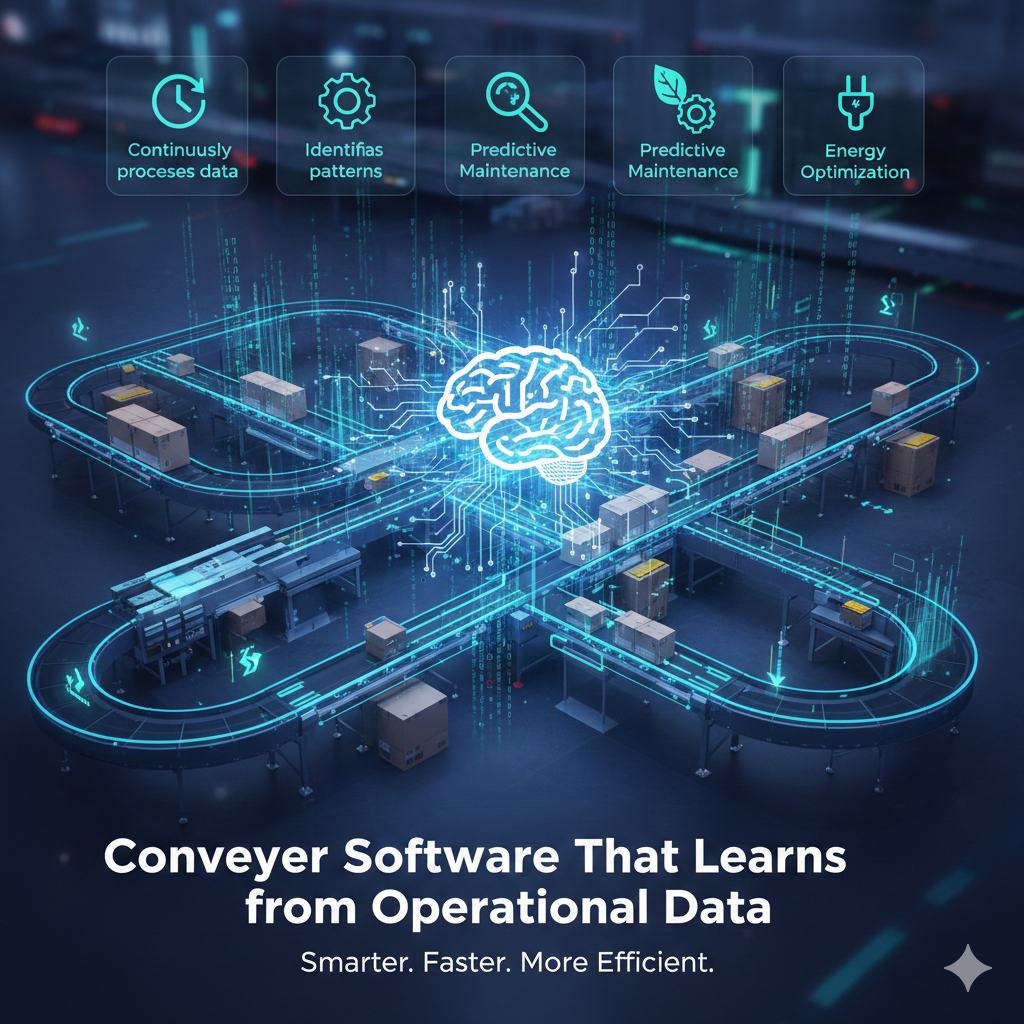
• Learns from historical data to improve routing decisions 📚🔄
• Identifies inefficiencies and suggests optimizations 📉📈
• Enables adaptive and self-improving sorting systems 🤖🔁
Step 9: Monitoring, Analytics, and Visualization 📊🖥️
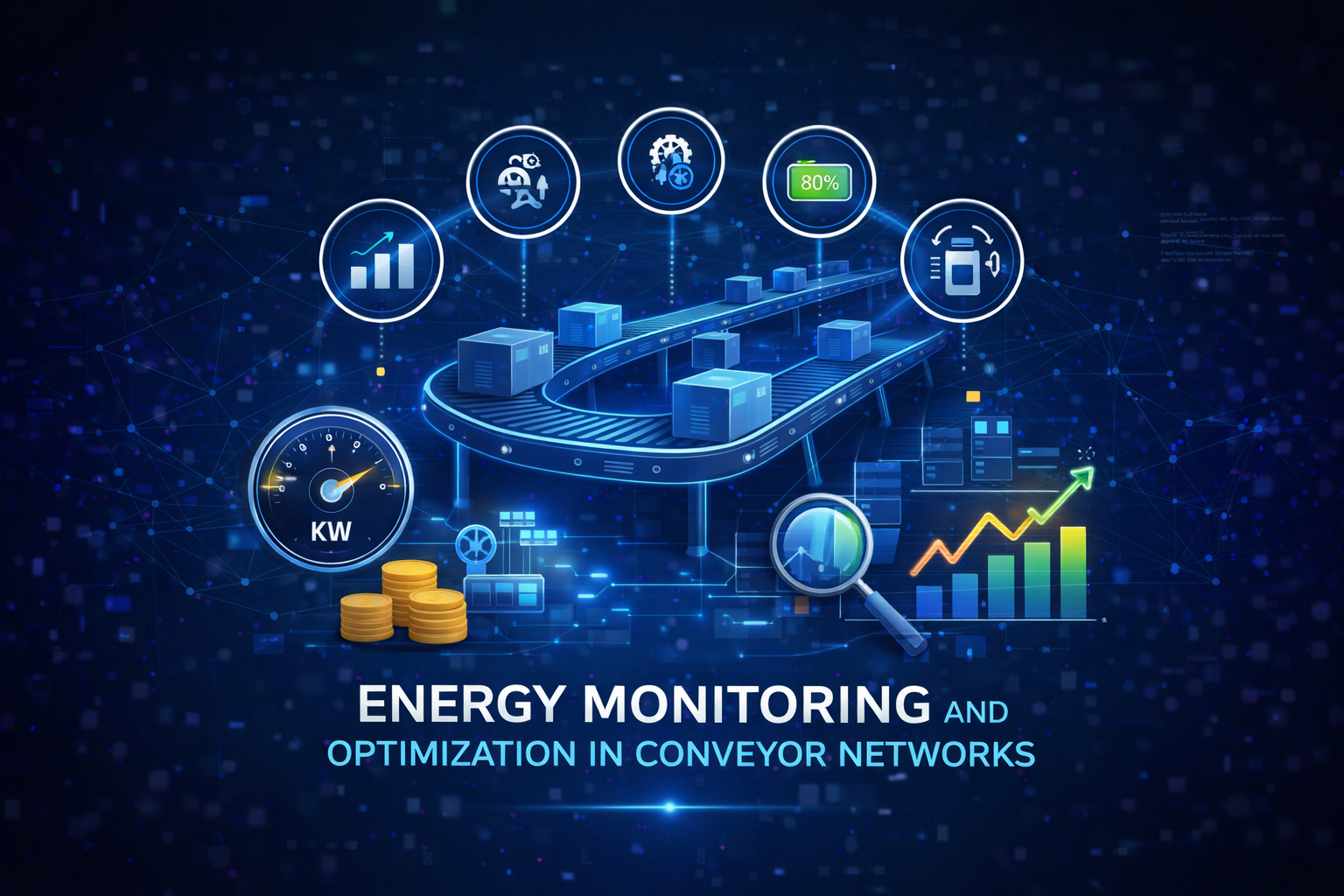
• Provides real-time dashboards for system performance 📈📡
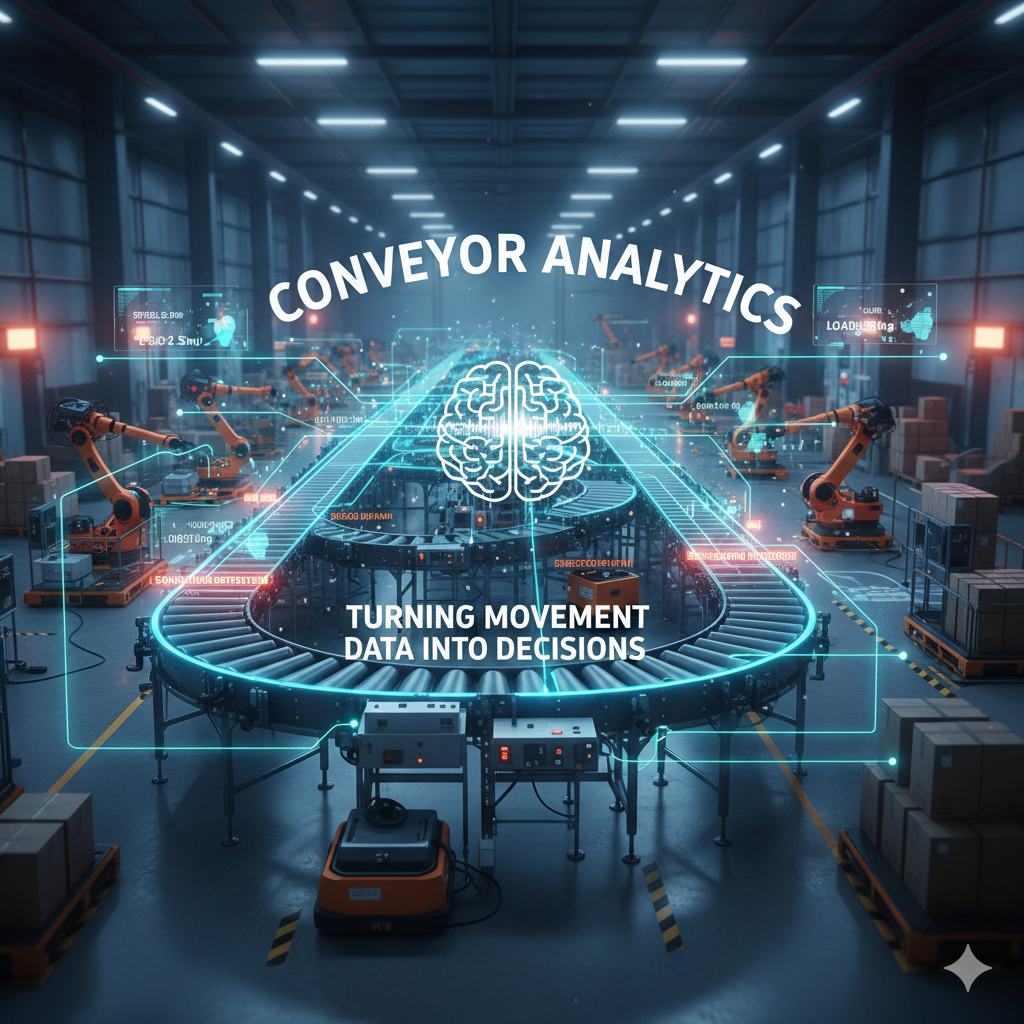
• Tracks KPIs such as throughput, accuracy, and downtime 📊✔️
• Identifies bottlenecks and inefficiencies 🔍🚫
• Supports data-driven decision-making 📊🧠
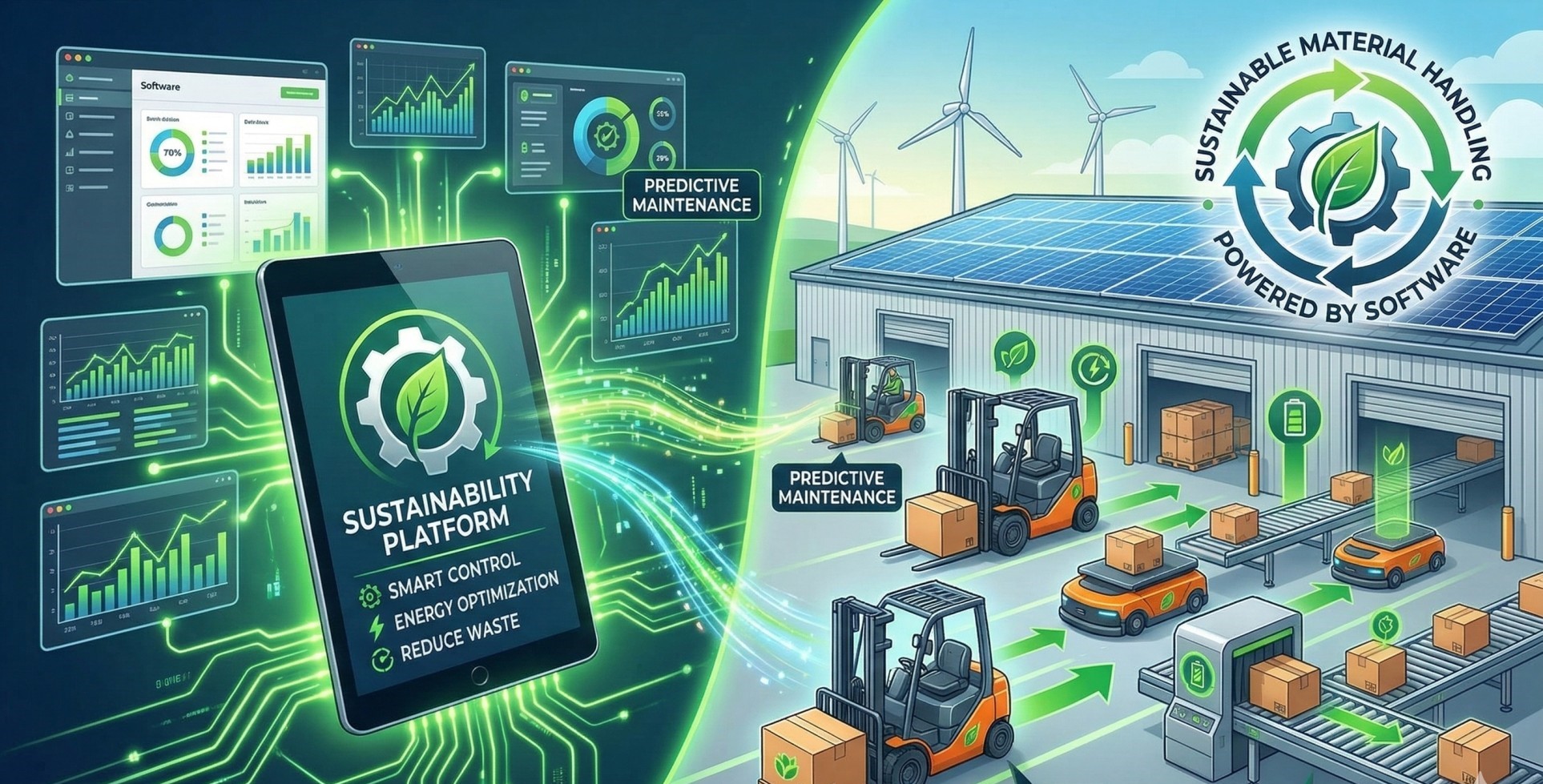
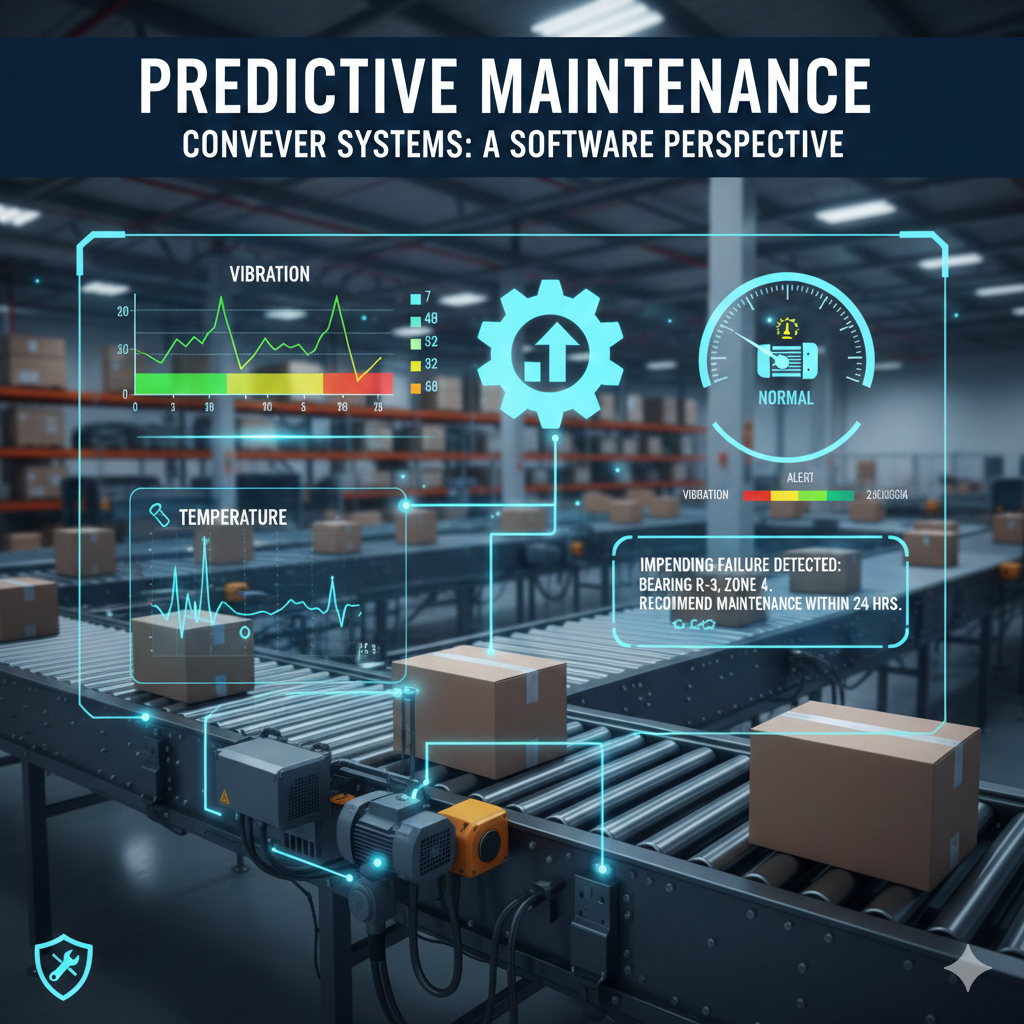
• Enables predictive maintenance and system insights 🔧📈
Step 10: Building Resilient and Future-Ready Sorting Systems 🏗️🔮
• Design modular architectures for easy upgrades and expansion 🧩📈
• Ensure interoperability across different hardware and software systems 🔗⚙️
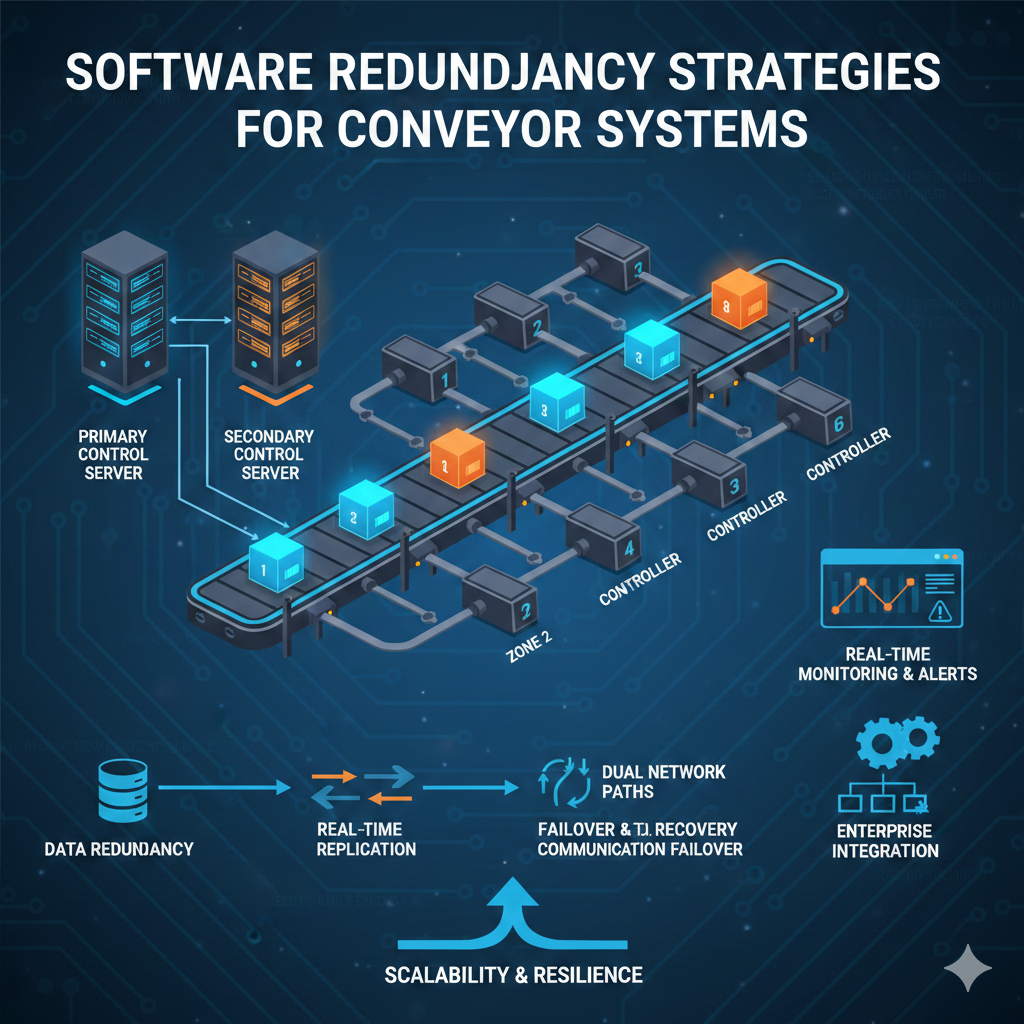
• Incorporate redundancy to avoid single points of failure 🚫⚠️
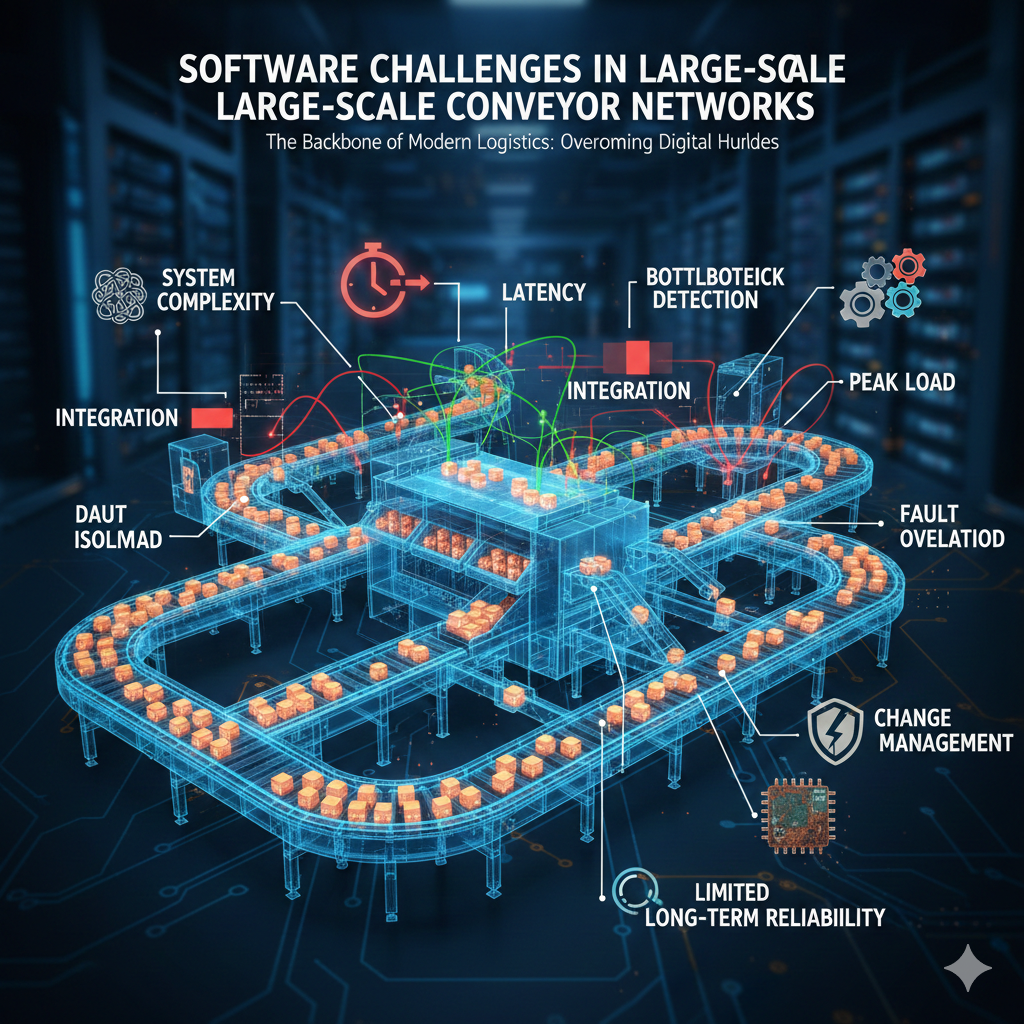
• Optimize for low latency and high reliability ⚡✔️
• Prepare systems for future automation and AI advancements 🤖🚀
Conclusion
Managing high-speed robotic sorting operations requires more than advanced hardware—it depends on intelligent, responsive, and scalable software systems. By combining real-time decision-making, seamless integration, and continuous optimization, organizations can achieve high throughput, accuracy, and operational efficiency. As automation continues to evolve, software-driven sorting systems will play a central role in building faster, smarter, and more resilient logistics operations.
See more blogs
You can all the articles below