Load Balancing Strategies for Multi-Line Conveyor Networks
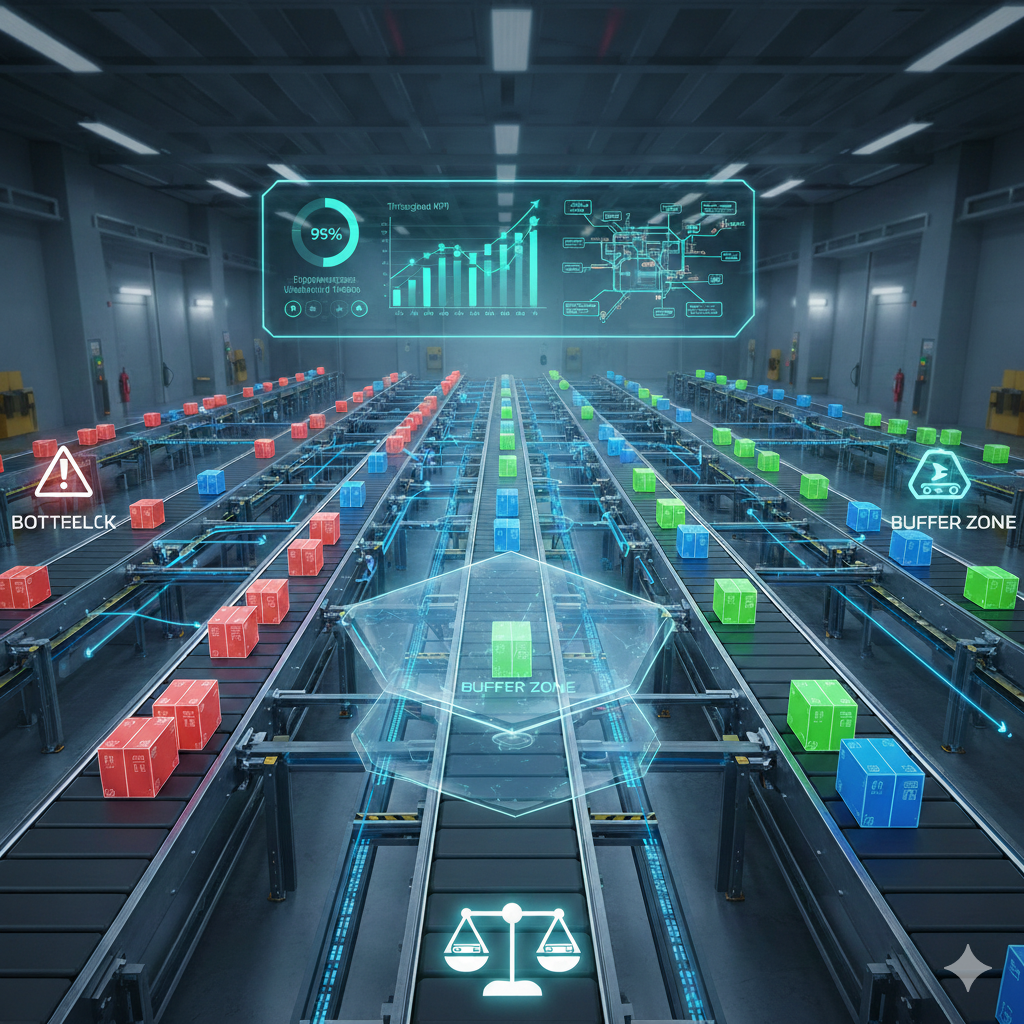
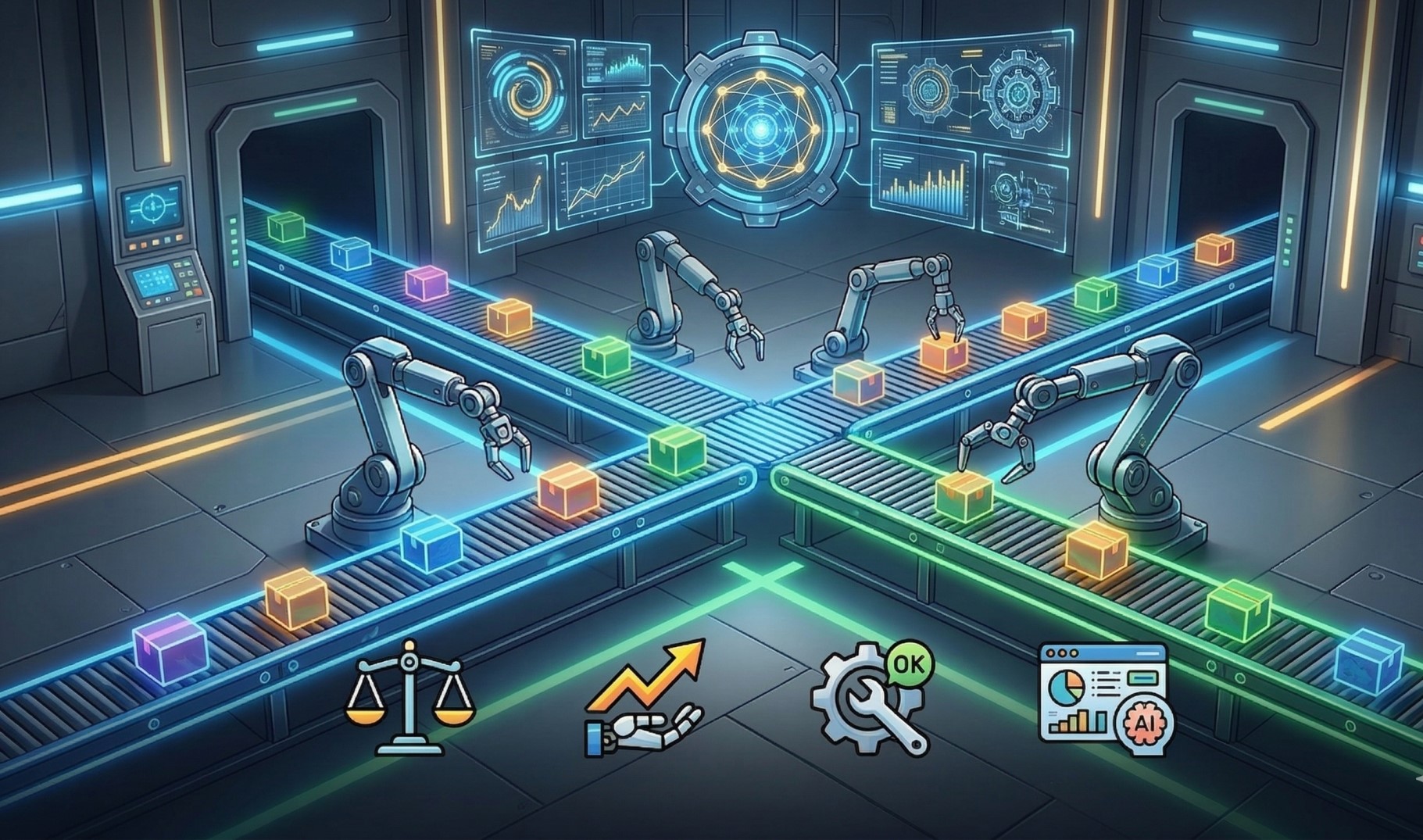
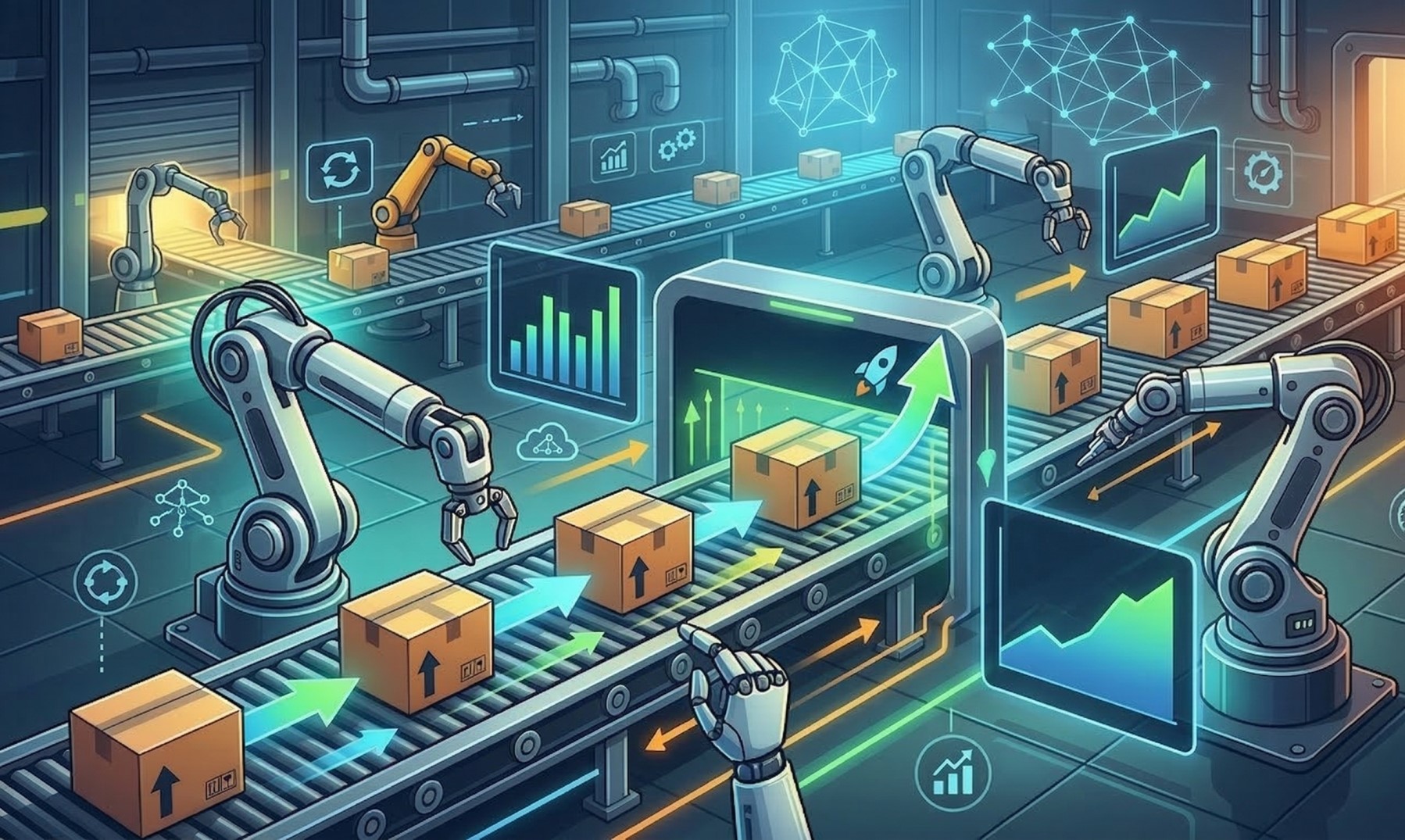
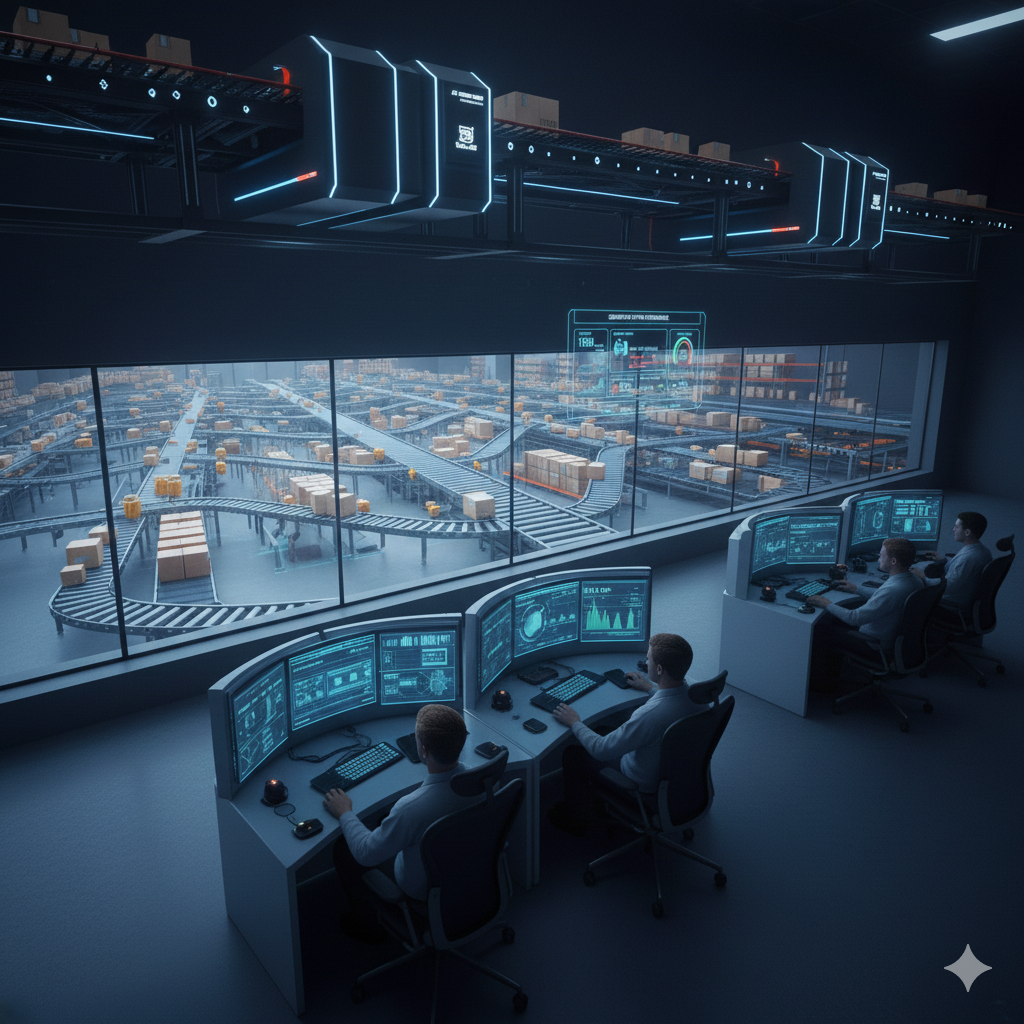
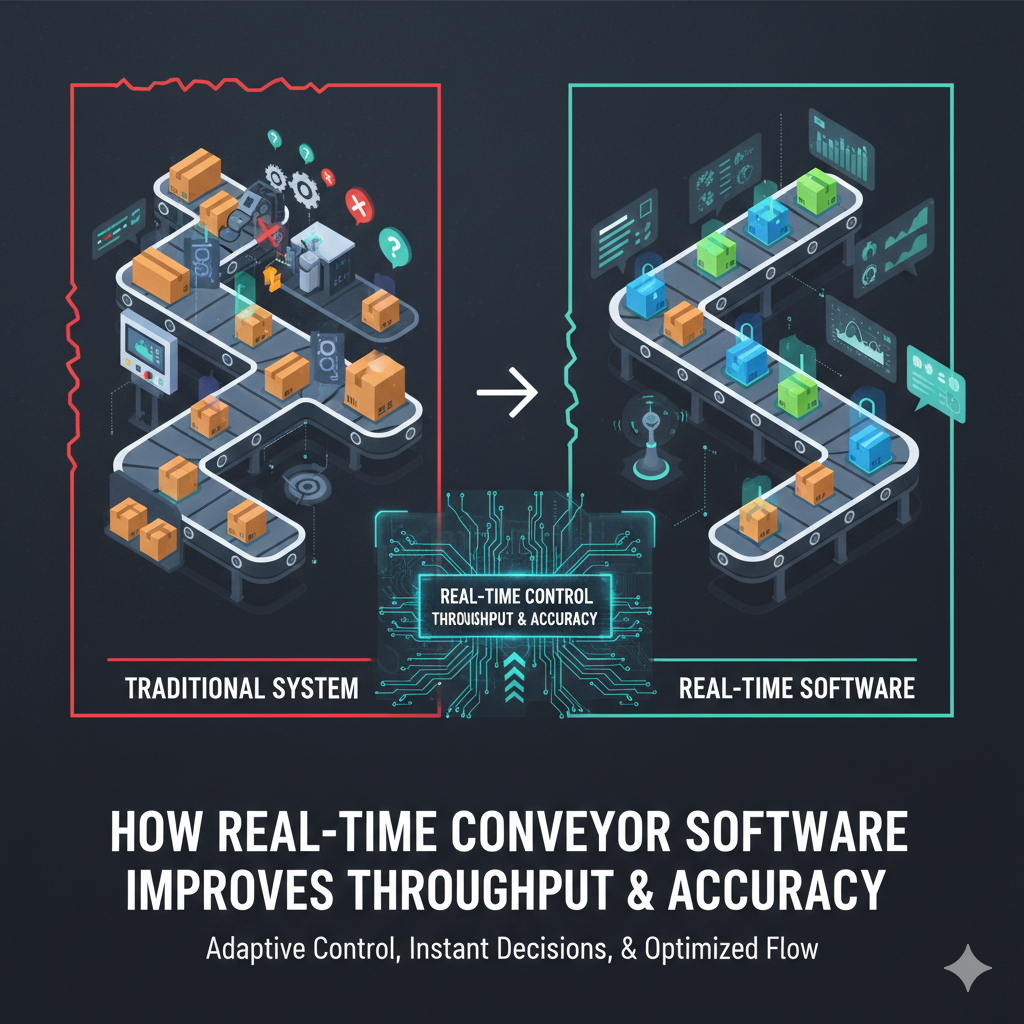
Multi-line conveyor networks are critical to high-throughput manufacturing and distribution environments. When multiple conveyor lines operate simultaneously, uneven load distribution can create bottlenecks, idle capacity, and reduced overall efficiency. Effective load balancing strategies ensure smooth material flow, optimal equipment utilization, and consistent output across the entire system.
Step 1: Understanding Imbalance in Multi-Line Systems ⚖️
• Occurs when one conveyor line handles more volume than others 📦
• Creates upstream congestion and downstream starvation 🚧
• Increases wear on overloaded components ⚙️
• Reduces throughput across the entire network 📉
• Leads to unpredictable cycle times ⏱️
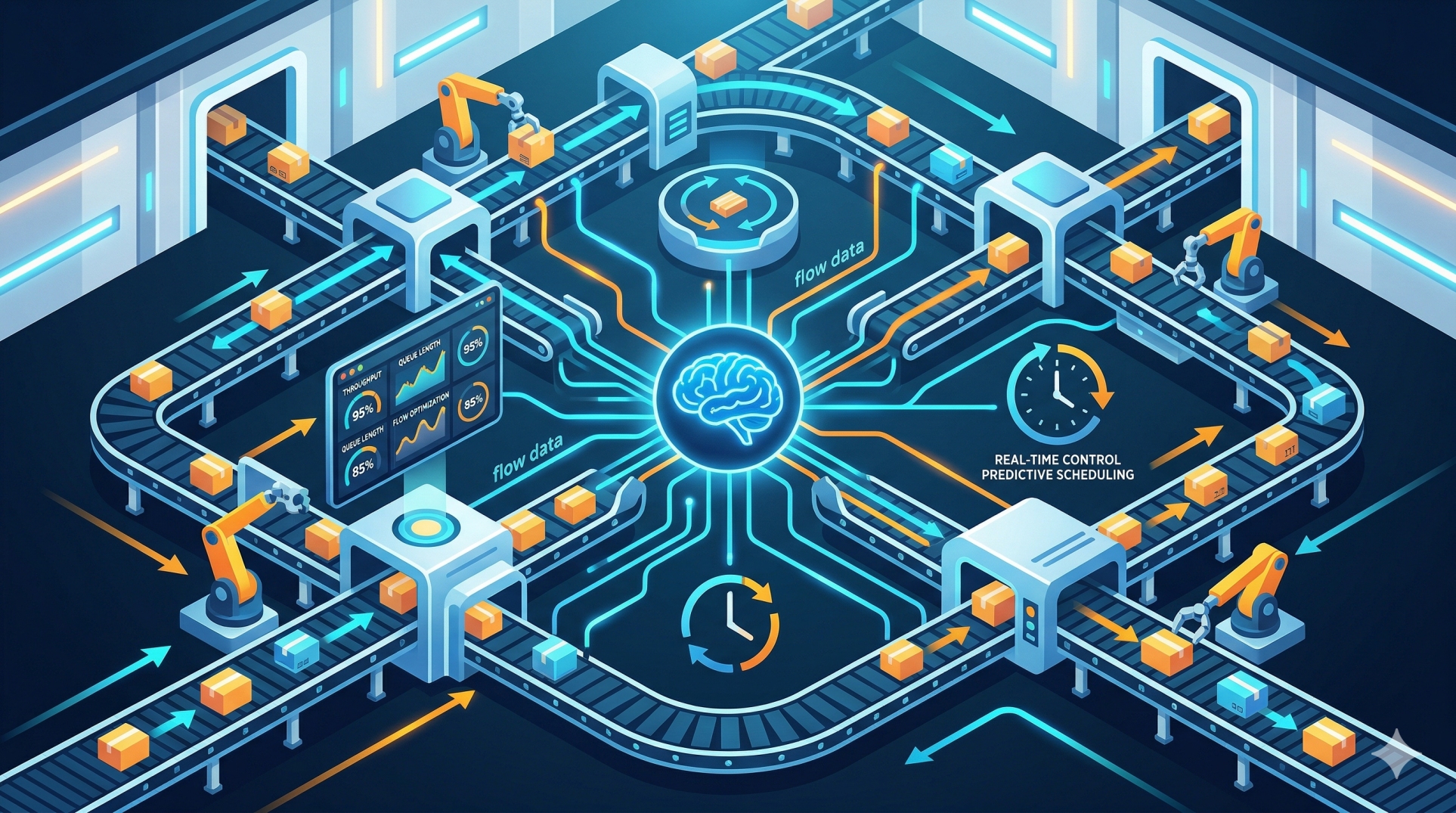
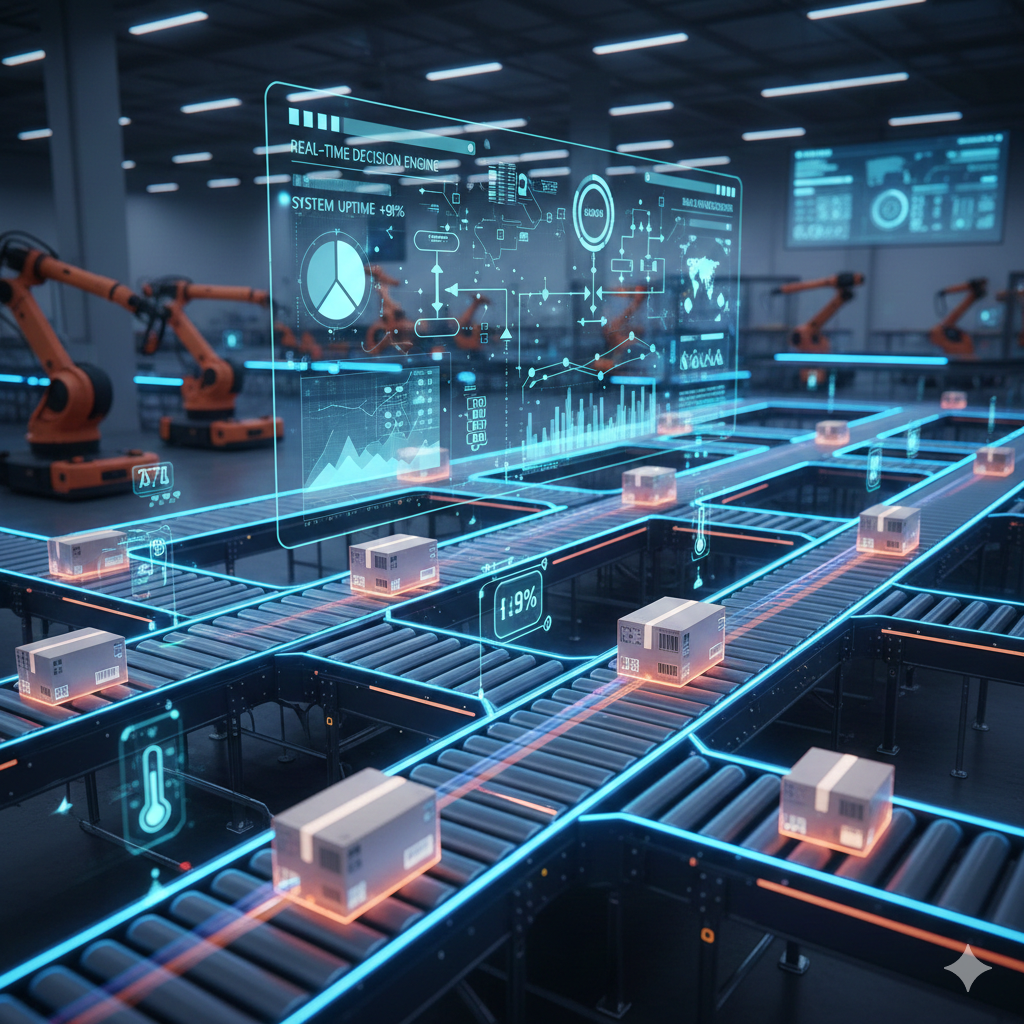
Step 2: Real-Time Flow Monitoring 📊
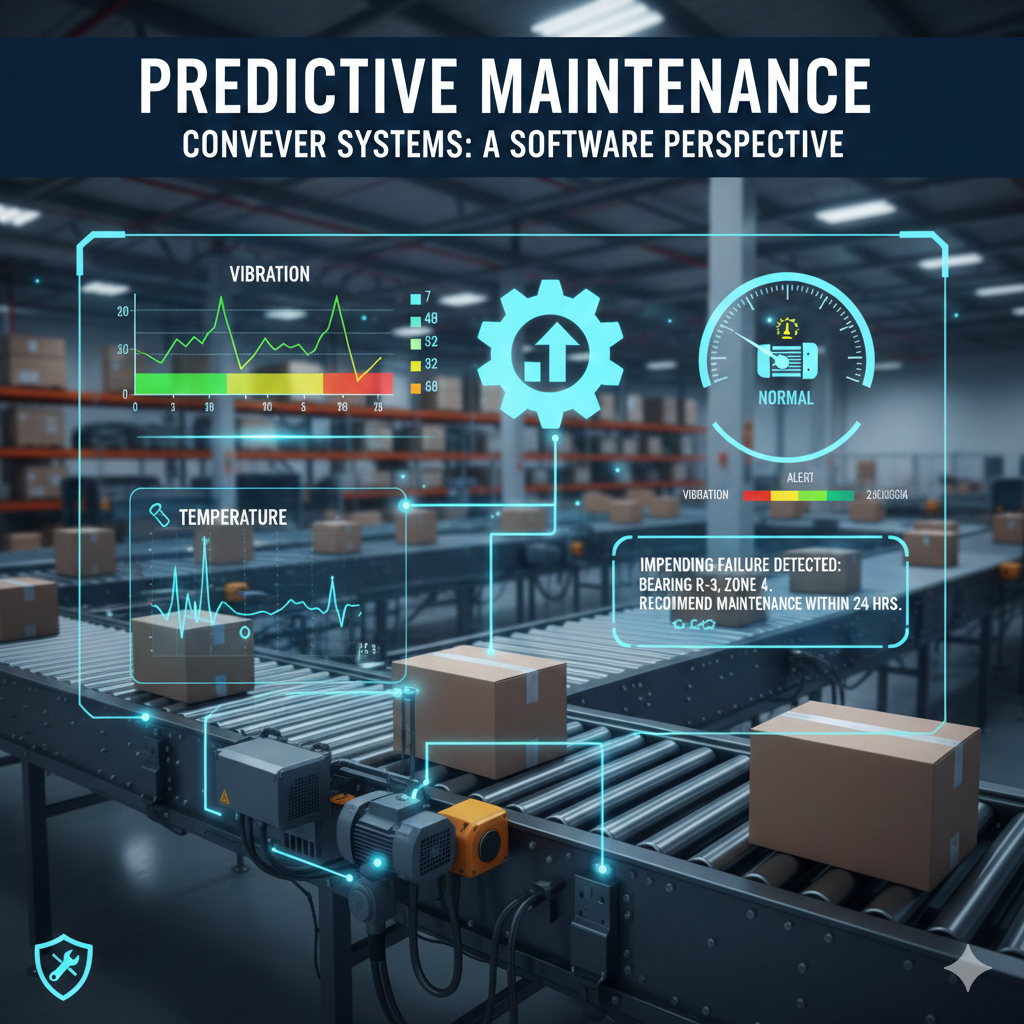
• Tracks item count, speed, and accumulation levels 📈
• Identifies bottlenecks as they form 🚨
• Enables data-driven redistribution decisions 🧠
• Improves visibility across interconnected lines 👀
• Supports proactive system adjustments 🔄
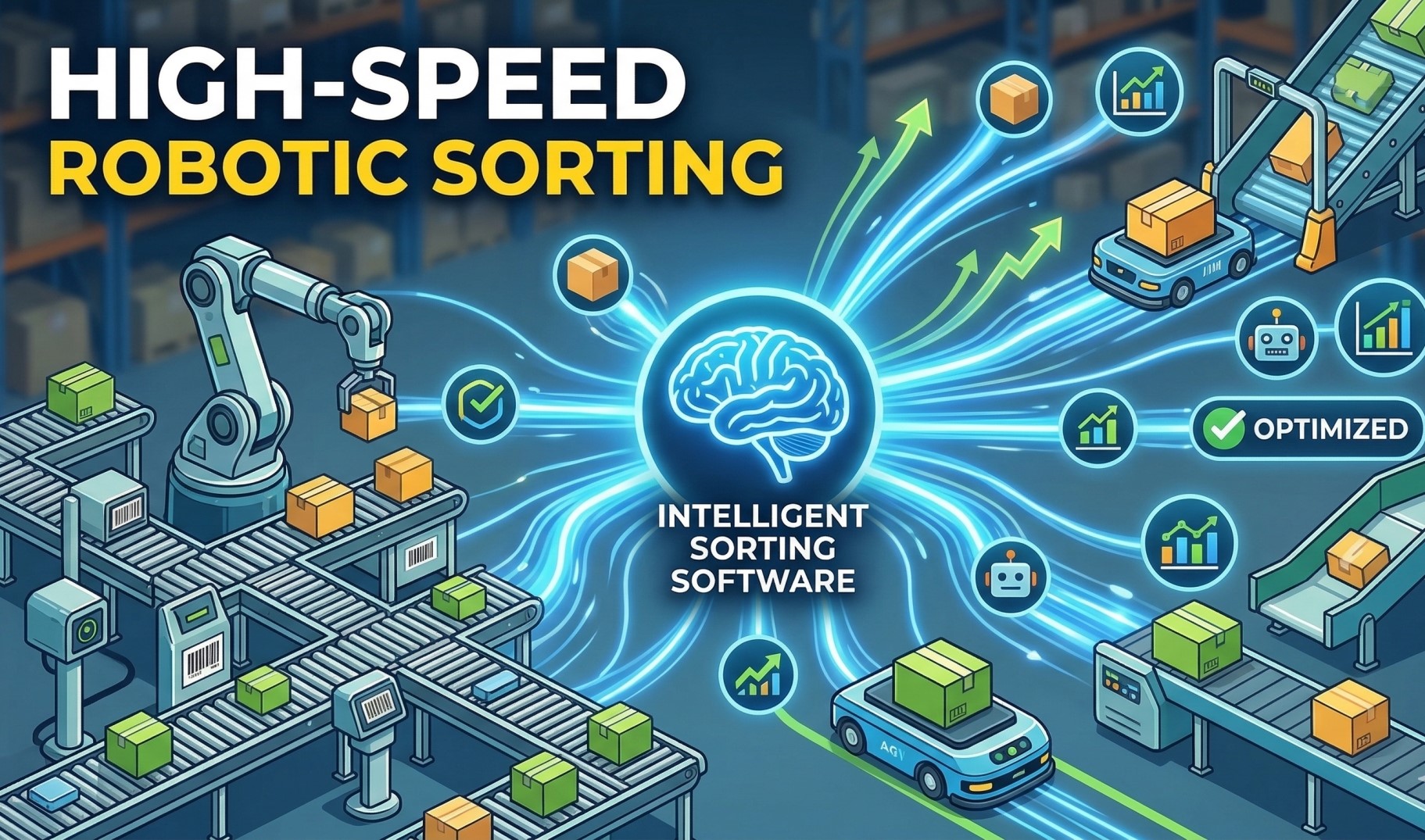
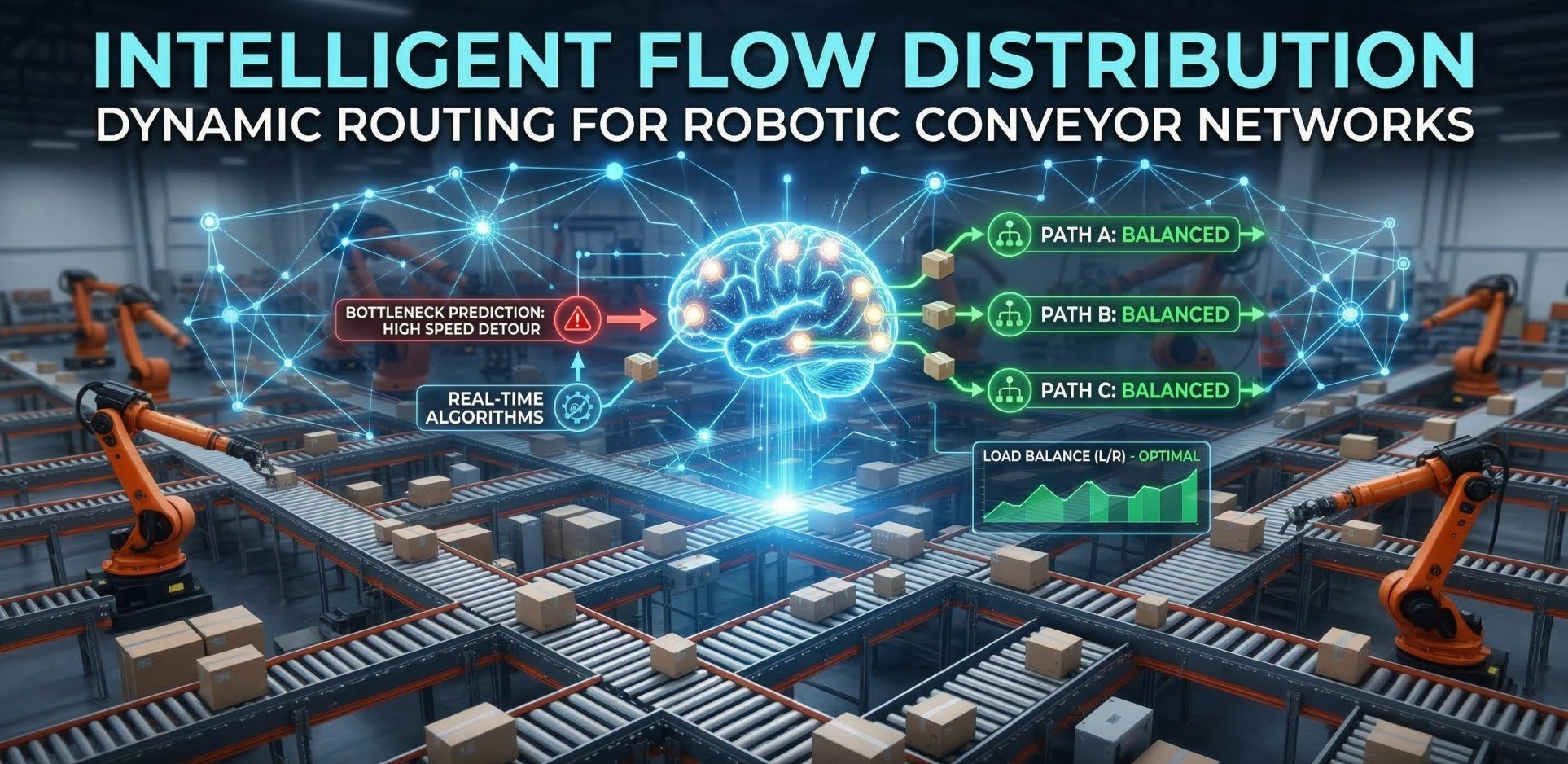
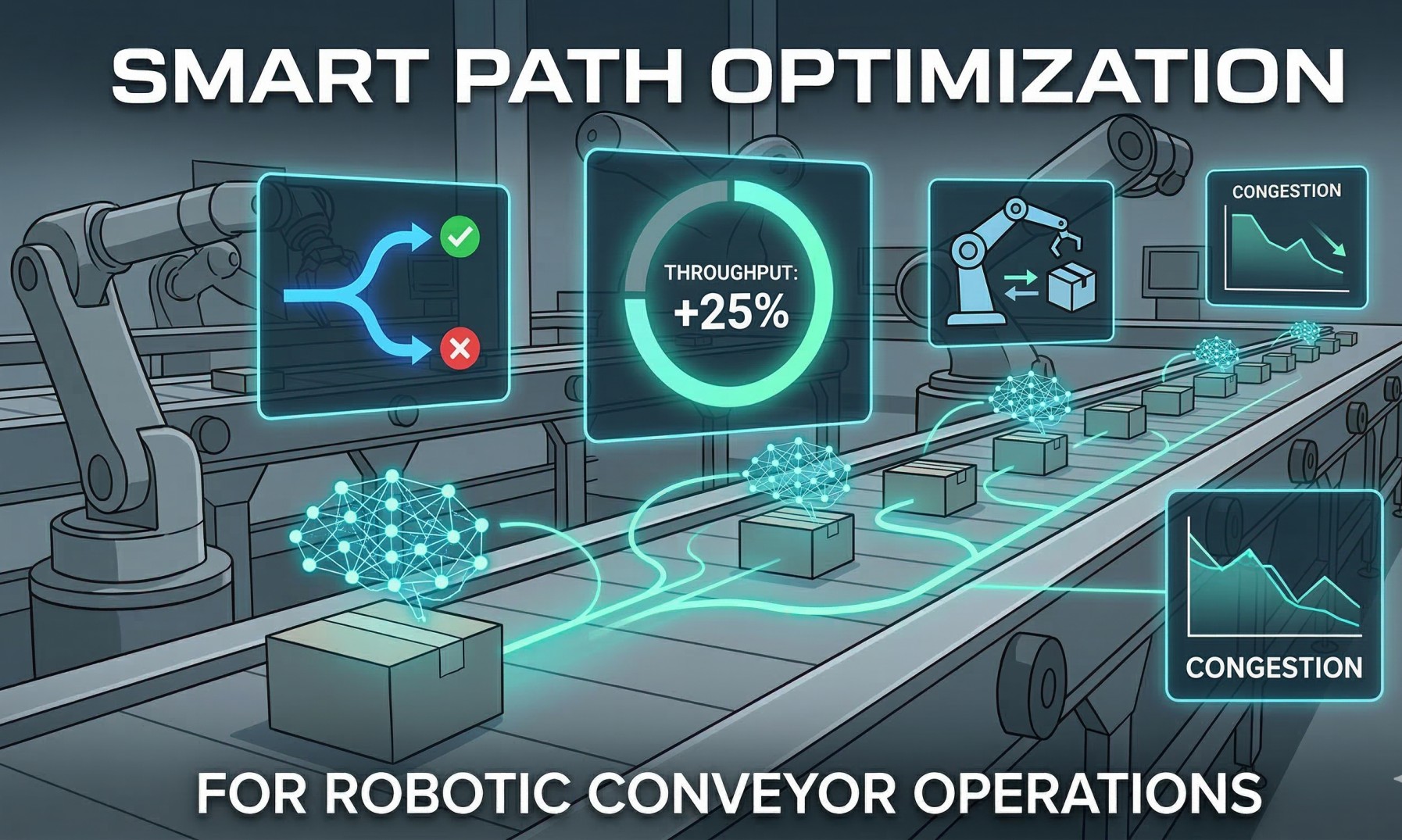
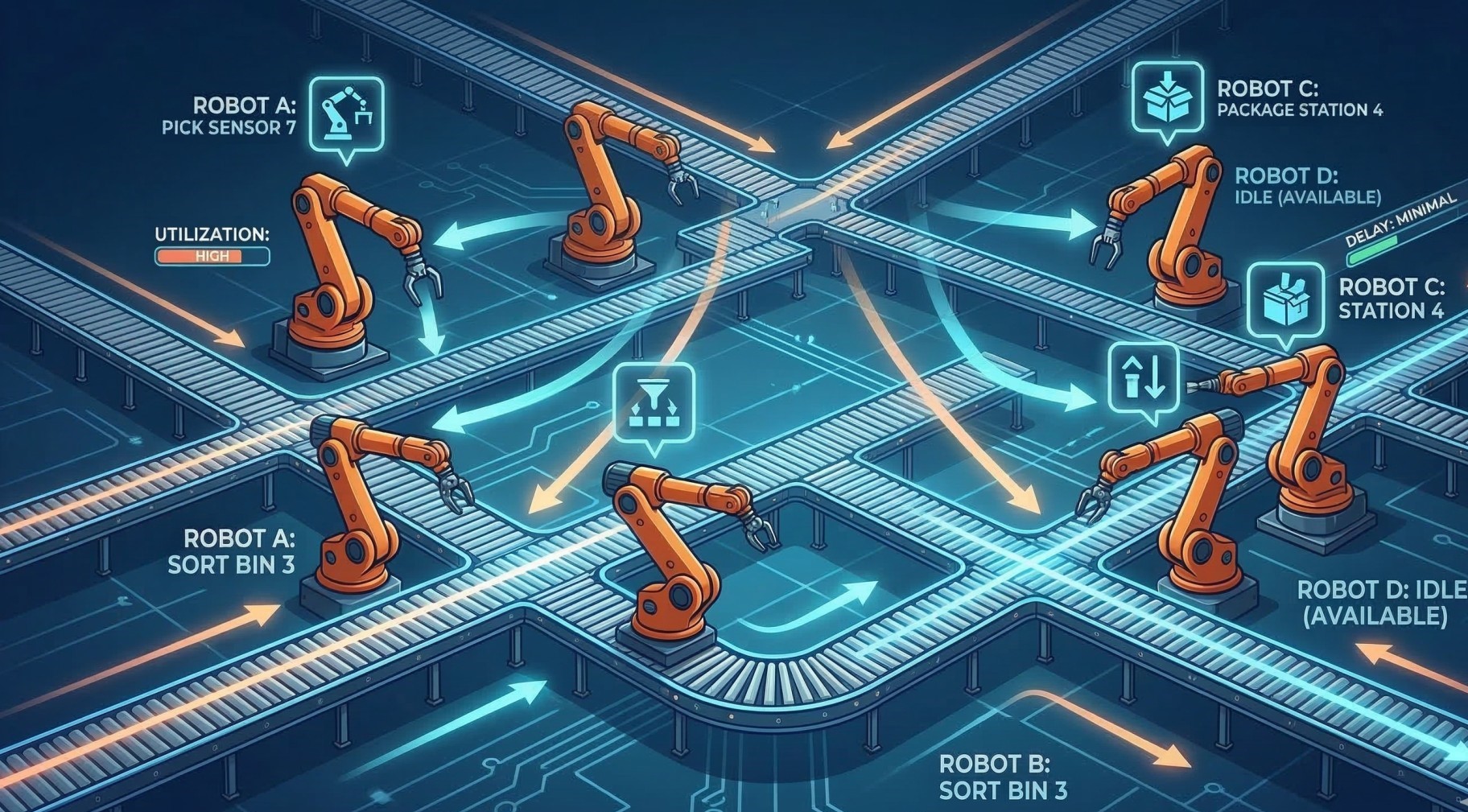
Step 3: Dynamic Routing Mechanisms 🔀
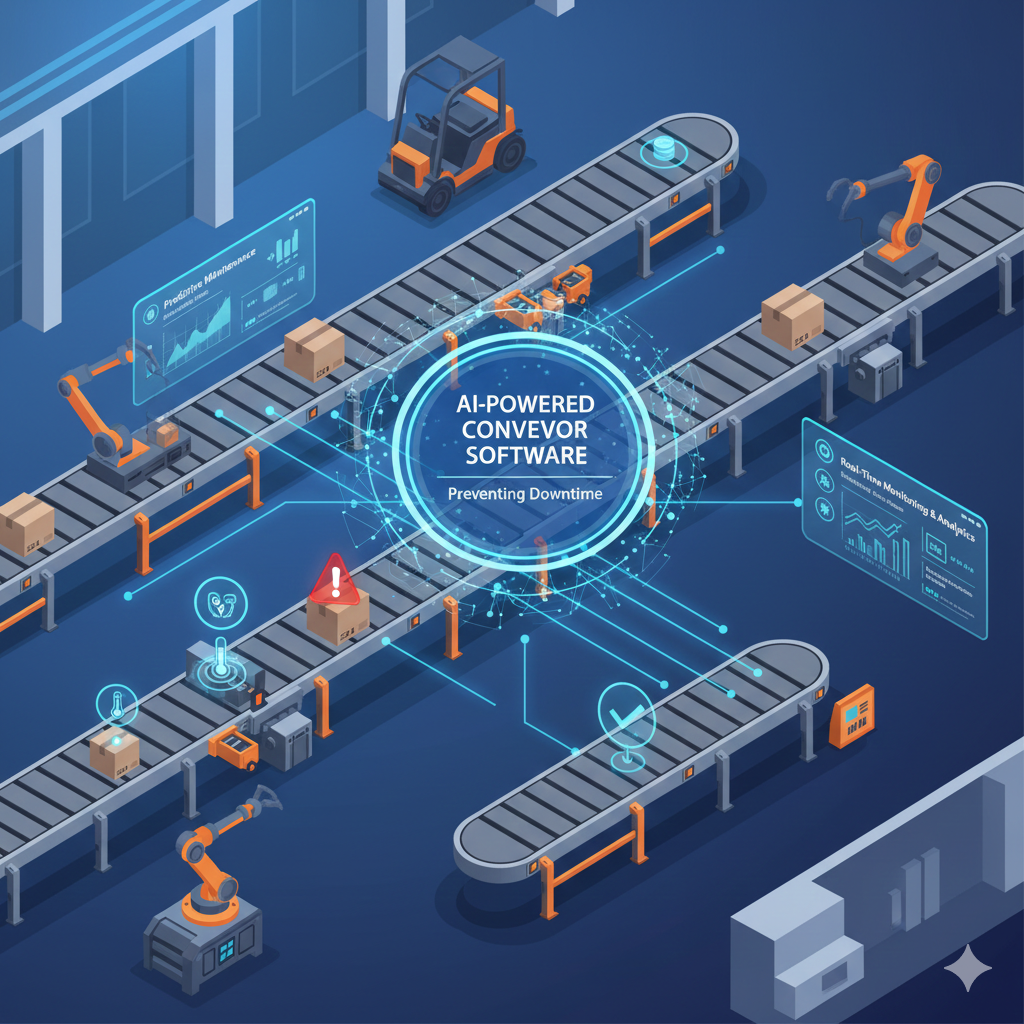
• Uses automated diverters and merge controls ⚙️
• Redirects products to underutilized lines 📤
• Balances volume based on live capacity data 📊
• Reduces manual intervention 🤖
• Improves overall material flow efficiency 🚀
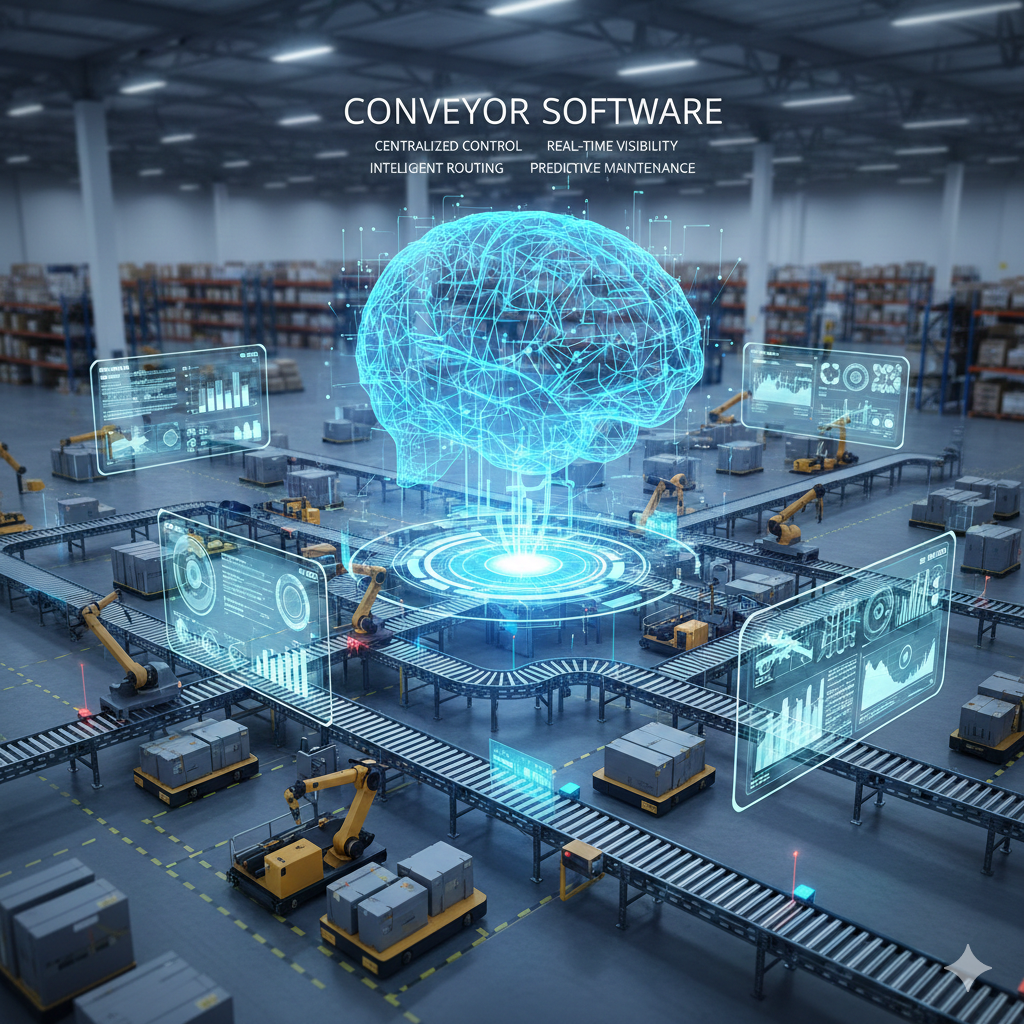
Step 4: Intelligent Control Algorithms 🧠
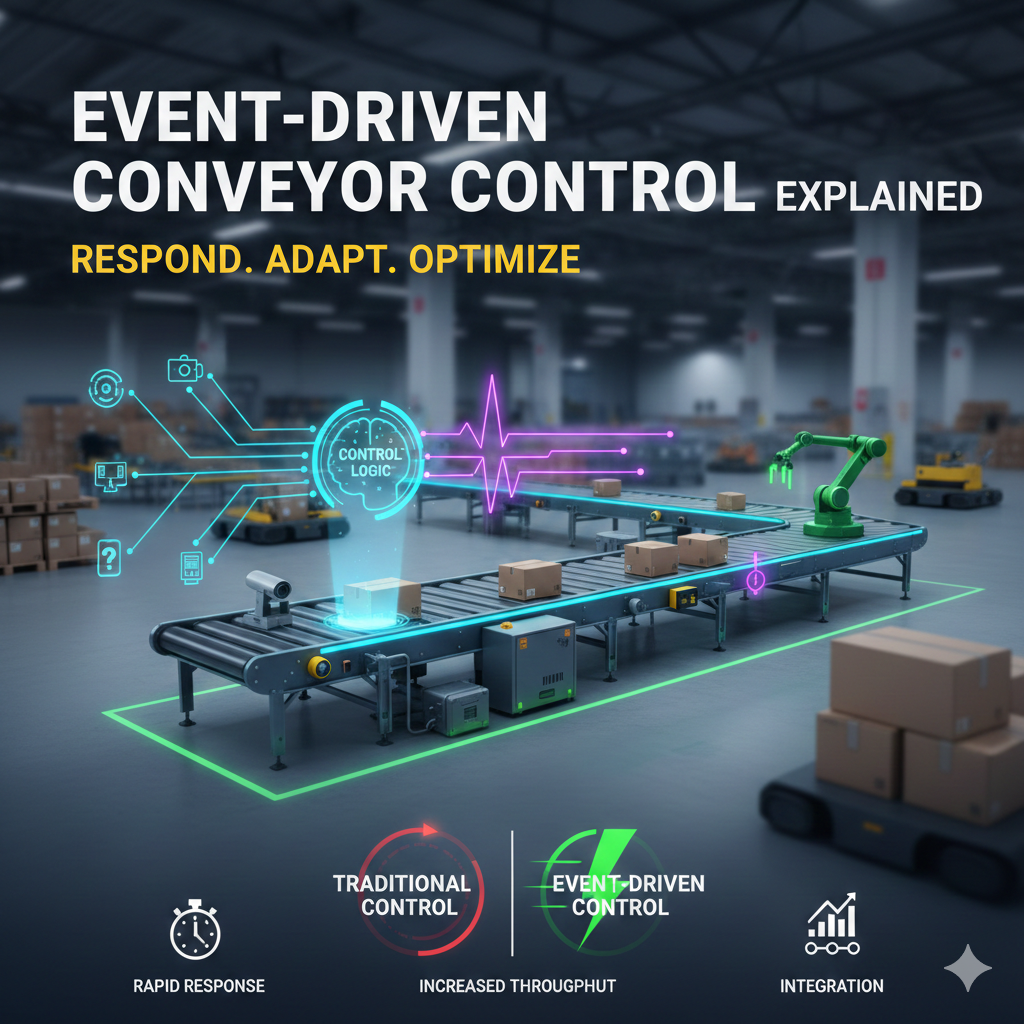
• Applies rule-based or adaptive control logic 📐
• Considers queue length, speed, and downstream availability 🔎
• Optimizes routing decisions in real time ⚡
• Minimizes idle time across parallel lines ⏳
• Enhances synchronization between system zones 🔗
Step 5: Buffer Zone Optimization 📦
• Strategically positions accumulation zones 📍
• Absorbs temporary surges in product flow 🌊
• Prevents cascading slowdowns 🚫
• Maintains steady downstream feeding 🔄
• Reduces start-stop stress on equipment ⚙️
Step 6: Throughput-Based Line Prioritization 🎯
• Assigns dynamic priority to high-demand lines 📊
• Aligns conveyor output with production schedules 🏭
• Adjusts distribution during peak cycles 📈
• Supports demand-driven operations 🔁
• Prevents critical-path disruptions 🛑
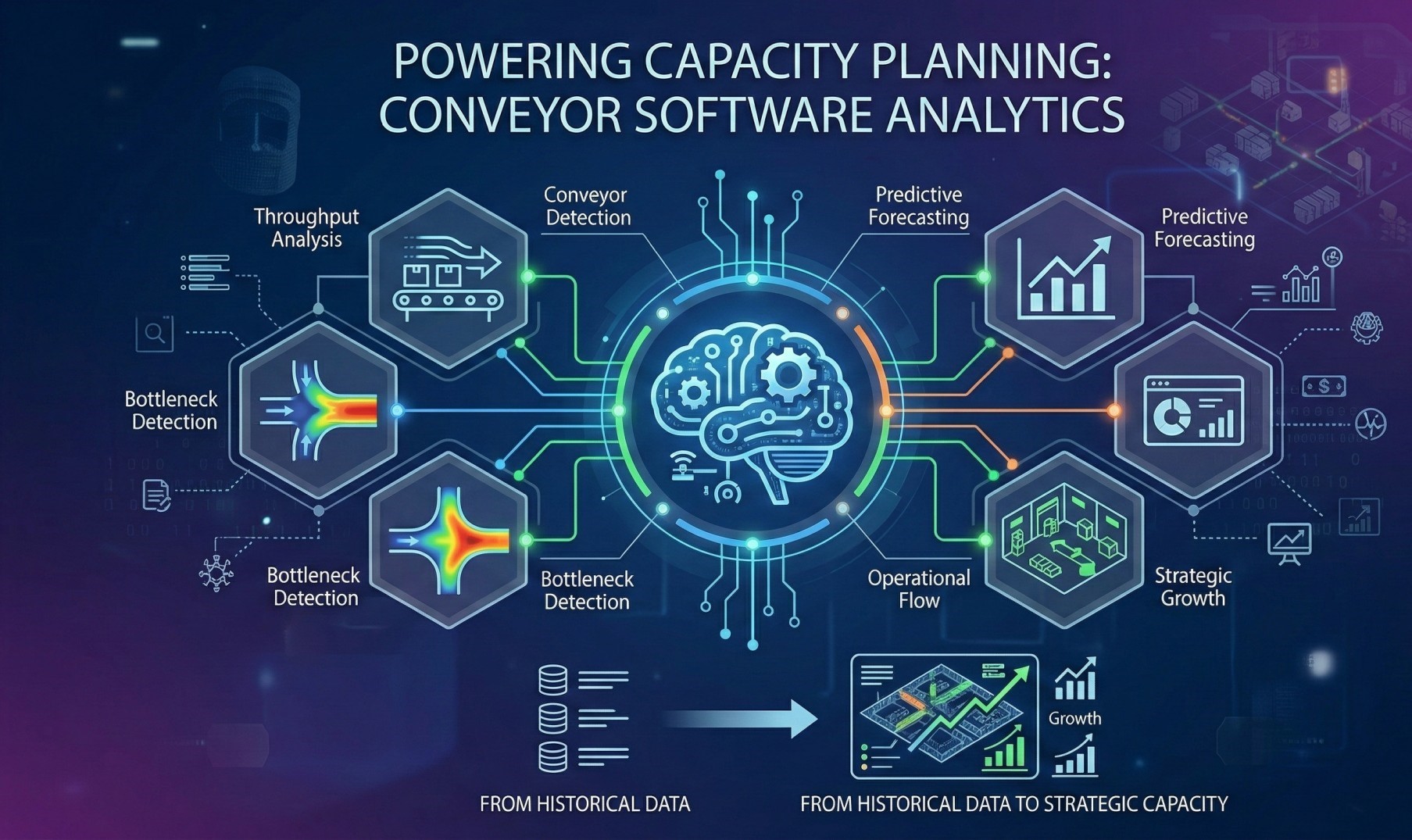
Step 7: Predictive Load Forecasting 🔮
• Uses historical flow data for demand modeling 📚
• Anticipates high-volume intervals ⏳
• Pre-adjusts routing configurations ⚙️
• Improves readiness for production spikes 🚀
• Reduces reactive system adjustments 🔄
Step 8: Key Performance Drivers for Effective Load Balancing 📌
• Even distribution of material flow across all lines ⚖️
• Real-time responsiveness to changing conditions ⚡
• Minimal bottleneck formation 🚧
• Maximum utilization of available conveyor capacity 📦
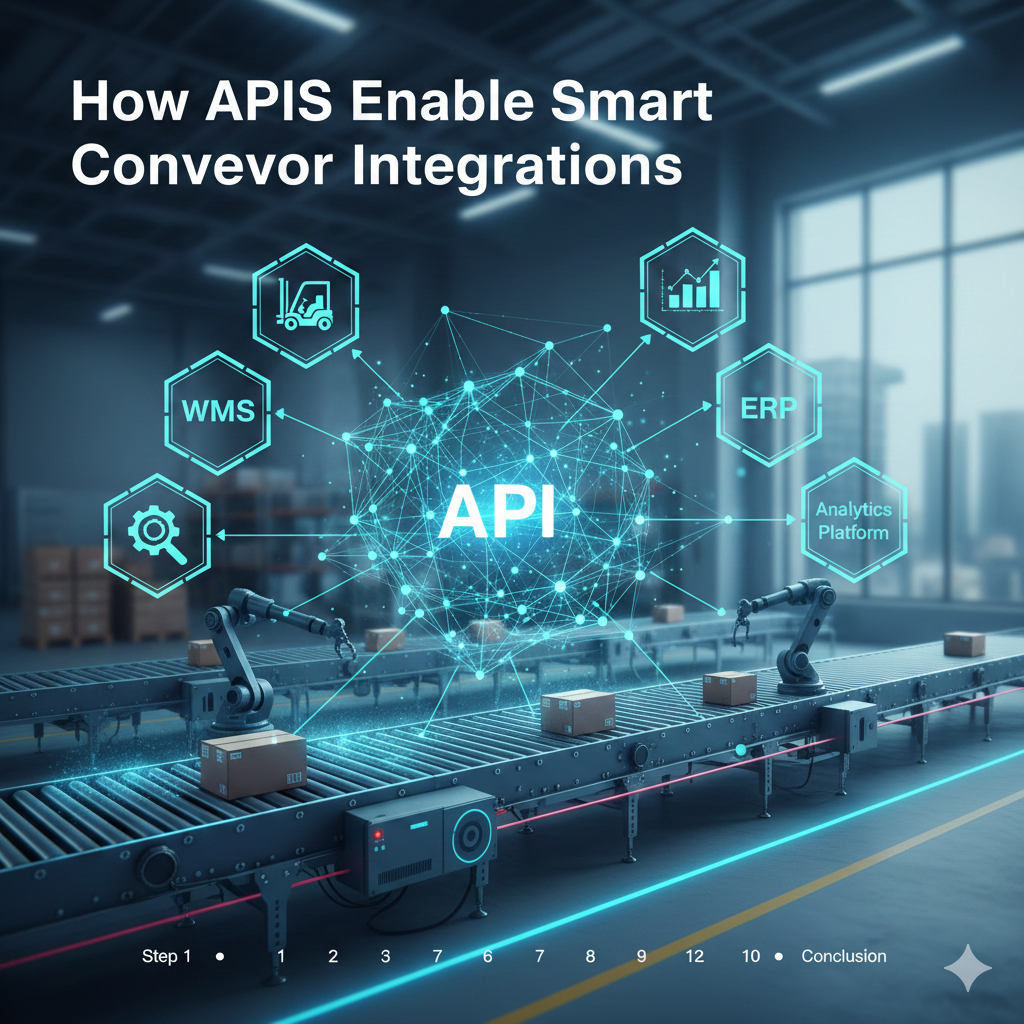
Step 9: Integration with Warehouse and Production Systems 🔗
• Aligns conveyor flow with WMS and MES data 🏢
• Coordinates inventory movement with order demand 📊
• Synchronizes inbound and outbound logistics 🚚
• Reduces misalignment between physical flow and digital planning 🔄
• Improves end-to-end operational visibility 👀
Step 10: Continuous Performance Optimization 📈
• Tracks system KPIs such as throughput and dwell time 📊
• Identifies recurring imbalance patterns 🔍
• Supports ongoing control parameter tuning ⚙️
• Improves long-term equipment reliability 🛠️
• Enhances overall operational efficiency 🚀
Conclusion
Load balancing in multi-line conveyor networks is essential for maintaining high throughput and operational stability. By combining real-time monitoring, intelligent routing, predictive forecasting, and system integration, organizations can eliminate bottlenecks and maximize equipment utilization. A well-balanced conveyor network not only improves efficiency but also strengthens long-term scalability and reliability in complex production and distribution environments.
See more blogs
You can all the articles below