Virtual Commissioning of Conveyor Systems
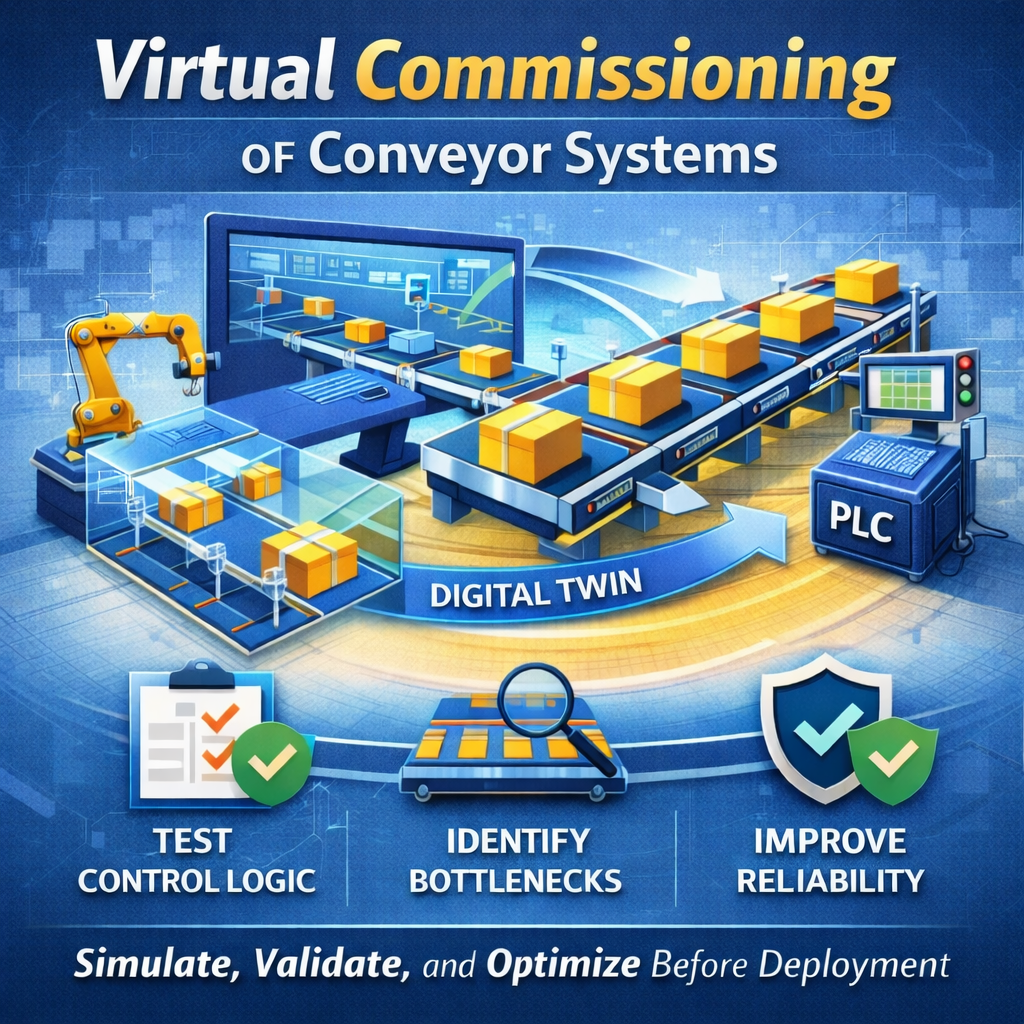
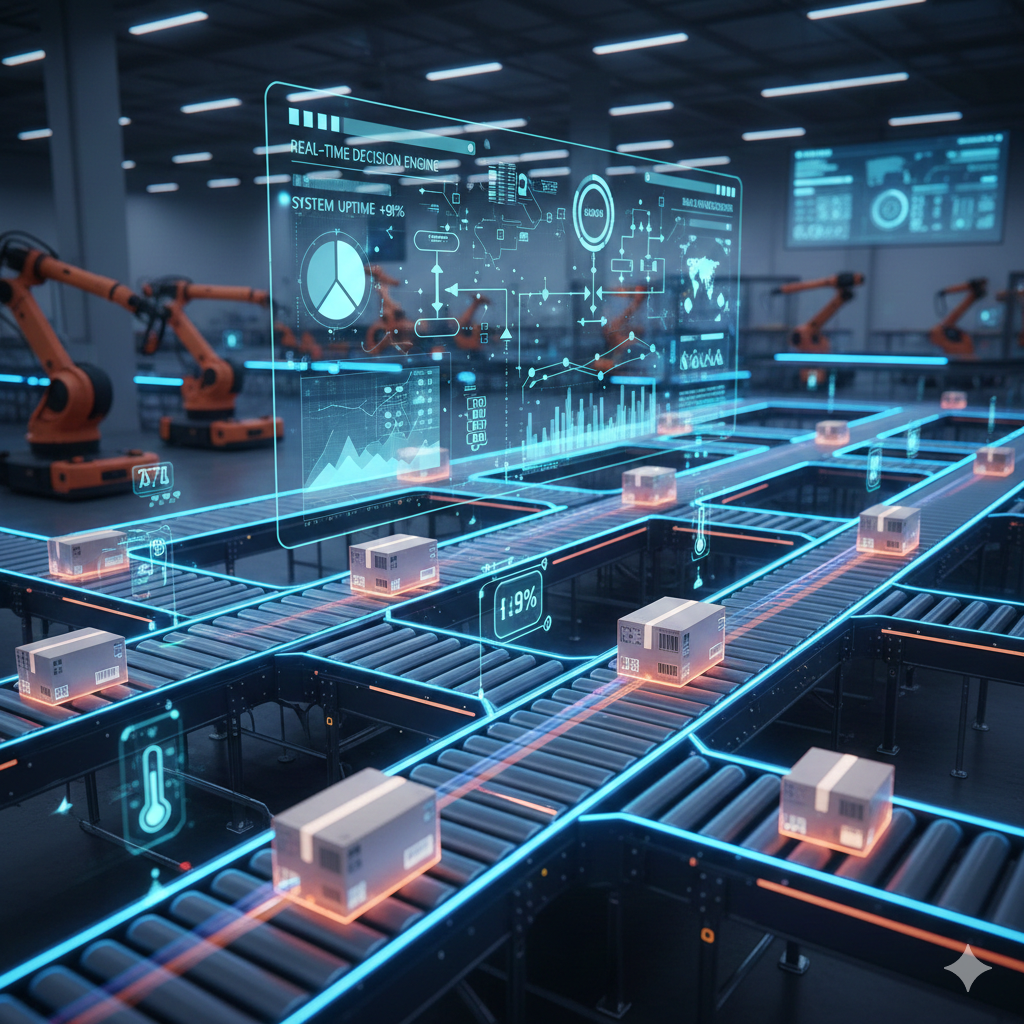
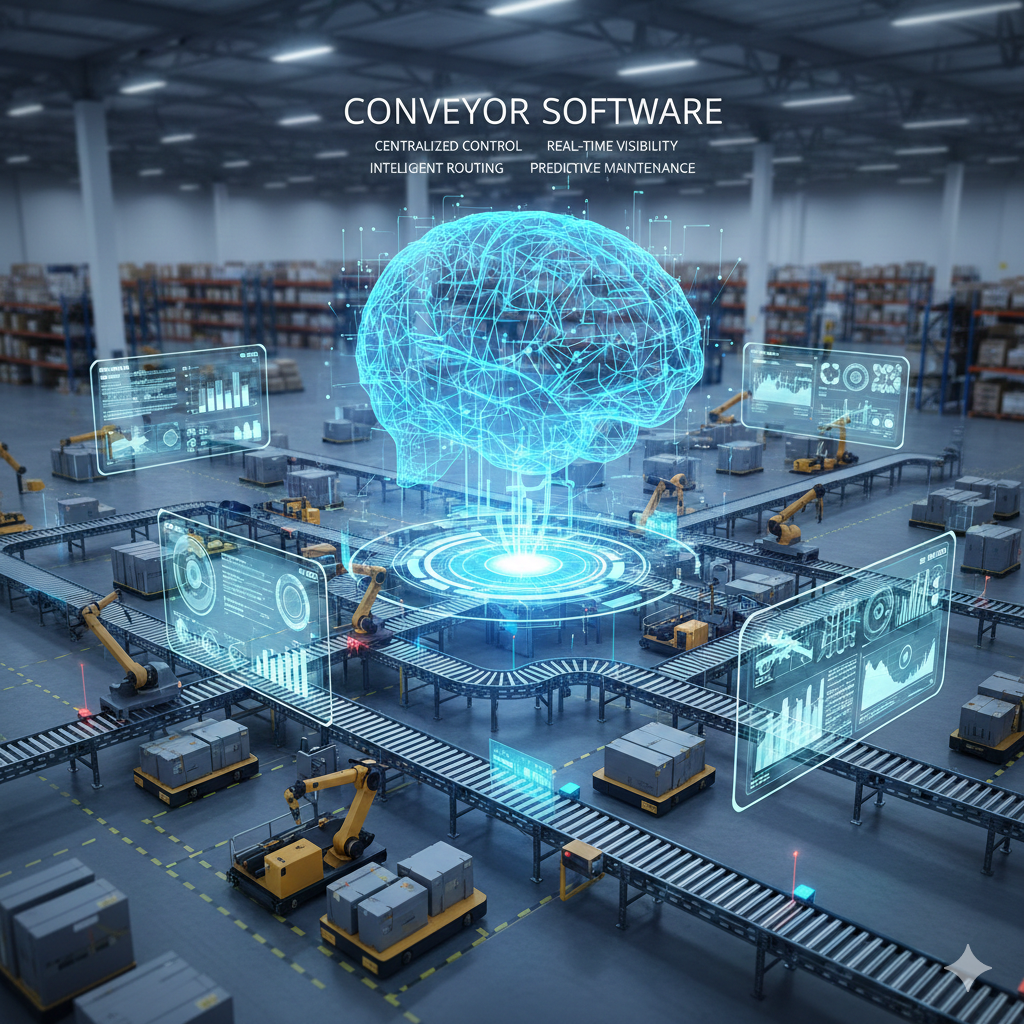
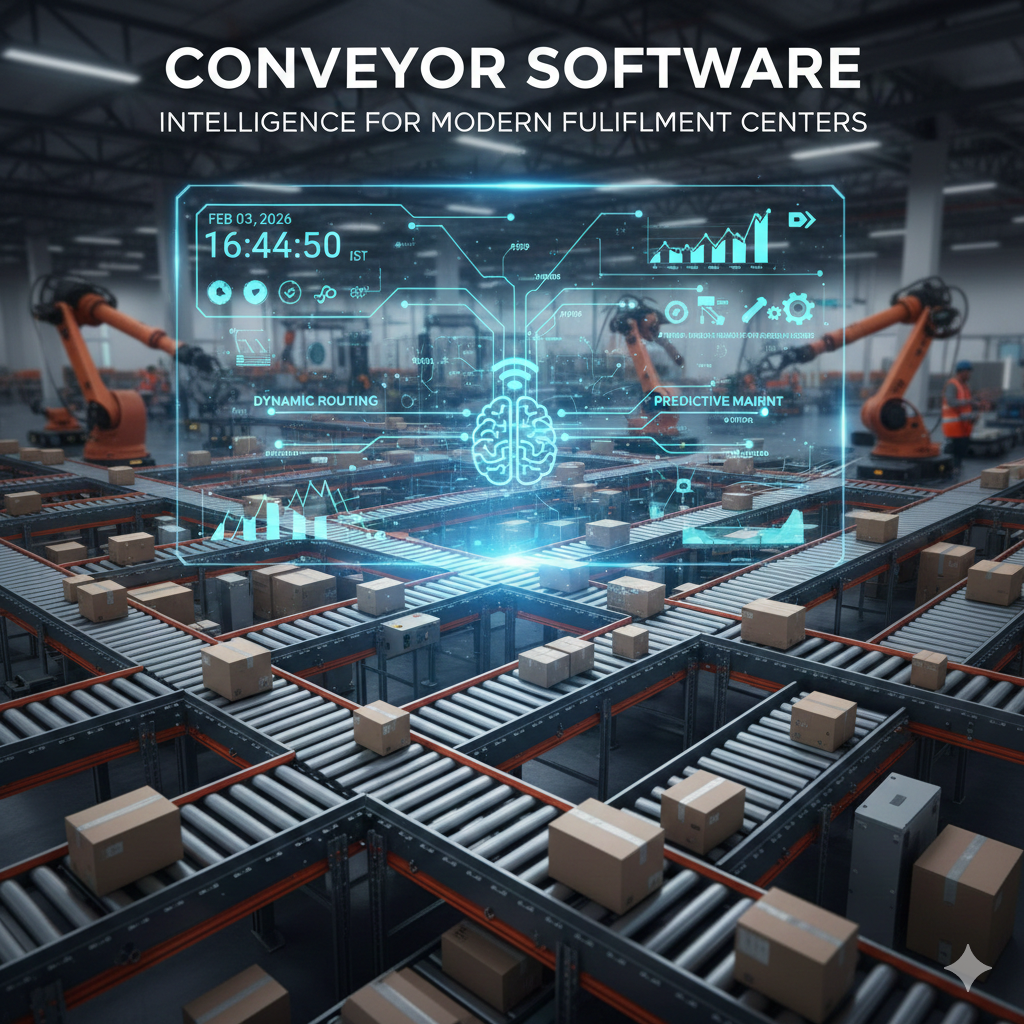
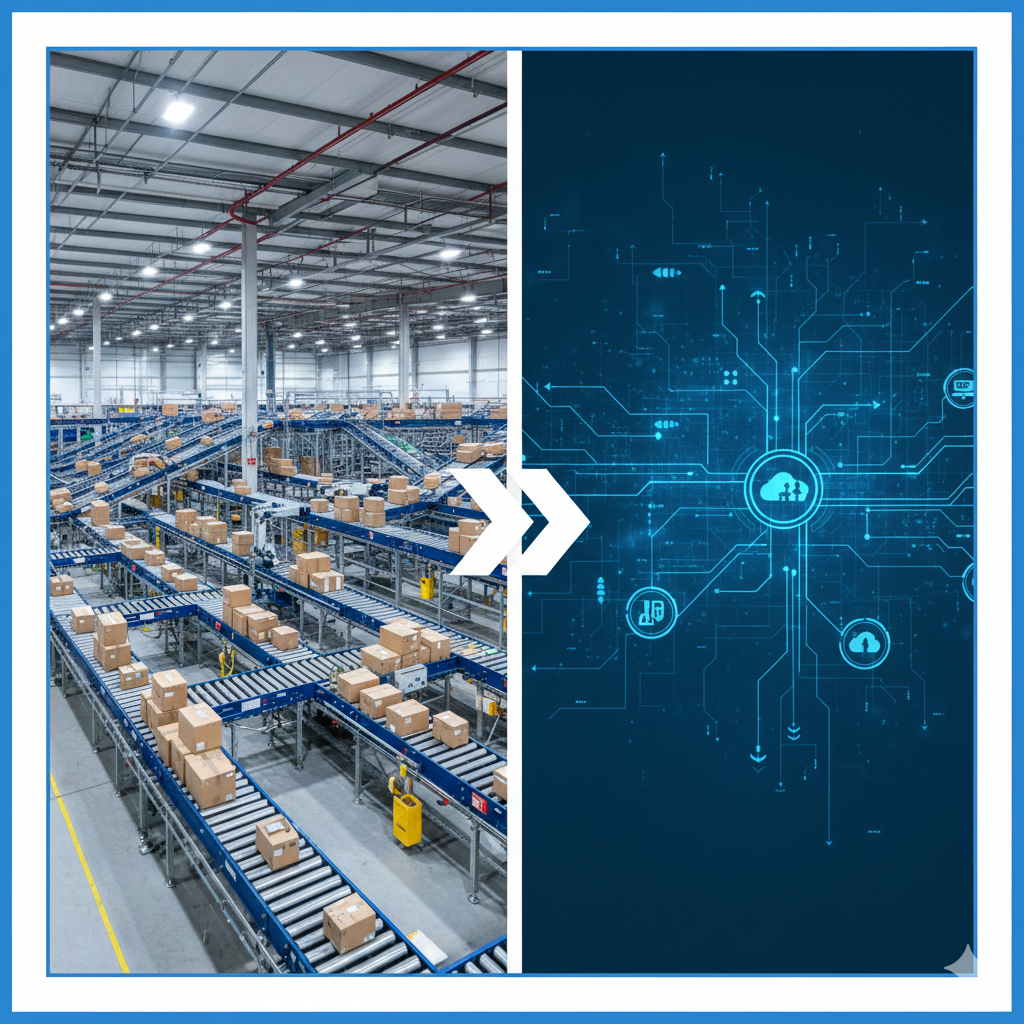
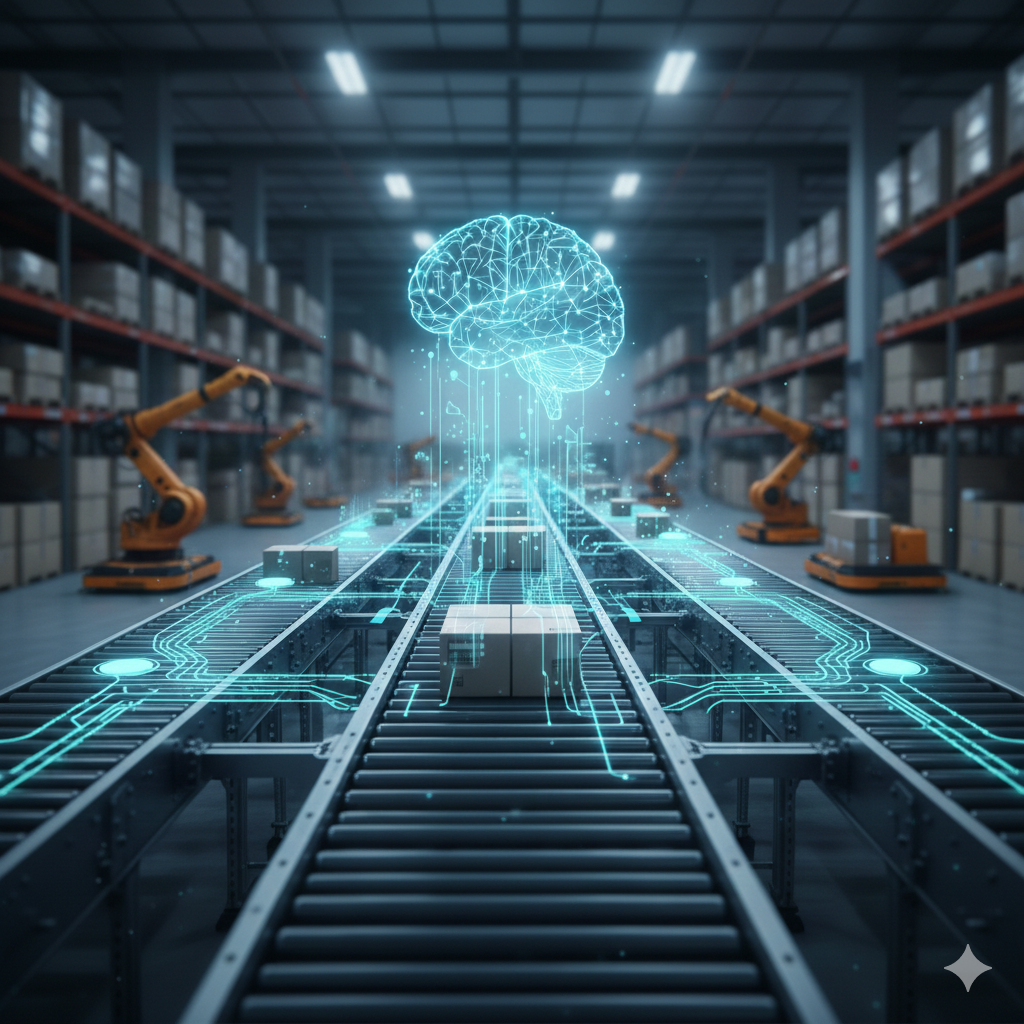
Virtual commissioning is transforming how conveyor systems are designed, tested, and deployed. Instead of waiting for physical installation to validate performance, organizations now use digital simulation environments to test control logic, mechanical behavior, and system integration before equipment is live. This approach reduces risk, shortens commissioning time, and improves overall system reliability.
Step 1: What Virtual Commissioning Means in Conveyor Systems 🖥️⚙️
• Uses digital models to simulate conveyor operations before physical startup 🔄
• Replicates mechanical, electrical, and control system behavior ⚡
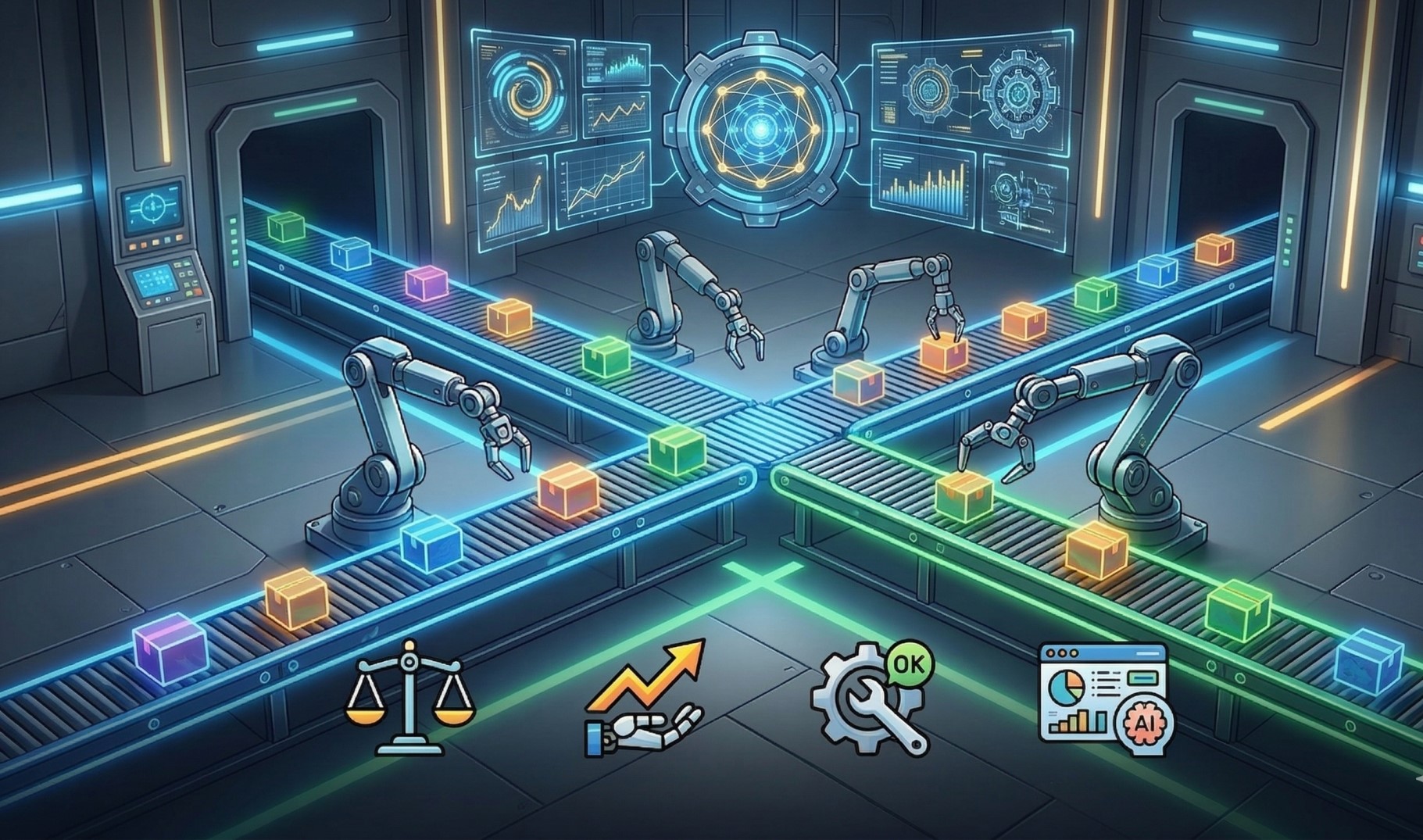
• Tests PLC logic and automation sequences in a virtual environment 🧠
• Identifies integration issues before on-site installation 🔍
• Bridges engineering design and operational execution 🤝
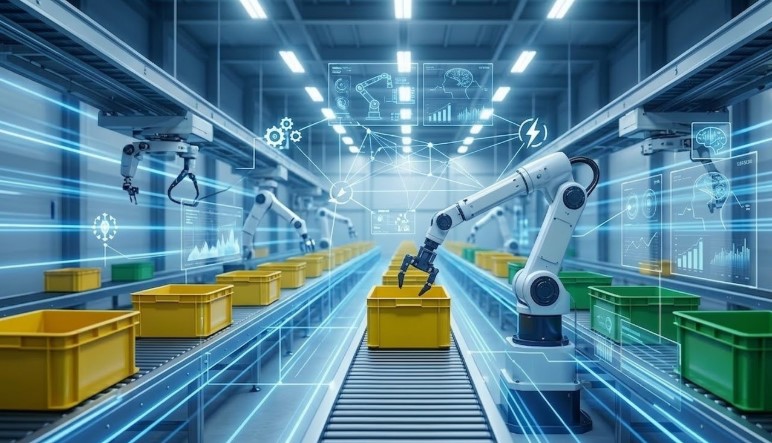
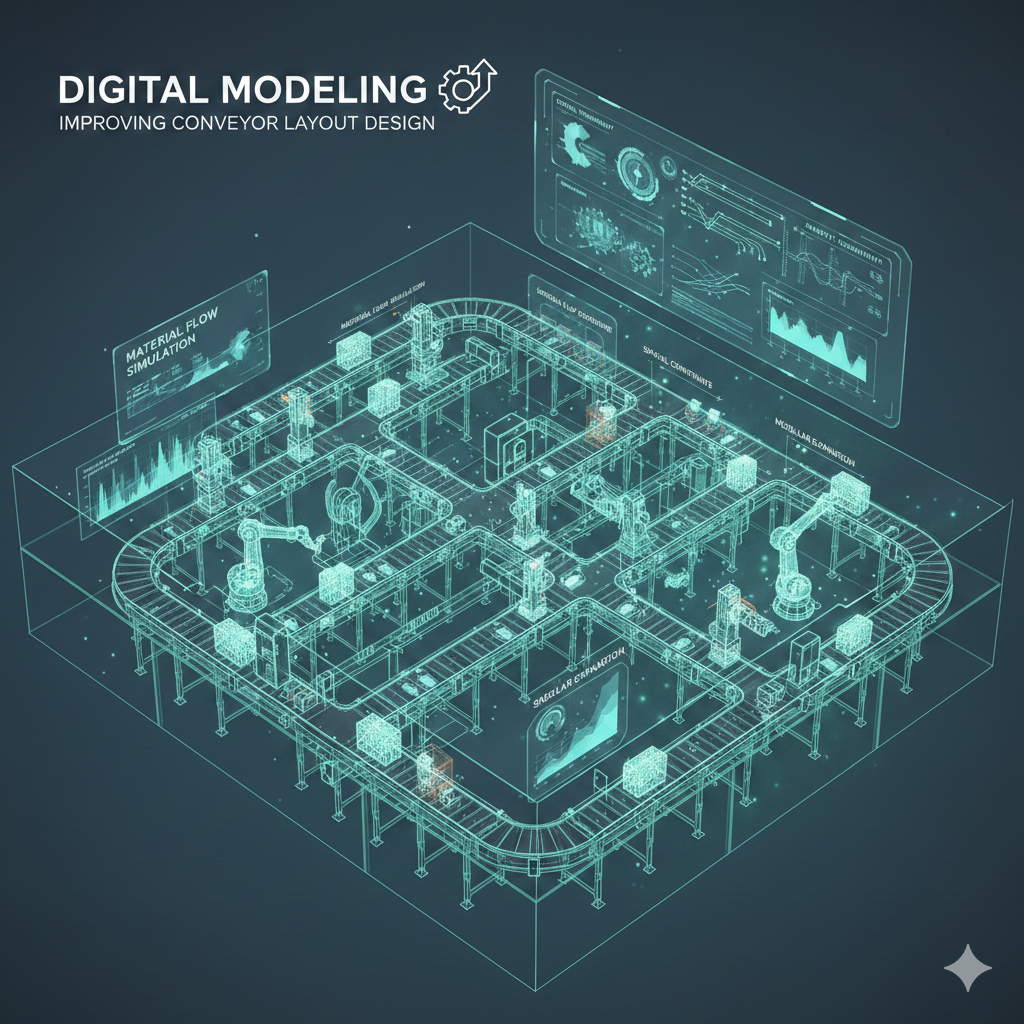
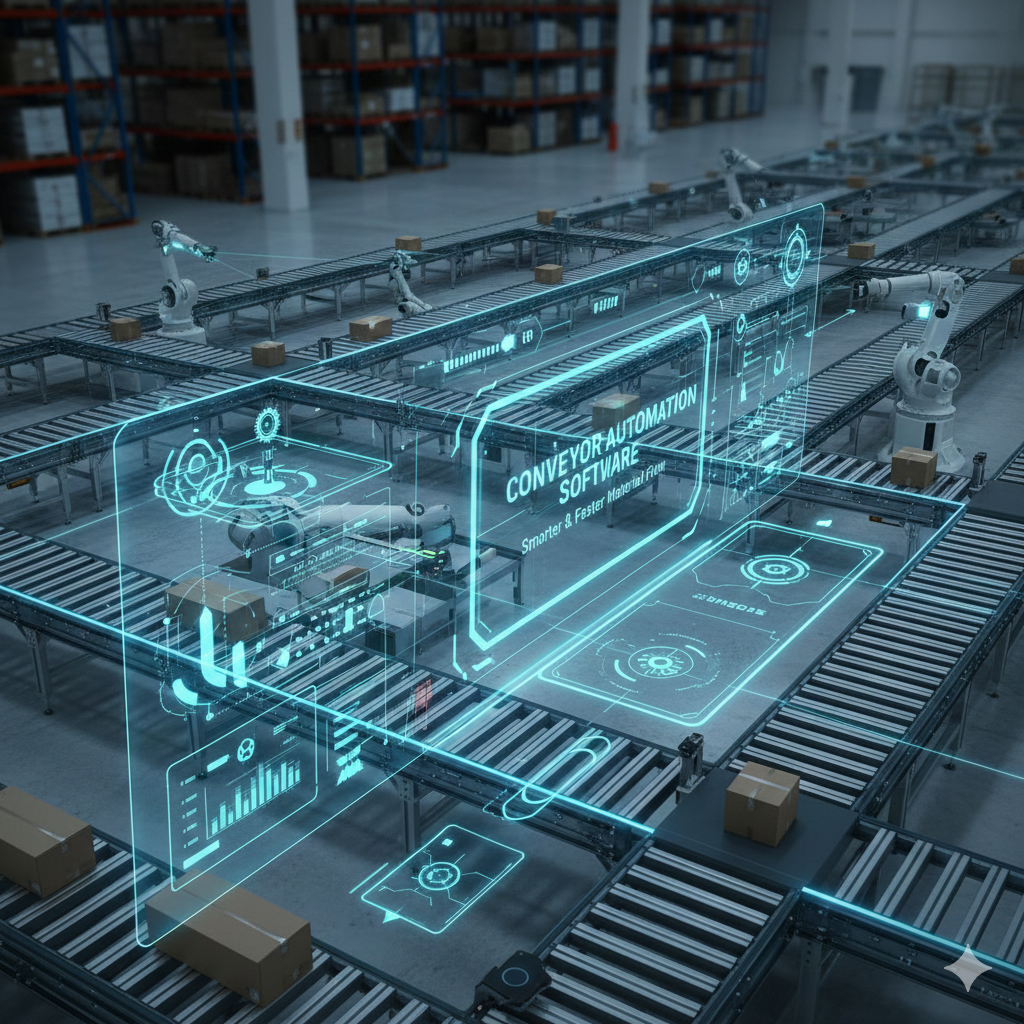
Step 2: Building a Digital Twin of the Conveyor System 🧩📐
• Creates a 3D model representing physical conveyor components 🏗️
• Integrates motor drives, sensors, and control logic 🔗
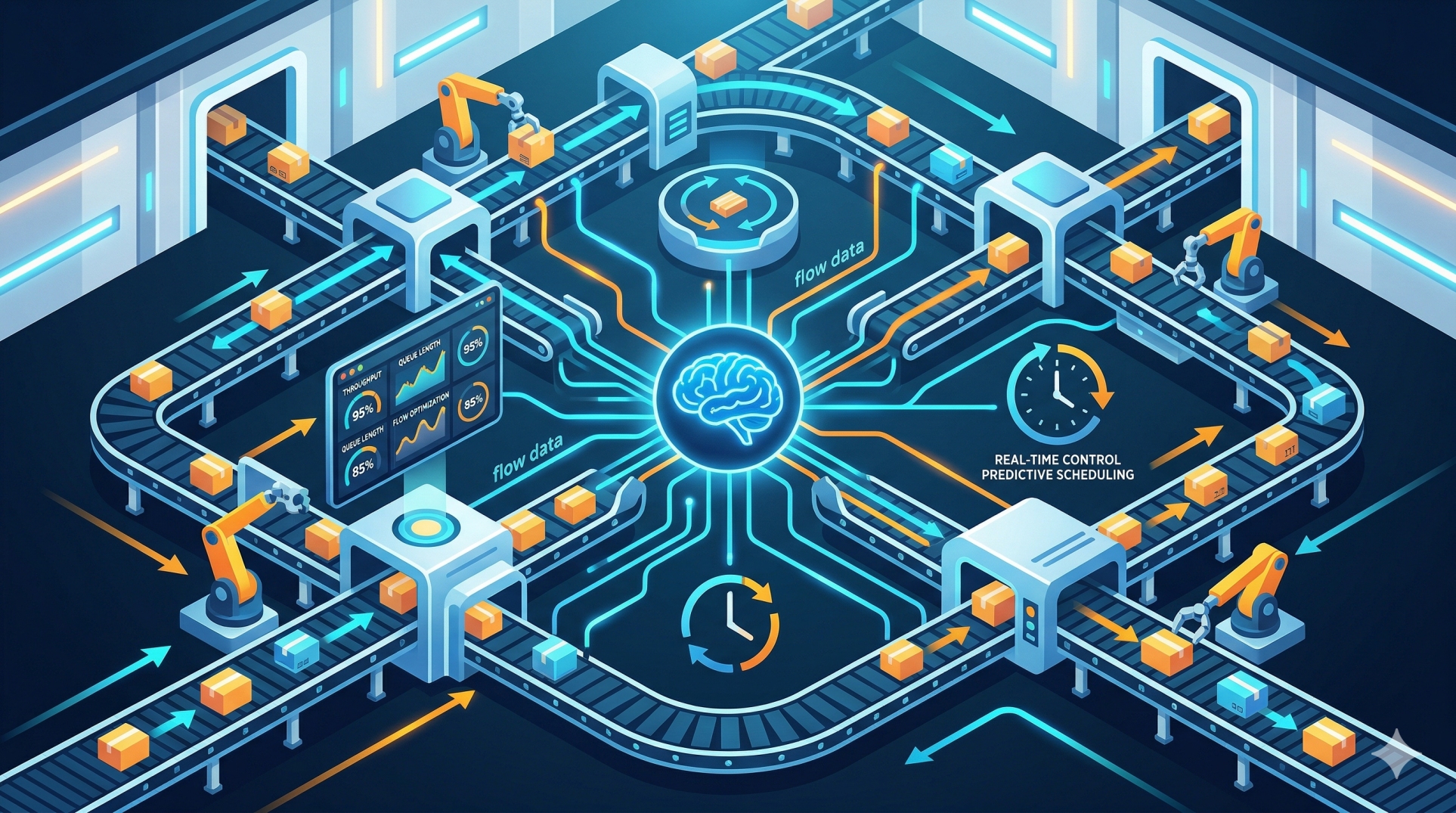
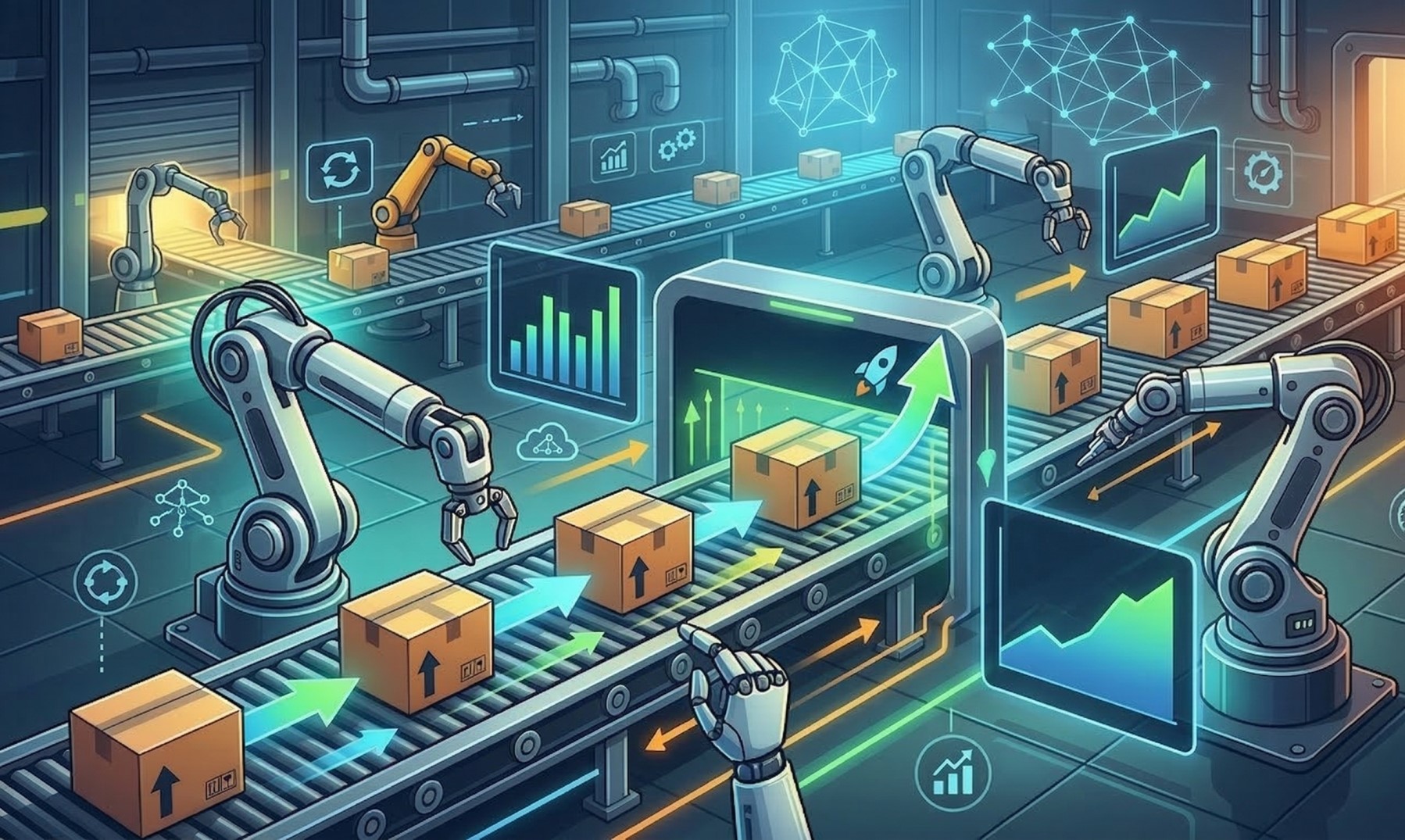
• Simulates product flow and material handling scenarios 📦
• Mirrors real-world operating parameters 📊
• Enables realistic testing without physical hardware 🖥️
Step 3: Validating Control Logic and PLC Programming 🧠⚡
• Tests ladder logic and automation sequences virtually 🔄
• Verifies sensor triggers and actuator responses 📡
• Simulates emergency stops and fault conditions 🚨
• Detects logic conflicts and timing errors early ⏱️
• Reduces debugging time during physical commissioning 🔧
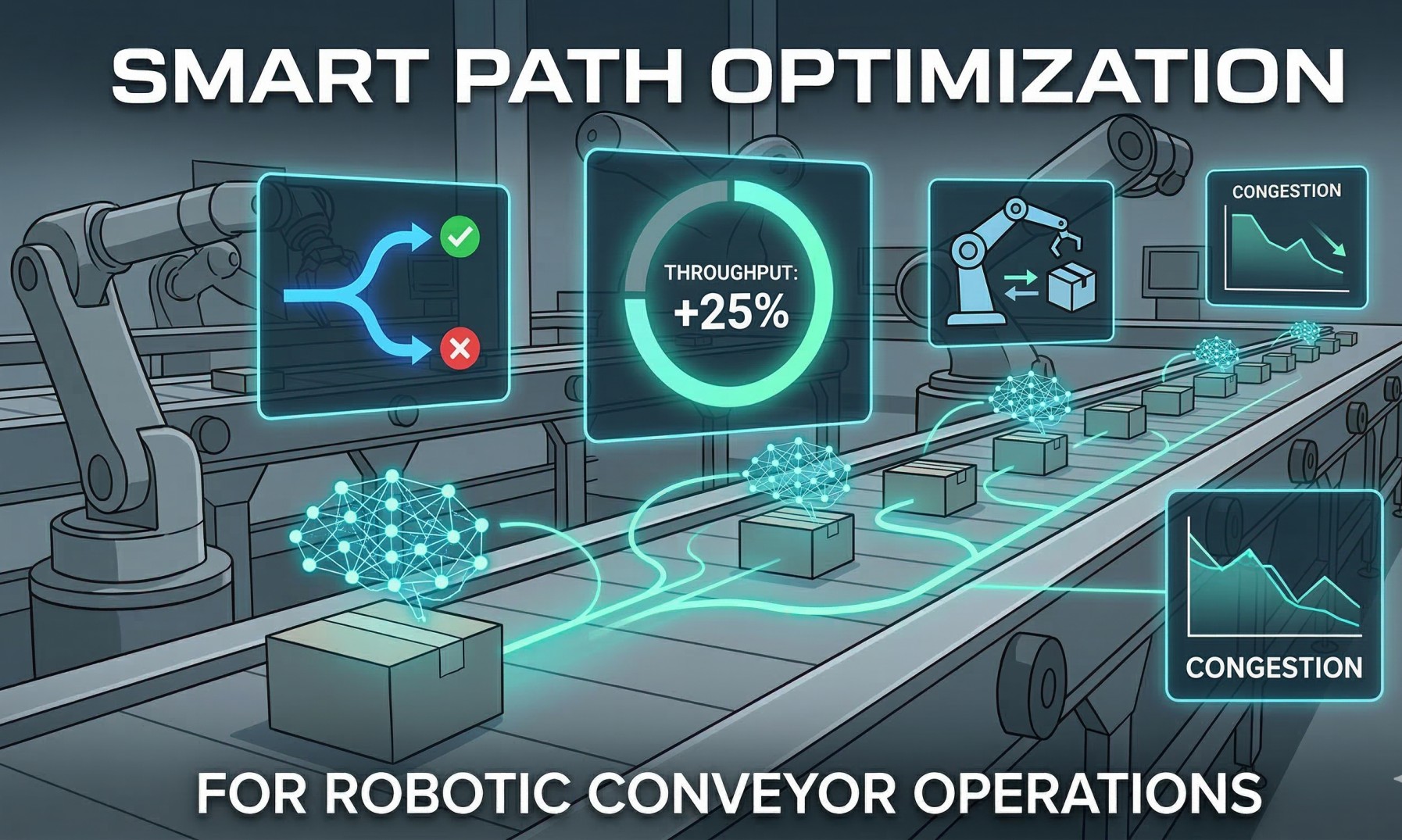
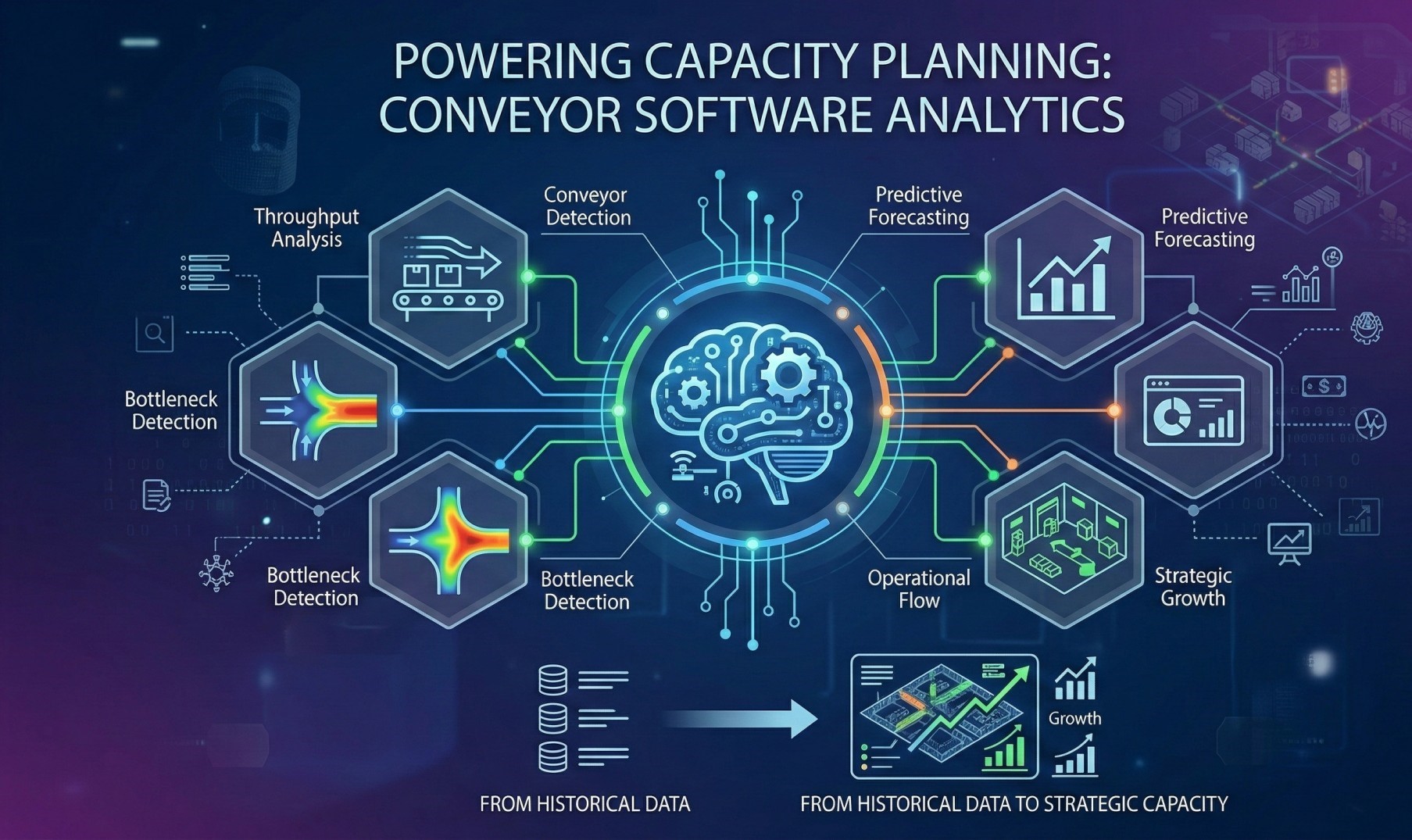
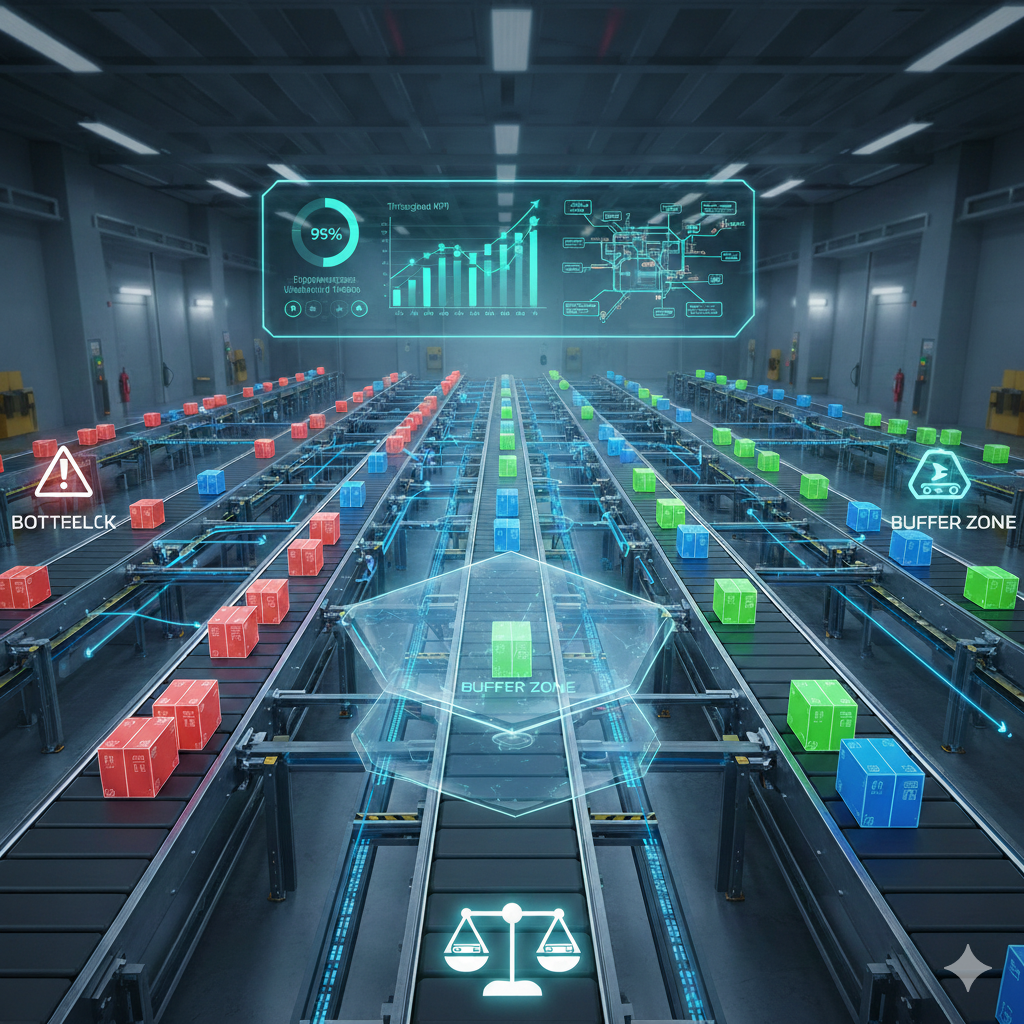
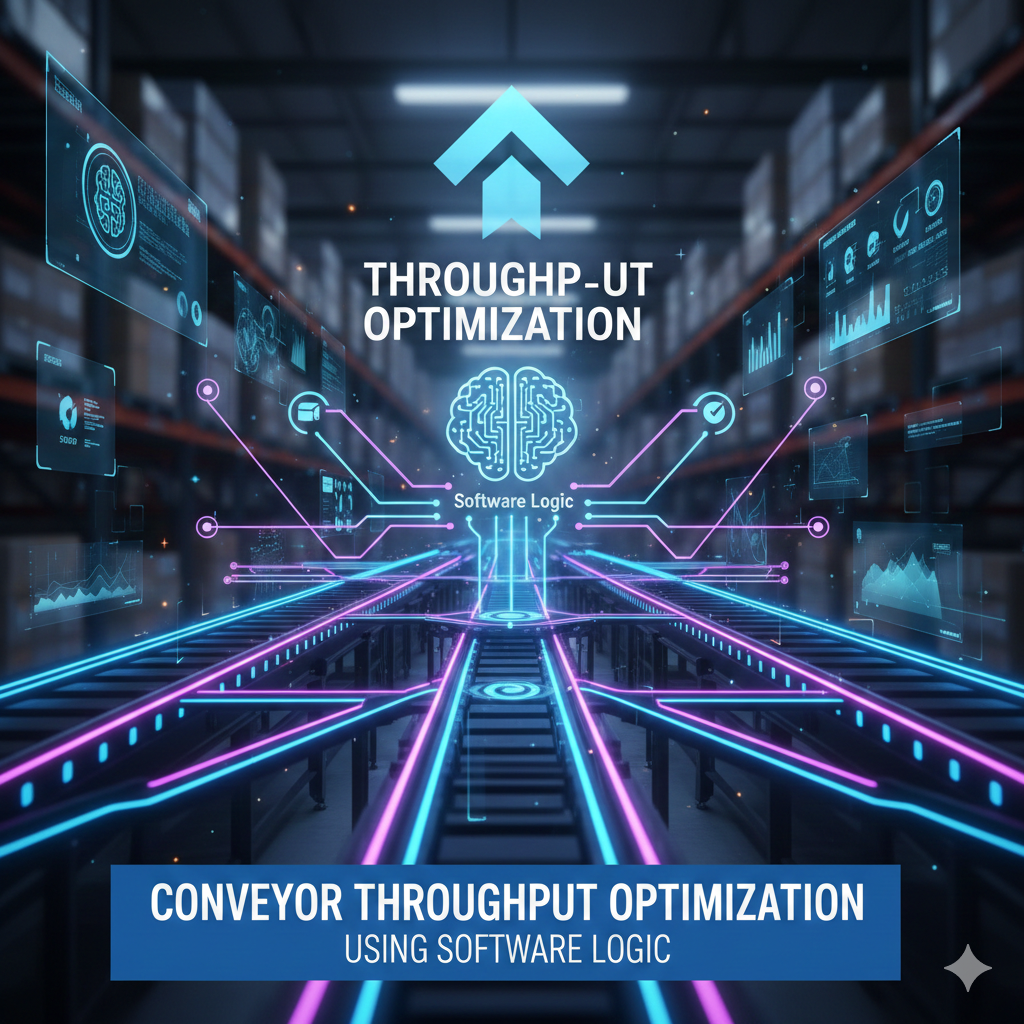
Step 4: Identifying Bottlenecks and Throughput Constraints 📈🔍
• Simulates production loads and peak scenarios 📦
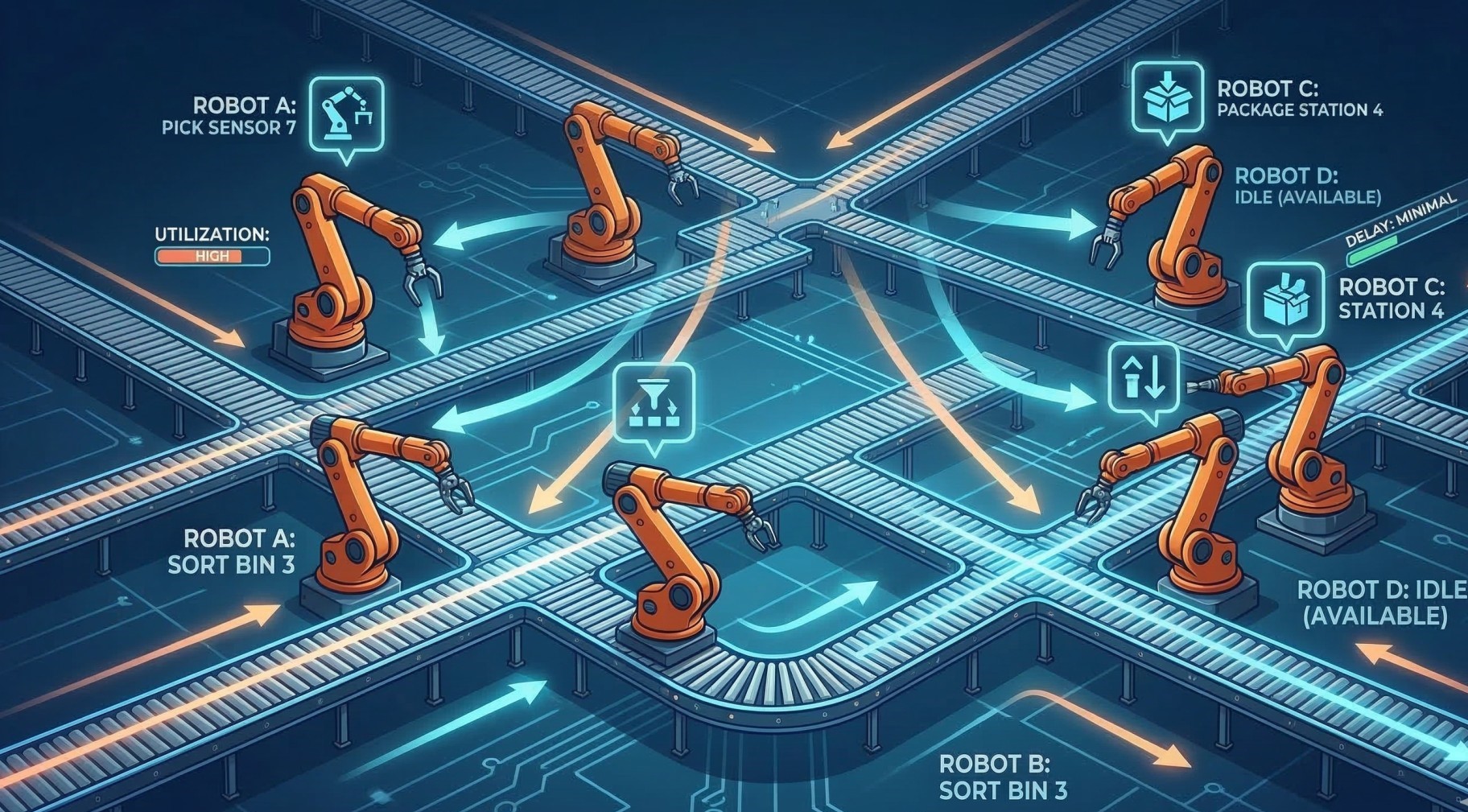
• Analyzes conveyor speed synchronization ⚙️
• Evaluates accumulation zones and transfer points 🔄
• Detects potential congestion risks 🚦
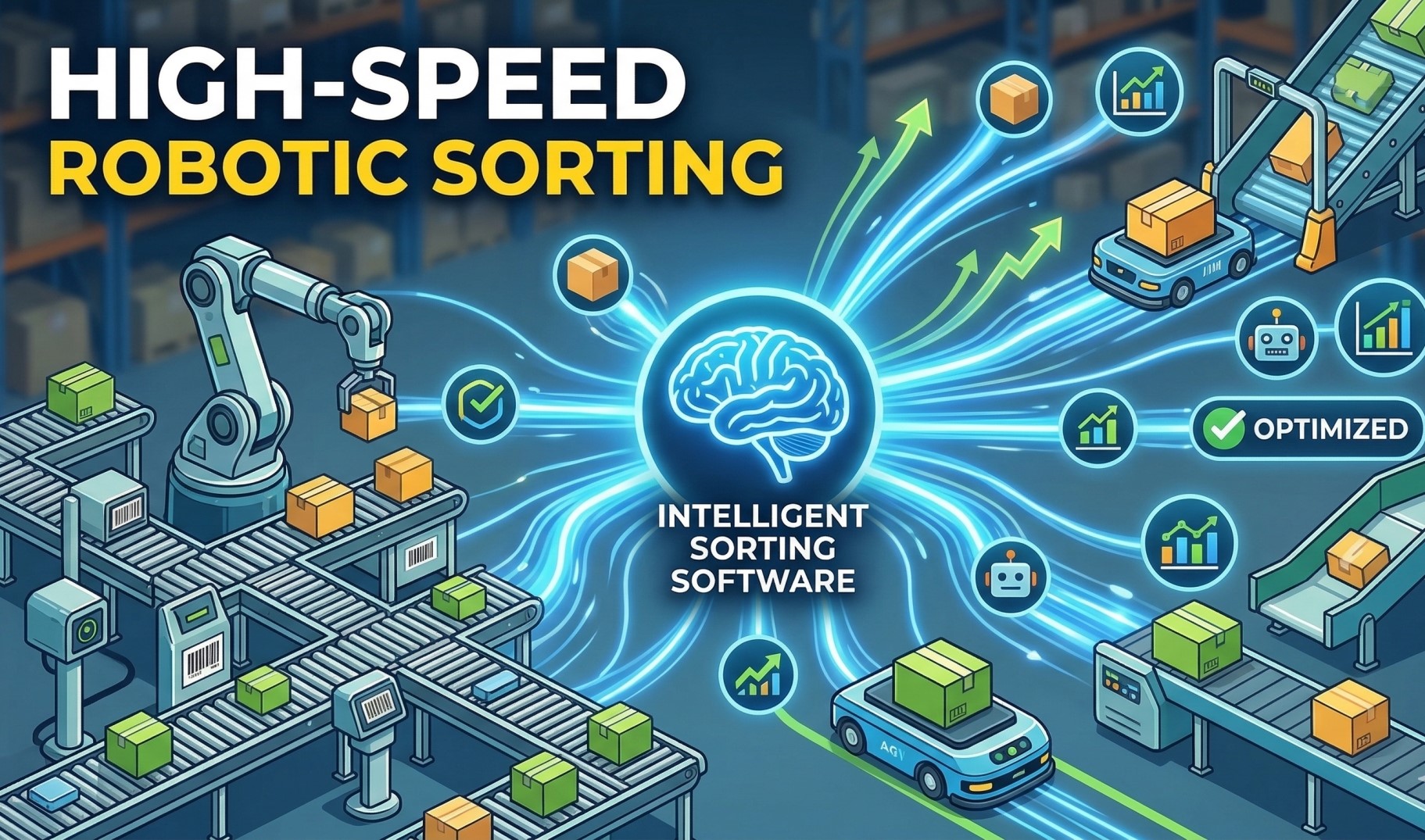
• Optimizes system layout before installation 📐
Step 5: Improving Safety and Risk Mitigation 🛡️⚠️
• Tests safety interlocks and shutdown procedures 🔒
• Simulates abnormal and failure scenarios 🚨
• Validates compliance with operational safety standards 📜
• Reduces on-site trial-and-error adjustments 🔧
• Minimizes risk during live startup 🚀
Step 6: Reducing Time and Cost During Deployment ⏱️💰
• Shortens physical commissioning timelines 📅
• Minimizes costly rework and mechanical changes 🔧
• Reduces travel and on-site engineering hours ✈️
• Enables parallel testing with hardware fabrication 🏗️
• Accelerates overall project delivery 🚀
Step 7: Enhancing Collaboration Across Teams 🤝👥
• Allows mechanical and automation engineers to test together 🔧
• Improves communication between design and operations teams 🗣️
• Provides visual simulations for stakeholder validation 👀
• Supports remote review and troubleshooting 🌐
• Aligns expectations before installation begins 📌
Step 8: Strategic Business Impact 📊🏆
• Faster system startup and reduced downtime ⚡
• Lower commissioning and rework costs 💰
• Higher system reliability from day one ✔️
• Reduced operational risk during launch 🛡️
Conclusion
Virtual commissioning of conveyor systems shifts testing and validation from the factory floor to a controlled digital environment. By simulating mechanical behavior, automation logic, and production scenarios before deployment, organizations reduce risk, improve safety, and accelerate time to operation. As conveyor systems grow more complex, virtual commissioning becomes a strategic capability that ensures reliable and efficient system performance from the first day of live production.
See more blogs
You can all the articles below