How Conveyor Software Enhances Energy Efficiency
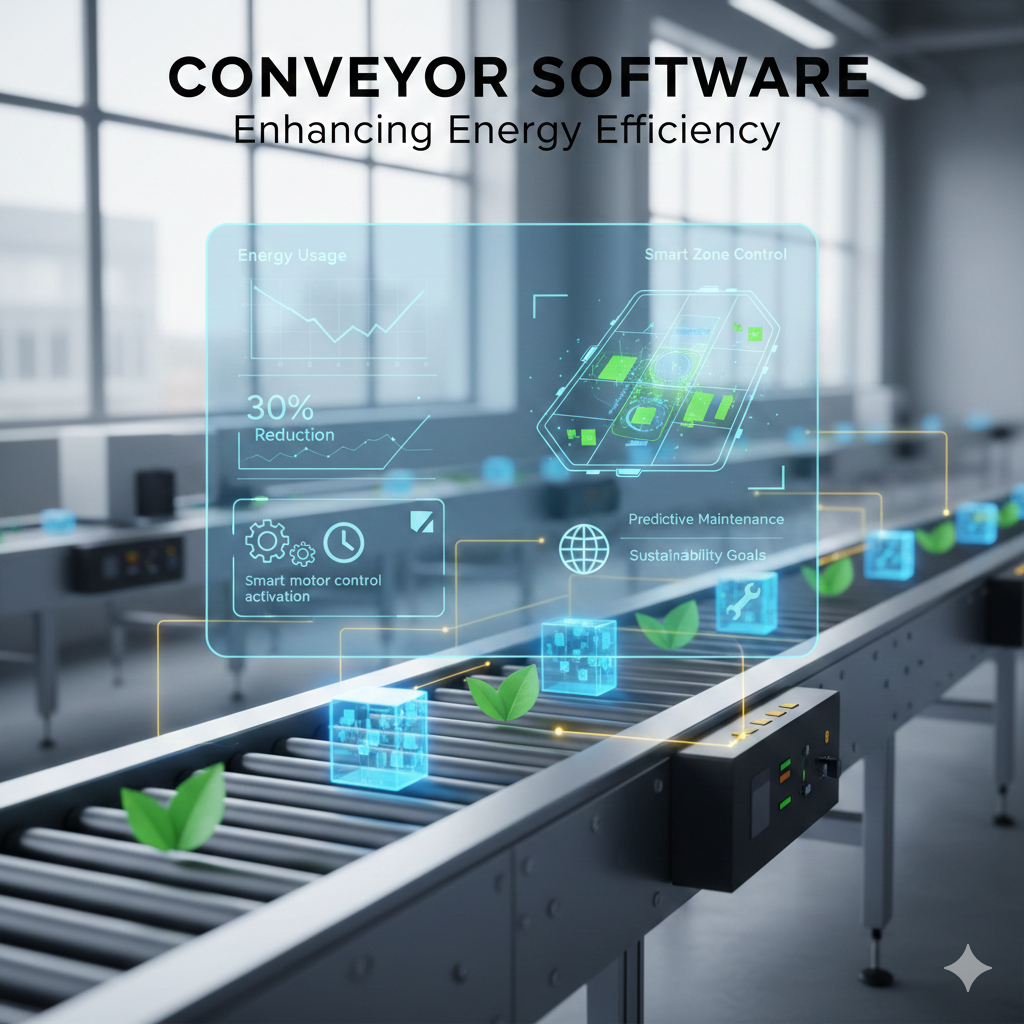
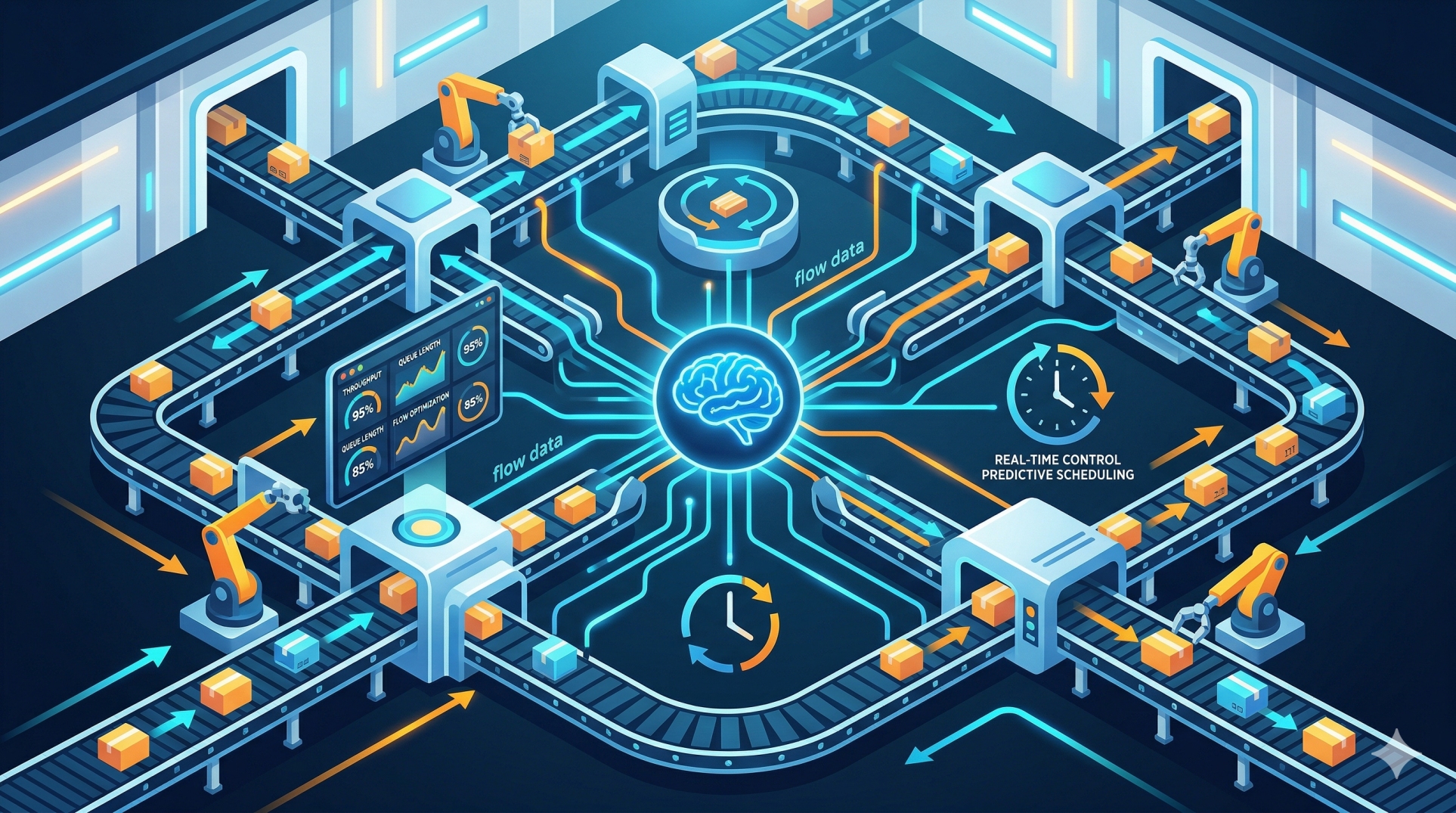
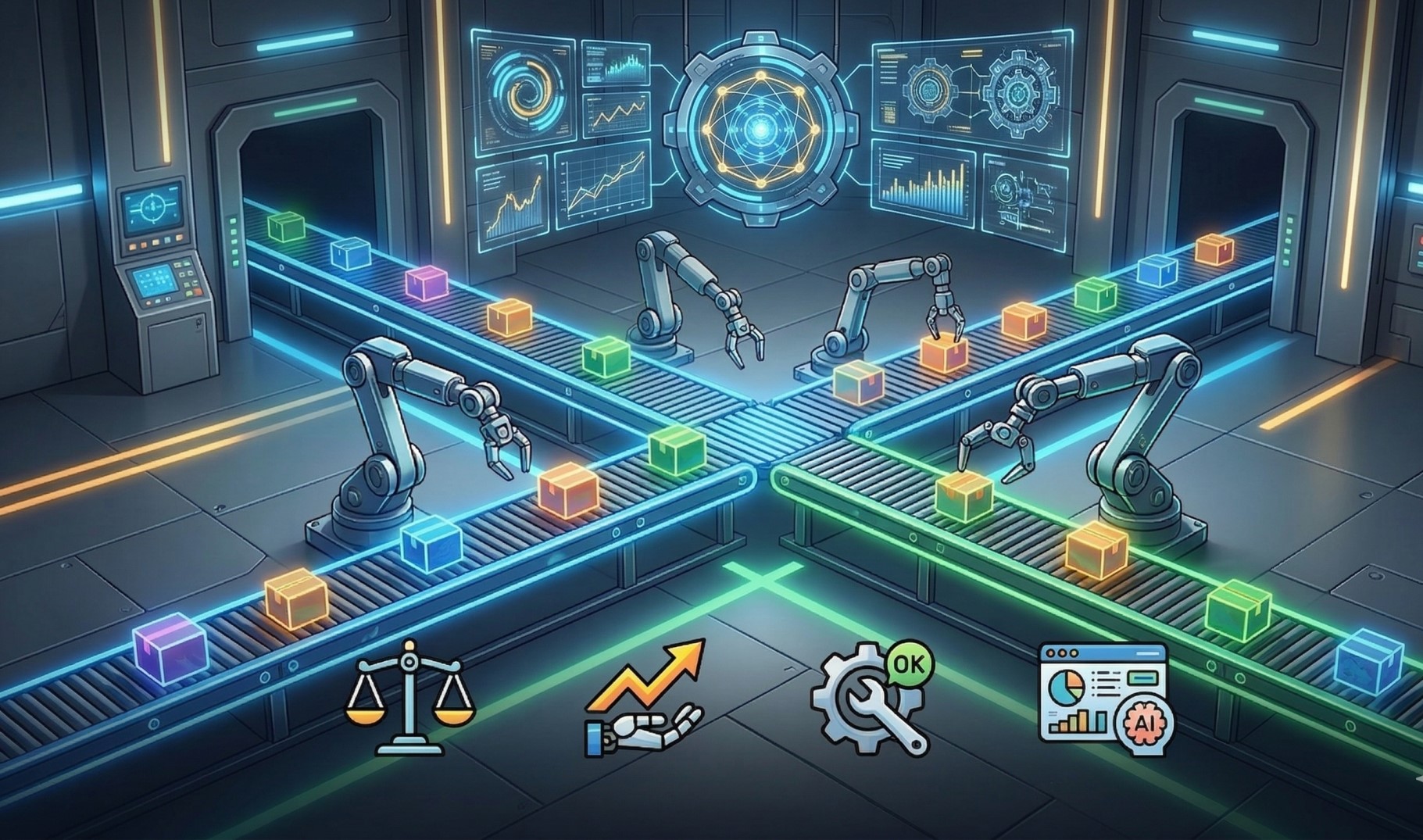
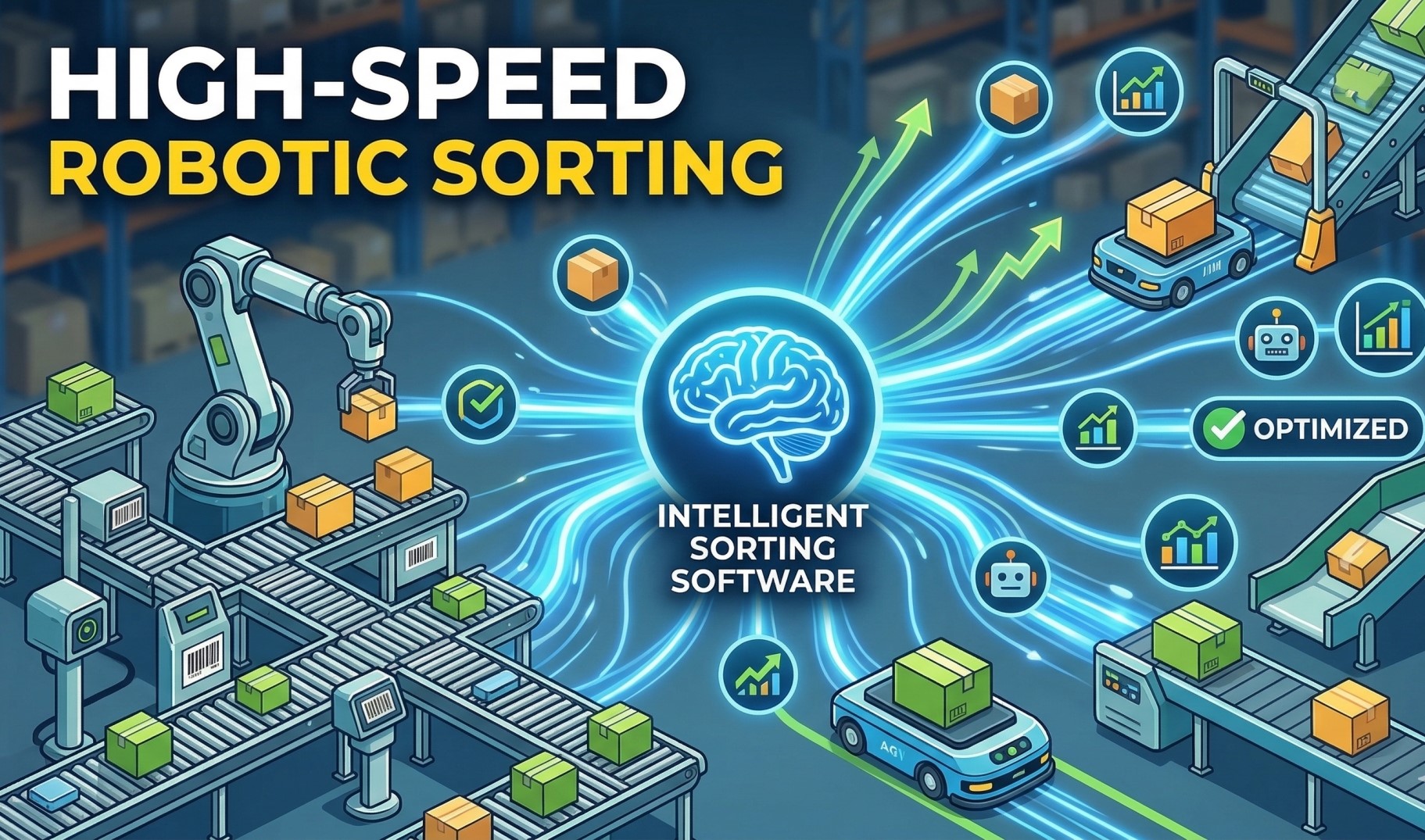
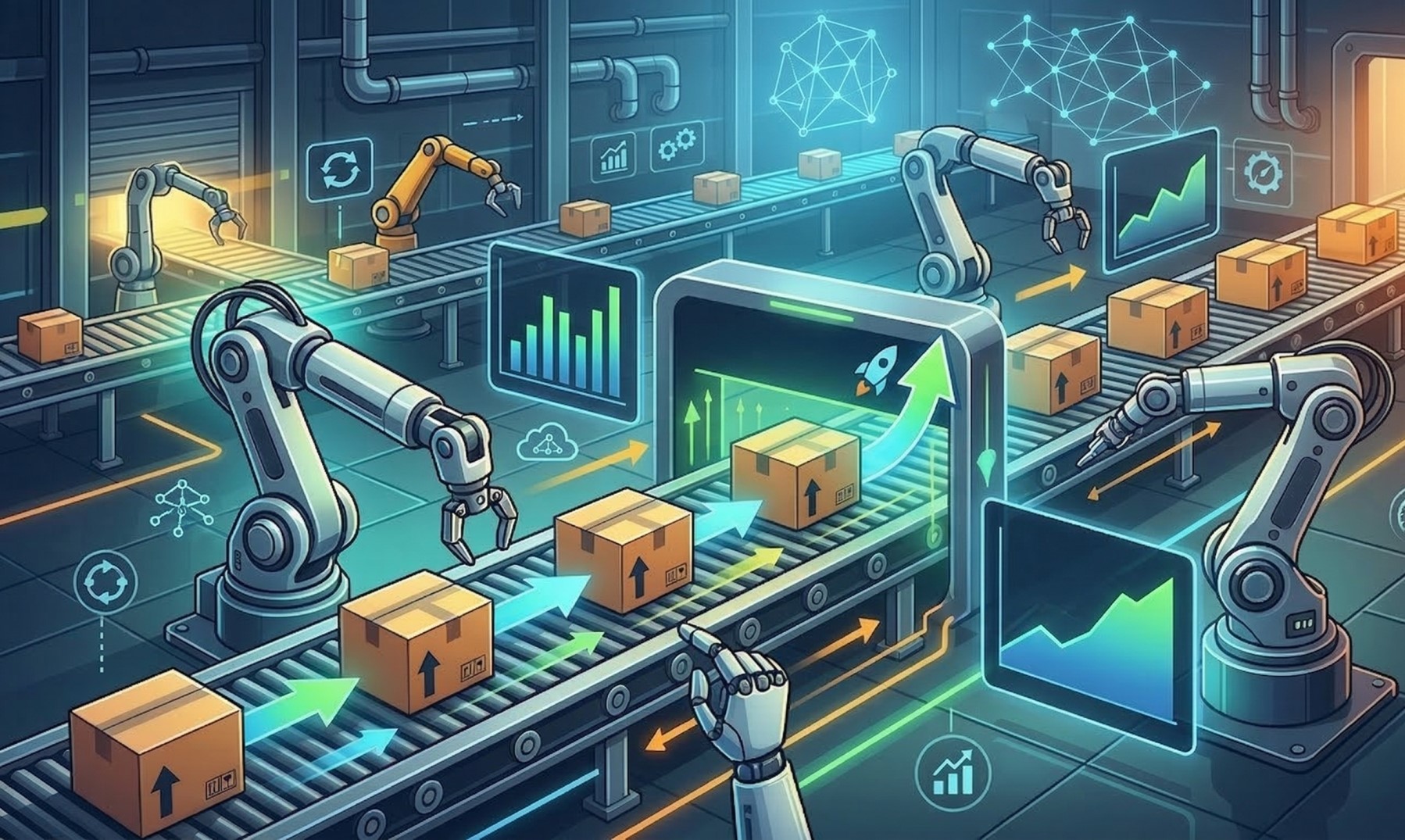
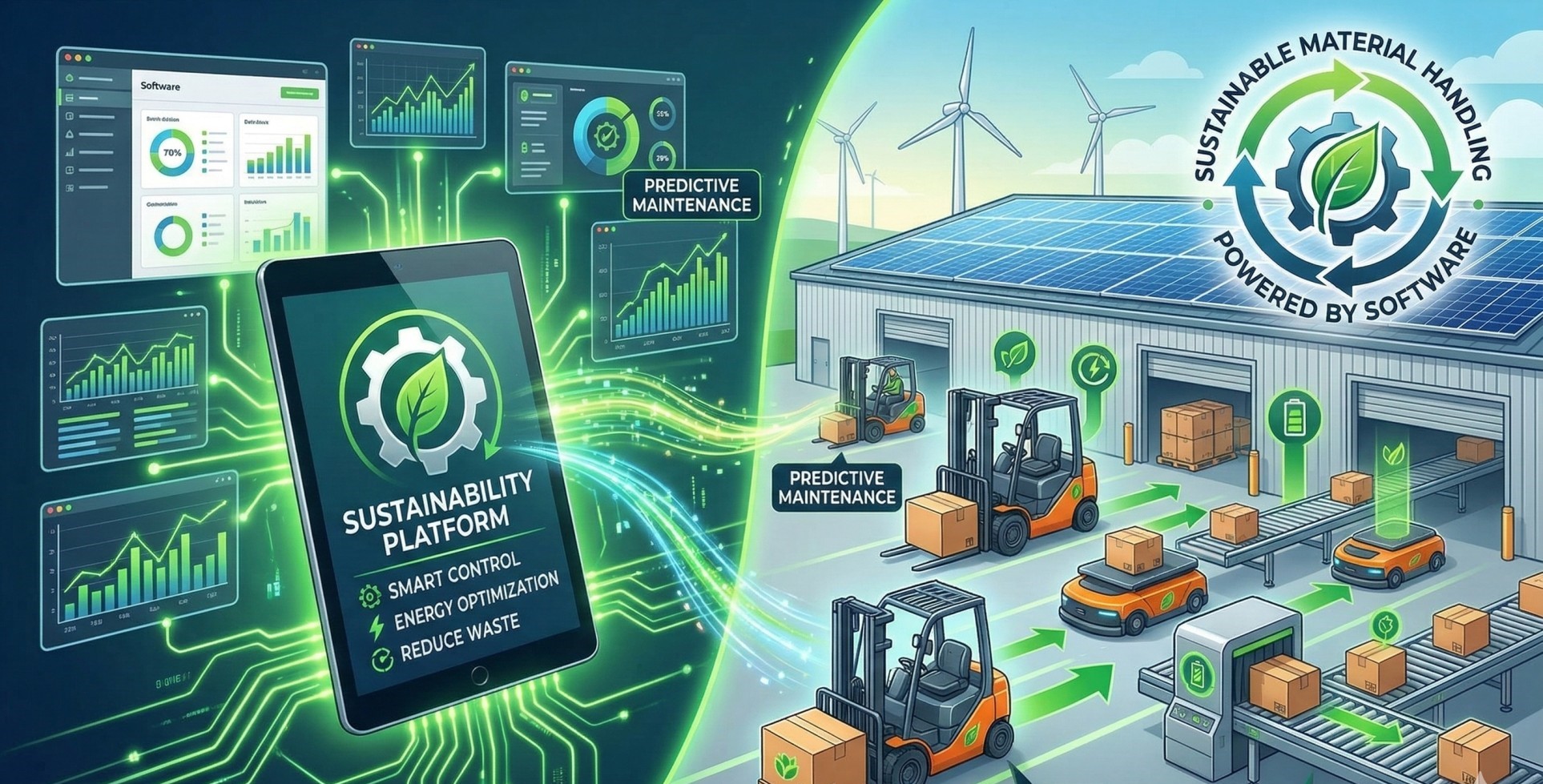
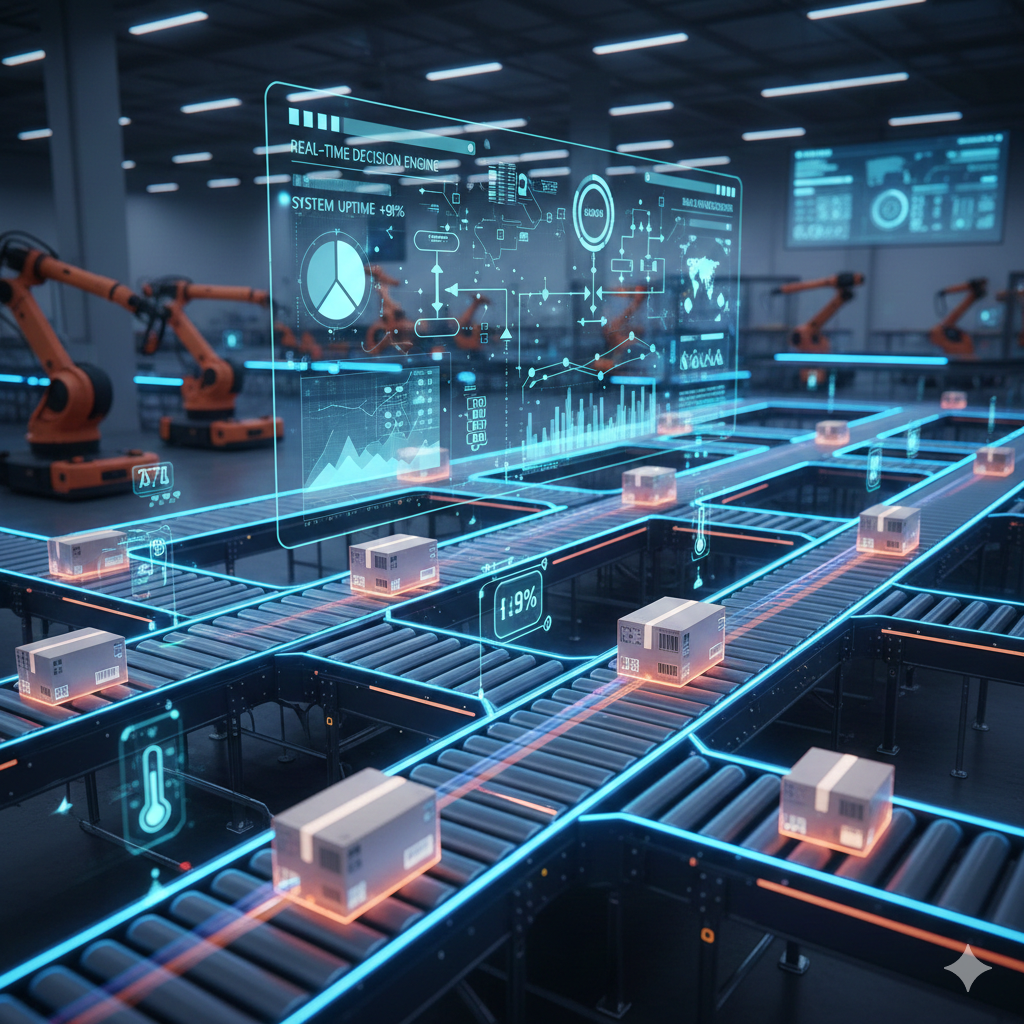
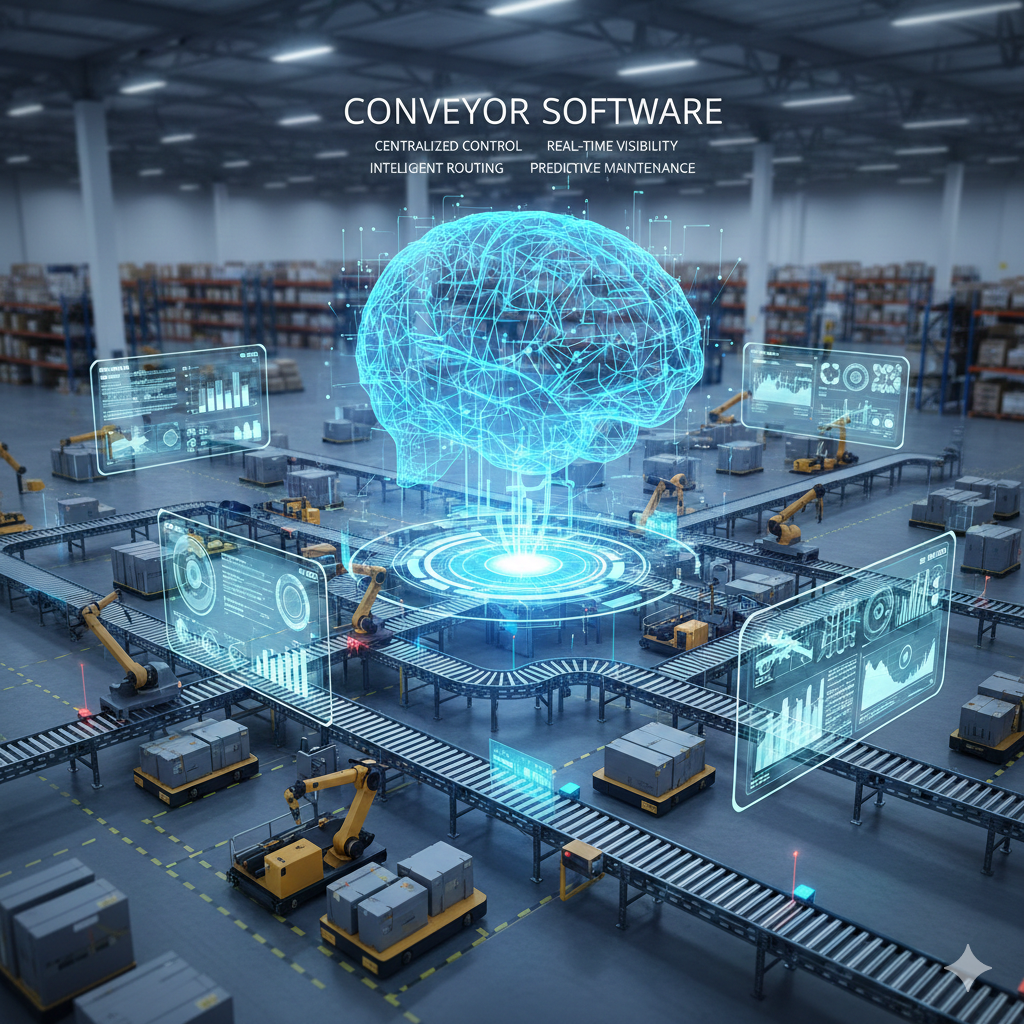
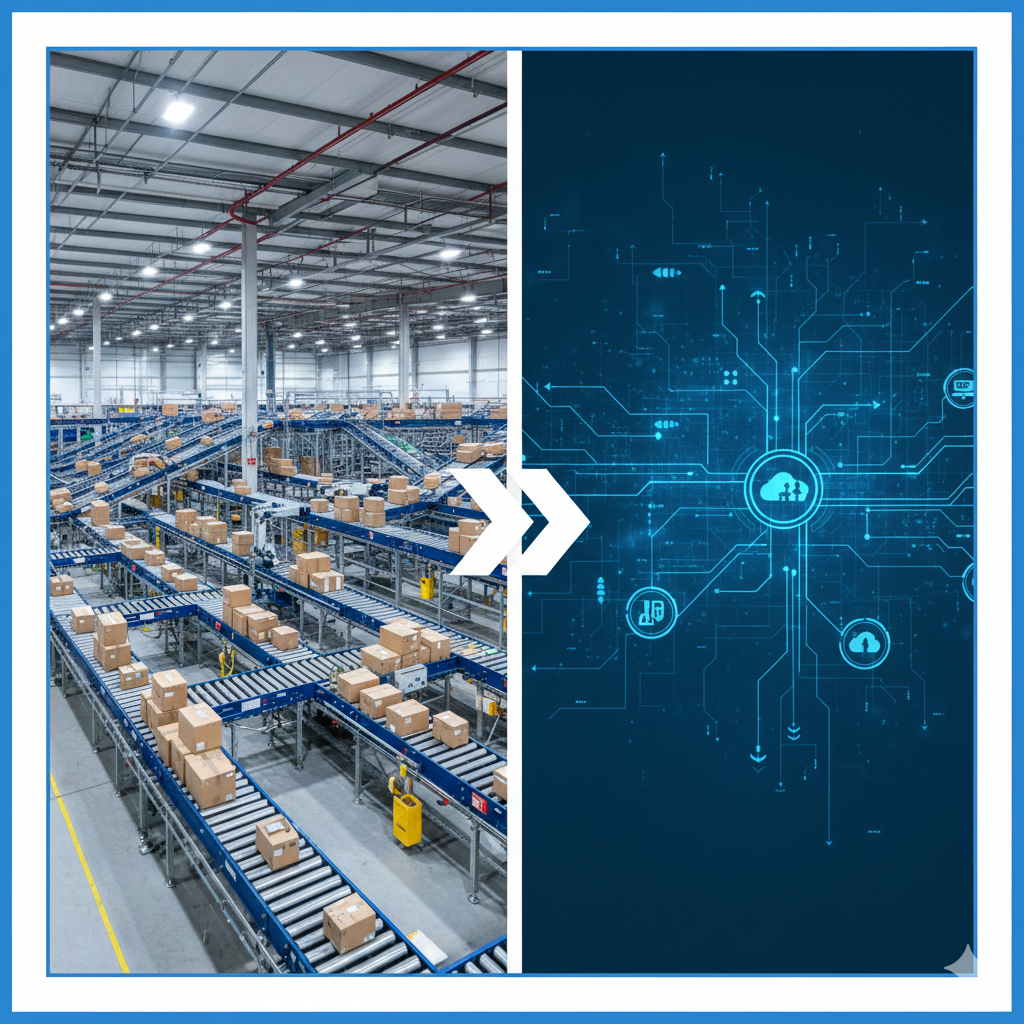
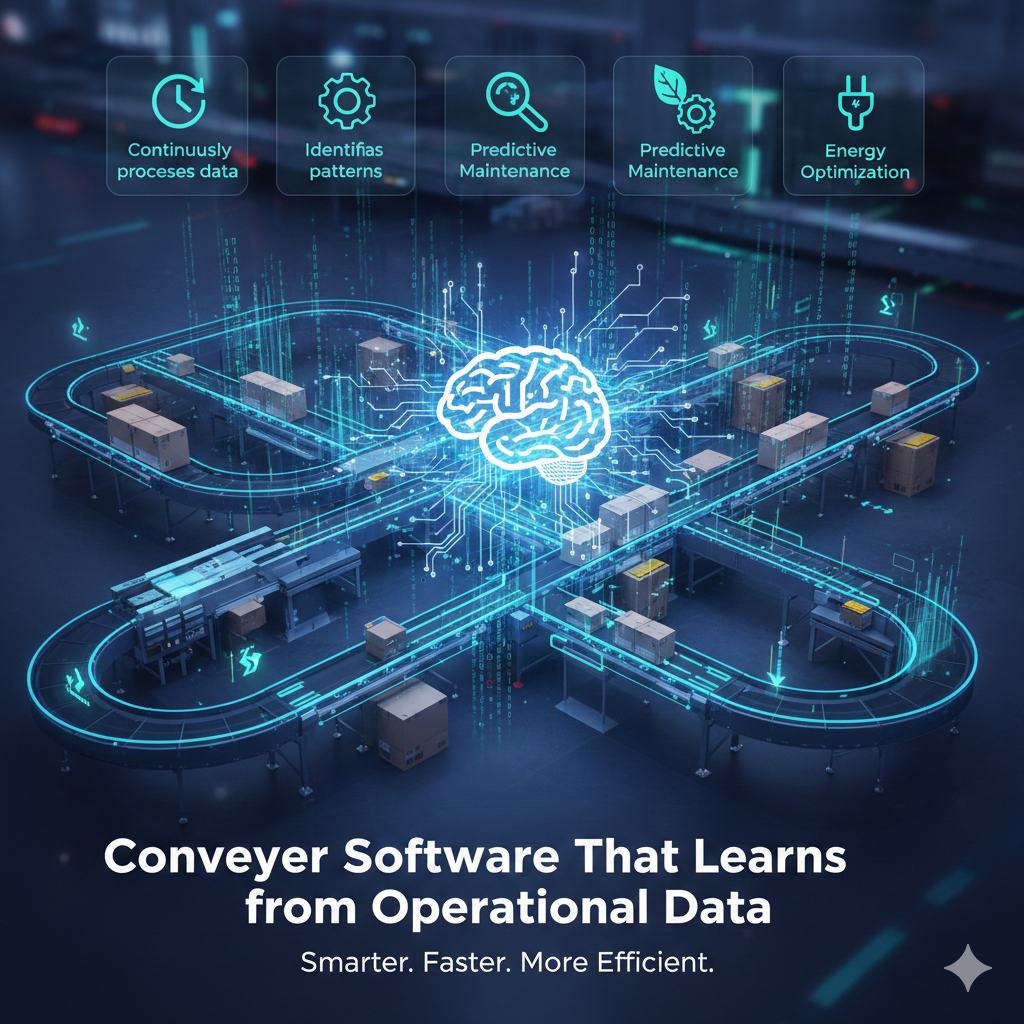
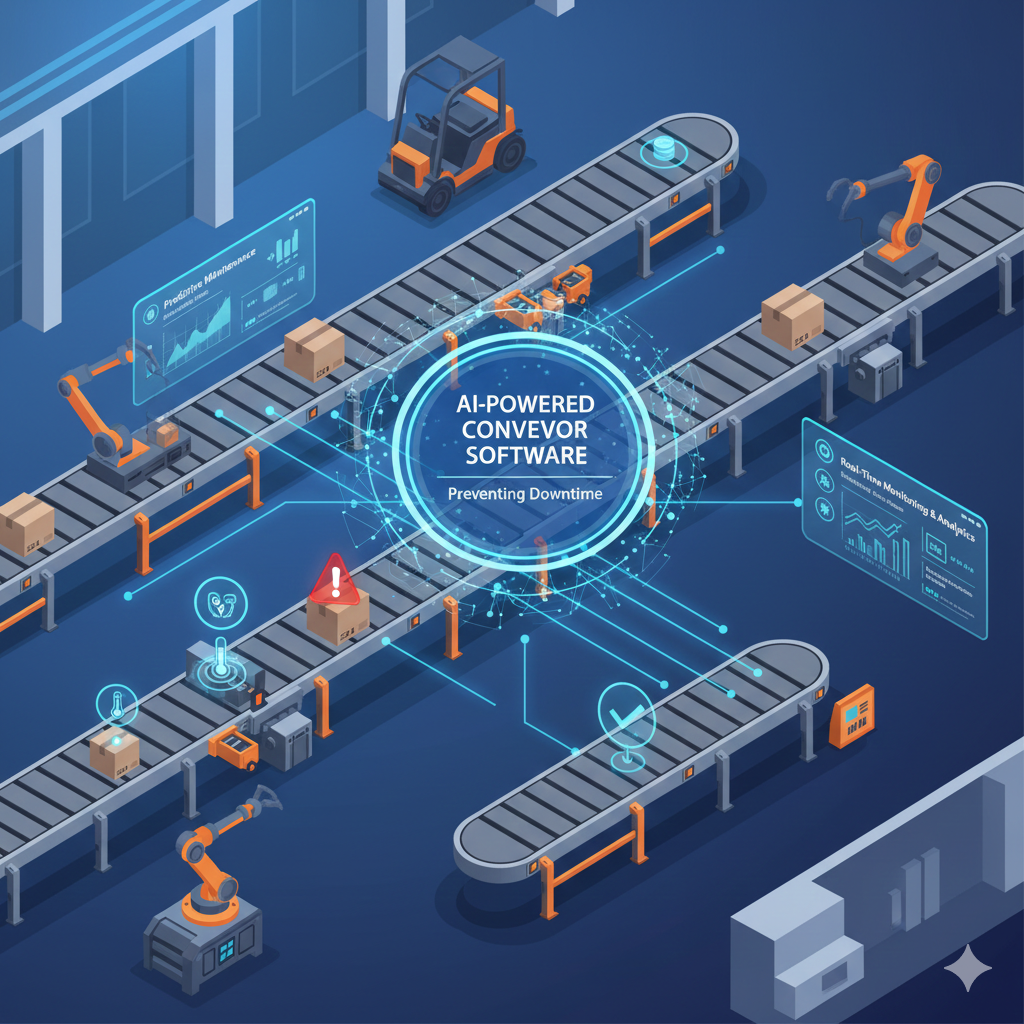
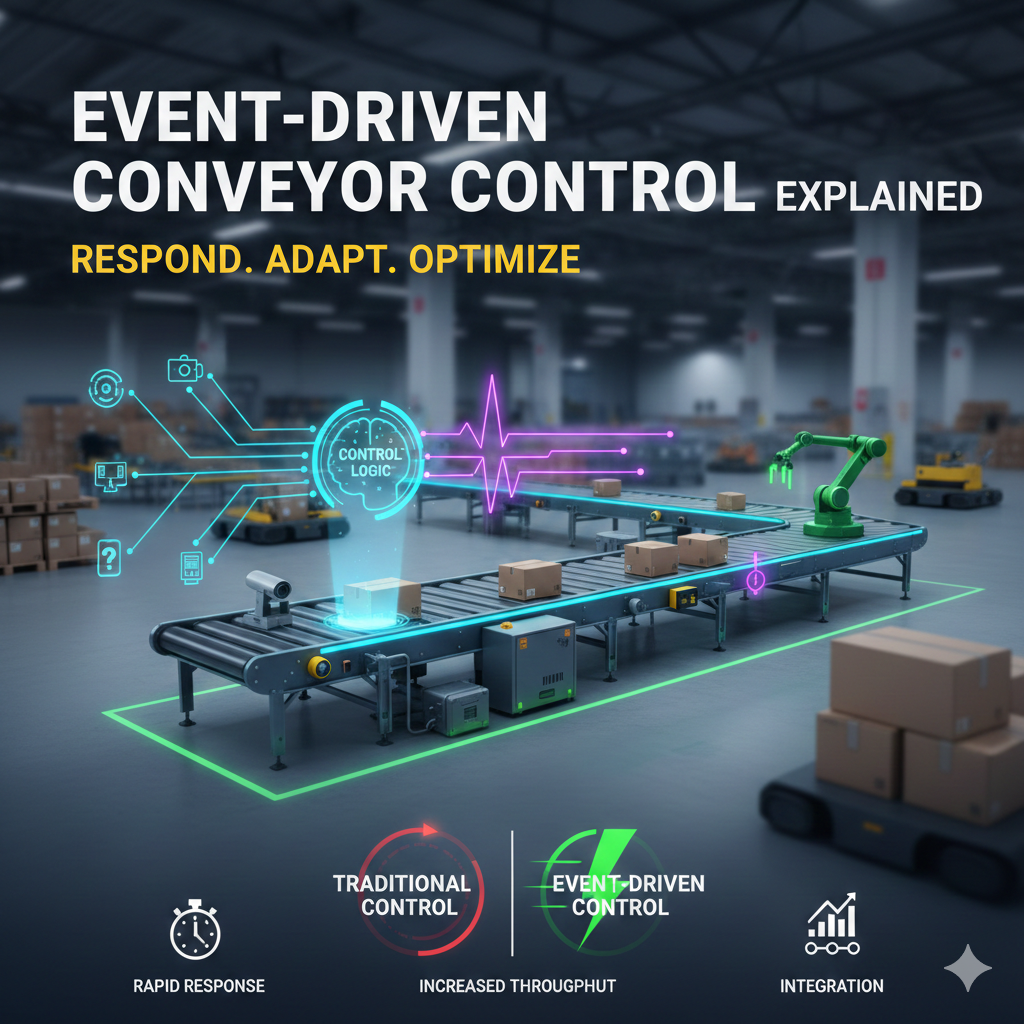
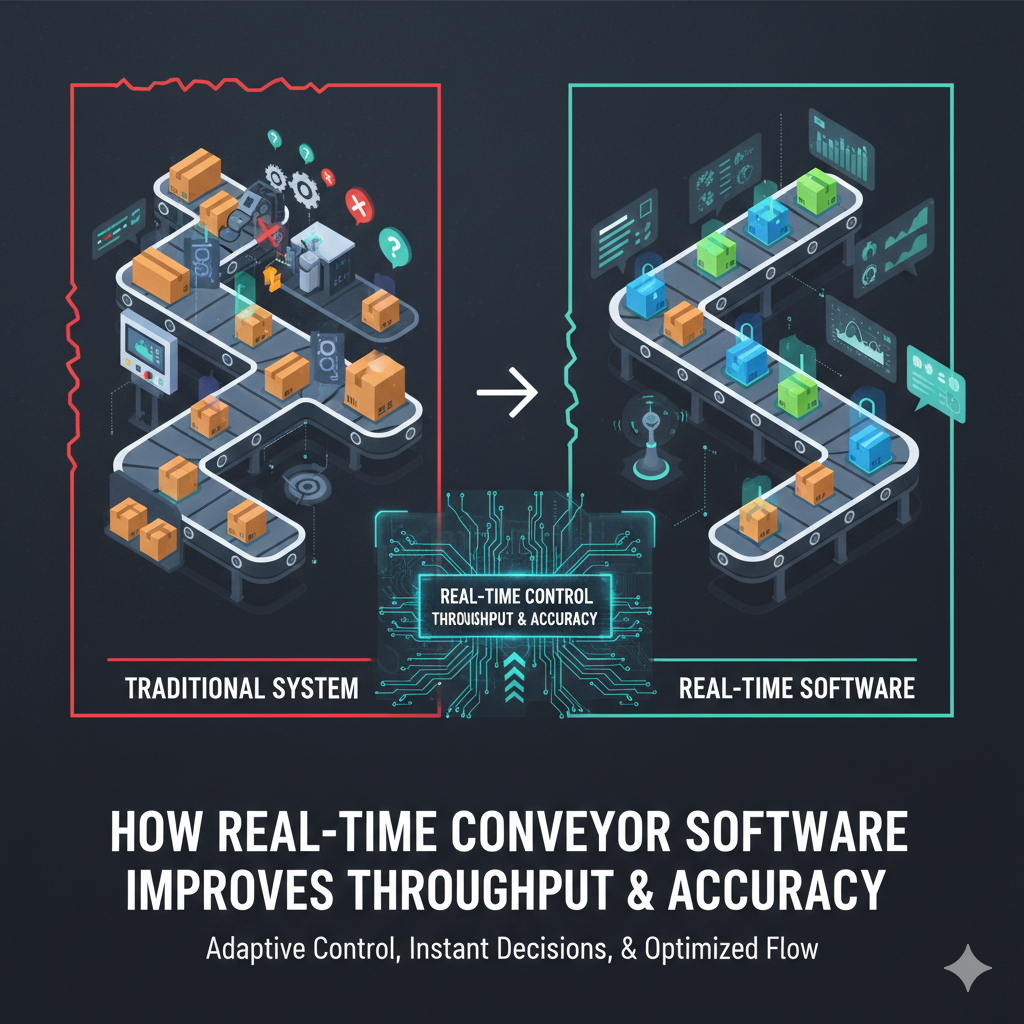
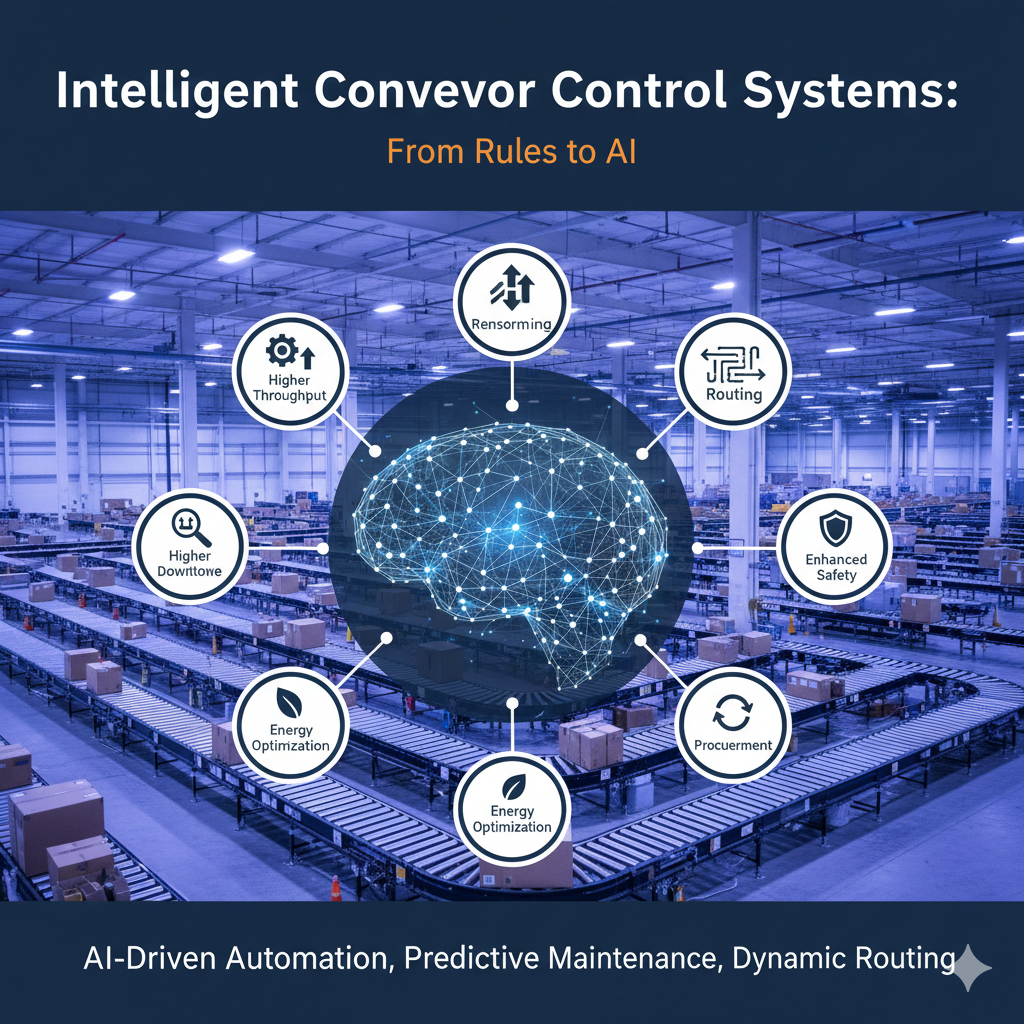
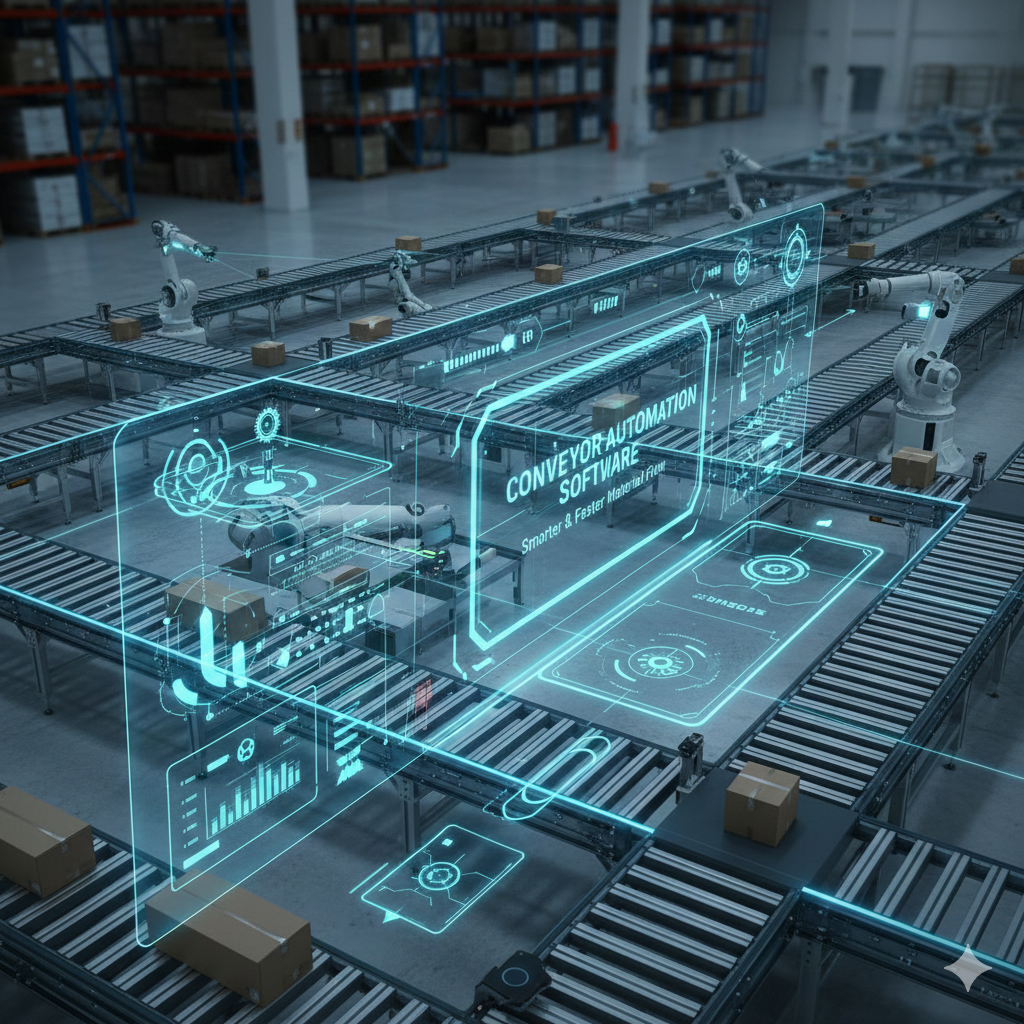
Conveyor systems are essential to manufacturing facilities, warehouses, and distribution operations, but they can represent a significant portion of overall energy usage. As companies pursue cost optimization and sustainability objectives, conveyor software has emerged as a critical enabler of energy-efficient operations. By combining intelligent automation, real-time visibility, and adaptive controls, conveyor software helps organizations reduce power consumption while maintaining operational performance.
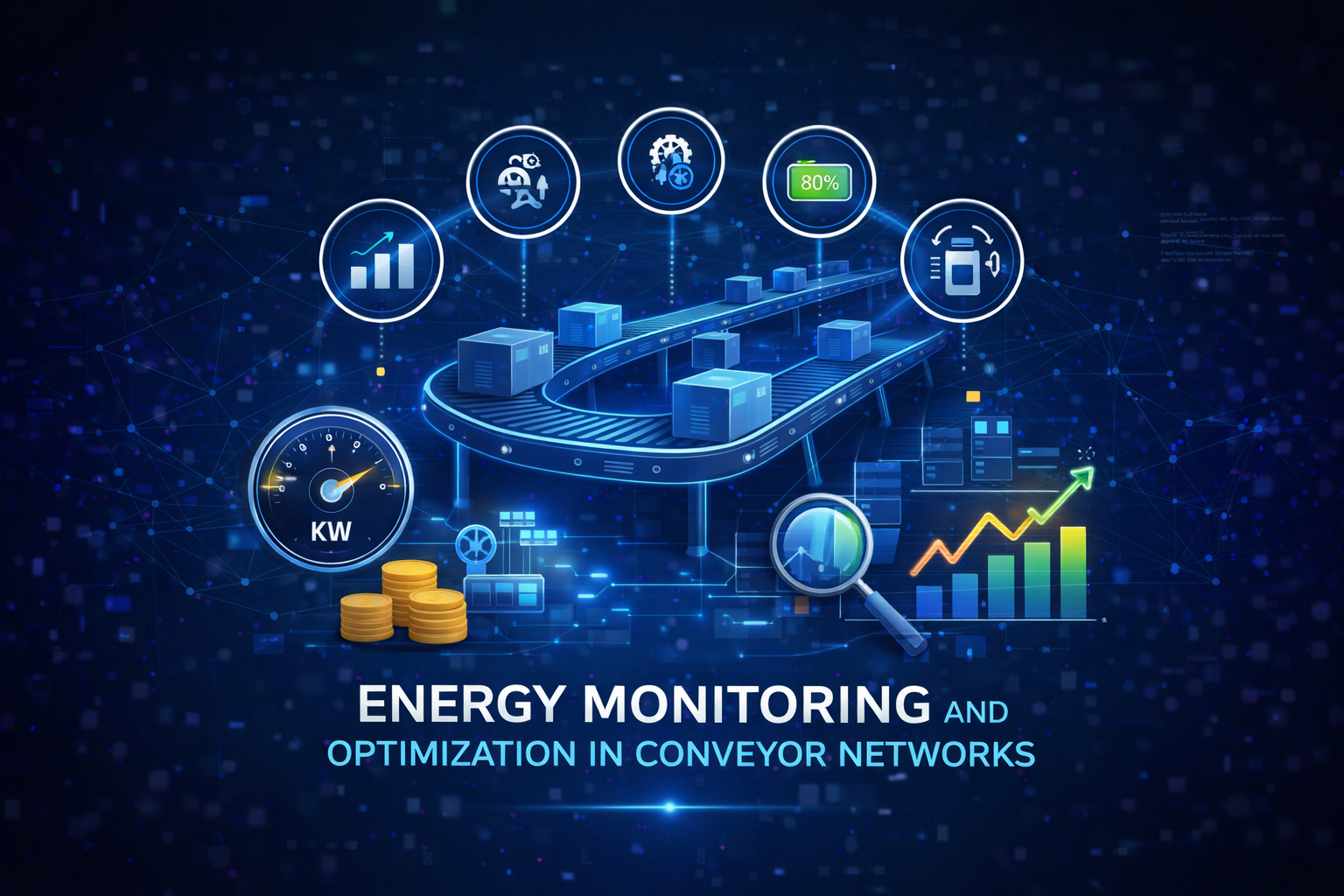
Step 1: Continuous Energy Monitoring 📊
• Tracks power consumption across motors, drives, and conveyor zones ⚡
• Identifies recurring patterns of excessive or avoidable usage 🔍
• Differentiates productive runtime from idle or standby operation ⏱️
• Detects abnormal energy spikes for rapid intervention 🚨
• Delivers data-driven insights to support efficiency improvements 📈
Step 2: Adaptive Motor Management ⚙️
• Adjusts motor speed dynamically based on load conditions 🎛️
• Prevents unnecessary high-speed operation during low demand 🔄
• Controls acceleration and deceleration to optimize energy use 📉
• Synchronizes multiple motors for balanced system performance 🔗
• Reduces strain on high-consumption components 🛠️
Step 3: Demand-Driven Conveyor Activation 🔄
• Activates conveyor segments only when material is present 📦
• Uses sensors and logic controls to respond in real time 📡
• Eliminates wasted power from empty belt movement 🚫
• Maintains throughput while conserving energy ⚡
• Minimizes mechanical wear caused by unnecessary operation 🧰
Step 4: Smart Zone Control 🗂️
• Divides conveyor lines into independently controlled zones 🧩
• Powers down inactive areas automatically ⛔
• Reactivates zones as material flow resumes 🔁
• Focuses energy consumption where it delivers value 🎯
• Improves overall system efficiency 📊
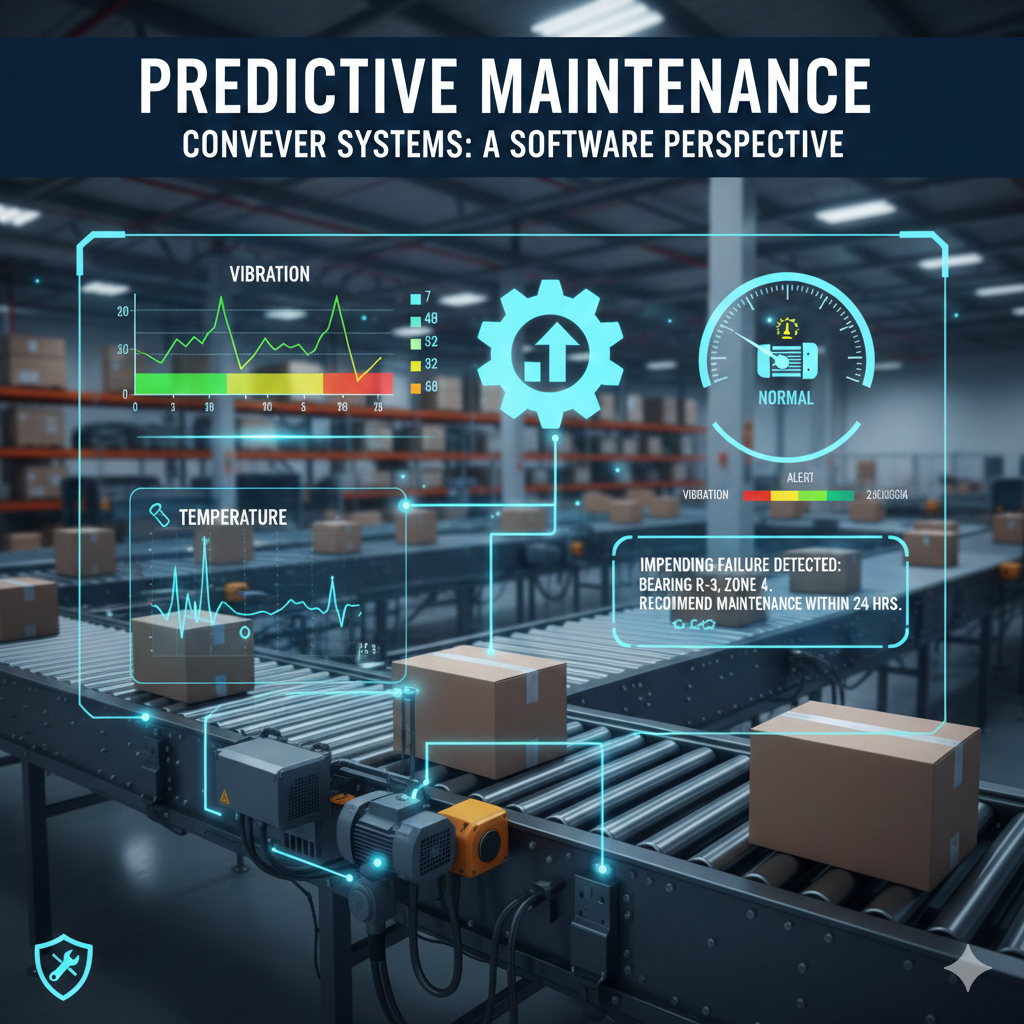
Step 5: Energy-Focused Predictive Maintenance 🔍
• Detects inefficiencies linked to friction or alignment issues ⚙️
• Identifies abnormal motor load and component stress 🚨
• Schedules maintenance before energy waste escalates 📅
• Extends equipment lifespan through proactive servicing 🔧
• Reduces downtime associated with energy-related failures ⏳
Step 6: Performance Analytics and Benchmarking 📈
• Monitors energy usage trends over time 📊
• Compares performance across shifts, lines, or facilities 🏭
• Establishes benchmarks to guide optimization efforts 🎯
• Detects gradual efficiency declines early 🔎
• Supports structured energy reduction programs 🌱
Step 7: System-Wide Integration 🔗
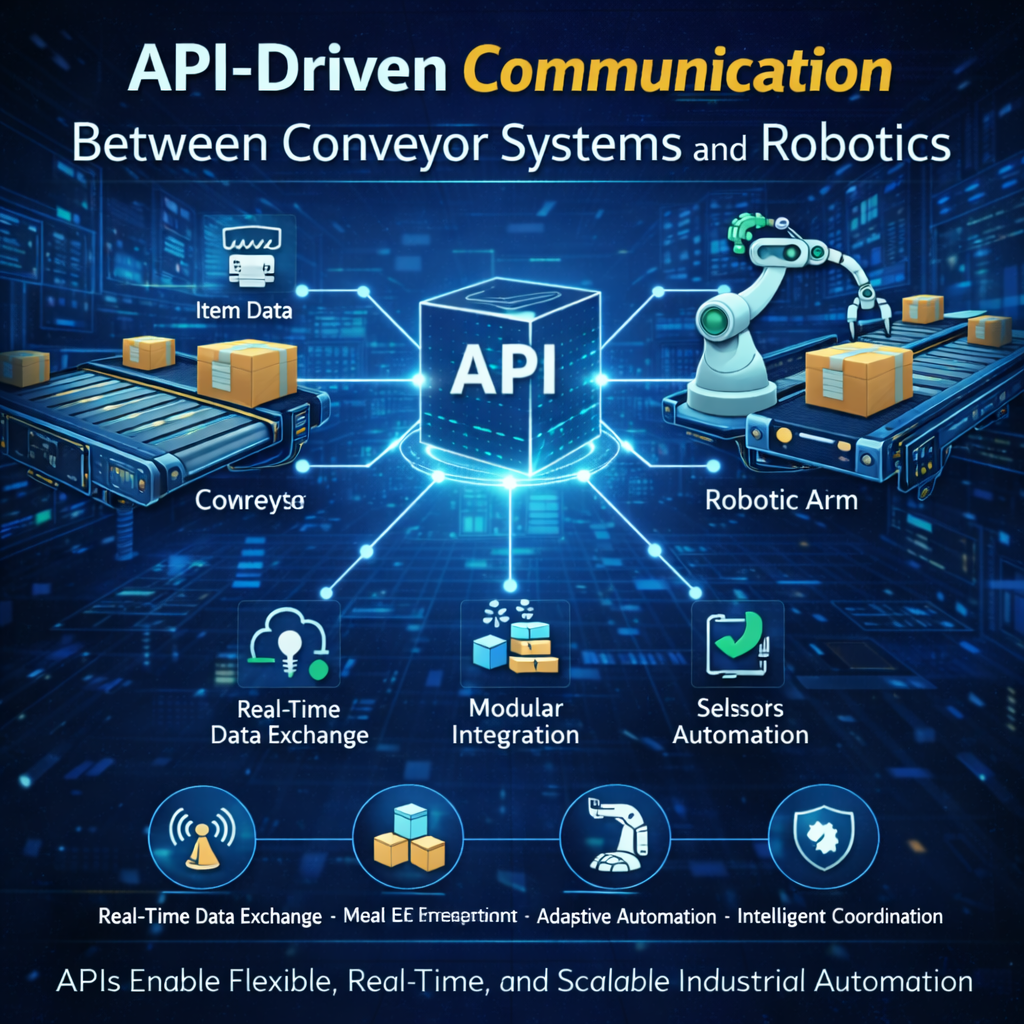
• Connects with warehouse and production management platforms 🏢
• Aligns conveyor operations with real-time workflow requirements 🔄
• Coordinates with facility systems such as lighting and HVAC 💡
• Contributes to centralized energy management strategies 🧠
• Enhances operational alignment across the enterprise ⚙️
Step 8: Strategic Business Impact 🚀
• Reduces long-term energy and operational expenses 💰
• Strengthens sustainability and regulatory compliance initiatives 🌍
• Maximizes return on automation investments 📈
• Supports resilient, future-ready industrial operations 🏭
Conclusion
Conveyor software is a key driver of energy efficiency in modern industrial environments. Through intelligent motor control, demand-based activation, predictive maintenance, and advanced analytics, it reduces unnecessary energy consumption without compromising productivity. As organizations prioritize operational efficiency and environmental responsibility, conveyor software becomes an essential element of sustainable material handling strategies.
See more blogs
You can all the articles below