Capacity Planning with Conveyor Software Analytics
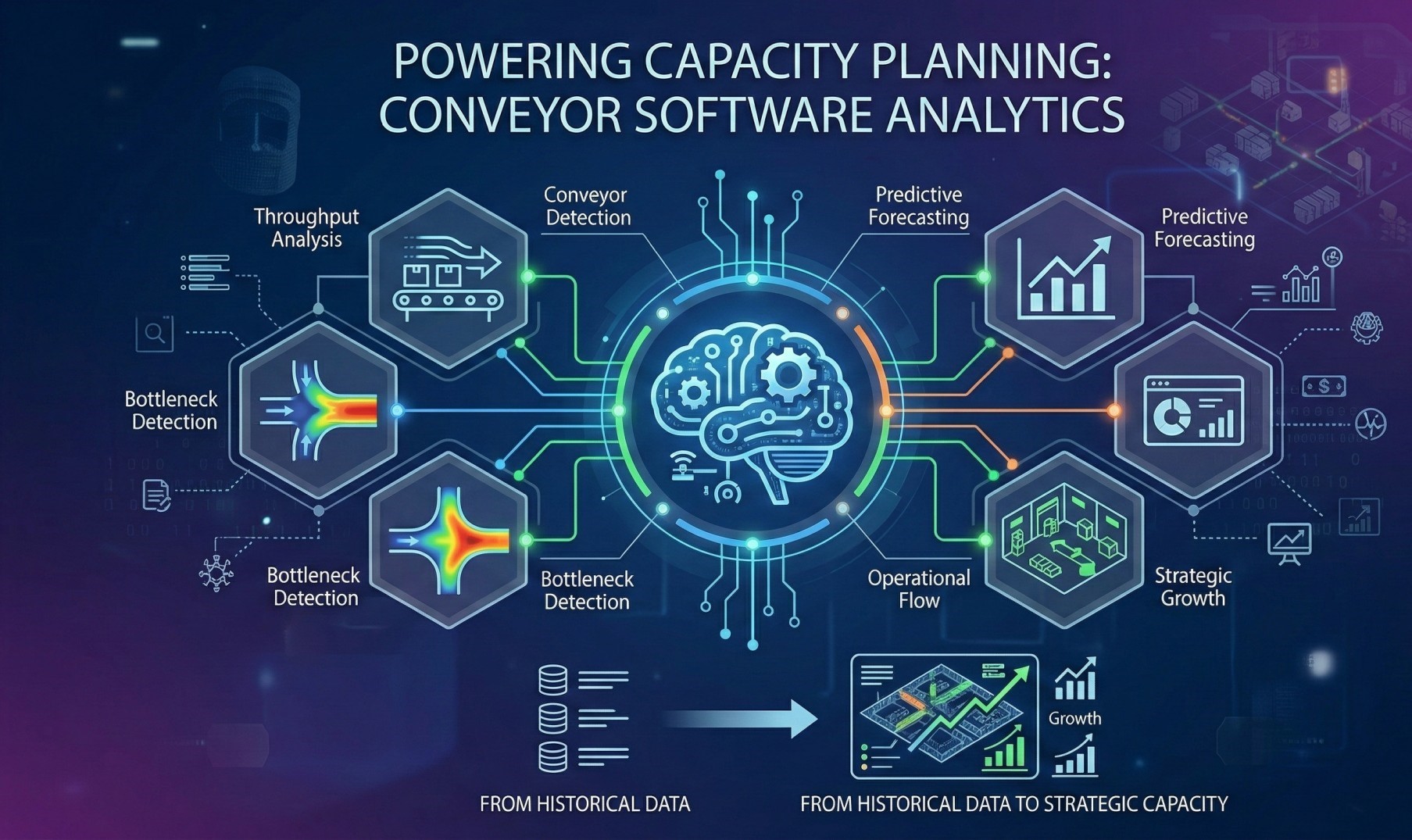
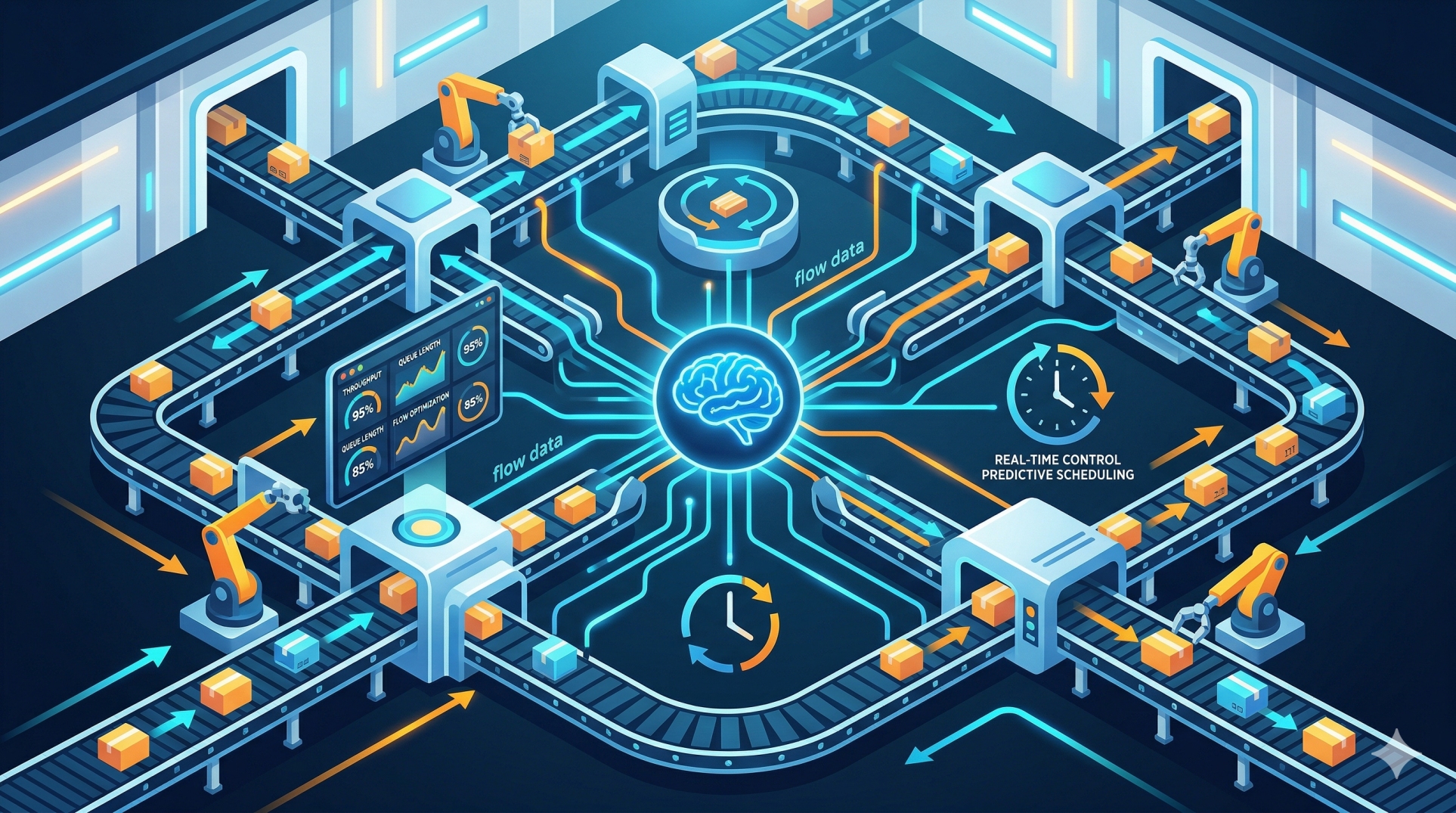
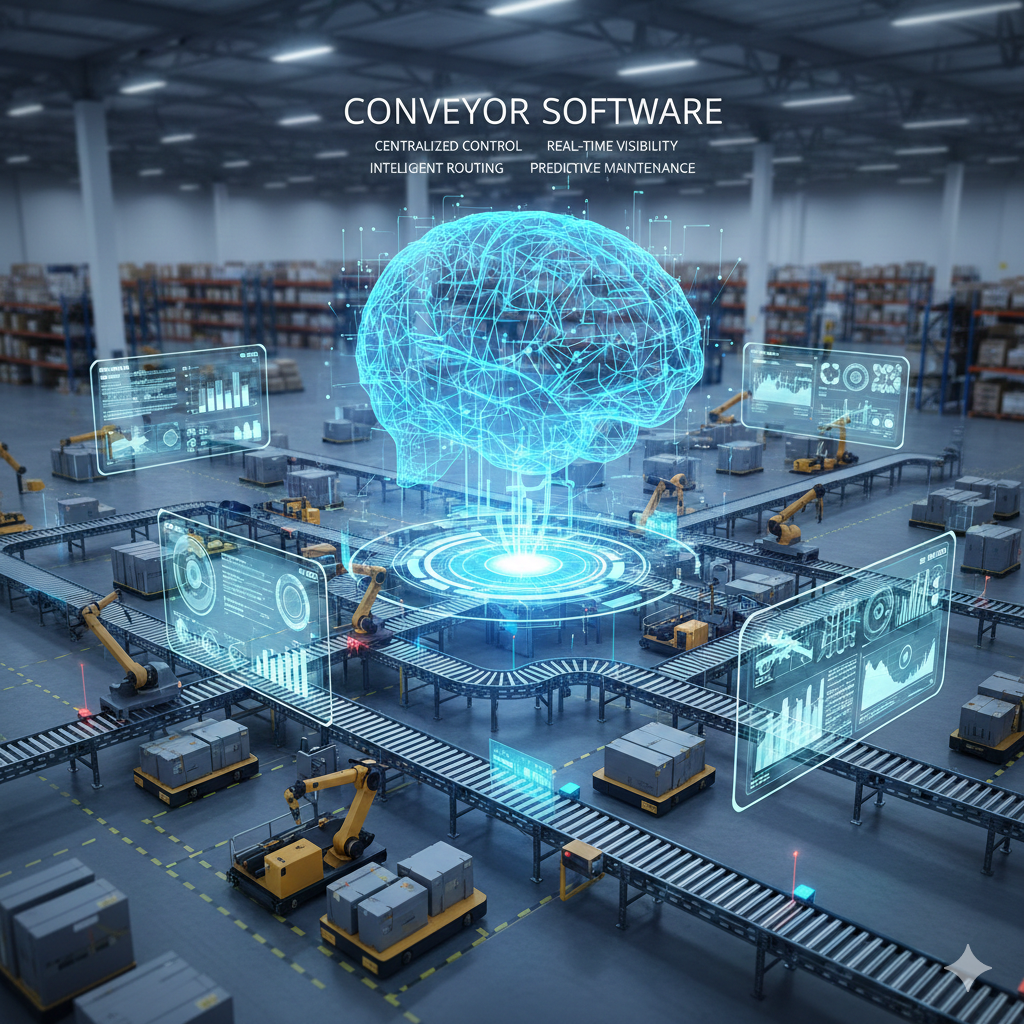
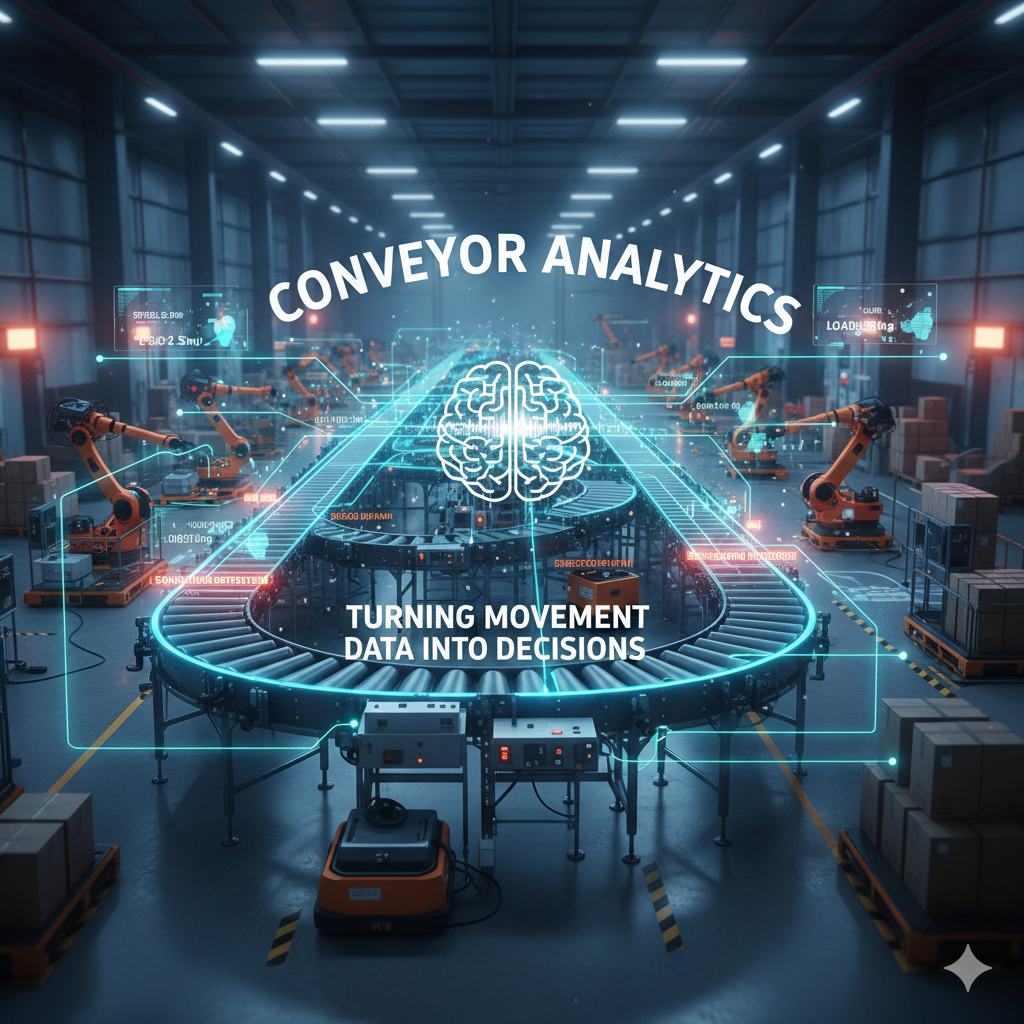
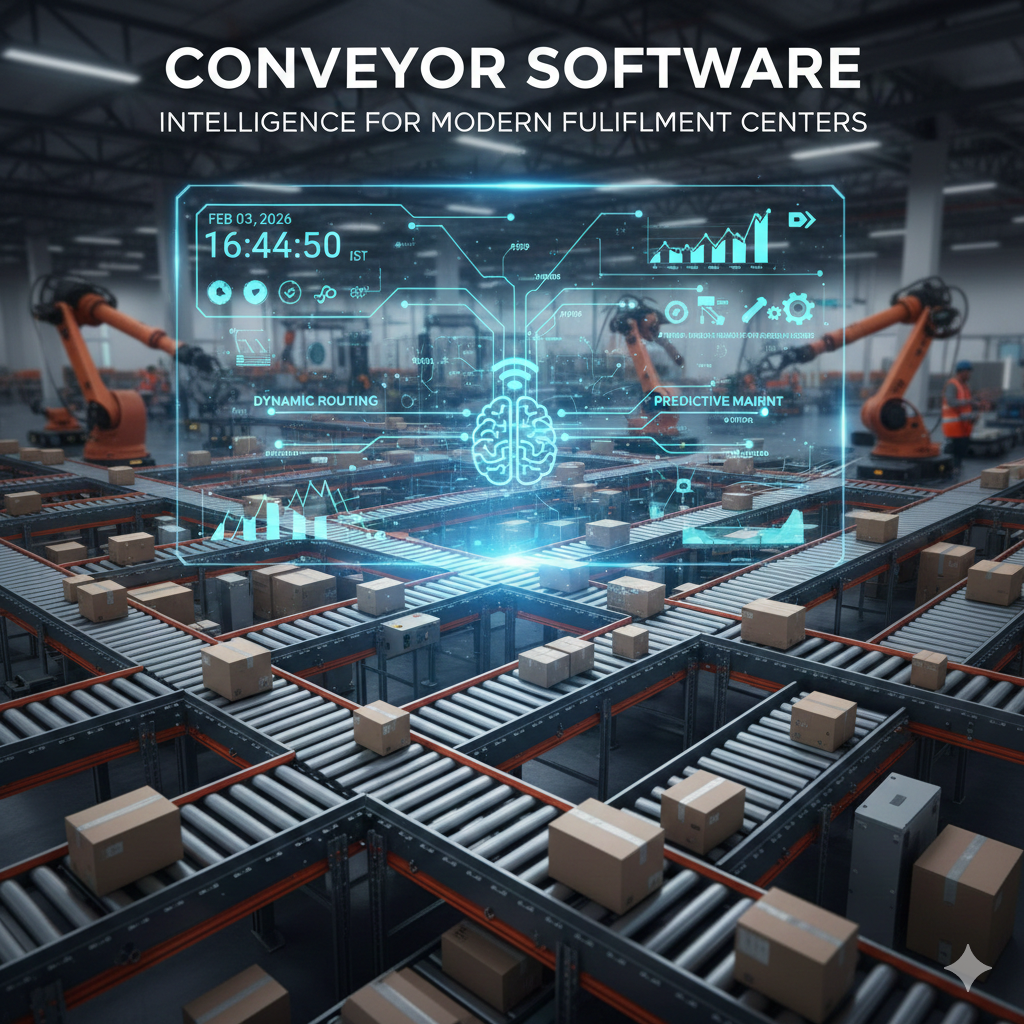
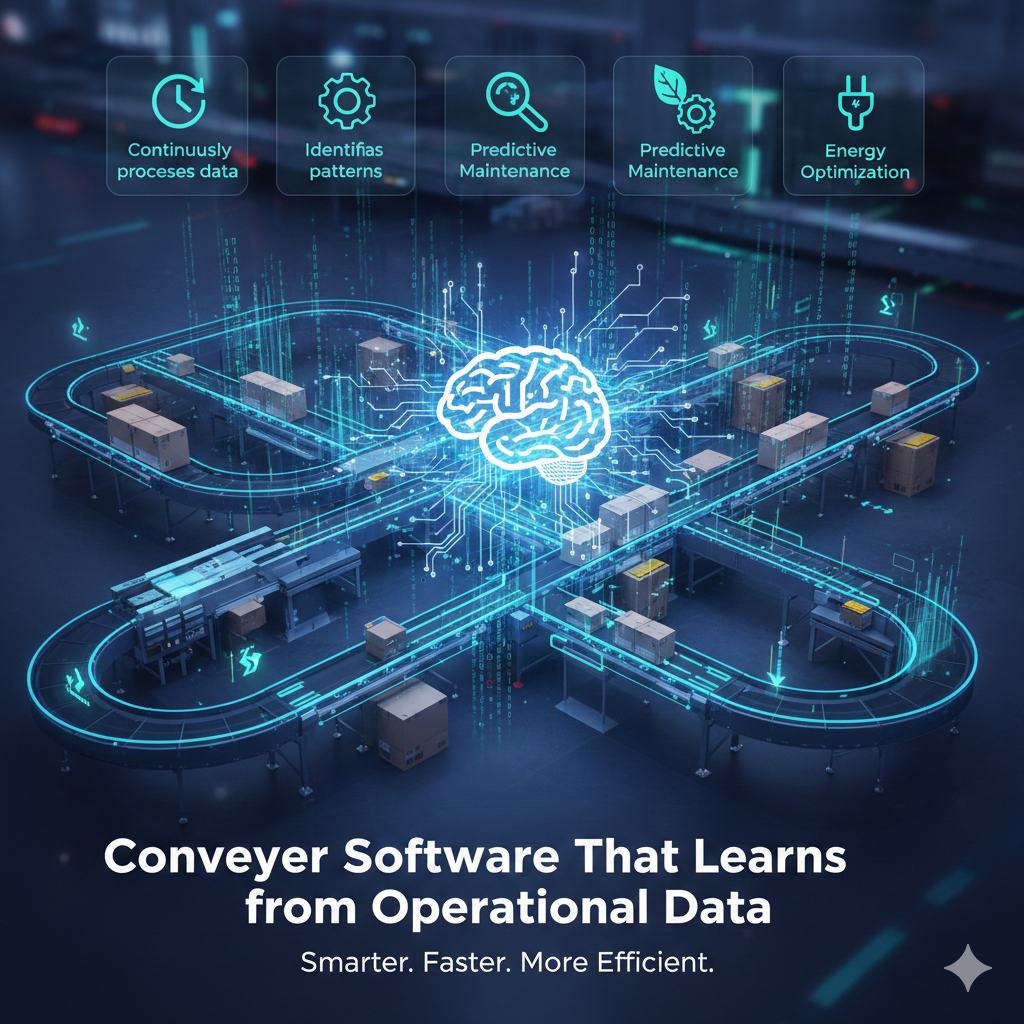
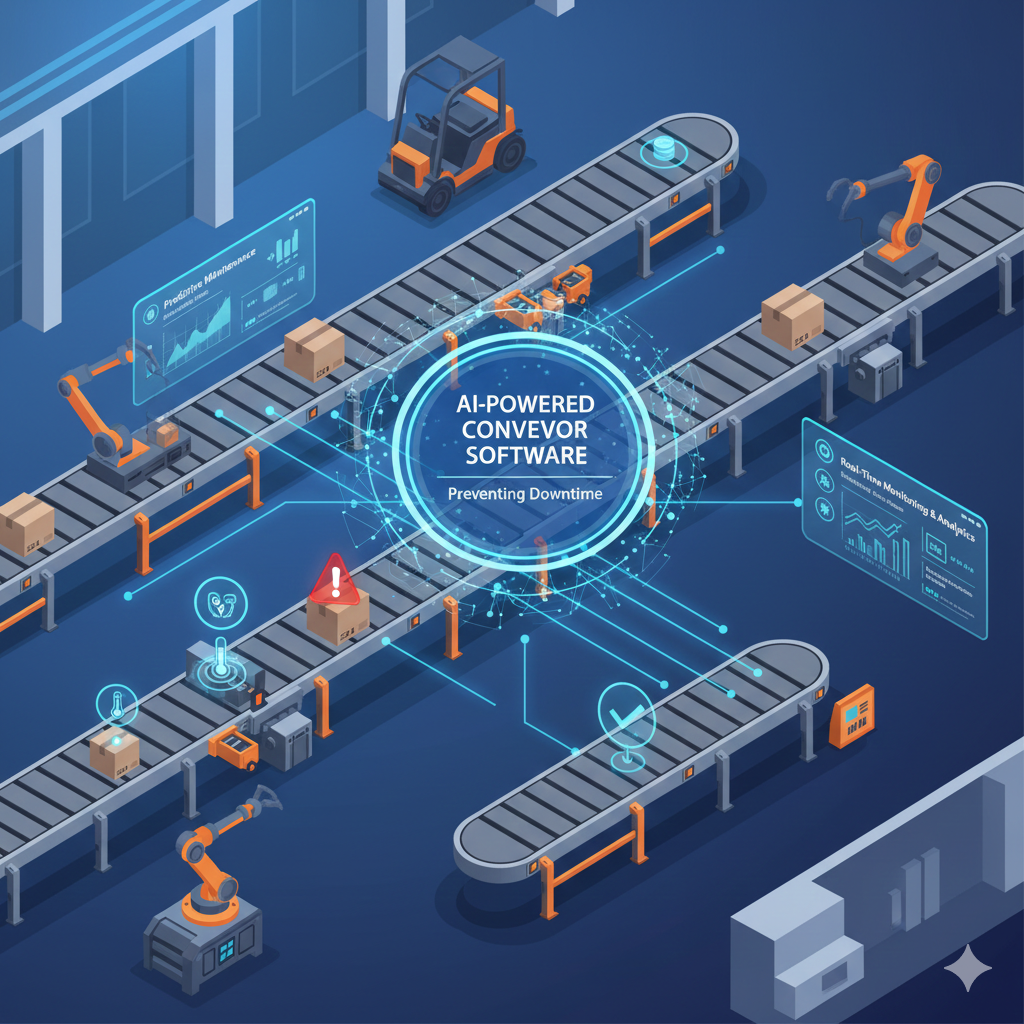
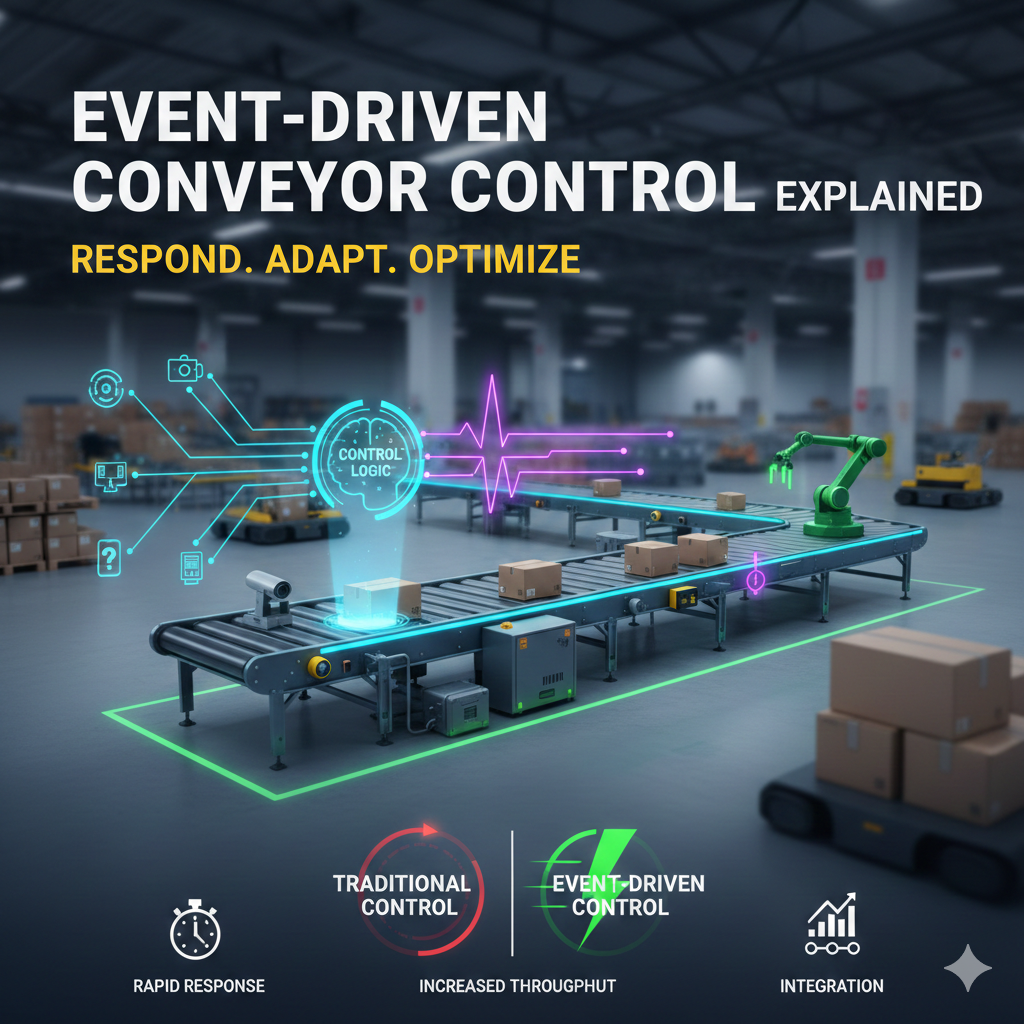
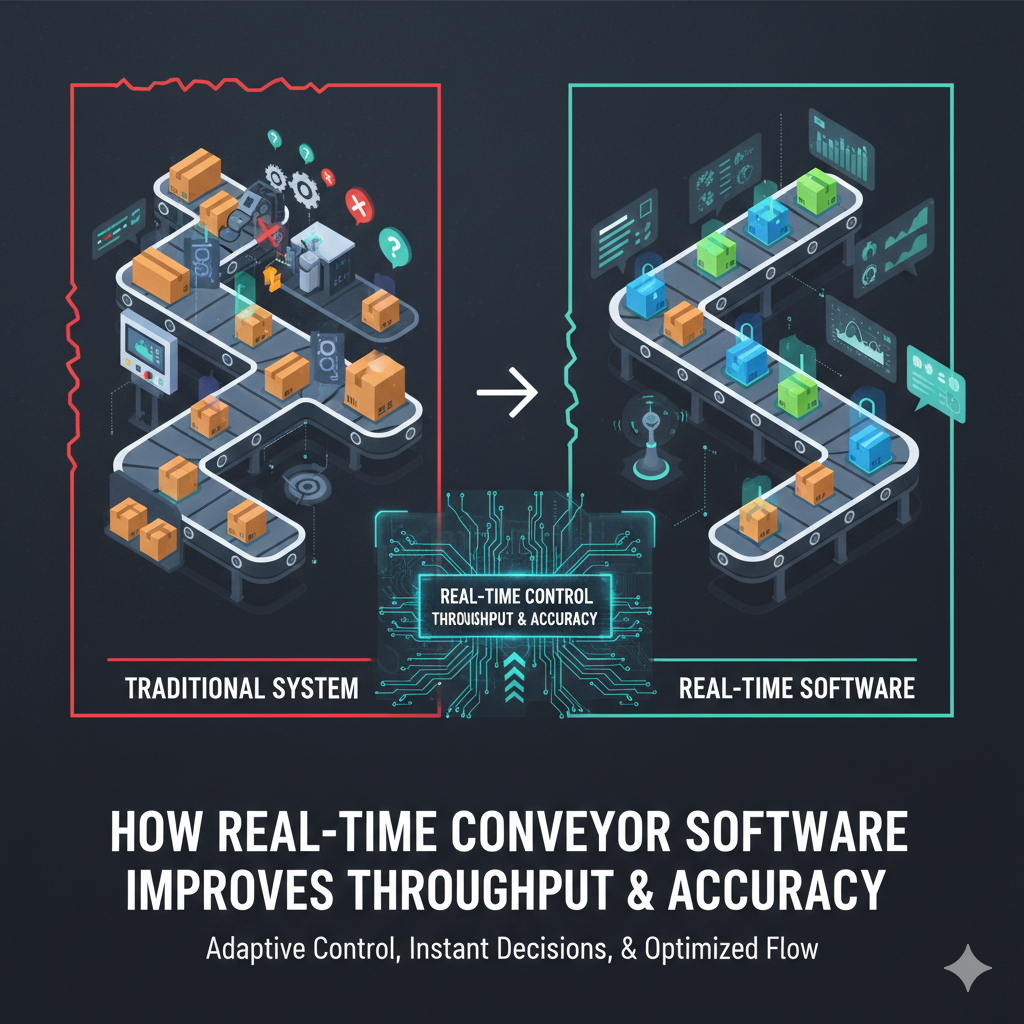
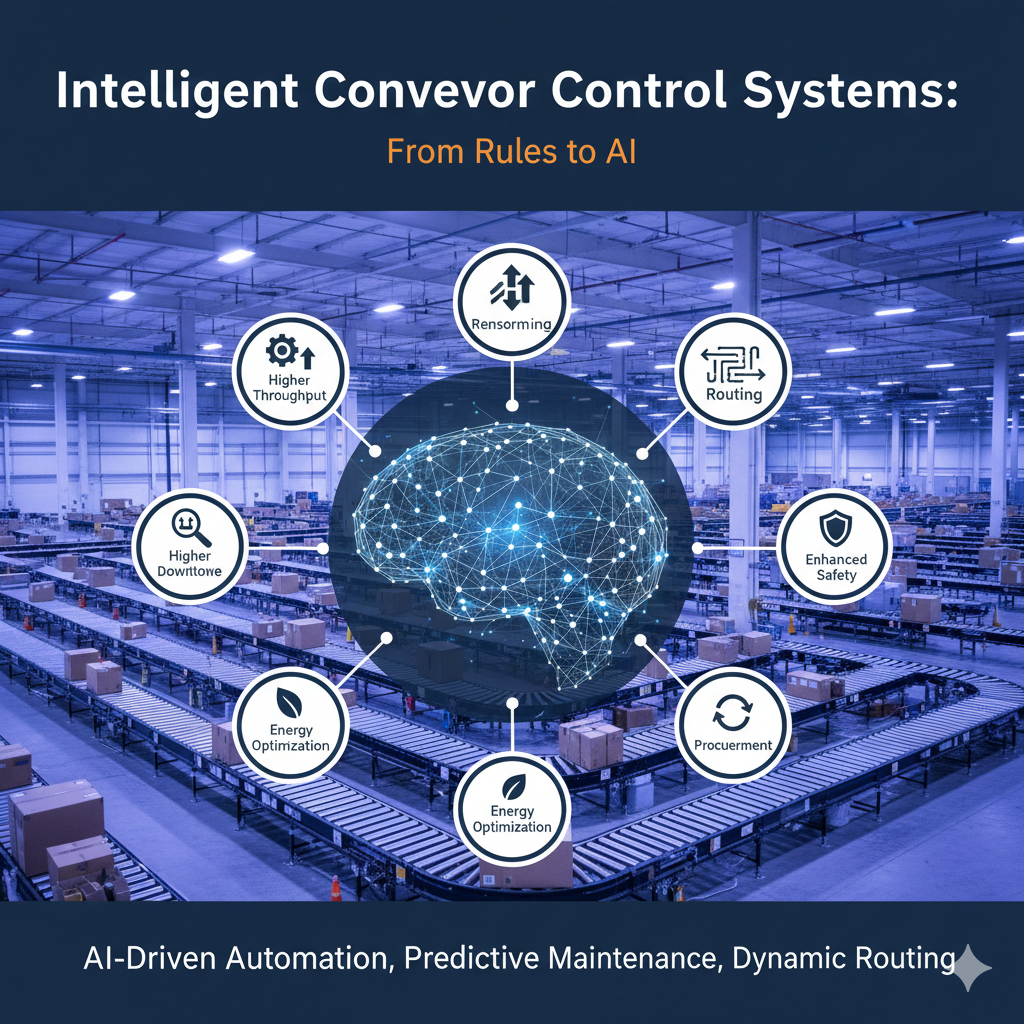
Modern conveyor systems continuously generate operational data across manufacturing plants, warehouses, and distribution centers. Conveyor analytics software converts this stream of performance data into practical insights that enhance capacity planning, eliminate bottlenecks, and enable scalable growth. By applying advanced analytics, organizations can synchronize conveyor throughput with production targets and long-term expansion plans.
Step 1: Defining Operational Capacity 🎯
• Establishes throughput limits across conveyor lines and zones 📊
• Calculates handling capacity per hour, shift, or production cycle ⏱️
• Identifies structural and workflow constraints 🏗️
• Matches equipment performance with output requirements ⚙️
• Sets measurable baseline performance standards 📏
Step 2: Capturing Real-Time Performance Data 📡
• Records belt velocity, load weight, and processing cycles ⚖️
• Monitors sensor activity at transfer points and intersections 🔍
• Tracks downtime events, stoppages, and delays ⛔
• Measures peak throughput versus average flow rates 📈
• Consolidates multi-shift and multi-cycle production data 🗂️
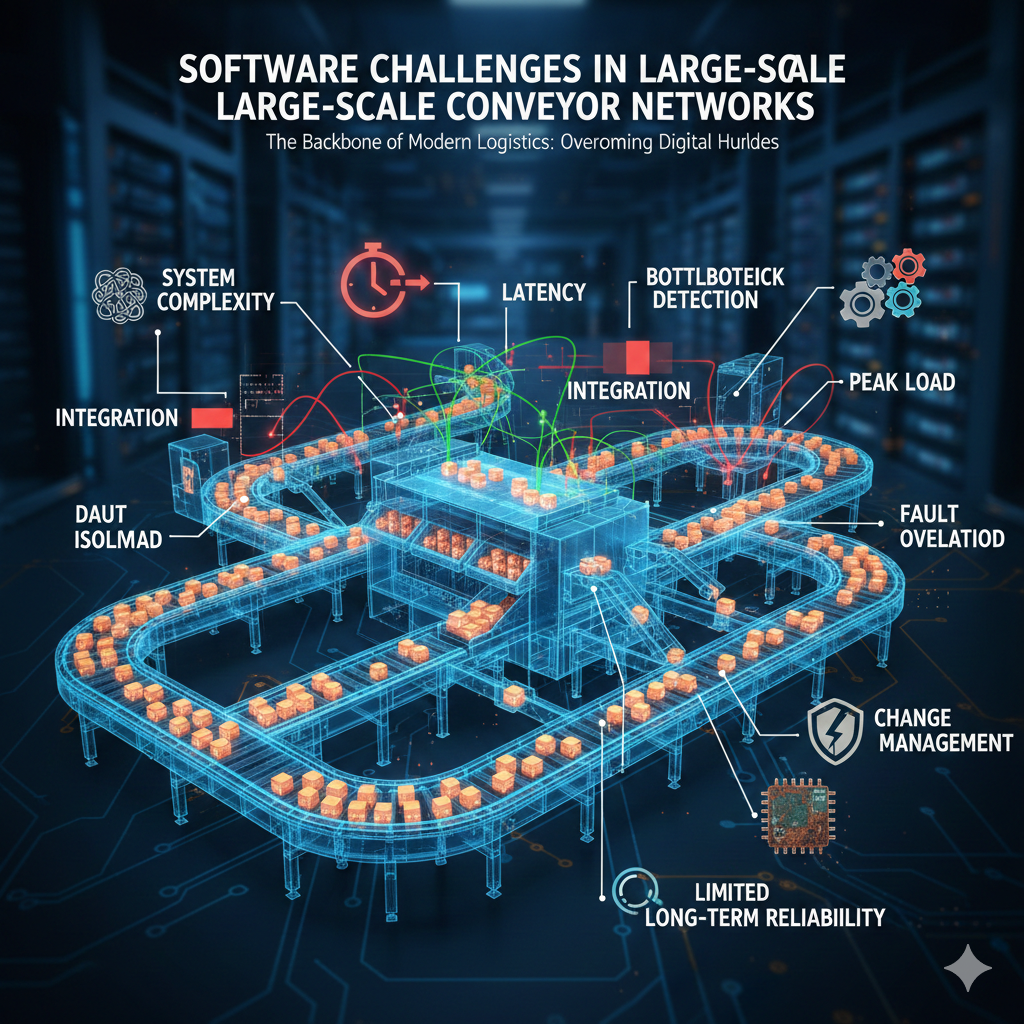
Step 3: Detecting Bottlenecks Through Analytics 🔎
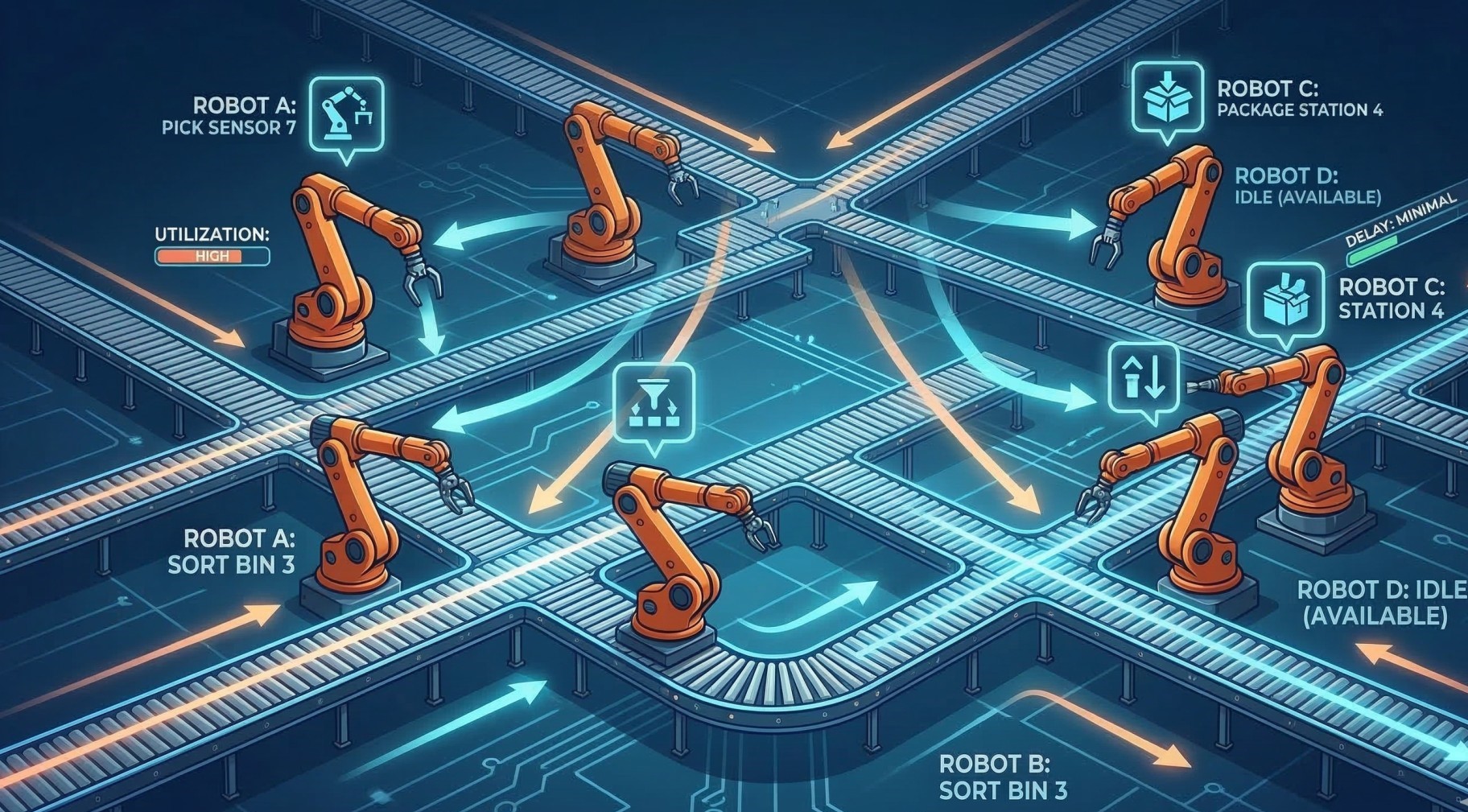
• Identifies congestion at merges, splits, and junctions 🔄
• Flags zones with recurring slowdowns ⚠️
• Analyzes accumulation trends during high-demand periods 📦
• Distinguishes mechanical limitations from demand spikes 🧠
• Ranks constraints that restrict total system capacity 📉
Step 4: Forecasting Future Throughput Demand 📊
• Leverages historical performance data to predict growth 📈
• Models seasonal fluctuations and peak production cycles 📆
• Evaluates the impact of additional SKUs or product lines 📦
• Supports scenario simulations for facility expansion 🏭
• Minimizes risk of overcapacity or underinvestment ⚖️
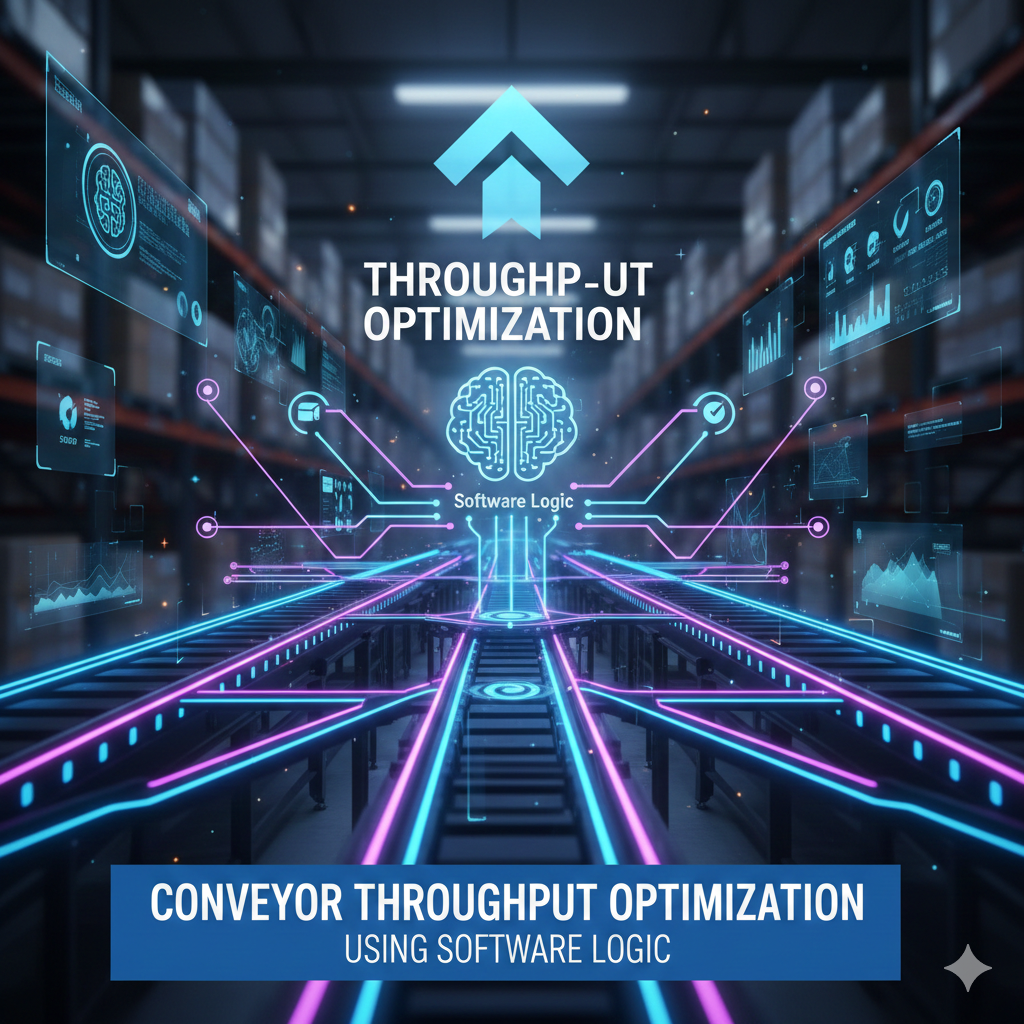
Step 5: Optimizing Flow and Line Balance ⚙️
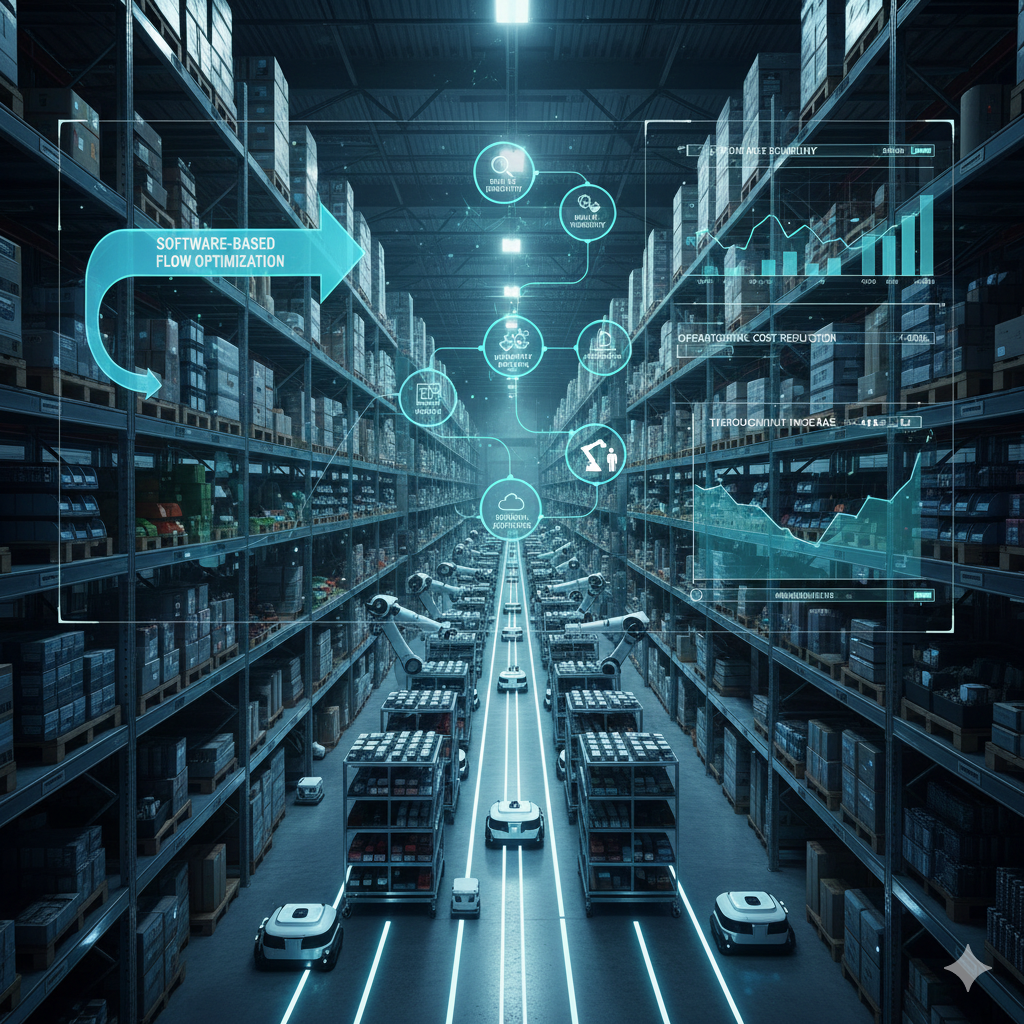
• Synchronizes conveyor speed with upstream production output 🔄
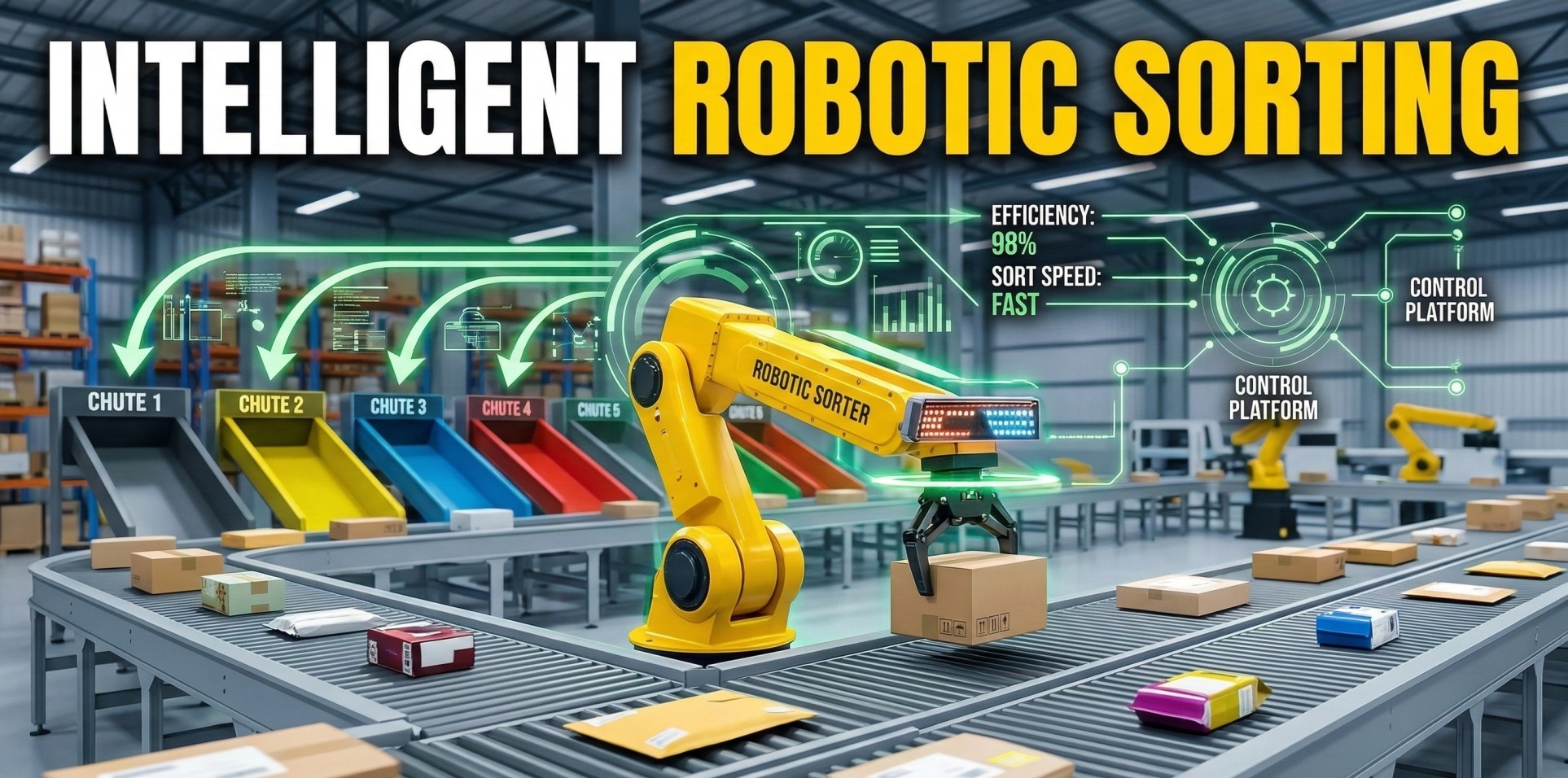
• Coordinates downstream packaging and sorting systems 📦
• Reduces idle time and uneven load distribution ⏳
• Improves overall material movement consistency 📈
• Enhances equipment effectiveness across the line 🛠️
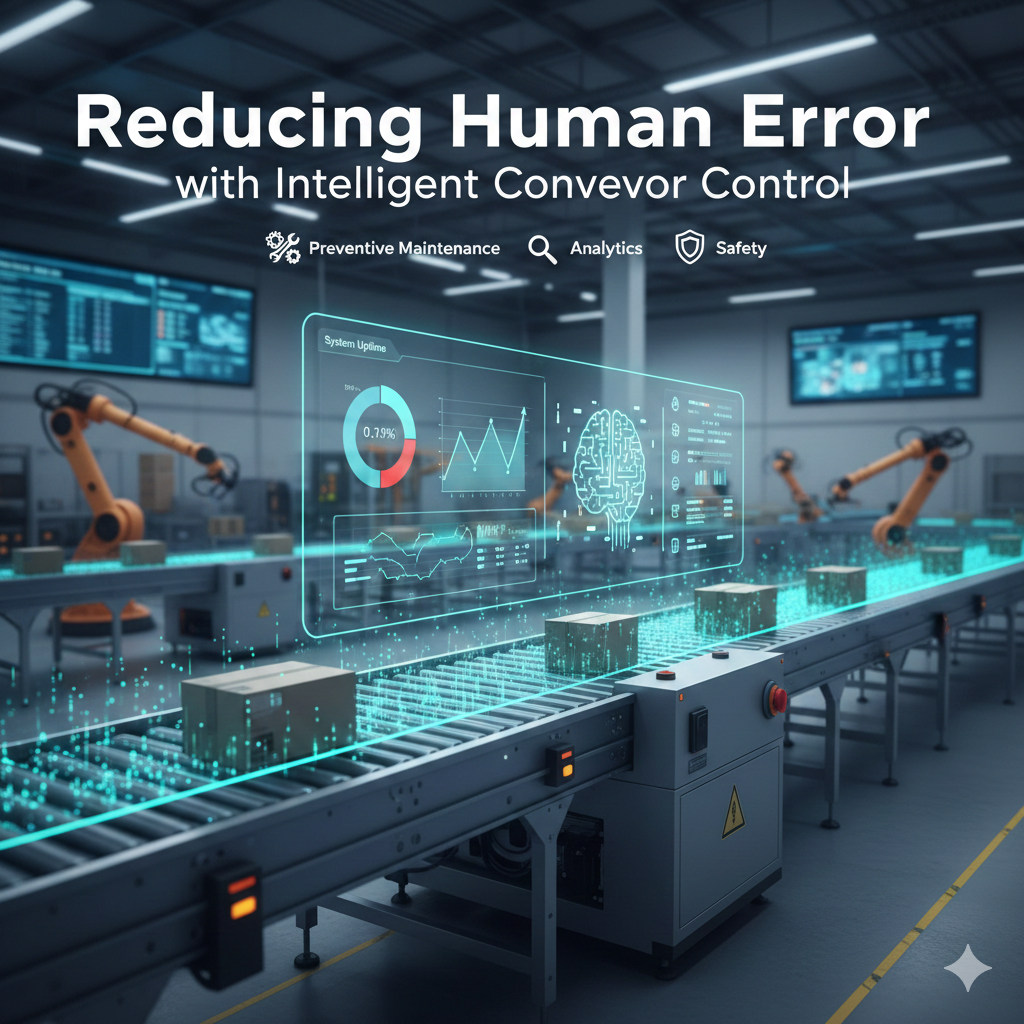
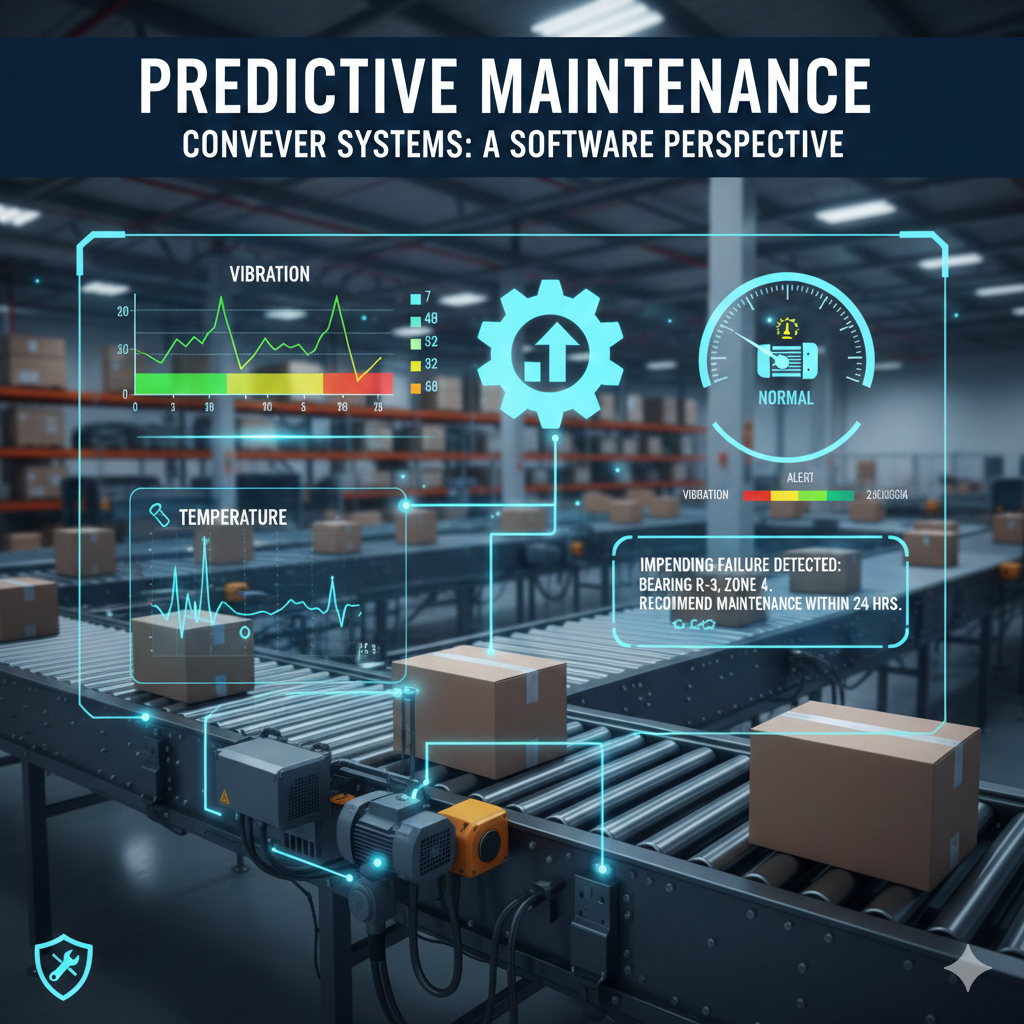
Step 6: Preventing Capacity Erosion with Predictive Insights 🧠
• Detects early warning signs of component wear 🔧
• Identifies patterns in repeated stoppages 🔁
• Anticipates mechanical failures before disruption 🚨
• Minimizes unexpected downtime 📉
• Sustains stable throughput performance 📊
Step 7: Enabling Strategic Expansion Planning 🏗️
• Determines when systems approach maximum utilization 📏
• Compares upgrade options versus new installation investments 💰
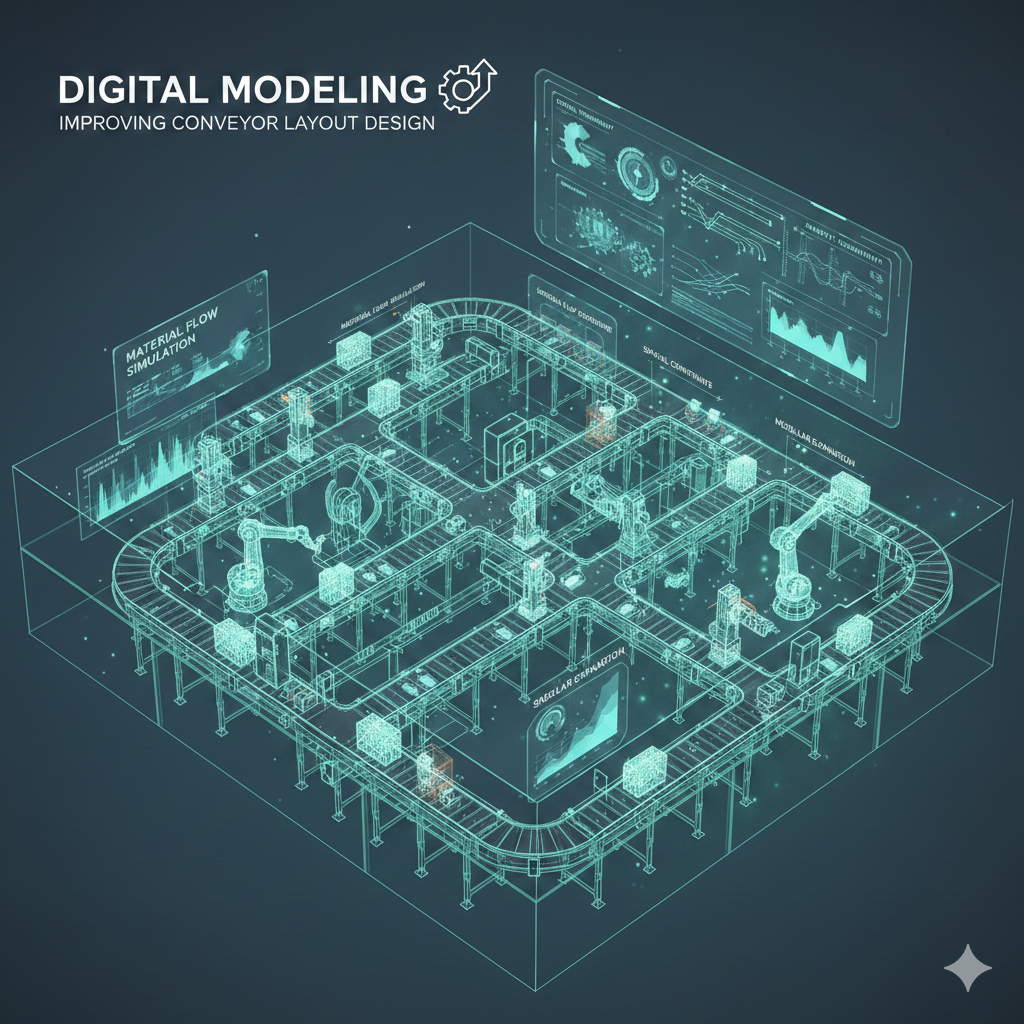
• Simulates digital layout adjustments before implementation 🖥️
• Calculates return on investment for scaling initiatives 📊
• Aligns infrastructure development with business growth 🚀
Step 8: Strengthening Operational Visibility 👀
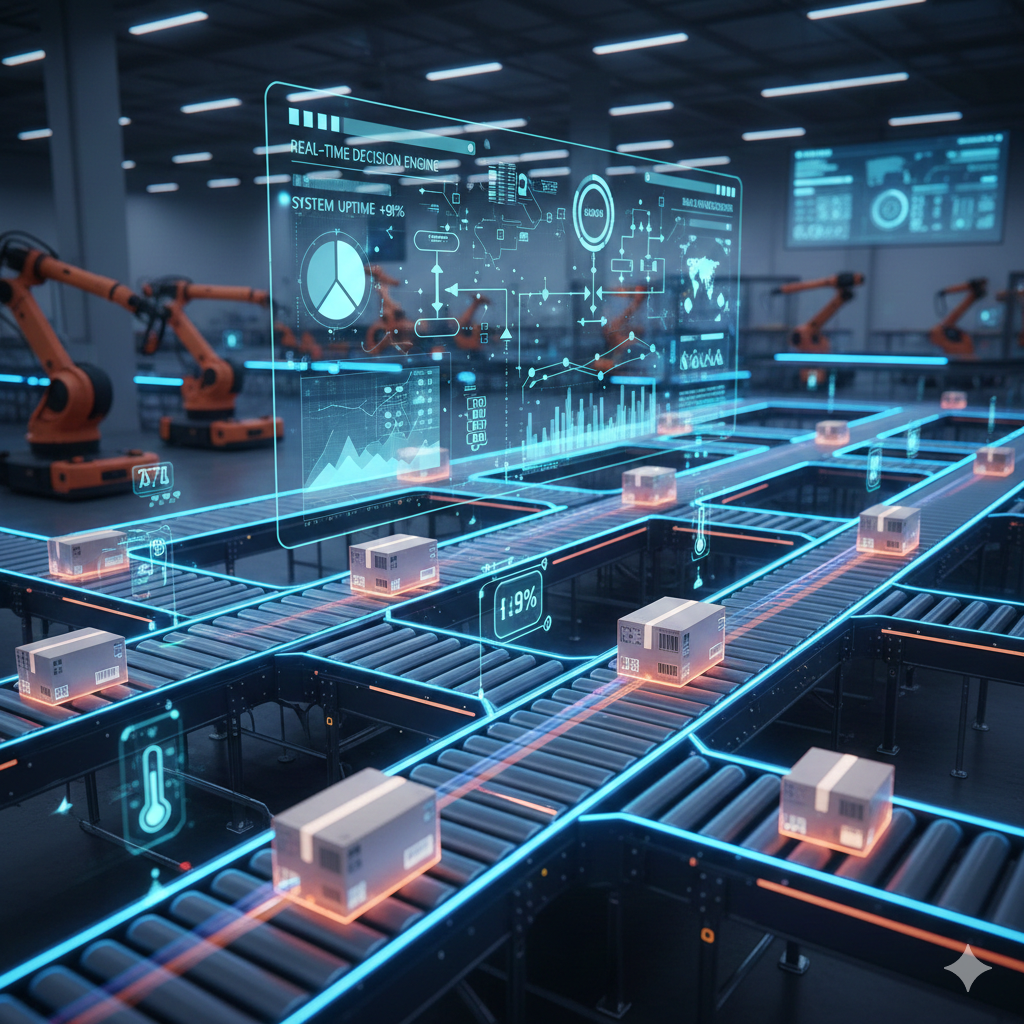
• Delivers real-time insight into capacity utilization levels 📡
• Supports data-backed production planning decisions 📊
• Aligns conveyor efficiency with organizational targets 🎯
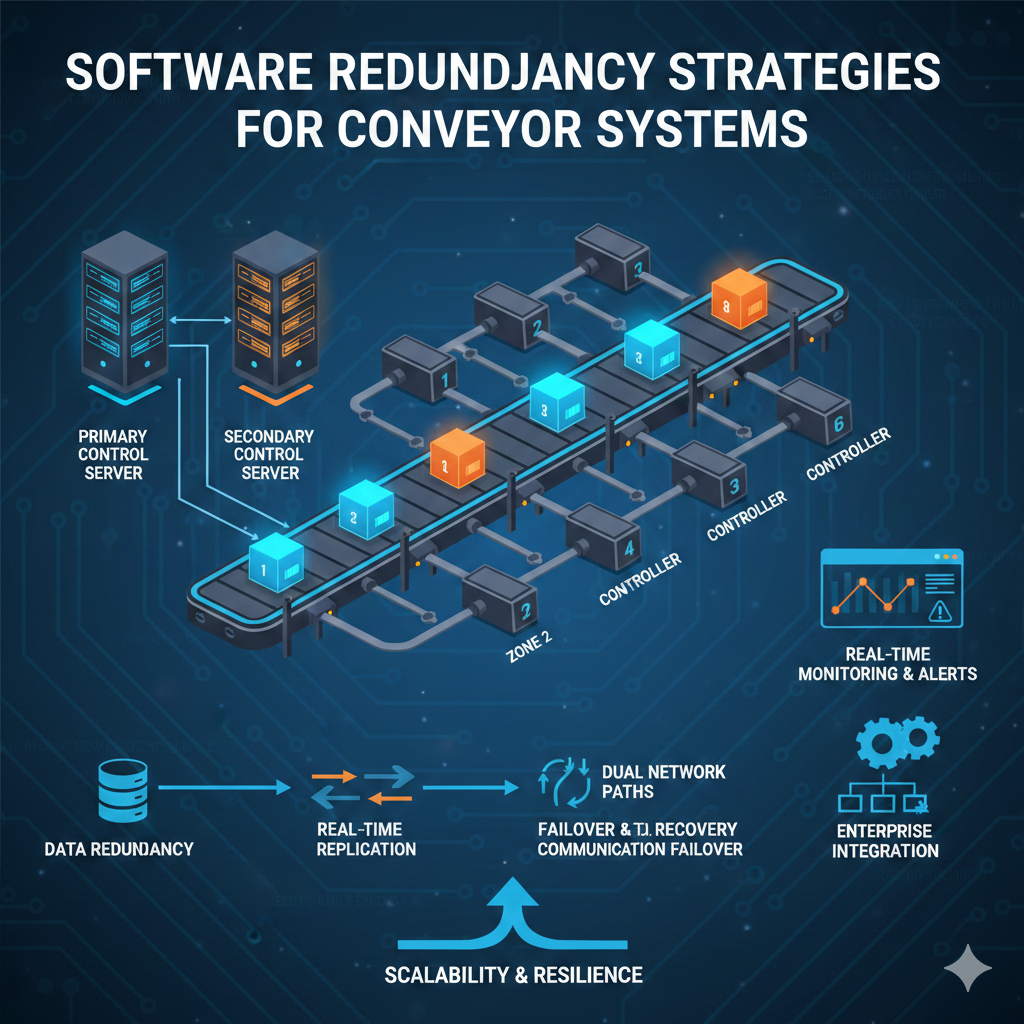
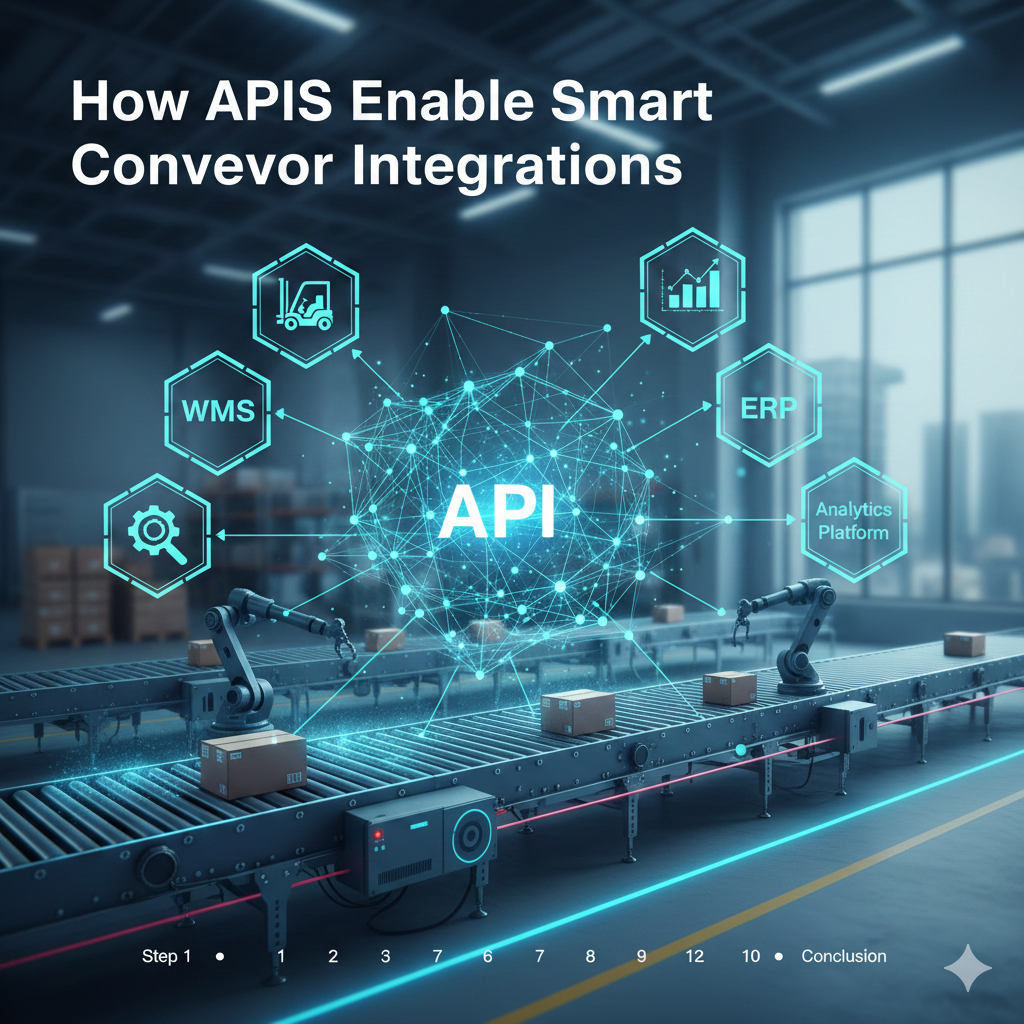
Step 9: Integrating Conveyor Analytics with ERP and MES 🔗
• Connects conveyor performance data to production planning platforms 🏢
• Aligns material movement with inventory and order management 📦
• Bridges communication between shop floor systems and leadership 📋
• Improves accuracy of demand-driven production scheduling 📈
• Enhances enterprise-wide operational transparency 🌐
Step 10: Creating a Scalable Capacity Planning Model 📈
• Implements continuous monitoring and optimization cycles 🔄
• Adapts to evolving product mixes and order volumes 📦
• Maintains efficiency as facilities expand 🏭
• Reduces the risk of systemic overload ⚠️
• Positions conveyor systems as strategic operational assets 🏆
Conclusion
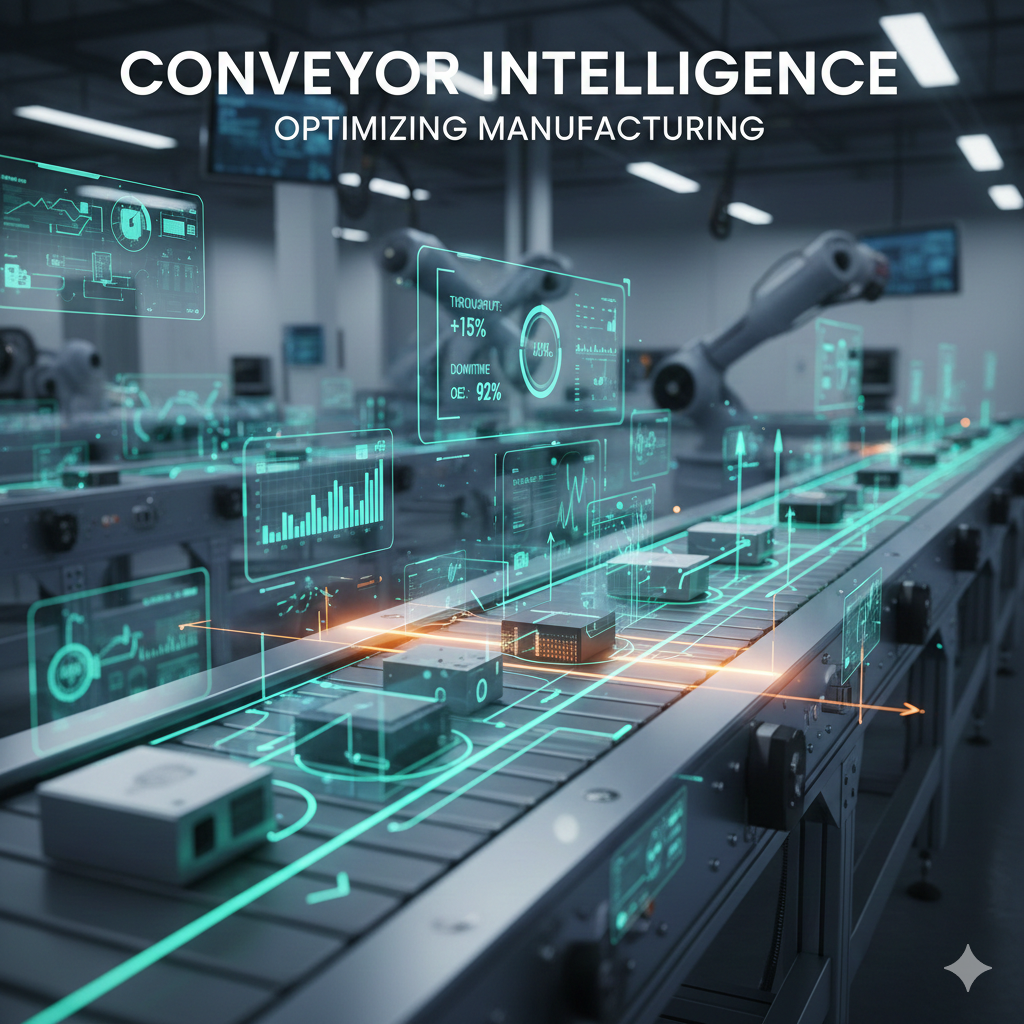
Capacity planning supported by conveyor software analytics transforms material handling systems into intelligent performance platforms. By combining real-time visibility, predictive analytics, and forward-looking forecasting, organizations can maximize throughput, eliminate constraints, and plan confidently for expansion. As production environments grow more complex, analytics-driven conveyor systems become essential for sustaining efficiency and long-term scalability.
See more blogs
You can all the articles below