Real-Time Decision Engines in Conveyor Operations
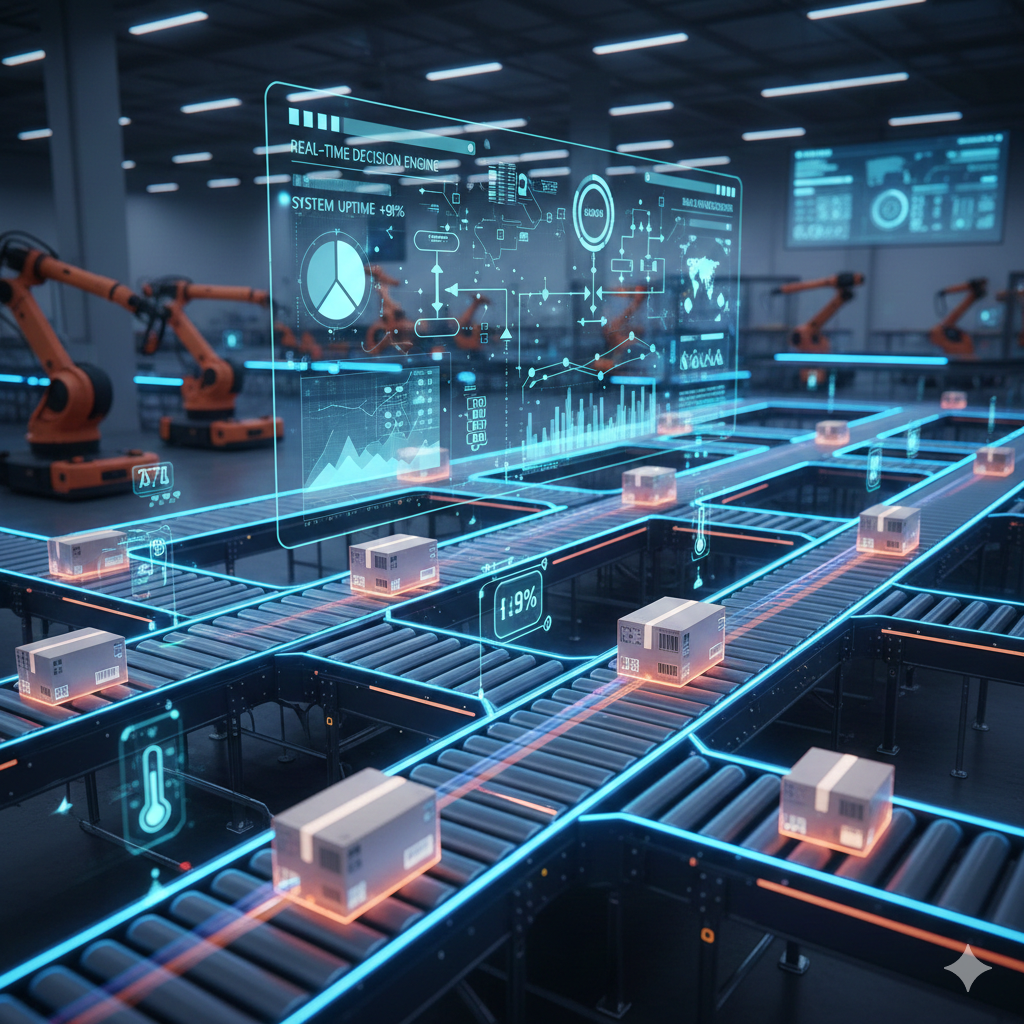
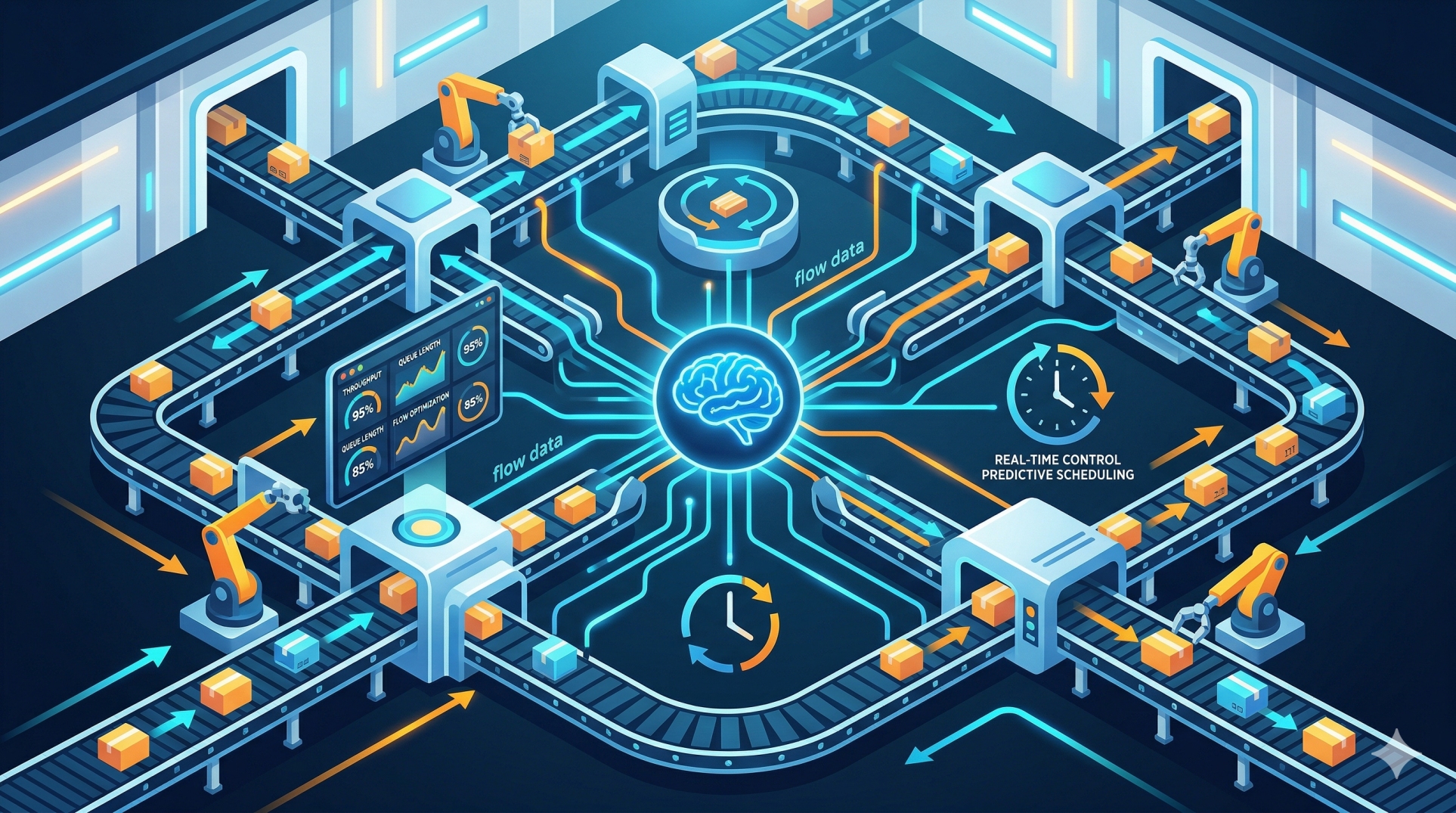
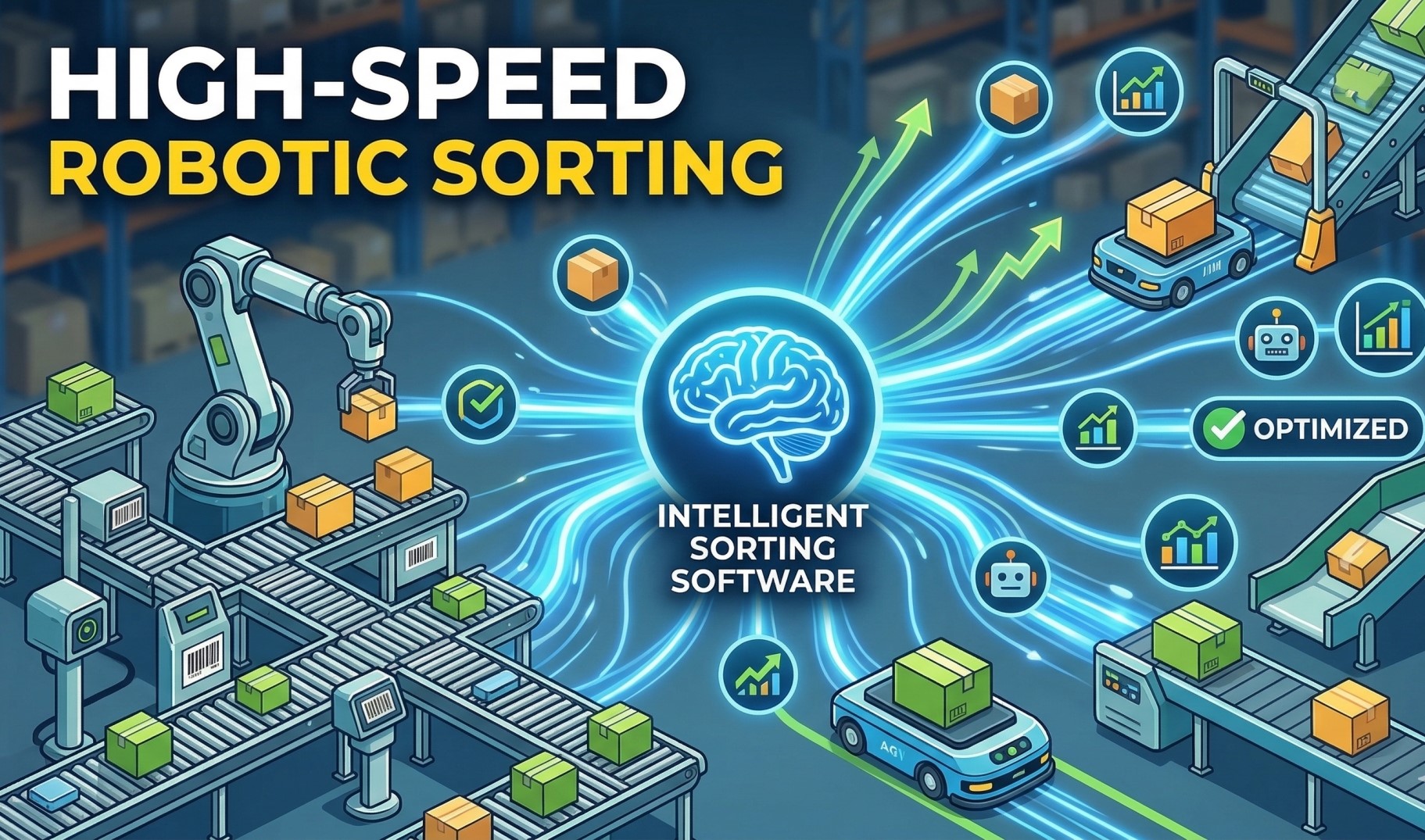
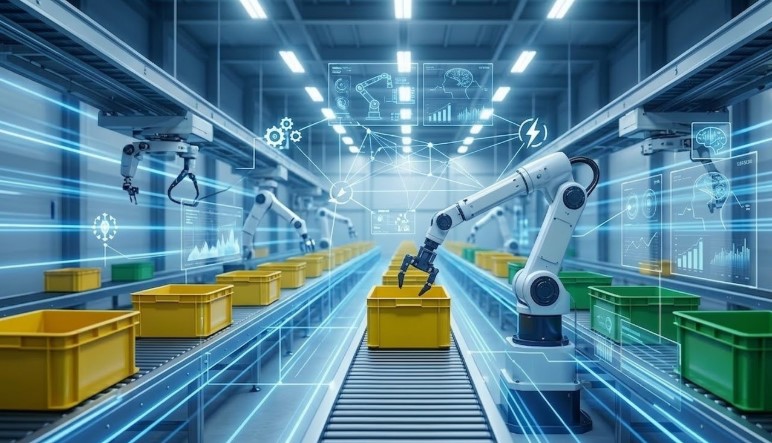
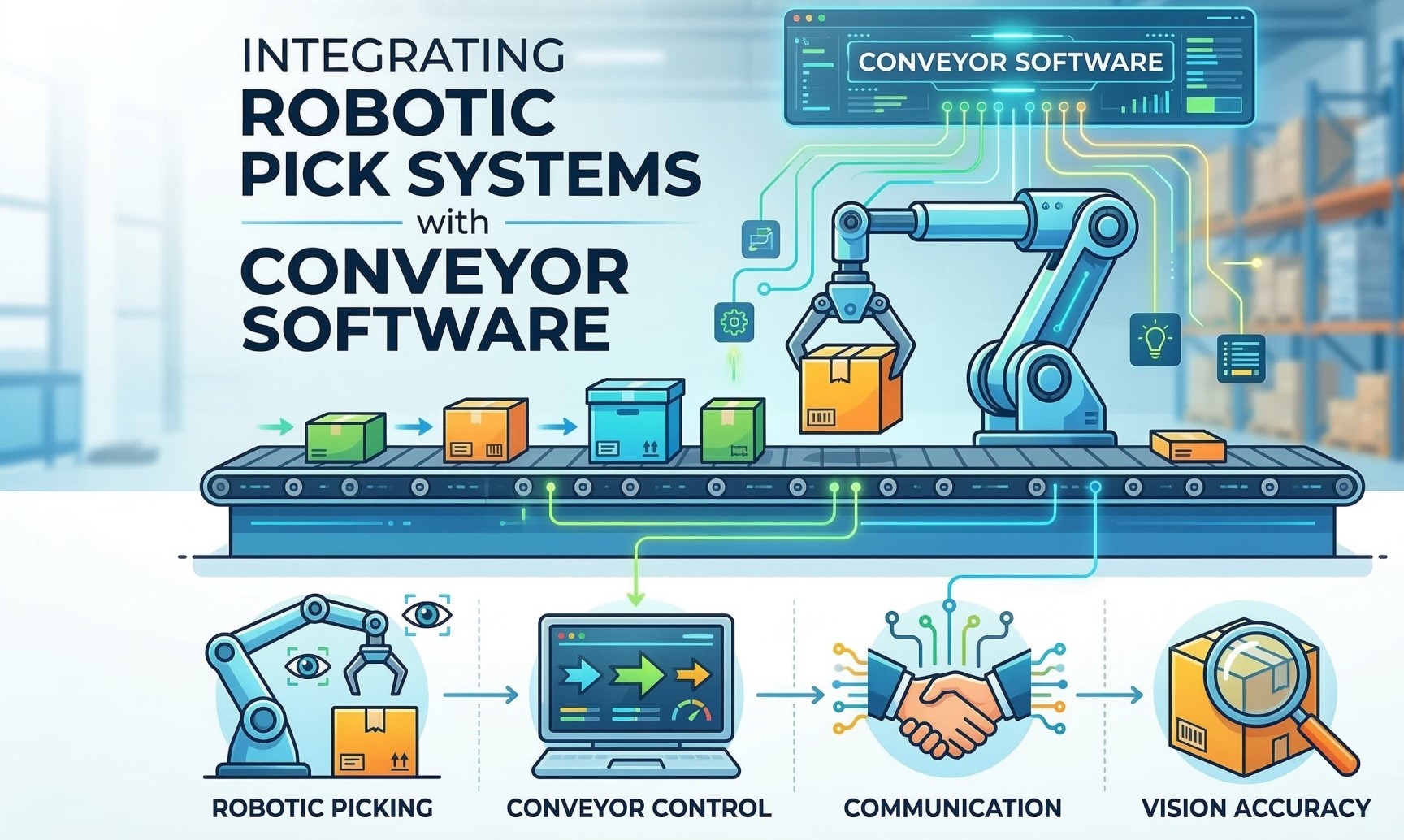
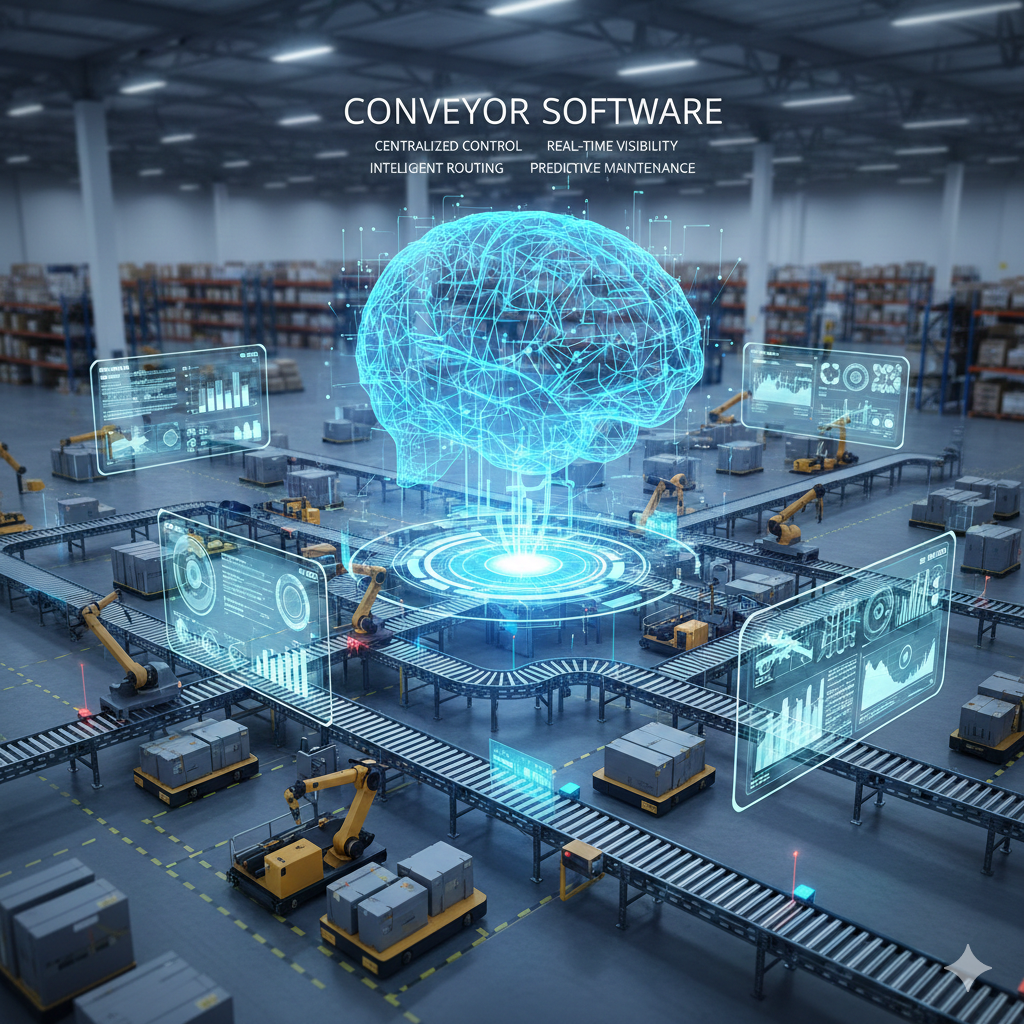
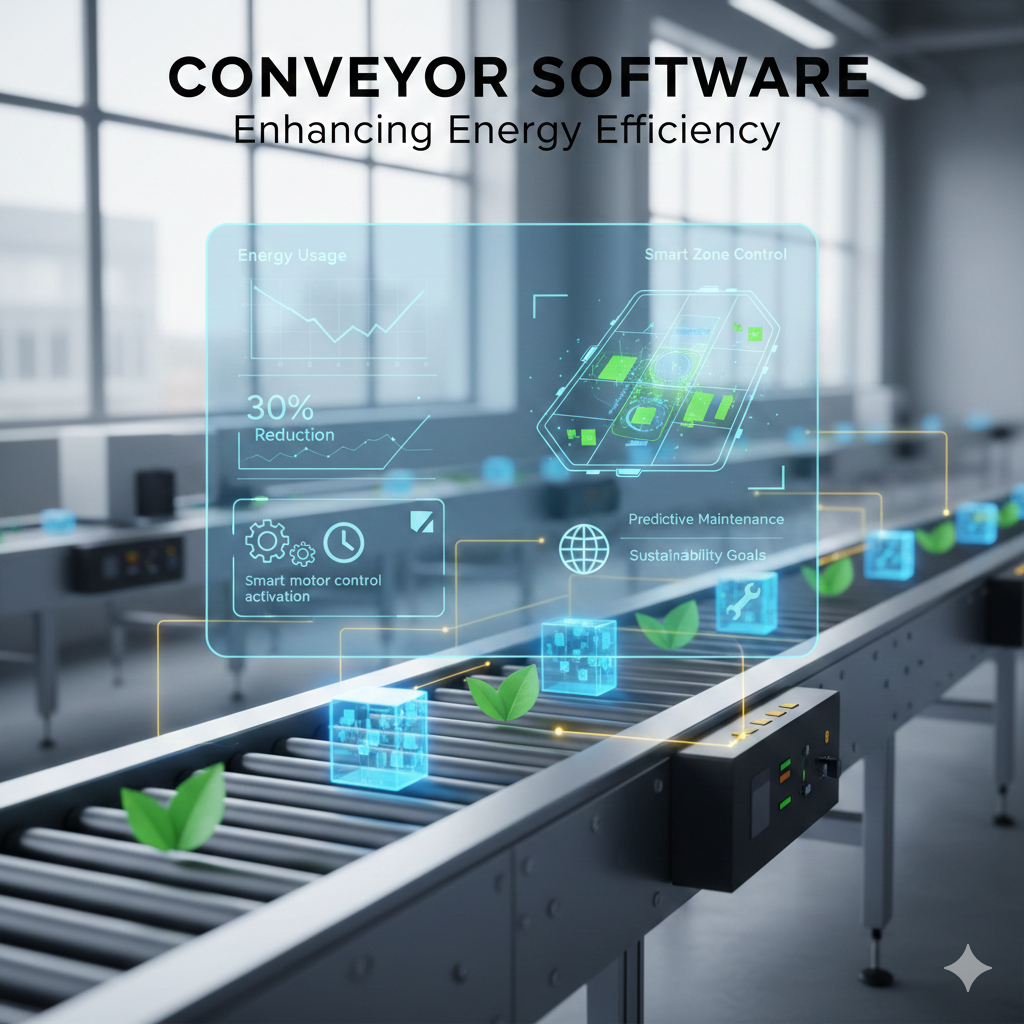
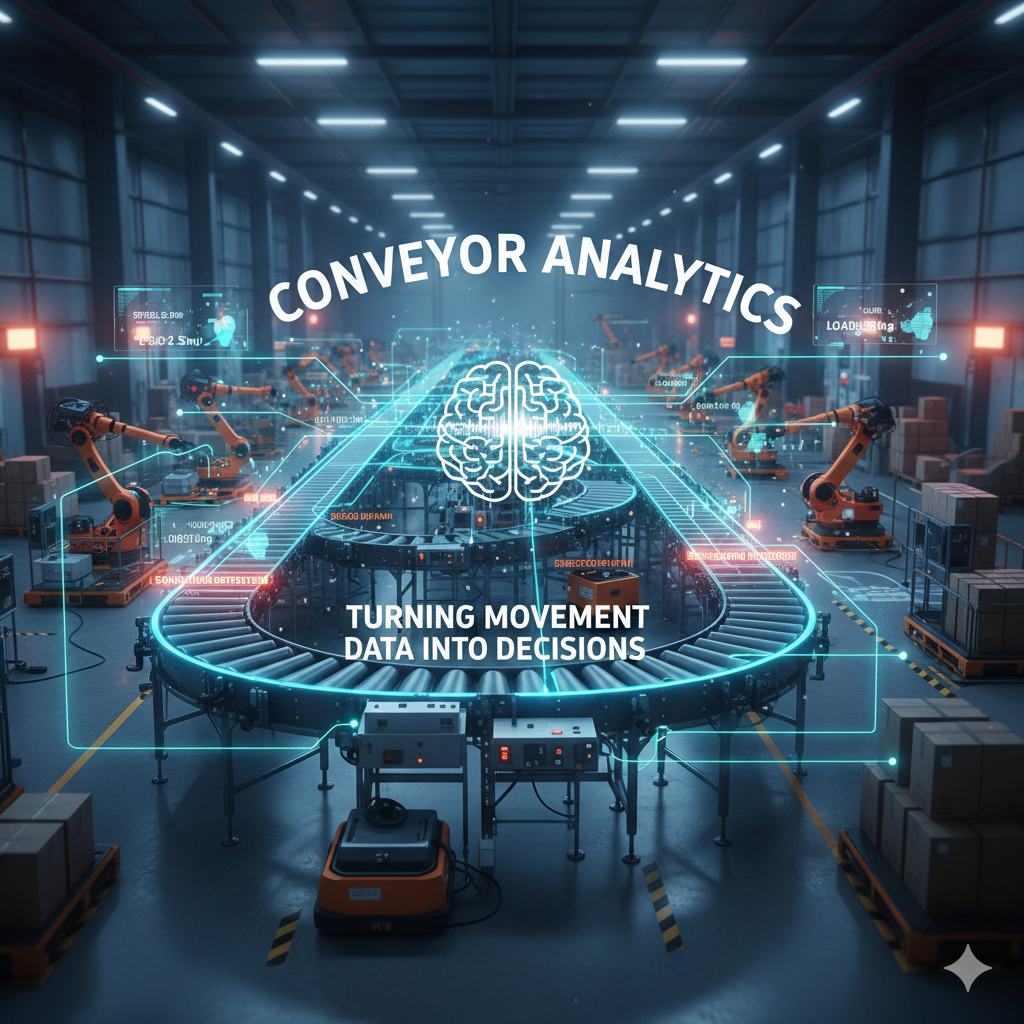
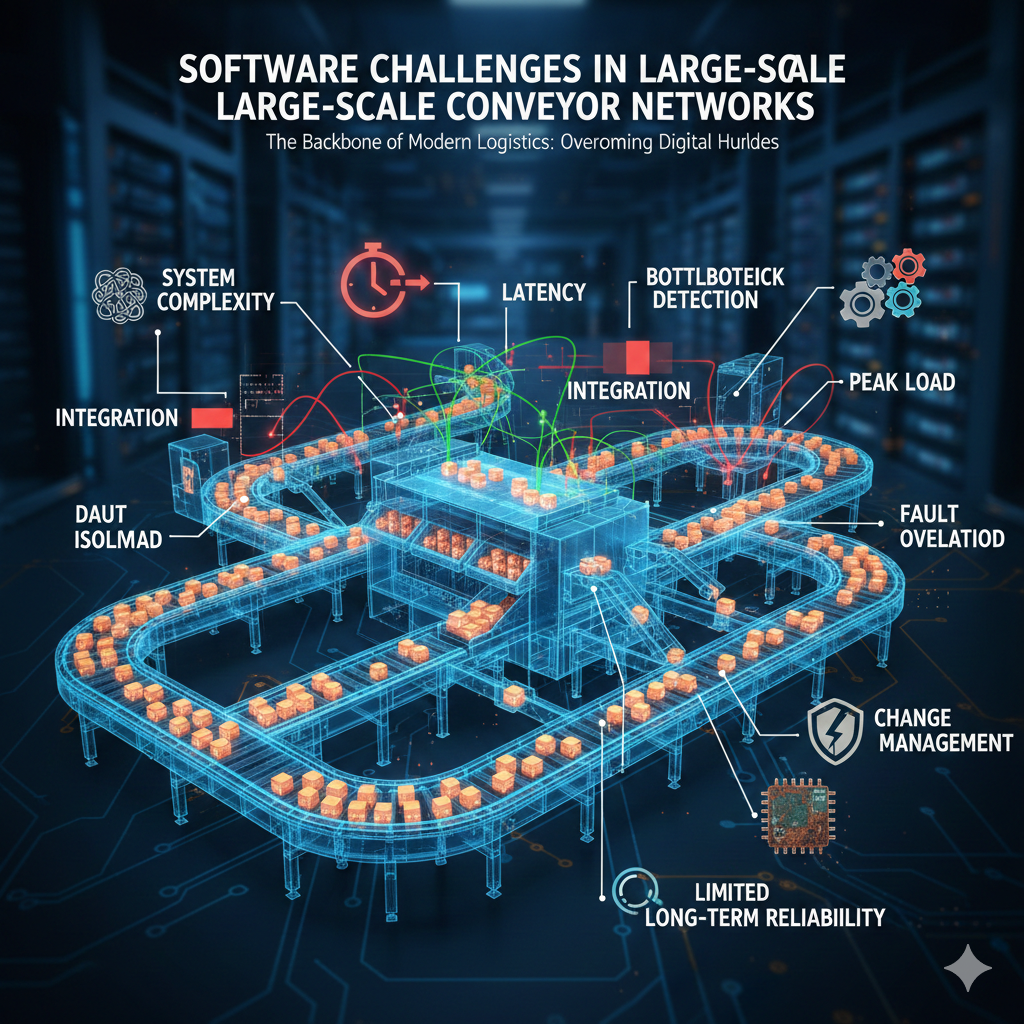
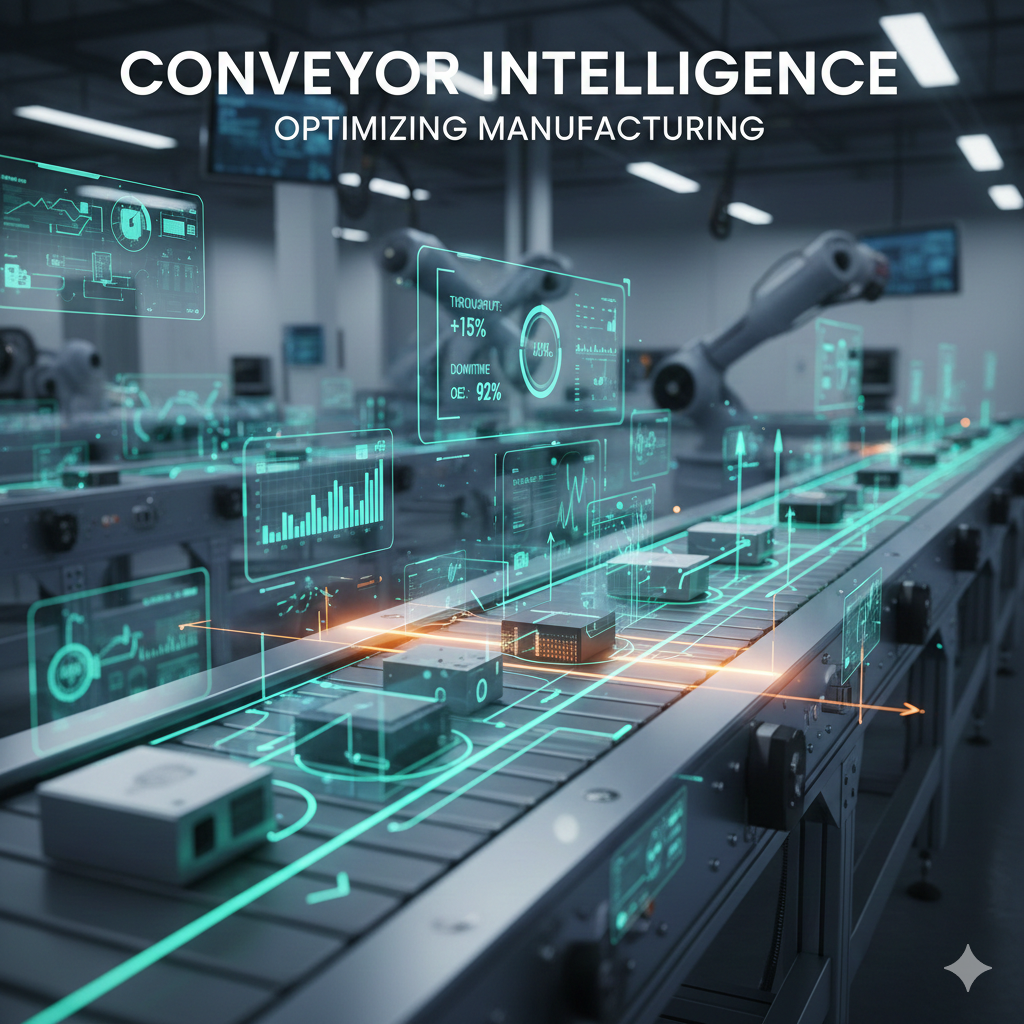
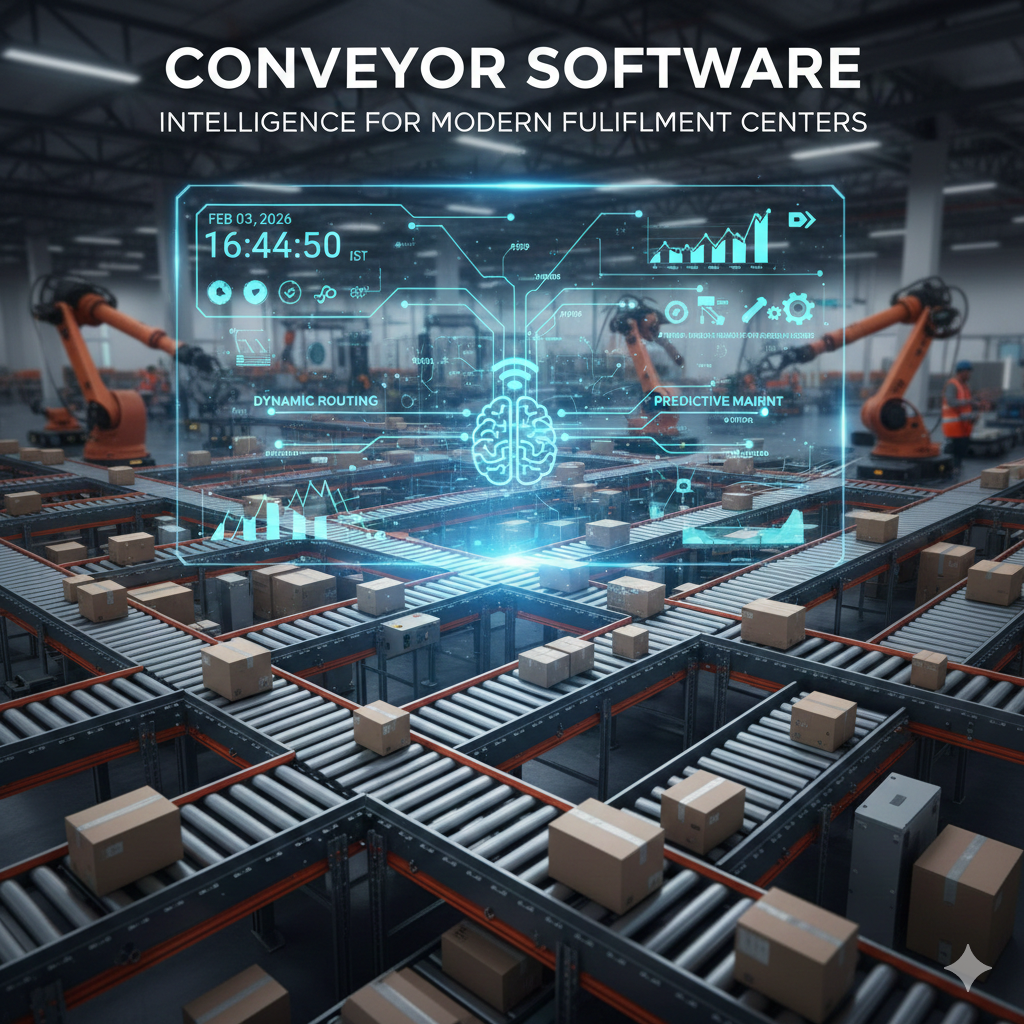
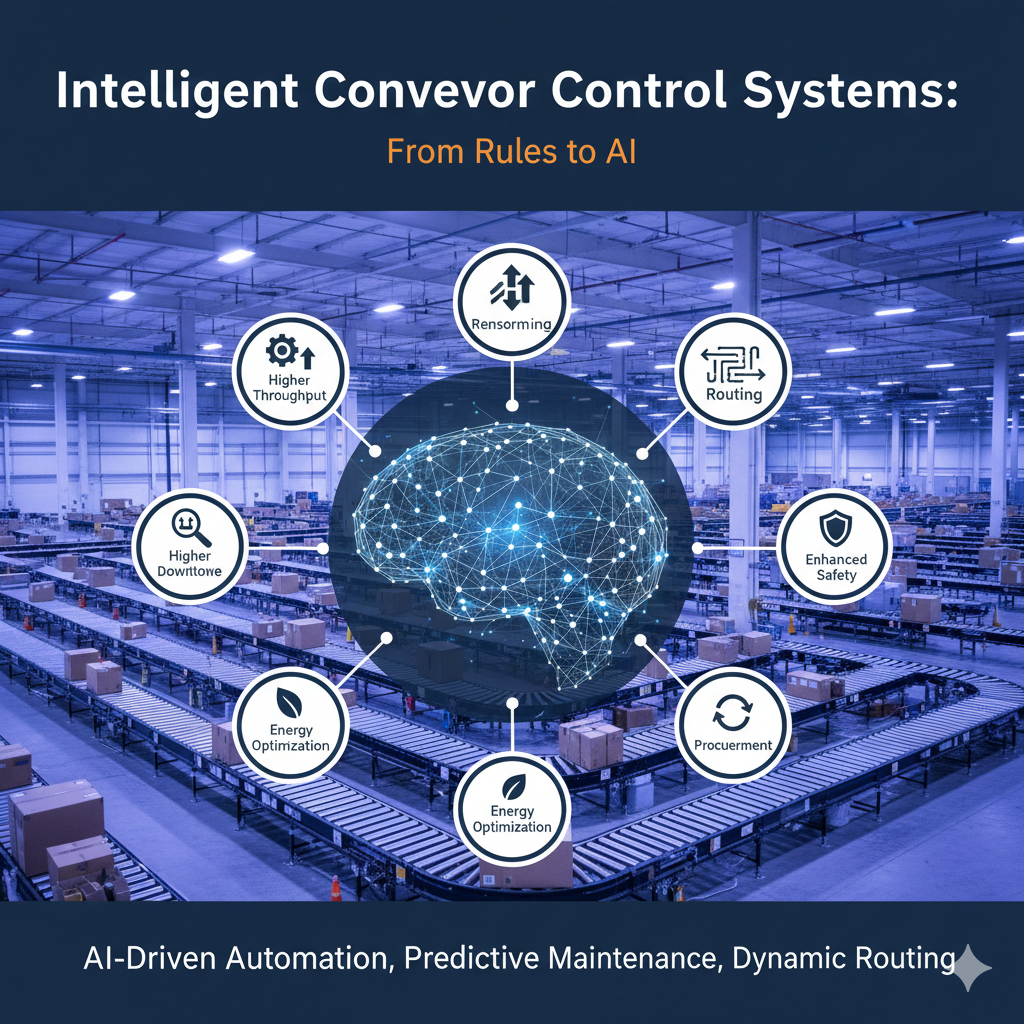
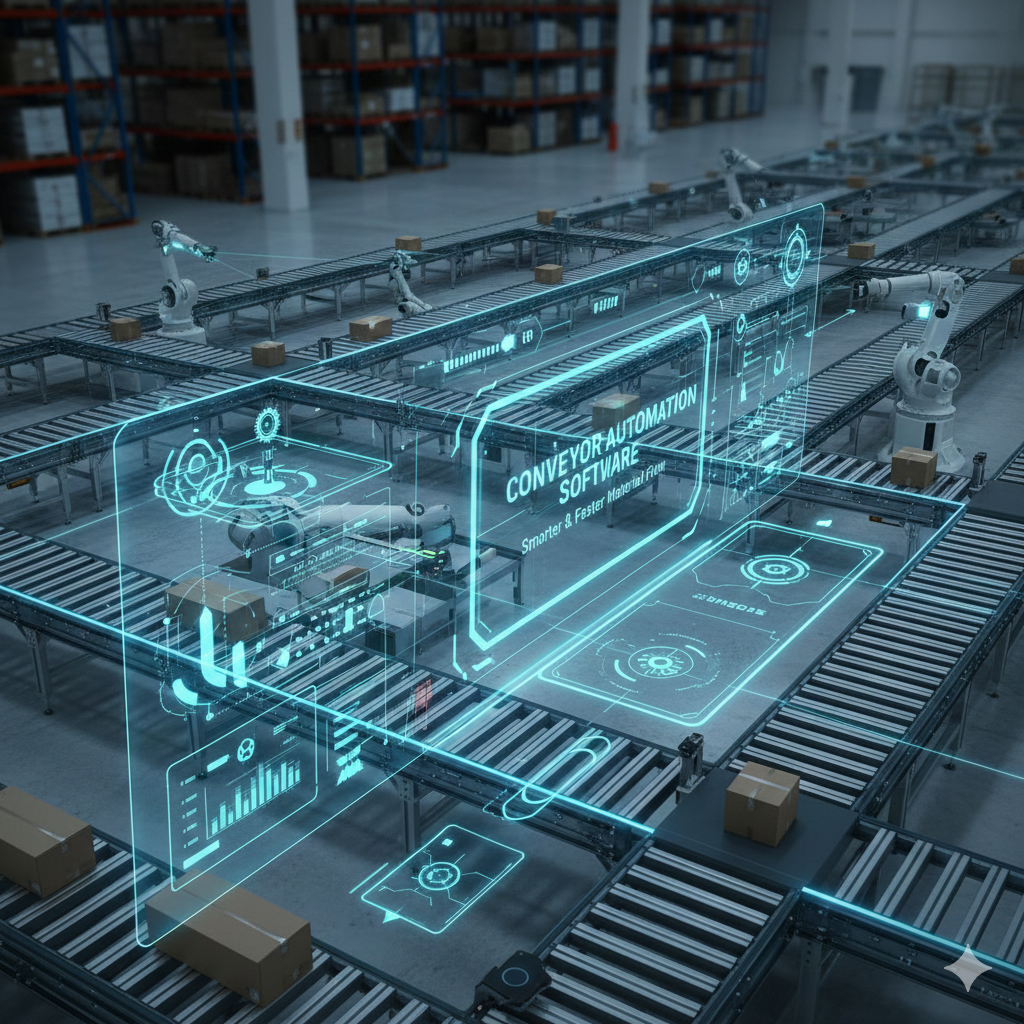
Modern conveyor systems have evolved far beyond simple material transport mechanisms. In advanced industrial facilities, conveyors now function as intelligent operational networks powered by real-time decision engines. These systems continuously interpret live operational data, optimize material movement, prevent equipment failures, and maintain high-efficiency logistics and production workflows with minimal disruption.
Step 1: From Mechanical Movement to Intelligent Flow Control ⚙️
• Legacy conveyor systems operated on fixed rules and required constant manual oversight 🔧
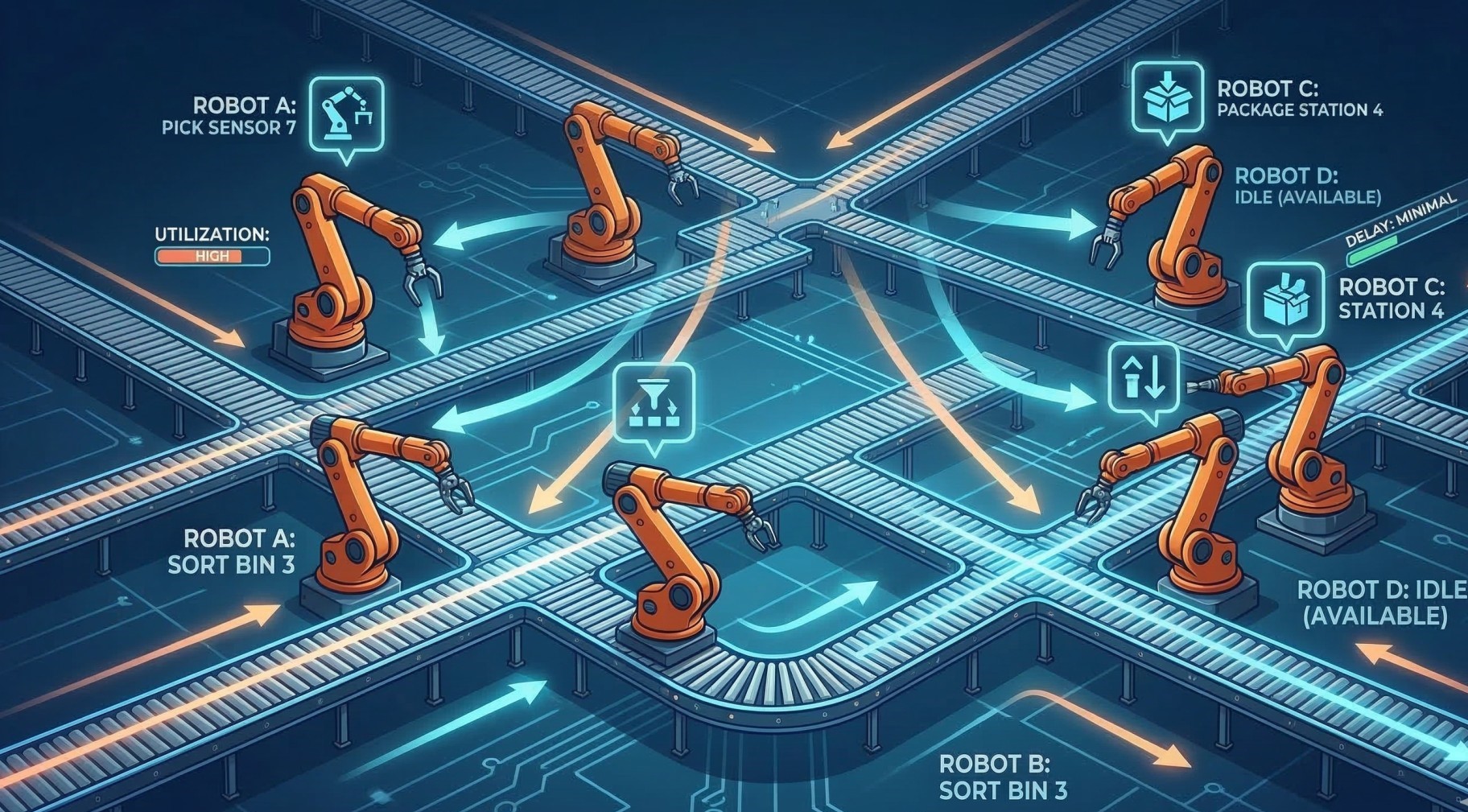
• Modern architectures combine sensors, programmable controllers, and analytics layers 📡
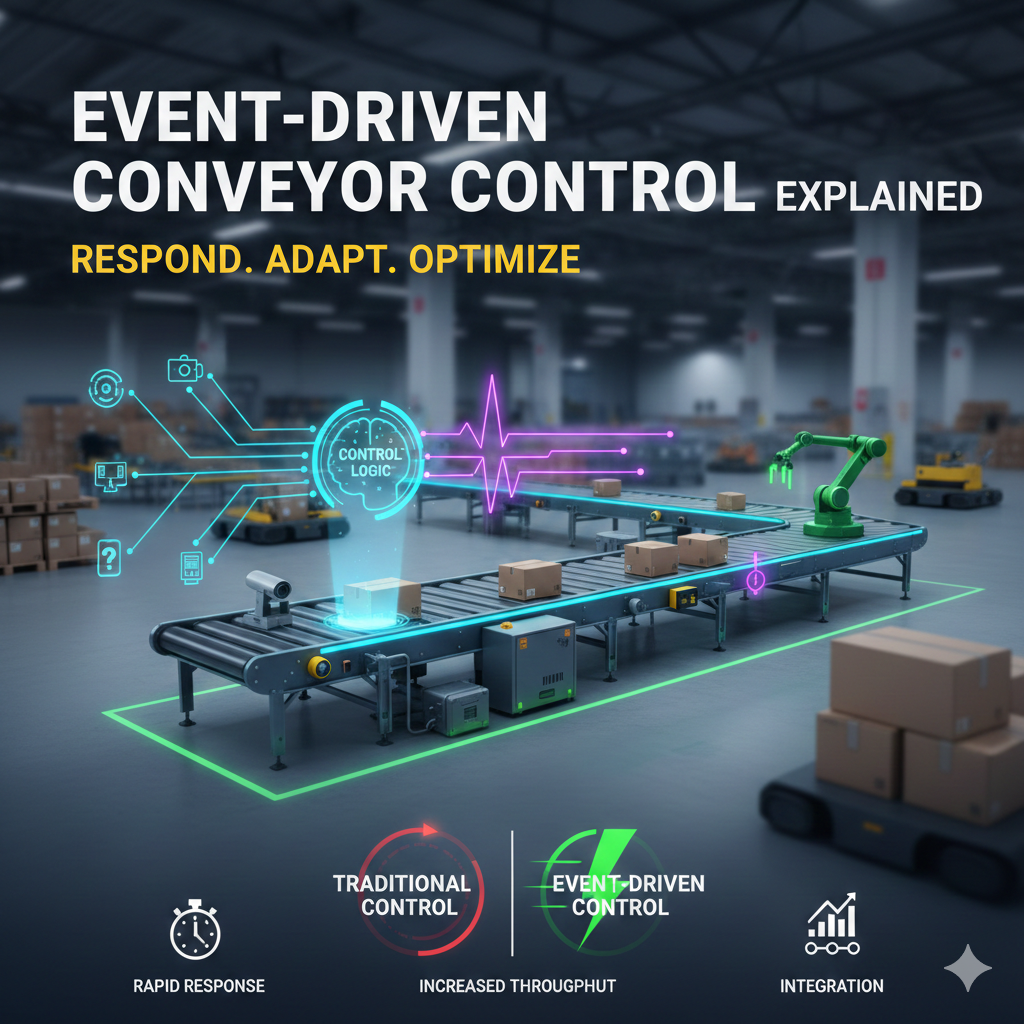
• Decision engines evaluate operational signals the moment they are generated ⏱️
• Material routing adapts instantly to changing production conditions 🔄
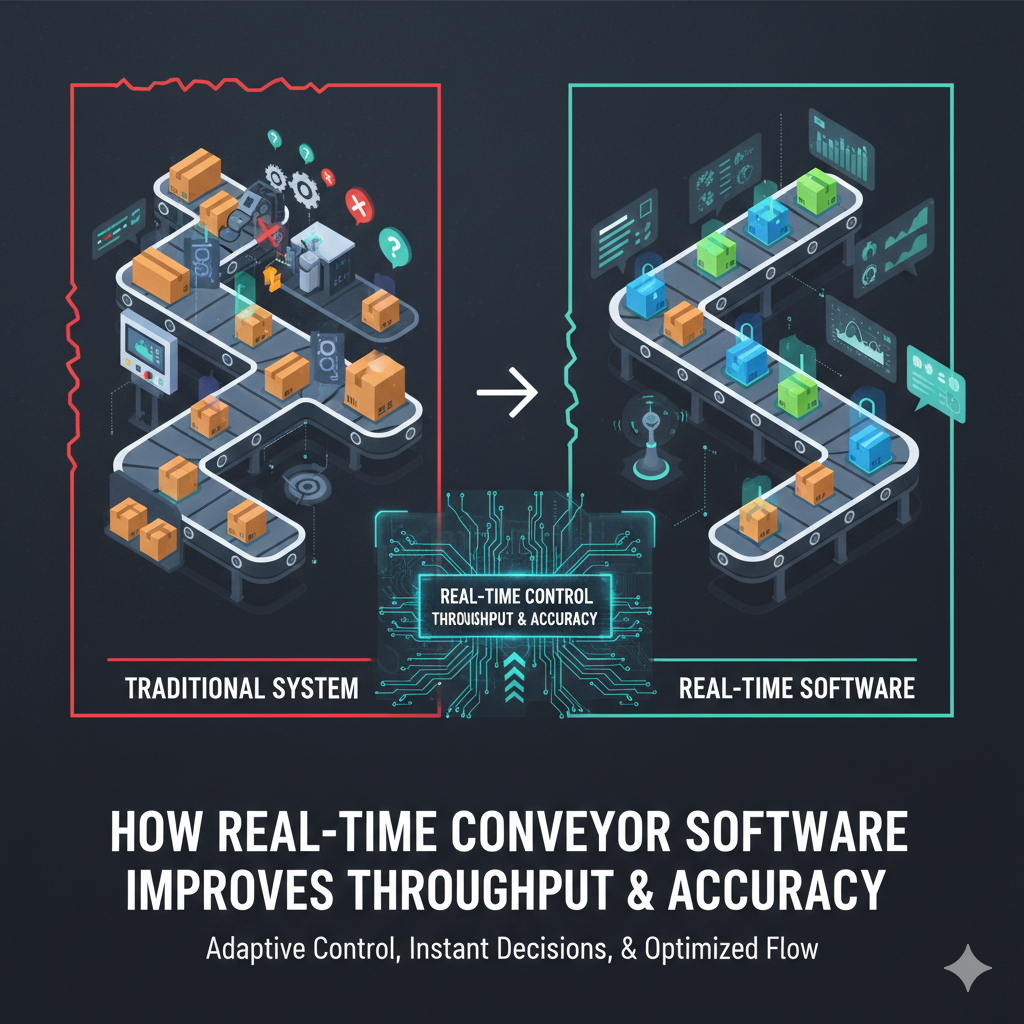
• Operations shift from reactive correction to proactive performance optimization 📈
Step 2: Continuous Data Acquisition Across the Conveyor Network 📊
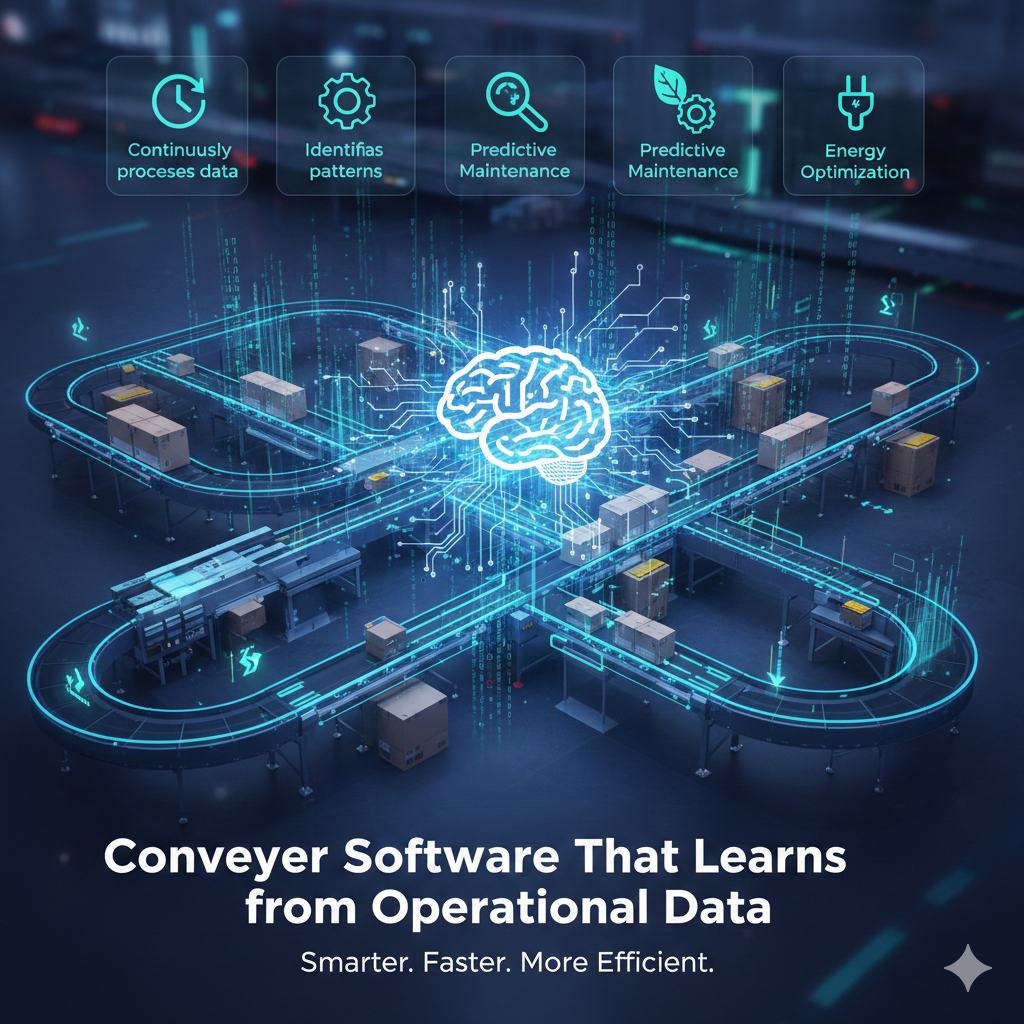
• Gathers inputs from speed sensors, load cells, and motor control systems 📡
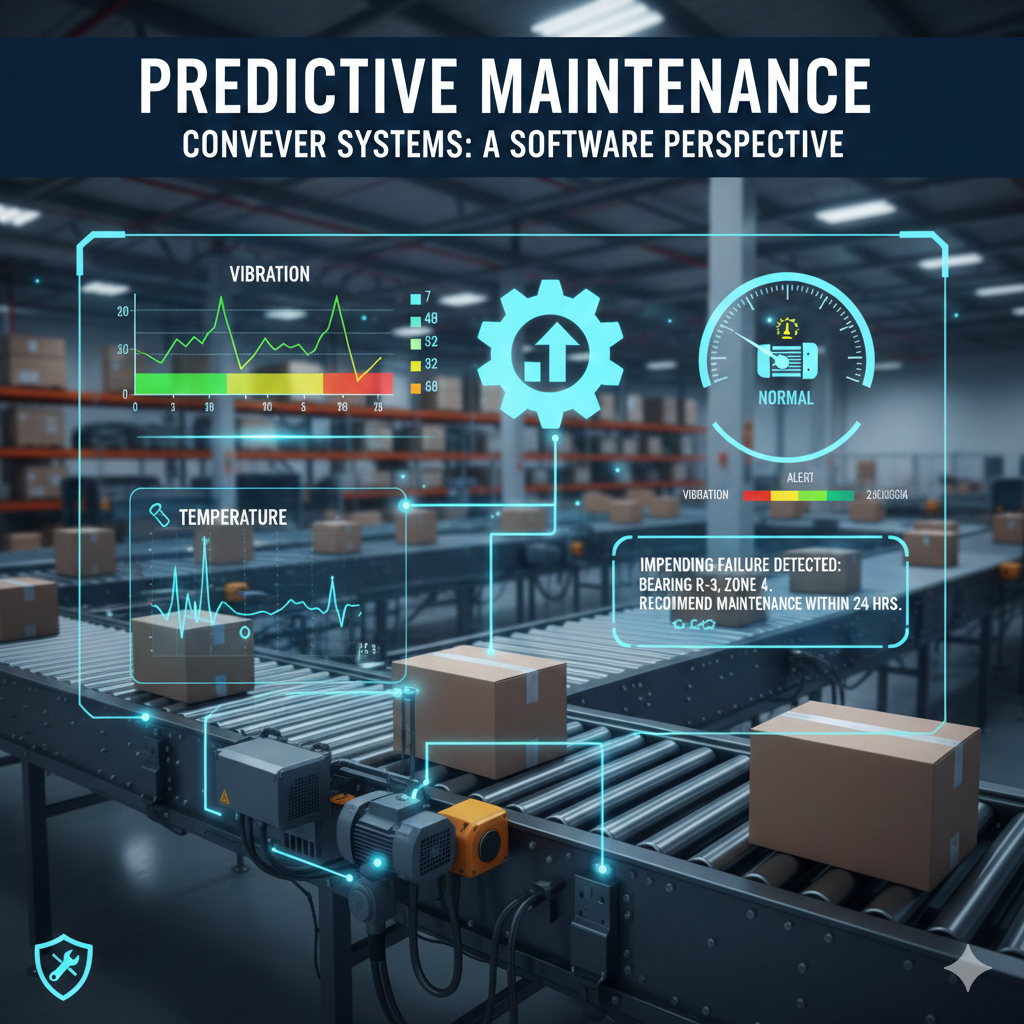
• Monitors vibration levels, temperature changes, and belt alignment 🧠
• Measures throughput rates and detects congestion points in real time 🚦
• Incorporates barcode and RFID tracking for enhanced material traceability 📦
• Streams high-frequency operational data into centralized processing platforms 🔗
Step 3: Real-Time Processing and Signal Interpretation 🧠
• Filters signal noise to isolate meaningful operational data 🔍
• Flags performance anomalies as they occur ⚠️
• Identifies early indicators of mechanical imbalance or stress 🛠️
• Assesses flow conditions across connected conveyor zones 🔄
• Converts raw sensor data into actionable system states 📊
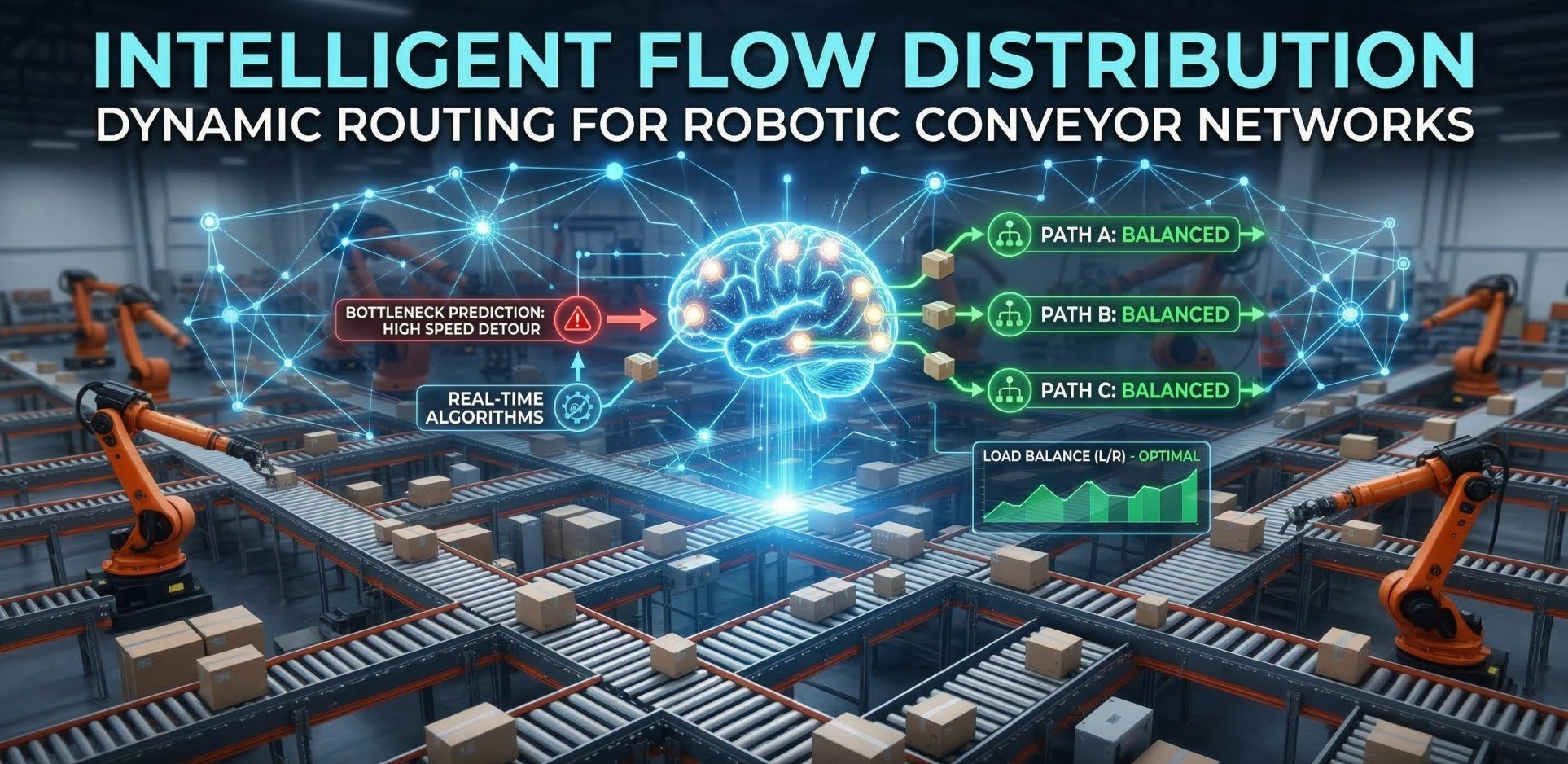
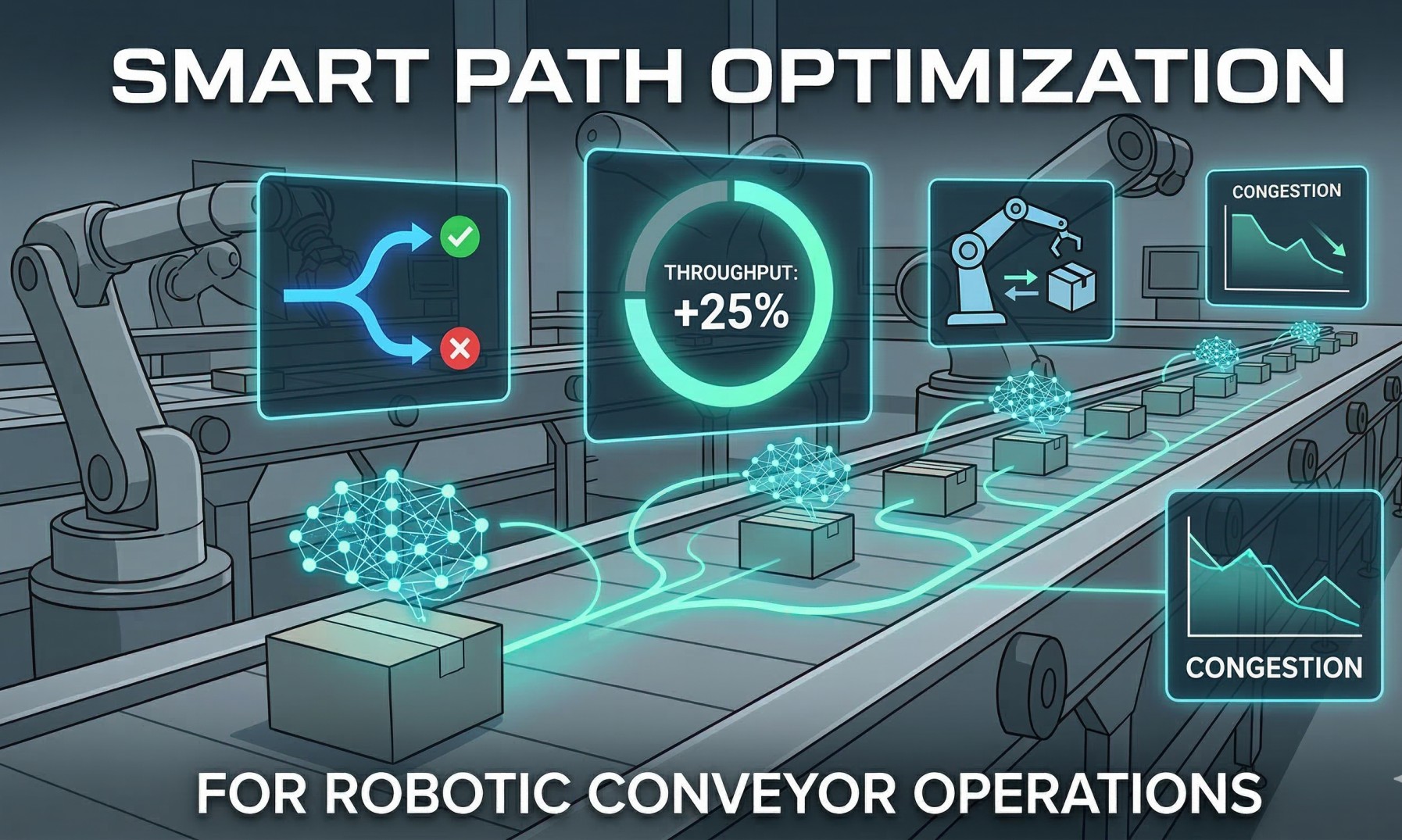
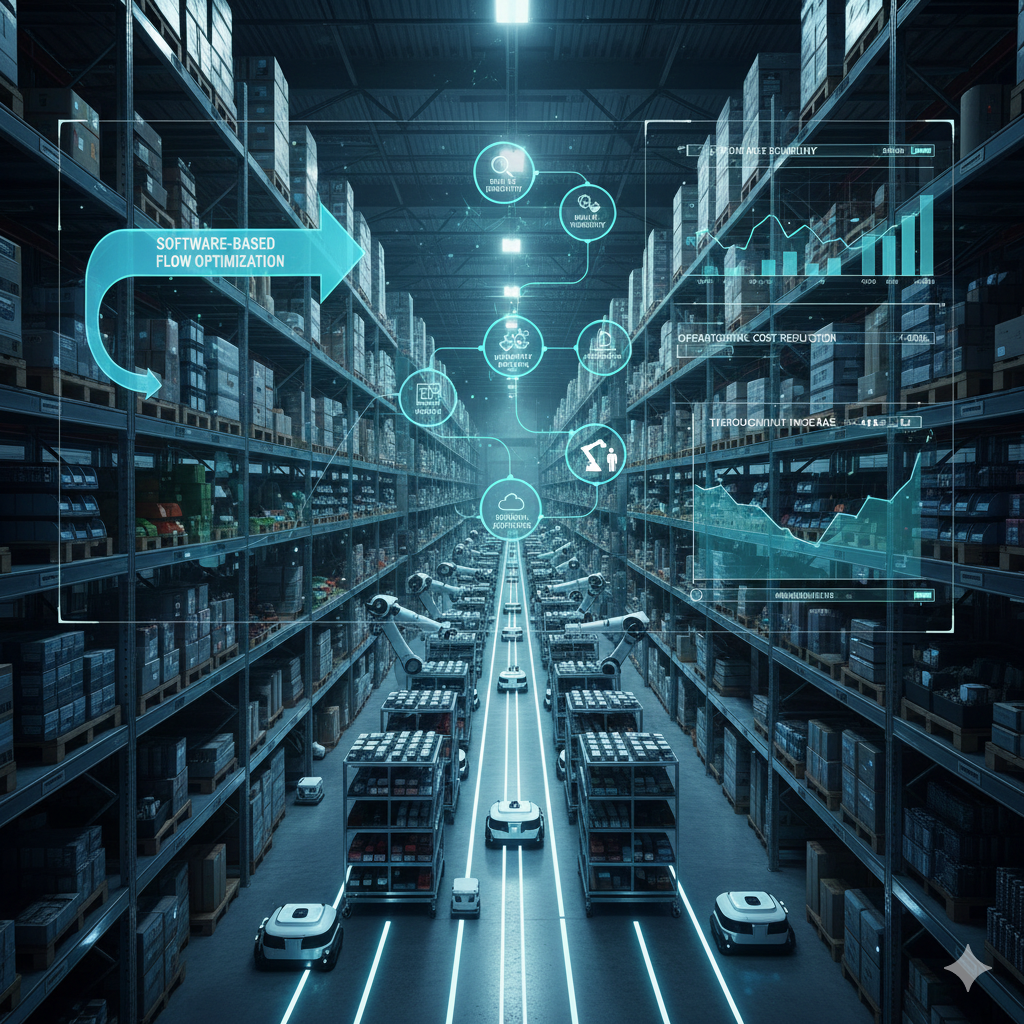
Step 4: Dynamic Routing and Flow Optimization 🚀
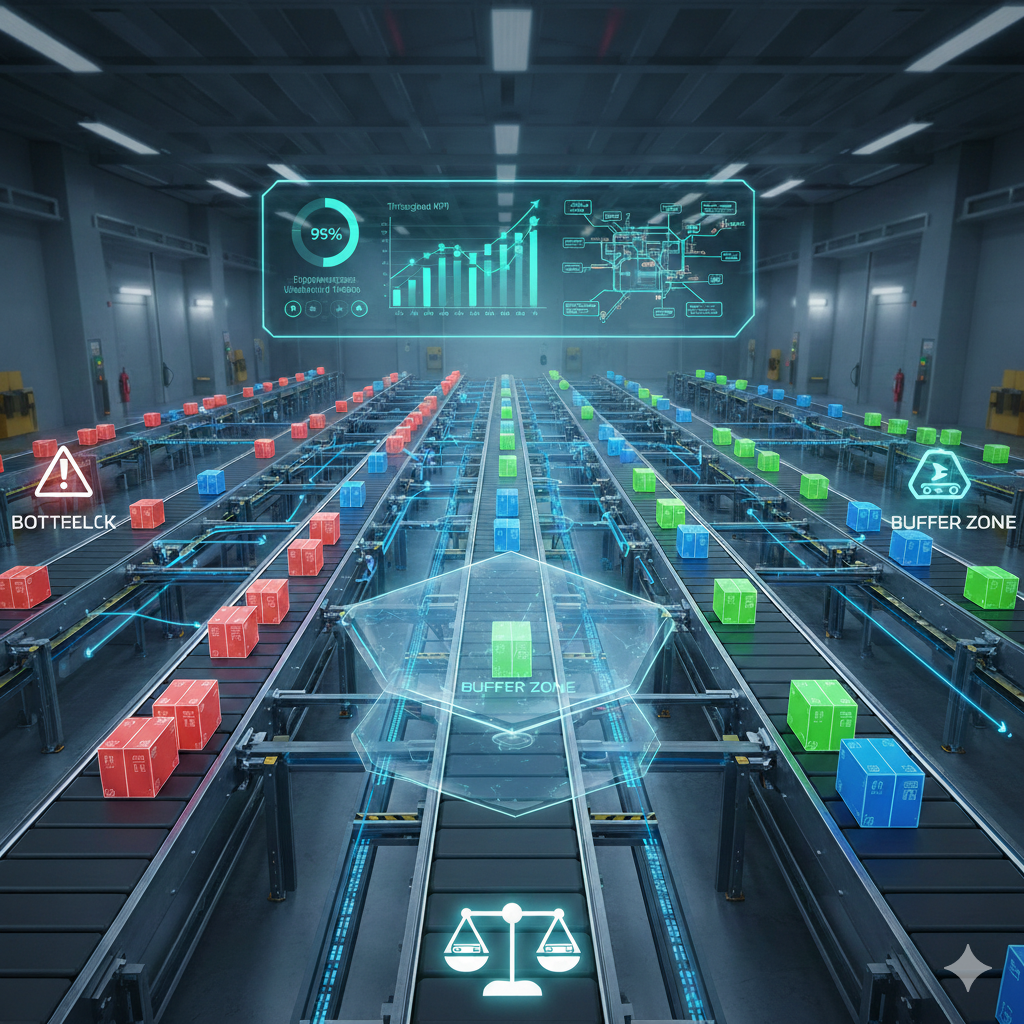
• Redirects materials based on congestion levels and capacity 🚦
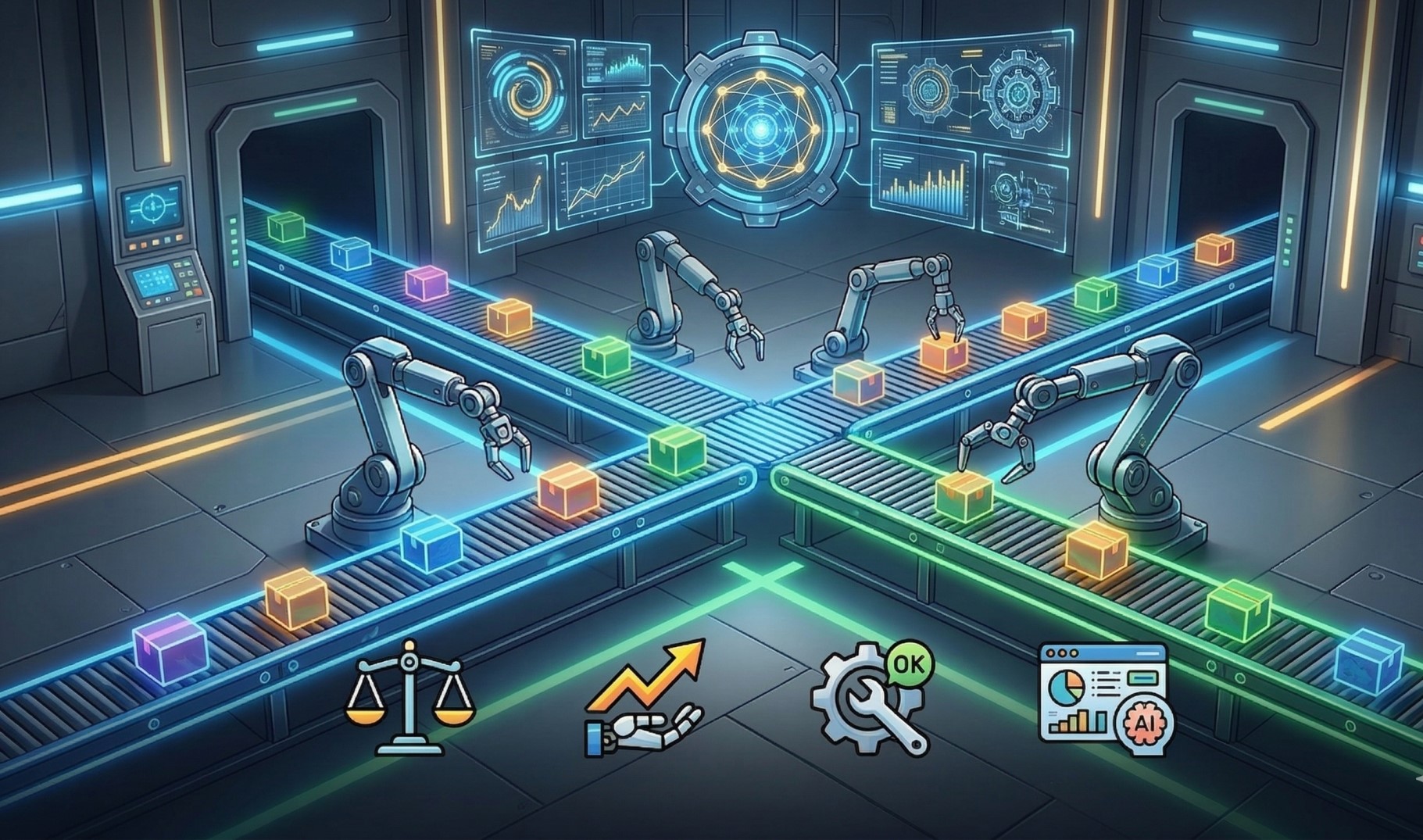
• Distributes loads efficiently across parallel conveyor paths ⚖️
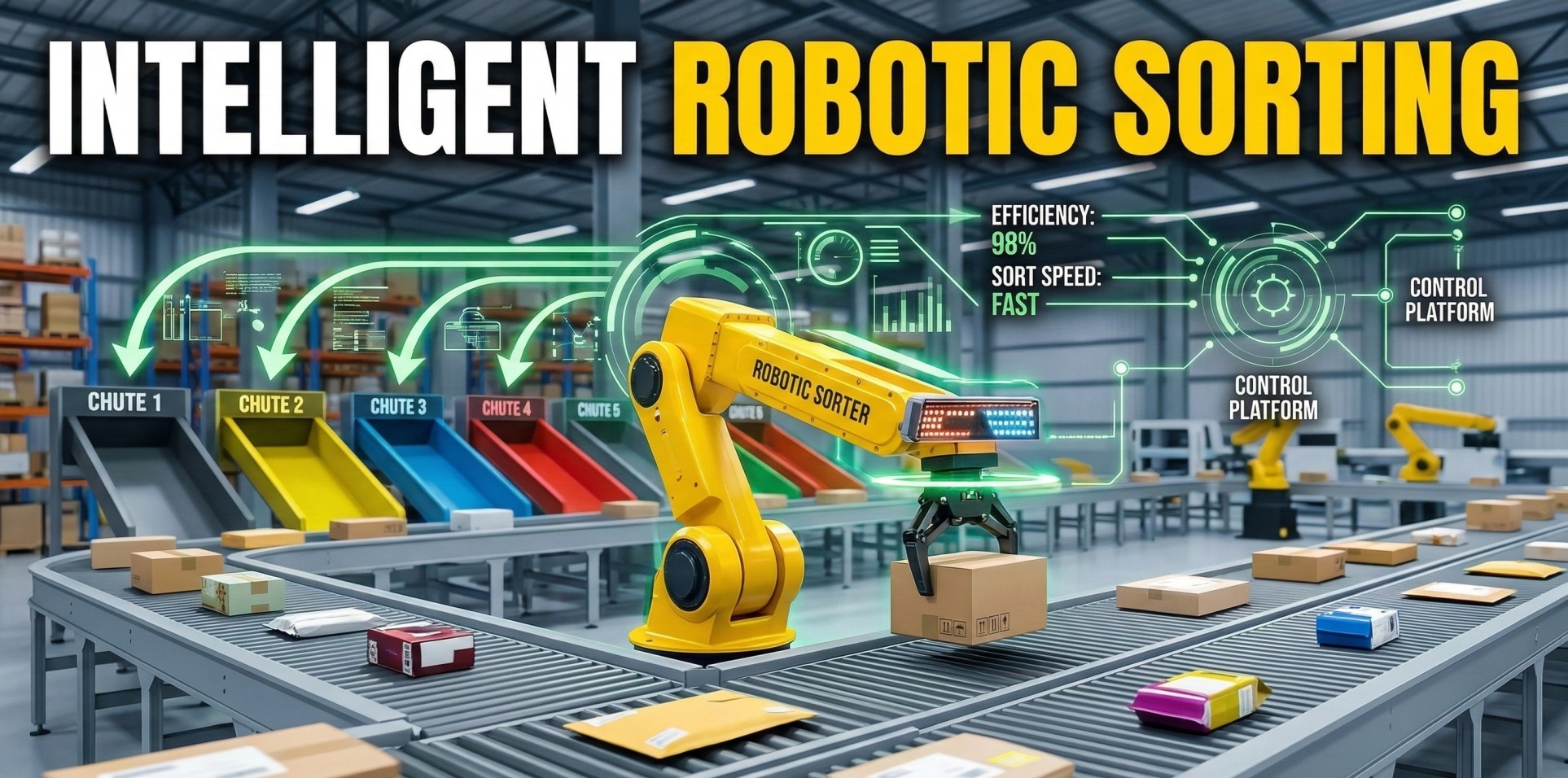
• Automatically prioritizes time-sensitive or high-value materials 🎯
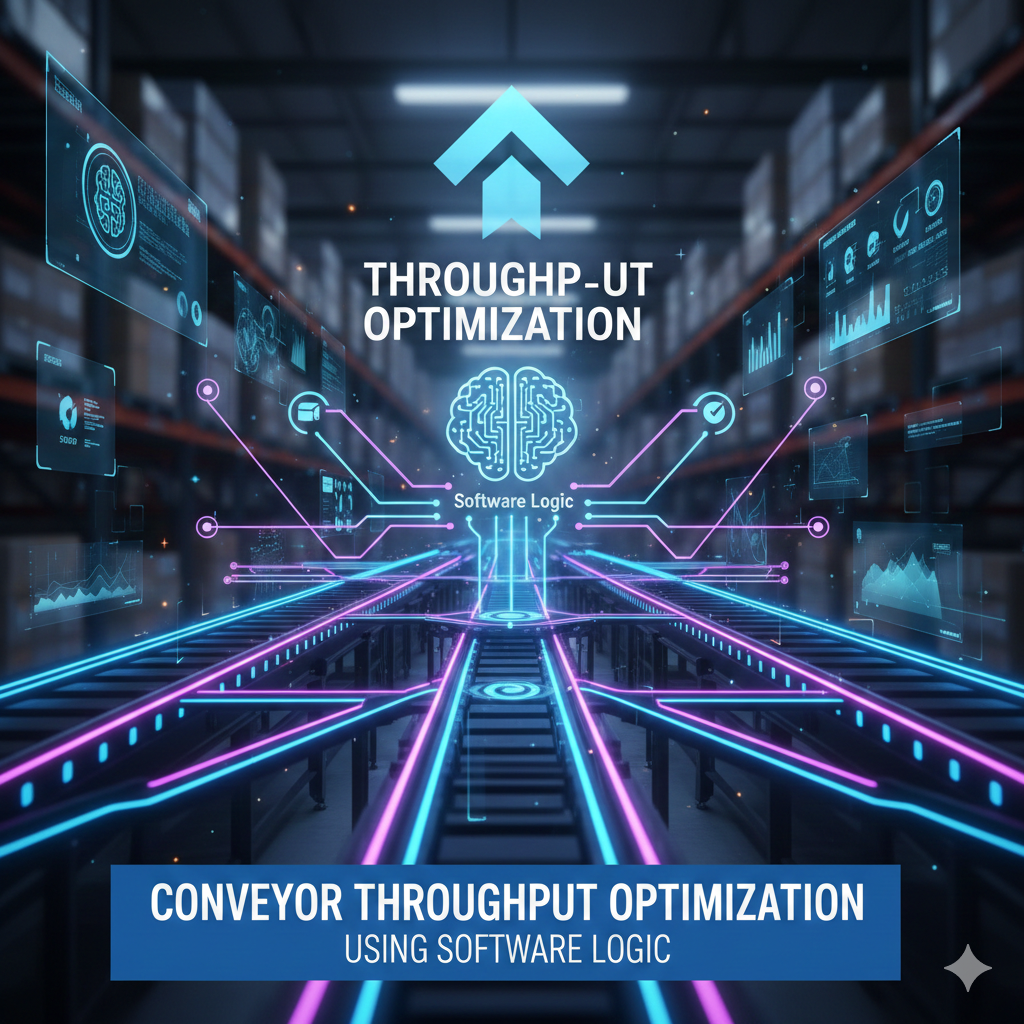
• Prevents bottlenecks through adaptive speed regulation ⚡
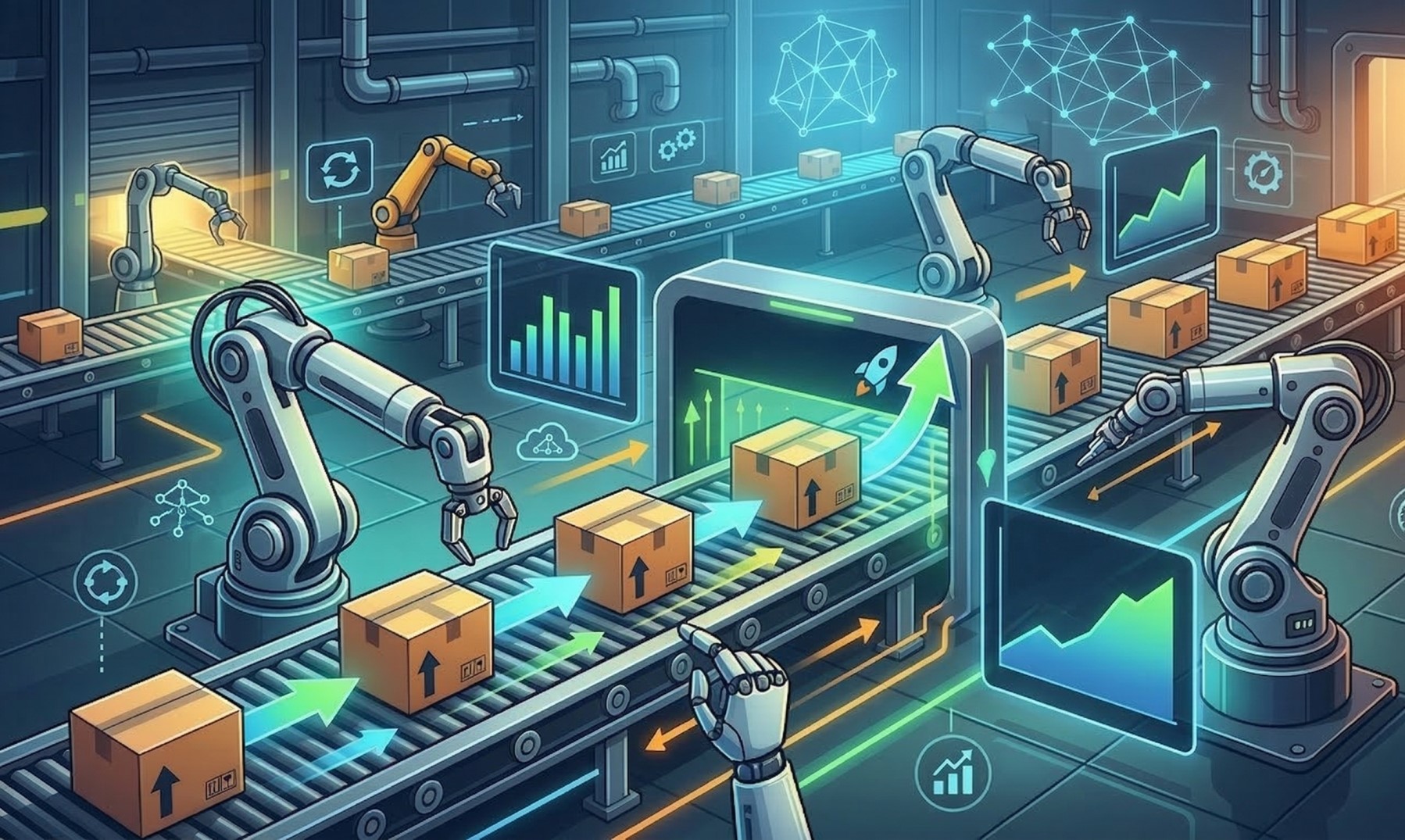
• Maintains consistent throughput during fluctuating demand cycles 📈
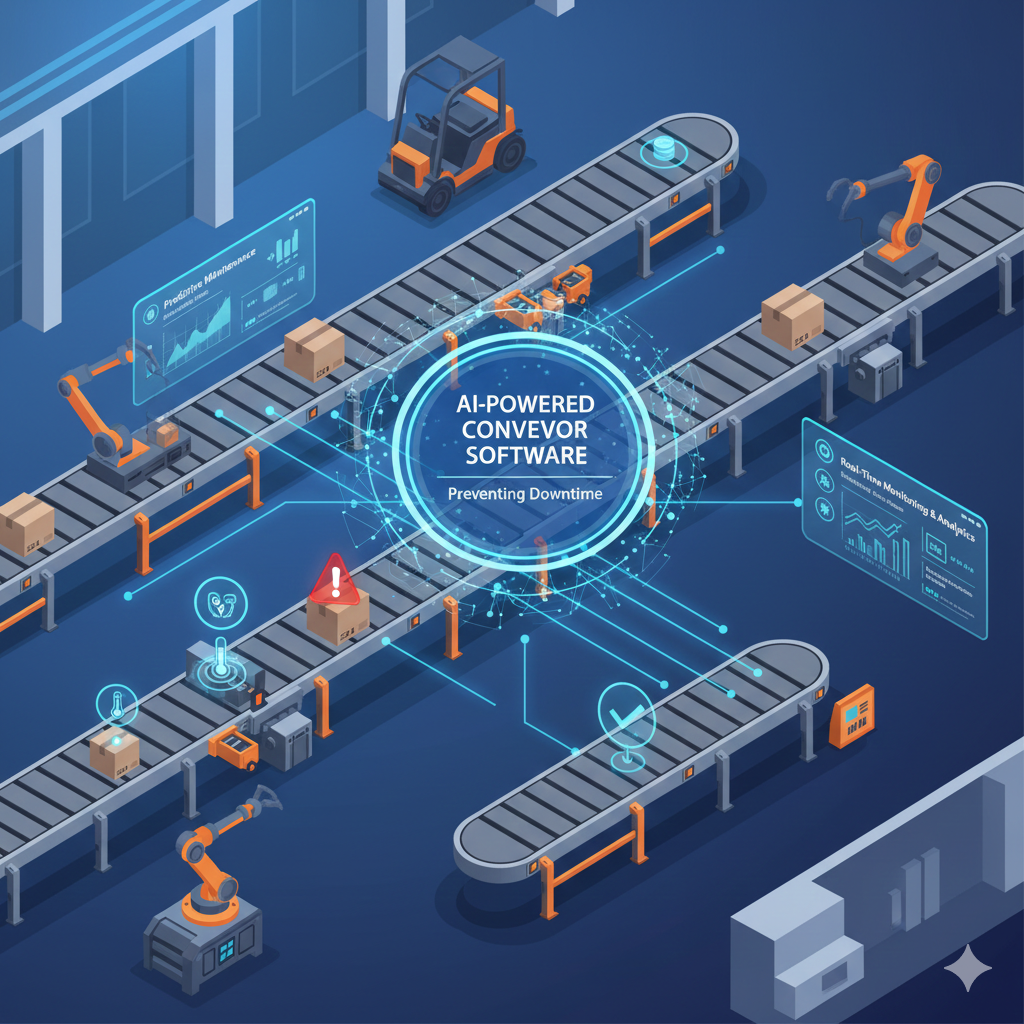
Step 5: Predictive Maintenance and Fault Prevention 🔧
• Detects wear signatures before critical failure occurs 🧩
• Uses historical performance trends to forecast component degradation 📉
• Generates maintenance alerts based on calculated risk levels 🚨
• Reduces unexpected downtime through early intervention ⏳
• Extends equipment life with data-driven servicing strategies ♻️
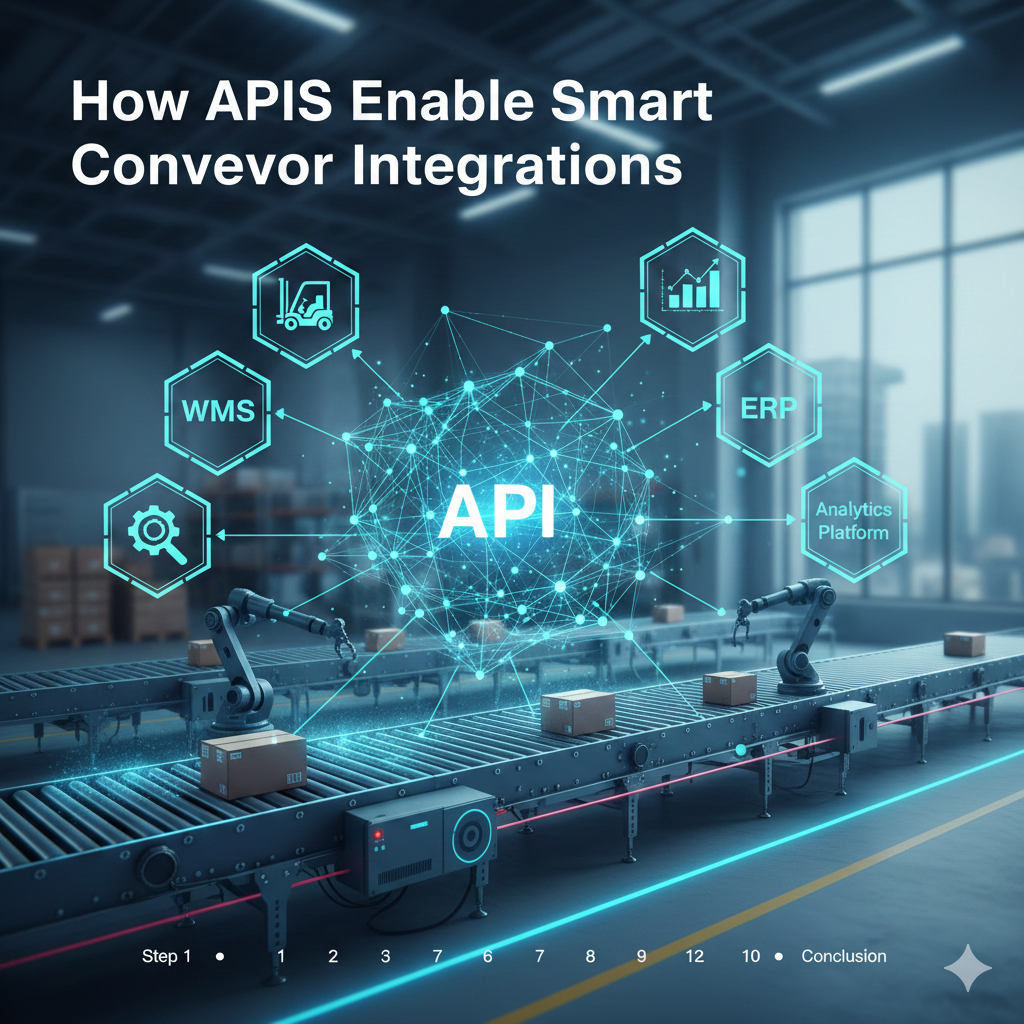
Step 6: Integration with Warehouse and Production Systems 🔗
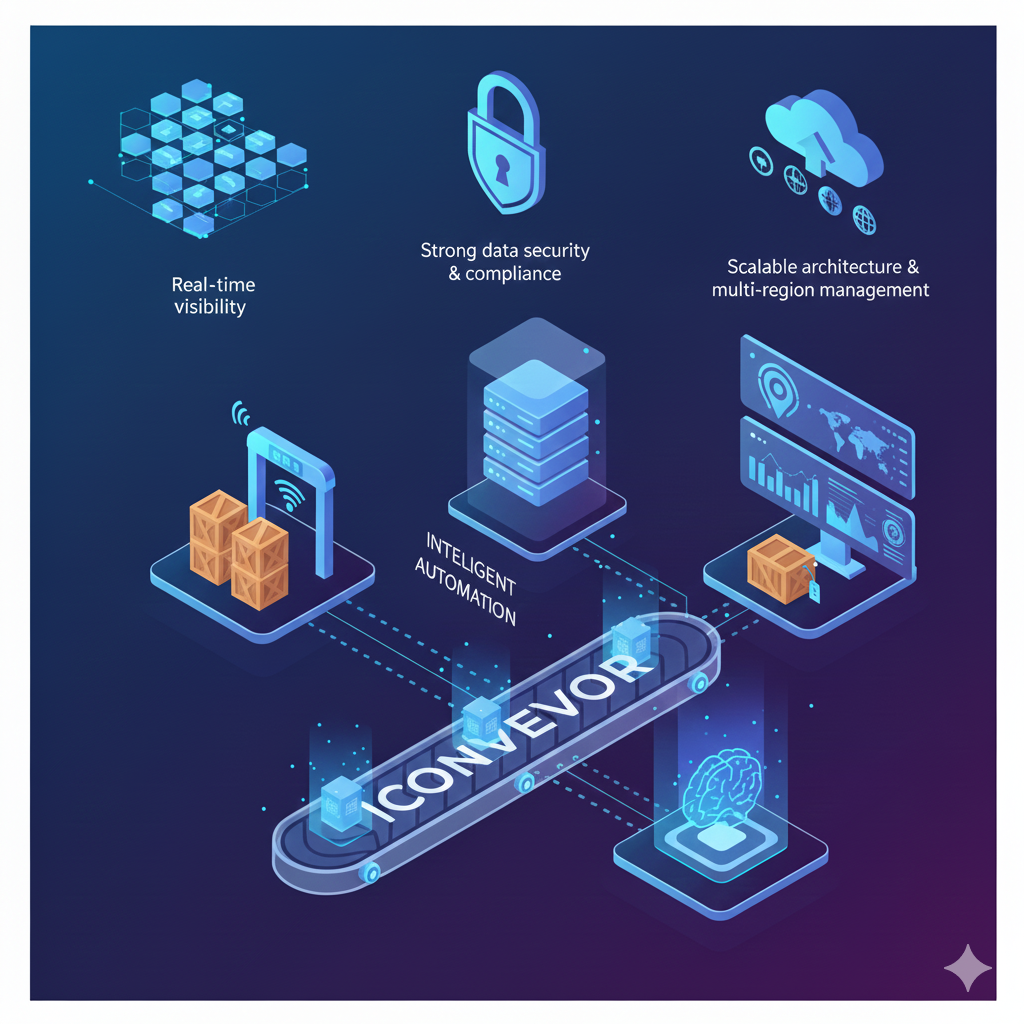
• Connects seamlessly with warehouse management platforms 📦
• Aligns routing decisions with real-time inventory status 📊
• Coordinates conveyor activity with manufacturing schedules 🏭
• Shares operational insights with enterprise systems 🏢
• Supports full supply chain transparency from intake to dispatch 🌐
Step 7: Performance Monitoring and Operational Intelligence 📈
• Tracks key metrics such as throughput, cycle time, and downtime ⏱️
• Provides interactive dashboards for operational leadership 📊
• Enables root cause analysis for recurring system disruptions 🔍
• Drives continuous improvement through performance benchmarking 🔄
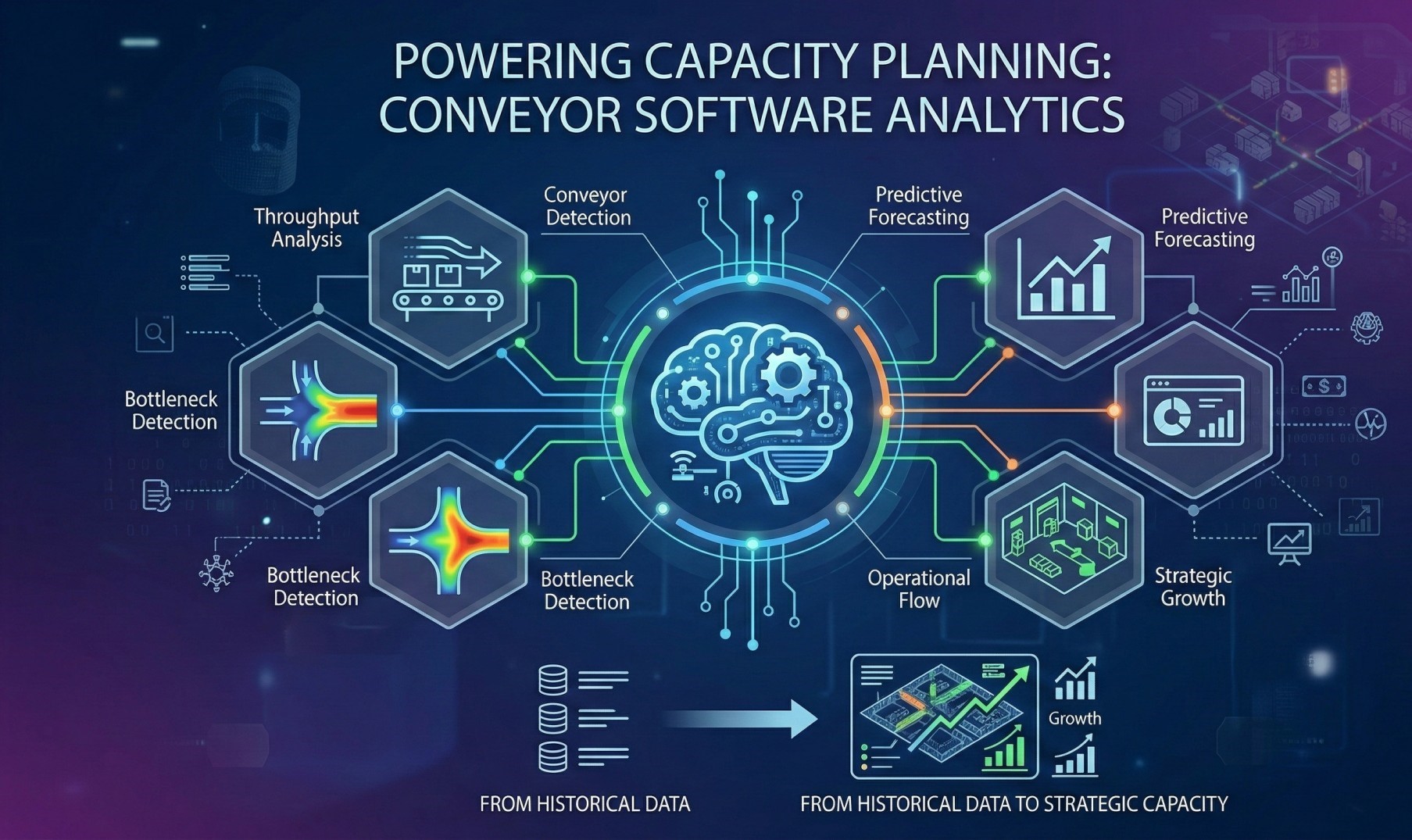
• Supplies actionable insights for long-term capacity planning 🧠
Step 8: Core Strategic Advantages of Real-Time Decision Engines 🏆
• Increases throughput without expanding physical infrastructure 📦
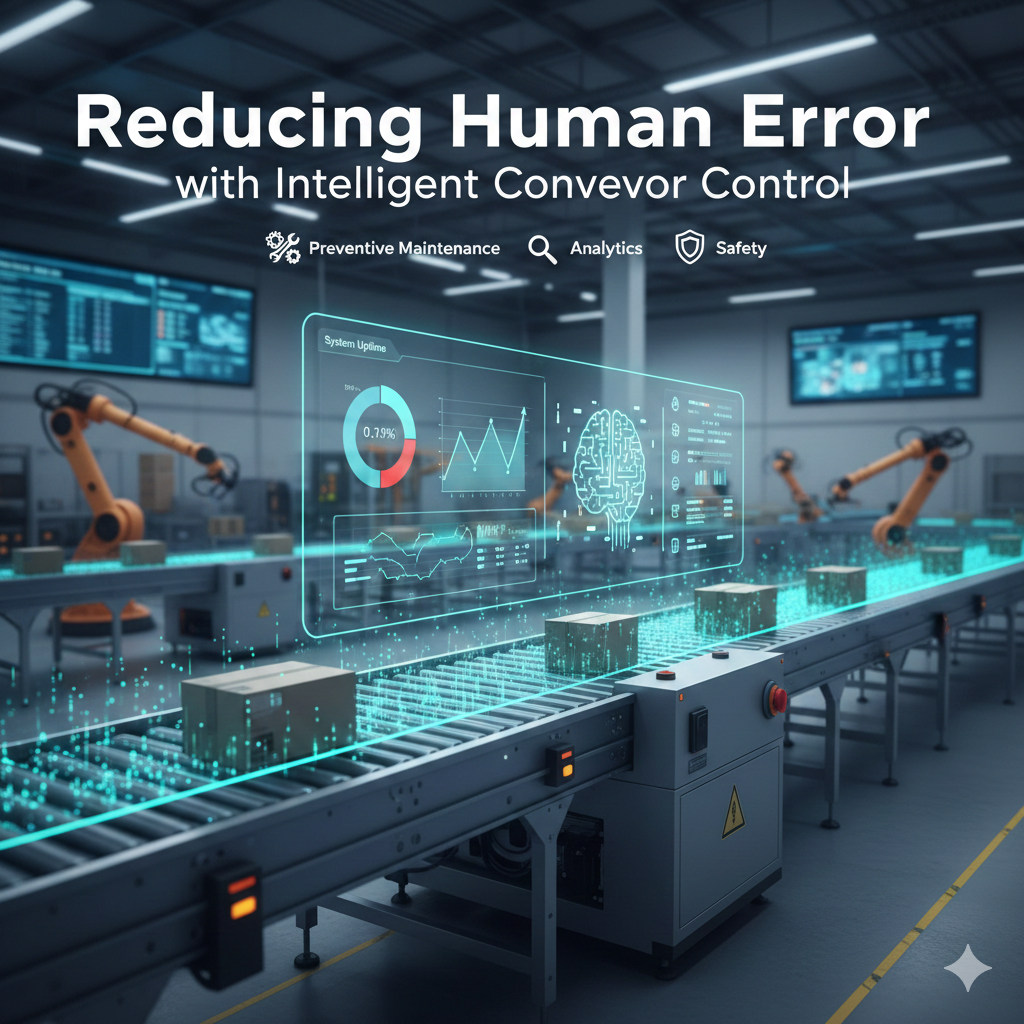
• Mitigates operational risk through instant anomaly detection 🚨
• Enhances responsiveness to dynamic production demands ⚡
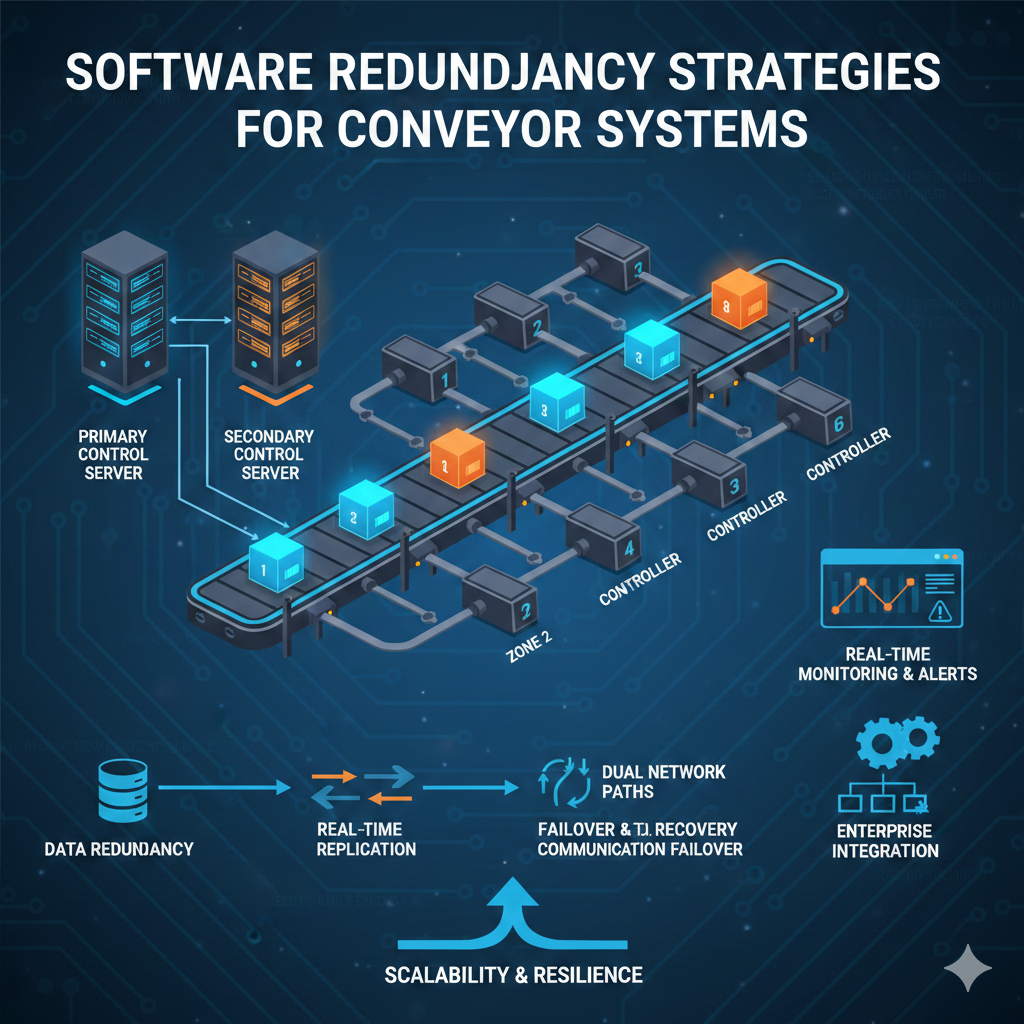
• Strengthens overall system reliability and uptime 🛡️
Conclusion
Real-time decision engines are redefining conveyor operations, transforming them from static transport mechanisms into adaptive, intelligent networks. Through continuous data analysis, flow optimization, and predictive fault detection, these systems elevate operational efficiency while minimizing downtime. As industrial automation accelerates, real-time decision intelligence will remain a foundational capability for high-performance conveyor ecosystems.
See more blogs
You can all the articles below