Conveyor Analytics: Turning Movement Data into Decisions
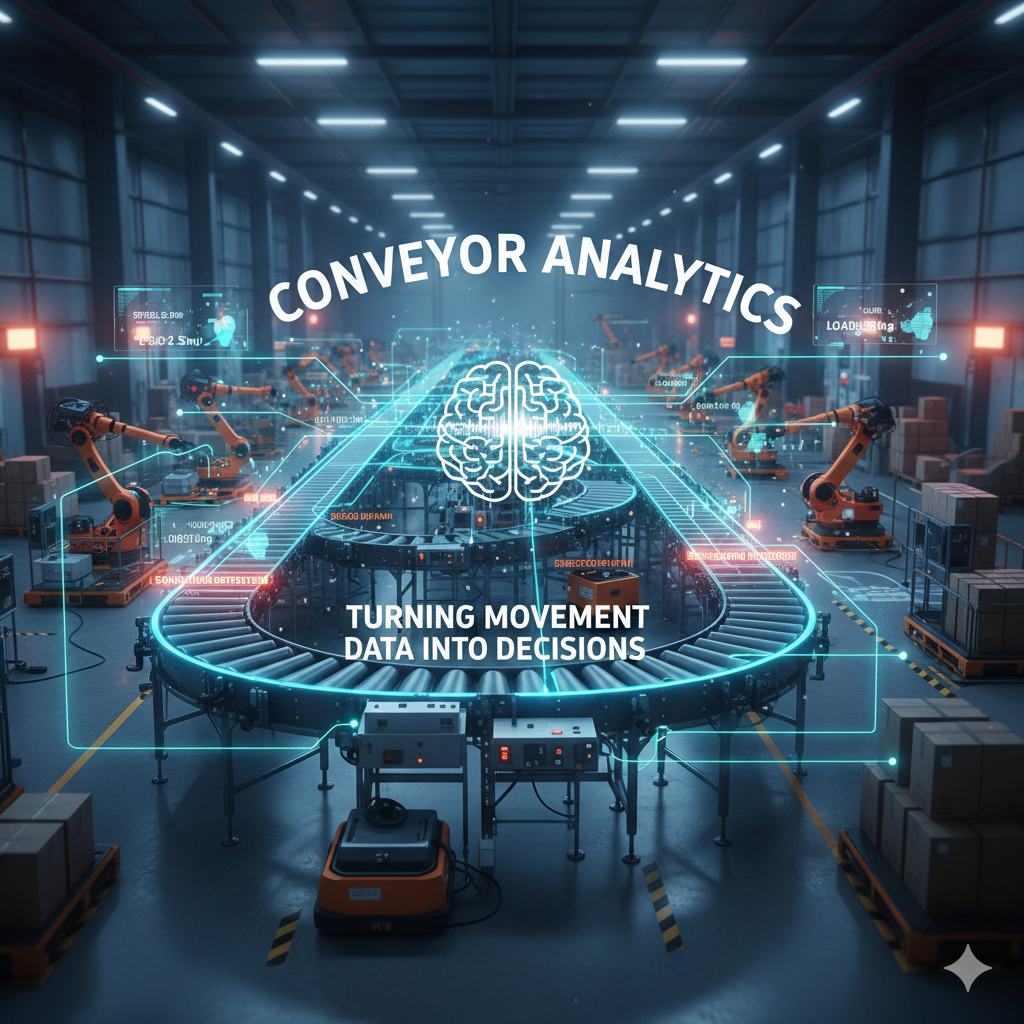
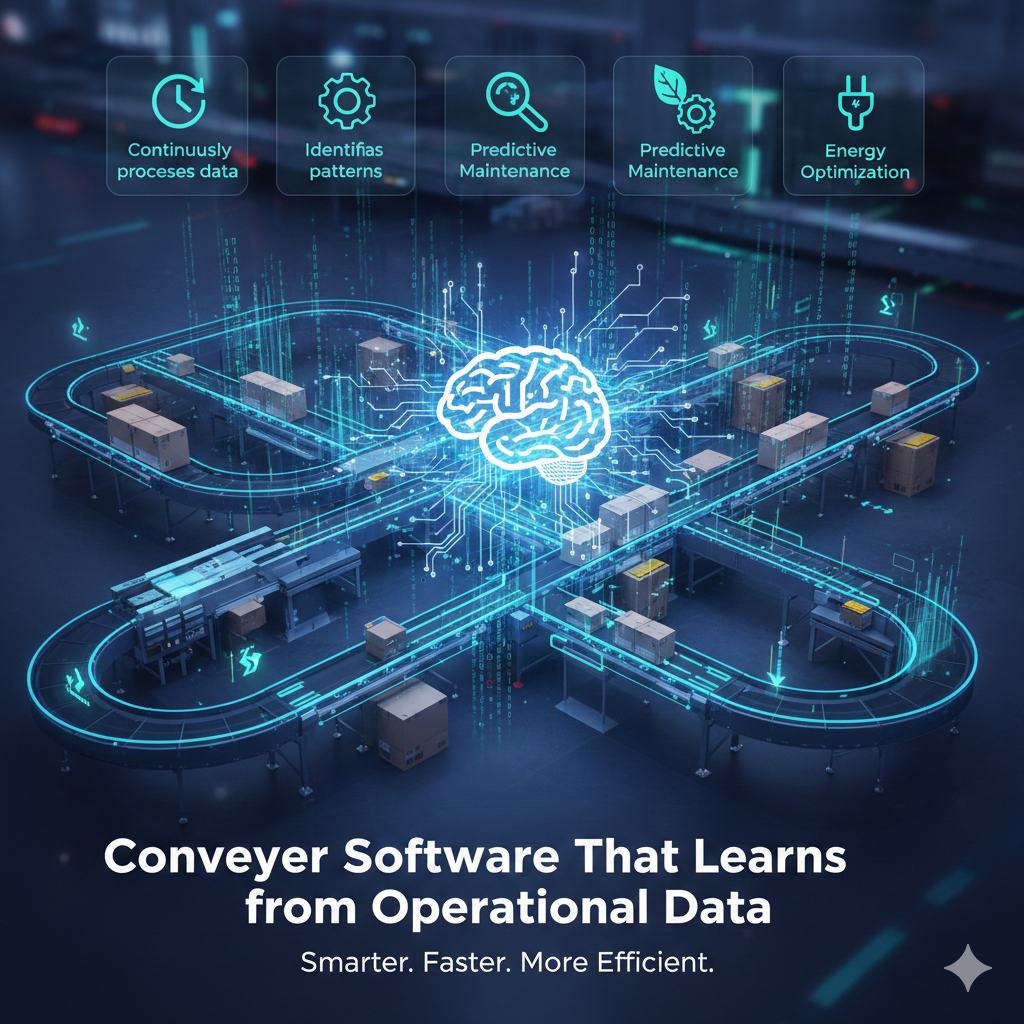
Modern conveyor systems generate a continuous stream of movement data that goes far beyond basic throughput counts. Conveyor analytics transforms this raw operational data into actionable insights that improve efficiency, reliability, and decision-making across industrial environments. By analyzing how materials move through a system, organizations can shift from reactive operations to data-driven optimization.
1. Understanding Conveyor Movement Data 📦
• Captures speed, load, spacing, and flow characteristics 📊
• Records start-stop events and dwell times ⏱️
• Tracks item movement across zones and segments 🔗
• Reflects real-time operational behavior 👀
• Forms the foundation for analytical insight 🧠
2. From Sensor Signals to Structured Data 🔧
• Aggregates data from sensors, PLCs, and control systems 🔌
• Normalizes signals into consistent data formats 📐
• Aligns timestamps across conveyor components ⏰
• Filters noise and irrelevant fluctuations 🚫
• Prepares data for reliable analysis 📊
3. Real-Time Visibility into Material Flow 👀
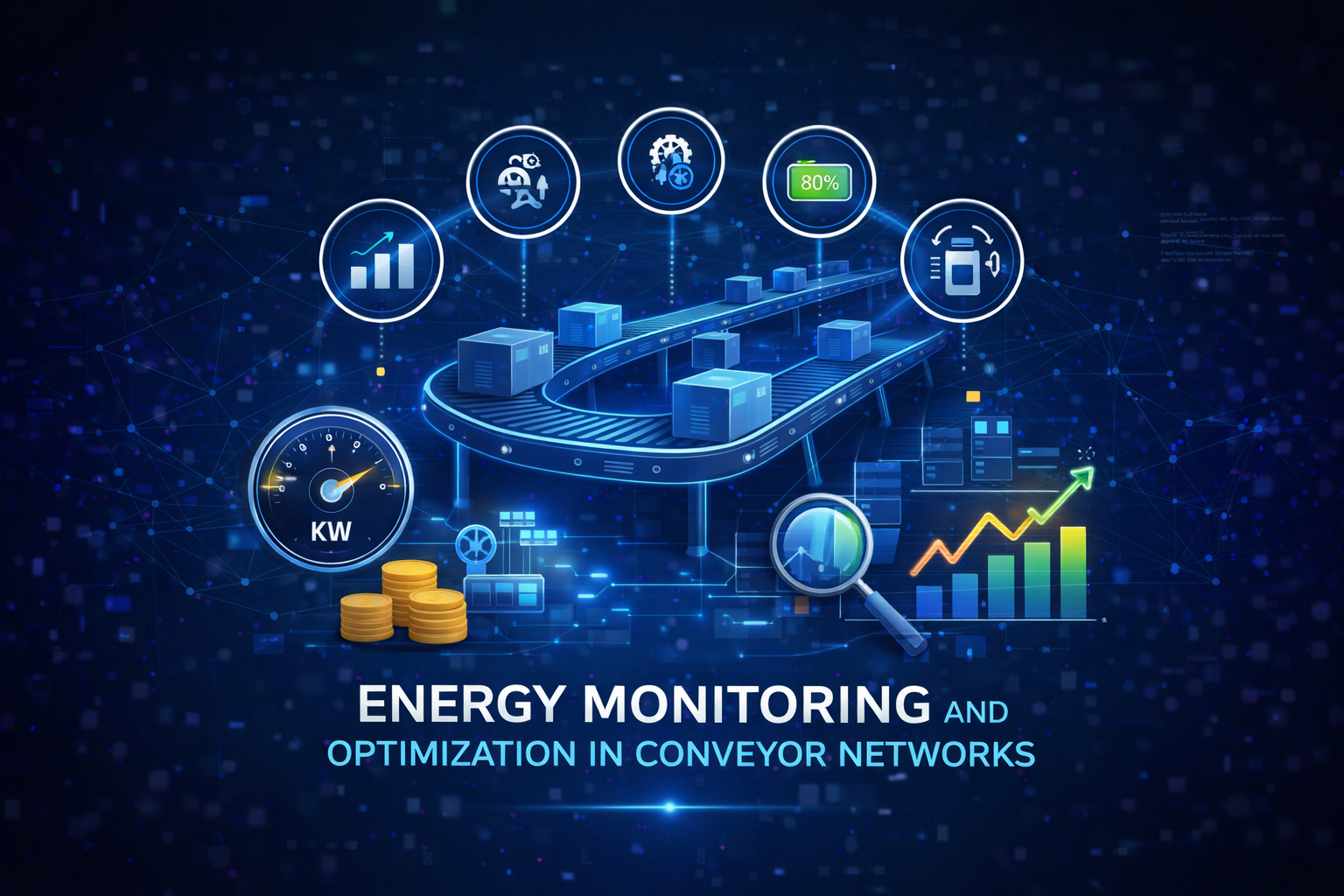
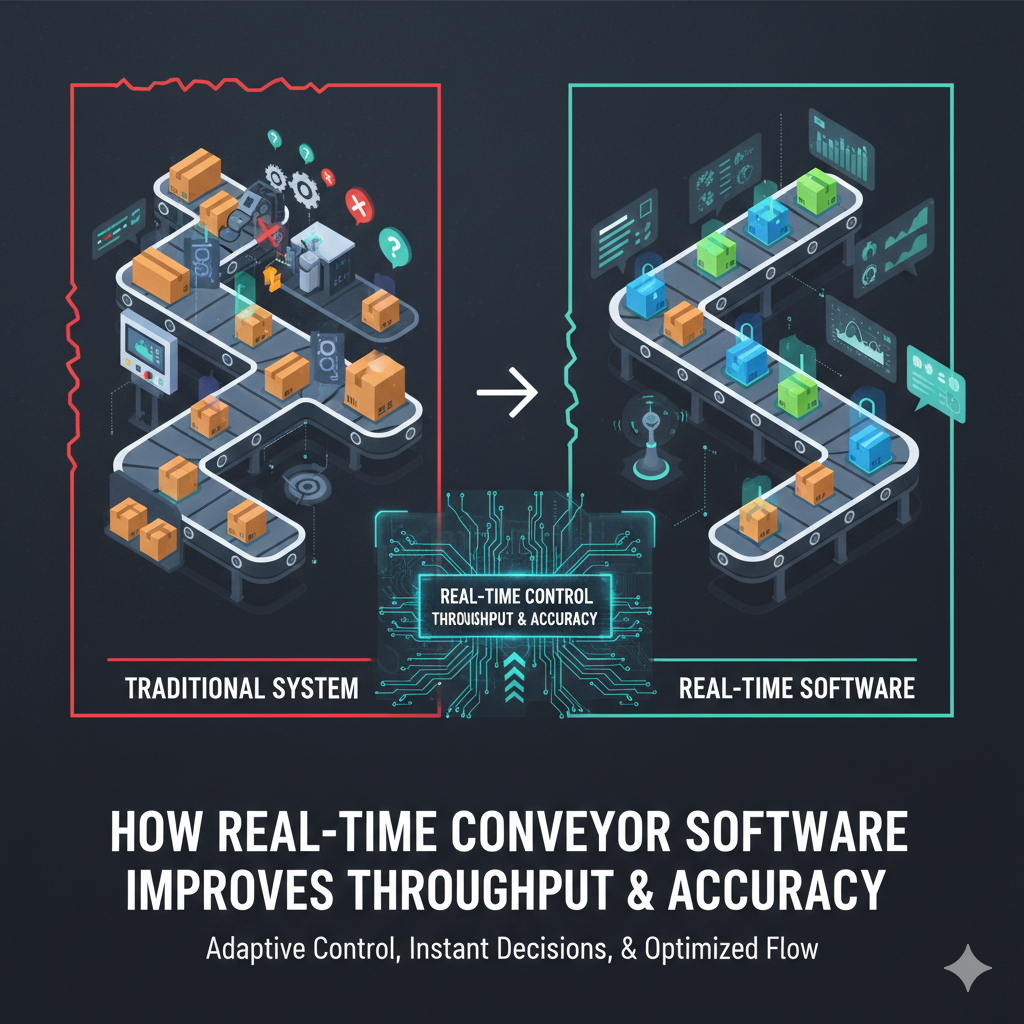
• Provides live insight into conveyor performance 📈
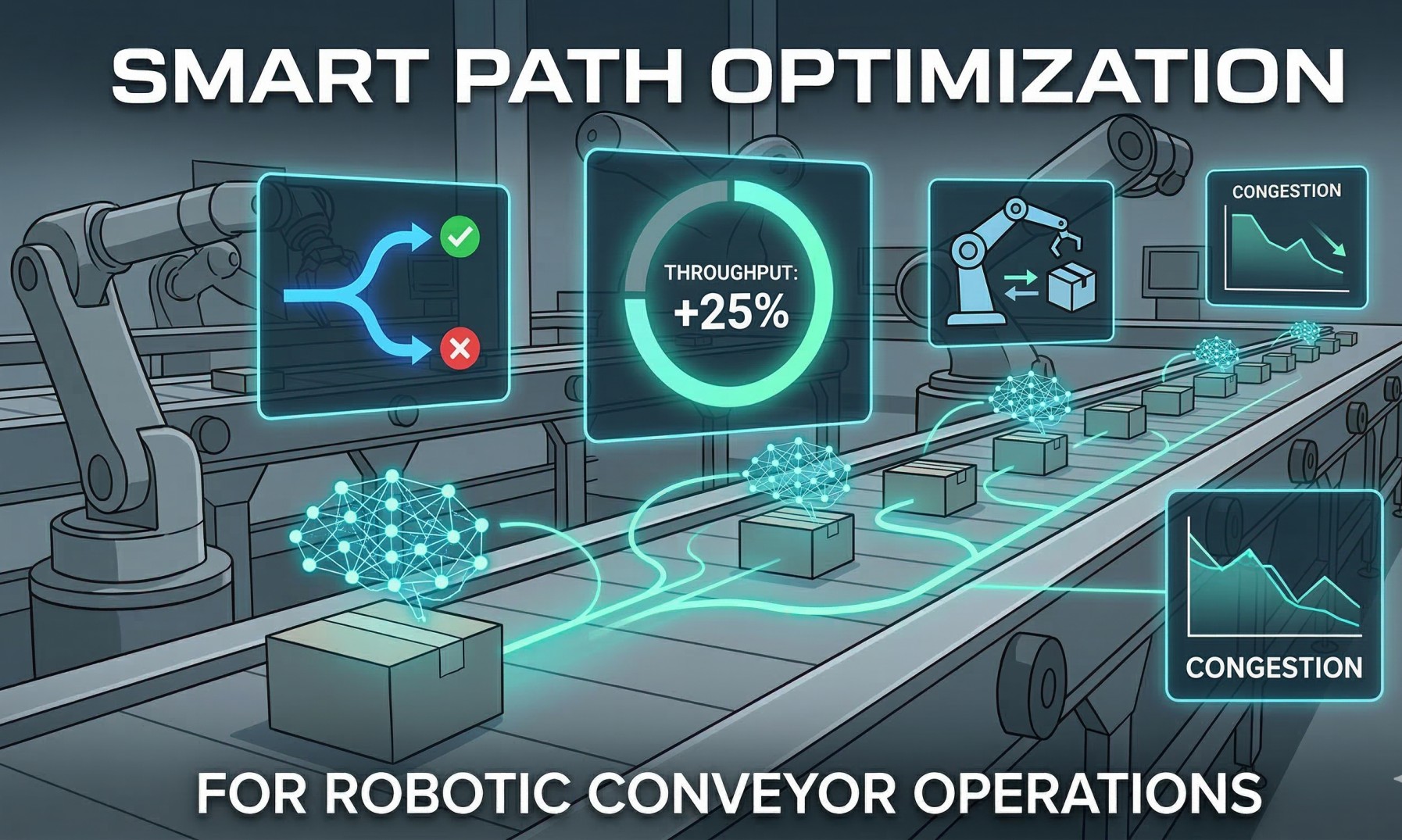
• Highlights slowdowns and congestion points 🚦
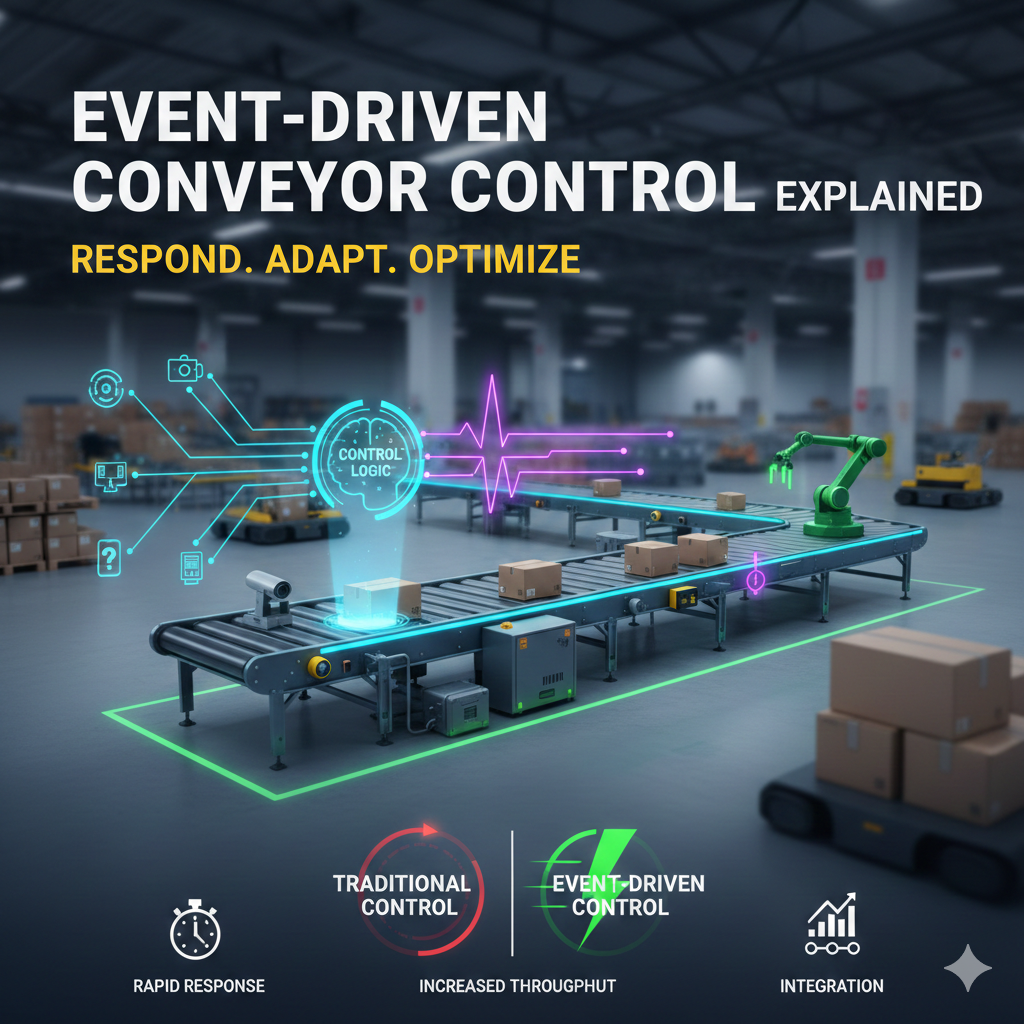
• Enables rapid response to operational issues ⚡
• Improves coordination between upstream and downstream processes 🔄
• Reduces blind spots in material handling 🧩
4. Identifying Bottlenecks and Inefficiencies 🚧
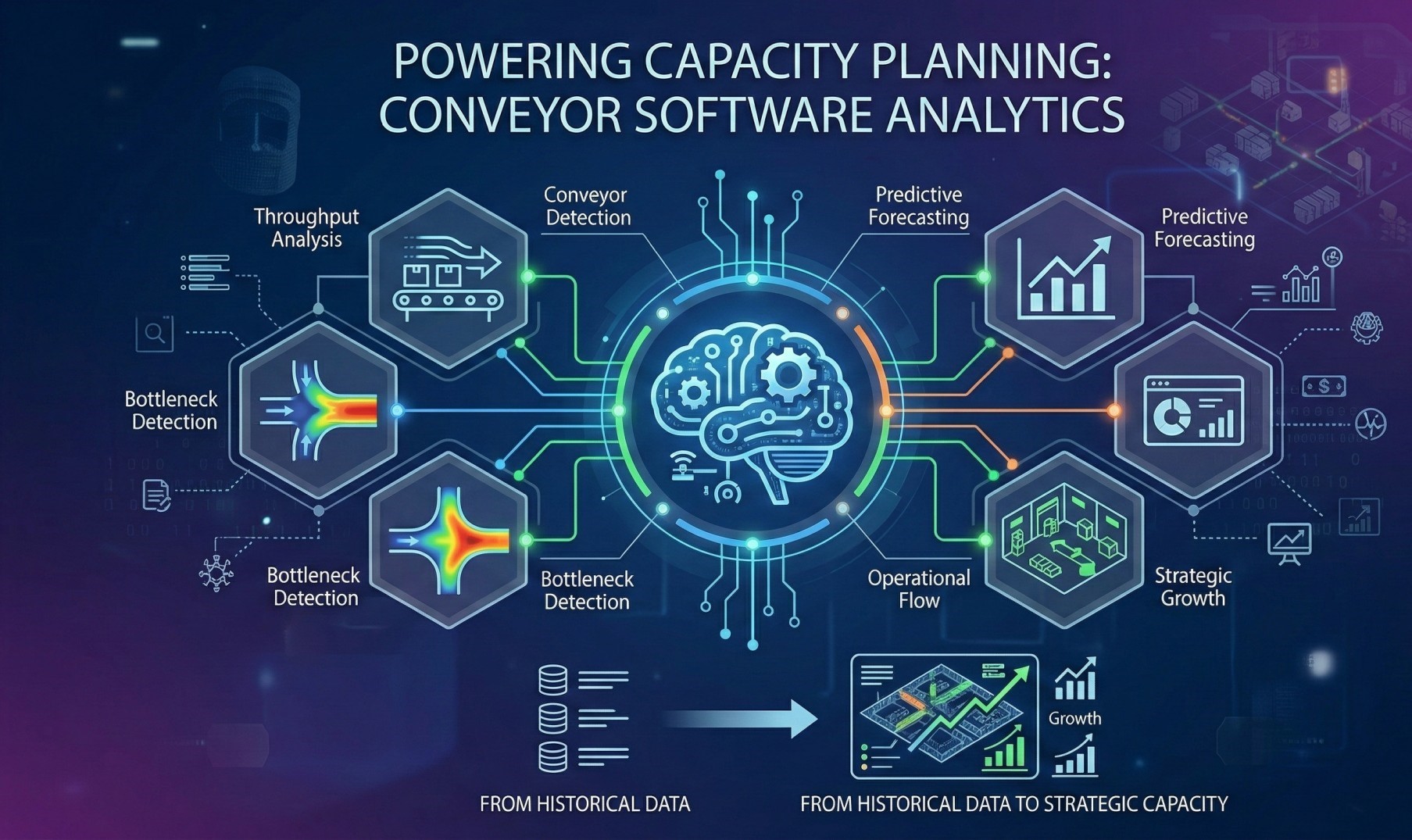
• Detects recurring congestion patterns 🔁
• Measures utilization across conveyor segments 📏
• Reveals imbalance between system components ⚖️
• Pinpoints root causes of reduced throughput 🎯
• Supports targeted system improvements 🛠️
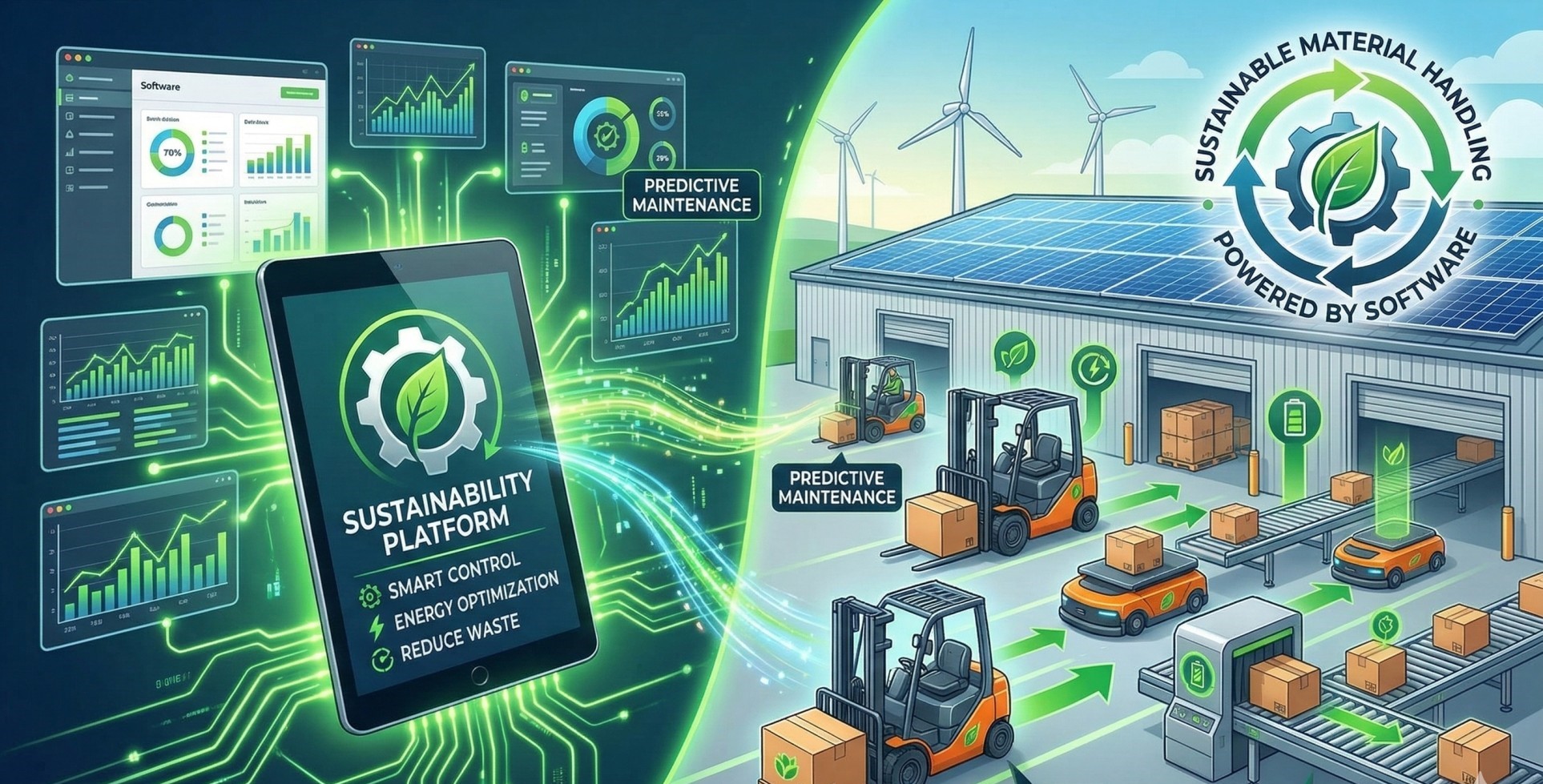
5. Predictive Insights for Maintenance and Reliability 🔮
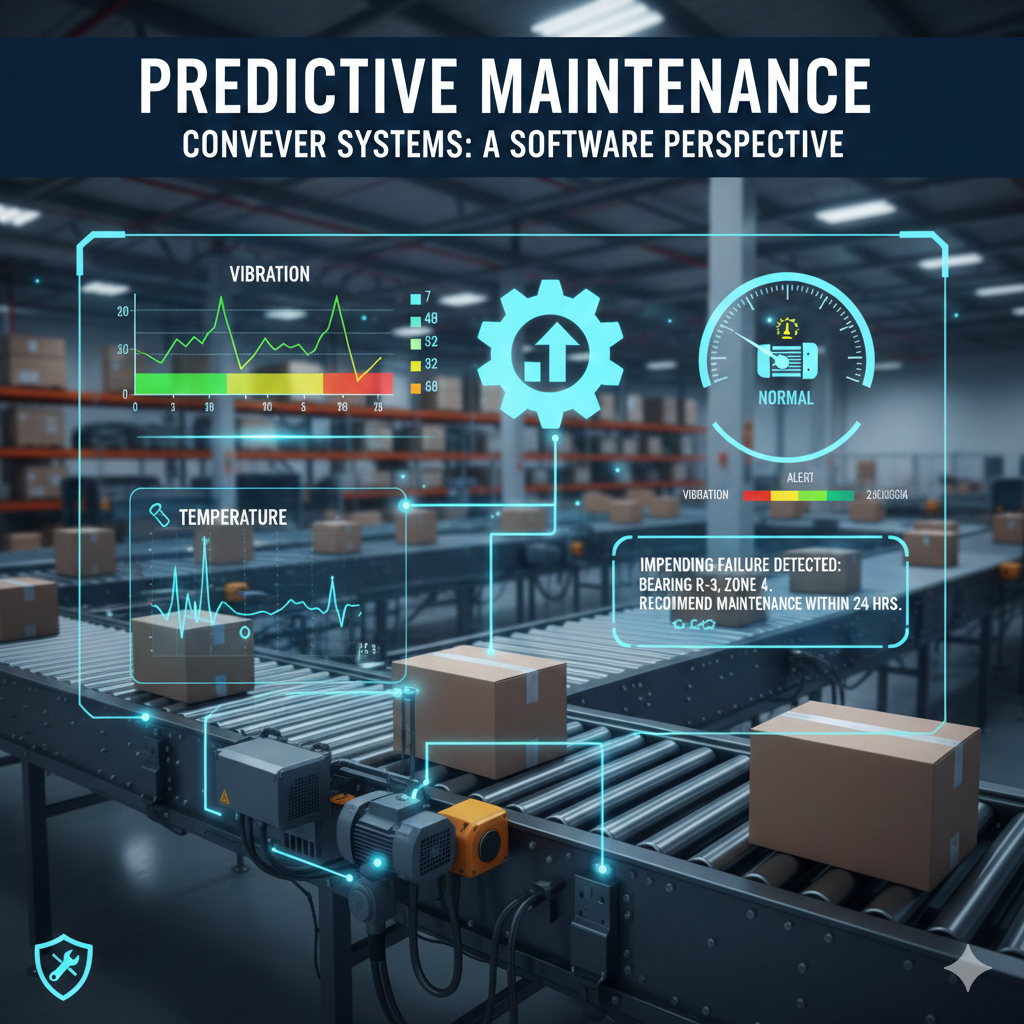
• Monitors abnormal vibration, speed, or load patterns 📉
• Identifies early indicators of mechanical wear ⚙️
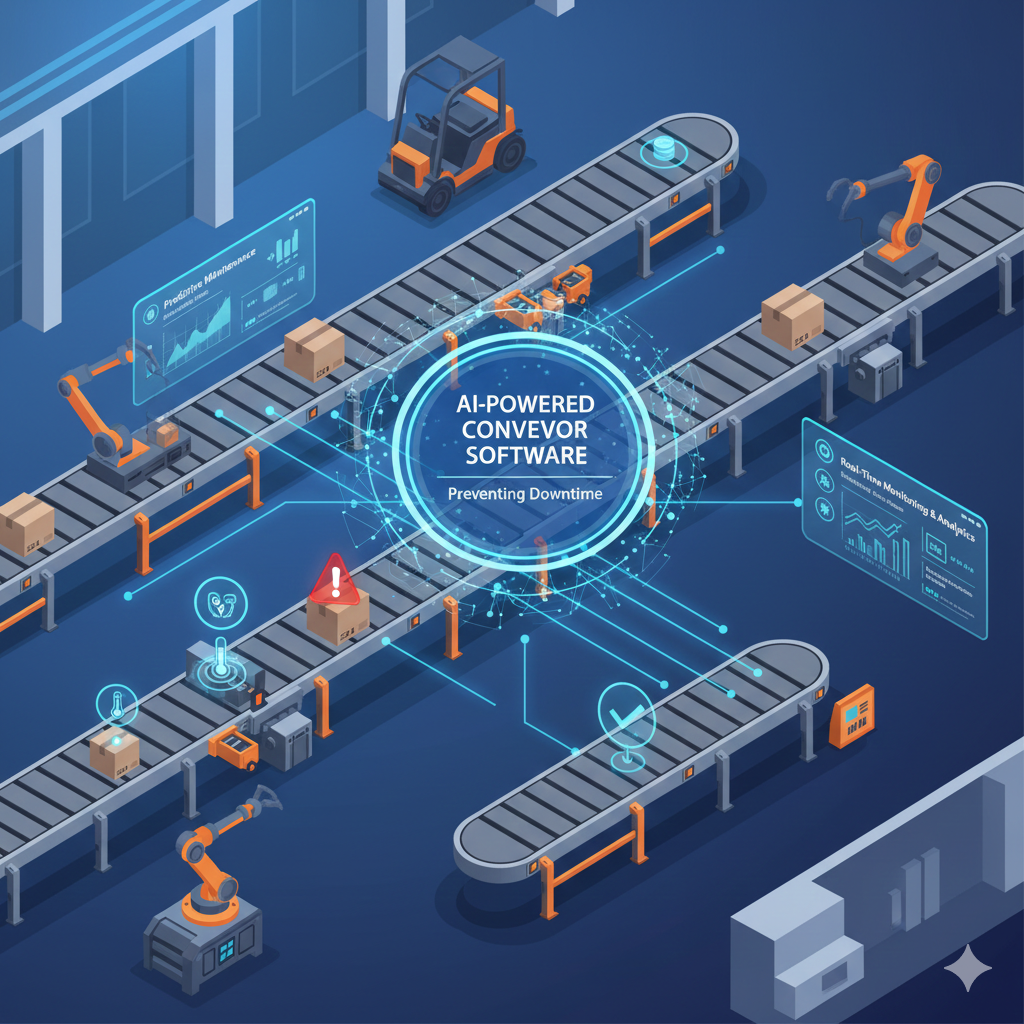
• Reduces unplanned downtime through early intervention 🚨
• Optimizes maintenance scheduling 🗓️
• Extends equipment lifespan ♻️
6. Performance Optimization Through Analytics 📈
• Compares actual throughput against design capacity 📊
• Evaluates impact of configuration changes 🔄
• Supports continuous improvement initiatives 📐
• Enables data-backed operational tuning 🧠
• Improves overall system efficiency ⚡
7. Integrating Conveyor Analytics with Enterprise Systems 🔗
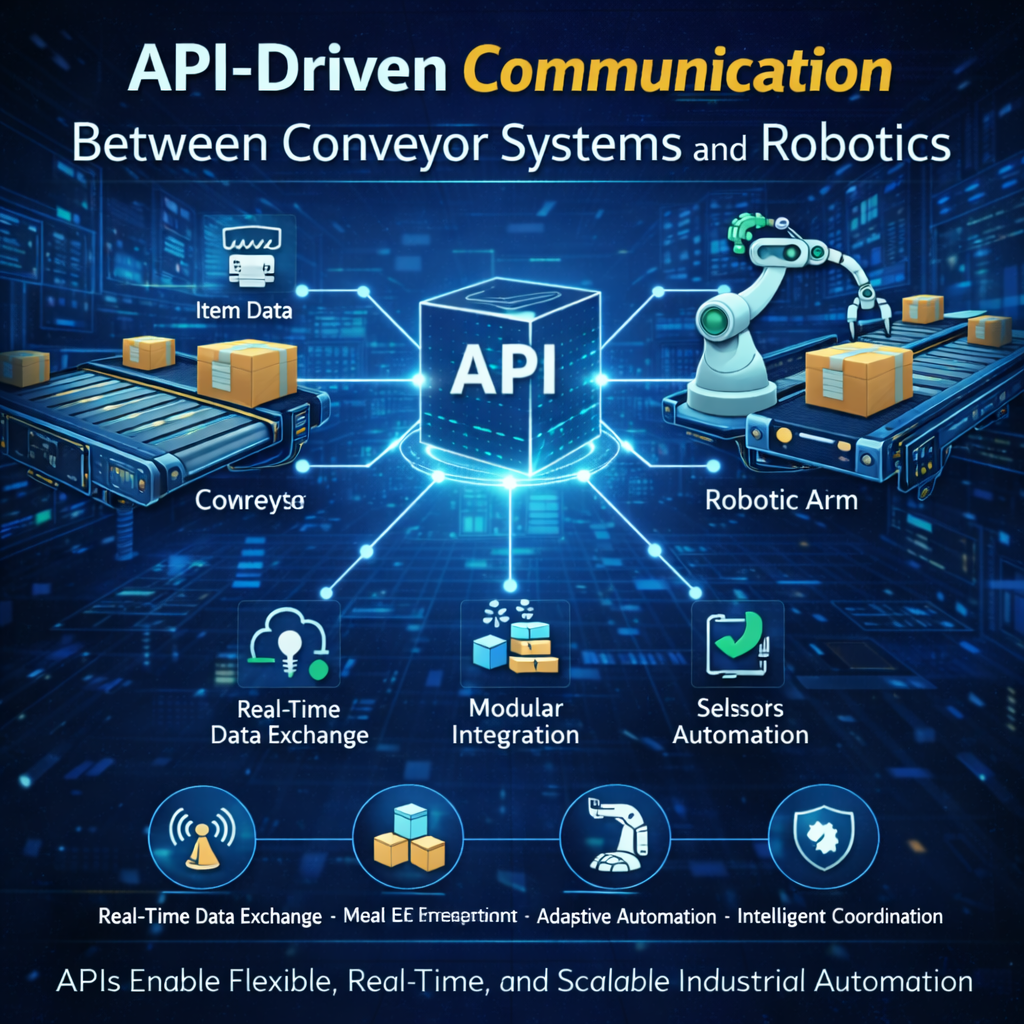
• Connects operational data with MES, WMS, and ERP platforms 🏢
• Aligns material flow insights with production planning 📋
• Enables cross-functional visibility 👥
• Supports automated reporting and alerts 🚨
• Strengthens end-to-end operational intelligence 🧠
8. Decision Support from Conveyor Analytics 🎯
• Highlights where intervention delivers the highest impact 📍
• Supports capacity planning and system expansion decisions 📦
• Enables faster, evidence-based operational choices ⚖️
9. Scaling Analytics Across Facilities 🌍
• Standardizes metrics across multiple sites 📏
• Enables benchmarking and performance comparison 📊
• Supports centralized monitoring and governance 🏢
• Adapts analytics models to different layouts 🧩
• Sustains consistency as operations grow 📈
10. Conveyor Systems as Intelligent Assets 🧠
• Transforms conveyors from mechanical equipment into data sources 🔄
• Enables continuous learning from operational behavior 📚
• Supports long-term operational strategy 🏗️
• Increases ROI from existing infrastructure 💰
• Positions analytics as a core operational capability 🏆
Conclusion
Conveyor analytics converts movement data into meaningful operational decisions. By combining real-time visibility, predictive insights, and system-wide analysis, organizations gain the ability to optimize flow, reduce downtime, and plan with confidence. As material handling systems become more data-rich, conveyor analytics plays a critical role in turning everyday movement into sustained operational advantage.
See more blogs
You can all the articles below