Software Redundancy Strategies for Conveyor Systems
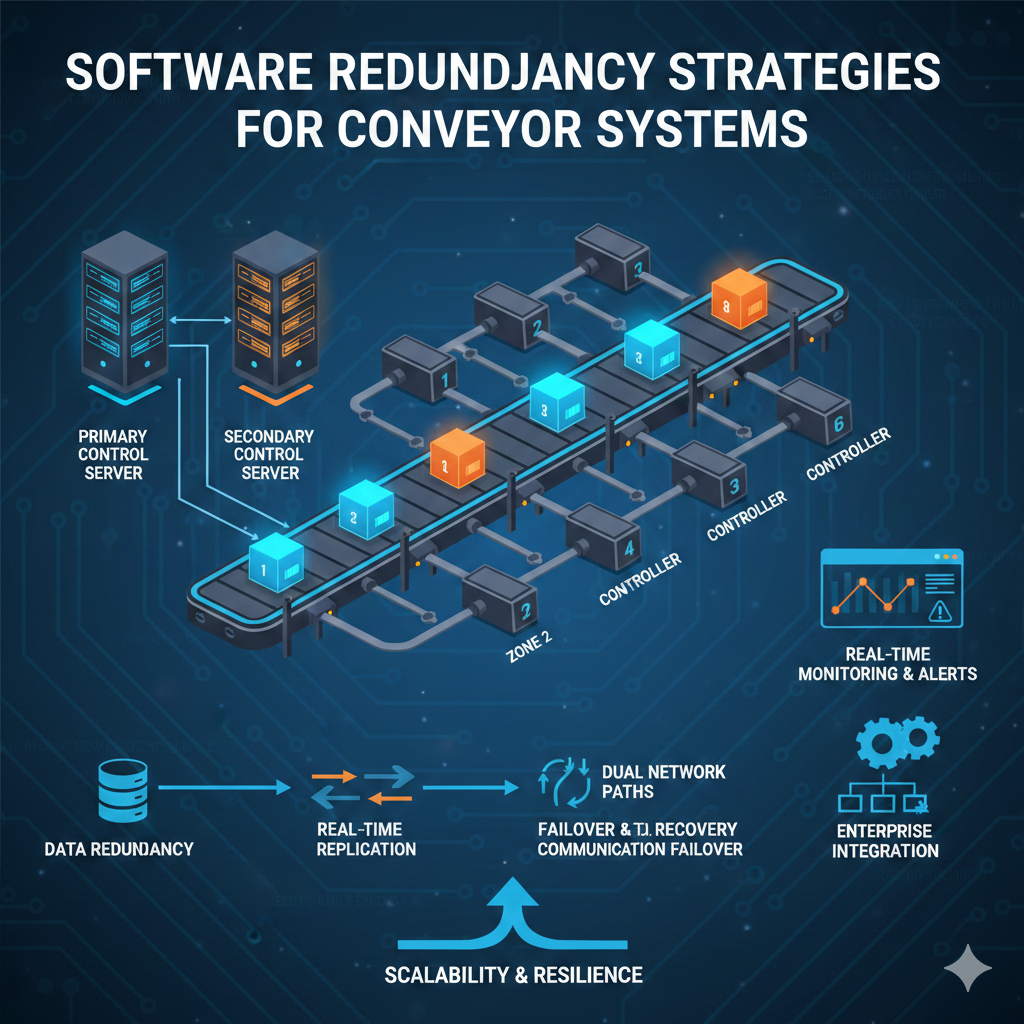
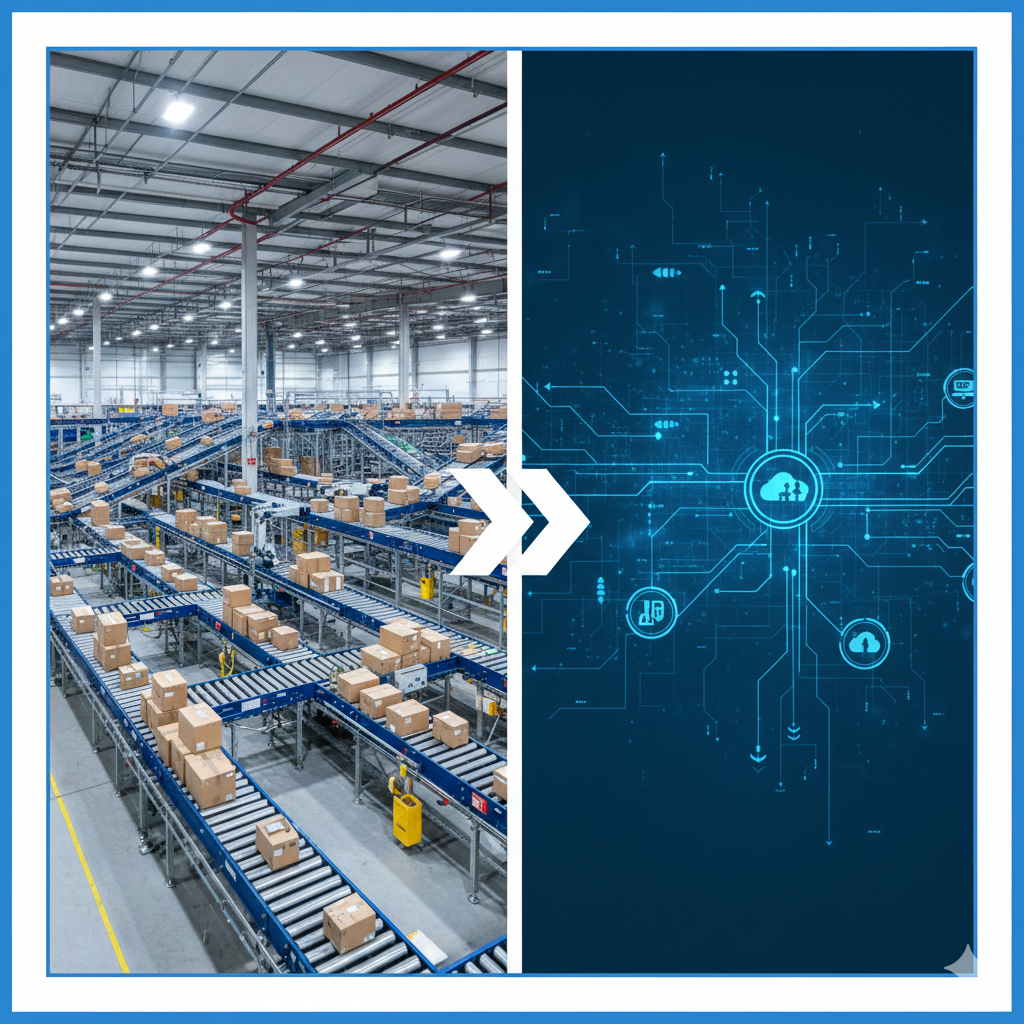
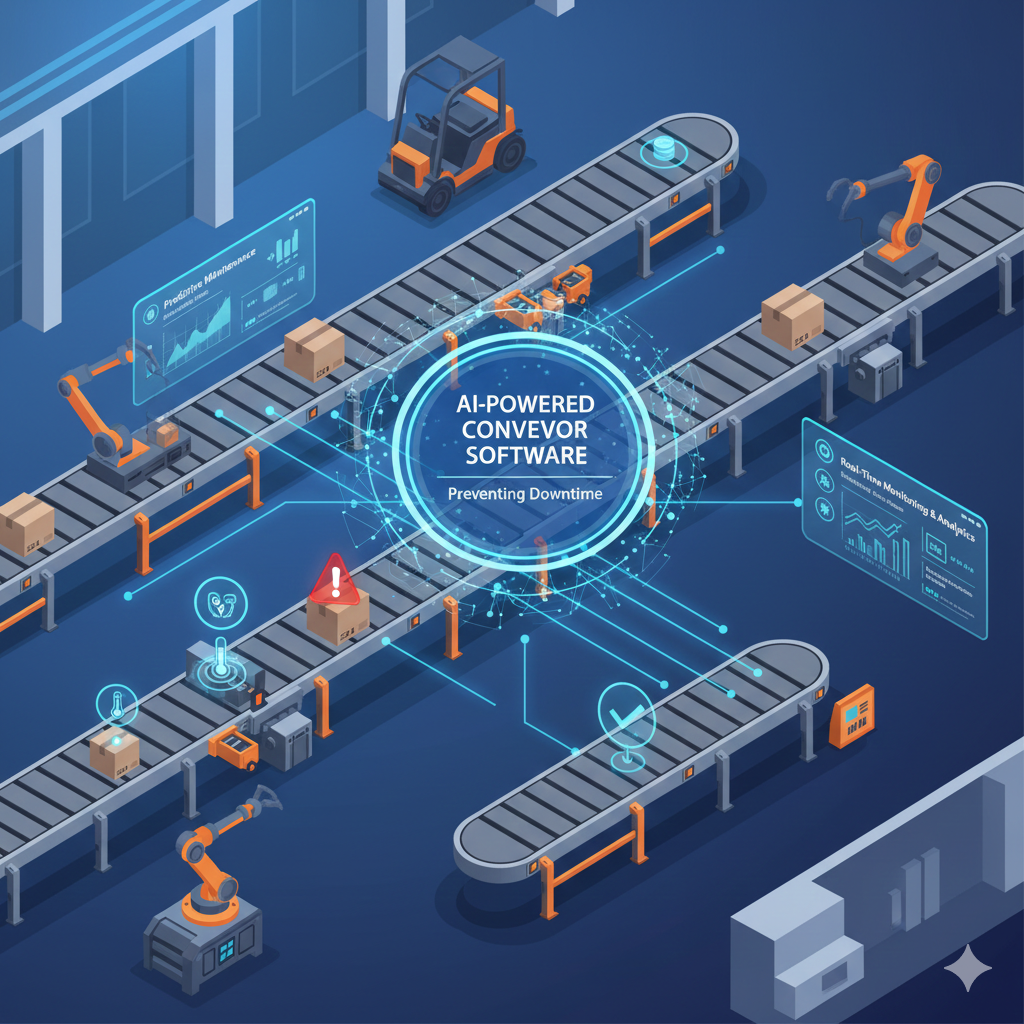
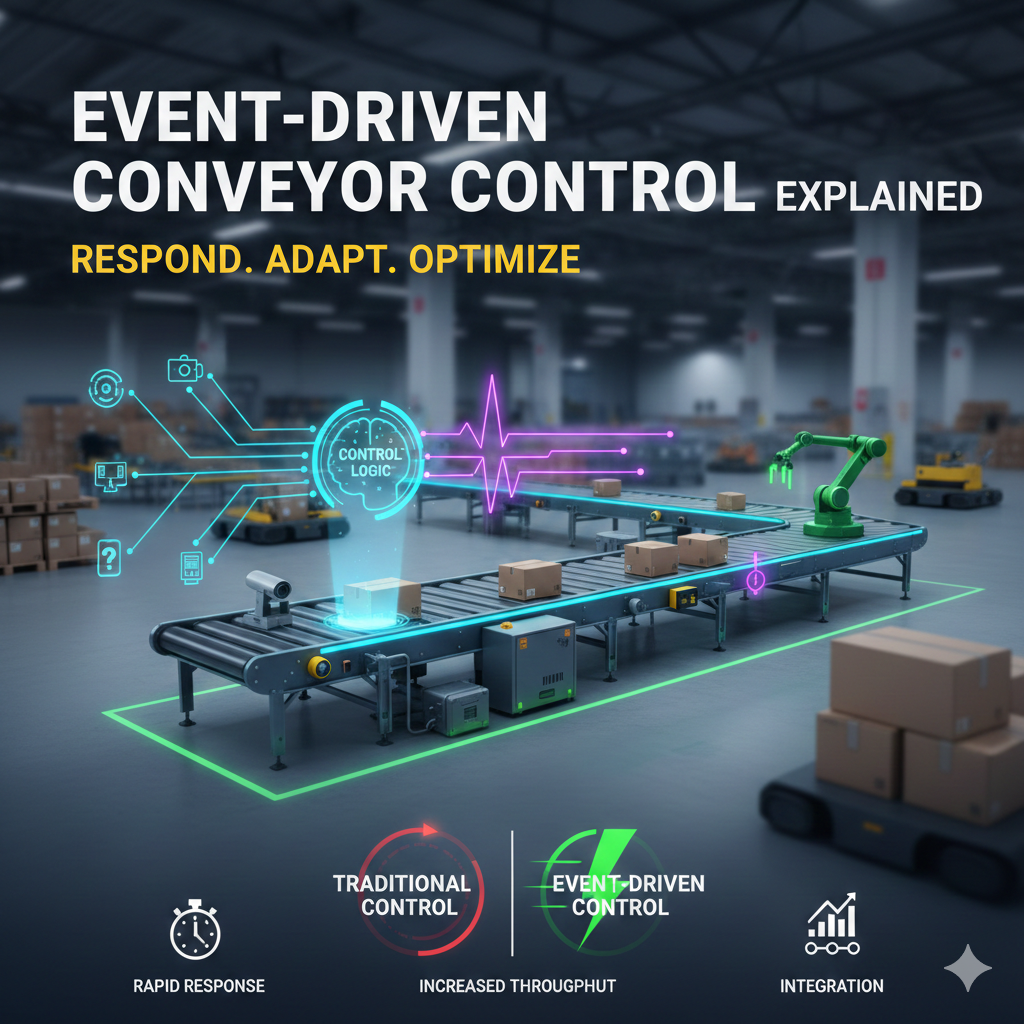
Modern conveyor operations rely heavily on software-driven control frameworks that coordinate sensors, programmable logic controllers, routing intelligence, and enterprise system integrations. As automation increases across warehouses and production facilities, software reliability becomes mission-critical. Even brief system failures can interrupt throughput, delay shipments, and impact customer commitments. Implementing structured software redundancy strategies ensures conveyor environments remain stable, resilient, and continuously operational.
1. Recognizing the Importance of Software Redundancy 🛡️
• Conveyor environments often run at high throughput and tight timelines ⚙️
• A single software malfunction can disrupt entire production or fulfillment lines 🚫
• Downtime directly affects revenue, service levels, and contractual obligations 💰
• Increased automation deepens reliance on control logic and system integrations 🤖
• Resilience must be intentionally engineered into the architecture 🧠
2. Implementing Redundant Control Servers 🖥️
• Deploy parallel primary and secondary control servers 🔄
• Synchronize operational data in real time between active and standby systems 📡
• Configure automatic failover when the primary server becomes unavailable ⚡
• Minimize switchover latency to prevent workflow interruption ⏱️
• Preserve consistent system states across both environments 📊
3. Adopting Distributed Control Architecture 🌐
• Distribute logic across multiple programmable controllers 🧩
• Eliminate single points of failure within the control network 🚫
• Contain faults to specific conveyor zones 📍
• Sustain partial operations during localized disruptions 🔁
• Enhance scalability and overall fault tolerance 📈
4. Strengthening Database Replication and Data Redundancy 🗄️
• Enable real-time replication across mirrored database systems 🔄
• Safeguard operational data from corruption or hardware failure 🛠️
• Maintain transactional integrity across synchronized instances ✔️
• Support rapid restoration without data loss ⚡
• Ensure availability for reporting and analytics workloads 📊
5. Ensuring Network Redundancy and Communication Failover 🔗
• Deploy dual network paths for controller and system communication 🌐
• Configure automated switching between communication routes 🔄
• Continuously monitor connectivity, bandwidth, and latency 📡
• Protect against switch, router, or cabling failures 🧯
• Maintain uninterrupted coordination between system components 🤝
6. Designing Application-Level Fault Tolerance 🧠
• Build software to gracefully manage unexpected exceptions ⚠️
• Implement retry logic for transient transaction failures 🔁
• Log errors without halting core operational processes 📝
• Use health-check services for continuous diagnostics 🩺
• Allow modular component restarts instead of full system shutdowns 🔧
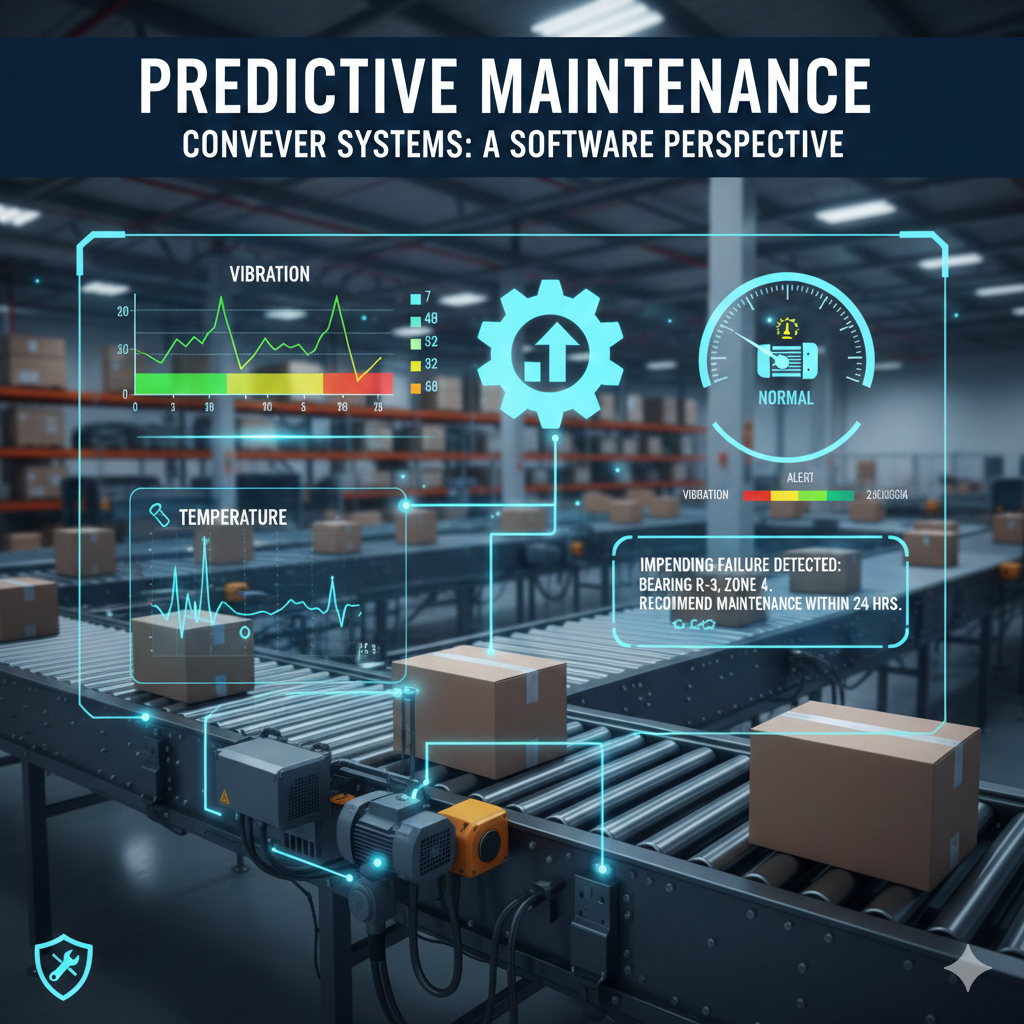
7. Deploying Real-Time Monitoring and Predictive Alerts 📊
• Monitor system performance metrics and resource utilization 📈
• Detect irregular patterns before they escalate into critical failures 🔍
• Trigger automated alerts for operators and engineering teams 🚨
• Integrate monitoring insights into preventive maintenance workflows 🛠️
• Reduce mean time to detection and resolution ⏱️
8. Establishing Strategic Failover and Recovery Plans 📋
• Define structured failover policies and automated recovery rules 🧭
• Conduct regular resilience testing under realistic operational conditions 🧪
• Maintain documented incident response procedures 📘
• Align redundancy investments with acceptable risk thresholds ⚖️
Step 9: Extending Redundancy to Enterprise Integrations 🏢
• Ensure ERP and warehouse management integrations remain fault-tolerant 🔄
• Preserve synchronization of operational and transactional data 📊
• Protect order processing and inventory updates during failover events 📦
• Prevent cascading disruptions across interconnected systems 🔗
• Maintain end-to-end continuity across the supply chain 🚚
Step 10: Designing for Long-Term Scalability and Resilience 🚀
• Incorporate redundancy planning alongside future system expansion 📈
• Assess infrastructure capacity for anticipated throughput growth 🏗️
• Reevaluate potential failure scenarios periodically 🔍
• Update resilience strategies as technologies and workloads evolve 🔄
• Treat redundancy as a continuous operational commitment 🛡️
Conclusion
Software redundancy plays a critical role in maintaining the reliability of modern conveyor systems. By combining parallel control servers, distributed architectures, synchronized databases, resilient networking, and proactive monitoring, organizations can significantly reduce downtime and operational risk. A thoughtfully engineered redundancy framework ensures conveyor operations remain stable, scalable, and prepared to withstand unexpected system disruptions.
See more blogs
You can all the articles below