Conveyor Throughput Optimization Using Software Logic

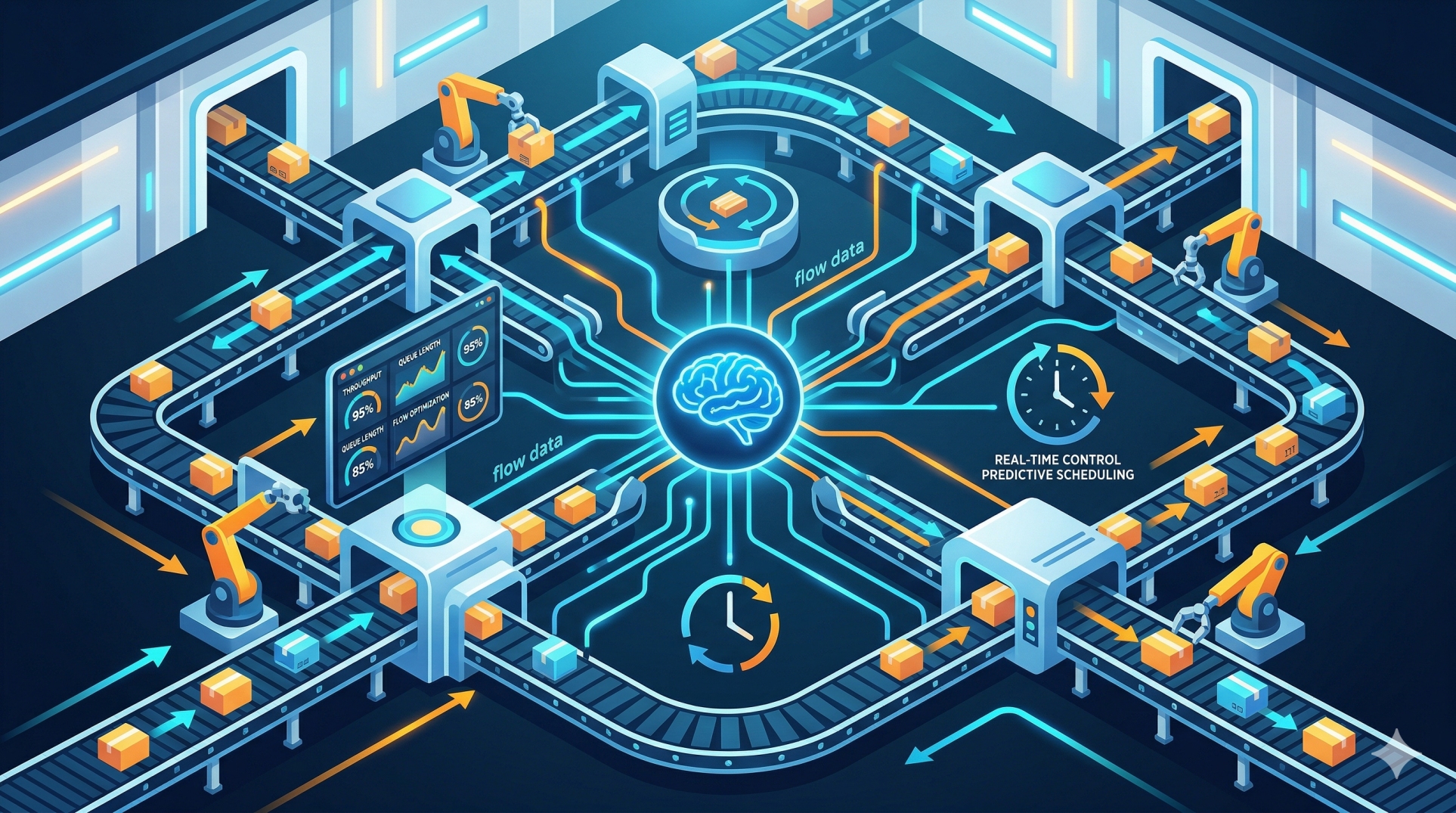
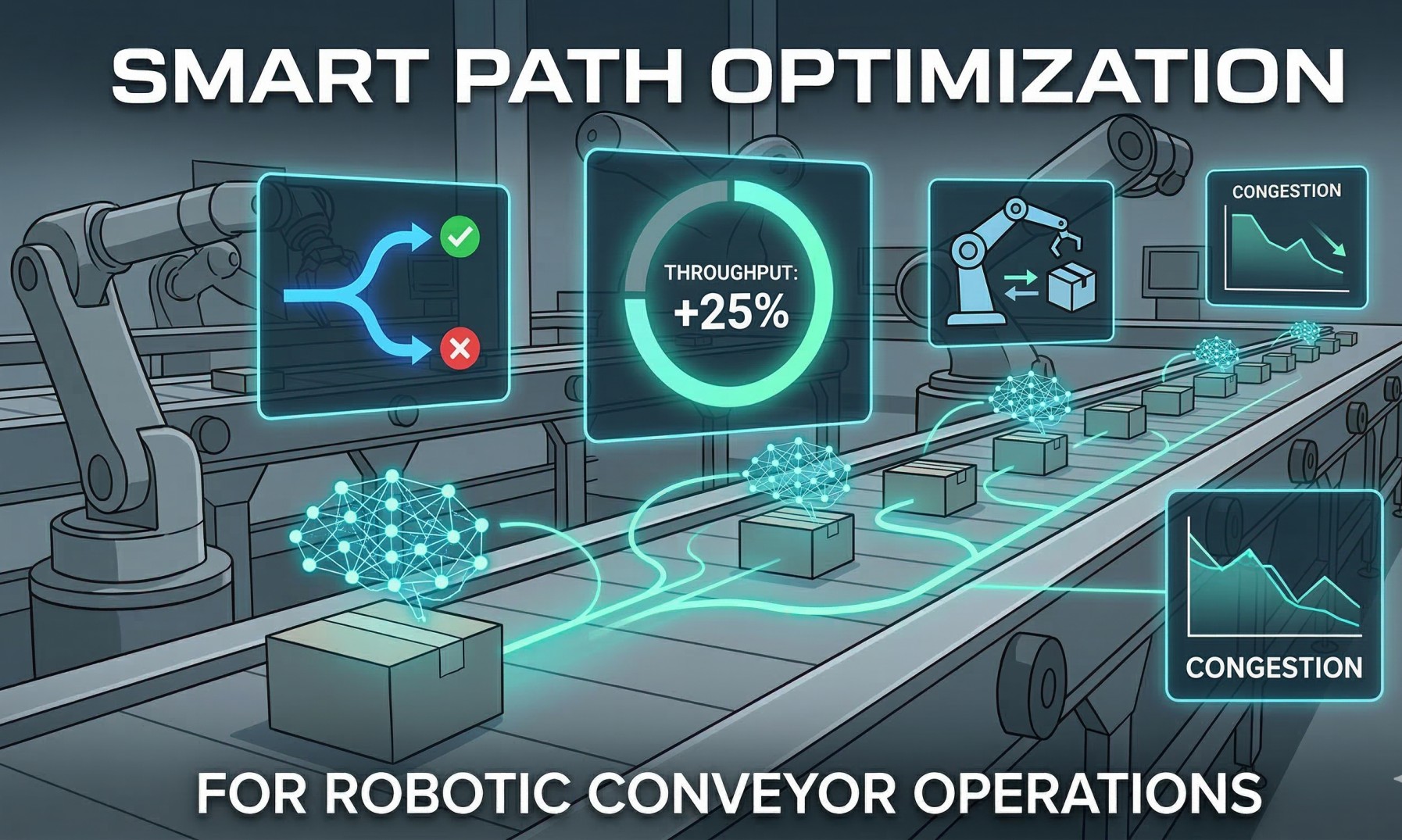
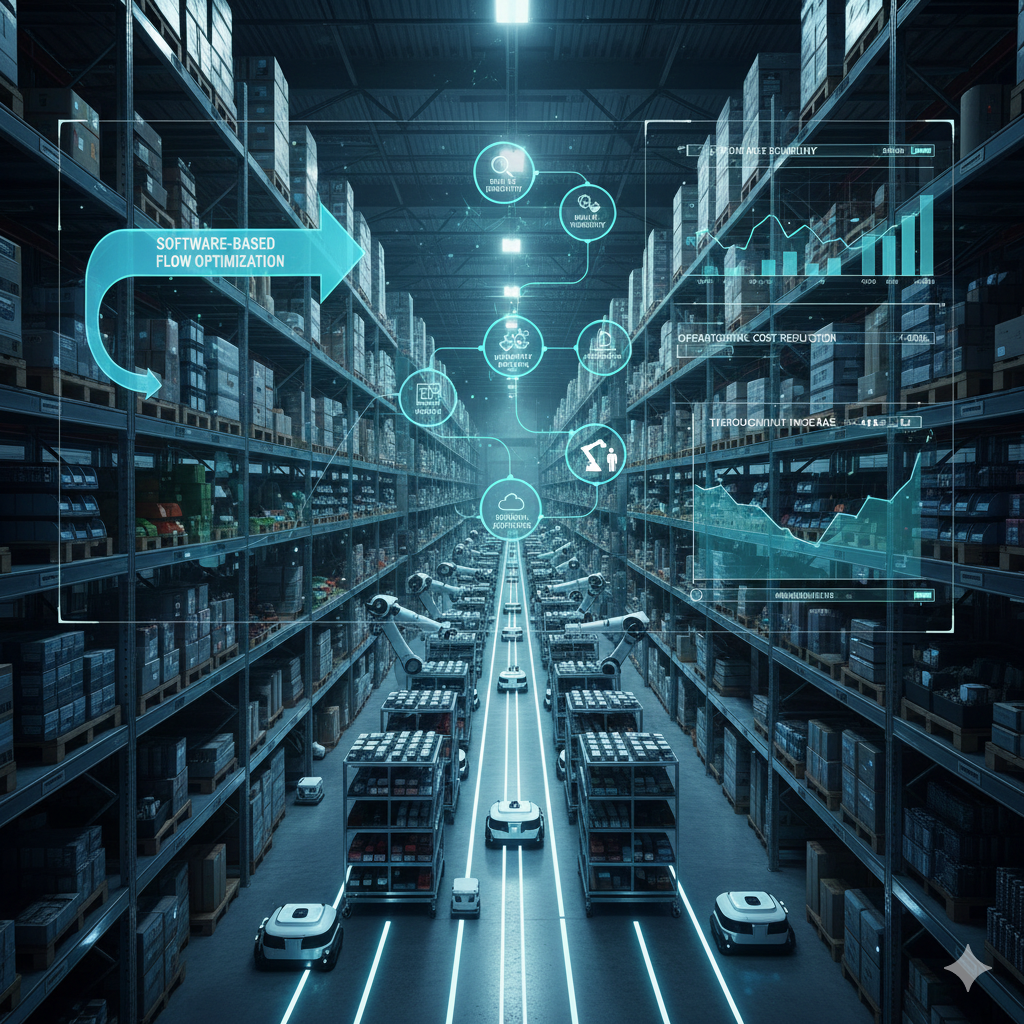
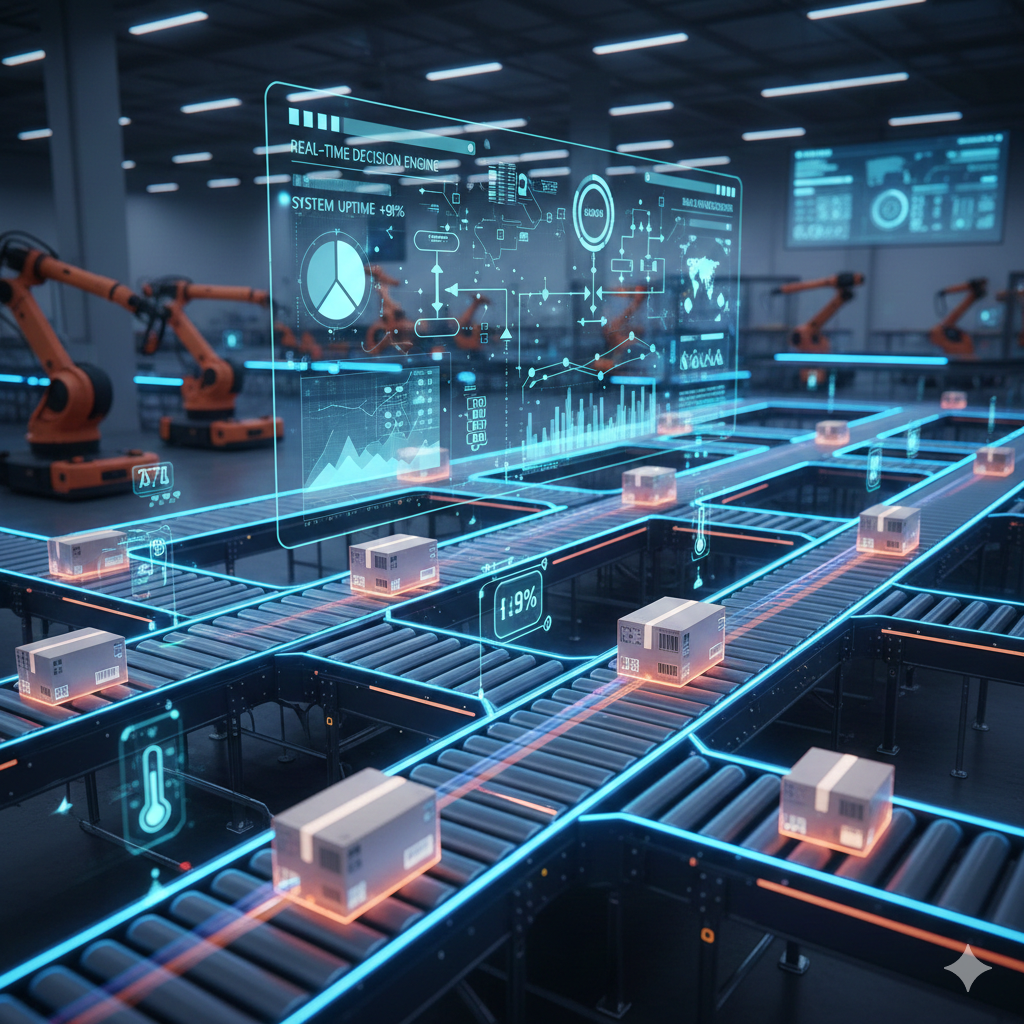
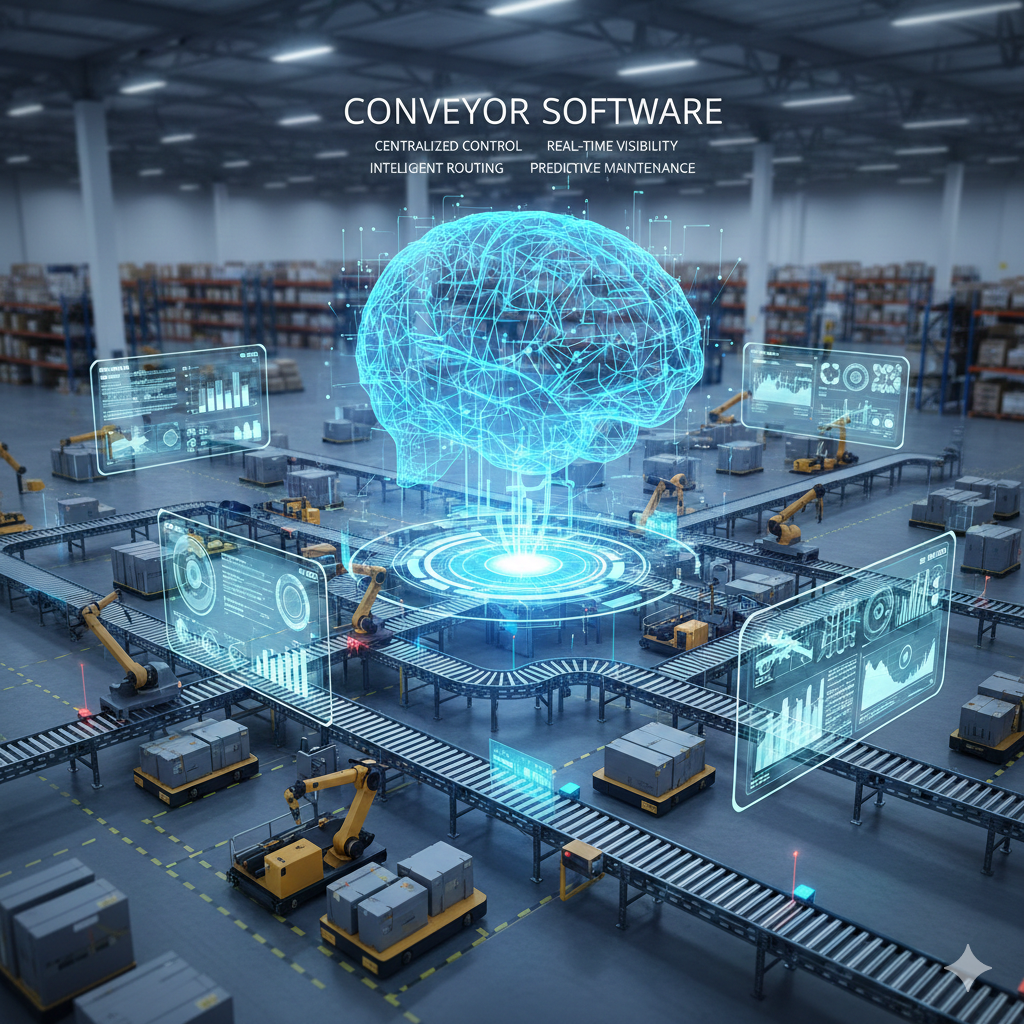
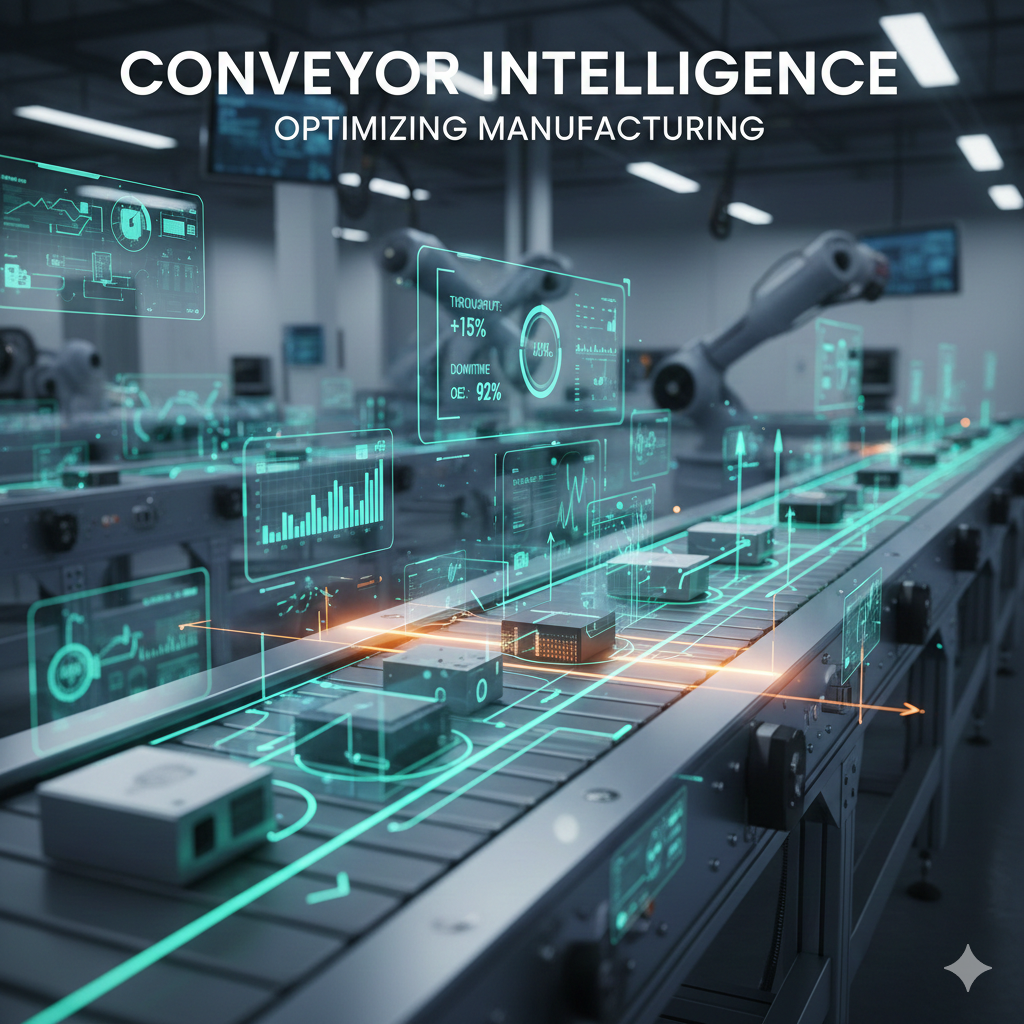
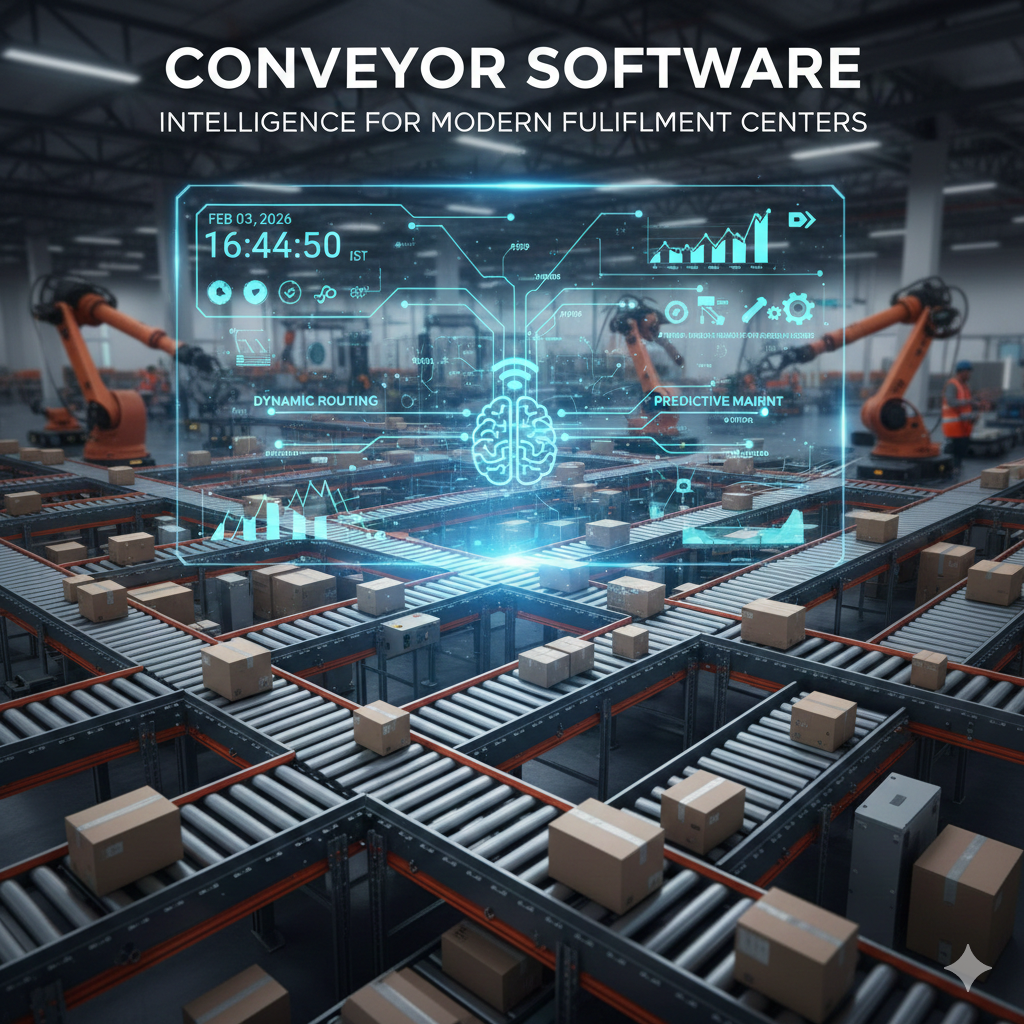
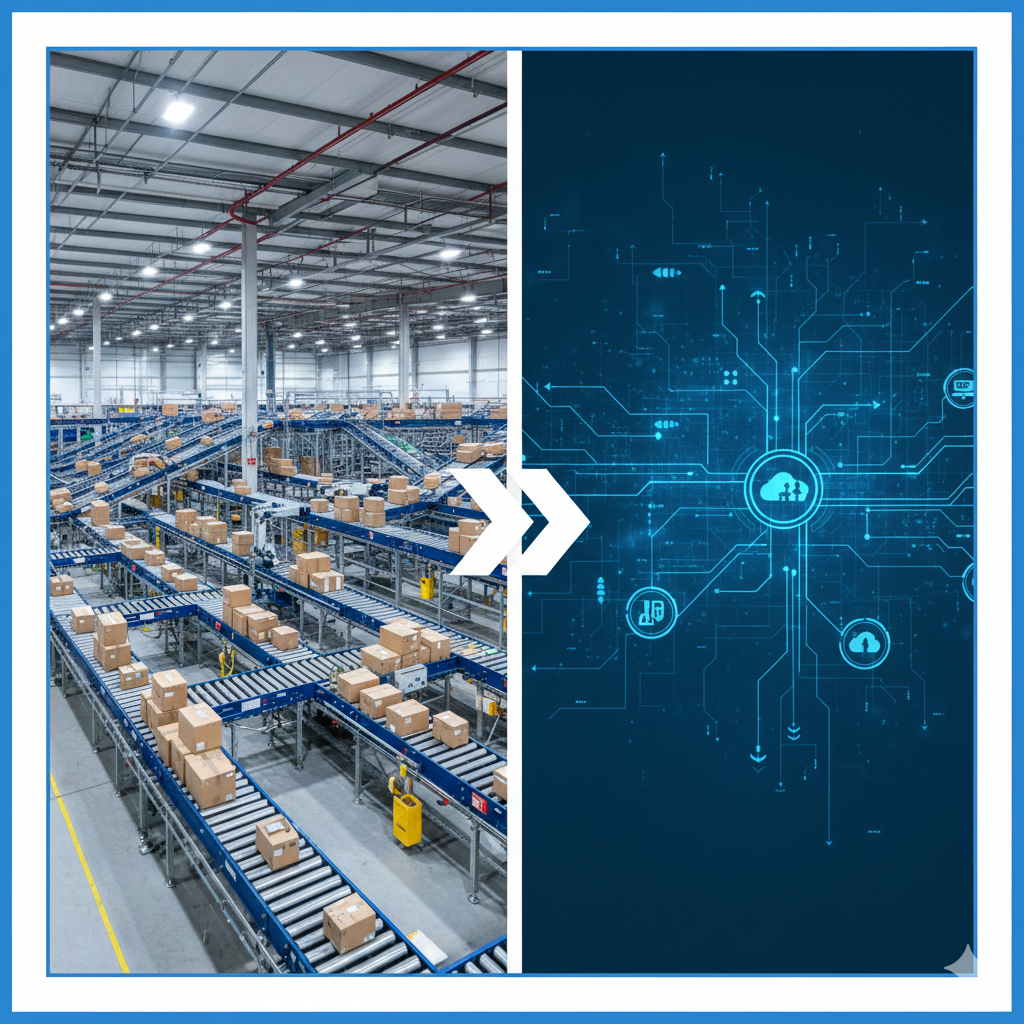
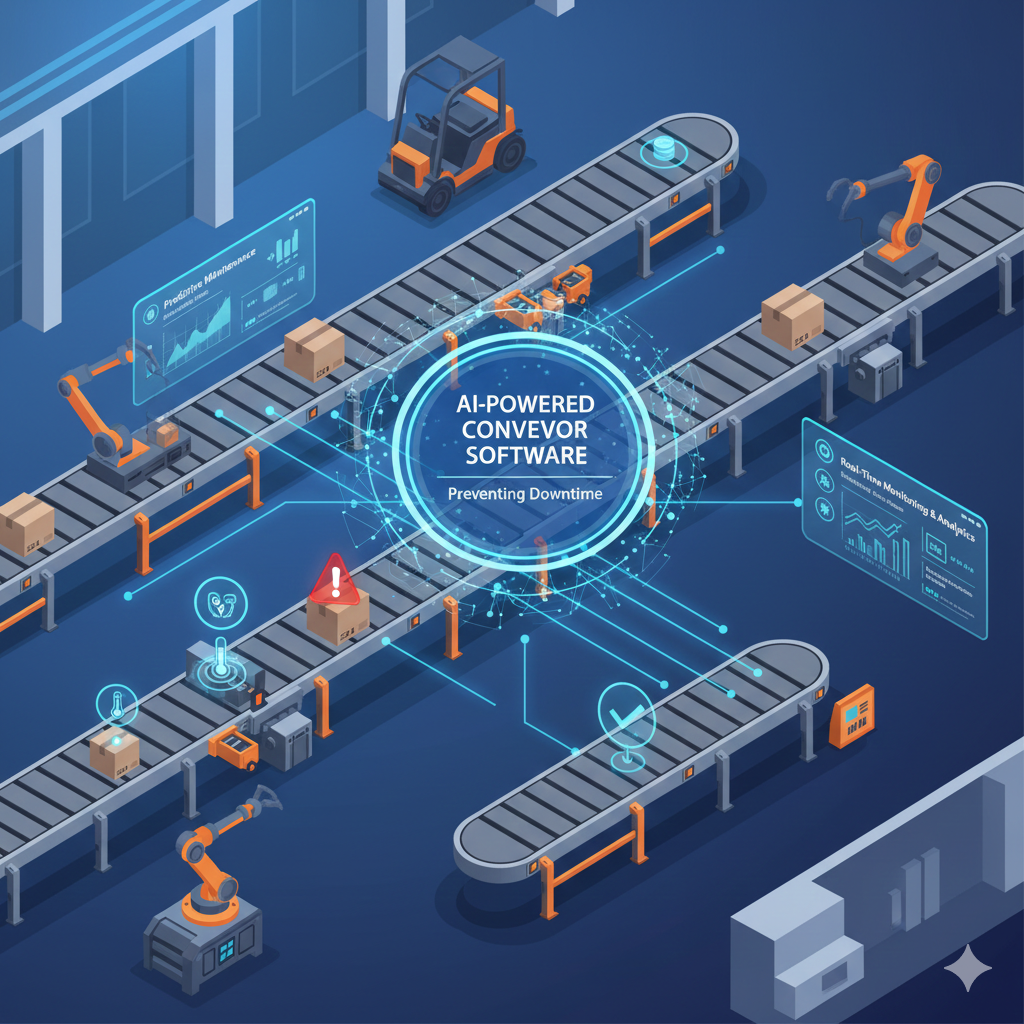
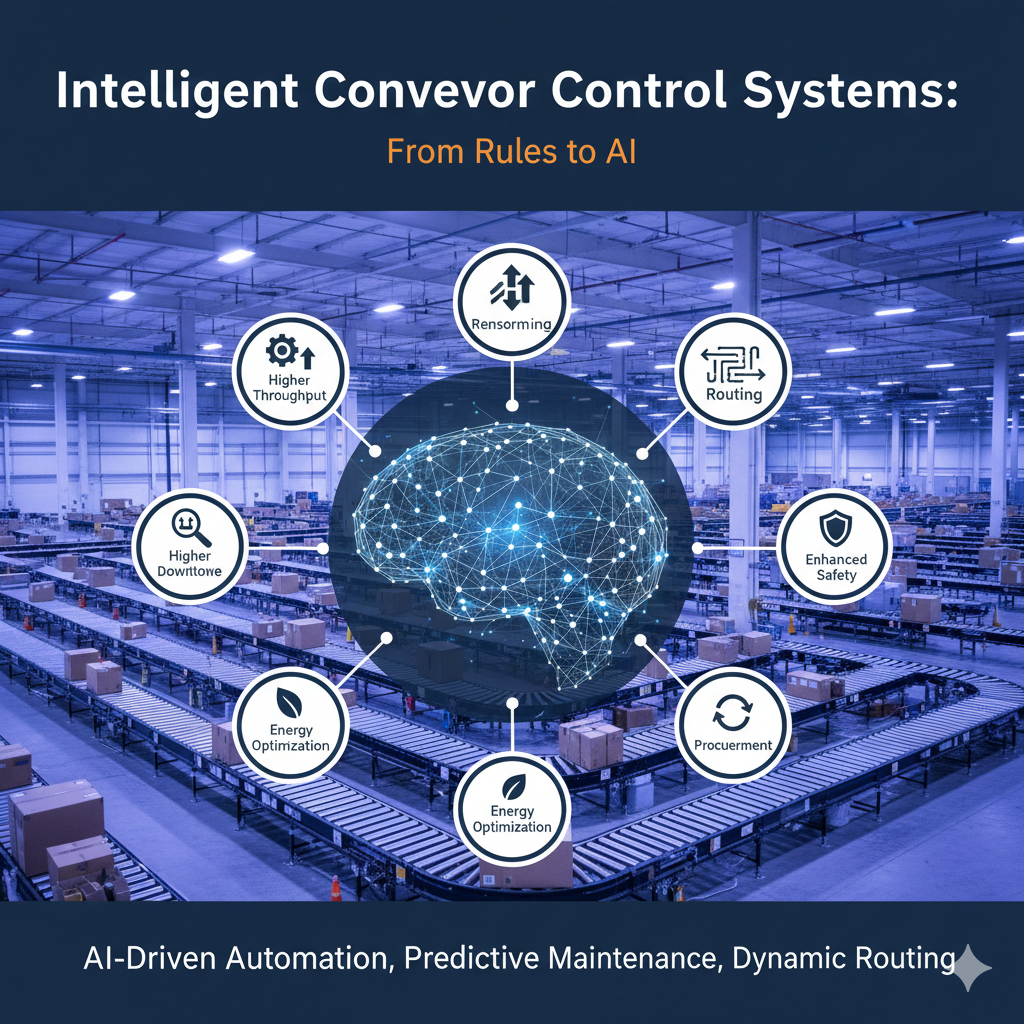
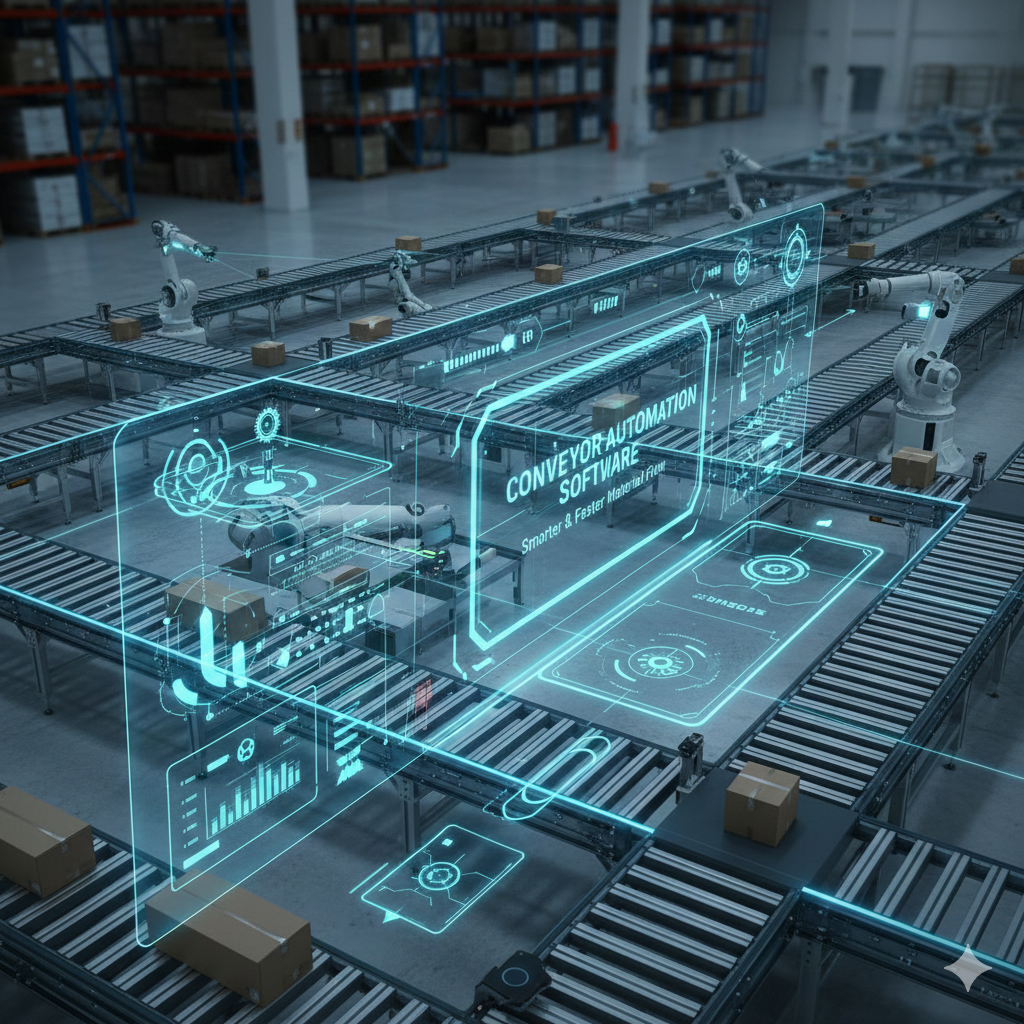
Modern conveyor environments are no longer optimized through mechanical adjustments alone. Intelligent software control now plays a decisive role in maximizing throughput, minimizing congestion, and improving overall system efficiency. By leveraging real-time operational data, rule-based automation, and predictive intelligence, organizations can increase material flow capacity without expanding physical infrastructure.
Step 1: Understanding Throughput as a System-Level Metric 📊
• Represents the number of units transported within a defined time frame ⏱️
• Relies on synchronization between upstream and downstream processes 🔄
• Influenced by merge zones, accumulation buffers, and routing logic 🧩
• Impacted by product size variation and spacing consistency 📦
• Requires end-to-end optimization rather than isolated speed adjustments 🎯
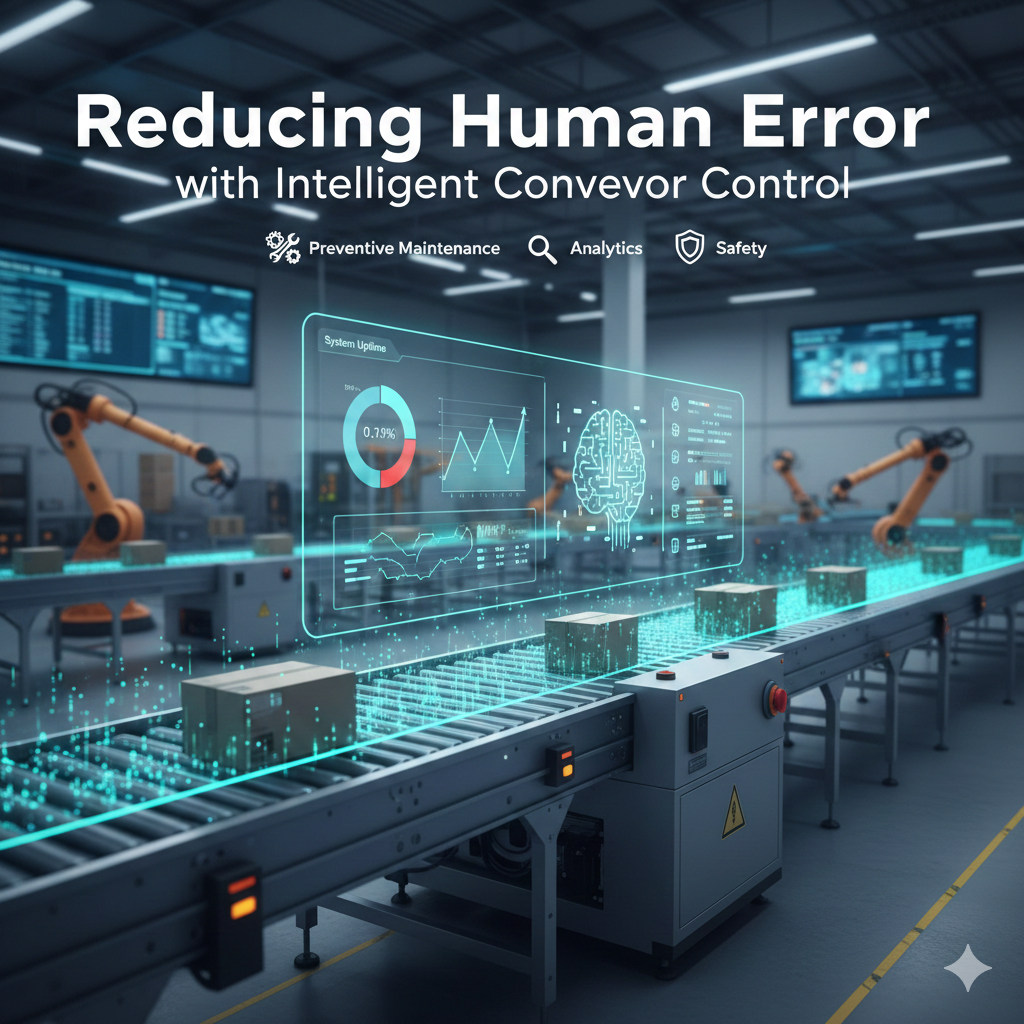
Step 2: Real-Time Data Collection from Conveyor Sensors 📡
• Captures belt velocity, load distribution, and spacing metrics 📏
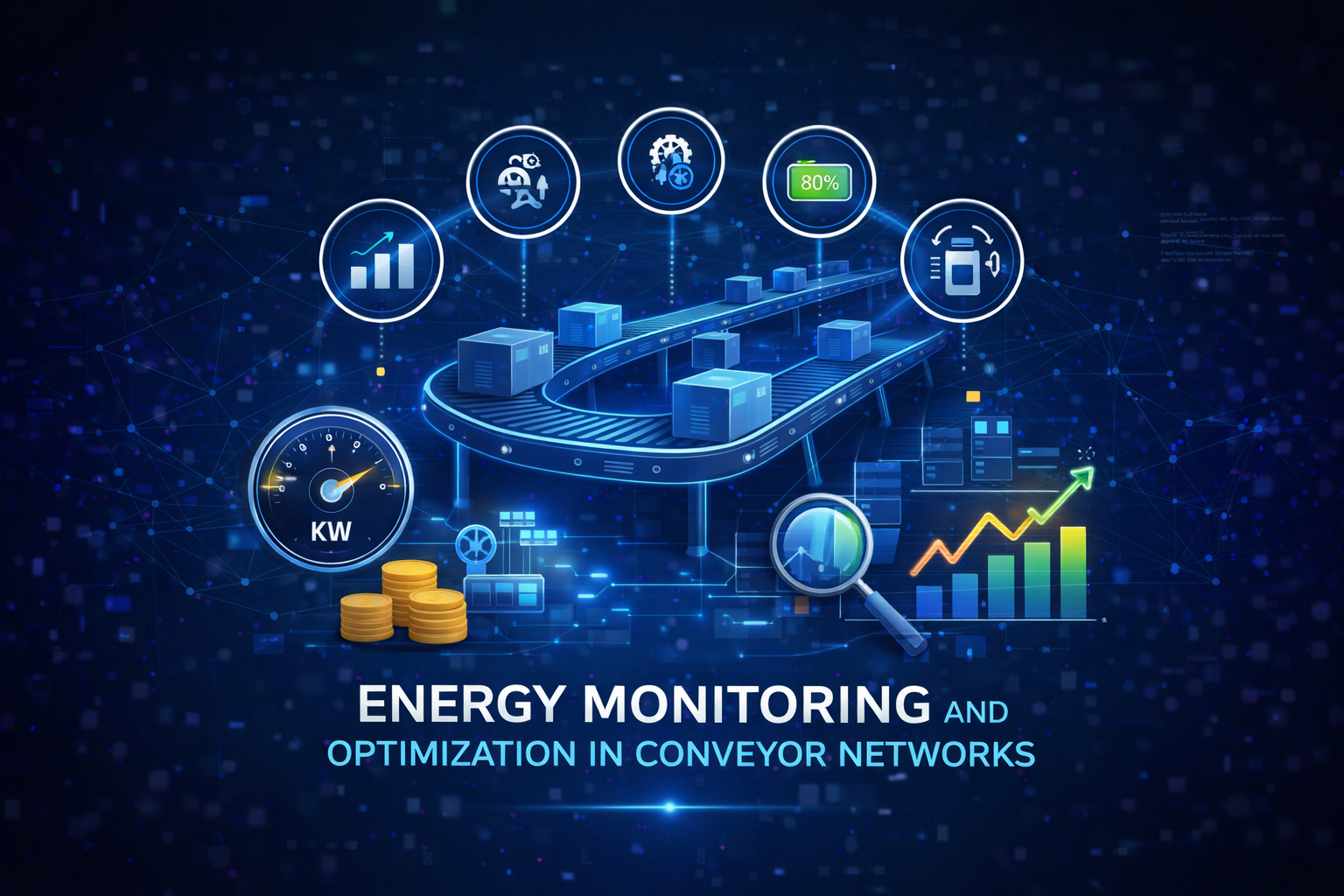
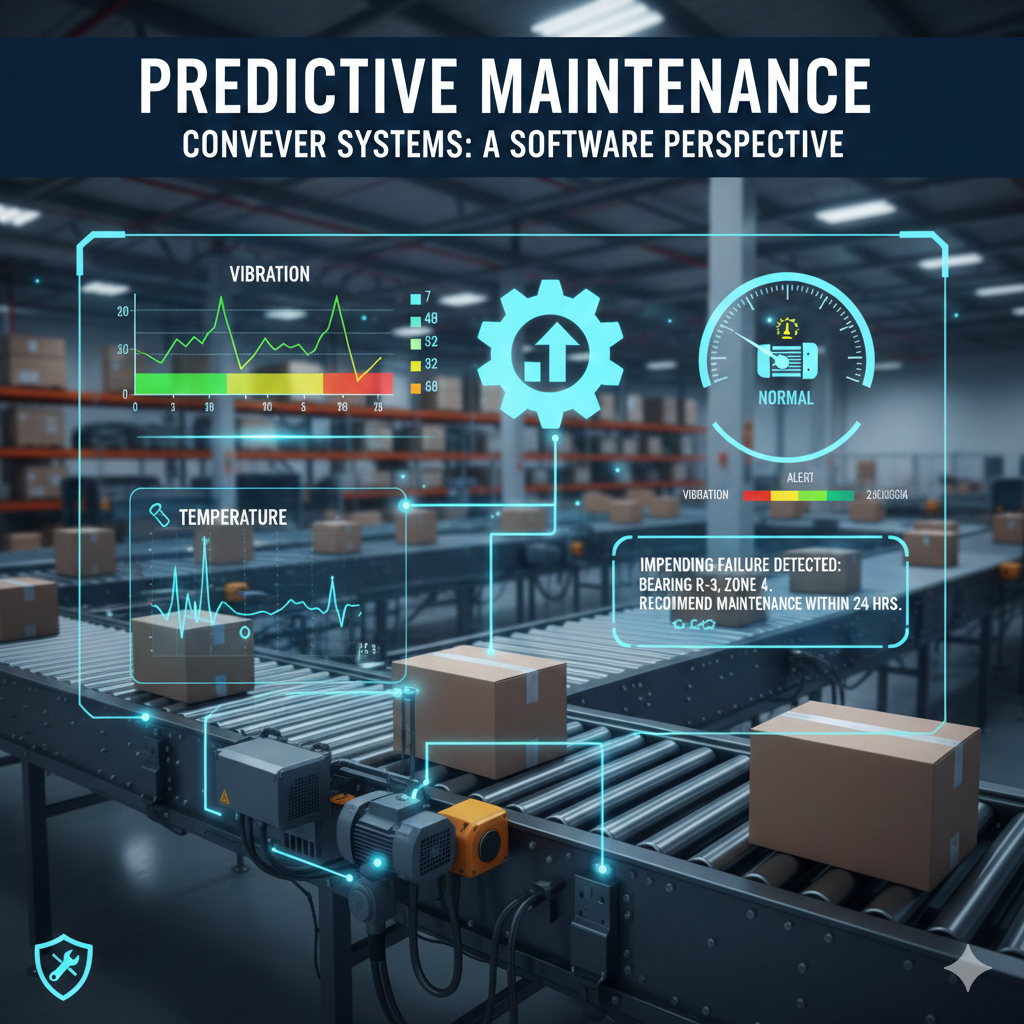
• Monitors motor health and energy consumption ⚙️
• Detects obstructions, slow movement, and irregular flow patterns 🚨
• Measures queue buildup at transfer and merge points 📈
• Establishes the data backbone for intelligent control decisions 🧠
Step 3: Dynamic Speed Control Algorithms ⚙️
• Automatically adjusts speeds according to live load conditions 🔄
• Prevents downstream over-accumulation and backpressure 🚫
• Synchronizes multiple conveyor segments in real time 🔗
• Minimizes inefficient start-stop cycles ⛔
• Preserves optimal spacing to maintain flow stability 📦
Step 4: Bottleneck Detection and Flow Balancing 🚦
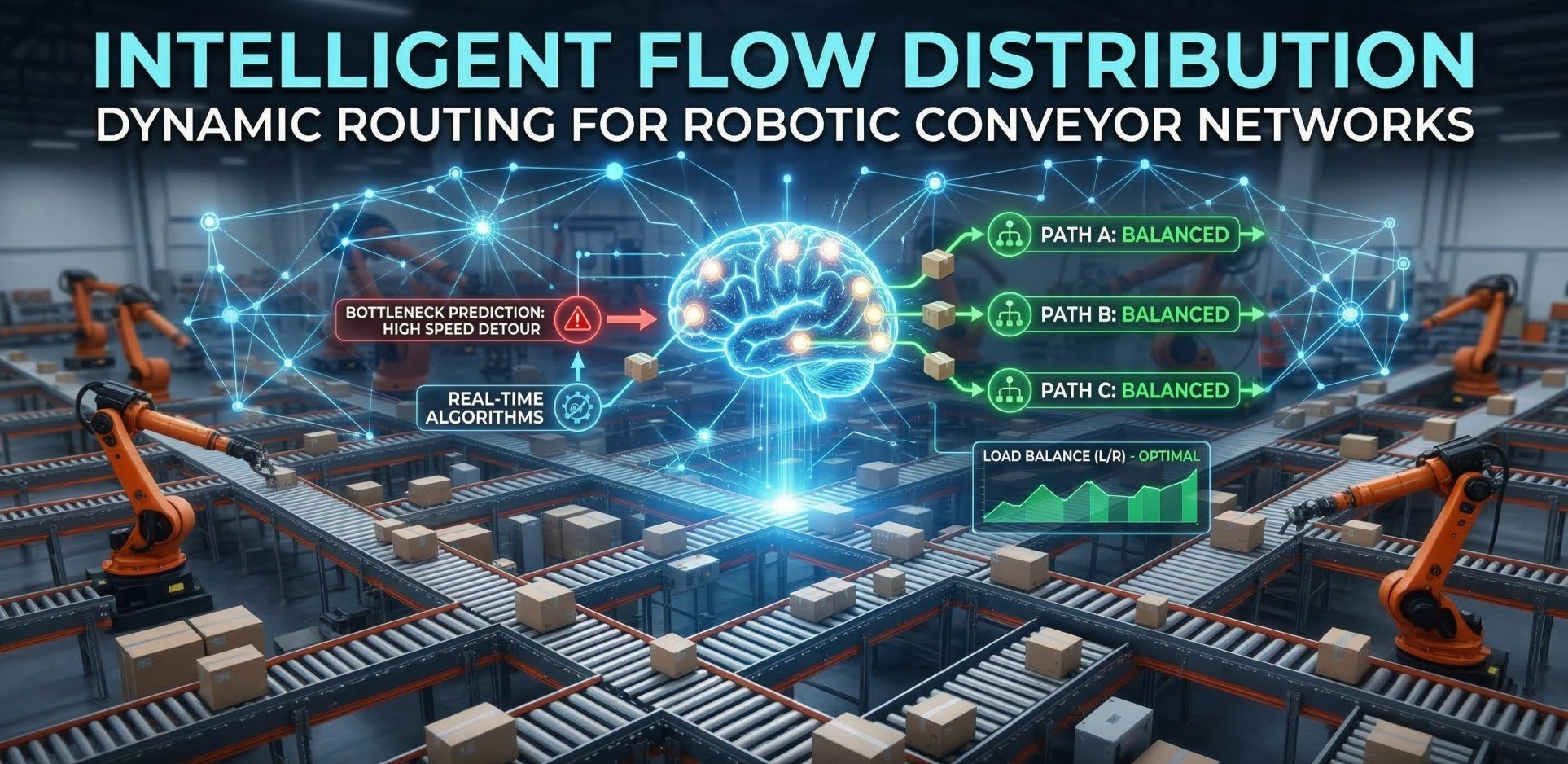
• Identifies constraint points that restrict system capacity 🔍
• Calculates throughput limits at each operational segment 📊
• Redistributes volume across parallel paths when available ↔️
• Dynamically prioritizes high-importance product streams 🎯
• Reduces idle time caused by localized congestion ⏳
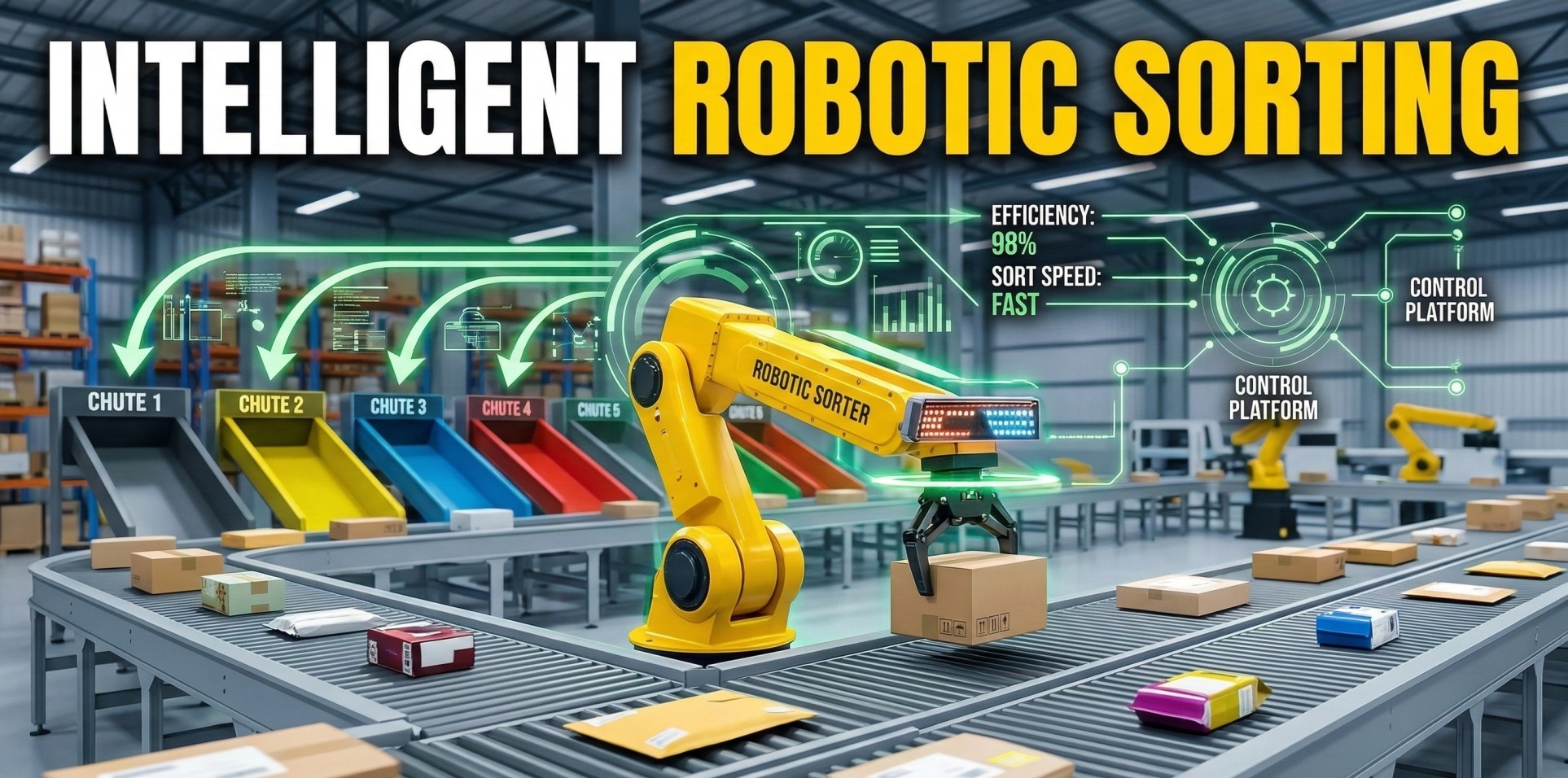
Step 5: Intelligent Merge and Divert Logic 🔀
• Controls release timing to optimize merging efficiency ⏱️
• Applies rule-based prioritization by order urgency 📋
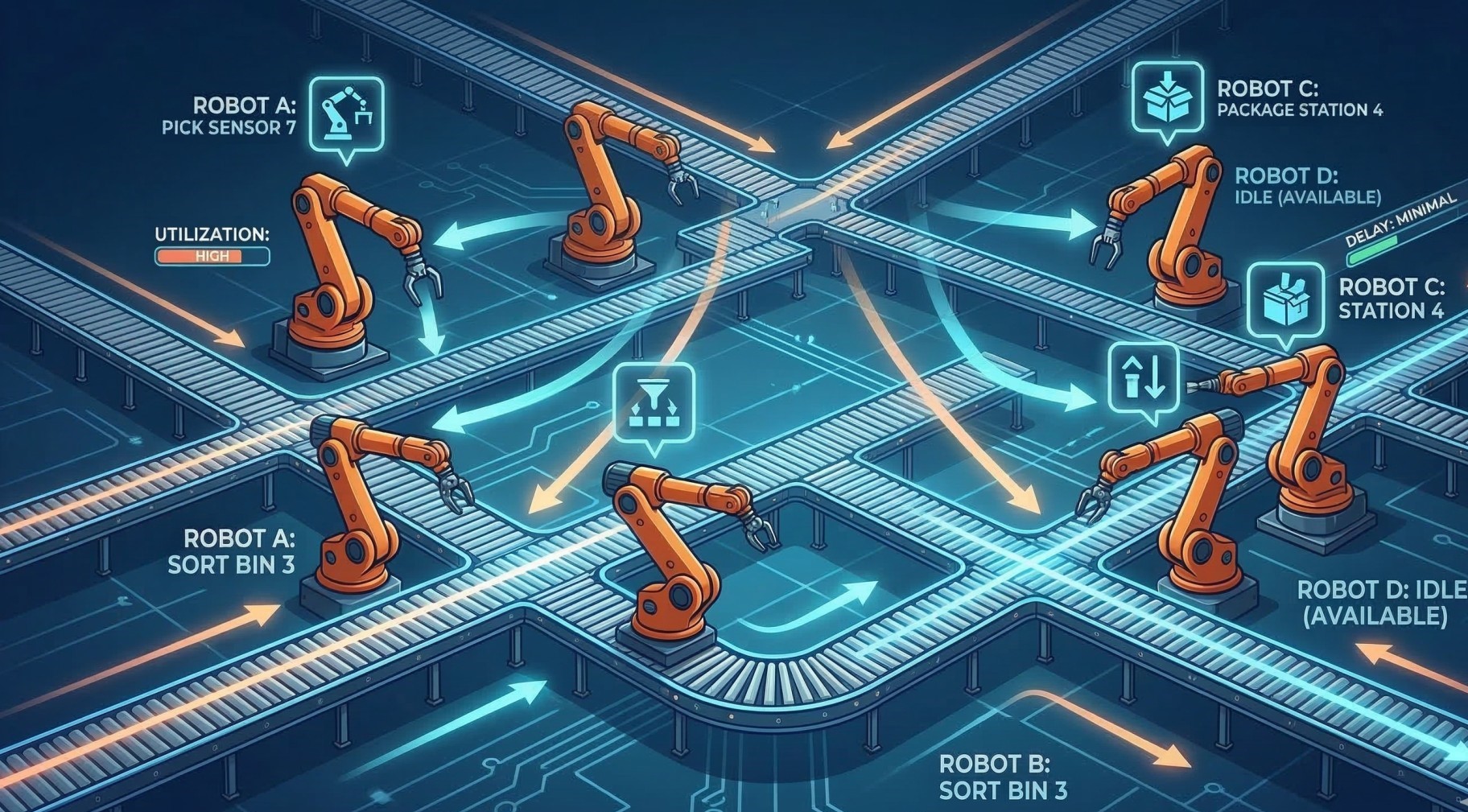
• Balances multiple inbound streams into shared lanes ⚖️
• Minimizes collisions and stop-and-go disruptions 🚫
• Improves sequencing for downstream processing stages 📦
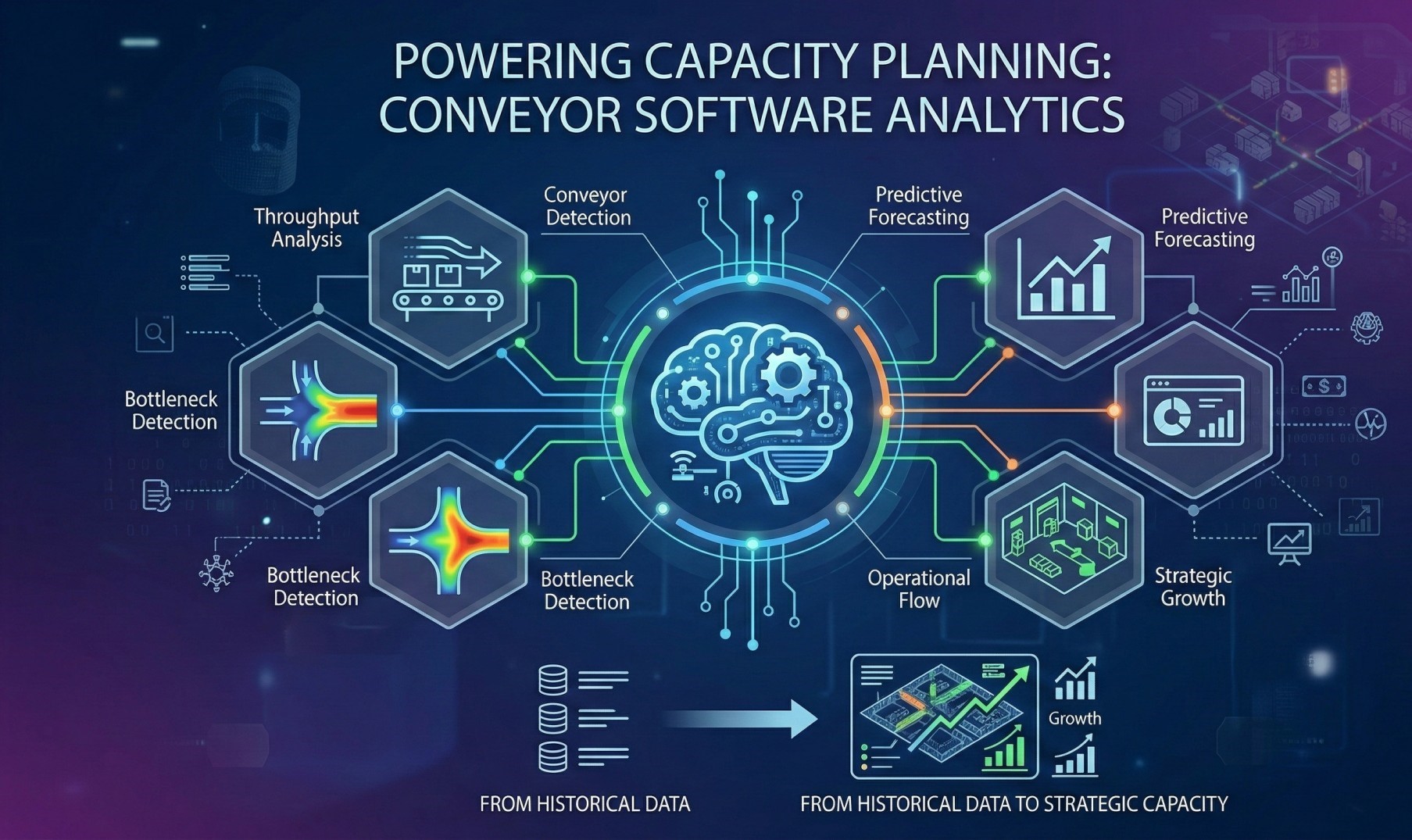
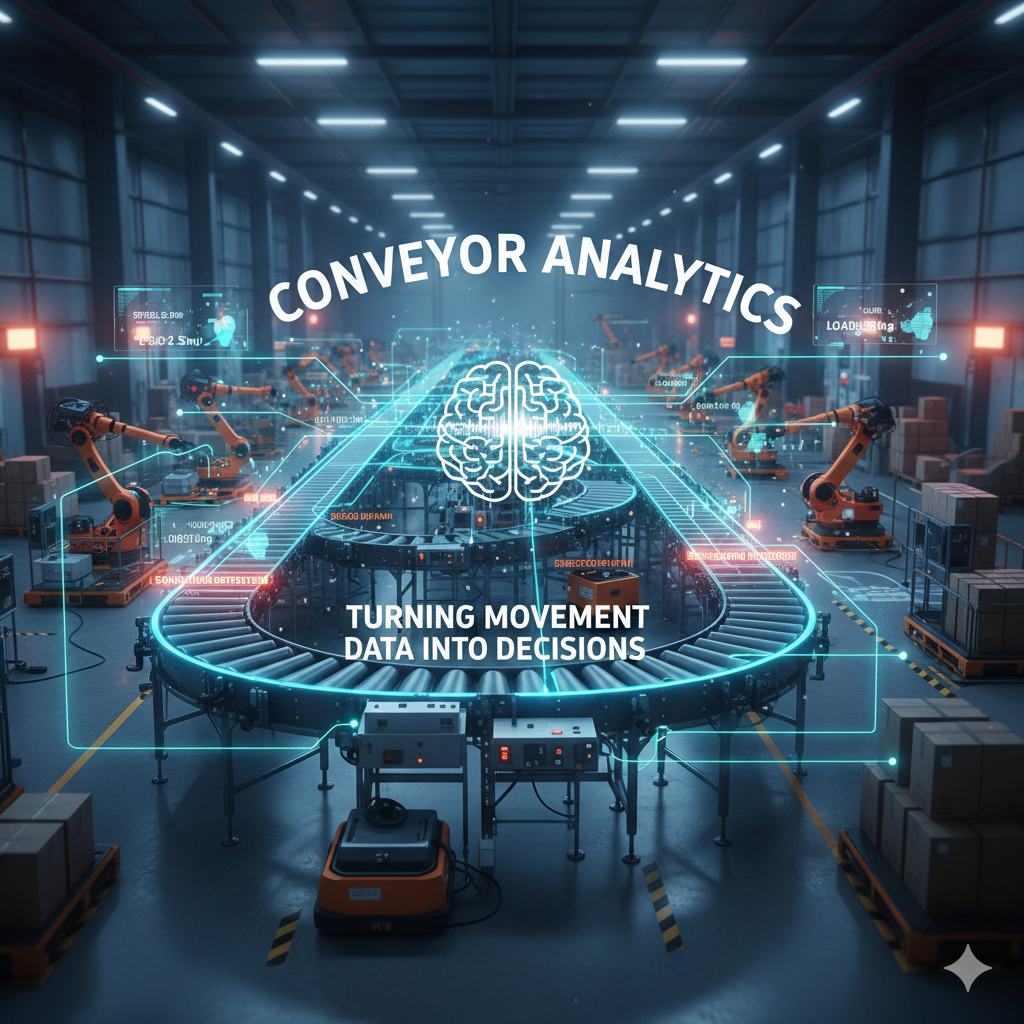
Step 6: Predictive Load Forecasting 📈
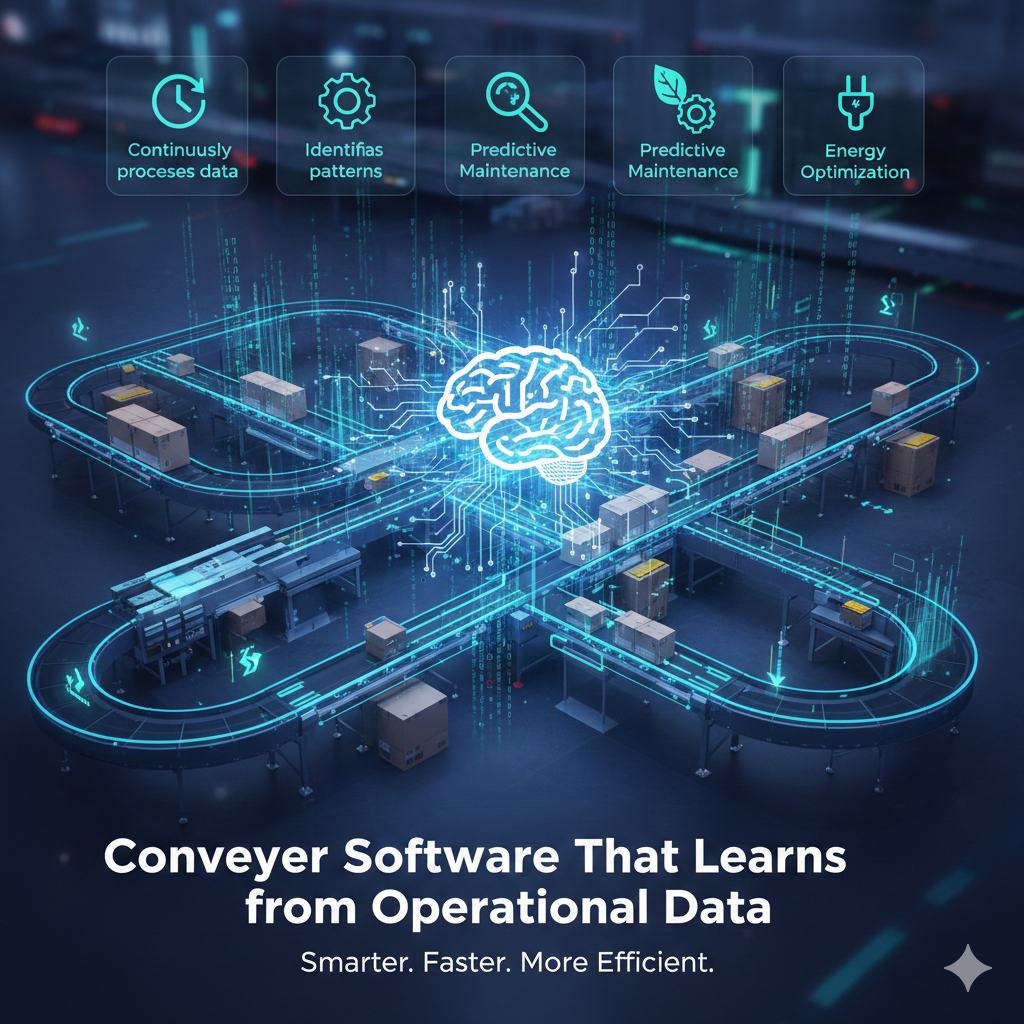
• Analyzes historical flow patterns to anticipate demand peaks 📊
• Adjusts control parameters before congestion develops ⚡
• Supports seasonal and shift-based workload planning 📅
• Enhances staffing and equipment allocation decisions 👥
• Prevents reactive slowdowns during high-volume cycles 🚀
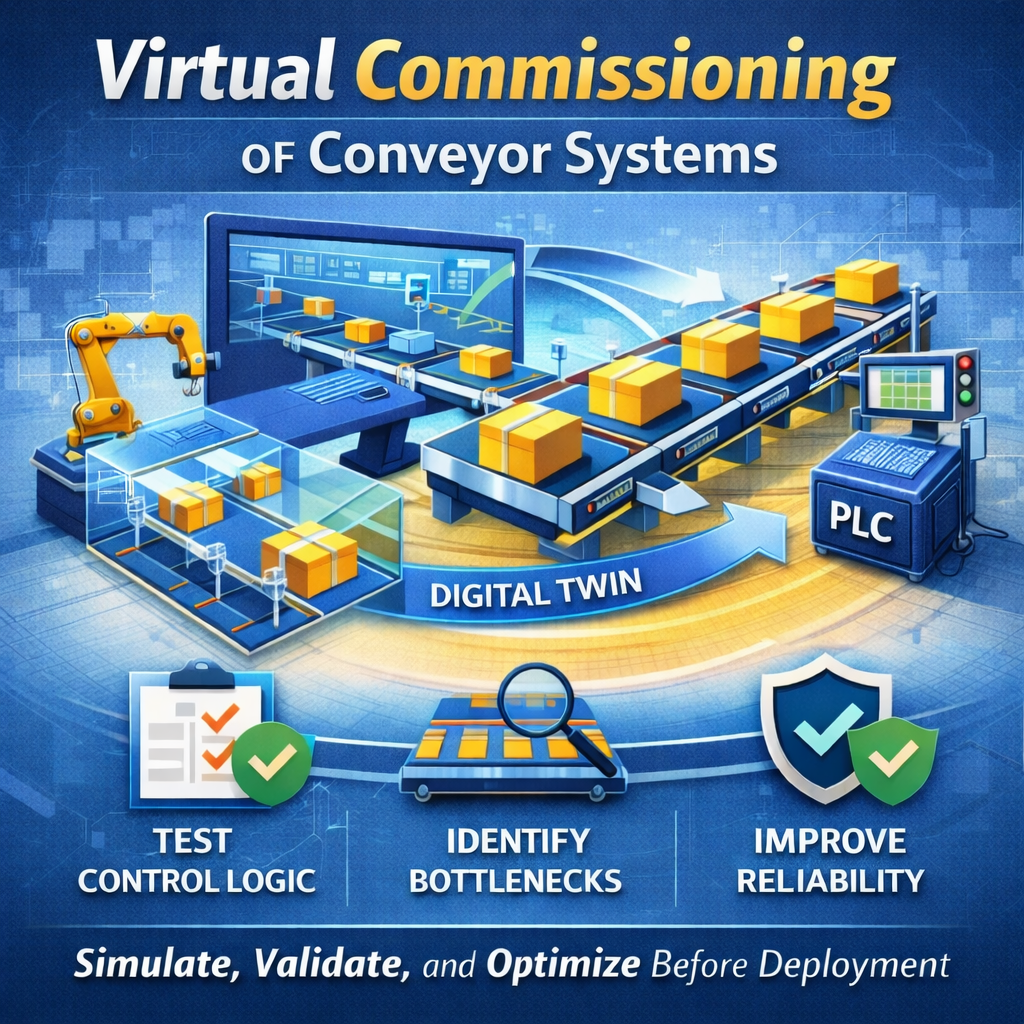
Step 7: Simulation and Digital Twin Modeling 🖥️
• Simulates system behavior under varied operational scenarios 🔄
• Validates logic changes before live implementation ✔️
• Reveals hidden inefficiencies within layout design 🔍
• Tests routing strategies without physical modifications 🧪
• Lowers deployment risk through predictive validation 🛡️
Step 8: Core Performance Levers for Maximum Throughput 🎯
• Align control logic with the true system bottleneck 🔍
• Emphasize flow consistency over raw speed ⚖️
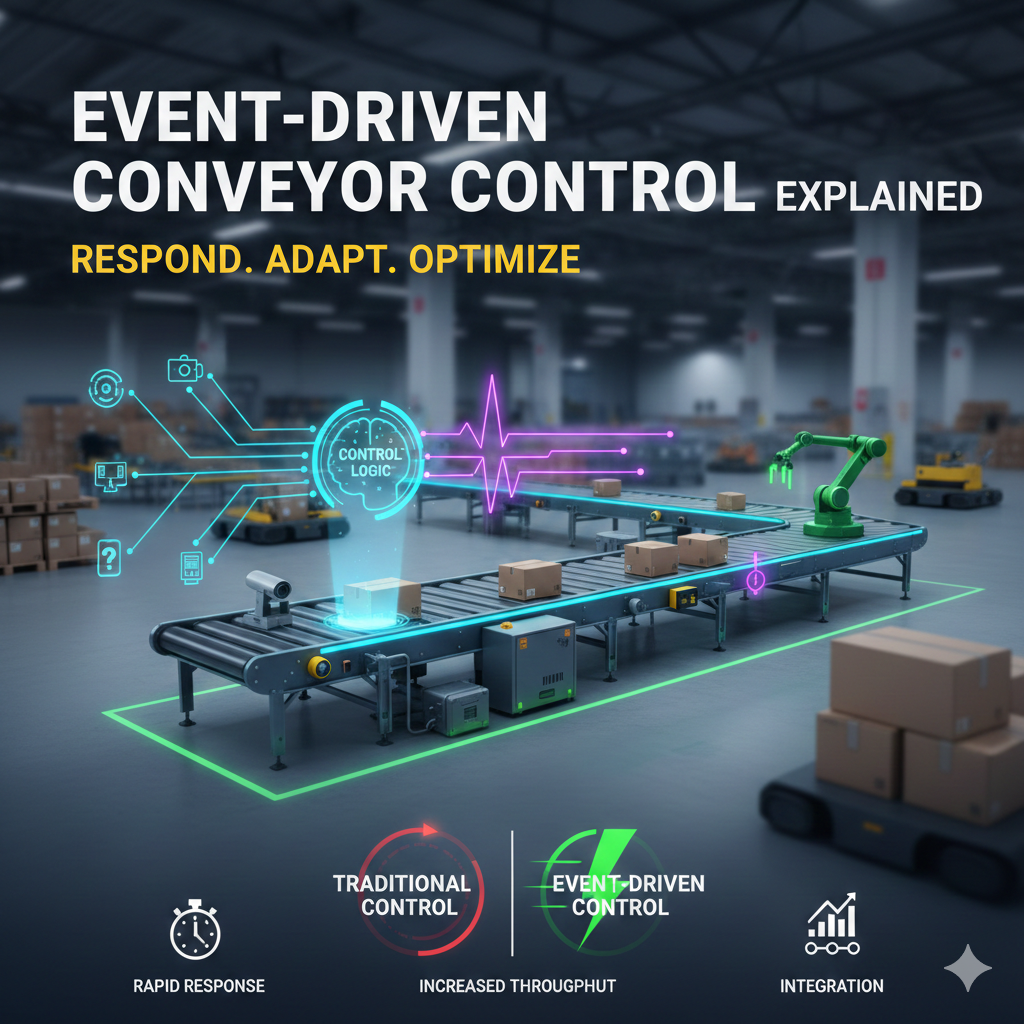
• Automate decision-making within merge and buffer zones 🤖
• Continuously recalibrate based on live performance data 📊
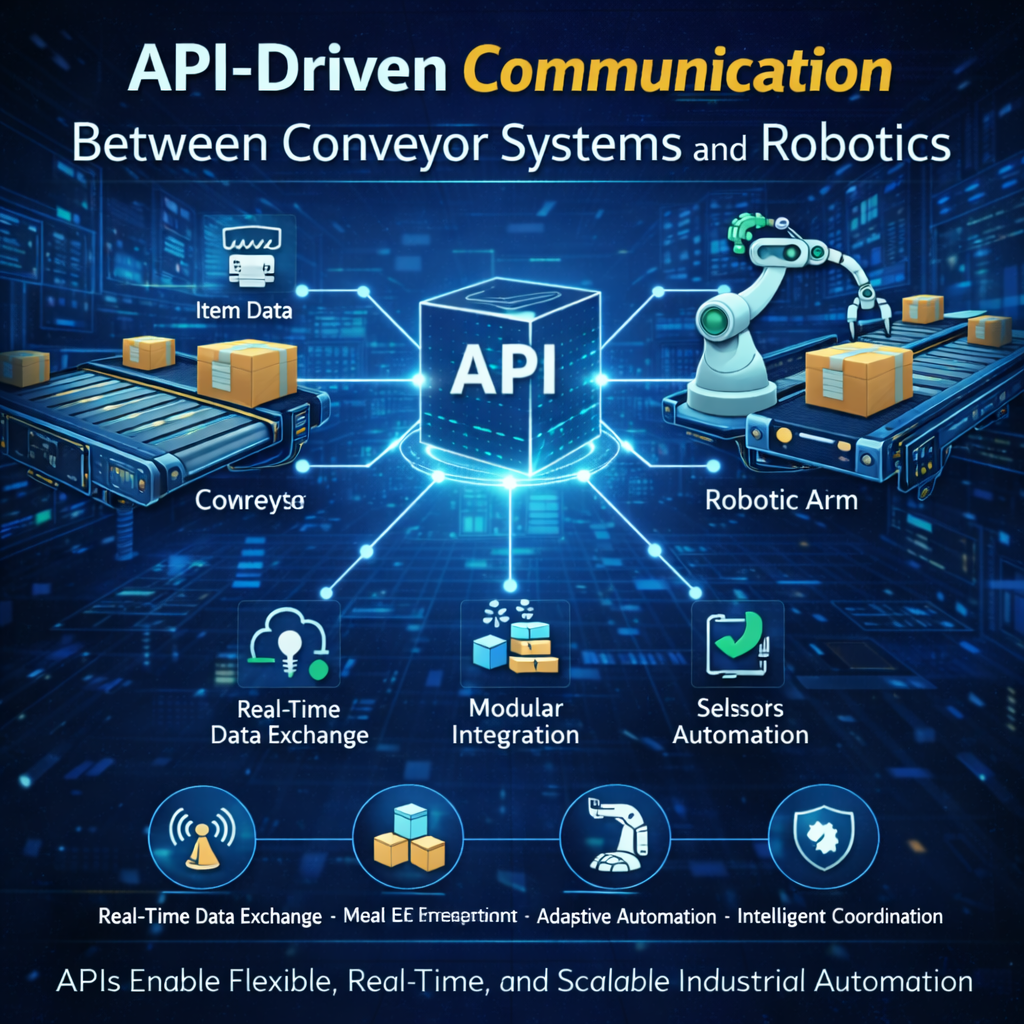
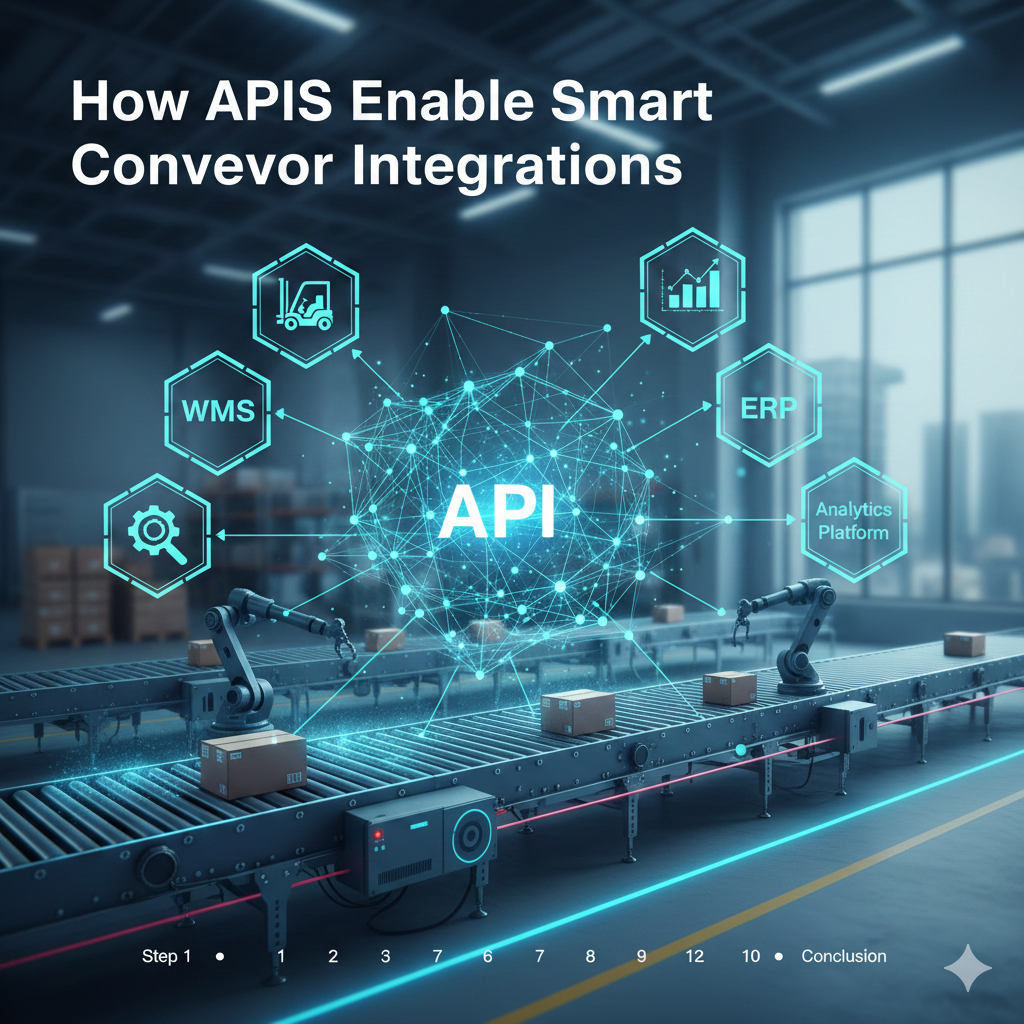
Step 9: Integration with Warehouse and ERP Systems 🔗
• Synchronizes conveyor logic with order management priorities 📦
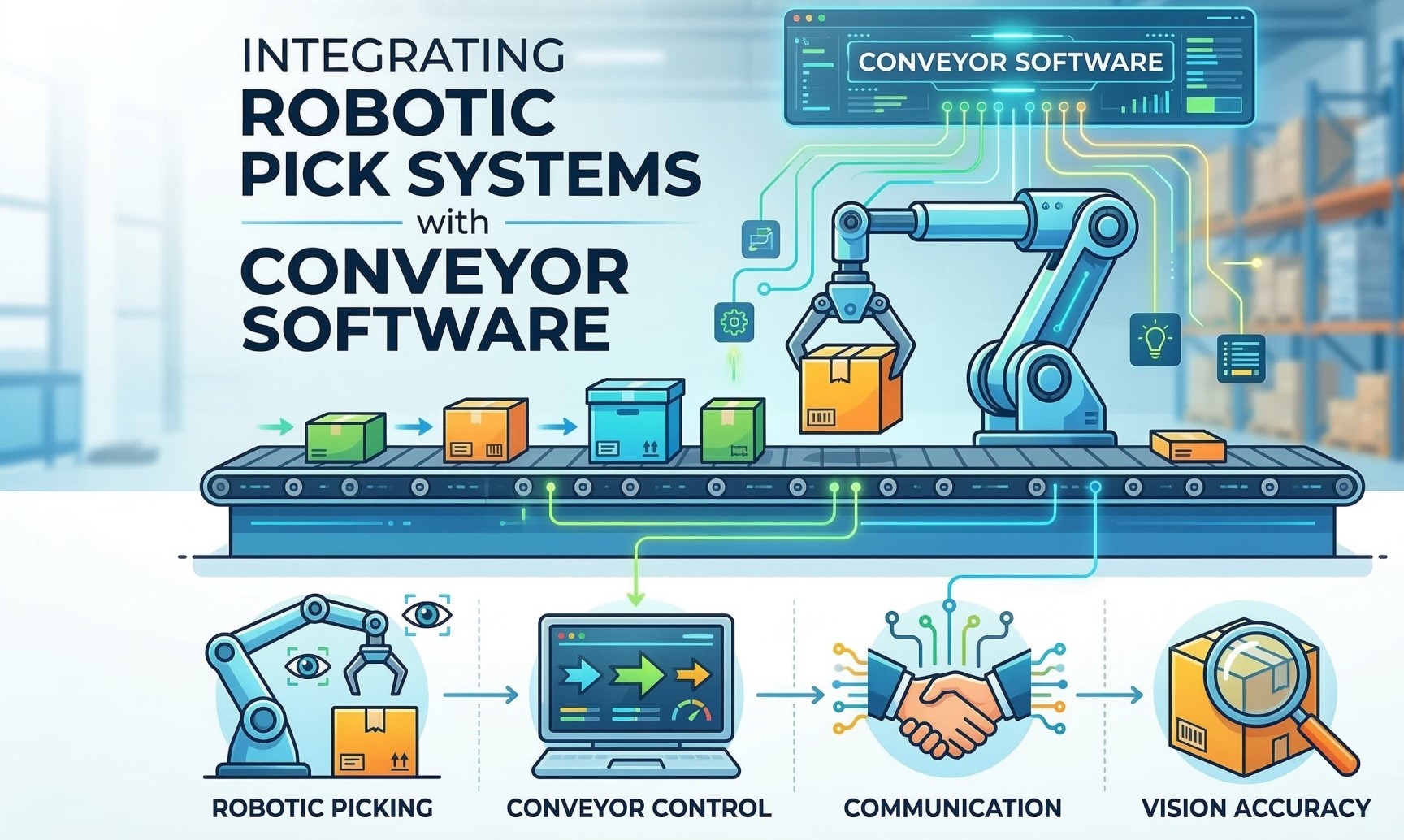
• Connects picking, packing, and shipping workflows seamlessly 🚚
• Enhances end-to-end operational visibility 👀
• Enables data-informed production and fulfillment scheduling 📅
• Bridges physical movement with enterprise planning systems 🏢
Step 10: Continuous Optimization and Performance Monitoring 📊
• Tracks throughput performance trends over time ⏳
• Identifies inefficiencies in logic configuration 🔍
• Supports iterative software enhancements 🔄
• Benchmarks performance against defined KPIs 📈
• Sustains long-term operational excellence 🏆
Conclusion
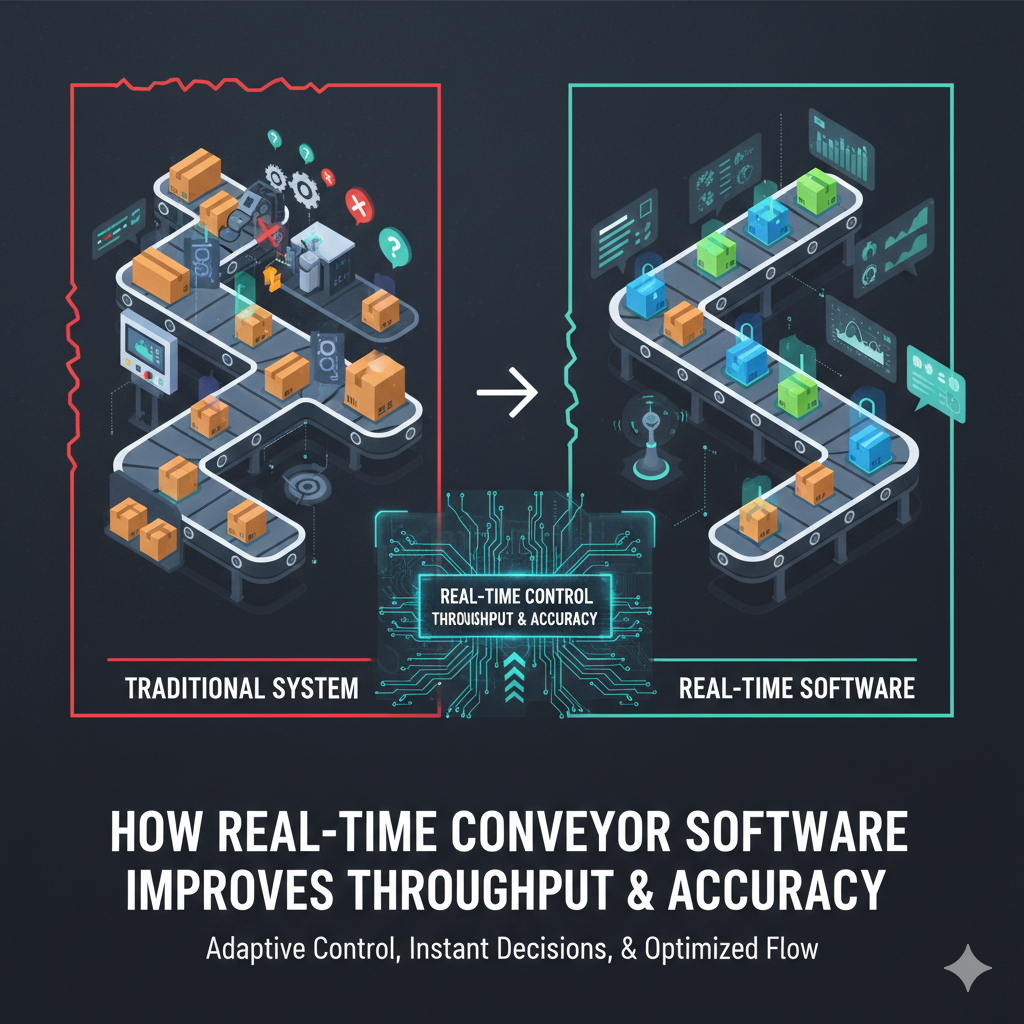
Optimizing conveyor throughput increasingly depends on intelligent software-driven control rather than mechanical upgrades alone. By combining real-time monitoring, adaptive speed control, predictive forecasting, and enterprise-level integration, organizations can significantly enhance material flow efficiency. Well-architected software logic transforms conveyor systems into responsive, high-performance assets capable of meeting modern operational demands without costly infrastructure expansion.
See more blogs
You can all the articles below