Throughput Optimization in Robotic Conveyor Facilities
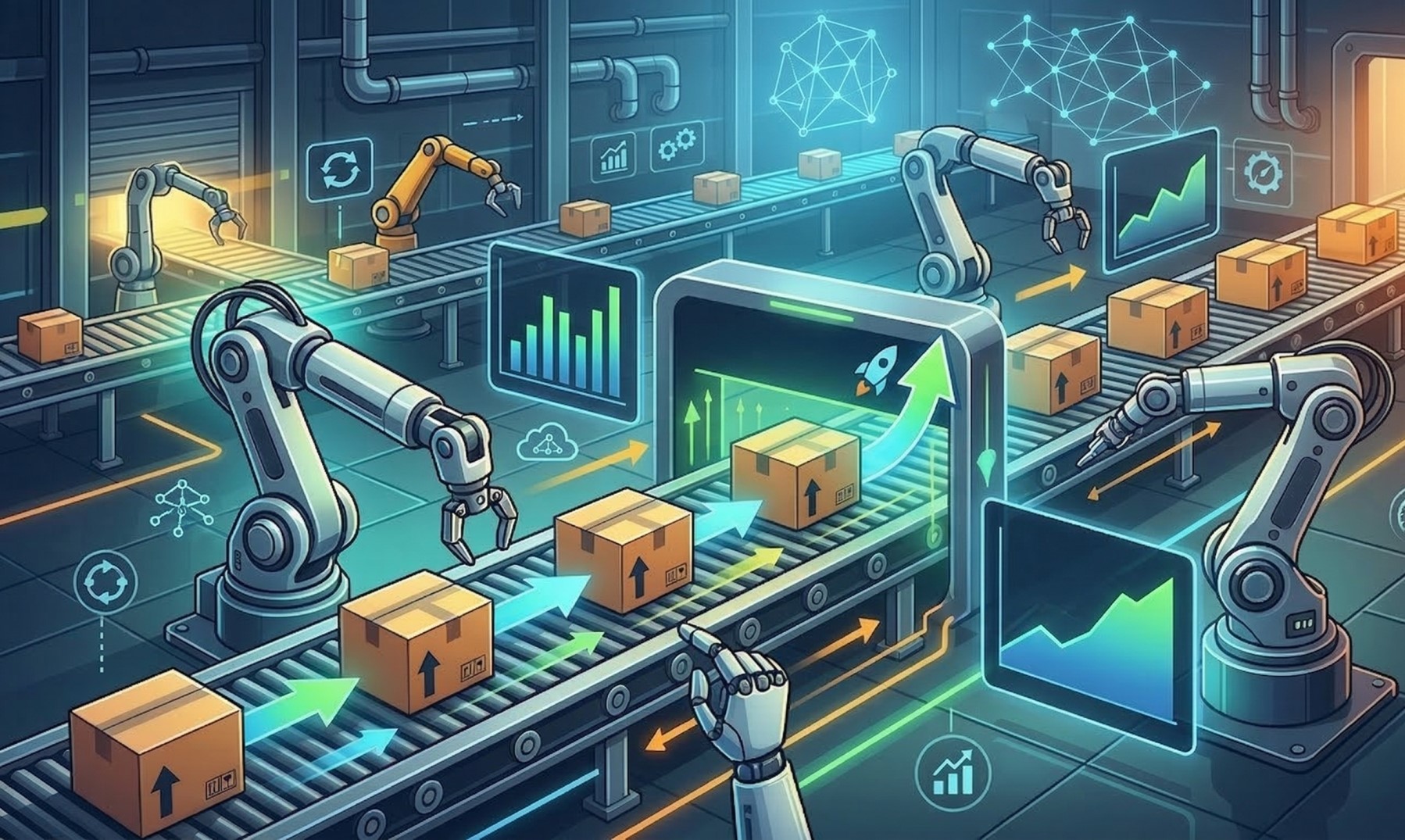
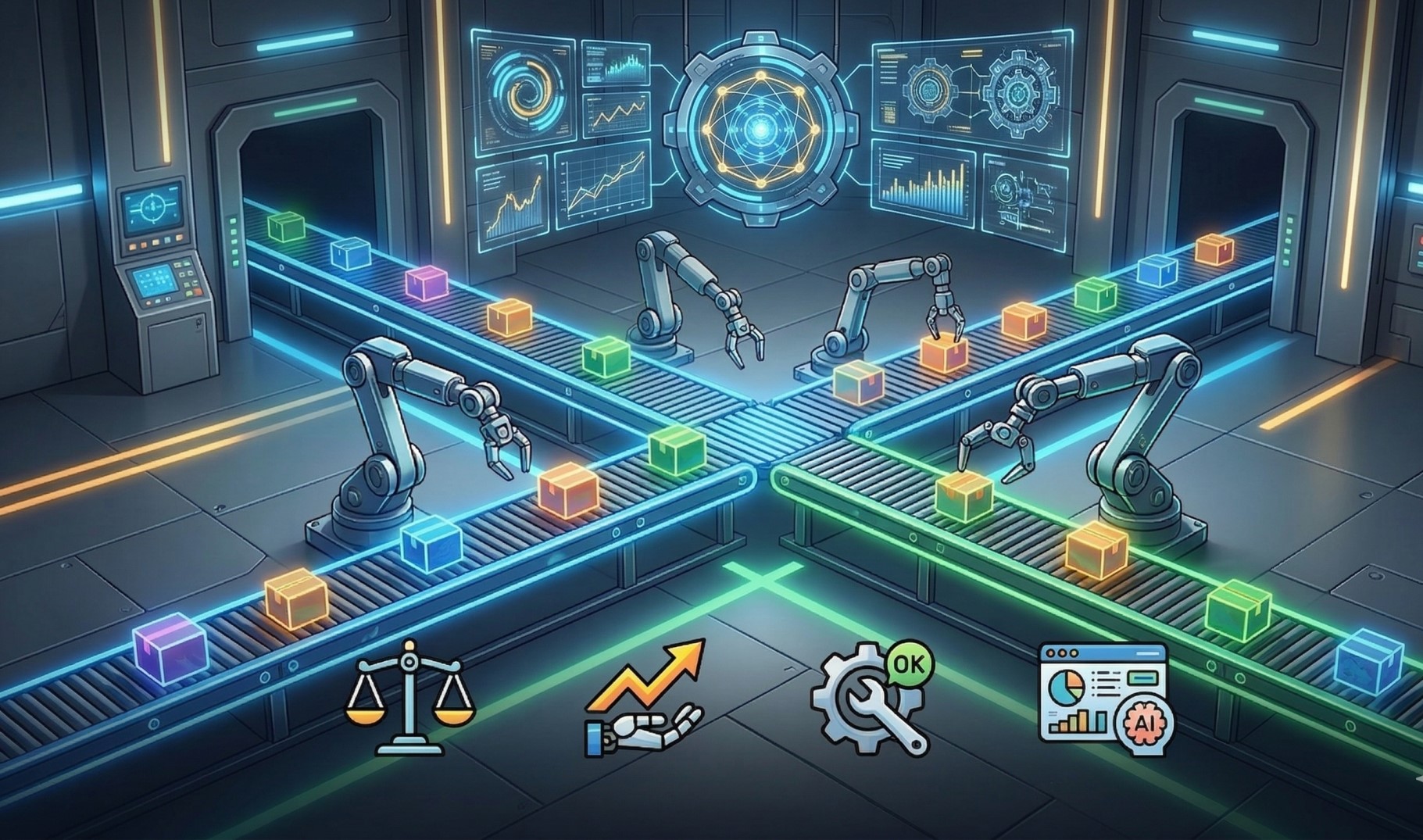
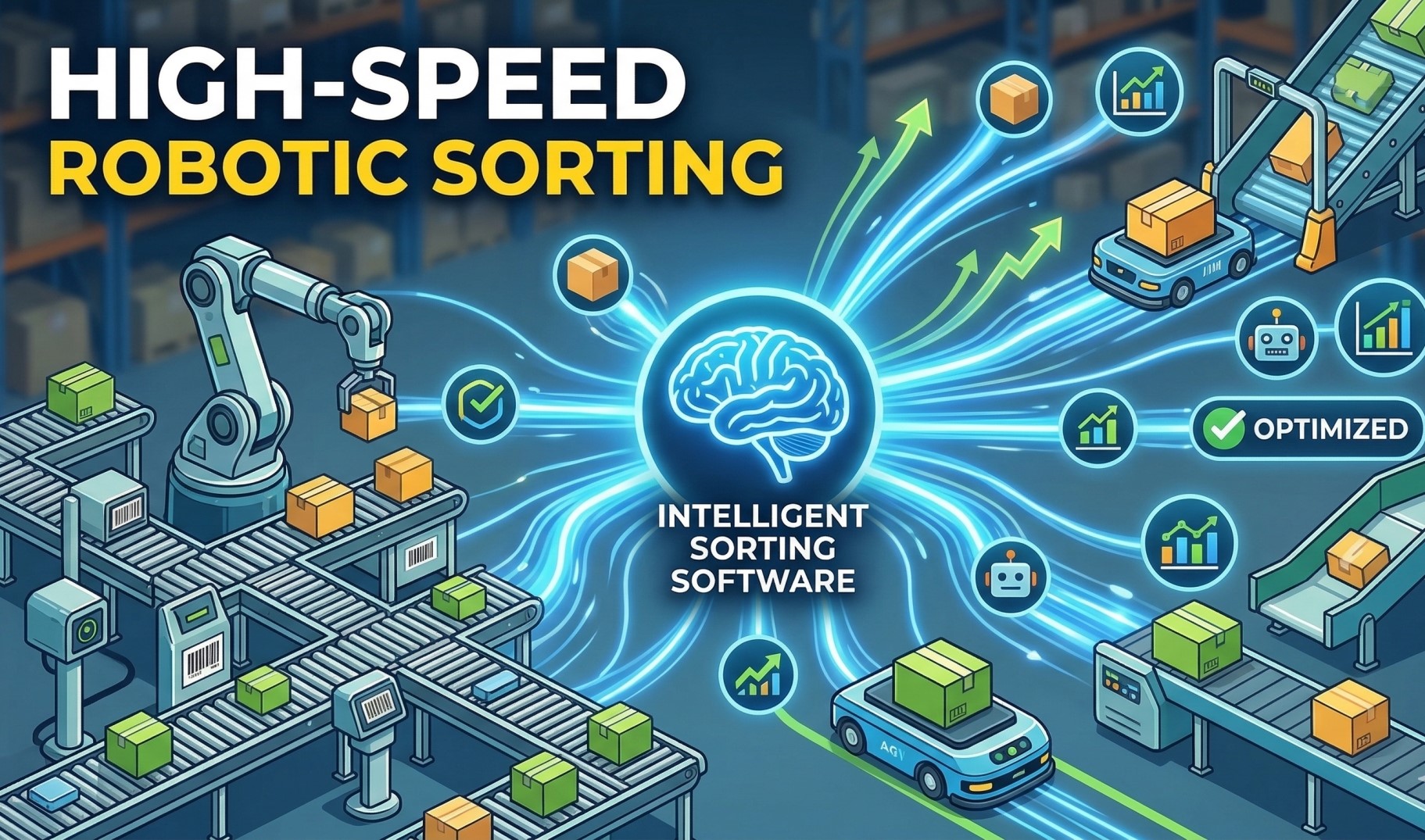
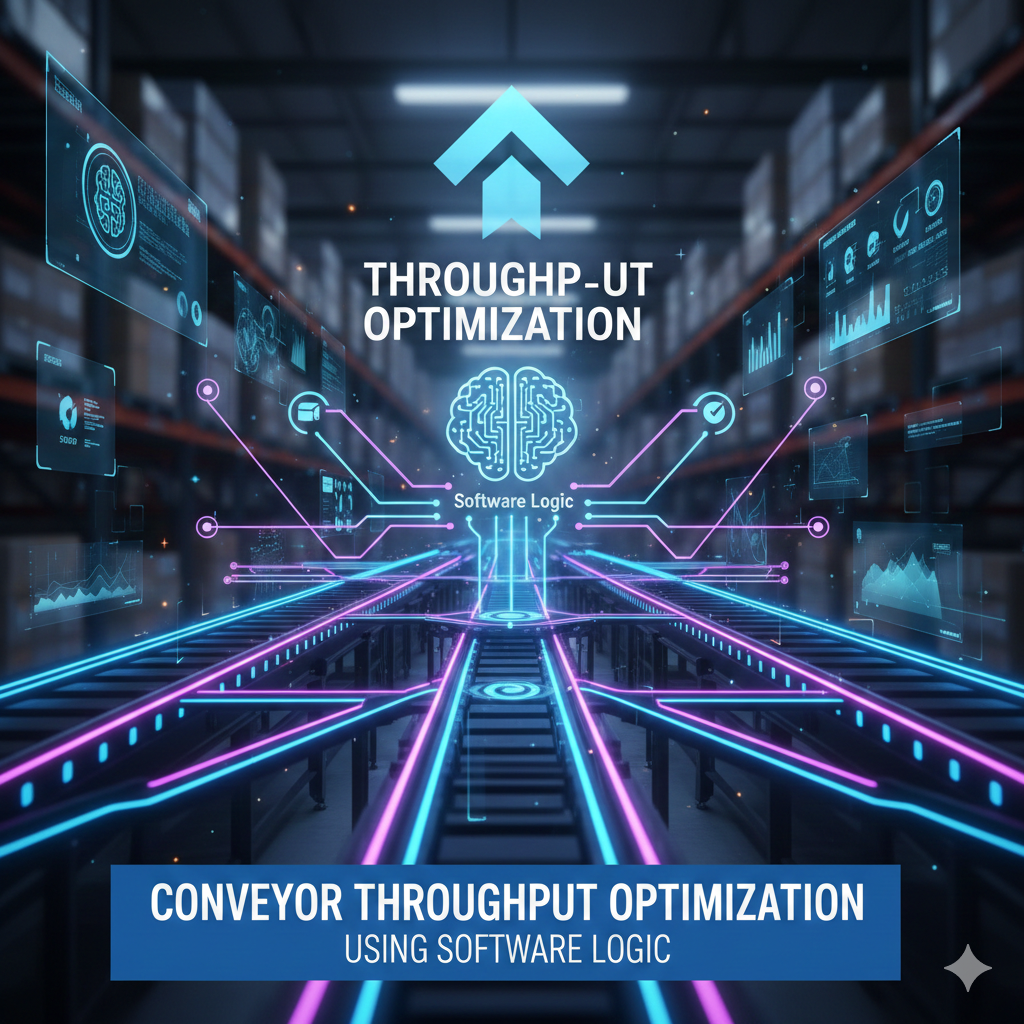
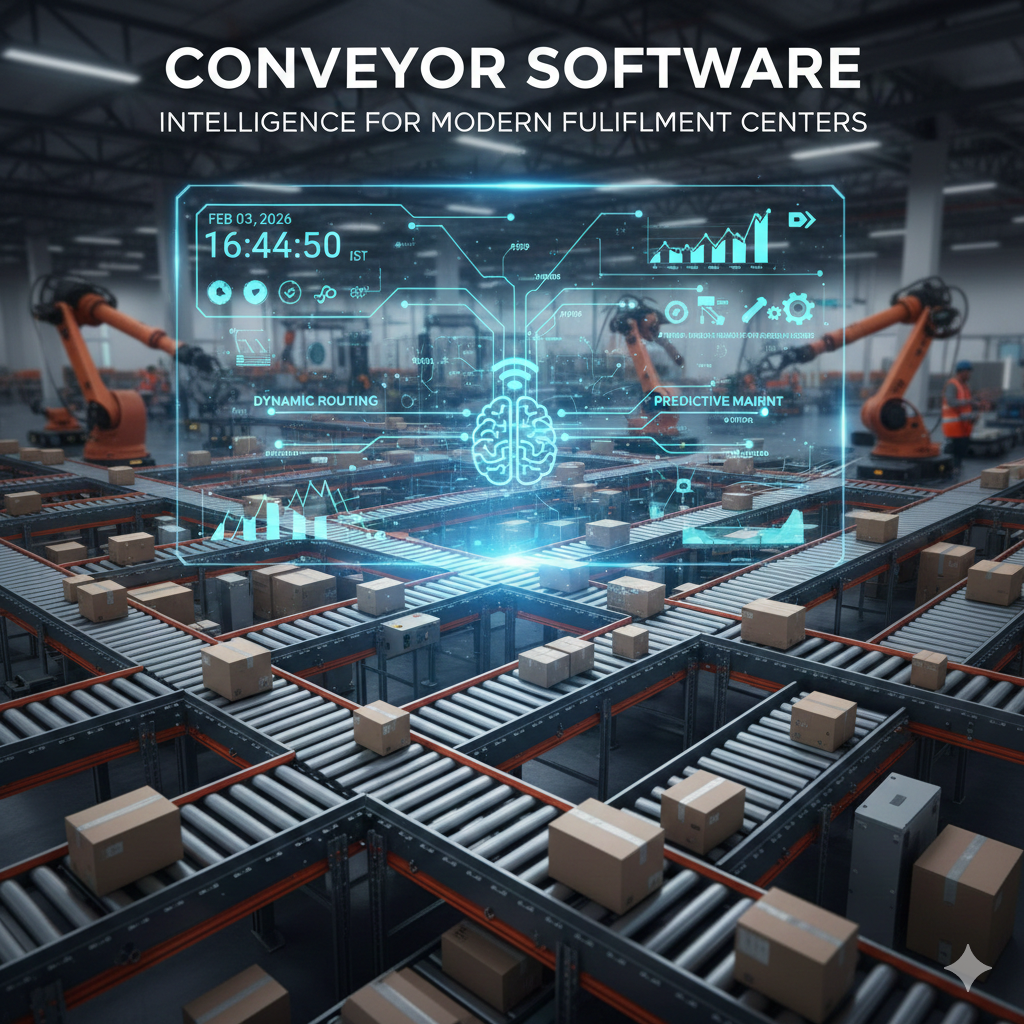
As robotic conveyor systems become the backbone of modern warehouses and manufacturing environments, optimizing throughput is no longer optional—it is a competitive necessity. High-performing facilities must ensure that conveyors, robotics, and control systems operate in perfect synchronization to maximize flow rates, reduce delays, and sustain consistent output. Throughput optimization focuses on eliminating inefficiencies while maintaining flexibility and scalability across operations.
Step 1: Understanding Throughput in Automated Systems
• Throughput refers to the volume of goods processed within a given time ⏱️
• It depends on system speed, coordination, and reliability ⚙️
• Bottlenecks in any component reduce overall system performance 🚧
• Both robotic systems and conveyors must operate in harmony 🤖
• Optimizing throughput requires a system-wide perspective 🔄
Step 2: Identifying Bottlenecks Across the System
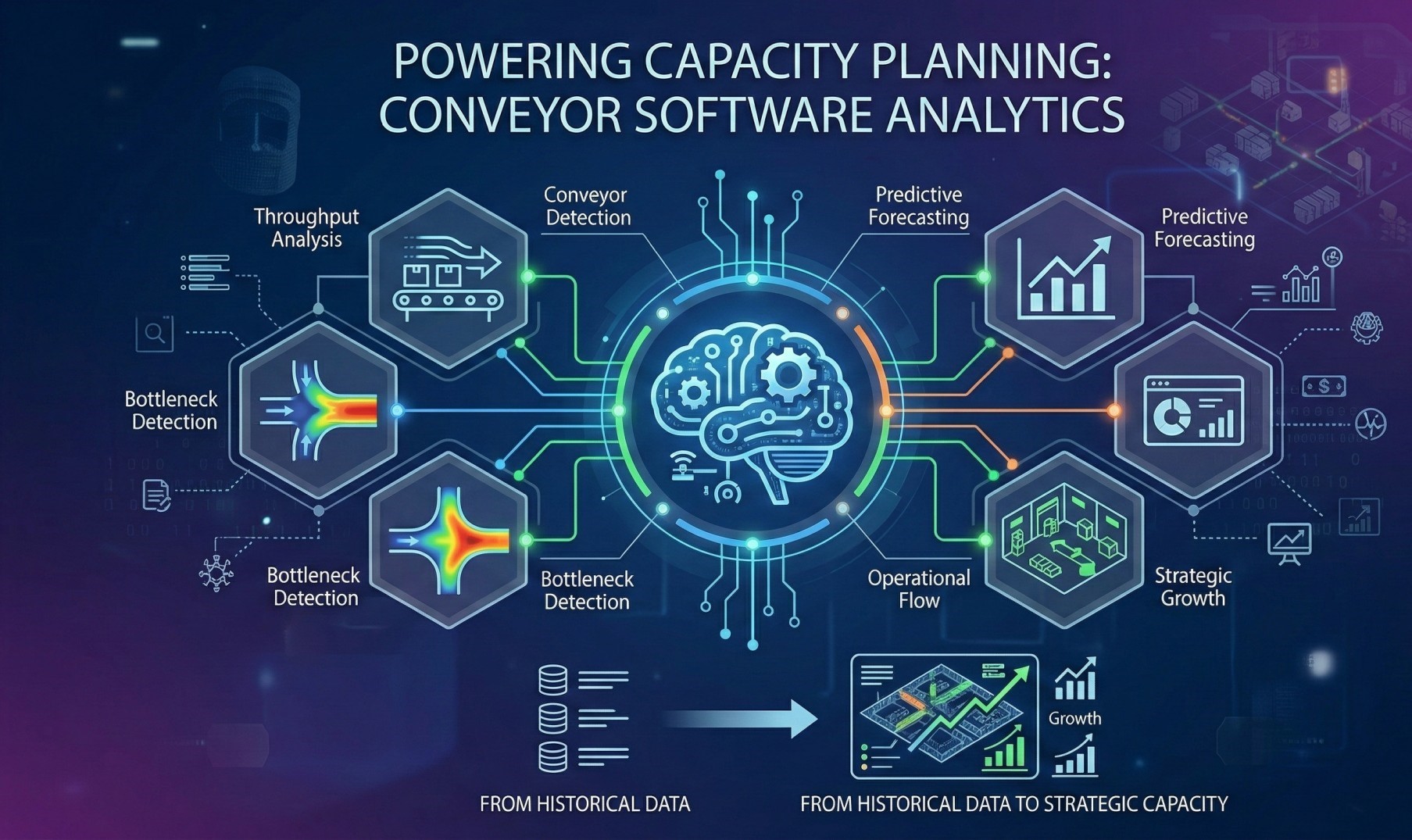
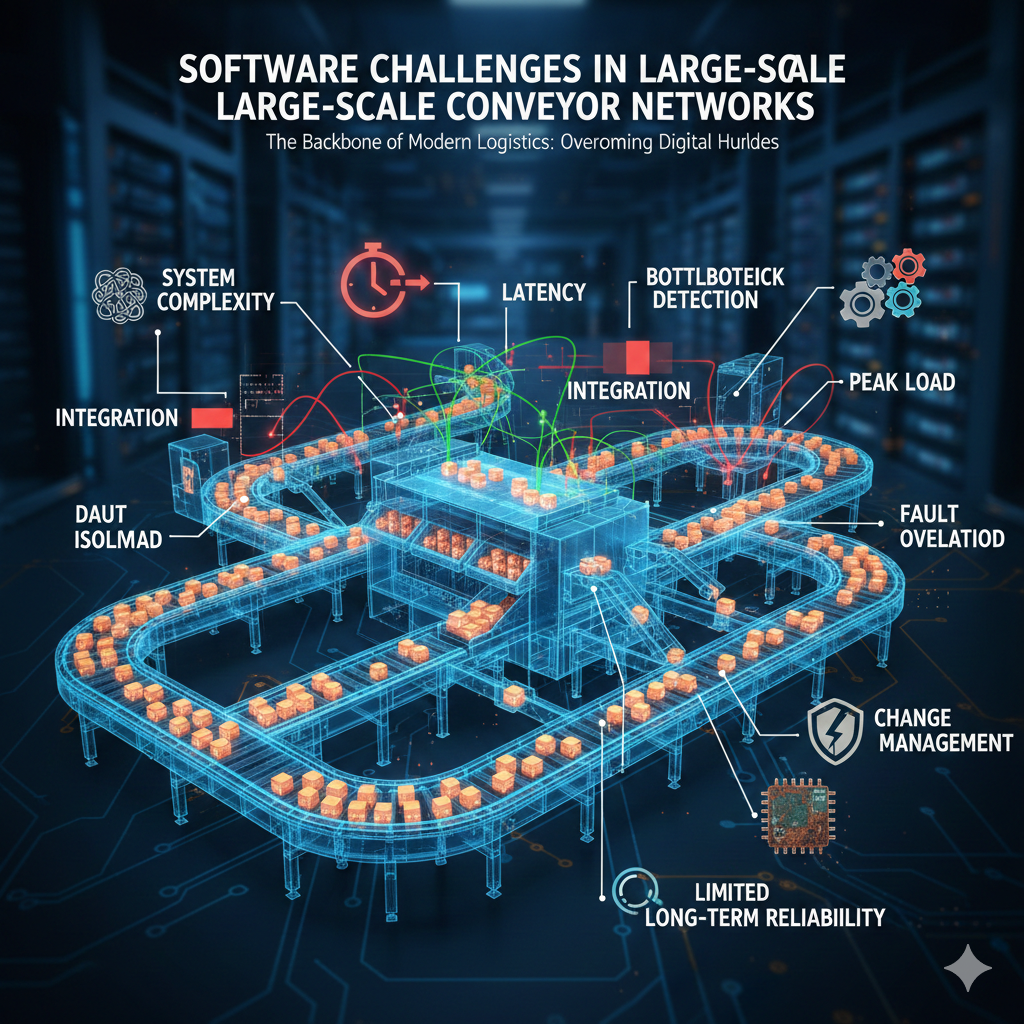
• Analyze flow disruptions at transfer and accumulation points 🔍
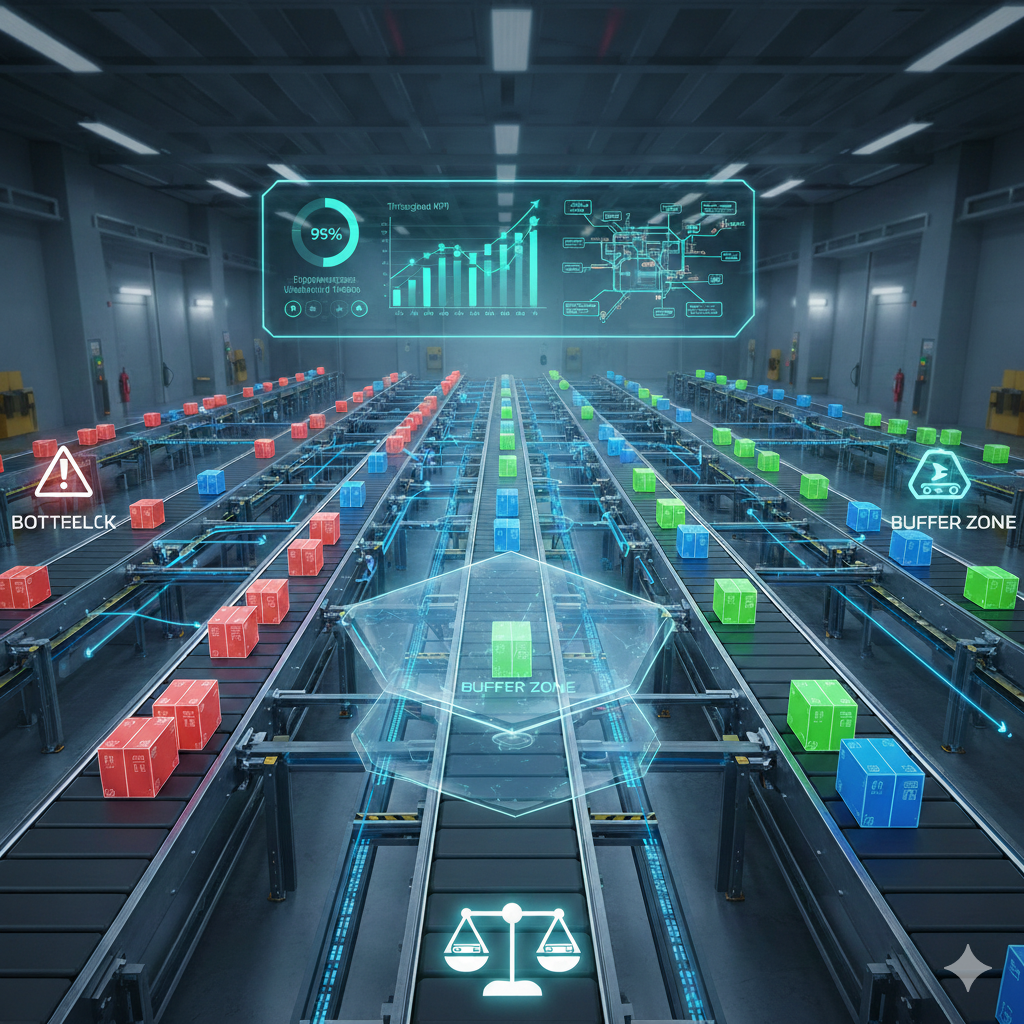
• Monitor areas where queues frequently build up 📊
• Evaluate robotic pick/drop delays and conveyor slowdowns 🐢
• Identify underutilized or overloaded zones ⚖️
• Focus optimization efforts on the weakest links in the system 🧩
Step 3: Balancing Conveyor Speeds and Flow Rates
• Align conveyor speeds with robotic handling capacity ⚡
• Avoid overfeeding or starving downstream processes 🚦
• Use variable speed controls to adapt to demand 🔄
• Maintain steady and predictable flow across all segments 📈
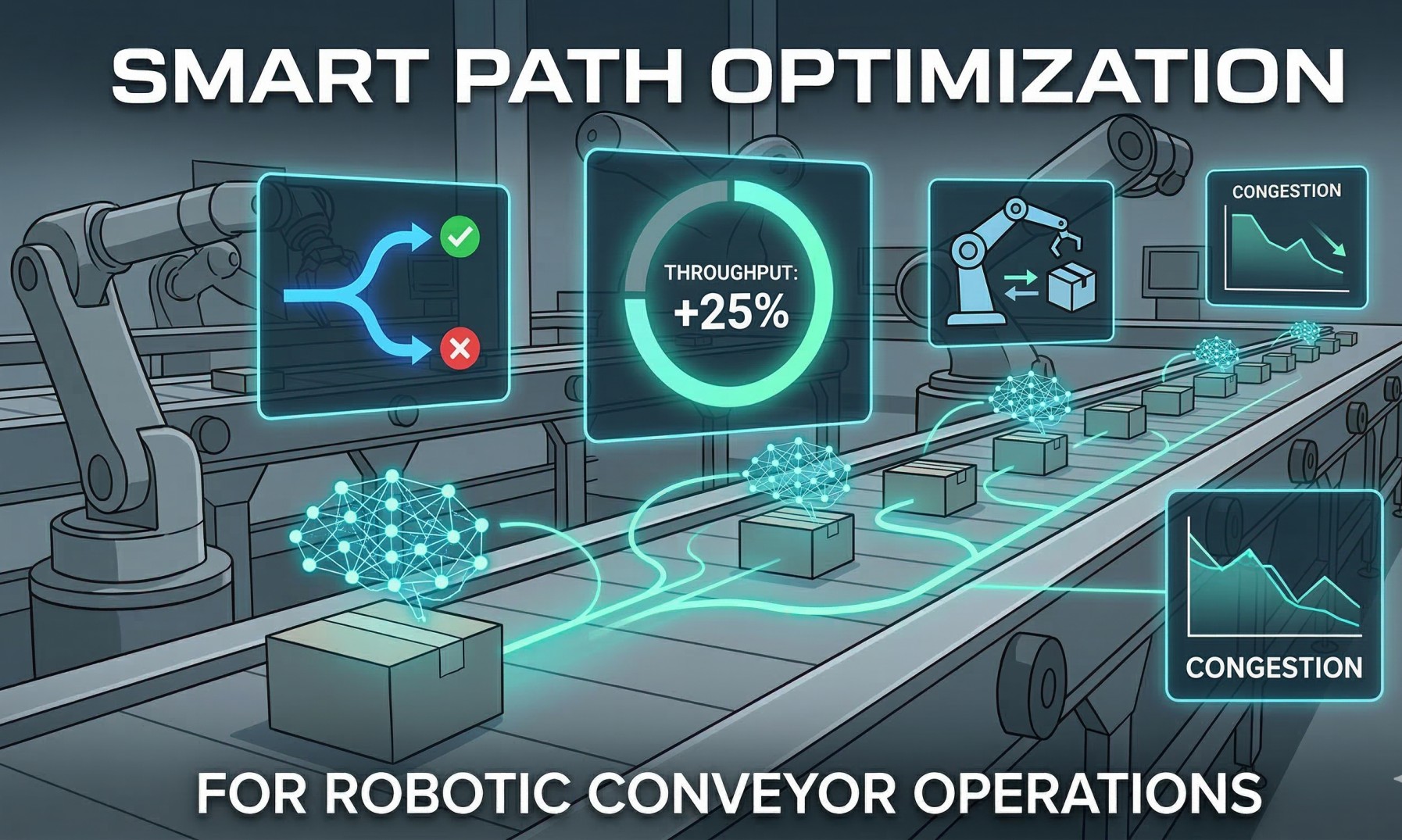
• Prevent sudden surges that create congestion 🌊
Step 4: Optimizing Robotic Task Allocation
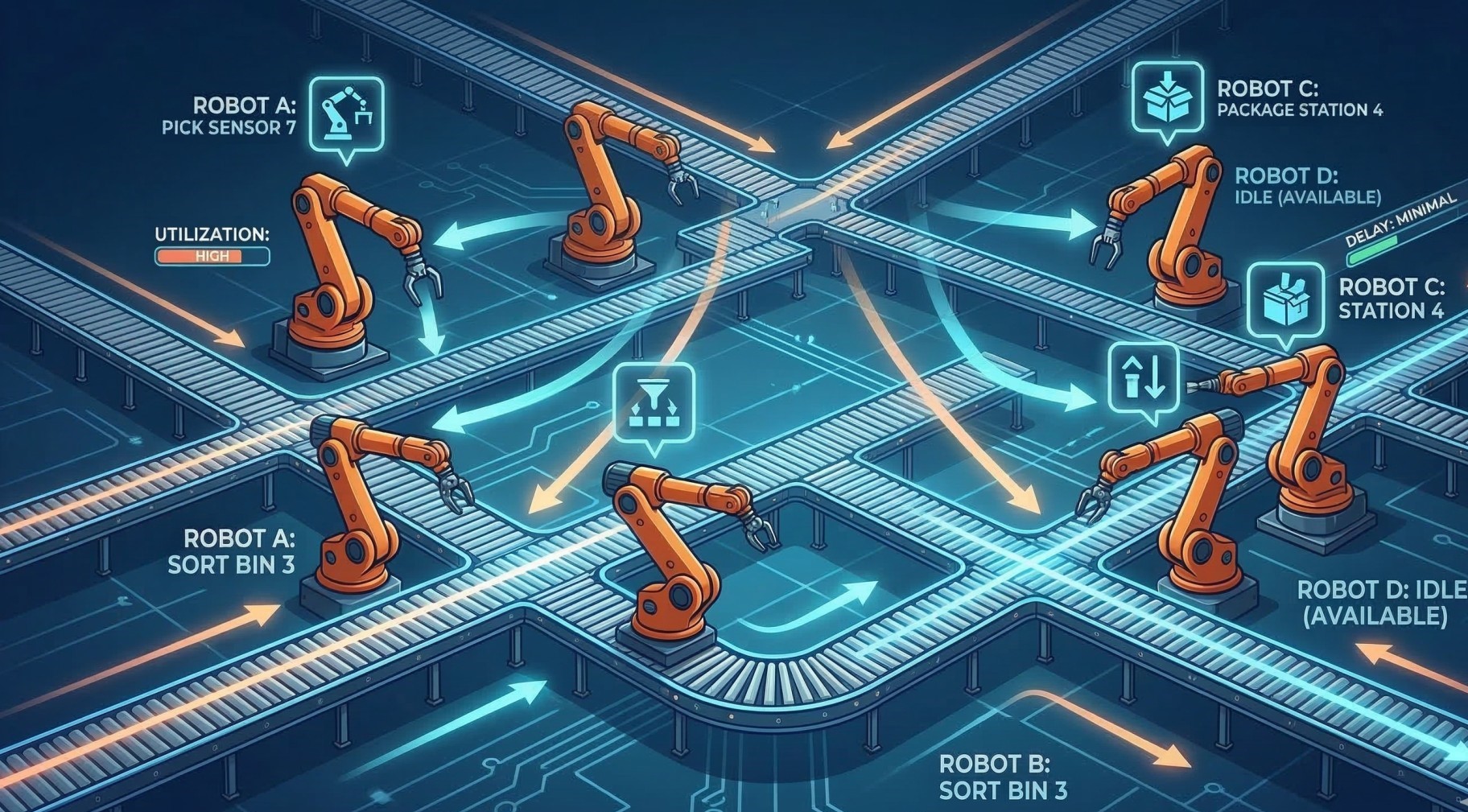
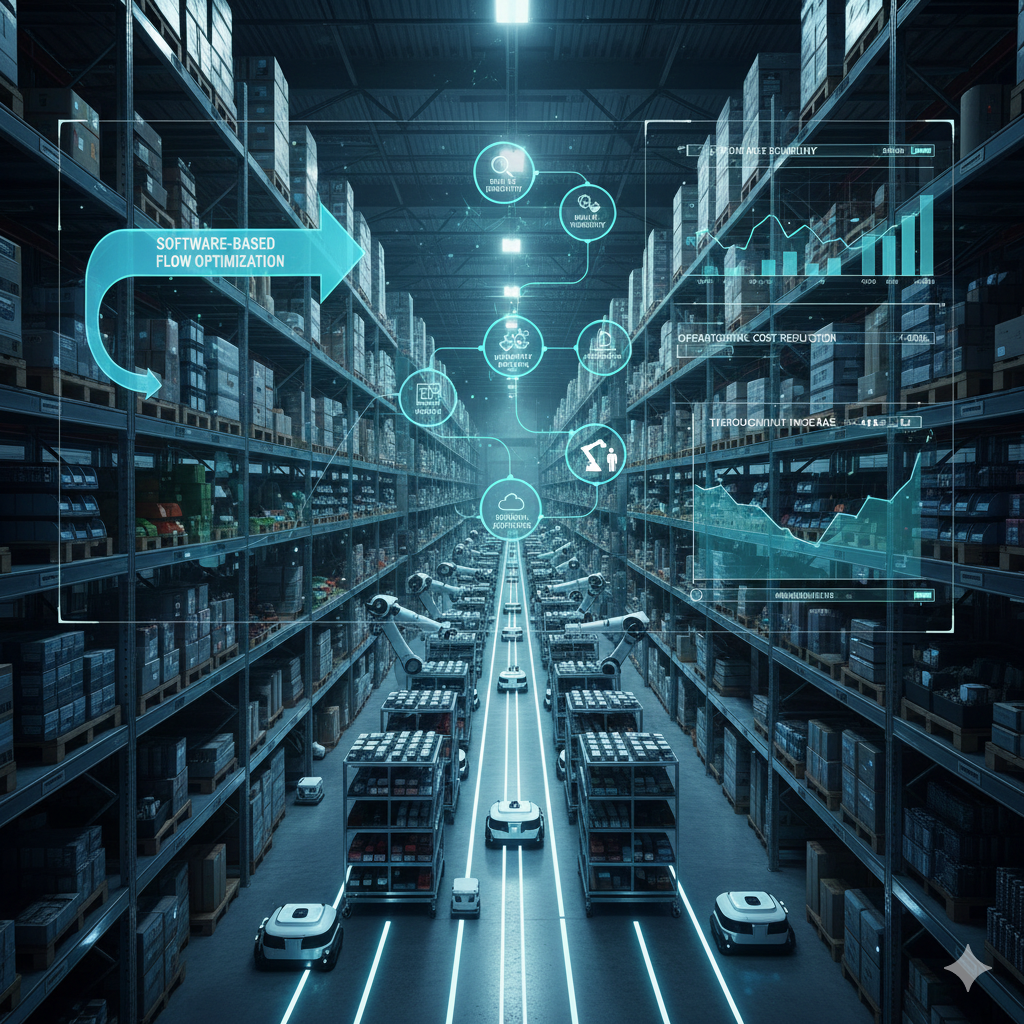
• Assign tasks based on real-time workload distribution 📡
• Reduce idle time by balancing robot utilization 🤖
• Prioritize high-impact or time-sensitive operations ⏳
• Minimize unnecessary travel distances within the facility 📍
• Continuously adjust task assignments for efficiency 🔁
Step 5: Enhancing Handoff Efficiency
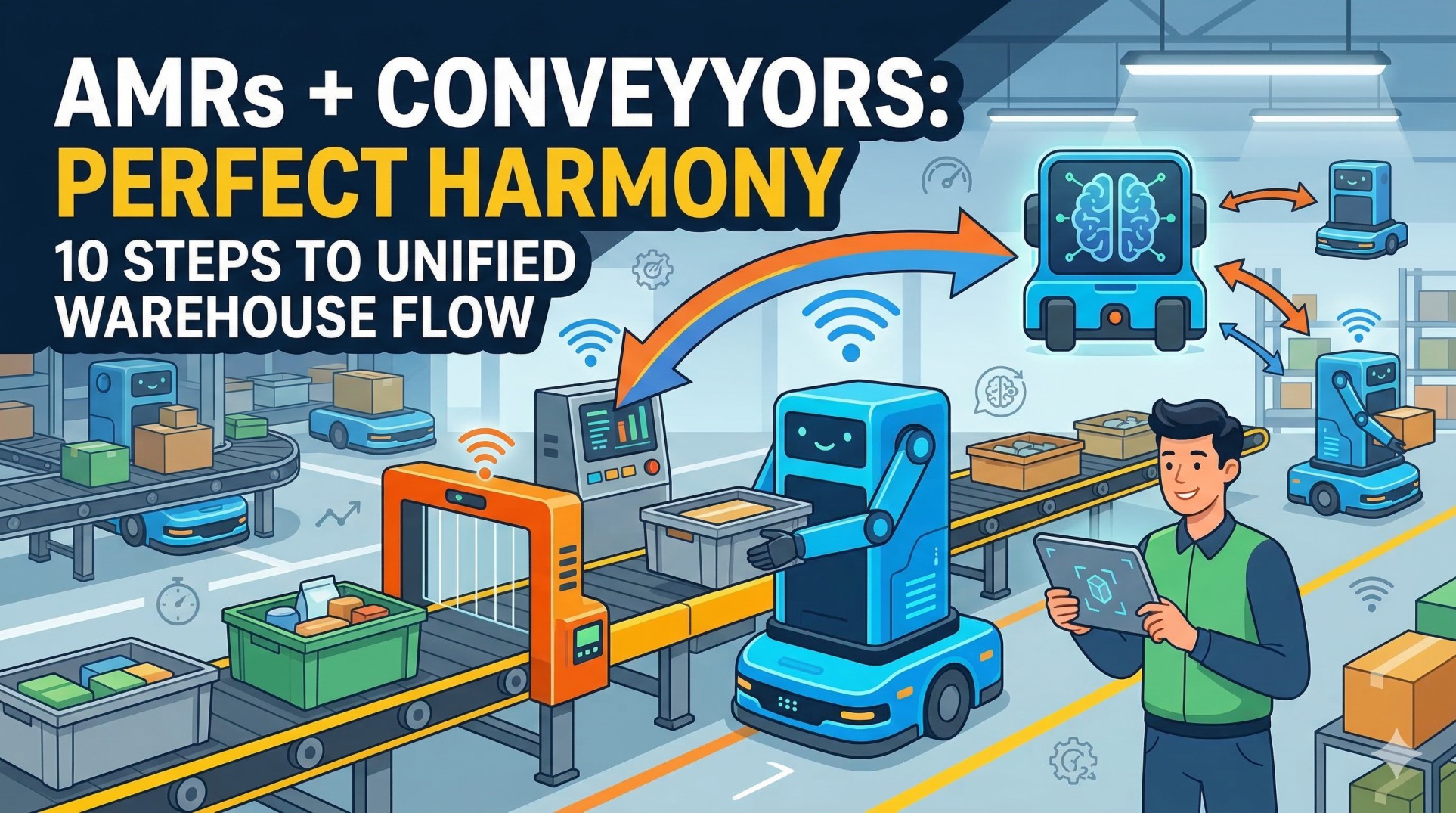
• Streamline transfer points between robots and conveyors 🔗
• Reduce waiting times at pickup and drop-off zones ⏳
• Standardize load handling mechanisms 📦
• Implement buffer zones to absorb timing differences 🧱
• Ensure smooth and uninterrupted material transitions 🔄
Step 6: Leveraging Real-Time Data and Analytics
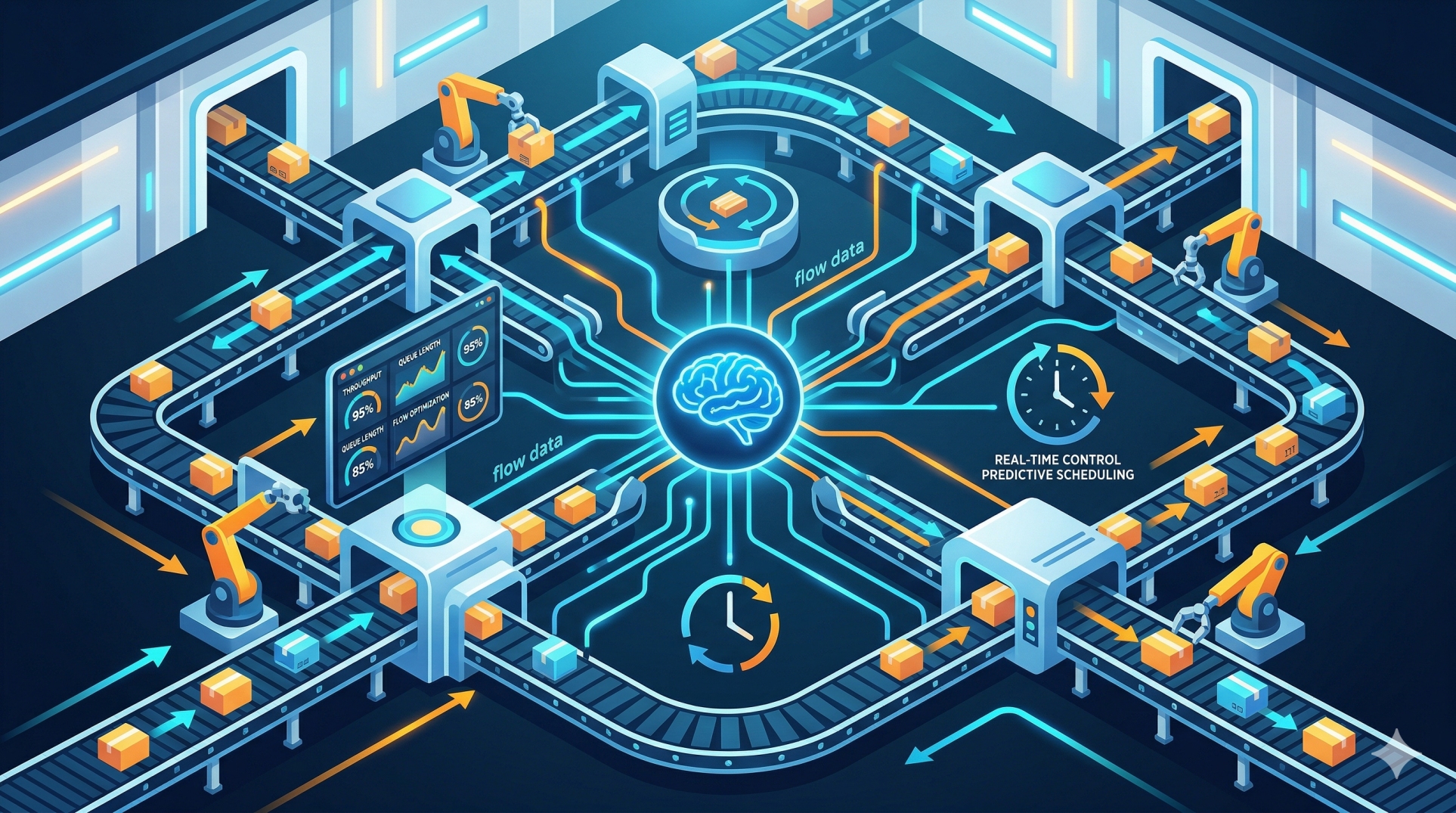
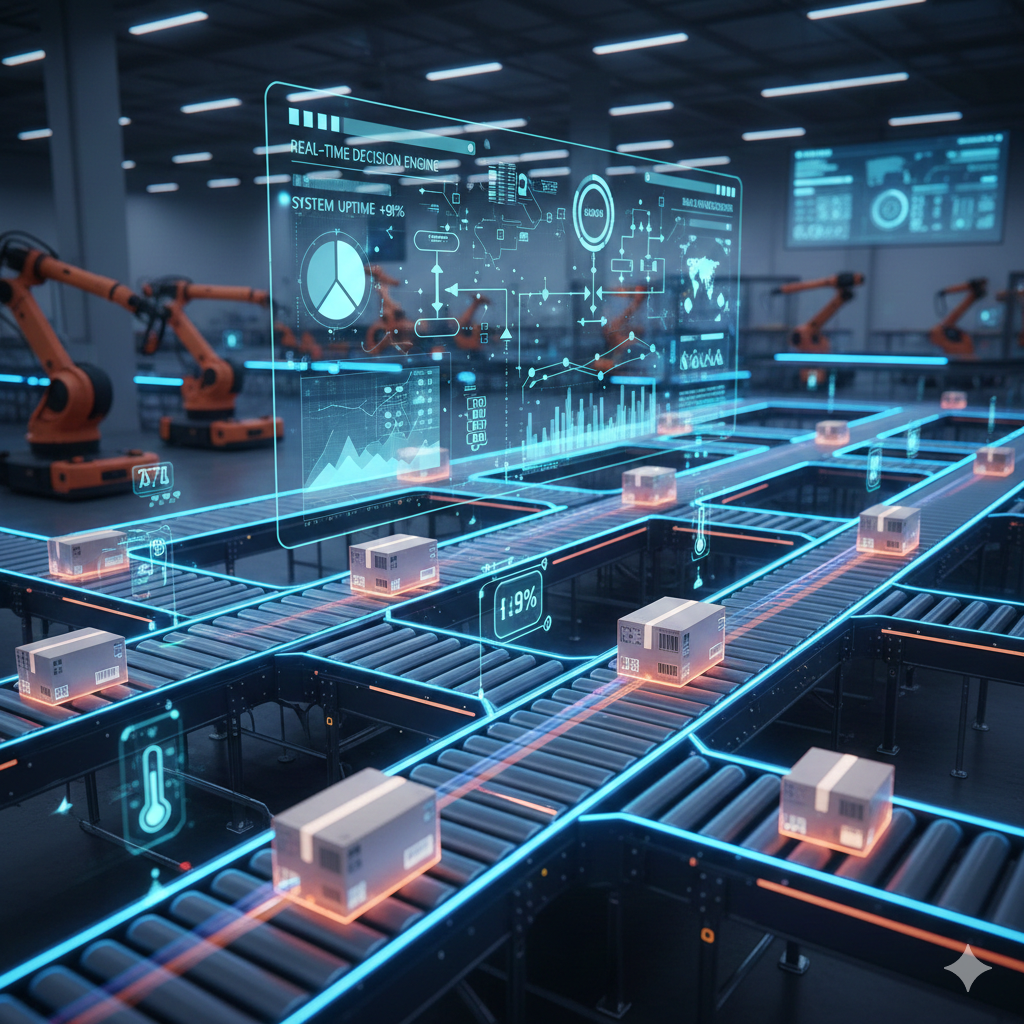
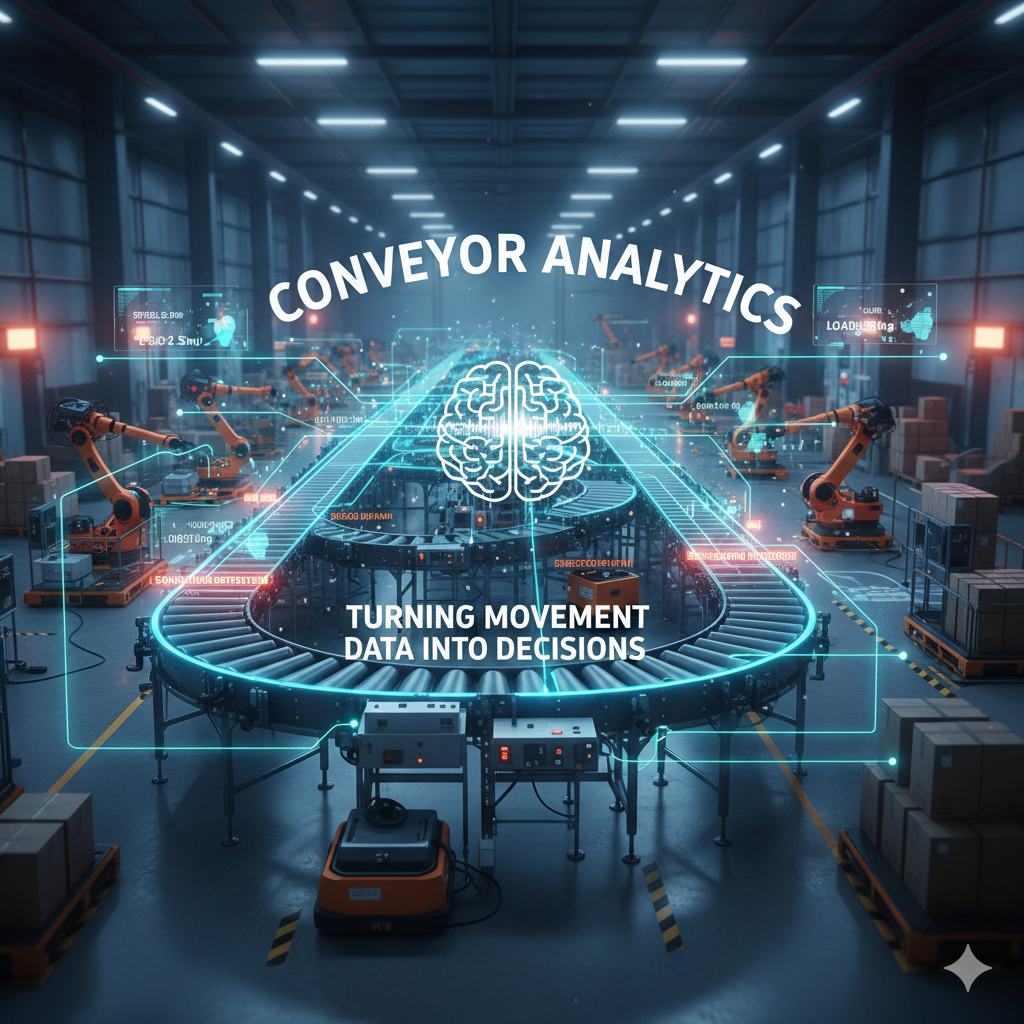
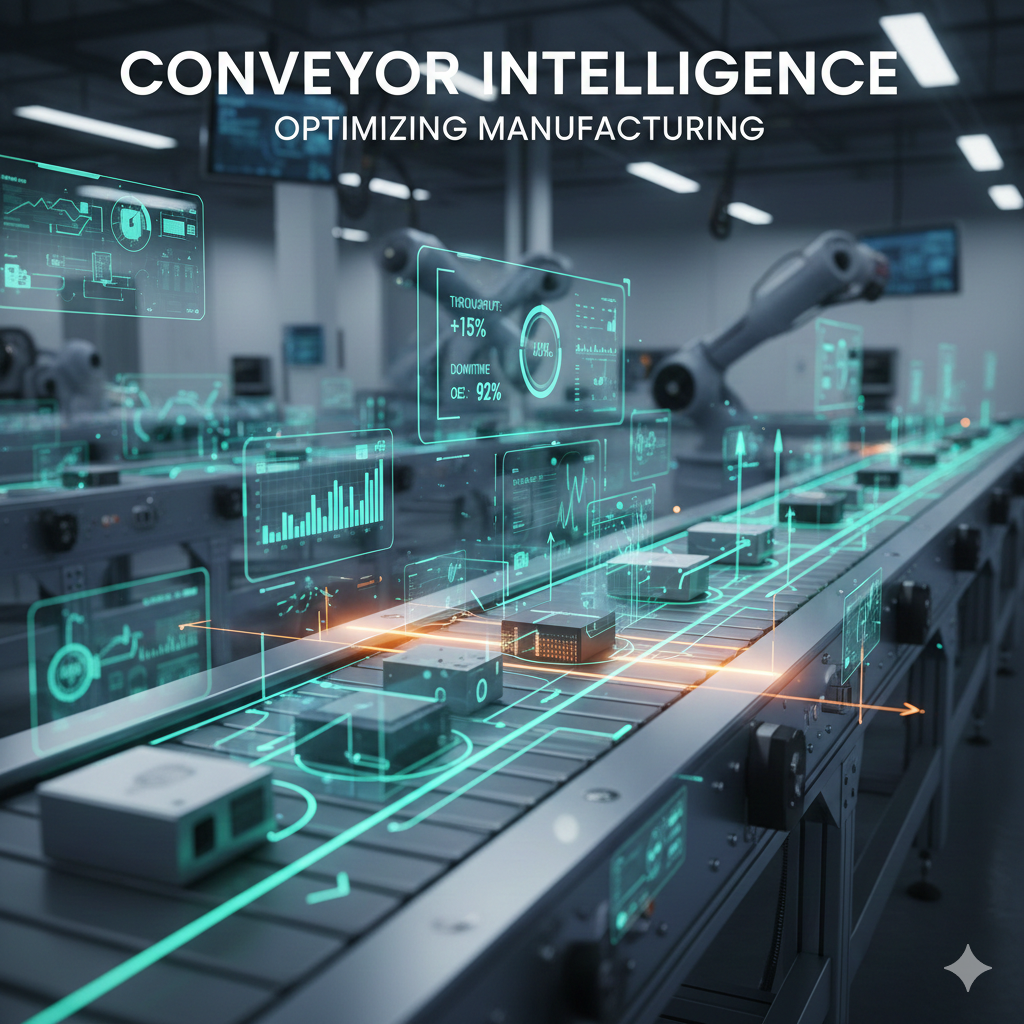
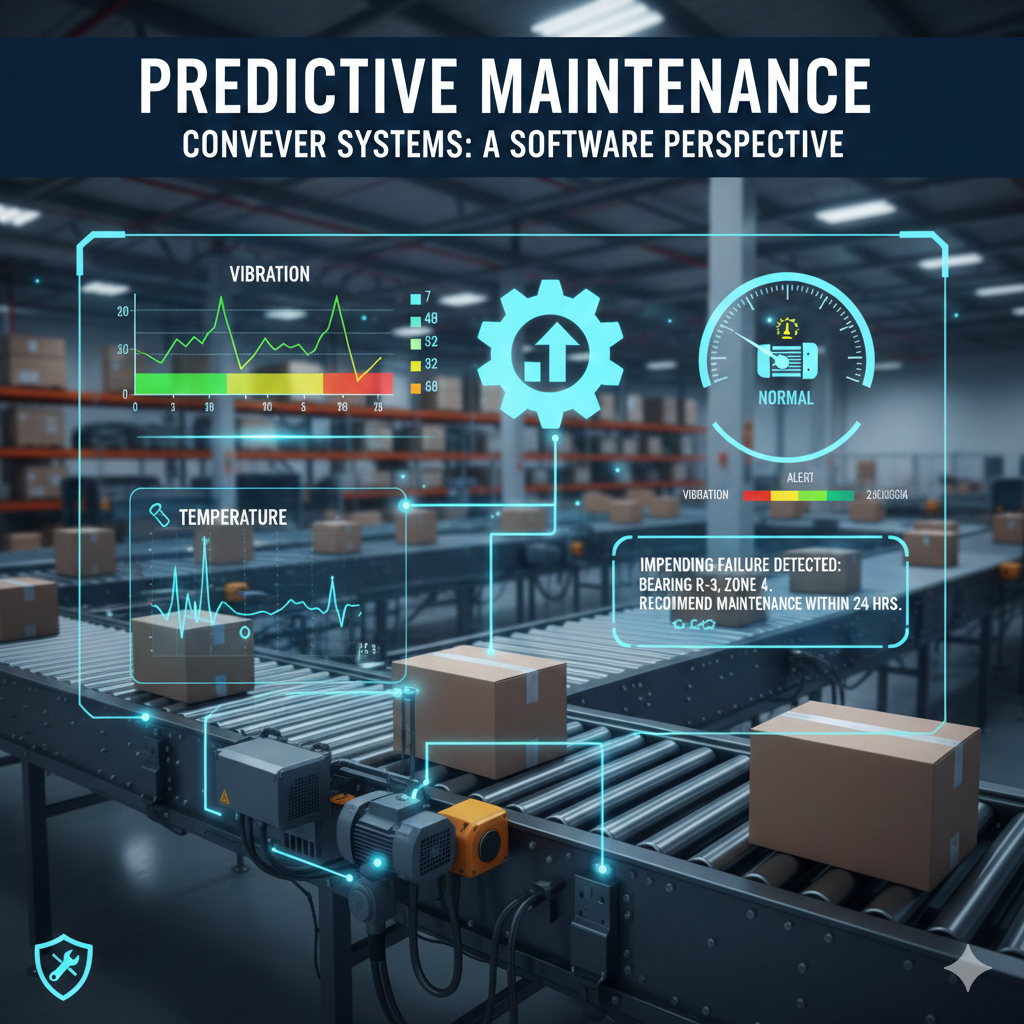
• Monitor system performance using live dashboards 📊
• Track throughput, delays, and system utilization 📉
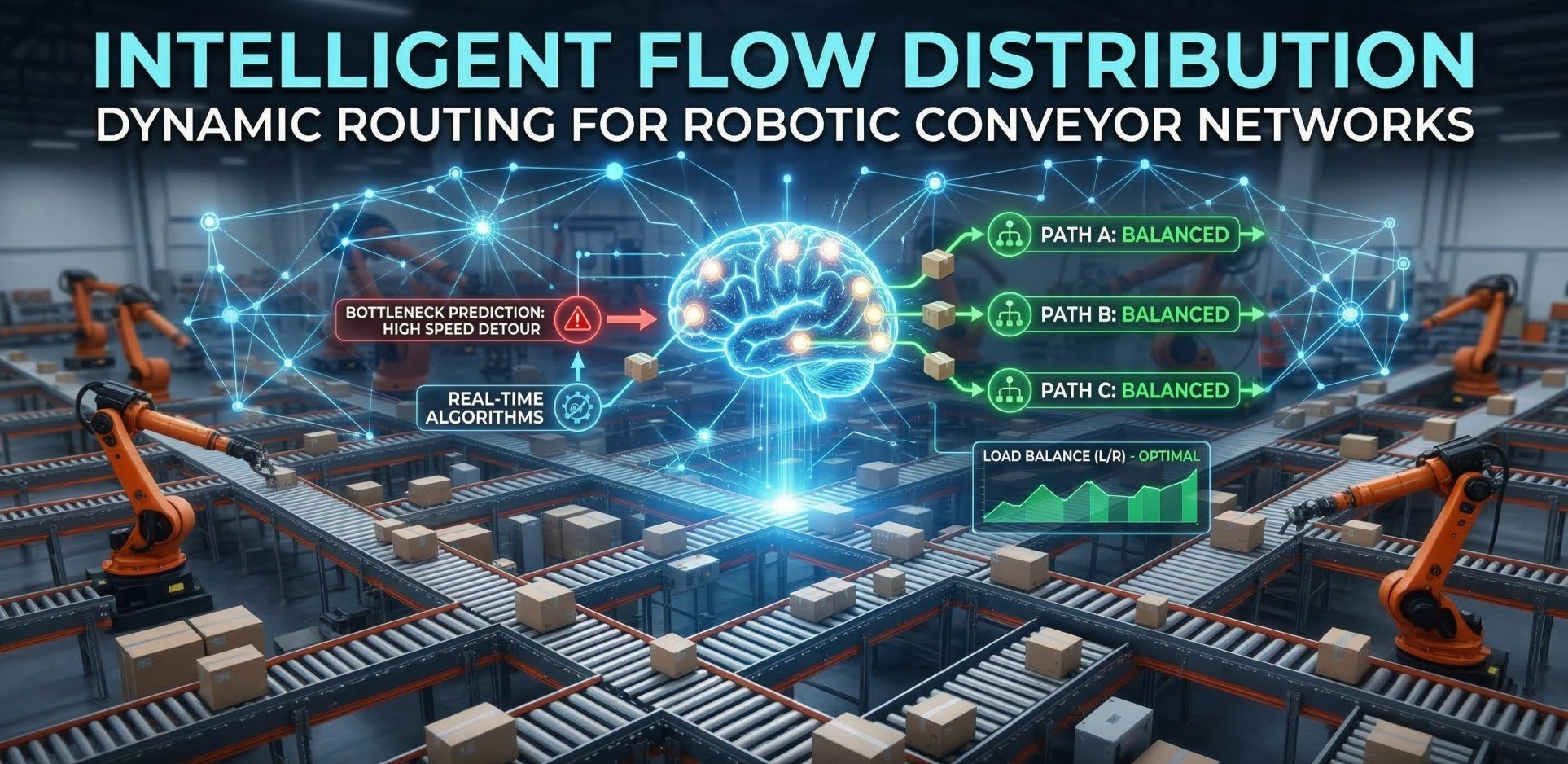
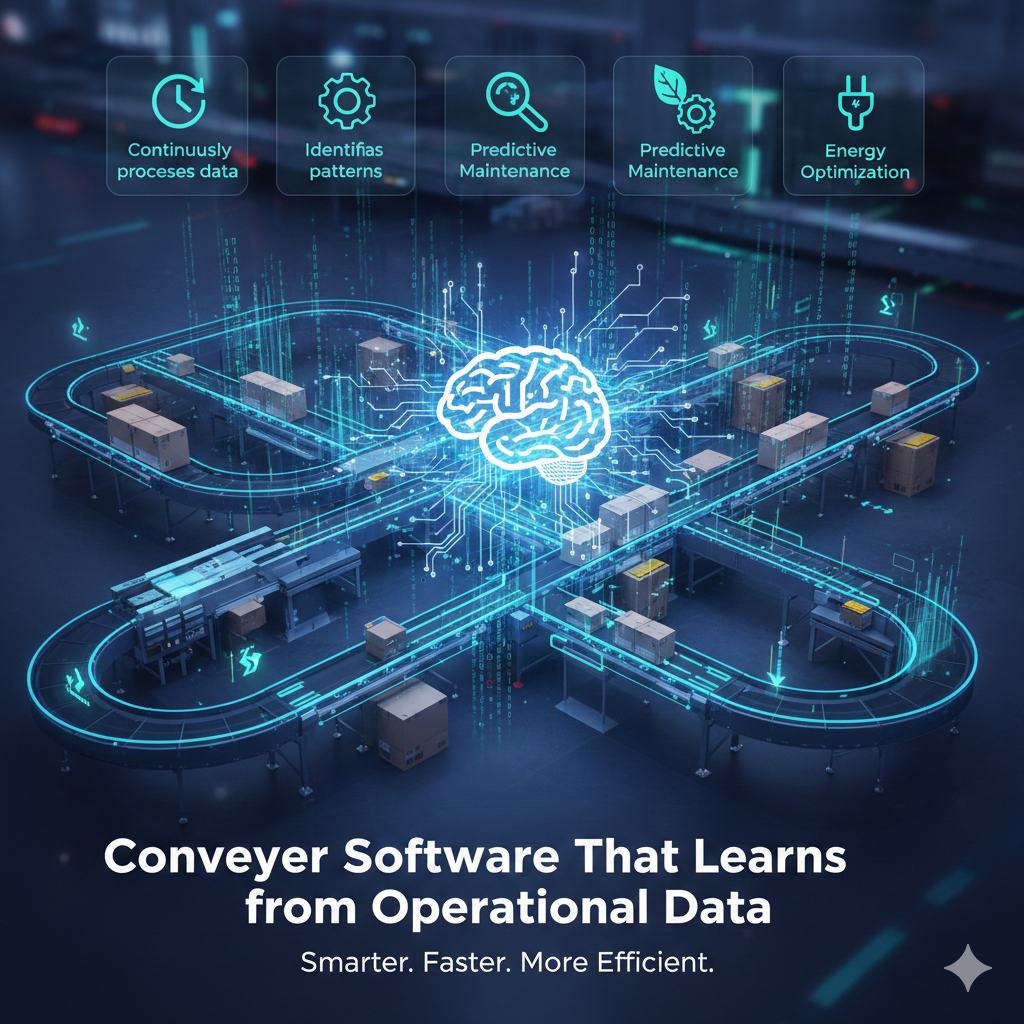
• Use predictive analytics to anticipate congestion 🔮
• Enable data-driven decision-making for optimization 🧠
• Continuously refine operations based on insights 🔍
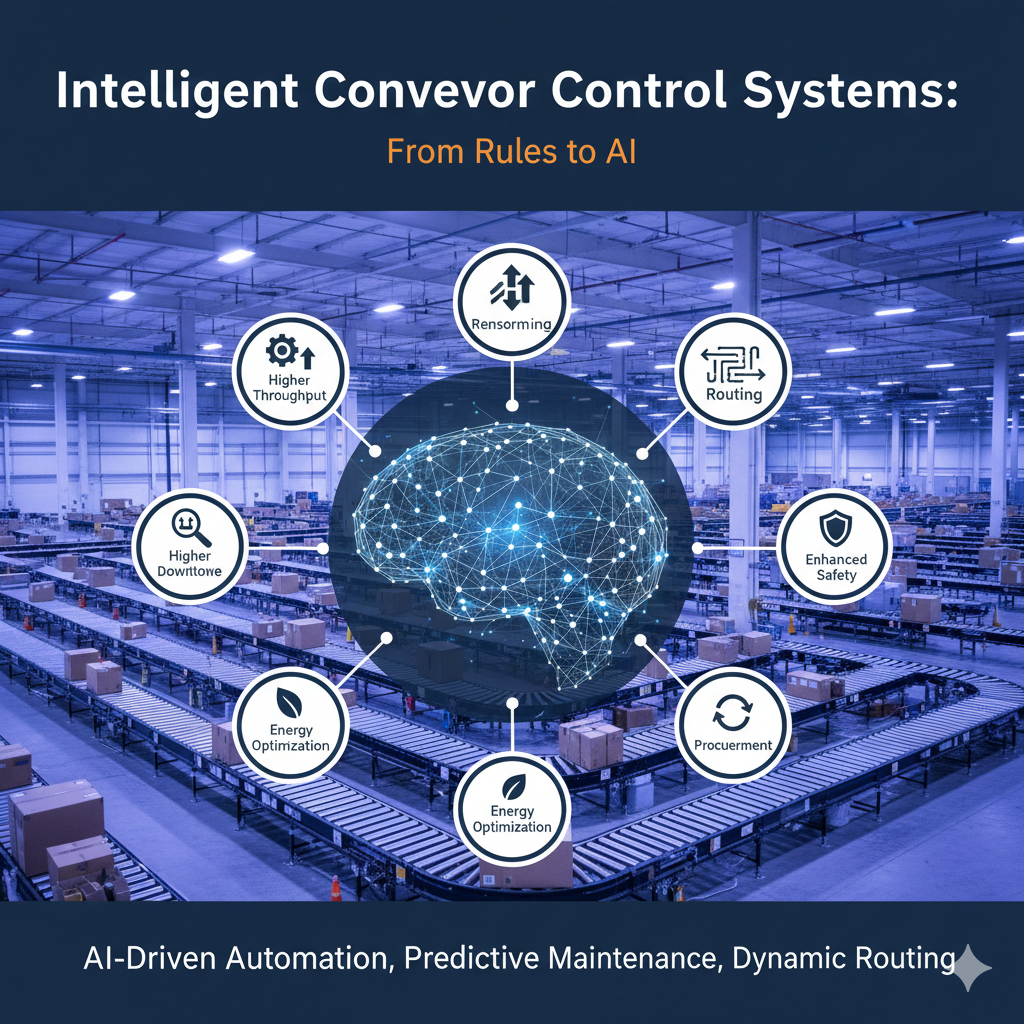
Step 7: Implementing Intelligent Control Systems
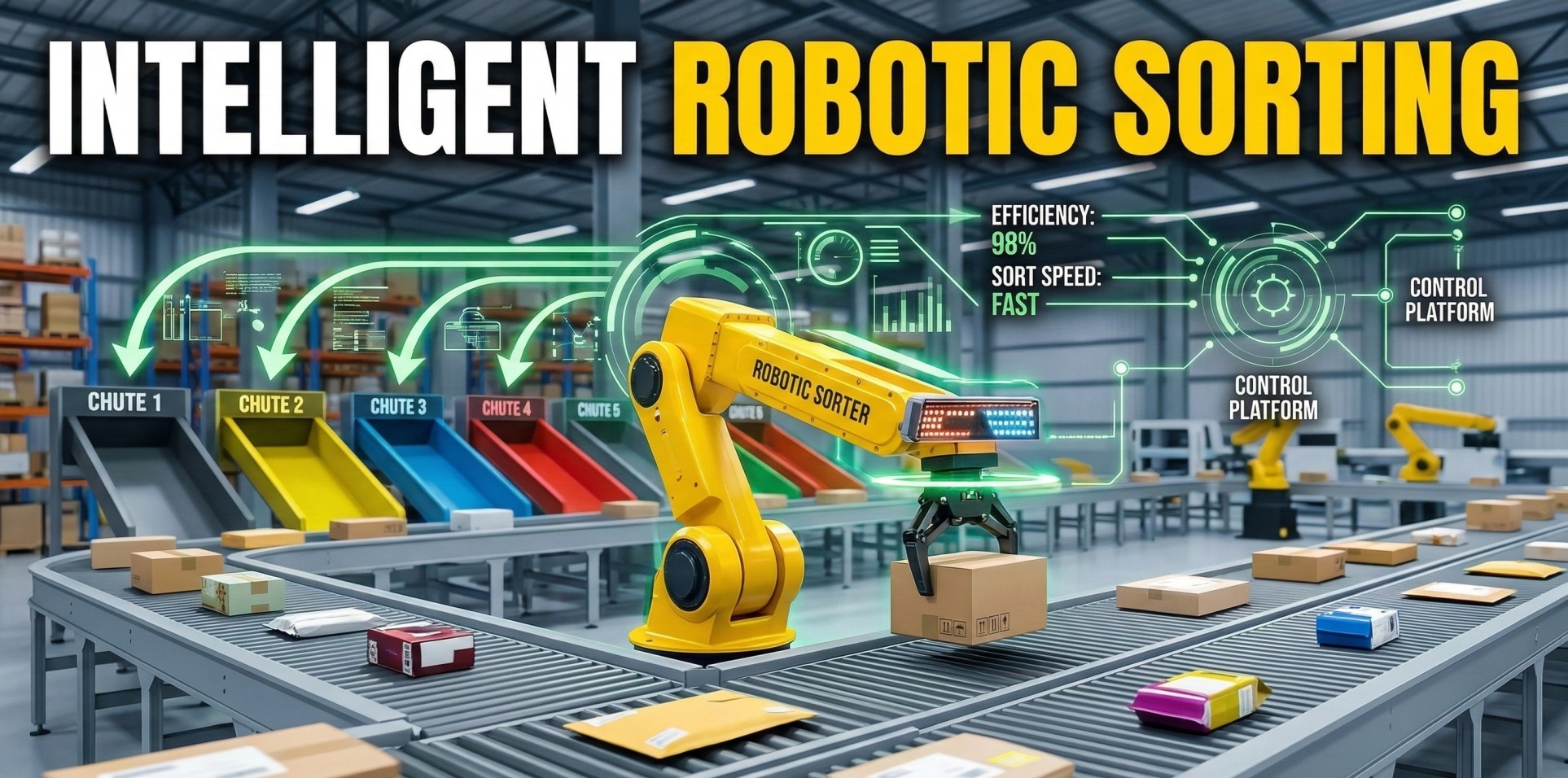
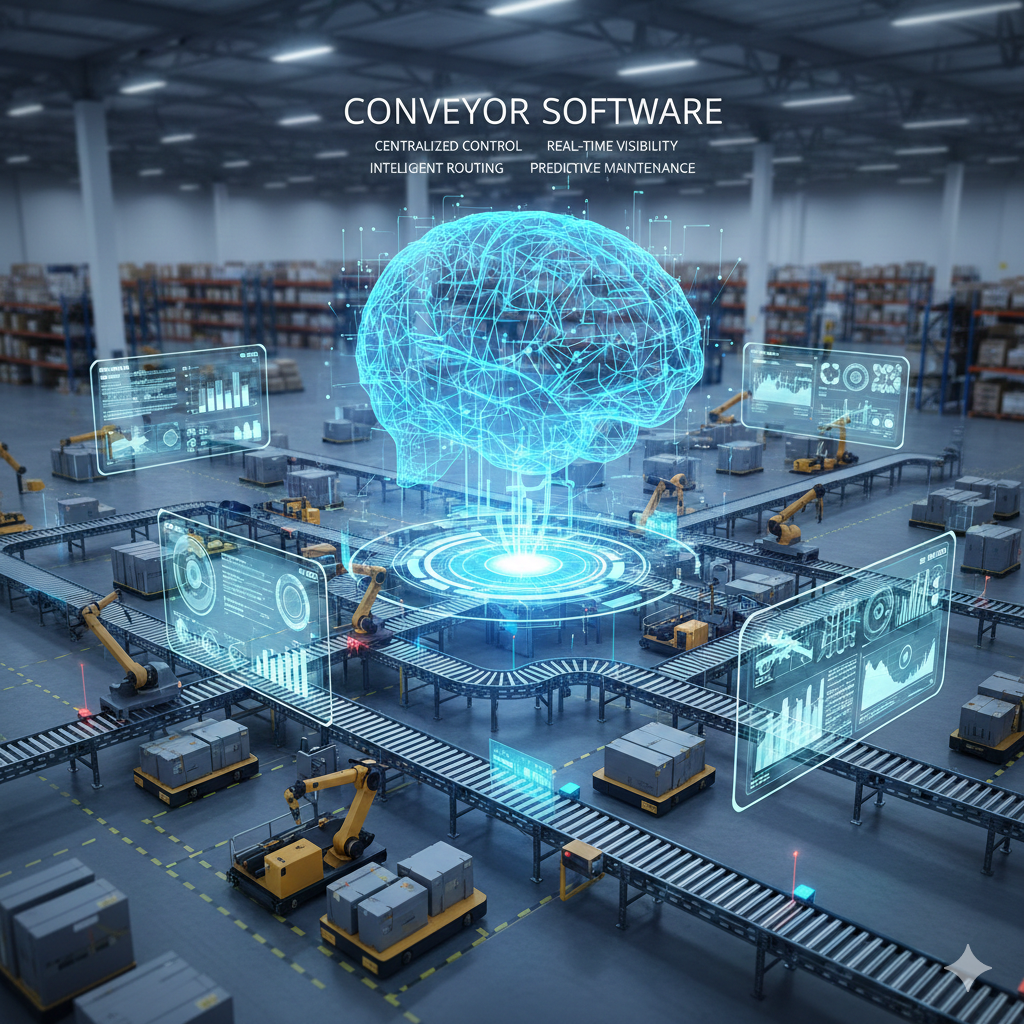
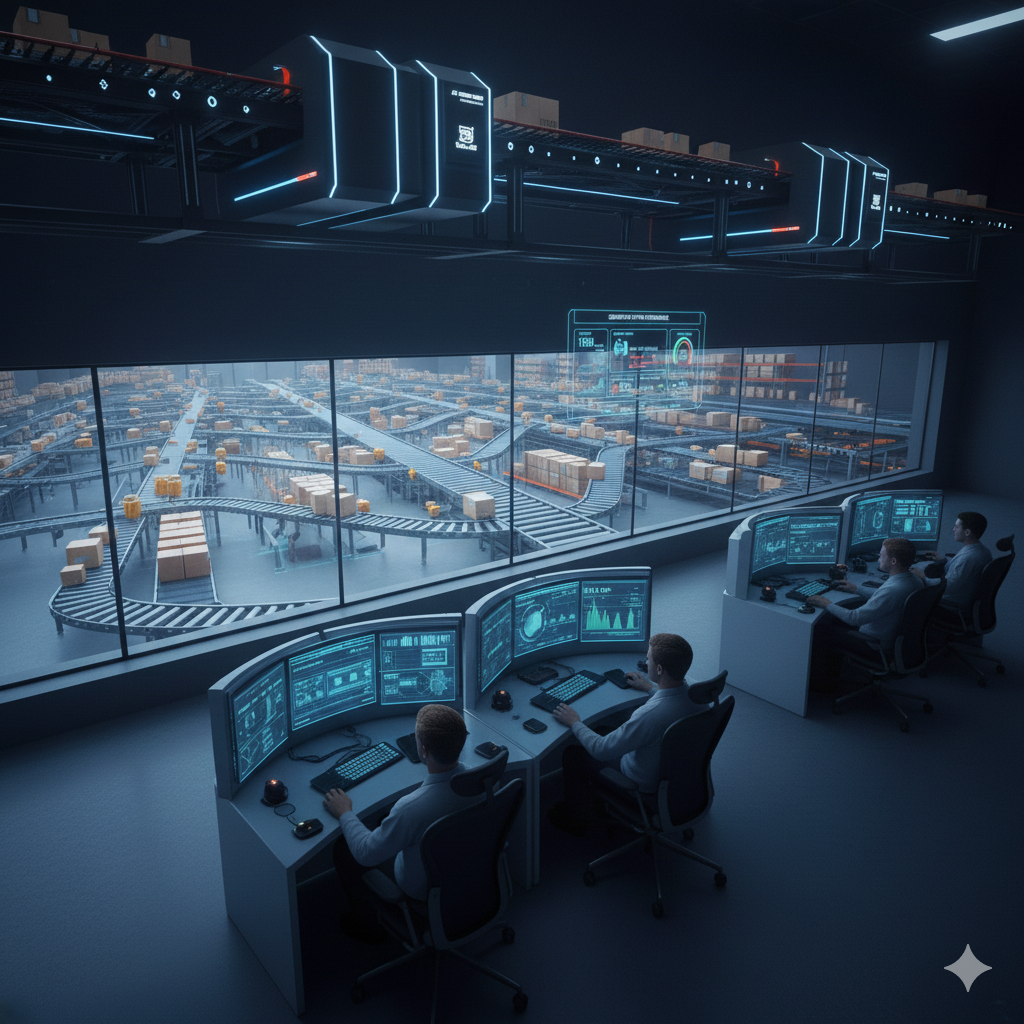
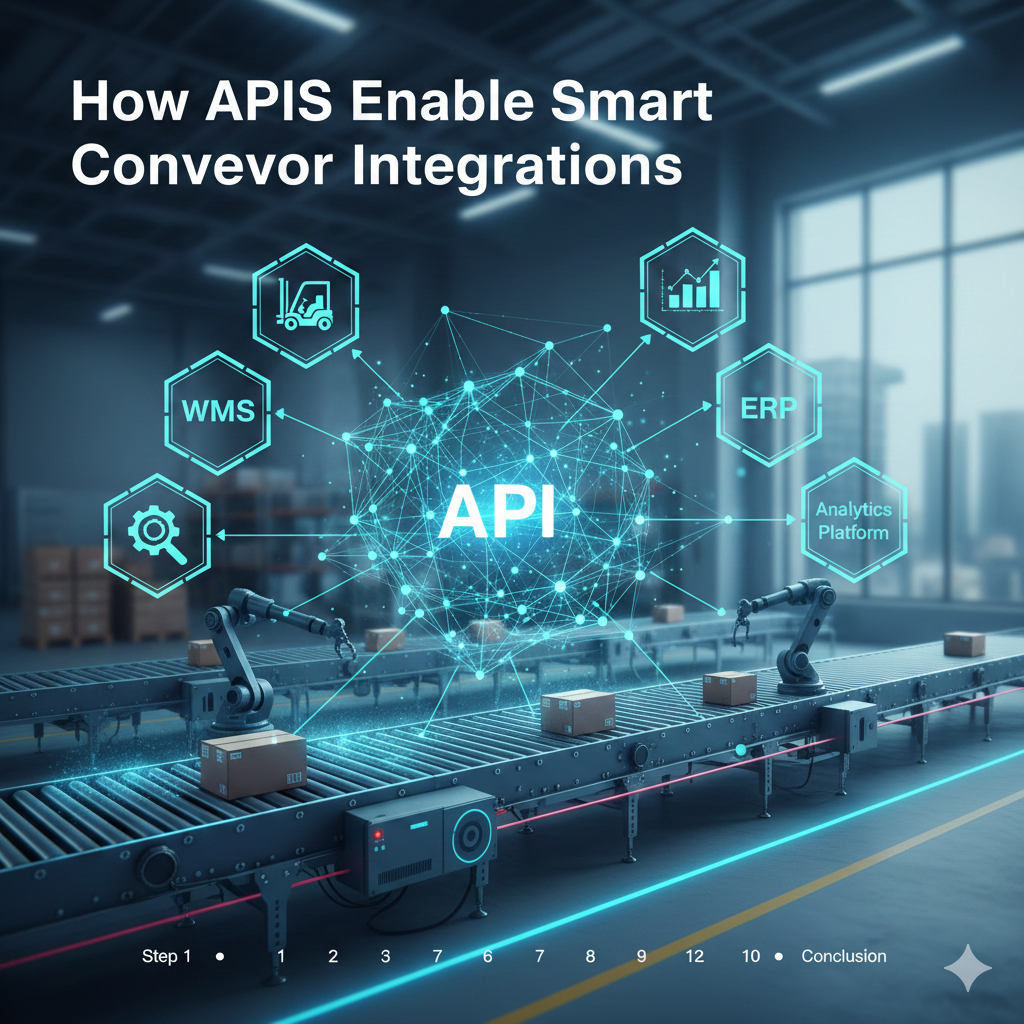
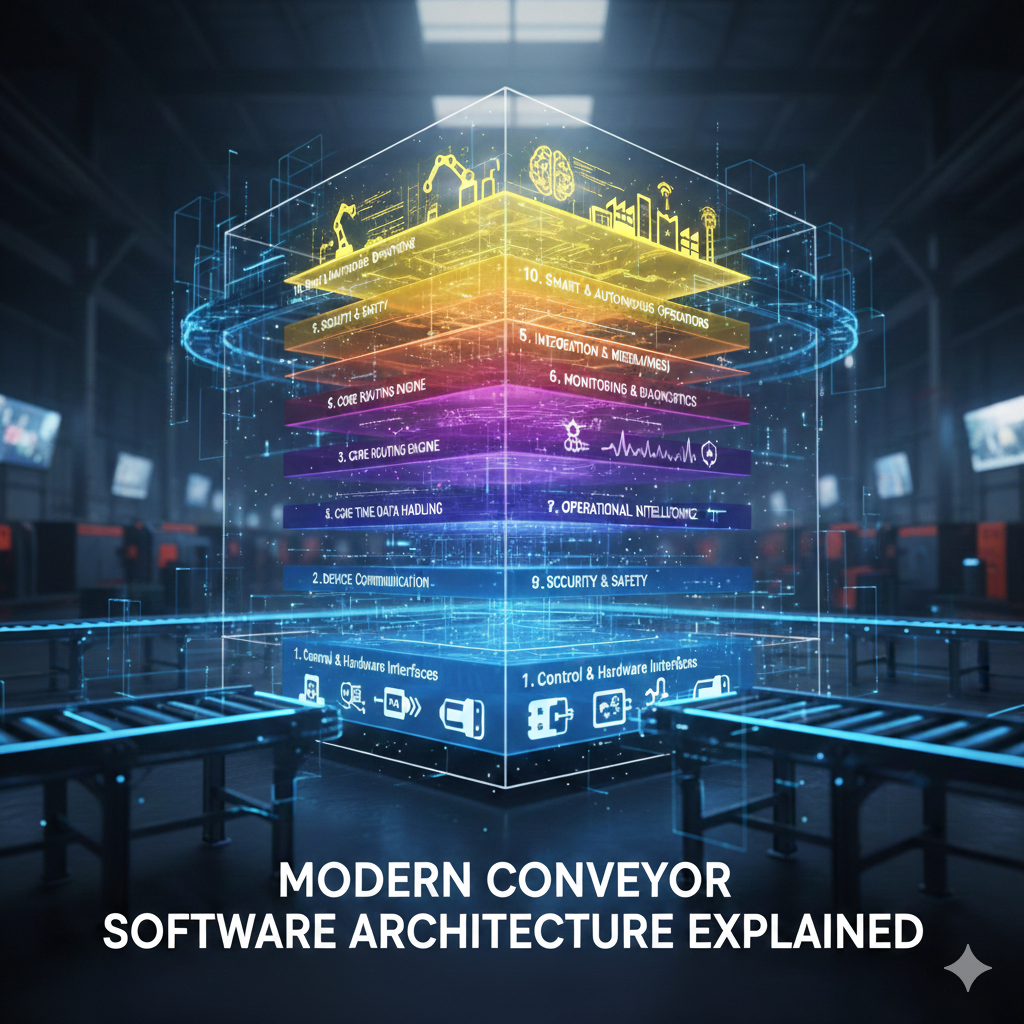
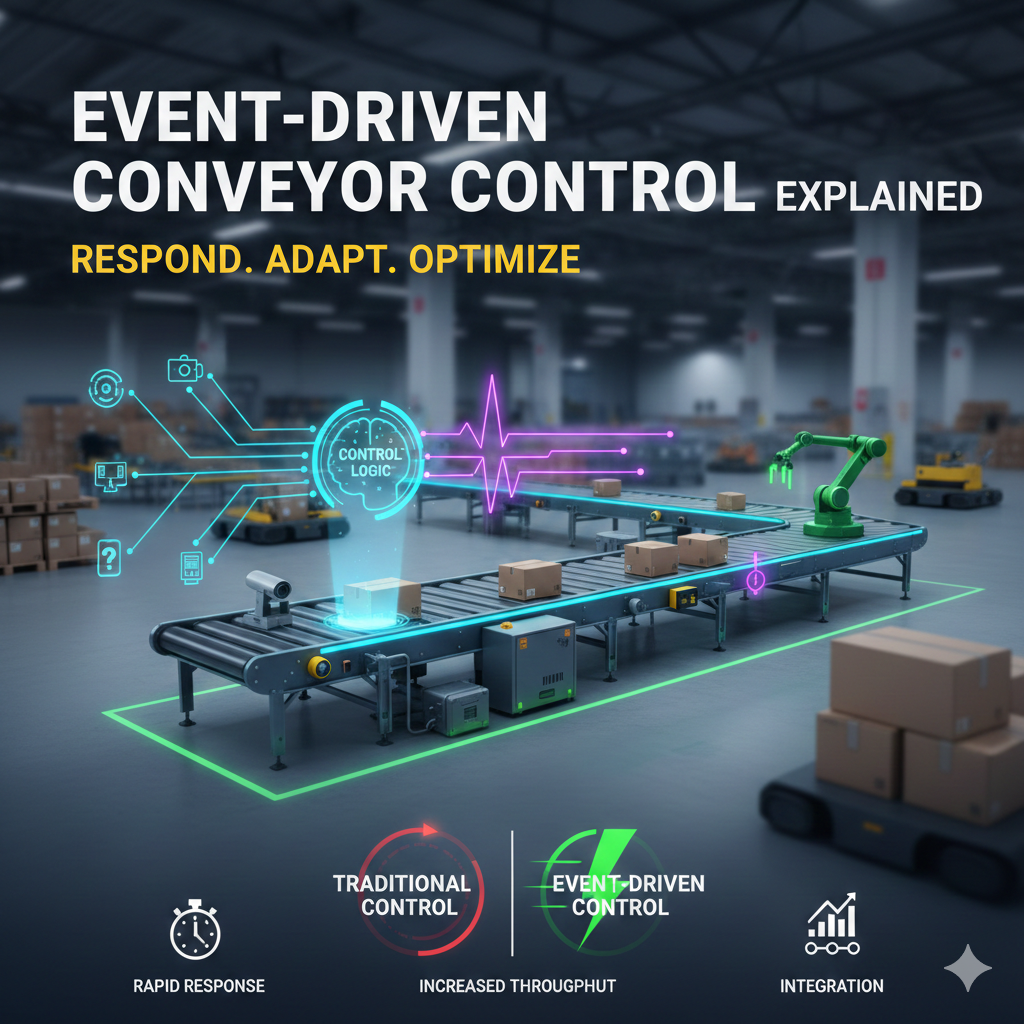
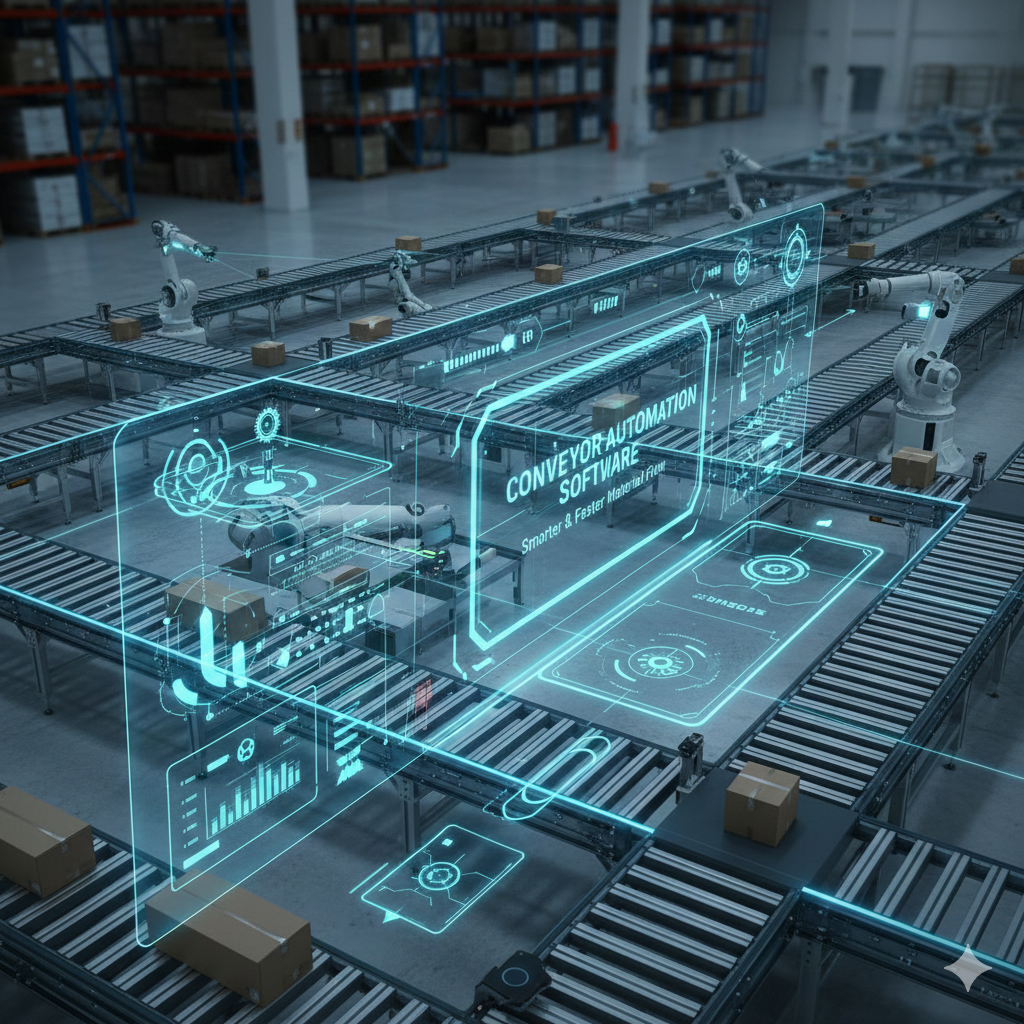
• Use centralized control platforms for coordination 🖥️
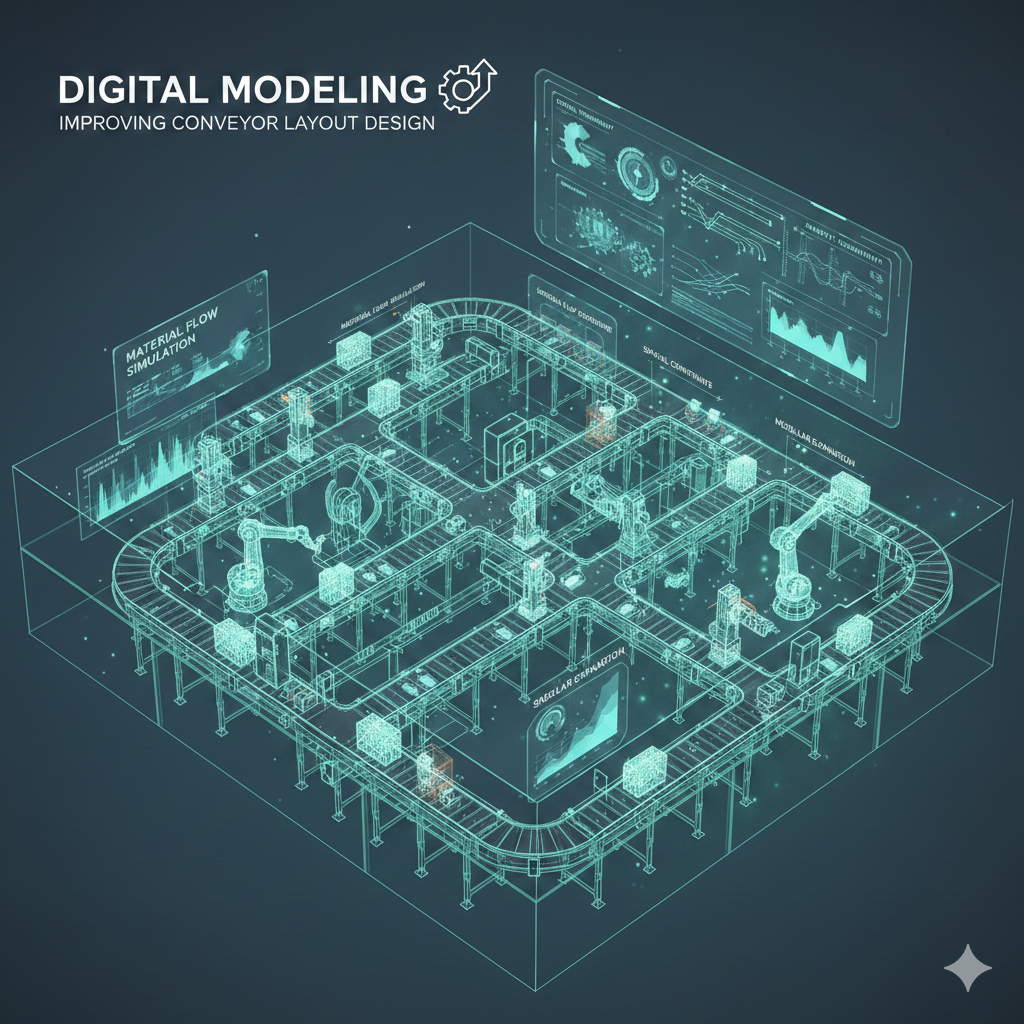
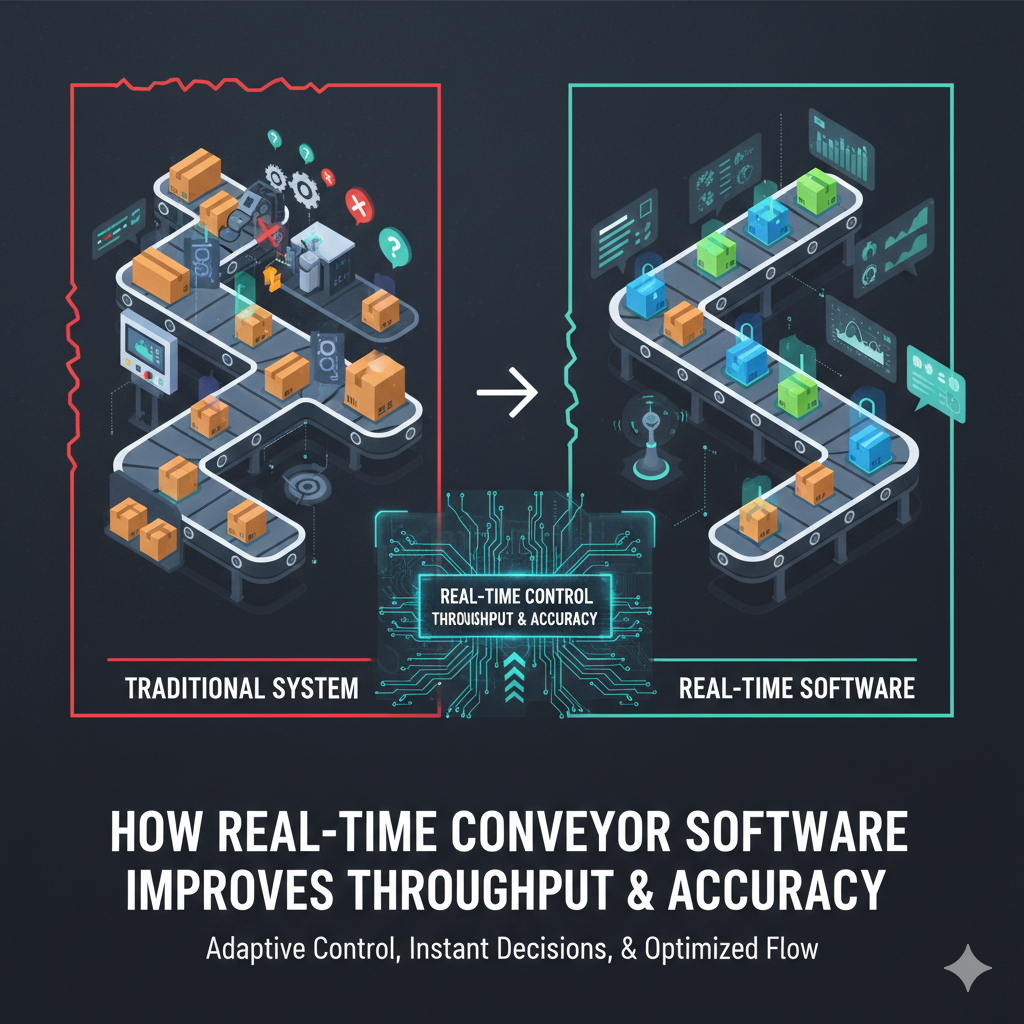
• Enable dynamic routing and adaptive system behavior 🔀
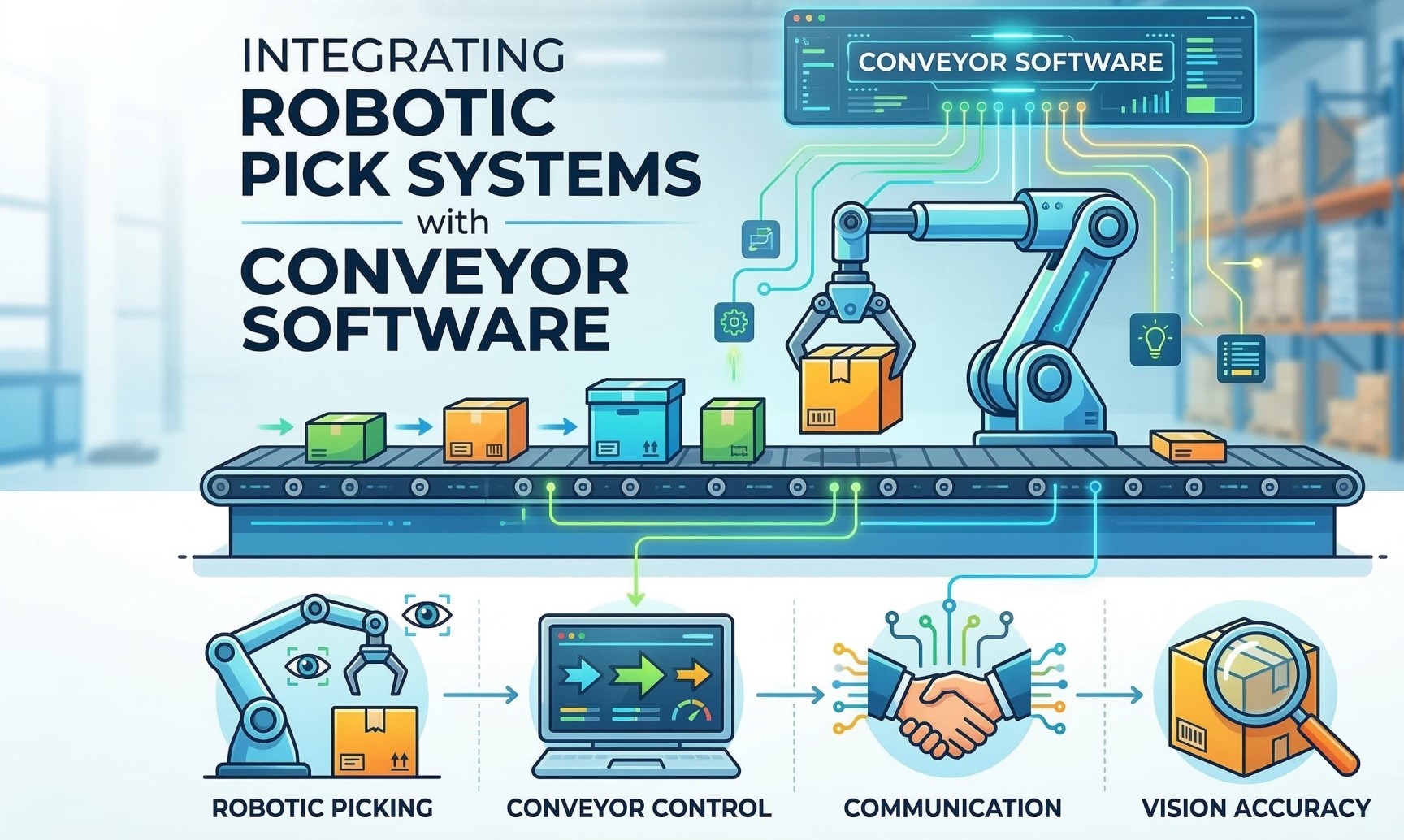
• Synchronize robotics with conveyor operations in real time 🔄
• Automate decision-making for faster response ⚡
• Ensure seamless communication across all components 📡
Step 8: Reducing Downtime and System Interruptions
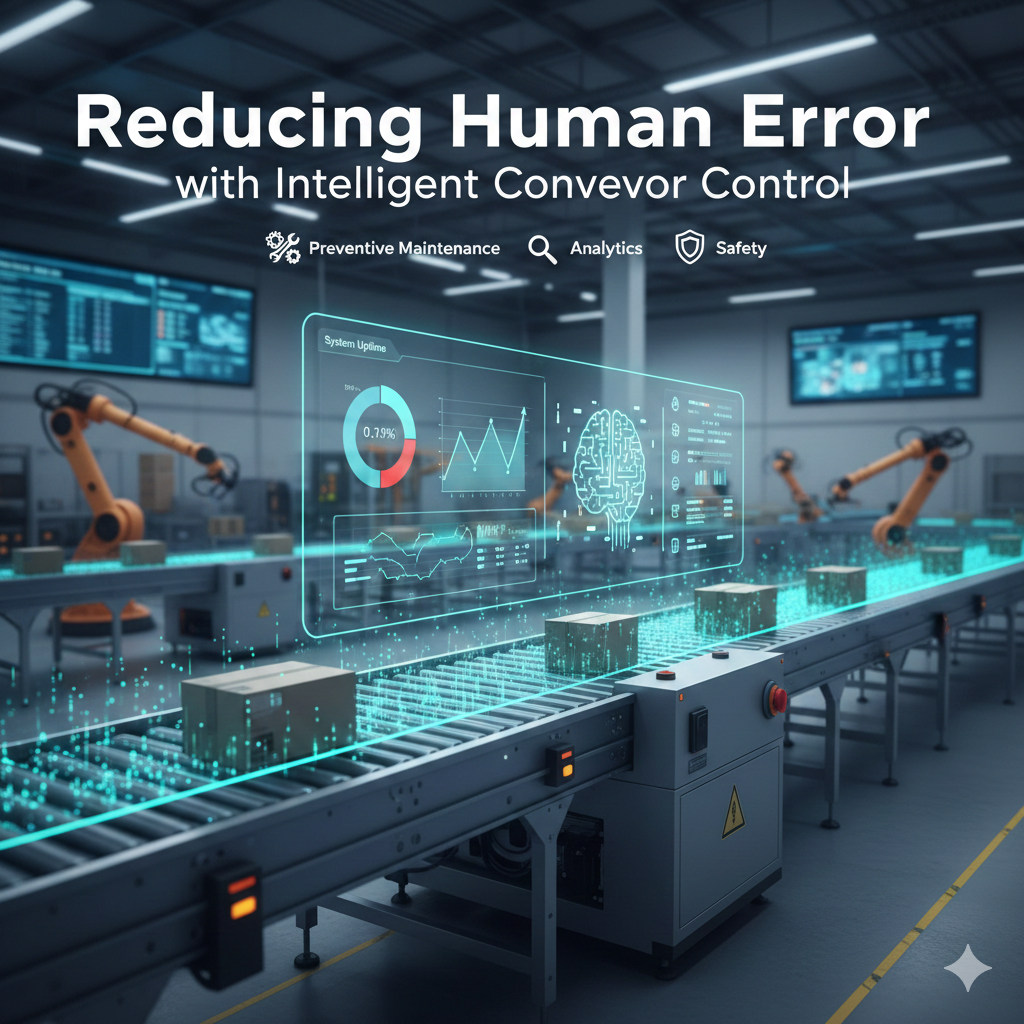
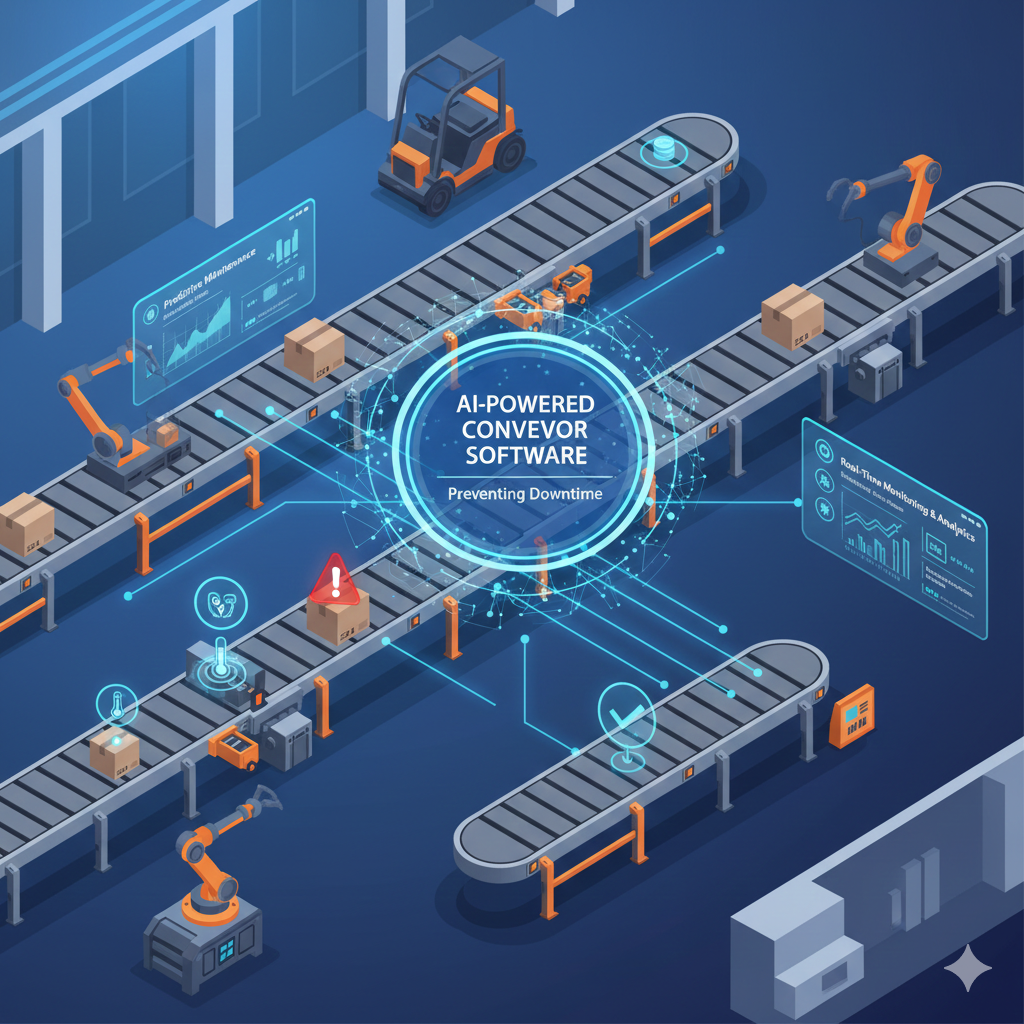
• Implement preventive maintenance strategies 🛠️
• Detect issues early through monitoring systems 🚨
• Minimize unplanned stoppages and recovery time ⏱️
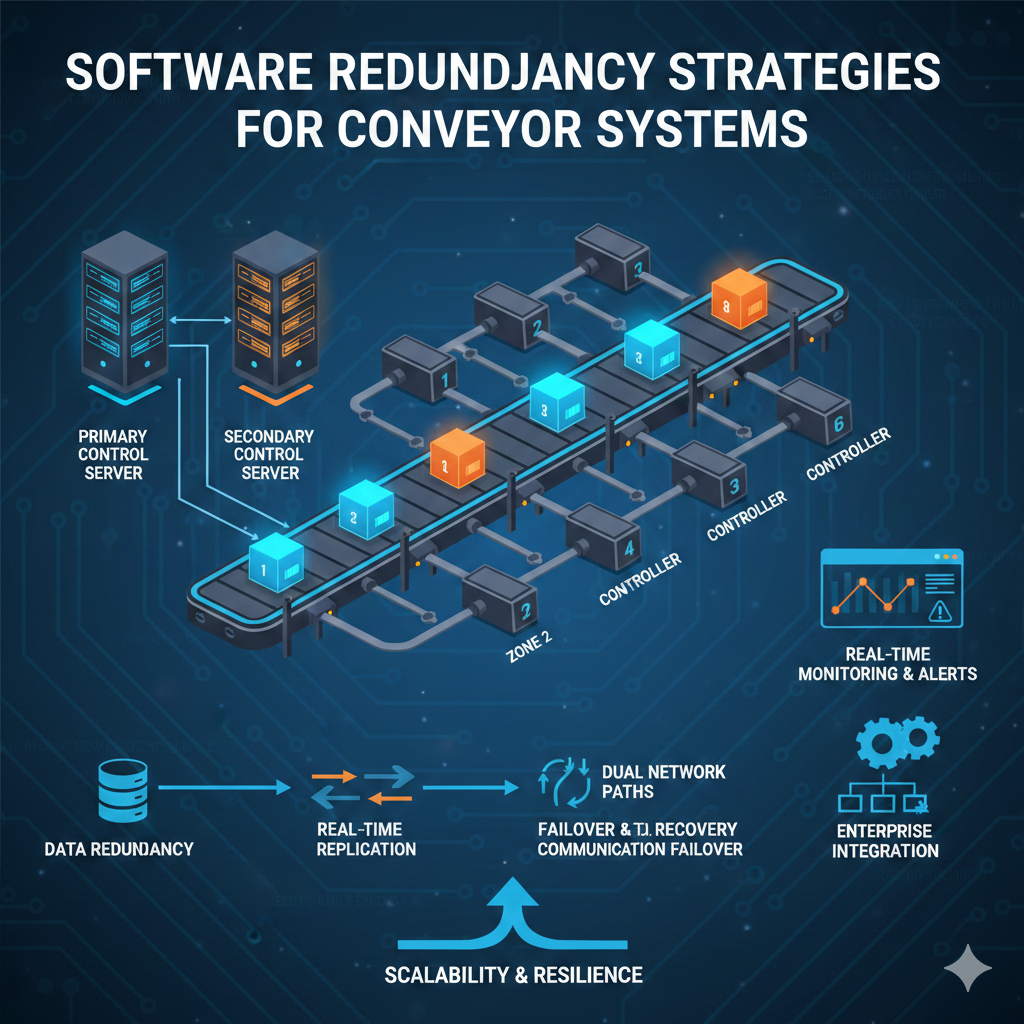
• Ensure redundancy in critical system components 🔁
• Maintain consistent system availability 📶
Step 9: Designing for Scalability and Peak Loads
• Build systems that handle fluctuations in demand 📈
• Plan for peak throughput without performance degradation 🚀
• Add modular components to expand capacity easily 🧩
• Avoid rigid designs that limit future growth 🚫
• Ensure consistent performance under varying workloads ⚙️
Step 10: Key Throughput Optimization Priorities
• Balanced coordination between robotics and conveyors ⚖️
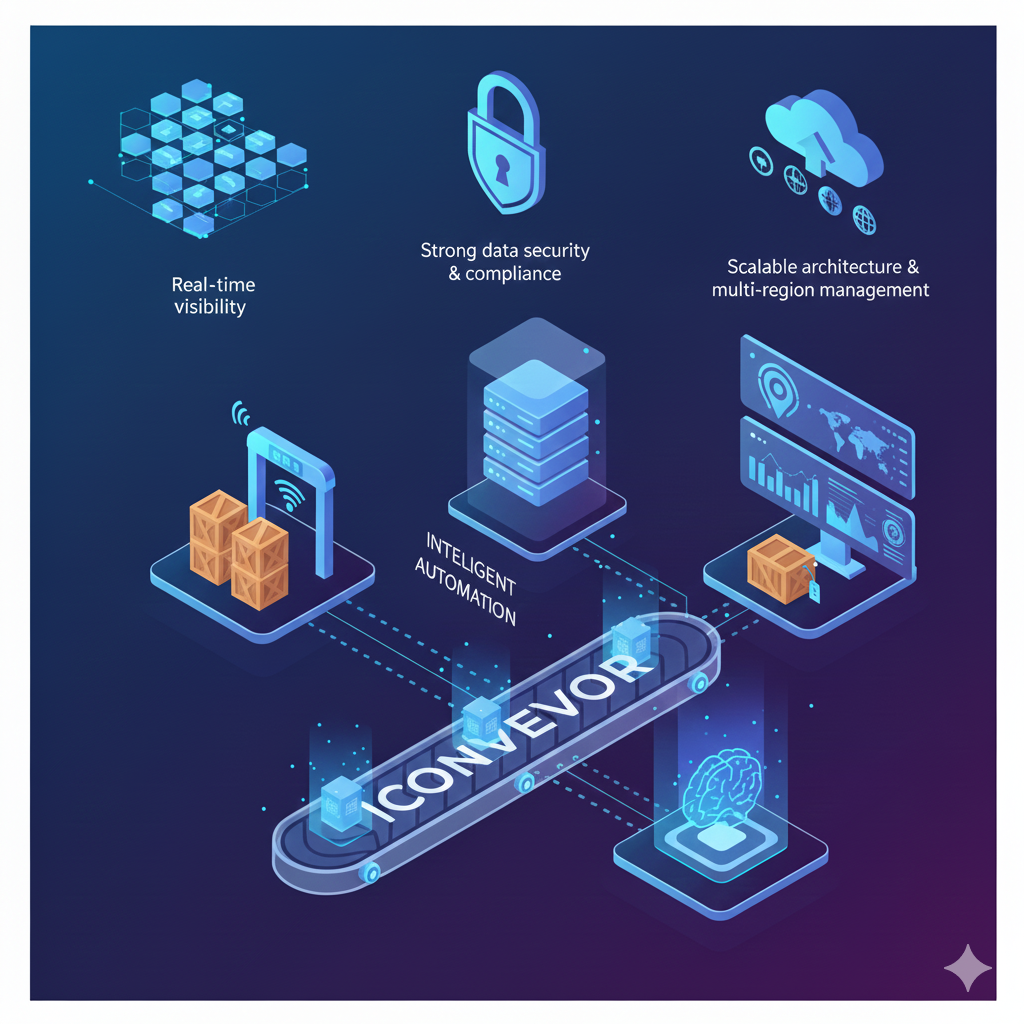
• Real-time visibility into system performance 📊
• Efficient handling of bottlenecks and congestion 🚧
• Adaptive systems that respond to operational changes 🔄
Conclusion
Throughput optimization in robotic conveyor facilities is essential for achieving high efficiency and operational excellence. By aligning system components, leveraging real-time data, and continuously refining processes, organizations can significantly improve flow rates and reduce delays. A well-optimized system not only enhances productivity but also ensures long-term scalability and resilience in increasingly demanding logistics environments.
See more blogs
You can all the articles below