Smart Path Optimization for Robotic Conveyor Operations
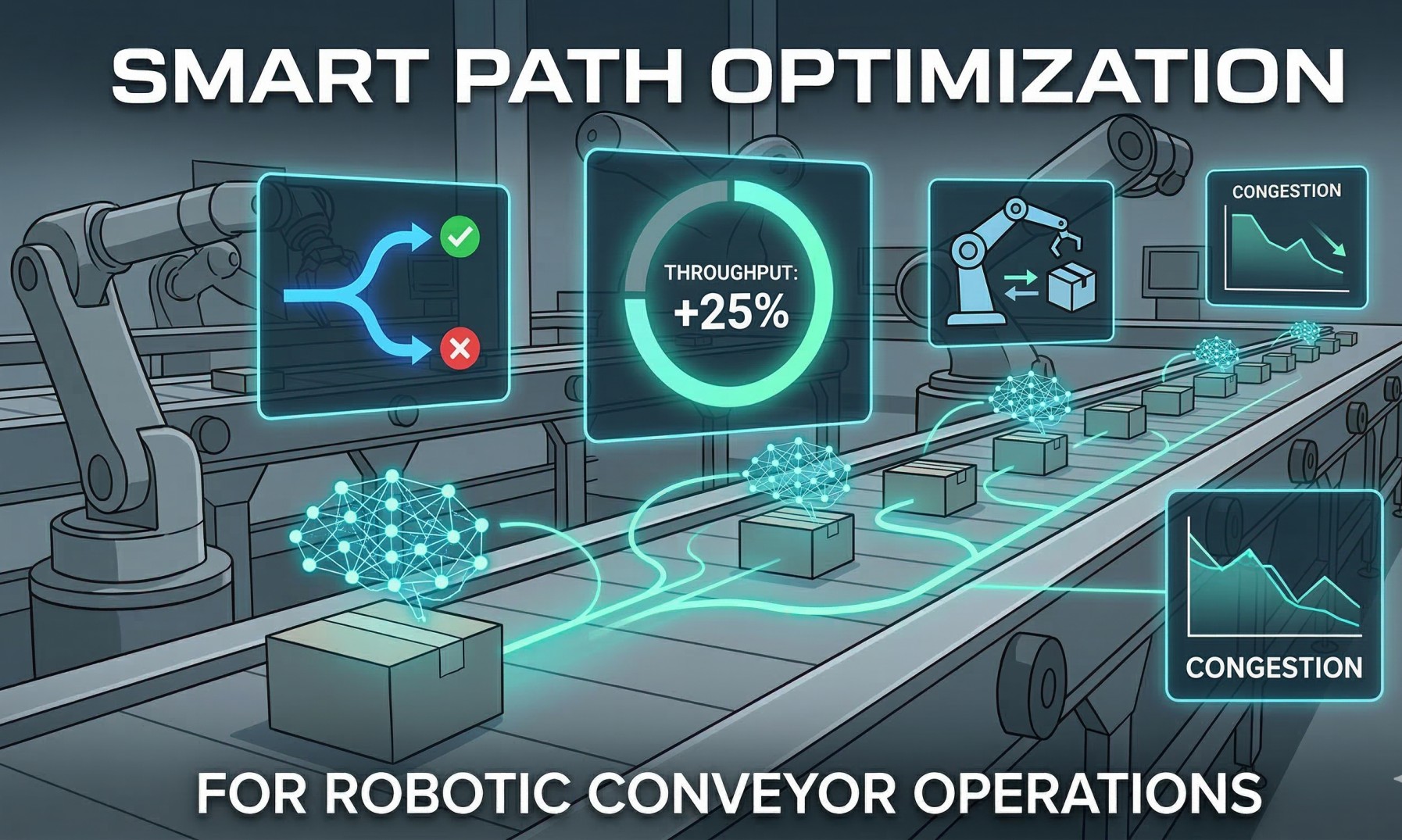
Modern manufacturing and warehouse environments rely heavily on robotic conveyor systems to move materials efficiently across facilities. As operations grow more complex, simple routing rules are no longer sufficient to maintain optimal flow. Smart path optimization uses intelligent algorithms and real-time data to dynamically determine the most efficient movement paths for robotic conveyors, improving throughput, reducing delays, and maximizing system performance.
Step 1: Understanding Path Optimization in Conveyor Systems
• Determines the most efficient routes for materials moving through conveyor networks
• Coordinates robotic movement with conveyor transport paths
• Minimizes unnecessary travel, congestion, and idle time
• Supports continuous and balanced material flow
• Improves overall operational efficiency
Step 2: Challenges in Traditional Conveyor Routing
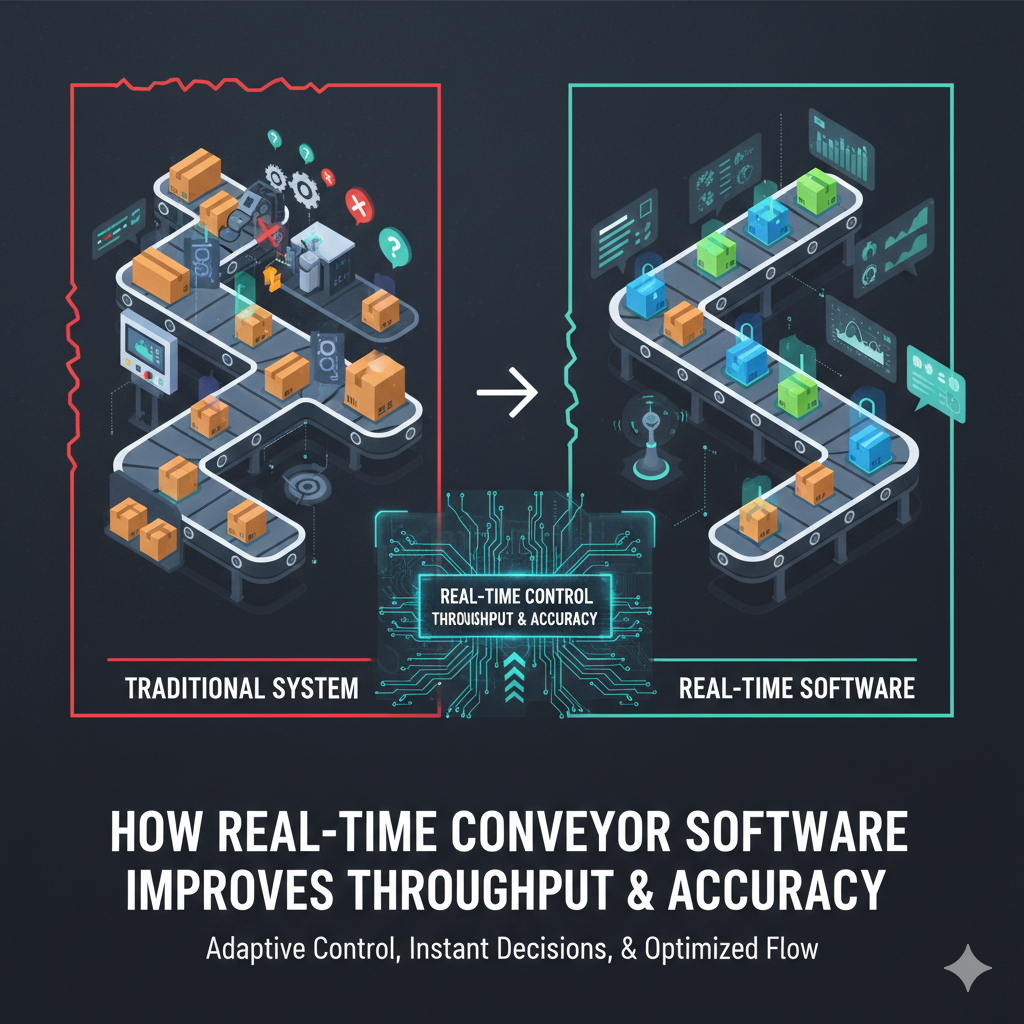
• Fixed routing logic cannot adapt to changing workloads
• Congestion occurs when multiple items compete for the same path
• Manual configuration limits flexibility during demand changes
• Bottlenecks emerge as system complexity increases
• Static routing reduces overall system responsiveness
Step 3: Real-Time Data as the Foundation for Optimization
• Collects data from sensors, robotic controllers, and conveyor nodes
• Tracks item location, movement speed, and queue lengths
• Detects congestion and route delays as they occur
• Provides visibility across the entire material flow network
• Enables immediate routing adjustments
Step 4: Intelligent Algorithms for Dynamic Routing
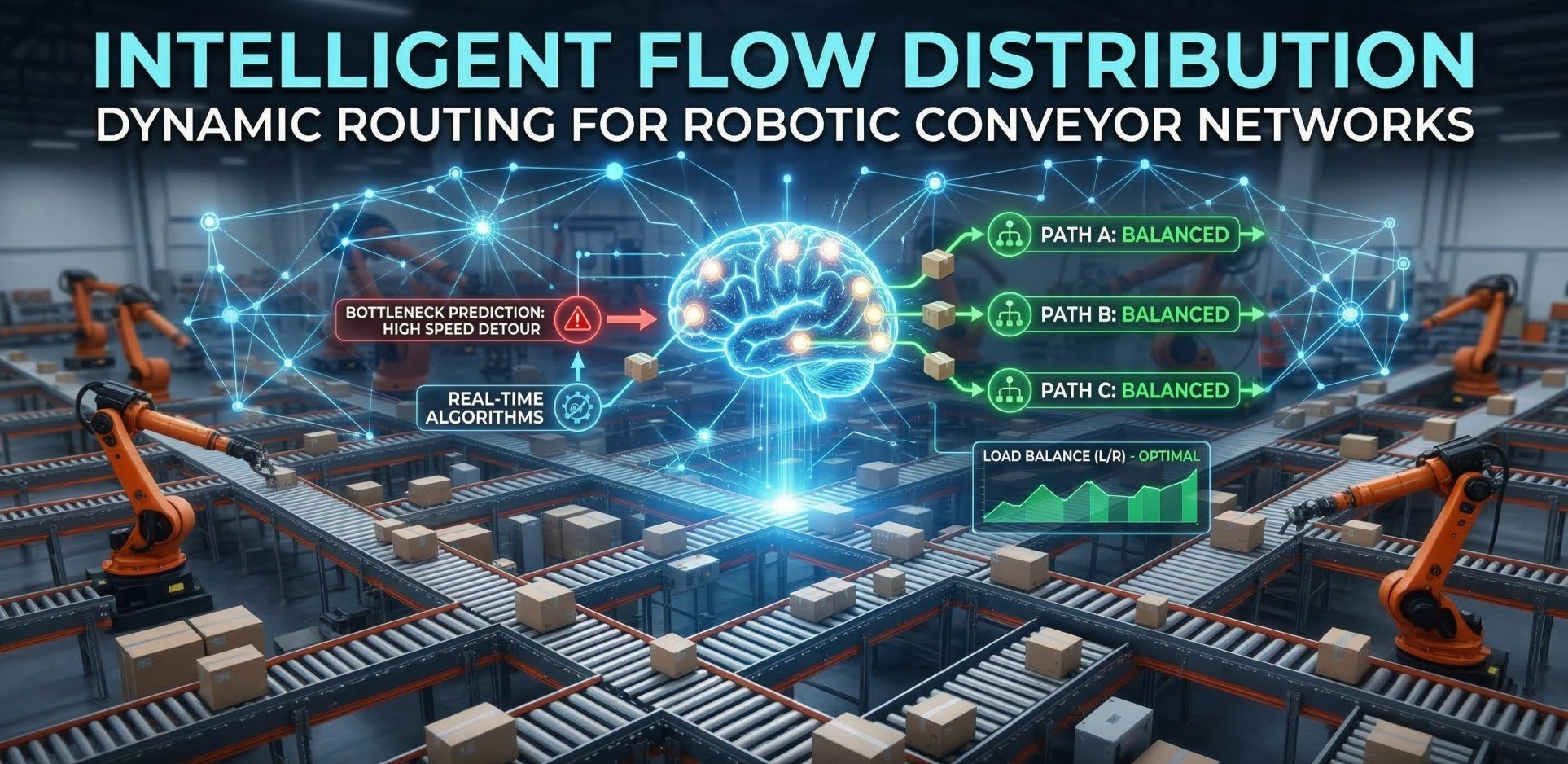
• Uses optimization algorithms to evaluate multiple routing options
• Selects the fastest or least congested path for each item
• Adjusts routing decisions based on system conditions
• Balances load across different conveyor segments
• Maintains efficient throughput under varying demand
Step 5: Coordinating Robots and Conveyor Systems
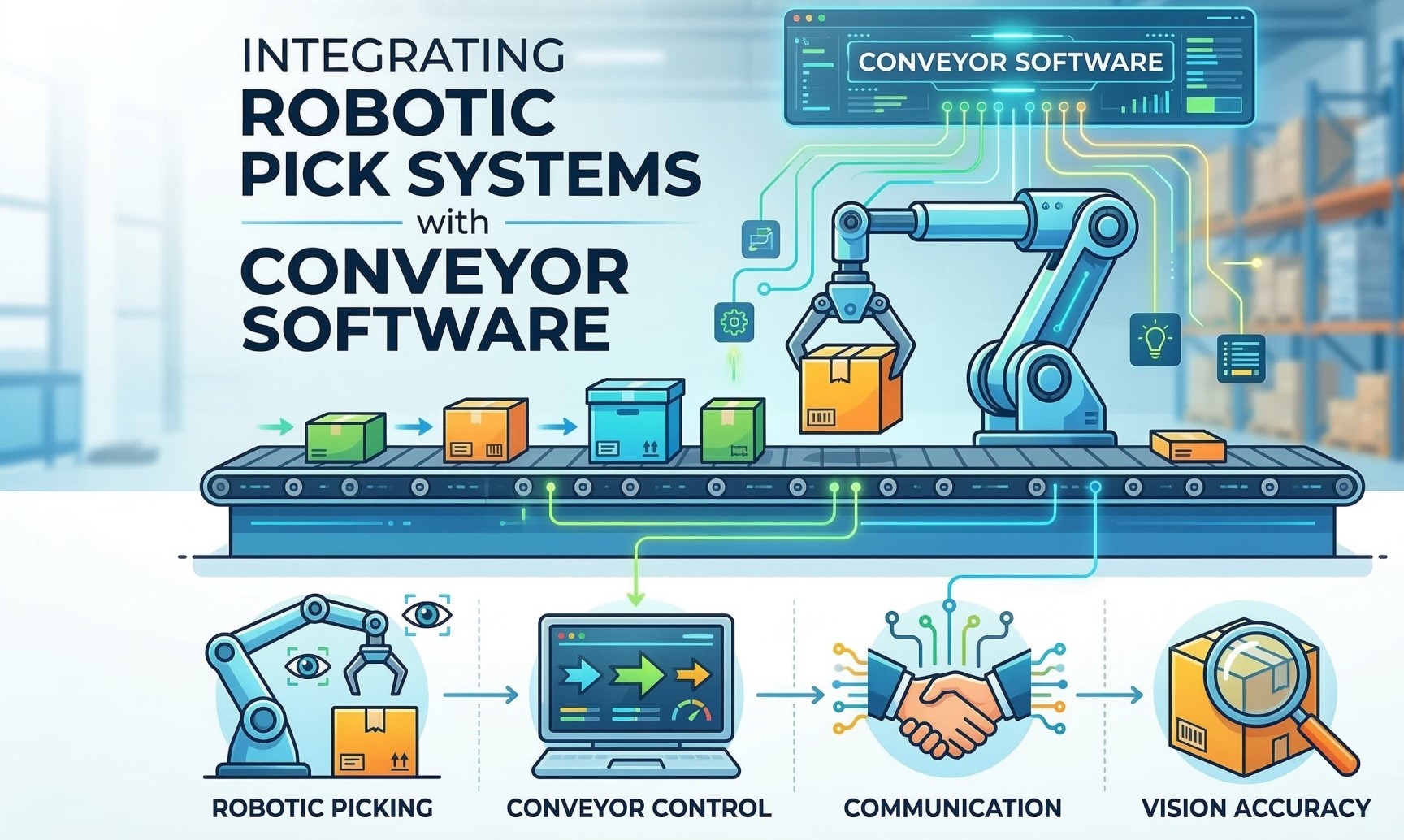
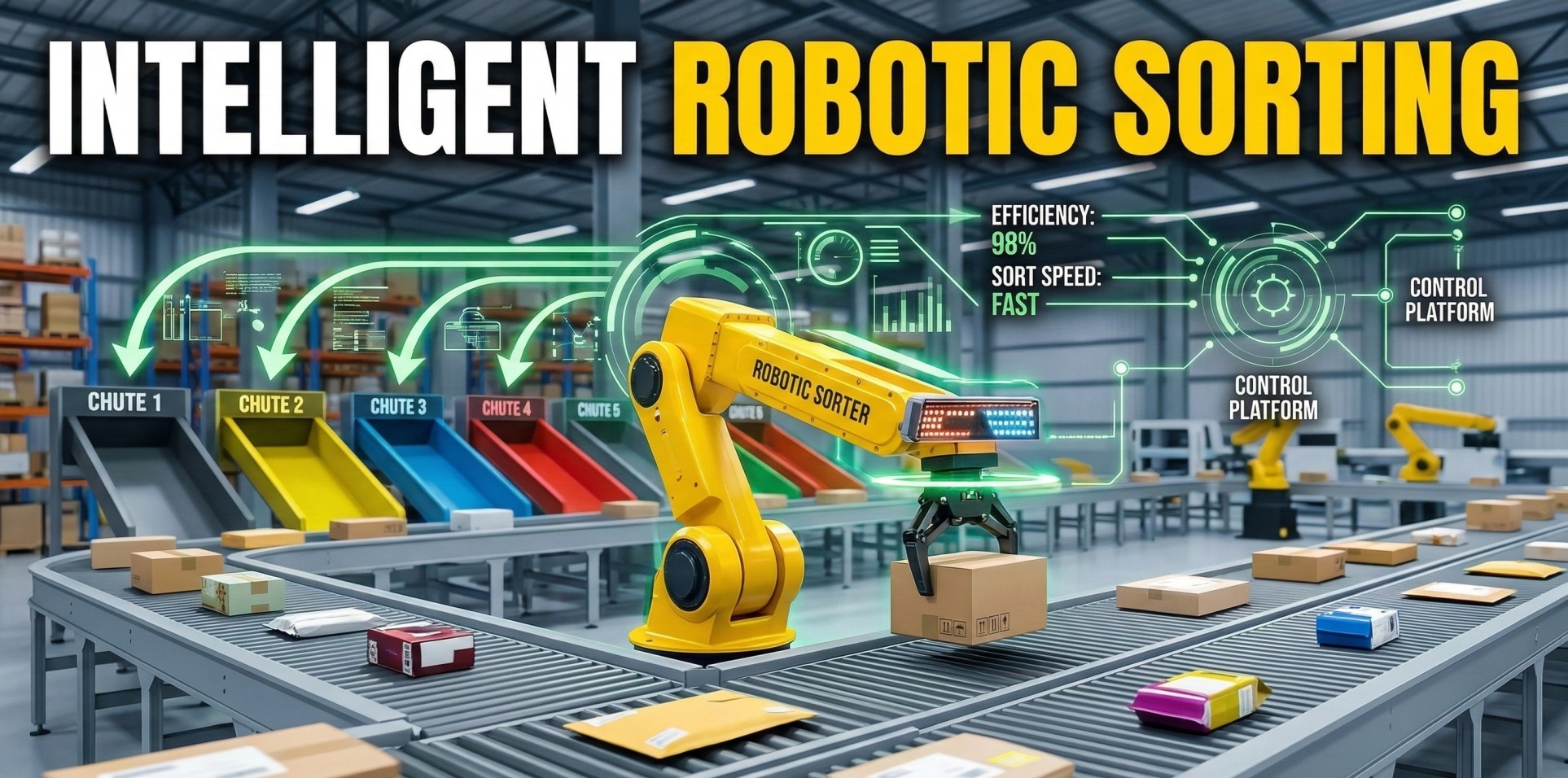
• Synchronizes robotic pick-and-place actions with conveyor movement
• Prevents timing conflicts between robotic tasks and item flow
• Optimizes handoff points between robots and conveyors
• Improves precision in automated material transfer
• Maintains smooth, uninterrupted operations
Step 6: Reducing Bottlenecks and System Congestion
• Identifies high-traffic areas in the conveyor network
• Reroutes items away from congested pathways
• Balances workloads across parallel routes
• Maintains stable flow even during peak operations
• Improves overall throughput and system reliability
Step 7: Predictive Optimization and Adaptive Control
• Uses historical and real-time data to anticipate congestion
• Adjusts routing strategies before bottlenecks occur
• Supports proactive rather than reactive system control
• Continuously refines routing efficiency through feedback loops
• Enhances long-term operational performance
Step 8: Key Operational Benefits
• Faster material movement across conveyor networks
• Higher throughput without additional infrastructure
• Reduced system congestion and delays
• Improved coordination between robotics and conveyors
Conclusion
Smart path optimization transforms robotic conveyor systems from fixed transport mechanisms into intelligent, adaptive material flow networks. By combining real-time data, advanced routing algorithms, and coordinated robotic control, organizations can achieve higher efficiency, reduced congestion, and more resilient automation. As facilities become increasingly automated, smart path optimization will play a central role in maintaining scalable and high-performance conveyor operations.
See more blogs
You can all the articles below