Conveyor Automation Software: Enabling Smarter and Faster Material Flow

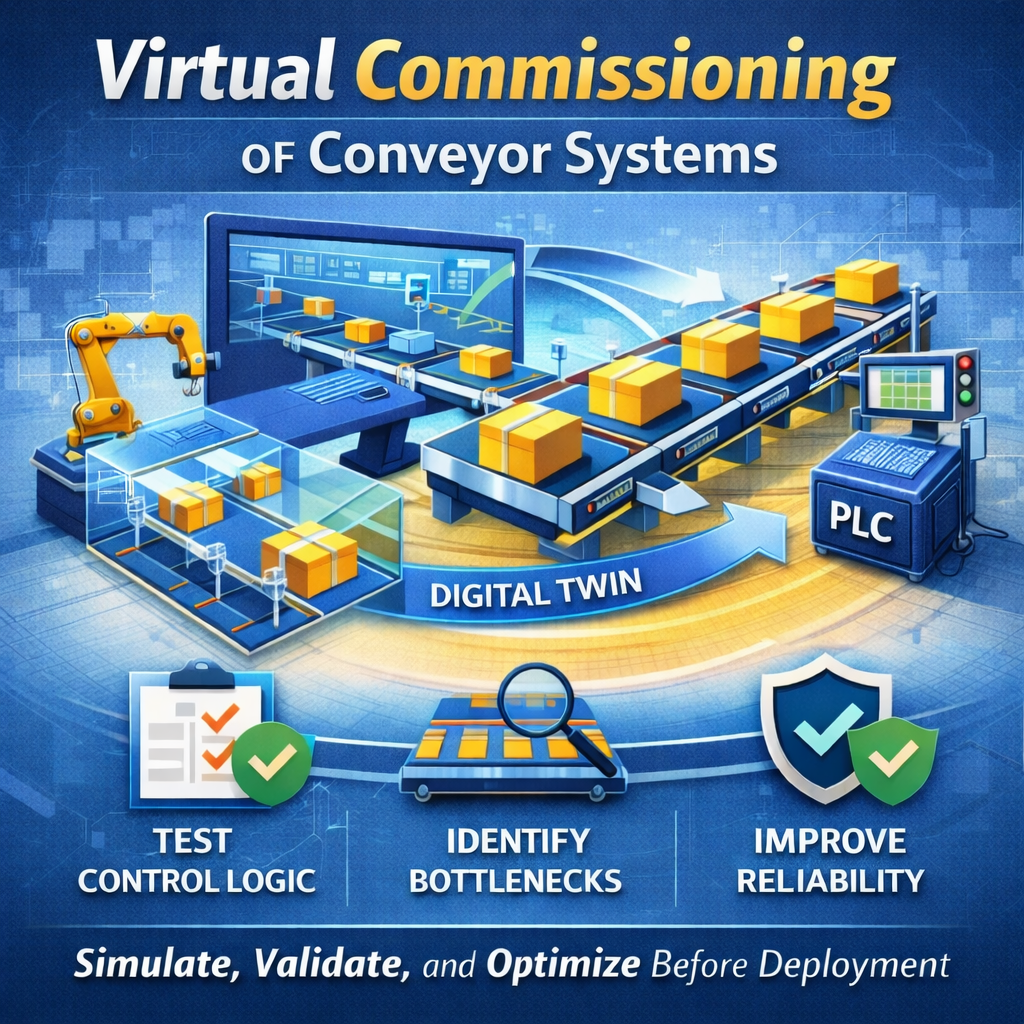
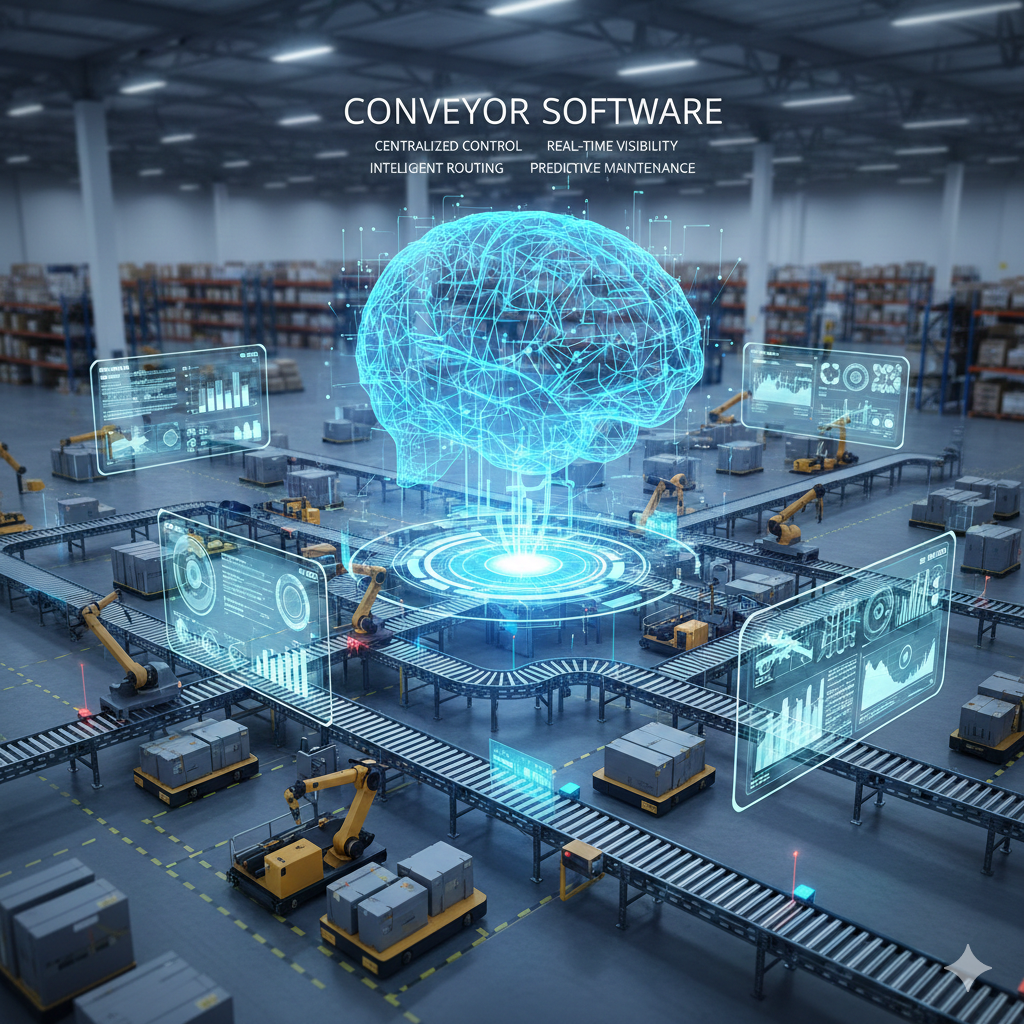
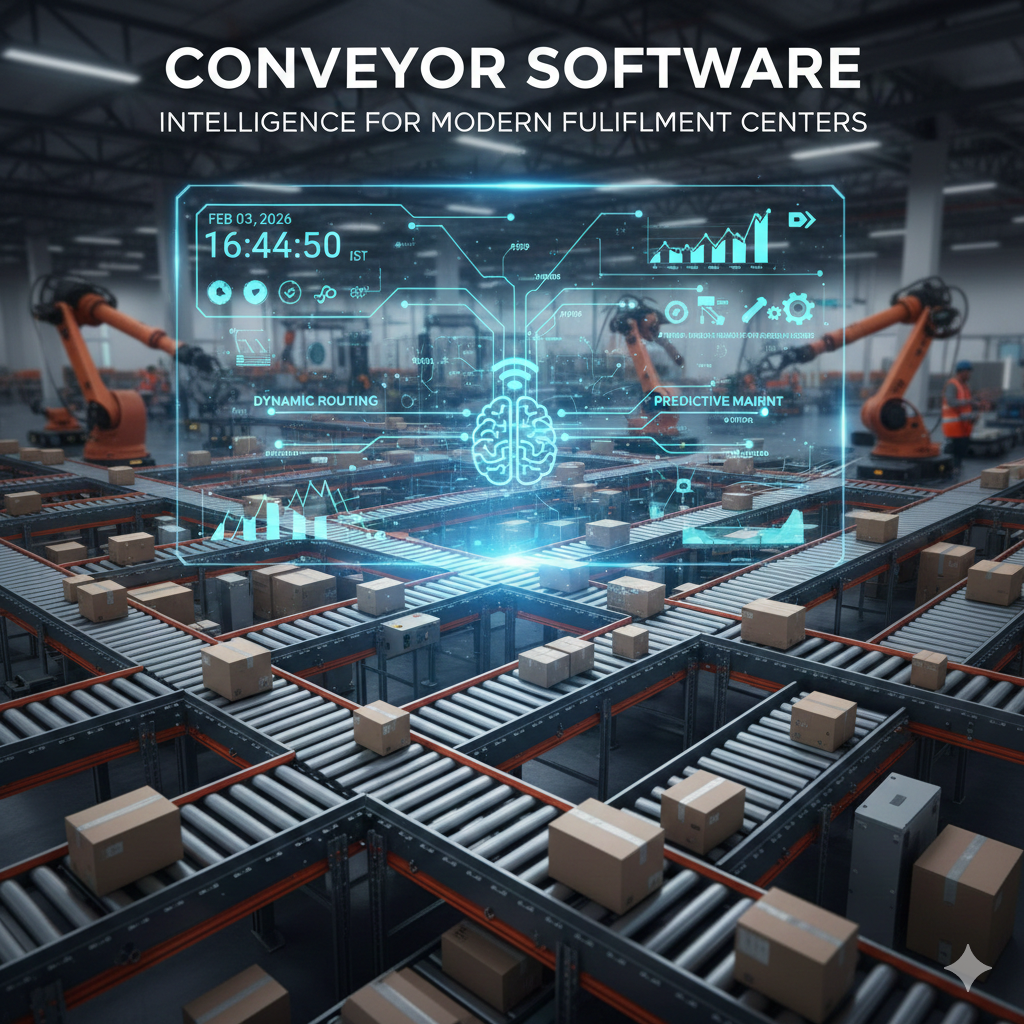
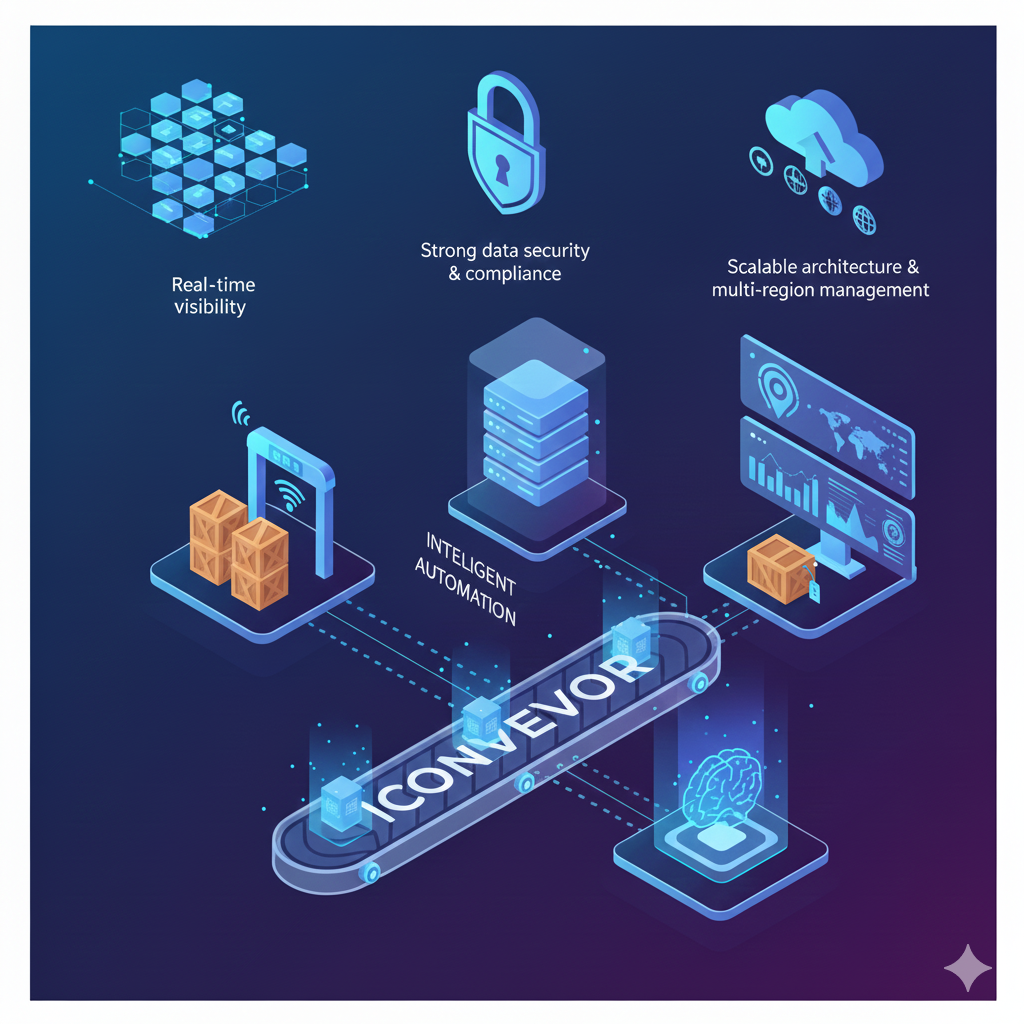
Today’s warehouses and production environments operate under constant pressure to improve speed, accuracy, and operational visibility. Conveyor automation software has become the digital foundation of modern material handling, transforming traditional conveyor systems into intelligent, responsive operations 🤖⚙️.
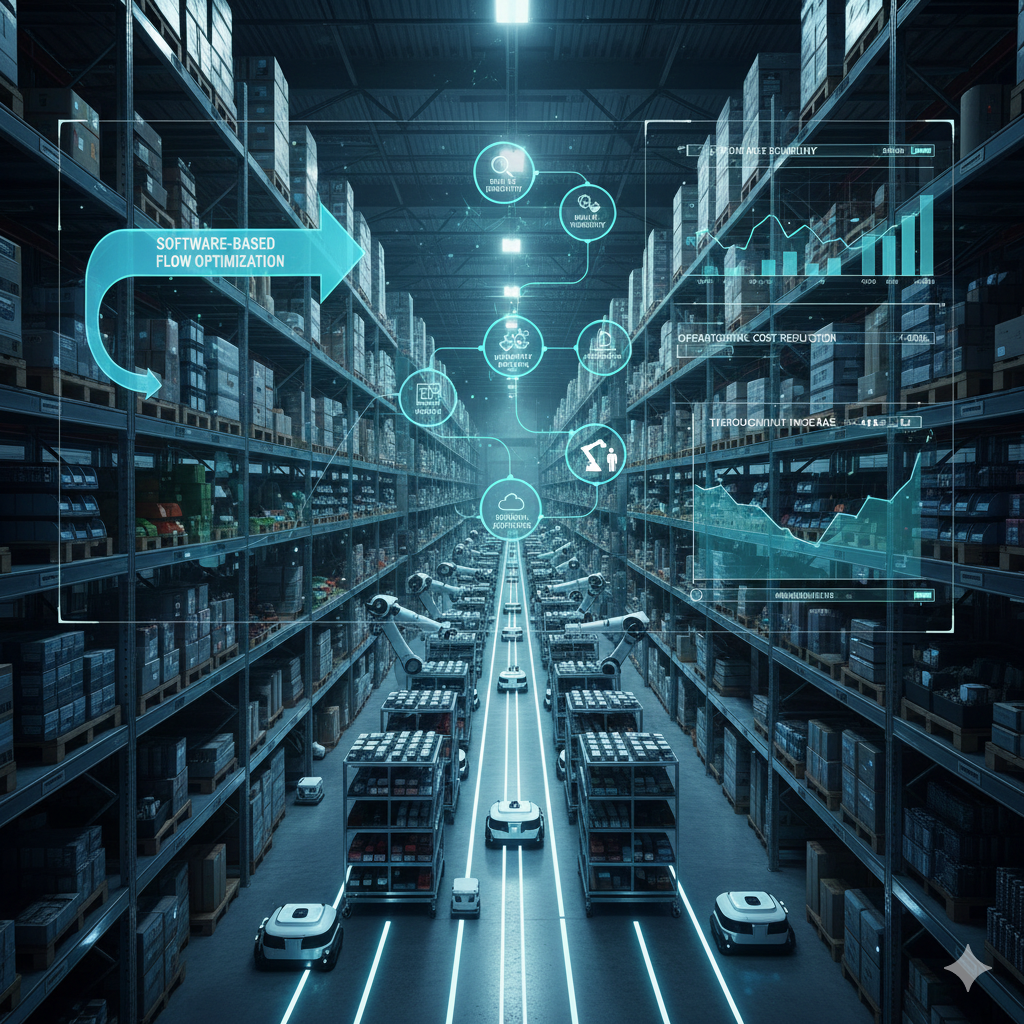
Rather than simply moving products, modern conveyor software controls, optimizes, and coordinates material flow using real-time data and automation logic 🧠🔄.
❓ Why Conveyor Automation Software Matters
Manual processes and disconnected systems struggle to support increasing order volumes and service expectations ⚠️. Conveyor automation software overcomes these limitations by delivering:
• Reduced reliance on manual labor 👷♂️
• Lower risk of routing and sorting errors ❌
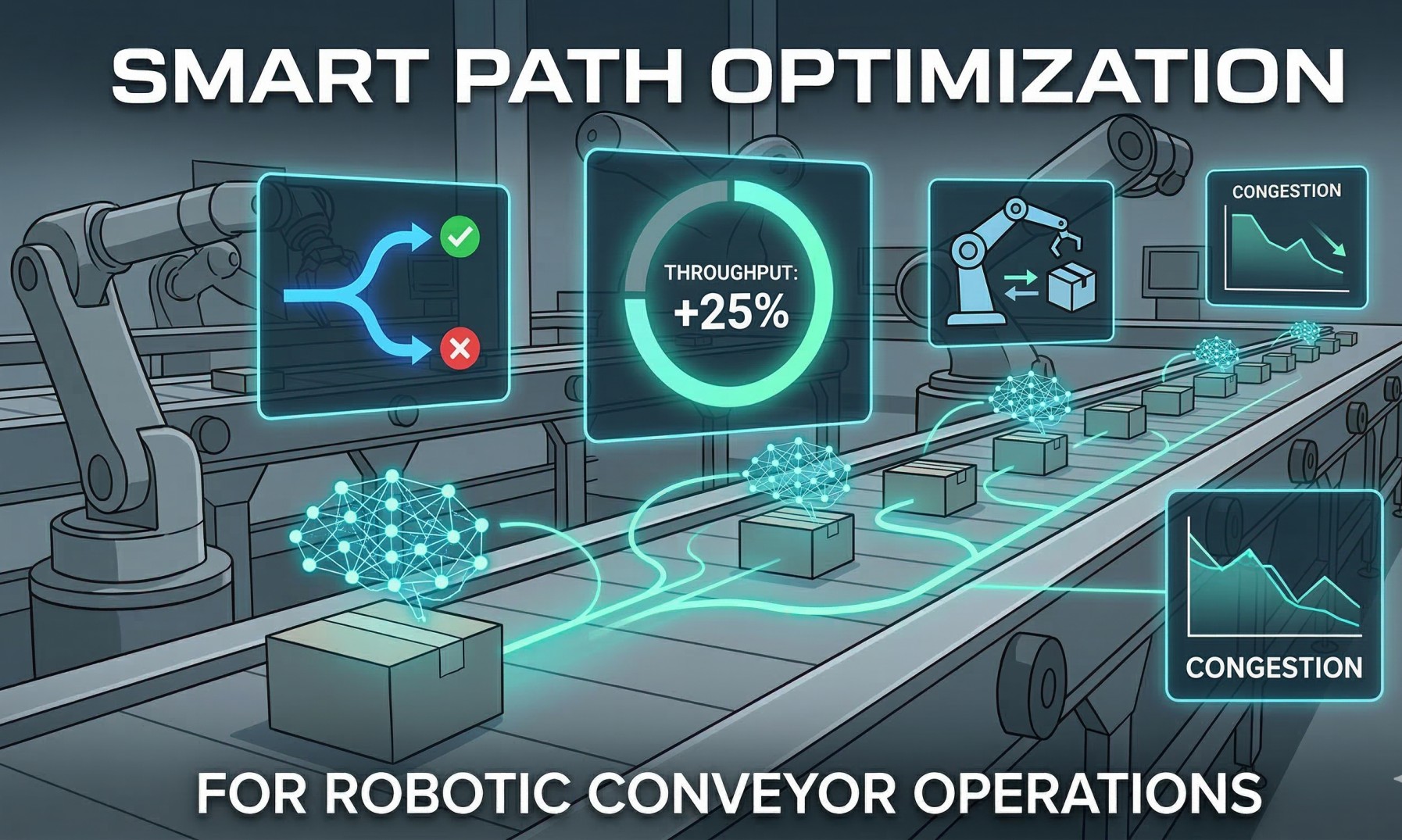
• Increased throughput without additional floor space 📦
• Real-time visibility across conveyor operations 👀
By digitizing conveyor control, organizations achieve greater efficiency and operational stability 🚀.
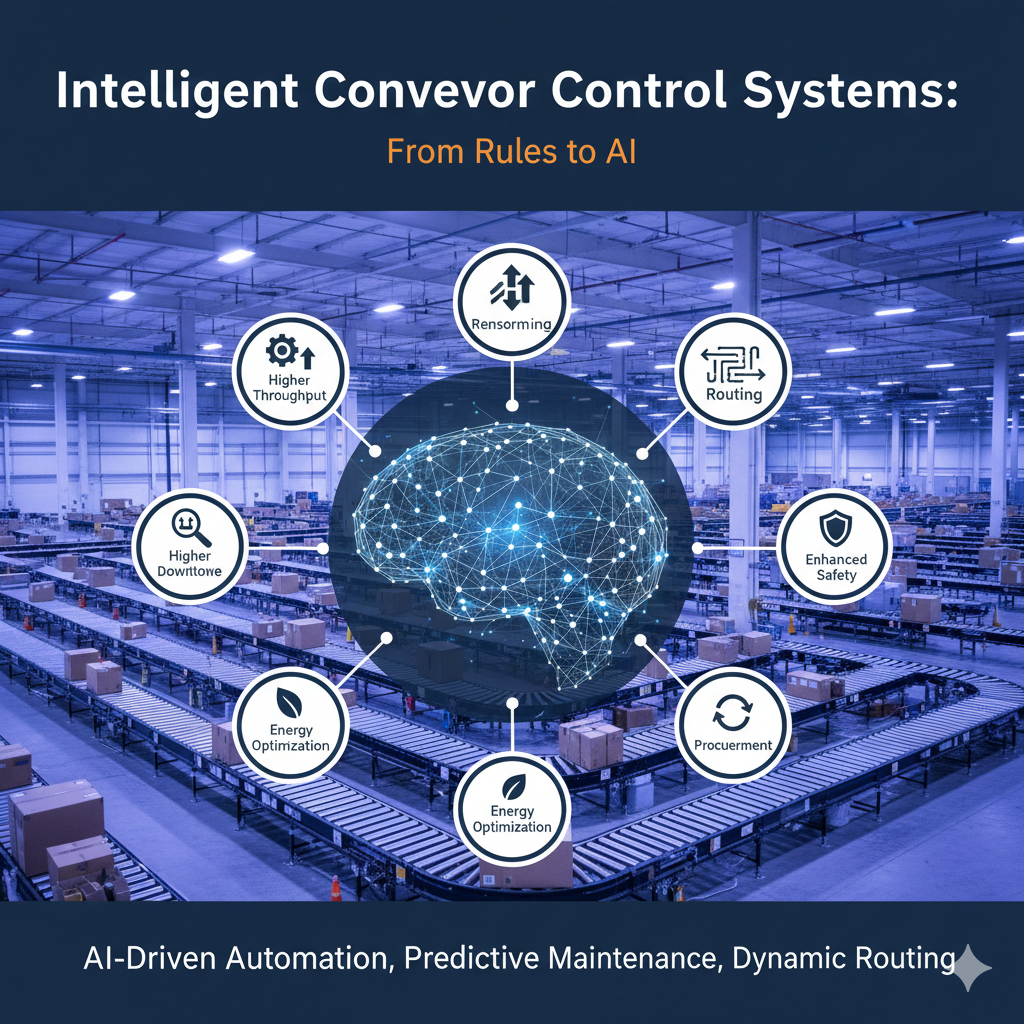
🧠 Intelligent Control at the Core of Operations
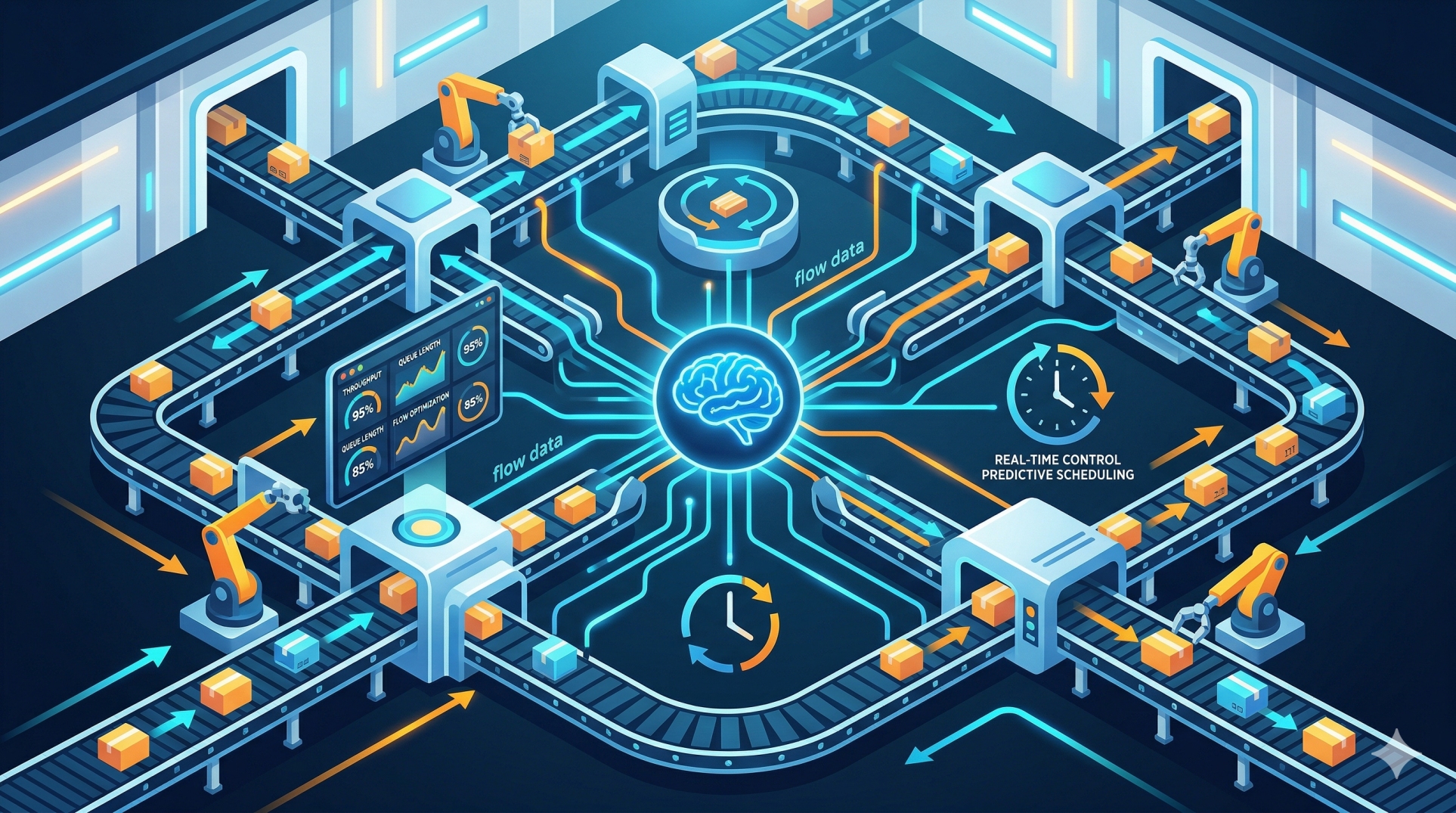
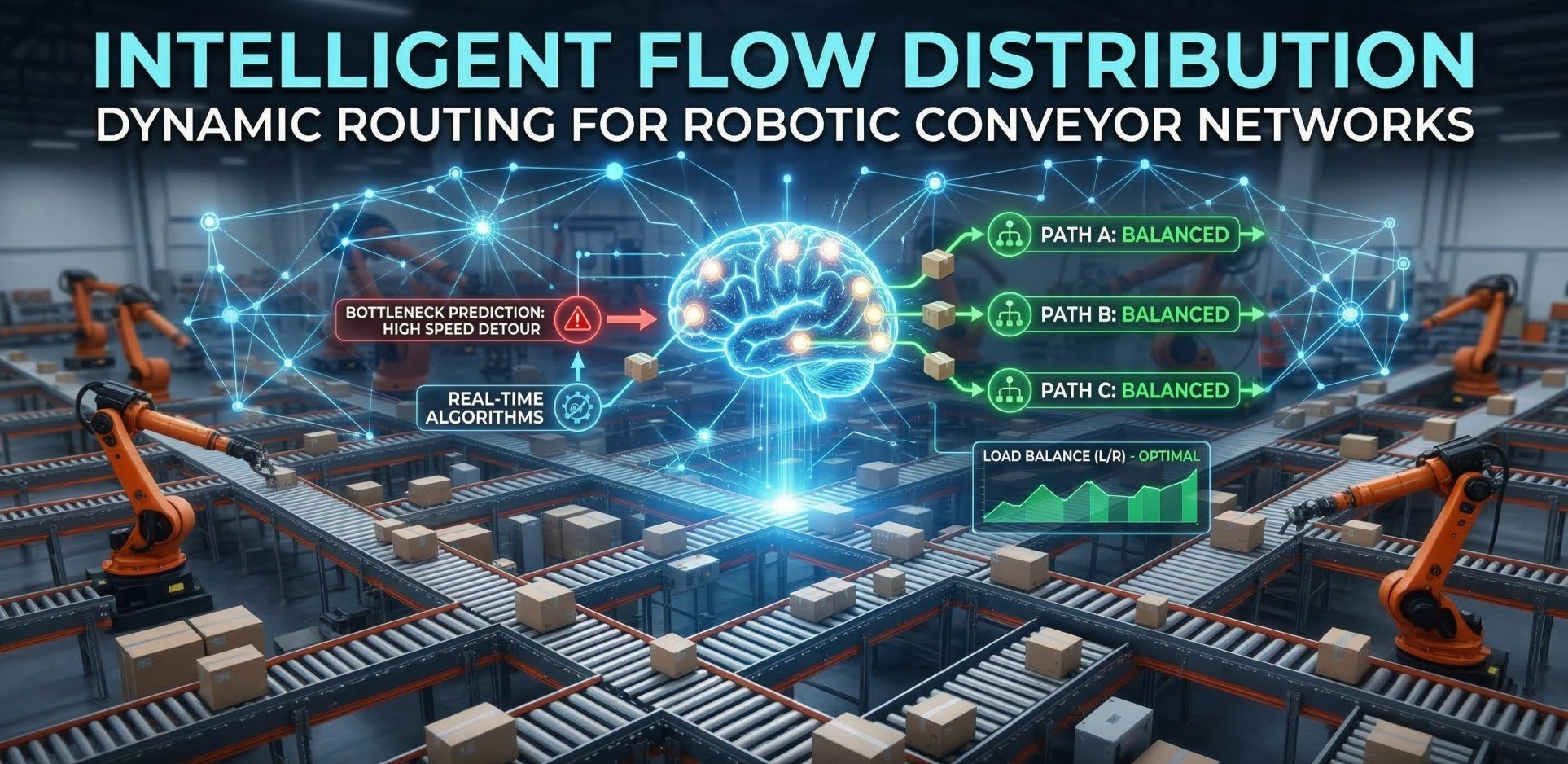
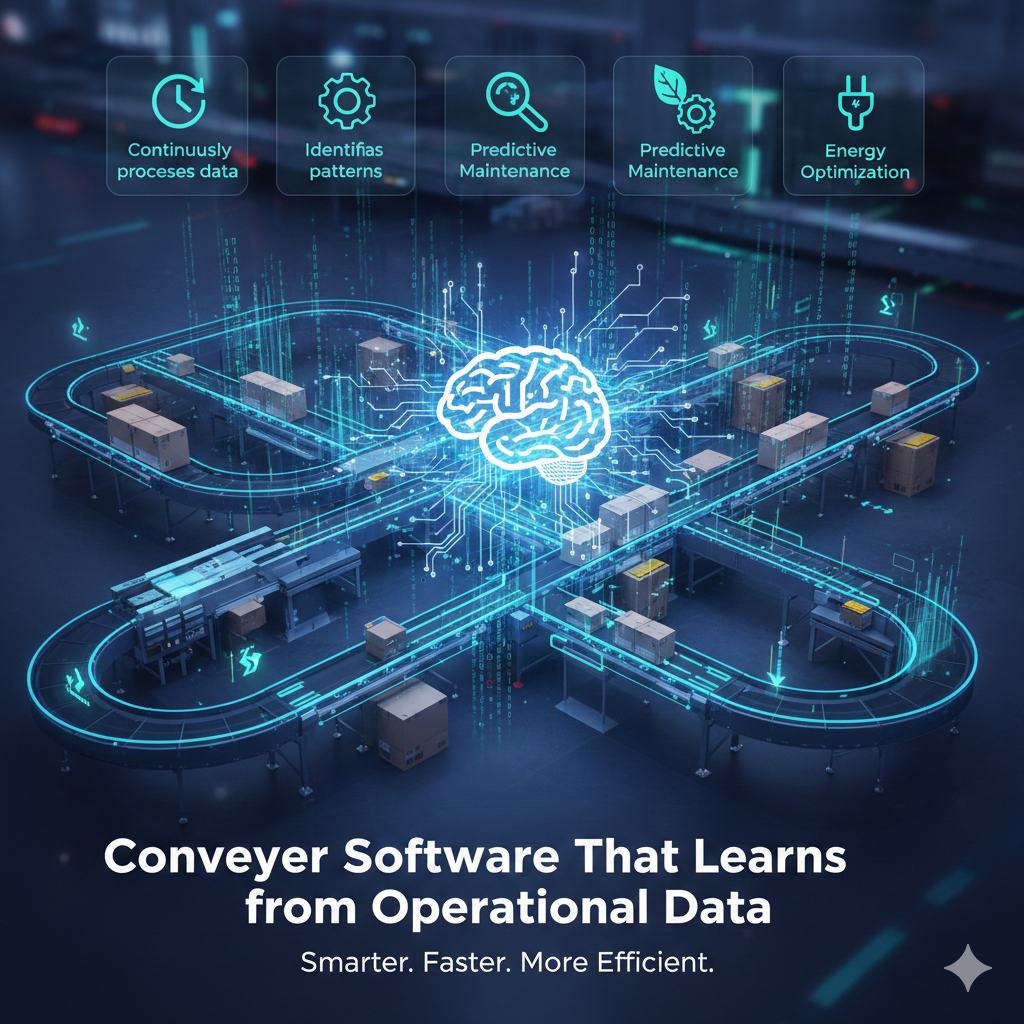
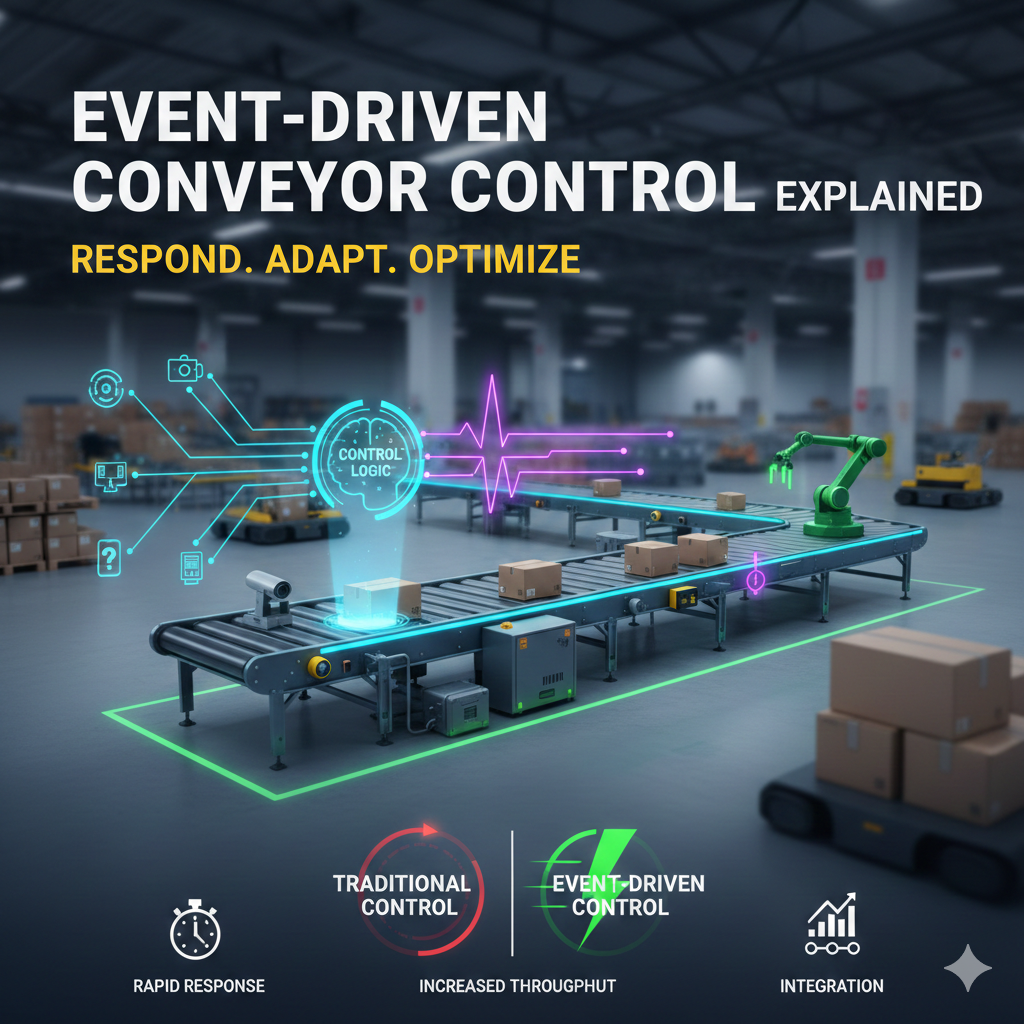
Conveyor automation software serves as the central intelligence layer of the material handling system. It continuously monitors conditions and makes instant adjustments to maintain optimal flow ⚙️📡.
Core control capabilities include:
• Dynamic routing based on destination, priority, or load 🔀
• Automated control of start, stop, and speed functions ⏯️
• Jam detection with immediate flow correction ⚠️
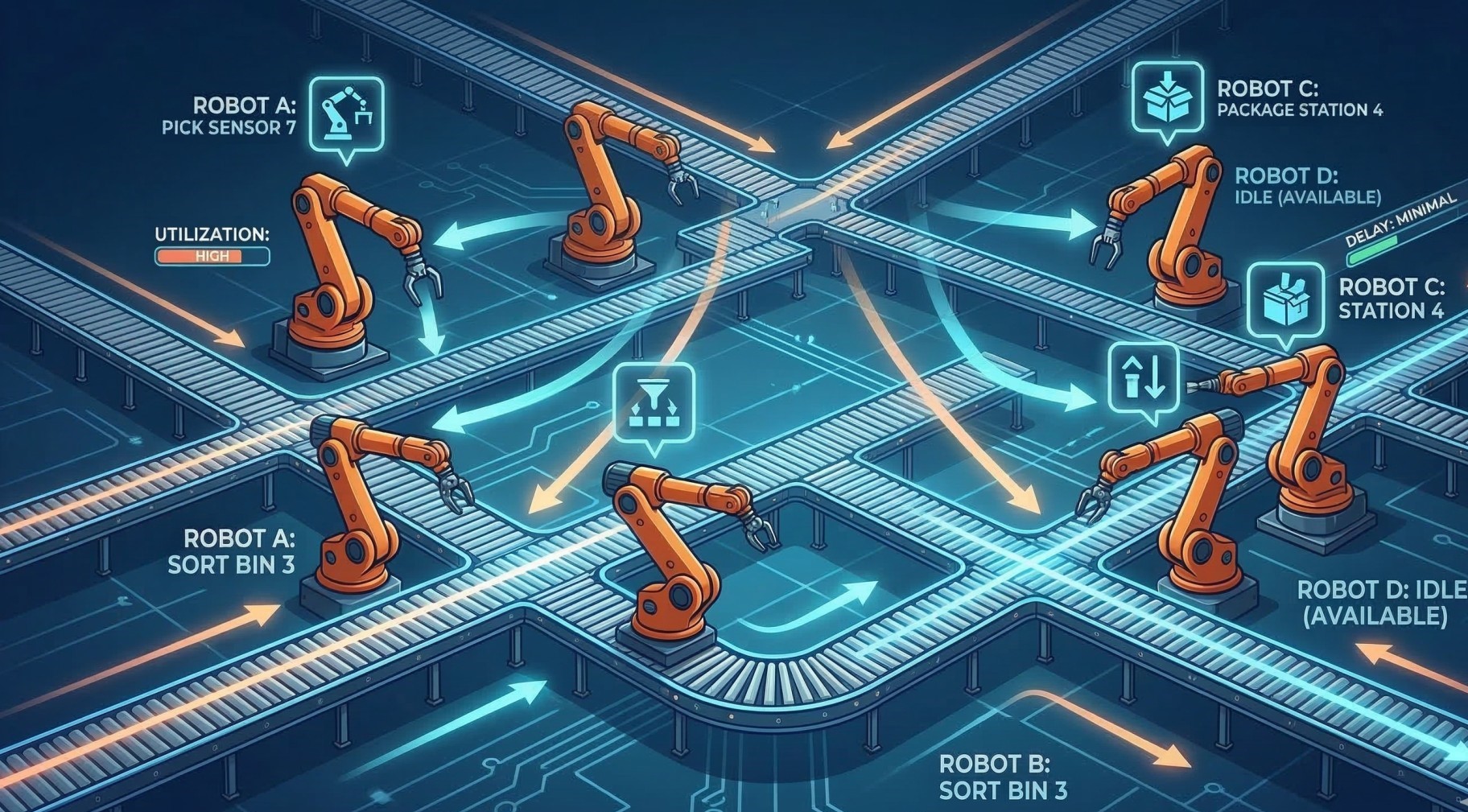
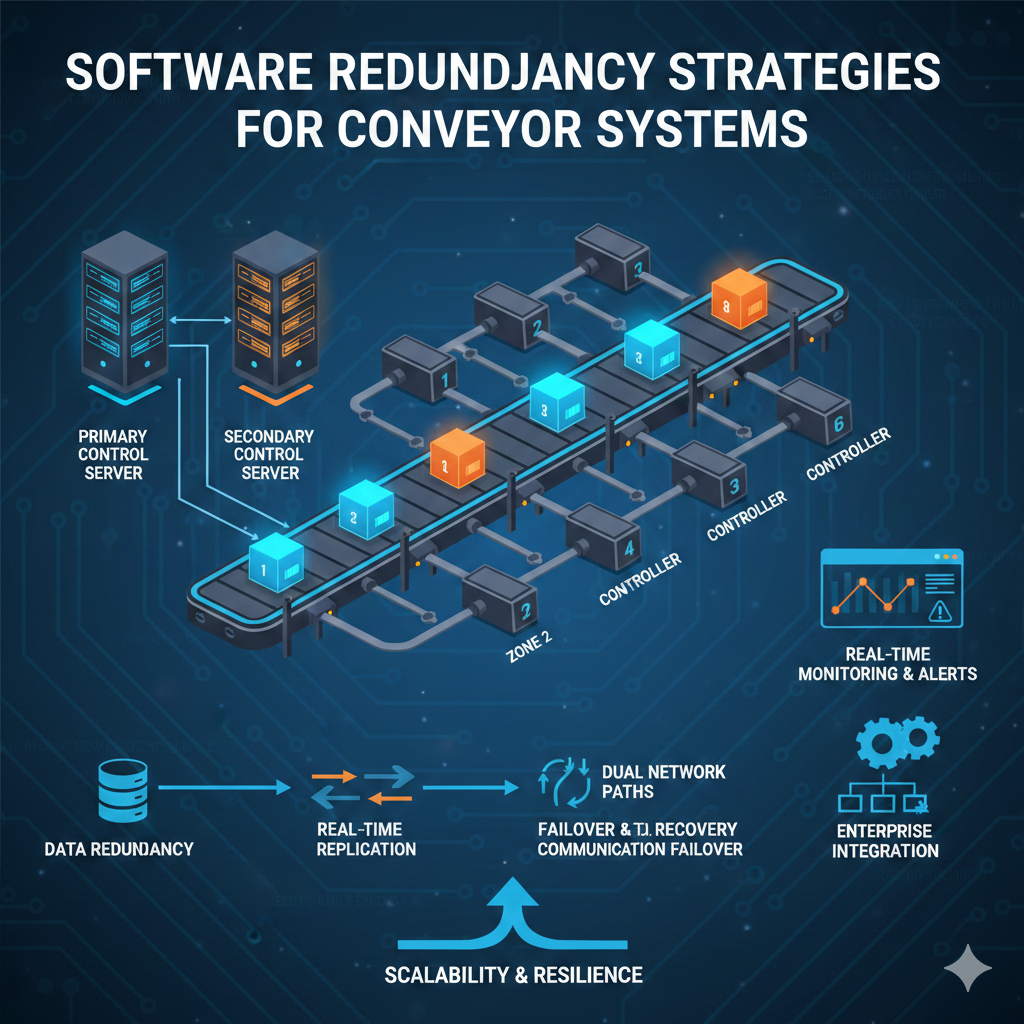
• Coordination across multiple conveyor zones 🔗
This intelligence ensures smooth, uninterrupted movement even during peak demand 📈.
🔗 Seamless Integration with Warehouse Technologies
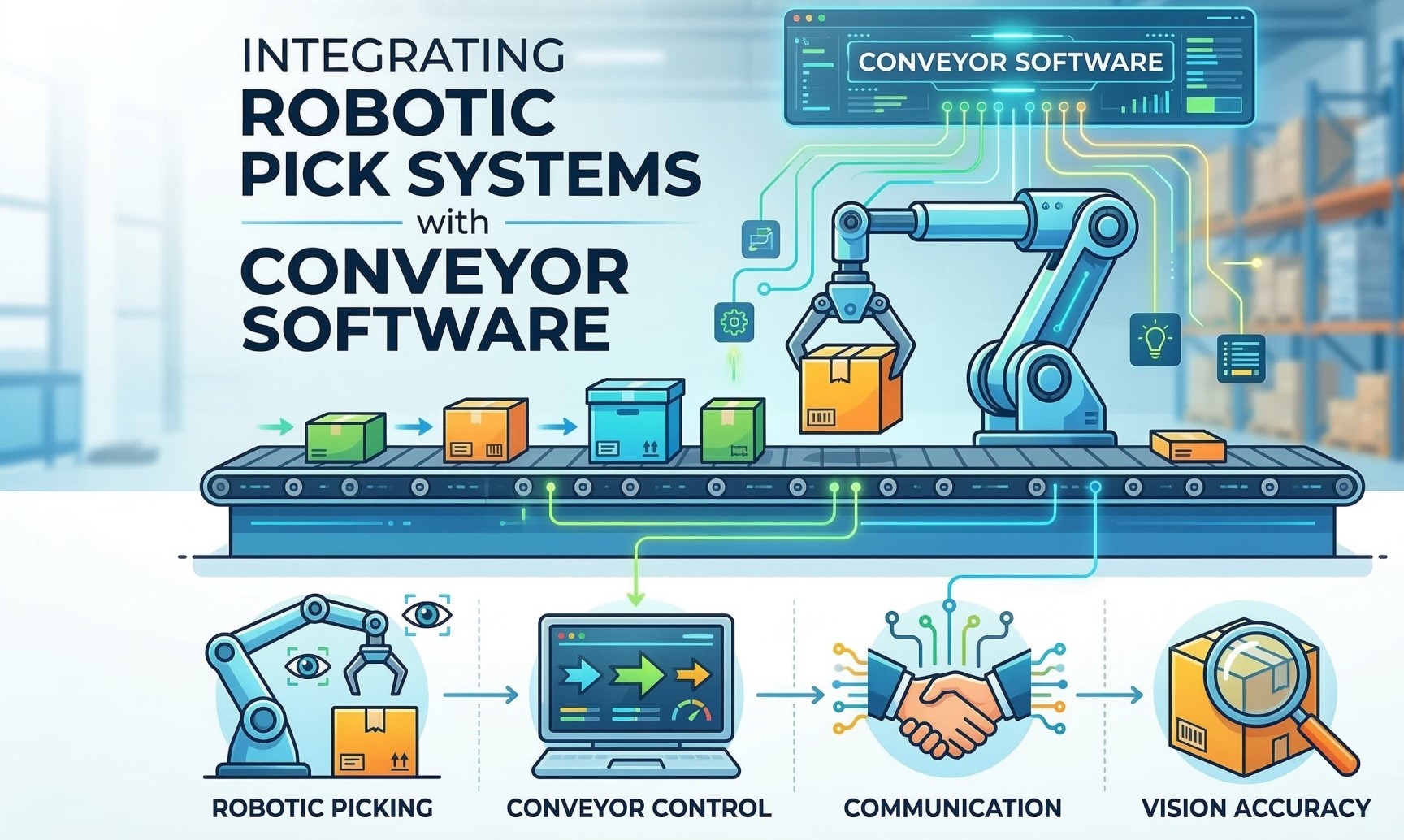
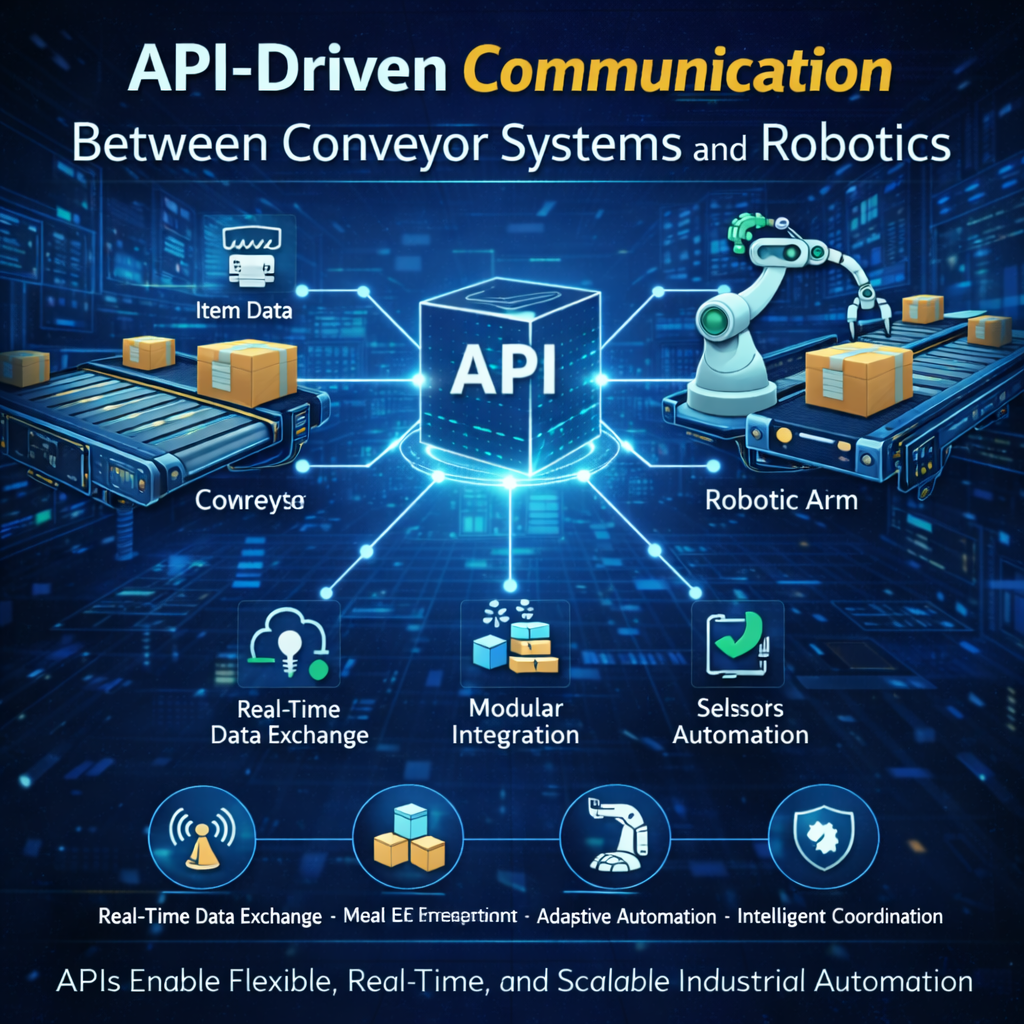
Modern conveyor software is designed for easy integration with existing systems and industrial hardware 🧩.
Common integrations include:
• Warehouse Management Systems (WMS) 🏬
• Warehouse Control Systems (WCS) 🧠
• ERP and order management platforms 📊
• Scanners, sensors, PLCs, and automation equipment 📡⚙️
These integrations enable continuous automation from order release to shipment 📦➡️🚚.
📊 Real-Time Visibility and Operational Insights
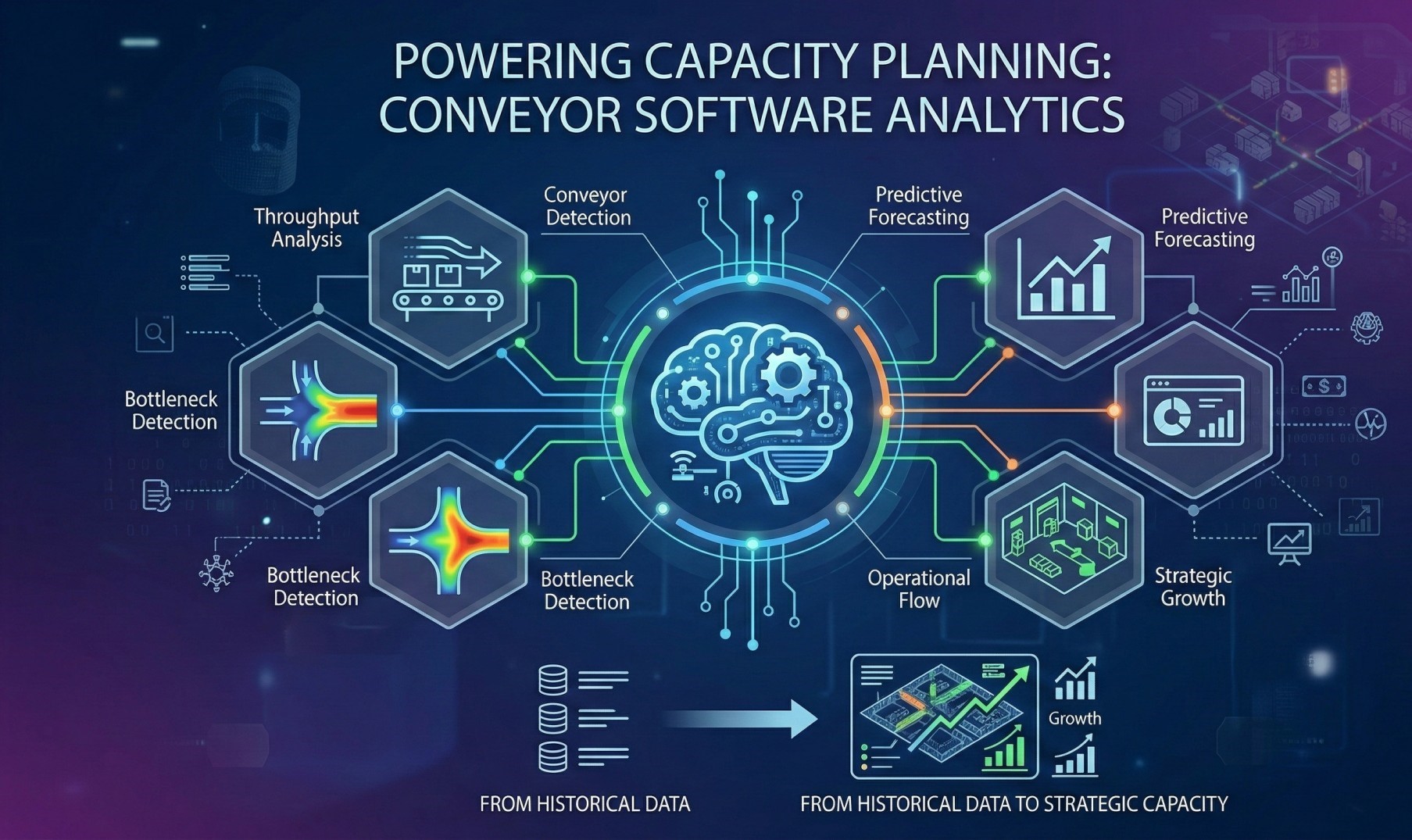
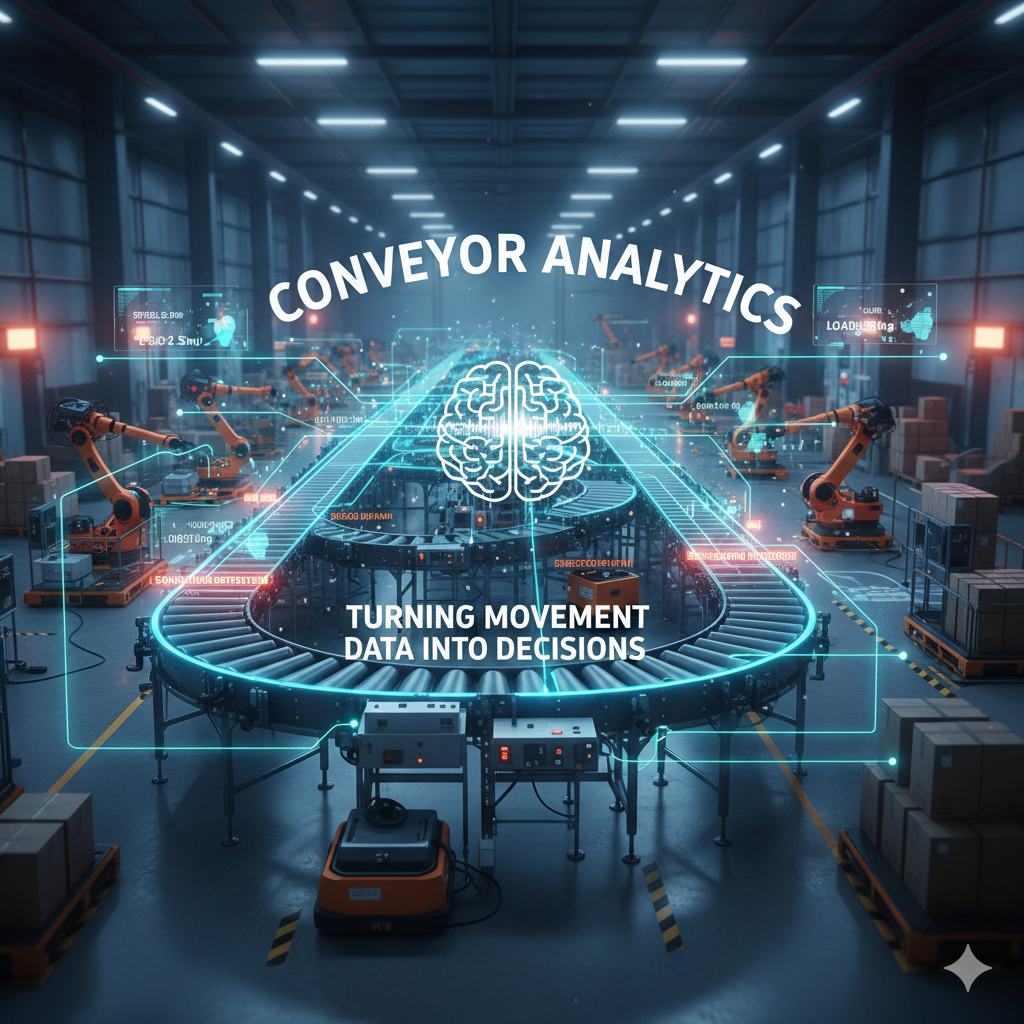
A key advantage of conveyor automation software is real-time system visibility through centralized dashboards and reports 📈👀.
Operational insights typically include:
• Throughput and conveyor utilization metrics 📊
• Bottleneck identification and flow analysis 🔍
• Downtime tracking and fault diagnostics ⏱️
• Historical performance and trend analysis 📉
Access to accurate, real-time data supports faster and more informed decision-making 🧠⚡.
✅ Improved Accuracy and Error Reduction
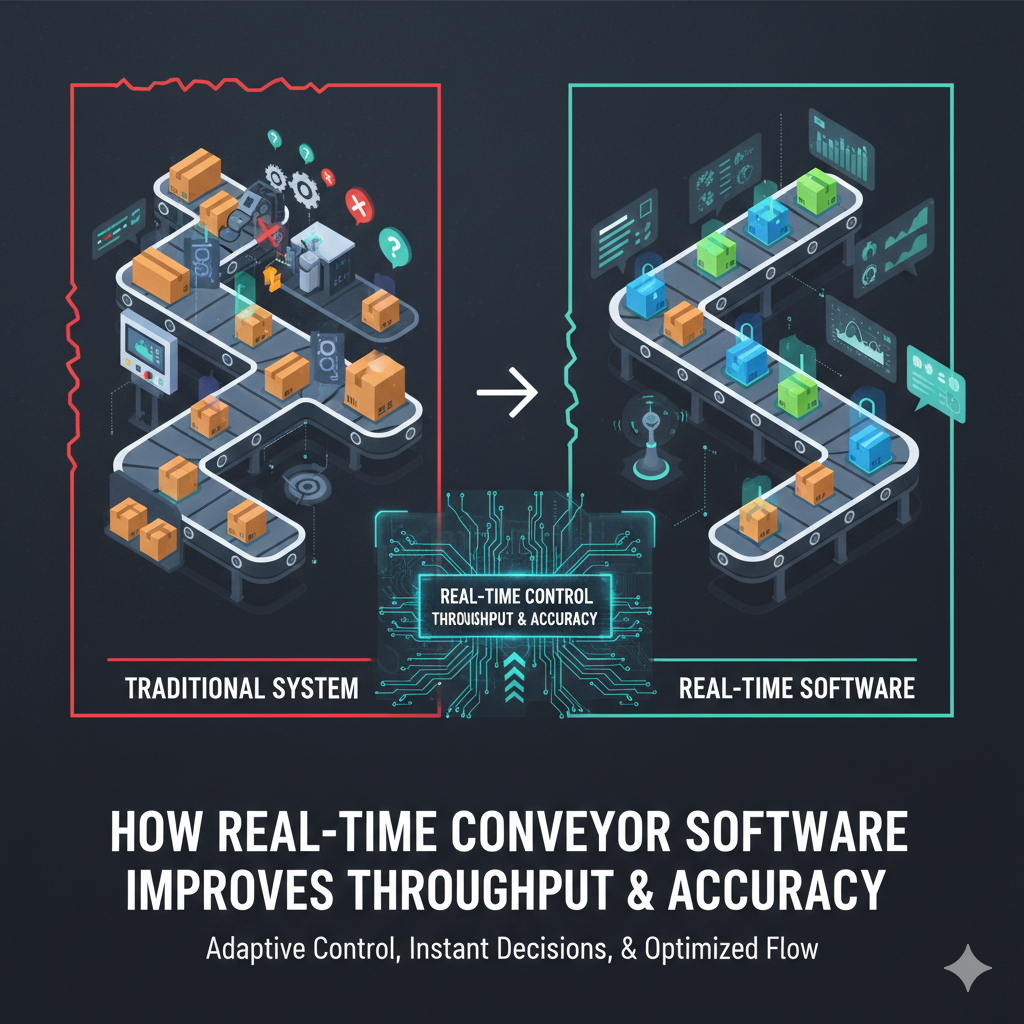
Manual handling introduces risk through misroutes and delays ⚠️. Conveyor automation software minimizes these issues by enforcing logic-based workflows 🧠.
Accuracy improves through:
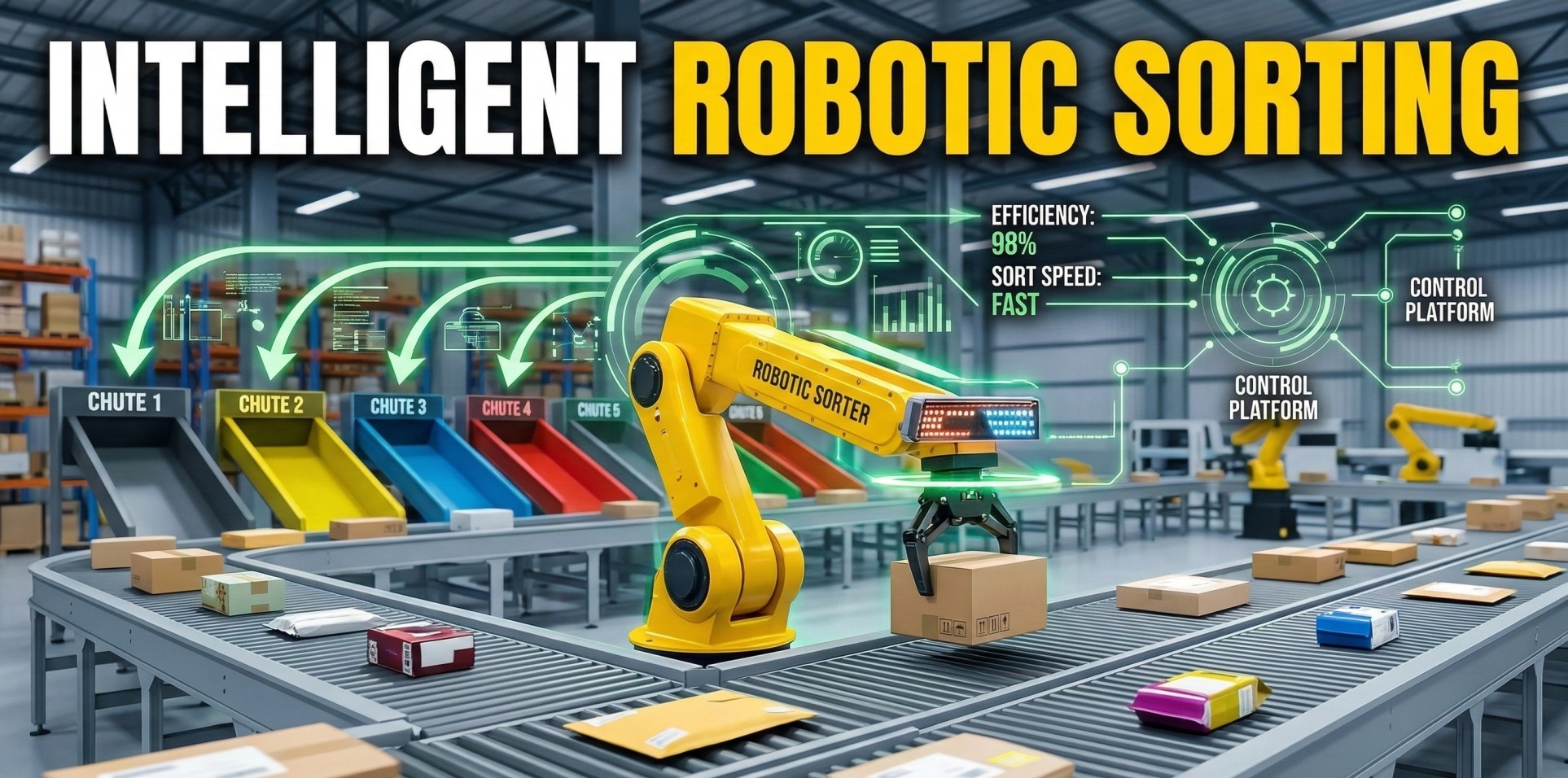
• Consistent routing and sorting rules 🔄
• Removal of manual decision points ❌
• Standardized processes across shifts and locations 🏭
• Barcode scanning and sensor-based validation 🏷️📡
The result is fewer exceptions and more reliable operations 🌟.
📈 Scalable Architecture for Business Growth
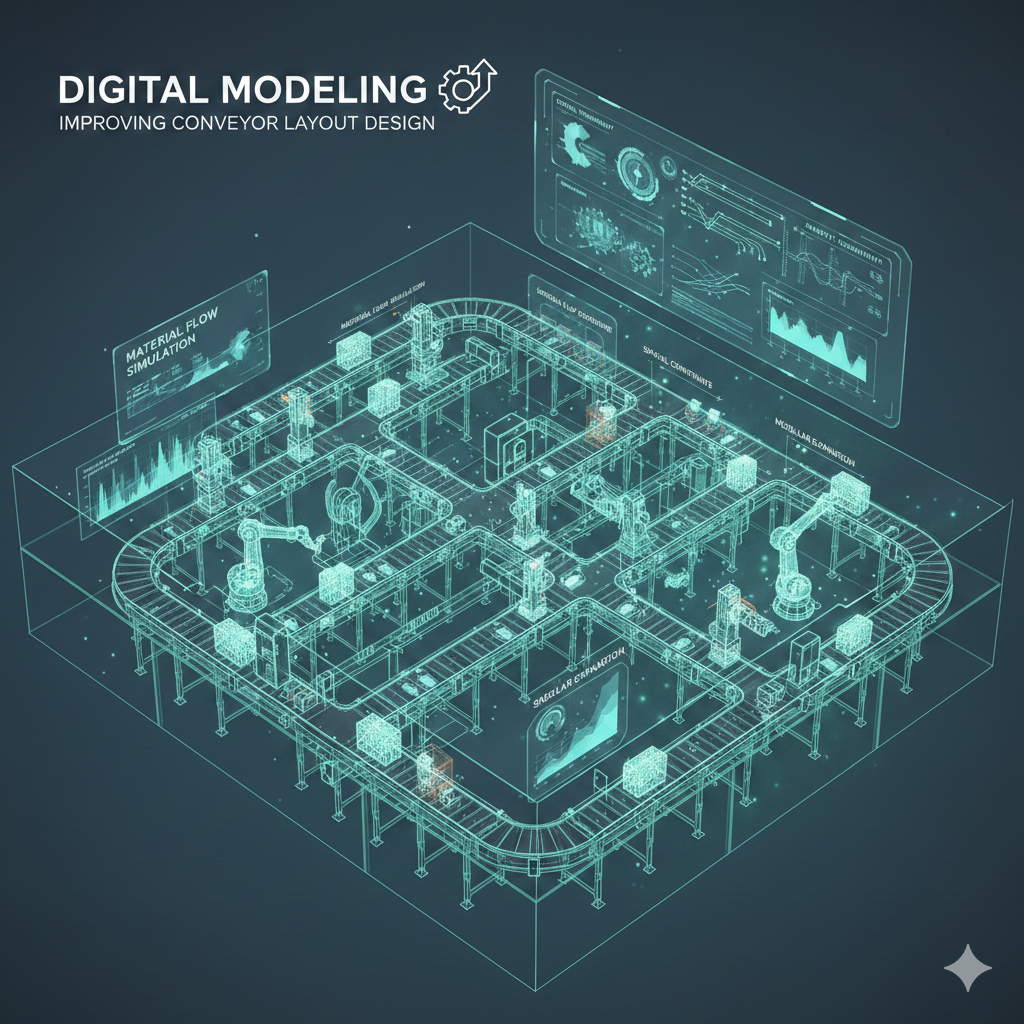
Conveyor automation software is built to scale as operational requirements evolve, without major system redesigns 🔧.
Scalability benefits include:
• Modular and flexible software architecture 🧩
• Easy configuration of new conveyor lines or zones ➕
• Support for multi-site and multi-facility operations 🌍
• Minimal disruption during expansion 🔄
This flexibility protects long-term automation investments 🛡️.
🛠️ Enhanced Reliability Through Predictive Capabilities
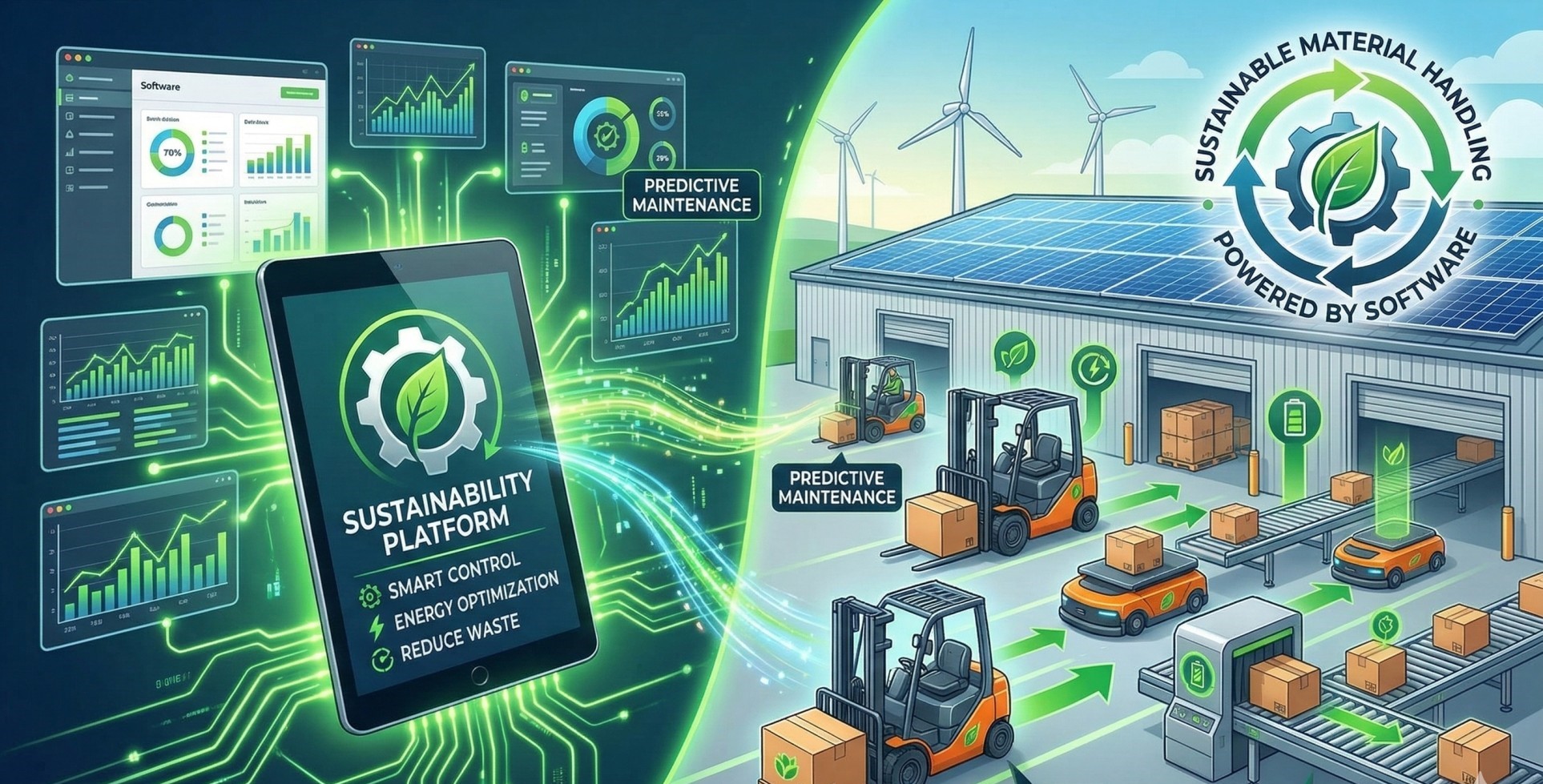
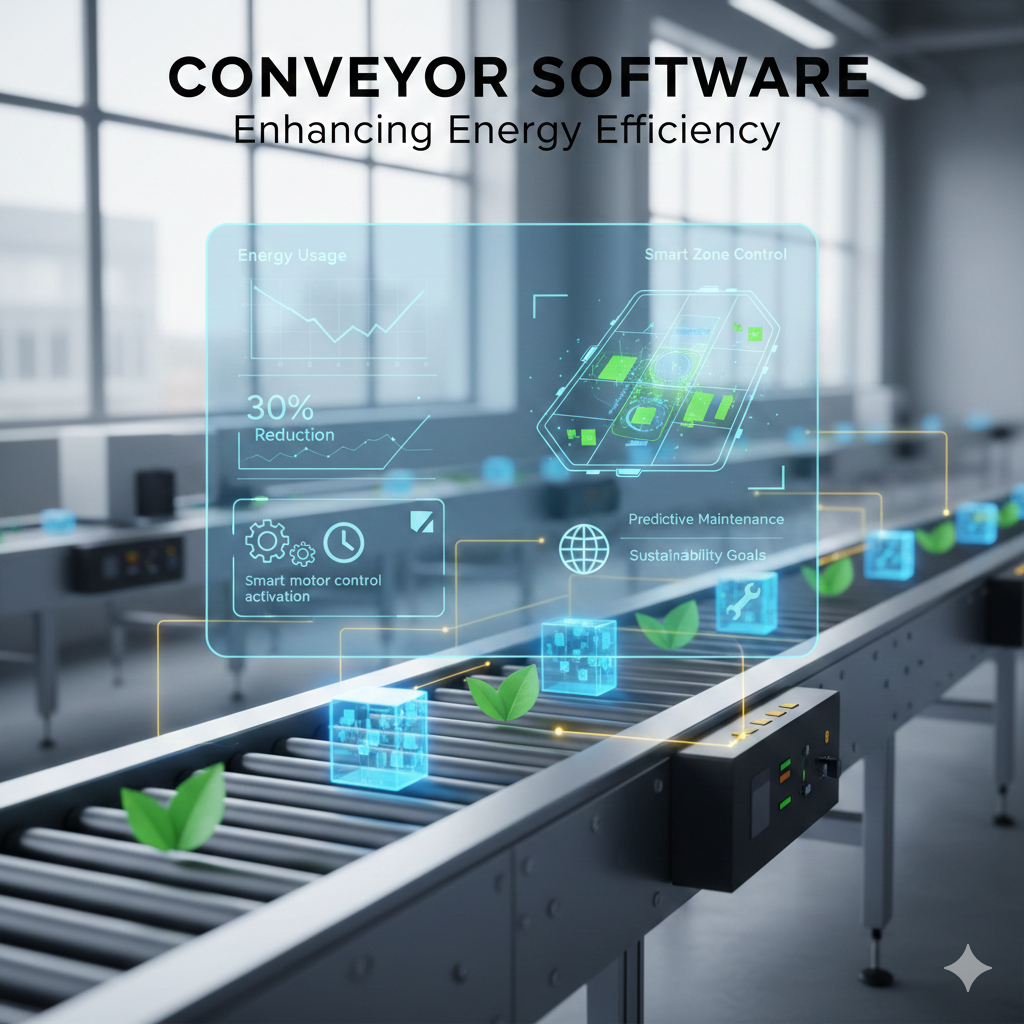
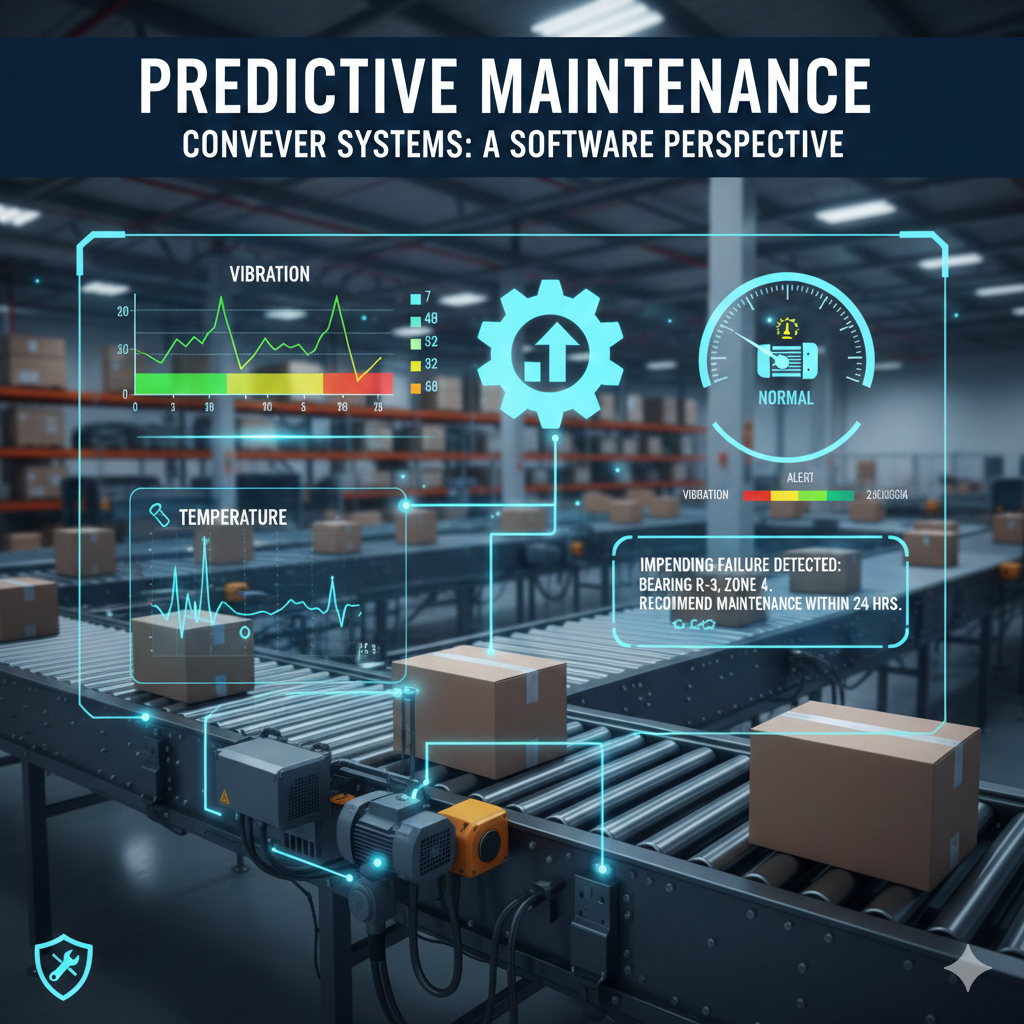
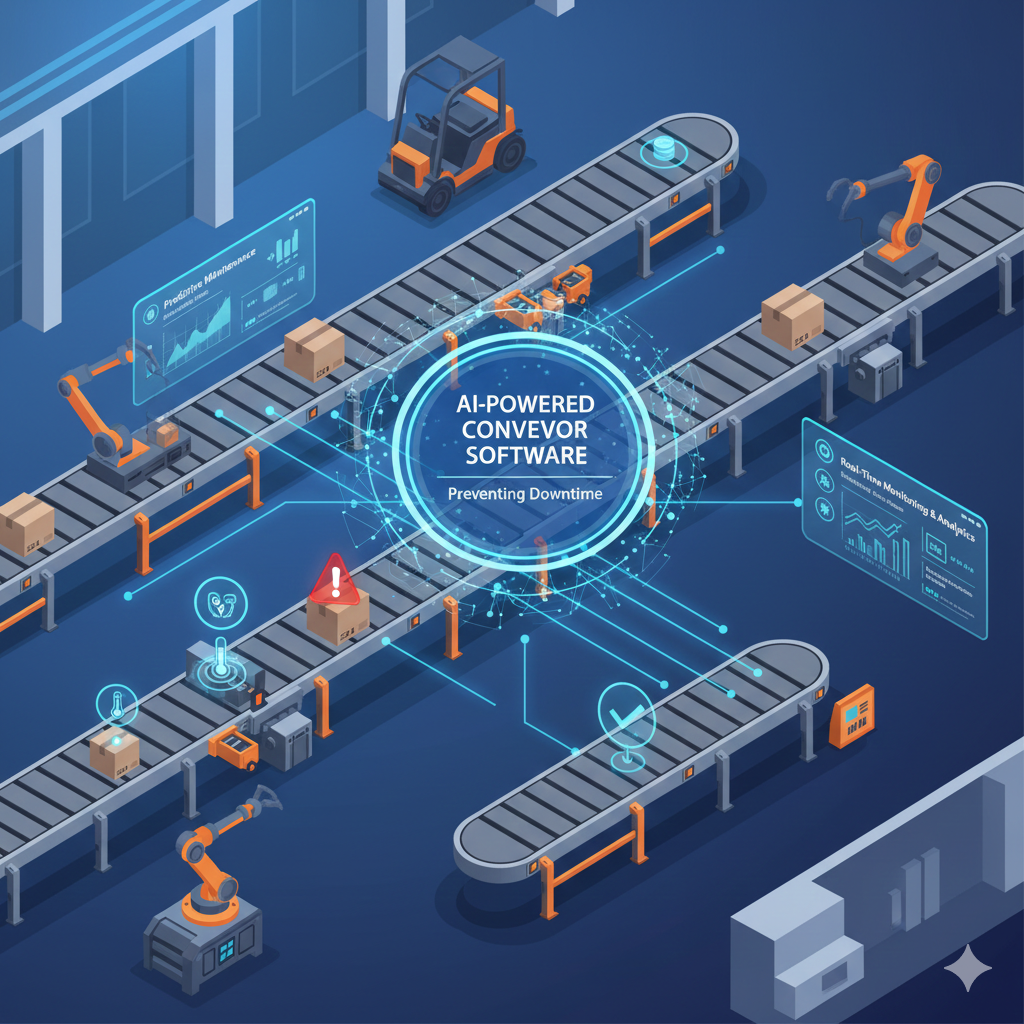
Advanced conveyor software uses operational data to improve equipment reliability and uptime 📊⚙️.
Predictive capabilities include:
• Early detection of performance degradation 🔍
• Preventive maintenance alerts 🔔
• Reduced unplanned downtime ⏱️
• Extended equipment lifespan 🔧
A proactive maintenance approach ensures consistent system performance 🚀.
🏭 Industries That Benefit from Conveyor Automation Software
Conveyor automation software delivers value across industries that depend on continuous material flow, including:
• Warehousing and distribution 📦
• E-commerce and retail fulfillment 🛒
• Manufacturing and assembly operations 🏗️
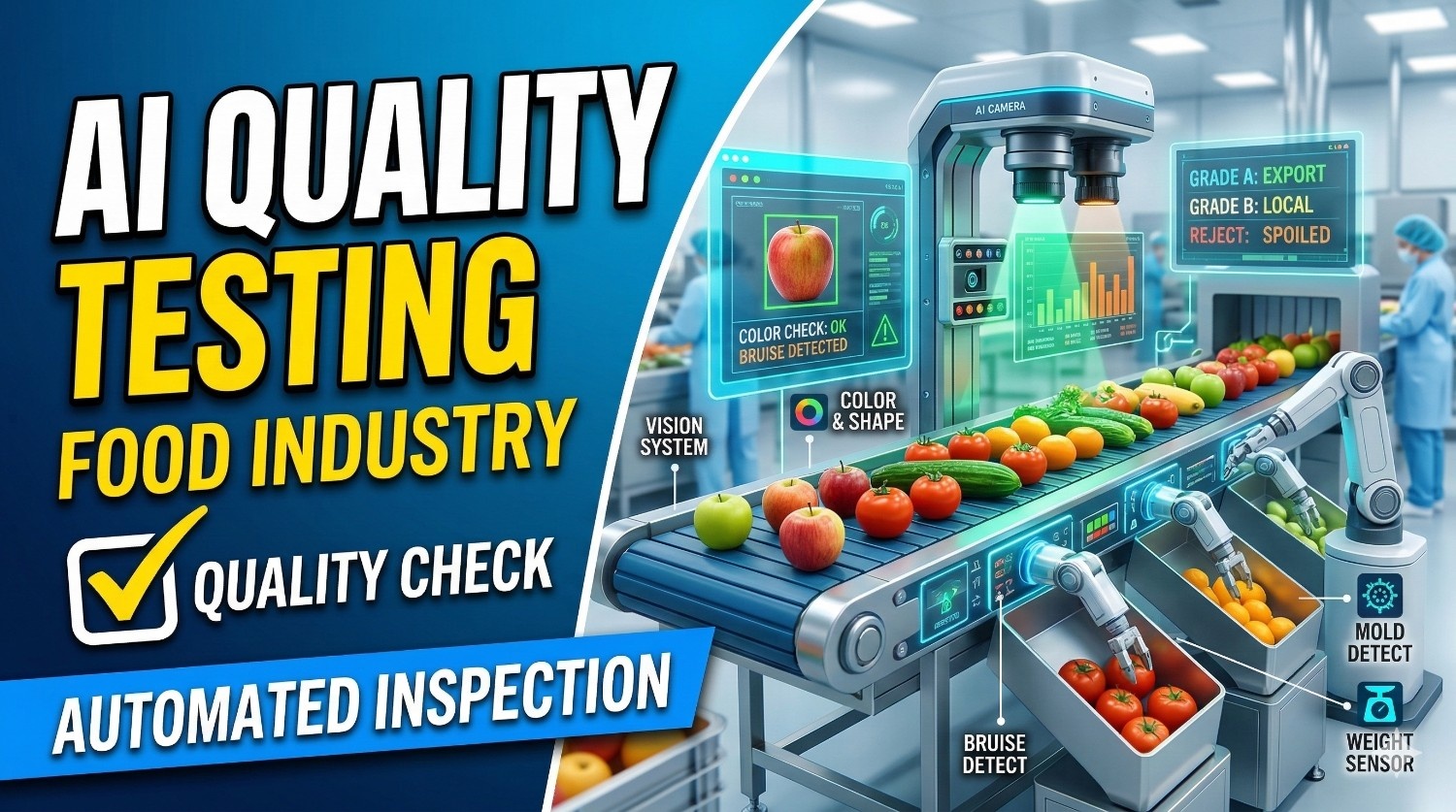
• Food, beverage, and consumer goods logistics 🥫
Any high-volume operation benefits from intelligent conveyor control ⚙️.
🏁 Conclusion
Conveyor automation software has evolved from a supporting tool into a strategic operational asset 📊. By combining intelligent control, seamless system integration, real-time visibility, and scalable architecture, it enables faster, more accurate, and more resilient material handling operations 🚀⚙️.
For organizations aiming to reduce labor dependency, eliminate errors, and gain full control over material flow, conveyor automation software is the foundation of modern operational excellence 🌟🚚.
See more blogs
You can all the articles below