Predictive Maintenance in Conveyor Systems: A Software Perspective

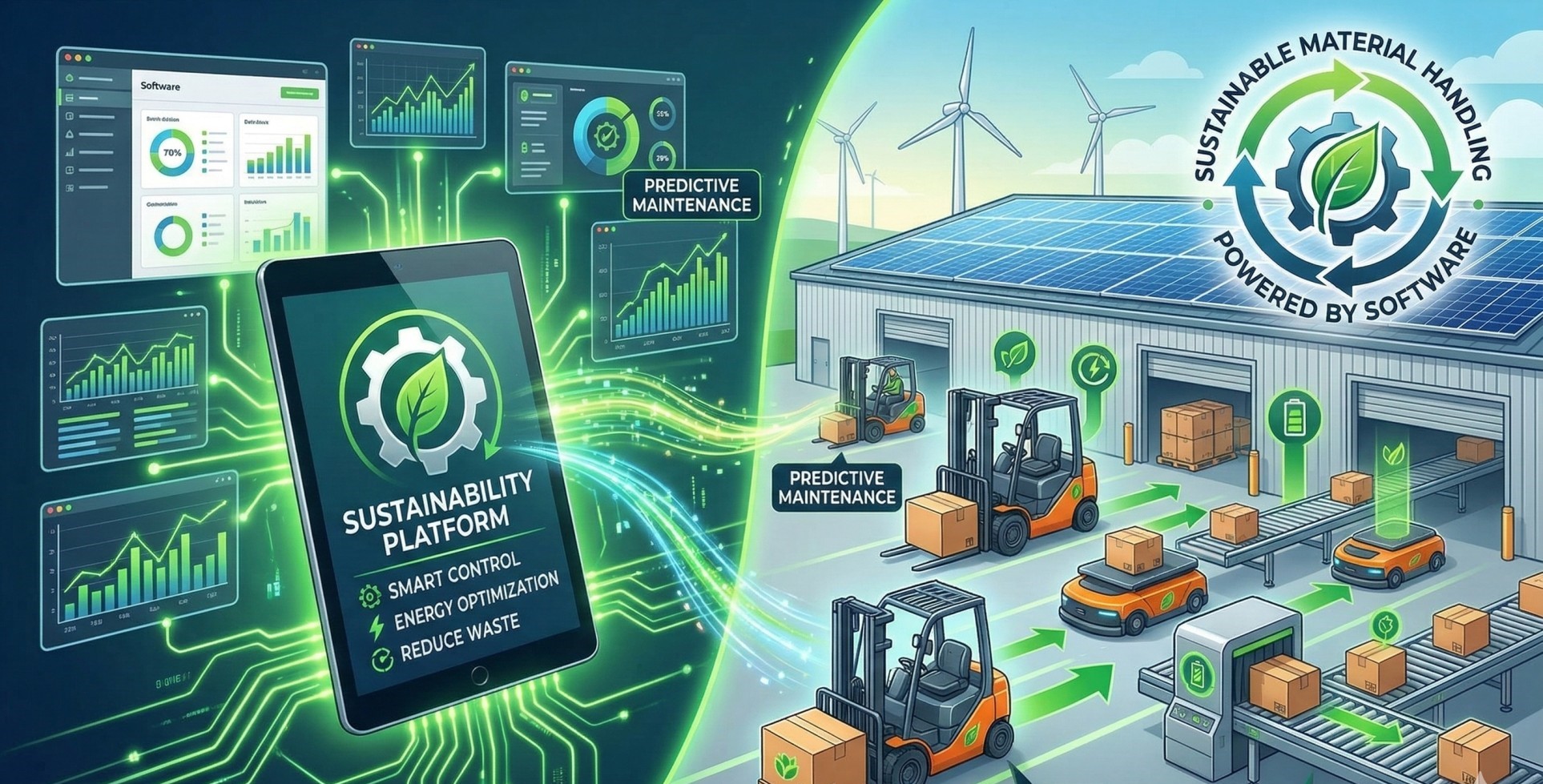
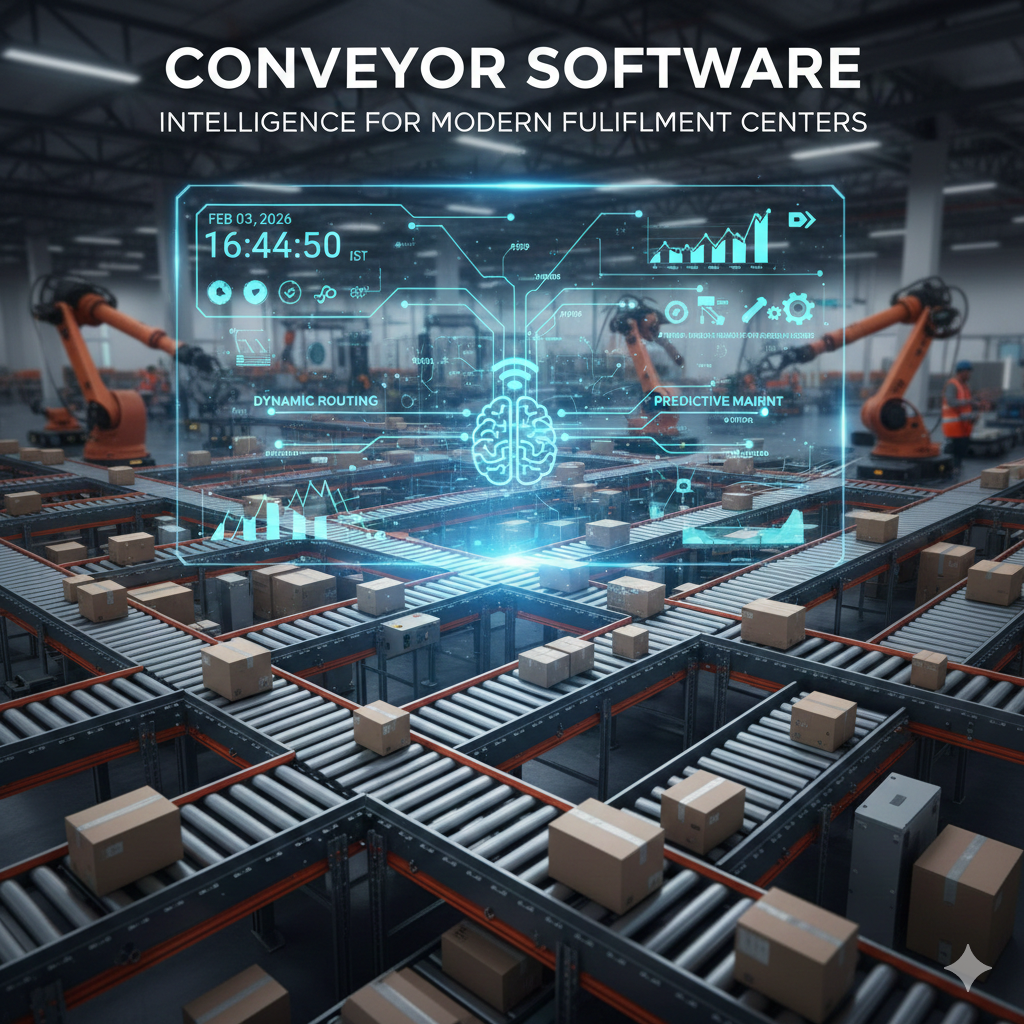
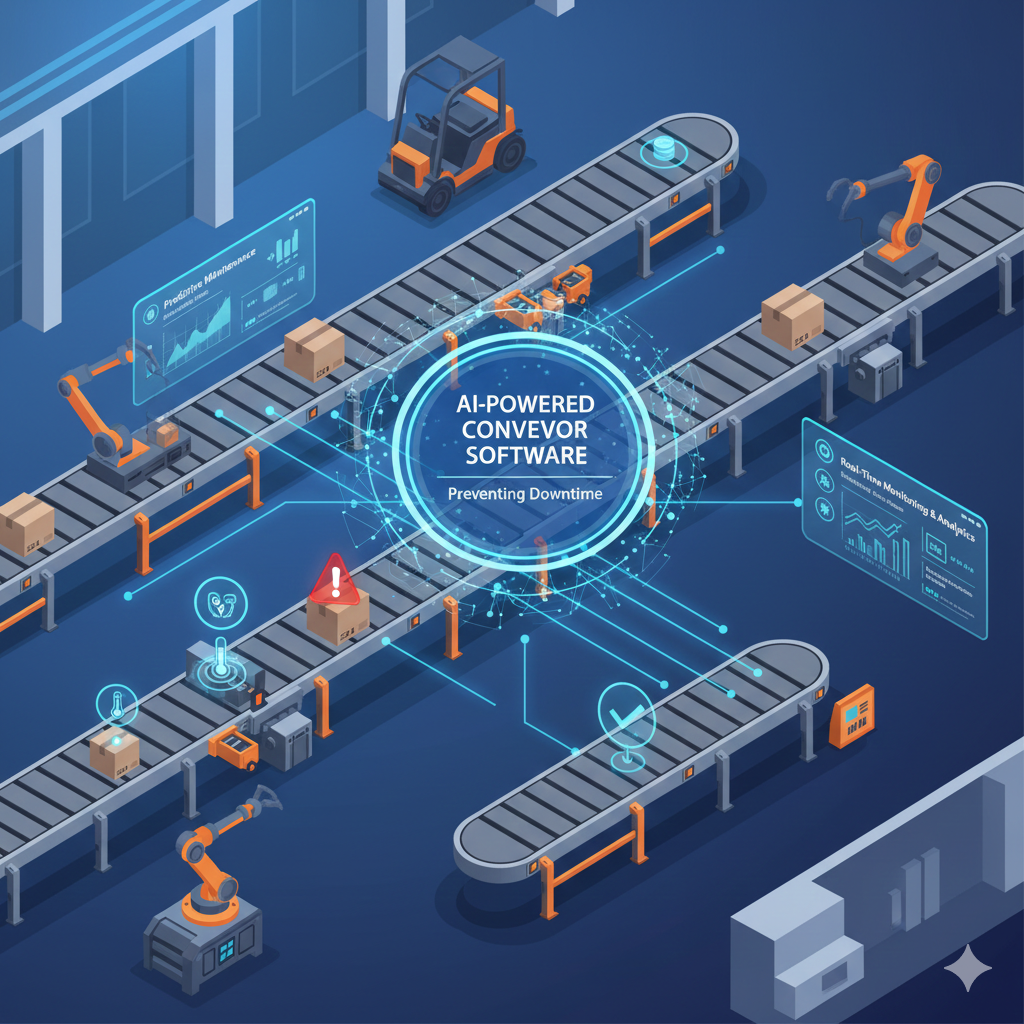
Conveyor systems play a vital role in manufacturing, logistics, and warehousing. Unexpected failures can cause costly downtime and disrupt operations. Predictive maintenance, driven by advanced software, helps organizations shift from reactive repairs to proactive maintenance—improving reliability, safety, and overall efficiency ⚙️📈.
1. What Is Predictive Maintenance in Conveyor Systems
• Uses software and analytics to anticipate equipment failures 🤖
• Continuously monitors conveyor components and operating conditions 📡
• Replaces fixed schedules with condition-based maintenance 🔄
• Focuses on preventing breakdowns instead of reacting to them 🚫
2. Role of Software in Predictive Maintenance
• Collects real-time data from sensors and control systems 📊
• Analyzes performance patterns using algorithms 🧠
• Detects early signs of wear, stress, or failure 🔍
• Provides actionable insights for maintenance teams 🛠️
3. Key Data Sources Used by Predictive Maintenance Software
• Motor temperature and energy consumption 🌡️⚡
• Belt speed, alignment, and tension metrics 🧵
• Vibration and noise measurements 📉🔊
• Load changes and operating cycles 📦
• Historical maintenance and failure data 🗂️
4. Core Software Capabilities
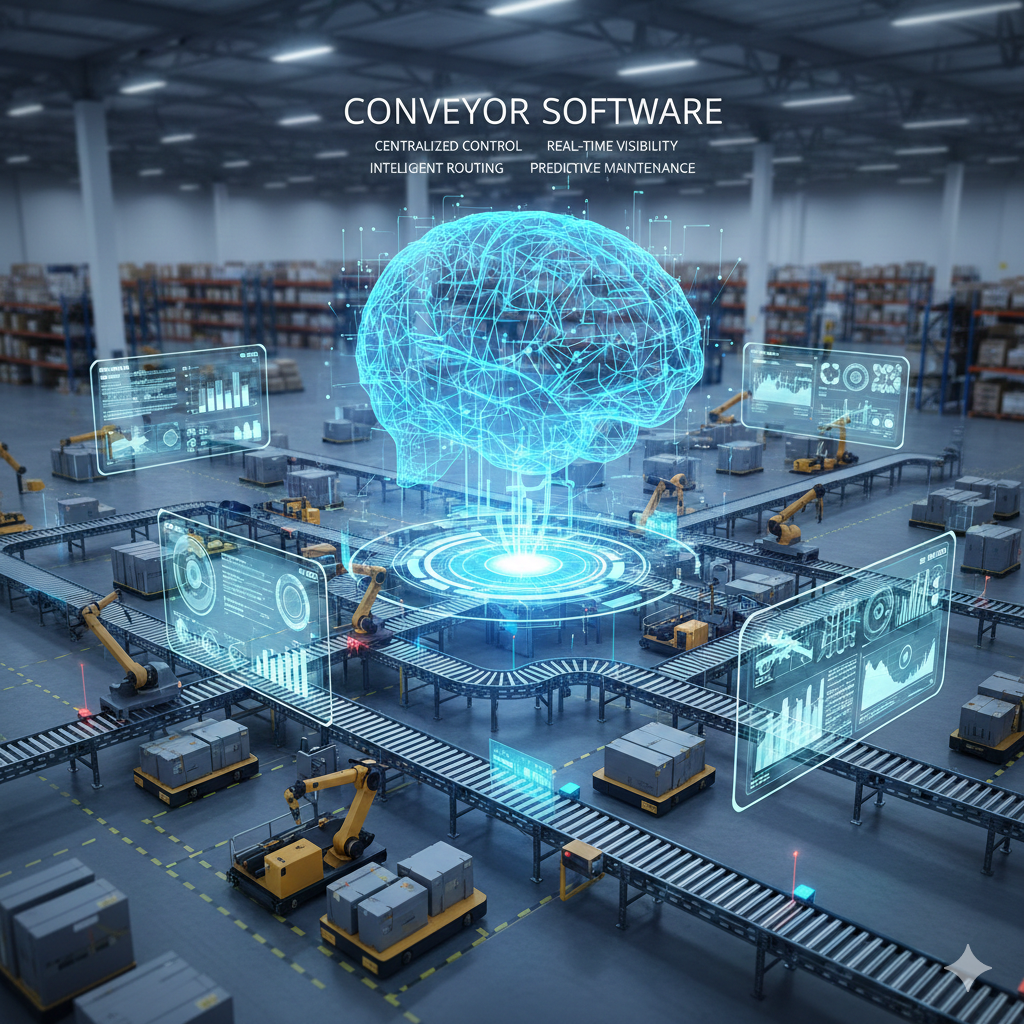
• Live monitoring dashboards 📺
• Automated alerts and notifications 🔔
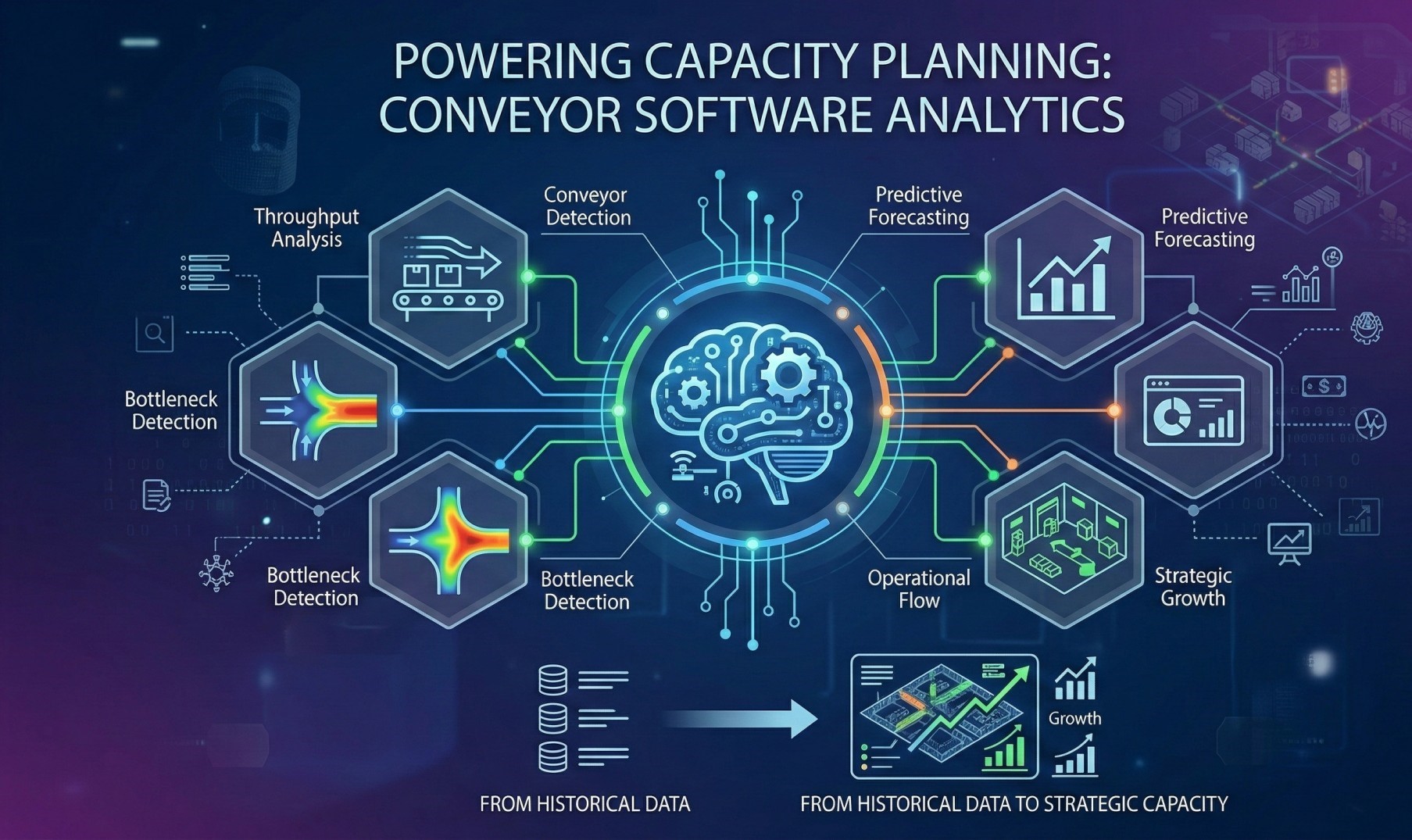
• Trend analysis and anomaly detection 📈
• Predictive maintenance scheduling 🗓️
• Integration with ERP and maintenance platforms 🔗
5. How Predictive Maintenance Works in Conveyor Systems
• Sensors continuously capture operational data 📡
• Software compares real-time data with normal performance baselines 📊
• Abnormal patterns trigger alerts or recommendations ⚠️
• Maintenance teams intervene before failures occur 🛠️
6. Benefits of Predictive Maintenance Software
• Minimizes unplanned conveyor downtime ⬇️
• Extends the lifespan of equipment 🔧
• Reduces maintenance and repair costs 💰
• Improves worker safety 🦺
• Increases system reliability and uptime 📈
7. Difference Between Preventive and Predictive Maintenance
• Preventive maintenance follows fixed time-based schedules ⏱️
• Predictive maintenance is driven by real-time equipment condition 📡
• Predictive methods reduce unnecessary maintenance activities ❌
• Software-based insights improve timing and accuracy 🎯
8. Integration with Existing Systems
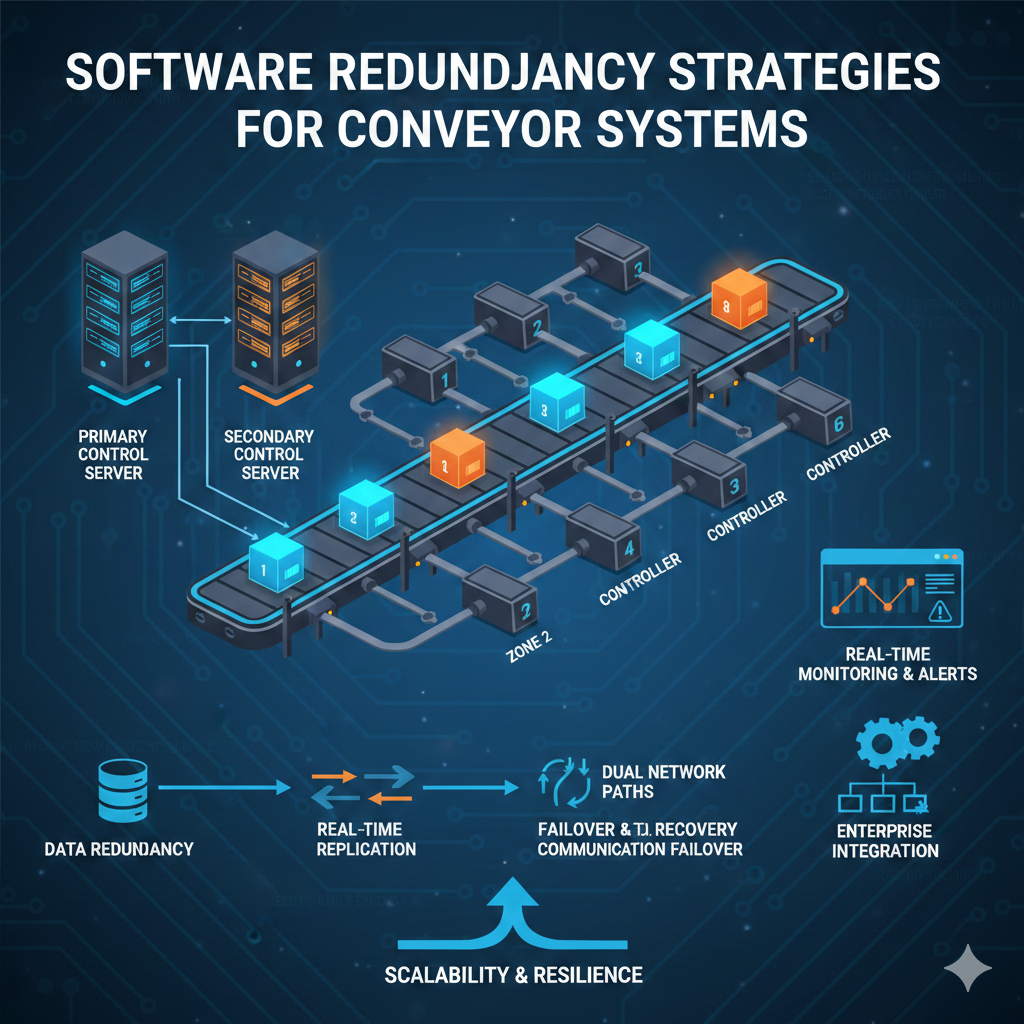
• Connects with PLCs and conveyor control systems 🔌
• Integrates with ERP and CMMS platforms 🧩
• Shares data across maintenance, operations, and management 🤝
• Supports centralized asset and performance management 🗂️
9. Challenges and Software Considerations
• Maintaining accurate sensor data 📊
• Managing large volumes of operational information 💾
• Choosing scalable and adaptable software solutions 📈
• Training teams to understand analytics and alerts 🎓
10. Future of Predictive Maintenance in Conveyor Systems
• Greater use of AI and machine learning models 🤖
• More accurate failure prediction and anomaly detection 🔍
• Increased automation in maintenance decisions ⚙️
• Cloud-based platforms for remote monitoring ☁️
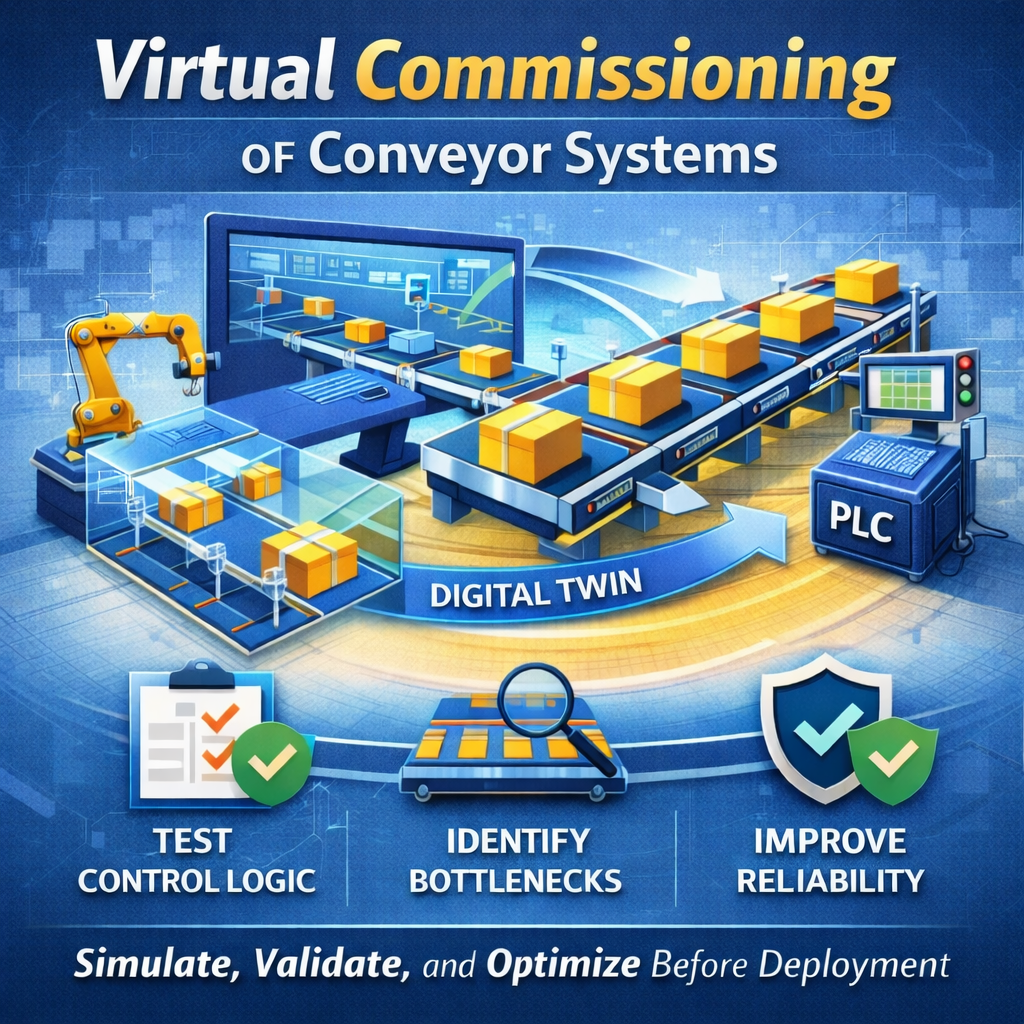
• Digital twins for conveyor system simulation 🧠
Final Thoughts
Predictive maintenance changes conveyor system management from reactive troubleshooting to proactive optimization. From a software perspective, it combines real-time data, analytics, and automation to prevent failures before they happen. As conveyor systems grow more complex, predictive maintenance software will be essential for maintaining reliability, efficiency, and long-term operational success 🚀🏭.
See more blogs
You can all the articles below