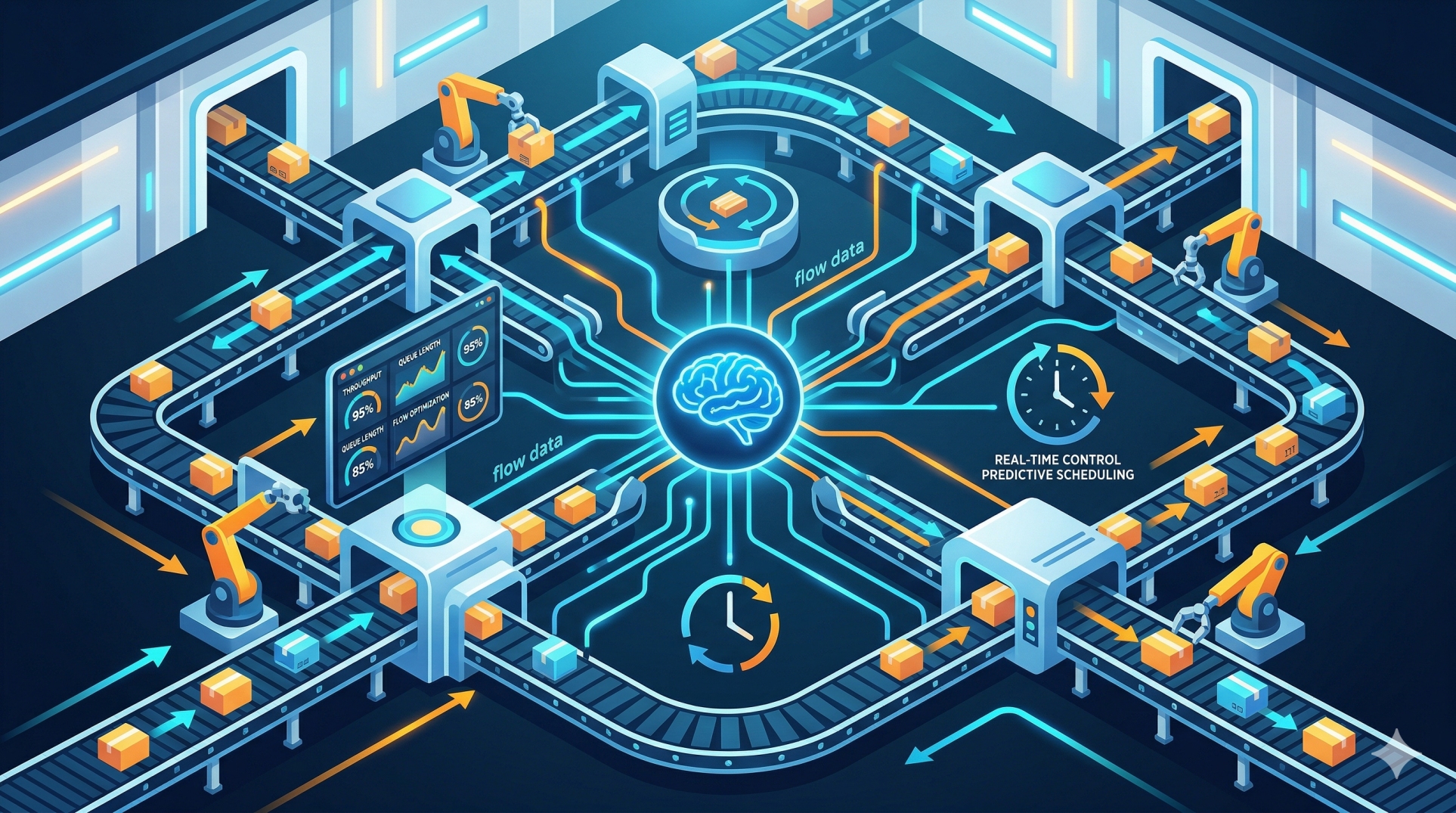
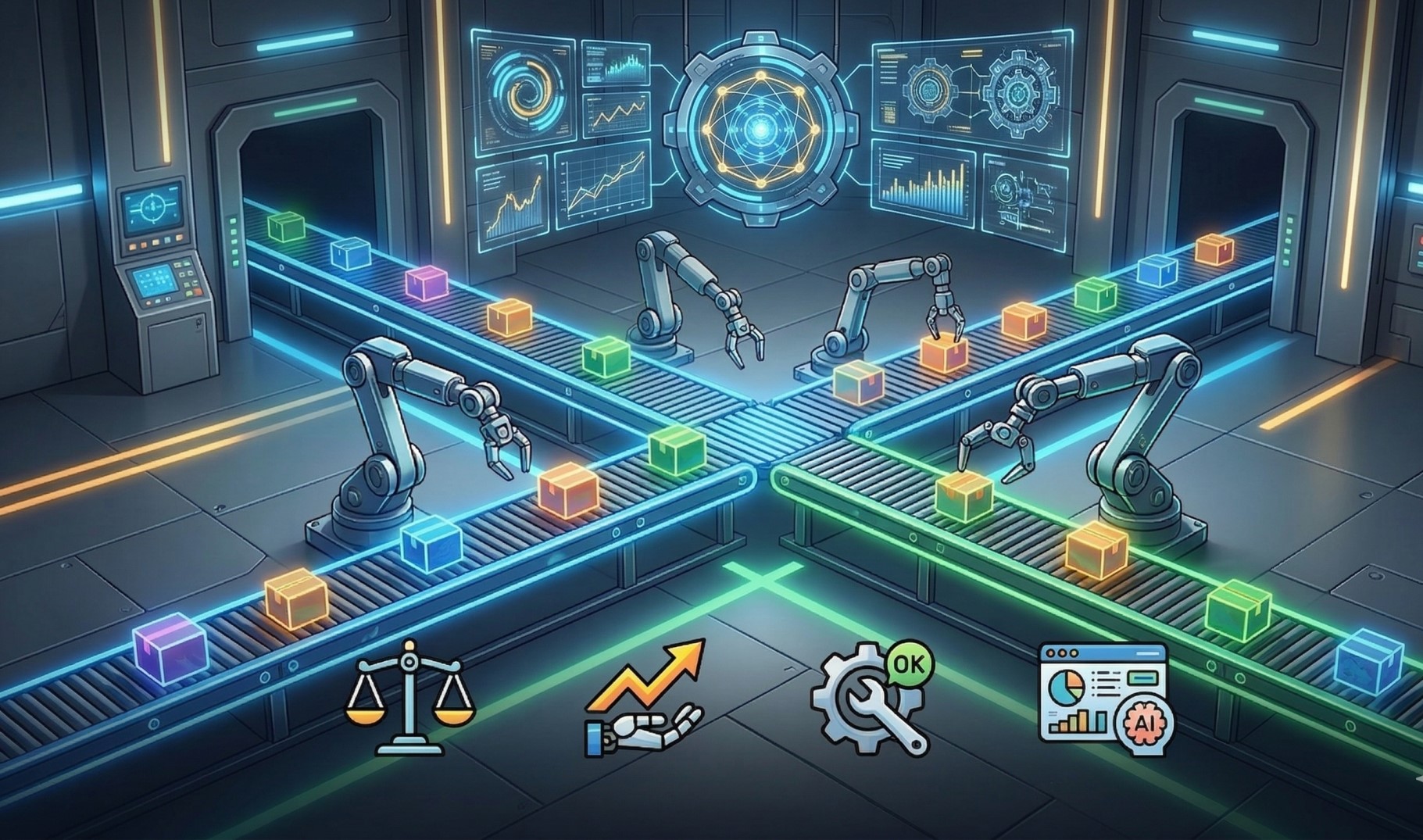
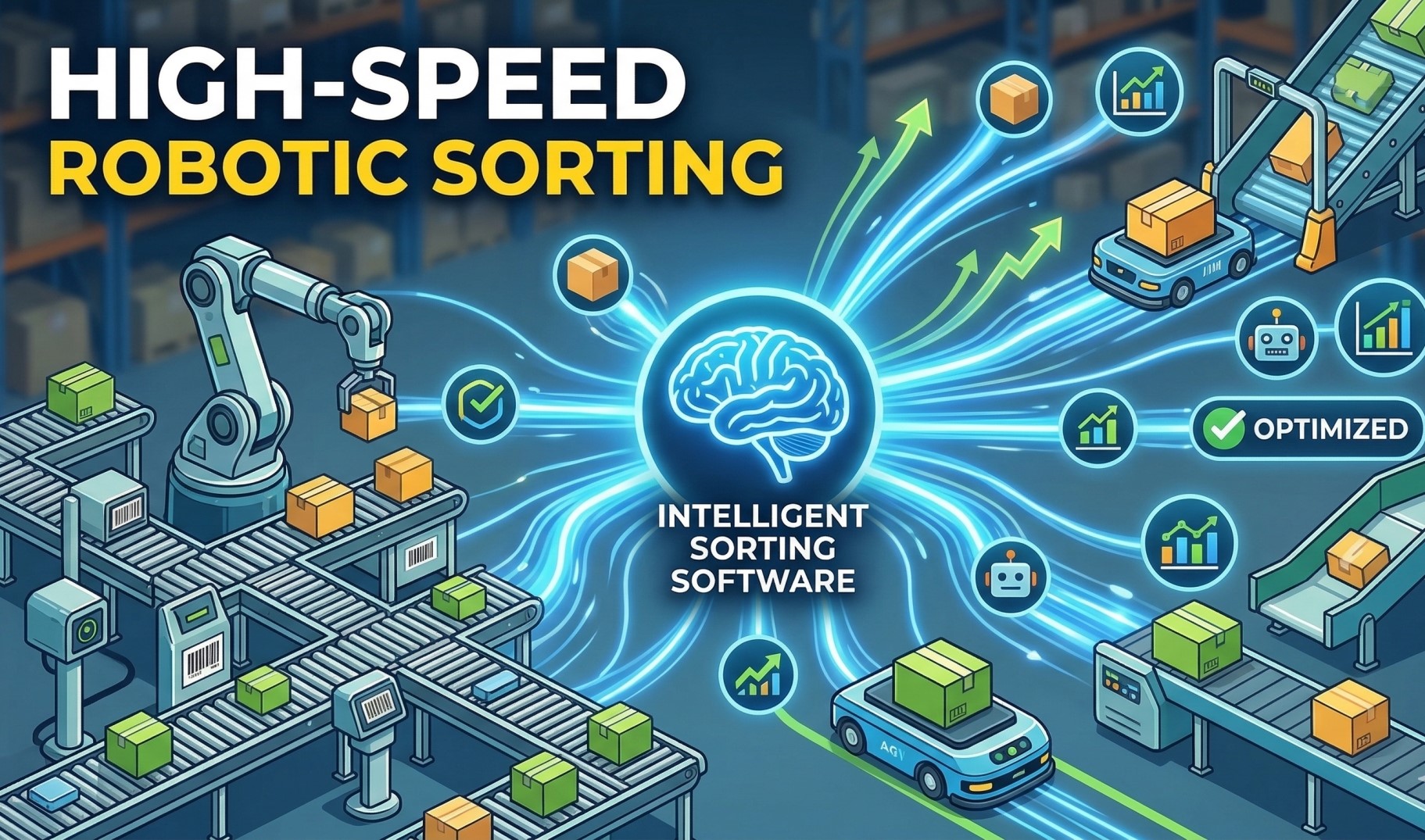
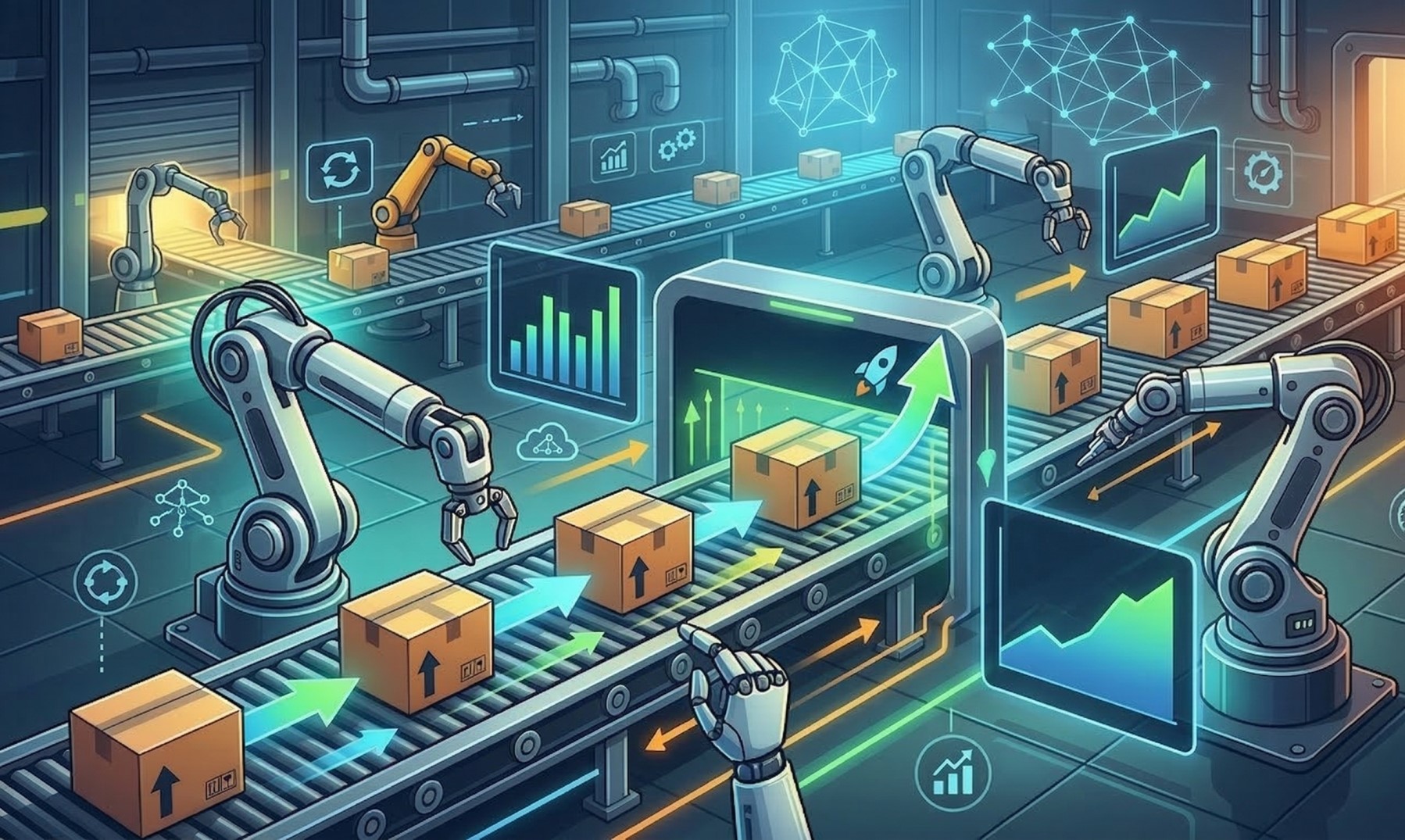
How Conveyor Software Powers Modern Fulfillment Centers
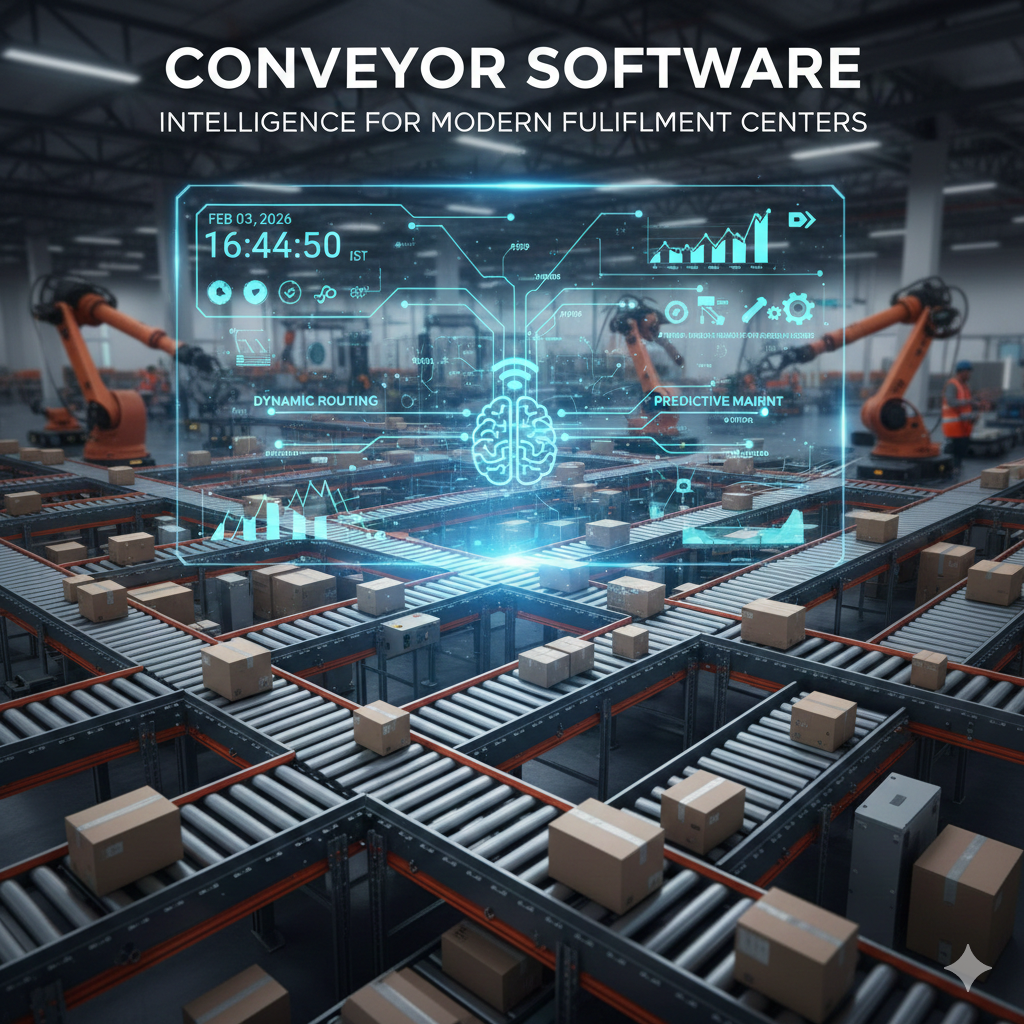
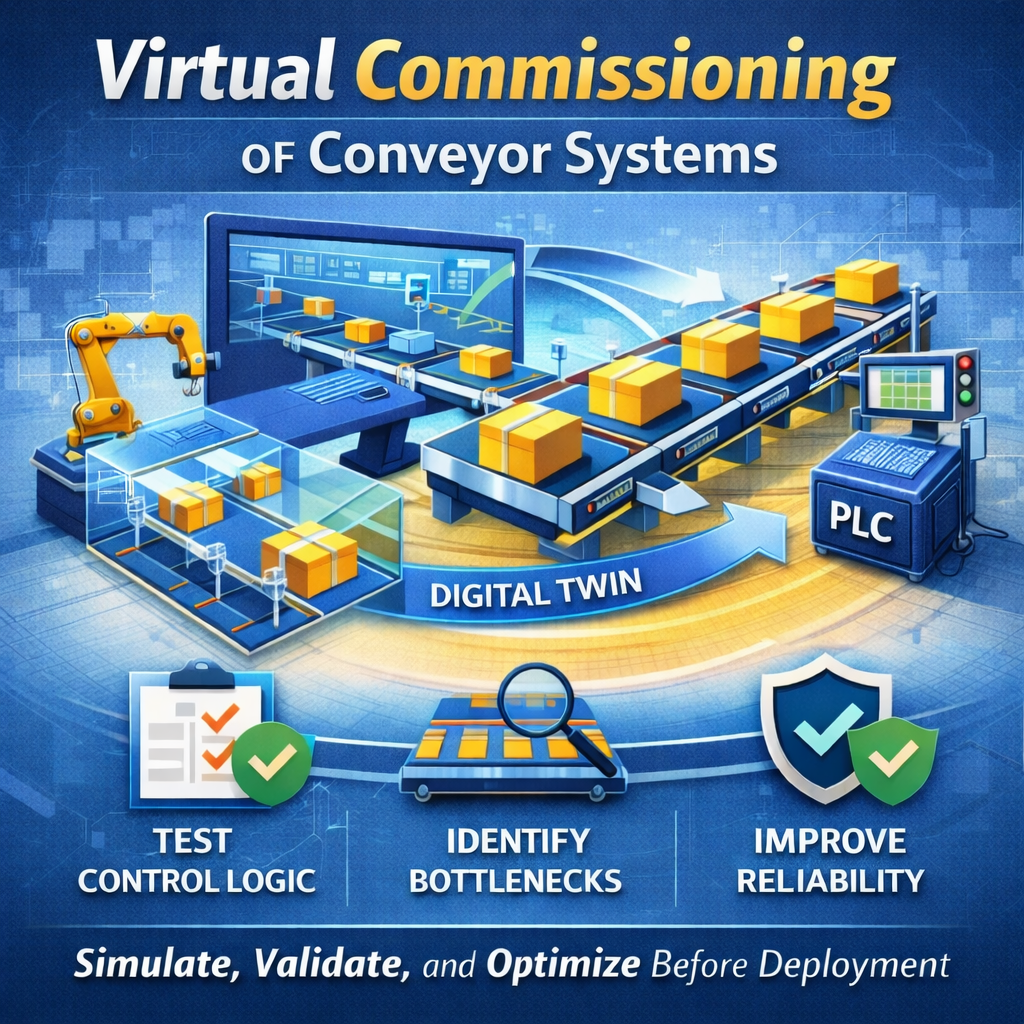
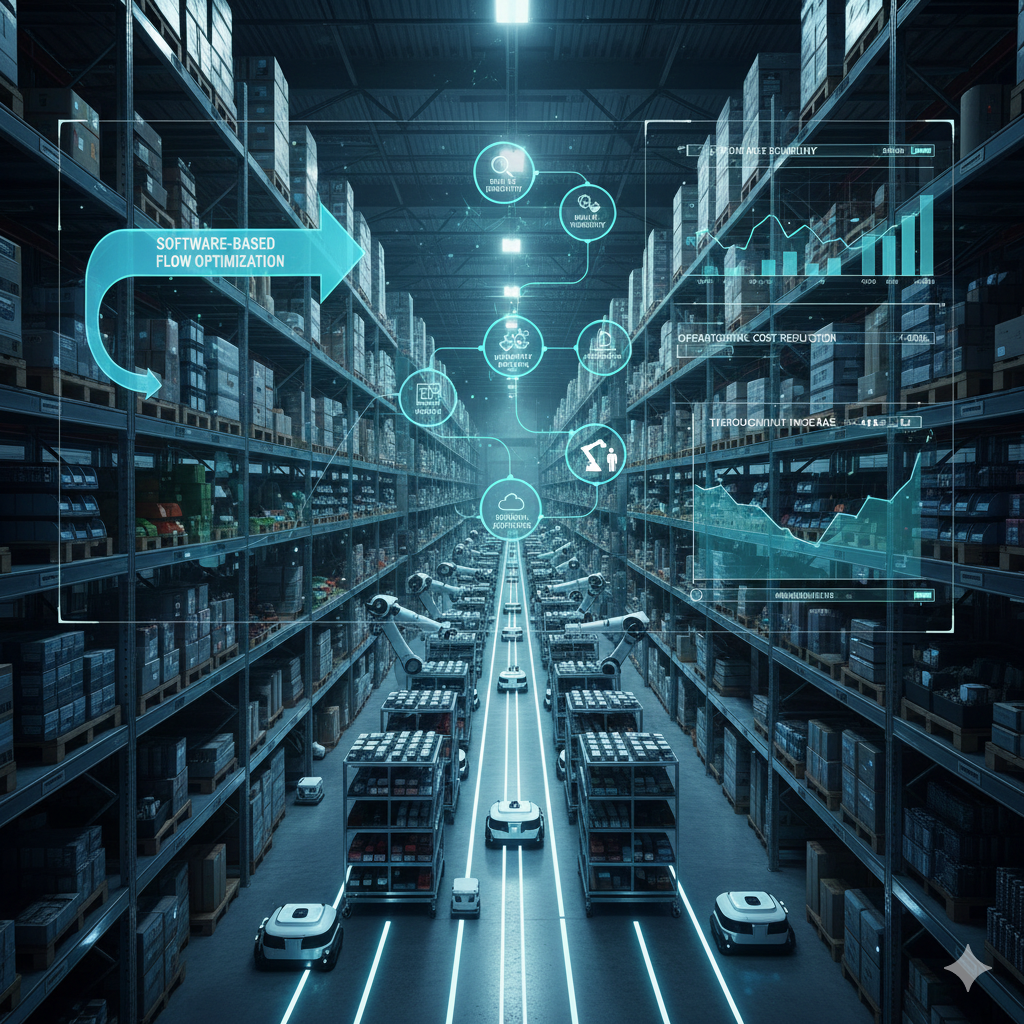
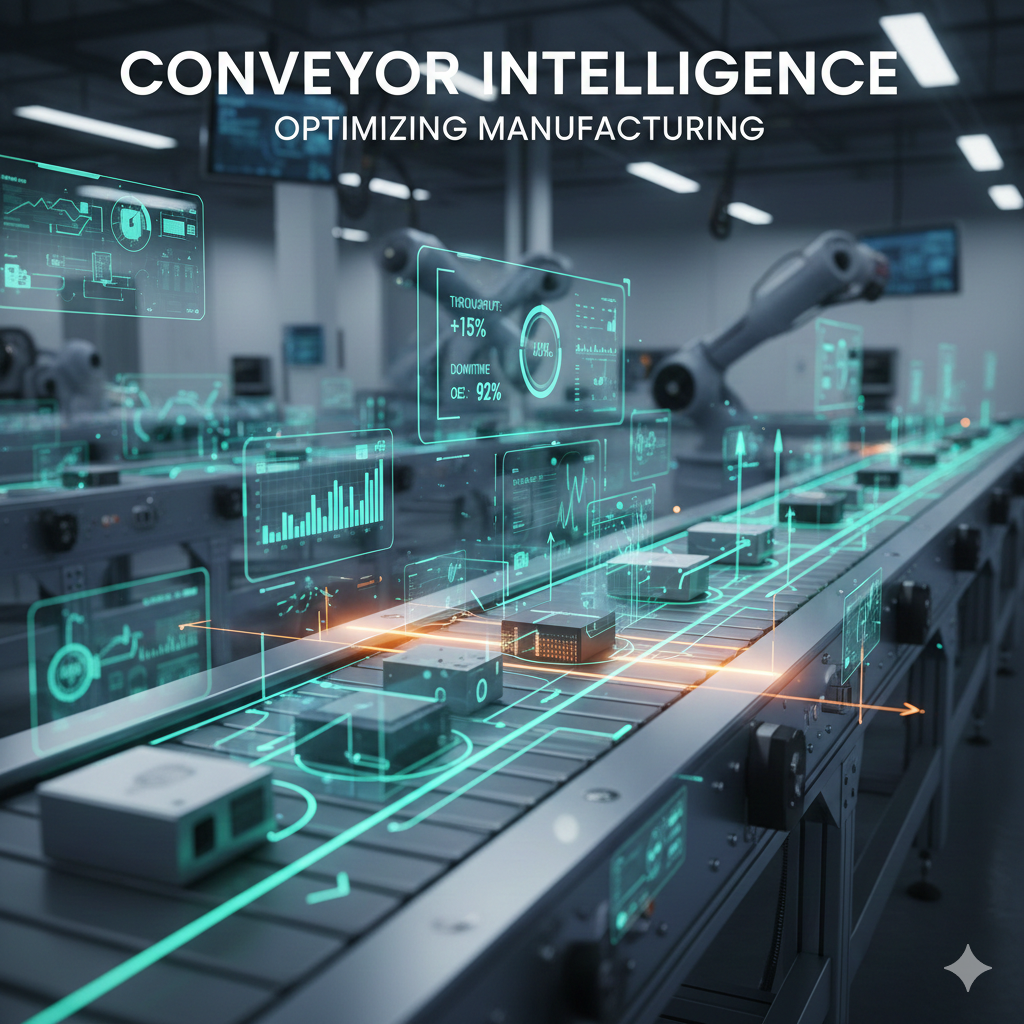
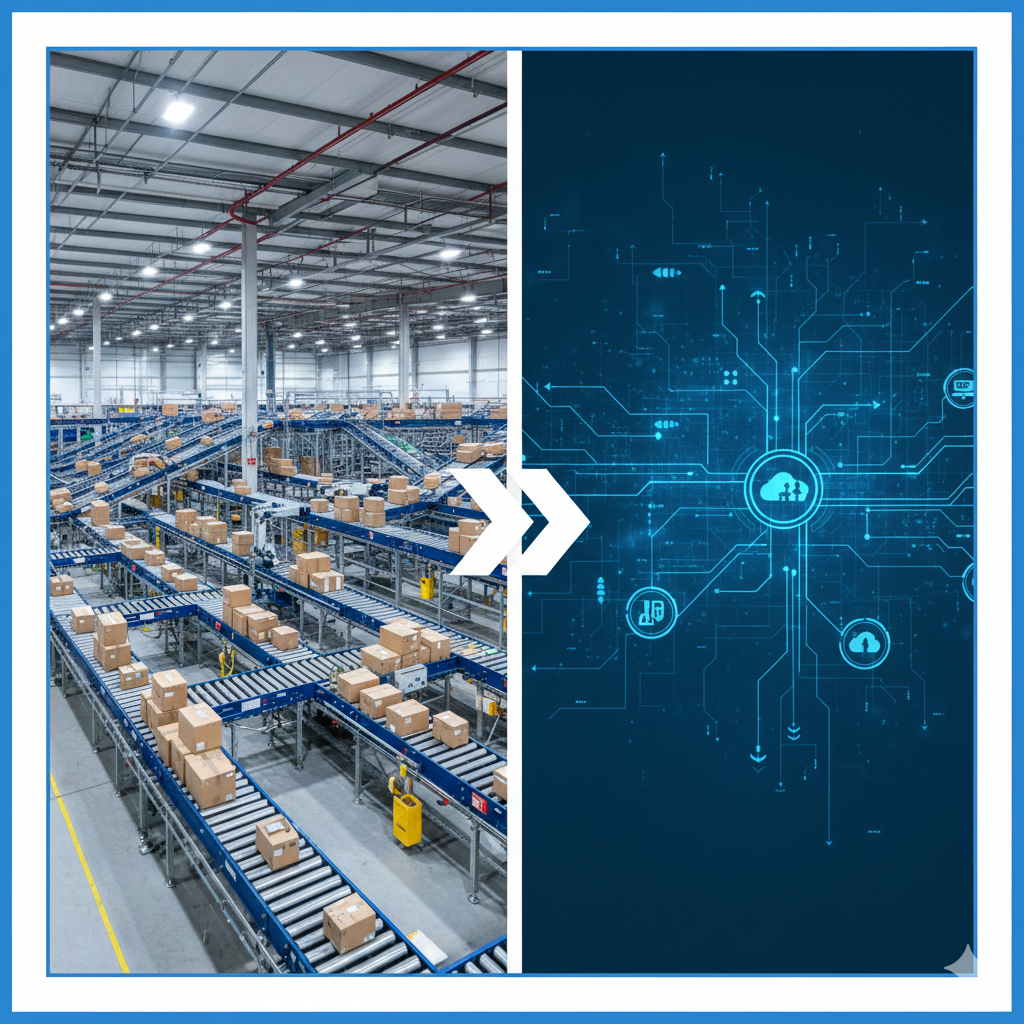
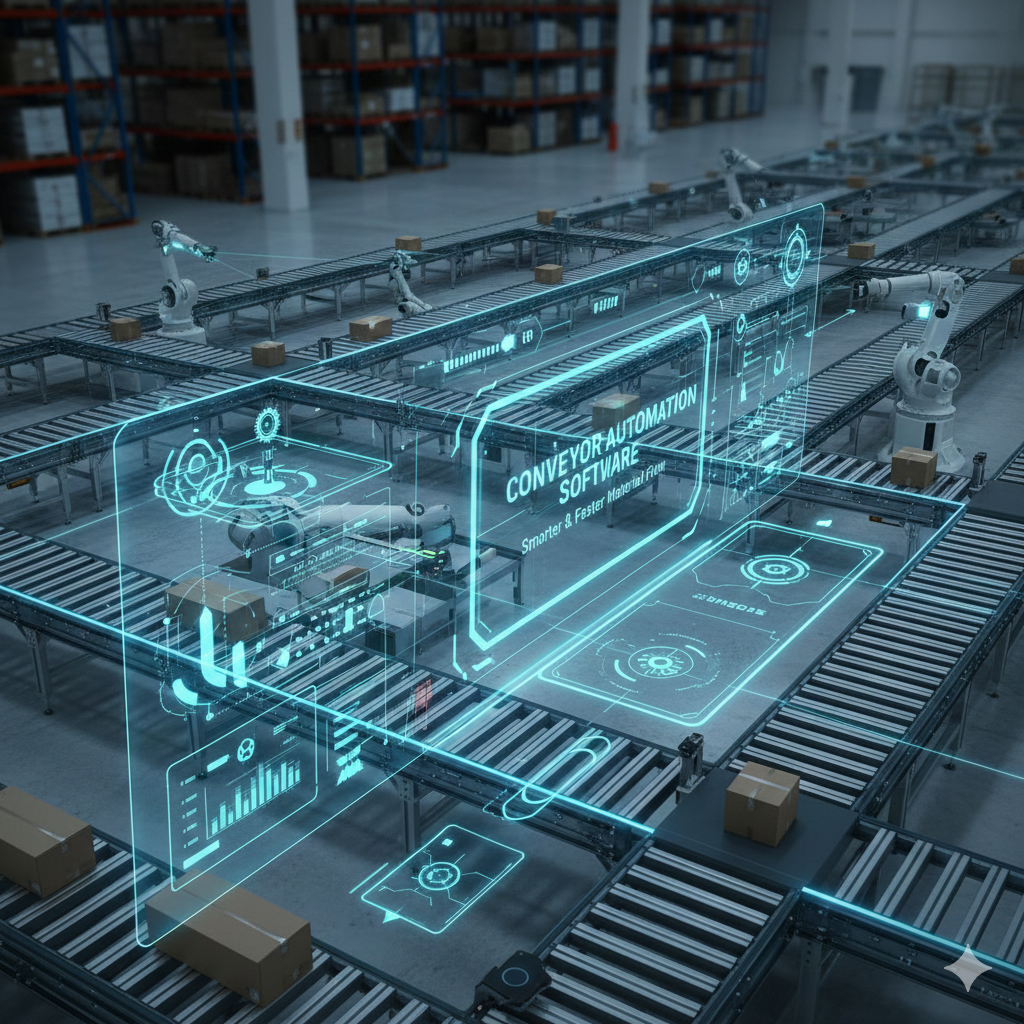
Modern fulfillment centers operate at extreme speed and scale. Millions of items move daily through complex networks of conveyors, sorters, and automation. While conveyors provide the physical movement, conveyor software is the intelligence that coordinates flow, optimizes decisions, and keeps operations running smoothly. 🚀
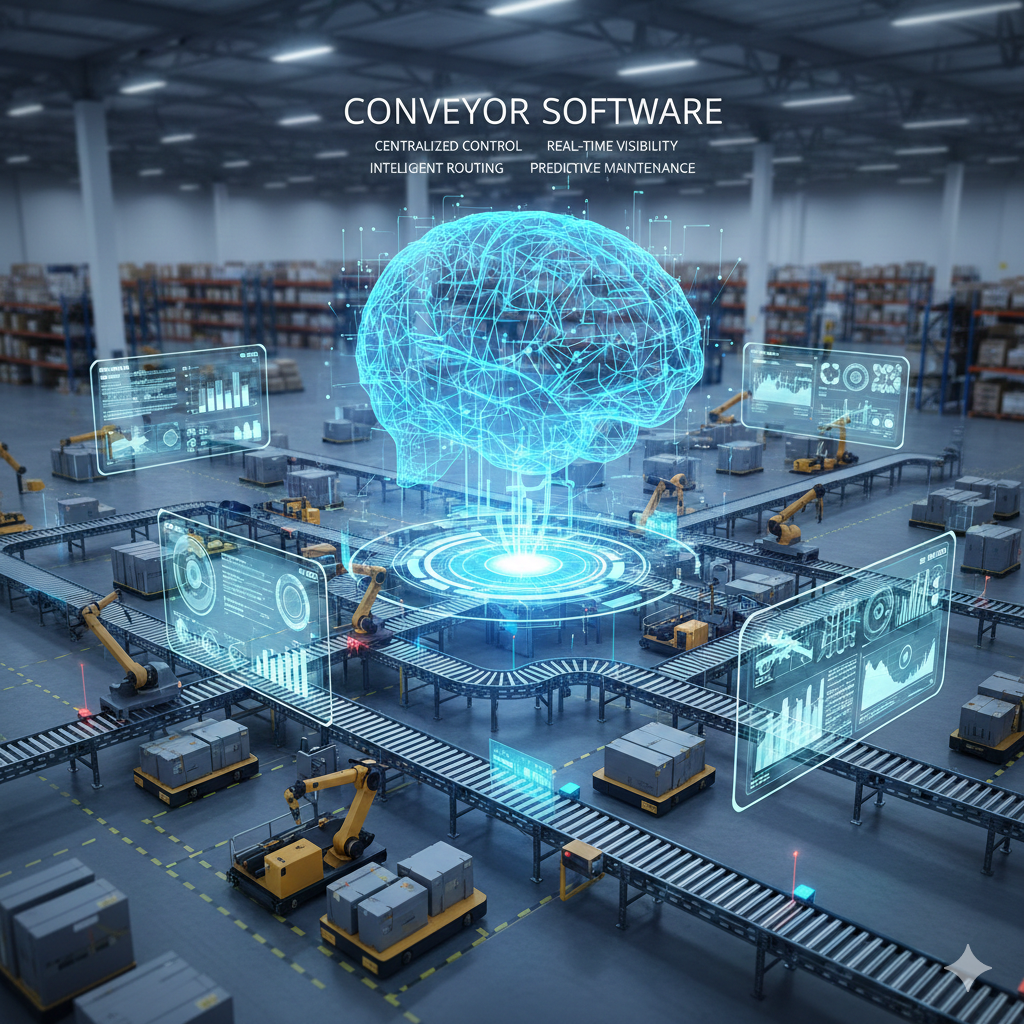
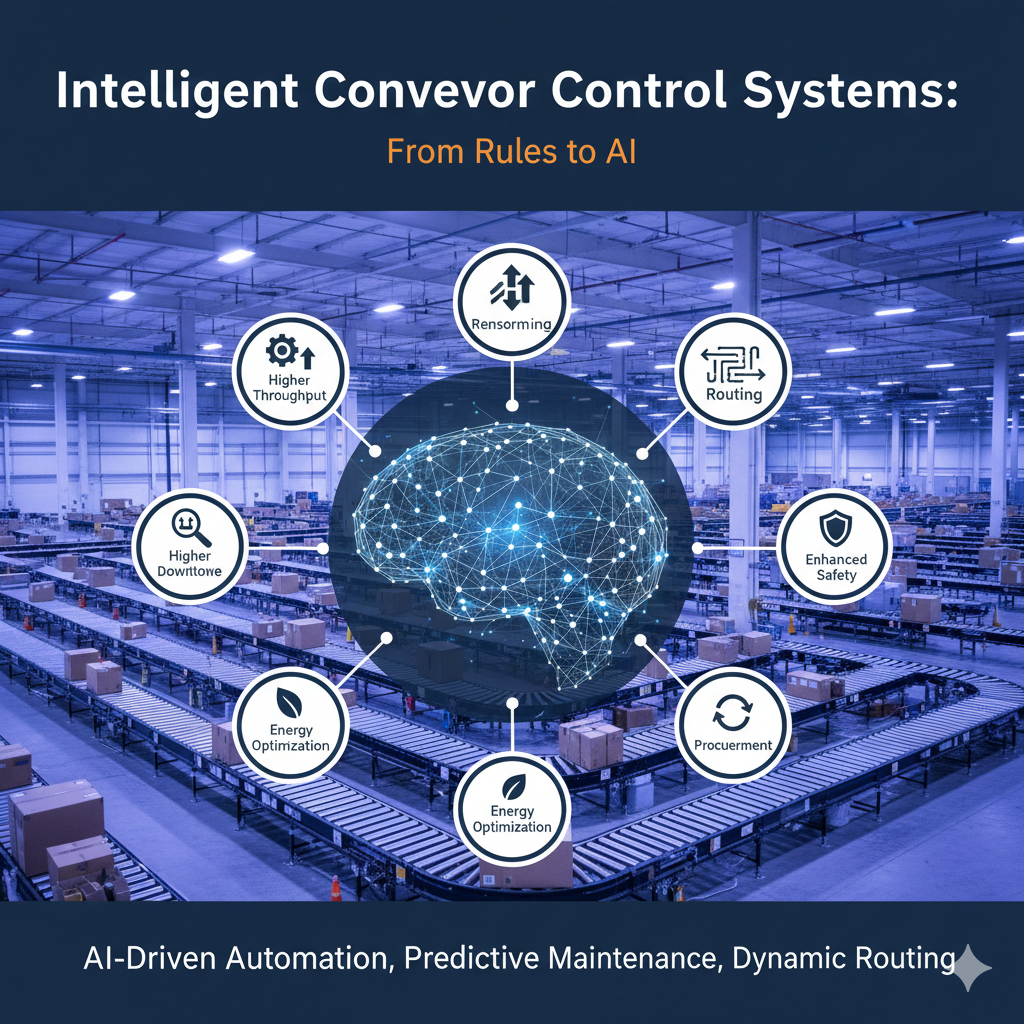
1. The Role of Conveyor Software in Fulfillment Operations 🧠
- Acts as the control brain for conveyor systems ⚙️
- Coordinates movement across zones, lines, and sorters 🔗
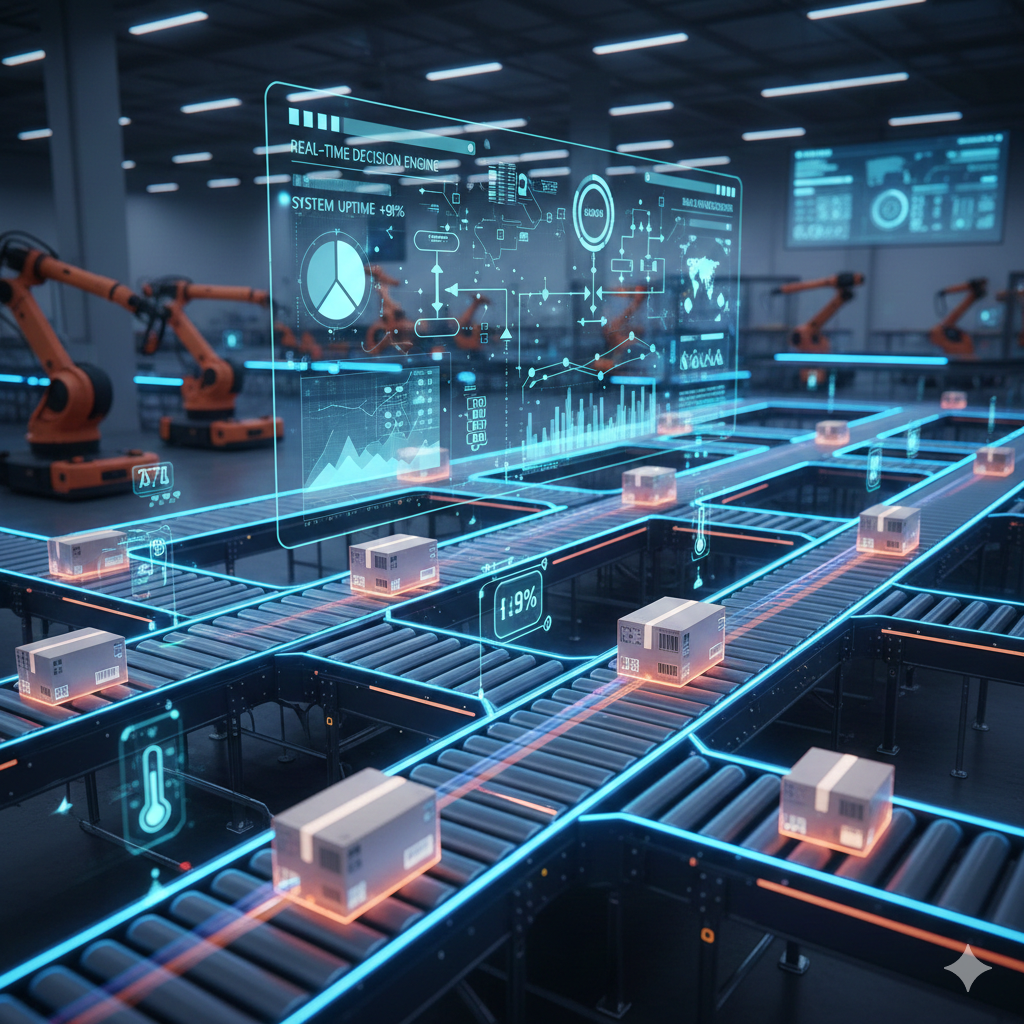
- Makes real-time routing and speed decisions ⚡
- Ensures items reach the correct destination on time 🎯
- Maintains stability during high-volume peaks 🛡️
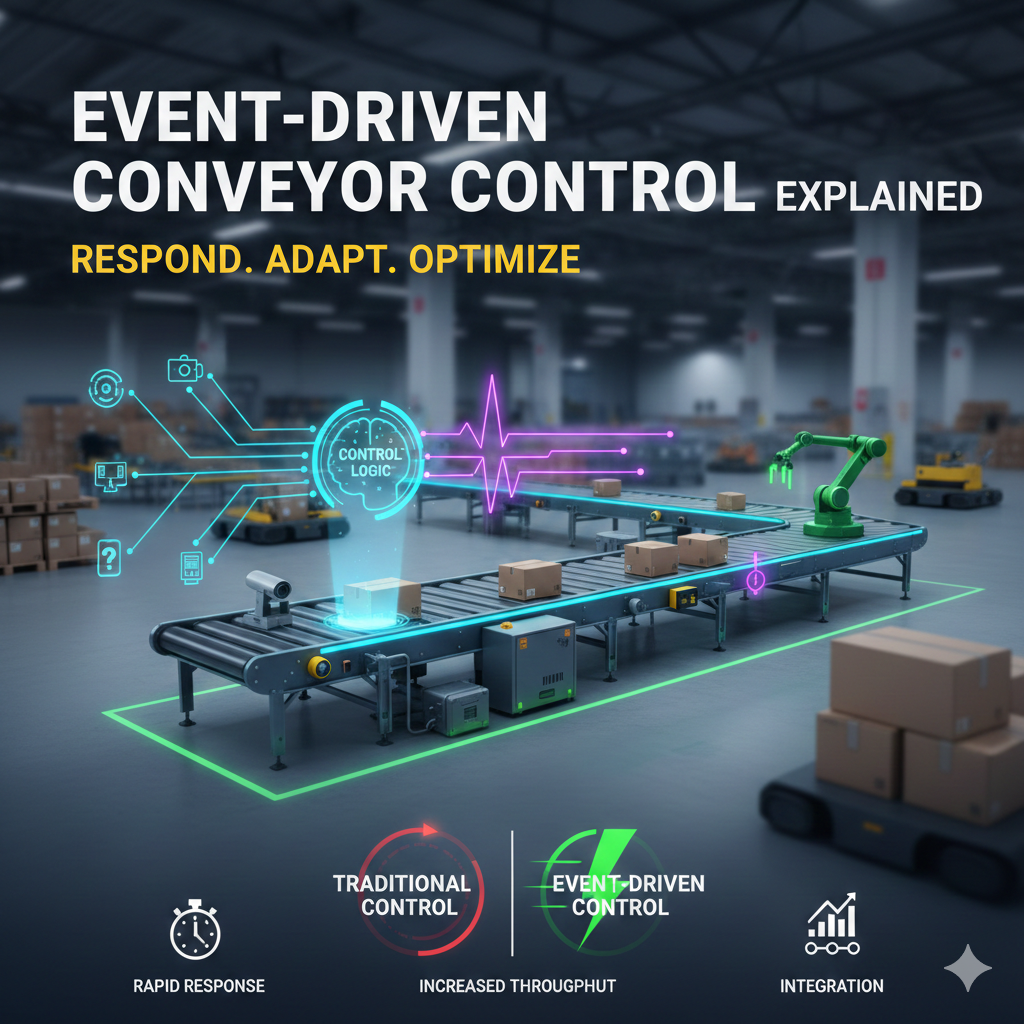
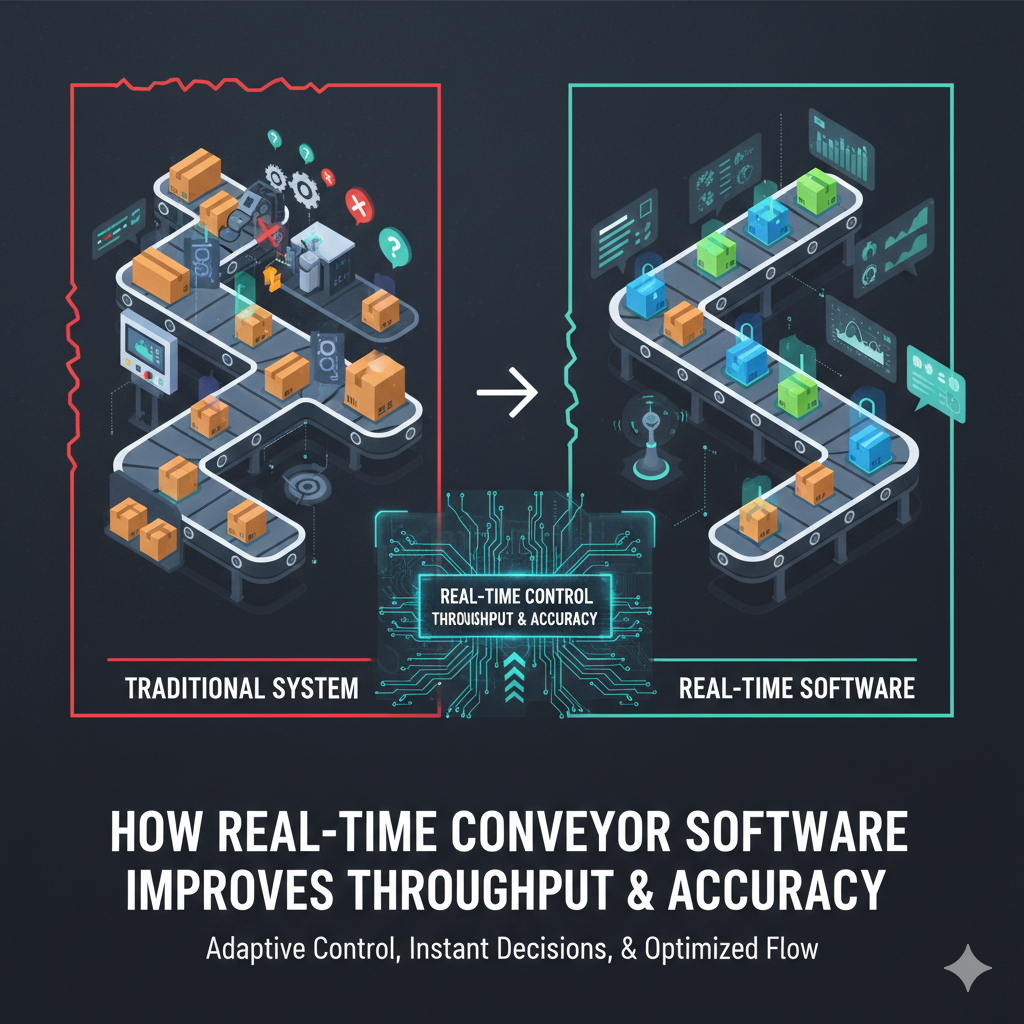
2. Real-Time Flow Control ⚡
- Monitors conveyor speed, load, and item density 📊
- Adjusts flow instantly based on operational conditions 🔄
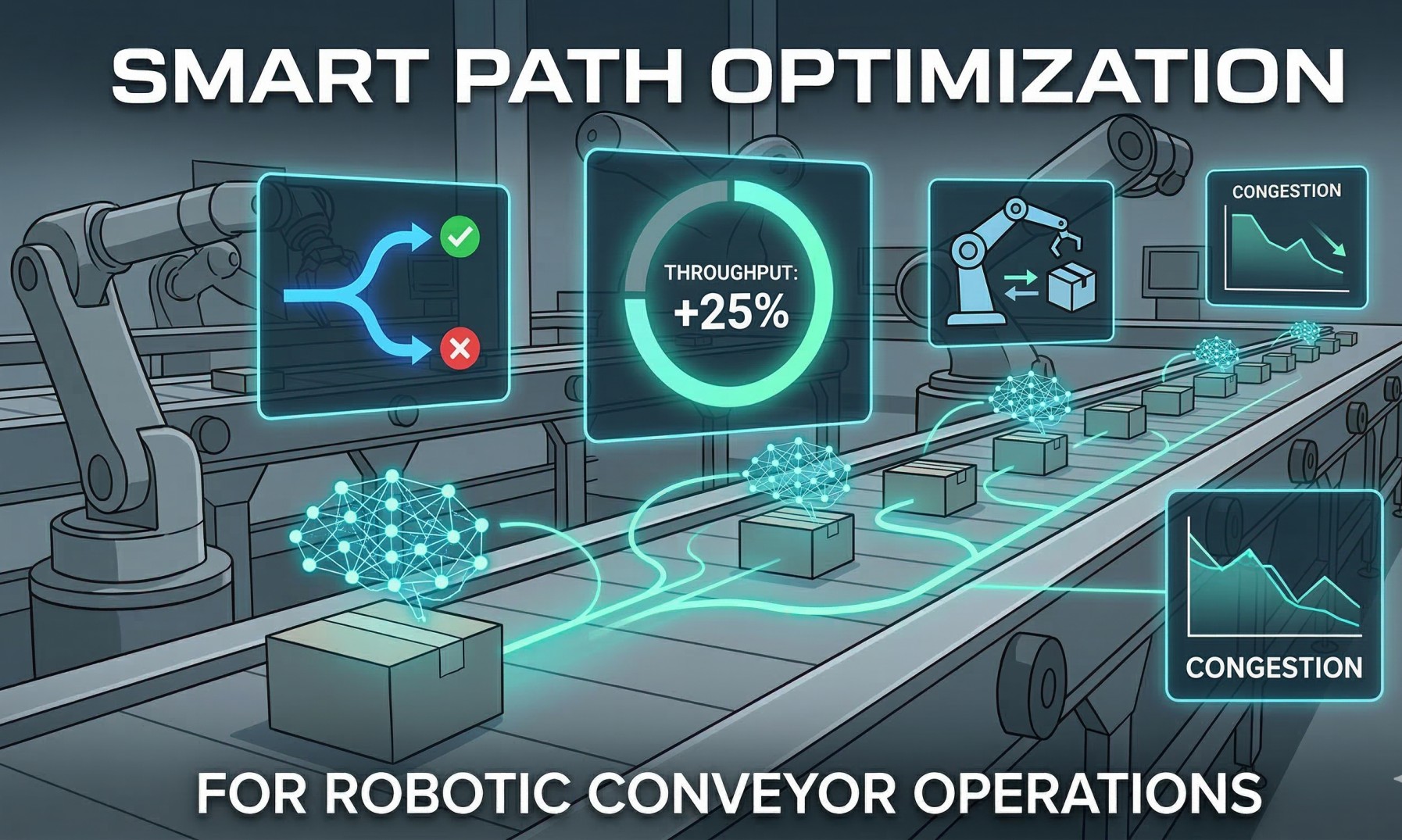
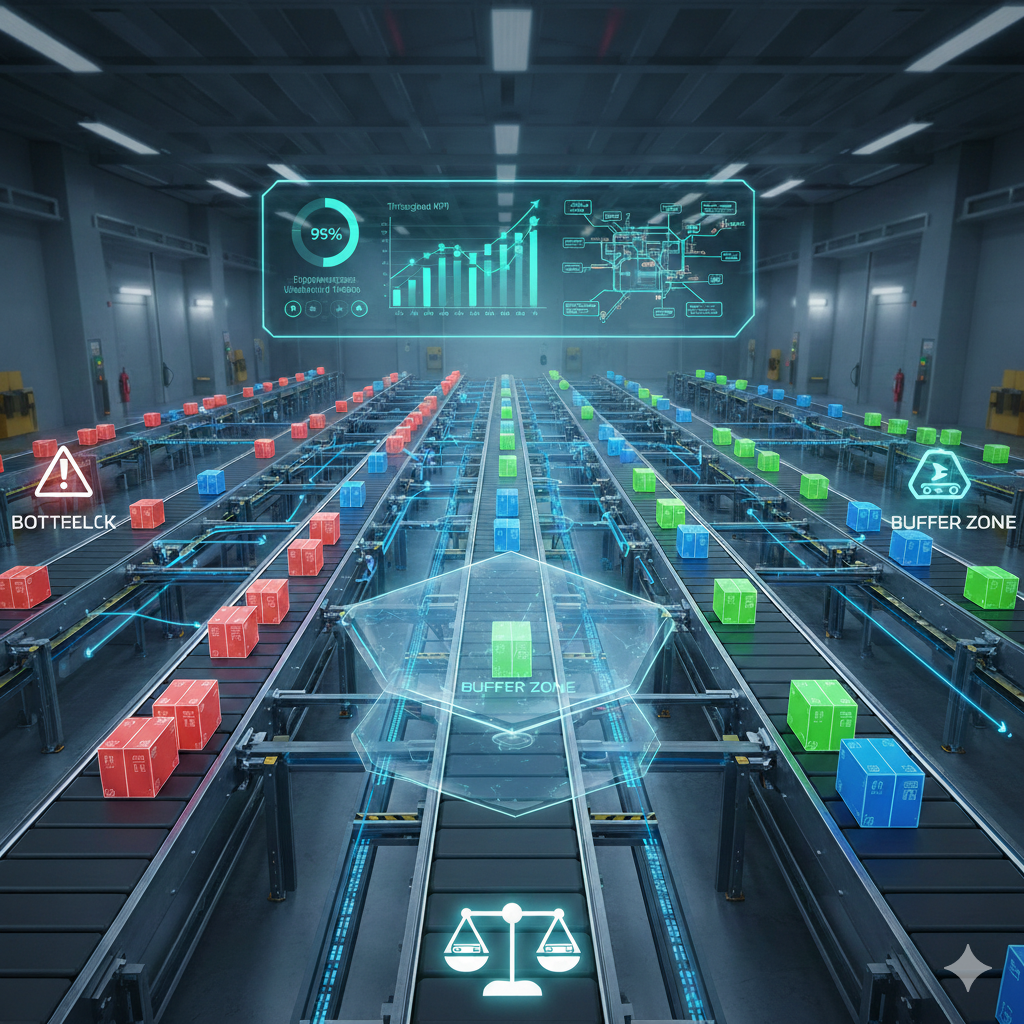
- Prevents congestion before it escalates 🚫
- Keeps throughput consistent during demand spikes 📈
- Supports 24/7 high-speed operations 🕒
3. Intelligent Routing and Sortation 🔀
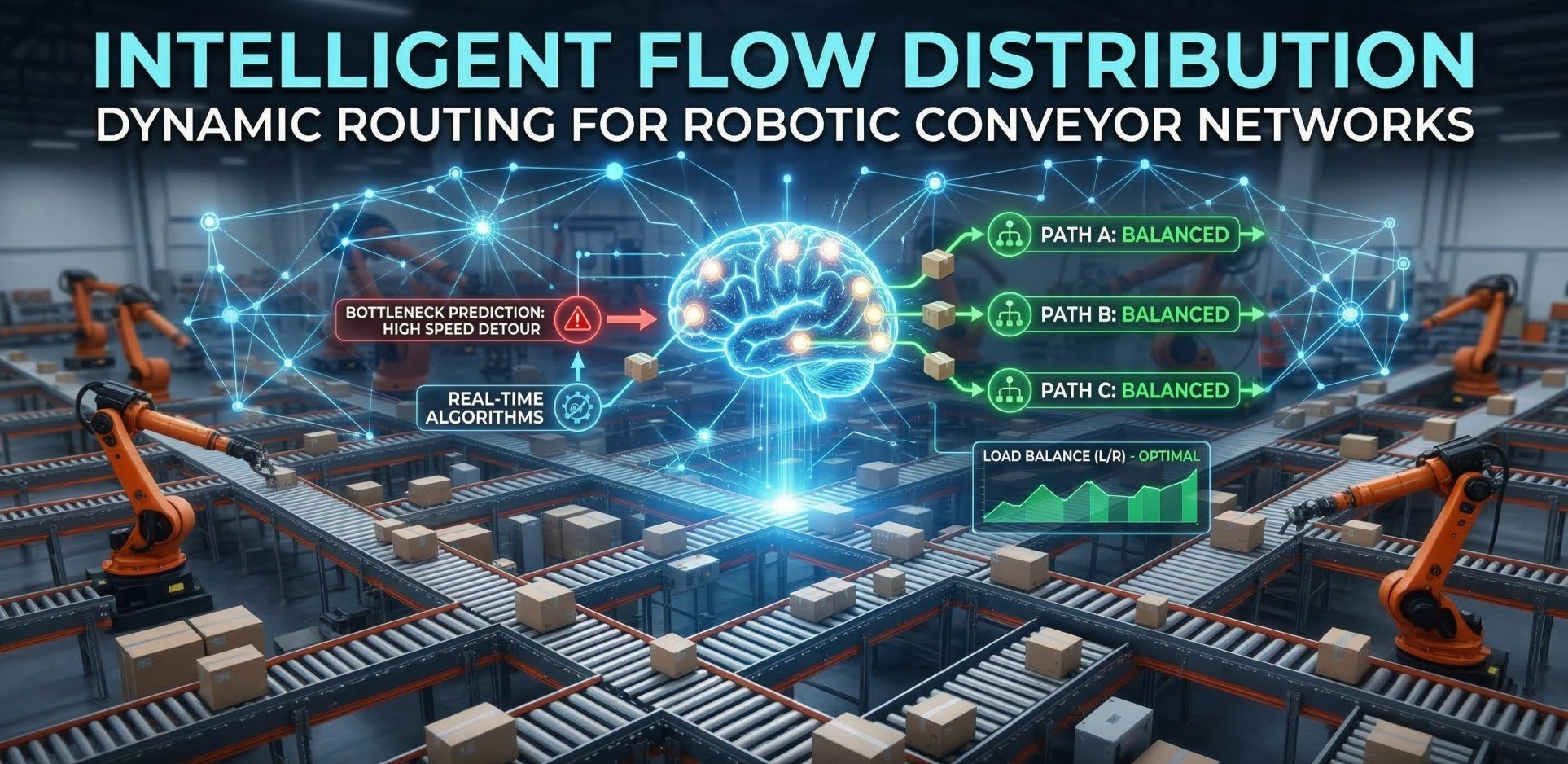
- Routes items dynamically based on order priority 📦
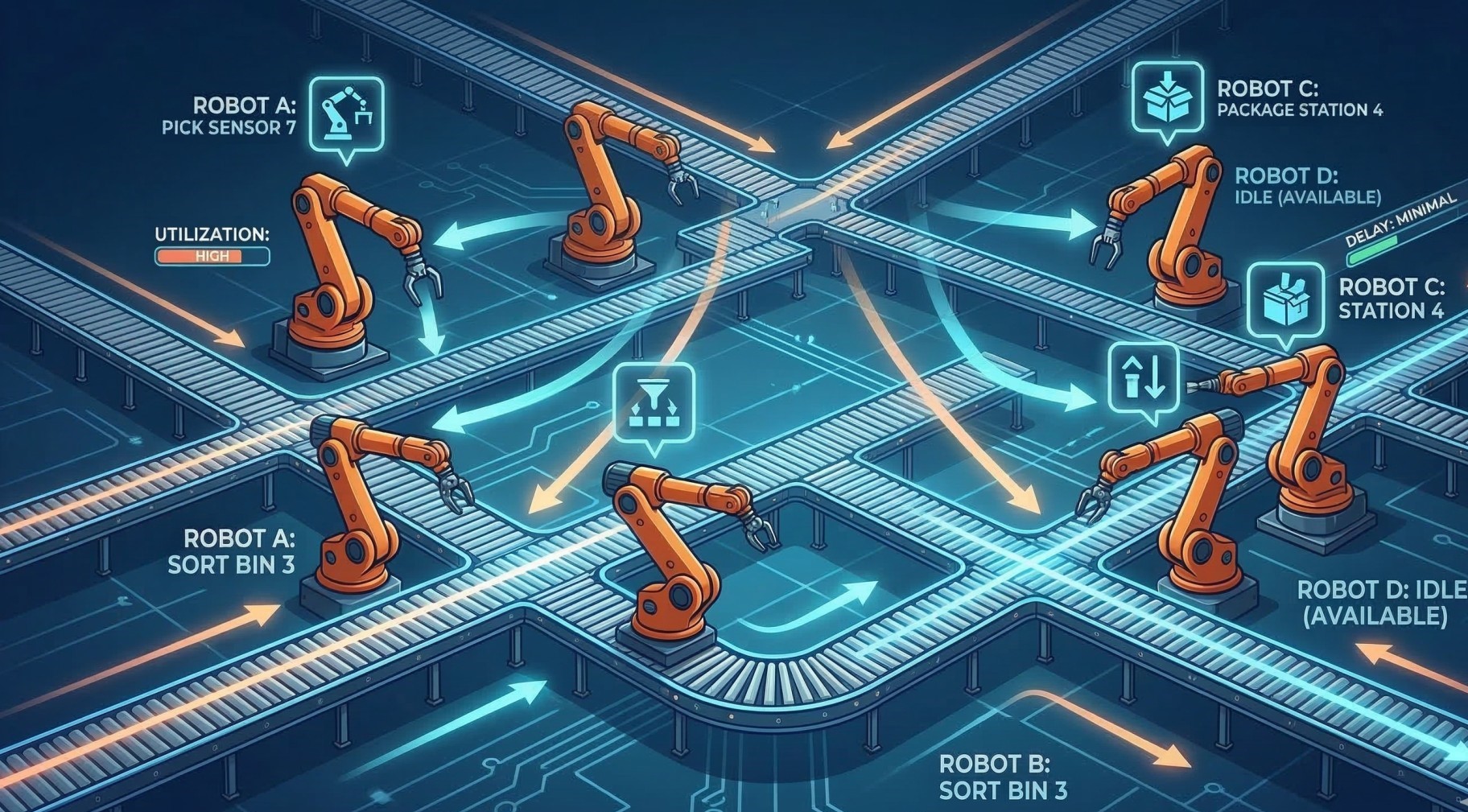
- Balances load across multiple conveyor paths ⚖️
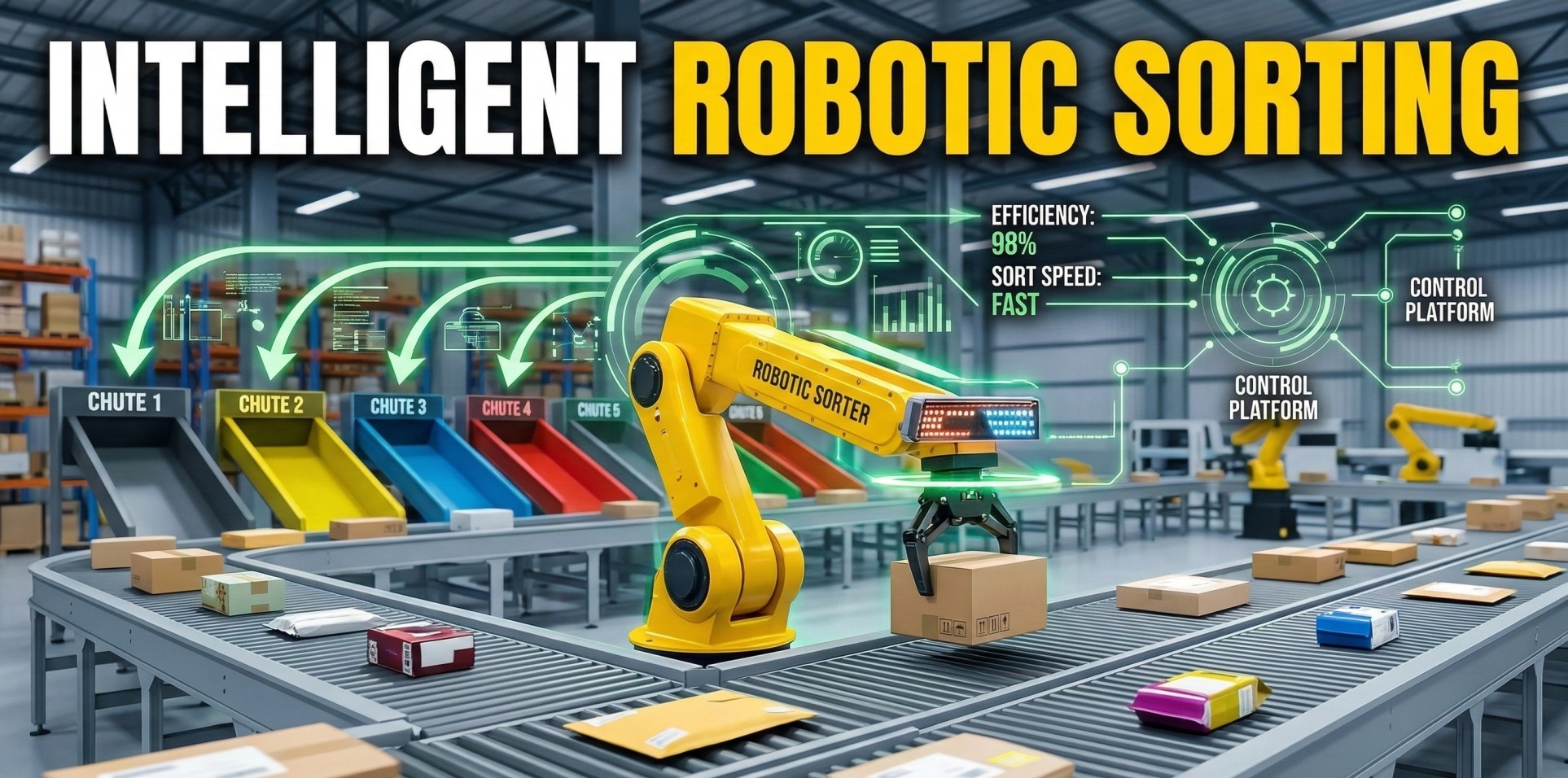
- Optimizes sorter decisions at high speed 🧮
- Reduces mis-sorts and re-circulation 🔁
- Improves order accuracy and fulfillment speed 🎯
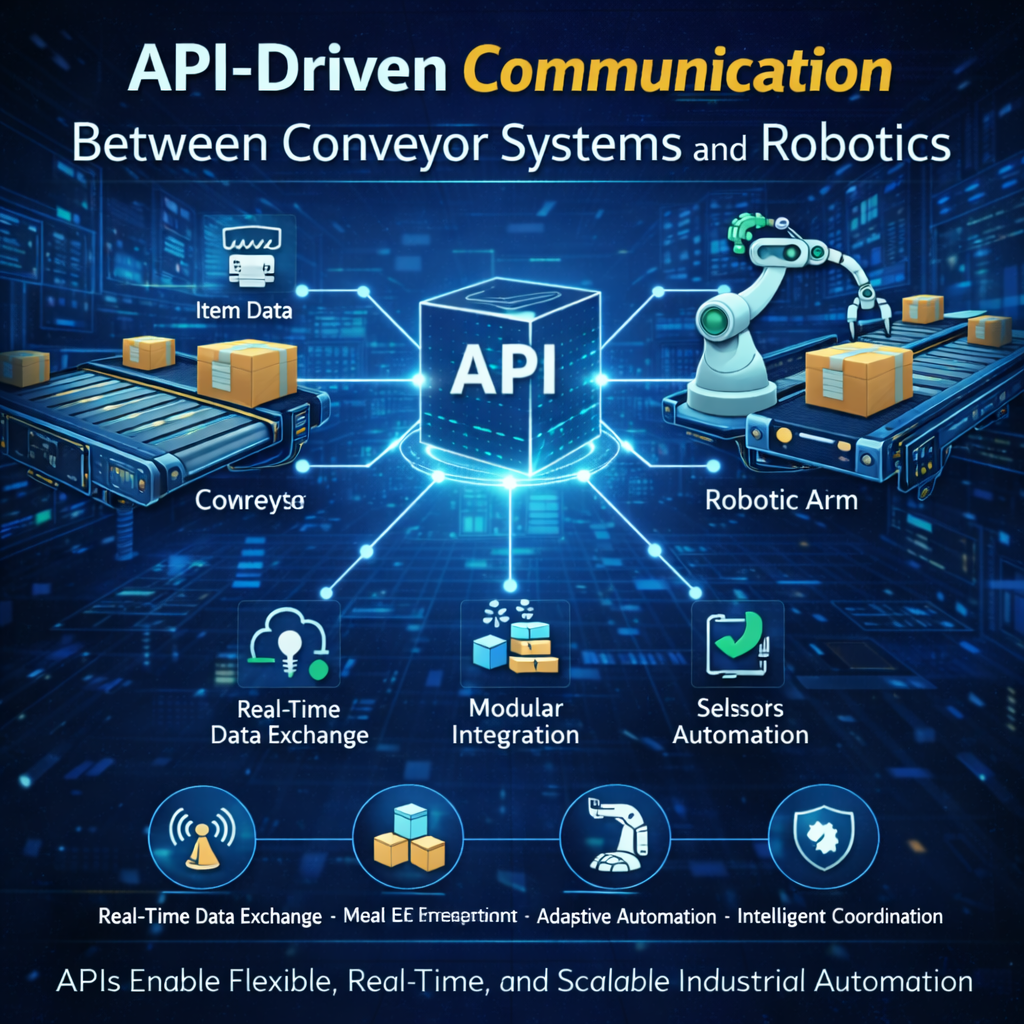
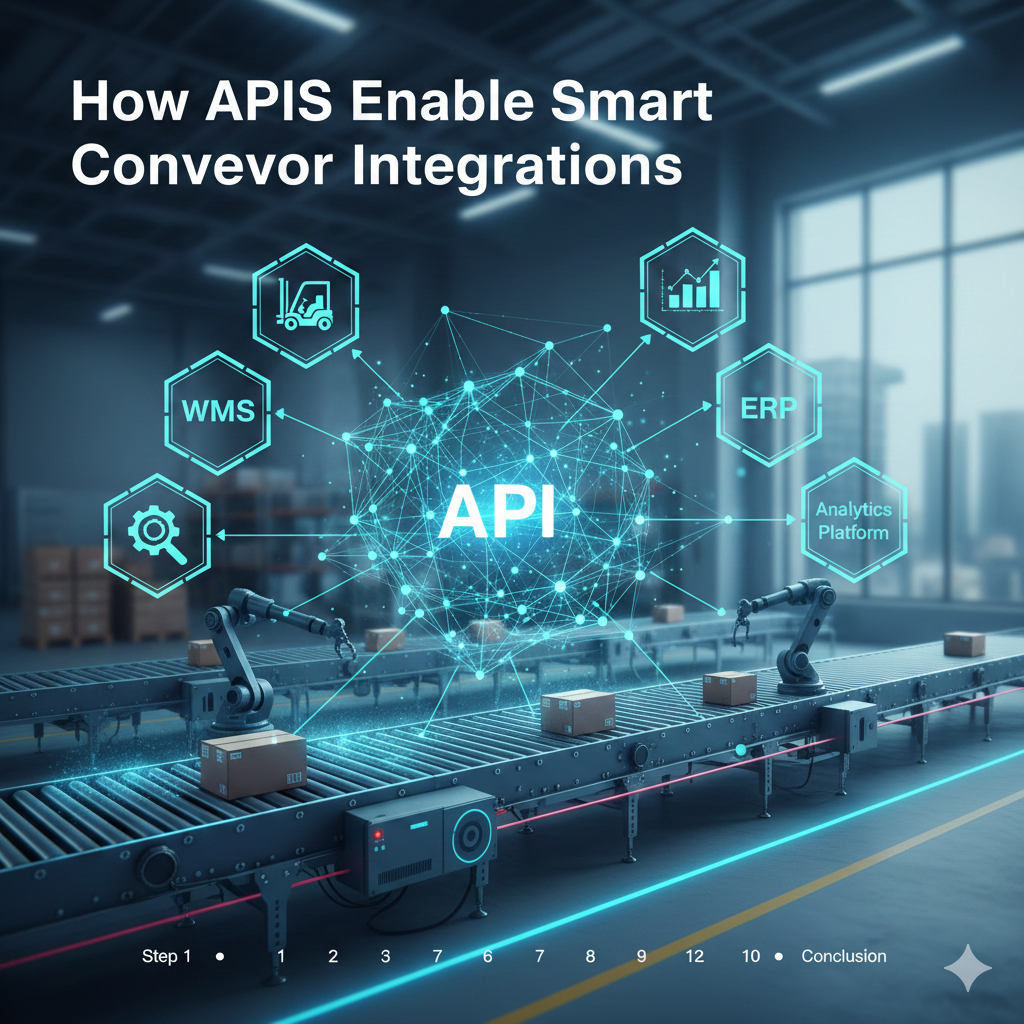
4. Integration with Fulfillment Systems 🔌
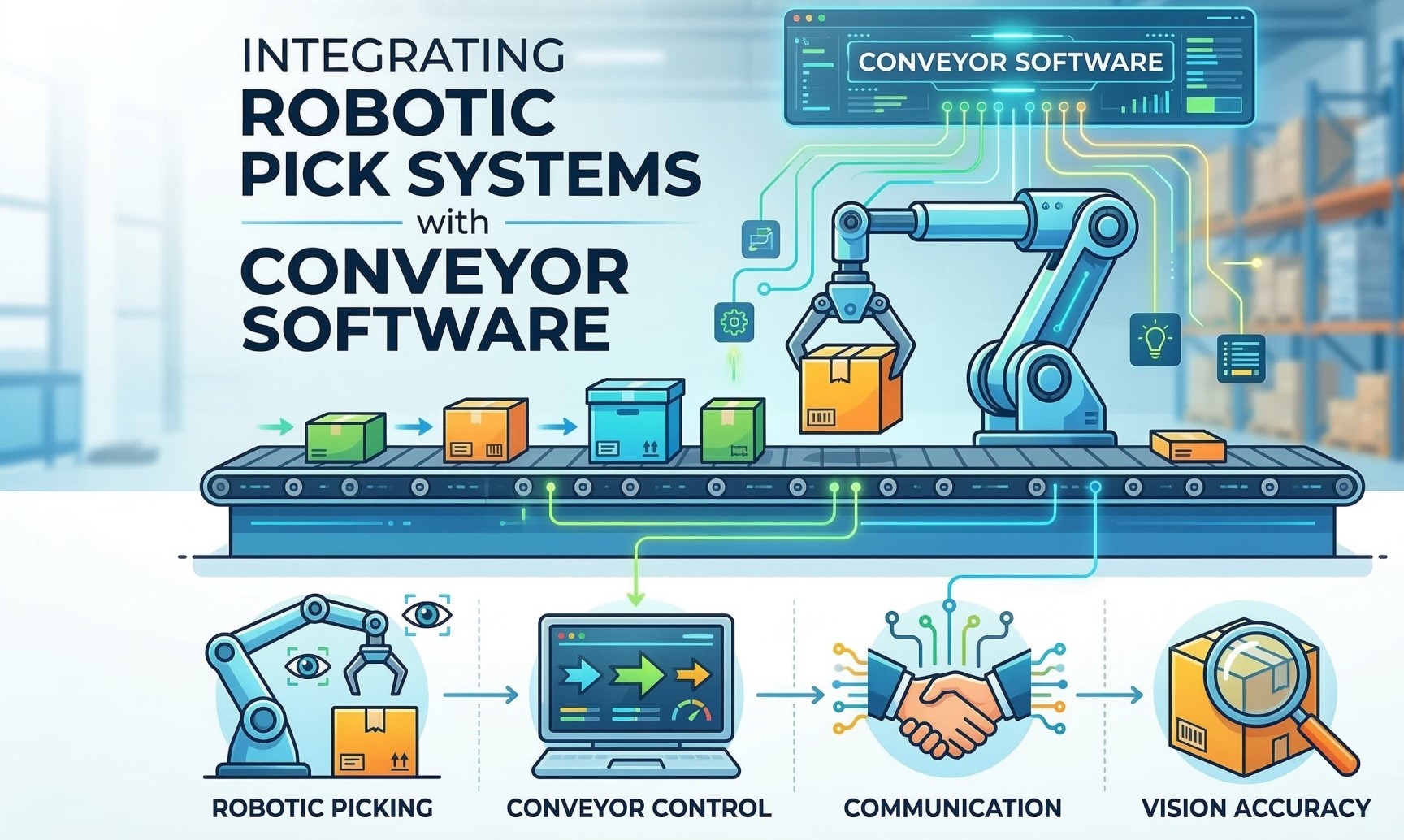
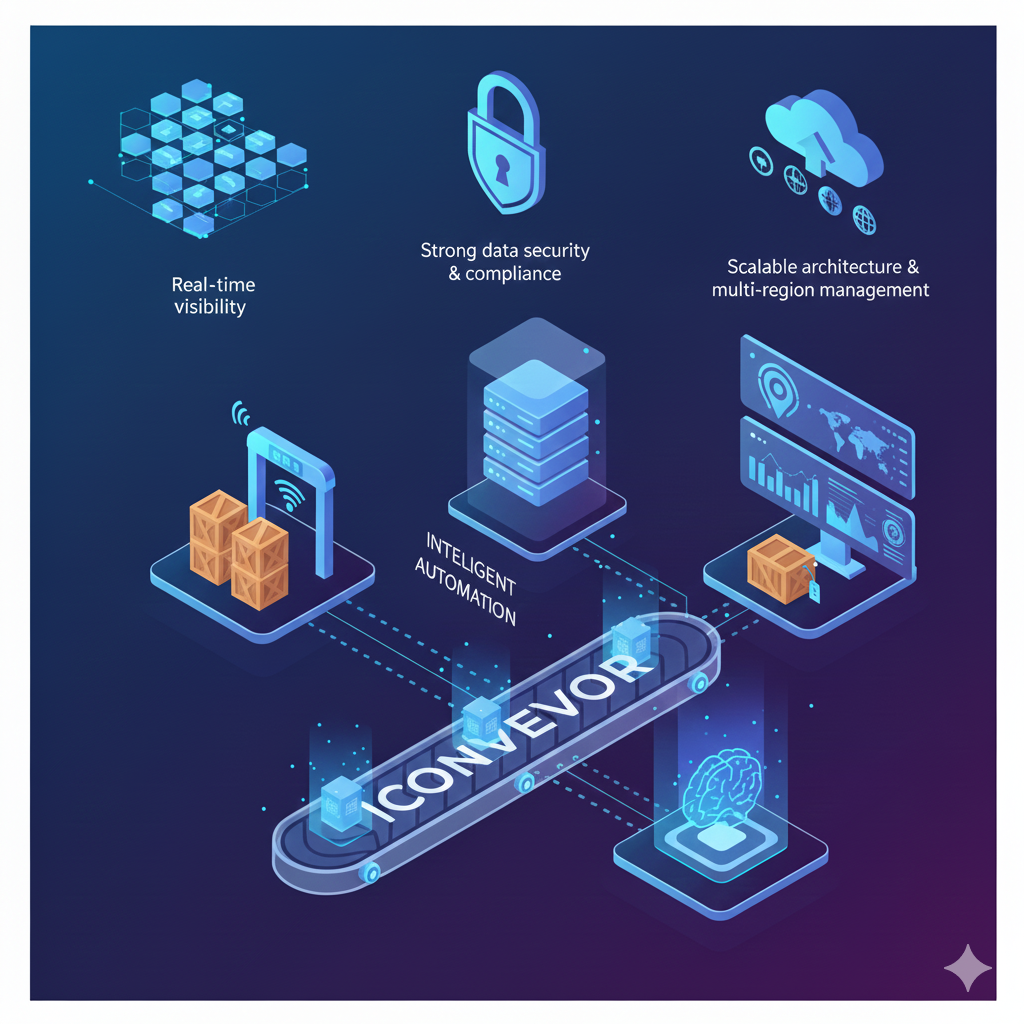
- Connects seamlessly with WMS and order management systems 🔗
- Receives real-time order, wave, and shipping instructions 📡
- Syncs inventory, picking, and packing operations 🔄
- Enables end-to-end visibility across fulfillment workflows 👀
5. Bottleneck Detection and Congestion Management 🚦
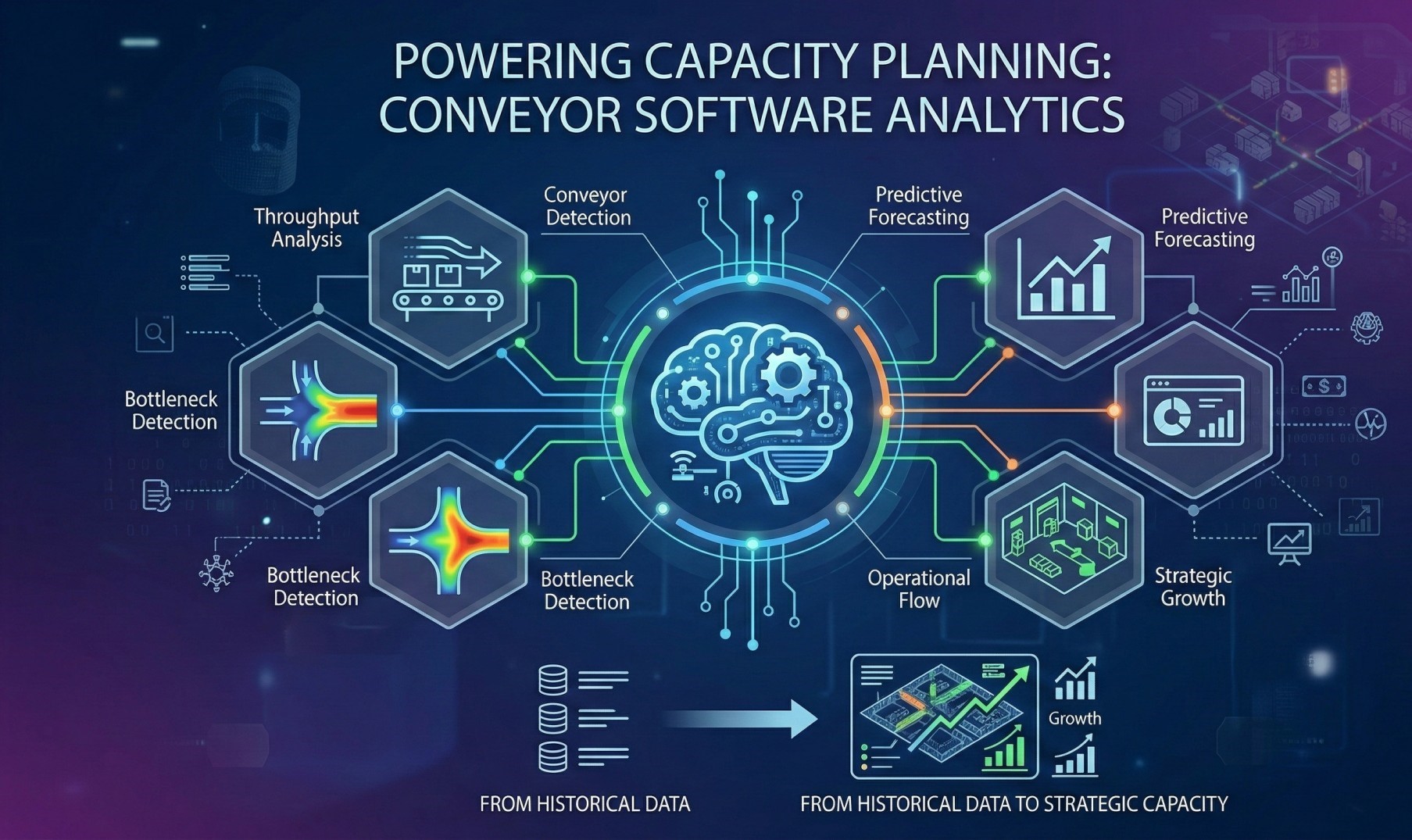
- Identifies early signs of backups and slowdowns 🔍
- Predicts congestion points before failure 🔮
- Automatically redistributes flow 🔄
- Stabilizes operations during peak hours 🛡️
- Reduces manual intervention by operators ❌
6. Scalability for Peak Demand 📈
- Handles sudden surges from promotions and seasonal peaks ⚡
- Scales logic without physical system changes 🧩
- Supports high SKU counts and complex routing rules 🧾
- Maintains performance under extreme volumes 🚀
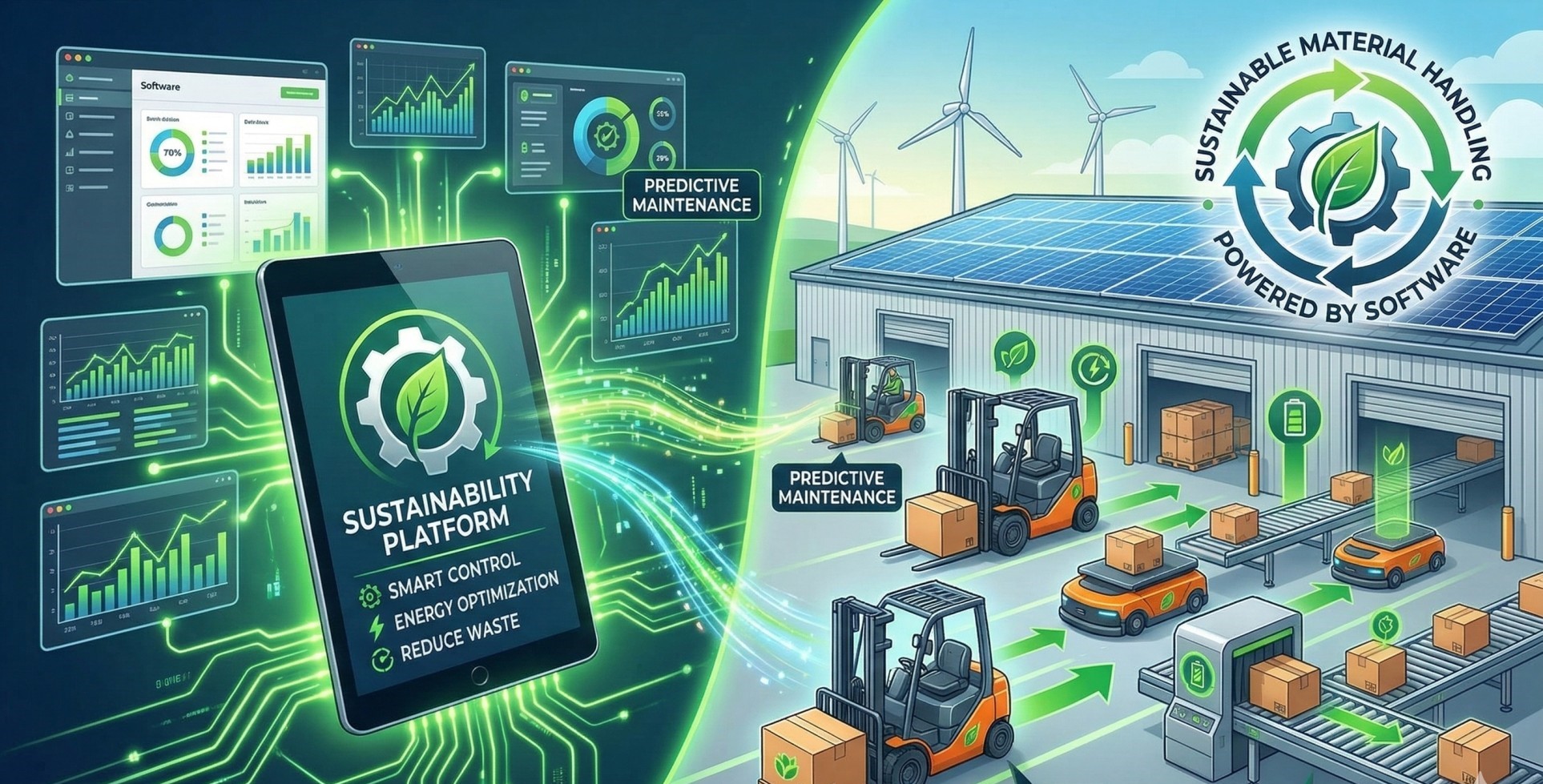
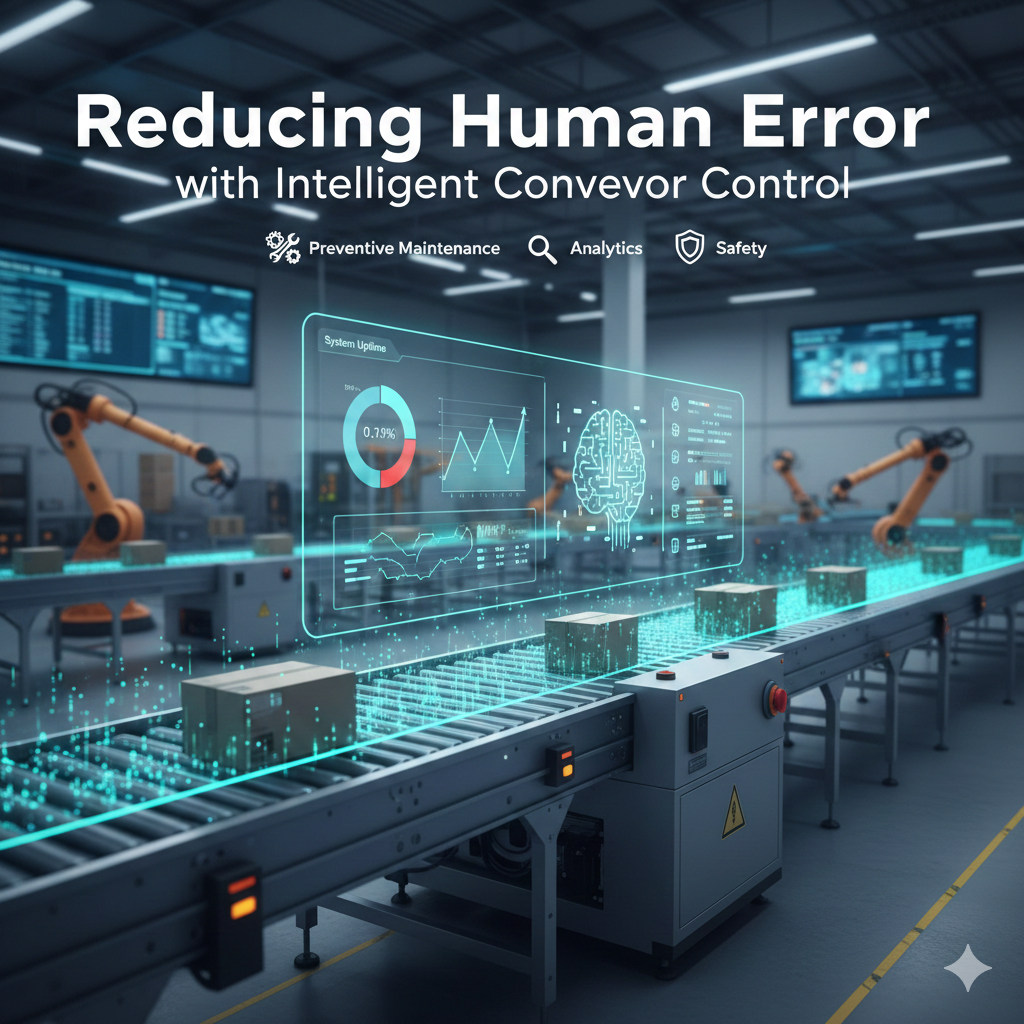
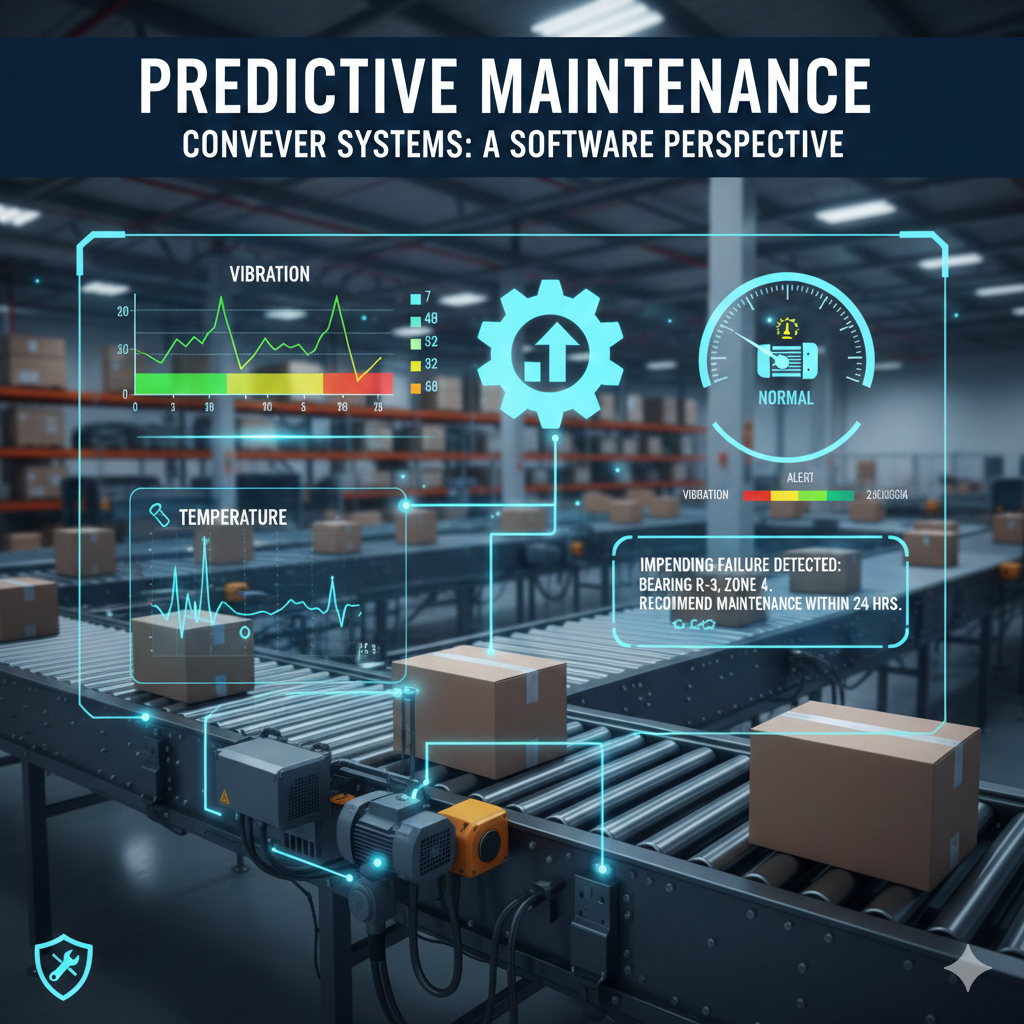
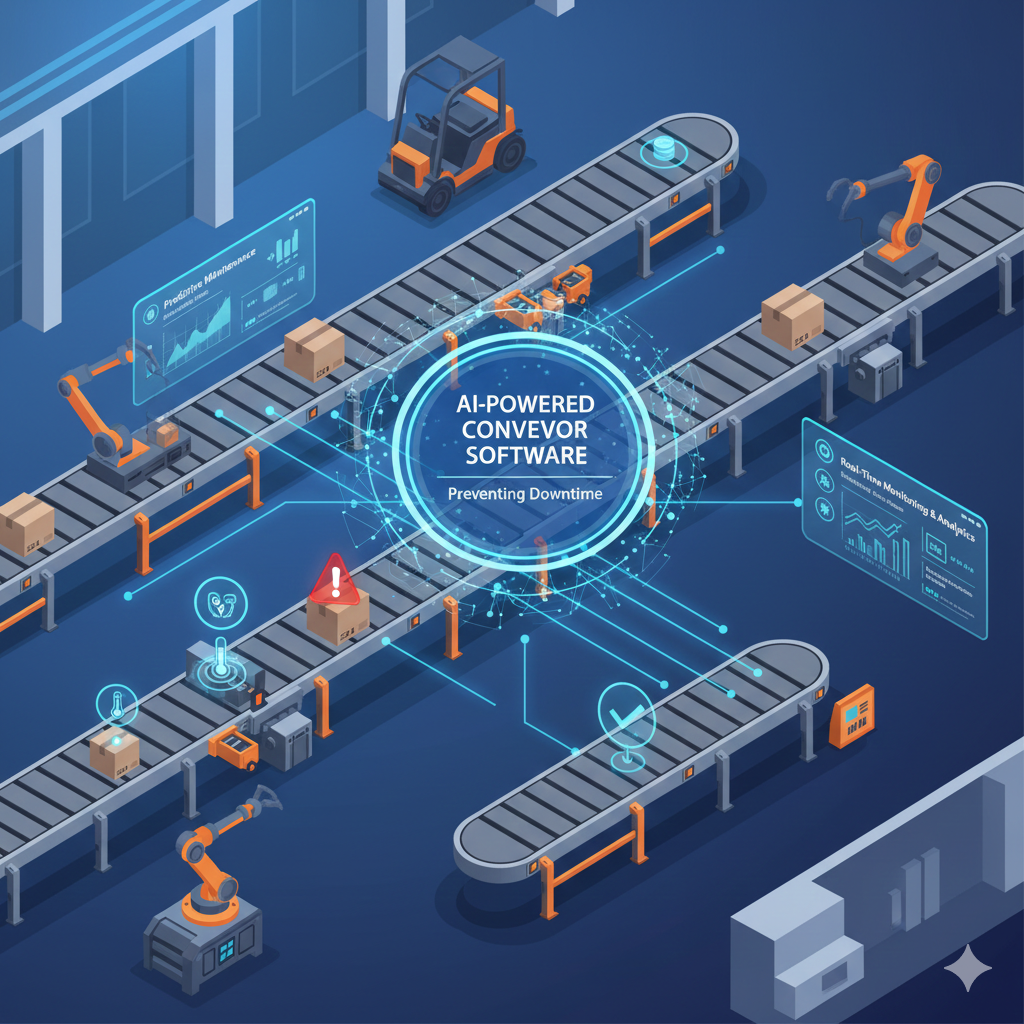
7. Predictive Maintenance and System Reliability 🔧
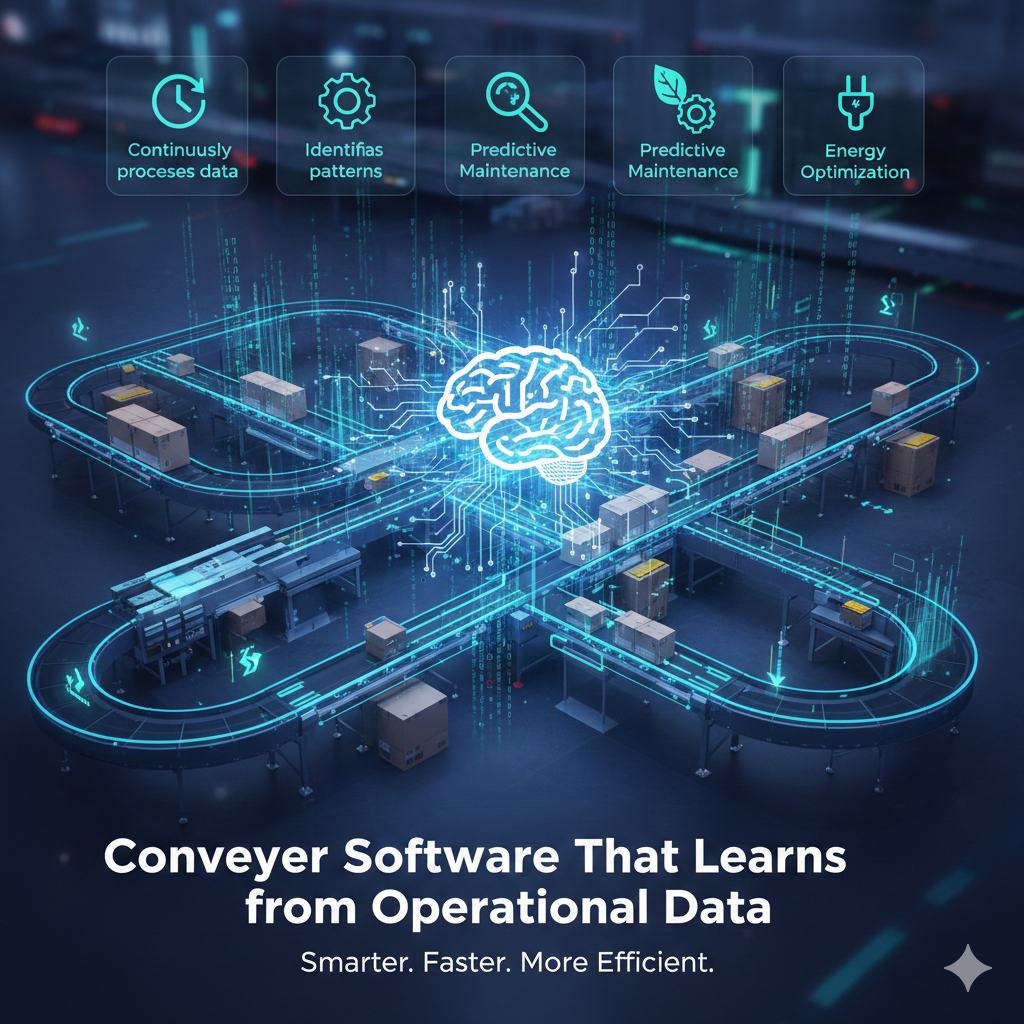
- Monitors motors, sensors, and conveyor health 📊
- Detects abnormal vibration, heat, or performance patterns 🌡️
- Predicts failures before breakdowns occur ⚠️
- Reduces unplanned downtime ⏱️
- Extends equipment lifespan 🧰
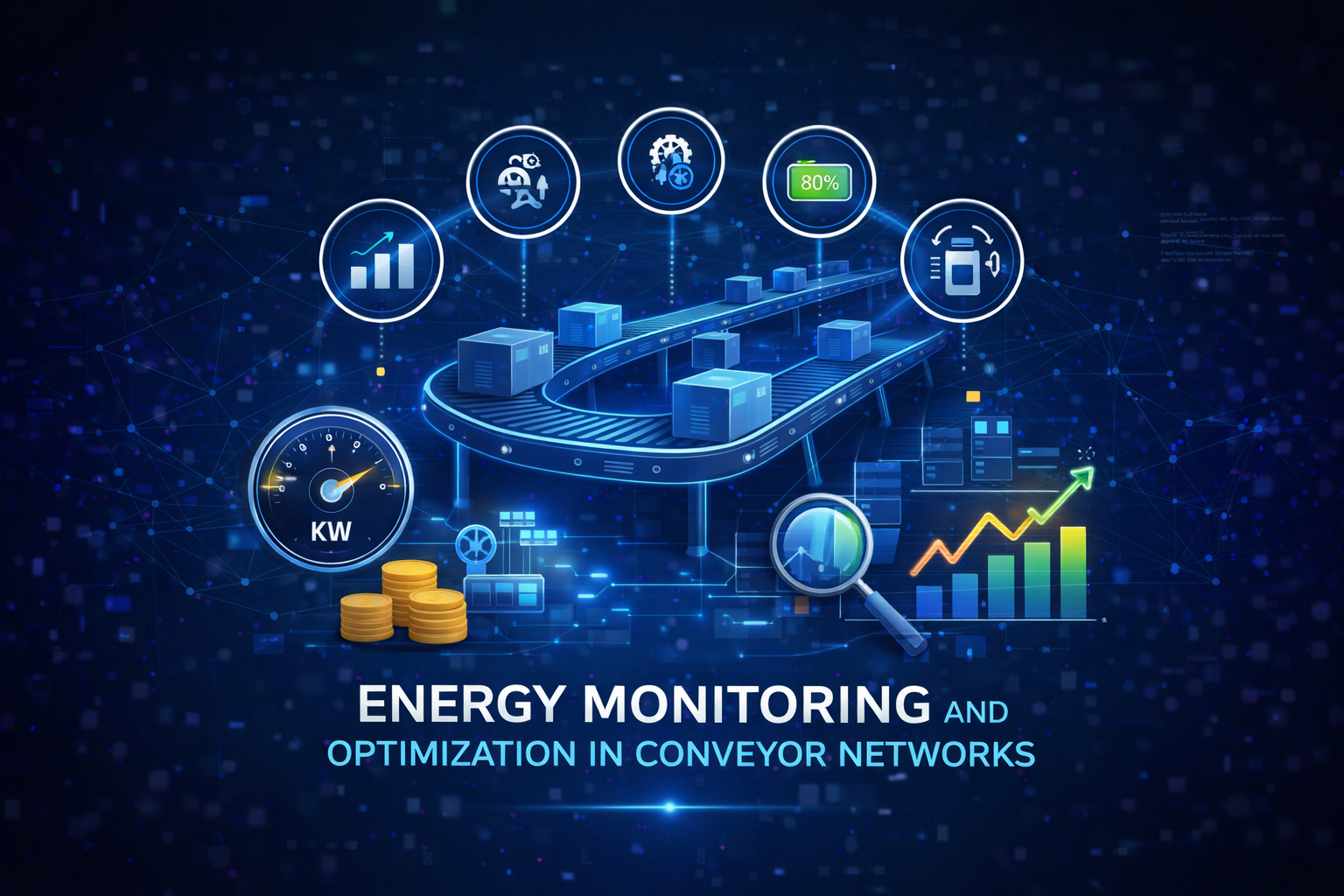
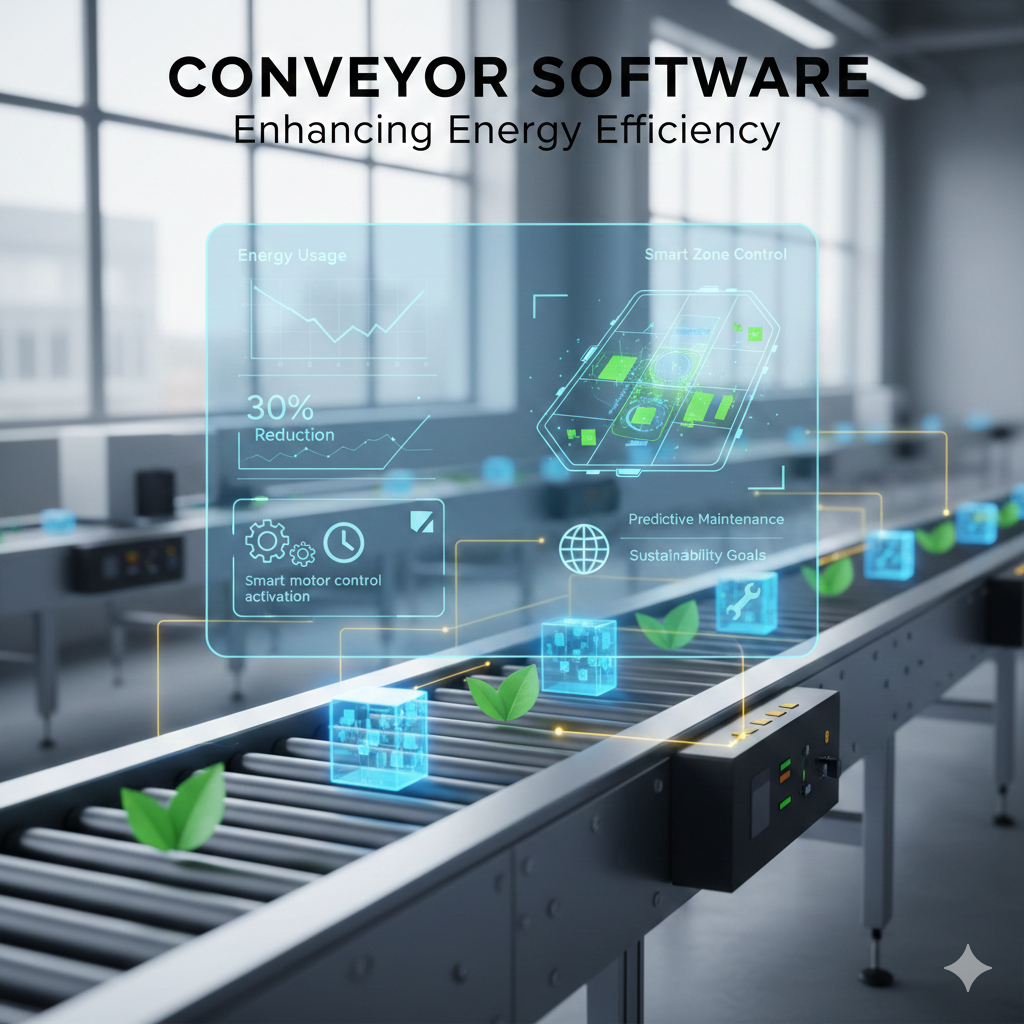
8. Energy and Cost Optimization 🌱
- Adjusts conveyor speeds based on load ⚙️
- Shuts down idle zones automatically 📴
- Reduces unnecessary motor usage 🔋
- Lowers energy consumption and wear 📉
- Supports sustainability goals 🌍
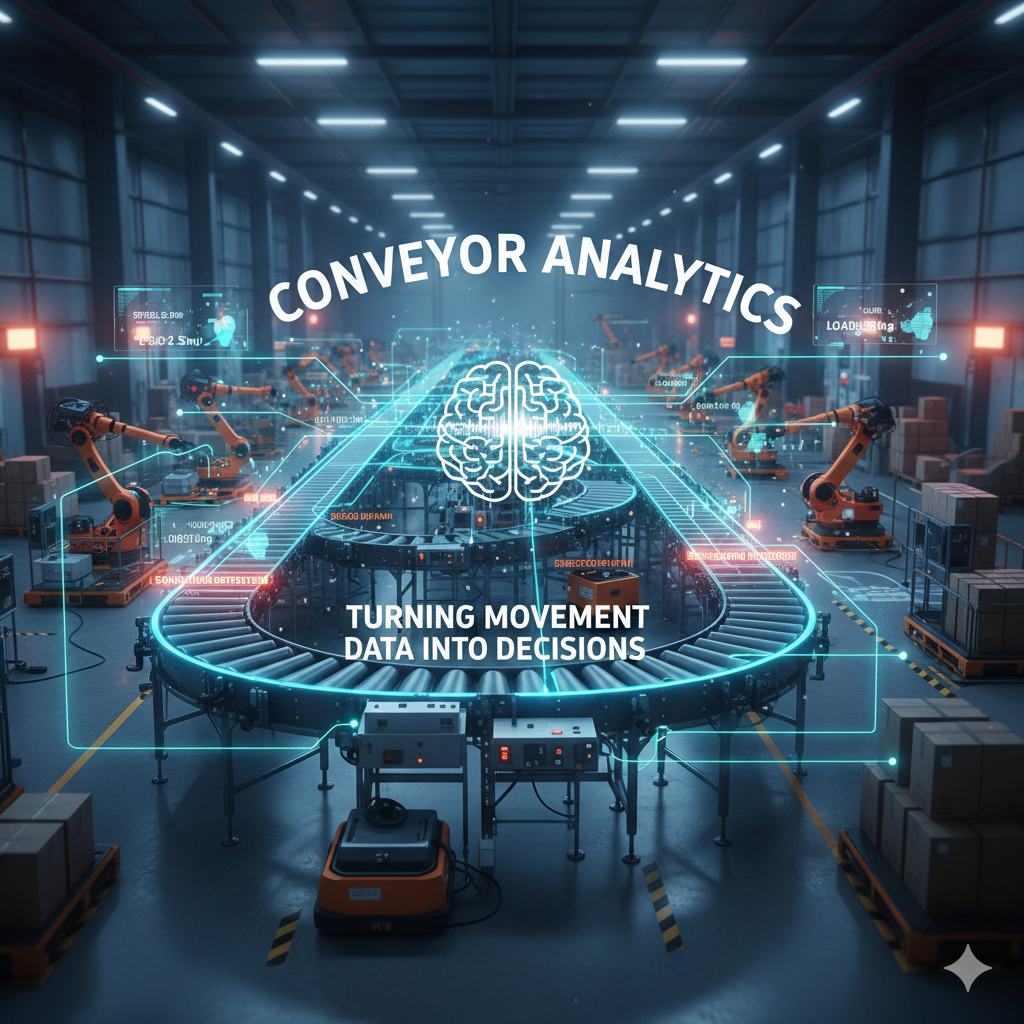
9. Real-Time Visibility and Control 📊
- Provides dashboards for throughput and system health 👀
- Tracks zone performance and delays ⏱️
- Sends alerts for exceptions and faults 🚨
- Enables fast, data-driven decisions on the floor 🧠
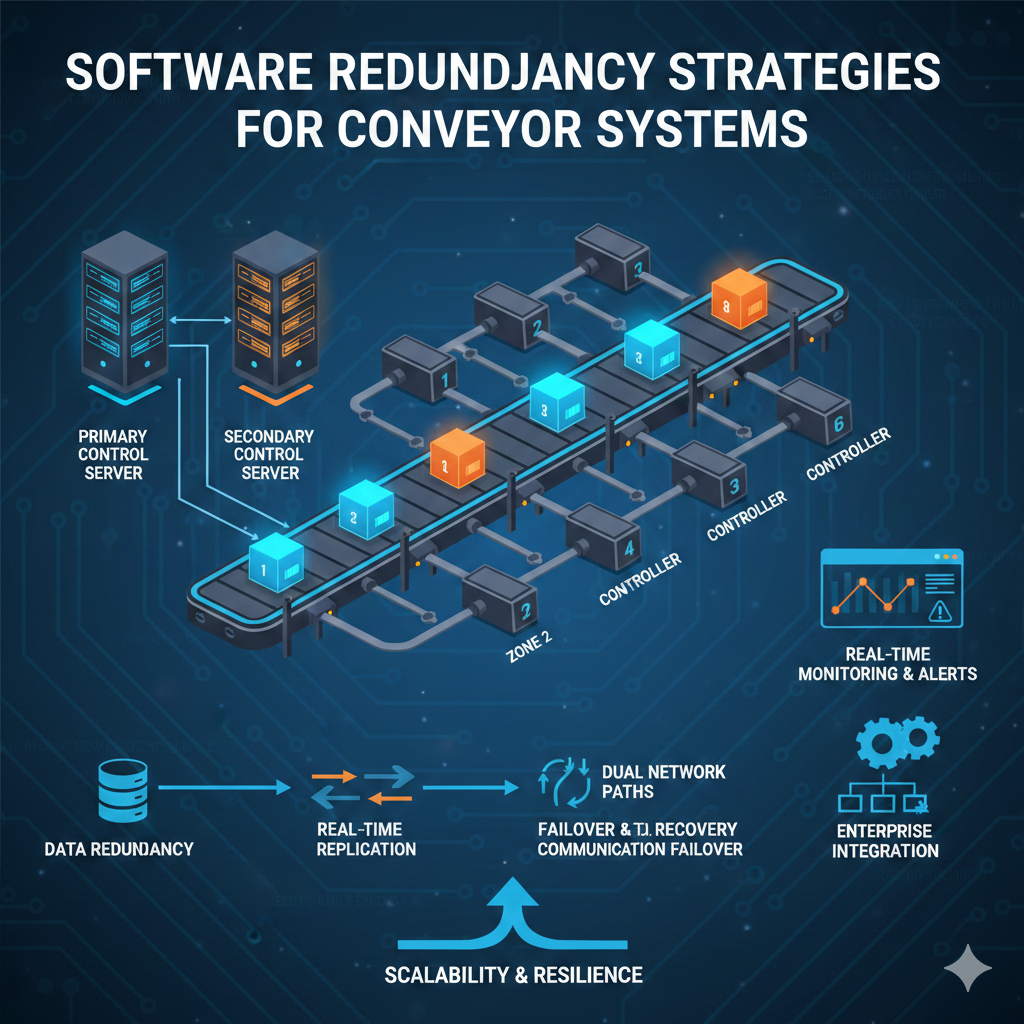
10. Fault Tolerance and Resilience 🛡️
- Isolates failures to specific conveyor zones 🚧
- Reroutes items around problem areas 🔀
- Keeps operations running during partial outages 🔄
- Improves overall system uptime 📈
11. Business Impact of Conveyor Software in Fulfillment Centers 💼
- Faster order processing and shipping 🚚
- Higher throughput with fewer errors ✅
- Reduced downtime and operating costs 💰
- Improved customer satisfaction 😊
- Greater flexibility to scale operations 🌱
Final Thoughts 🏁
Conveyor software is the invisible engine behind modern fulfillment centers. By providing real-time control, intelligent routing, predictive maintenance, and deep system integration, it transforms conveyor hardware into a high-performance fulfillment platform. For operations handling massive order volumes and tight delivery timelines, conveyor software is not just support technology—it is a critical driver of speed, accuracy, and competitive advantage. 🚀
See more blogs
You can all the articles below