Intelligent Queue Management in Robotic Conveyor Platforms
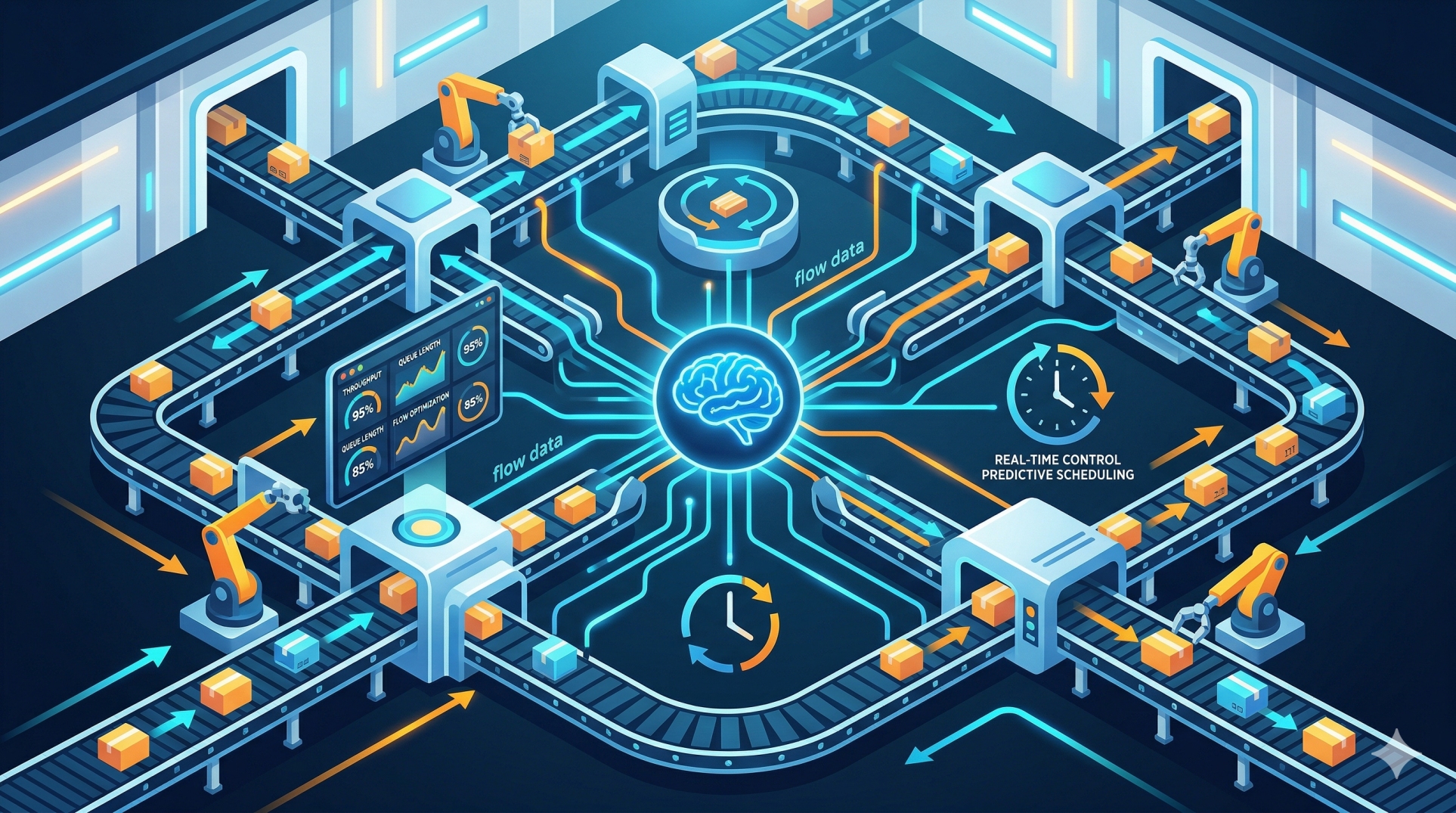
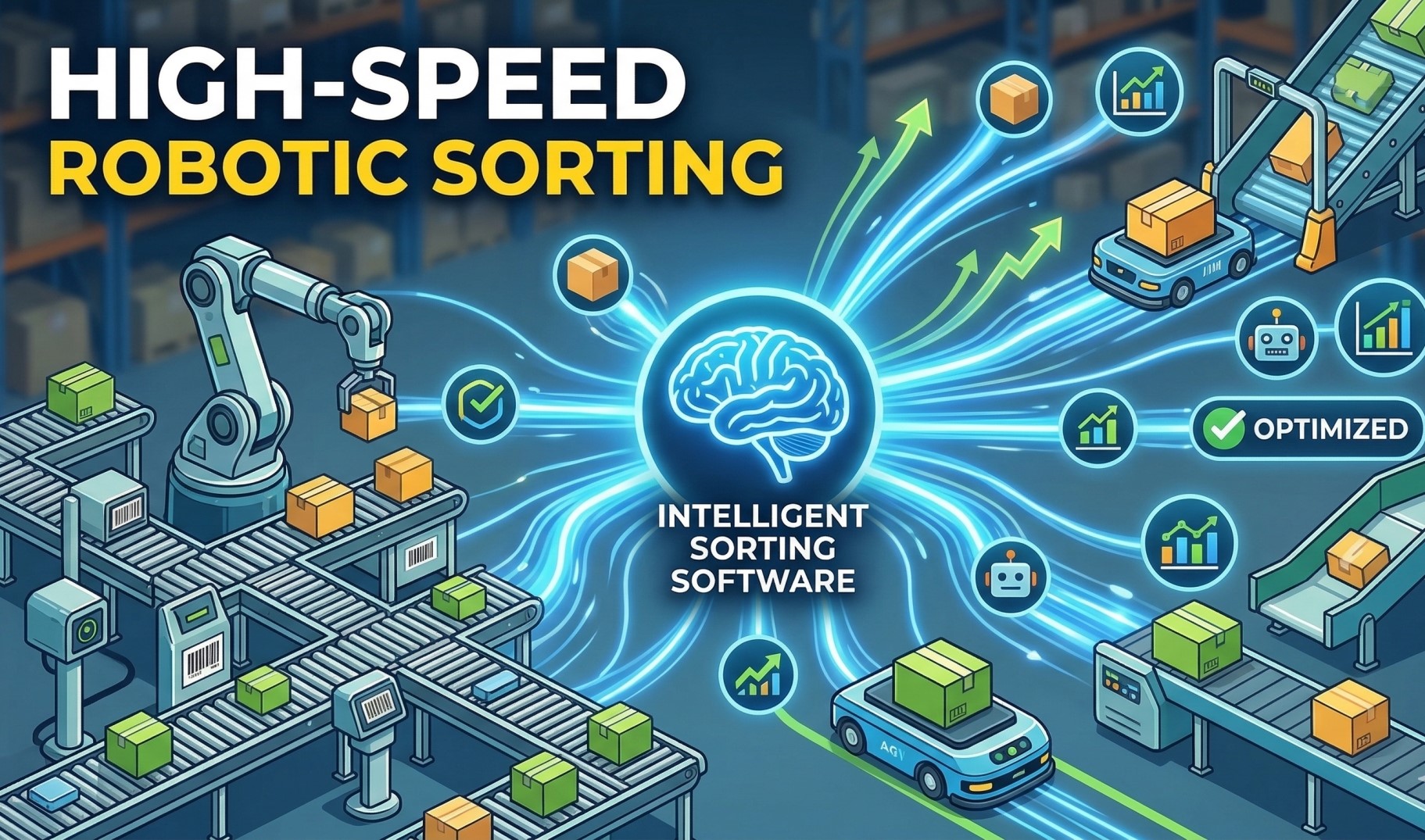
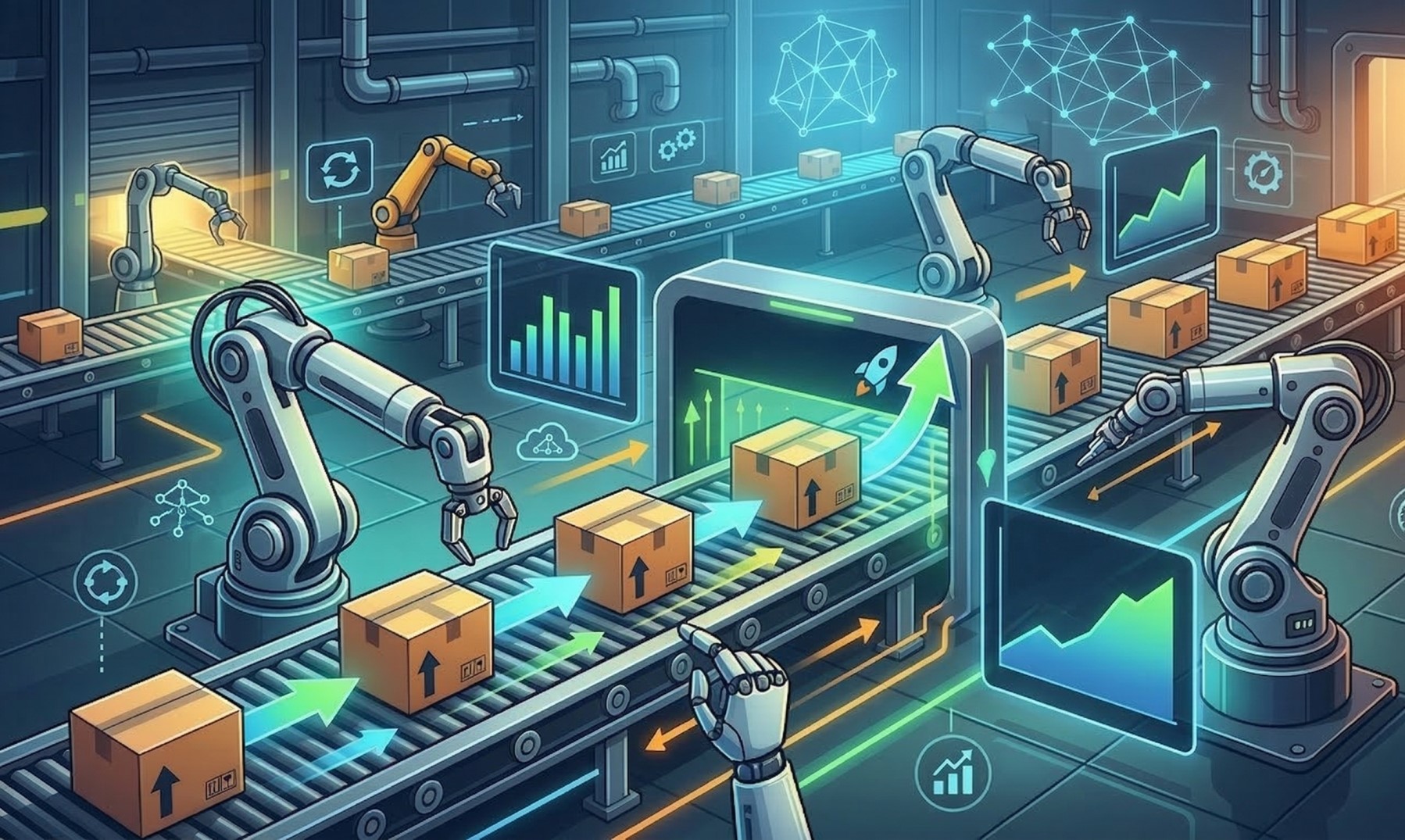
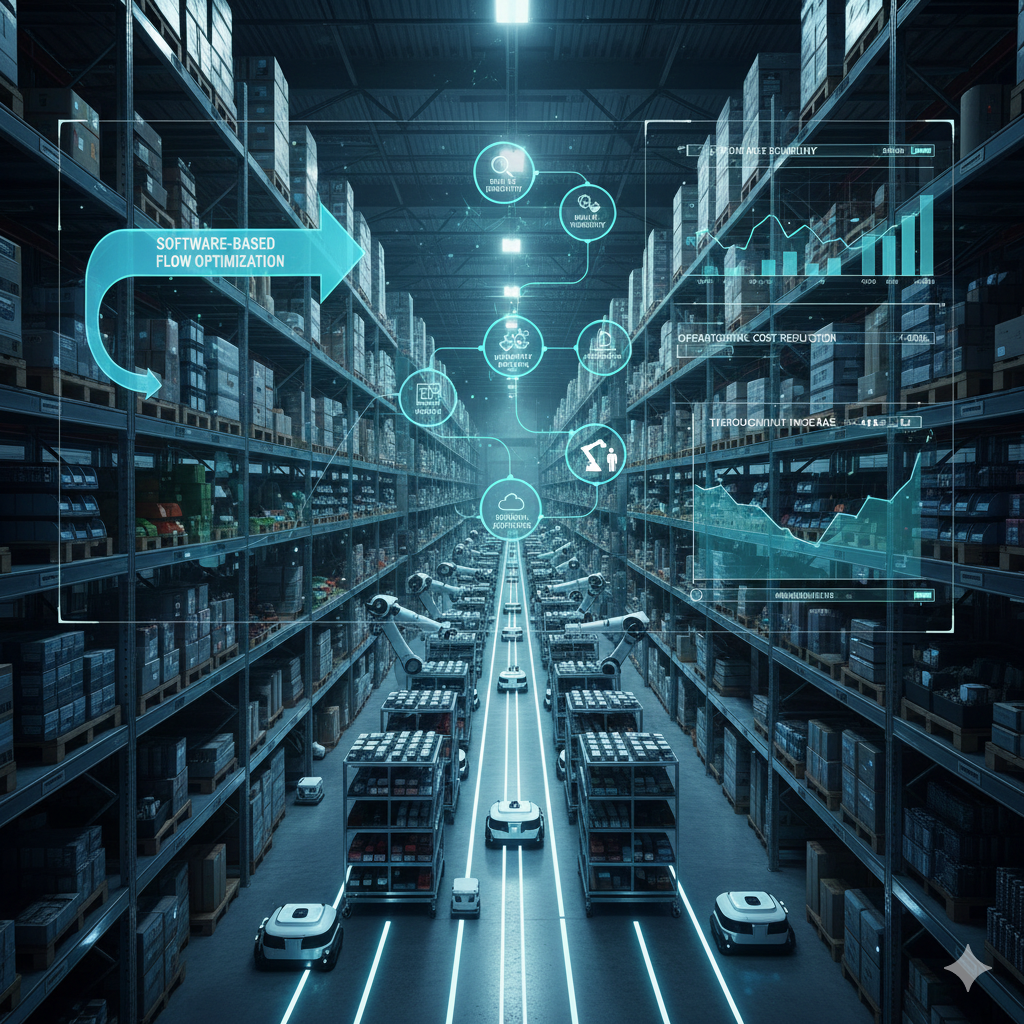
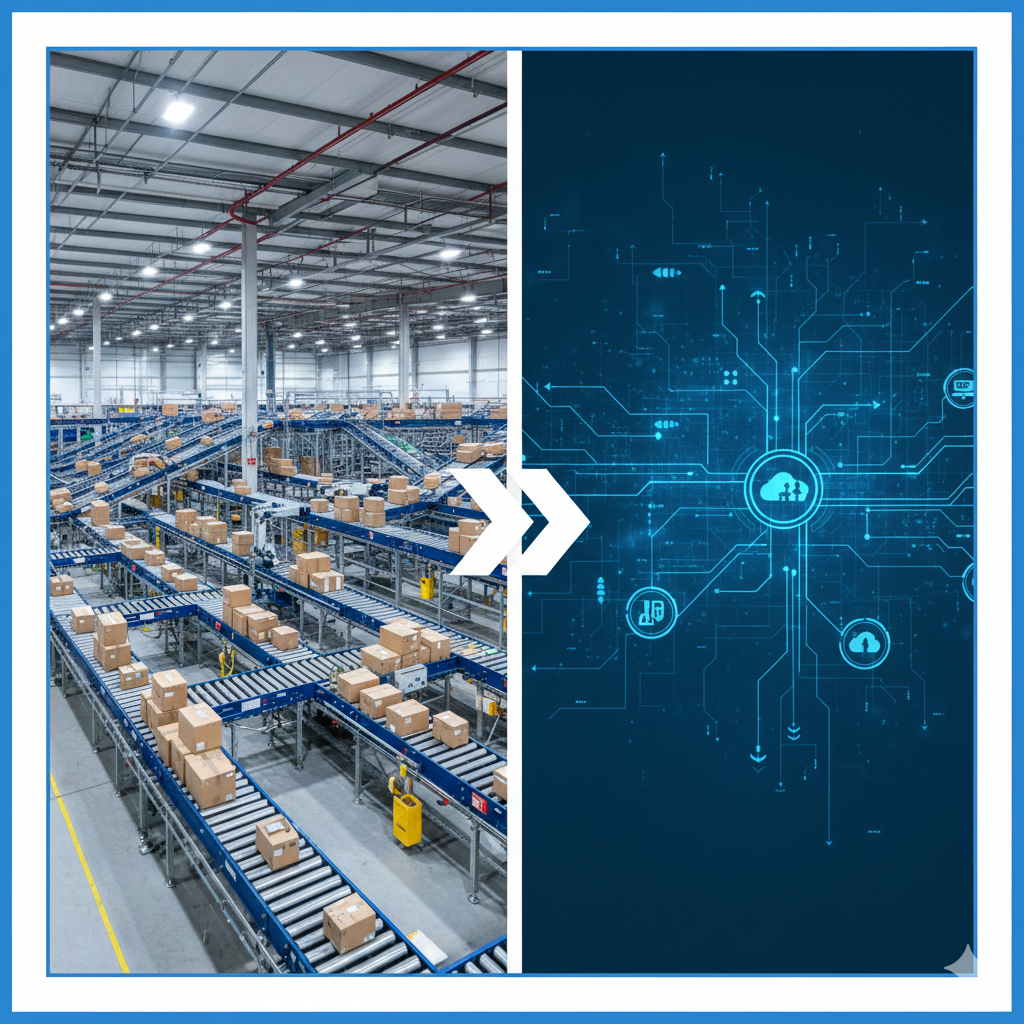
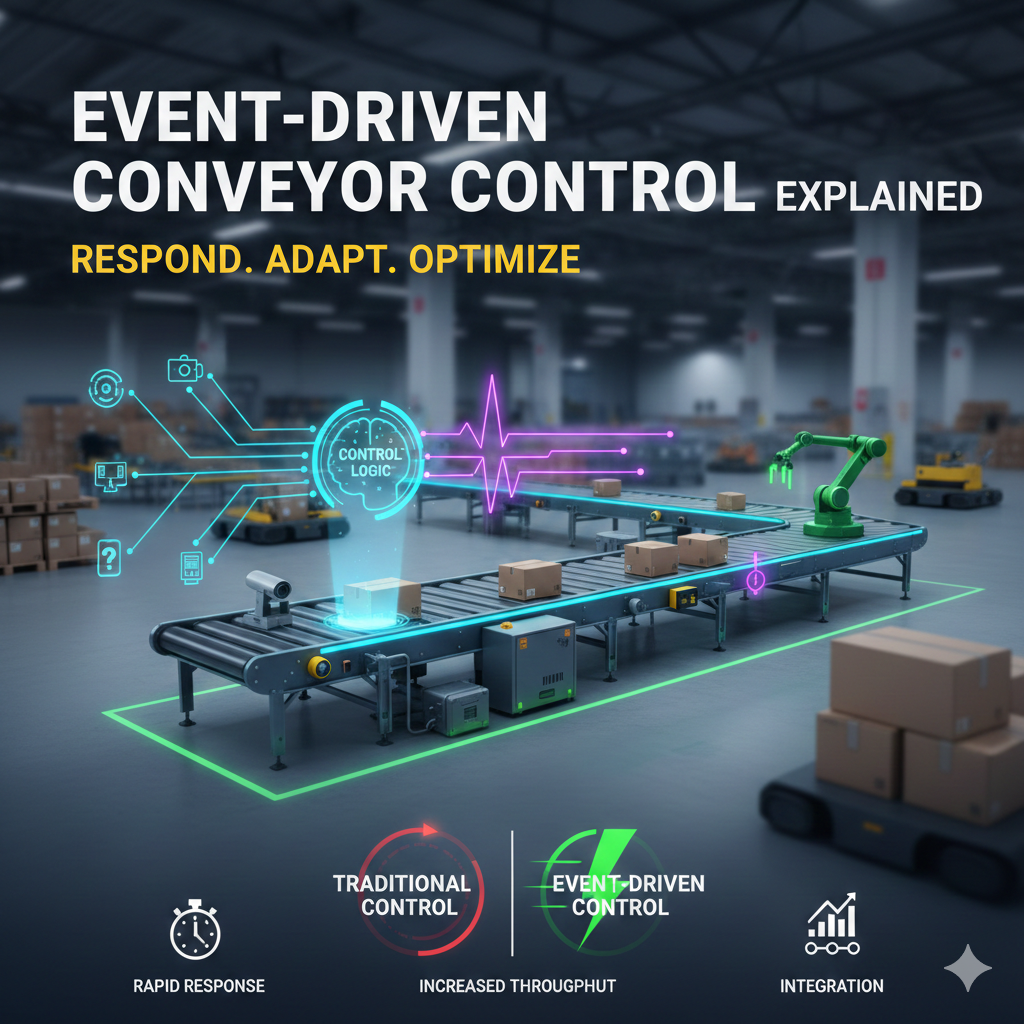
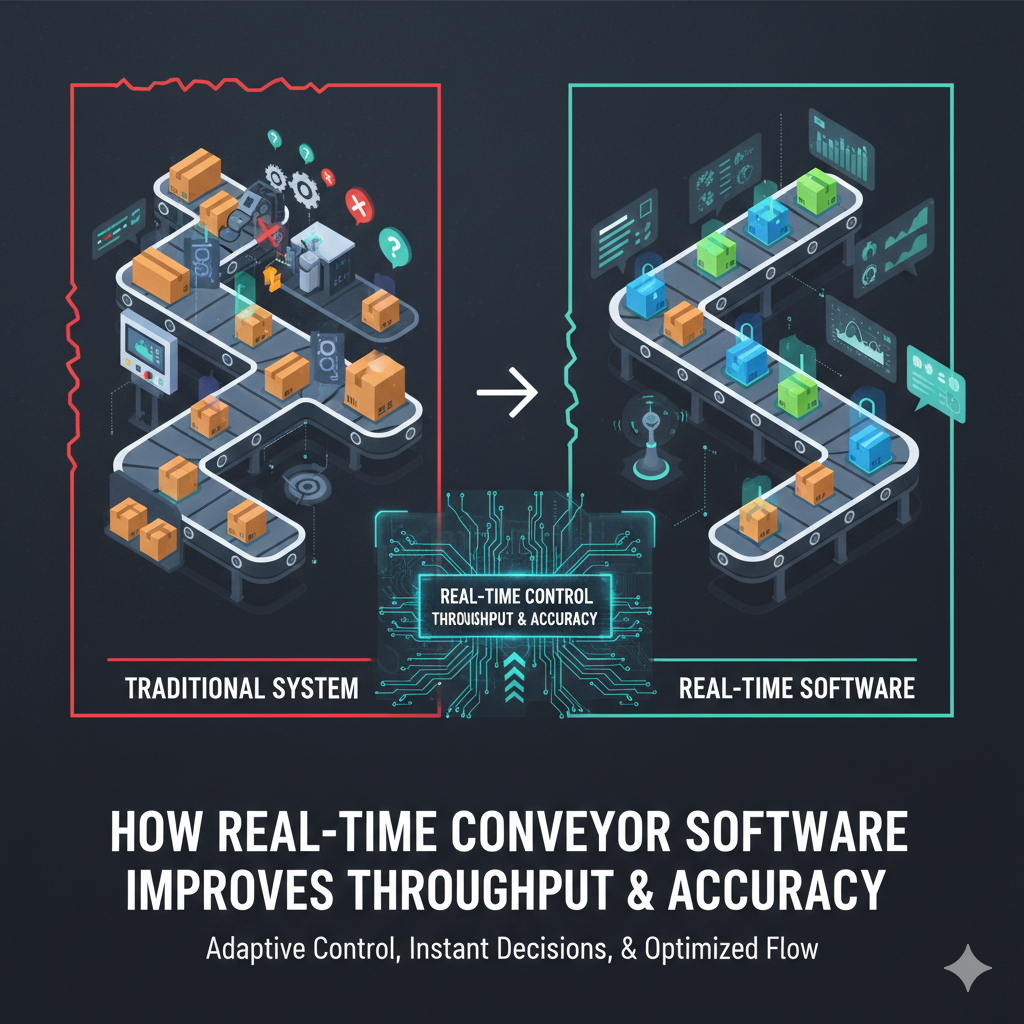
As robotic conveyor platforms grow in speed, scale, and operational complexity, managing the movement of items across interconnected nodes becomes increasingly critical. Intelligent queue management introduces adaptive control over how items are sequenced, delayed, and prioritized across conveyor networks and robotic systems. By orchestrating queues in real time, these systems enhance throughput, minimize congestion, and maintain consistent performance in high-demand environments.
Step 1: The Role of Queues in Conveyor-Based Systems 📦
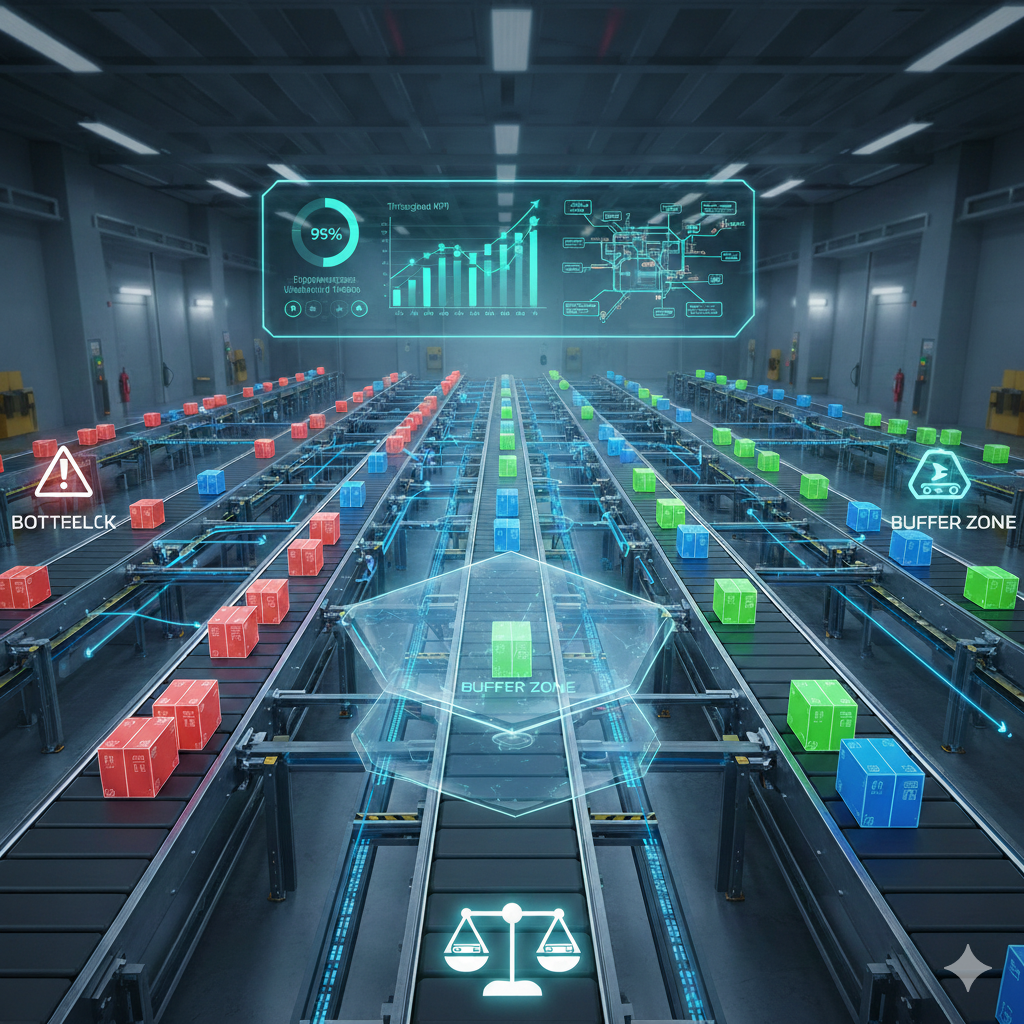
• Queues naturally form at transfer points, merges, and processing stations 🔄
• Accumulation of items directly influences system throughput 📈
• Ineffective queue handling creates bottlenecks and idle capacity ⚠️
• Queue patterns reflect the overall health of system operations 🧠
• Proper queue control enables smooth and continuous material flow ✅
Step 2: Limitations of Static Queue Handling 🚫
• Fixed logic fails to adapt to changing workloads 🔄
• FIFO approaches alone do not always maximize efficiency 📉
• Absence of prioritization delays time-sensitive items ⏳
• Static buffering increases the likelihood of congestion ⚠️
• Rigid systems reduce responsiveness to real-time conditions 📊
Step 3: Real-Time Queue Visibility and Monitoring 👀
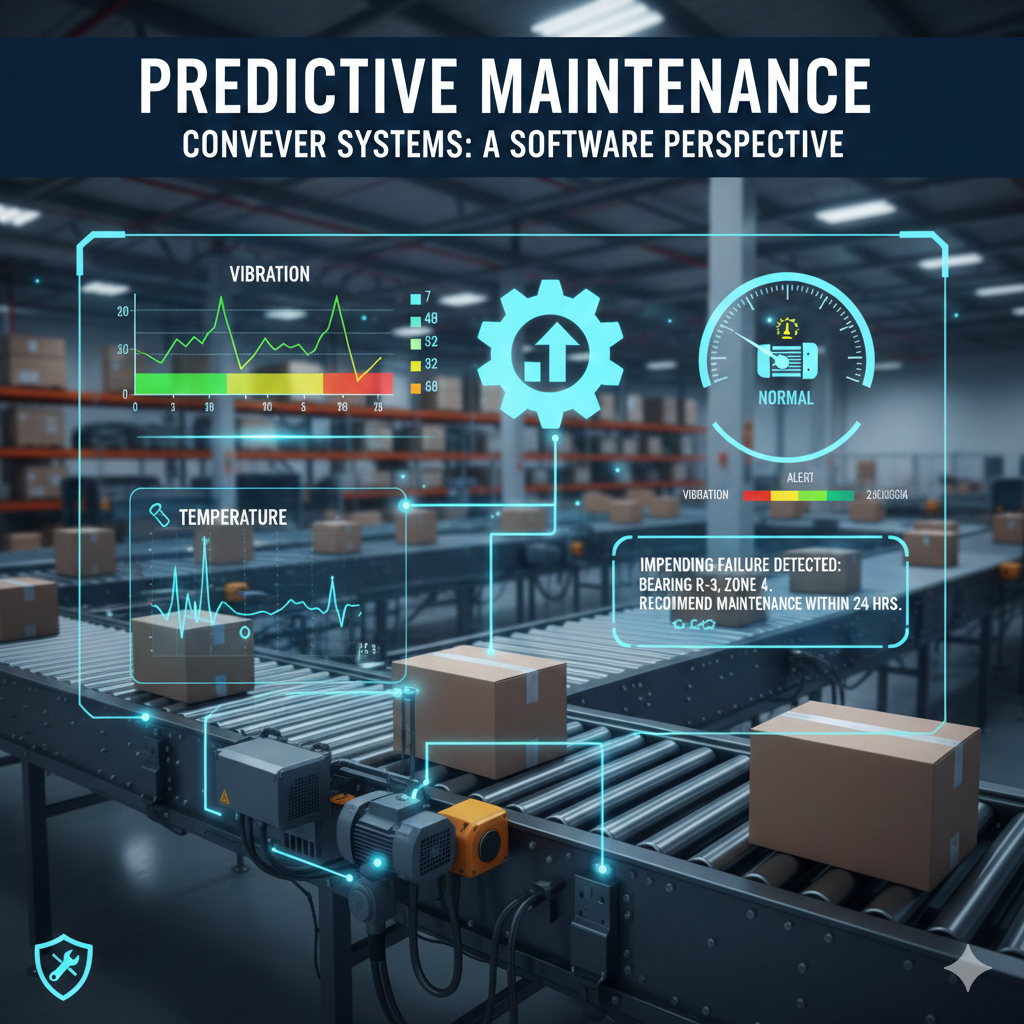
• Tracks item location, waiting time, and queue size continuously 📍
• Provides instant visibility into congestion across the system 📊
• Detects flow imbalances before they escalate 🚨
• Enables informed, data-driven operational decisions 🧠
• Improves coordination between system components 🔗
Step 4: Dynamic Prioritization of Items 🎯
• Assigns priority based on urgency, deadlines, or business rules ⏱️
• Accelerates movement of high-priority items through the system ⚡
• Adjusts sequencing based on downstream availability 🔄
• Balances competing demands across workflows ⚖️
• Enhances service levels and delivery performance 📈
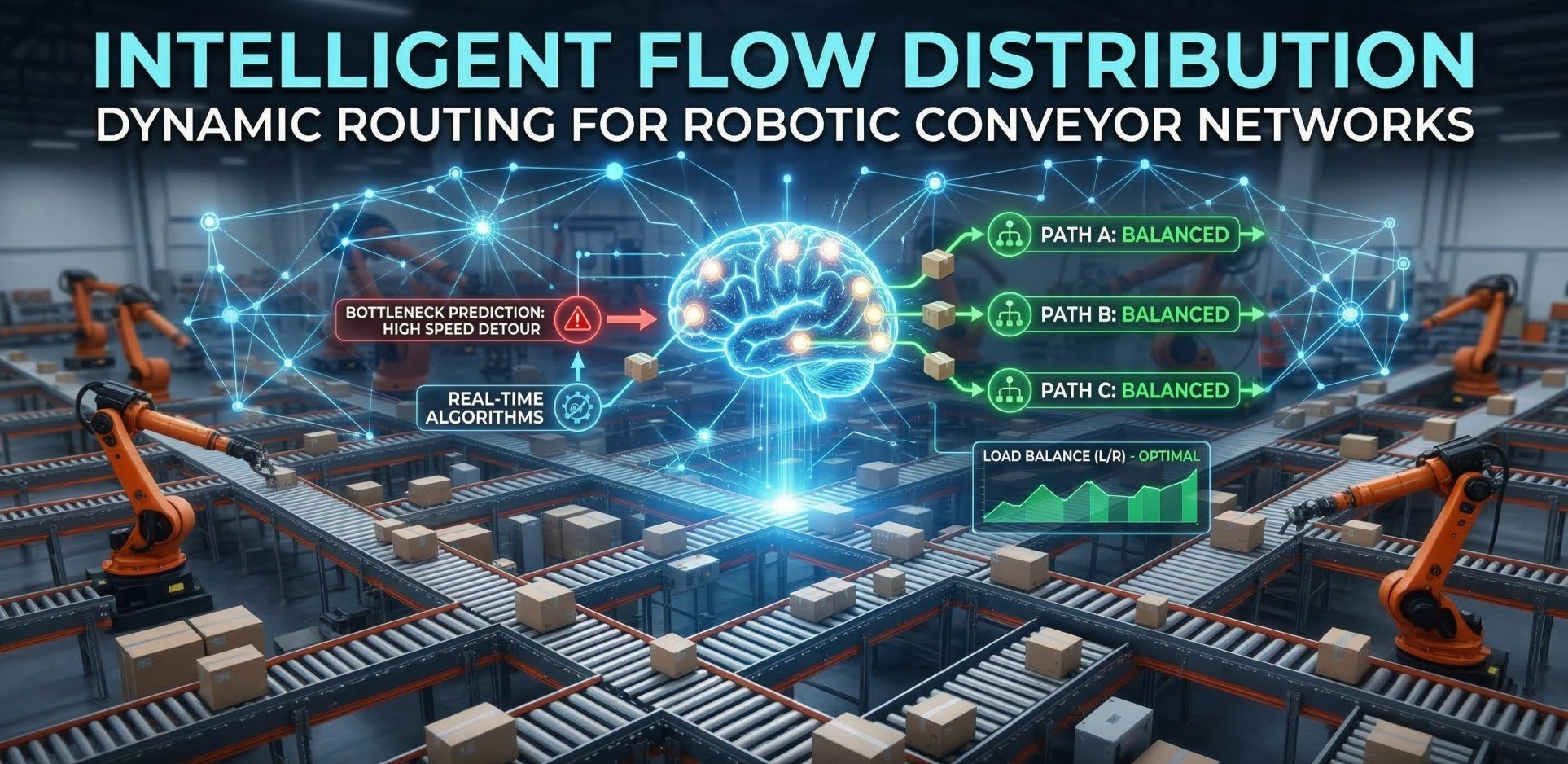
Step 5: Load Balancing Across Conveyor Paths ⚖️
• Distributes items across multiple available conveyor routes 🔀
• Prevents overload on specific segments of the system 🚫
• Maximizes utilization of parallel processing resources 📊
• Reduces localized congestion and delays ⏳
• Improves overall throughput and efficiency 📈
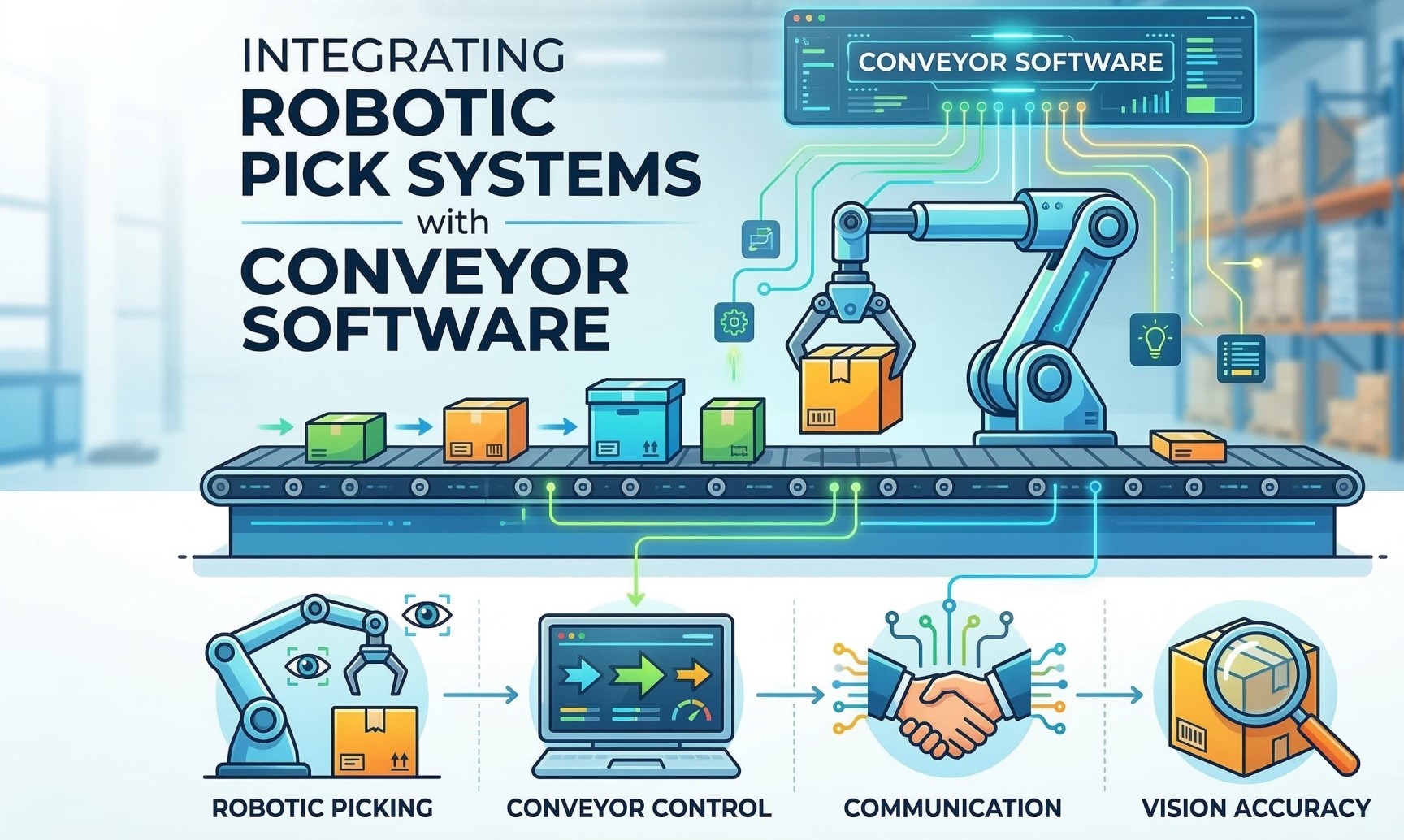
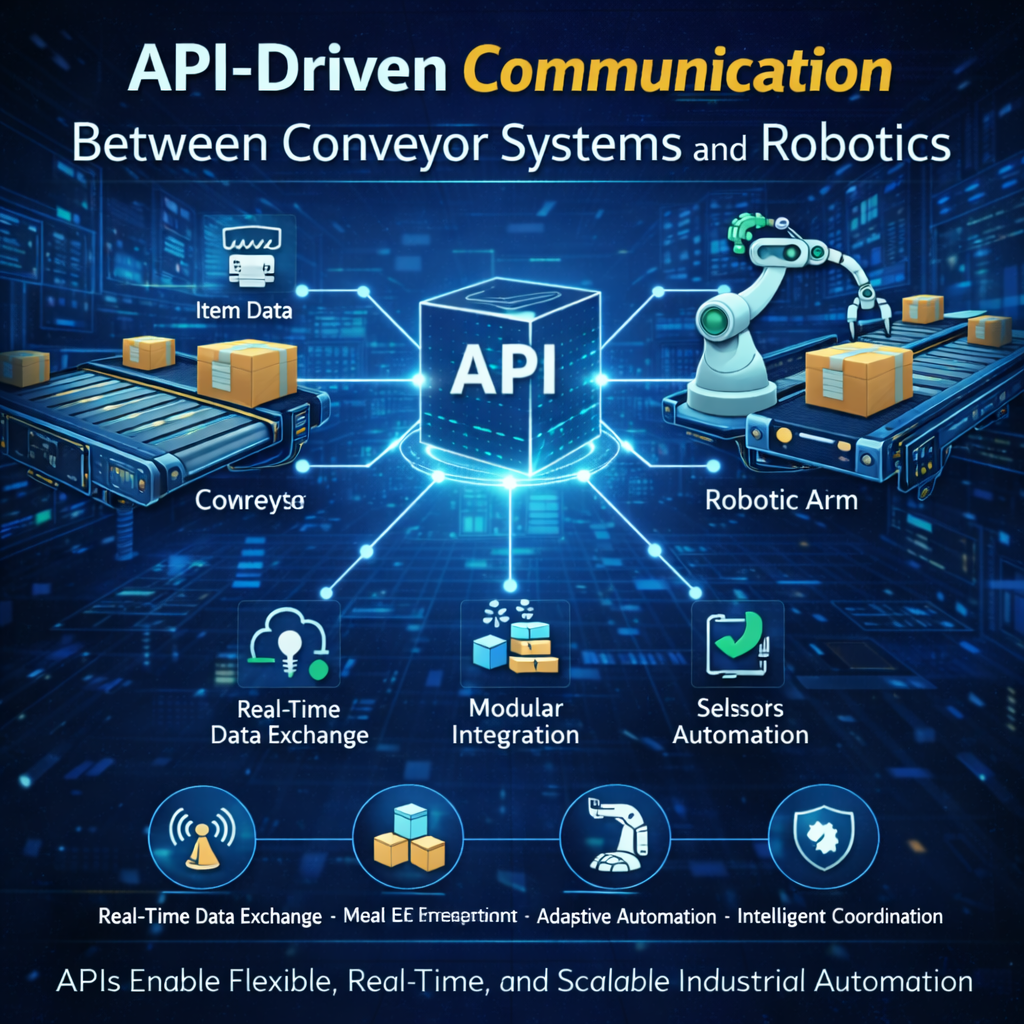
Step 6: Integration with Robotic Handling Systems 🤖
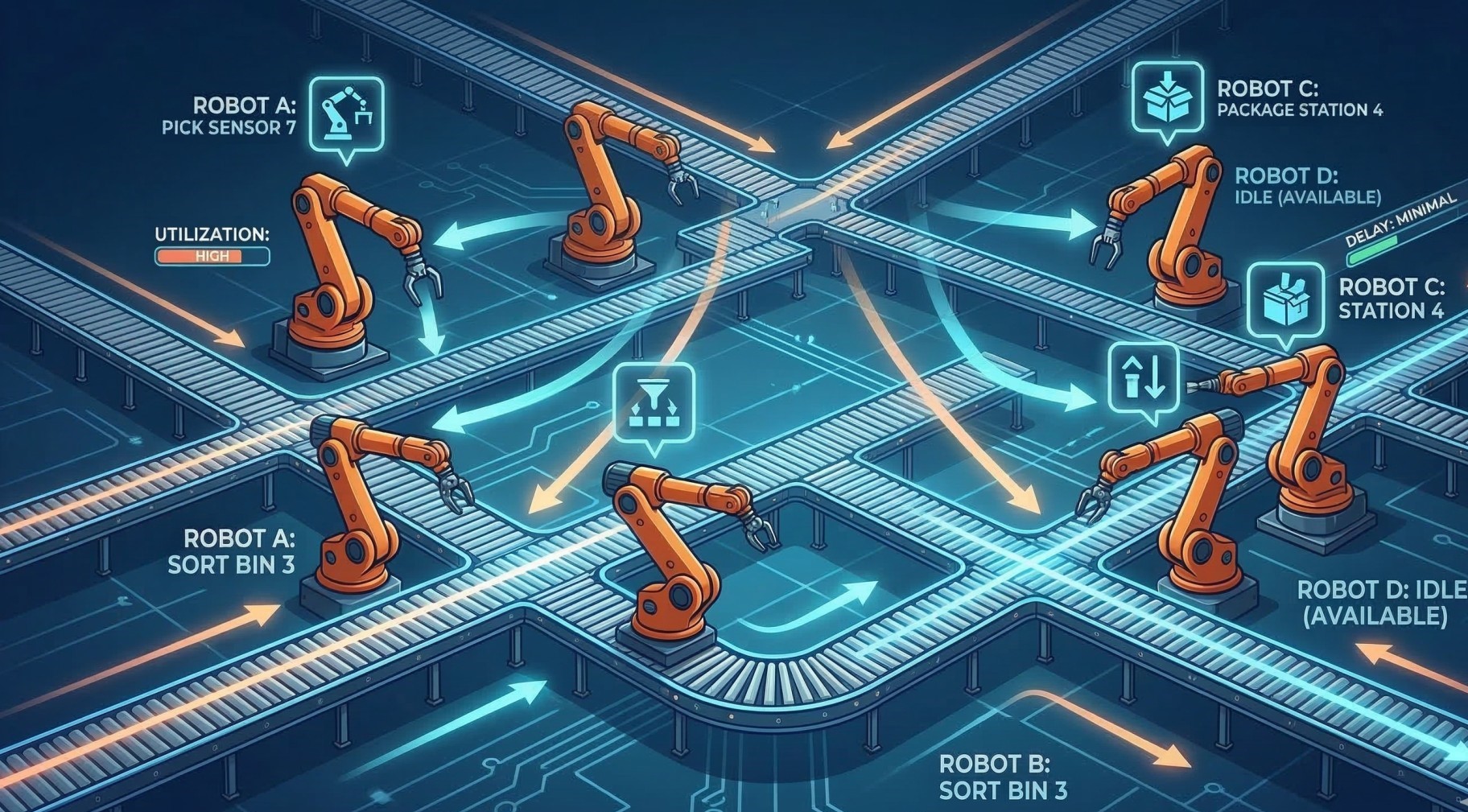
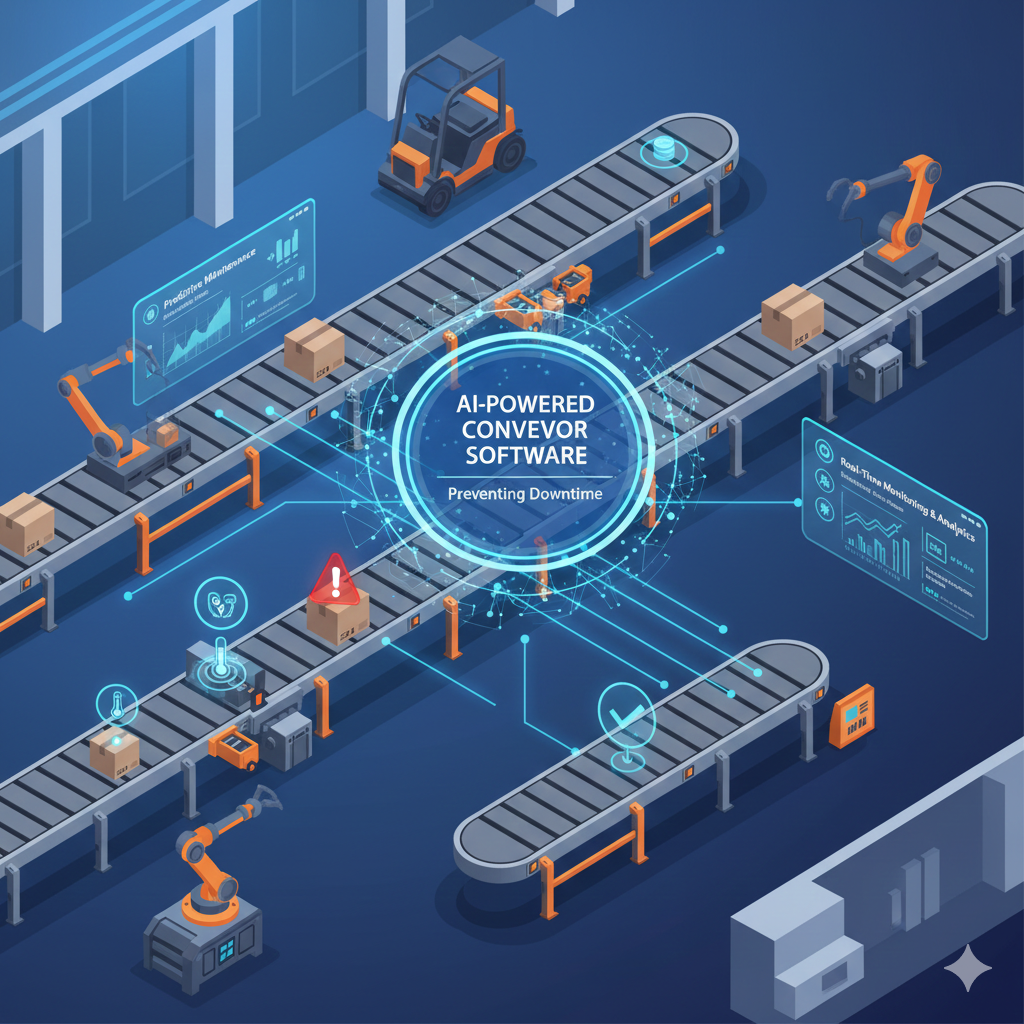
• Synchronizes queues between conveyors and robotic stations 🔗
• Aligns item arrival with robot availability ⏱️
• Minimizes idle time across robotic operations ⚡
• Ensures smooth and coordinated material handoffs 🔄
• Enhances end-to-end operational efficiency 📈
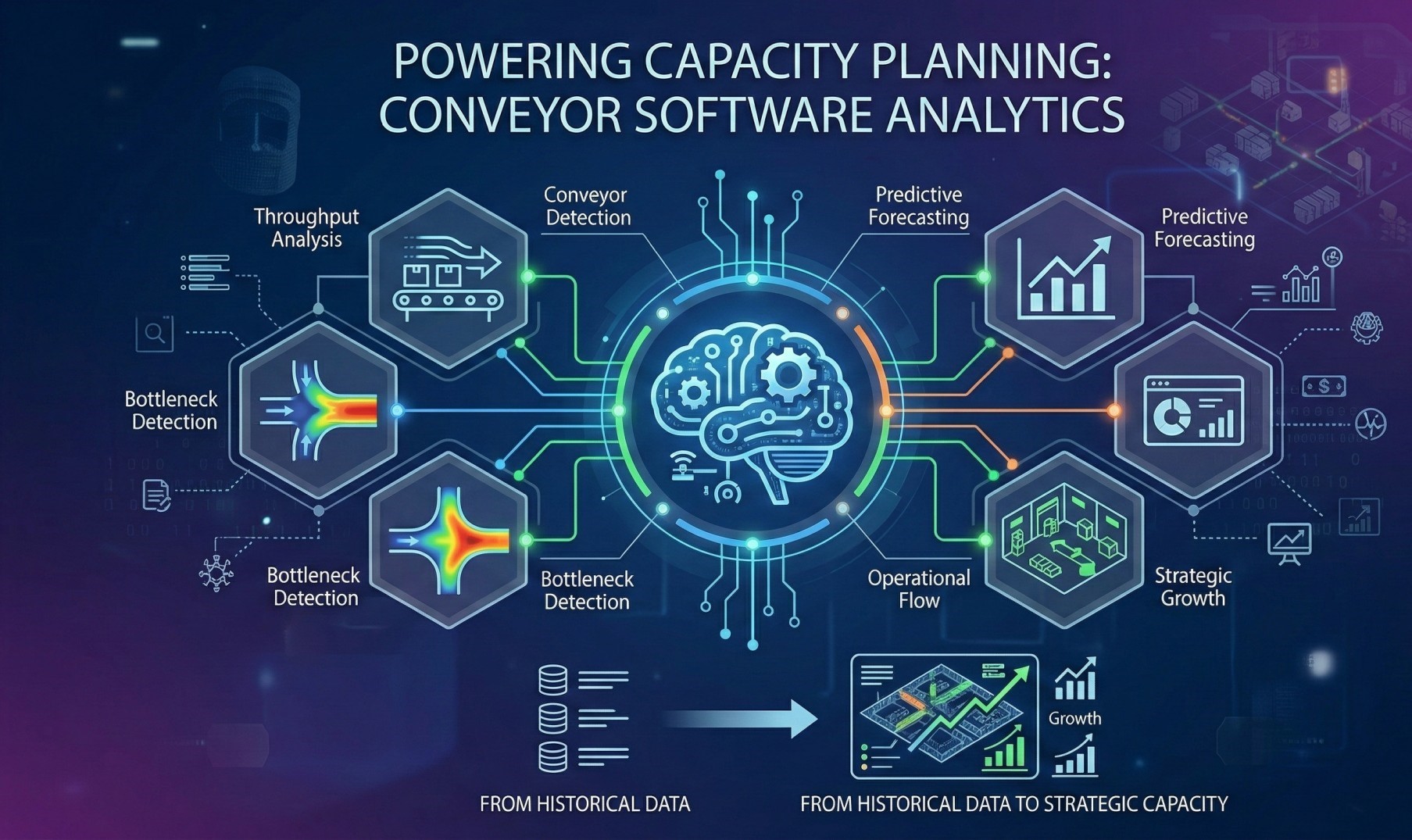
Step 7: Predictive Queue Management 🔮
• Anticipates congestion based on incoming flow trends 📊
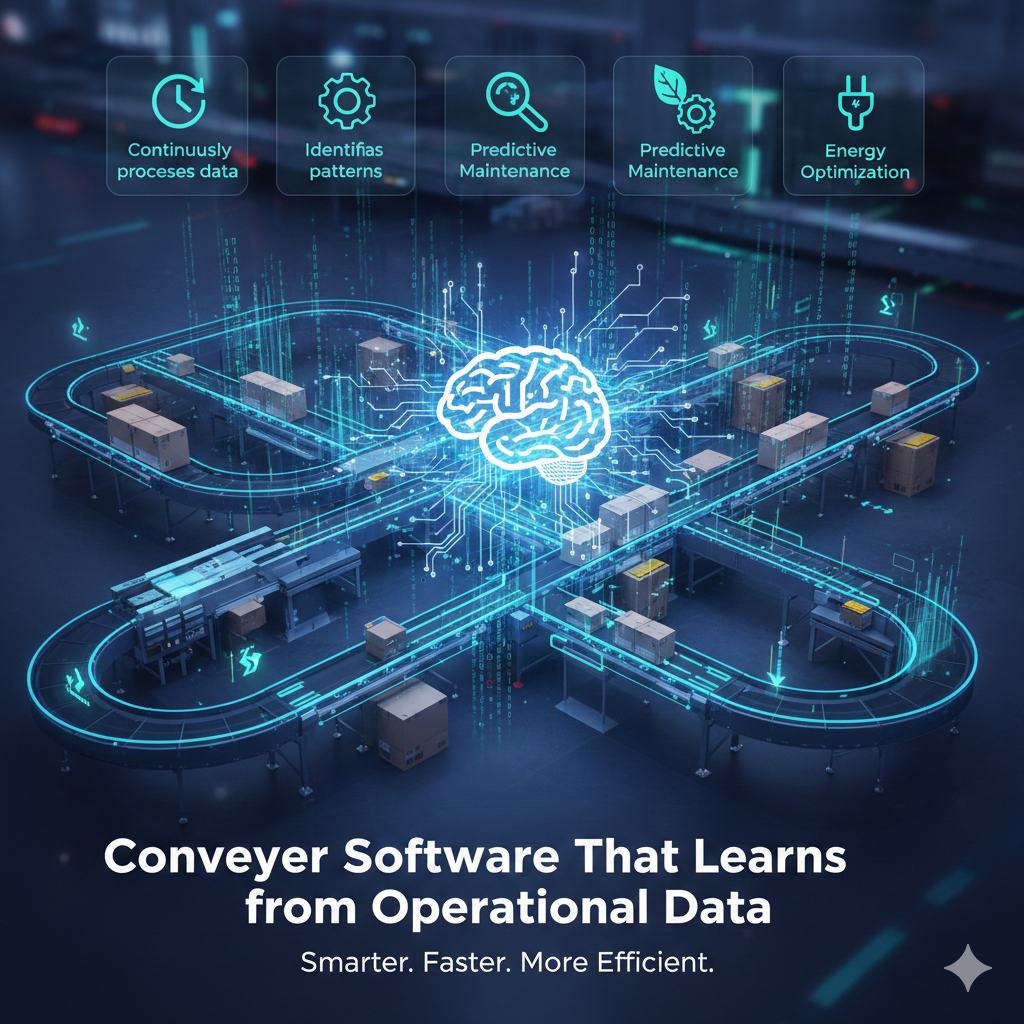
• Uses historical and real-time data for forecasting 🧠
• Adjusts routing and buffering proactively 🔄
• Prevents bottlenecks before they occur 🚫
• Supports stable performance under high-volume conditions 📈
Step 8: Impact on System Performance 📊
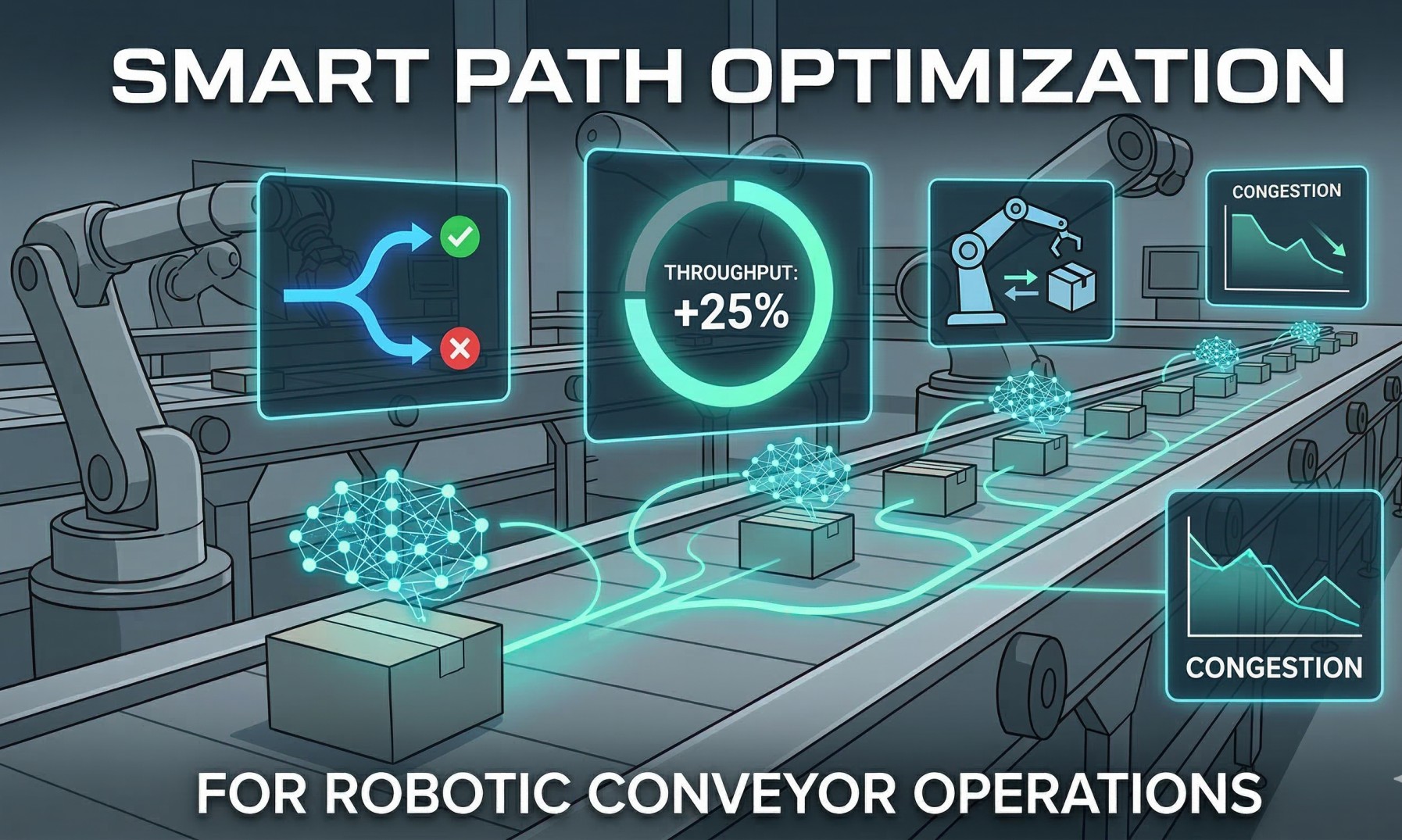
• Increases throughput while reducing delays 🚀
• Improves utilization of conveyors and robotic assets ⚙️
• Strengthens operational stability during peak demand 📈
Step 9: Scalability in High-Throughput Environments 📈
• Handles increasing volumes without performance degradation 🔄
• Supports expansion of conveyor and robotic infrastructure 🏗️
• Maintains efficiency across distributed operations 🌐
• Ensures consistent performance at larger scales 📊
• Reduces dependency on manual intervention 🤝
Step 10: Intelligent Queue Management as a Control Layer 🧠
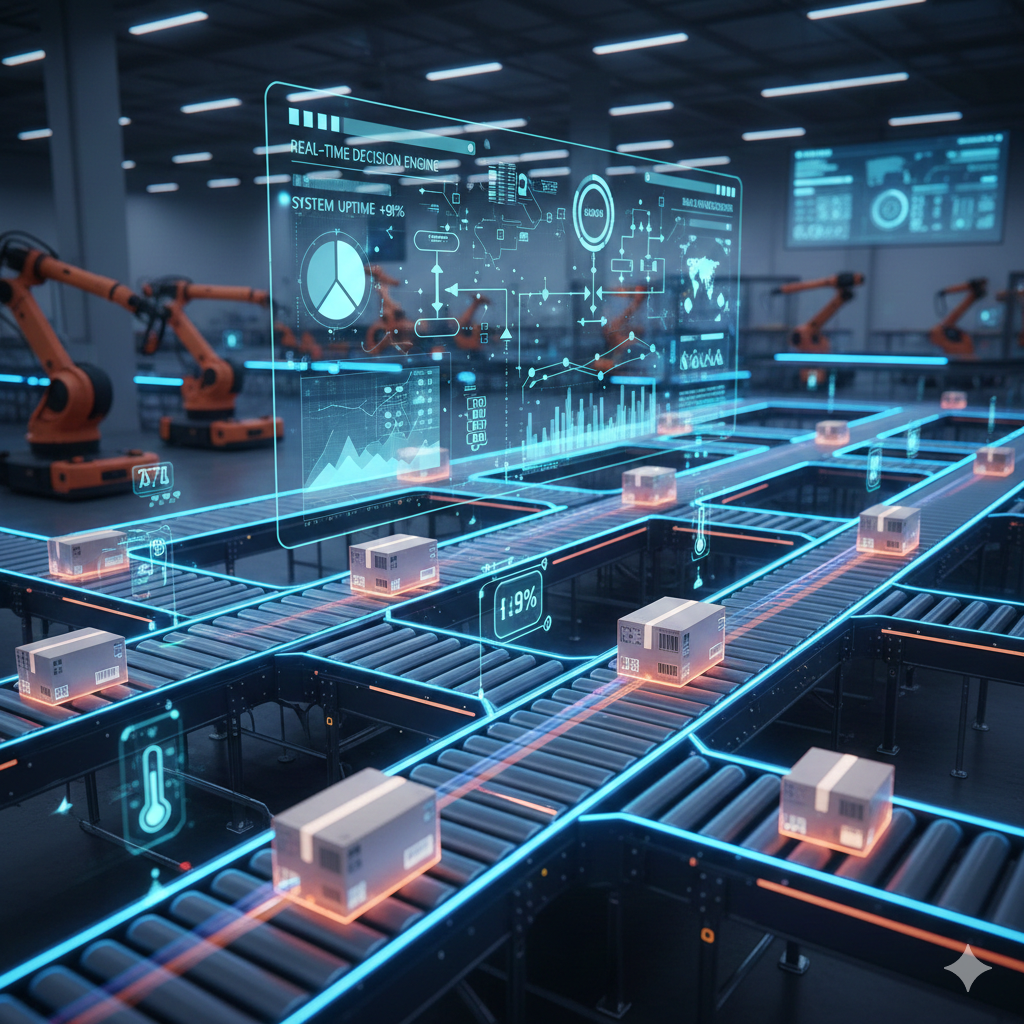
• Functions as a real-time decision engine for material flow ⚙️
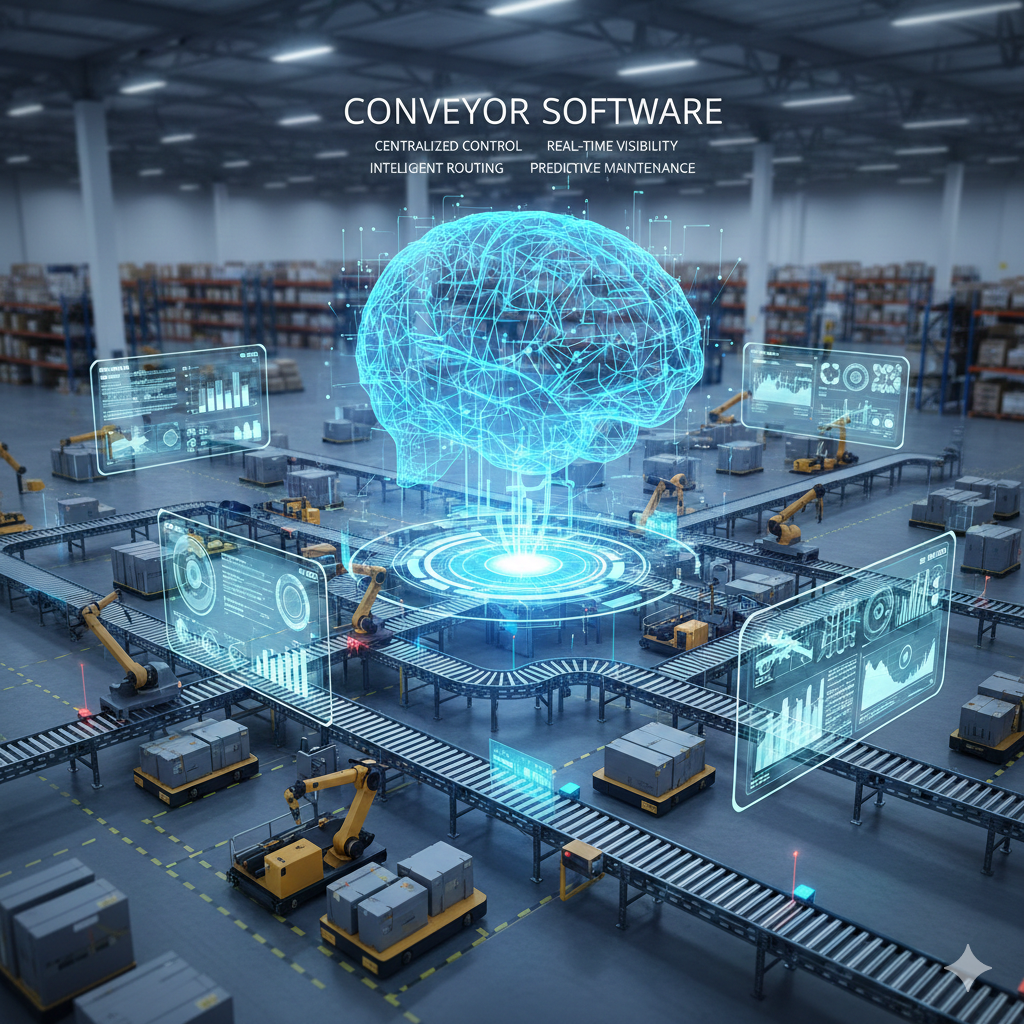
• Coordinates multiple subsystems within the platform 🔗
• Continuously optimizes flow based on system conditions 🔄
• Improves resilience against disruptions ⚠️
• Establishes queue management as a core system capability 🏗️
Conclusion
Intelligent queue management plays a critical role in modern robotic conveyor platforms operating at scale. By combining real-time visibility, adaptive prioritization, predictive control, and coordinated system behavior, these solutions ensure efficient and reliable material flow. As automation environments become increasingly complex, intelligent queue management forms a foundational layer for achieving high throughput, flexibility, and long-term operational stability.
See more blogs
You can all the articles below