Load Distribution Techniques for Robotic Conveyor Lines

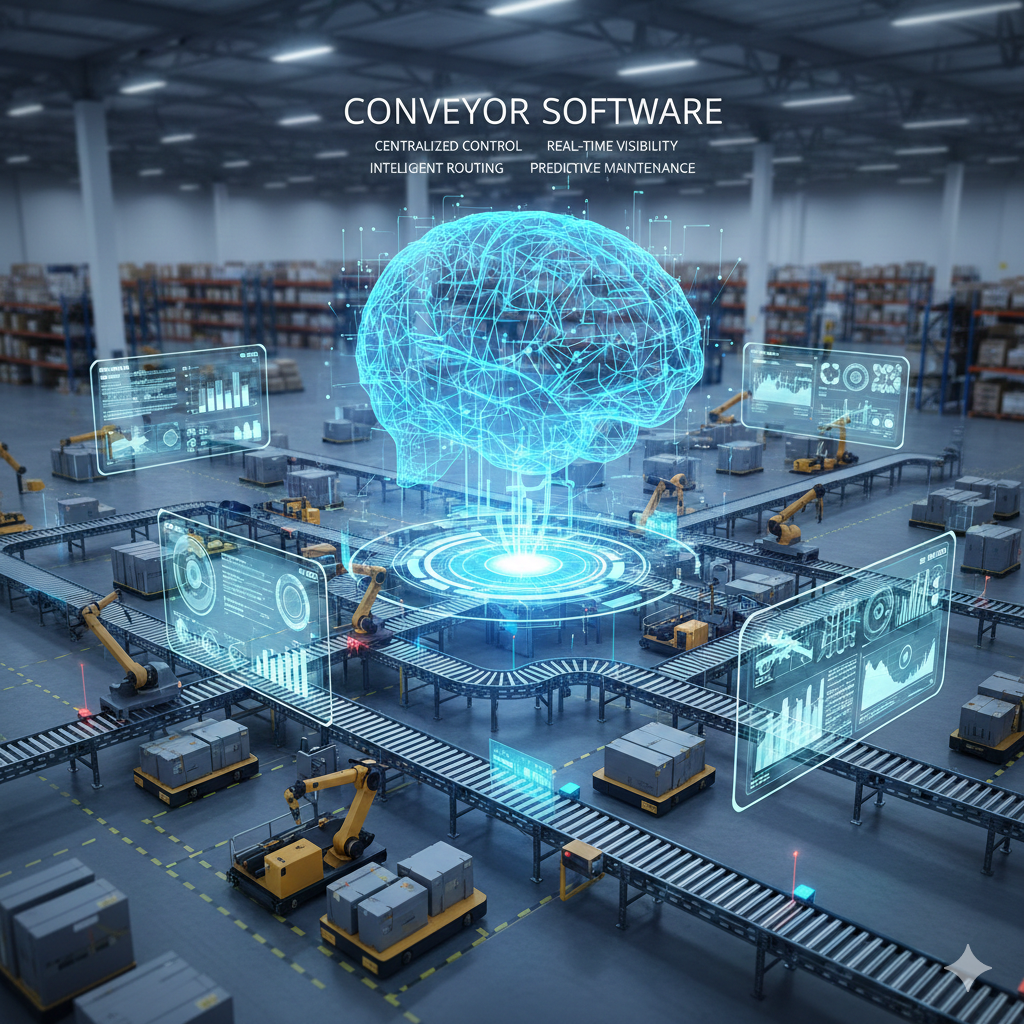
Efficient load distribution plays a vital role in maintaining performance, stability, and throughput in robotic conveyor systems. As automation environments scale and material flow becomes increasingly dynamic, uneven distribution can result in bottlenecks, excessive equipment wear, and reduced operational efficiency. Modern conveyor control approaches focus on intelligently balancing loads to sustain consistent flow and maximize resource utilization.
Step 1: Understanding Load Distribution in Conveyor Systems ⚙️
• Refers to how materials are allocated across conveyor paths and robotic handling points 🔗
• Ensures no single segment or robot is overloaded ⚖️
• Directly influences throughput, efficiency, and equipment lifespan 📈
• Balances flow across parallel and sequential processing stages 🔄
• Establishes the foundation for stable and predictable operations 🧱
Step 2: Challenges of Uneven Load Distribution ⚠️
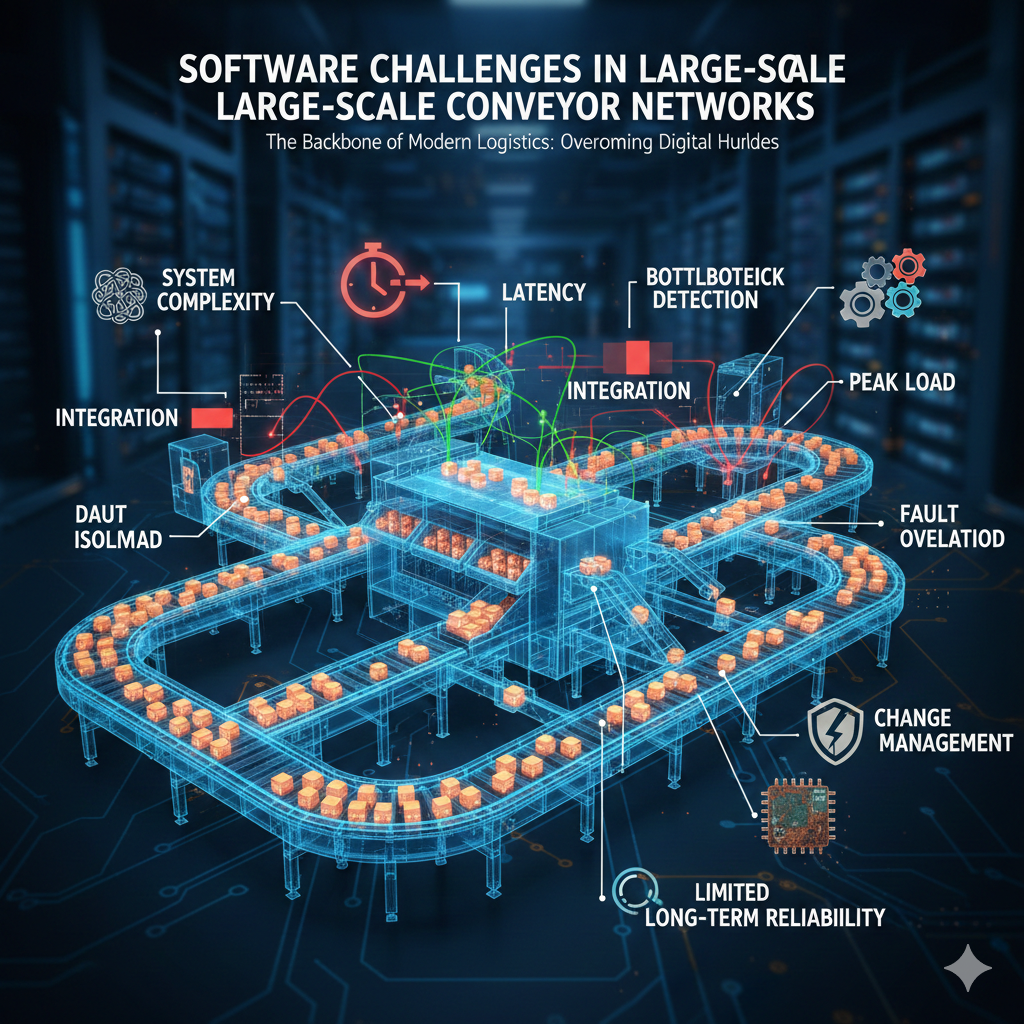
• Creates congestion in specific conveyor segments 🚧
• Leads to idle capacity in underutilized areas ⏳
• Increases mechanical stress and maintenance demands 🔧
• Causes delays that cascade throughout the system 🔁
• Reduces overall throughput and system reliability 📉
Step 3: Dynamic Load Balancing Strategies 🔄
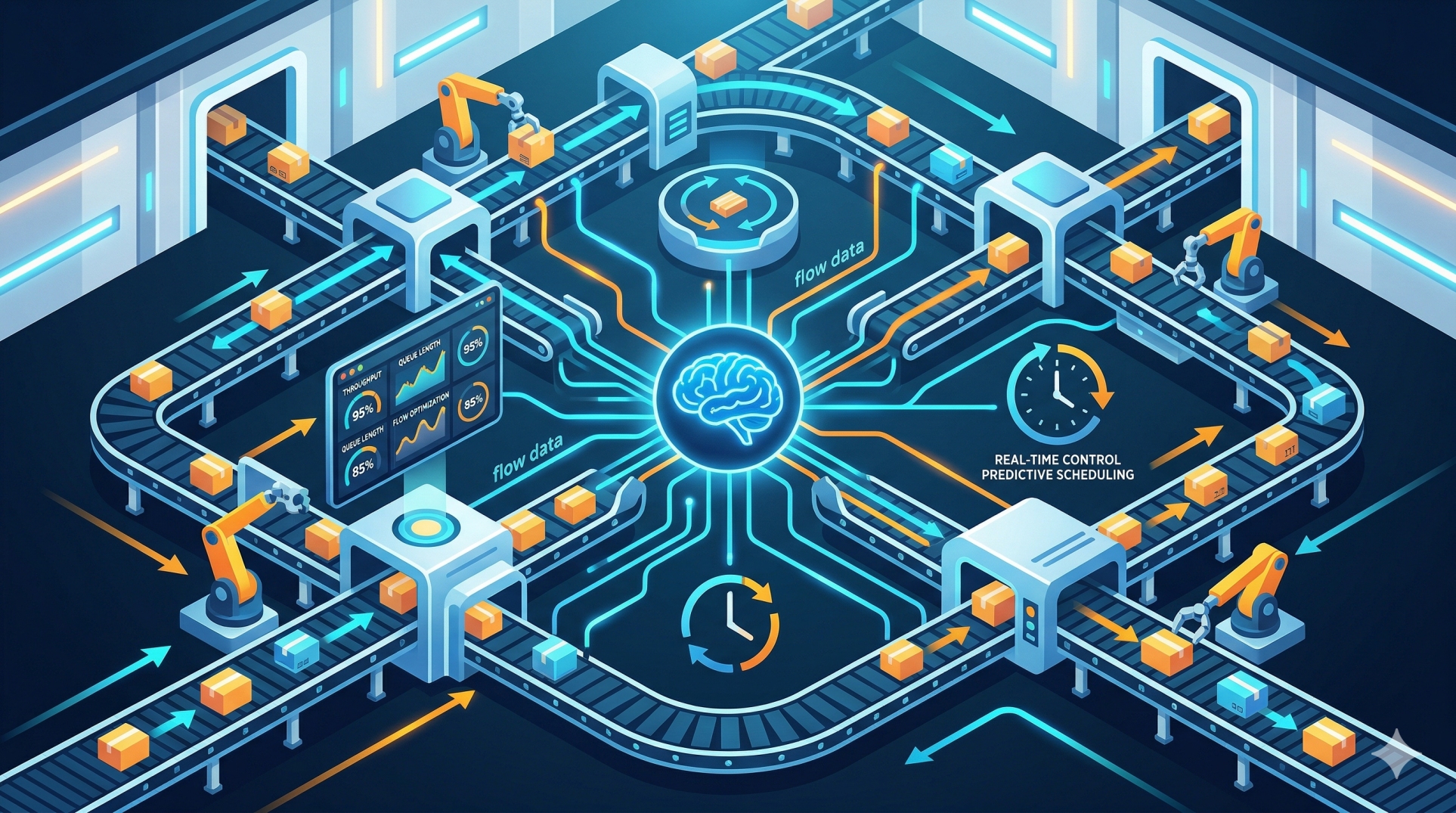
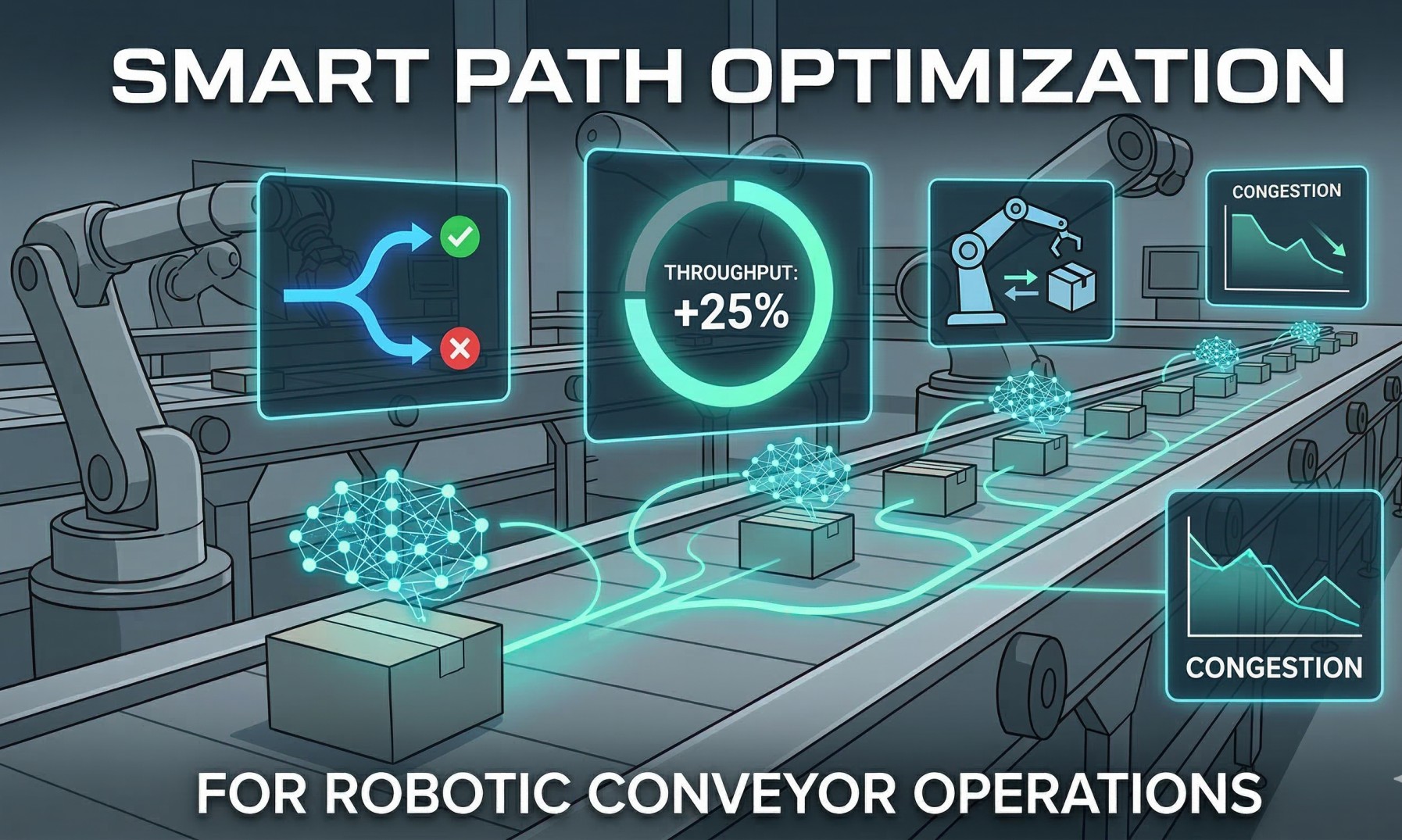
• Allocates incoming loads based on real-time system conditions 📊
• Adjusts routing decisions using queue lengths and capacity insights 📏
• Applies feedback mechanisms to continuously rebalance flow 🔁
• Prevents buildup in high-traffic zones 🚫
• Adapts to fluctuations in demand and processing speeds ⚡
Step 4: Zone-Based Distribution Techniques 🧩
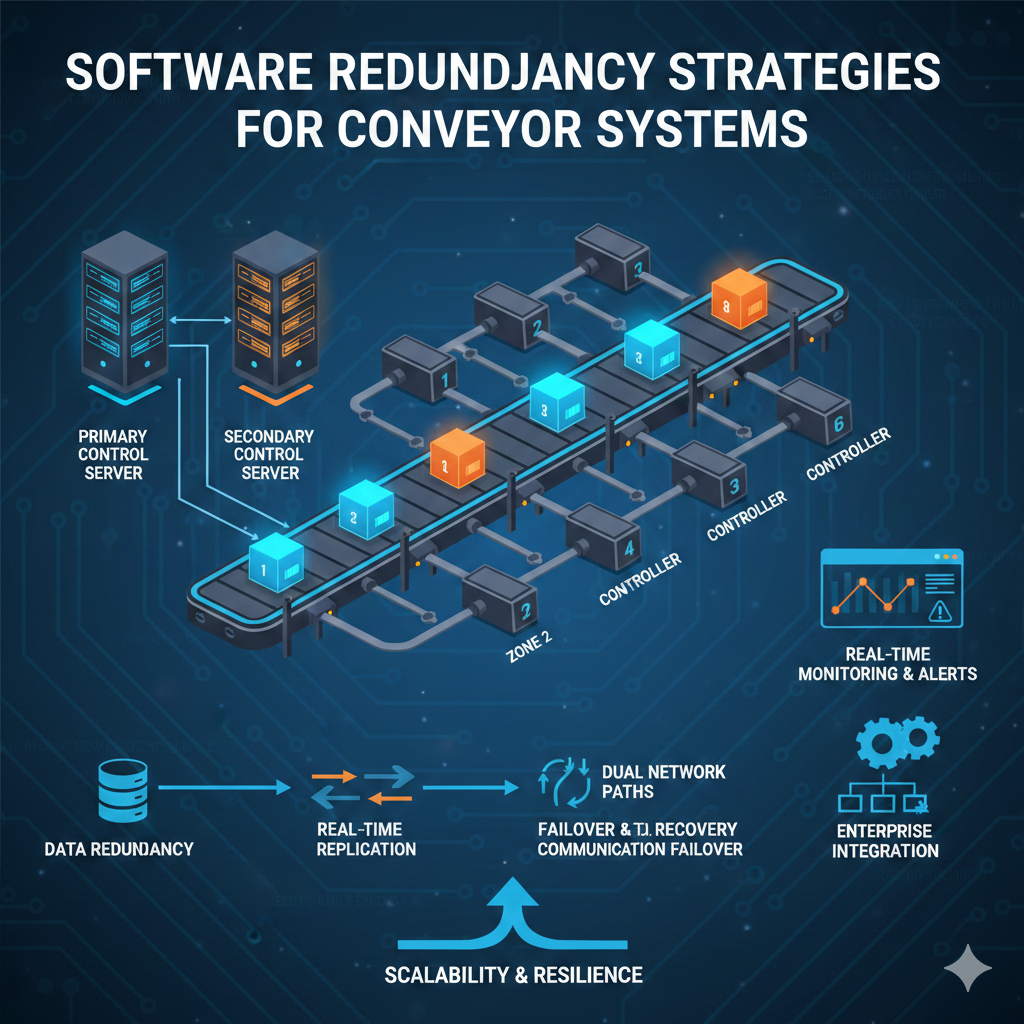
• Segments conveyor systems into independently controlled zones 📦
• Regulates flow within zones to minimize congestion 🚧
• Enables localized decision-making for load handling 🎯
• Improves responsiveness to small-scale disruptions ⚡
• Enhances flexibility and operational control 📊
Step 5: Predictive Load Allocation Using Data 📊
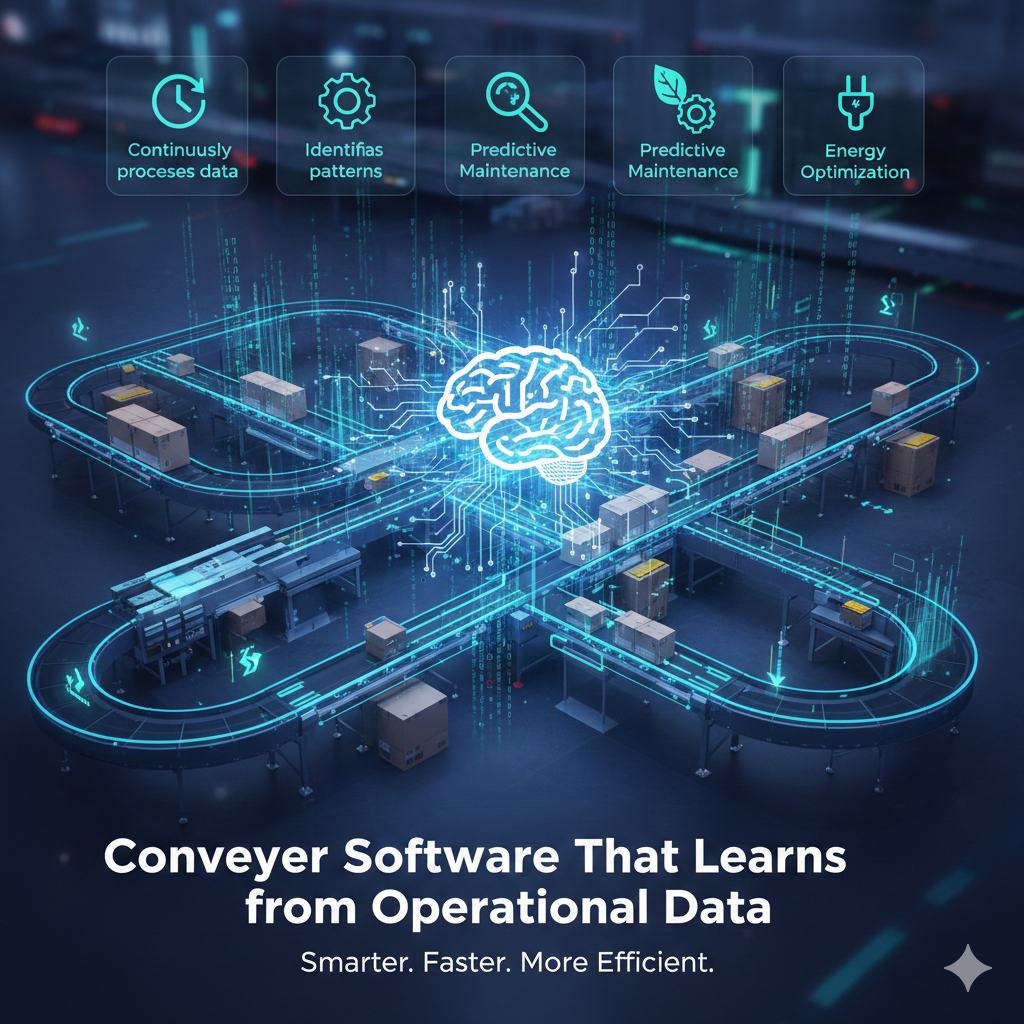
• Leverages historical and real-time data to forecast load patterns 📈
• Anticipates peak conditions and redistributes flow proactively 🔮
• Enables smarter routing before congestion forms 🛤️
• Improves planning for high-throughput operations 📦
• Reduces reactive adjustments and system strain ⚖️
Step 6: Integration with Robotic Control Systems 🤖
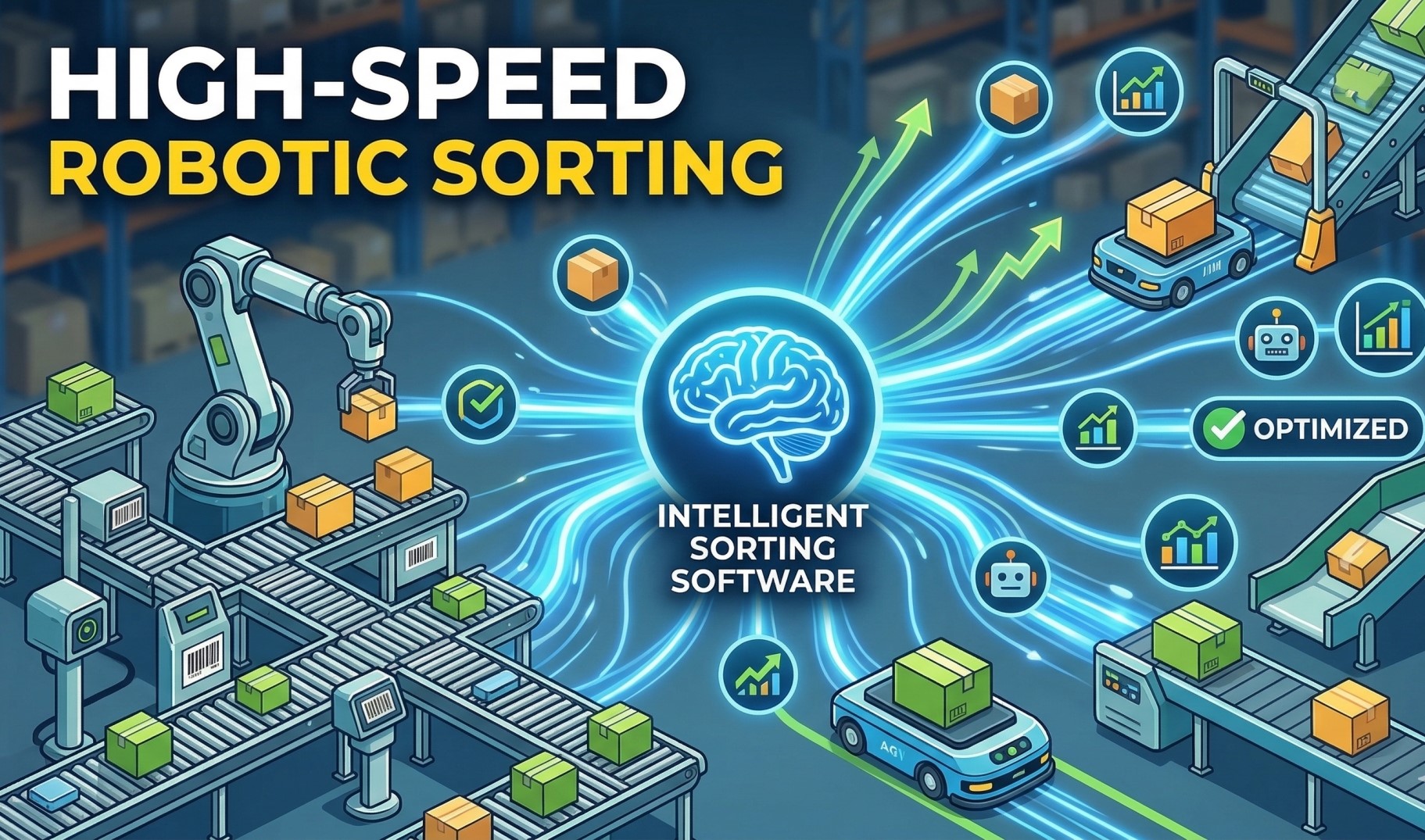
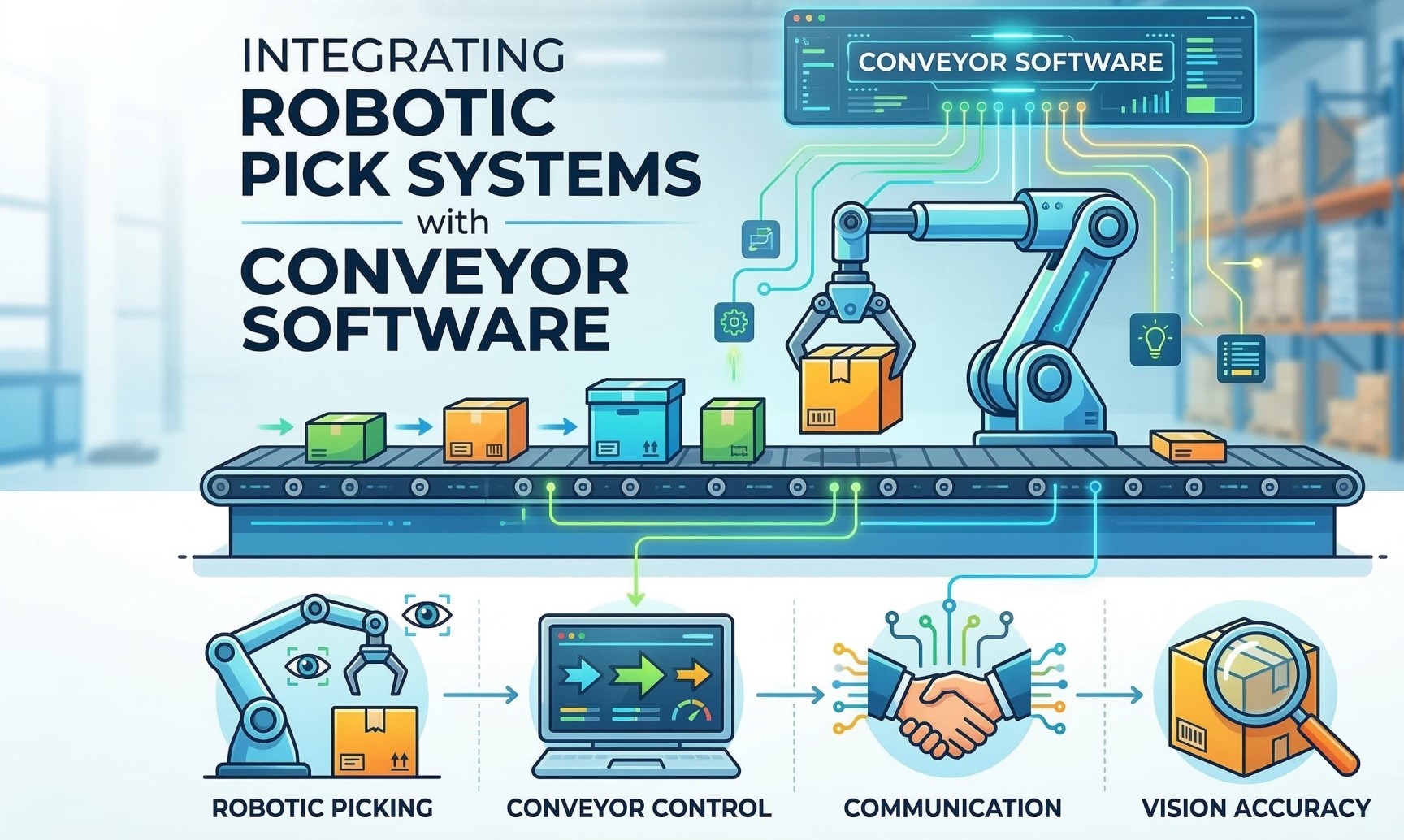
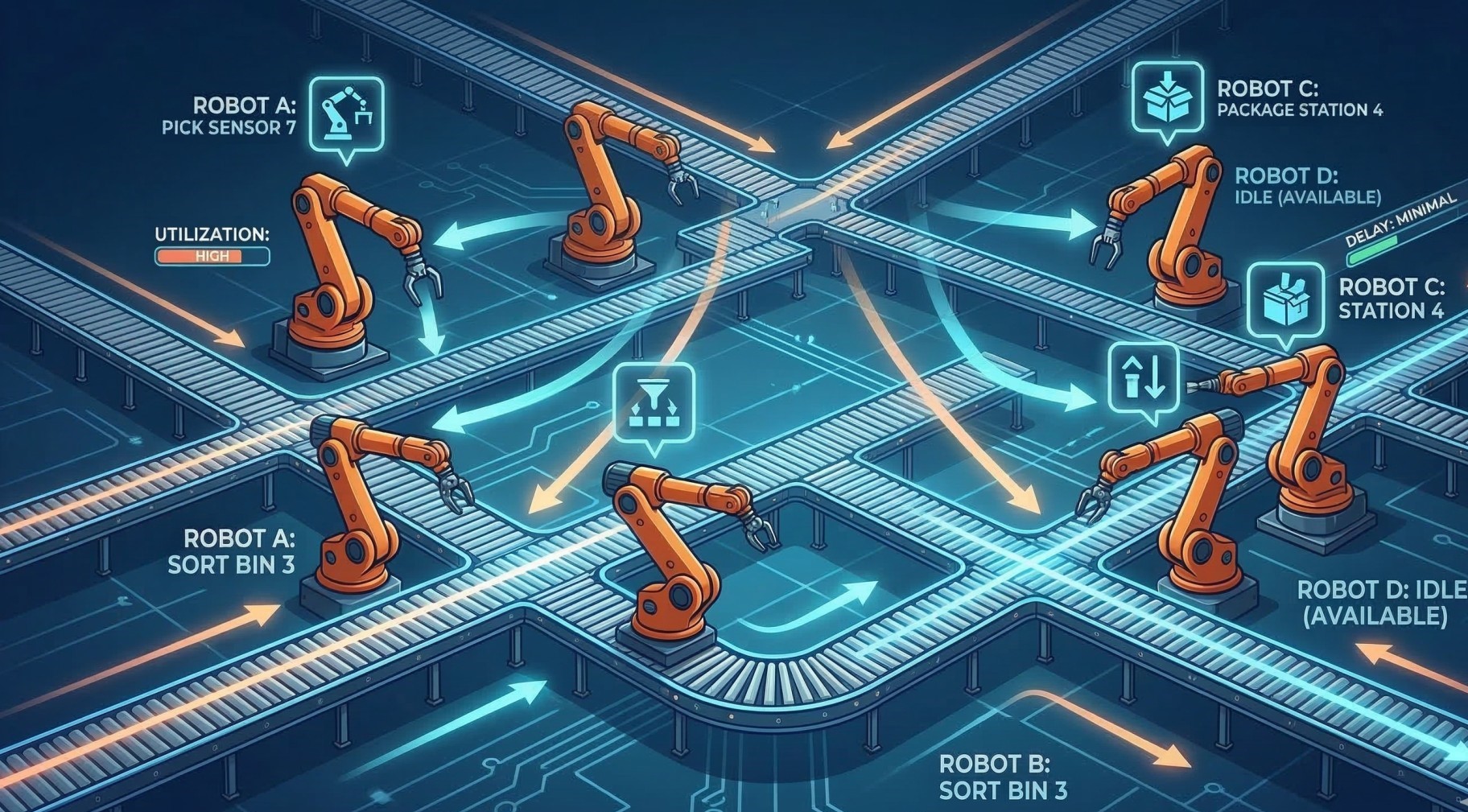
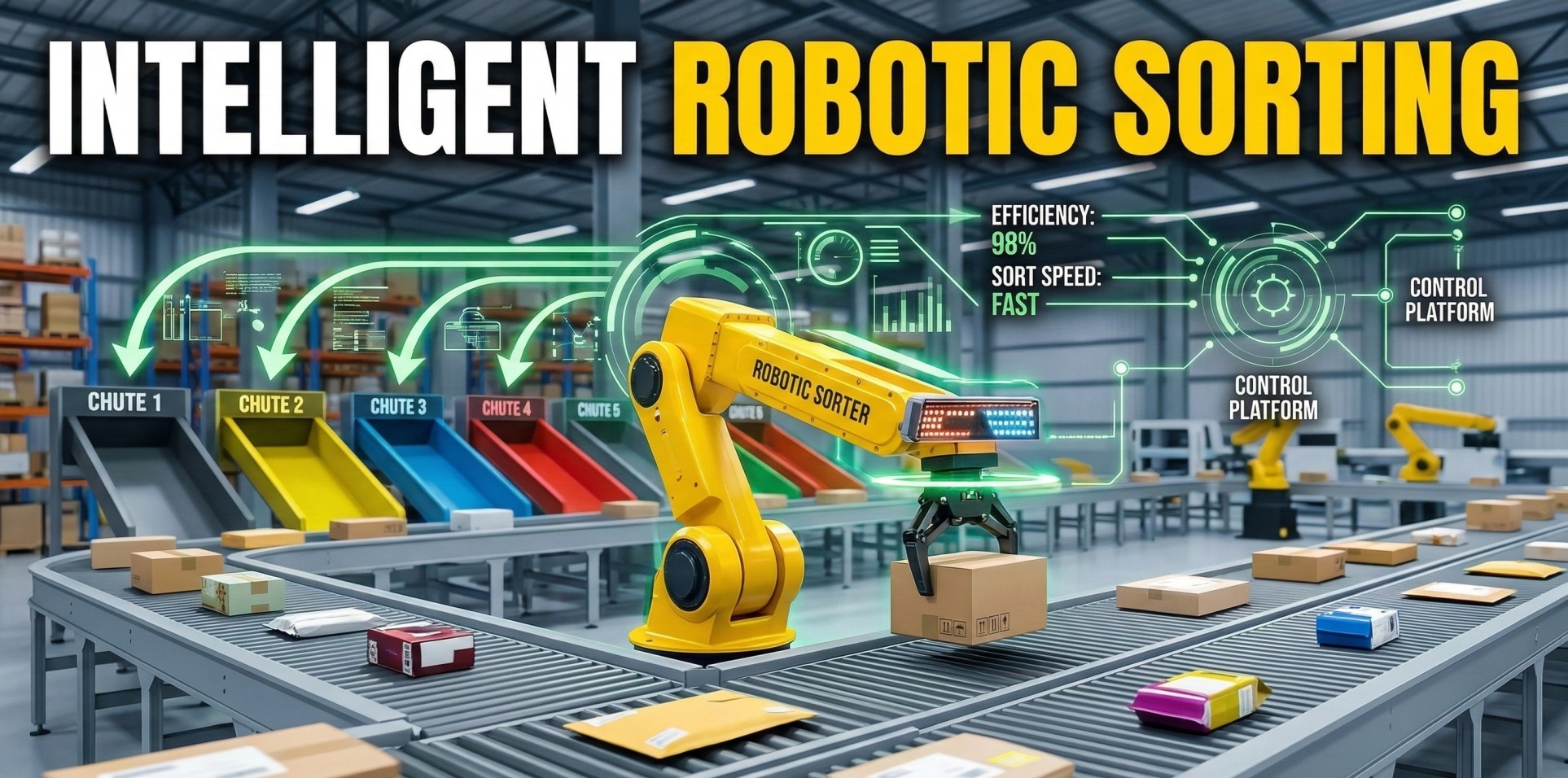
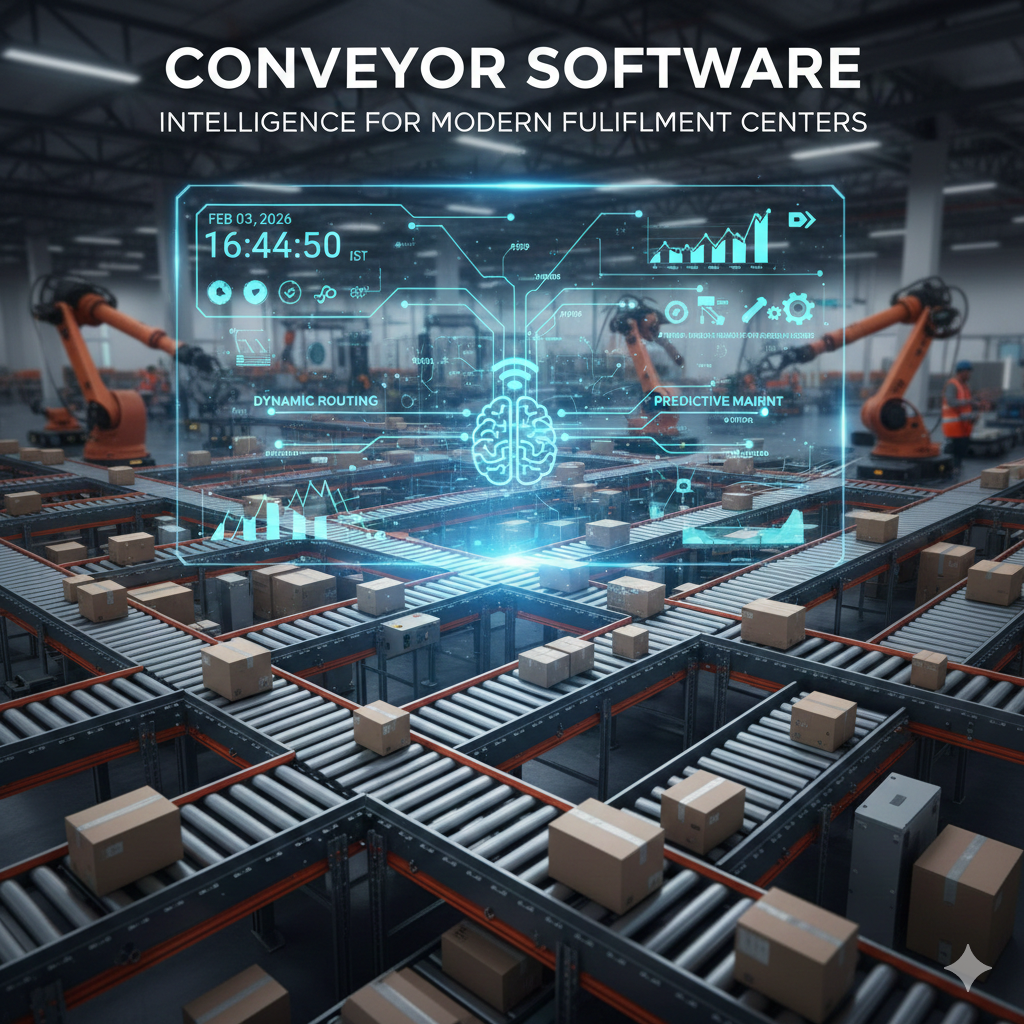
• Synchronizes conveyor flow with robotic picking and sorting tasks 🔗
• Aligns load distribution with robot availability and cycle times ⏱️
• Prevents overloading or underutilization of robotic units ⚖️
• Coordinates material movement with execution workflows 🔄
• Boosts overall automation efficiency 📈
Step 7: Adaptive Routing and Intelligent Decision Logic 🧠
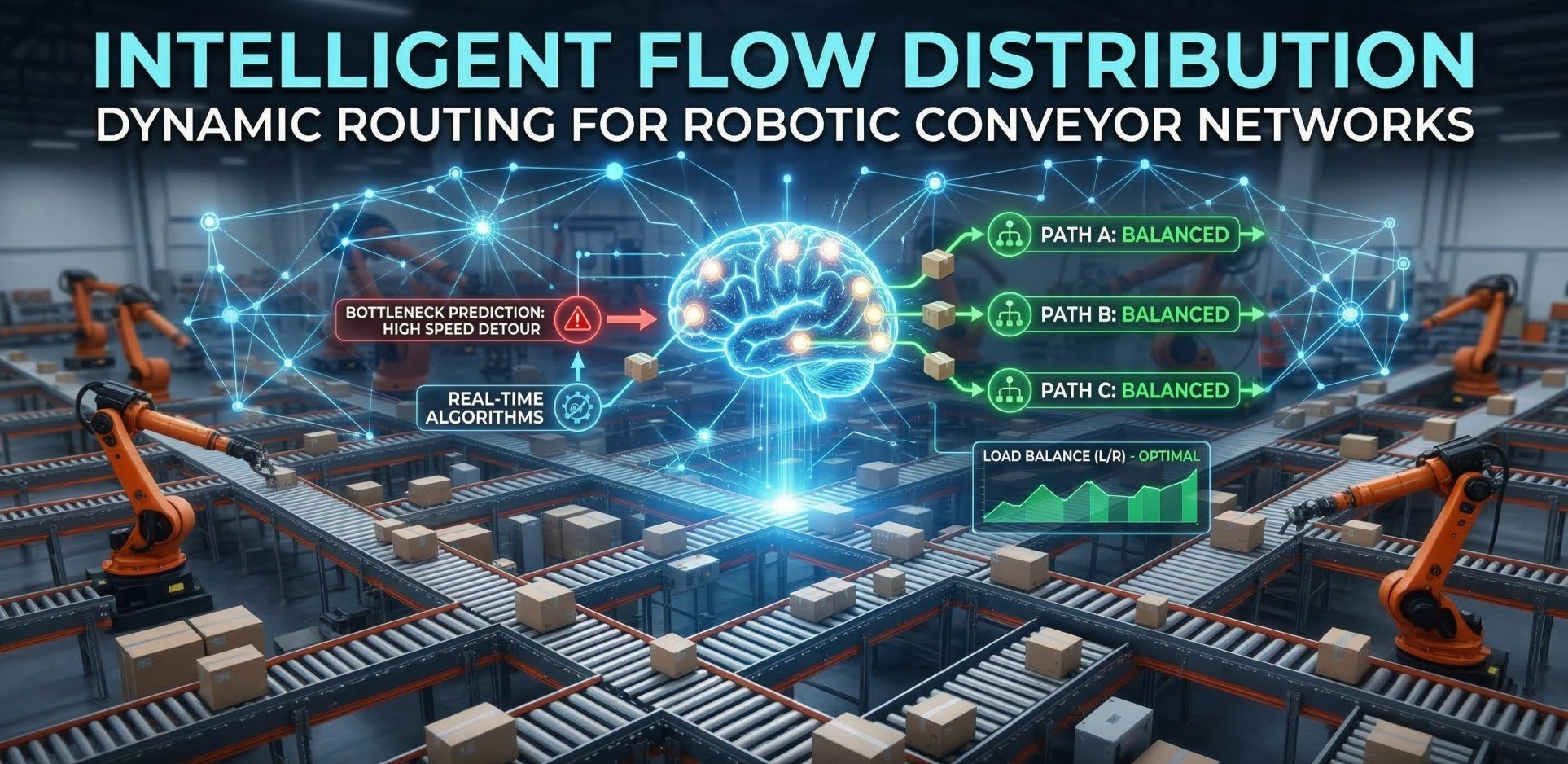
• Selects optimal paths based on system state and operational priorities 🎯
• Dynamically reroutes loads in response to disruptions 🔀
• Utilizes rule-based or AI-driven decision frameworks 🤖
• Balances speed, distance, and processing capacity ⚖️
• Maintains continuous flow under changing conditions 🔄
Step 8: Key Impact Areas of Effective Load Distribution 📌
• Maximizes throughput by avoiding localized congestion 📈
• Improves utilization of conveyors and robotic systems ⚙️
• Reduces downtime and maintenance caused by overload 🔧
• Strengthens system stability under varying demand conditions 🛡️
Step 9: Monitoring and Performance Optimization 📊
• Tracks load distribution metrics across the entire system 📈
• Detects imbalances and inefficiencies in real time 🔍
• Supports continuous refinement of distribution strategies 🔄
• Enables data-driven performance improvements 📊
• Maintains consistent long-term operational efficiency ⏳
Step 10: Scaling Load Distribution for High-Volume Systems 🚀
• Enables system expansion without sacrificing efficiency 📦
• Manages increased complexity in multi-line operations 🔗
• Maintains balanced flow across extended conveyor networks ⚖️
• Adapts to new layouts and processing requirements 🏗️
• Ensures stable performance at scale 📈
Conclusion
Load distribution is a fundamental component in optimizing the performance of robotic conveyor systems. By combining dynamic balancing, predictive allocation, and intelligent routing, organizations can maintain consistent throughput while reducing stress on equipment. As automation environments become more complex, effective load distribution strategies are essential for ensuring stability, scalability, and long-term operational efficiency.
See more blogs
You can all the articles below