Intelligent Robotic Sorting Using Conveyor Control Platforms
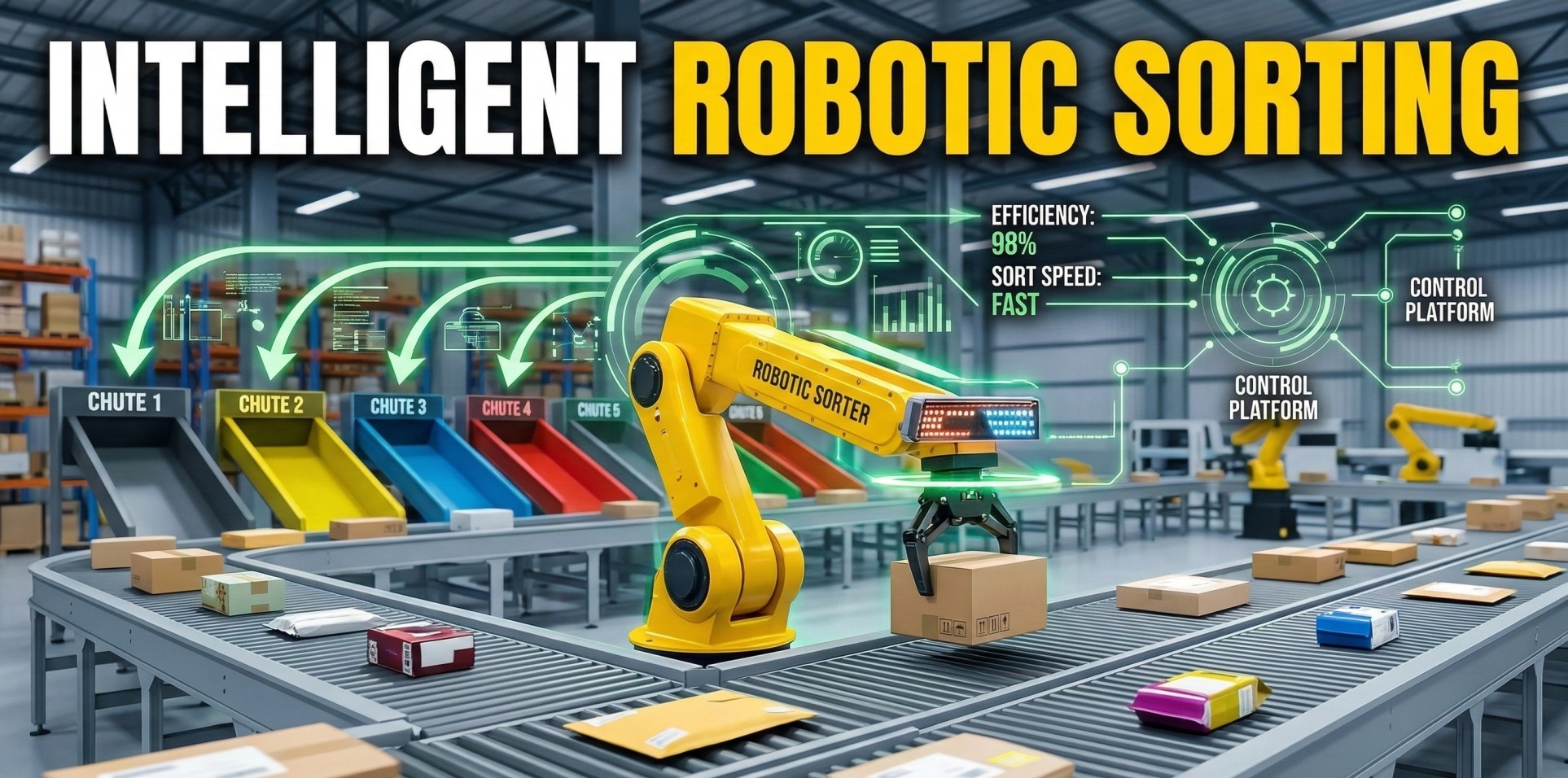
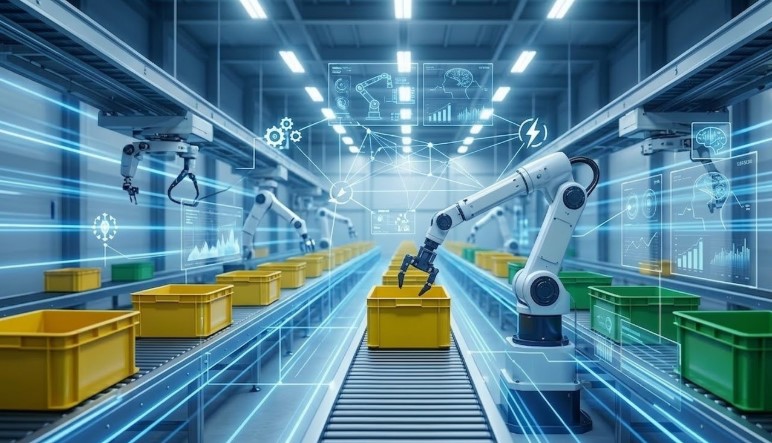
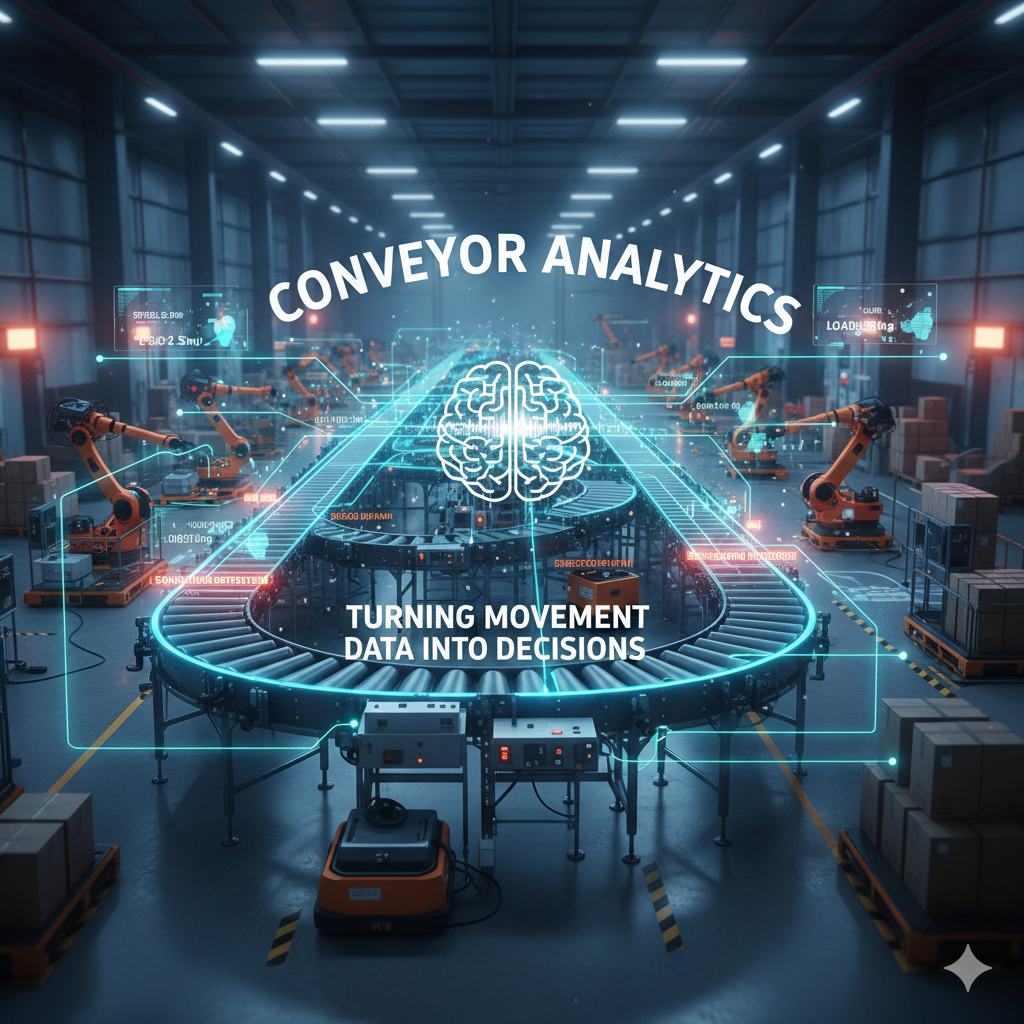
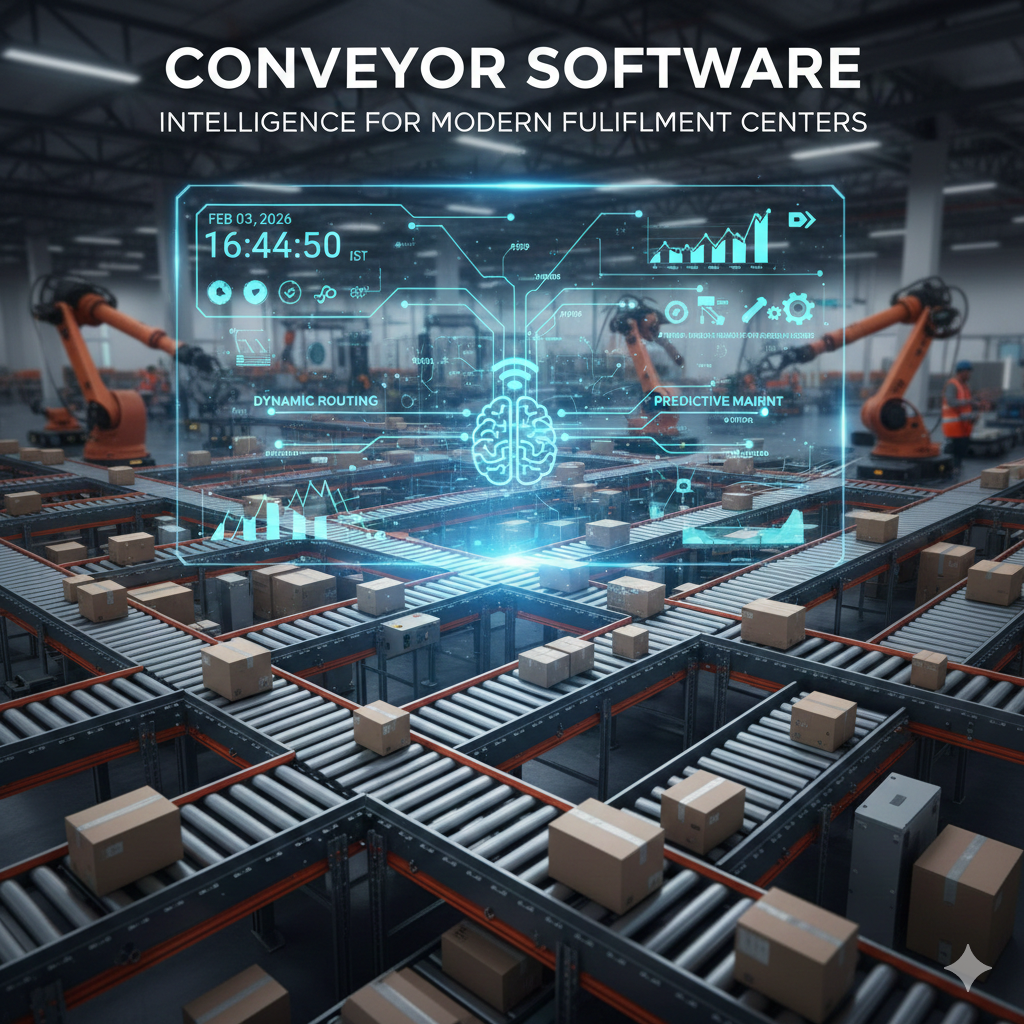
Modern logistics and manufacturing operations must process increasing volumes of goods while maintaining high levels of accuracy and speed. Intelligent robotic sorting systems powered by advanced conveyor control platforms provide the automation needed to manage this growing complexity. By coordinating robotics, sensors, and conveyor infrastructure through centralized control software, organizations can improve sorting speed, reduce errors, and create more flexible material handling operations.
1. The Growing Need for Intelligent Sorting 📦
• Expanding product variety increases sorting complexity in warehouses and distribution facilities 🏭
• Manual sorting processes struggle to scale with rising order volumes 📈
• Faster delivery expectations demand rapid item routing and processing ⚡
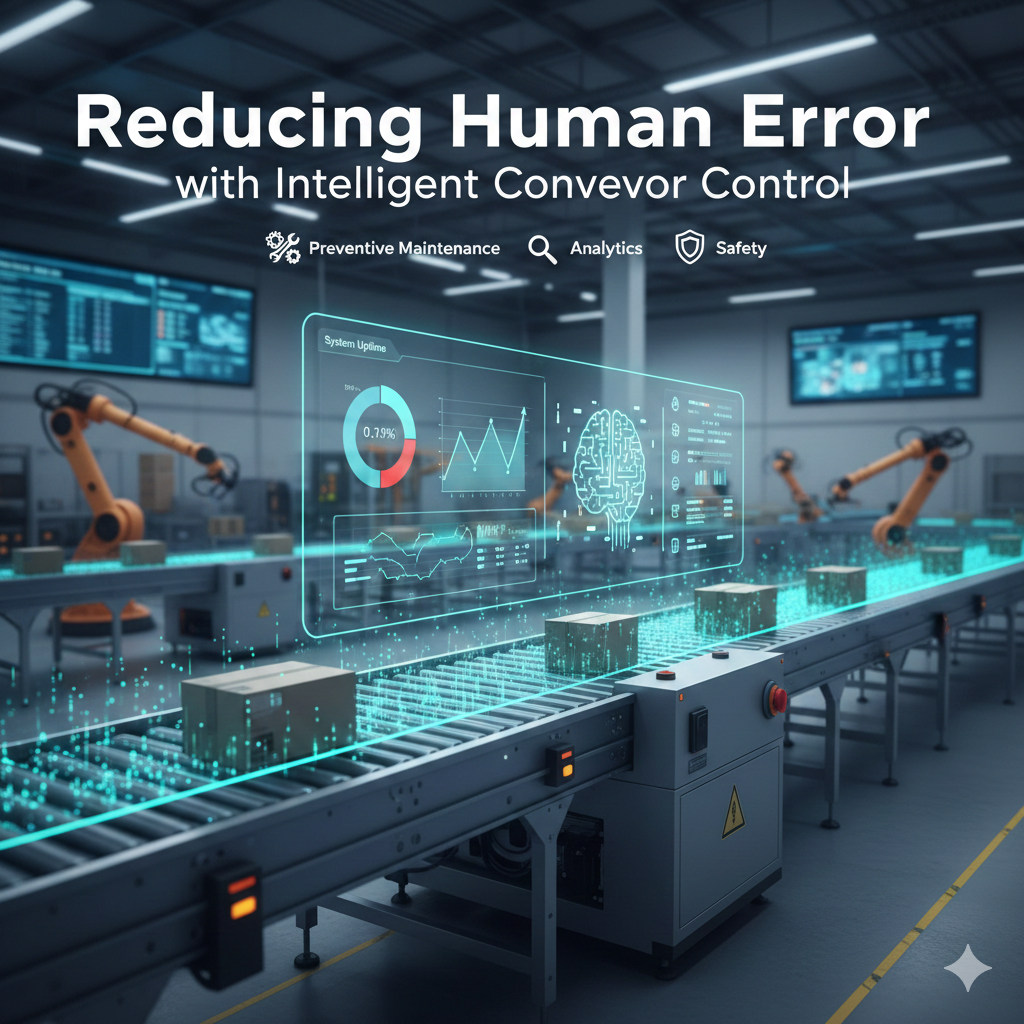
• Automated sorting reduces human error and dependency on manual labor 🤖
• Intelligent systems maintain consistent performance even during demand fluctuations 🔄
2. Role of Conveyor Control Platforms ⚙️
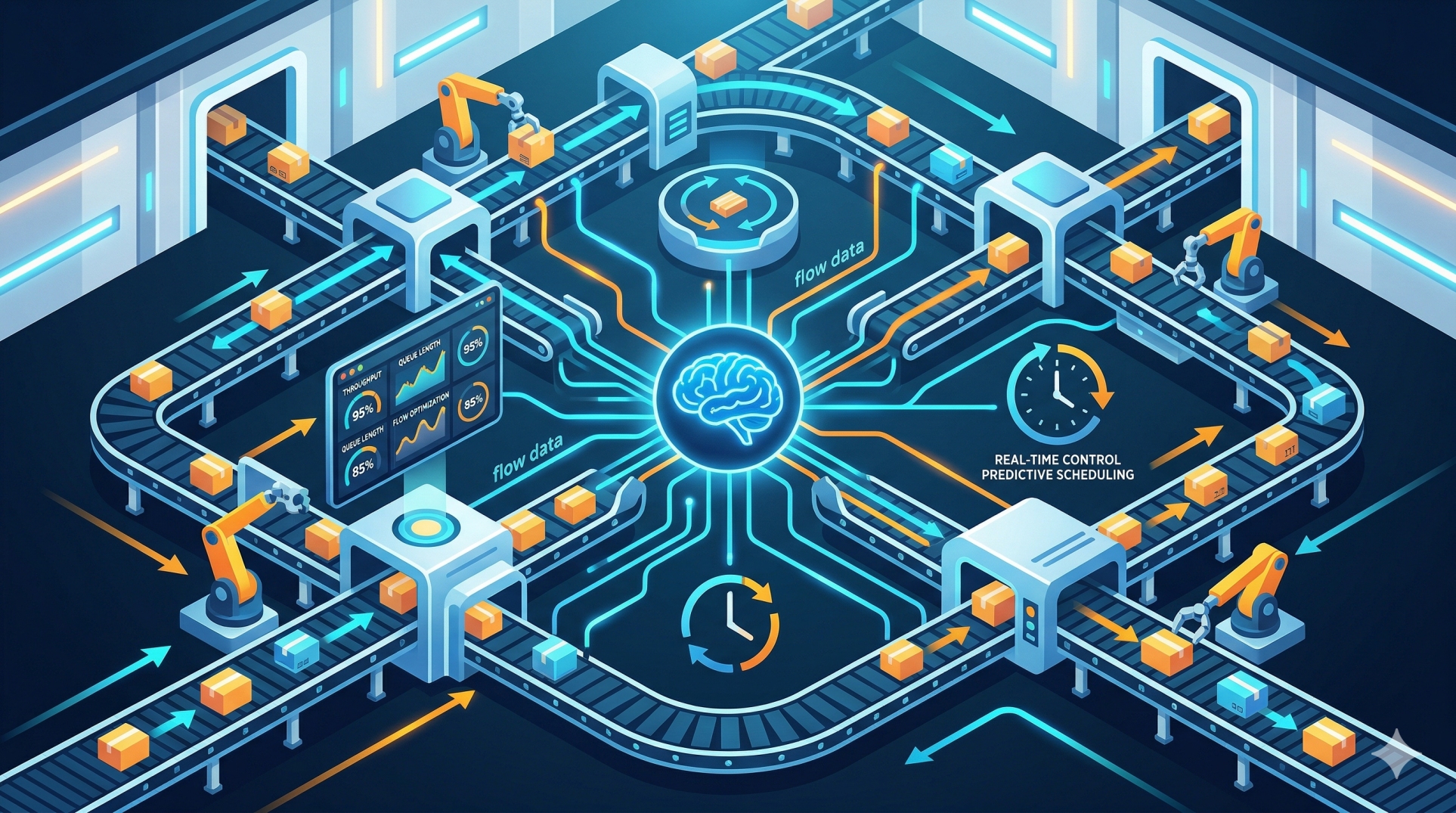
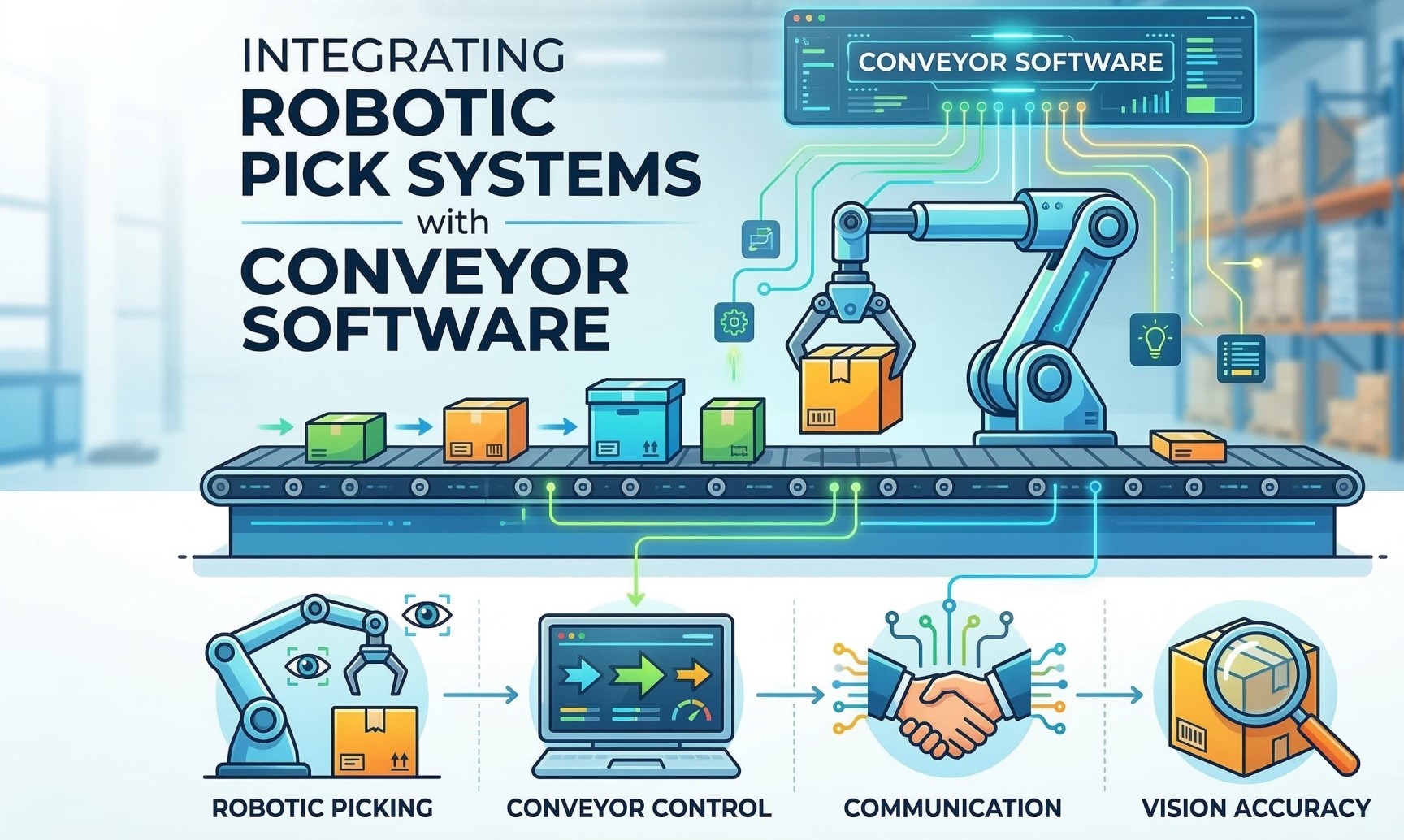
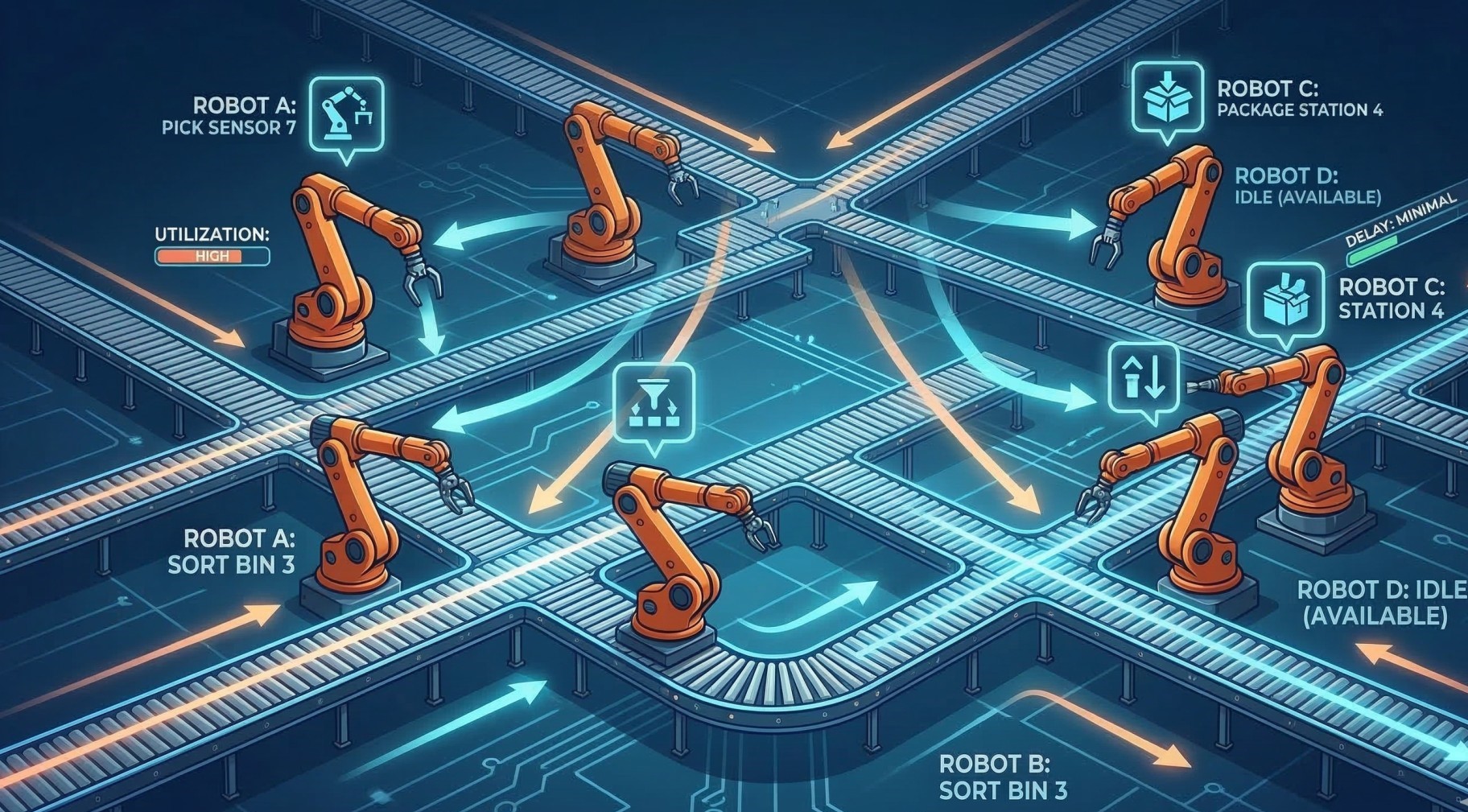
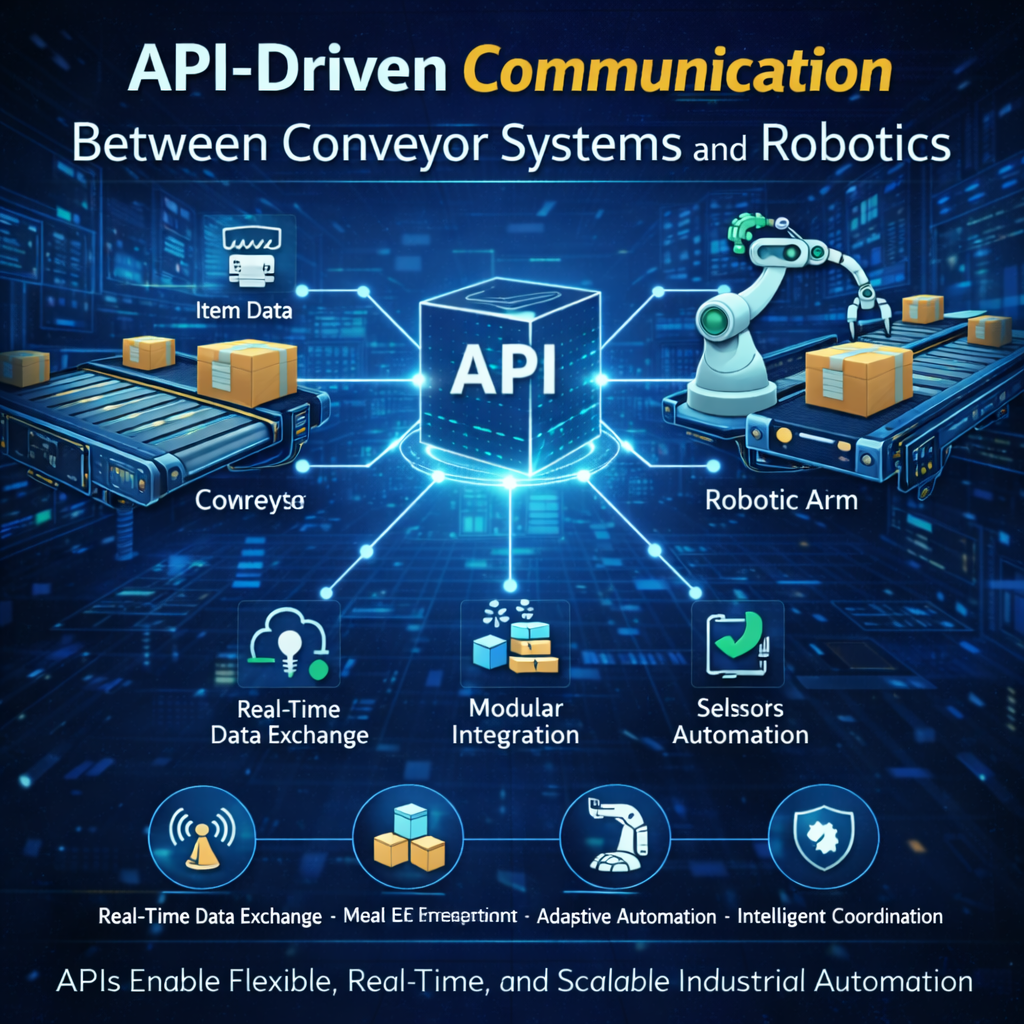
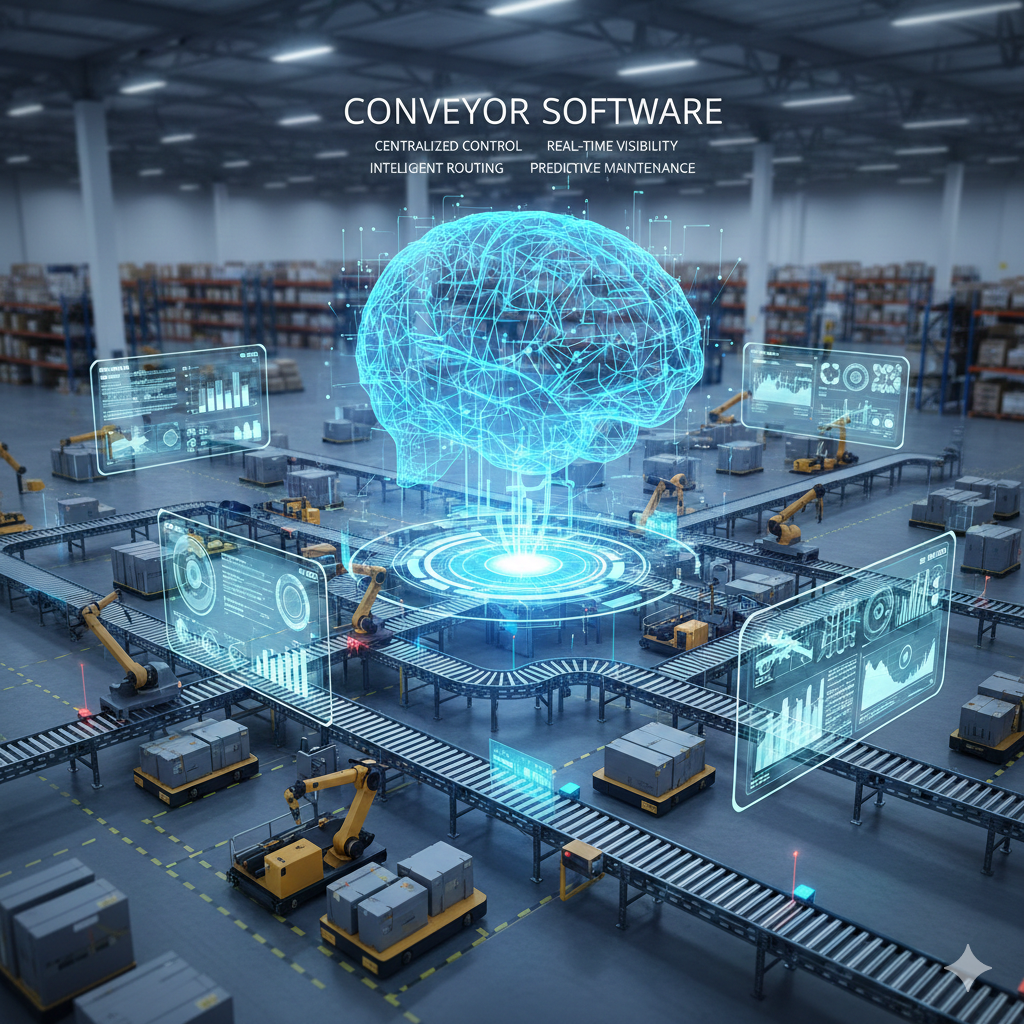
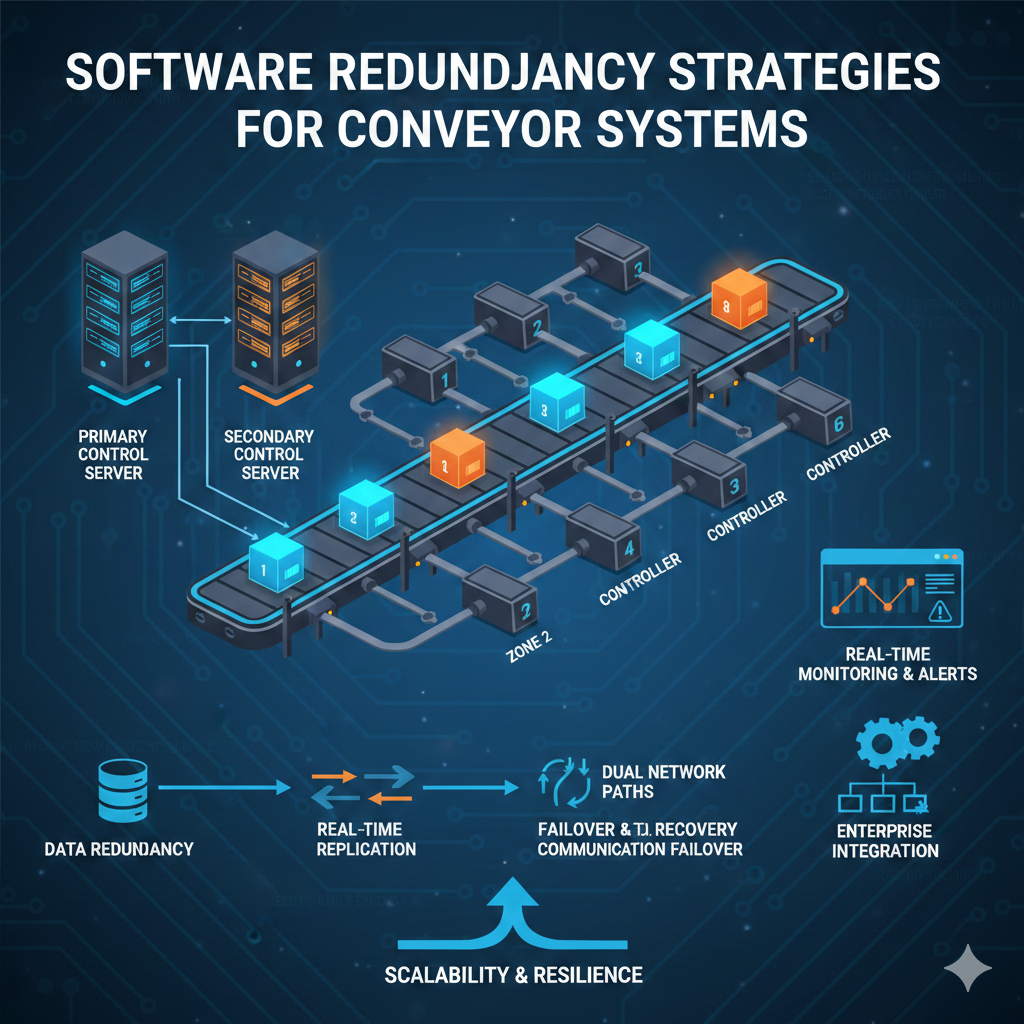
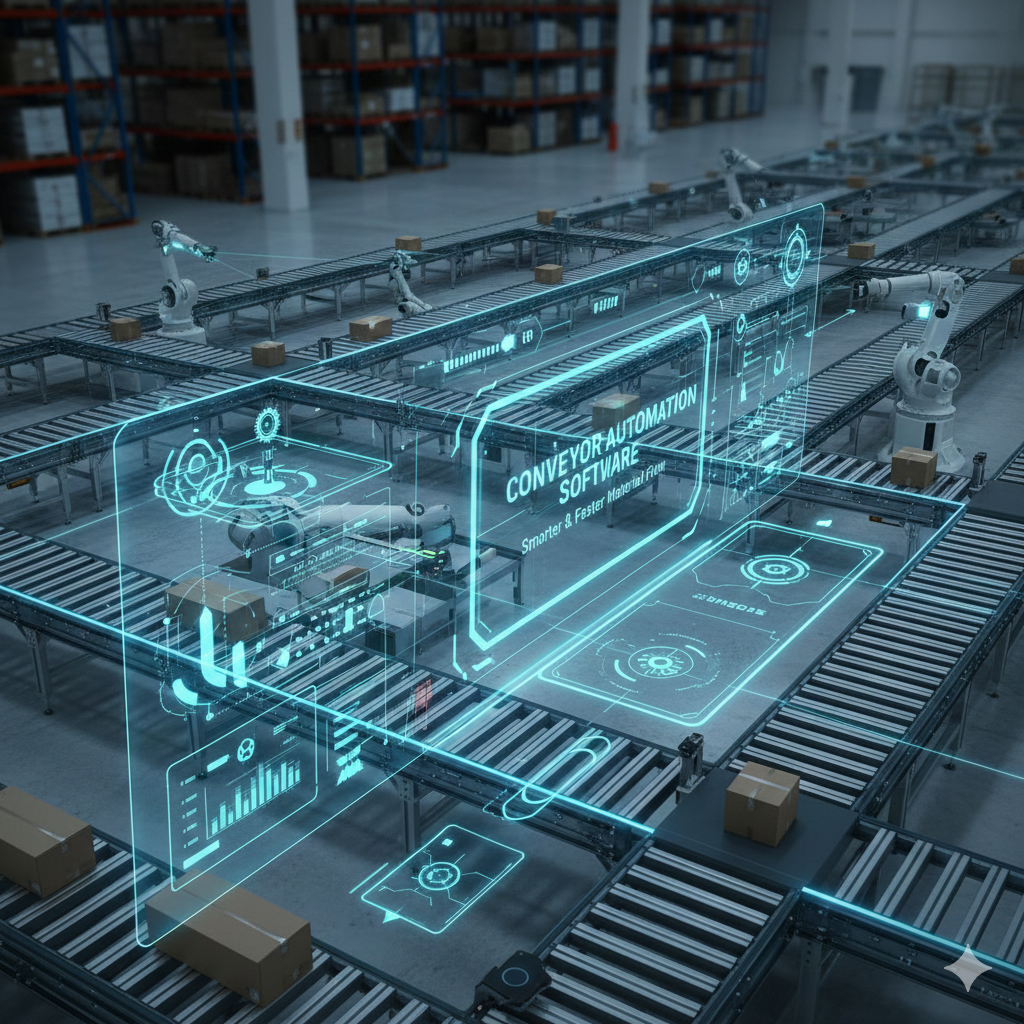
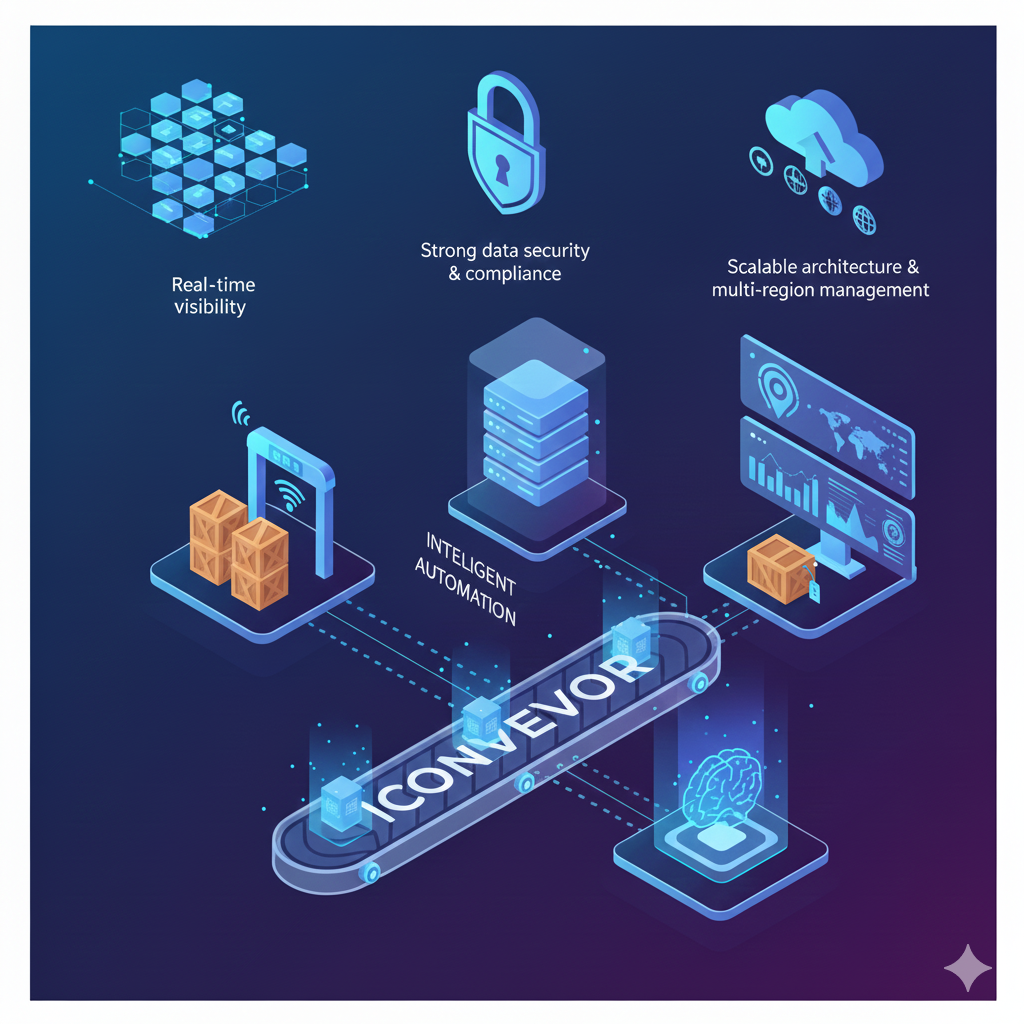
• Act as the central coordination layer connecting conveyors and robotic units 🔗
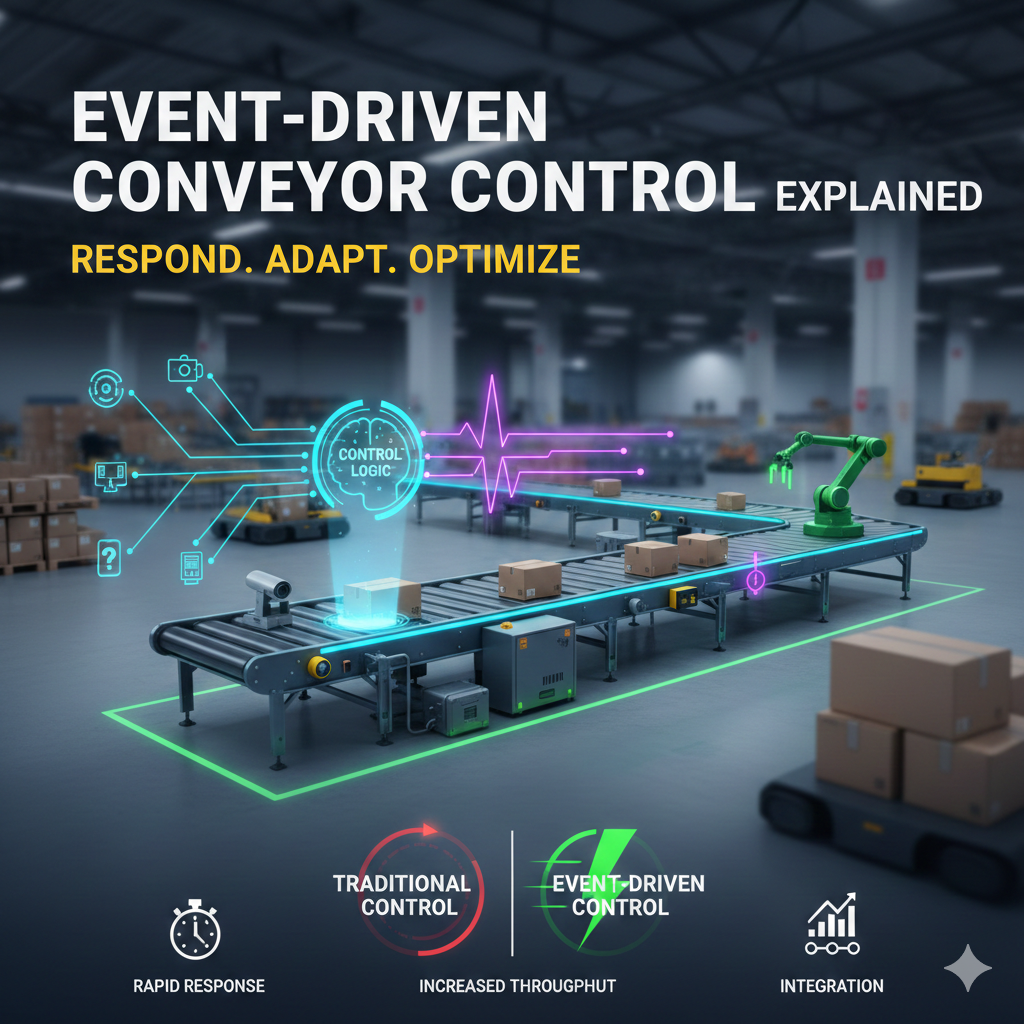
• Manage item movement, routing decisions, and timing across the sorting system ⏱️
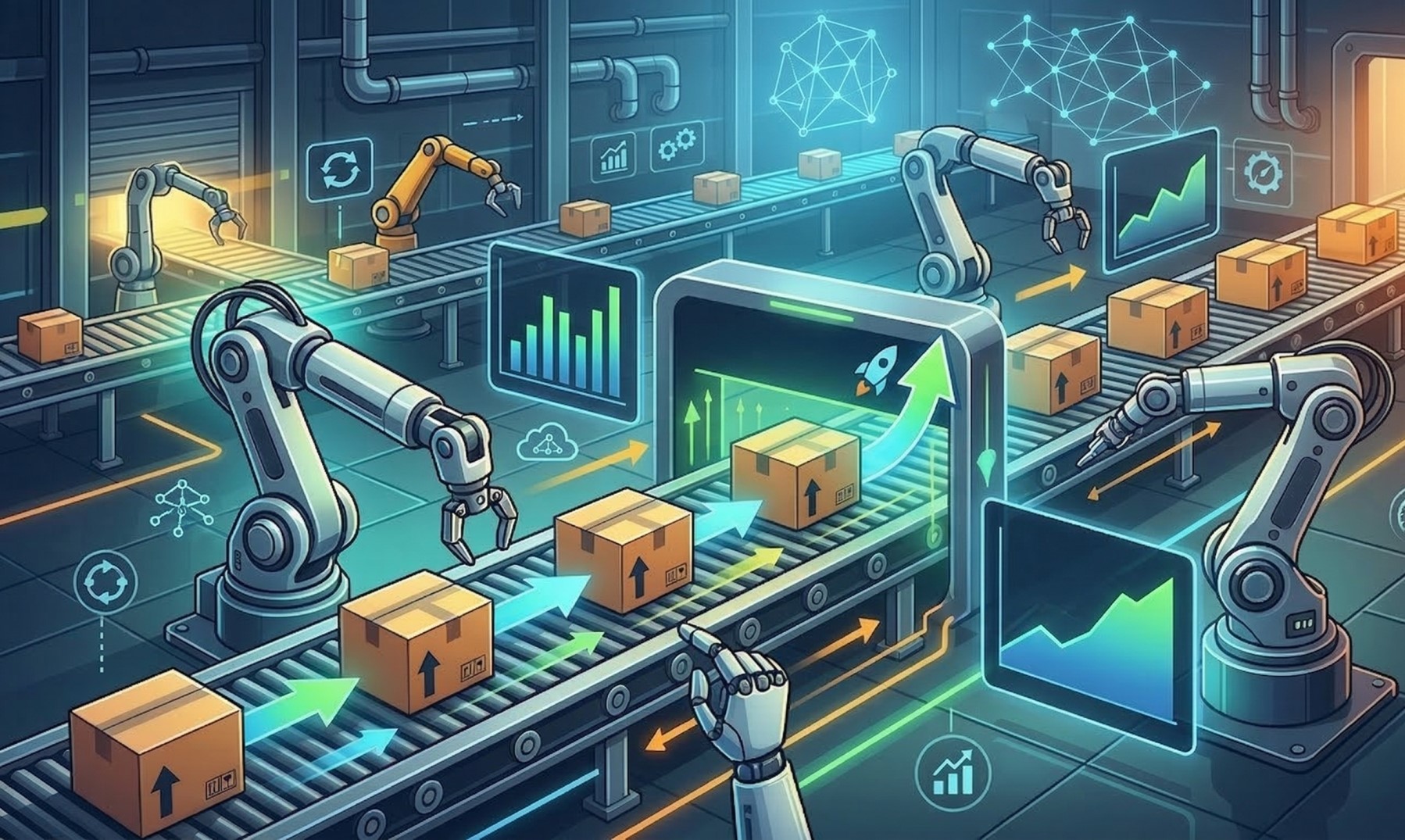
• Synchronize conveyor speeds with robotic pick-and-place operations 🤖
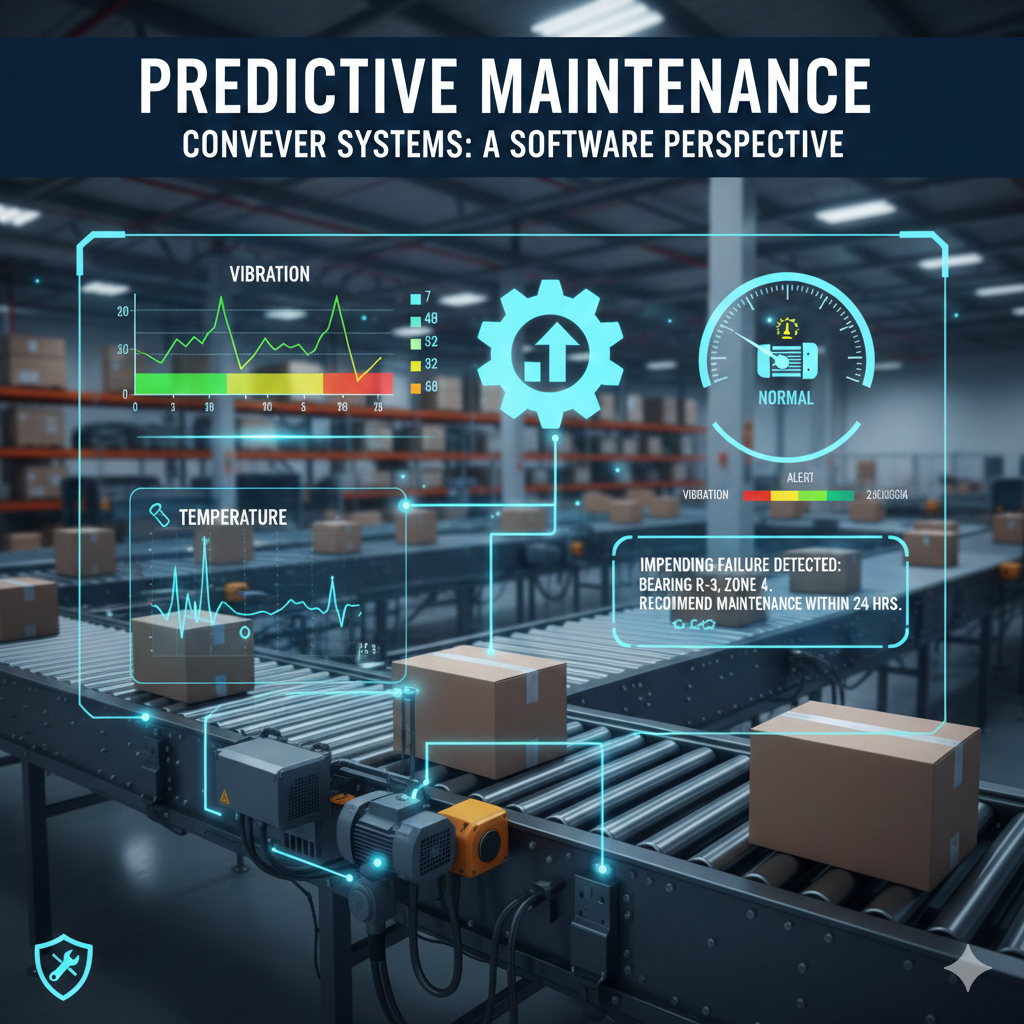
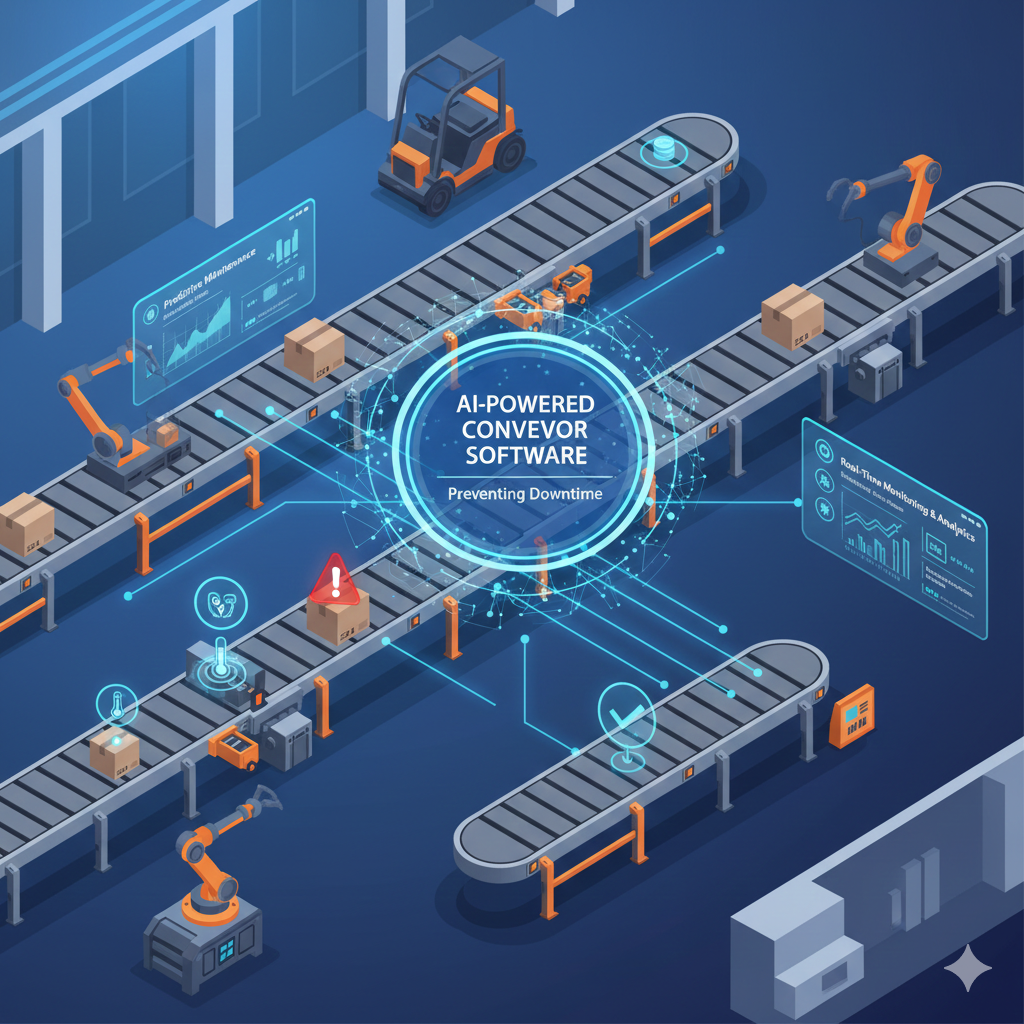
• Monitor equipment health and operational performance in real time 📊
• Allow flexible configuration for multiple sorting strategies 🔧
3. Integrating Robotics with Conveyor Systems 🤖
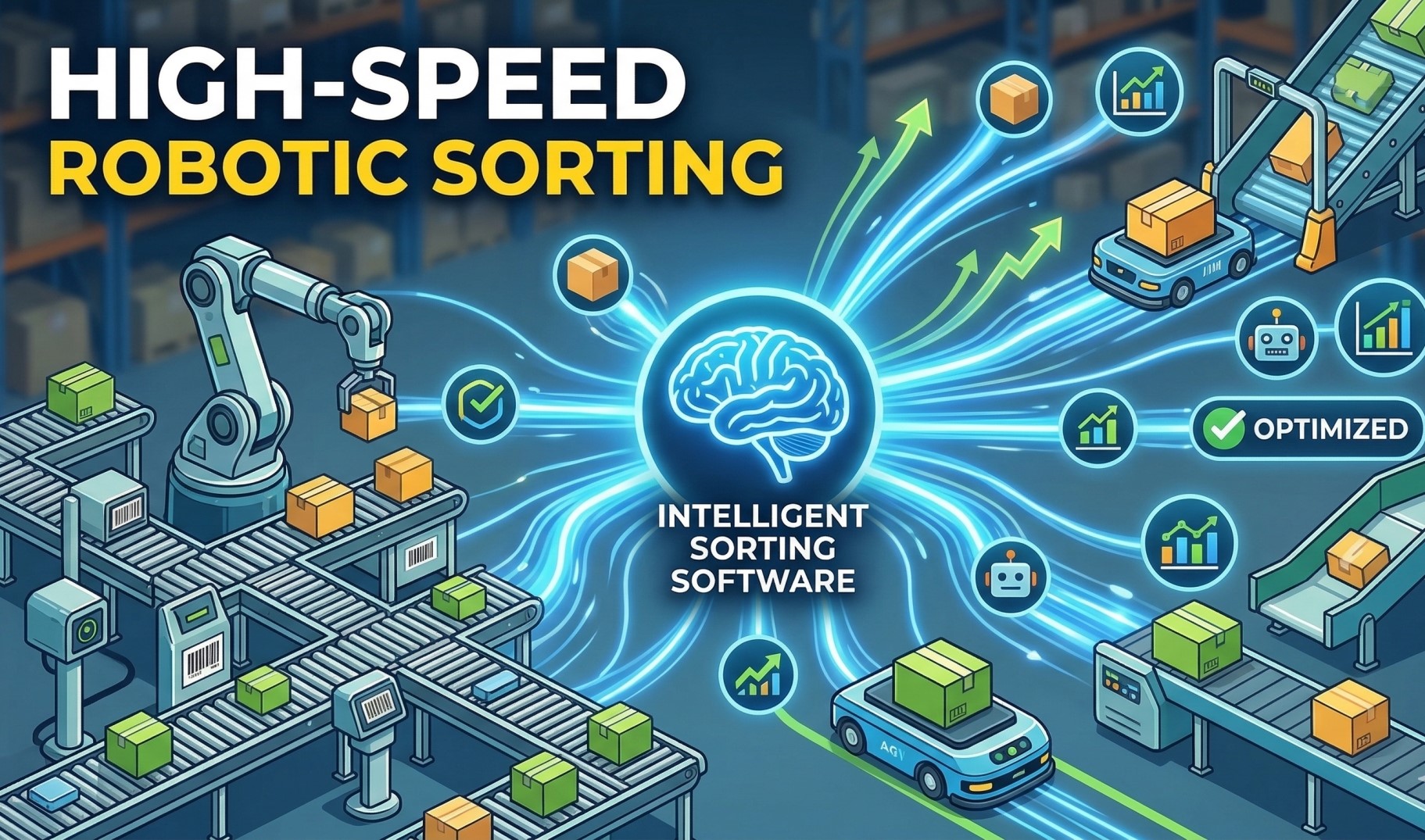
• Robotic arms or automated sorting units identify and pick items from conveyor lines 📦
• Sensors and machine vision systems detect item location and orientation 👀
• Conveyor control platforms send real-time instructions to robotic units 📡
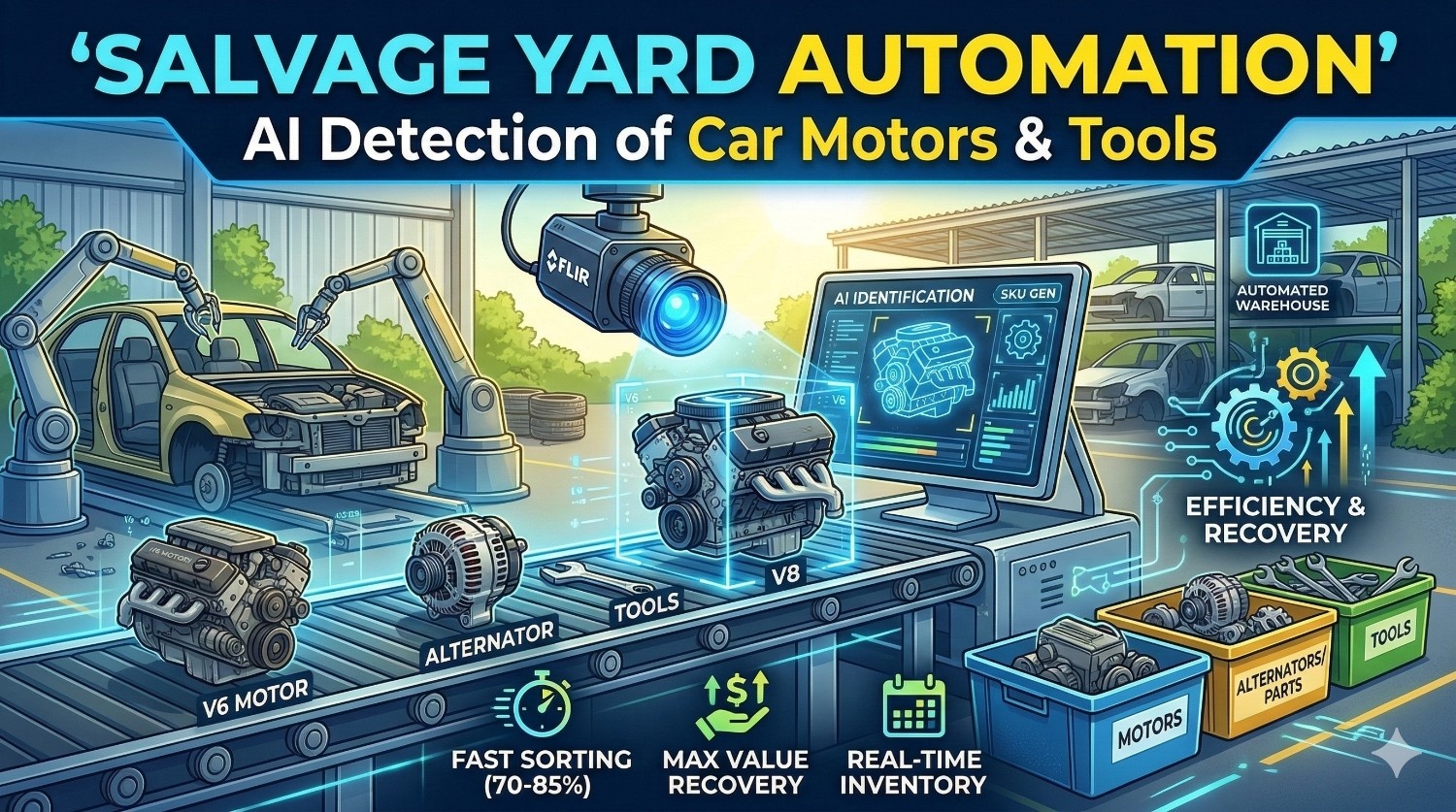
• Items are directed to the appropriate bins, chutes, or processing lanes 🎯
• Coordinated movements prevent collisions and system bottlenecks 🚦
4. Real-Time Data and Decision-Making 📊
• Sensors continuously monitor item flow and system performance 🔍
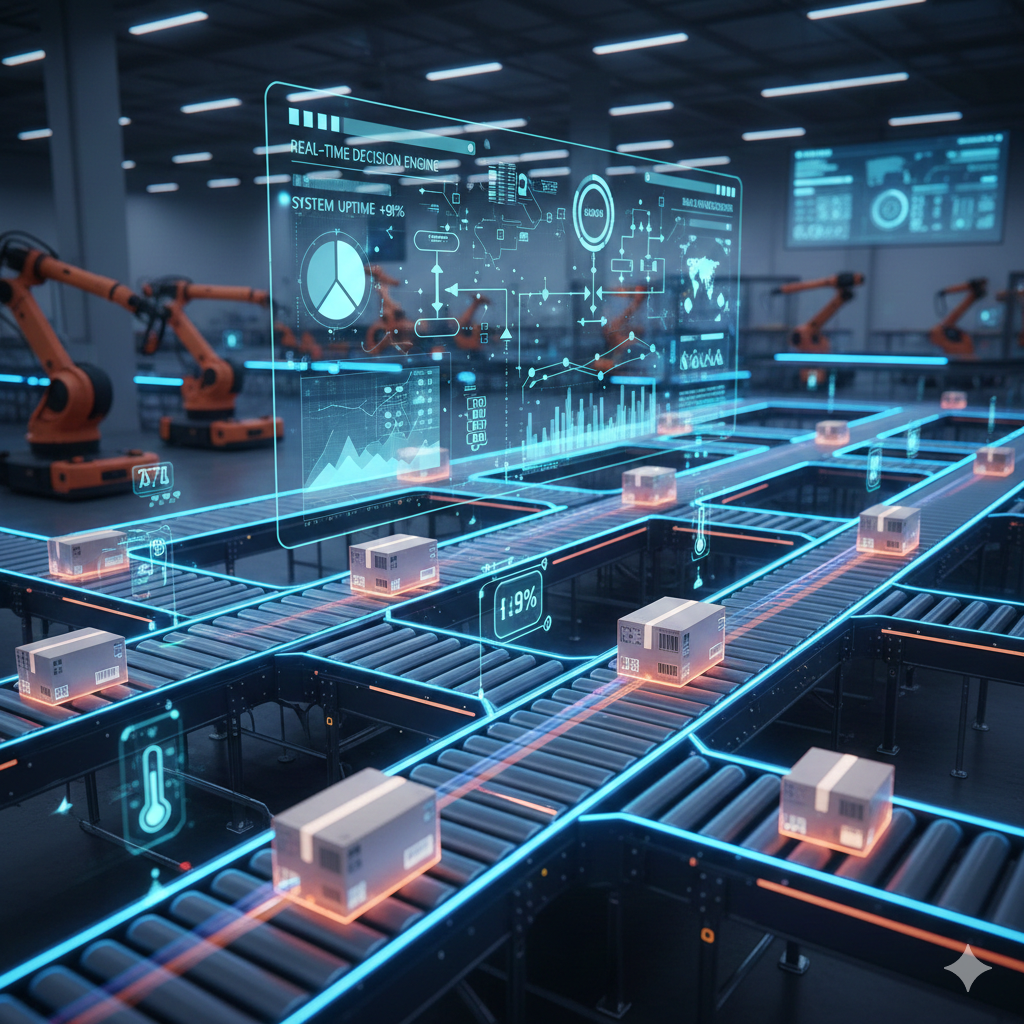
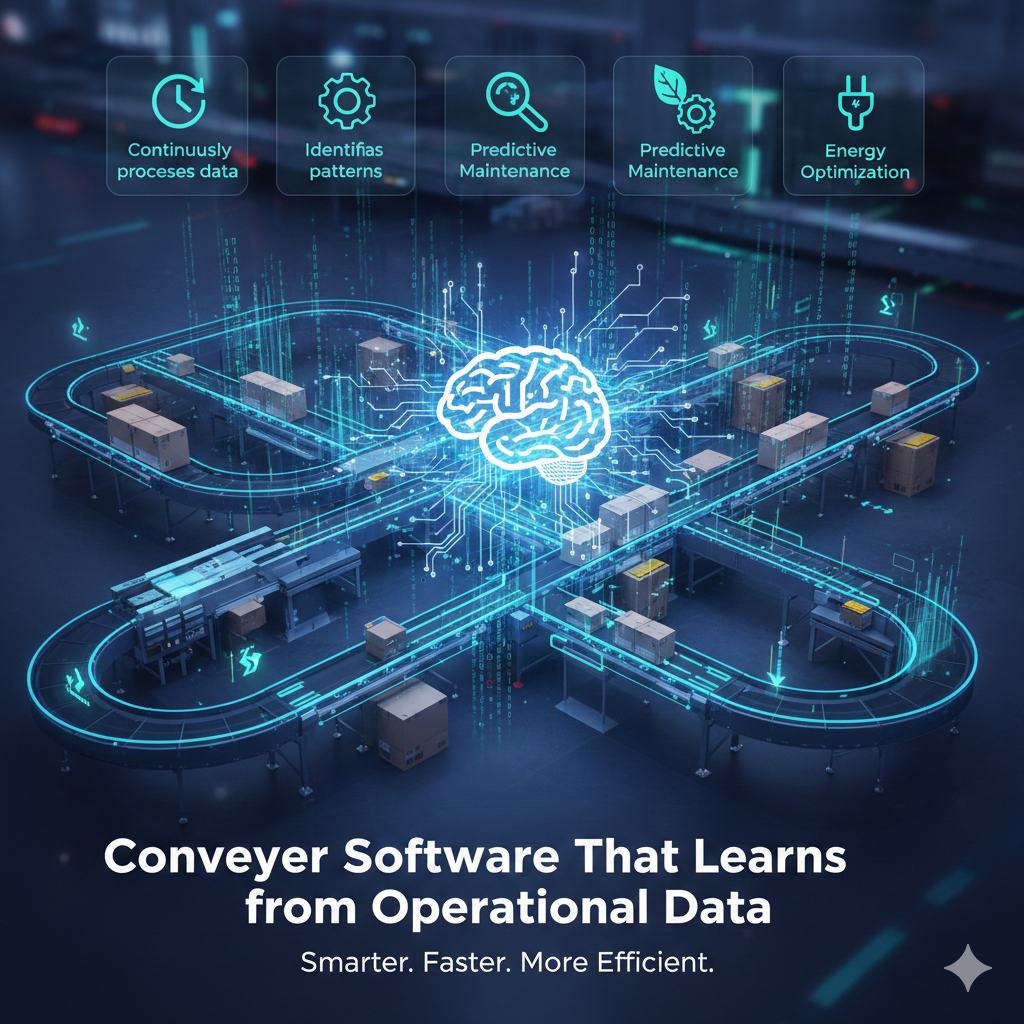
• Control platforms dynamically analyze routing and sorting requirements 🧠
• System decisions adjust automatically as workloads change 🔄
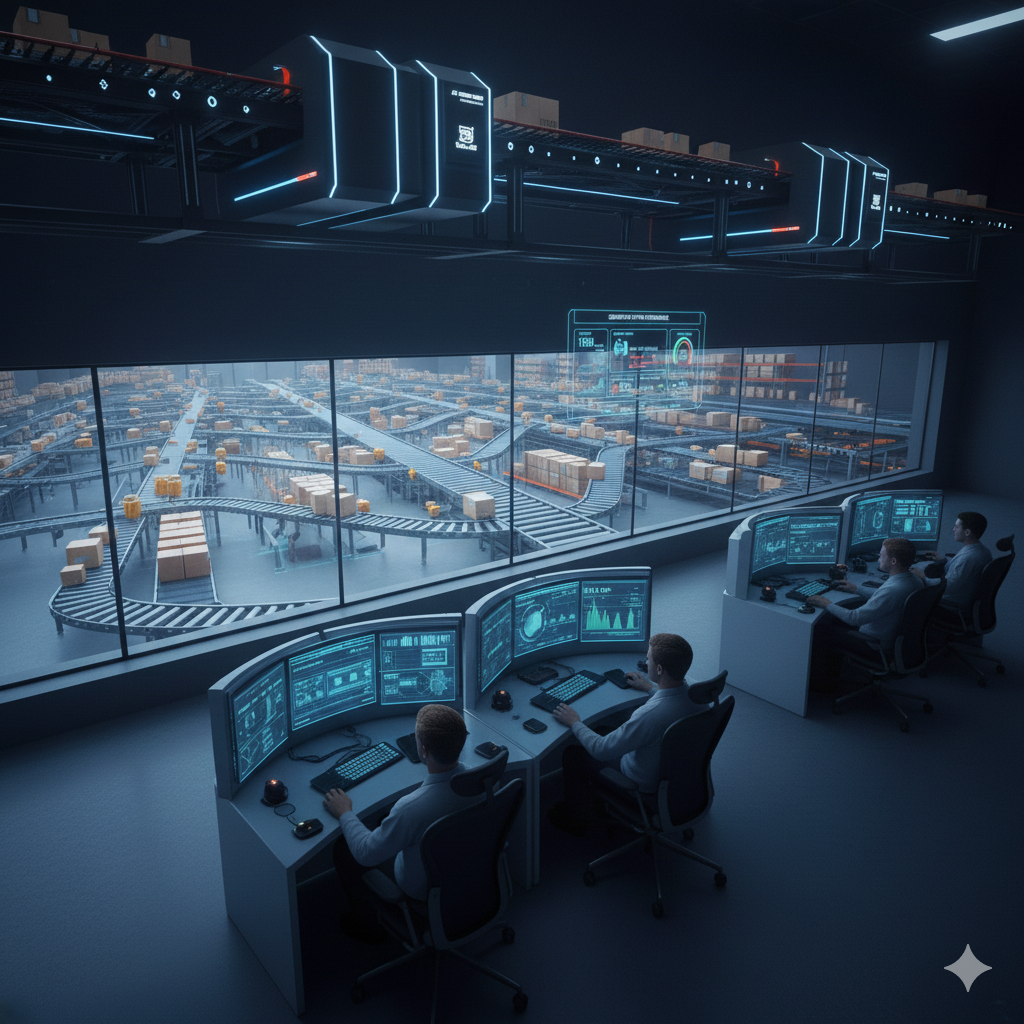
• Real-time visibility allows operators to monitor sorting performance 📈
• Operational insights enable quick adjustments to maintain efficiency ⚙️
5. Machine Vision and Intelligent Identification 👁️
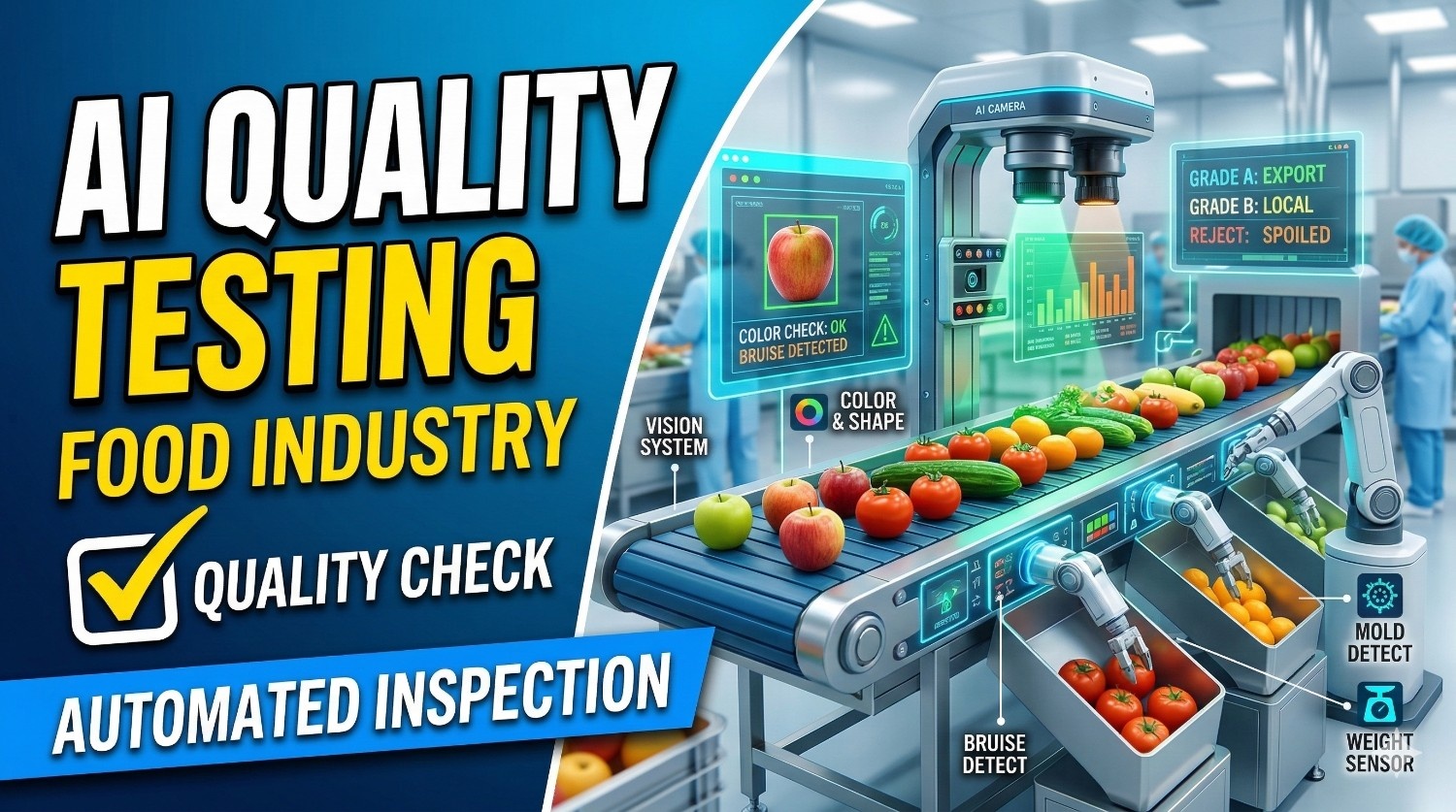
• Vision systems recognize item shapes, labels, and barcode information 🏷️
• AI models classify items according to predefined sorting rules 🤖
• Systems detect irregular or damaged packages automatically ⚠️
• Automated inspection improves accuracy compared to manual processes ✔️
• Identification occurs while items move along the conveyor system 📦
6. Optimizing Throughput and Flow Efficiency 🚀
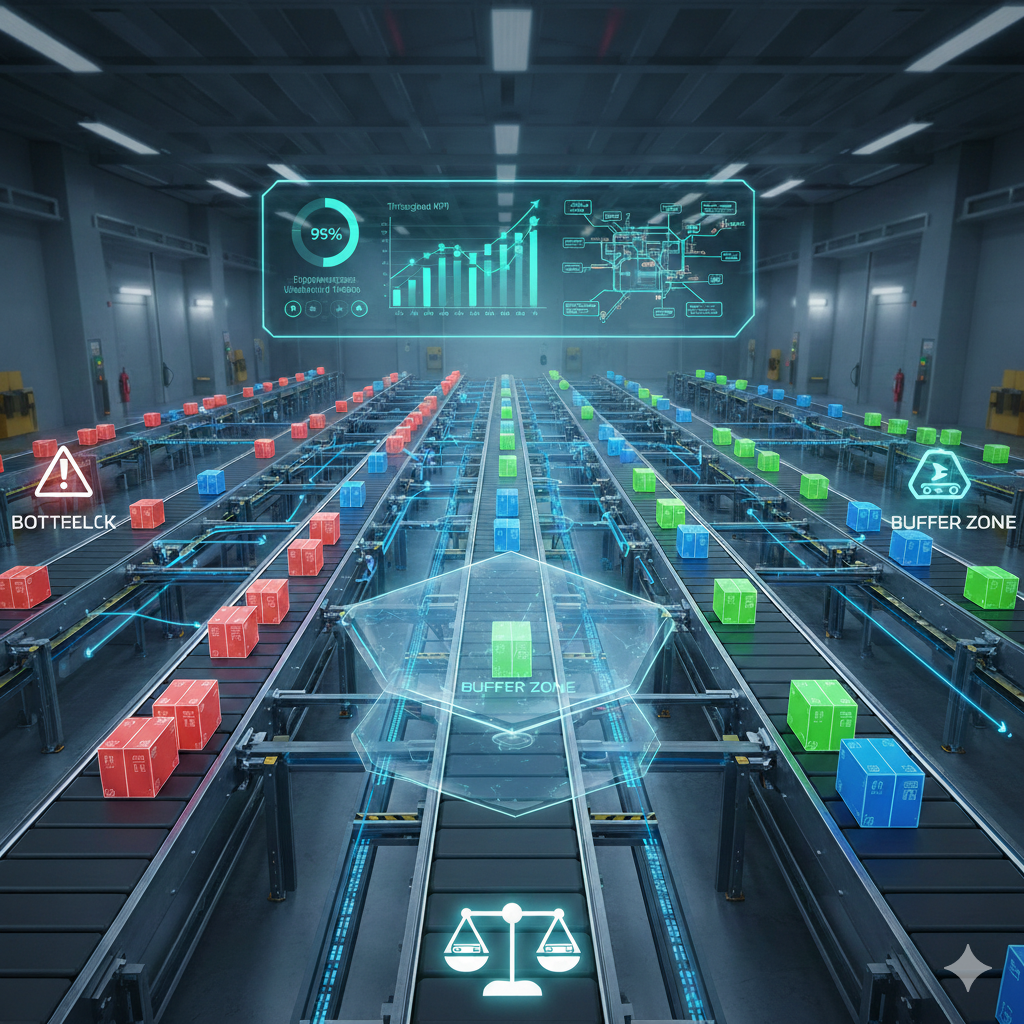
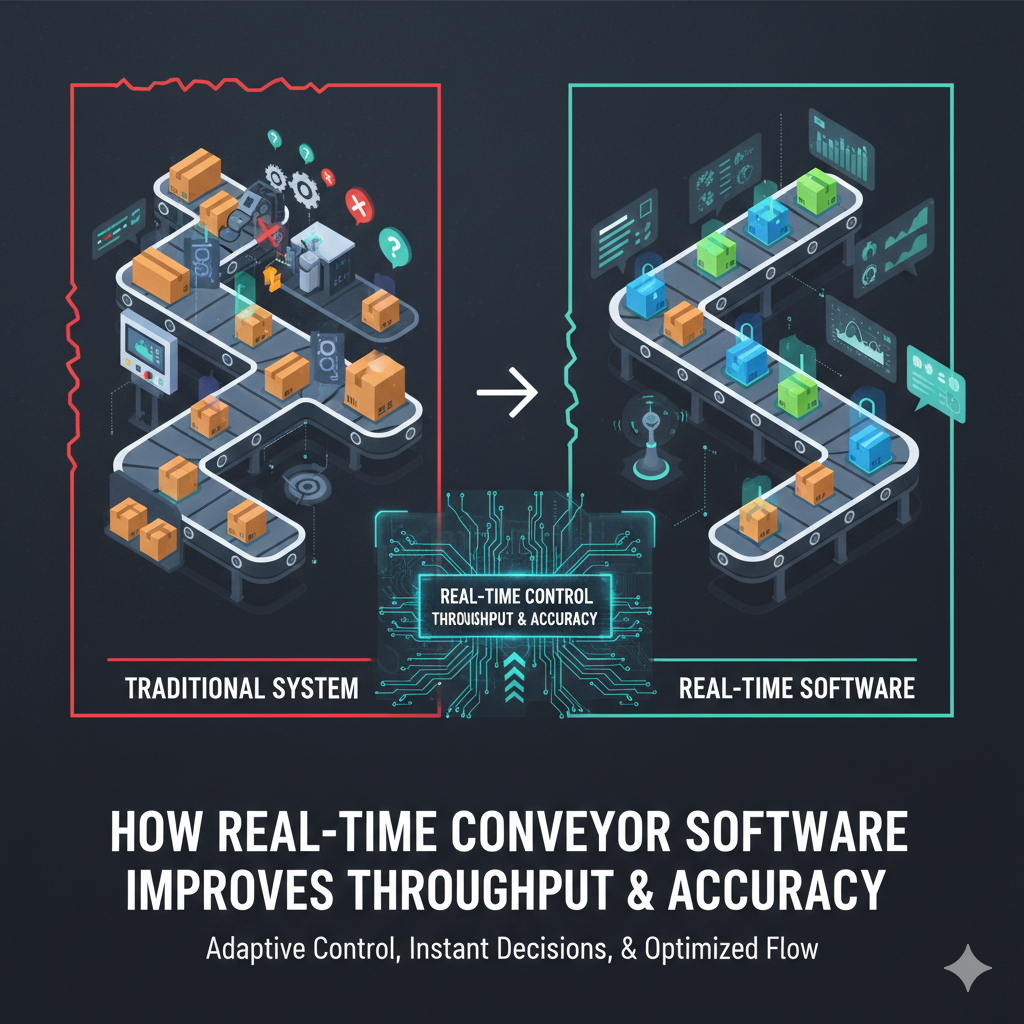
• Conveyor speeds adjust dynamically to maintain balanced item flow ⚡
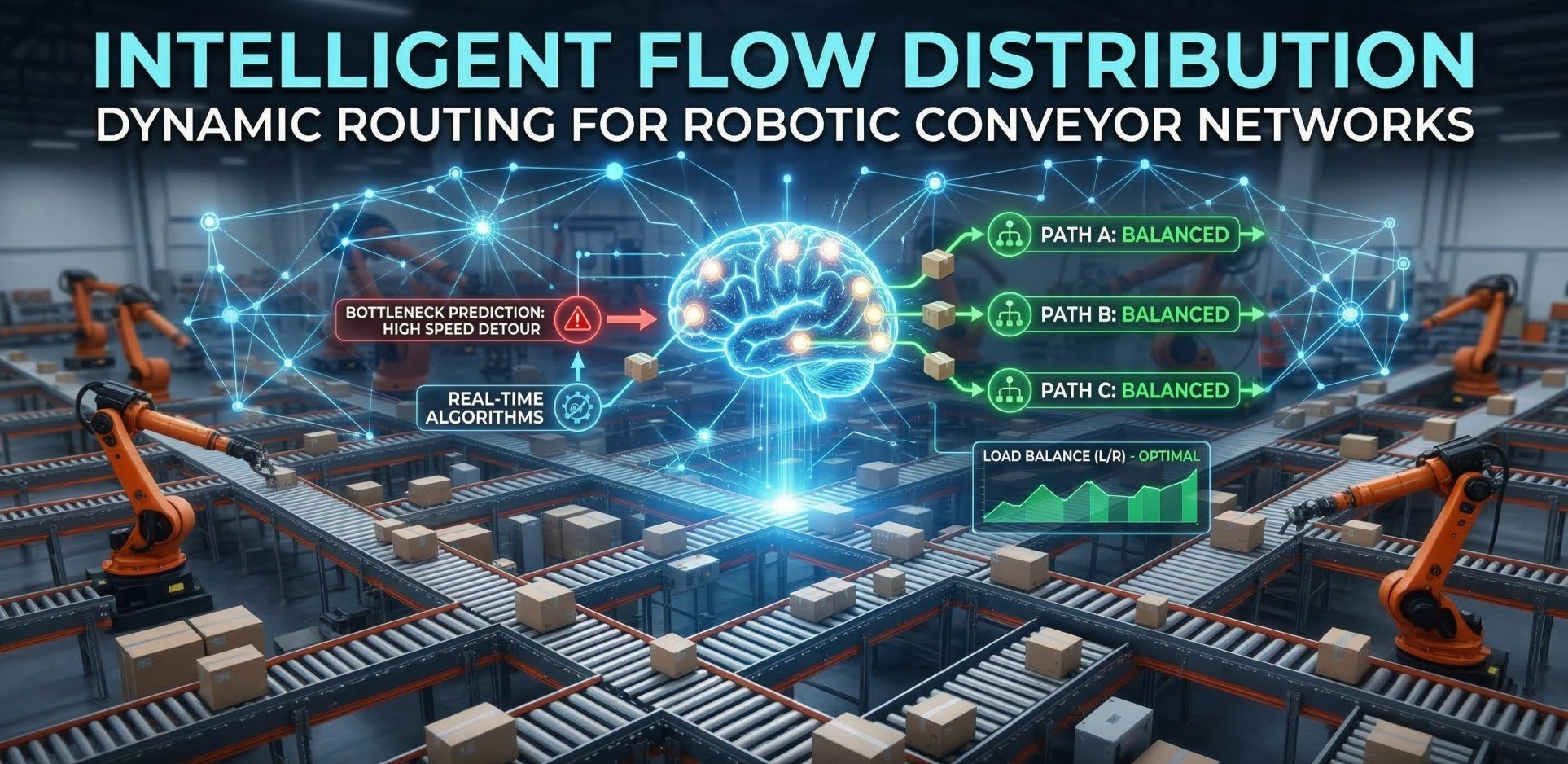
• Sorting logic distributes workloads across multiple robotic stations ⚖️
• Bottlenecks are detected and resolved through automated routing adjustments 🔄
• Systems prioritize urgent or high-value shipments when necessary 📦
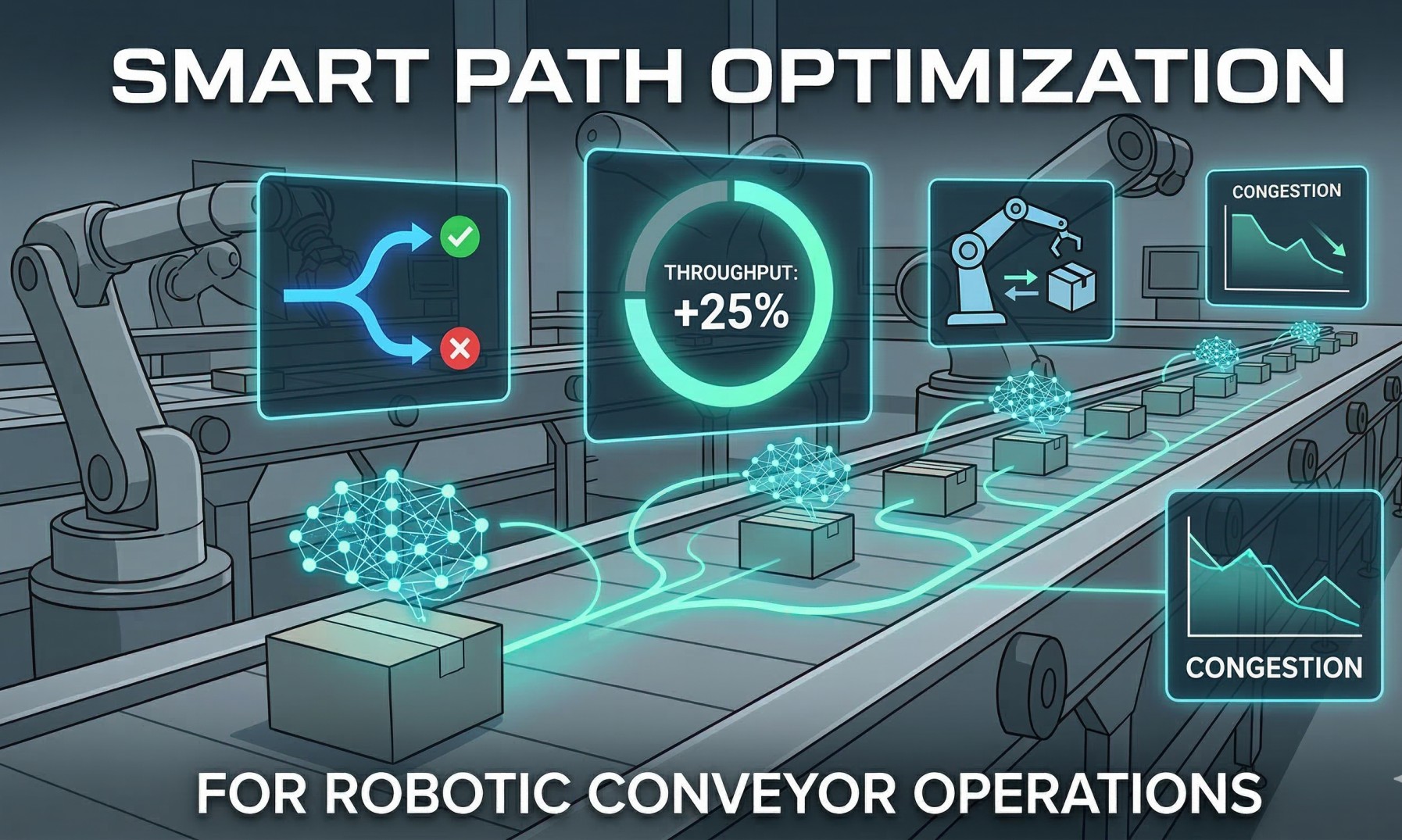
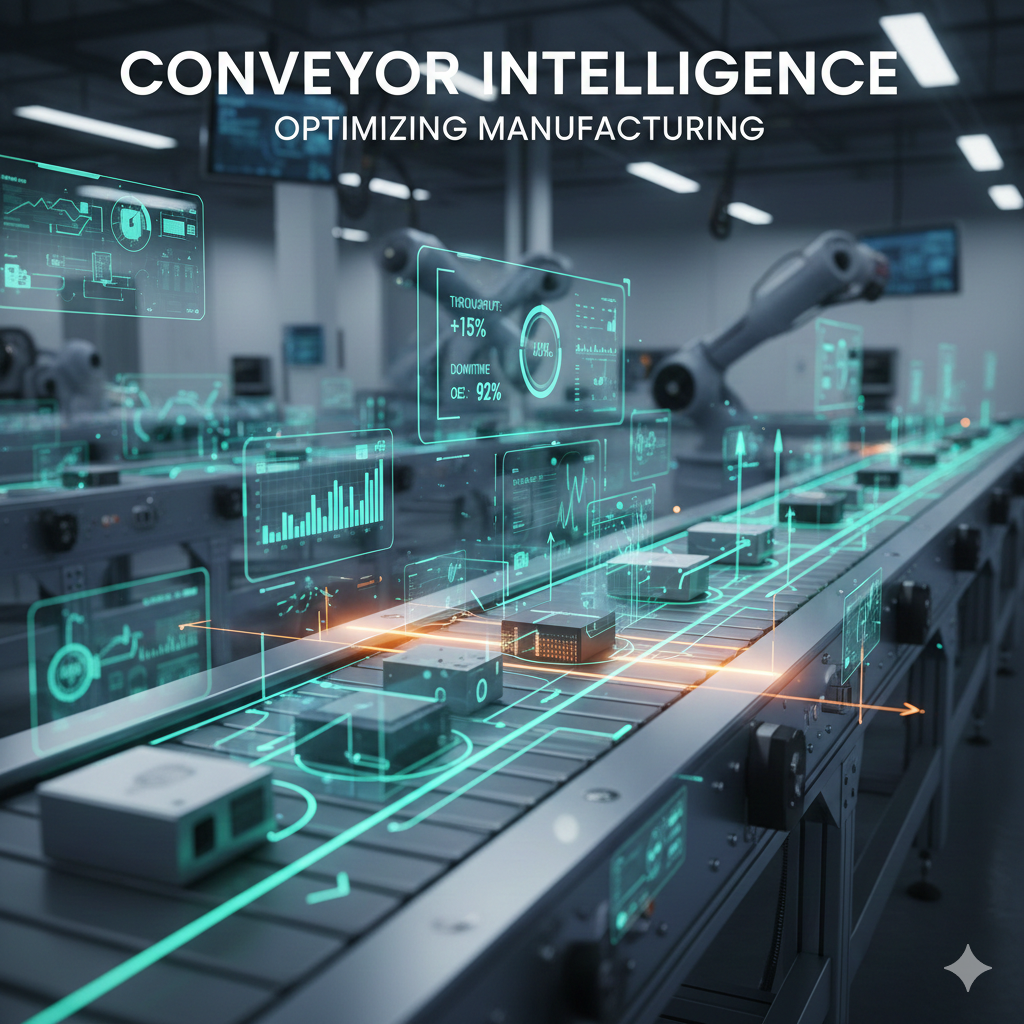
• Continuous optimization increases overall facility productivity 📈
7. Scalability and System Adaptability 🔧
• Modular conveyor and robotic designs support future expansion 🏗️
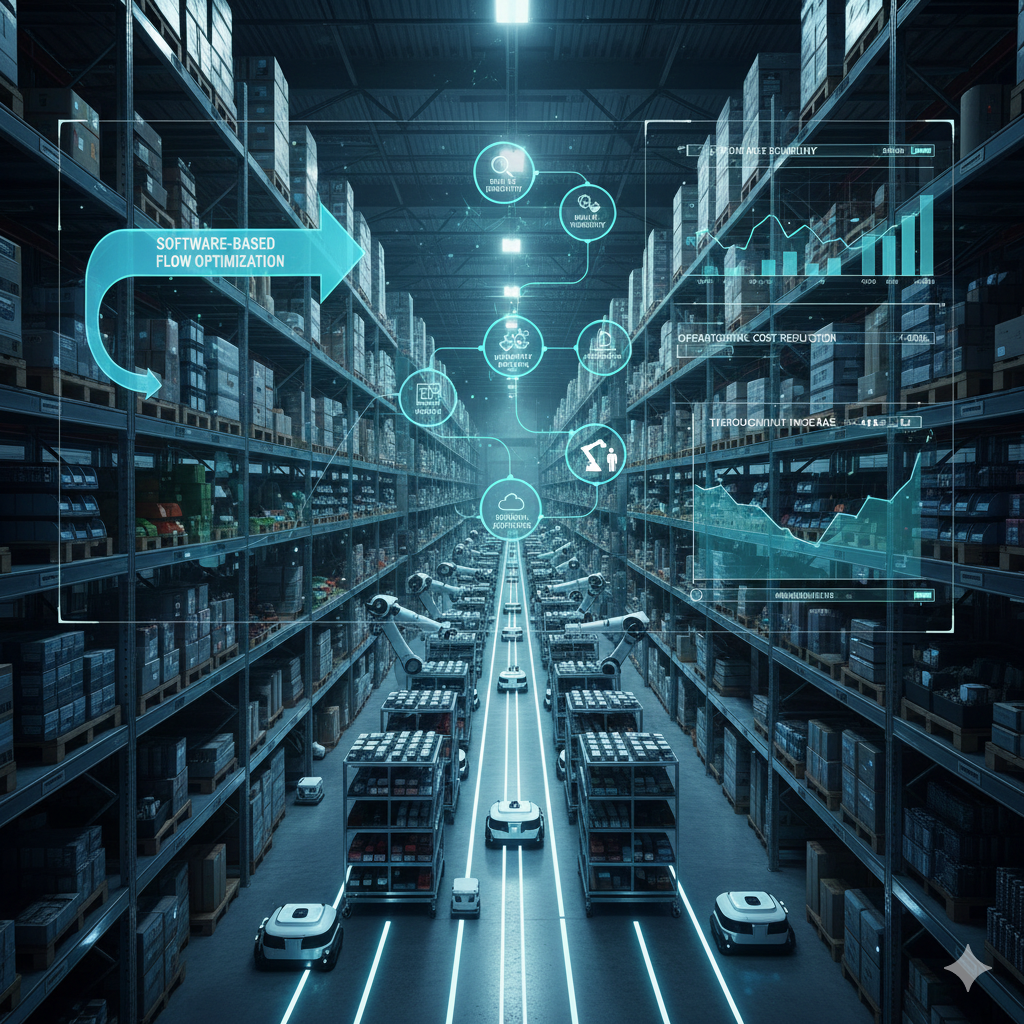
• New sorting rules can be configured through software rather than hardware changes 💻
• Platforms adapt to seasonal demand shifts or evolving product mixes 📦
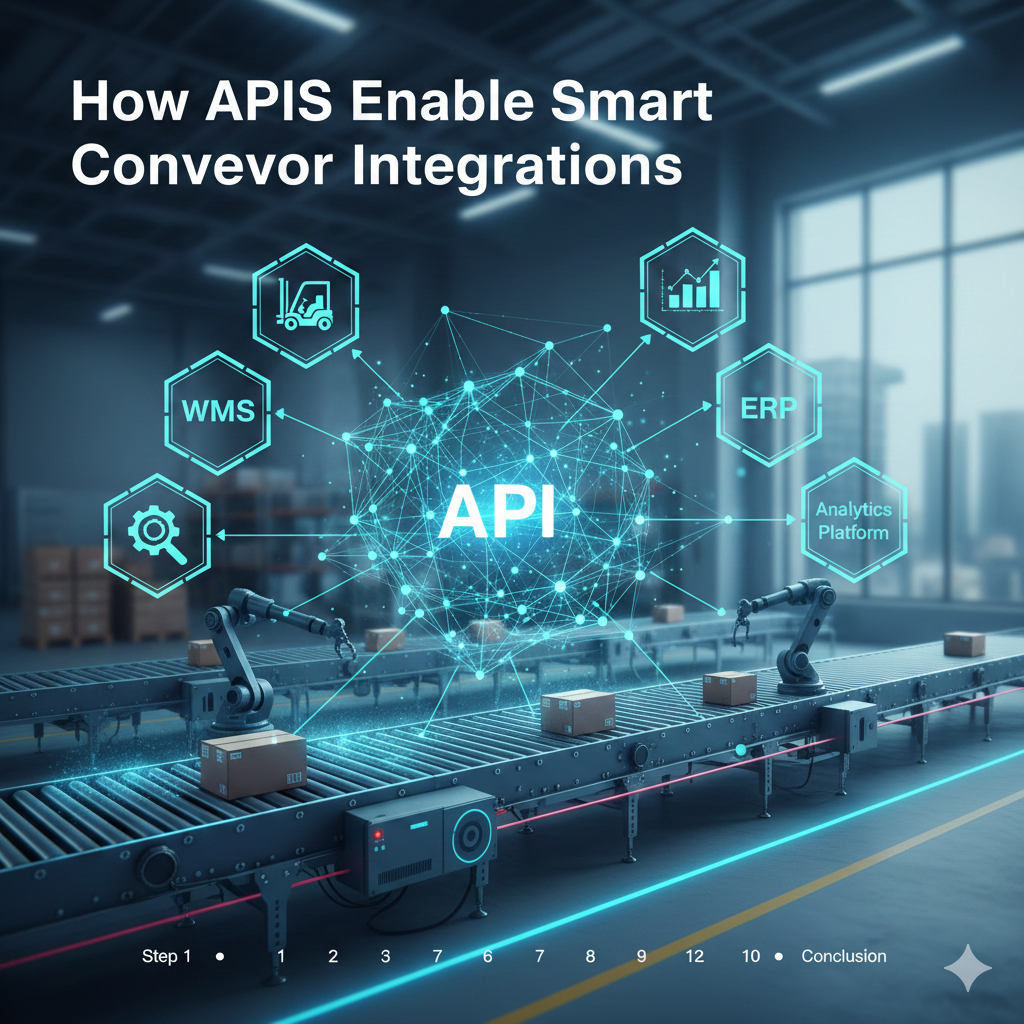
• Integration with warehouse management systems improves operational coordination 🔗
• Systems evolve without requiring full infrastructure replacement ♻️
8. Key Strategic Benefits of Intelligent Robotic Sorting ⭐
• Significant improvement in sorting speed and operational throughput 🚀
• Greater sorting accuracy with fewer handling errors ✔️
• Reduced dependence on manual labor for repetitive tasks 🤖
• Real-time operational visibility for stronger decision-making 📊
Conclusion
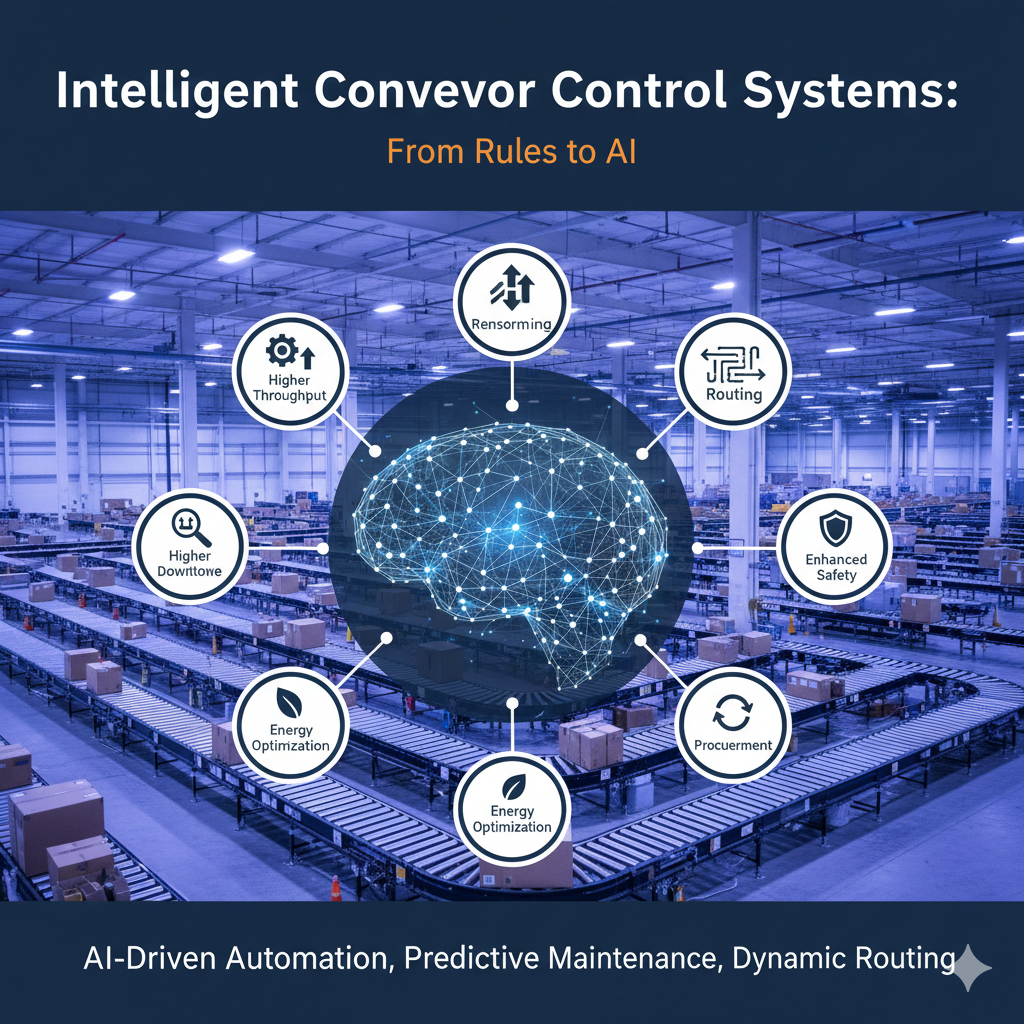
Intelligent robotic sorting powered by conveyor control platforms is transforming modern material handling environments. By combining robotics, sensors, machine vision, and centralized control software, organizations can automate complex sorting processes while maintaining flexibility and efficiency. As logistics operations continue to grow in scale and complexity, these integrated platforms will play an essential role in enabling faster, more reliable, and scalable sorting solutions.
See more blogs
You can all the articles below